Abstract

To understand the lack of space for media freedom in Iraqi Kurdistan,
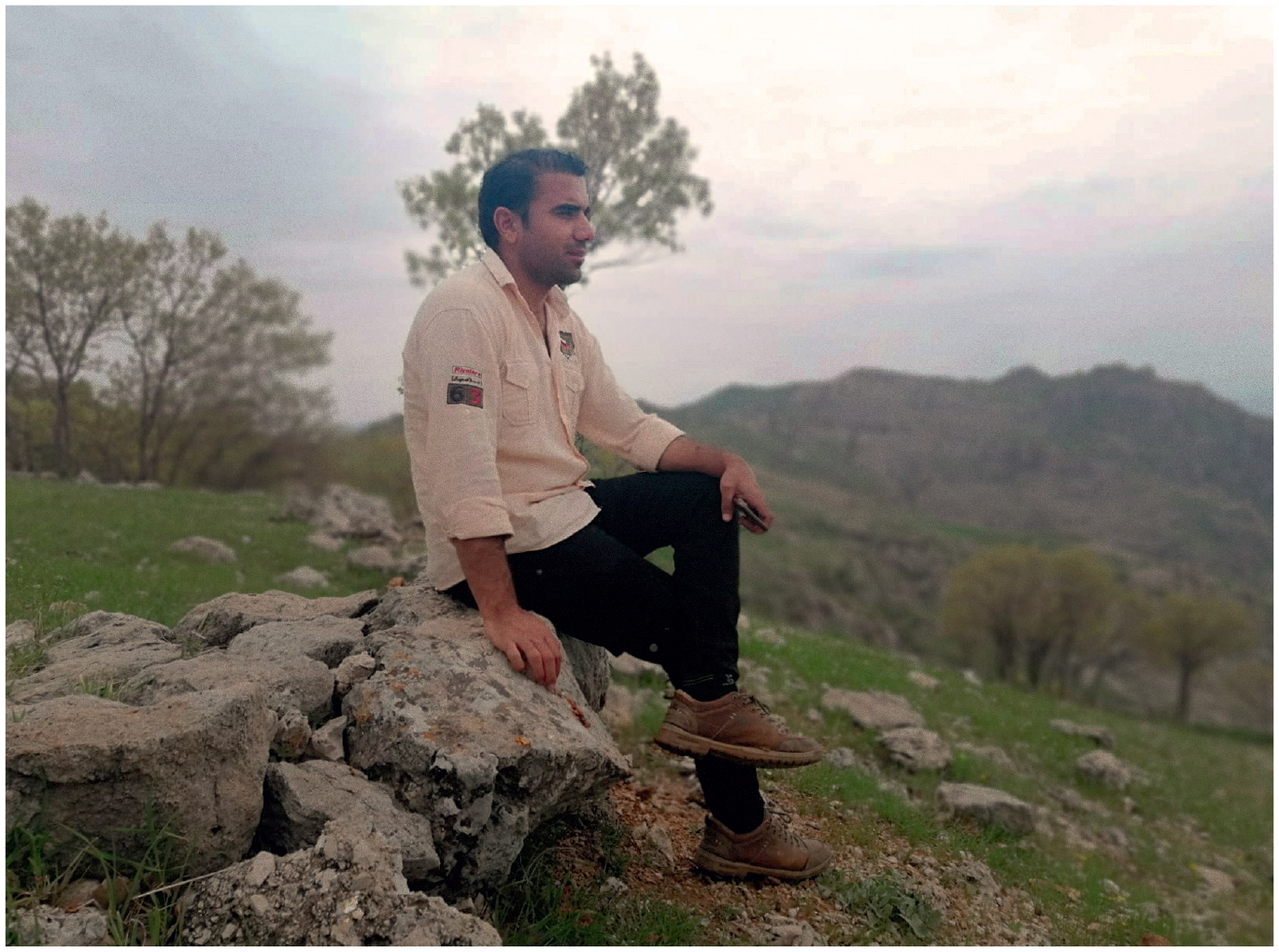
Journalist Guhdar Zebari, before he was imprisoned in Iraqi Kurdistan
CREDIT: The family of Guhdar Zebari
"Journalists are targeted in the Kurdistan Region. We don’t feel safe," Zebari told Index during a phone call from Erbil Adult Reform Prison.
The semi-autonomous region was once praised for its relatively tolerant approach to freedom of expression compared with its neighbours, but increasing attacks on journalists over the past decade have tarnished that reputation.
These days, even basic newsgathering is regarded as potentially suspect by the authorities. Desperate to maintain a positive global image and keep a lid on simmering popular discontent, the ruling parties employ a heavy-handed approach to those who deviate from established, partisan narratives.
Kurdish journalists who criticise powerful politicians can expect harassment or arrest by the security forces.
"It’s like a minefield, and if you step on something it will blow you up. Everything is sensitive when you are a journalist," Zebari added, speaking through an interpreter.
While his case and those of other imprisoned journalists in the Kurdistan Region have become emblematic of declining press freedom, they are also stories of human suffering - both for the journalists locked in their cells and for the families waiting on the outside.
Zebari is from Akre, a town perched dramatically on a mountainside 39 miles north of Erbil. Despite the sea of oil beneath the surrounding ridges and valleys, unemployment is persistently high. Unable to find work or express themselves politically, many locals have attempted the dangerous journey to Europe as migrants and asylum seekers.
The Kurdistan Democratic Party (KDP) controls the area and moves quickly to suppress public expressions of dissent. When teachers tried to protest in Duhok in May 2020 to demand months of unpaid salaries, it arrested dozens of people who turned up.
As criticism grew louder into the autumn of 2020, KDP-affiliated security forces, known as the Asayish, began arresting dozens of journalists and activists. At the time, Zebari was working on a story about migration for local news website Peregraf as part of a training programme for young journalists sponsored by the German consulate in Erbil.
On the night of 22 October 2020, Zebari was staying at his sister’s house in Akre when 13 vehicles full of Asayish arrived. They blindfolded him, bound his hands and feet, and took him away for intense questioning. They also seized a rifle that his grandfather bought in the 1960s for hunting birds.
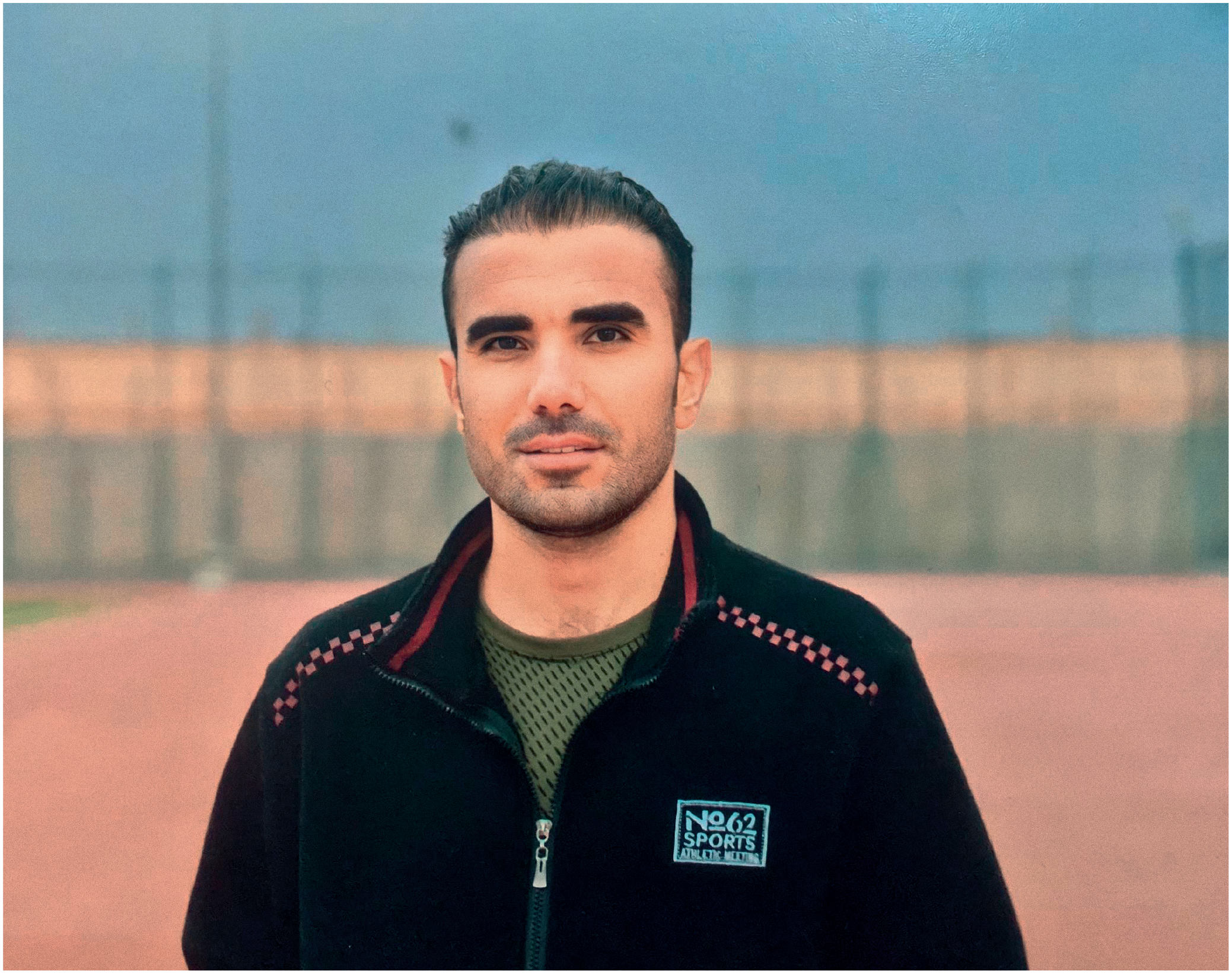
Zebari received a six-year prison sentence for "endangering the national security of the Kurdistan Region"
On 16 February 2021, Zebari was sentenced to six years in prison alongside four co-defendants, including fellow journalist Sherwan Sherwani, on charges of "endangering the national security of the Kurdistan Region".
There was a major local and international outcry. Human rights groups viewed the charges as political retribution for criticising powerful members of the KDP, while the UN found that proceedings lacked basic due process, with claims of forced confessions not being addressed and poor access to lawyers.
Their sentences were later commuted by 60% and they were set to be released on 16 March this year.
On that day, however, prison authorities notified Zebari’s lawyers that he was facing new charges related to a minor traffic violation. He was convicted and sentenced to seven additional months in prison with a release date of 16 August, which included a reduction based on imprisonment guidelines.
His family planned a celebration and eagerly awaited his release, his older brother Zedan told Index. But that joyous reunion was not to be. Prosecutors again indicted him on new charges of illegal firearms possession, using his grandfather’s rifle as evidence.
According to Zebari, he was unable to meet his lawyers following that indictment. Despite key prosecution witnesses failing to turn up for the trial, he was convicted on 1 October and given six more months in prison. He is now scheduled for release on 16 February 2024, according to his legal team.
Zedan Zebari said that the whole family was suffering as a result of his brother’s imprisonment. His cousins struggle to find work due to pressure on local employers from the KDP.
"But the pain that my mum and my dad have is incomparable," he said. "They are counting the days and have a lot of hope that Guhdar will be released. But then on the day [the prosecutors] make a new accusation. It has a snowballing effect.
"My mum and dad, they are very traumatised. They have nightmares."
Zebari and his family are not alone. More than 300 journalists and media outlets experienced a violation of their rights during the course of their work in the Kurdistan Region in 2022, according to local press freedom watchdog Metro Centre. This is part of a trend of increasing violations over the past decade.
Sherwani, Zebari’s co-defendant, has been subjected to a similar, specious prosecution in recent months. On 20 July, he was convicted of using fraudulent documents while in prison and sentenced to four more years.
In the face of heavy criticism from local and international rights groups and foreign governments, the Kurdistan Regional Government (KRG) is adamant that it respects freedom of the press.
"We haven’t arrested any journalists for caricatures, speech or their opinions," claimed KRG spokesperson Peshawa Hawrami, a former KDP member of parliament. "Regarding Guhdar Zebari, it is the court’s decision. We never want to interfere or let anyone interfere in the court’s decisions."
But in Kurdistan, the rule of law is weak and judges are frequently appointed because of their ties with the KDP or the Kurdistan Region’s other ruling party, the Patriotic Union of Kurdistan (PUK).
One week before Zebari’s first trial in February 2021, KRG prime minister Masrour Barzani told a press conference that the defendants were "spies" and "saboteurs", although he did not present any evidence to support his claim.
Sherif Mansour, Middle East and North Africa programme co-ordinator at the Committee to Protect Journalists, explained that misclassifying journalists and indicting them on spurious charges unrelated to their work was a common tactic used around the world to restrict freedom of expression.
"We are used to these accusations … It’s not up to any government to define what is journalism and who is considered a journalist," he said. "These governments are trying to stop national debate and discussion."
Zebari urged the international community not to listen to "hypocritical" political leaders in the Kurdistan Region, who falsely claim to be upholding human rights.
"If you want to know about freedom of the press in the Kurdistan Region, just talk to the people who have paid the price, like us. Talk to our families, how they have suffered," he said.
"But we are not broken. We are still in prison and fighting for freedom of the press."
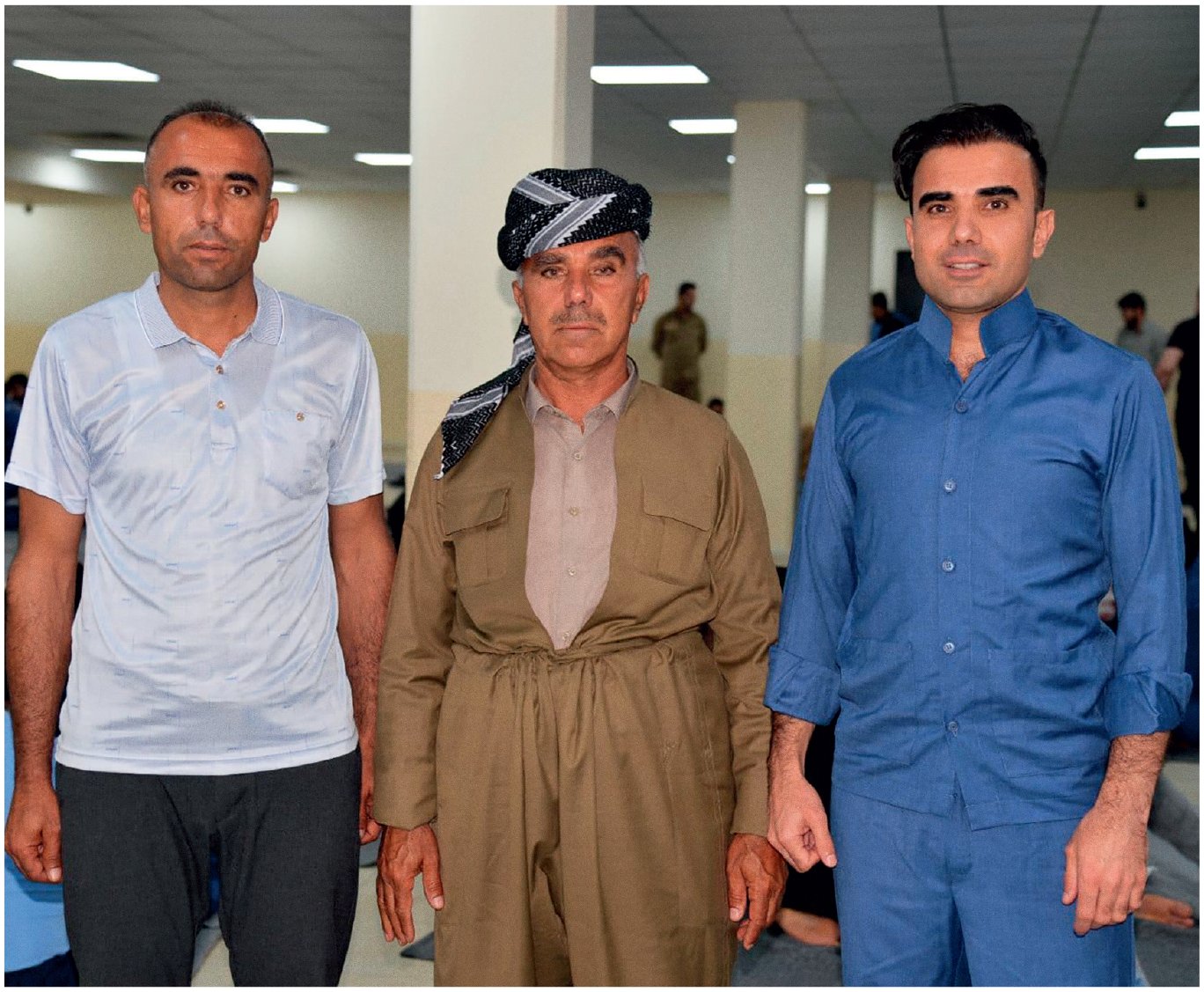
Guhdar Zebari stands with his father and brother, as they visit him at Erbil Adult Reform Prison in July 2023
CREDIT: The family of Guhdar Zebari