




Abstract
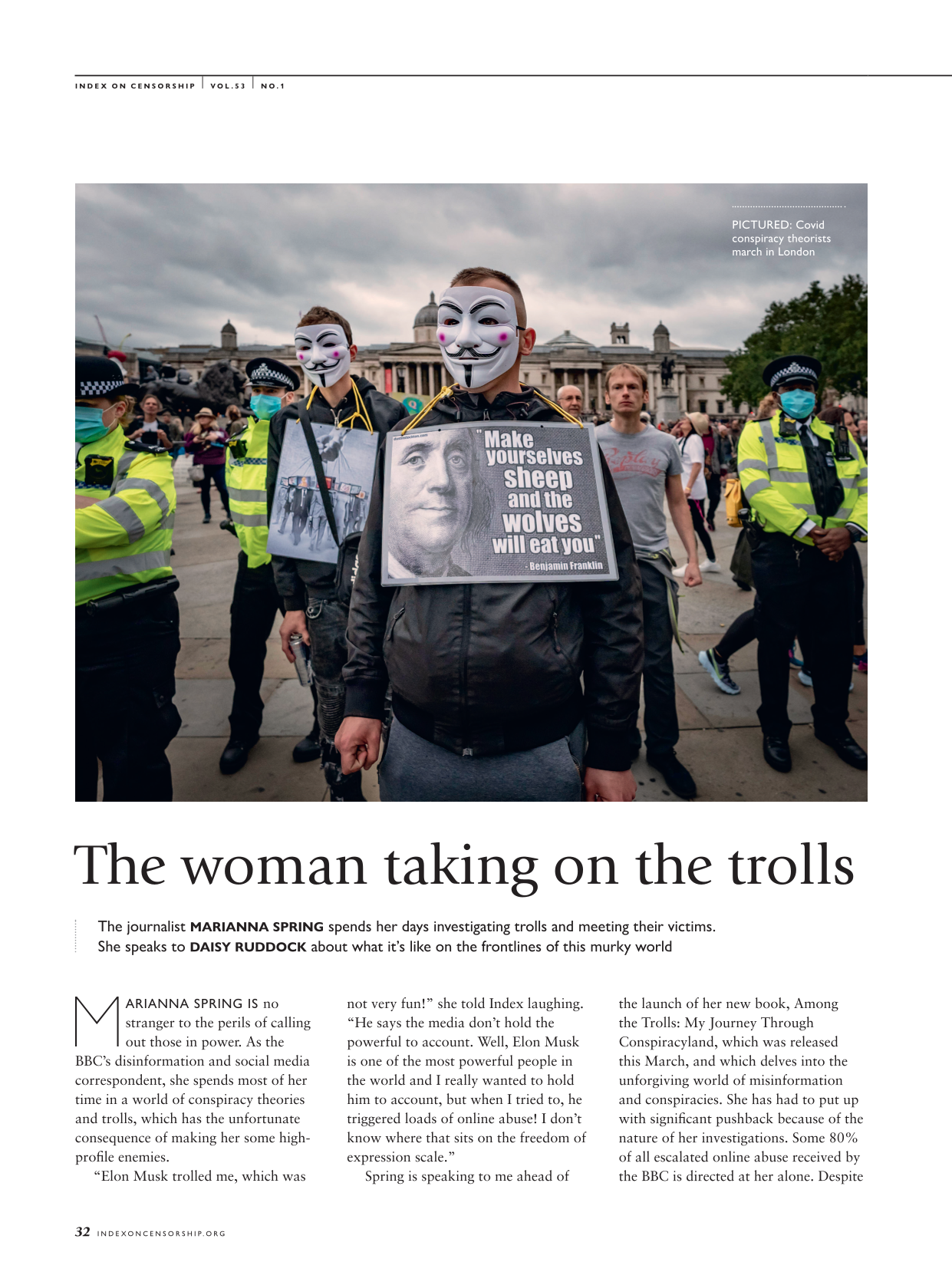
The journalist
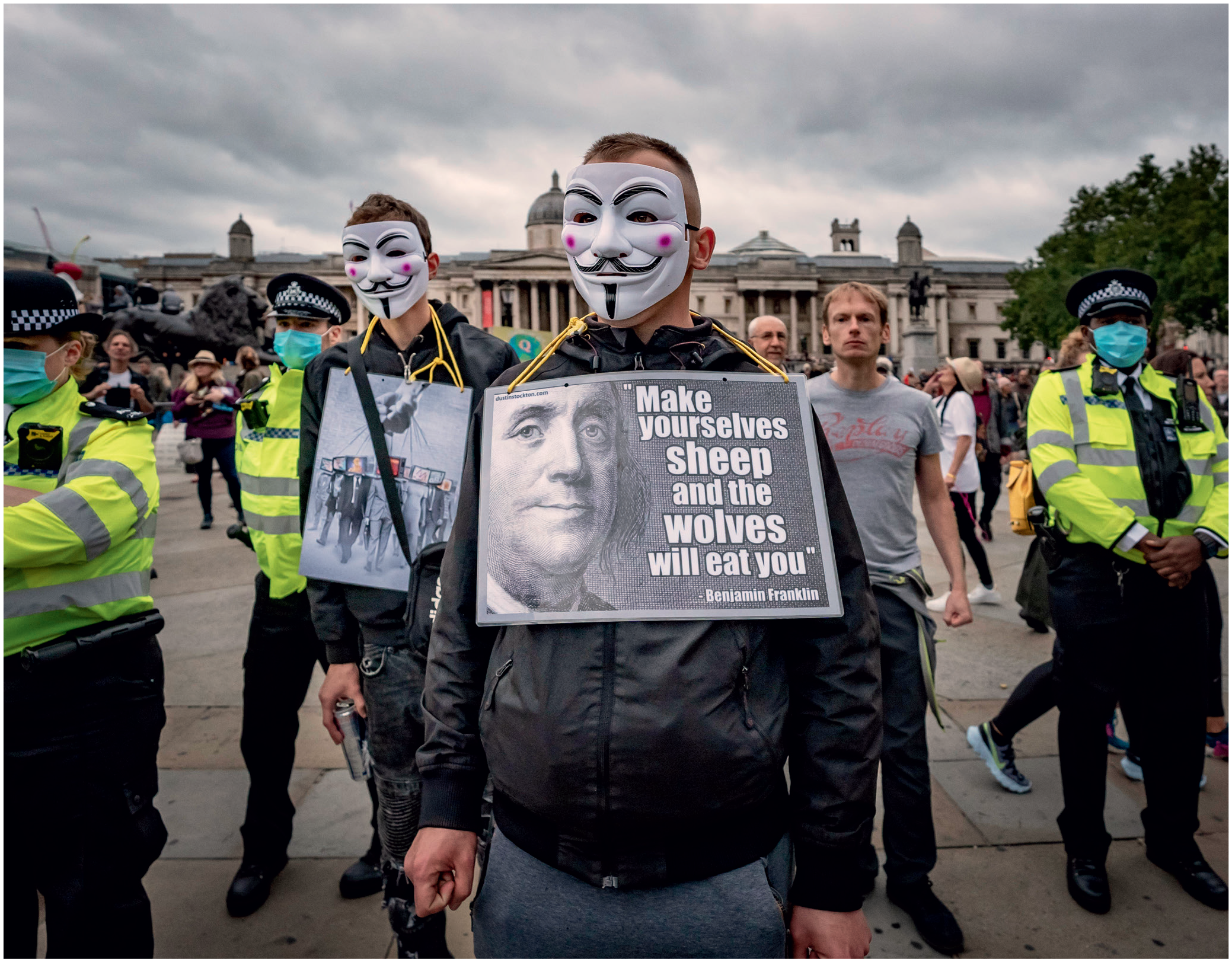
PICTURED: Covid conspiracy theorists march in London
CREDIT: Guy Corbishley/Alamy
“Elon Musk trolled me, which was not very fun!" she told Index laughing. “He says the media don’t hold the powerful to account. Well, Elon Musk is one of the most powerful people in the world and I really wanted to hold him to account, but when I tried to, he triggered loads of online abuse! I don’t know where that sits on the freedom of expression scale.”
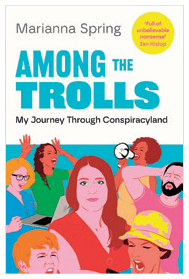
Spring is speaking to me ahead of the launch of her new book, Among the Trolls: My Journey Through Conspiracyland, which was released this March, and which delves into the unforgiving world of misinformation and conspiracies. She has had to put up with significant pushback because of the nature of her investigations. Some 80% of all escalated online abuse received by the BBC is directed at her alone. Despite this, Spring says she won’t hold back.
“I try really hard to not let that happen, because I think the goal of online abuse is to discourage you from doing your job,” she said. “It’s effectively a tool that’s used to try and silence you.”
However, that doesn’t mean the abuse hasn’t made an impact.
“I love investigating this world because I think it’s really important and it’s exciting and interesting, but it makes you a real lightning rod for hate and criticism,” she admitted. “Criticism is totally fine, but not hate and trolling.”
One thing she has considered, she said, was quitting X. “X has changed phenomenally for me in terms of how my feed works. A lot of the people who send me abuse now have blue ticks, so what they send me is very visible,” she said. “Pile-ons are more frequent than they were before.”
Spring’s book could hardly have come at a more appropriate time, which she admits is a “slightly happy accident”. The recent rise of AI has exacerbated the problem of misinformation, and with four billion people heading to the polls in a historic electoral year the issue has become even more urgent.
“The timing of this feels like we’re coming to the end of one chapter and entering a new one, but with all the problems of the old chapter,” she said.
Spring worries that as difficult as disinformation is to identify and control now, AI will only worsen the problem. She points to one example she investigated recently of an AI-generated recording of London mayor Sadiq Khan circulated online. “Audio is so much harder to verify, you can’t spot the seven fingers that the AI-generated videos or photos have. I think that’s my biggest worry going into this election year.”
Addressing the problem of misinformation in the age of social media seems like an almost insurmountable task. Spring’s approach is to zone in on the most harmful and viral cases and reach out to the individuals involved to interrogate their feelings. “I hope that by taking one case at a time I can help people understand how that’s chipping away at what we actually take for granted in our society”, she said.
Naturally for someone calling out misinformation, Spring is heavily involved in conversations about free speech. “A lot of the stuff I investigate is inhibiting and affecting other people’s freedom of expression. If you are being repeatedly hounded or abused online, your freedom of expression is compromised,” she said. “I focus on a lot of the most extreme disinformation where it’s incredibly clear cut that it’s false. What I’m doing is exposing the harm that these extremist truths can cause rather than policing what people say or don’t say.”
Not everyone sees it that way. The online trolls who relentlessly follow her claim that by fact-checking mistruths she infringes on people’s right to free expression, an argument with which Spring firmly disagrees.
“I find it quite hard to understand when people imply that I’m somehow inhibiting freedom of expression, yet they think it’s fine to send death threats and hate to a reporter in a democracy. I think if you believed in freedom of expression you wouldn’t be doing that!" She added: “I’m always happy for people to challenge what I have to say.”
Marianna Spring’s new book, which builds on her work at the BBC concerning misinformation and conspiracy theories
In her book, as in her work at the BBC, Spring addresses misinformation in various forms. As well as speaking to individuals harmed by fringe groups such as disaster trolls claiming that the 2017 Manchester Arena bombings were staged, she looks at wider issues including state-sponsored disinformation campaigns. She identifies Russia as being “particularly active" in this regard.
“There’s some really good analogies about Russia and disinformation, this idea of it being this firehose of mistruths. It’s just a constant bombardment of stuff that’s often quite brazen, outright lies,” she said.
Her investigations of Russia resulted in her being included in a list of UK individuals who have been sanctioned by the state, which she says hinders her work. “[Russia] said that me and other journalists that I’ve worked with have been put on this list for being like George Orwell’s 1984, and I was thinking this all feels so topsy-turvy!”
With such a growing profile, the BBC correspondent is aware of the risk of amplifying the very misinformation she seeks to confront. When weighing up whether to highlight an issue, Spring tells me she considers two factors: how viral has it gone and is it causing real world harm? “We should always be asking ourselves both of those questions, because I think there’s a risk that people jump on it and then you become part of the problem.”
Spring is particularly mindful of this because she worries that a fringe view can suck in anyone. “We all think we are immune to misinformation and actually I just don’t think any of us are.”