




Abstract
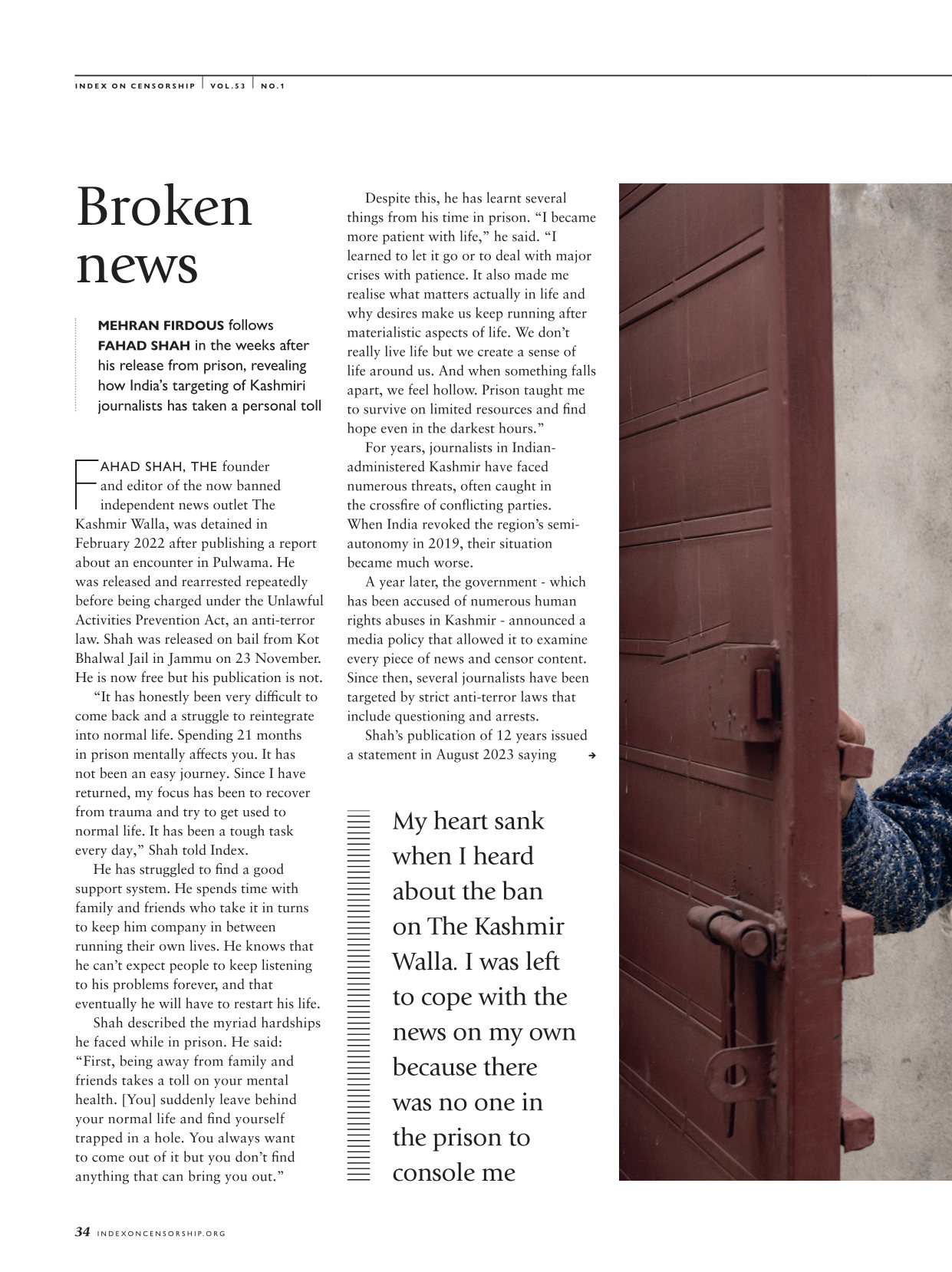
“It has honestly been very difficult to come back and a struggle to reintegrate into normal life. Spending 21 months in prison mentally affects you. It has not been an easy journey. Since I have returned, my focus has been to recover from trauma and try to get used to normal life. It has been a tough task every day,” Shah told Index.
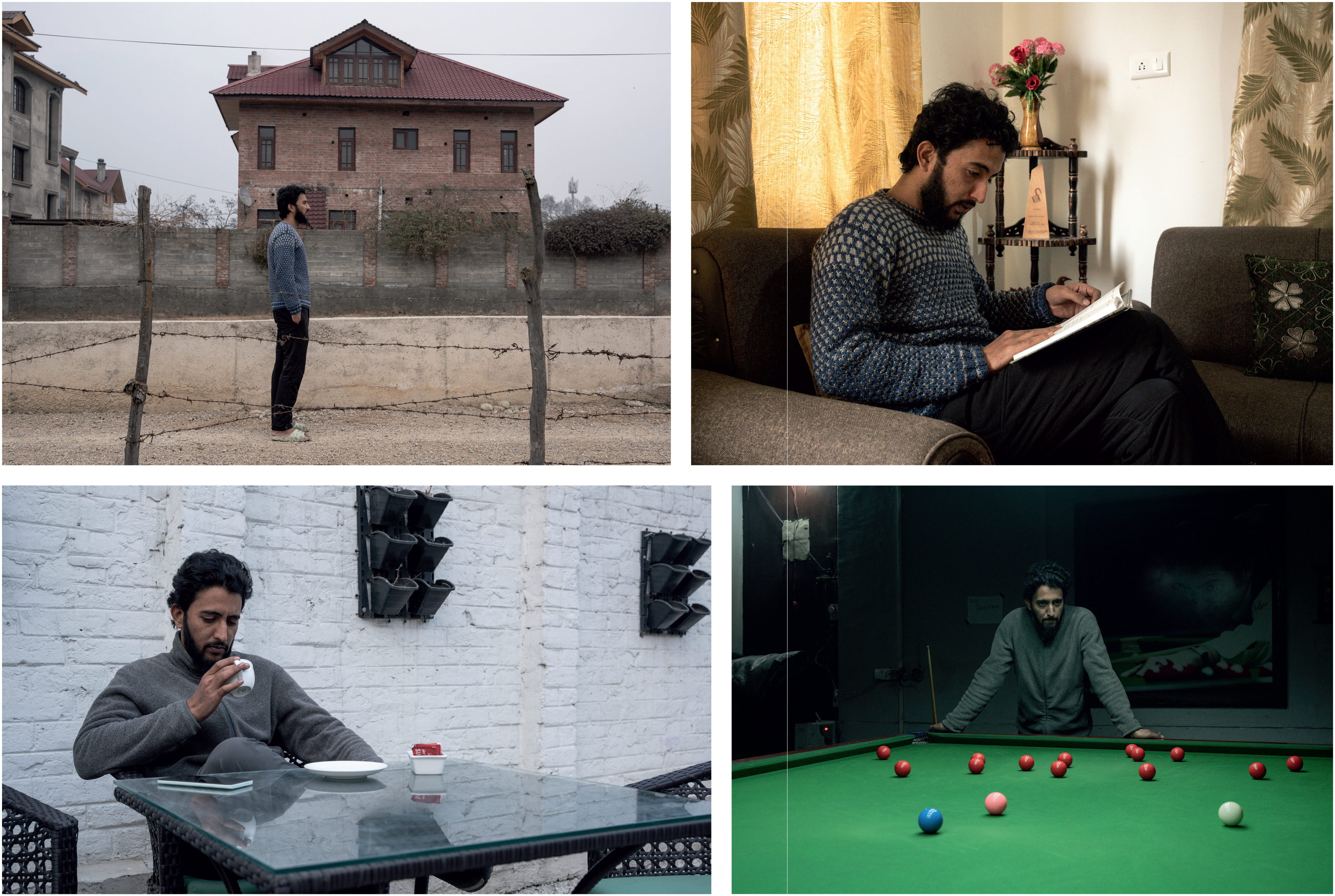
He has struggled to find a good support system. He spends time with family and friends who take it in turns to keep him company in between running their own lives. He knows that he can’t expect people to keep listening to his problems forever, and that eventually he will have to restart his life.
Shah described the myriad hardships he faced while in prison. He said: “First, being away from family and friends takes a toll on your mental health. [You] suddenly leave behind your normal life and find yourself trapped in a hole. You always want to come out of it but you don’t find anything that can bring you out.”
Despite this, he has learnt several things from his time in prison. “I became more patient with life,” he said. “I learned to let it go or to deal with major crises with patience. It also made me realise what matters actually in life and why desires make us keep running after materialistic aspects of life. We don’t really live life but we create a sense of life around us. And when something falls apart, we feel hollow. Prison taught me to survive on limited resources and find hope even in the darkest hours.”
For years, journalists in Indian-administered Kashmir have faced numerous threats, often caught in the crossfire of conflicting parties. When India revoked the region’s semi-autonomy in 2019, their situation became much worse.
A year later, the government - which has been accused of numerous human rights abuses in Kashmir - announced a media policy that allowed it to examine every piece of news and censor content. Since then, several journalists have been targeted by strict anti-terror laws that include questioning and arrests.
Shah’s publication of 12 years issued a statement in August 2023 saying that it had become inaccessible in India due to an order from the Ministry of Electronics and Information Technology to block its website under the Information Technology Act, without any prior notification.
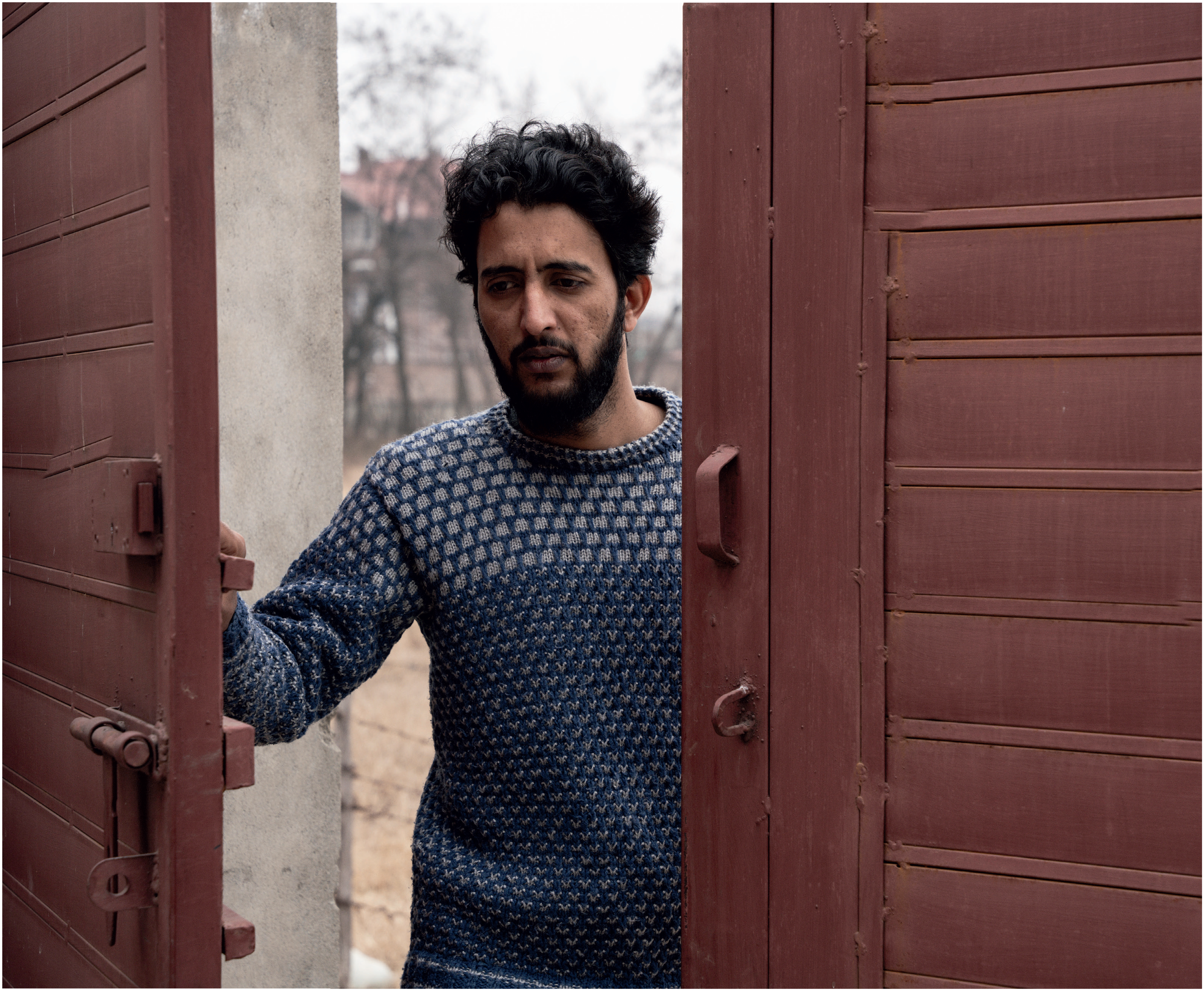
PICTURED AND OVERLEAF: Fahad Shah, editor of The Kashmir Walla, returning to his life in Jammu and Kashmir after many months in prison. His paper has been shuttered following a sweeping attack on indepedent media and critical figures ordered by the Indian government
CREDIT: Mehran Firdous
CREDIT: Mehran Firdous
“My heart sank when I heard about the ban on The Kashmir Walla. I was left to cope with the news on my own because there was no one in the prison to console me,” Shah said. “There’s no doubt that processing this development will take time. I still feel sad when I think back on the times I spent there with my co-workers, since The Kashmir Walla was like a second home to me. It provided many young journalists with an invaluable platform to develop, learn and make a living.”
When it comes to the restoration of The Kashmir Walla, Shah hasn’t given it much thought. He has been out of prison for only a few weeks, and the task of bringing back a banned publication is taking a backseat for now.
“My current priority is my personal recovery. I aspire to return to my office and work with my team again, but at the moment waiting is my only option, for now it feels like a dream to work at The Kashmir Walla office again.”