




Abstract

The Indian government may have withdrawn its latest plans for a new broadcasting law, but the prime minister still intends to bring his online critics to heel, writes
LEFT: Prime Minister Narendra Modi at Hansa Dwar, Parliament House in November this year. The current status of a new bill aiming to regulate broadcasters and content creators is unknown
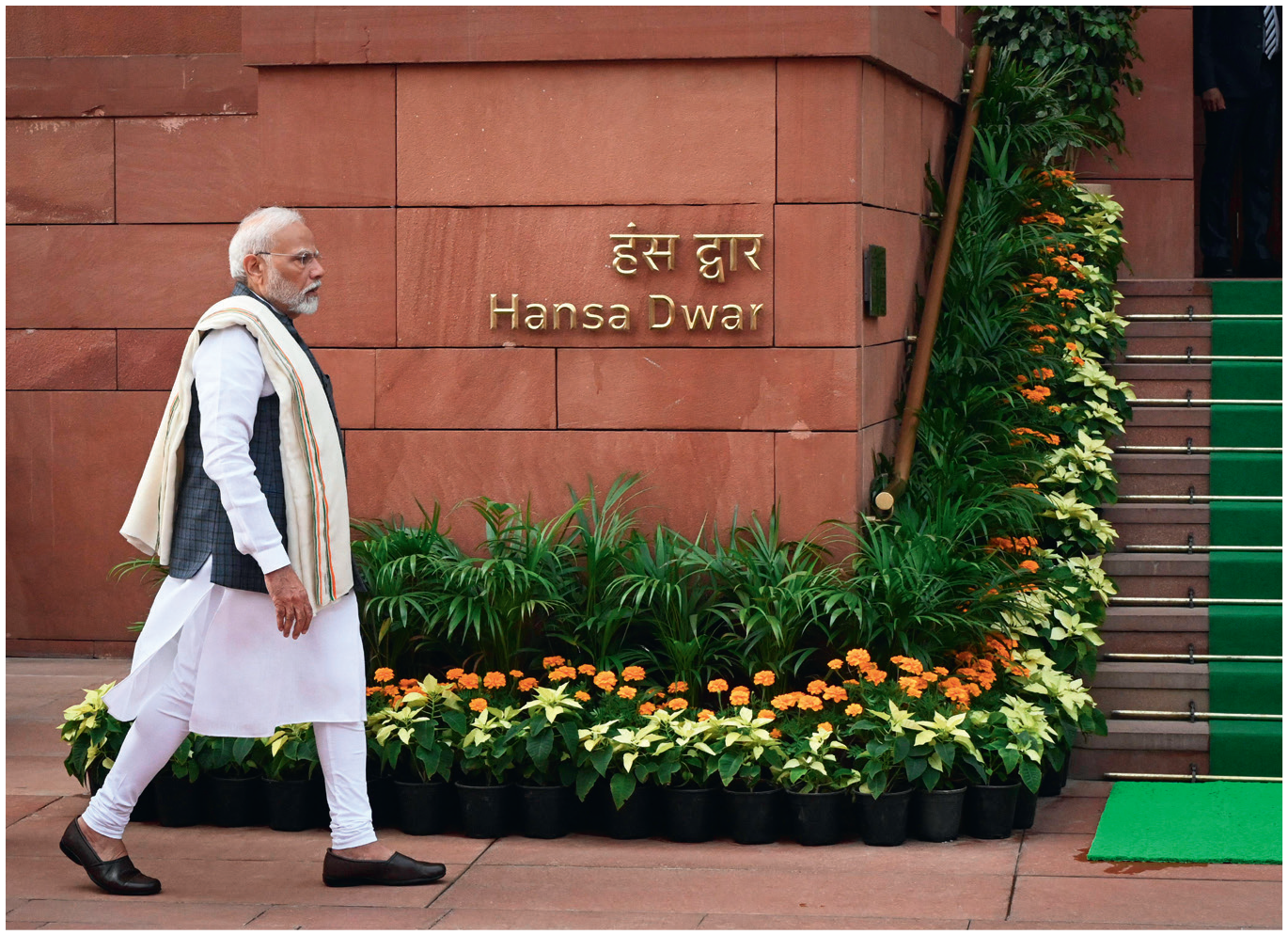
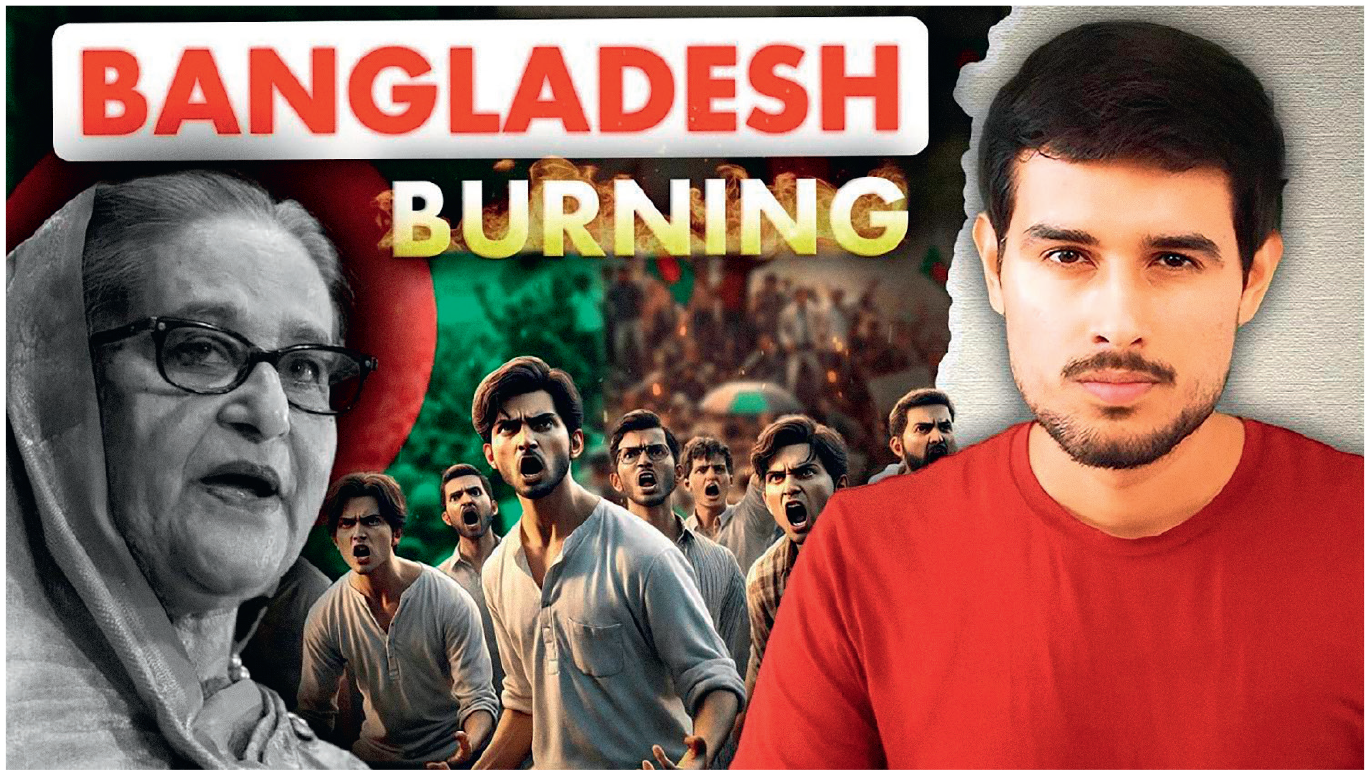
ON 1 APRIL, less than a month before India went to the polls, a young YouTuber named Dhruv Rathee released a video calling India’s Hindu nationalist prime minister a dictator. Speaking in a loud, declamatory style, Rathee delivered fact after fact, laying out how Narendra Modi had tried to throttle Indian democracy. The video ended with an appeal to vote against the prime minister.
At the time of writing, Rathee’s haranguing had garnered more than 37 million views on YouTube. And this does not take into account the many Indians who would have viewed it as a "forward" on WhatsApp.
With 25.9 million subscribers, Rathee is one of those who Indians increasingly turn to when they want to consume current affairs.
Another is Ravish Kumar, one of India’s most well-known journalists, who now broadcasts on YouTube and has more than 12 million subscribers.
These one-person channels frequently attract more views and subscribers than corporate-funded mainstream media channels.
For a decade, India’s mainstream media has stopped doing the job it’s meant to do - holding the powerful to account. Using a mixture of carrot and stick, Modi has ensured his government has little to fear from traditional broadcasters or newspapers, and the result is that Indians are now increasingly turning to the internet for news and opinion. This trend is so significant that Modi is making increasingly desperate attempts to control what takes place online.
Throttling the press
As a wave of autocratic strongmen sweeps the world, Modi arguably leads the pack. The power he commands and the ideological changes he has made to his country have few parallels, either globally or in India’s own history. The tactical keystone of this politics? Control over the country’s media.
In 2014, the country’s Congress-led liberal coalition crashed to a defeat, bringing Modi to power. This loss was portended by loud television debates bashing the government over corruption, women’s safety and, most of all, so-called Muslim appeasement. Once he came to power, Modi had digested that hard political lesson and was determined to ensure that it would not happen to him.
This was relatively easy to do, given the Indian media’s structure. Owned by large corporations who looked to court favour with the government, India’s powerful national television channels bent over backwards for the new prime minister.
In 2022, the majority of shares in NDTV - India’s last news network not seen to be pro-Modi - were bought by Gautam Adani, a billionaire seen not only as Modi’s close ally but one whose remarkable rise has been seemingly facilitated by his government. The change of NDTV’s ownership was like flipping a switch - the network simply stopped doing any critical reporting, leading to an exodus of its top journalists.
If not directly controlled through a proprietor, the Modi government can also influence media houses through ad spending. The main source of advertising income for legacy media houses in India is the government, and Modi has withheld ads from media houses seen as being critical of it.
Carrot and stick
What happens if a media house does not bend to Modi? The law provides massive powers to the federal government to regulate - and even ban - television networks. In 2022, it peremptorily shut down Malayalam-language news channel MediaOne, citing “national security” as a reason. While the ban was later reversed by the Supreme Court, the action had a chilling effect on news networks, which simply could not afford to be yanked off air overnight.
Starting in 2020, the Modi government employed even harsher provisions against a small, left-wing website called NewsClick.
First, India’s severe money-laundering laws were deployed against it.
Not satisfied, the government then charged it under terror legislation, which allows long prison terms to be imposed even before a court pronounces on the guilt of the accused. NewsClick’s founder, Prabir Purkayastha, spent more than seven months in jail before the Supreme Court granted him bail.
Modi has not been shy of using similar tactics against the BBC. In 2023, the government launched income tax raids against the British broadcaster’s offices in Delhi after the network aired a documentary critical of Modi’s role as chief minister in the 2002 anti-Muslim riots in Gujarat.
All this creates a climate where outright violence against journalists is common. Since Modi took power, 28 journalists have been killed. Reporters Without Borders calls India “one of the world’s most dangerous countries for the media”.
With the traditional media subdued, Modi is now swivelling his guns towards the internet. Last year, the government published the Broadcasting Services (Regulation) Bill, looking to regulate television and internet broadcasters (such as news streaming services). However, this year a new draft significantly expanded the bill’s scope to include internet content creators, apparently driven by the critical role social media had played in the general election where Modi sustained considerable losses.
RIGHT: Indians are increasingly turning to YouTubers such as Dhruv Rathee when they want news
CREDIT: (main) Sipa US / Alamy; (inset) Dhruv Rathee / YouTube
Copies of this bill were circulated privately by the government but then, just as abruptly, the bill was withdrawn.
Even though the exact status of the bill remains unclear - is this truly a withdrawal or a tactical retreat before the final charge? - the provisions in the 2024 draft version are a good pointer as to the scope of Modi’s ambitions when it comes to controlling the internet.
It demanded that content creators subjected themselves to a regulatory regime designed expressly to stifle free expression. It called for them to set up “content evaluation committees”, which would need to approve the majority of content before broadcast (certain programmes such as news and current affairs programmes were exempt), appoint a grievance officer, and join a government-approved “self-regulatory organisation” to address grievances and ensure compliance with the relevant codes, which would be drafted by the government. A new government-led Broadcast Advisory Council would sit above these self-regulatory organisations.
The entire edifice is a marvel of Orwellian “red tape-ism”, not only bringing content creators under government regulation but making them pay for it themselves. This is significant since adherence to the relevant provisions in the bill would represent a significant - perhaps even crippling -cost for small outfits or individuals.
How successful has Modi been in his desire to curb free expression? While he has achieved a substantial number of his goals, it is a credit to India’s democratic traditions that the country’s media has not bent in its entirety. While major media houses are unlikely to play their role as watchdog, independent media and individual content creators have stepped in to do the job.
The fierce criticism Modi faced when he released the draft of the broadcasting bill is a fine example of how India’s democratic traditions are pushing back against such curbs. It is not insignificant that Modi withdrew the draft and has now gone back to the drawing board on trying to control the internet. ✘
Footnotes