




Abstract

FOR 30 YEARS, Belarus has suffered under the rule of “Europe’s last dictator”, Alyaksandr Lukashenka. Many Belarusians have never known life outside of his regime, and with reports of voter suppression and Russian interference in elections earlier this year, the upcoming January 2025 presidential poll offers little hope of anything different. Public criticism of Lukashenka or his government is met with censorship, imprisonment and state violence. Many of those who refuse to hold their tongues have left Belarus.
Jana Paliashchuk is one such dissident. A Belarusian journalist, activist and poet who was vocal about the country’s oppression and human rights violations, she fled following the disputed August 2020 presidential elections - the start of a persecution campaign against Belarusian journalists. Having previously worked in the office of opposition candidate Sviatlana Tsikhanouskaya, staying in Belarus was untenable. But leaving has not offered much respite.
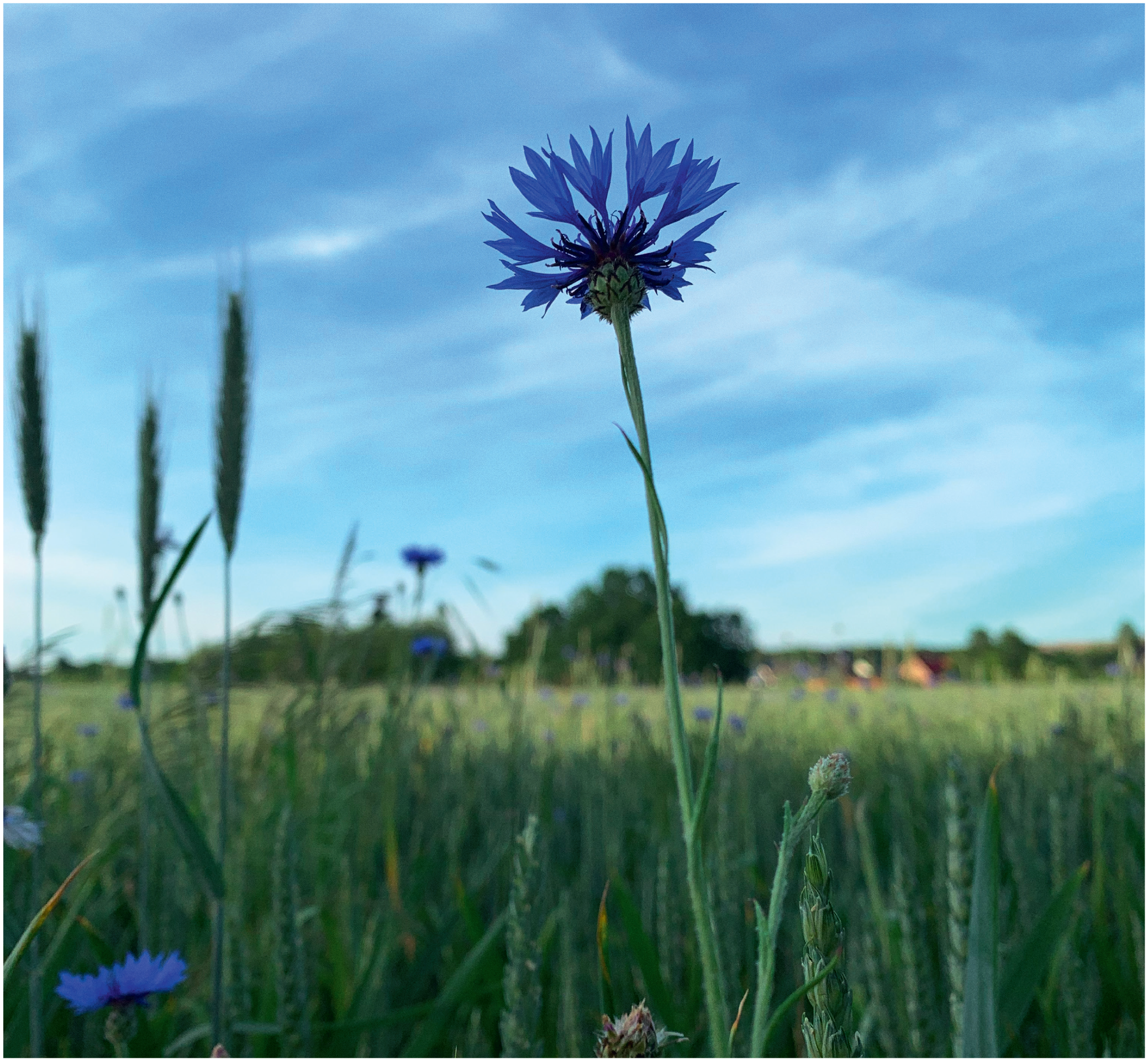
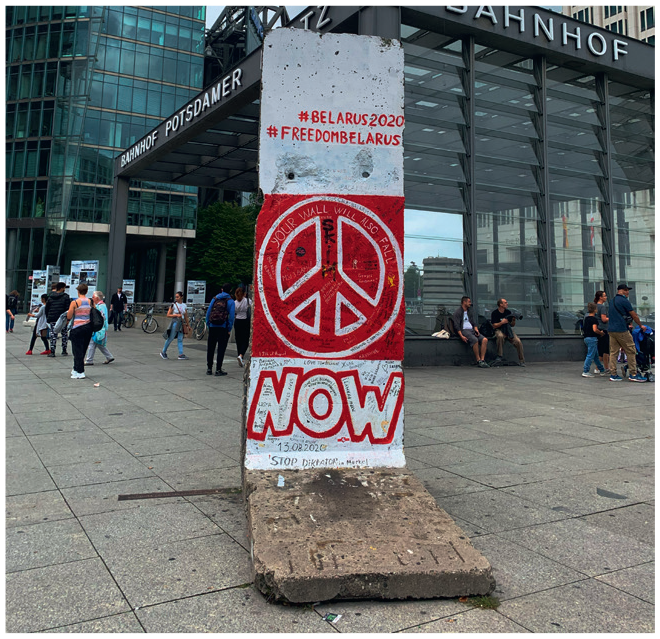
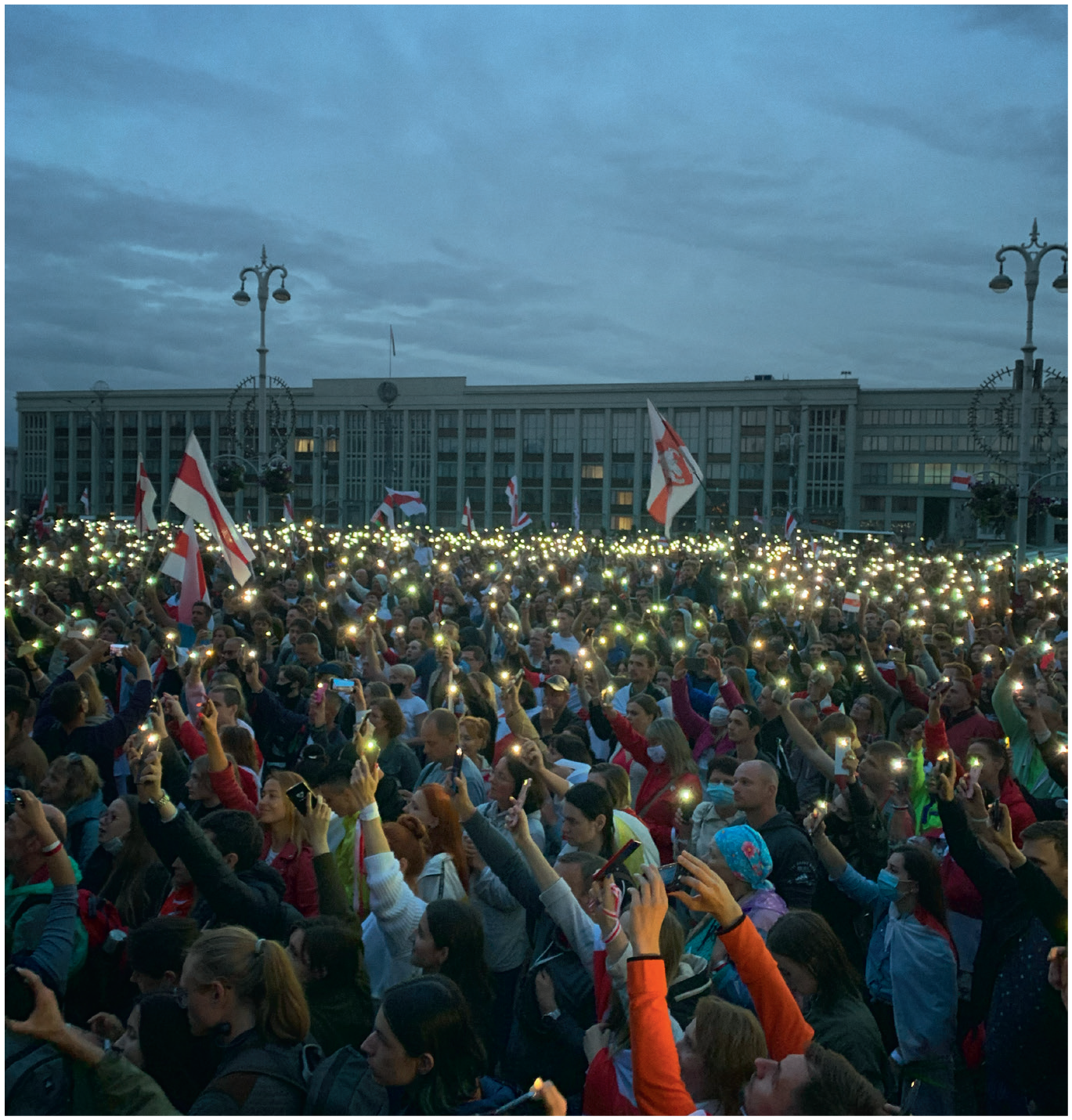
LEFT-TO-RIGHT: The cornflower is the national symbol of Belarus; a piece of the Berlin Wall in Potsdamer Platz, Berlin, engraved with support for Belarusian freedom; a protest against Lukashenka’s regime in Minsk
CREDIT: Jana Paliashchuk
“Many people do not feel safe living in Belarus, or even coming to Belarus, and lots of people are forced into exile,” she told Index. “Some people, especially those who are not participating in activism, they’ve managed to settle down, to find a new life in exile, but I cannot find peace in this situation. I’m always reading the news. I’m always involved in events or campaigns.”
She continued: “There’s still pain every day, because every day something’s happening. Somebody’s relative is detained, or you’re thinking about how your public work as an activist can affect your relatives staying in Belarus, especially as journalists. Since September 2020 there hasn’t been a day where I didn’t think about Belarus.”
Being forced to leave her home country has made her feel as if a part of herself is missing. She said: “Once you live this, you understand that it’s about small things: missing bread from your favourite bakery in Minsk, missing the streets where you went to school or university, where you walked all the time, missing the smell of chestnut trees in spring… it’s in your DNA, it’s who you are.
CREDIT: Jana Paliashchuk
“My parents built a house on the land my great-grandfather had for many years. It’s where they lived their lives, they had a garden, they raised their kids there, so it’s a special place with which you have a connection.
“This house, where your mother grows roses, or where you have strawberries in the summer, you just miss it; you feel disconnected from something as big as Belarus, and you feel disconnected from something as small as this house. It’s a disconnection on every level.” I feel blessed that I have tools to transform something painful into something beautiful
Paliashchuk started writing poetry in 2019 about a past relationship - but now, she’s writing about her strained relationship with her country, in the hope that her work can help people understand how it feels to be in exile.
“I feel really blessed that I have these tools to transform something painful into something beautiful, into art.” she said. “We have these lemons and now we have to make lemonade. We cannot come and destroy Lukashenka’s regime, but at least we can do something about the pain he’s causing.”