




Abstract

Exile from Sudan has not silenced novelist
ABOVE: Abdelaziz Baraka Sakin was forced into exile in 2012
CREDIT: Midas PR
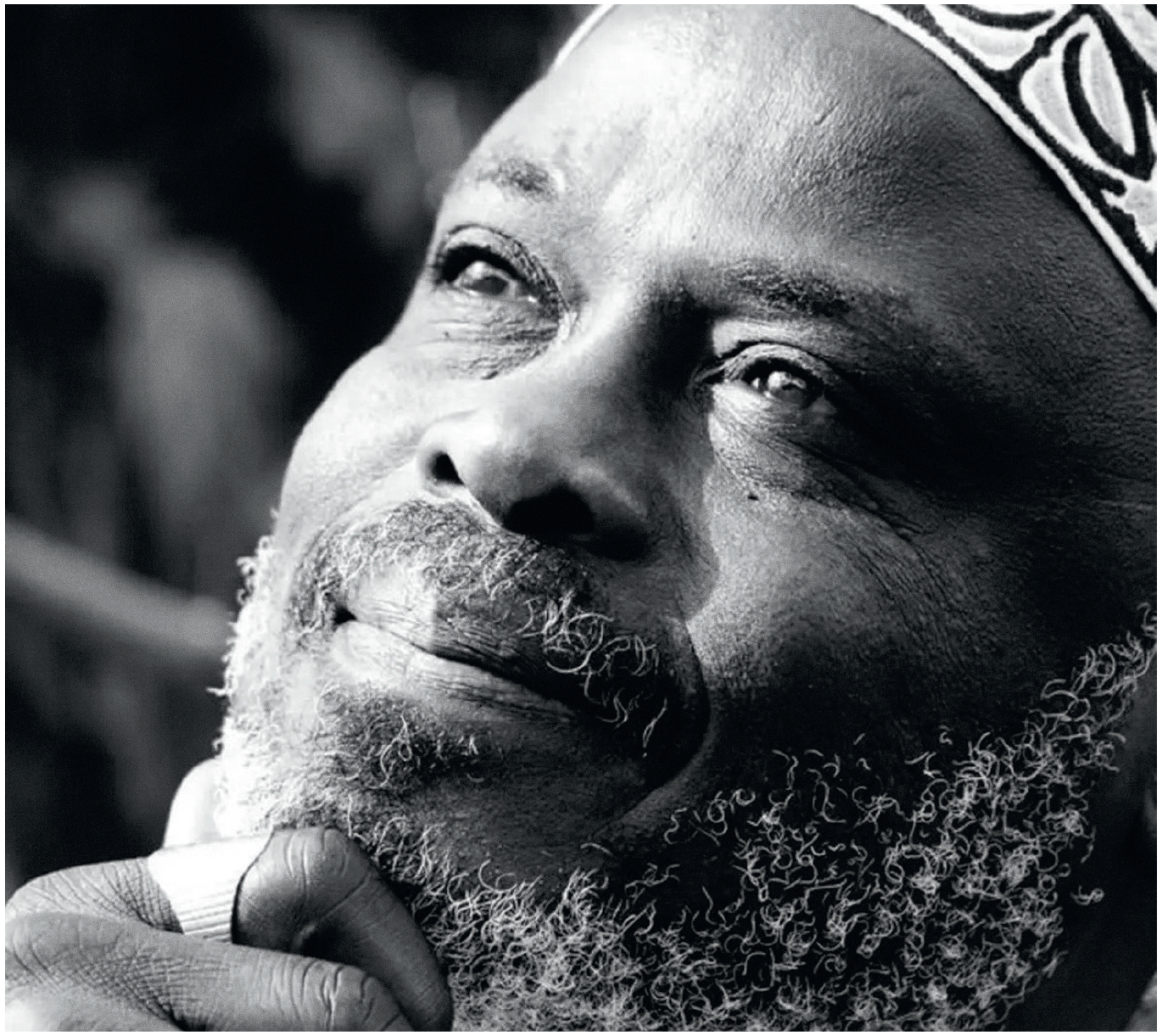
SUDANESE AUTHOR ABDELAZIZ Baraka Sakin knows a thing or two about book bans. While his first collection of short stories was welcomed and published by the Sudanese Ministry of Culture in 2005 under president Omar al-Bashir’s regime, later that year it was banned by that same ministry. He then had the unhappy honour of his book, The Jungo, adding fuel to what he believes to be the country’s first book burning in 2010. And in 2012, his books were confiscated from the Khartoum International Book Fair, after which he was arrested and detained.
In that same year, he went into exile in Europe, his stories about Africa now written from Austria and France. In 2020 he was awarded the Prix de la Litterature Arabe (Arab Literature Prize), and in 2023 he was ordained as a Knight of the Order of Arts and Letters for contributions to literature in France, proving that exile has not silenced him.
Today, most of Sakin’s works are banned in his home country. He has previously said that this is down to his writings about his own Nubian culture, which fall short of the government’s narrative of what it means to be Sudanese. And yet his books are secretly traded and circulated among Sudanese readers, making him one of the country’s most popular writers.
Go ahead, all chains are broken. Unleash your imagination
When al-Bashir was overthrown by the military in 2019, Sakin still did not feel safe returning to Sudan. He stands against the “military dictatorship”, as he described it to the Austrian outlet Kleine Zeitung.
Until now, his work has not been available in English. So it is with much celebration that Mayada Ibrahim and Adil Babikir’s translation of the Arabic-language Samahani, which is Swahili for “forgive me”, is now available in the UK through Foundry Editions. There is less to celebrate in Oman and Kuwait however, where the book is banned.
The novel is set in 19th century Zanzibar and explores the relationship between a powerful Omani princess and her eunuch African slave, who was captured and castrated by Arab slavers. The story comes from Sakin’s own experiences of displacement and exile, and is described as a “furious cry against persecution in all its forms”.
With his first novel-in-translation now available in English, Sakin gave Index the opportunity to publish one of his Arabic short stories, Hallucination, in English for the first time. Consider this another text for the underground reading circles.
Hallucination
YES, WRITE WHATEVER you want, in any language, with any phrases, in any style, about anything. Your grandmother Virginia Woolf said: “All topics are fit for writing.”
Write about humanity, freedom, sex, politics, religion, homeland, women… yes, women, the myth of creation and the miracle of the creator, the guide of the unbelieving atheist to God. Write about her, say she is beautiful, enchanting, desired, wicked, magnificent, corrupt and sacred, a prophetess, and pure. Sculpt her body, paint her, colour her chest with sand or with seawater if you wish.
Write about the soul, love, betrayal, war, language, the ruler, the ruled, Noam Chomsky, Karl Marx, dictatorship, democracy, oil, war, Judas Iscariot, God, Salman Rushdie. Write “The Satanic Verses”, go ahead… Let loose.
The pens and papers are ready for you. The printing presses are waiting. Those brushes, oils and acrylics, all materials of the earth are subjects for painting. Paint, sculpt, colour, piss if you want in the face of history. Criticise. Be Victor Jara, Henri Matisse, al-Salih, Paul Klee, Sheikh Imam, Mostafa Sid Ahmed, Nazim Hikmet, Muzaffar al-Nawab, Abdullah Didan, Ahmed Matar, Mayakovsky, Mahmoud Mohammed Taha. Be yourselves, as Buddha says.
Write rebellious plays, damned blasphemous poetry like Rania Mahjoub’s, beautiful music, films, songs, unclassifiable prose, whatever you want, I mean whatever you desire. Damn it, all censorship has been lifted, the security officers, monitors, spies and guardians of intentions have been dismissed. The members of the reviewing committees, the text approval councils, the censorship boards have been sent to the furnace of history, never to return.
You are now free: writers and novelists, painters, al-Noor Osman Abkar, Mai al-Tijani, singers, composers, gravediggers, tailors.
Go ahead, all chains are broken. Unleash your imagination, create as long as you were made for it. It is both my personal and professional responsibility, and the responsibility of the state. ✘
Translated by