



Abstract
This study identified risk factors for prison victimization in Taiwan with an application of Western literature and assessed the extent of its applicability in an Eastern context. The sample was drawn from four male prisons located in Northern, Central, Southern, and Eastern Taiwan; a total of 1,181 valid surveys were collected. The results generally support the major findings of the extant Western studies. Crowding, however, was not significantly associated with the risk of victimization in any of the statistical models, which might be related to the different experiences and living conditions in the free community between Taiwanese and American inmates. This study generated clear policy implications, which may reduce prison victimization and engender a greater sense of well-being in the prison environment.
Introduction
Western empirical studies have consistently found the coexistence of prison misconduct and victimization (Gaes & McGuire, 1985; Power, Dyson, & Wozniak, 1997; Wolff, Blitz, Shi, Siegel, & Bachman, 2007; Wright, 1991). The National Inmate Survey 2008-2009 conducted by Beck, Harrison, Berzofsky, Caspar, and Krebs (2010), for example, showed that 41,700 inmates reported being involved in sexual activities such as penetration, touching, and willingly or unwillingly masturbating another: a ratio of about 13 inmates per 1,000 in prisons and jails in the 12-month period prior to the survey. Using self-reported survey on 7,785 inmates from 14 prisons in a mid-Atlantic state, Wolff, Blitz, et al. (2007) found a much higher rate of inmate-on-inmate physical assaults during the 6 months prior to the survey ranging from 129 to 346 per 1,000 inmates. These physical assaults included slapping, hitting, kicking, biting, choking, and harming with a knife or a shank. Byrne and Hummer (2007) examined official and unofficial data on prison violence and disorder, concluding that the actual number of physical and sexual assault victims in prisons was at least 10 times higher than the officially reported number.
The effect of prison victimization could be devastating. Maitland and Sluder (1998), observing victimization among youthful prison inmates, found that victims were less mentally healthy and more fearful than nonvictims. Hochstetler, Murphy, and Simons (2004), collecting information from 208 male residents of work release facilities within one state, discovered direct effects of victimization on feelings of distress, helplessness, and withdrawing. Mental problems impeded released inmates’ reintegration into free society; the high recidivism rate in the United States is cited as supporting evidence of this (Hochstetler et al., 2004; Perez, Gover, Tennyson, & Santos, 2010). It is reasonable to assume that a reduction of risk factors for inmate victimization would help alleviate not only prison disturbances and victimization but also the adverse effects derived from them.
A substantial number of studies have been undertaken on inmate aggression and misconduct, but relatively few studies center on prison victimization (Cooley, 1993; Lahm, 2009; Listwan, Colvin, Hanley, & Flannery, 2010; Perez et al., 2010). Of the few studies available in the literature, the majority of them focused on inmates’ sexual victimization (Wolff & Shi, 2009). Moreover, the reported studies were generally conducted in Canada, the United States, and the United Kingdom (Tie & Waugh, 2001); victimization in Taiwan’s prisons is almost completely unexplored. To date, there are only two empirical studies on prison victimization available to the public in Taiwan’s National Central Library. One was limited to sexual incidents (M. Hsu, 2003). The other estimated the prevalence of various types of prison victimization behaviors, but no risk factors for prison victimization are discussed (Y. Huang & Chung, 2010).
This study seeks contributing factors of prison victimization in Taiwan. As no indigenous theories exist to account for victimization in Taiwan’s prisons, risk factors derived from studies of Western inmate characteristics and prison context is applied. In addition, this study assesses the extent to which the Western findings on prison victimization are applicable to Taiwan.
Theoretical Framework
Western studies of prison victimization have commonly assumed that victimization theories for the general population also apply to the prison domain (Perez et al., 2010; Wooldredge, 1998). In comparing Western findings with prison victimization in this study, justification of these assumptions is in order.
Victimization theories posit that most crime does not occur at random; opportunities for crime emerge when potential victims and motivated offenders coincide in time and space (Cohen & Felson, 1979; Hindelang, Gottfredson, & Garfalo, 1978; Miethe & McDowall, 1993). Two components, “choice” and “structure,” underlie the concept of opportunities (Miethe & Meier, 1990, p. 245). “Choice” involves victim selection. Motivated offenders tend to target those who possess certain attributes that make them more attractive victims and avoid those who are less attractive. Attraction may be the prospect of a robber getting a good return for the risk, for example. “Structure” relates to environmental and social factors. Crime-ridden and disorganized environments tend to represent lower risk to perpetrators, often having reduced presence of social control or cooperative witnesses, for example. By contrast, better organized and stable environments may present greater risks for perpetrators. Although victimization is not strictly determined by individual or environmental characteristics, it is well recognized that these factors may either enhance or diminish the risk of victimization to some degree (Miethe & McDowall, 1993).
Similarly, the likelihood of inmate victimization in prison varies with choice and structure. Inmates with different characteristics housed in different prison settings encounter different levels of victimization risk (Wolff, Shi, & Siegel, 2009). Early Western research on prison studies focused on the effect of individual features and hypothesized that inmates’ distinctive traits and pre-prison-life experience would be imported into prison with them and would determine how they react to prison life (Irwin, 1970; Irwin & Cressey, 1962; Wolff et al., 2009). As researchers increasingly recognized the importance of environmental settings for victimization in the community, prison victimization researchers also increasingly integrated a broader prison context into explaining inmates’ adjustment and behaviors to prison (Lahm, 2009; Wolff, Shi, Blitz, & Siegel, 2007; Wolff et al., 2009). They contended that it is naïve to exclude inmates’ surroundings from explanations of their behavior in prison (Adams, 1992; Camp, Gaes, Langan, & Saylor, 2003).
This study borrows a conceptual framework developed in Western literature to explore why some inmates tend to become victims whereas others do not in Taiwan’s male prisons. This study also expanded the scope of victimization to include psychological victimization as well as physical victimization, which the former type is among the least discussed topics in prison victimization studies (Swales, 2008).
Relevant Findings of Prison Victimization
Individual Characteristics
Demographics, criminal histories, personality, and physical size have been commonly used to measure individual characteristics in relation to the likelihood of prison victimization. Age was posited to be inversely related to the probability of victimization (Bowker, 1980; Cooley, 1993; Maitland & Sluder, 1998; Wooldredge, 1994, 1998; Wright, 1991). Cooley’s (1993) study, for instance, attempted to estimate the prevalence of victimization incidents in five Canadian federal prisons, discovering that inmates in their 20s suffered various types of victimization, including robbery, sexual assault, and theft, eight times more than those in their 40s. Investigating how inmates’ routine activities affected their likelihood of victimization during incarceration, Wooldredge (1998) found that younger inmates were more likely to experience physical assault by other inmates. Based on the qualitative data collected from in-depth interviews of 40 inmates housed at a prelease center, Chonco (1989) examined victims’ and aggressors’ characteristics, concluding that inmates who were between 17 and 20 years old were easy prey for sexual predators. Lahm’s (2009) and Perez et al.’s (2010) self-reported studies on physical assault (including involuntarily sexual contacts) and on physical and property victimization, respectively, however, did not find a significant relationship between age and inmate victimization. Lahm suggested that it might be due to the average age of the inmate sample used in his study (36 years old), which was about 6 years older than the typical inmate population.
Race is also a common variable used to assess risk of prison victimization in Western literature, but the results are mixed. Lahm (2009) examined property and physical victimization in 30 prisons in Kentucky, finding that an increase of prison victimization corresponded with an increase of minority inmates. Wooldredge’s (1994) study found that racial/ethnic minority inmates reported a significantly higher rate of personal victimization than Whites. In his later study on 3 Ohio prisons, however, Wooldredge observed that African American inmates did not report significantly higher rates of assault and theft victimization than Whites. Adding an additional dimension, Perez, Gover, Tennyson, & Santos (2010) reported that minority status was significantly associated with victimization by staff but not by other inmates.
Although Taiwan has a relatively homogeneous population in terms of race, there are four ethnic groups officially recognized by Taiwan’s government: Minnan, Hakka, mainlanders, and aborigines (Hsieh, 2005). In the Survey of the Presidential and Legislative Elections, 2012, a question was asked about respondents’ fathers’ ethnicity and the distributional percentage was as follows: Minnan (73.4%), Hakka (12.3%), mainlanders (11.5%), aborigines (0.8%), and others (2%; Taiwan’s Election and Democratization Study, 2012). The first three groups are considered Han Chinese whose ancestors emigrated from Mainland China to Taiwan at different time points. Studies on perceptions toward ethnic groups in Taiwan indicated that the aboriginal peoples are generally seen as lazy, less educated, and with less income (Shiou, 2008). It is assumed that aboriginal people could experience higher rates of victimization compared with other ethnic groups, but no studies have been found that examine the relationship between ethnic groups and victimization in Taiwan’s prisons.
Experience in institutions is another variable that has been linked to victimization in prison (Chonco, 1989; Tie & Waugh, 2001; Wright, 1991). Inmates with less institutional experience are unlikely to adapt to the prison subculture and do not know how to react appropriately to avoid being selected as a target (Bowker, 1980; Man & Cronan, 2001). Another reason is that those inmates might have few connections with other inmates who would support them if they were targeted for victimization (Man & Cronan, 2001; Wooldredge, 1994). Findings from the past research have supported the inverse association between institutional experience and victimization in prison (Maitland & Sluder, 1998; Wright, 1991). Wright (1991), for example, found that first-time offenders were more likely to be victimized in prison than repeat offenders. Prior probations used as institutional experience in Maitland and Sluder’s (1998) study on physical, sexual, and property victimization significantly predicted victims’ diminished likelihood of physical injury.
Length of time served in prison is often suggested to have an effect on individuals’ risk of being victims (Cooley, 1993; Lahm, 2009; Perez et al., 2010). Cooley’s (1993) study on inmates in Canada showed that inmates in early stages of their incarceration reported a higher rate of physical abuse than those who were in later stages. Similar to Cooley’s study, Hensley, Koscheski, and Tewksbury (2005) reported that sexual victims encountered their first sexual assault within 2 months of incarceration. Lahm’s (2009) study on 1,000 inmates in three states, Kentucky, Tennessee, and Ohio, showed that time served had a negative impact on property victimization but no significant effect on physical victimization. Wooldredge’s (1998) study found that length of time served was not significantly correlated with either physical or theft victimization.
Individuals with particular physical or psychological characteristics would appear vulnerable and attractive to potential predators (Cohen & Felson, 1979; Hindelang et al., 1978). This particular-victim link has been applied to a confined population to identify specific characteristics that are related to an increase in the level of vulnerability and victimization (Sparks, 1982) but generated mixed results. Lockwood (1980) investigated sexual violence in three New York state prisons among male prisoners, finding that victims typically weighed 15 pounds less than their assailants. Likewise, M. Hsu (2003) surveying 1,200 inmates housed in Taiwan’s prisons found that victims with feminine features, such as a small body size or a soft voice being likely to be targeted as sexual prey. Tewksbury (1989) in his study on fear of sexual assault stated that inmates of below-average height expressed more fear of being victimized than taller inmates. A study focusing on sexual violence conducted in a California correctional facility discovered that physical size was a strong inverse predictor of violent victimization risk (Jenness, Maxson, Matsuda, & Sumner, 2007). On the other hand, Archer and Southall’s (2009) study found no significant association between inmates’ height and weight and victimization when controlling for inmates’ low self control. Pare and Logan (2011), using the Survey of Inmates in State and Federal Correctional Facilities 2004, also did not find physical size being a significant factor for inmates’ victimization. They rationalized that the null finding might be due to the tendency of the weak and vulnerable to pursue “strategic adaptations and defensive mechanism” (Pare & Logan, 2011, p. 118). For example, these inmates might use weapons or other alternatives to intimidate potential offenders from being selected as an easy target (Pare & Logan, 2011).
Vulnerability should be interpreted in a broad sense and not be limited to physical weakness; other characteristics augment inmates’ vulnerability as well, such as appearing anxious, timid, and lacking self-confidence (Chonco, 1989; Edgar & O’Donnell, 1998; Man & Cronan, 2001; Wolff, Shi, et al., 2007). Not fighting back if assaulted in public may also signal vulnerability (Edgar & O’Donnell, 1998). Explicitly expressing or demonstrating a willingness to fight back reduces individuals’ appearance of vulnerability and increases a perception of toughness honored in prison subculture (Edgar & O’Donnell, 1998). Echoing the noted statements, McCorkle (1992) observed that inmates showing a tendency to withdraw were easily dominated and exploited, even though they might be able to evade physical confrontations.
There is some evidence that education and prison victimization are positively related (Lahm, 2009; Wooldredge, 1998). One explanation is that individuals holding higher levels of education tended to come from a middle-class background and might be less likely to be involved in deviant activities (Bowker, 1980; Lahm, 2009). As a consequence, they were less likely to adjust to prison subculture, putting themselves at greater risk of being victimized.
Finally, the nature of crime committed by inmates has been associated with victimization (Man & Cronan, 2001). Men convicted of minor property infractions experienced a higher risk of being assaulted than those convicted of serious crimes (Bowker, 1980). This finding was attributed to the prison subculture that respects masculinity and dominance (Man & Cronan, 2001). Those who were incarcerated for minor offenses were perceived as less masculine and an easy target (Bowker, 1980). Chonco’s (1989) qualitative study highlighted the characteristics of victims and aggressors involving sexual assault. The result supported the assumption that aggressors were convicted of more serious and violent felonies than their victims (Chonco, 1989). As an exception, sex offenders are more likely to be victimized by other inmates, which has been consistently verified in prison victimization research (Hensley et al., 2005; M. Hsu, 2003; Wolff, Shi, et al., 2007).
Environmental Characteristics
The concept of prison environment has been conceptualized broadly, including a wide range of elements surrounding the institution, such as “architecture, regime, inmate population, staff, living arrangements, and program activities” (Adams, 1992, p. 312). All these elements combine and generate an overall atmosphere that varies across prison settings. Theoretically, as prisoners perceive a good atmosphere in correctional facilities, a low rate of violence and victimization in facilities can be expected. Wooldredge (1994) used the attitude toward the institution (e.g., correctional officers, staff, programs, and daily routine) to predict the impact of the institution on inmates’ misconduct and victimization. The findings were in agreement with conventional wisdom that those with a favorable attitude toward the facility experienced lower risk rates than those with an unfavorable attitude. Wolff et al. (2009) used inmate satisfaction with treatment by correctional staff and other inmates to measure prison climate. Consistent with past research, Wolff et al.’s results showed the prisons with better climate (higher satisfaction with treatment) have a lower victimization rate than those with poorer climate. Another common predictor used to gauge prison environments that affect inmates’ behavior was crowding (Gaes & McGuire, 1985; Jan, 1980; Nacci, Teitelbaum, & Prather, 1977; Wolff et al., 2009). Relevant research, however, has produced conflicting results. Collecting data from 19 federal prisons for 30 months, Gaes and McGuire (1985) investigated the contribution of crowding and other determinants in relation to assault rates. Their findings revealed that crowding was an important variable; the more crowded the prison, the greater the assault rate. Some studies revealed no significant relationships between crowding and prison violence or victimization (Bonta & Nanckivell, 1980; M. Hsu, 2003). The discrepancies of the results might be associated with characteristics inherent to each institution (Jan, 1980; Nacci et al., 1977). Although the security level is considered to be an important variable for Western prison victimization (Perez et al., 2010), there is no such classification practiced in Taiwan’s correctional facilities and will be excluded from the present study.
As noted, the previous Western studies testing inmates’ characteristics and institutional conditions in relation to prison victimization have demonstrated both consistent and contradictory findings to the theoretical propositions. Given that research on this topic in Taiwan’s prison system is sparse, continued studies are needed to establish this relationship in Taiwan.
Prisons in Taiwan
There are 24 adult prisons in Taiwan, including 21 male and 3 female prisons (Ministry of Justice, 2011). As of April 30, 2011, there were 45,251 adult inmates: 41,107 (90.8%) males and 4,144 (9.2%) females. The five most prevalent offenses among the prison population were drug-related offenses (43.3%), theft (9.9%), robbery (9.6%), illegal possession of firearms (5.6%), and murder (including attempted and negligent manslaughter; 5.0%; Ministry of Justice, 2011). Inmates are normally housed in a group cell with a varying number of inmates and the average living space per inmate is approximately 25 square feet (Young & Lin, 2007). As in the United States, the rapidly growing prison population has led to overcrowding in most correctional institutions. Nineteen out of the 24 prisons housed more inmates than the designed capacity by 27.4% (Ministry of Justice, 2011).
Unlike the prison systems in the United States, which vary considerably from state to state (Clear, Cole, & Reisig, 2009), the prison system in Taiwan is centralized and no private prisons are allowed. The Agency of Corrections, the Ministry of Justice in Taiwan, is responsible for supervising and overseeing all correctional institutions. This agency establishes procedures, rules, and regulations that apply to the institutions under its jurisdiction for daily operation. Hiring, training, salary, benefits, and promotion or all officers and staff are uniformly regulated by the Agency of Corrections. In addition, correctional facilities in Taiwan are not differentiated on security level as are prisons in the United States. Inmates are assigned to the institution that is closest to their home, which will house misdemeanors and felons.
The philosophy of prison management in Taiwan is control oriented, and security is the priority. Schedules for daily activities, such as when to eat, sleep, take a break, go to the lavatory, and so on, are strictly enforced (H. Hsu, 2003). With overcrowding being a problem in Taiwan’s prisons, correctional administrators encounter a related issue of inadequate staffing to manage institutions for daily operation, with approximately a 1:13 ratio of correctional officers and staff to inmates (C. Huang, 2010). A trustee system, known as the Guard Assistance (GA) program, is used to ease understaffing (H. Hsu, 2003). To be a trustee, inmates need to meet numerous requirements, such as not being convicted of violent offenses, not having a record of escape, not being a member of gang, being mentally healthy, not having records of disciplinary violations, and so on (Ministry of Justice, 2009). Trustee duties include assisting in maintaining order in workshops and classrooms, running errands, organizing files, and so on.
Method
This study applies Western findings to identify risk factors contributing to victimization among male prisoners in Taiwan and assesses the applicability of these findings in accounting for victimization in Taiwan’s prisons. Based on the literature, it is expected that the following inmate attributes will be directly related with prison victimization: youth, aboriginal peoples, inexperience (first time with less time served on their current sentence), high education, and vulnerable appearance. In addition, inmates convicted of nonviolent or sex crimes will also tend to report more victimization. Environmental conditions that are directly associated with victimization include overcrowding, less effective treatment programs and education, and less effective management and staff intervention.
Procedure
The data used in this study were extracted from a broader project on bullying in Taiwan’s male prisons in 2006 (Y. Huang, 2006). 1 Two stages of sampling were involved in sample selection. First, a purposive cluster sampling method was used to select correctional institutions. In general, Taiwan is divided into four administrative areas: North, South, Center, and East (Chou, 2002). These areas coincide with distinctive geographic features, historical evolution, industrial growth, population, economic development, infrastructure, and so on. The local investigator purposively chose one male prison that is comprehensive and representative in each individual homogeneous area in which a total of 13,830 inmates (North = 5,550; Center = 4,180; South = 2,350; and East = 1,750) were housed. 2 After receiving approval from the concerned institutes, 3 the investigator obtained listings of all incarcerated inmates’ identity numbers (N = 13,830) from the four correctional institutions. The second stage was to draw a proportion of the subgroup population (N = 13,830) for each selected institution: 750 in the Northern, 567 in the Central, 318 in the Southern, and 237 in the Eastern prison in Taiwan. The investigator and research assistants met face-to-face with randomly selected prisoners on a separate scheduled date and administered the survey in a prearranged private room at each institution. Each participant was given a questionnaire to read and fill out. The selected inmates not available to the survey on the scheduled date for various reasons, such as at work, testifying in court, or being ill, were replaced with other randomly selected inmates drawn by the investigator in advance.
The participants were informed that the survey was anonymous and voluntary in written and verbal forms. They were also told that there would be no compensation or consequences for their decision to participate or not. The researchers were present to answer questions and to ensure that the respondents did not discuss the answers with each other. Two participants were found illiterate and the researchers helped read questions to them. All selected inmates returned their surveys directly to the research staff, and the response rate was 100%. The investigator acknowledged that inmates as vulnerable research participants might feel pressed to take the survey even though confidentiality and voluntariness were repeatedly emphasized. Lie scales, therefore, were inserted into the survey. 4 A total of 691 (37%) of surveys were excluded from the analysis for invalid information detected by the Lie scales (Y. Huang, 2006). As a result, 1,181 valid surveys were collected: 382 in the Northern, 468 in the Central, 200 in the Southern, and 133 in the Eastern prison.
The data for the large project were collected between June 28, 2006, and July 7, 2006. The survey questions, designed by the investigator based on prison literature, assessed a wide range of variables: demographics, personality, a variety of victimization and bullying patterns, time and locations in which victimization took place during incarceration, and inmates’ perceptions of officers, staff, and the institution.
Participants
The average age of the participants was 36 years old (SD = 8.36 years old), and the mean time of incarceration was 3.5 years (SD = 2.77 years; Table 1). The majority of the participants were Minnan (71.5%), followed by mainlanders (14.9%), Hakka (9.1%), aborigines (2.7%), and other (1.9%). The distribution of several key characteristics among the valid surveys closely resembled those in the prison population in Taiwan. The percentage of recidivists was 69.9%, compared with 68% in the population (Ministry of Justice, 2011). Educational attainment below high school was computed as 56.5% of the sample compared with 57.1% of the prison population. In the sample’s order of the five most prevalent offenses were drug-related offenses, robbery, theft, illegal firearm possession, and murder. Similarly, the order of the most prevalent crimes among the population was drug-related offenses, theft, robbery, illegal firearm possession, and murder.
Frequency Distributions of Dependent and Independent Variables (N = 1,181).

Measurement
Dependent variables
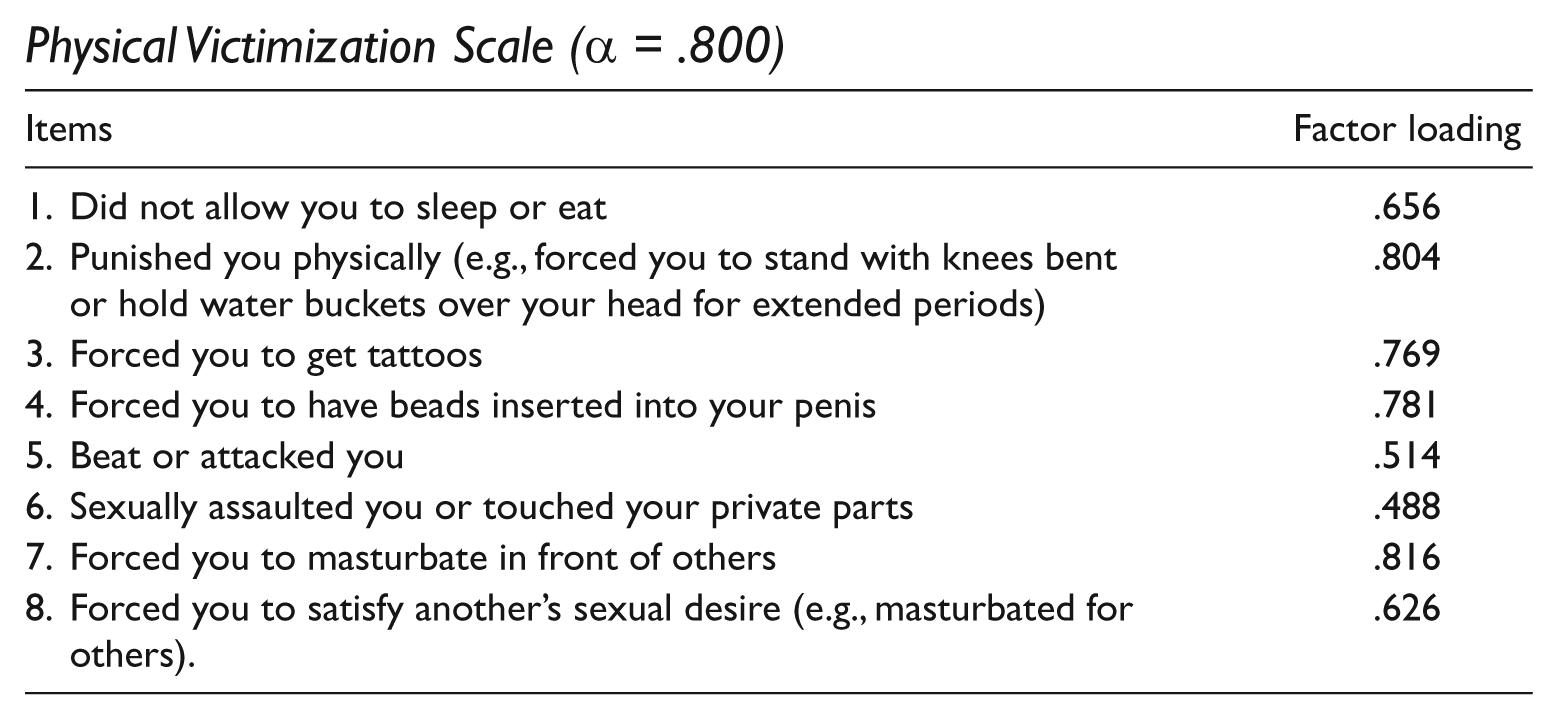
This study observed physical (including sexual) and psychological victimization by two types of perpetrators: trustees and inmates. The items used to construct victimization were prefaced with the following question: “Have you ever experienced the following behaviors during your current sentence?” Each form of victimization was listed for inmate and trustee assailants. Eleven of the forms showed face validity for either physical or psychological victimization and were selected for this study. Factor analysis was performed to detect the underlying construct among the 11 chosen behaviors. Two components emerged with eight items representing physical victimization and three items representing psychological victimization. The factor loading and the Cronbach’s alpha reliability coefficient for each item are shown in Appendices A and B. Four dependent variables were developed to represent the dimensions of victimization type (physical or psychological) and assailant type (inmate or trustee). The dependent variables were scored “0” if there was no reported victimization and a value of “1” if there was at least one reported victimization incident.
Independent variables
Independent variables include two dimensions: inmate and environmental characteristics. Inmate characteristics were measured with 11 variables. Age was a continuous variable, assessed in chronological years. Ethnicity was categorized as Minnan (1), Hakka (2), mainlanders (3), and others (4). Aborigines were used as base line. Length of time served at the present facility was also a continuous variable, measured in months. Inmates’ experience in institutions and education were dichotomous measures, with recidivists and the inmates with high school education or greater coded as “1.” Being first-time offenders and those with education less than high school served as a reference category. The nature of the offense of conviction was measured by the question “What crime were you convicted of in your current incarceration?” Approximately 9.9% (n = 117) participants did not respond to this question. To maximize statistical power, these respondents were included in the analysis and categorized as “unknown = 1.” The other categories in this variable were “nonviolent crime = 2” and “sex crime = 3”; “violent crime (excluding sex crime)” was considered a reference group.
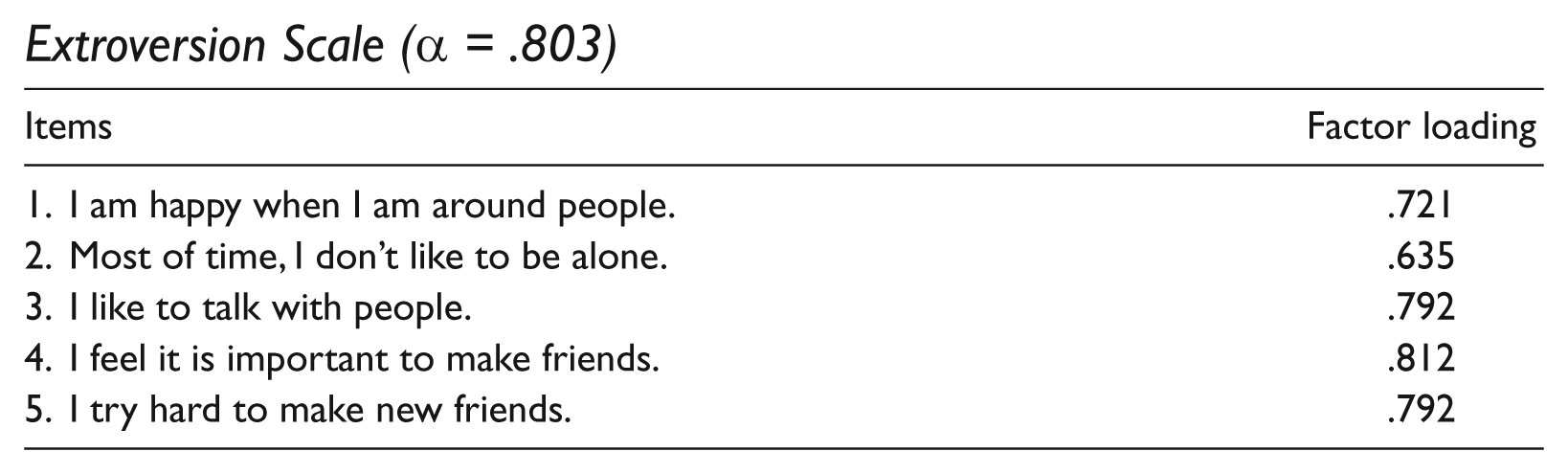
The concept of vulnerability that increased the attractiveness of a potential victim was represented with five variables: reported reactions to victimization attempts, height, weight, the level of anxiety, and the level of extroversion. The variable “reactions to victimization” was dichotomized: 0 = “would take no action” and 1 = “would fight back.” Height and weight were measured with the reported numerical value on two questions: “How tall are you?” and “What is your weight?” The level of anxiety was measured with a 5-item scale created by summing the values on five questions (see Appendix C). The optional responses to each item were “strongly agree” (4), “agree” (3), “disagree” (2), and “strongly disagree” (1). The summed values ranged from 5 to 20, and a higher value meant a higher level of anxiety. In the same vein, five items were used to describe the level of extroversion (Appendix D). Scores on each item were summed to create the Extroversion scale, ranging from 5 to 20; the higher the value, the more extraverted of the respondents. It was proposed that the respondents who were taller, heavier, less anxious, more extraverted, would fight back if targeted, and seen as less vulnerable would be victimized less than those who were shorter, lighter, more anxious, less outgoing, would do nothing if being targeted, and appear vulnerable.
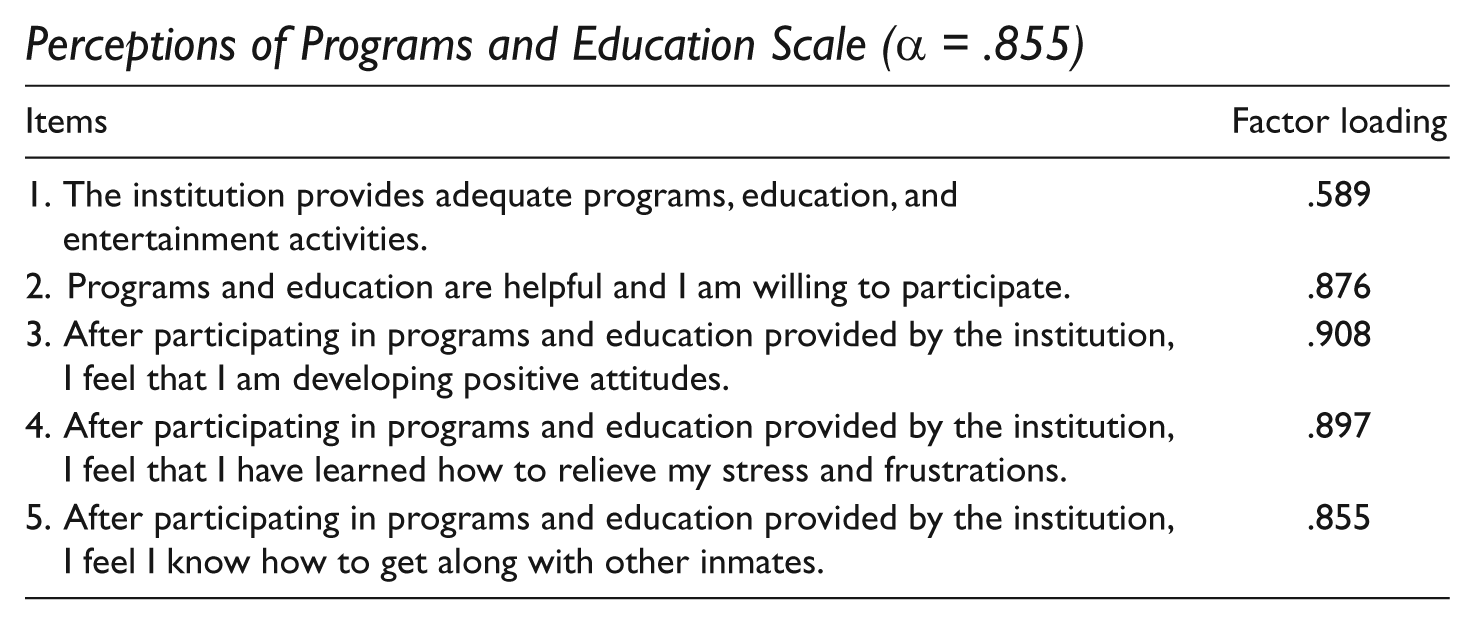
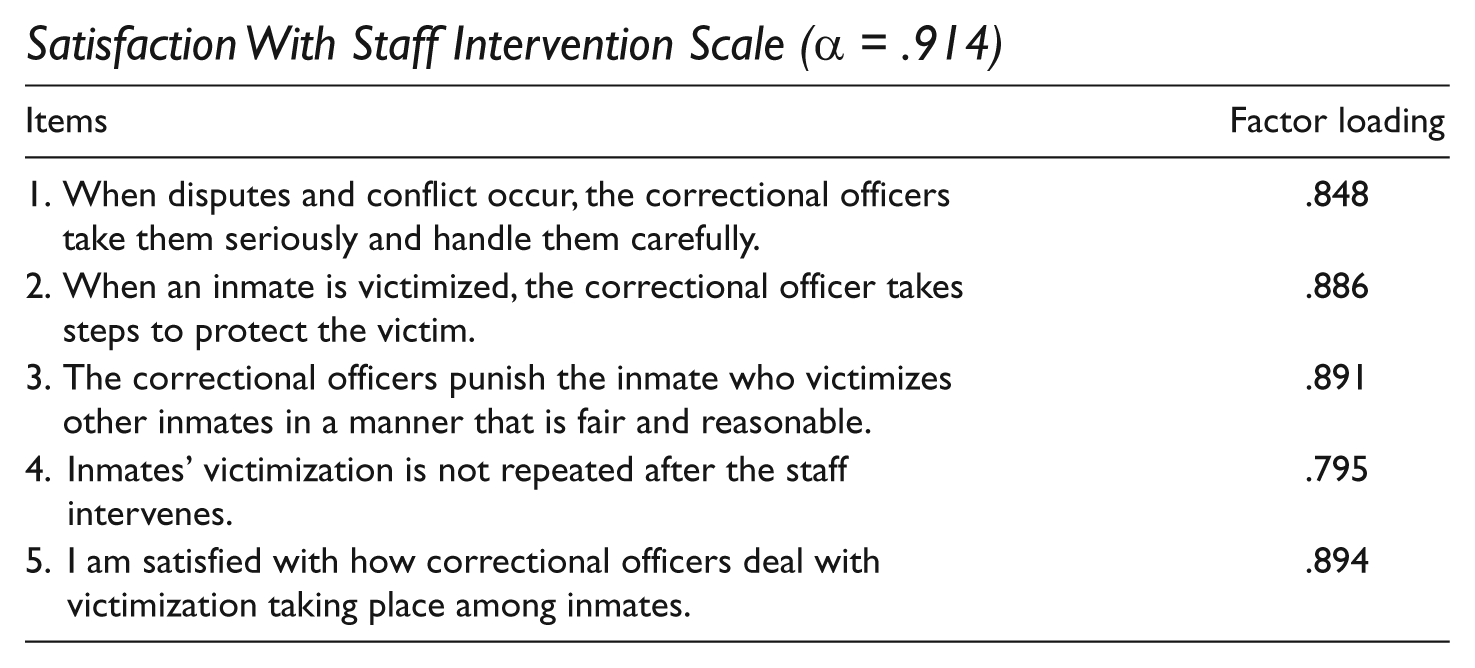
The environmental context was depicted with respondents’ experiences with or perceptions toward the present institution, which consisted of four variables: crowding; the attitude toward programs and education; the attitude toward the correctional officers, staff, and the institution; and satisfaction with staff intervention (see Appendices D-H). Five questions asking how inmates perceived the condition of their cell were used as proxies for crowding. An example question was “When in my cell, I feel I can easily get emotional and volatile” (Appendix E). The ordinal responses were “strongly agree” (4), “agree” (3), “disagree” (2), and “strongly disagree” (1). A summed total of the five items generated the Crowding scale, scoring between 5 and 20. Lower values on crowding reflected increased positive experiences in a prison cell. A separate scale was created for the other three environmental variables in the same manner as did for the Crowding scale. Higher scores on these three scales indicated the more favorable perception and attitude toward the programs and education, the institution, and satisfaction with staff intervention.
Control variable
This study controlled for disciplinary infractions that were correlated with prison victimization. Prisoners who were victimized might defend themselves by using force or retaliating, and thereby became disciplinary violators. A bullying attempt might provoke a violent response or retaliation, turning them from bullies into victims. A study on bullying showed a substantial number of inmates (43.4%) possessing dual statuses as victims and bullies (C. A. Ireland & Ireland, 2000). Edgar and O’Donnell’s (1998) study on 96 assaults confirmed that being assaulted mainly resulted from assaulting others. A blurring boundary of inmates’ experiences in victimization and offending suggests a positive relationship between victimization and disciplinary infractions that are concomitant with offending.
Analysis Plan
Some past studies on risk factors of prison victimization developed analytical models that used different types of dichotomized prison victimization as dependent variables and theoretical-based factors as independent variables across the models (Perez et al., 2009; Swales, 2008; Wooldredge, 1994, 1998). Following their lead, this study designed four models, analyzing individual and institutional risk factors in relation to physical (sexual) and psychological victimizations by trustees and other inmates. This study classified respondents as either victims or nonvictims, applying continuous and nominal independent variables. Complying with suggestions from the literature, this study used logistic regression that has been used broadly over the last decade for classification purposes (Hosmer & Lemeshow, 2000; Mertler & Vannatta, 2002). Missing values were checked. Except for the variable “convicted offenses,” as noted previously, the remaining variables had either no or less than 0.4% of missing values on each variable. Listwise deletion was performed to remove cases with missing values. Multicollinearity was diagnosed among the independent variables, and tolerance for all variables was greater than .1, indicating that assumptions were adequately met (Mertler & Vannatta, 2002).
Results
Table 1 displays the descriptive statistics of the sample. Psychological oppression by either trustees or other inmates accounts for a much larger proportion of victimization (24.5% and 20.7%, respectively), compared with physical harm (9.2% and 8.3%, respectively). This finding is consistent with Western prison studies and will be covered in the “Discussion and Conclusion” section.
Trustee-on-Inmate Physical Victimization
Model I shows the effects of individual and environmental variables on inmate physical victimization by trustees (Table 2). All the significant variables in Model I show patterns adherent to those examined in the Western context. The respondents convicted of sex crimes were more than three times, Exp (B) = 3.039, more likely to be physically or sexually abused than those convicted of violent crimes. With an increase of 1 on the Anxiety or Extraversion scale, the likelihood of reported victimization for respondents increased about 9%, Exp (B) = 1.088, and decreased 10%, Exp (B) = .909, respectively. Those who said they would take action if encountered victimization were approximately 73%, Exp (B) = .273, less likely to report victimization than those who indicated that they would take no action. As the positive perception of how the staff dealt with victimization incidents increased by 1, the inmates were about 19%, Exp (B) = .810, less likely to report physical victimization by trustees. The odds ratio indicated that as the number of disciplinary infractions in prison (the control variable) increased by 1, the likelihood for the respondents to be victimized almost doubled, Exp (B) = 1.718.
Logistic Regression of Victimization on Individual and Environmental Variables (N = 1,181).

p <= .05. **p <= .01. ***p <= .001
Trustee-on-Inmate Psychological Victimization
Model II summarizes the logistic regression results of trustee-on-inmate psychological victimization. This model generates the same significant variables as Model I (Trustee-on-Inmate Physical Victimization), except for the attitude toward the institution (e.g., officers, staff, etc.), which is statistically significant in this model, but not in the previous model. All the significant variables follow the theoretical directions as expected.
Inmate-on-Inmate Physical Victimization
Model III demonstrates the effects of the individual and the environmental characteristics on the risk of being physically victimized by other inmates (Table 2). Four independent variables are significantly associated with victimization, and the directions are in accord with the propositions. Specifically, those convicted of sex crime were three times, Exp (B) = 3.195, more likely to suffer physical abuse by other inmates than those convicted of violent crime. Inmates having increased levels of anxiety also reported increased rates (8%), Exp (B) = 1.080, of physical victimization committed by their fellow inmates. The inmates who said they would respond to victimization attempts reported 70%, Exp (B) = 0.292, fewer victimizations compared with those who said they would not respond. The respondents’ reporting greater satisfaction with rated staff intervention were less likely to report victimizations (around 16%), Exp (B) = 0.839. The reports of being a victim of physical violence by other inmates increased two times, Exp (B) = 2.045, as the number of reported disciplinary infractions increased by 1.
Inmate-on-Inmate Psychological Victimization
The last model (Model IV) shows the results of the relationships between the two sets of independent variables and psychological victimization by other inmates. This model produces the largest number of significant variables among the four analytical models. All the significant variables in this model are consistent with expected directions, with an exception of respondents’ perception of programs and education. As inmates’ positive attitude toward the programs increased by 1, their psychological victimization by other inmates increased by 6%, Exp (B) = 1.061. The possible explanation for this conflicting result will be noted in the “Discussion and Conclusion” section. The variables that are associated with psychological victimization as expected include age, convicted offense, reactions to victimization, the level of extroversion and anxiety, the attitude toward the institution and staff intervention, and the control variable (disciplinary infraction).
It should be noted that all of the full models mentioned above are significant in comparison with their null models. The proportion of variation explained by each model (Nagelkerke R2) range from .262 to .295 and is reported in Table 2.
Discussion and Conclusion
The findings presented in this study are generally consistent with the findings reported in Western literature. The descriptive data indicated that a greater proportion of victimization is psychological than physical. This is similar to the pattern reported in a Canadian prison that houses young male offenders where all inmates reported being threatened or abused verbally, but very few suffered physical harm and no sexual abuse was reported (Connell & Farrington, 1996). Moreover, Willmot’s (1997) findings in an English male prison reported that most inmate aggressors used threats to manipulate their victims and physical assault was rarely seen. Western prison studies in other countries produced similar findings as well (C. A. Ireland & Ireland, 2000; Power et al., 1997; Swales, 2008). The plausible explanation was that psychological oppression is subtle and hard to detect, whereas physical abuse is more likely to leave visible injuries that could be seen by prison staff (C. A. Ireland & Ireland, 2000).
The logistic regression results also replicated the major findings of the extant Western studies overall, as inmate and environmental correlates contributed to explicating levels of victimization risk. Of the individual variables, being convicted of a sex crime was a strong predictor associated with high risk of physical and psychological victimization in Taiwan’s male prisons as well as prisons in the West (Camp et al., 2003; Davis, 1968; Human Rights Watch, 2001). Although sex crimes may be considered violent, they were perceived the most “dishonest” type of violence and less masculine than other violent crimes (Davis, 1968). Those convicted of sex offenses, particularly child molesters, experienced a high likelihood of receiving beatings and rapes (Davis, 1968; Human Rights Watch, 2001; Man & Cronan, 2001). Other significant variables at the individual level indicated that inmates who were less anxious, more sociable, and willing to take action if victimized, experienced a lower probability of being victimized than those who possessed opposite characteristics. These findings supported previous studies and the assumption of the prison subculture that showing no fear and having social connections in prison were important factors in reducing victimization risk. Although ethnicity is not statistically significant across all the four types of victimization in the present study, conclusions cannot be made given a small number of aborigines in the sample that diminishes the statistical power.
Among the environmental factors, the better the prison climate (as measured by reported inmate satisfaction of staff interventions and inmates’ positive attitude toward the institution), the lower rate of victimization reported by the respondents, echoing the literature on Western prison victimization (Wooldredge, 1994, 1998). In addition, Listwan et al.’s (2010) study on prison social support also asserted that officers and staff played a key role in supporting inmates’ adjustment in prison and sense of well-being. Crowding, however, was not significantly associated with the risk of victimization in any of the models in this study. The null effect might reflect crowded conditions commonly experienced outside of prison in Taiwan, which could offset inmates’ feeling of deprivation from confinement in a limited space.
Taiwan is extremely compact. In 2009, Taiwan ranked second in population density among the countries with more than 10 million people with 638.3 persons per square kilometer (Ministry of the Interior, 2011). Given the limited space, 73% of Taiwanese live in high-rise apartment buildings or attached units; single houses with yards were rarely seen (Construction and Planning Agency [CPA], Ministry of the Interior, 2010). In the United States, by contrast, 54% of even the low income families live in single-family homes with garages or carports (U.S. Department of Commerce [USDC] & U.S. Department of Housing and Urban Development [USDHUD], 2002). Other than type of dwelling, two other indicators are utilized to describe the living condition: the living space and the average persons per room in a household (Rector & Johnson, 2004). In Taiwan, the living space per person was 350 square feet in 2005, increasing from 292 square feet in 1993, which is still far less than living space in the United States, which averaged 721 square feet for all households and 438.6 square feet for low income households in 1993. Moreover, the 2005 Taiwan housing survey reported that 63.7% of Taiwan homes consisted of three or fewer rooms and the average household consisted of four people (CPA, Ministry of the Interior, 2010), implying that many Taiwanese households had to accommodate more than one person per room. In the United States, however, only 2.5% for all U.S. households and 5.7% for the low income households had more than one tenant per room (USDC & USDHUD, 2002). Rector and Johnson (2004) in their study on poverty concluded that crowded living conditions in the United States were “quite rare” and Americans, including most poor Americans, resided in houses or apartments that were “spacious and in good repair” (pp. 4-5). It is likely that Taiwanese inmates do not perceive crowding in prison as a serious deprivation, as they must also deal with it in the free community as well. This possibility cannot be tested with the present data, however, and must be left for a future study.
A great similarity of significant predictors across the four models was found in this study. Further examination of the data revealed that 20.4% (n = 341) of the respondents reported suffering two or more types of victimization by either trustees or inmates as opposed to 8.1% (n = 96) of the respondents who reported only one form of victimization. These statistics represent that more than 70% of the victimized inmates faced multiple types of victimization and were repeatedly victimized among those who reported victimized incidents. Many studies on repeat victimization in the free community have consistently confirmed that victimization risk is highly disproportionate among people across types of crimes and countries (Farrell, 1992, 1995; Hindelang et al., 1978). Reducing repeat victimizations could greatly diminish rates of violence and victimization. Repeat victimization in prison, however, has been relatively overlooked and understudied in the criminological field (J. L. Ireland, Archer, & Power, 2007). Although the issue of repeat victimization is beyond the scope of this study, the preliminary evidence clearly underscores the potential value of future studies of this subject.
This study also showed that inmate victims were not only abused by other inmates but also by trustees. Further analysis indicated that inmates were more likely to be victimized by trustees than by other inmates physically (p < .000) and psychologically (p < .000). This finding complied with Western studies demonstrating that reliance on inmates to control their peers exacerbated levels of violence (DiIulio, 1987; Martin & Ekland-Olson, 1987). These Western studies paid special attention to the building tender (BT) system, which used inmates for order maintenance in the Texas Department of Corrections prior to 1980 (DiIulio, 1987; Martin & Ekland-Olson, 1987). DiIulio (1987) proposed that the use of co-opted prisoners was a compromise of security and authority by allowing elite inmates to gain control over other inmates. He asserted that good management in a prison environment must be based on a well organized and hierarchical structure of clearly defined superior-subordinate relations. Inmate leaders were conferred privileges and power to ally with officers, which placed them above other inmates. Such special status for inmate leaders under a repressive prison regime could easily degenerate into corruption and power abuse at the expense of other inmates and institutional safety. The BT system in Texas was abolished by court order three decades ago for a partial but critical reason that inmates had been inhumanely brutalized by inmate guards (Ruiz v. Estelle, 1980). In Taiwan, guard assistants were employed to compensate for inadequate prison personnel. Findings in this study suggest that trustee abuse may exist in Taiwan’s prisons; however, inmate reports of trustee abuse cannot be corroborated. However, given the relatively small proportion of trustees within a prison, such a substantial number of inmates reporting victimization by them cannot be ignored.
Although the results generally followed the theoretical predictions, a conflicting finding emerged. Inmates who report positive experiences and perceptions of prison programs and education were expected to report less victimization; the result in Model IV showed a positive relationship, however. Literature on treatment amenability of juvenile offenders may be applied to explain the contrary result. Jordan (2008) evaluated treatments at a maximum security facility that housed juvenile offenders, finding the motivation to change criminal behavior as an important indicator for treatment effectiveness. The juveniles who were amenable to programs and willing to change their deviant behaviors might lose respect from peers as a consequence (Jordan, 2005). In this study, it was possible that inmates’ interests in self-improvement enhanced their favorable assessment of rehabilitative programs and education but also undermined the trust and respect from their fellow inmates, thus raising their risk as a target for victimization. An absence of information on inmates’ prosocial attitudes suggested a need for future victimization studies to account for these variables.
There are limitations in the present study. First, the sample was drawn from four male prisons in Taiwan, which were purposefully selected to control for possible regional differences; a potential threat to external validity emerges due to the lack of random selection. Second, it cannot be determined whether there are systematic differences between the participants who were included and those who were removed from the analyses as a result of the Lie scale, which raises a question of generalizability. Third, this is a cross-sectional study and it is unable to establish causal ordering. It is unclear, for instance, whether inmates who report elevated anxiety are at greater risk of being victimized or their victimization experiences have increased their reported anxiety level. Likewise, the data limitations prohibit this study from untangling causal order between inmates’ negative perceptions toward officers and their higher rates of victimization. Fourth, the lack of information on inmates’ prosocial tendencies failed to capture the true relationships between prison programs and victimization. Fifth, respondents’ answers to what they would do if victimized could produce bias by incurring socially desirable responses. The respondents might feel compelled to answer “not fighting back” to conform to correctional officers’ expectations. Finally, the nonsignificant effect on crowding suggests the need to normalize measures that are contextually or culturally sensitive when applying findings cross-nationally in comparative studies.
The findings of this study provide clear policy implications for reducing prison victimization and improving inmates’ and correctional officers’ sense of well-being in the prison environment. The importance of comprehensive education and training for correctional officers cannot be overemphasized as a means of strengthening their conflict resolution skills to diffuse confrontation and victimization. The patterns and factors associated with prison victimization should be instilled during training. Second, sex offenders and those who are at risk of victimization should be separated from other inmates through internal classification procedures. An early warning system should be established to periodically monitor inmate risk levels. Proactive strategies on these inmates can be implemented in an early stage. Inmates who appear vulnerable are at risk of becoming victims in prison, according to this study. Finally, this study found that trustees victimized their fellow inmates at a significantly higher rate than other inmates, but evaluations on the trustee system have never been conducted in Taiwan. It is, therefore, imperative to assess the costs and benefits of the trustee system. In particular, evaluations should assess the prevalence of victimization initiated by trustees who are assigned to custodial or supervisory duties.
Prison victimization has been a long-standing problem that has not been fully studied or understood. The findings of this study offered insights into prison victimization that are oriented toward a well-established theoretical framework. This study also found the nonsignificant relationship between crowding and victimization, suggesting possible cultural differences between East and West. In addition, this study identified unsolved but important questions that warrant further research in the near future.
Footnotes
Appendix A
Physical Victimization Scale (α = .800)
| Items | Factor loading |
|---|---|
| 1. Did not allow you to sleep or eat | .656 |
| 2. Punished you physically (e.g., forced you to stand with knees bent or hold water buckets over your head for extended periods) | .804 |
| 3. Forced you to get tattoos | .769 |
| 4. Forced you to have beads inserted into your penis | .781 |
| 5. Beat or attacked you | .514 |
| 6. Sexually assaulted you or touched your private parts | .488 |
| 7. Forced you to masturbate in front of others | .816 |
| 8. Forced you to satisfy another’s sexual desire (e.g., masturbated for others). | .626 |
Appendix B
Psychological Victimization Scale (α = .914)
| Items | Factor loading |
|---|---|
| 1. Threatened, frightened, insulted, or teased you | .926 |
| 2. Frequently embarrassed and provoked you | .929 |
| 3. United others to isolate you | .864 |

Appendix C
Anxiety Scale (α = .847)
| Items | Factor loading |
|---|---|
| 1. Although I try very hard not to be nervous and anxious, I still cannot control my nervousness and anxiety. | .755 |
| 2. I cannot stay focused. There are a lot of things on my mind. | .753 |
| 3. When visiting unfamiliar places, I become uneasy and anxious. | .811 |
| 4. I become nerve-wracking when an emergency comes. | .834 |
| 5. I feel I am bothered by trivial things. | .768 |

Appendix D
Extroversion Scale (α = .803)
| Items | Factor loading |
|---|---|
| 1. I am happy when I am around people. | .721 |
| 2. Most of time, I don’t like to be alone. | .635 |
| 3. I like to talk with people. | .792 |
| 4. I feel it is important to make friends. | .812 |
| 5. I try hard to make new friends. | .792 |
Appendix E
Crowding Scale (α = .768)
| Items | Factor loading |
|---|---|
| 1.The living conditions in my cell make it easy for me to feel emotional and volatile. | .803 |
| 2. When in my cell, it is easy for me to have friction and argue with my cellmates. | .751 |
| 3. When in my cell, I often feel depressed. | .835 |
| 4. When in my cell, I feel physically uncomfortable, such as having high blood pressure and fast heart rate. | .757 |
| 5. When sleeping in my cell, I feel there is no adequate space for me. | .522 |

Appendix F
Perceptions of Programs and Education Scale (α = .855)
| Items | Factor loading |
|---|---|
| 1. The institution provides adequate programs, education, and entertainment activities. | .589 |
| 2. Programs and education are helpful and I am willing to participate. | .876 |
| 3. After participating in programs and education provided by the institution, I feel that I am developing positive attitudes. | .908 |
| 4. After participating in programs and education provided by the institution, I feel that I have learned how to relieve my stress and frustrations. | .897 |
| 5. After participating in programs and education provided by the institution, I feel I know how to get along with other inmates. | .855 |
Appendix G
Attitude Toward the Institution Scale (e.g., Correctional Officers, Staff, and the Institution) (α = .854)
| Items | Factor loading |
|---|---|
| 1. I feel the correctional officers and staff are able to keep order in prison. | .629 |
| 2. I feel the correctional officers and staff would help me with the problems that I face in prison, such as emotions, daily routines, etc. | .822 |
| 3. The correctional officers and staff actively help me adjust to prison life. | .819 |
| 4. There are unblocked and convenient means to express my opinions to the correctional officers and staff. | .802 |
| 5. The correctional officers and staff deal with problems among inmates fairly. | .772 |
| 6. The methods and the rules of discipline are clearly established in the institution. | .689 |

Appendix H
Satisfaction With Staff Intervention Scale (α = .914)
| Items | Factor loading |
|---|---|
| 1. When disputes and conflict occur, the correctional officers take them seriously and handle them carefully. | .848 |
| 2. When an inmate is victimized, the correctional officer takes steps to protect the victim. | .886 |
| 3. The correctional officers punish the inmate who victimizes other inmates in a manner that is fair and reasonable. | .891 |
| 4. Inmates’ victimization is not repeated after the staff intervenes. | .795 |
| 5. I am satisfied with how correctional officers deal with victimization taking place among inmates. | .894 |
Declaration of Conflicting Interests
The author(s) declared no potential conflicts of interest with respect to the research, authorship, and/or publication of this article.
Funding
The author(s) received no financial support for the research, authorship, and/or publication of this article.