




Abstract
This paper presents one of the most important renewable energy candidates, analyzing its viability in light of significant requirements and recent global events, including health and political factors. This candidate is wind energy, which has recently gained wide attention. During this review, we will introduce wind energy technologies, discuss their present development, explore current research challenges and opportunities (current status), and outline future prospects. Furthermore, the top countries in the 19th century (the beginning) and the present top five countries for wind energy capacity in 2021. The primary finding of the proposed study is that the future of this energy is open and promising. Therefore, researchers are working to design wind turbines that can withstand and operate in the most difficult conditions to make their devices and systems more cost-effective and competitive with fossil fuel energy systems.
Introduction
Humanity’s dependence on the wind is ancient. First, used it for nutrition like grinding flour, then for sailing since old times, also used to pump water and mechanical purposes, and even more to fly (Gipe and Möllerström, 2022). Furthermore, man was able to produce electricity by wind. In particular, this review mostly looks at the extent to which wind turbines are adopted in electricity production as an alternative energy.
Wind electricity started before 136 years ago; the first home was electrified by wind power in Scotland in 1887 (Yaramasu et al., 2015). Fig. a. shows the earliest (first) American wind turbine built to generate electricity in 1888 (Gipe and Möllerström, 2022; Shahan, 2014; Yaramasu et al., 2015).
As of 1980, it represented one of the most vital and crucial phases for wind energy development. Some wind energy development companies have been established (Gipe and Möllerström, 2023), the first wind farm in the world with 20 wind turbines, start siting offshore wind turbines in Denmark. 17 m and 75 kW are the diameter and a capacity of the commercial wind turbine. A decade later, the United States had established 46 wind farms, generating sufficient electricity to supply nearly 300,000 homes. Southern Denmark saw the launch of the world’s first offshore wind farm in 1991, comprising 11 Bonus-Energy turbines, each capable of producing 450 kW (Gipe and Möllerström, 2022, 2023; Shahan, 2014).
After a decade, the global wind energy capacity has reached 17,400 MW, with 97 wind farms in the United States; Spain’s Gamesa has ordered 1800 wind turbines from Vestas, the largest order for wind turbines in the world (in 2000) (Gipe and Möllerström, 2022, 2023; Shahan, 2014).
10 million homes provide their energy from 581 wind farms in the United States, with an average cost the 21% of what it was in the 1980s. In addition to, signs the first contract for the offshore wind power project, Cape Wind. Also, China has overtaken the United States to become the country with the world’s largest cumulative installed wind energy capacity. Where did the global wind energy reach 197,039 MW. All these numbers were recorded with the first 10 years of the 21st century, in 2010 (Shahan, 2014).
This outcome stems from the groundbreaking initiatives launched in the 1980s and consistent government support over the following decades (Gipe and Möllerström, 2023). There are several other countries, today generate significant proportions of electricity from wind.
Today’s wind turbine is big (Fig. b.)! and significantly larger, with most models rated between three and 5 MW, and designs now nearing 10 MW. The push for larger units has largely been motivated by the goal of reducing energy costs. Additionally, advancements in electrical technology have been driven by the need for enhanced performance, particularly in terms of grid connection. Over several years, Figure 1. Shows the evolution and advancement of this technology from its early stages (1888) to the present day (2025), the figure aims to provide a real technical perspective, highlighting the seriousness and progress achieved by researchers and industrialists in this field. The first (1888) and today’s (2025) wind turbines (136 years ago) (Gipe and Möllerström, 2022; Shahan, 2014; VESTAS, 2023). (a) First US wind turbine in 1888 Charles Brush 12 kW and (b) today’s wind turbine in 2024 Vestas V162-6.2 MW.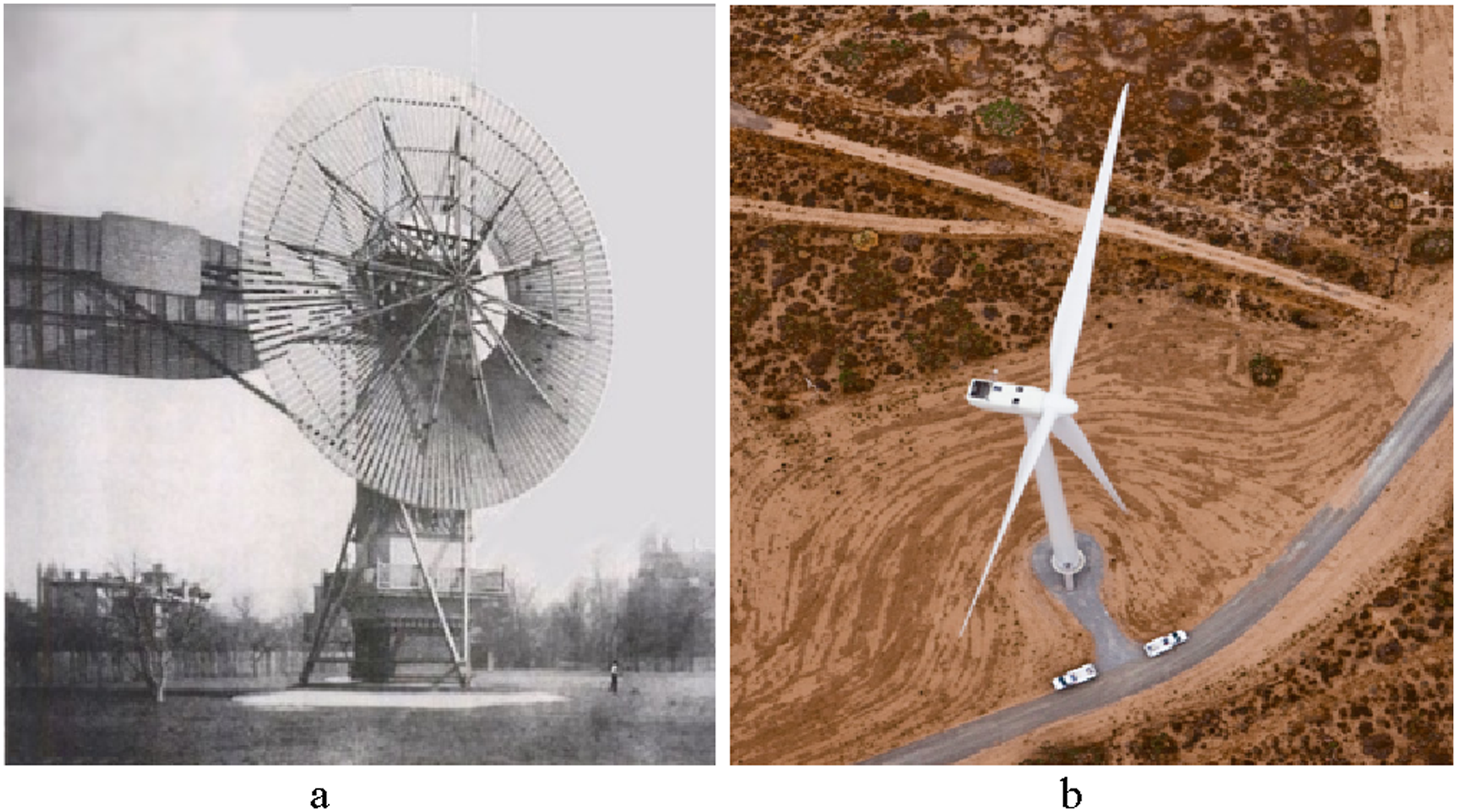
Decades of progress have transformed wind power into a much more advanced technology, but it still has a lot to go, may already be cost competitive.
But this energy still requires substantial development. Its development in the years ahead is likely to be much greater than the progress achieved in the past. Its full potential has yet to be exploited. Below are several reasons why accelerating its adoption is essential to protect the planet’s health and sustainability now and in the future. Where wind energy depends primarily on weather conditions (Blaabjerg and Ionel, 2017). ✓ Wind is a widely available and renewable natural resource. ✓ Wind energy is a cost-effective source. ✓ Wind energy reduces greenhouse gases and air pollution (protecting public health). ✓ Wind energy generates numerous employment opportunities (industry). ✓ Wind energy offers strong economic viability and long-term sustainability solution.
Global electricity consumption comes from various sources, with fossil fuels accounting for the largest share at 82.28%. In contrast, renewable energy sources make up 14%, as illustrated in Figure 2. Renewable energies are notably progressing in the power sector, successfully hitting their milestones each year. Consumption of fossil fuels, renewable energies and nuclear energy (Our-World-in-Data, 2024).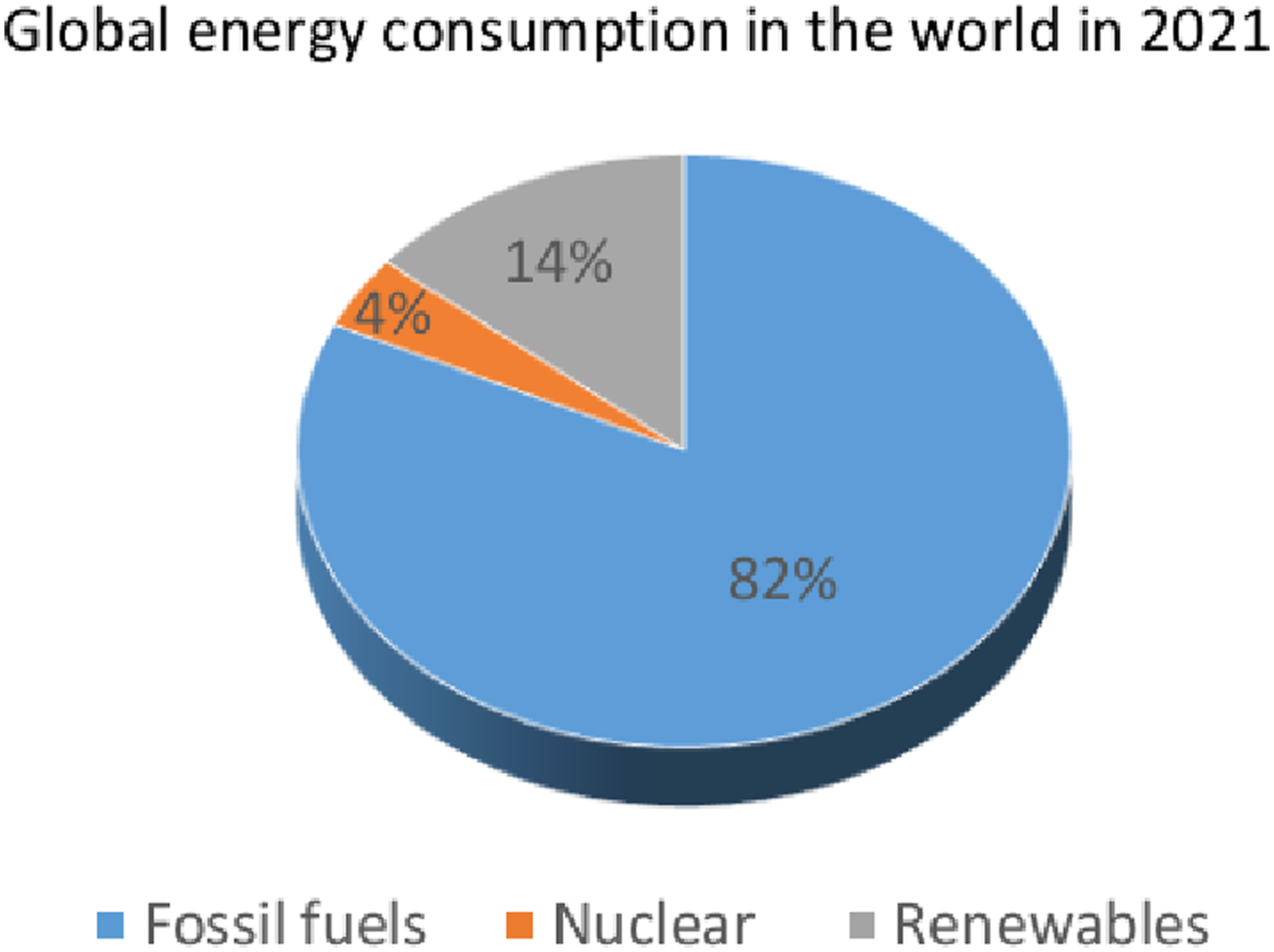
From a certain perspective, the main types of renewable energies (currently representing 14%) of global energy use and being seriously considered as alternatives to fossil fuels include wind turbine, solar PV, biomass, geothermal, and hydro-energy (Adhikari et al., 2024; Lebsir and Benamimour, 2023; Msigwa et al., 2022, BKW, nd; Yaramasu et al., 2015). Furthermore, a comprehensive review of up-to-date of the latest advancements in renewable energy generation systems reveals that research on wind turbine and solar energy is particularly prevalent, while other types are attracting increasing attention (Cheng et al., 2009; Dang, 2009; Hansen and Hansen, 2007; Lebsir et al., 2015, 2016; Lebsir and Benamimour, 2023; Tong, 2010; Yaramasu et al., 2015).
Based on this review, particularly over the recent period from 2000 to 2023, it is evident that wind energy has experienced rapid growth. This expansion is attributed to a combination of technical and natural factors, along with various impacts on environmental, economic, and social aspects, as highlighted by Msigwa et al. (2022), Sayed et al. (2021), Therefore, in the course of this study, we will discuss each of the characteristics, topologies, modeling with preliminary conclusions and perspectives of this promising future technology.
Research methodology
This research review is systematically structured to deliver comprehensive and well-organized content accessible to readers from diverse disciplines. Initially, a historical overview of the evolution of wind turbines and their role in renewable energy generation will be presented, providing a clear context for understanding the topic. Subsequently, a discussion of various technical topologies employed in the design and operation of wind turbines will follow, with a focus on standard modeling and simulation approaches using Simulink tools. Preliminary conclusions and existing controversies and research gaps in wind energy conversion systems, will also be included to simplify complex technical concepts, enhancing clarity and accessibility for non-specialists or readers from varied academic backgrounds.
To achieve these objectives, a wide range of reliable resources have been utilized, including: ⁃ Consultations with prominent experts and researchers in the field of wind energy and turbine technology to ensure the accuracy and relevance of the information, ⁃ Recent research papers published in prestigious journals, globally recognized academic journals, ⁃ Utilization of studies and research presented at major technical conferences, as well as publications from renowned global publishers, including IEEE, Springer, and Elsevier (via the ScienceDirect platform), which provide rich and up-to-date content. ⁃ In addition to these, a variety of sources have been consulted, including specialized academic books, credible websites related to renewable energy, scientific and technical magazines, and newspapers that publish reports and analyses on developments in the energy sector, contributing to a comprehensive and integrated perspective on the subject.
Wind energy conversion system, WECS
Back in December 1980 (44 years ago), US Windpower (Kenetech) launched the first-ever wind farm globally, located on the slopes of Crotched Mountain in southern New Hampshire, using 20 wind turbines with 30 kW capacity each. which later became GE Wind. The second form, offshore wind, was introduced in 1991 when Denmark installed the world’s first offshore wind project (Bilgili and Alphan, 2022; Rebecca et al., 2022). In 2021, the offshore wind industry hit a new high, connecting a record 21.1 GW of capacity to power grids worldwide (a significant milestone for the offshore wind industry) (Gipe and Möllerström, 2023; Rebecca et al., 2022). it’s accurate that the offshore wind has been experiencing significant growth, with several records being set, while other renewable technologies like tidal energy systems are also gaining attention.
Wind turbine topologies
The kinetic energy in moving air is harnessed by wind turbines to generate electricity, a process central to wind energy systems. This system represents two main steps for wind conversion.
When wind strikes the blades of a turbine, it causes them to spin, which in turn rotates the connected turbine.
This motion converts kinetic energy into rotational energy by turning a shaft connected to a generator, which then produces electricity (Benamimour et al., 2017; Hau and Renouard, 2006; Lebsir et al., 2015; Nejad et al., 2021).
Wind energy conversion systems can be found with different topologies chains (Figure 3). Example of a HAWT and VAWT topologies (Lebsir et al., 2016).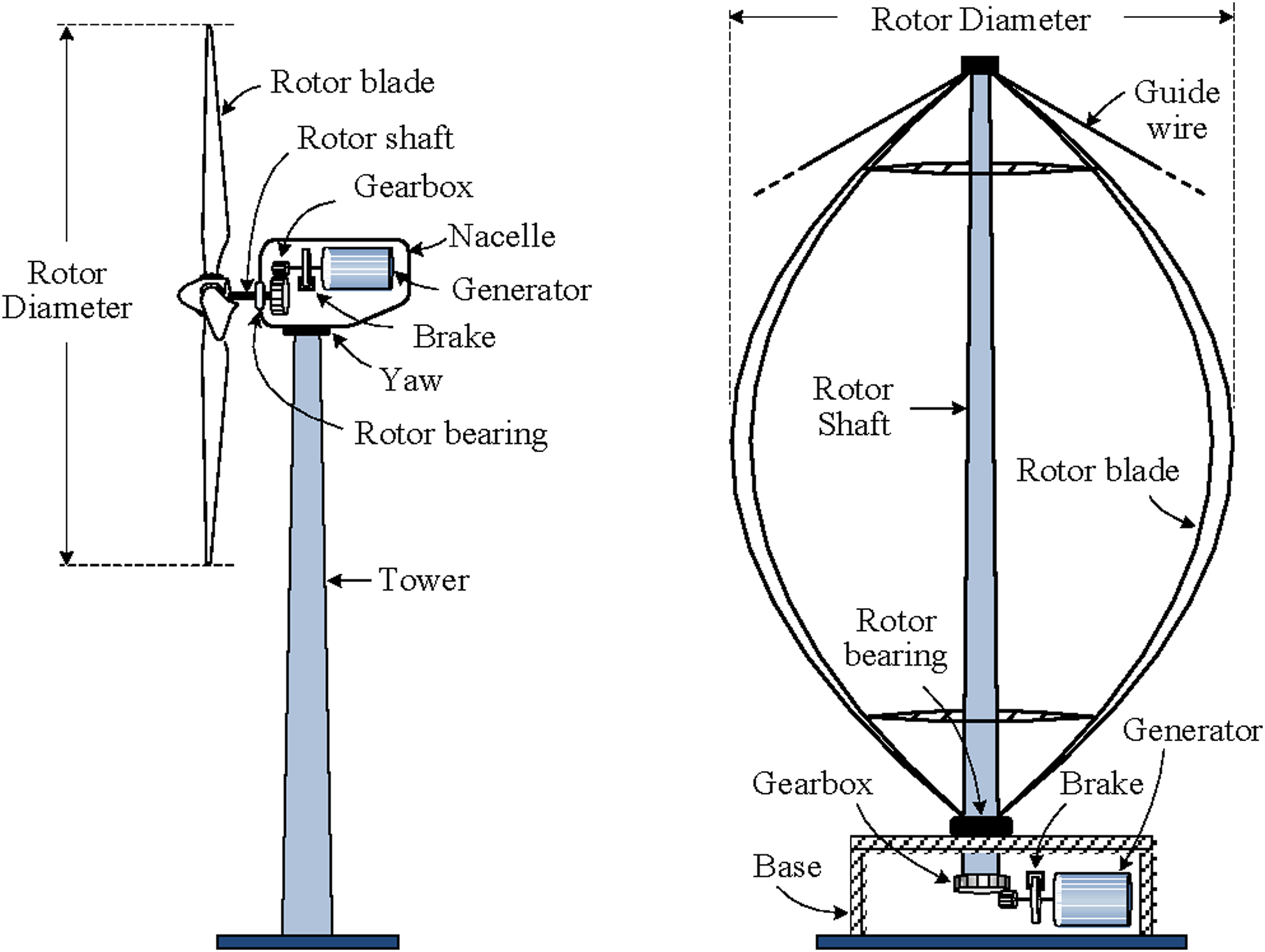
They can be classified into two basic groups according to the design (depending on the rotation axis) (Roga et al., 2022). These are Horizontal Axis Wind Turbines (or HAWTs) with three rotor blades, the great advantages of this wind turbine are its efficiency, rotation speed, vibration limits and the major disadvantage of these types is the noise they produce, from Gipe and Möllerström (2022), Gipe and Möllerström (2023) has proven to be the most favored configuration of choice. The second type is the Vertical Axis Wind Turbines (VAWT). These are, in turn, represented in either of two models: the DARRIEUS (is based on an H rotor) (Gomez et al., 2025) and the SAVONIUS wind turbines (Lebsir et al., 2016; Mrigua et al., 2022). The key advantage of this wind turbine is its ability to be installed in windy locations while producing minimal noise. The drawback of this type is that it needs a relatively strong wind to start turn. Therefore, the mechanical constraints are strong.
Another way to classify modern wind turbines is by considering their installation site and grid connection method: • Onshore wind turbines, or land-based turbines, vary in size from 100 kW to several megawatts. • Offshore wind turbines, typically, much massive, larger and can be heights than the Statue of Liberty.
On the other hand, they can be classified according to their power output and the diameter of their blades (there are three categories of wind turbines: • Small wind turbines provide power outputs which range less than 40 kW and less than 12 m de blades; • Medium wind turbines generate from 40 kW to a 999 kW, and 12 m to 45 m the blades; • High-power wind turbines generate 1 MW and more, with 46 m and more de blades.
Also depending on their speed, they operate at fixed speed or with variable speed, Geared-Drive System (GDS) or Direct-Drive System (DDS) or they are or not directly coupled to grid (Desalegn et al., 2022; Lebsir et al., 2016; Spinato et al., 2009). So, we have lots of classifications. Which these topologies need and illustrate with multidisciplinary researches and collaborations (Nejad et al., 2021) (Interactions between aerodynamics, physics, electrical, thermal and mechanical aspects), this means complexity and high cost.
A notable example is the early 2014 installation of the first Vestas V164, the most powerful wind turbine, marking a significant advancement in wind technology (Yaramasu et al., 2015) Equipped with an 8 MW rated generator and a three-bladed rotor spanning 164 m in diameter, this groundbreaking turbine is mainly designed for large-scale offshore wind farm projects. The nacelle, measuring 20 × 8 × 8 m and weighing around 390 tons including the key components such as the gearbox, a medium-speed generator, and an AC/DC rectifier. The rest of the electrical power system, including the DC/AC inverter, power supply cabinets, transformer, and switchgear, is installed within a multilevel, 14 m-high structure at the base of the turbine tower (Blaabjerg and Ionel, 2017).
Wind farms were traditionally built on land, but today’s developments and future projects are focused on large offshore installations, offering access to stronger winds and being situated away from rural population centers (Gao et al., 2020) (more wind + everything is flat). One example is the Anholt wind farm, commissioned in 2013 with a capacity of 400 MW, is not only Denmark’s largest offshore wind park but also ranks among the largest worldwide (Blaabjerg and Ionel, 2017).
Wind turbine system modeling
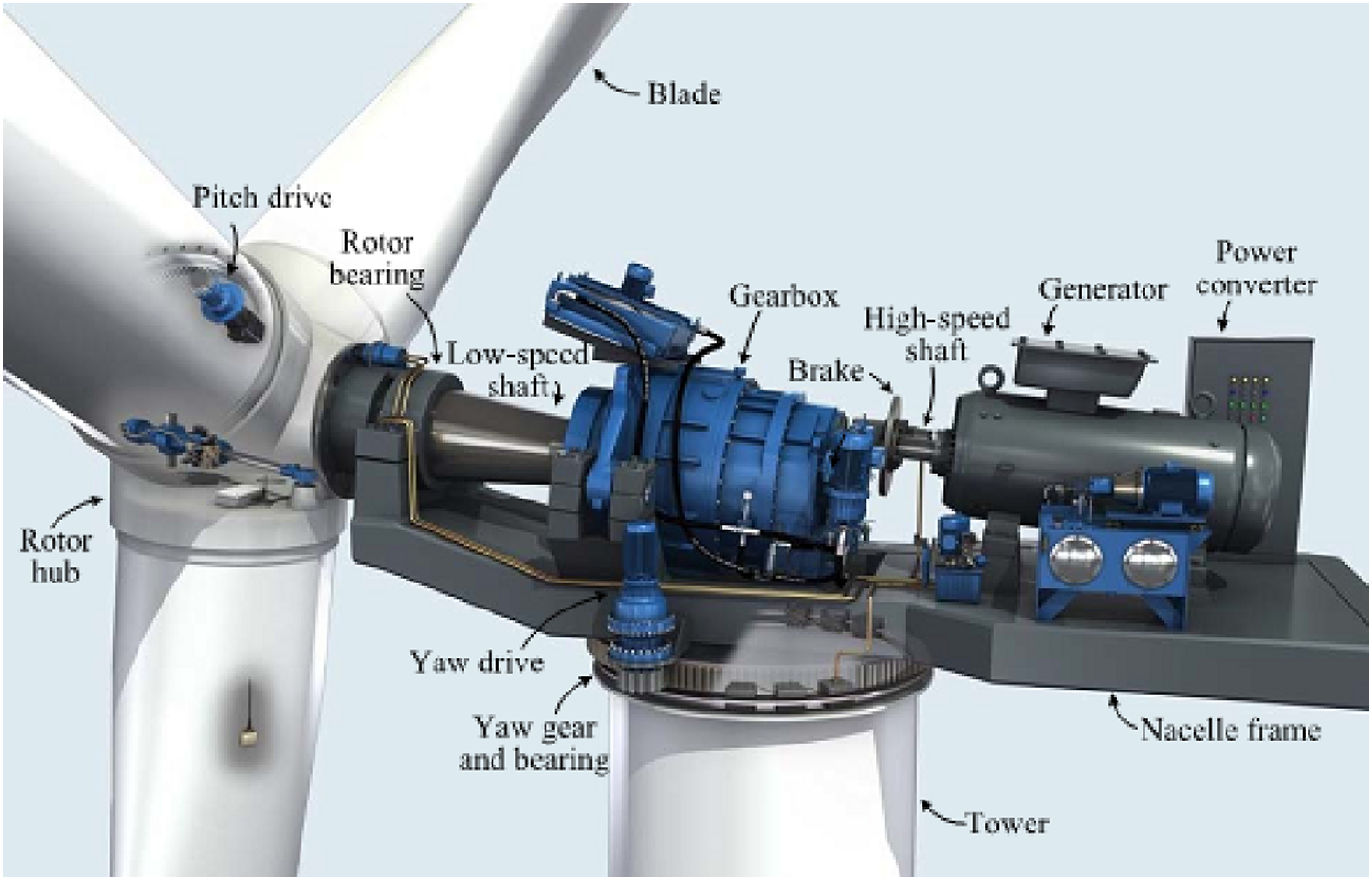
Wind turbines convert wind into electricity, relying on this clean, renewable, and abundant energy source. As illustrated in Figure 4 a typical WECS generally comprises four main components: (Benamimour et al., 2017, Lyons et al., 2008) ⁃ The blades turbine, captures wind energy, then converts it into motion, or kinetic energy. ⁃ The gearbox, regulates the turbine’s rotational speed to suit the generator’s needs. ⁃ The generator, transforms mechanical into electrical energy. ⁃ The static converter system, processes the electrical output. Example of a Side view of the nacelle of the WECS, including gearbox, electric generator, and power electronics converter (Lebsir et al., 2015).
The power P
T
extracted from a moving air volume is the derivative of kinetic energy with time (t). This wind kinetic energy is that which is transformed into mechanical energy. Then, this last will be transformed into electrical energy by a generator. The nacelle of a typical wind turbine, depicted in Figure 4 includes essential components such as a gearbox, generator, and power electronics converter (Benamimour et al., 2017; Blaabjerg and Ionel, 2017).


ρ: air density (kg/m
3
), it varies according to the altitude and temperature, can be represented by equation (3):

Where:
p: Atmospheric pressure (Pa)
R: Specific gas constant for dry air ≈ (287.05 J/(kg·K))
T: Absolute temperature in Kelvin (K)
v w : wind speed (m/s),
Cp: power coefficient, it varies according to the size of the turbine and from one company to another, where:

Therefore, for a three-blade turbine, the C
P
coefficient is theoretically limited to 0.593 in Figure 5 (Betz limit 16/27). However, in modern large-scale wind turbines according to (Biswas and Chen, 2025) the theorical power coefficient for offshore large wind turbines is about 1.27% lower than that predicted by the Betz limit. It depends on the blade pitch angle β (°), and the tip speed ratio λ (TSR) defined as follows: Power coefficient (CP) values for various types of wind turbines (Lebsir et al., 2015).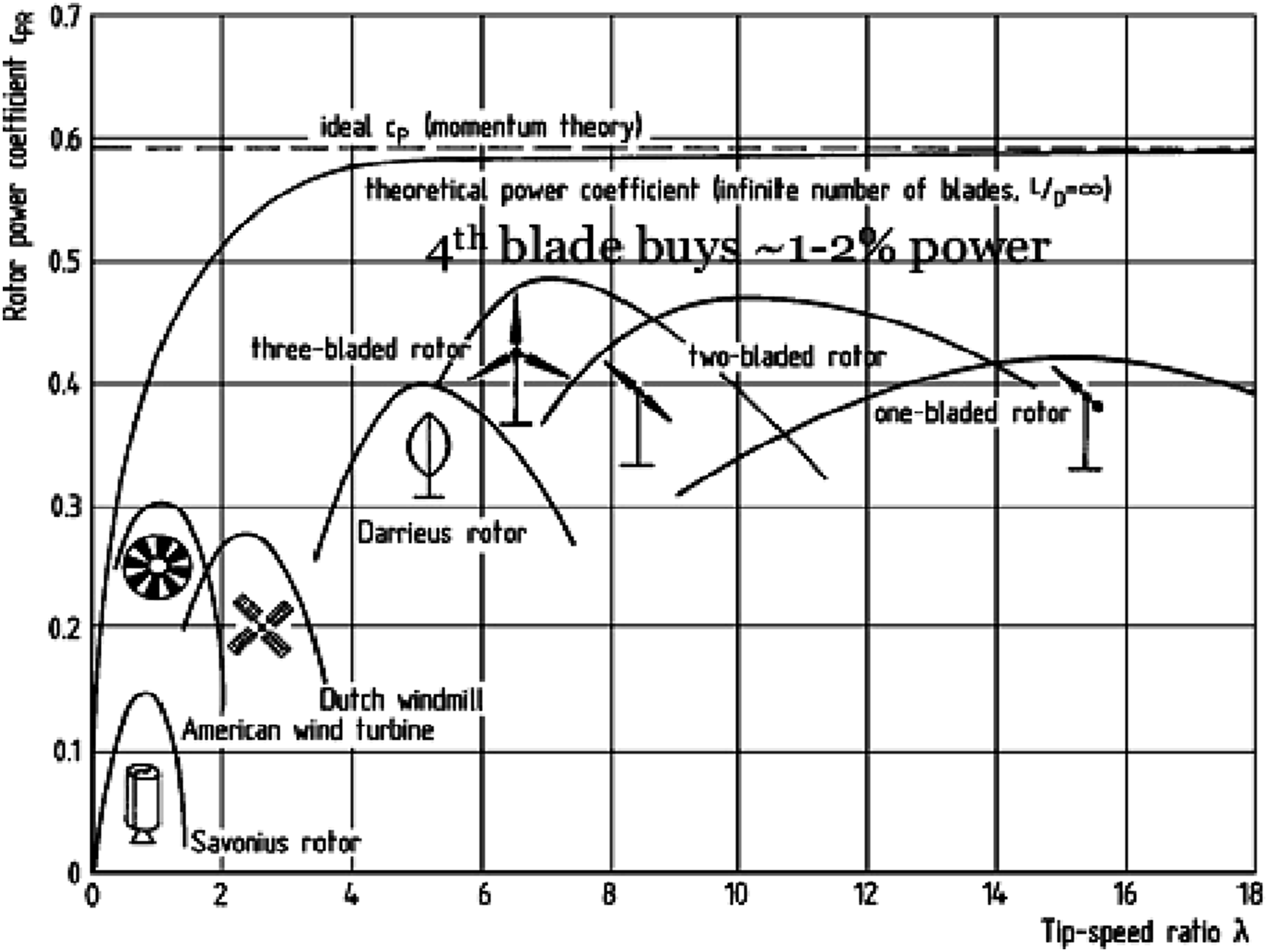

The Cp coefficient can be represented by equation (6) (Benamimour et al., 2017):


As shown in Figure 6 The C
P
varies with the tip speed ratio for multiple pitch angles. Power coefficient (Cp) versus tip speed ratio for various β values.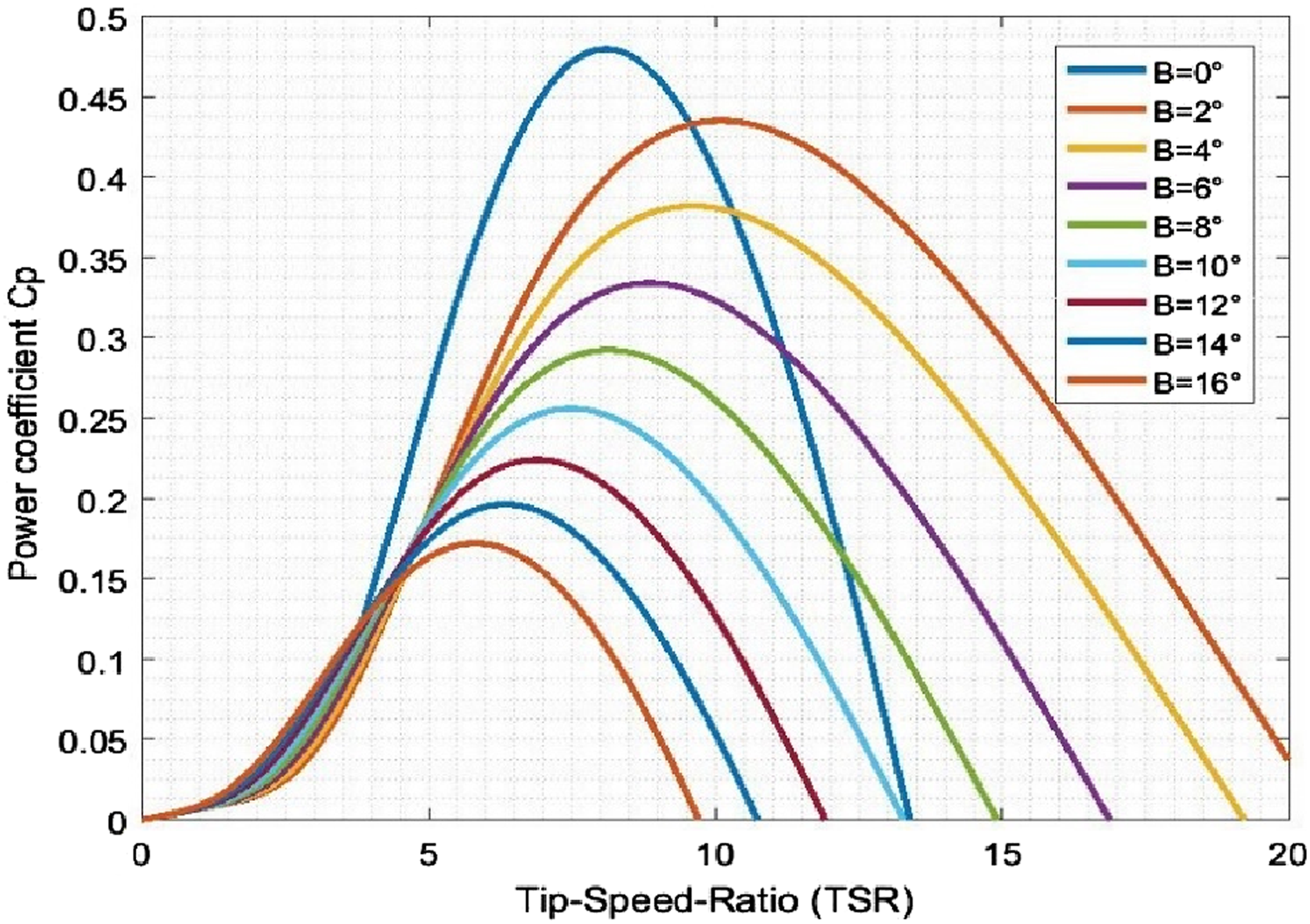
Figure 7 illustrates one of the key factors influencing wind power performance, divided into four distinct zones: Standard power curve for a wind turbine (Benamimour et al., 2017; Lebsir et al., 2015).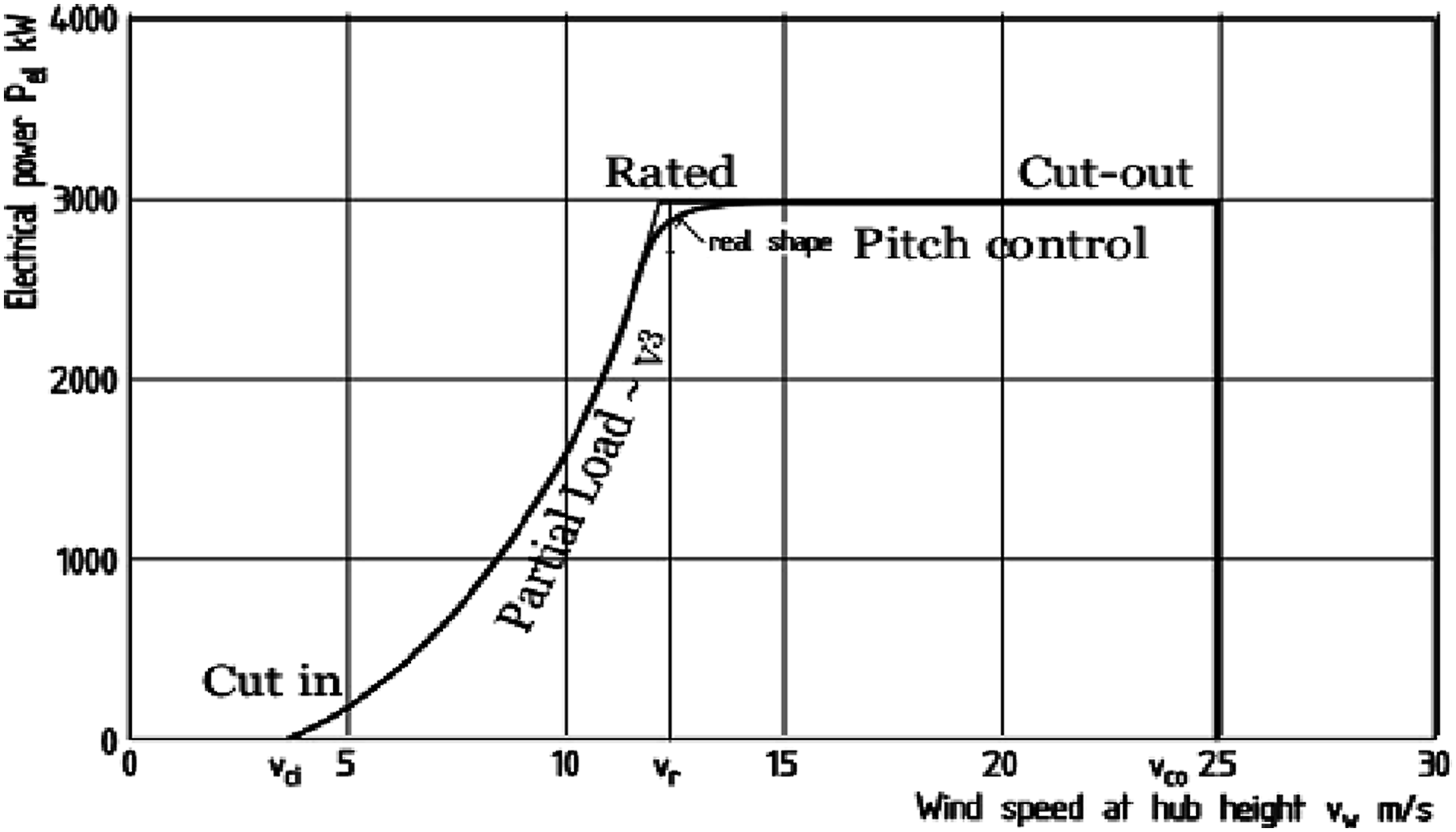
Zone I: Lower than the cut-in, the turbine remains inactive.
Zone II: At cut-in, start generating power (P∼
Zone III: Between the nominal and cut-off wind speeds, the turbine delivers a constant power (pitch control).
Zone IV: At cut-off limit, the system stops.
In zone II, the rotor speed (
Simulation of the turbine and gearbox under Matlab/Simulink software
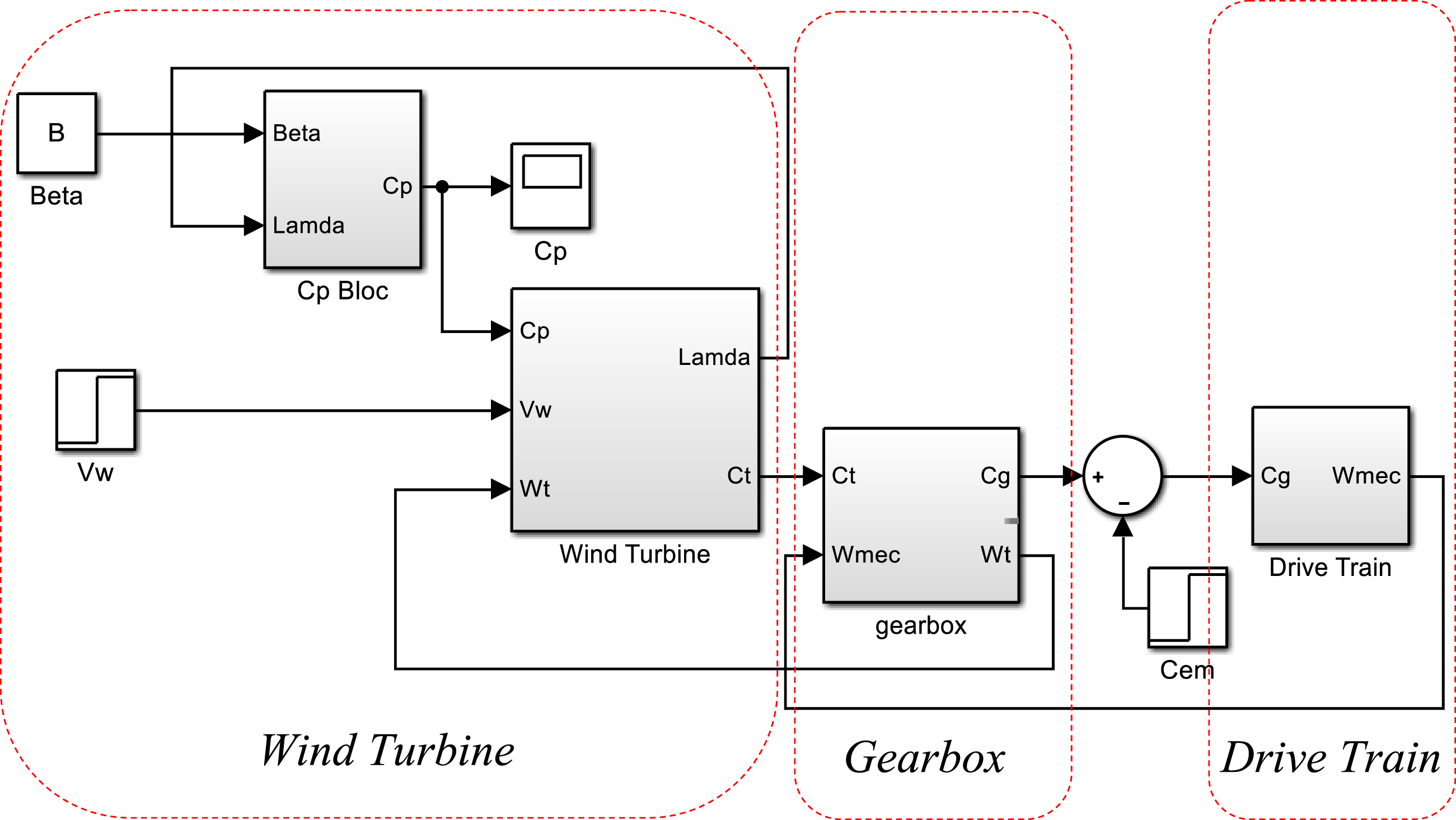
To carry out simulation in MATLAB-Simulink software, the WECS’s mathematical model, based on equations (1) to (7), is represented by the schematic model shown in Figure 8 where coupling both of the wind turbine-gearbox with a drive train. Considering the following simplifying assumptions: o The blades are identical, having the same inertia, elasticity, and friction characteristics. o The friction coefficients between the blades and the air, as well as between the blades and the support, are negligible and can be ignored. o The wind speed is evenly distributed across all the blades. WECS turbine model implemented in Simulink.
Preliminary conclusions and perspectives
In 2021, there is 29% of the global increase in electricity world’s demand. This is why there has been an increase that can be partially explained by the sharp rise in gas prices during 2021. In addition, the increase in fossil fuels has propelled CO2 emissions from the global energy sector to an all-time high, breaking the previous record of 3% in 2018 (EMBER, 2022). so, with this more demand of the fossil fuels there are more dangers and risks…, and to reduce it, must be increased the reliance on renewable energies, which will be essential for the decarbonization of our energy systems. But, from a natural and scientific point of view, how quickly is our production of renewable energies changing! Because it relates more to natural conditions than to scientific ones.
Compared to other energy sources, wind generation is a relatively modern form of renewable energy, but it is experiencing rapid growth in many countries worldwide. with 227 manufacturers, 26 989 world wind farms (The Wind Power, 2024), wind energy increased by 14% last year. As a result in 2021, 7% is the total electricity generation contributed around the world. Other challenges are the efforts of several countries to trade and invest in this energy from its beginning to the present, as developed countries compete, and we find China at the forefront for many years. To rank among the top five, China with a total wind power capacity estimated at 346.7 GW both onshore and offshore one with a growth rate 13%, followed by the United States, which has an estimated total wind power capacity of 135 GW and growth rate 9%, third place Germany with 63.8 GW with a growth rate 4%, India ranked fourth with 40.1 GW with a growth rate 9%, and we find the United Kingdom in the fifth place by 26.8 GW with a growth rate 6%, where Figure 9 illustrates the early development (the beginning) of wind turbines producing electricity in the 19th century. The first turbine was installed in Scotland, followed by another in France with a capacity of 12 kW. A similar 12 kW turbine was later (after year) established in the United States. Three years after that, an 18-kW wind turbine was built in Denmark. As of 2021, the top five countries in wind energy capacity are also shown (21st centruy) (Gipe and Möllerström, 2022, REN21, 2022). The beginning in the 19th century & the present top five countries for wind energy capacity in 2021.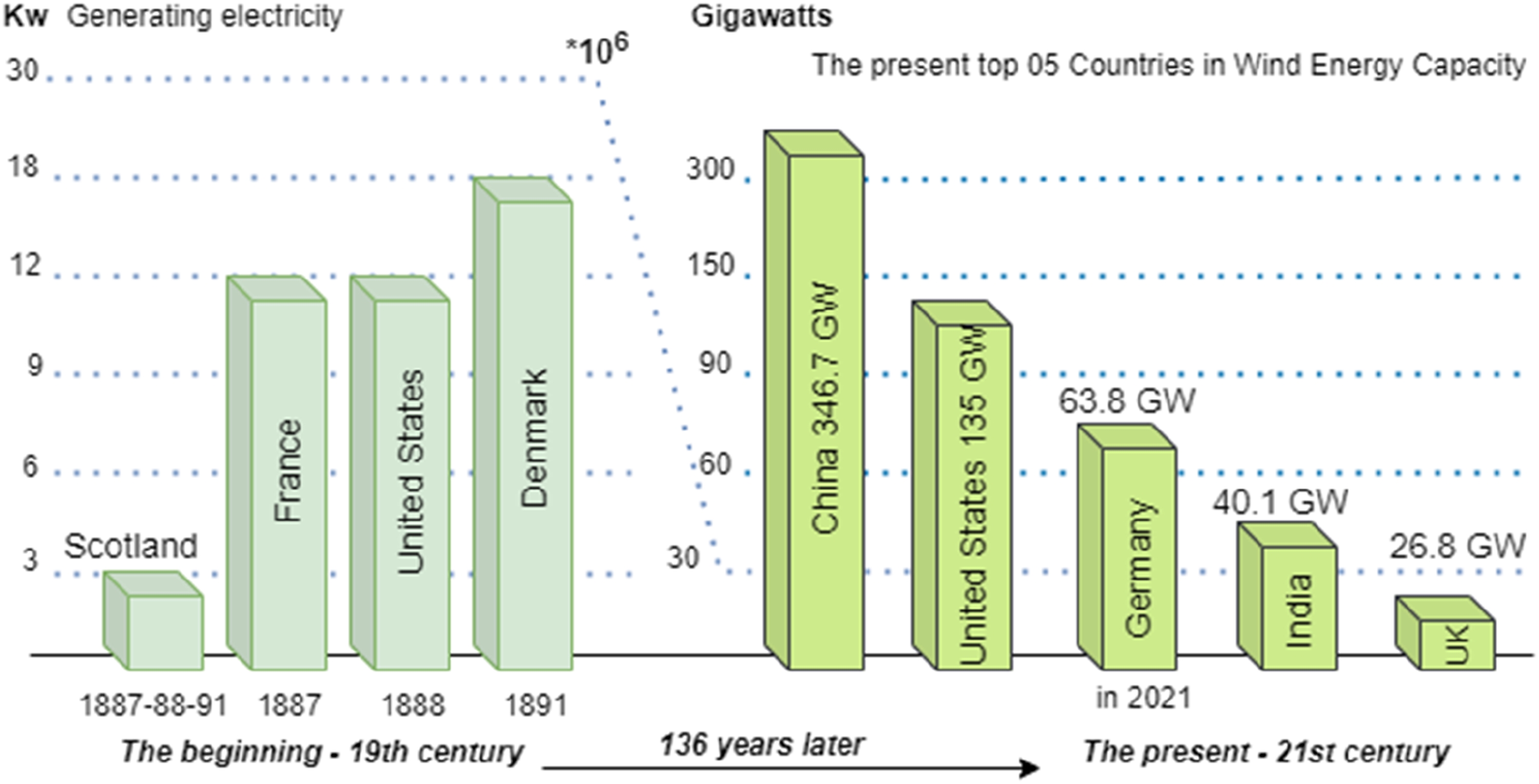
Wind turbines represent a major opportunity to provide energy to more countries as an example (Wabukala et al., 2021). It is also witnessing year after year a great development. Modern wind turbines are becoming increasingly larger, with blades averaging around 200 feet in length and towers reaching over 300 feet tall—comparable to the height of the Statue of Liberty. Additionally, typical nameplate wind turbines capacity is rising, meaning they have more efficient and stronger generators. In 2021, newly installed utility-scale wind turbines had an average capacity of 3 MW (MW), representing a 9% increase compared to the previous year.
Higher winds generate more electricity, which is why wind turbines are being built taller—to access higher altitudes where wind speeds are greater, particularly in offshore locations (Bensalah et al., 2022; Bilgili and Alphan, 2022). Of course, according to the Wiser et al. (2021), the study shows that bigger towers and rotors can increase the wind energy value to the electricity grid and offer other hidden additional benefits. Offshore wind presents a significant opportunity to supply energy to densely populated coastal cities.
Renewable energies LCOE from 2010 to 2023 (IRENA, 2024).
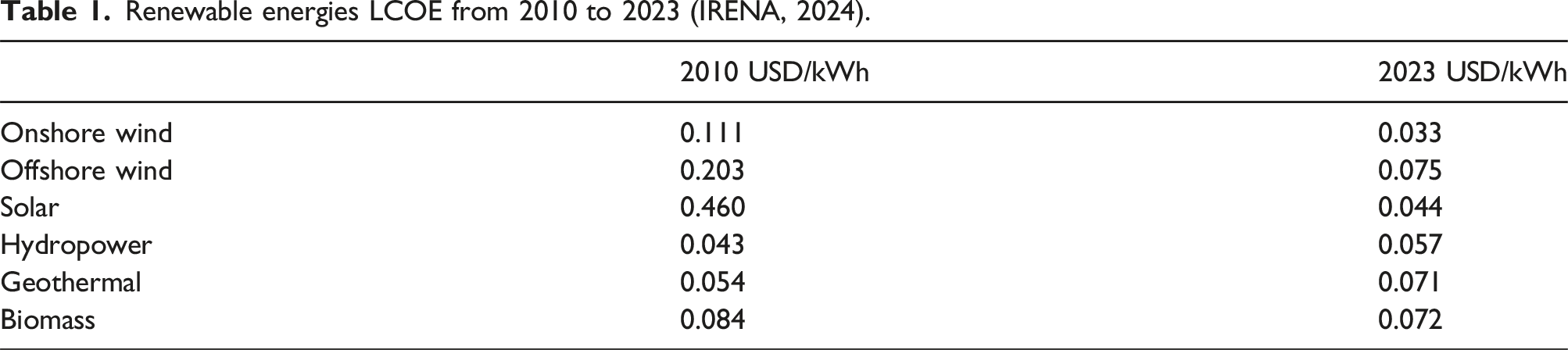
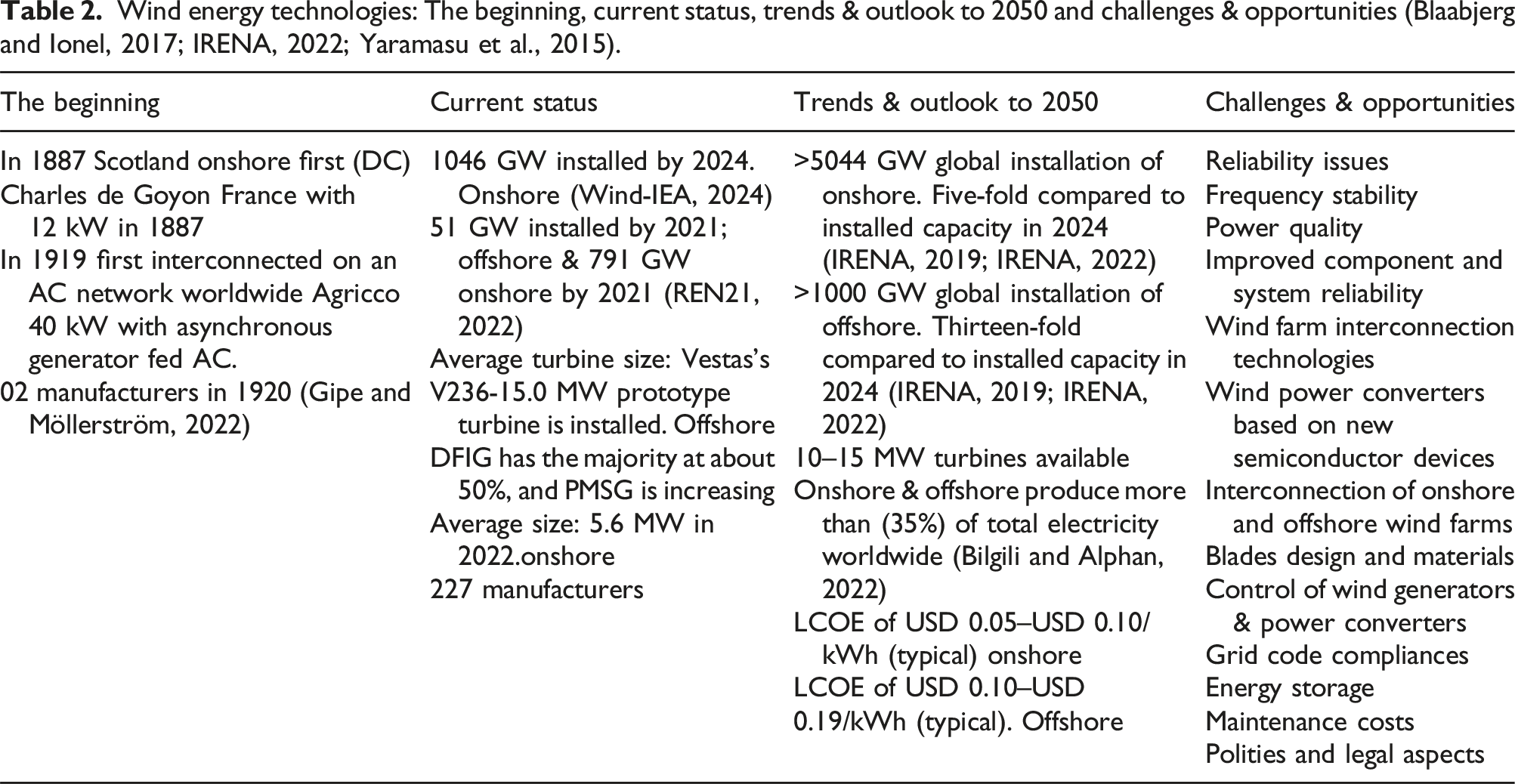
Recently, a new V236-15.0 MW™ offshore turbine prototype has been developed and installed at Østerild (The largest wind farm company Headquartered in Denmark) Test Center is well underway, with all tower sections already installed. From 80 m in 2013 to 115.5 m now in the 2022 (V236) making it the longest ever manufactured Vestas blade (VESTAS, 2023) were the beginning it was 2.4 m-3 m and 12 m in 1888 (Gipe and Möllerström, 2022). Therefore, the future of this energy appears bright and full of potential. So, its technologies and devices are anticipated to become increasingly economically compared to traditional fossil fuel generation (Blaabjerg and Ionel, 2017).
Wind energy technologies: The beginning, current status, trends & outlook to 2050 and challenges & opportunities (Blaabjerg and Ionel, 2017; IRENA, 2022; Yaramasu et al., 2015).
The literature on wind energy is coming up and getting more and more important. Both academia and industry researchers discussed all wind energy aspects through their researches conference papers, articles, books and collective book chapters, and many journals, reviews and magazines in all database are now publishing more content focused on up-to-date research related to wind energy, including technologies and devices used in the development of wind farms, whether offshore or onshore (Blaabjerg and Ionel, 2017; Kinani et al., 2023; Sayed et al., 2021; Yaramasu et al., 2015; Zhang and Huang, 2011). They offer several factors that contribute to their growing popularity: • Clean and Renewable: Wind energy is a clean, renewable, and environmentally friendly source (non-polluting). It is essential in mitigating climate change and improving air quality. • Reduced Dependence on Fossil Fuels: Wind energy lessens dependence on fossil fuels (coal, oil, natural gas), making energy supplies more secure and less affected by changing fuel prices. Fossil fuel power plants typically have a levelized cost of energy (LCOE) ranging between USD 0.045 and USD 0.14/kWh (Blaabjerg and Ionel, 2017; Wiser et al., 2021). • Abundant Resource: Wind energy is practically inexhaustible as long as wind currents continue to exist, making it a sustainable long-term energy solution. • Job Creation: Wind energy projects create jobs with researchers, engineers and technicians in manufacturing, installation, maintenance, and other related sectors, stimulating local economies. 12.7 million jobs were created by the renewable energy sector globally during the year 2021. 1.37 of them were in wind energy (IRENA, 2019; IRENA, 2024). • Technological Advancements: Technological progress in wind turbines has resulted in greater efficiency, lower costs, and enhanced reliability, making wind power more competitive with traditional energy sources. Power generation costs (2021 USD/kWh) 0.075 Offshore and 0.033 Onshore (IRENA, 2024). • Decentralized Power Generation: Wind energy can be harnessed at various scales, from individual homes to large utility-scale projects, promoting decentralized power generation and energy self-sufficiency. • Global Potential: Wind resources are available in various regions across the globe, allowing a diverse range of countries to tap into this energy source. Global renewable generation capacity (GW) 3064 GW an increase of about 70% since 2014 (IRENA, 2024). • Grid Integration: Wind energy can be integrated into existing electricity grids, contributing to a diverse energy mix and improving grid stability. • Public Support: Wind energy is among the technologies that enjoy widespread support, owing to its diverse benefits, including environmental and sustainable aspects, in addition to its economic and social advantages. • Wind Energy on Health: As mentioned before, wind energy is widely clean and sustainable that significantly reduces greenhouse gas emissions, and contributes to improved air quality, which has a positive impact on human health, particularly in urban and industrial areas. However, there are also some health concerns, including noise pollution, cause sleep disturbances, headaches, or stress in nearby residents. Shadow flicker: can create visual discomfort or trigger migraines. On balance, the public health benefits of wind energy far outweigh the potential negative effects (Msigwa et al., 2022). • Energy Transition: wars, diplomatic tensions, sanctions, international agreements or global political events have significant impacts on the energy sector. These effects are manifested in rising prices and shortages of fossil fuels. So, wind energy is a key contributor to the global shift away from fossil fuels toward cleaner energy sources, supporting international efforts and commitments to combat climate change. Numerous scientific and political conferences are held annually on this objective.
As technology continues to evolve and economies of scale are realized, wind power is likely to become an even more essential part of the global energy mix. However, challenges like intermittency, land use concerns, and potential impacts on local ecosystems should also be carefully managed as wind energy continues to expand.
Companies are working on designing shock-resistant turbines that produce electricity during storms, thus operating the turbine in the most difficult conditions to improve wind turbine systems efficiencies (Khadka et al., 2022; Ozoemena et al., 2018; Singh and Sundaram, 2022).
As highlighted earlier, particularly over the past two decades (2000 to 2024), wind energy has experienced rapid growth, driven by a combination of technical advancements and natural factors. Figure 10 illustrates the yearly electricity output from wind energy, measured in terawatt-hours (TWh) per year, covering both onshore and offshore wind sources from 1980 to 2022 (Lebsir and Benamimour, 2023; Our-World-in-Data, 2024). Wind energy generation in the world from 1980 to 2022.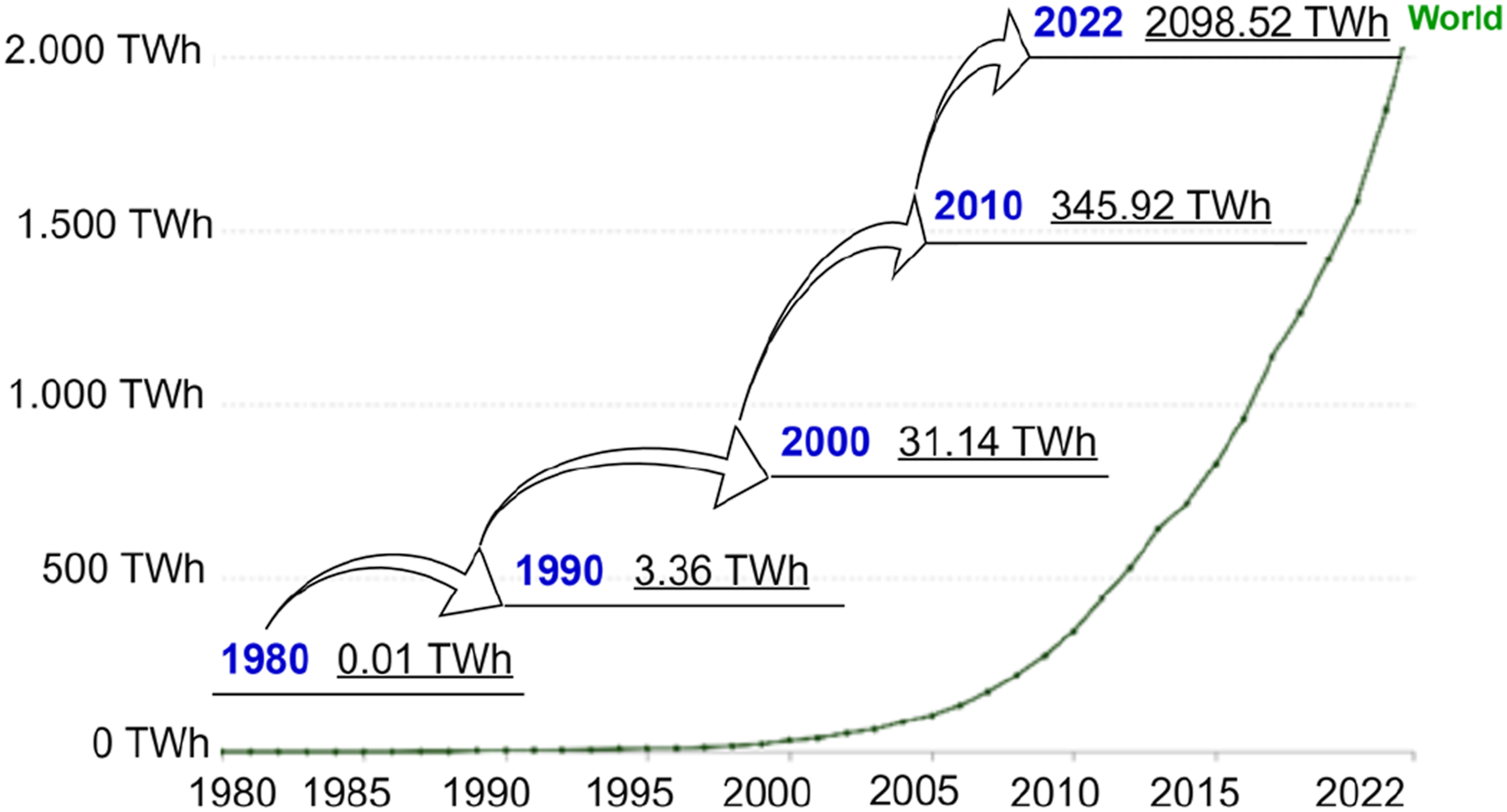
Despite all the achieved advantages and the research efforts made in recent years, they remain insufficient to cover all the existing research gaps and resolve the ongoing controversies. Significant challenges still persist, technical, natural and whether or social. Among these issues, for example but not limited to: ∅ Reliability and performance of multi-MW wind energy systems using DFIG or PMSG technologies, especially when implementing optimal control or a real-time adaptive control under variable operating conditions and grid conditions (Abdelateef Mostafa et al., 2023; Lebsir et al., 2016; Rajendran et al., 2022; Thota et al., 2024). ∅ Frequency regulation and stability (Abdelateef Mostafa et al., 2023; Ullah et al., 2024). ∅ Air density and Cp characteristics of site, typically use the standard air density (1.225 kg/m3) to provide inaccurate energy estimates in areas with special criteria such as high altitude and hot areas. ∅ Structural reliability and aerodynamic of Offshore wind, floating and fixed foundation (Asim et al., 2022; Ribeiro et al., 2025). ∅ Artificial Intelligence and Machine Learning for wind energy (Chatterjee and Dethlefs, 2021; Abdelateef Mostafa et al., 2023; Ribeiro et al., 2025). ∅ The long-term impact of large-scale wind farms on local biodiversity, with community acceptance and socio-economic impact (McKenna et al., 2025; Msigwa et al., 2022).
Conclusion
In this study, a potential candidate for renewable energy have been introduced and evaluated according to the main requirements and recent world events. However, this candidate is wind energy, which has recently known wide interest. Through this review addressed, the wind energy technologies including their current status, ongoing research challenges, and opportunities, as well as anticipated future trends. Moreover, the top countries in the beginning (19th century) and the present top five countries for wind energy capacity in 2021.
So, why wind energy conversion? Through this work we have taken the answer to this question.
For a sustainable future, and to achieve a green and clean future, wind energy can be around the world. Moreover, in 2021, wind energy once again witnessed remarkable significant advancements and gained serious attention on political, economic, and environmental levels.
One of the primary challenges (main obstacles) is its dependence on natural conditions, which has become more unpredictable in recent years.
Footnotes
Acknowledgment
The author would like to thank Dr Tariq Benamimour, Dr Hemza Medoukali, and Dr Abderraouf Bouloudenine for their kind help with providing information on wind turbines technologies.

Funding
The authors received no financial support for the research, authorship, and/or publication of this article.
Declaration of conflicting interests
The authors declared no potential conflicts of interest with respect to the research, authorship, and/or publication of this article.