




Abstract
Offshore wind energy is rapidly becoming a cornerstone of the global transition to renewable energy, offering significant potential for large-scale, sustainable electricity generation. This comprehensive review critically examines the technical, infrastructural, and policy dimensions of offshore wind development, with a focused lens on India’s nascent sector. It explores key components such as turbine foundation systems, generator classifications (SCIG, DFIG, and PMSG), and transmission mechanisms (HVAC and HVDC), alongside issues of grid stability and integration. The study further investigates the integration of energy storage systems to address intermittency and enhance grid reliability. Drawing on global case studies, particularly from Europe and China, the paper highlights India’s coastal potential estimated at over 70 GW and outlines strategic recommendations aligned with its socio-economic and regulatory context. The analysis emphasizes the importance of tailored frameworks to facilitate cost-effective and scalable offshore wind deployment in India.
Keywords
Introduction
There has been a continuous rise in the demand for energy over the course of the past few decades (Wang et al., 2016; Rühl, 2013) Fossil fuel sources, such as coal, oil, and natural gas, currently account for around 85% of the world’s energy supply. Nevertheless, the energy landscape is expected to experience a substantial transformation as a result of the enforcement of the Paris climate agreement, established in December 2015 (Clémençon, 2016). This climate agreement aims to achieve its objective by imposing a cap on the maximum rise in the global average temperature, ensuring it remains below 2 degrees Celsius compared to pre-industrial levels (Rogelj et al., 2016). In order to achieve this objective, there should be a significant shift in the trends of greenhouse gas (GHG) emissions (Falkner, 2016). Consequently, there should be a reduction in the utilization of fossil fuels, as these fuels are considered to be the primary source of greenhouse gas emissions (Woo et al., 2017). Indeed, the worldwide emissions of greenhouse gases are primarily driven by the release of carbon dioxide (CO2) resulting from the burning of fossil fuels. These emissions have been consistently increasing since 1990 (Crippa et al., 2019).
In order to fulfill the aim set by the Paris agreement, the electricity sector ought to be decarbonized by the year 2050 (Creutzig et al., 2017). Furthermore, a one-percent increase in the share of non-fossil fuel energy generation can reduce carbon dioxide emissions by up to 0.82% (Liddle and Sadorsky, 2017). The importance of promoting the integration of renewable energy sources (RES) into power utilities is partly driven by the growing concern for the environment (Huber et al., 2014). Additionally, renewable energy sources have the potential to reduce the energy dependency on fossil fuels that are brought in from other countries on import (Pacesila et al., 2016).
In addition to the financial implications of importing fossil fuels, so reducing reliance on energy sources, contributes to an increase in the security of the electrical supply (Corrêa Da Silva, De Marchi Neto and Silva Seifert, 2016). In accordance with the definition provided by the International Energy Agency (Jakstas, 2019), electrical supply security is defined as the uninterrupted availability of energy sources at an affordable price. On the other hand, political stability, market liberalization, and international affairs are all connected to the security of energy supply in today’s world (Chalvatzis and Ioannidis, 2017). As a consequence of this, it is essential for a nation to achieve energy independence in order to ensure that it is secure in terms of its energy supply (Leonavičius et al., 2018). Despite the fact that renewable energy sources (RES) offer a satisfactory answer to these two issues, they are also confronted with a multitude of hurdles as their incorporation into grids becomes more widespread. These concerns are mostly based on the fact that they are intermittent, variable, and uncertain because they are dependent on the weather conditions (Wang et al., 2015). In reality, they are typically regarded as sources that are not capable of being sent (Weitemeyer et al., 2015). Because of this feature, it is difficult to incorporate them into power networks (Teng et al., 2017); TSOs must handle both overwhelming demand and unpredictable generation (Fernández-Guillamón et al., 2019; Zhang and Fang, 2017).
Bioenergy, photovoltaic energy, geothermal energy, hydropower, tide and wave energy, solar energy, and both onshore and offshore wind energy are all categorized as renewable energy sources (Owusu and Asumadu-Sarkodie, 2016). The replacement of conventional generation units with renewable energy sources, such as wind and solar installations, which are connected to the grid via power electronic converters, leads to a reduction in the system’s rotational inertia (Toulabi et al., 2017; Fernandez-Guillamon et al., 2018). The frequency stability is severely compromised as a result of this fact, and the transient response is altered (Delille et al., 2012).
As a consequence of this, a number of different frequency management tactics have been suggested all over the specialized research (Dreidy et al., 2017; Fernández-Guillamón et al., 2019b). To increase the share of renewable energy in power systems and address the challenges mentioned above, two viable approaches include augmenting one source with another (e.g., integrating wind with solar and/or hydropower) or utilizing energy storage solutions such as flywheels, pumped hydro storage, batteries, or hydrogen. Wind energy is widely regarded as one of the most cost-effective, popular, and mature renewable energy technologies available today (Thomaidis et al., 2016; De Barbosa et al., 2017). The rise in offshore wind power is attributed to the wind energy industry’s present interest in this field (Ren et al., 2017; Cardozo et al., 2018). Offshore wind speeds exhibit higher magnitudes and have reduced variability in comparison to onshore wind power. Offshore wind turbines have less visual and aural impact than onshore turbines; therefore offshore locations are suitable for constructing larger wind turbines (Pichugina et al., 2012).
Gujarat and Tamil Nadu coasts have a potential of 36 GW and 35 GW, respectively. Moreover, the wind speed in offshore areas typically rises as one moves further away from the shore (Dai et al., 2018; Pérez-Collazo et al., 2015). However, the increased costs associated with constructing and maintaining offshore wind power plants (OWPP) located far from the shore offset the advantages of higher energy production (Nagababu et al., 2017).
Figure 1 illustrates the integration of Offshore Wind Power Plants (OWPP) into the utility grid, showcasing the complexities involved in connecting these facilities to the energy network. OWPPs, while essential for harnessing renewable energy from offshore wind resources, incur costs approximately 50% higher than those of onshore wind power plants. This cost disparity arises from the specialized infrastructure and technology required for offshore installations, including subsea cabling, robust foundation systems, and transmission networks designed to withstand marine conditions. Effective grid integration strategies are crucial to optimize the performance and economic viability of OWPPs (Kashem et al., 2020). Integration of offshore wind power plant to utility grid.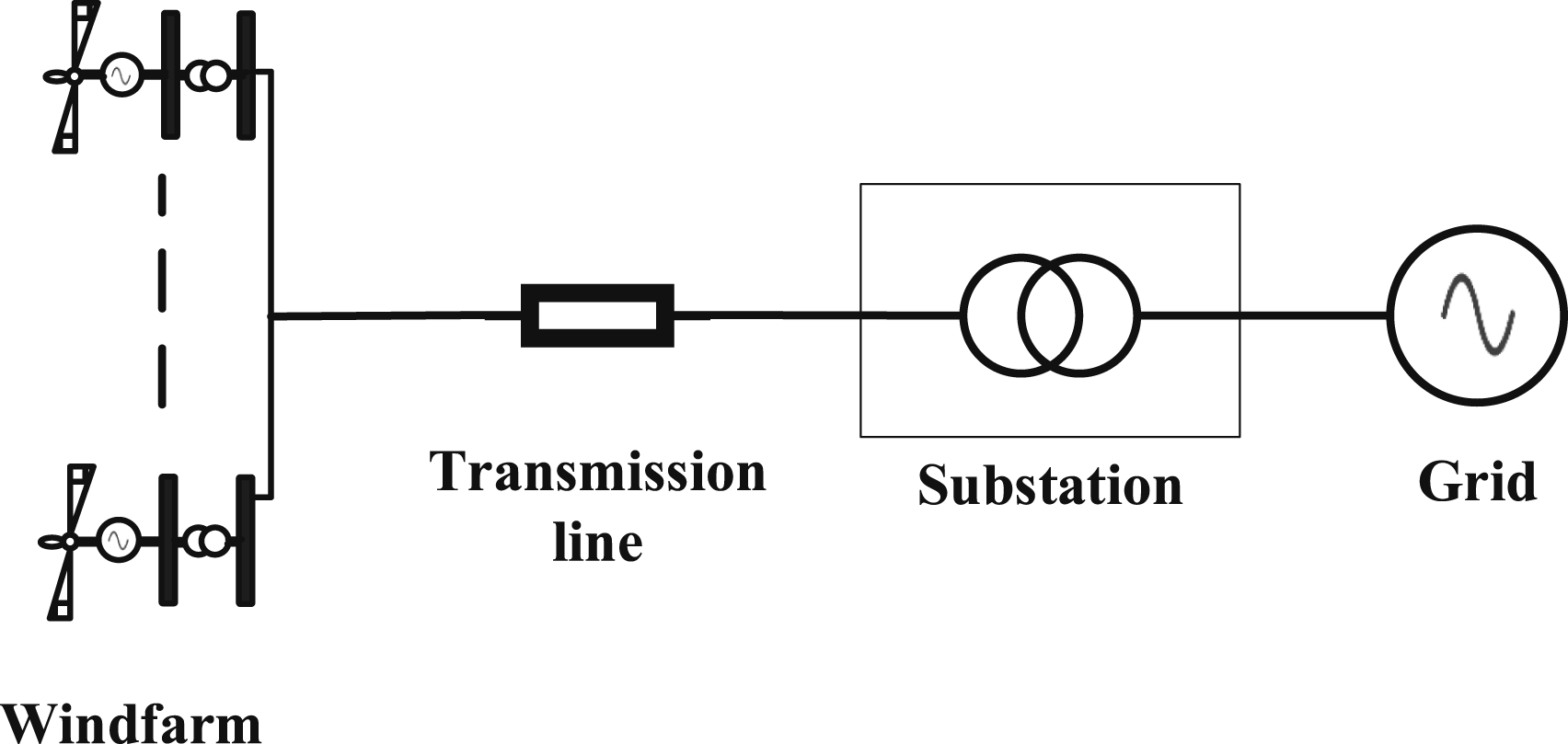
However, it is anticipated that their expenses would decrease by up to 35% by the year 2025 (Kaldellis and Kapsali, 2013; Morthorst and Kitzing, 2016). The cost reductions can be ascribed to the subsequent variables (IRENA (International Renewable Energy Agency), 2019). Advancements in wind turbine technology, including installation processes and logistics, have undergone remarkable progress. Enhanced efficiencies are being achieved through taller turbine towers, improved wind resources, and larger rotor diameters, which contribute to better performance and streamlined maintenance operations. These developments are reflected in the scale of operations managed by the global top ten wind turbine suppliers, as highlighted in Figure 2, showcasing the industry’s leading contributors as of 2023. Top 10 wind turbine suppliers in 2023 (GWEC, 2023).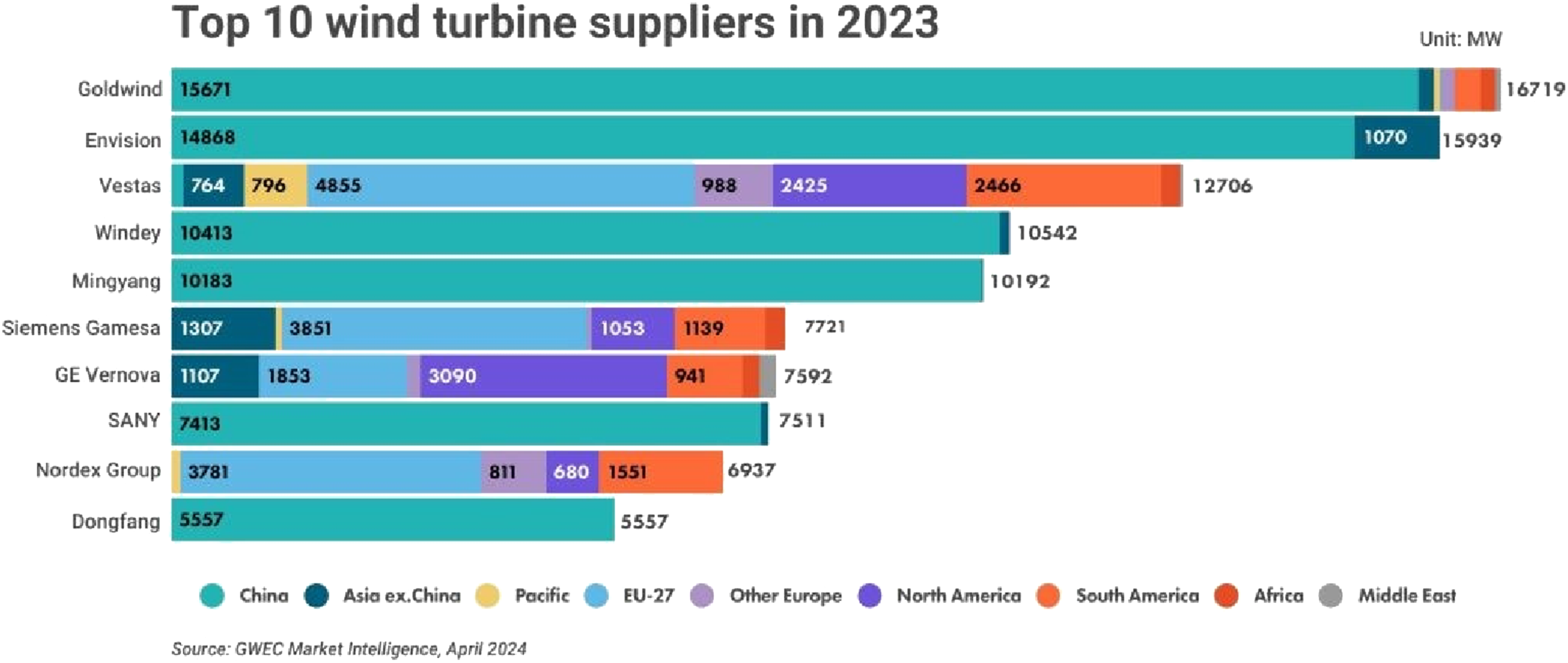
In developing this review, a structured approach was followed to ensure comprehensive and relevant coverage of the topic. The literature search focused on peer-reviewed journals, government reports, and industry white papers related to offshore wind energy, especially in the Indian context. Key databases such as ScienceDirect, IEEE Xplore, and SpringerLink were used to identify relevant sources. Inclusion criteria emphasized recent studies, technological frameworks, and policy developments applicable to offshore wind infrastructure, turbine technologies, transmission systems, and energy storage integration. The reviewed literature was thematically synthesized into five core focus areas: (1) turbine and foundation systems, (2) grid integration, (3) policy and regulation, (4) cost and financing, and (5) environmental and implementation challenges. This integrated methodology is woven into the structure of the paper rather than presented as a standalone section, allowing for a more cohesive discussion aligned with the paper’s narrative flow.
Adapting global offshore wind energy trends to India’s offshore wind potential
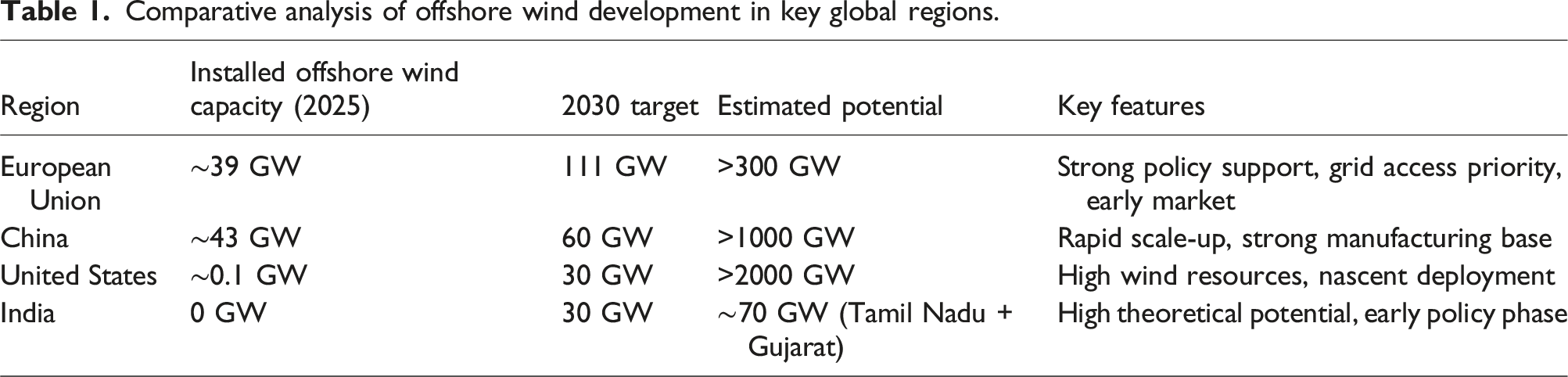
The offshore wind energy potential on the European coasts is approximately 350 GW (Badger et al., 2010). The shores of the USA have a potential of over 2000 GW. China’s offshore wind resource is expected to be approximately 500 GW in offshore. In 2016, offshore wind energy investments in Europe exceeded onshore investments. In addition, it is projected that around 20% of the overall wind capacity in Europe by 2030 will be generated by offshore wind energy (Chaudhary et al., 2009; Wind Europe Intelligence Platform, 2023). Furthermore, offshore wind energy offers numerous benefits in comparison to onshore wind power facilities, particularly in terms of wind energy potential (Morgan et al., 2011). India has commenced the endeavor of establishing offshore wind farms, hence entering the offshore wind power sector with other countries. Europe is at the forefront of the offshore wind industry, serving as a source of inspiration for the rest of the world. India is conducting a comprehensive study of the European offshore wind farm industry, focusing on policies, installation procedures, operational practices, maintenance protocols, and decommissioning methods (Higgins and Foley, 2015; Röckmann et al., 2017).
The GWEC-led FOWIND offshore wind feasibility study in Tamil Nadu and Gujarat aims to share knowledge and collaborate with the European Union, attracting global attention. This initiative facilitates offshore R&D expansion (Giebel and Hasager, 2016) Progressive developments in blade and powertrain technology will enable the construction of larger turbines with increased power ratings. Today’s offshore wind turbines have a rated capacity of 6 MW and a rotor diameter of 150 m. Due to increased reliability, reduced foundation costs, and lower installation prices per MW, they result in a lower levelized cost of energy (LCOE) (Ebenhoch et al., 2015; Olaofe, 2017). In the 2020s, turbines with a capacity of 10 MW came for sale, while turbines with a capacity of 15 MW are scheduled to be marketed in the 2030s.
Comparative analysis of offshore wind development in key global regions.
Ongoing developments in India’s offshore wind energy industry
As of October 2024, India has reached a renewable energy installed capacity of 201.45 GW, including large hydropower. In line with its ambitious climate objectives, the country aims to reduce its carbon intensity by at least 45% by 2030, achieve 50% of its total electric power capacity from renewable sources by the same year, and attain net-zero emissions by 2070. To support this transition, India has set a target of 500 GW of renewable energy capacity by 2030, which includes 125 GW allocated to producing 5 million tonnes of green hydrogen. Additionally, with its extensive 7600 km coastline, India holds significant offshore wind energy potential, capable of generating approximately 140 GW of electricity. Figure 3 illustrates the overall renewable energy generation capacity of the country. Capacity of renewable energy power generation in India.
According to the REN21 renewables 2022 global statistics report, India ranks fourth in the world in terms of installed capacity for renewable energy and fourth in terms of wind power capacity. India now has an onshore wind energy capacity of 47 GW, however the development of offshore wind energy in the country is still at an early stage. Offshore wind plays a crucial role in India’s objective of reaching a renewable energy capacity of 500 gigawatts by 2030 (Guan and Denes, 2022). Out of that, the nation has established a goal of implementing 30 gigawatts (GW) of offshore wind projects by the year 2030.
The government’s assessment indicates that the states of Gujarat and Tamil Nadu possess a combined capacity of over 70 GW for offshore wind power, which is sufficient to supply electricity to more than 50 million households. The sluggish advancement in this industry can be attributed mostly to the exorbitant beginning expenses in comparison to solar and onshore wind. Several offshore projects have been planned over a significant period of time, but none of them are currently functioning. Although offshore wind power is more expensive at now, it is crucial for reducing carbon emissions in India’s power industry and offers a greater capacity utilization factor compared to onshore wind farms.
MNRE states that the establishment of a domestic ecosystem can lead to increased efficiency of wind turbines, enabling the attainment of competitive tariffs for offshore wind energy. The government is proactively implementing strategies to harness the offshore wind energy potential of the Indian coastline. Given the intricate nature of offshore wind development and insights gained from other growing markets, it is expected that local companies will need to collaborate with professional organizations and enhance their capabilities, especially in the initial years, in order to meet the government’s set goal. The nation has revitalized its strategy for developing offshore wind power by unveiling a detailed plan to install 30 GW by the year 2030 (Lee and Zhao, 2018).
Commencing in FY23, there will be a 3-year period during which bids would be solicited for the development of offshore projects with a capacity of 4 GW per year in Tamil Nadu and Gujarat. Figure 4 shows the cost of per MWh generation. The project’s annual capacity of bids will reach 5 GW starting from FY30, after a period of 3 years. The announcement for the tender to create the initial 4 GW offshore wind power project in Tamil Nadu is anticipated to be released in the near future. Viability gap financing schemes or other financial incentives may be provided for the early offshore wind projects to ensure their economic feasibility. Transmission infrastructure is necessary to facilitate the transfer of power from these plants. India’s dedication to attaining its clean energy objectives renders it a compelling market for U.S. technology firms and developers to investigate potential prospects (U.S. Department of Energy, 2019). The U.S. Commercial Service in India diligently tracks the progress of the renewable energy sector and keeps a close eye on Indian firm announcements that could potentially benefit American companies. The cost of per MWh generation.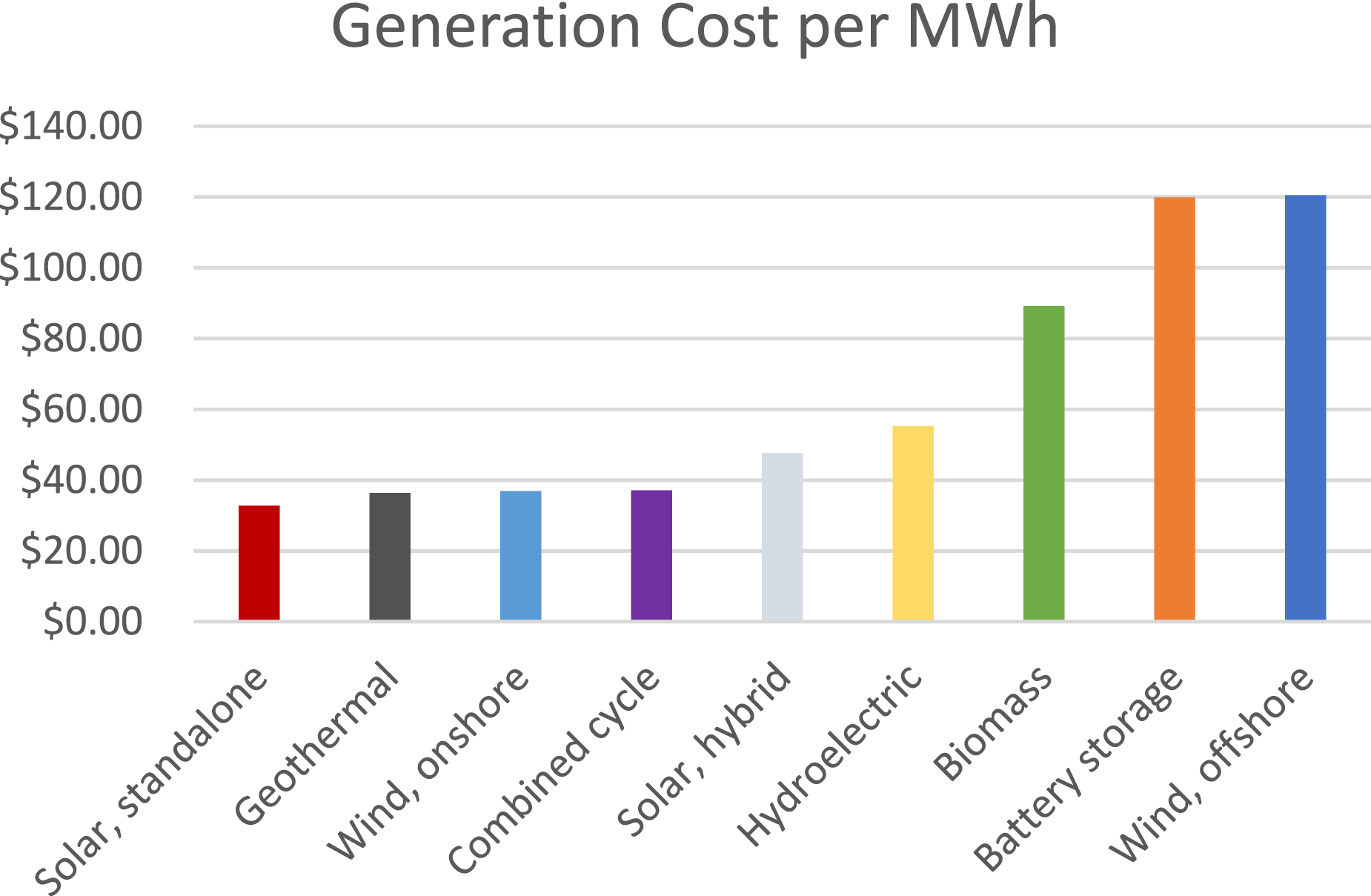
Structure of offshore wind turbine generator
Wind turbines used in offshore wind farms can be classified based on several factors, such as installation type, rotor orientation and turbine size. Here’s the classification of offshore wind turbines.
Based on installation type
Offshore wind turbine foundations account for 20%–30% of the total cost of offshore wind farms (Gasch and Twele, 2012), making them more expensive than onshore systems. Selecting appropriate foundation types is critical for efficient offshore energy exploitation. Common fixed foundations and mooring systems for floating turbines in deep waters are reviewed, highlighting their importance in developing sustainable offshore wind energy infrastructure. Figure 5 illustrates a schematic of standard support structures utilized in fixed and floating offshore wind turbines. Types of fixed bottom and floating foundations for turbines (Konstantinidis and Botsaris, 2016).
Monopole foundations
It is 3–8 m diameter single steel tube pile. It is usually placed in shallow water depth, between 20 m and 40 m. Uneconomic because of unclear as to what water depth. It is installed using Vibratory driving and impact hammers. If it is rocky seabed, bored pile and drilling methods is suitable. Utilized globally, this type of monopole support is simple to manufacture, inexpensive, and manageable in construction (Bhattacharya, 2014; Wu et al., 2019).
Tripod foundations
Tripod foundations are used for depths of 10–35 m. The construction has three steel pipe supports of medium diameter arranged in an equilateral triangle, with the highest point providing support for the upper column truss structure. Upper load applied to tower is beared by tripod truss. It is light weight and stable.
Jacket (lattice structure) foundations
It is used between 5 and 50 m water depth. It is made up of steel tubular members and welding process done in the land itself. After reaching site location, the jacket is heaped into the seabed. Steel consumption is low, so cost is also low, but installation cost, shipping can increase the cost.
Suction buckets
There are two types of caisson bases: those with one bucket and those with several. It is put to use in areas of soft clay. This is the most cost-effective alternative to other types of piling foundations. It’s simple to ship across the ocean, which is a common occurrence in the field of offshore wind turbines.
Gravity-based foundations
The gravity base is simple to construct and can support a minimal load, particularly when compared to other reinforced concrete caisson structures, where the water depth is less than 10 m. Offshore wind turbines often employ gravity-based foundations initially. Because of its reliance on self-weight, the design must be robust enough to withstand significant overturning moments (Wu et al., 2019).
Floating offshore wind turbines
Floating foundations are designed to support wind turbines in deep-sea environments where traditional fixed-bottom foundations become impractical or cost-prohibitive. Typically used in water depths greater than 50 m, these structures rely on buoyancy and anchoring systems, such as mooring lines or tensioned cables, to maintain position and stability. Unlike fixed foundations that require extensive seabed preparations, floating systems minimize seabed disturbance and allow greater flexibility in site selection (Liu et al., 2022).
There are three main types of floating foundation concepts.
Spar-buoy platforms, which use a long, vertical cylindrical structure weighted at the bottom for stability; Semi-submersibles, which have a wide base with multiple floating columns connected by bracing structures, offering balanced buoyancy and ease of towing; Tension-leg platforms (TLPs), which use vertical mooring lines kept under constant tension to restrict vertical and lateral movement. Jackets offer the most practical starting point for fixed-bottom, while Semi-Submersible Floaters hold the key to India’s long-term, deep-water offshore wind potential. This strategy balances technological readiness, risk mitigation, cost-effectiveness, and access to the best wind resources.
These platforms are typically fabricated onshore and towed to site, reducing offshore installation complexity. Although floating foundations involve higher design and mooring costs, they unlock access to vast wind resources in deep-sea regions and offer lower visual and environmental impacts near shorelines. As the technology matures, floating offshore wind is poised to become a key driver of future wind capacity expansion, especially in geographies like Japan, the U.S. West Coast, Norway, and the deeper waters off India’s western coastline (Jiang, 2021).
Classification of wind turbines
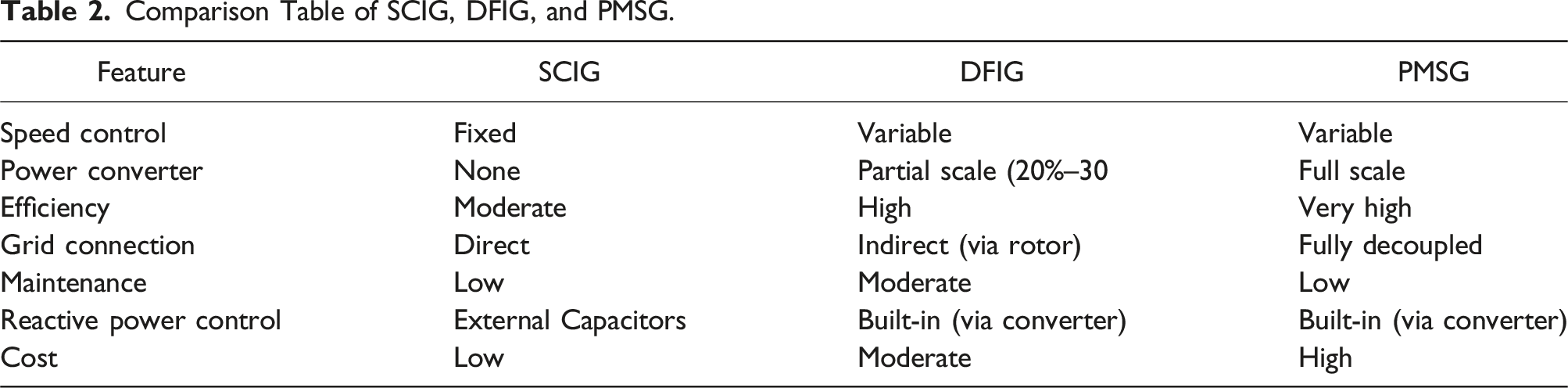
The most commonly used generators in offshore wind farms today are Doubly Fed Induction Generators (DFIGs) and Permanent Magnet Synchronous Generators (PMSGs) compare to Squirrel Cage Induction Generator (SCIG). These two dominate due to their efficiency, adaptability to variable wind speeds, and suitability for large-scale power generation.
Squirrel Cage Induction Generator
The SCIG operates efficiently at minimum wind speed ranges, typically using a gearbox. Its rotor speed experiences minimal variation, constrained to the small rotor slip, which classifies SCIG as a fixed-speed generator. This design served as the foundation for early wind turbines, including the first Danish wind turbine. Figure 6 highlights the SCIG, a widely utilized machine in wind energy applications, celebrated for its robustness and low maintenance needs. The primary maintenance task involves lubricating the bearings to ensure smooth operation over time. Constructed with metallic bars, the rotor of the SCIG offers excellent resistance to vibrational forces and dirt intrusion, making it highly durable in diverse operational and environmental conditions. This reliability and simplicity have made SCIGs a favored choice for numerous industrial and renewable energy applications (Hansen et al., 2001). Squirrel Cage Induction Generator.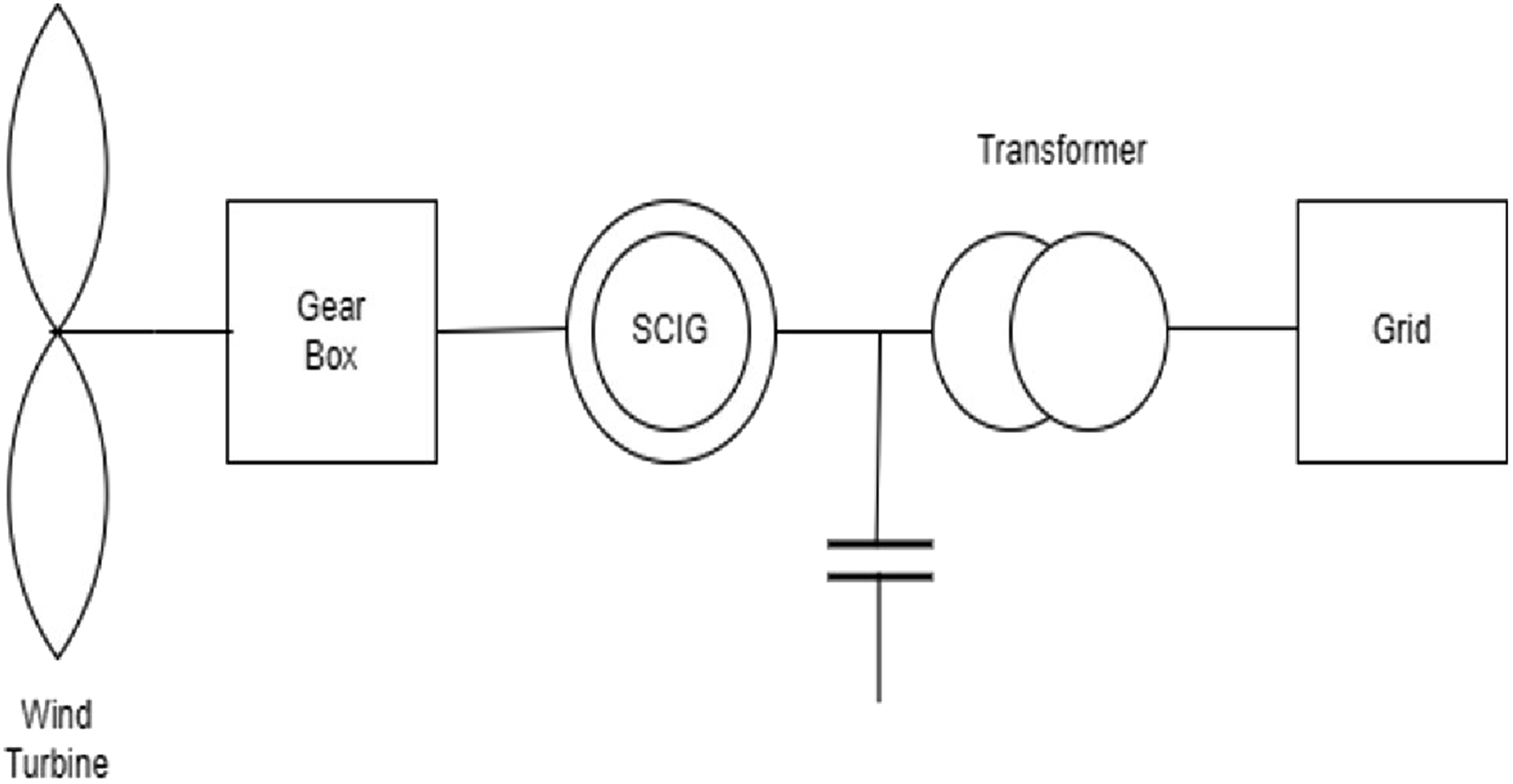
While traditionally used in fixed-speed wind energy systems, SCIG can also be adapted for variable-speed wind energy generation when coupled with a full-scale power electronic converter. However, extracting maximum power from the wind using SCIG is challenging due to the risk of generator overload. To address this, pitch angle control is typically employed, optimizing the angle of the blades to regulate aerodynamic power input and protect the generator (Patil and Bhosle, 2013).
Doubly Fed Induction Generator
In this setup, the stator is directly linked to the electrical grid, while the rotor is connected through a partially rated power converter. Figure 7 depicts the DFIG, a widely used wound-rotor induction generator in wind turbines. This configuration allows for variable-speed operation, improving energy capture efficiency and establishing DFIGs as essential components in contemporary wind energy systems. Their strong grid integration and adaptable rotor control make them a preferred choice in renewable energy applications (Sathiyanarayanan and Senthil Kumar, 2014). To accommodate the differing speed ranges between the rotor and the generator, a gearbox is used for coupling. The power converters in a DFIG setup are typically back-to-back AC/DC/AC voltage-source converters with variable frequency, facilitating efficient energy conversion and control (Beniss et al., 2021). Doubly Fed Induction Generator.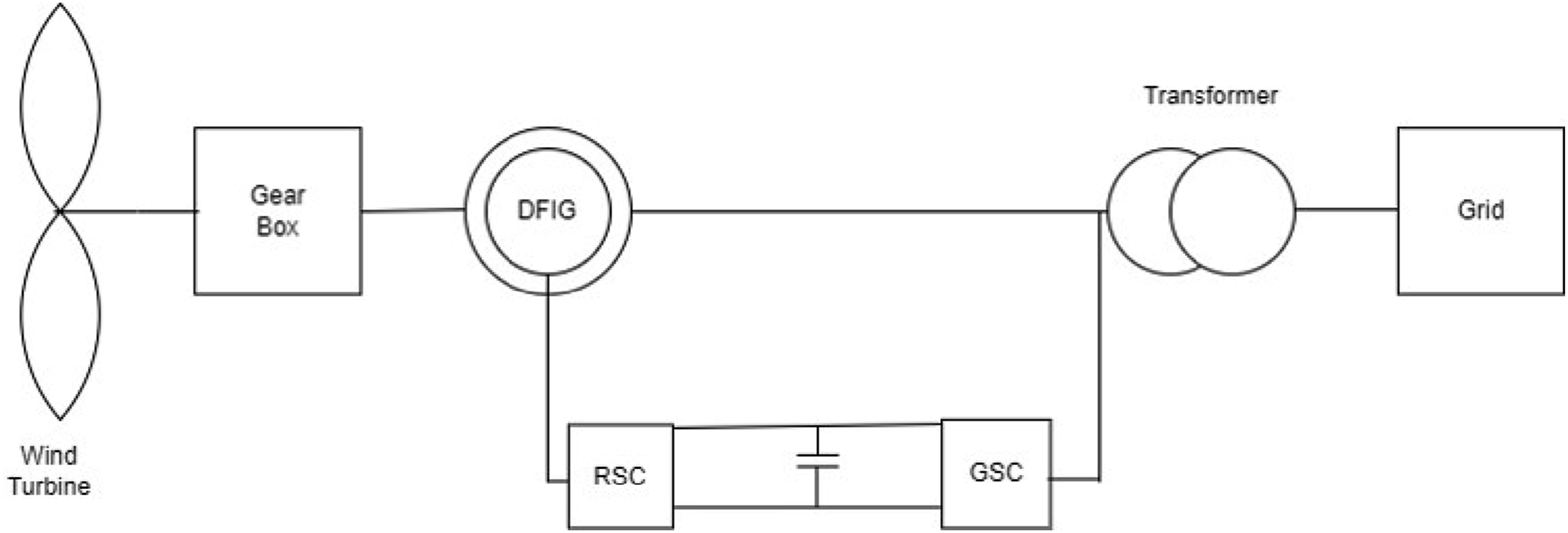
These converters comprise two Insulated-Gate Bipolar Transistor (IGBT) units: the Rotor-Side Converter (RSC) and the Grid-Side Converter (GSC), interconnected by a DC-link. This configuration decouples the mechanical rotor frequency from the grid frequency, enabling variable-speed operation. The RSC optimizes generator performance by controlling active and reactive power and mitigating harmonics, while the GSC maintains a high power factor and regulates grid-side parameters. Additionally, the rotor voltage supplied through the converters allows for precise control over system dynamics (Solero, 2002).
Permanent Magnet Synchronous Generator
To connect the slow-rotating turbine rotor blades to generators like DFIG and SCIG, gearboxes are crucial. Commonly used configurations include high-speed, multi-stage gearboxes with a ratio of approximately 1:100 and medium-speed, single-stage gearboxes with a ratio around 1:10. These gearboxes ensure effective transmission of rotational energy from the turbine to the generator. However, direct-drive generators, such as PMSGs, eliminate the need for a gearbox altogether (Musial et al., 2007).
In modern wind turbines, high-speed multi-stage gearboxes have demonstrated lower reliability than initially anticipated by manufacturers. These gearboxes often require replacement within 5 to 7 years of operation, which is considerably sooner than their anticipated design life of 20 years. This premature wear is primarily due to the high mechanical stress and harsh operating conditions in wind turbines, which accelerate gearbox degradation. This reliability issue is particularly critical for offshore installations, where maintenance costs and logistical challenges are significantly higher than onshore sites (Tavner et al., 2007).
Figure 8 illustrates the Permanent Magnet Synchronous Generator (PMSG), a key innovation in wind turbine technology, particularly for offshore applications. Leading wind turbine manufacturers have increasingly adopted direct-drive systems utilizing PMSGs due to their superior efficiency and reliability. These systems significantly reduce power losses by approximately 65% compared to conventional Doubly Fed Induction Generator (DFIG) systems. The enhanced efficiency, coupled with the robustness of PMSG-based direct-drive generators, makes them an optimal choice for meeting the stringent demands of offshore wind energy generation (Dubois, 2004; Li and Chen, 2008). Permanent Magnet Synchronous Generator.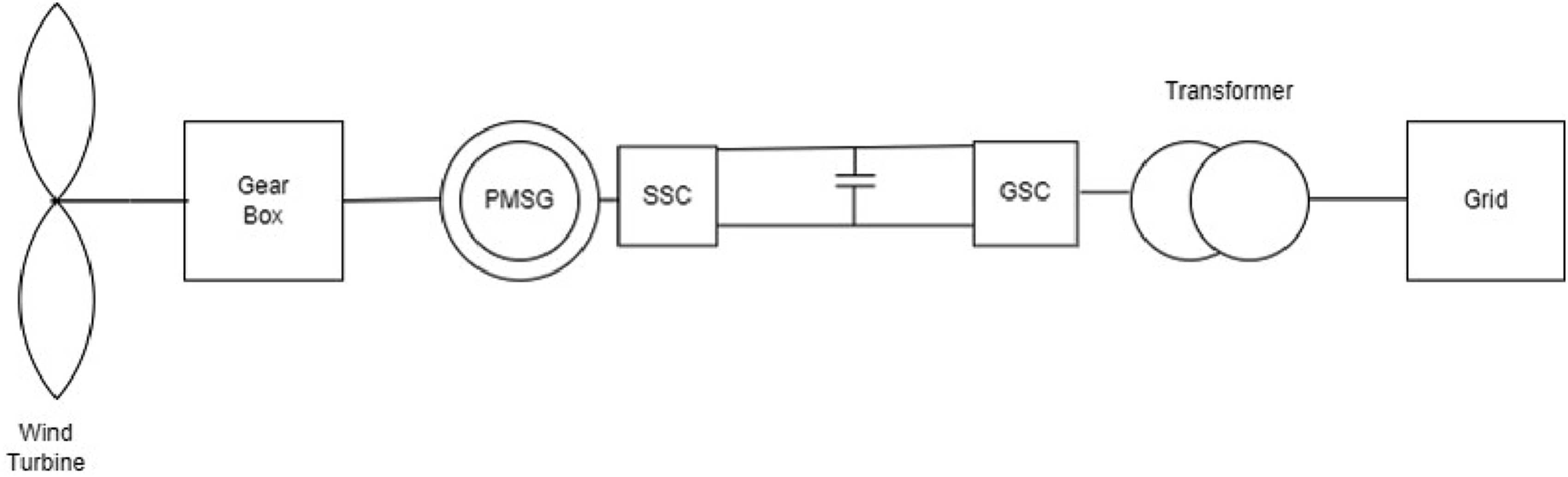
Comparison Table of SCIG, DFIG, and PMSG.
Transmission of electrical power from offshore wind power sources
Electrical power from Offshore Wind Power Plants (OWPP) can be transmitted to the shore using two primary methods: High Voltage Alternating Current (HVAC) and High Voltage Direct Current (HVDC). HVAC is cost-effective for shorter distances (up to 100 km) but suffers from reactive power losses over long distances, making it ideal for near shore wind farms. HVDC, though more expensive due to converter station requirements, is highly efficient for long-distance transmission, offering minimal power losses and better grid stability, making it suitable for far-offshore installations. Emerging technologies, such as hybrid systems combining HVAC and HVDC, and advancements in cable design are further optimizing efficiency and reducing costs for large-scale offshore wind projects.
High voltage AC transmission
Utilizing HVDC transmission from offshore projects significantly reduces the need for offshore HVAC infrastructure, hence minimizing losses and cable expenses. Potential markets can be accessed through innovative projects focused on reducing the expenses associated with HVDC infrastructure and establishing connections between offshore HVDC substations and inter-state as well as worldwide HVDC super grids (Li et al., 2018).
Prior to 2010, HVAC transmission systems were predominantly used for Offshore Wind Power Plants (OWPPs). The main emphasis was on system design, particularly in utilizing transformers to facilitate voltage conversion between different levels (Bozhko et al., 2007). Nevertheless, the substantial capacitance of undersea HVAC cables, when paired with the high conductivity of seawater resulted in several electromagnetic issues, both dynamic and transient in nature. Unlike normal overhead lines, these wires can experience voltage form distortion caused by resonance. The issues are documented in references (Perveen et al., 2014; Li et al., 2015).
The significant capacitance in HVAC submarine cables leads to high charging currents, which in turn reduces the capacity to transmit active power over long distances due to the transfer of reactive power. One possible solution is to install reactive power compensation units along the length of the submarine cables, though this can be expensive and challenging to implement. Another approach suggested in the literature is to place compensation units only at the onshore and offshore ends of the submerged cables, which helps improve the current profile along their length (Daoud et al., 2021; Hur, 2012). Nevertheless, their impact is highly restricted because distances exceeding 60–75 km (Ruddy et al., 2021). In light of the above constraints, the study proposes an HVAC-based transmission configuration (Negra et al., 2006).
The system includes an offshore substation that steps up the voltage from 30–36 kV to 132–400 kV for transmission. HVAC systems use three-core submarine cables, with reactive compensation units like SVCs or STATCOMs at both offshore and onshore ends. An onshore substation is needed if the onshore grid voltage differs from the offshore transmission system. The OWPP grid is directly linked to the main onshore grid, and issues in either the grid or OWPP will impact the other (Bresesti et al., 2007).
High voltage DC transmission
Offshore wind power plants (OWPPs) can be optimally connected to the onshore grid using HVDC transmission, particularly when located far from the shore. Research has shown that HVDC transmission becomes economically advantageous for distances exceeding 50–70 km. This method offers several advantages over the traditional HVAC transmission, notably its ability to physically separate the offshore wind power plant from the onshore grid. This separation minimizes the risk of disturbances from the offshore plant affecting the onshore grid, ensuring a more stable and reliable energy supply (Legorburu et al., 2018).
Currently, two main HVDC technologies are in use for transmitting power from offshore wind farms: Line-commutated converters (LCCs) and voltage-source converters (VSCs). LCCs, which rely on thyristors, are known for their reliability, cost-effectiveness, and efficiency. They have been the conventional choice for long-distance transmission for several decades due to their proven track record. On the other hand, VSCs, which use insulated-gate bipolar transistors (IGBTs), offer greater flexibility, including the ability to manage power flow in both directions, and provide faster grid integration. VSCs are particularly advantageous in systems that require higher levels of controllability and flexibility, such as integrating renewable energy sources with variable outputs like wind.
Despite their benefits, there is no consensus within the industry on which of these two technologies is superior. Proponents of LCCs argue that they are more reliable and cost-effective, especially for long-distance applications, making them the preferred choice for certain projects. However, VSC technology is gaining ground due to its advanced capabilities in controlling power flows and offering faster system response times. Some experts believe the VSC-HVDC system may be the most promising technology for offshore wind farms, as it allows for smoother integration with the grid and greater operational efficiency (Rourke et al., 2010; Chou et al., 2011).
Furthermore, a new technology, the Diode Rectifier Unit (DRU), is currently under discussion but has not yet been implemented. The DRU could potentially offer additional benefits in terms of simplifying the HVDC system design, reducing the number of components, and enhancing system stability. However, research and development are still ongoing to evaluate the feasibility and performance of DRUs in large-scale offshore wind energy applications. Figure 9 illustrates offshore HVDC transmission systems, which are critical as the offshore wind energy sector continues to expand. Advancements in HVDC technology play a vital role in enhancing the efficiency, cost-effectiveness, and seamless integration of renewable energy into national grids (Erlich et al., 2013). Offshore HVDC transmission systems (Warnock et al., 2019).
Substation
Platform for substation construction offshore grid includes an offshore substation, an offshore wind farm is made up of three major parts: its offshore substation, external grid, and IG. The transmission voltage is increased by a substation above the medium-range voltages used by the local grid. Wind power is sent to the grid from an offshore substation. In the next phase of the offshore grid’s development, an offshore substation will serve as a multi-connector, drawing power from multiple offshore wind farms. To protect against the elements, offshore substations take the shape of enclosed structures mounted on platforms anchored to the seafloor. Switchgear, main and grounding transformers, and a variety of additional accessories can all find a home on the platform (Robak and Raczkowski, 2018).
Transmission Configurations for Integrating Offshore Wind Farms with Utility Grids are (1) Transmission Without Offshore Substation (2) High Voltage Alternating Current (HVAC) Transmission with Offshore Substation (3) High Voltage Direct Current (HVDC) Transmission with Offshore Substation
For OWFs with a capacity more than 100 MW, equipment is often mounted in substations due to the considerable weight and size of the substation’s components. Machines that use electricity whether electrical energy is transferred using AC (alternative current) or DC (direct current), the subsea substation’s electrical systems will be different. The choice between using HVAC and HVDC to transfer power between offshore and onshore systems is complicated by a variety of factors. However, the distance between the connection and the coast is frequently the most important consideration (Shin and Kim, 2017). Figure 10 illustrates the integration of offshore wind farms with the utility grid, highlighting the key electrical components involved. HVAC substations include high and low voltage switching equipment, AC filters, and AC generators, earthing resistors, reactors, and earthing transformers. These components are essential for maintaining grid stability and efficient power transmission. Integration of Offshore Wind Farms with the Utility Grid: (a) Transmission without offshore substation, (b) high voltage alternative current (HVAC) transmission with offshore substation, (c) high voltage direct current (HVDC) transmission with offshore substation.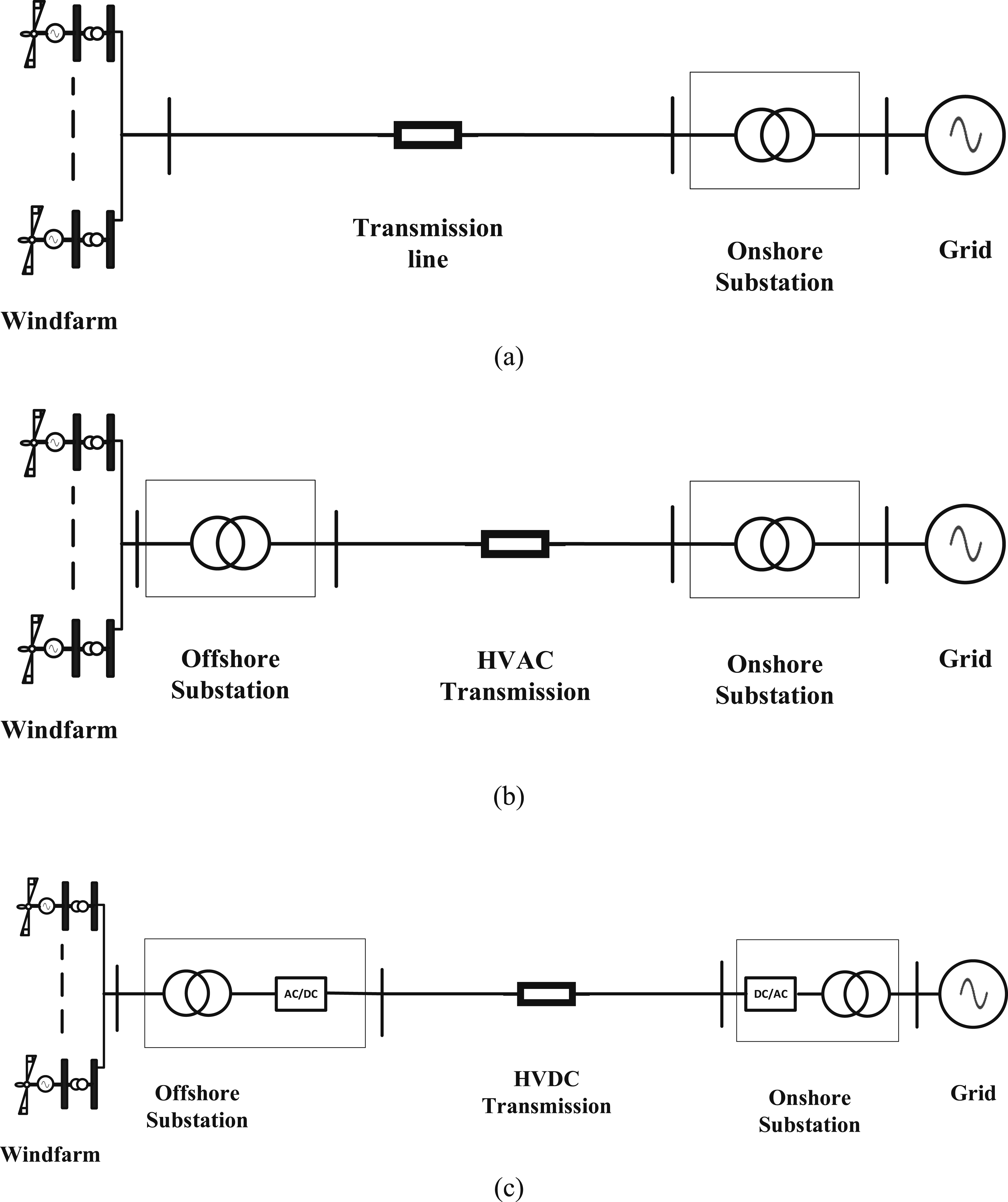
On the other hand, HVDC substations, designed to convert AC power to DC power for long-distance transmission, are more complex. They incorporate additional components such as DC filters, IGBT converters with cooling mechanisms, and smoothing coils. This added complexity enables HVDC systems to minimize power losses over extended distances, making them crucial for integrating offshore wind farms located far from the shore.
For India’s initial offshore wind development (first 5–10 GW), HVAC transmission with offshore substations offers the optimal balance of proven technology, cost-effectiveness, and suitability for moderate distances. As projects move farther offshore and scales increase significantly beyond 2030, transitioning to VSC-HVDC technology will become essential. Strategic planning should start now for the eventual HVDC infrastructure required to unlock India’s full offshore potential.
The interconnection issue of offshore wind farm into grid
Many researchers have looked at HVAC maintenance, vulnerability, and dependability because the technology has been around for decades. In terms of system reliability and efficiency, the HVAC application’s primary technical challenge is the cable’s excessive charging current. The HVAC cable is distinguished from standard overhead power lines by its significantly larger shunt capacitance. In a typical operating scenario, the cable’s capacitance is frequently charged and discharged over the course of each wave period, resulting in a continual production of a sizable amount of reactive power. The active electrical transmission capacity will be diminished, power losses will grow, and the possibility of overvoltages at the cable’s end will increase. Overvoltage must be carefully evaluated when considering the use of HVAC on an offshore wind farm connected by lengthy cables (Bidadfar et al., 2019).
Temporary overvoltages and Switching overvoltages are the most common types of internal overvoltages in a network. In most cases, switching activities or faults are to blame for the temporary increase in voltage. Temporary overvoltages come in many forms; one common sort is nonlinearity, which occurs when transformers get saturated and harmonic resonance amplifies the effects of harmonics on the basic voltage. This phenomenon typically lasts for a few cycles. The overvoltage has the potential to trigger unwanted relay activity and possibly harm power equipment if the voltage is too high for them. In addition, it threatens the network’s voltage stability (Yang et al., 2022).
Countries like Germany, the United Kingdom, Spain, and Denmark have updated their grid codes to address challenges arising from integrating large amounts of offshore wind energy into their transmission networks. These updates aim to mitigate potential risks to the power system’s stability. The new grid codes distinguish between two types of stability: steady-state stability under normal conditions and transient stability during faults, such as network short-circuits. Since power networks vary across countries and Transmission System Operators (TSOs) in terms of system topology, wind power penetration, and grid strength, the grid codes differ. To ensure stable and cost-effective operation, reactive power from long HVAC cables must be compensated using devices like shunt reactors, SVCs, or STATCOMs.
Grid stability concerns
One of the most important things for network operators to figure out is how to ensure and preserve the reliability of the electricity grid. The stability of an electrical system can be classified in a number of ways, including stability in rotor angle, frequencies, and voltage. As the importance of large-scale wind farms equipped with a variety of wind turbines (WTGs) in the generation of mixed electricity rises, they must be factored into dynamic analyses of energy systems. In order to preserve the reliability of electrical systems with significant wind power penetration and guarantee dependable power system operation, solutions must be found.
Rotor angle stability
DFIG or PMSG with a full-scale power converter are used commonly. They are vastly different from the traditional synchronous generators that were directly linked to the grid. Since the DFIG is speed-variable and the SG’s power conversion may separate the oscillations of the grid and turbine, wind turbines based on these designs do not impact rotor angle stability. Maintaining synchronization between coupled synchronous machines is the primary focus of rotor angle stability. When it comes to stability issues, a wind farm’s connection principles, the type of turbines that are employed, and the foundation of the power transmission network to which the wind farm will be linked all play a part. Frequencies and active power control, the voltage and reactive energy regulation, and fault performance are all topics addressed by the grid code. The grid codes stipulate the need to investigate both a steady-state and dynamic balance in relation to offshore wind farms in order to find a solution to this issue.
Frequency stability
Frequency stability refers to the power system’s ability to maintain a steady frequency within the nominal range when there is a significant imbalance between power production and consumption. The type of turbines used in wind farms affects grid stability. In the event of a grid emergency, such as a three-phase short circuit at the wind farm’s Point of Common Coupling (PCC), directly grid-connected induction generators may accelerate, putting mechanical stress on the turbines. To prevent damage, the turbines will disconnect from the grid. If there is insufficient backup power, the system frequency may drop. Upon resolving the issue, the wind farm reconnects, but a major power loss from offshore wind farms can cause frequency instability (“Electrical power engineering handbook [Book Review],” 2005). New grid codes require wind turbines to stay connected during grid disturbances, reducing frequency instability. With proper control strategies, wind turbines using DFIGs can help maintain grid frequency stability (Erlich et al., 2006).
Voltage stability
System operators are increasingly concerned about voltage stability in networks heavily reliant on wind energy. Wind power units differ from conventional plants with synchronous generators, which are monitored by system simulators and automatic voltage regulators. While these control systems can improve long-term voltage stability by responding to changes in load or reactive power demand, major disruptions like generation loss or short-circuits can cause sudden voltage drops. Once the issue is resolved, voltage can be restored using continuous or discontinuous control methods, such as tap changers or supplementary reactive power from synchronous generators (Salles et al., 2009).
Grid codes now require large wind farms to operate similarly to traditional plants, using synchronous generators. With proper control, turbines in offshore wind farms with DFIGs and long HVAC cables can maintain reactive power within set limits, offering precise voltage regulation. Additionally, dynamic VAR compensation equipment allows for quick voltage stabilization. However, long HVAC cables can lead to overvoltage issues, requiring careful investigation. To ensure wind farms operate during low voltage events, many TSOs have updated regulations, ensuring turbines assist in system recovery during voltage drops. Voltage dips, especially from symmetrical faults, are a significant threat to system reliability, highlighting the need for further research on voltage stability in offshore wind farms during disturbances like short-circuits (Code, 2006).
India must prioritize voltage control via STATCOMs and frequency stability via grid-forming PMSGs + BESS to safely integrate offshore wind. This addresses the dominant risks from long HVAC cables and low system inertia. Stringent, modern grid codes aligned with EU/UK standards enforced from day one are essential to avoid costly retrofits later.
Integrating energy storage systems with offshore wind farms
Energy storage systems (ESSs) play a vital role in enhancing the reliability and efficiency of offshore wind farms. By balancing intermittent power generation with grid demand, ESS ensures stability and reduces curtailment during periods of low demand or grid constraints. Technologies like batteries, flywheels, and hydrogen storage enable excess energy capture, making renewable integration more robust. Additionally, ESS facilitates load shifting, peak shaving, and ancillary services, optimizing the utilization of offshore wind energy. This integration supports grid resilience and fosters a sustainable energy ecosystem (Das et al., 2018).
Wind farms benefit from both large-scale ESS with storage capacities ranging from 1 MW to over 400 MW and durations of 4 to over 10 hours, as well as small-scale systems with capacities of less than 1 MW to less than 20 MW and durations of less than 15 minutes to less than 60 minutes. These storage systems help to stabilize and balance the power output of wind farms. This makes them potentially appropriate for use in an offshore wind farm. Figure 11 illustrates the classification of energy storage systems based on the form of energy stored, highlighting the technological diversity available to meet varying needs. Given the high energy storage demands of offshore wind farms, large-scale storage solutions such as Pumped Hydro Storage, Compressed Air Energy Storage, and Battery Energy Storage Systems provide considerable practical advantages. These systems are pivotal in ensuring stability, mitigating transmission congestion, and enhancing the operational efficiency of offshore wind farms by managing intermittent power generation effectively (Shafiullah et al., 2013; Zhao et al., 2015). Classification of energy storage systems based on energy form.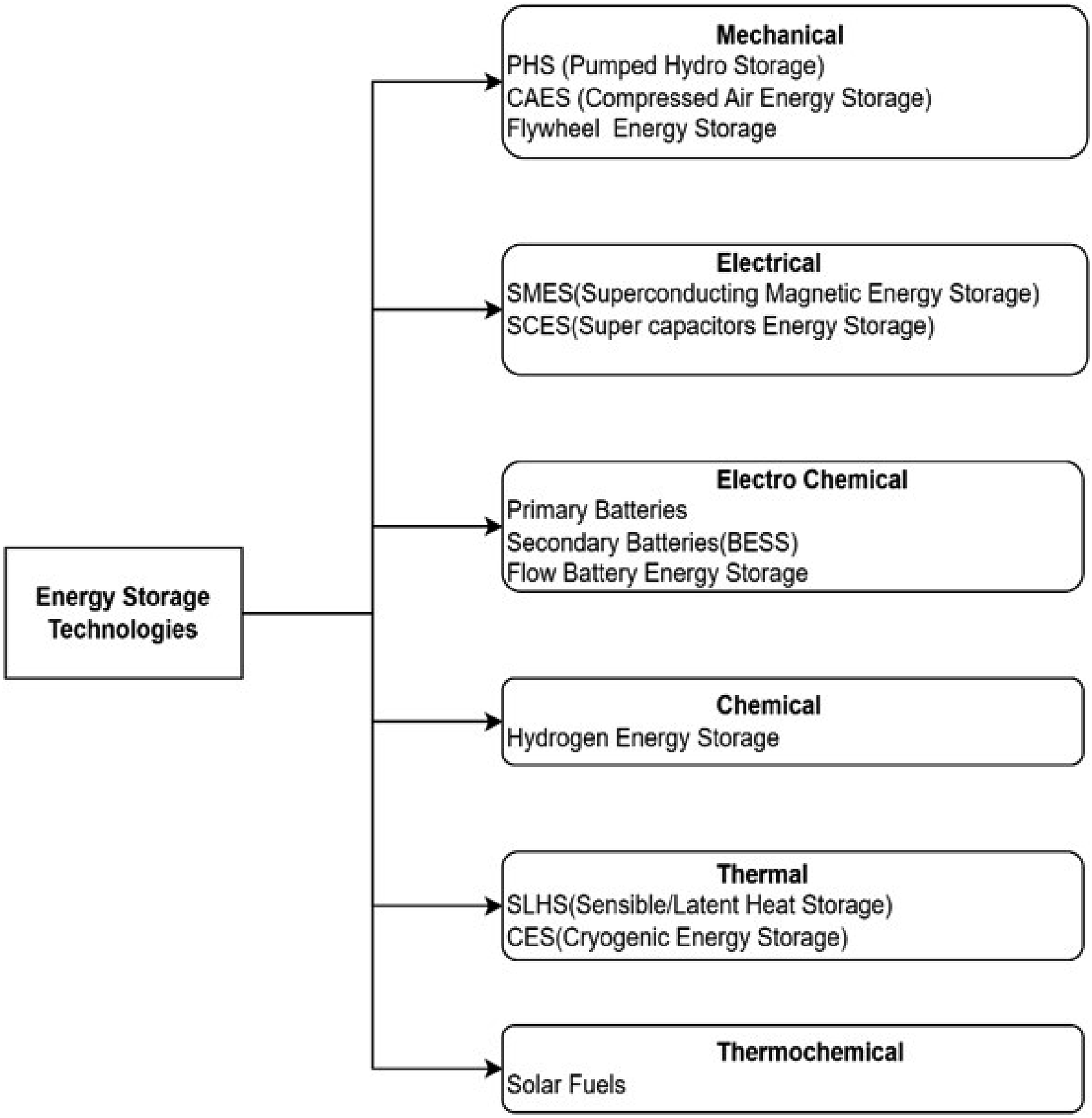
PHS is the most advanced and well-established energy storage technology for managing wind power. CAES and BES are both well-developed technologies with significant potential and a substantial market presence. Currently, Flywheel and certain BES systems are available to mitigate wind energy variations. In the future, SCES and SMES are also viable technologies for this purpose. This study will illustrate the process of implementing the chosen BES in the examined offshore wind farms. The abundant offshore wind resources are situated at a considerable distance from the final power demand and necessitate connection to high-capacity transmission lines. Extra Energy Storage Systems can alleviate transmission congestion, execute frequency management, and postpone or prevent transmission and distribution upgrades. An integrated system for a wind farm with an ESS must be implemented, taking into account its operational, economic, and environmental effects (Tabassum et al., 2014).
India aims to integrate large-scale solar and wind energy into its grid by 2030, with battery storage playing a critical role in enabling time-shifted power dispatch. Projections indicate the addition of 140–200 GW of battery storage capacity by 2040, the largest globally. Recent advancements in battery technology, cost reductions, and initiatives like the production-linked incentive (PLI) scheme for domestic manufacturing are driving this growth. Key to scaling Battery Energy Storage Systems (BESS) will be establishing robust bidding pipelines and timely signing of offtake agreements to ensure industry confidence and sustained investment. If integrated with energy storage systems, offshore wind energy can enhance grid stability, balance supply and demand, and ensure a continuous power supply even during periods of low wind or high demand. This combination also reduces curtailment, optimizes transmission infrastructure, and supports the transition to a more resilient and sustainable energy system.
Challenges of offshore wind power development in India
The deployment of offshore wind energy presents a transformative opportunity to harness vast, untapped renewable energy resources while addressing global energy demands and environmental challenges. However, this transition is not without its complexities. Offshore wind energy systems face a myriad of challenges, ranging from technical and logistical hurdles to regulatory and financial barriers. Ensuring the efficiency of power transmission, maintaining coastal safety, overcoming workforce skill gaps, addressing safety risks, and managing complex project logistics are among the many obstacles to successful implementation. Additionally, the elevated costs associated with advanced technologies and the intricate regulatory frameworks further complicate the process.
These challenges, coupled with the need for robust international and domestic coordination, underscore the necessity of comprehensive planning and innovative solutions. The following sections delve into the critical issues and considerations involved in the successful development and operation of offshore wind farms, emphasizing the need for a multifaceted approach to overcome these barriers.
Figure 12 illustrates the major challenges in deploying offshore wind energy in India. These include minimizing electricity loss during transmission from offshore wind farms by addressing critical issues such as turbine construction, subsea cabling, and transmission infrastructure development. Ensuring reliable integration of this energy into the national grid is crucial, along with safeguarding coastal safety throughout both the development and operational phases of the infrastructure (Alwazani et al., 2019). Significant obstacles must be overcome in order to successfully implement offshore wind energy. These obstacles include the considerable initial costs associated with the mobilization and demobilization of offshore barges, as well as the acquisition of additional equipment for the construction of offshore wind farms and offshore transmission line networks (Shikha et al., 2005). Major challenges in deployment of offshore wind energy in India.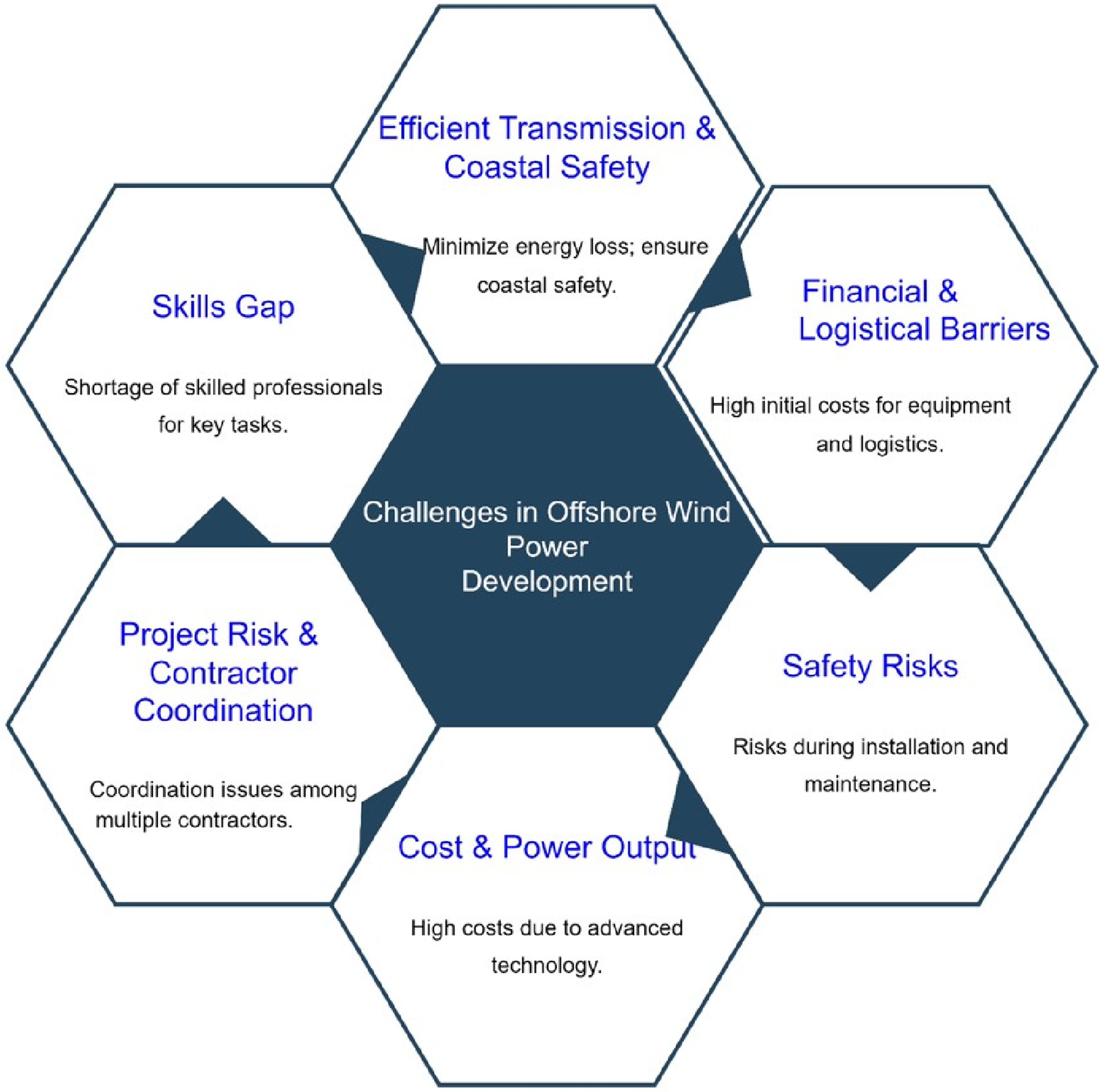
The deployment of offshore wind energy faces several challenges, including a lack of skilled professionals with expertise in turbine design, installation, foundation building, and servicing undersea power lines. Installation operations, such as crane hoisting and turbine maintenance using helicopters or vessels, pose safety risks like collisions, falling objects, workplace accidents at heights, and structural failures. Additionally, the absence of coordinated supervision and monitoring of offshore, aeronautical, and energy regulations across national and international authorities exacerbates these challenges (Islam et al., 2014).
Offshore wind turbines, while offering higher power outputs (2 to 3.6 MW) compared to onshore turbines, incur higher costs per kilowatt-hour due to advanced foundation technologies, elevated siting, and systems to protect against corrosion from saltwater exposure. Project management complexities arise from involving multiple contractors for design, construction, and cable installation, with risks tied to contractor performance impacting financial investments. Regulatory hurdles further delay offshore wind farm development, as inconsistent permitting systems and a lack of clear administrative authority result in conflicts and inefficiencies at local, state, and national levels (Bastia and Radhakrishna, 2012; Martin et al., 2016).
Pathways to Successful Offshore Wind Deployment
The structured approach balances economic, environmental, and societal needs, fostering sustainable offshore wind sector growth, as illustrated in Figure 13, which highlights the key factors for successful wind farm deployment. Different steps to make Successful Offshore Wind Deployment.
To achieve successful offshore wind energy development, a comprehensive approach is needed that integrates collaborative planning, technological innovation, financial support, regulatory efficiency, and community engagement. Governments and industry stakeholders may work together for cost-efficient site selection, optimize resource use through marine spatial planning, and align projects with broader climate policies. Investment in R&D, coupled with economies of scale and improved manufacturing, will reduce costs and enhance technology. Financial mechanisms such as FiT schemes, subsidies, and tailored insurance can attract investment, while simplified regulatory processes and unified frameworks will streamline project approvals and grid integration. Engaging local communities and stakeholders ensures widespread support and conflict mitigation. By addressing these critical factors, offshore wind energy can be effectively scaled up, contributing significantly to global renewable energy goals.
India’s offshore wind development, while still emerging, provides valuable insights for other developing economies facing infrastructure and financial limitations. Unlike Europe and China—where long-established policy frameworks and strong domestic supply chains have accelerated deployment—India must navigate early-stage challenges with a phased approach, starting with 4 GW projects in Tamil Nadu and Gujarat. This mirrors initial strategies used in mature markets and highlights the importance of coordinated policy, low-cost financing, and public-private collaboration (Kumar et al., 2022).
International models offer relevant lessons. The EU’s success with feed-in tariffs and centralized planning, China’s focus on localized manufacturing, and the U.S.’s investment in port infrastructure and workforce training all underscore strategies India can adapt. Priorities include strengthening logistics, developing local turbine assembly, and streamlining regulatory frameworks. While this review addresses major technical and strategic dimensions, India still requires further exploration of areas such as pilot-scale validation, deep-water wind resource mapping, and efficient grid integration including reactive power management and grid code compliance. Attention to subsea cable design, floating foundations, and social impacts will also be vital. These areas, if addressed through targeted research and global collaboration, can position India as a scalable model for offshore wind in the Global South.
Conclusion
India’s offshore wind energy landscape is emerging as a vital component of the nation’s broader renewable energy strategy. With significant theoretical potential along the coasts of Tamil Nadu and Gujarat, and a national target of 30 GW by 2030, offshore wind is poised to play a transformative role. This review consolidates current knowledge on turbine technologies, transmission strategies, and grid stability, while addressing site-specific challenges such as high capital costs, regulatory delays, and workforce limitations. It also underscores the critical role of energy storage in stabilizing offshore wind output and facilitating efficient grid integration. By leveraging international best practices, developing robust domestic infrastructure, and implementing supportive policy mechanisms, India can overcome current barriers. The phased and localized approach recommended herein offers a scalable blueprint not only for India but also for other developing nations aiming to harness offshore wind energy sustainably.
Footnotes

Author contributions
A. Rathinavel: Conceptualization, Methodology, Writing Original Draft. R. Ramya: Supervision, Writing, Review & Editing, Validation.
Funding
The author(s) received no financial support for the research, authorship, and/or publication of this article.
Declaration of conflicting interests
The author(s) declared no potential conflicts of interest with respect to the research, authorship, and/or publication of this article.
Data Availability Statement
All data used in this study are publicly available and cited appropriately.