



Abstract
Energy management in Internet of Things-enabled hybrid microgrids plays a vital role in optimizing the coordination of distributed energy resources, including wind turbines, photovoltaic systems, battery energy storage systems, and the main grid. Despite advancements in the Internet of Things improving real-time control and monitoring, the variability of renewable sources presents significant challenges in ensuring consistent energy efficiency and cost minimization. To address these challenges, this study introduces an innovative method that integrates the builder optimization algorithm with a neural architecture search-guided physics-informed neural network. The optimization algorithm determines optimal energy distribution, while the neural framework uses Internet of Things data for accurate forecasting of generation and storage. This integration enables adaptive and intelligent energy management decisions. Implemented in MATLAB, the proposed method significantly outperforms existing models, achieving a total energy cost reduction of $321.06 and an energy efficiency of 99.1%.
Keywords
Introduction
Background
In Internet of Things (IoT)-assisted hybrid Microgrids (MGs) with Energy Management (EM), several elements are combined to create a dependable and environmentally friendly power system (Ullah et al., 2023). Photovoltaic (PV) panels convert sunlight into electricity, providing us with clean and renewable energy as long as the sun is shining (Pitchai et al., 2024). Wind Turbines (WT) use wind power to produce electricity when the panels are not generating enough or cannot generate any solar power. Battery Energy Storage Systems (BESS) store the extra energy produced by PV and WT, ensuring power is available even when production is low or high demand is present (Cavus et al., 2023). IoT devices facilitate enhanced monitoring and control of these distributed energy resources (DERs), enabling better coordination between energy generation and consumption (Bilbao et al., 2022). The system schedules battery charging and discharging to maintain energy balance and ensure a continuous power supply (Aguila-Leon et al., 2022). It supports maximizing the use of clean energy while maintaining grid stability. By integrating diverse energy sources, the MG improves system flexibility and reliability (Merabet et al., 2022; Wang and Zhong, 2024). Using decentralized power generation decreases reliance on large grids, thereby making energy supplies more secure (Kaysal et al., 2022). Utilizing this method also leads to reduced carbon emissions, as it supports renewable energy (Sayeed et al., 2022). All components can be automatically handled and their connections improved through IoT integration (Asghar et al., 2022). In general, hybrid energy infrastructure supported by IoT is more adaptable and better for the environment (Belkhier and Oubelaid, 2024).
Challenges
EM in hybrid MGs that utilize IoT assistance presents several challenges, primarily in maintaining a balance between energy costs and efficiency. Scheduling PV panels, WT, and BESS together is necessary to ensure the best balance between producing, storing, and using energy. However, challenges such as inaccurate load forecasting, inefficient energy dispatch, and fluctuations in renewable energy output can lead to suboptimal utilization of available resources. Additionally, finding the optimal charging and discharging routines for the BESS without compromising energy efficiency is challenging. All of these factors lead to greater energy losses and make it more difficult to reduce the total cost of electricity for the hybrid MG.
Literature survey
The EM of IoT-based hybrid MG has been the subject of numerous studies using various methodologies. Below is a review of a few of these works.
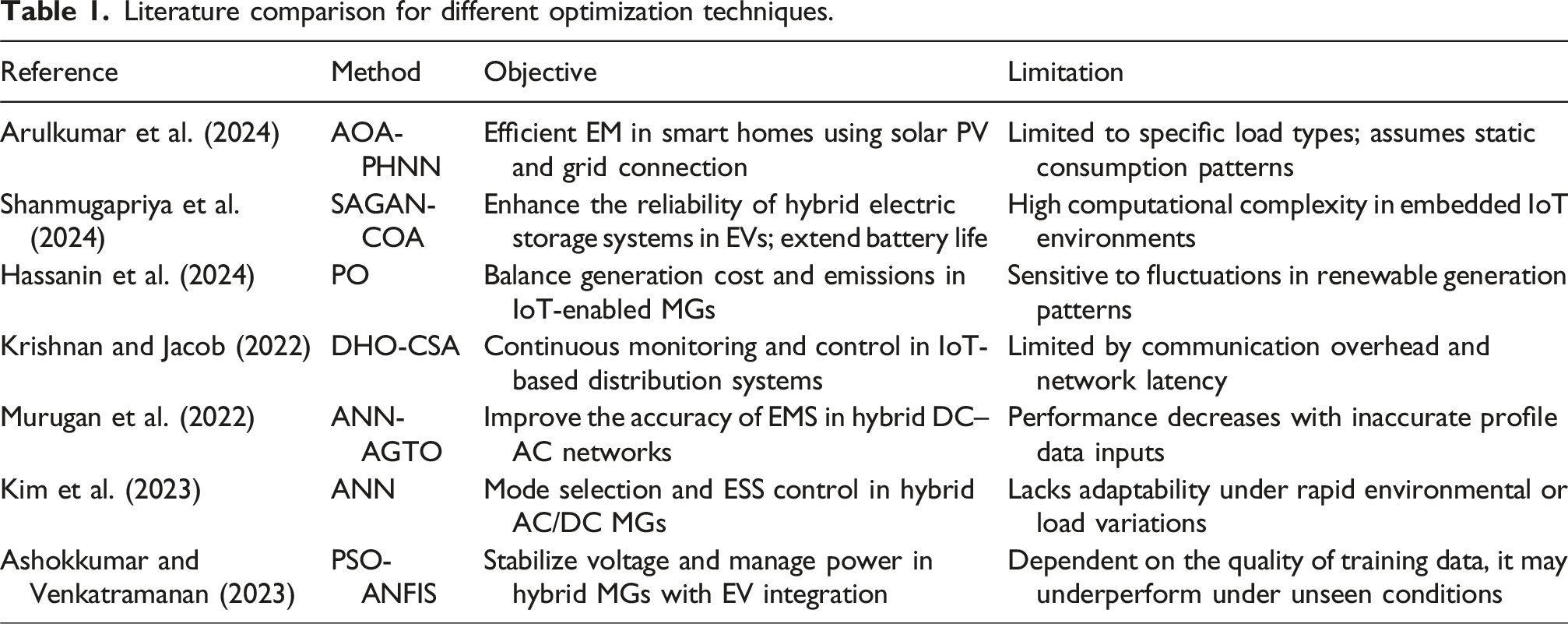
Arulkumar et al. (2024) have introduced the Arithmetic Optimization Algorithm–Pseudo-Hamiltonian Neural Network (AOA-PHNN) technique, which was intended to manage energy efficiently in smart houses powered by PV and connected to the grid. This strategy aims to minimize the loss of energy conversions by using the PHNN to forecast the load demand of the building and the AOA to plan the use of smart appliances in the building in the most appropriate manner. At the time of implementing the method, the systems used were environmentally friendly, with energy and more efficient since they aligned solar energy with energy consumption. Shanmugapriya et al. (2024) have generated a method for EM in hybrid electric storage systems in Electric Vehicles (EVs) based on the IoT called Self-Attention Generative Adversarial Networks–Coati Optimization Algorithm (SAGAN-COA). This method was concerned with battery life maximization by predicting the power requirement with the help of the SAGAN. The weight parameters of the neural network were submitted to the COA in the hope that the predictions would be improved. This design allows the battery to be less stressed and the hybrid electric storage systems to work more efficiently, as it responds more quickly to temporary bursts of power by utilizing the super-capacitor instead of the battery. Hassanin et al. (2024) have presented the Political Optimizer (PO), a multi-objective EM tool for MGs that was combined with IoT technologies and the ThingSpeak platform. With this method, power distribution between Distributed Generators (DGs) and Renewable Energy Sources (RESs) was coordinated while adapting to dynamic shifts in load demand and system conditions. To make sure the system operated well, the PO was used to manage the trade-off between total generation expenses and charges for controlling pollution. It allows energy to be distributed symmetrically and reliably by monitoring and controlling electricity using ThingSpeak and the help of IoT. Krishnan and Jacob (2022) have developed the Deer Hunting Optimization and Crow Search Algorithm (DHO-CSA)-based approach for integration with an IoT framework in distribution systems for the creation of EM systems (EMS). This technique creates a mesh network of IoT-enabled devices by connecting distribution components to data gathering modules, allowing for continuous monitoring of power flow and system resources. Demand response (DR) signals from associated loads connect to a central server under the guidance of the IoT. Using the DHOCSA approach, it handles the data provided by the EMS to maintain proper control and ensure everything in the system works smoothly all the time.
Murugan et al. (2022) have introduced the Artificial Neural Networks and Artificial Gorilla Troop Optimizers (ANN-AGTO) method for controlling energy use in DC–AC hybrid distribution networks. The approach involves an EMS that looks at battery charge, the amount of power needed, and the energy coming from distributed sources. Profile data regarding the charging and discharging properties of Energy Storage Systems (ESS) under different distribution network power situations was used to train the ANN. To improve the EMS’s performance, the AGTO modifies the neural network’s weights and biases according to the distributed generator’s power, grid power, and reference direct axis current.
Literature comparison for different optimization techniques.
Research gap and motivation
While advanced techniques such as AOA-PHNN, SAGAN-COA, PO, DHO-CSA, ANN-AGTO, ANN-based hybrid AC/DC strategies, and PSO-tuned ANFIS have shown promising results in specific EM scenarios such as smart homes, EVs, and MG systems, a notable gap remains in achieving an integrated optimization of both total energy cost and overall system efficiency in IoT-assisted hybrid MGs. Most existing methods address either prediction accuracy or optimization efficiency in isolation, limiting their adaptability to highly dynamic operating conditions. From the reviewed studies, it is evident that these approaches often face challenges such as limited adaptability to fluctuating renewable inputs, inefficient coordination of DERs, and increased energy costs due to conversion losses. Moreover, they typically lack a unified framework that simultaneously ensures cost minimization and high system efficiency in IoT-assisted hybrid MGs. To address these limitations, the present study introduces the BOA-NASPINN approach, which integrates optimization and forecasting in a single framework. This enables enhanced adaptability, precise coordination of energy resources, significant reduction in total energy cost, and improved efficiency across hybrid MG operations.
Contribution
The main contribution of this manuscript is summarized as follows. • This paper proposes a Builder Optimization Algorithm and Neural Architecture Search-guided Physics-Informed Neural Network (BOA-NASPINN) approach for EM in IoT-assisted hybrid MG by coordinating WT, PV systems, BESS, and the main grid to optimize energy distribution and support sustainable operation. • It addresses challenges related to the intermittent nature of RES, which makes it difficult to maintain high energy efficiency while minimizing total energy cost. • The BOA is utilized to optimize the energy distribution strategy within the hybrid MG, ensuring efficient coordination of energy resources. • The NASPINN is employed to accurately predict renewable energy generation and storage behavior using IoT-enabled data, improving forecasting accuracy. • The BOA-NASPINN method was run on MATLAB and matched against current methods, showing improved results in both energy cost savings and energy efficiency.
Novelty
The BOA-NASPINN technique is unique because it combines BOA for best energy utilization and NASPINN for precise predictions of renewable energy usage in IoT-aided hybrid MGs. Using IoT-enabled data, the approach improves the accuracy of the forecasts and optimizes EM, contributing to the substantial gains in terms of the total energy costs reduction and energy efficiency, as well as to the reliability and sustainability of the work of the hybrid MG system.
Organization
This section outlines the remaining parts: the configuration of the IoT-based EMS within the hybrid MG framework is discussed in Part 2. The BOA-NASPINN approach for minimizing the total energy cost of the MG system is explained in Part 3. The results and discussion are presented in Part 4. The manuscript is concluded in Part 5.
Configuration of IoT-assisted energy management system in hybrid microgrid framework
Figure 1 illustrates the configuration of an IoT-assisted EMS in a hybrid MG, where photovoltaic panels, wind turbines, and a BESS are integrated with the main load and the utility grid. Each component is interfaced through circuit breakers (CB), protection and control (P&C) units, and bus nodes to ensure safety and reliable coordination. Energy flow connects the generation, storage, grid, and loads, while information flow represents IoT-enabled communication that links distributed resources with the data collection unit and communication network. This information is processed at the Smart MG-EM Control Centre, where the suggested BOA optimizes energy distribution and the NASPINN enhances forecasting accuracy. Together, these methods enable intelligent scheduling, improved efficiency, and cost-effective operation, highlighting the integration of both physical power exchange and IoT-based control within the hybrid MG. Configuration of IoT-assisted EMS in a hybrid MG framework.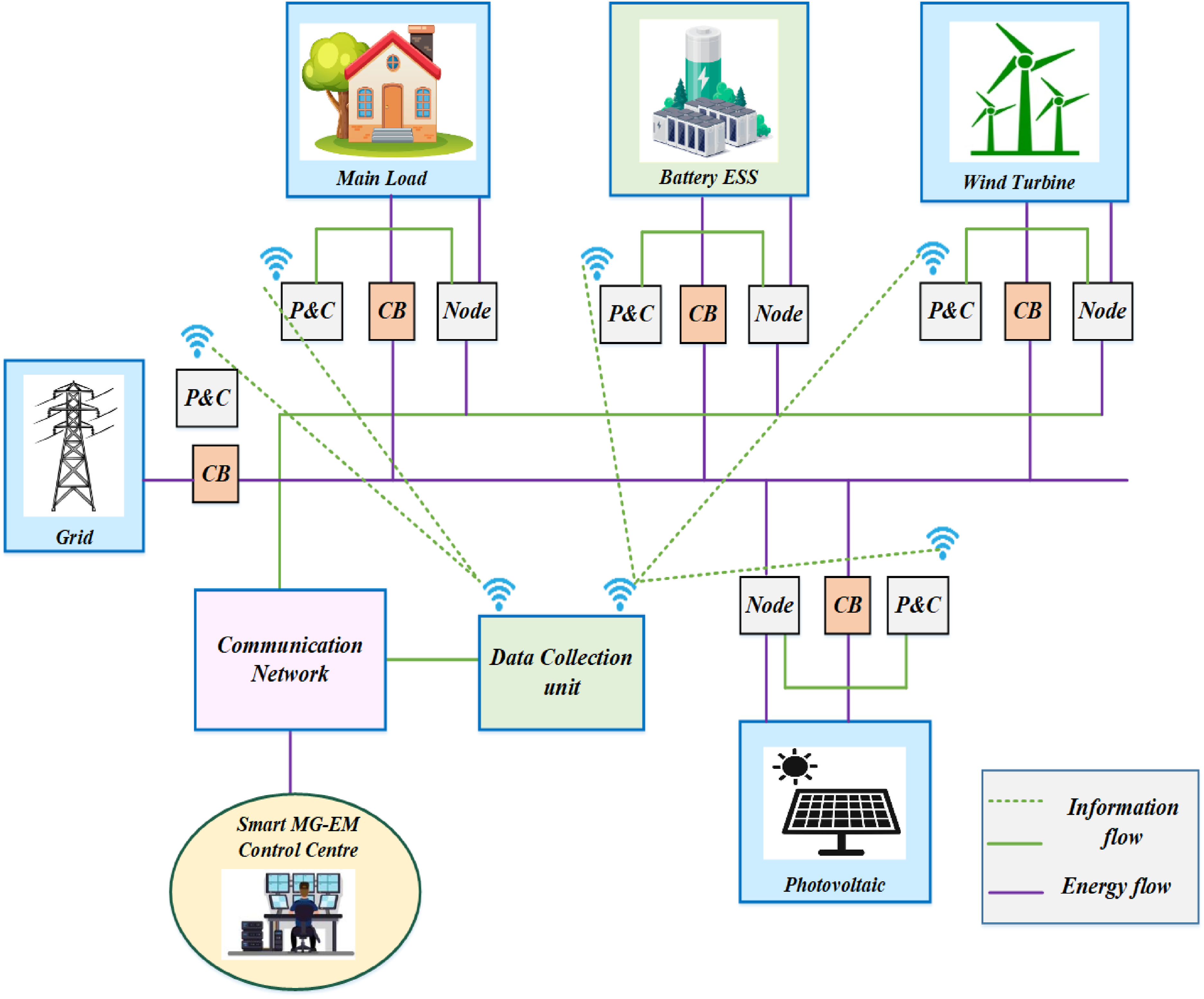
Modeling of BESS
The BESS regulates energy balance by charging and discharging while respecting SOC limits (Zhang et al., 2022). Its dynamic behavior is expressed as
Modeling of WT
The WT converts wind kinetic energy into electrical power (Laghridat et al., 2020). The output is given by
Modeling of PV
PV generation depends mainly on irradiance and temperature (Alzahrani et al., 2023). The power output is modeled as
Modeling of grid
The grid exchanges power with the MG to balance demand and generation (Wang et al., 2020). The interaction is represented as
Proposed BOA-NASPINN approach to minimize the total cost of the MG system
The suggested BOA-NASPINN approach combines the optimization strength of the BOA with the forecasting accuracy of the NASPINN to reduce the total energy cost of the hybrid MG system. BOA efficiently manages energy distribution among RES, storage units, as well as grid, while NASPINN predicts generation and storage behavior using IoT-enabled data. This integrated method, referred to as BOA-NASPINN, supports intelligent EM and enhances the overall cost-effectiveness and performance of the MG.
BOA
The BOA is a nature-inspired meta-heuristic technique that mimics the organized and goal-oriented behavior of construction processes, particularly the way builders systematically plan and assemble structures. In the context of EM in IoT-assisted hybrid MG, BOA facilitates the efficient allocation of energy resources by coordinating the operation of distributed units. Its adaptive search capability helps determine optimal energy distribution strategies that align with varying demand profiles and operational constraints. The algorithm enhances decision-making within the MG control system, promoting balanced energy flows and improving overall system efficiency (Hamadneh et al., 2025). BOA is utilized to optimize the energy distribution strategy within the IoT-assisted hybrid MG, ensuring efficient coordination between energy sources and storage units.
Step 1: Initialization
Set up the input parameters such as wind current, wind voltage, PV power, battery SOC, solar irradiance, and grid power.
Step 2: Random generation
The input parameters are created at random after startup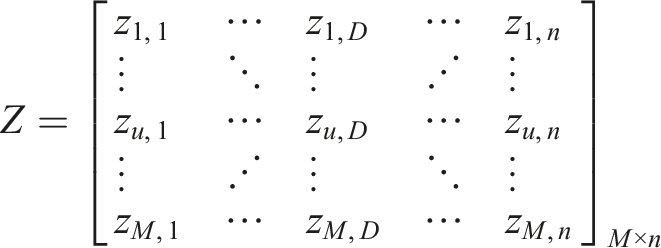
Step 3: Fitness function
The main aim is to minimize the total energy cost of the system
Step 4: Exploration phase
This phase corresponds to exploration, where candidate configurations undergo substantial variations to assess multiple regions of the solution space.
The configurations with better objective function (OF) values serve as references for significant updates. Equation (6) identifies the possible modifications for each structure
The position of each structure is updated using a model driven by global structural variations as shown in equation (7). A selected modification from the candidates is applied and accepted based on equation (8) if it improves the OF

Step 5: Exploitation phase
The exploitation phase fine-tunes the energy distribution configuration by performing minor adjustments near current structures to improve the overall performance and cost-effectiveness of the hybrid MG.
Equation (9) is used to compute the refined positions, and equation (10) approves the update if it enhances the OF

Step 6: Termination
Define the termination criteria. If the best energy distribution configuration is not yet achieved, return to Step 3. Otherwise, stop the process. In this study, the BOA was terminated when the maximum number of iterations was reached, or when the improvement in the OF became negligible and the best solution remained stable, thereby ensuring convergence with minimal computation. The flowchart of BOA is shown in Figure 2. Flowchart of BOA.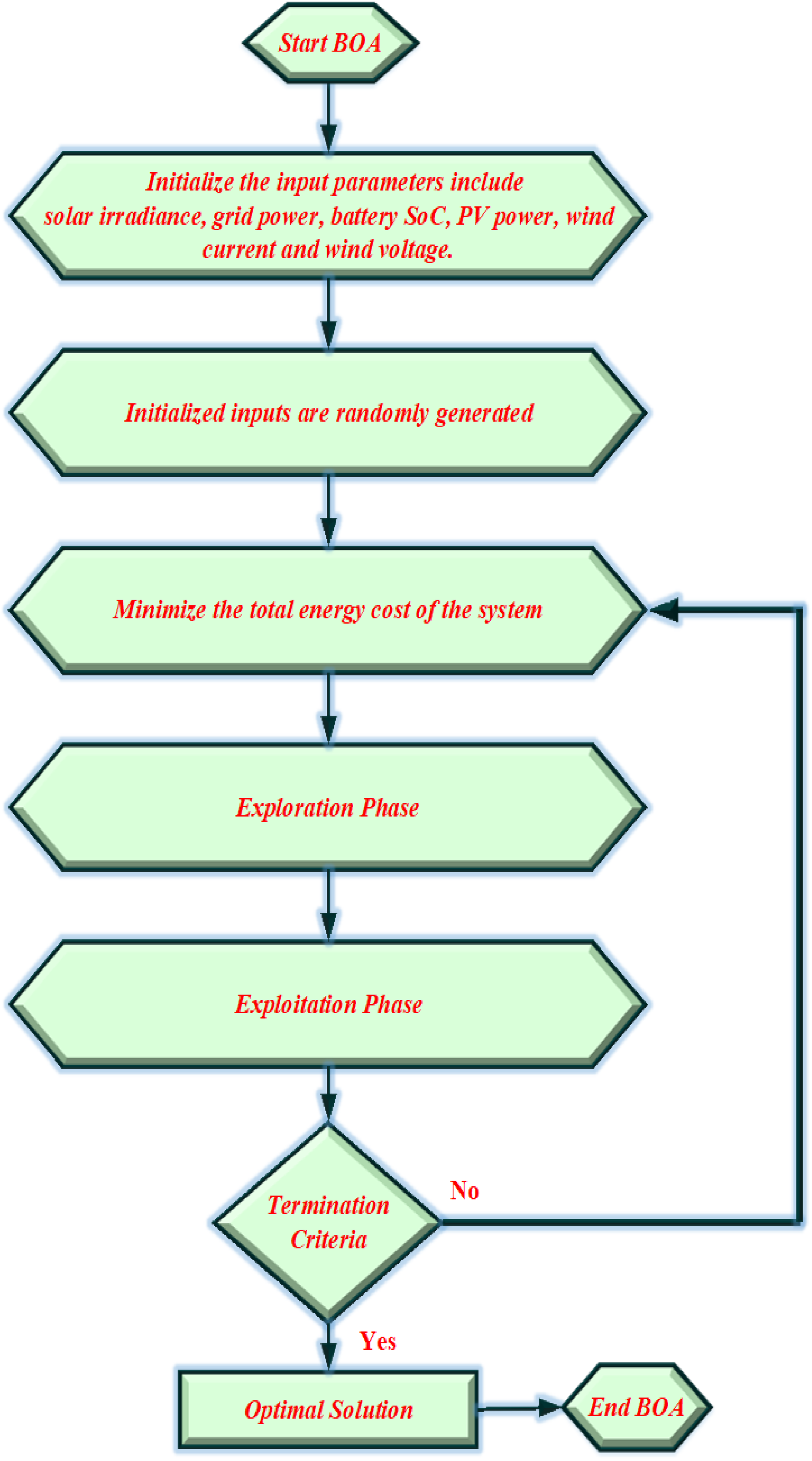
NASPINN
The NASPINN is an advanced deep learning framework that combines the strengths of Neural Architecture Search (NAS) and Physics-Informed Neural Networks (PINNs). NASPINN supports proper prediction of the dynamics of energy generation and storage in IoT-assisted hybrid MG, as it allows physical systems knowledge and IoT-acquired data to be utilized. Such predictive ability assists in smart scheduling, adaptive strategies to control, and coordination of DERs. NASPINN incorporates physical constraints in the learning process to guarantee dependable and consistent decision-making in optimized energy allocation in the MG. NASPINN can be used as a predictive tool of the energy production and storage dynamics based on the IoT-enabled data, helping to optimize EM and improve operational performance in the hybrid MG.
NASPINN is employed to model and forecast energy generation and storage dynamics using IoT-enabled data, facilitating EM and improved operational performance in a hybrid MG
The loss function in NASPINN enhances forecasting accuracy by reducing deviations from physical constraints, enabling precise predictions for optimal energy storage and generation scheduling
The differentiable process optimizes the network structure, allowing NASPINN to adapt to evolving system conditions and input variations in hybrid MG for accurate energy forecasting
The masking mechanism selectively activates neurons, enhancing prediction precision by efficiently identifying and processing relevant IoT-enabled system features
The bi-level optimization method refines forecasting performance, tuning the network parameters to predict energy generation and storage outcomes that support optimal EM in the hybrid MG
Advantages of the BOA–NASPINN approach
The suggested BOA-NASPINN approach has specific advantages compared to the existing EM methods. Unlike conventional optimization- or forecasting-based methods that address only one dimension of system performance, BOA–NASPINN combines both within a unified framework. The BOA guarantees effective coordination of distributed resources, minimizing the conversion loss, and minimizing the operational costs. Simultaneously, the NASPINN enhances the accuracy of forecasts by incorporating physical constraints in the learning mode, which increases adaptability to the variable renewable and load conditions. This duality facilitates better energy cost savings and efficiency than current methods like AOA-PHNN, SAGAN-COA, ANN-AGTO, and PSO-ANFIS, thus it could contribute to the sustainable, economical, and consistent functioning of IoT-based hybrid MGs.
Result and discussion
This section demonstrates the outcomes of the simulation and the effectiveness of the suggested strategy. In IoT-assisted hybrid MG, EM is presented with the introduction of the BOA-NASPINN method. The suggested technique is tested on the MATLAB platform as well as compared with several existing techniques such as AOA-PHNN, SAGAN-COA, ANN-AGTO, PSO-ANFIS, and DHO-CSA.
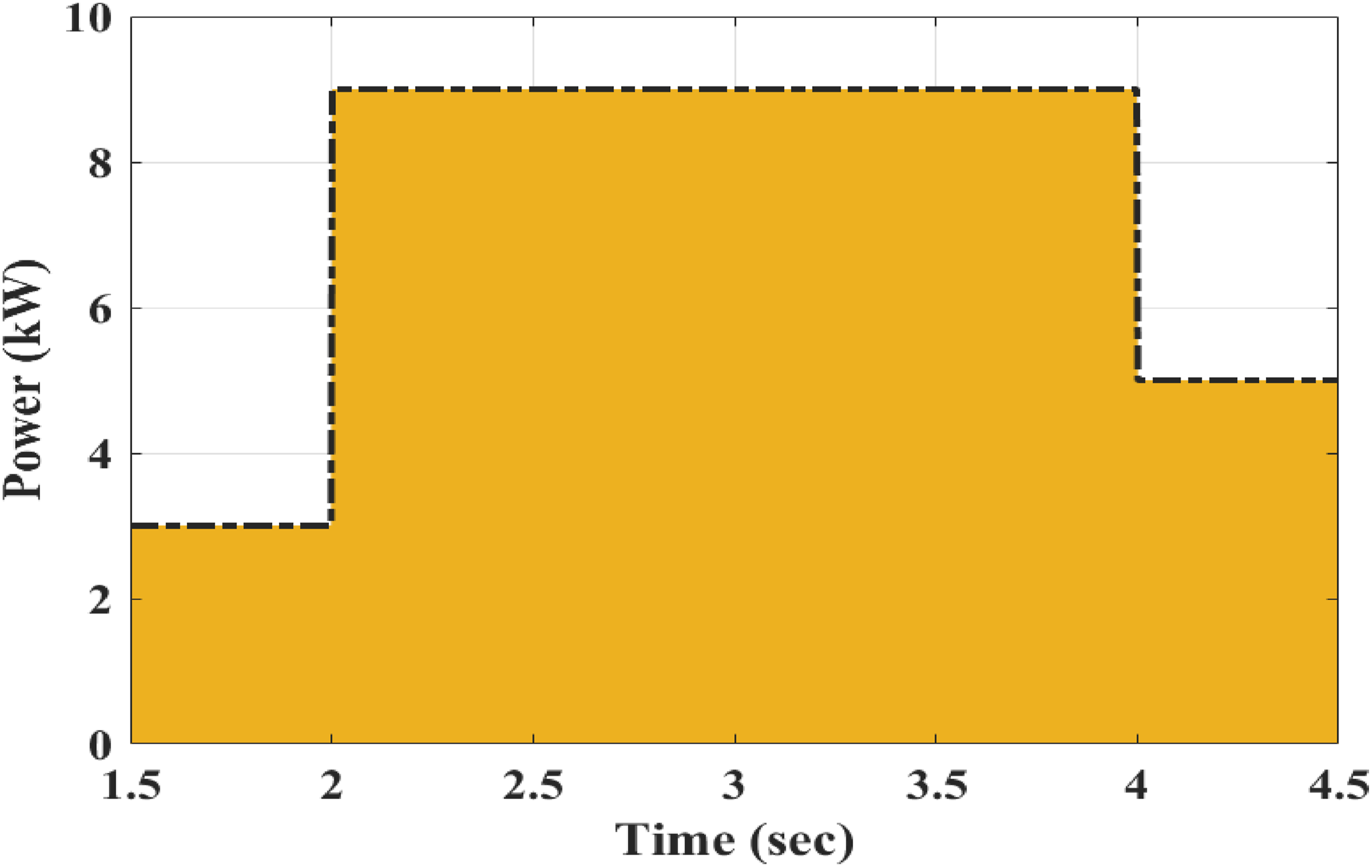
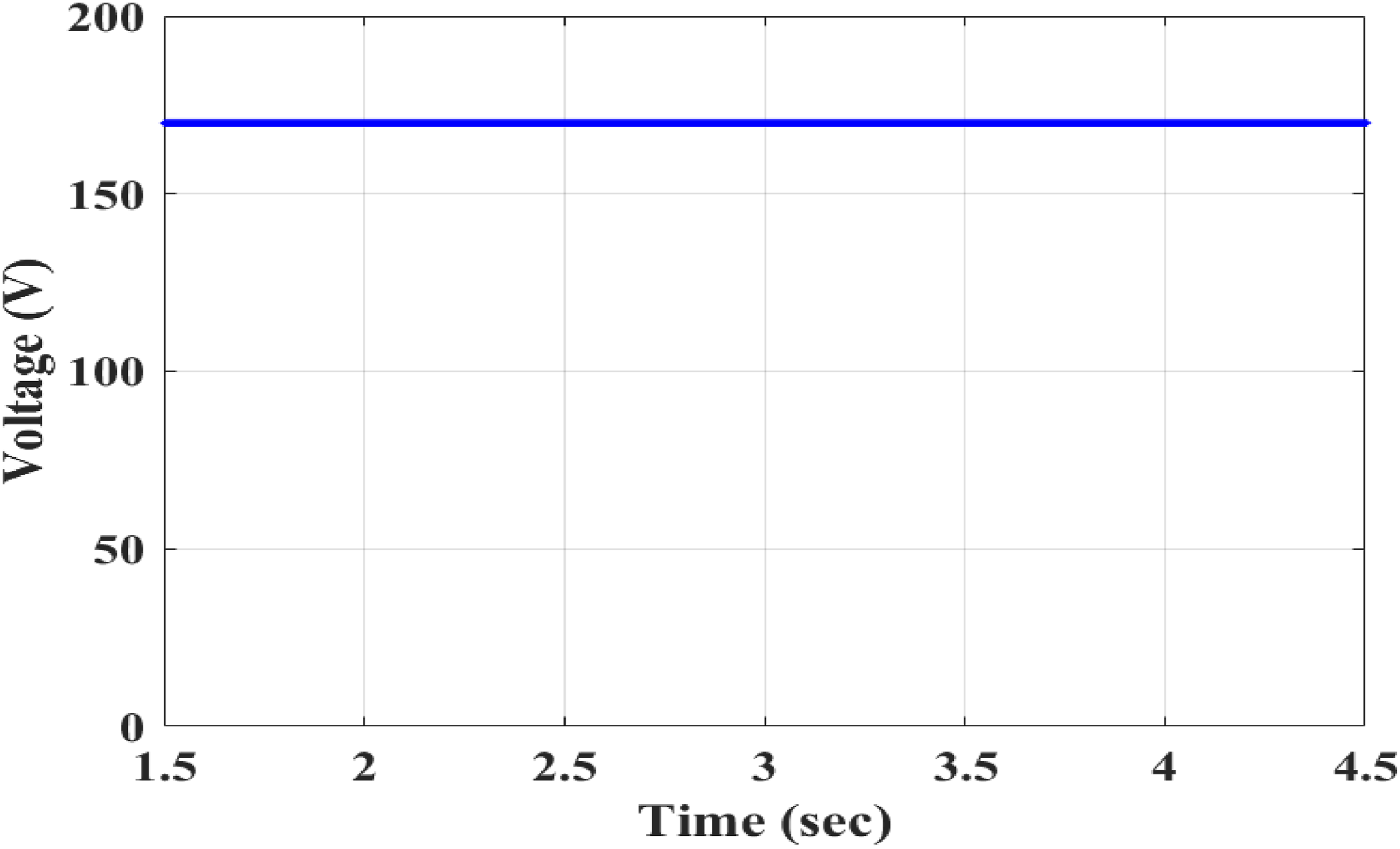
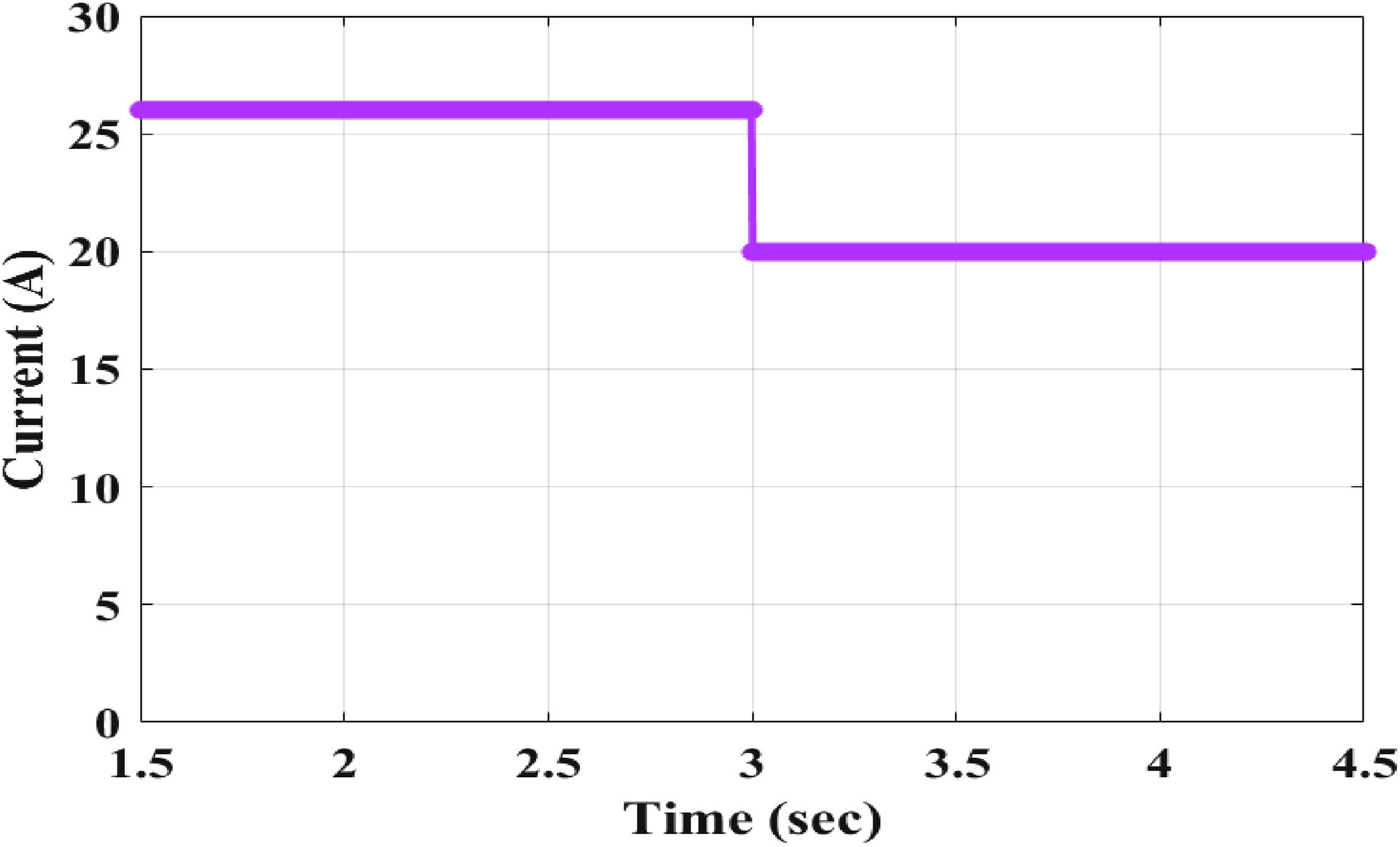
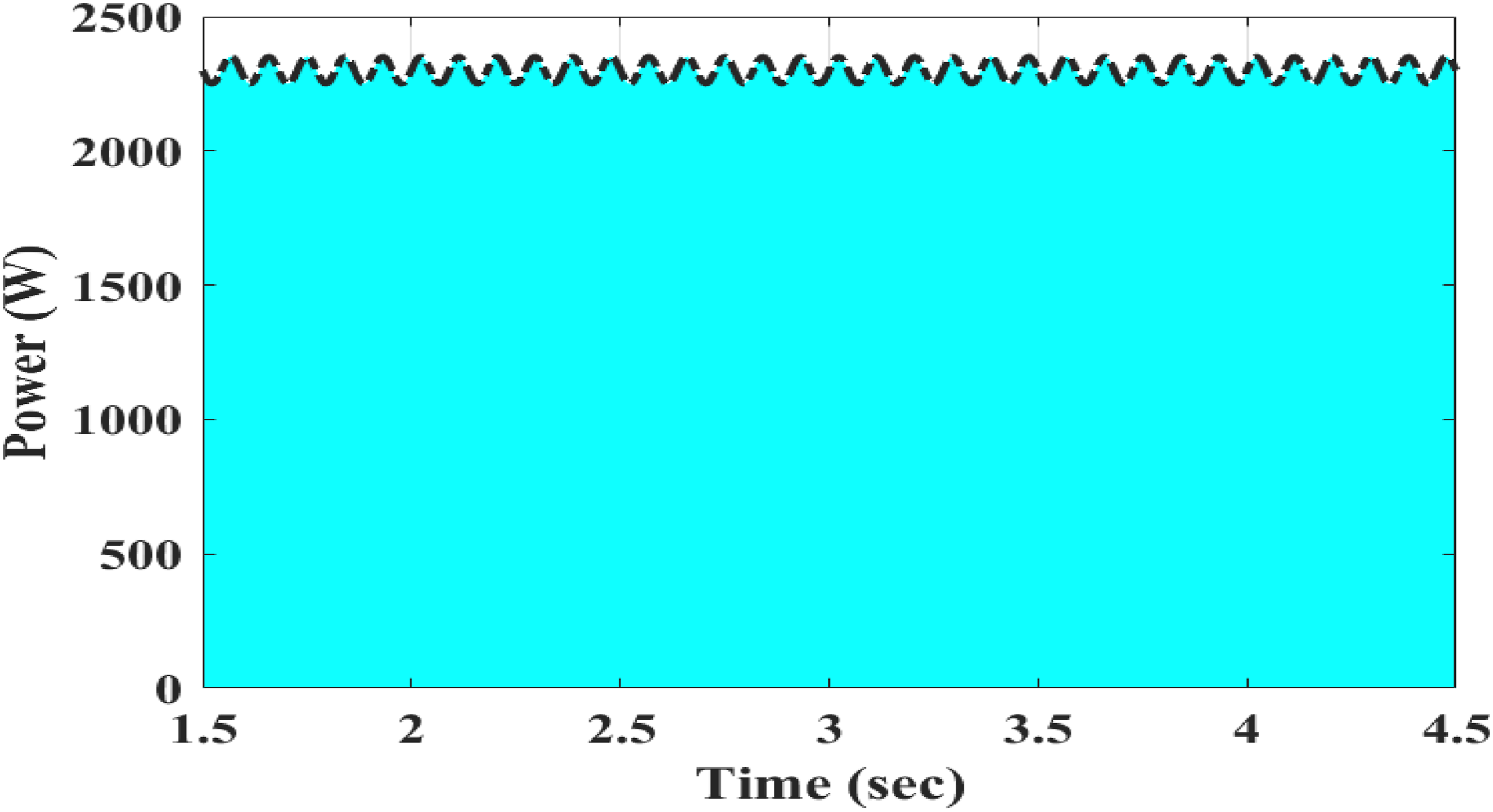
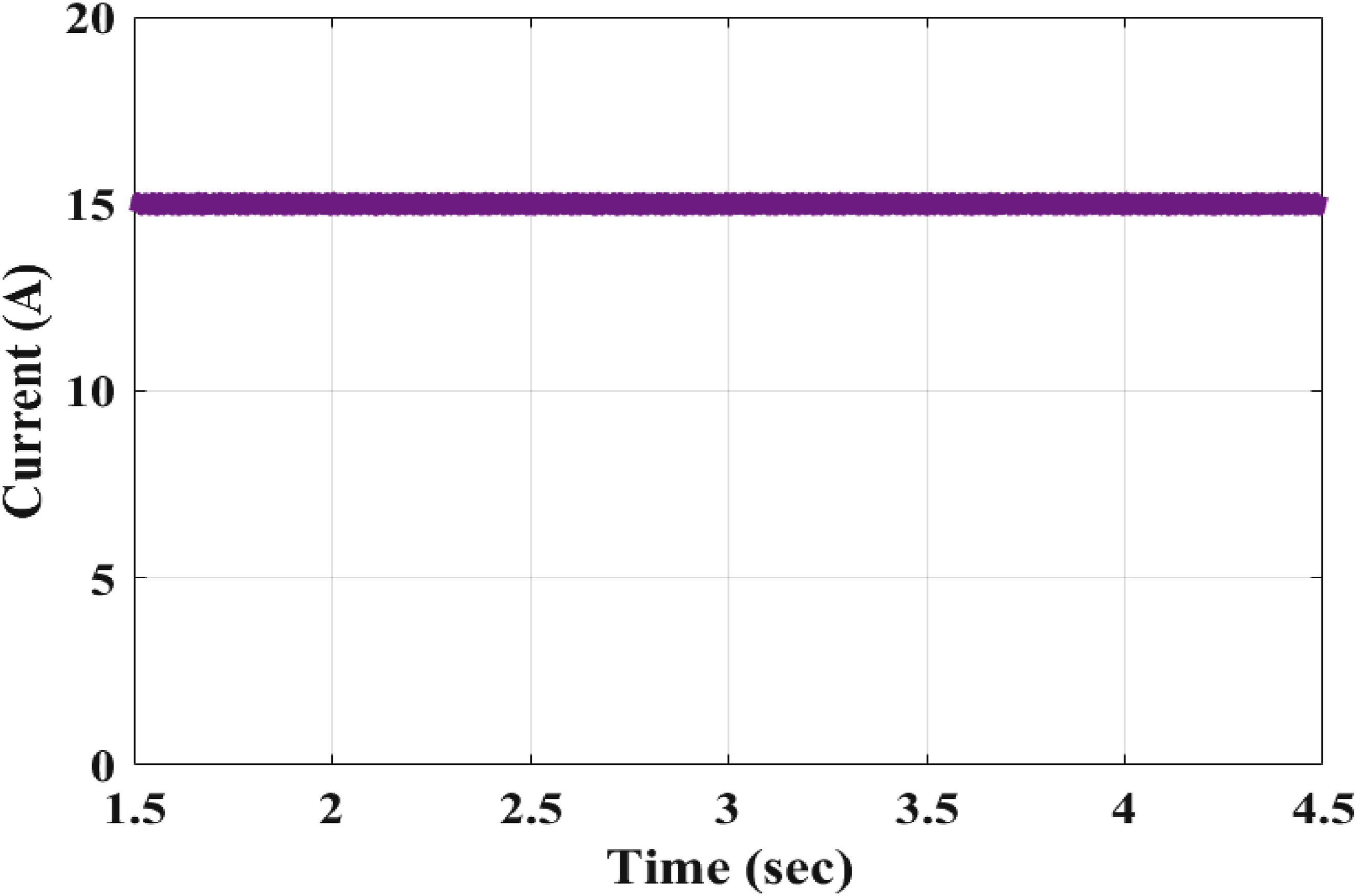
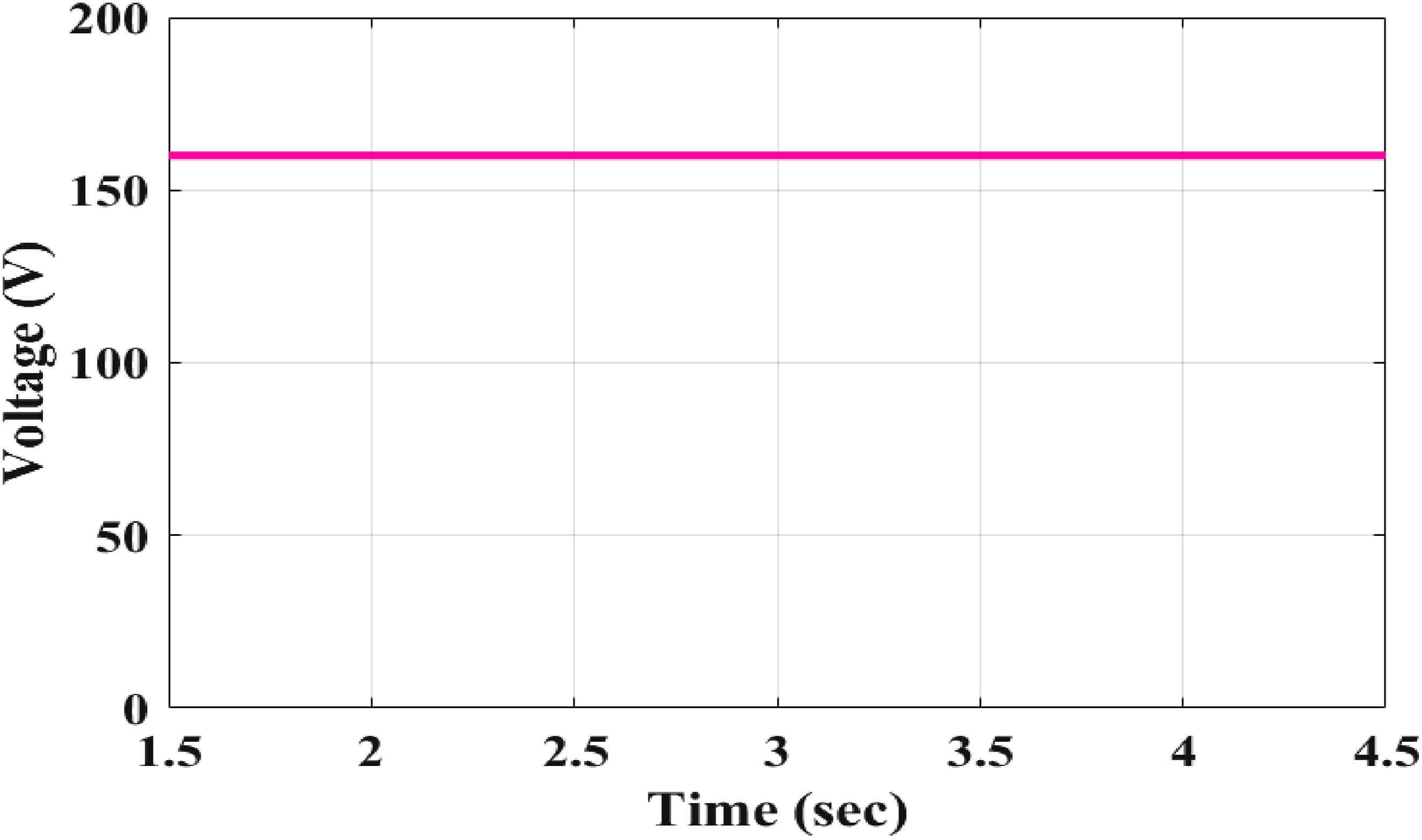
Figure 3 illustrates the WS evaluation. Initially, the WS is maintained at approximately 75 rad/s from 1.5 to 2.0 sec, representing a stable input from wind energy resources. At 2.0 seconds, a sudden increase is observed, raising the speed to approximately 125 rad/s, which remains steady until 4.0 sec. This indicates a period of high renewable energy generation. At 4.0 sec, the speed decreases sharply and stabilizes at 90 rad/s from 4.0 to 4.5 sec, signifying a drop in wind availability. Such variations are crucial for testing the adaptive response and control strategies of IoT-enabled hybrid MG systems, ensuring efficient energy distribution, storage management, and grid support under dynamic environmental conditions. The wind power evaluation is shown in Figure 4. Initially, from 1.5 to 2.0 sec, the wind power remains constant at approximately 3 kW, reflecting a low wind energy input. At 2.0 sec, a sharp rise occurs, elevating the power output to around 9 kW, which is sustained until 4.0 sec, indicating a phase of maximum energy generation from the wind source. Following this, the power output drops significantly to about 5 kW at 4.0 sec and remains at that level until 4.5 sec. These dynamic variations in power generation are essential for testing the responsiveness and efficiency of MG EMS, particularly in optimizing power flow, storage decisions, and load balancing under fluctuating renewable energy conditions. Figure 5 depicts the PV voltage evaluation. The PV voltage remains constant at approximately 170 V throughout the entire duration from 1.5 to 4.5 sec. This stable voltage profile indicates consistent solar irradiance conditions and proper regulation by the PV system. The constant voltage output is crucial for maintaining stable operation of DC buses in hybrid MG, ensuring reliable energy supply to connected loads and storage units. It also reflects the effectiveness of the voltage regulation mechanisms integrated within the IoT-enabled control infrastructure. Figure 6 presents the PV current evaluation. From 1.5 to 3.0 sec, the current remains steady at approximately 26 A, indicating a stable energy output under favorable solar conditions. At 3.0 sec, the current drops sharply to about 20 A and maintains this value until 4.5 sec. This reduction suggests a change in either solar irradiance or load demand. The ability to track and respond to such variations is vital in hybrid MG, where IoT-based systems help in dynamically adjusting operational parameters to maintain energy balance, enhance efficiency, and support reliable power delivery. The PV power evaluation appears in Figure 7. During the period of 1.5 to 4.5 sec, the electricity output of PV power fluctuates gently around an average value of about 2400 W. The waveform still gives a smooth output, even though there are small fluctuations due to switching or changes in the system. This stability signifies that the PV system is delivering a nearly constant power level despite possible minor fluctuations in irradiance or load demand. Such performance demonstrates the efficiency of the control system in maintaining a balanced power output, contributing to the overall reliability and robustness of the hybrid MG. Figure 8 illustrates the battery current evaluation. The current remains stable at approximately 15 A from 1.5 to 4.5 sec. There are no visible fluctuations or disturbances, indicating a consistent and reliable current output from the battery under steady load conditions. This consistent behavior of the current reflects efficient battery operation and highlights the system’s capability to maintain a uniform discharge rate in an IoT-based hybrid MG environment. Figure 9 illustrates the battery voltage evaluation. The voltage remains consistently steady at approximately 155 V throughout this duration. There are no signs of drops, rises, or changes in voltage from the battery, which means it provides stable voltage always. Between 1.5 and 4.5 sec, the battery system keeps producing a constant voltage, which underscores its reliability and uniform functioning within the IoT-based hybrid MG environment. Evaluation of WS. Evaluation of wind power. Evaluation of PV voltage. PV current evaluation. Evaluation of PV power. Evaluation of battery current. Evaluation of battery voltage.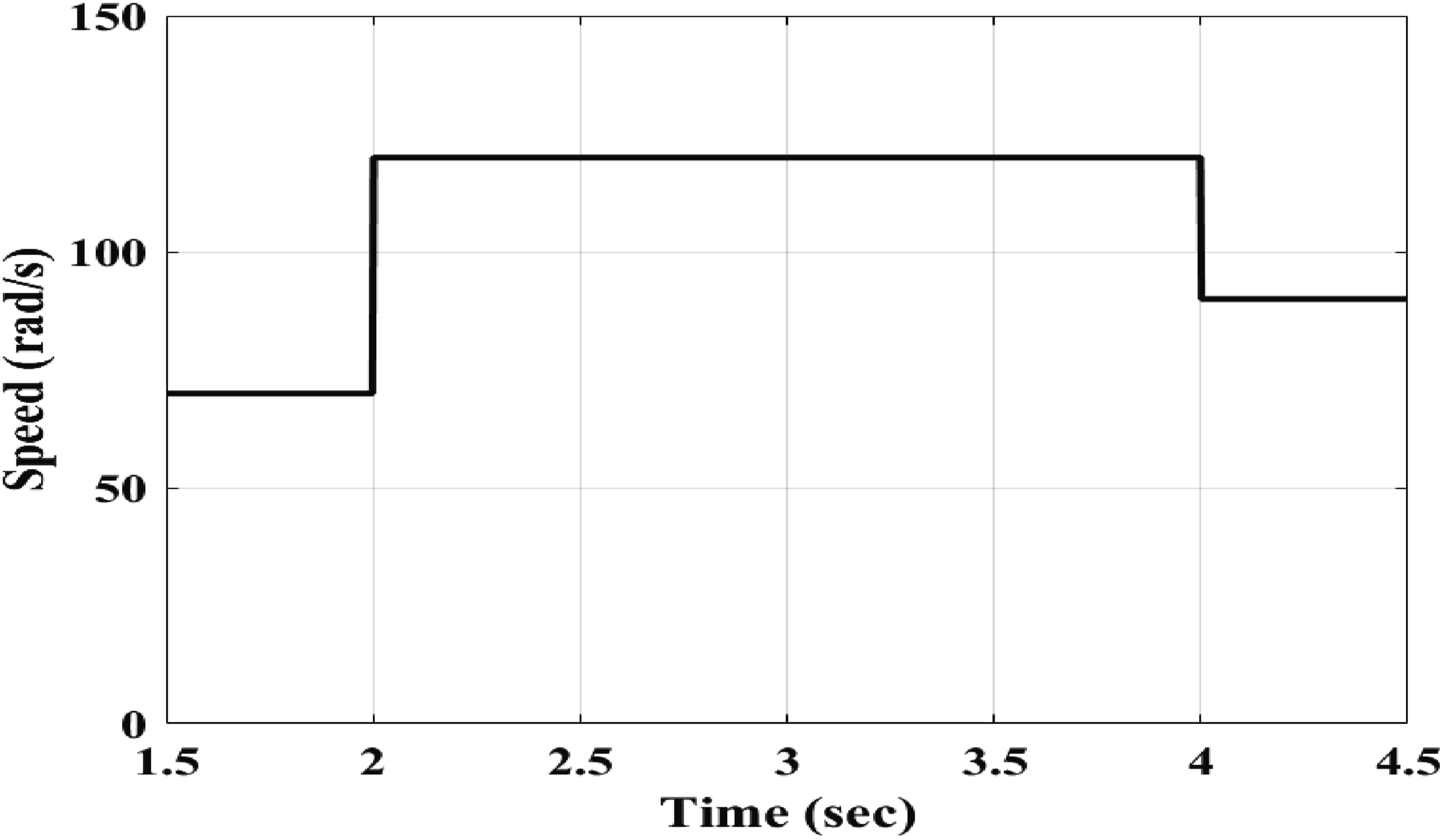
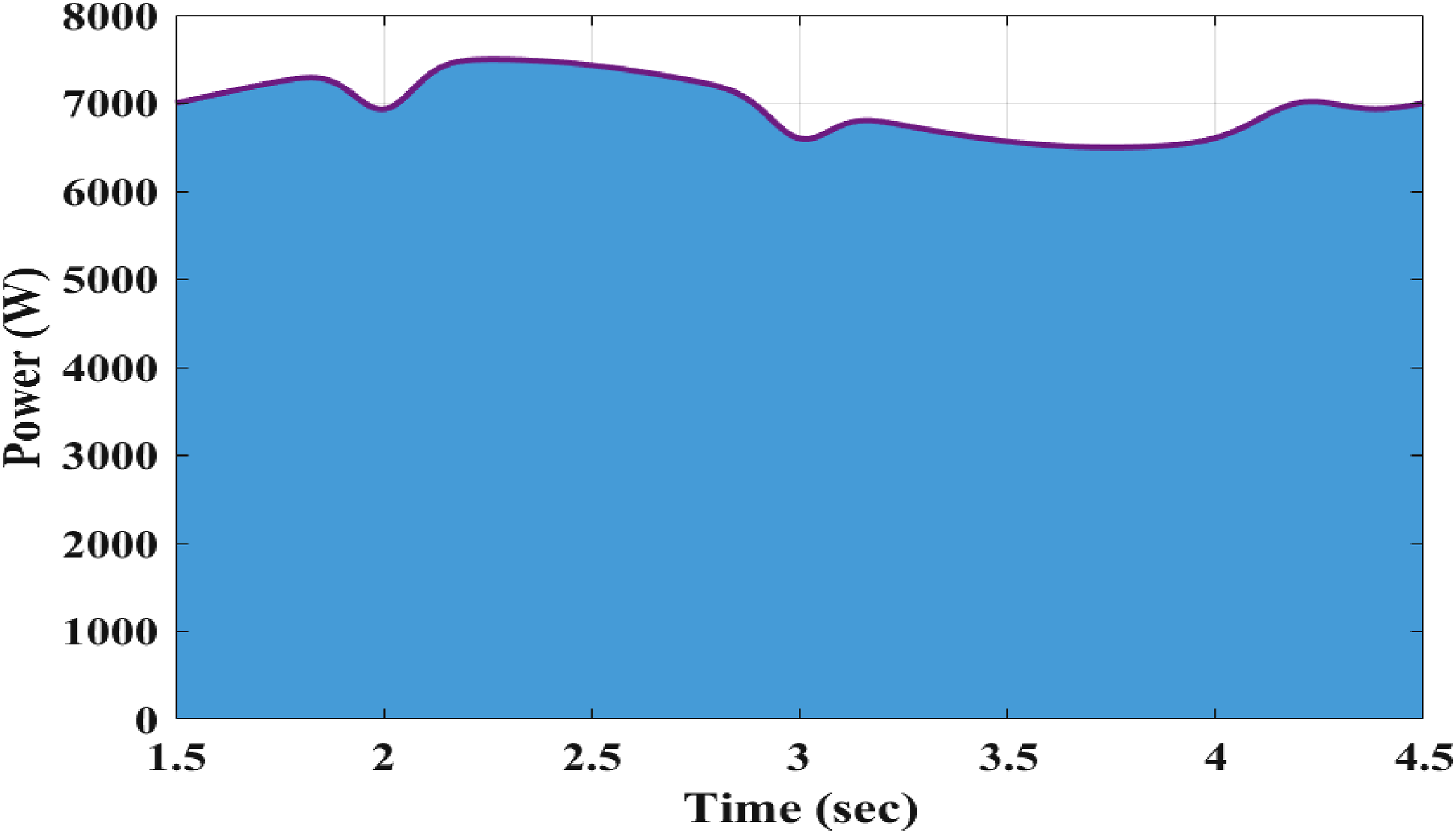
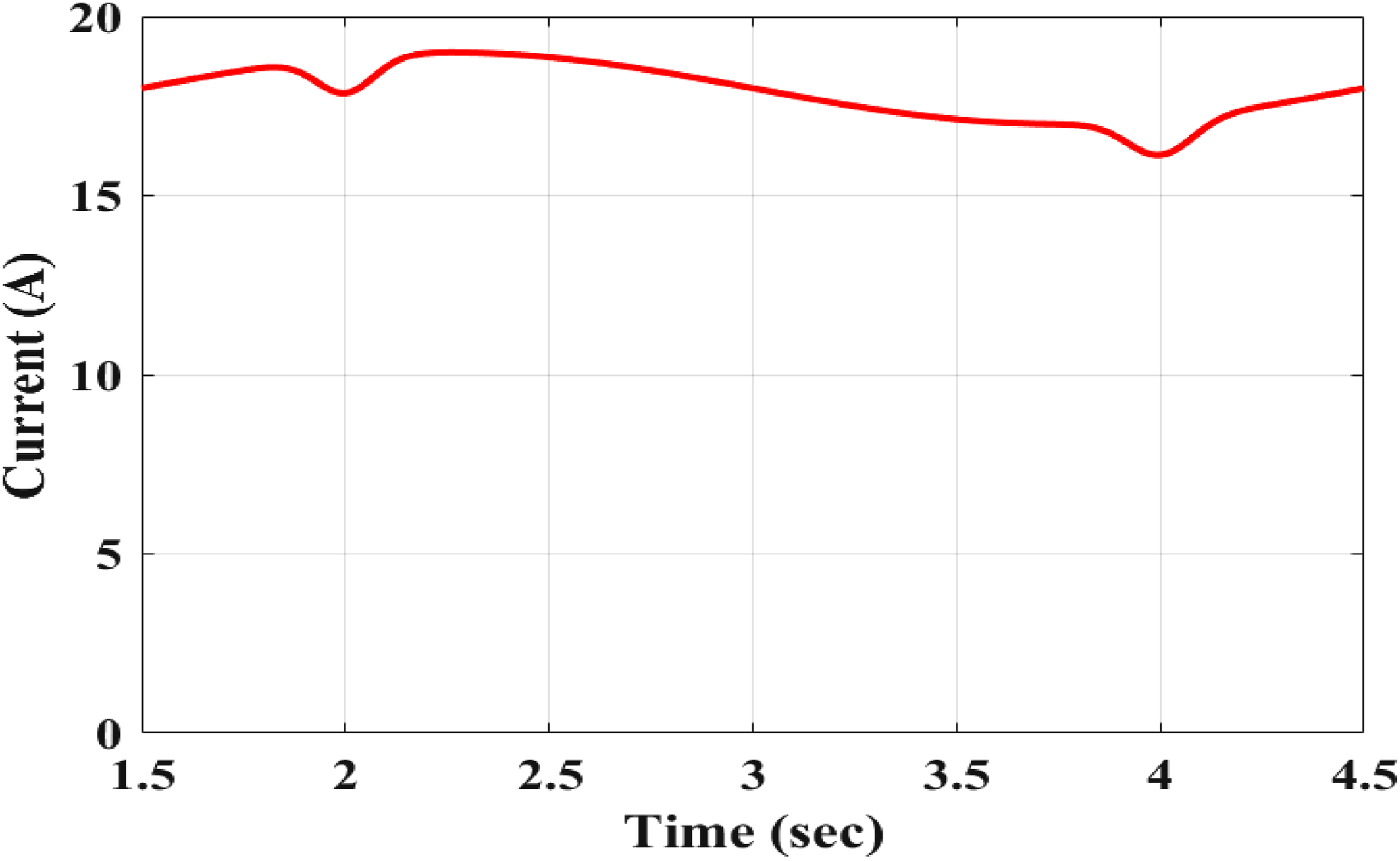
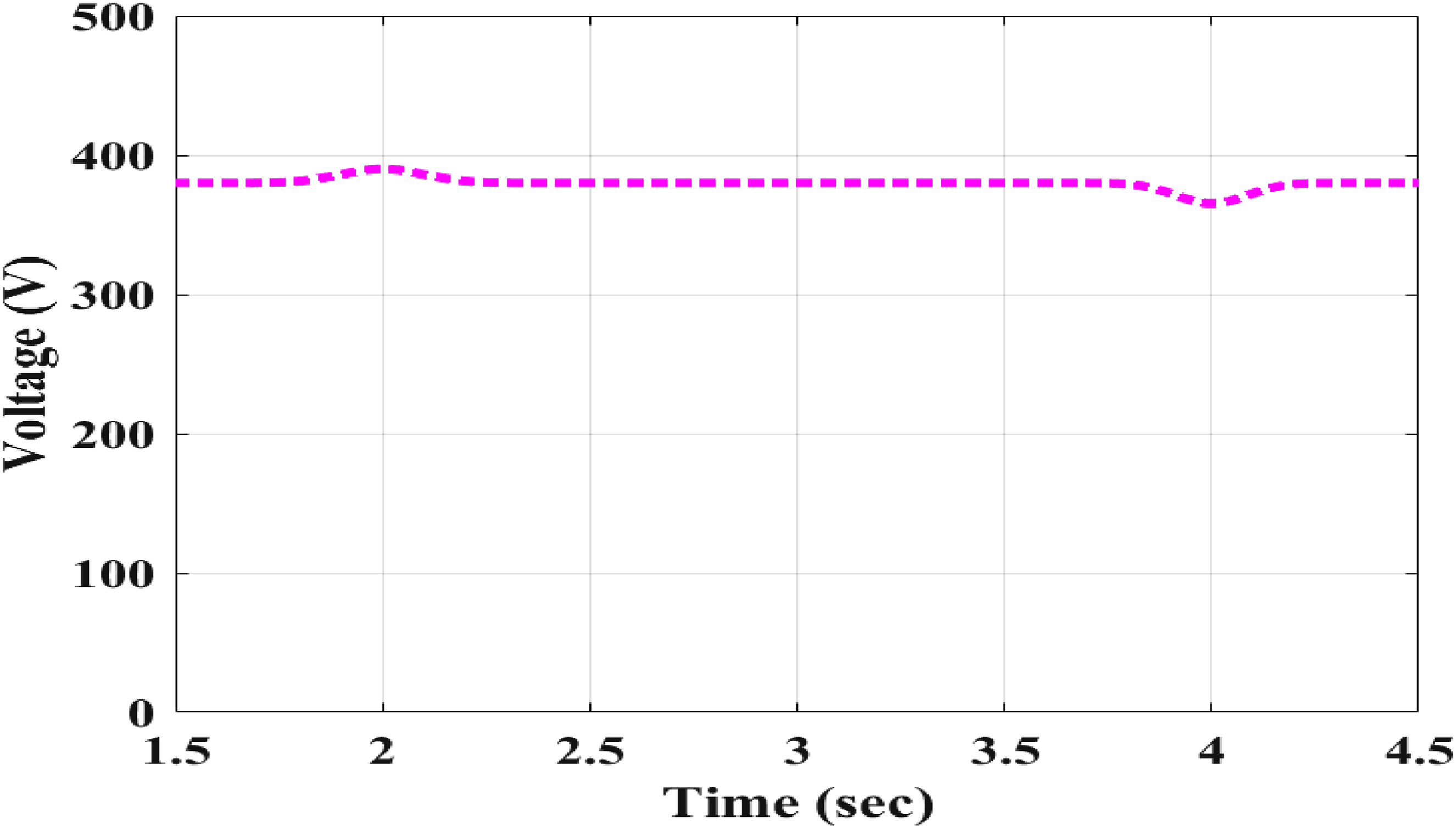
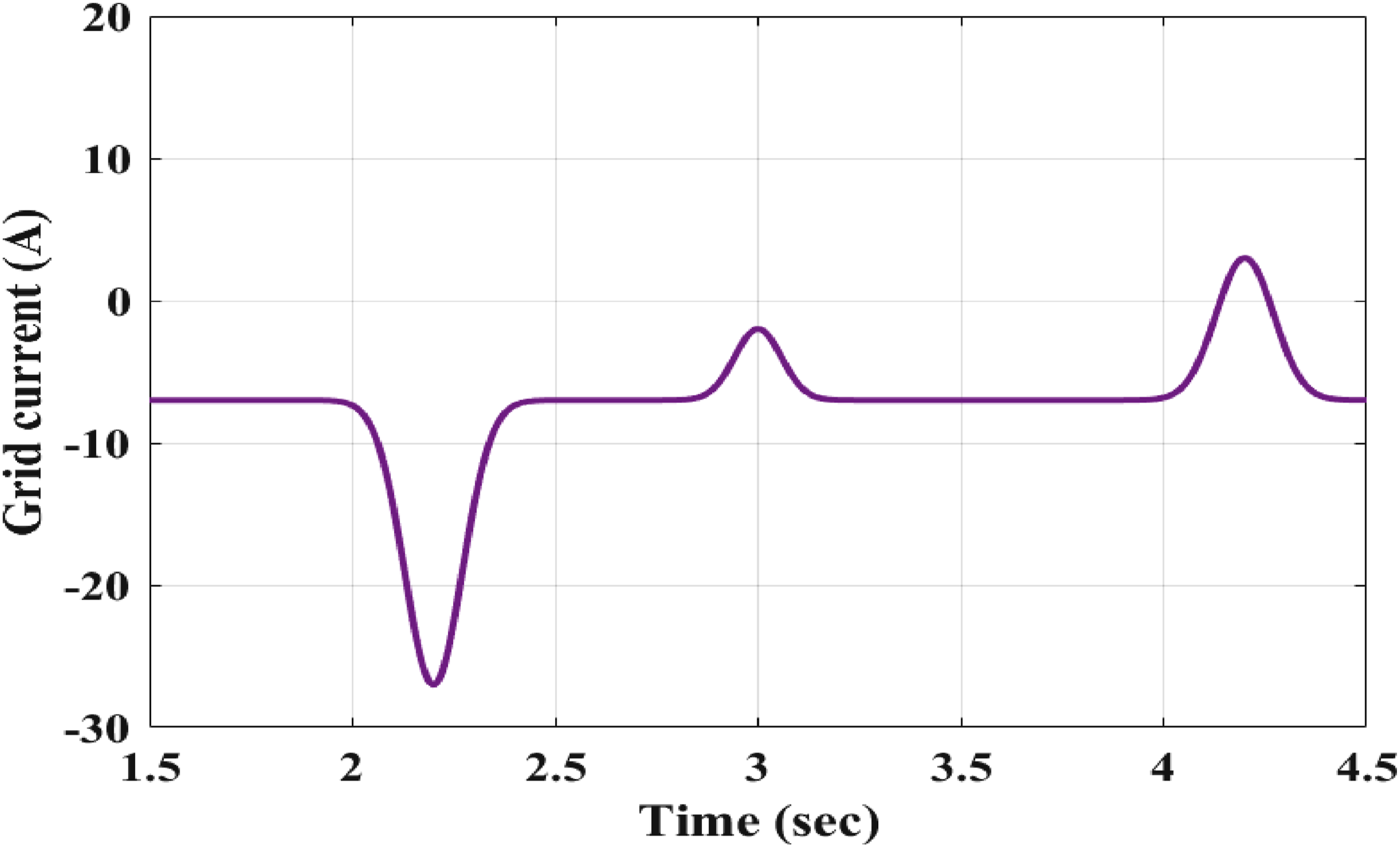
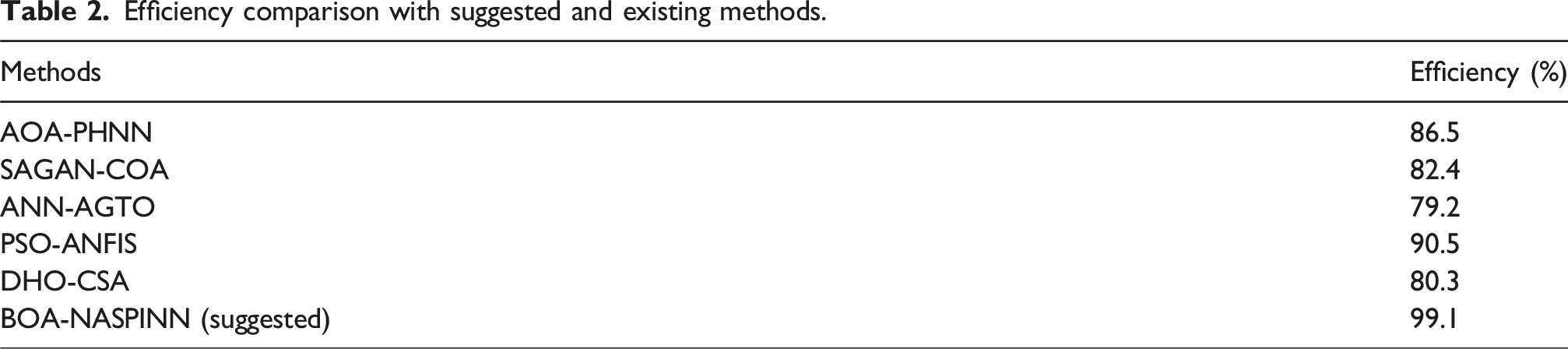
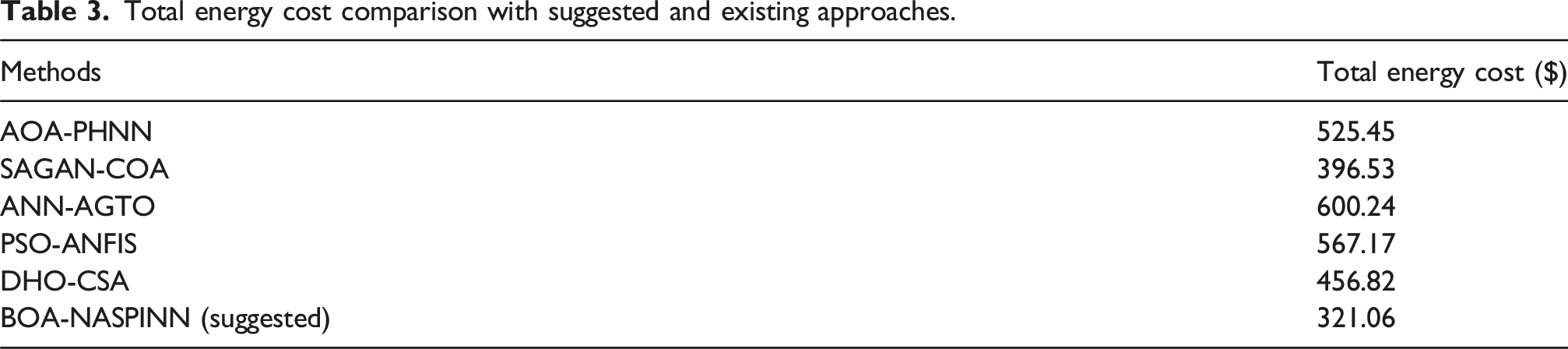
The battery power evaluation is shown in Figure 10. The generator continues to provide about 2400 W of electricity with only a few variations. Because the battery shows a constant output level, it is expected to give reliable and efficient performance. From 1.5 to 4.5 sec, the power delivery remains uninterrupted, demonstrating the system’s ability to support sustained performance within the IoT-based hybrid MG environment. Figure 11 depicts the load power evaluation. The power fluctuates within a range of approximately 6600 W to 7500 W, indicating varying load demand during this period. These fluctuations suggest dynamic load conditions in the IoT-based hybrid MG environment. Despite the variations, the power remains generally stable around an average value of 7000 W, reflecting the system’s ability to manage changes in load without significant performance degradation. This demonstrates reliable load handling and consistent power delivery throughout the observed interval. Figure 12 shows the load current evaluation. The current exhibits slight variations, starting around 18.2 A, peaking close to 19 A shortly after 2 sec, and then gradually decreasing to a minimum of approximately 16.5 A near 4 sec. Following this dip, the current increases again, returning to around 18 A by the end of the interval. Despite the load changing, the current remains steady inside a narrow and monitored range; this is an indication of great current control in the IoT-based hybrid MG throughout this period. The load voltage evaluation is shown in Figure 13. The voltage maintains a relatively steady profile, beginning around 390 V and experiencing a brief rise to approximately 392 V near 2.0 sec. After this peak, the voltage stabilizes near 390 V for the majority of the interval. A minor dip is observed around the 4.0 sec, where it drops to approximately 375 V, followed by a gradual recovery back toward 380 V. These variations reflect the operational performance of the system designed for energy regulation within an IoT-integrated hybrid MG, ensuring consistent voltage delivery across load conditions. Figure 14 illustrates the evaluation of grid current. The current initially remains stable at approximately −8 A up to 2.0 sec, after which a sharp dip occurs, reaching a minimum of around −26 A near 2.3 sec. Following this drop, the current returns to the −8 A baseline and then rises momentarily to about −2 A at 3.0 sec. It stabilizes again at −8 A until 4.0 sec, where another peak occurs, reaching nearly 2 A before settling back to the baseline. These fluctuations indicate dynamic current exchange between the grid and the MG, representing the responsiveness of the control system within an IoT-integrated hybrid EM environment. Table 2 compares the efficiency of various optimization and forecasting methods for hybrid MG, including the suggested BOA-NASPINN approach. The ANN-AGTO method has the lowest efficiency at 79.2%, indicating limited performance in EM. DHO-CSA achieves a slightly better efficiency of 80.3%, showing moderate improvement. SAGAN-COA records an efficiency of 82.4%, reflecting enhanced operational capabilities. AOA-PHNN reaches 86.5%, demonstrating effective optimization. PSO-ANFIS attains 90.5%, indicating strong coordination among energy resources. The suggested BOA-NASPINN method surpasses all these with the highest efficiency of 99.1%, demonstrating its superior ability to enhance hybrid MG performance through accurate forecasting and optimized EM. Table 3 provides a detailed comparison of total energy costs among various methods used for hybrid MG optimization. The AOA-PHNN method results in a total energy cost of $525.45, indicating moderate optimization performance. The SAGAN-COA approach achieves a lower cost of $396.53, showing improved EM efficiency. ANN-AGTO records the highest cost at $600.24, reflecting limited effectiveness in cost minimization. PSO-ANFIS yields a total cost of $567.17, demonstrating suboptimal coordination of energy resources. The DHO-CSA method achieves a better outcome with a cost of $456.82, suggesting relatively effective operation. In contrast, the BOA-NASPINN method is able to achieve the lowest energy cost at $321.06, which underlines its strong forecasting and optimization skills for the energy system. Evaluation of battery power. Evaluation of load power. Evaluation of load current. Evaluation of load voltage. Evaluation of grid current. Efficiency comparison with suggested and existing methods. Total energy cost comparison with suggested and existing approaches.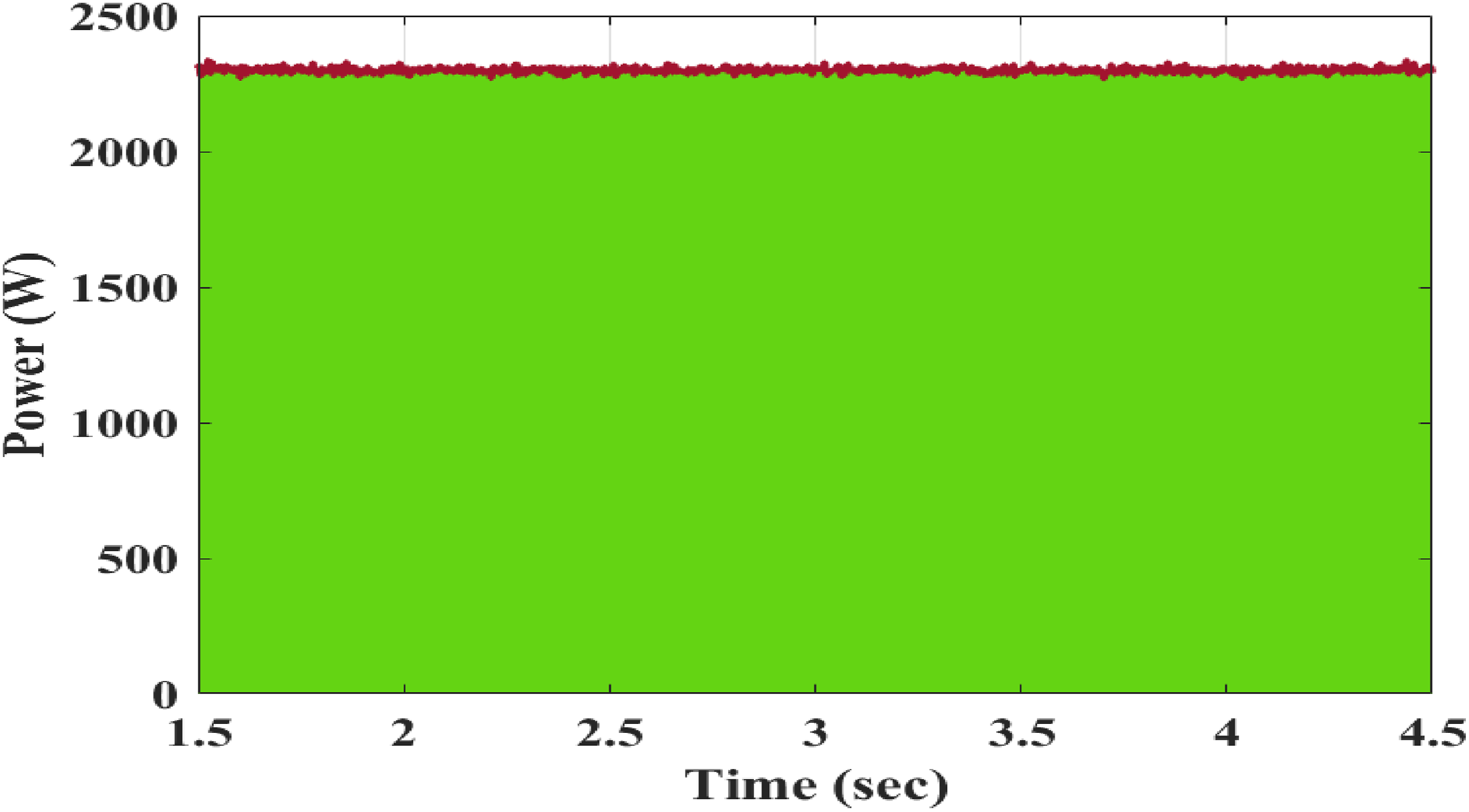
Discussion
The performance evaluation of the IoT-enabled hybrid MG under varying environmental and load conditions demonstrates strong adaptability and effective energy coordination. WS remains steady at about 75 rad/s initially, then increases sharply to around 125 rad/s before dropping back near 90 rad/s, with corresponding wind power variations between 3 kW and 9 kW that highlight the system’s responsiveness to renewable fluctuations. The PV voltage stays stable at roughly 170 V, while the current decreases from about 26 A to 20 A midway, causing moderate changes in PV power output and confirming effective control. The battery maintains nearly constant operation, delivering around 15 A current, 155 V voltage, and about 2.4 kW power. Load demand fluctuates moderately between 6.6 kW and 7.5 kW, with voltage generally stable near 390 V except for a minor dip. The grid current oscillates within a limited range, reflecting active interaction between the grid and the MG. Overall, the suggested BOA–NASPINN method achieves superior performance, with an EM efficiency of 99.1% and the lowest total energy cost of 321.06 USD. In addition to achieving the lowest energy cost and highest efficiency, the BOA–NASPINN approach demonstrates clear advantages over existing methods. By integrating optimization with accurate physics-informed forecasting, the method not only minimizes conversion losses but also adapts effectively to environmental and load fluctuations. This combination explains its superior performance compared with benchmark techniques such as AOA-PHNN, SAGAN-COA, and PSO-ANFIS. The BOA NSPINN framework presented in this work is illustrated in the grid-connected mode, wherein the contact with the main grid allows minimizing costs. Islanded operation could also be adjusted to the same framework, where PV, WT, and ESS would be coordinated without grid support, and seamless switching between the different modes is considered future work.
Conclusion
The BOA-NASPINN approach is effective and efficient in dealing with EM in IoT-assisted hybrid MG by reducing total energy cost and raising energy efficiency. By combining the strengths of the BOA for energy distribution optimization and the NASPINN for accurate forecasting, the method ensures a reliable and sustainable power supply despite the intermittent nature of RESs like WT and PV. The BOA-NASPINN approach achieves the lowest total energy cost of $321.06 and the highest efficiency of 99.1%, demonstrating superior capability in forecasting and optimizing energy distribution in the hybrid MG. In comparison, the AOA-PHNN method results in a total energy cost of $525.45 with an efficiency of 86.5%, while the SAGAN-COA approach achieves a total cost of $396.53 and an efficiency of 82.4%. These findings validate the excellent functionality of the suggested approach in minimizing energy expenses and improving system effectiveness, which brings a promising avenue in developing smart and sustainable energy systems in future hybrid MG. One of the most significant concerns with EM in hybrid MG systems that rely on the IoT is that their functionality relies on communication networks, and thus, the failure or slowing of the network may create issues; therefore, further development should be aimed at securing the IoT-driven system with the help of the most sophisticated cybersecurity tools and consistent communication.
Footnotes

Author contributions
P. Venkata Prasad, Balasubbareddy Mallala—Conceptualization, Methodology, Software, Formal analysis, Investigation, Resources, Validation, Data Curation, Writing—Original Draft, Writing—Review & Editing, Supervision, Project administration. C. Sivakumar, Krishna Prakash Arunachalam—Conceptualization, Methodology, Software, Formal analysis, Writing—Original Draft, Writing—Review & Editing, Visualization.
Funding
The author(s) received no financial support for the research, authorship, and/or publication of this article.
Declaration of conflicting interests
The author(s) declared no potential conflicts of interest with respect to the research, authorship, and/or publication of this article.
Data Availability Statement
The simulation data and results supporting the findings of this study are available from the corresponding author on reasonable request.