



Abstract
With the intensive development of cities, the utilization of underground space has attracted more and more attention from industry and academia. Underground rail (metro) in cities has become an imperative mode for people in their daily lives. Meanwhile, the safety of rail tunnel construction has constantly been a challenging issue because of the presence of complex strata containing shallow biogas. Accidents in tunnel construction because of shallow biogas which resulted in massive casualties and property loss have been reported in some recent literature. The excavation of formations containing shallow biogas not only poses a threat to the safety of the earlier stage of tunnel construction but also affects the later operation of metro lines. Therefore, the safety problem caused by shallow biogas should be taken into consideration seriously and avoided in the pre-construction stage. A typical underwater metro tunnel, Hangzhou Metro Line 6, is introduced in this study to suggest the proper approach to deal with the biogas problem during the construction process. The generation mechanism of shallow biogas is clarified and the process of identifying biogas risk during strata exploration is also discussed. A risk identification and control system for shield tunneling through biogas strata is proposed to mitigate the potential dangers of shallow biogas during the construction process. This study provides actual construction experience and countermeasures for other similar metro tunnel projects that encounter biogas strata to diminish the potential risks and avoid severe accidents.
With the development of urbanization, more and more underground space is utilized to solve the problems of rapid population growth in cities. Underground rail (metro) has become one of the essential transportation modes for people in their daily lives. The total length of the metro lines in China now exceeds 6,000 km. With the construction of many new urban tunnels, more geological challenges emerge that need to be solved. In recent years, tunnel construction accidents induced by biogas explosion have resulted in significant loss of lives and property. Thus, more tunnel companies and engineers focus on the safety issues from biogas inflow or explosion.
The main component of biogas, methane (CH4), which is usually generated in coal-bearing formations, is the leading cause of tunneling accidents ( 1 ). Copur et al. ( 2 ) concluded that methane mainly appears in carboniferous rock formations. The U.S. Mine Safety and Health Administration (MSHA) requires that the concentration of methane should be below 1.0% (one-fifth of its lower explosion limit) to keep working faces in safety. As shown in Table 1, recently published studies show that ignoring the potential danger of methane explosion has led to many serious tunnel accidents in the past half-century. The San Fernando Tunnel explosion of 1971 is well known in the tunnel industry ( 3 ). This tunnel with a length of 8.85 km was excavated by a hard rock tunnel boring machine with a diameter of 6.8 m. The tunnel went through an oil field and the smell of hydrocarbons was detected at a drill core before the excavation face. However, no experience and preventive methods could be used as a reference, which resulted in the explosion. This accident took the lives of 17 workers and halted construction for two years. After this accident, higher safety standards were established by MSHA to prevent similar disasters.
Accidents in Tunnel Construction Because of Methane Inflow or Explosion

Based on the records shown in Table 1, it is apparent that the appearance of gases such as methane could cause serious engineering accidents and result in massive economic loss and social damage. As Table 1 indicates, complex strata containing gas such as methane are very common in southwestern areas of China, such as Guizhou Province and Sichuan Province. It is important to note, however, that methane can also be generated in organic-rich sediments or waste dumps with organic materials because of the decomposition of organic materials. Biogas often occurs during underwater tunnel construction in the southeastern areas of China, like Hangzhou.
Limited research has focused on the potential risk of biogas induced by organic materials in underwater tunnel construction. Thus, no practical experience could be found and studied for this type of tunnel project and many accidents have taken place. In 2003, a severe accident occurred because of the eruption and burning of shallow biogas at the Hangzhou Bay Bridge, which resulted in serious injuries. Moreover, the biogas issue changed the initial boring pile plan to a steel pipe pile plan, which brought more financial pressure on to the local government. The existence of shallow biogas also led to the fracture and subsidence of the tunnel and made the foundation pits unstable ( 8 ).
The objective of this study is to provide a case study of the practical experience of Hangzhou Metro Line 6 to show how to deal with the biogas problem during underwater shield tunnel construction. The generating mechanism of biogas and its influence on underwater tunnel construction are clarified. The countermeasures and corresponding emergency plan for biogas in this project are presented in detail, which could contribute to other similar tunnel projects.
Background of Hangzhou Metro Line 6
Hangzhou is located in the southeast of China, and is the capital of Zhejiang Province. The city center lies on the north side of the Qiangtang River but the city extends on both sides of the river. As shown in Figure 1, the main line of Hangzhou Metro Line 6 starts from Shuangpu Station in Xihu District and runs to Fengbei Station in Xiaoshan District, a total length of 27 km. The whole line consists of 19 stations, six of which are transfer stations. The focus of this study is the cross-river section from Zhijiang Park Station to Chinese Medicine University Station. The preliminary geological survey report by the Zhejiang Institute of Geology and Mineral Resources Exploration showed that the buried depth of the tunnel ranged from 17 m to 35 m.
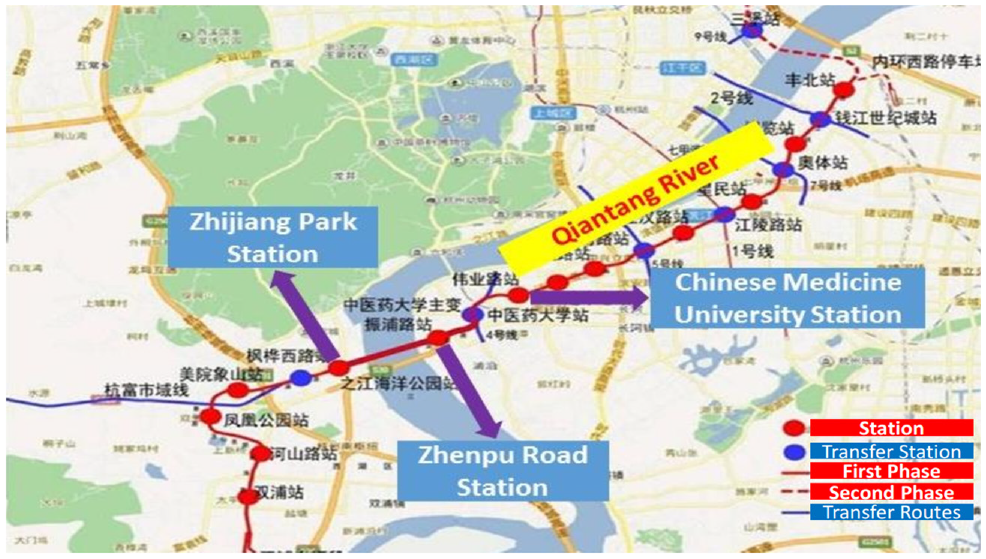
Main line of Hangzhou Metro Line 6.
Geological Conditions and Pre-Investigation of Biogas
The cross-river section of Hangzhou Metro Line 6 starts from CK8 + 489.969 and runs to CK11 + 299.000 and the depth of the foundation pit is 29.254 m. The length of the right and left lines are 2738.950 m and 2739.003 m, respectively, passing under Zhijiang Park and the Qiantang River. To understand the detailed soil profile and properties, comprehensive geotechnical investigations were conducted before the excavation. According to the investigation findings, the geological strata consist of 11 layers. The geological condition under the tunnel is a typical Qiantang River alluvial deposit, which mainly consists of layer 3, layer 6, and layer 8. Table 2 and Figure 2 present the primary formations and their properties.
Soil Properties in Main Layers
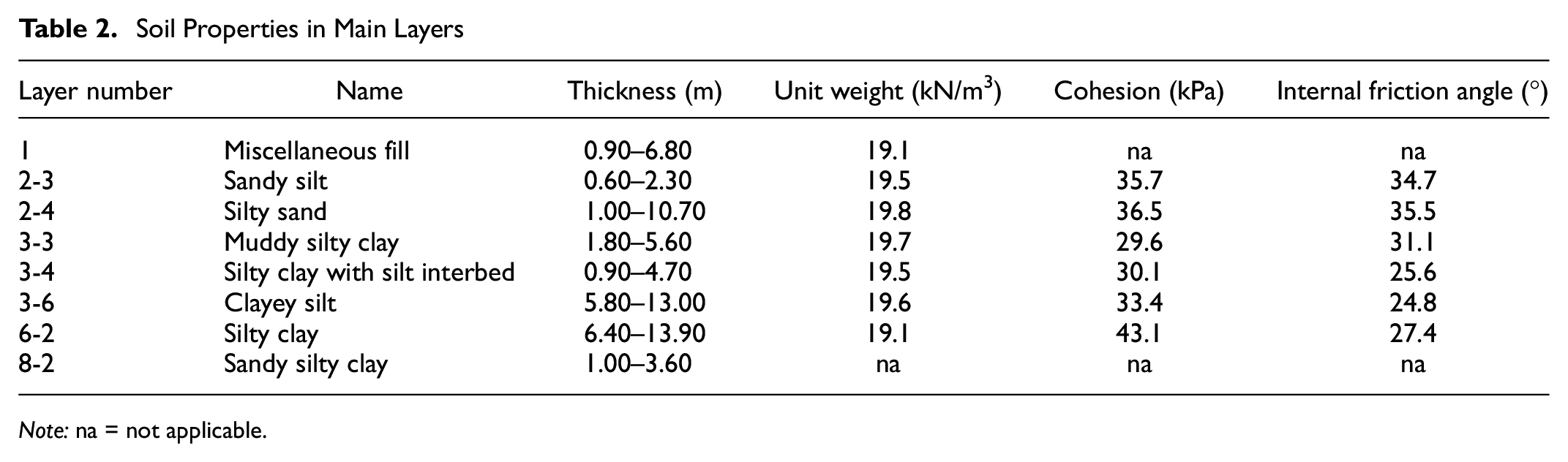
Note: na = not applicable.
As shown in Figure 2, preliminary geological investigation and exploration revealed that the depth of the gas-bearing floor was between 26 m and 32 m. Based on the data from biogas pressure measurement at this stage, biogas was detected in 80% (20 of 25) of biogas discharge holes. Most of the biogas was stored in silty soil (6-2 layer) and other biogas was detected in sandy clay (8-2 layer) which was because of gas diffusion from the higher silty soil layer. The measured peak pressure value was around 0.2 MPa, of which the YCK10 + 250 to YCK11 + 229 section was mainly from 0.05 to 0.205 MPa and the YCK8 + 500 to YCK10 + 250 section was from 0.05 to 0.13 MPa. After the preliminary detection of biogas, 215 gas discharge holes in total were drilled to release the biogas in the formations. The report showed that biogas was detected in 87 of the 215 gas discharge holes, accounting for 79.21%. Thus, the result was consistent with the preliminary investigation.
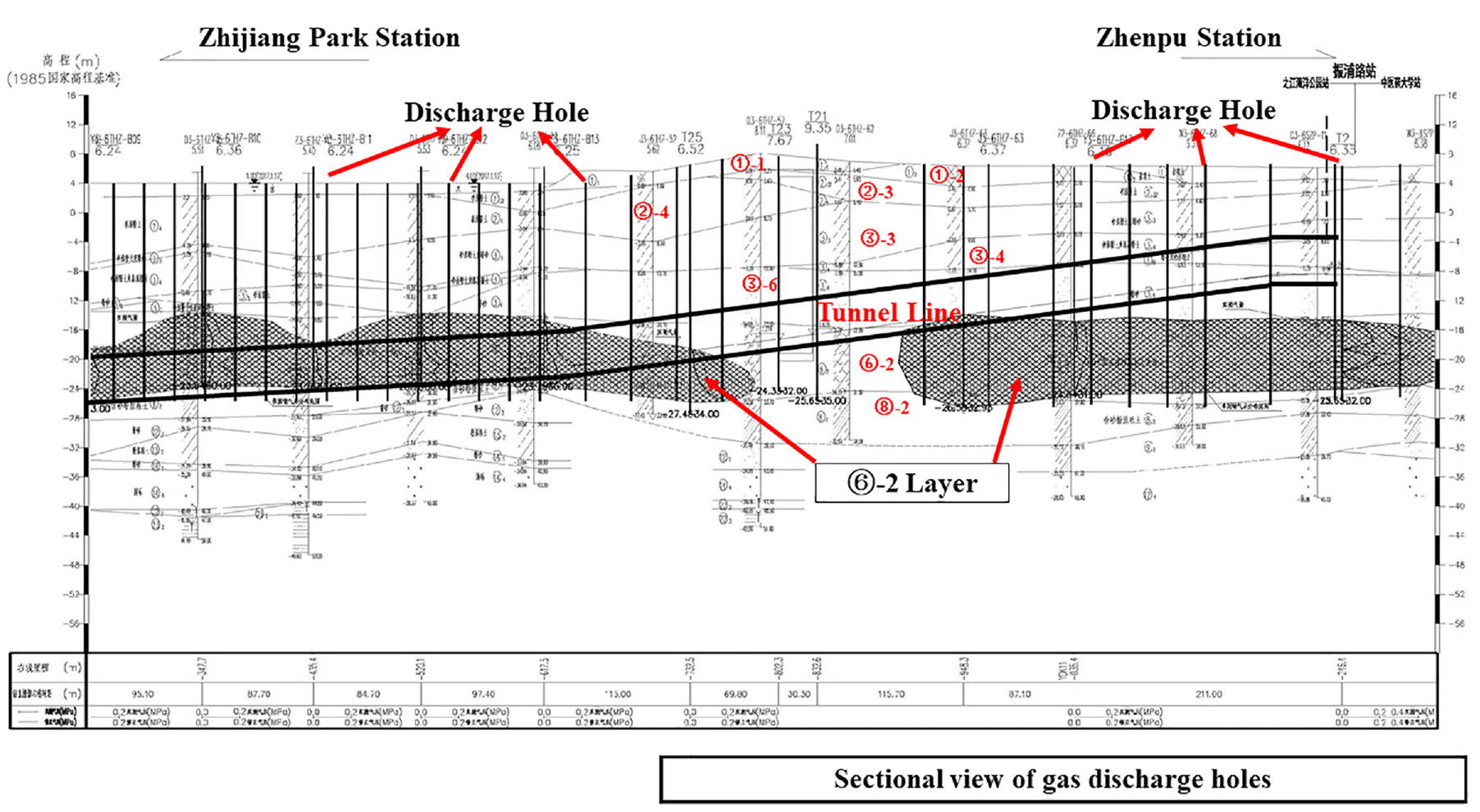
Geological profile and gas discharge holes (1-1: Miscellaneous fill; 1-2: Plain fill; 1-3: Sandy silt; 2-4: Silty sand; 3-3: Muddy silty clay; 3-4: Silty clay with silt interbed; 3-6: Clayey silt; 6-2: Silty clay; 8-2: Sandy silty clay).
Tunneling Method
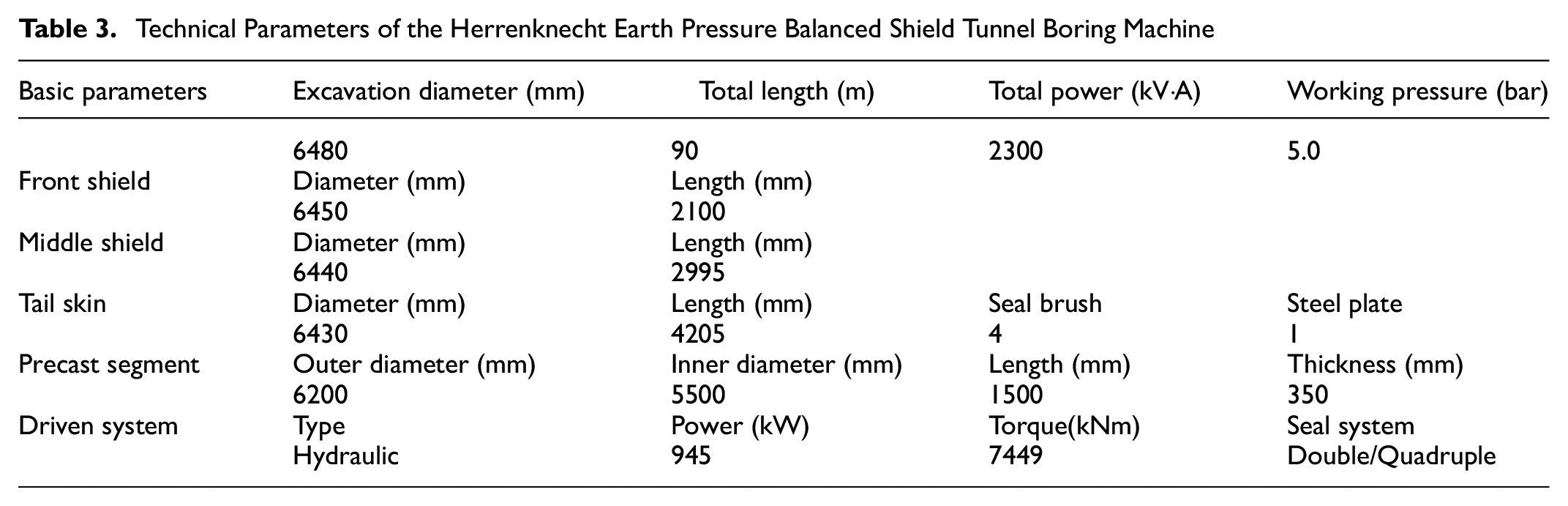
In this project, an earth pressure balanced shield tunnel boring machine (EPB-TBM) manufactured by Herrenknecht was utilized to excavate the metro tunnel. As shown in Table 3, the diameter of the front shield is 6.45 m and the outer diameter of the precast segment is 6.20 m. There are two screw conveyors with a power of 200 kW and 160 kW, respectively. As shown in Figure 3, the diameter of the cutterhead is 6.48 m and its opening ratio is around 35%. This cutterhead is equipped with 32 scrapers, 64 welded ripper teeth, and eight outer welder ripper teeth. Four cutter wear detectors are also installed to monitor the condition of cutterhead. When the cutter wear exceeds the limitation, a flushing system will notify the TBM driver to replace the cutters, which can contribute to reducing the possibility of mud cake formation.
Technical Parameters of the Herrenknecht Earth Pressure Balanced Shield Tunnel Boring Machine
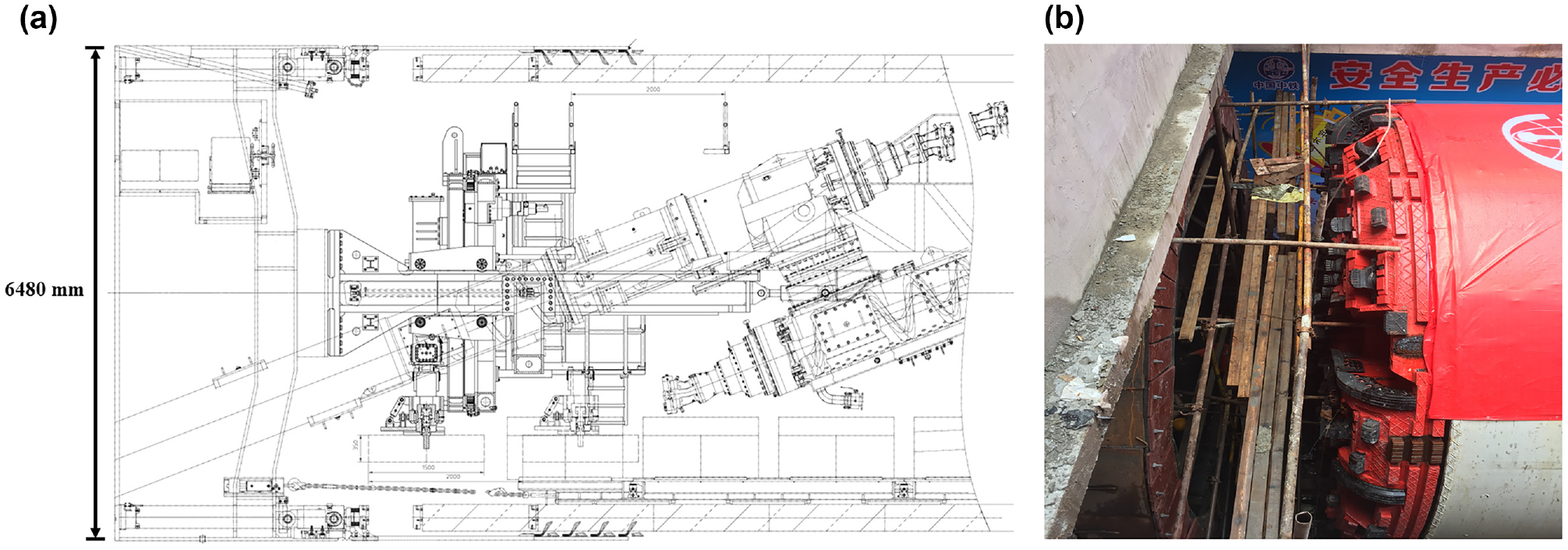
(a) Diagram of earth pressure balanced shield tunnel boring machine (EPB-TBM) front and middle shield and (b) Photograph of cutterhead.
Biogas Composition
After experimental analysis of the gas samples collected from the gas discharge holes, it was found that the main component of the sampled gas was methane (CH4), which accounted for 90%–98% of the total gases, and a little hydrogen sulfide was also present. The natural characteristics of methane are:
Molecular weight: 16.03
Gas weight (1 m3): 0.72 kg
Basic nature: flammable, colorless.
Methane is usually regarded as firedamp or a mixture of combustible gases, which contributes to the risk of fire accidents. When the concentration of methane is between 4.5% and 14.5% it can be explosive, and the explosive possibility increases with the oxygen concentration ( 9 ).
Generation and Deposit of Biogas
Based on the geological condition and biogas compositions, the engineers analyzed the generation mechanism and deposit conditions of the biogas. Hangzhou Metro Line 6 is located on the Xiaoshan Plain. The corresponding landform is mainly geomorphic units of Quaternary estuarine and its topography is relatively flat. Because of the frequent changes of channels in the Qiantang River, unevenly distributed lakes or channels have been formed in the past. Varieties of animals and organisms bred there for the good climate and water quality. The debris produced by these organisms would be turned into peat in the anaerobic environment. The bacterial decomposition process at the proper temperature, moisture, and pressure contributes to the generation of methane. The following chemical equation reveals the generation mechanism of methane, which depends on the content of organisms in the river sediment:

When methane is generated by organic matter, part of the biogas will be dissolved in the groundwater to form the liquid phase and the remaining biogas will be stored in clay. Figure 4 presents the mechanism of generation and deposit of methane. As shown in Figure 4, methane will escape to the voids between soil particles to form the gas phase when the concentration of dissolved methane reaches its limitation. Furthermore, analysis shows that the biogas solubility increases with pressure and decreases with the temperature. As shown in Figure 2, in the Hangzhou Metro Line 6 site, the biogas was mainly stored in silty clay (6-2 layer), which indicates that methane could form more easily in the soil layer with poor permeability and that free methane (gas phase) would occur in air sacs in the soil layer ( 10 ).
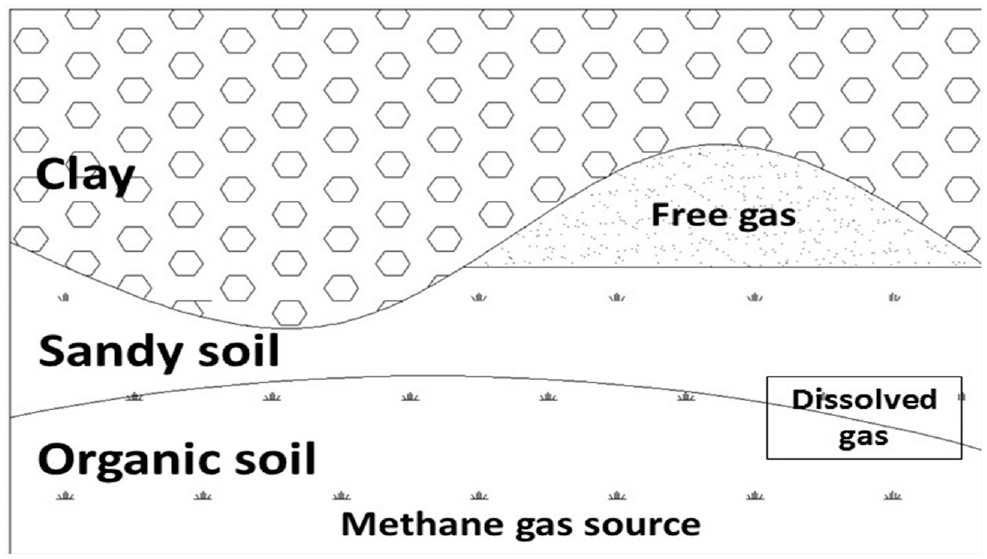
Generation and storage mechanism of methane.
After detailed analysis and classification of the biogas locations in this project and other projects with similar geological conditions, four typical biogas layers were found. The first type was the overlapping shell layer, which is distributed widely in the strata and its thickness is usually from 15 cm to 50 cm. The second type is the striped sand layer with a thickness from 50 cm to 100 cm; its maximum biogas pressure could be over 0.25 MPa. The third is the clay layer with sand interbed. Because of the poor permeability of this layer, it is difficult for free biogas to transfer into this layer. The fourth type is the granular silty clay layer which has a porous structure and where it is easy for biogas to be deposited.
Distribution of Biogas in Hangzhou Metro Line 6
To keep the tunneling process safe, the discharge of biogas was conducted by static pressure discharge equipment, as shown in Figure 5. The diameter of the probe rod is 42 mm, which can avoid the collapse of the detecting holes.
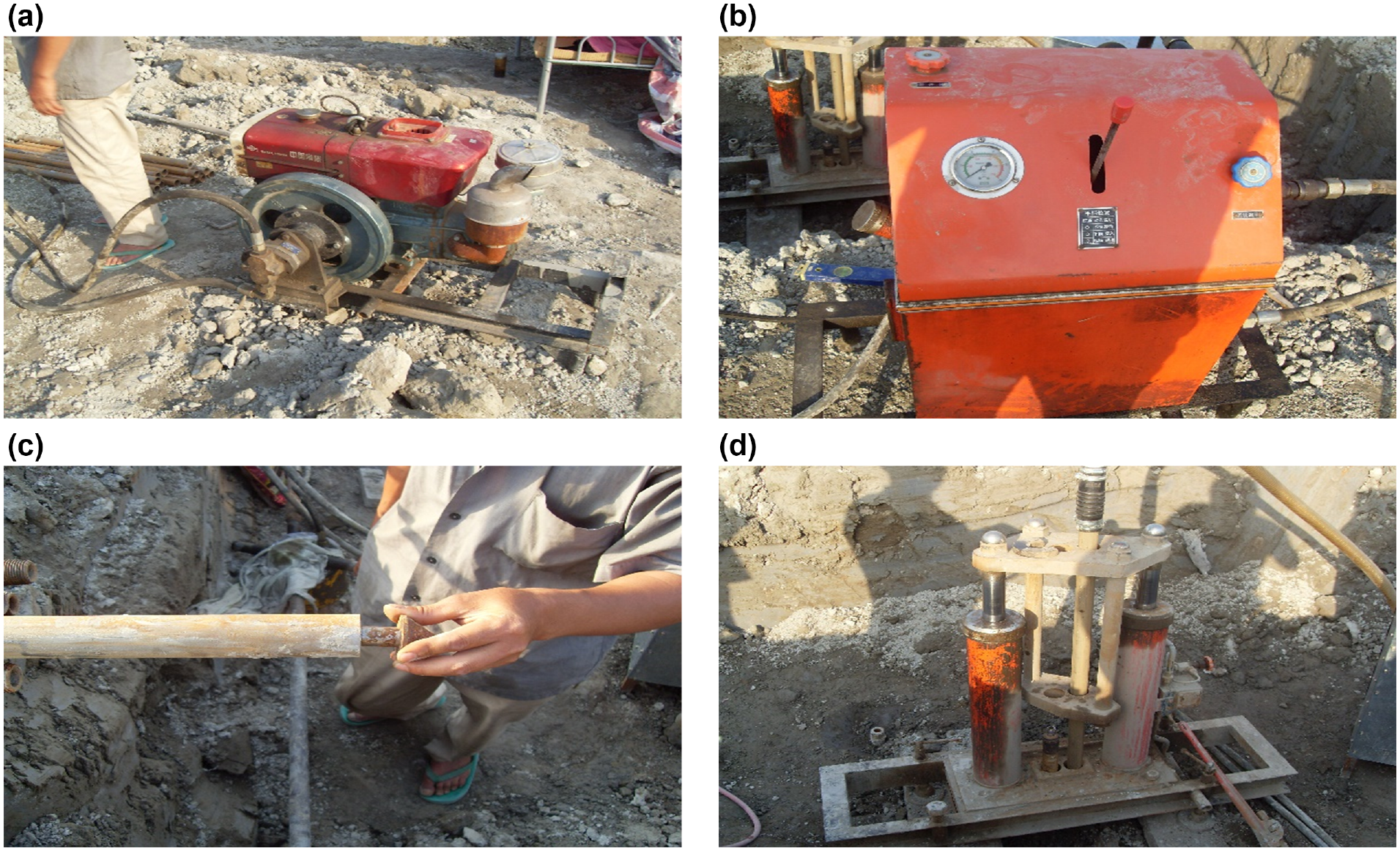
Static pressure discharge equipment: (a) power engine; (b) penetration host; (c) probe rod; and (d) static pressure device.
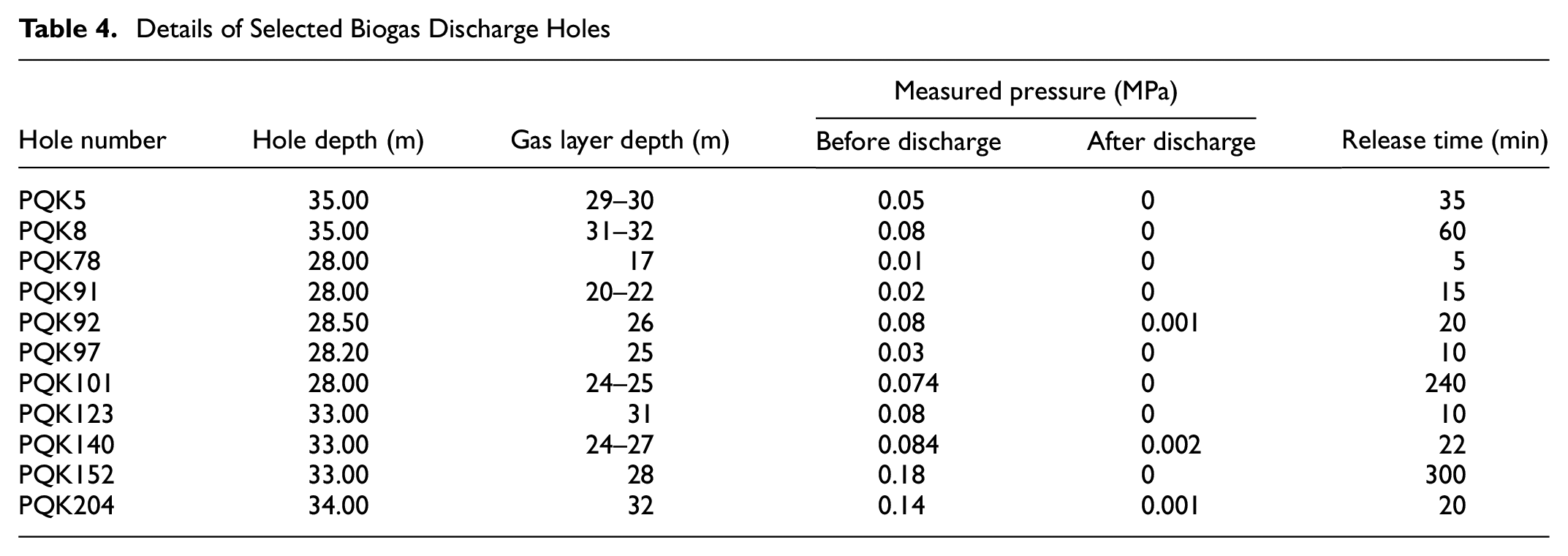
There were 215 biogas discharge holes (PQK1–PQK215) in total between Zhijiang Park and Zhenpu Station, including 101 land holes and 114 holes under the river. The spacing distance was between 10 m and 15 m. The details of 11 selected biogas discharge holes are presented in Table 4. It can be found that the measured biogas pressure differed greatly in different holes, which indicates that the distribution of biogas was uneven. To meet the requirements of the construction and local government regulations, the biogas pressure should be controlled to below 0.005 MPa. After the process of releasing biogas, five discharge holes (PQK92, PQK101, PQK123, PQK140, PQK204) were verified again to ensure the quality of gas release. The uneven distribution of biogas revealed the complex geological conditions in this project. The various types of Quaternary sediments and neotectonic movement resulted in a complicated topography. The soil in Hangzhou was relatively “soft” because of its high moisture content. Thus, the uneven distribution of biogas in the soft soil brought more challenges for the tunnel excavation.
Details of Selected Biogas Discharge Holes
Effect of Shallow Biogas on Metro Tunnel
Based on the previous analysis, biogas was mainly stored at depths from 20 m to 30 m. The design depth of Hangzhou Metro Line 6 was also around 20 m below the ground surface. Therefore, the abundant shallow biogas would have an influence on the metro tunnel during the early construction stage and the later operation stage ( 11 ).
Effect of Biogas during the Early Construction Stage
The open excavation method and the TBM method are both methods commonly applied in urban metro tunnels. Open excavation is easier and cheaper compared with the TBM method. In this method, the sudden outburst of biogas will lead to the instability and rapid disturbance of the surrounding soil. Furthermore, the high-pressure gas could lead to the collapse of the foundation pit or more serious accident. Thus, control of the biogas is of great importance to construction safety when using the opening excavation method.
The disadvantage of the open excavation method is a considerable impact on ground transportation. And, compared with the open excavation method, the excavation face benefits from the shield structure of the TBM, which can reduce the risk of collapse of the excavation face. Therefore, for the Hangzhou Metro Line 6 project, a shield TBM was used to excavate the tunnel. In relation to biogas, however, the risk of using a shield TBM is that the high pressure of biogas could break the plate bottom, and a sudden influx of biogas into the tunnel will result in the deformation of the segment lining or collapse of the structure. Meanwhile, muddy water will pour into the TBM with the biogas to cause a severe accident. Biogas usually leaks into the tunnel in the construction stage through three ways: (1) from the void of the cutterhead and screw conveyor; (2) from the gap of the shield tail; (3) from the joints or cracks of the segment linings. Although some discharge holes in this case indicated that the biogas pressure was not that high, the concentration of biogas must be controlled below 0.005 MPa to prevent gas poisoning during the construction.
Effects of Biogas during the Metro Operation Period
During the operation stage of the metro tunnel, the presence of biogas will risk more harm to the tunnel structure and people. Biogas stored in the deep layers will move around, because of the changes of temperature, pressure, and microbial activity. The movement of biogas will contribute to the uneven settlement of the corresponding tunnel section and affect the arrangement of the rail tracks. Train derailment might occur because of the long-term deformation of the track. Furthermore, the friction between the rail track and the wheels could detonate the explosive methane, which poses a significant threat to the operation. When the biogas slowly accumulates over time, the pressure will exceed the bearing limit of the tunnel structure, which will cause damage to the metro tunnel. Therefore, the biogas problem must be solved by proper countermeasures to avoid worse conditions induced by the biogas.
Countermeasures for Biogas during Tunneling by Shield TBM
During the tunneling process by shield TBM, the largest portion of biogas was detected from the screw conveyor, based on the data. The shield tail is sealed by steel brushes and grease. The segment lining is also monitored by workers every day. Thus, the focus should be on the screw conveyor to prevent a biogas-based accident. Equation 1 was proposed by Zhao ( 8 ) to calculate the amount of biogas pouring into the tunnel.

where
Based on the equation, it can be found that the amount of biogas is related to the parameters of TBM and properties of the soil layer. Thus, the biogas stored in the soil layer should be discharged before construction to prevent potential accidents induced by the biogas. Figure 6, a–d , show the biogas release process on the shore and over the Qiantang River. Crawler equipment was used to release the biogas on the coast. Before the discharge process, the geological data, the depth of releasing holes, and biogas pressure should be checked carefully to ensure safe operation. For the discharge section over the river, two 100-ton drilling vessels were used to build the operating platform. The anchor position of the working boat was particularly important because of the large waves induced by other ships. Weather and tide conditions should also be taken into consideration.
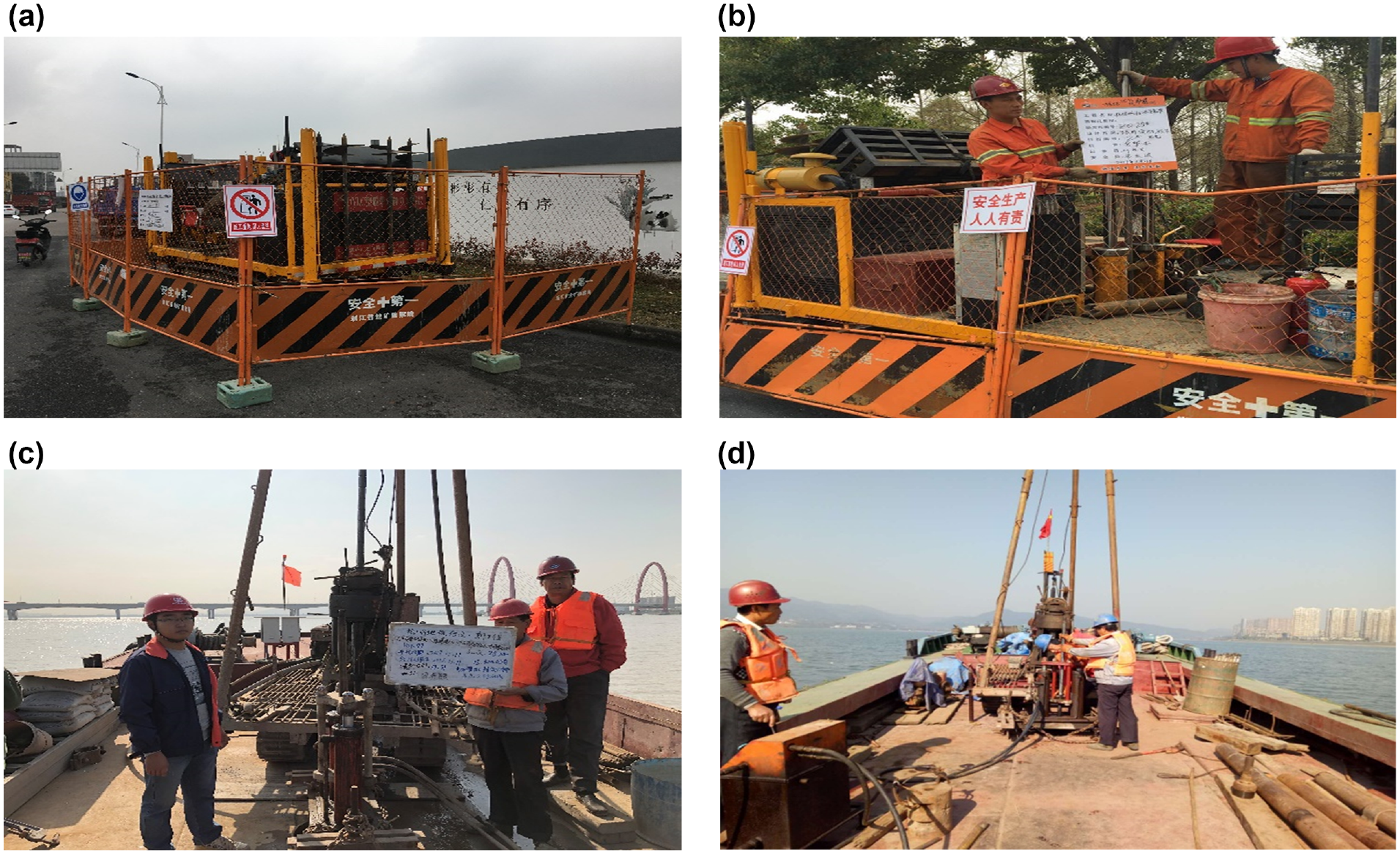
Biogas discharge process: (a) and (b) on the shore; (c) and (d) over the Qianyang River.
Biogas Detection System in Shield TBM
To prevent biogas accidents, in this case, a real-time and accurate harmful gas monitoring system was established in the shield TBM, which contained an automatic detection part and a manual detection part. As shown in Figure 7a, the biogas detection devices were installed in the high risk area of the TBM, such as the shield tailskin sealing section, and the entrance and exit of the screw conveyor. Figure 7, b and c , present the real-time monitoring and alarm controller. Furthermore, gas detection devices were also installed on the muck truck to detect the biogas condition in the tunnel during transportation.
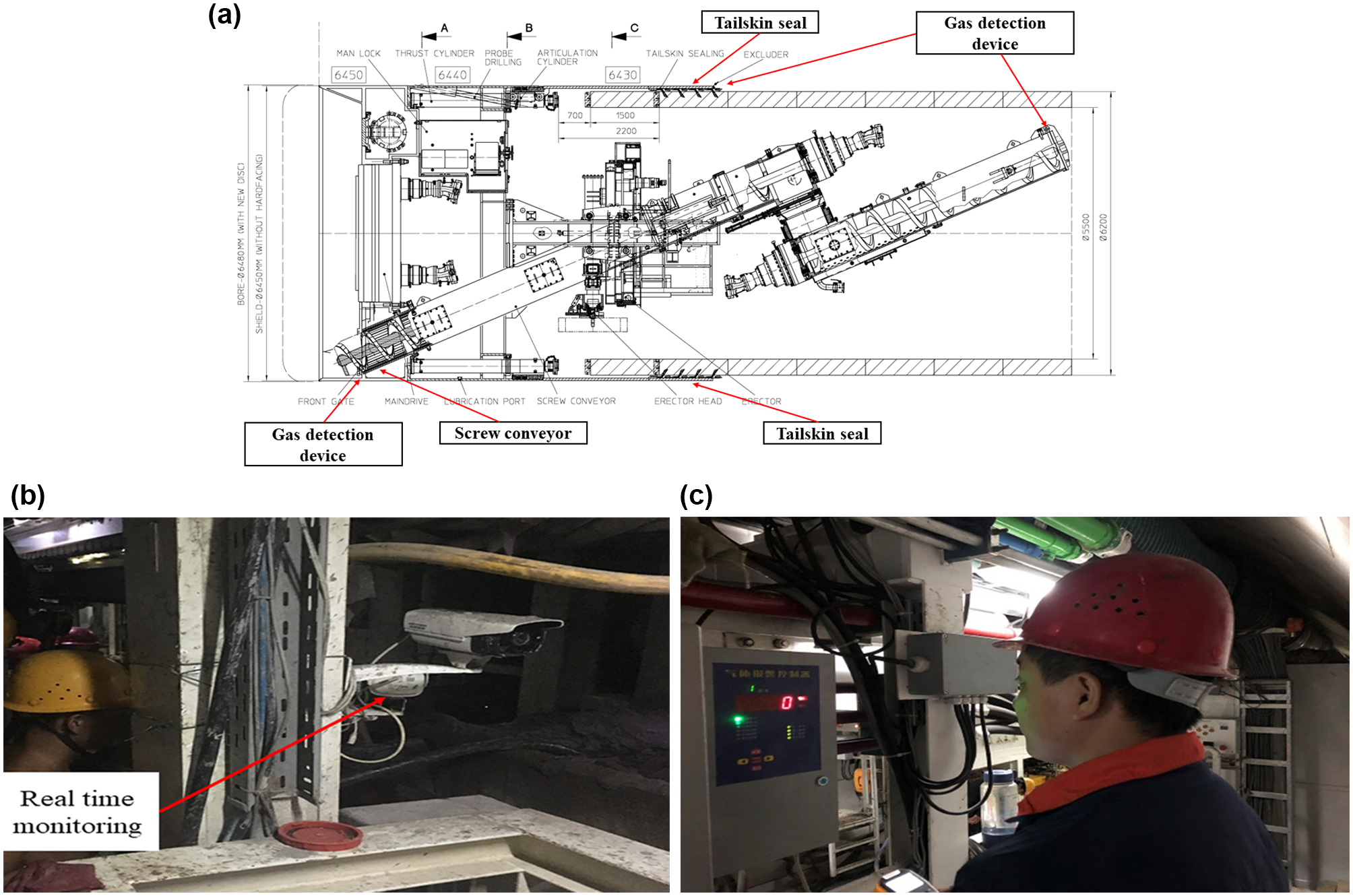
Shield tunnel boring machine (TBM) biogas detection system: (a) TBM schematic; (b) real-time monitoring; and (c) alarm controller.
According to the Chinese standard JTG/T 3660-2020, the concentration of the methane should be controlled to remain below 0.5%. If the biogas concentration is over 0.5% at the excavation face, the alarm system will issue a warning to the ground control center, as shown in Figure 8. A gas inspection will be conducted promptly. Usually, the workers will take portable biogas detection devices to inspect the exact location of the biogas leaking point. If the methane concentration exceeds 1.0%, the power of the TBM must be cut off and all workers should move out of the tunnel. The tunneling process can continue only after the accident cause has been determined and no danger is found in the construction site ( 12 ).
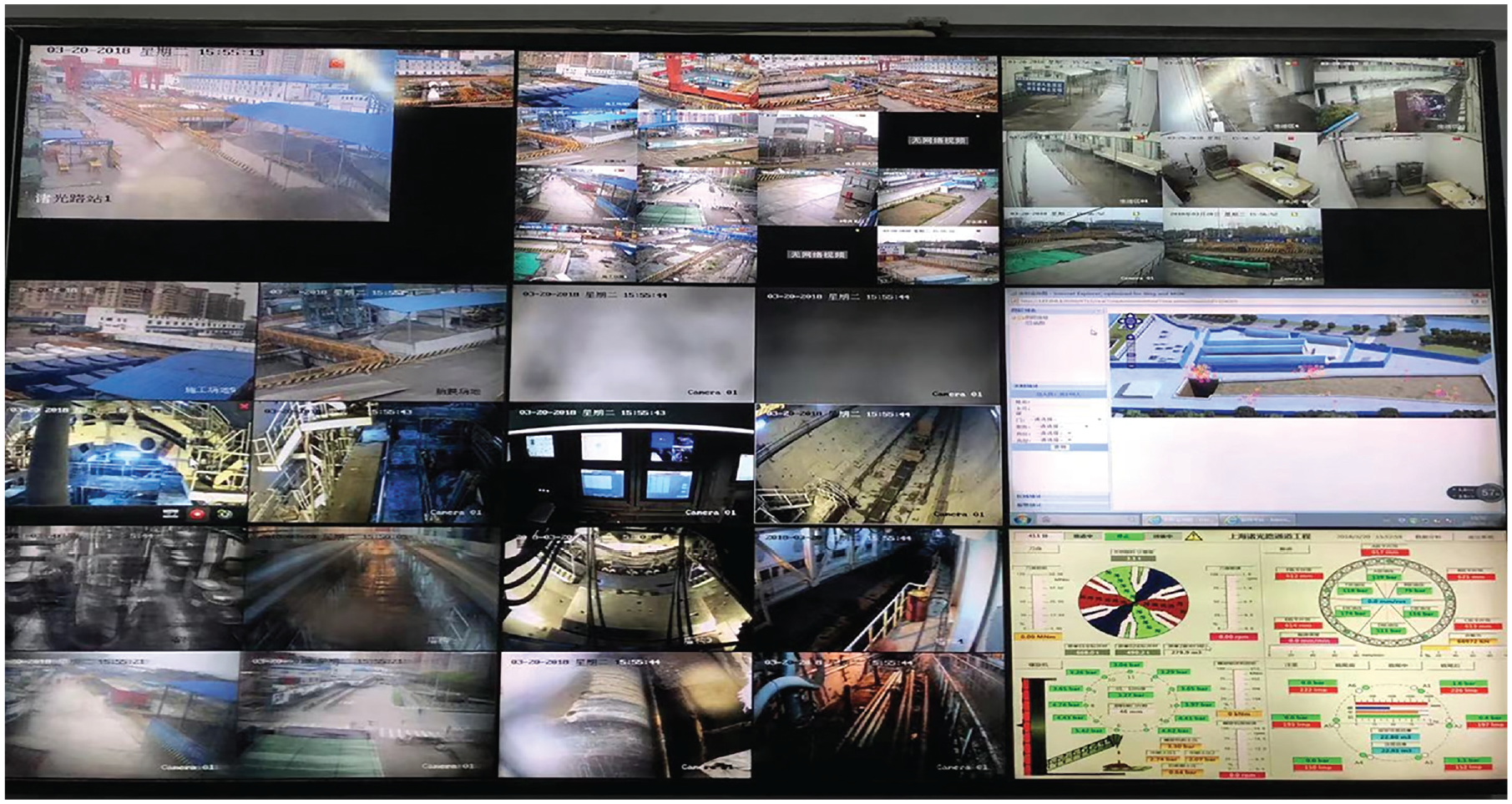
Control center of tunnel boring machine.
Ventilation System for Shield Tunneling
A good ventilation system plays a vital role in the safety of tunneling construction. Fan et al. ( 9 ) investigated the effect of strong natural wind on a tunnel fire under the normal ventilation system. Wang et al. ( 13 ) explored the characterization of ceiling smoke temperature profile in a ventilation tunnel. Zhang et al. ( 14 ) investigated the effect of technical installations on evacuation performance in urban road tunnel fires. However, the past studies mainly focused on the danger of a fire accident in a tunnel. There is limited research on the use of ventilation systems to prevent an explosion accident induced by biogas in the tunnel. In Hangzhou Metro Line 6, a push-in ventilation system was adopted, as shown in Figure 9. Figure 9, a and b , show the ventilation pipe connecting to the outside of the tunnel. The fresh air from outside was pressed through the pipe to the excavation face, which allowed the internal air to be squeezed out. The air quality could thus meet the requirement of construction standards through the continuous air circulation.
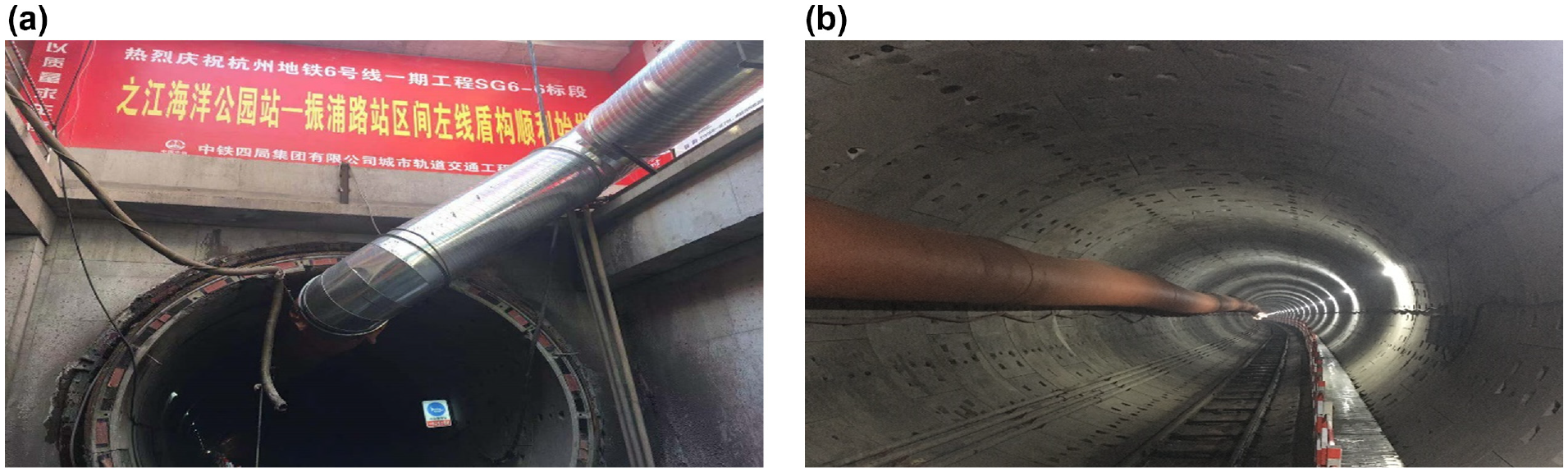
Ventilation system in Hangzhou project: (a) outside view and (b) inside view.
In general, the following measures should be taken to the strongest or optimal level to ensure the safety of the whole project: (1) grease injection in the shieldskin tail; (2) biogas monitoring in the screw conveyor; (3) ensuring the quality of segment linings and sealing between the segments; (4) operation of ventilation system; (5) the driving attitude of the TBM.
Accident Emergency Response Mechanism
In addition to the preventive measures during construction, it is necessary to establish a set of accident emergency mechanisms ( 13 ). As shown in Figure 10, a series of organizations are set to form the entire well-organized emergency response group. When the control center receives the warning information, the emergency response group starts to work. Every department should take the responsibility to eliminate corresponding risks.

Organization of emergency response mechanism.
Risk Identification and Control System
A three-level risk identification and control system was used in the Hangzhou Metro Line 6 project to prevent potential biogas accidents. The first lever was to “block” the source of the accident. In this lever, a comprehensive geological investigation should be conducted to detect the biogas distribution and conditions in detail. The work of biogas discharge should be finished before the excavation commences. Furthermore, real-time monitoring work should take place through the whole project. The press-in ventilation system pipes fresh air from outside into the tunnel through continuous air circulation during the whole construction process. And the air-press speed and volume will be accelerated when the air quality inside the tunnel is close to the standard threshold. Thus, the first level is the most crucial part. The second level was “accident management.” If an accident occurred, the emergency response mechanism would be started by the chief engineer of the project to ensure a timely rescue. Every organization should take measures to deal with the corresponding problem. The third level is “post-accident management.” After the accident, all the accident reports should be summarized and reviewed, so that they can be studied to reduce the chance of a future accident.
Countermeasures of Biogas in Hangzhou Metro Tunnel
In Hangzhou Metro Line 6, a comprehensive and detailed pre-exploration of the geological condition was conducted to have full knowledge of the biogas reservoirs along the tunnel section. The biogas was released by the discharge holes before the TBM excavation process and the gas pressure was controlled below 0.005 MPa in all the holes according to the standard, which prevented most of the potential for explosion accident. During the excavation process, a real-time monitoring system was applied and biogas detection devices were installed in the section of high risk areas such as excavation face, screw conveyor and shieldskin tail. The condition of segment linings was also checked by workers every day. A quick grouting method was used between the segments and strata ( 15 , 16 ). As shown in Figure 11, a and b , the slurry was piped to fill the space between the segment and strata. The quick grouting process was finished by increasing the pumping pressure and adjusting the viscosity of the slurry. Furthermore, the gap between the segment and shield tail was sealed by grease and steel brushes to prevent biogas inflow. The gas monitoring device on the shield tail could keep this area in a safe condition. During construction, the push-in ventilation system was used to keep the air in the tunnel fresh. Through the above-mentioned methods, the tunnel for Hangzhou Line 6 was completed successfully and no accident occurred.

(a) Schematic diagram of shield tail and (b) details of shieldskin tail.
Conclusion
In this study, a comprehensive analysis of the problem of biogas during urban metro tunnel construction was presented. The source and nature of biogas were clarified to help tunnel engineers have a better knowledge of biogas. Furthermore, the countermeasures to solve the biogas problem in Hangzhou Metro Line 6 tunnel were also shown in detail, which could provide experience for other metro tunnel projects with similar geological conditions. The major conclusions are as follows:
(1) The pre-investigation and exploration of the geological conditions play a critical role in tunneling construction, which can prevent the potential risk of biogas. And the distribution and storage condition of the biogas can be discovered by geological investigation before tunneling.
(2) Biogas should be released until the pressure is reduced to a safe value according to the standard. Before the excavation process, the pressure of detected biogas in the pre-exploration stage is supposed to be controlled within 0.005 MPa.
(3) During the tunneling phase, a real-time monitoring system and biogas detection devices should be installed in the zones of high risk such as the excavation face, screw conveyor and shieldskin tail, which can keep the excavating process in a safe condition.
(4) An accident emergency response mechanism should be established to prevent the biogas-related risk, to handle any biogas accident better, and to learn a lesson from an accident.
To sum up, this study has filled the research gap in the problem of biogas during the construction of urban metro tunnel projects. Other projects, especially underwater tunnels or tunnels in coastal cities, can benefit greatly from the successful experience of Hangzhou Metro Line 6.
Footnotes
Acknowledgements
The authors want to thank Mr Zhen Yu from China Tiesiju Cooperation Company for his guidance and assistance. Great appreciation is also given to Mr Chengyang Che from China Railway No.10 Engineering Group for his technical support.
Author Contributions
The authors confirm contribution to the paper as follows: study conception and design: X. Jiang, Y. Bai; data collection: Z. Zhang; analysis and interpretation of results: X. Jiang; draft manuscript preparation: X. Jiang, Y. Bai; editing and responses to reviewers’ comments: X. Jiang, Y. Zhang, Y. Bai. All authors reviewed the results and approved the final version of the manuscript.
Declaration of Conflicting Interests
The author(s) declared no potential conflicts of interest with respect to the research, authorship, and/or publication of this article.
Funding
The author(s) received no financial support for the research, authorship, and/or publication of this article.
Data Accessibility Statement
The data that support the findings of this study are available from the corresponding author, Xi Jiang, on reasonable request.