



Abstract
Improper waste disposal poses the risk of contaminating natural water bodies and soil. The low recycling rate of plastics and their fate in landfills are significant global environmental concerns. Efforts to increase the use of recycled plastics worldwide aim to address the hazardous consequences of improper plastic treatment. One potential solution is incorporating plastics as binder or mixture modifiers in asphalt concrete (AC) mixtures, which repurposes waste plastics while reducing environmental impacts related to AC production. This study calculated the environmental impacts of repurposing waste plastics, specifically low-density polyethylene and polystyrene, into modifiers in AC mixes. Wet and dry processes were considered. The environmental impacts of plastic-modified AC mixes were compared with those of styrene-butadiene-styrene (SBS)-modified mixes. The life cycle assessment covered the following processes: (1) collection, sorting, and shredding of waste plastics; (2) transportation of waste plastics from landfill to recycling facility and then to the asphalt plant; (3) supply and transportation of virgin materials; (4) production of AC mixtures; (5) transport of material and equipment to site; and (6) onsite operations. The study concluded that waste plastic-modified mixes outperformed SBS-modified mixtures with regard to environmental performance, except for ozone depletion resulting from certain recycling process activities. The high-shear mixing in the wet process had a significant impact. Sensitivity analyses revealed the influence of binder content and material transportation on the overall environmental assessment.
Keywords
Plastics are synthetic polymeric materials that can be shaped into various forms depending on their structure and degree of polymerization. Their affordability, durability, and ease of processing make plastics an appealing choice for a wide range of applications, leading to a growing demand for these materials. The global production of plastics reached 368 million metric tons in the year 2019 ( 1 ). However, a major global environmental concern is the low recycling rates of waste plastics and their fate in landfills. In the United States, plastics accounted for 13.1% of all municipal solid waste landfilled in 2017, based on data from the Environmental Protection Agency (EPA). Disposed waste in landfills has the risk of leaking into the natural rivers and oceans as well as intoxicating the soil. A study by Eriksen et al. showed that 5.25 trillion plastic particles weighing 268,940 tons were floating in the world’s oceans in 2014 (Figure 1) ( 2 ). Most monomers used in plastic production, such as ethylene and propylene, are not biodegradable. Therefore, leaching may occur over several decades and probably centuries, as plastics accumulate rather than decompose ( 3 ). Additionally, with the diminishing land resources urban areas, landfills require substantial land for waste disposal compared with other waste management methods ( 4 ). Data from EPA show that only 8.7% of the discarded plastic was recycled in 2018 (Figure 2).
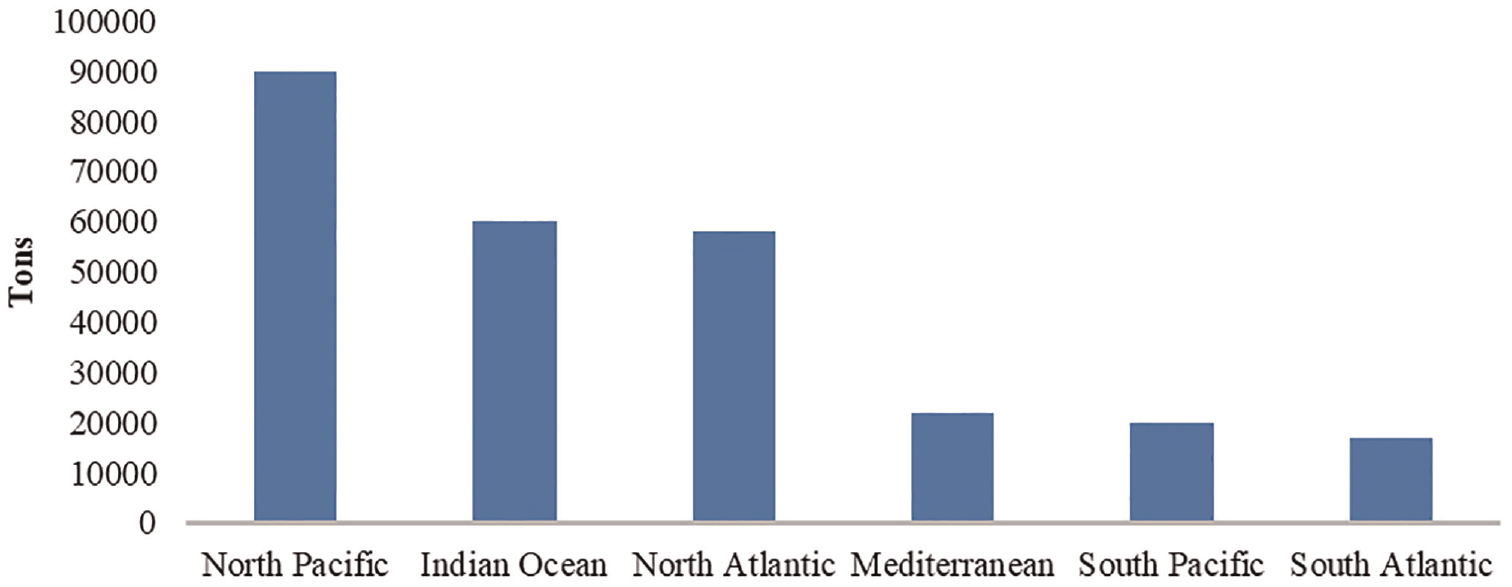
Plastic pollution in the world’s oceans.

Data on the fate of waste plastics in the US.
The need to modify asphalt binder arises from the inadequacy of the available binders to meet the vehicular and environmental loadings of flexible pavements in some regions ( 6 ). As a result, asphalt binder is modified to produce asphalt concrete (AC) mixtures with higher stiffness at high temperatures and lower stiffness and rapid relaxation at low temperatures. Commonly used modifiers and additives to improve AC performance include polymers, chemical modifiers, extenders, oxidants/antioxidants, and hydrocarbons. The performance of an AC pavement is affected by the rheological properties of asphalt binder; therefore, several polymers have been explored as asphalt binder modifiers in the last few decades ( 7 ). Polymer modification of asphalt binder improves properties such as elasticity, flexibility, durability, and sensitivity to temperature changes, enhancing the performance of AC mixtures ( 8 ). However, the effectiveness of these improvements depends on both polymer and original binder ( 9 ). In addition, polymer-modified binders are generally more viscous than unmodified binders and adhere better to aggregate particles in the AC mixture.
The addition of polymer to the binder is a complex process because of the variation in molecular properties, density, and viscosity between the binder and the polymer. Therefore, the polymer needs to be sufficiently compatible with the binder to obtain a homogeneous blend with no phase separation ( 10 ). Two classes of polymers are commonly used for modifying asphalt binders: elastomers and plastomers. Elastomers work on improving both strength and elasticity, as they have the ability to significantly stretch under loading and recover their original shape after load removal ( 11 ). Plastomers, on the other hand, improve binder strength without recovering their original shape because of their rigid structure ( 12 ). According to the Illinois Department of Transportation (IDOT) Bureau of Materials and Physical Research ( 13 ), Illinois has approved three types of elastomeric polymers for use in AC mixtures: styrene-butadiene, styrene-butadiene-styrene (SBS), and styrene-butadiene-rubber.
With the increasing awareness of the hazardous consequences of improper plastic treatment, worldwide efforts and investments have been made to increase the use of recycled plastics in various industries. The road construction industry, for instance, has committed to sustainable development and waste management strategies. Consequently, road engineers in multiple countries have investigated the potential reuse of waste plastics as pavement materials ( 14 , 15 ). In Canada, waste plastics have been used as additives for warm mix AC, whereas regions such as the Netherlands, United Kingdom, India and the Middle East have shown interest in incorporating waste plastics into AC mixtures ( 16 ). Research has demonstrated the benefits of using plastics as asphalt binder modifiers. Similar to other polymers, the utilization of waste plastic as an asphalt binder modifier has been shown to increase the viscosity and stiffness of the AC mix, thereby reducing rut potential ( 17 ).
To prepare waste plastics for use in AC mixtures, waste plastic processing is required because plastics are usually part of a mixed waste stream. Mechanical recycling, also known as physical recycling, is one of the commonly used recycling methods. It involves processes such as collection, sorting, washing, drying, grinding, and pelletizing. Chemical recycling is a new approach that breaks down the plastic polymer into its molecular constituents by chemically degrading and polymerizing the material, making it easier to re-manufacture new materials. Chemical recycling methods include methanolysis, glycolysis, hydrolysis, hydrogenation, and aminolysis ( 18 ). Leng et al. used chemical recycling based on aminolysis to degrade waste polyethylene terephthalate (PET) which was then used as additives for crumb rubber-modified asphalt binder ( 19 ). The results showed that the incorporation of waste PET additives improved the asphalt binder rheological properties.
Once the waste plastic has been processed into the desired shape and size, it is blended in the AC mix through either a dry process or a wet process. The dry process allows for the addition of waste plastics to the hot aggregate before adding the asphalt binder. Aggregate weight is reduced by 0.2 to 1% by weight of AC mix, or 5% to 20% by weight of binder ( 12 , 20 ). The dry process has been used for modifying the asphalt binder because of its simplicity and ability to be implemented in any asphalt plant without significant modifications ( 21 ). Once the waste plastics are added to the aggregates, the binder is introduced, and the remaining conventional AC mixing steps are performed. In the wet process, the plastic is mixed with asphalt binder at a relatively high temperature before mixing the modified binder with aggregates. One of the factors that may exacerbate phase segregation is the increased swelling of the polymer by the lighter components of the binder ( 22 ). Therefore, it is essential for plastic and binder to exhibit compatibility. To ensure attainment of a homogeneous blend, compatibility is crucial to avoid phase separation during storage, transportation, and application. Compatibility could be achieved through the incorporation of advanced thermal, mechanical, or chemical processes in the mixing stage, such as high-shear mixing. To assess the effectiveness of the use of waste plastic in AC mixes, both mechanical properties and the environmental impacts must be evaluated at the same time. Life cycle assessment (LCA) quantitatively evaluates the environmental impacts of the entire life cycle of a system or product. For a pavement system, there are five life cycle stages to be considered: material production and acquisition, construction, maintenance, use, and end-of-life stages. In recent years, the development of LCA models to quantify environmental impacts has gained considerable focus in the pavement industry ( 23 ). The environmental impacts of using waste plastics in flexible pavements have been evaluated through various LCA studies. Because of the significant portion of environmental impact that the material stage has, replacing virgin polymers with recycled alternatives such waste plastics has proved to be a successful strategy ( 24 ). In a study by Santos et al., the authors used LCA to determine the change in greenhouse gas emissions when using recycled polymers as asphalt binder modifiers ( 25 ). The results showed that replacing 8% of virgin polyethylene with recycled polyethylene reduced the CO2-eq emissions by up to 10.2%. Compared with SBS-modified binders, the incorporation of waste plastics through either wet or dry process has shown reductions of up to 10% in energy consumption of pavement material production and acquisition ( 26 ). On the other hand, the environmental burdens of repurposing waste plastics have the potential to outweigh the environmental benefits of substituting the virgin material, therefore it is important to account for these processes in LCA studies ( 27 ). In this study, the environmental impact of AC mixes with waste plastics was investigated from obtaining plastics until laying the mix at the site.
Methods
The International Organization for Standardization (ISO) 14040 suggests conducting any LCA study in four steps: goal and scope definition, inventory analysis, impact assessment, and interpretation ( 28 ), as shown in Figure 3. The following sections provide a detailed explanation of the considerations made in each of the four steps for this project.
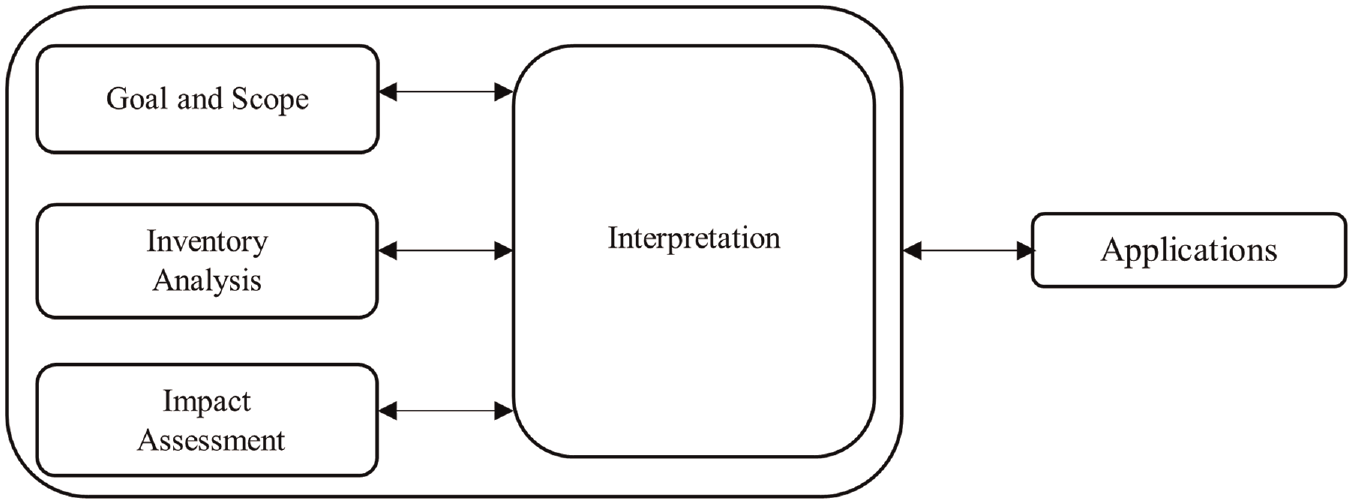
Procedure flow for conducting life cycle assessment (ISO 14040).
Goal and Scope Definition
The primary goal of this LCA was to calculate the environmental impacts of the processes that lead to the conversion of waste plastic, specifically low-density polyethylene (LDPE) and polystyrene (PS), into materials to be used in asphalt binder mixes, through both the wet and dry processes. LDPE is a thermoplastic derived from monomer ethylene, commonly used in films, bottles, lids, and wire applications. PS, another thermoplastic, is produced from monomer styrene and is widely used in product packaging for its protective properties against damage and spoilage. Because of their use in daily applications, LDPE and PS are found frequently in landfills.
The goal of the study was to compare the environmental impact of plastic-modified AC mixes with SBS-modified AC mixes. Several environmental indicators were selected to assess the environmental impacts of the corresponding AC asphalt mixtures. To achieve those goals, four subgoals were defined as follows:
1- Determine potential environmental impacts of processing waste plastics (LDPE and PS) before they are added to the AC mix.
2- Compare potential environmental impacts of asphalt binder modification for the dry and wet methods.
3- Compare potential environmental impacts of asphalt binder modification with waste plastics (LDPE and PS) versus modification with thermoplastic elastomers (SBS).
4- Evaluate the extent of the robustness of the conclusions resulting from changes in the LCA assumptions and parameters through sensitivity analyses.
A “cradle-to-practical completion” LCA was used, which is focused on the material and construction stages of the pavement life cycle. In other words, the LCA contained these stages: raw material supply (A1), transport to plant (A2), manufacturing (A3), transport to site (A4), and construction installation process (A5). It includes the following processes, occurring chronologically throughout the life cycle of the waste plastics:
1- Transportation of waste plastics from the landfill to the recycling facility for processing.
2- Sorting plastics at the recycling facility, which includes the separation of the plastics based on color, thickness, or plastic type.
3- Shredding at the recycling facility, reducing the size of the waste plastic while eliminating impurities.
4- Transportation of processed plastic from the recycling facility to the mixing terminal, applicable only to the wet process.
5- High-shear mixing, exclusive to the wet process, involving mixing the plastics with binder at high shear rates at the mixing terminal before adding to the aggregates.
6- Transportation of processed plastic to AC mix plant, applicable only to the dry process.
7- Transportation of the plastic and binder blend from the mixing terminal to the AC mix plant, relevant to the wet process.
8- Supply and transport of virgin materials including aggregate, binder and SBS polymer to the AC mix plant.
9- Production of AC mixtures.
10- Transportation of the AC mixture and construction equipment to the site.
11- Equipment operations on the site.
The declared unit of a system serves as a reference for normalizing the results of the LCA ( 28 ). In the scope of this LCA, the functional unit was defined as 1 U.S. ton of manufactured AC mixture. The processes and system boundaries of the production of AC for both the dry and wet processes of producing AC mixtures with waste plastics are shown in Figures 4 and 5, respectively. Upstream processes such as Illinois electricity production and extraction and refining of crude oil for binder production were also included as part of this system boundary.

Material stage boundaries and processes for producing asphalt concrete (AC) mixtures with waste plastics using the dry process.
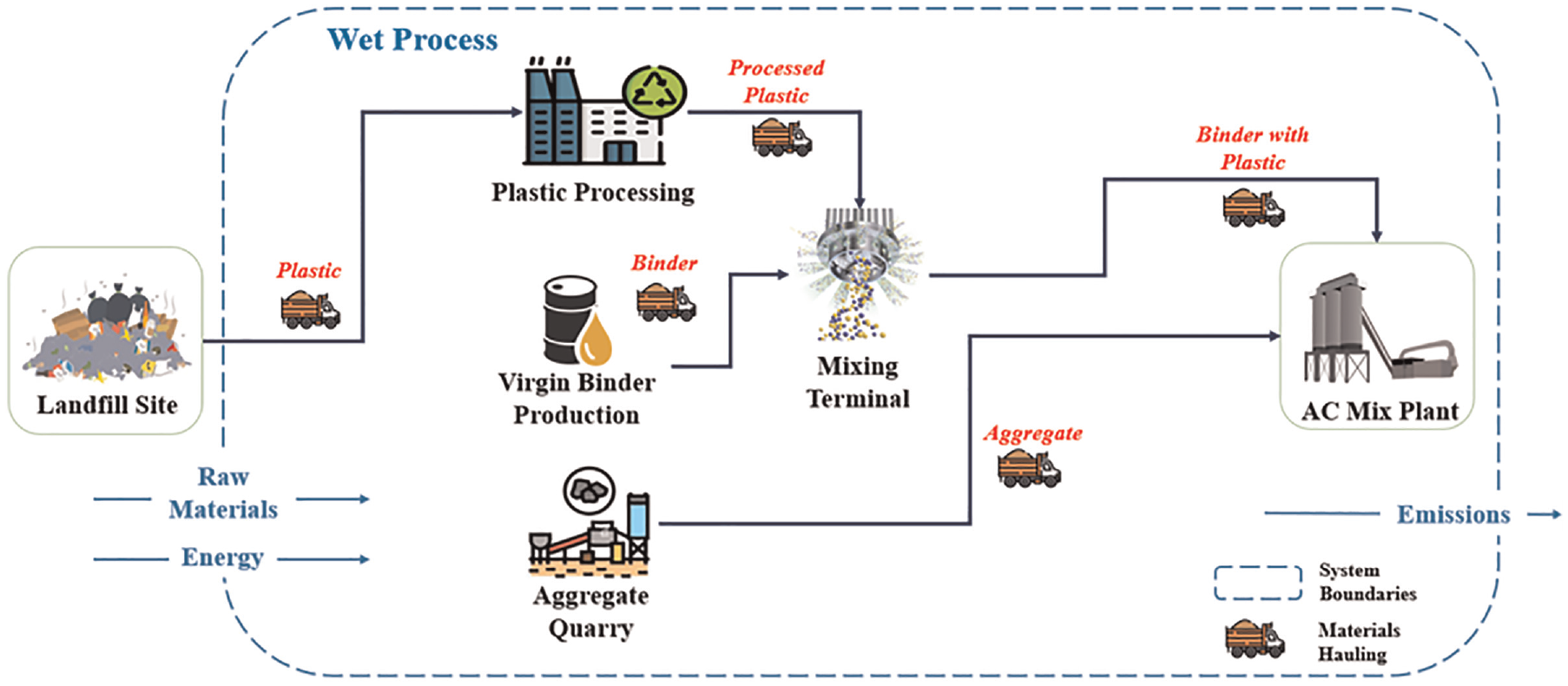
Material stage boundaries and processes for producing asphalt concrete (AC) mixtures with waste plastics using the wet process.
The AC mixtures in this study consist of 94.7% aggregates and 5.3% binder. Dosages of 5% and 5.3% of binder weight were used for LDPE and PS, respectively. The region of interest for this study is the state of Illinois. The locations of the AC mix plant and the construction site were assumed in Champaign, Illinois. Thus, the inventory data and assumptions used closely reflect the actual processes in that region.
Inventory Analysis
Inventory analysis is the second step in for an LCA study, according to ISO 1040:2006, where the data collection and calculation procedures are described. Life cycle inventory data for the unit processes of this study were modeled with commercial LCA software, SimaPro 9.2.0.1. The commercial US-Ecoinvent 2.2 library database (US-EI 2.2) included with SimaPro 9.2.0.1 was used. The US-EI 2.2 accounts for electricity processes in the U.S. and is therefore a modified version of EI 2.2m which is representative of processes in Europe. These data supplemented those obtained from AC plants, published reports, and literature. The inventory analysis for the various materials and processes is explained in the sections following and is summarized in Table 1.
Input Inventory of Materials and Plant Operations
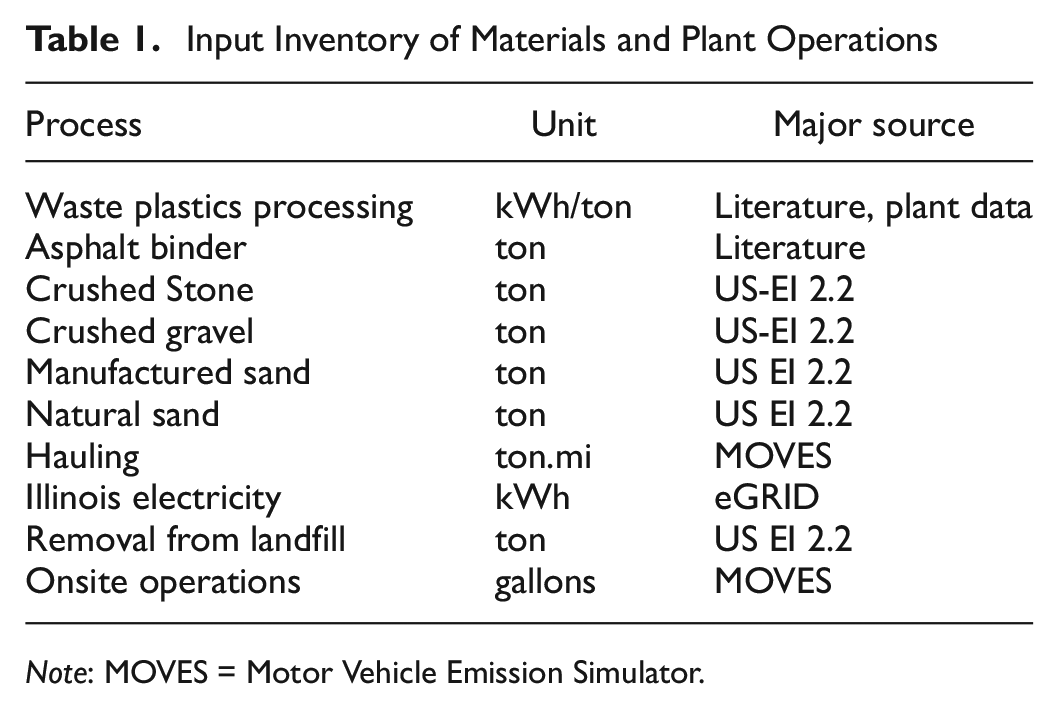
Note: MOVES = Motor Vehicle Emission Simulator.
Aggregates Production
Four main types of aggregates are used for the AC mixtures considered in this study: crushed stone (CM16), crushed gravel (CM13), manufactured sand (FM20), and natural sand (FM01), in accordance with IDOT specifications. The US-EI 2.2 database was used to obtain the environmental impacts related to aggregate production. Crushed stone and manufactured sand are usually obtained from limestone/dolomite quarries in Illinois and are represented by the crushed limestone unit process. On the other hand, crushed gravel and natural sand are generally obtained from riverbeds and are represented by dredged crushed gravel and sand unit processes. The processes obtained from the database include crushing the rocks multiple times at the quarries to reach the desired aggregate sizes. However, these processes were modified to account for local Illinois electricity and hauling processes using the database developed by Al-Qadi et al. ( 29 ).
Asphalt Binder Production
Although asphalt binder constitutes a small percentage by weight of the AC mixture (typically 4%–8%), it significantly contributes to the environmental impact of AC mixes. Asphalt binder is a petroleum product derived from crude oil and requires substantial energy to produce. Given this significance, incorporating accurate asphalt binder production processes in a LCA study is an important step. For this study, the inventory model developed by Yang et al. ( 30 ) was used to represent the US Midwest region. Using this model is important as crude oil sources are variable across the U.S. In addition, this model includes the environmental impacts of crude oil extraction and flaring, crude oil transportation, refining, refined transportation, refining, refined transportation, and blending and storage.
Waste Plastics Processing
For the dry process of modifying asphalt binder with waste plastics, data on the sorting and shredding processes were obtained from the literature ( 26 ). The data provide the energy consumption (in kWh) per ton of processed plastic for each of the mentioned recycling processes. For the wet process, the high-shear mixing of the binder and waste plastics needs to be considered. Primary data on the energy consumption of high-shear mixing per ton of material were obtained from a mixing terminal located in Indiana, U.S. Then, information on the environmental impacts in relation to energy consumption in Illinois was obtained from the inventory analysis conducted by Al-Qadi et al. ( 29 ). The distribution of electricity in Illinois was obtained from EPA’s Emissions and Generation Resource Integrated Database (eGRID) and modeled in SimaPro, as described in Yang et al. ( 31 ).
AC Operations
The plant processes for AC production include proportioning, heating, sorting, and loading of various materials (binder, aggregate, and plastics) after transportation to the plant from various locations. Data on these processes were obtained from a study by Al-Qadi et al. ( 29 ) where questionnaires were distributed to plants in Illinois.
Removal from Landfill
Waste plastics in landfill release leachate and gases through biological, chemical, and physical processes, leading to contamination of oil and groundwater. Therefore, removing waste plastics from landfills for use in asphalt binder mixes offers environmental advantages. To model these benefits, emissions information was obtained from US-EI 2.2 using SimaPro 9.2.0.1. The unit processes “Disposal, polyethylene, to landfill/US” and “Disposal, polystyrene, to landfill/US” were subtracted from the total impacts for LDPE and PS, respectively.
Hauling
Data on energy consumption and emissions from trucks used to transport raw materials to plants and construction sites were obtained from the study conducted by Al-Qadi et al. ( 29 ). In that work, the authors used EPA’s Motor Vehicle Emission Simulator (MOVES4.0) to get data for the hauling trucks. Table 2 shows the transport distances of the various materials used in the AC mixture. The distances are based on the locations of the aggregate quarries and the recycling facilities that supply the specific material to be used in the AC mixture.
Origin and Destination of Asphalt Concrete (AC) Mix Materials

Onsite Operations
To compile the unit processes of equipment operations, the “non-road” model in MOVES4.0 software was used. MOVES4.0 allows for the simulation of construction equipment and outputs various emissions values per gallon of fuel consumed by the operation of the equipment. To determine the final impacts of construction operations, the emission amounts from MOVES are used as inputs to Ecoinvent unit processes for modeling diesel combustion and production.
Impact Assessment
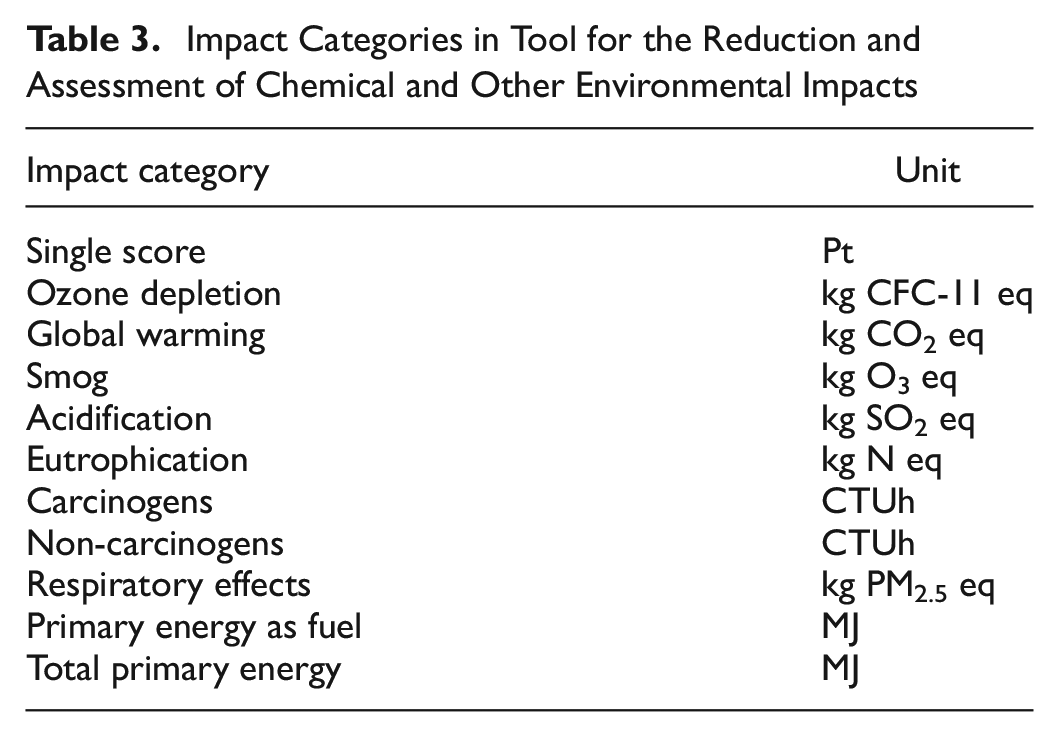
The third phase in LCA is the life cycle impact assessment. For this study, US EPA’s Tool for the Reduction and Assessment of Chemical and Other Environmental Impacts (EPA TRACI) was used, as recommended by FHWA Pavement LCA Framework ( 32 ). In addition to the TRACI impacts, two energy indicators were incorporated into the impact assessment: total primary energy and primary energy as fuel.
The impact categories are listed in Table 3. A single score was derived by normalizing and weighting the impacts included in TRACI ( 31 , 32 ). This indicator simplifies the results and allows comparison among various alternatives.
Impact Categories in Tool for the Reduction and Assessment of Chemical and Other Environmental Impacts
Results and Discussion
Comparison of Plastic-Modified and SBS-Modified AC Mixes
Table 4 shows the impact values of 1 ton of AC mixture for five different cases: (1) SBS, (2) two waste plastics (LDPE) using dry and wet methods, (3) two waste plastics (PS) using dry and wet methods. Overall, the addition of waste plastics to AC mixtures, regardless of the process being wet or dry, resulted in higher negative impacts on the environment. However, compared with using SBS polymers, the use of waste plastics in AC mixtures generally led to lower environmental impacts. When comparing LDPE and PS, the higher quantity of PS incorporated in the mix governed the results. In other words, the use of a higher percentage of PS resulted in slightly higher impact values. Ozone depletion showed higher impacts for waste plastics in both the wet and dry processes, possibly because of the consumption of washing agents during plastic processing ( 33 ) Although ozone layer depletion can be harmful to human health by increasing UV radiation levels at the Earth’s surface, the levels found in this study were not significant enough to cause a substantial impact on health. The same reasoning applies to the lack of improvements in carcinogenic and non-carcinogenic categories for waste plastics compared with SBS.
Potential Environmental Impacts for Producing 1 Ton of Asphalt Binder for Different Binder Modification Cases

Note: SBS = styrene-butadiene-styrene; LDPE = low-density polyethylene; PS = polystyrene.
When comparing the dry and wet processes, the wet process exhibited higher environmental impacts in all cases. This is associated with the additional step of high-shear mixing during the wet process of mixing, which consumes a considerable amount of energy. Impact reductions for the dry process and wet process are shown in Figures 6 and 7, respectively. For both cases, primary energy, as fuel, showed the highest reduction in impacts. For the wet process, AC mixtures with waste plastics showed higher values for ozone depletion than those with SBS.
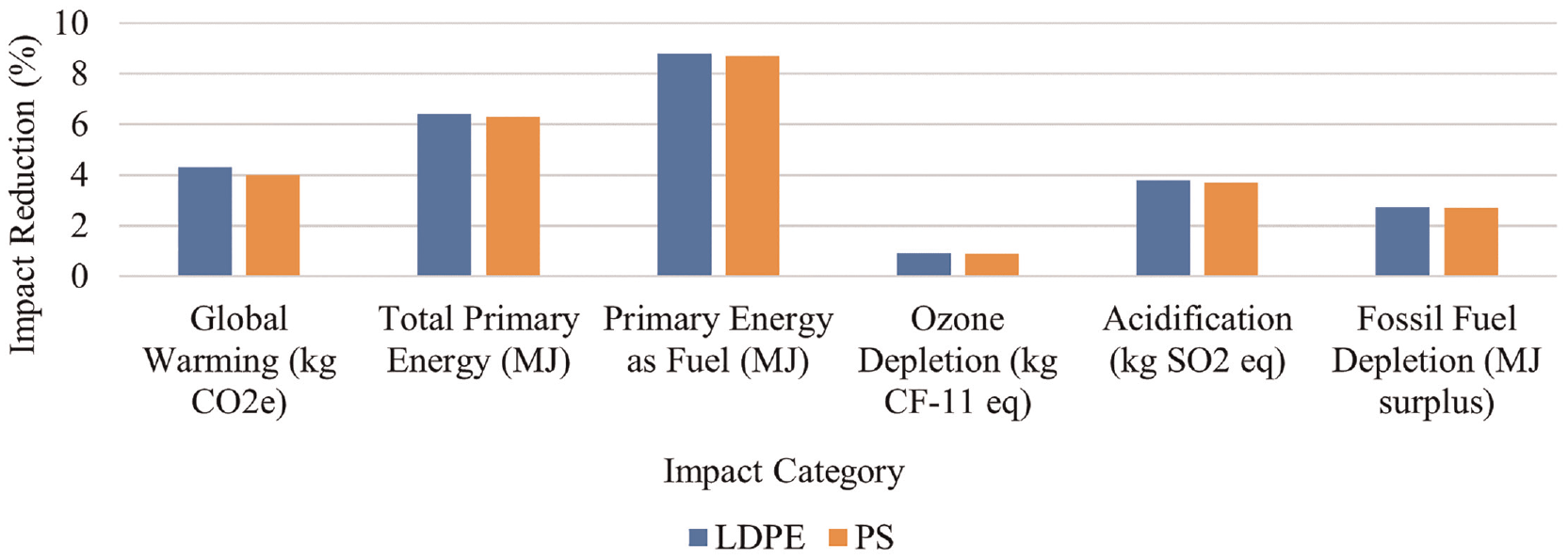
Impact reduction of waste plastics compared with SBS (dry process).
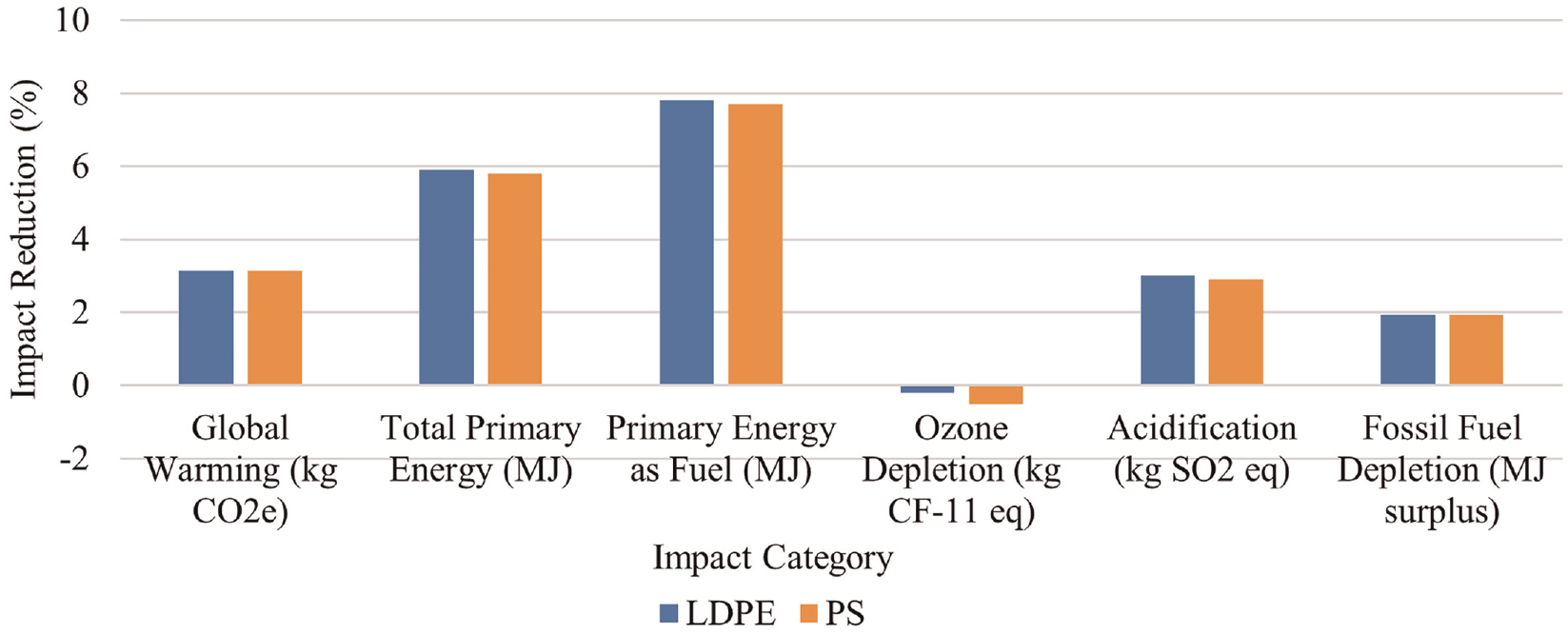
Impact reduction of waste plastics compared with SBS (wet process).
To visualize the differences in environmental impacts between the two cases (waste plastics and SBS), the results were calculated and normalized with respect to 1 ton of polymer. Figure 8 presents the results for global warming potential (GWP) and primary energy as fuel for SBS and PS (wet process). The results show that for both impact categories, waste plastic is a more environmentally friendly option than SBS. The difference would diminish when normalizing with respect to the whole mix because the plastic or SBS contents in the binder (and corresponding mix) are relatively small.

Material impacts per ton of polymer.
Impact Breakdown
The breakdown of a certain impact category into different processes or life cycle stages was assessed. Figure 9 illustrates the breakdown of the GWP into the various processes involved in producing AC mixtures. In the dry process, the plastic processing, including sorting and shredding, had a negligible contribution to the overall GWP. In the wet process, plastic processing had a slightly higher contribution, which can be explained by the higher environmental impact of the additional step of shear mixing. In all cases, the highest contribution to the GWP resulted from the process of transporting the equipment, which remained constant across the various scenarios. Therefore, considering different sources for the equipment could potentially lead to significant variations in the impacts.
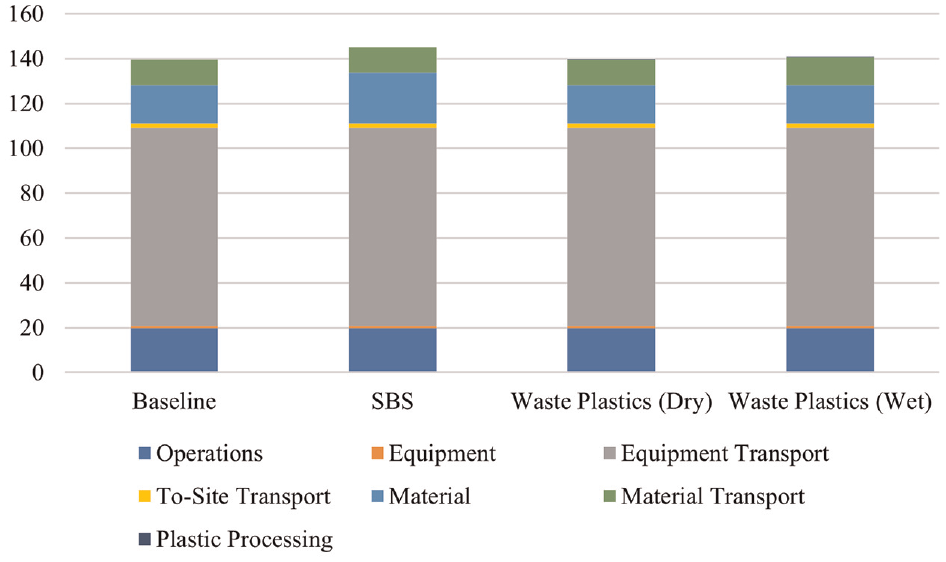
Effect of mixing processes on global warming potential.
The material manufacturing process was the second largest contributor to the GWP in all the scenarios. In relation to materials transport, AC mixtures with waste plastics added through the wet process had the highest contribution to GWP. This can be attributed to the additional transport of materials to and from the AC mixing terminal.
For quantifying the contribution of plastic processing to the environmental impacts, Figure 10 shows that shredding had a higher contribution to the GWP compared with the sorting of the waste plastics in the dry process. However, in the wet process, high-shear mixing accounted for more than 90% of the GWP associated with plastic processing.
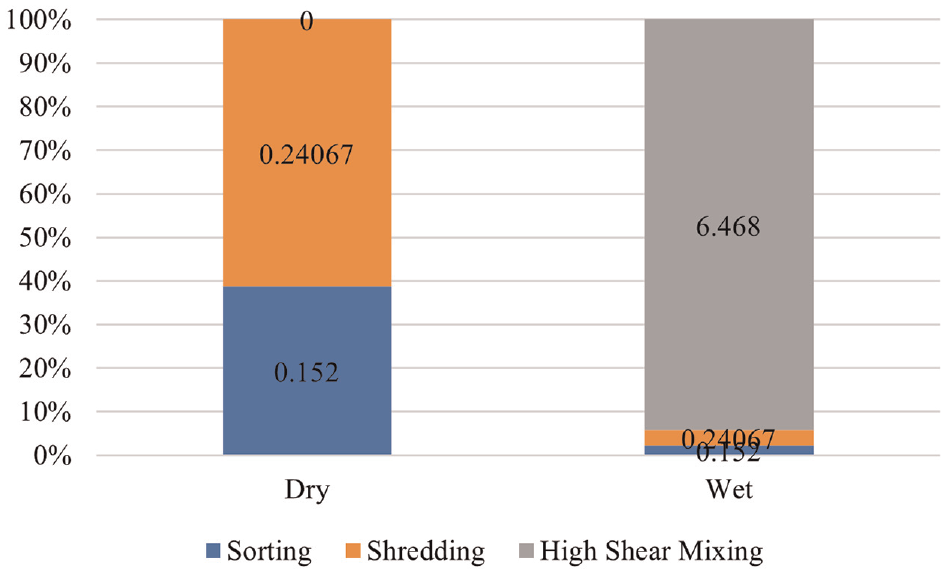
Effect of plastic processing activities on global warming potential.
Sensitivity Analysis
A sensitivity analysis was conducted to assess the robustness of the results with respect to the LCA assumptions. Binder content in the AC mixture and transportation of the various mix materials were considered.
Binder Content
For this study, a 5.3% binder content by weight of the AC mixture was assumed for all cases. Given the asphalt binder production has high environmental impact for AC mixes, the binder content was changed for the AC with SBS as well as AC with PS added in the wet process, which was the worst-case scenario of AC with waste plastics. Figure 11 illustrates the sensitivity of various asphalt binder contents (between 5.2and 6%) on impact categories. Various impact categories displayed different sensitivity. For all the indicators studied, SBS showed higher environmental impacts than PS for the various binder contents.

Sensitivity of impact categories to binder content in mixtures.
Materials Hauling
The assumed distance between the recycling facility and the waste plastic recycling facility was 94 mi. Although this is a relatively high distance, there is a possibility that the facilities involved are even farther away from each other, because of the limited number of recycling facilities. To assess the sensitivity of the environmental impacts to hauling, the distances were doubled and the LCA results were recalculated. As shown in Table 5, the results indicated that changes in the transportation distances have an insignificant impact on the environmental impacts. This can be attributed to the low amounts of waste plastics (needed per functional unit of 1 ton of AC) that are transported from the landfill to the recycling facility, as well as processed plastics that are transported from the recycling facility to the mixing terminal/AC plant. Additional analyses were performed to determine the impacts of hauling the materials using electric trucks (E-trucks) instead of diesel trucks (considering the rapid increase of using E-trucks for hauling). Figure 12 illustrates the impact reductions after using E-trucks to haul the materials compared with the wet process case with diesel trucks. Ozone depletion showed the highest reduction in impacts, indicating that E-trucks for hauling materials can offset the negative impacts associated with ozone depletion from the wet processes.
Effect of Transport Distance on Environmental Parameters
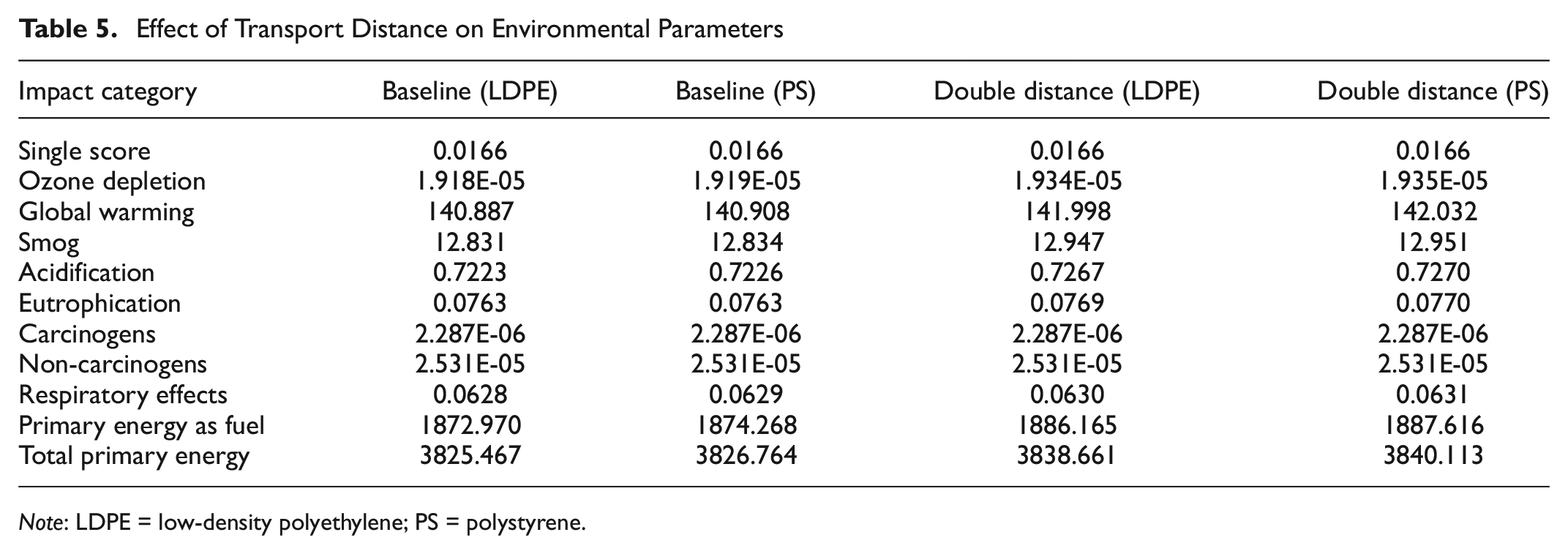
Note: LDPE = low-density polyethylene; PS = polystyrene.
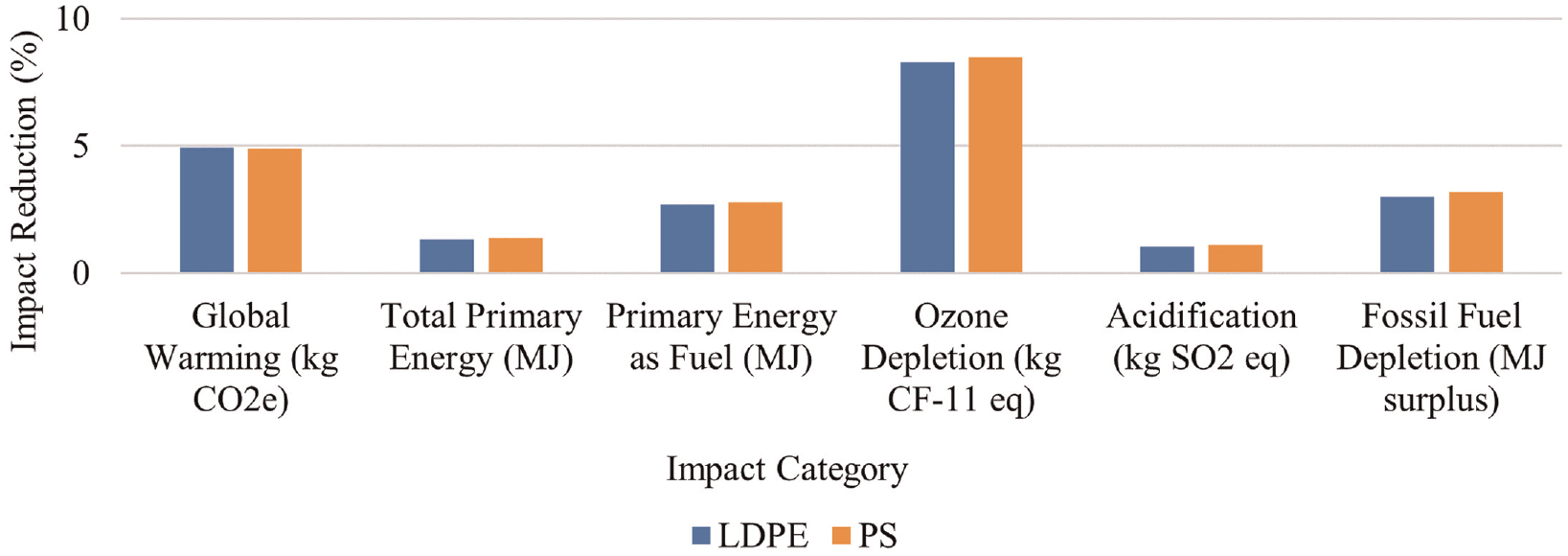
Impact of using E-truck for hauling materials.
Conclusions
The study quantified the potential environmental impacts of incorporating waste plastics in asphalt binder mixtures using the material production and construction stages of LCA. Based on the outcomes of the LCA, the following conclusions are drawn:
Both SBS polymers and waste plastics increase the negative environmental impacts of asphalt mixture production, regardless of the plastic type or the method of incorporation (wet or dry).
The higher the percentage of the waste plastics (by weight of the binder content), the higher the environmental impacts.
In comparison with SBS-modified mixtures, mixtures modified with waste plastics for both plastic types and incorporation methods lead to better environmental performance with lower impacts, except for ozone depletion. Ozone layer depletion is damaging to human health as it causes increased UV radiation levels at the Earth’s surface; however, the numbers found in this study are low enough to not cause significant impact on health.
The total impacts of waste plastics processing in the manufacturing of asphalt mixtures are negligible compared with other processes involved.
The wet process of waste plastics mixing with asphalt binder has worse environmental performance than the dry process because of the additional step of high-shear mixing and the additional transportation of the material. However, the wet process still exhibits lower impacts than SBS.
LCA results are sensitive to the percentage of asphalt binder in the mix. This sensitivity varies depending on the impact category under study.
LCA results are only slightly sensitive to the hauling distances of the waste plastics, because of the low quantities of plastics used.
Hauling the materials using electric trucks instead of diesel trucks leads to additional environmental benefits that can overcome the negative impacts on the ozone layer impact category.
Only material and construction stages of LCA were performed in this study. A holistic approach, incorporating all LCA stage, cost, and performance factors should be considered in future analysis.
Footnotes
Acknowledgements
The study is sponsored by the Environmental Research and Education Foundation (EREF): Non-Recyclable Plastics to Pavements and performed at the Illinois Center for Transportation (ICT). The authors acknowledge the technical support of Yusra Alhadidi, Uthman Mohammad Ali, and B.K. Sharma. The input of Sarah Ledogar and Stephanie Bolyard of the EREF foundation is acknowledged.
Author Contributions
The authors confirm contribution to the paper as follows: study conception and design: Imad L. Al-Qadi; data collection: Lara Diab and Imad L. Al-Qadi; analysis and interpretation of results: Lara Diab and Imad L. Al-Qadi; draft manuscript preparation: Lara Diab and Imad L. Al-Qadi. All authors reviewed the results and approved the final version of the manuscript.
Declaration of Conflicting Interests
The author(s) declared no potential conflicts of interest with respect to the research, authorship, and/or publication of this article.
Funding
The author(s) received no financial support for the research, authorship, and/or publication of this article.

The contents of this paper reflect the view of the authors, who are responsible for the facts and the accuracy of the data presented here. The contents do not necessarily reflect the official views or policies of the ICT or EREF. This paper does not constitute a standard, specification, or regulation.