



Abstract
To quantitatively study the fusion behavior of new and aged asphalt interface with multiple factors, this paper used dynamic shear rheometer, Fourier-transform infrared spectrometry, gel permeation chromatography, and atomic force microscopy to investigate the effects of time, temperature, and rejuvenator on the fusion process of the new and aged asphalt interfaces from both macroscopic and microscopic aspects. The macroscopic fusion behavior of new and aged asphalt was characterized by diffusion rate, fusion degree, and diffusion activation energy; the microstructure was characterized by carboxyl index(I(S=O)), sulfoxide index (I(C=O)), large molecular size (LMS), and roughness indexes. Macroscopic results showed higher temperature, longer time, and the addition of rejuvenator are beneficial for new and aged asphalt fusion degree. The microscopic study showed that with the fusion of new–old asphalt, the molecular content of aged asphalt on the new asphalt side increased, its I(C=O) and I(S=O) increased, the LMS increased, and the roughness increased. Meanwhile, each microstructural index was analyzed with the characterization indexes of macro fusion behavior, and the macro and micro indexes correlated well.
Keywords
With the construction of asphalt pavement, a large amount of reclaimed asphalt pavement (RAP) materials has been produced ( 1 ). On the other hand, the price of construction materials has been increasing in recent years. Therefore, RAP recycling technology has received increasing attention ( 2 ). The aim of RAP recycling technology is to improve the performance of aged asphalt by adding rejuvenator, new asphalt, new aggregates, and new mineral powder to the aged asphalt.
The fusion behavior of new and aged asphalt affects its fusion degree, and the fusion degree directly affects the performance of recycled asphalt. Therefore, the fusion behavior study of old and new asphalt is the key to investigating RAP recycling technology. Zhang divided the fusion of new and aged asphalt into three stages: (1) softening of old aggregate and contact with new asphalt; (2) mixing; (3) diffusion of new and aged asphalt interface. The indirect tensile and creep compliance were used to evaluate the fusion degree of asphalt. The result showed that the fusion degree and asphalt fracture energy increase with time (3, 4). Liu added limestone aggregate and rejuvenator in the RAP regeneration process, and the transfer characteristics of RAP asphalt were determined by the content of asphalt adhered to the limestone aggregate. He also analyzed the effects of mixing process, time, temperature, and rejuvenator on the fusion degree of new–aged asphalt ( 5 ). The above researchers analyze the fusion degree of new–aged asphalt by the difference of asphalt properties on the aggregate surface, which is difficult to use widely in practical engineering and cannot accurately assess the fusion degree of new–aged asphalt. Ashtiani adjusted the Hirsch model and used this model to analyze the effects of mixing temperature, asphalt type, and gradation of recycled materials on the fusion degree of new and aged asphalt. He found that the fusion degree of new and aged asphalt calculated by the Hirsch model is consistent with that measured by four-point beam fatigue, semi-circular benging beam and disk-shaped compact tension tests ( 6 ). Bennert used the improved Hirsch model to calculate the dynamic modulus, phase angle, rutting factor, and fatigue factor of recycled asphalt. The calculated results were compared with the measured results by dynamic shear rheometer (DSR) to analyze the blending effect of new and aged asphalt ( 7 ). Currently, the fusion degree of new and aged asphalt can be calculated from asphalt performance tests. However, the model used is not particularly well developed, and the fusion degree of new and aged asphalt indirectly obtained through the asphalt performance test is not sufficiently accurate. Therefore, there is a need for further evaluation of the degree of fusion of new and old asphalt test methods.
With the development of science and technology, testing instruments have become more advanced and the research scale has evolved from macroscopic to microscopic. Navaro performed a stratified extraction of the recycled asphalt mixture and used ultraviolet (UV) and infrared (IR) spectroscopy to determine the respective mass fractions of new–old asphalt in the recycled asphalt. He found that temperature and mixing time had a significant effect on the fusion degree of new–aged asphalt ( 8 ). Ding used atomic force microscopy (AFM) and Fourier-transform infrared (FTIR) spectroscopy to analyze the microstructural changes during the new and aged asphalt fusion process, and DSR was used to evaluate the fusion degree by macroscopic rheological properties. The results showed that the macroscopic and microscopic change laws of new–aged asphalt fusion are consistent ( 9 ). Song extracted the recycled asphalt mixture layer by layer, and then quantitatively analyzed the large molecular size (LMS) of recycled asphalt by gel permeation chromatography (GPC). She found that the diffusion rate of recycled asphalt shingle is significantly lower than that of recycled asphalt pavement ( 10 ). Shi analyzed the change laws of new and aged asphalt fusion from a microscopic perspective using FTIR and AFM. The result showed that the roughness, carbonyl index, and sulfoxide index of recycled asphalt are negatively correlated with the blending ratio of new asphalt ( 11 ).
In recent years, with the development of computer and molecular dynamics simulation technology, the speed and accuracy of software calculations have improved. Molecular dynamics simulation could investigate the microscopic interactions between different substances, so many scholars have used molecular dynamics simulation to study new and aged asphalt fusion ( 12 ). Using molecular dynamics simulation, Ding established a molecular model of old and new asphalt. He found that large molecules have a significant effect on the diffusion rate of the whole structure, and the addition of rejuvenator accelerates the diffusion rate of aged asphalt ( 13 ). Ding used molecular dynamics software to establish the diffusion model for the mixing of two kinds of bio-rejuvenators (straight chain type and aromatic type) and asphalt. He found that the agglomeration degree of the four components of asphalt is reduced after adding bio-rejuvenator ( 14 ).
In summary, many scholars have done a lot of research on recycled asphalt, but most of them focused on the effect of mixing methods on the performance of recycled asphalt and the diffusion of rejuvenator in asphalt ( 15 ). However, the research on the fusion behavior between new and aged asphalt is not sufficient, and there are relatively few studies on the influence of various influencing factors on the interlayer distribution, fusion rate, and fusion degree of new and aged asphalt.
Therefore, this paper adopts a combination of macro–micro approach to analyze the effects of time, temperature, and rejuvenator on the fusion behavior of new and aged asphalt from the perspectives of macroscopic performance and microstructure, and at the same time analyzes the correlation between asphalt macro–micro indicators.
Materials and Methods
Materials
New Asphalt
In this paper, 70# and 90# new asphalt produced by the same manufacturer was selected. According to the Standard Test Methods of Bitumen and Bituminous Mixtures for Highway Engineering (JTG E20-2011) ( 16 ), the performance indexes of 70# and 90# new asphalt are shown in Table 1.
Performance Indexes of 70# and 90# New Asphalt

Note: TFOT = thin film oven test; COC = cleveland open cup; NA = not available.
Aged Asphalt
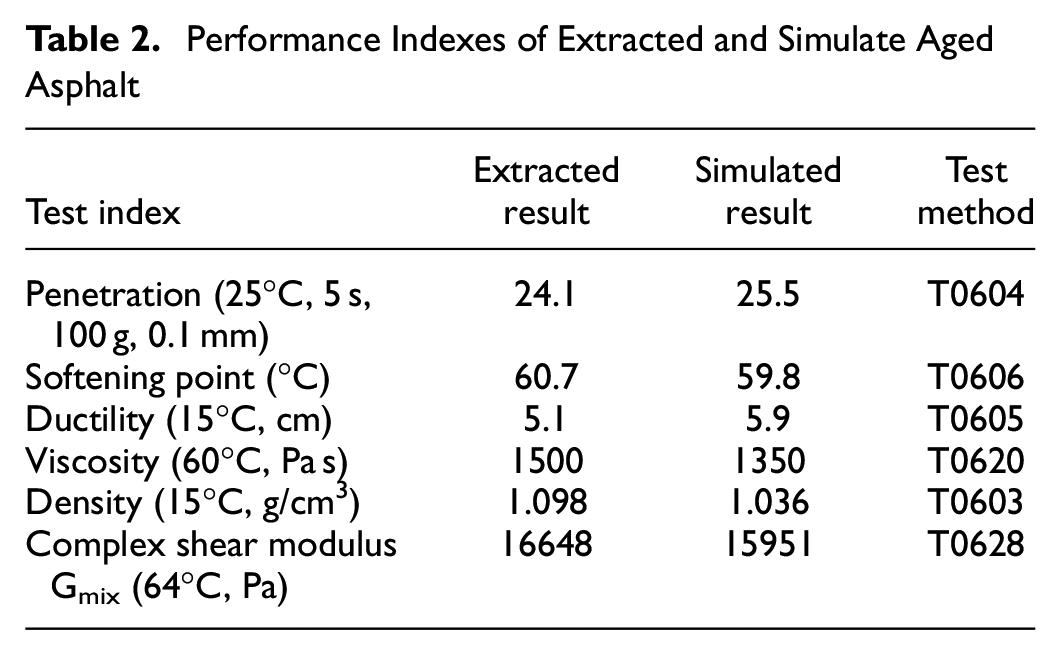
The aged asphalt was prepared by artificially simulating short-term aging (Rolling Thin Film Oven Test, RTFOT) and long-term aging (Pressure Aging Vessel, PAV). In the RTFOT test, the asphalt sample was heated in the oven at 163°C for 85 min to simulate short-term aging during construction. In the PAV test, the sample was placed at 100°C and 2.1 MPa for 40 h to simulate long-term aging in the external environment. Meanwhile, asphalt recycled materials obtained from a highway in Shanxi Province were extracted and distilled to verify the reasonableness of laboratory aging by comparing their performances. In accordance with the Standard Test Methods of Bitumen and Bituminous Mixtures for Highway Engineering (JTG E20-2011) ( 16 ), the performance indexes of simulated asphalt and extracted asphalt are shown in Table 2. Through comparison, it can be found that the aging degree of the simulated aged asphalt is close to extracted asphalt.
Performance Indexes of Extracted and Simulate Aged Asphalt
Rejuvenator
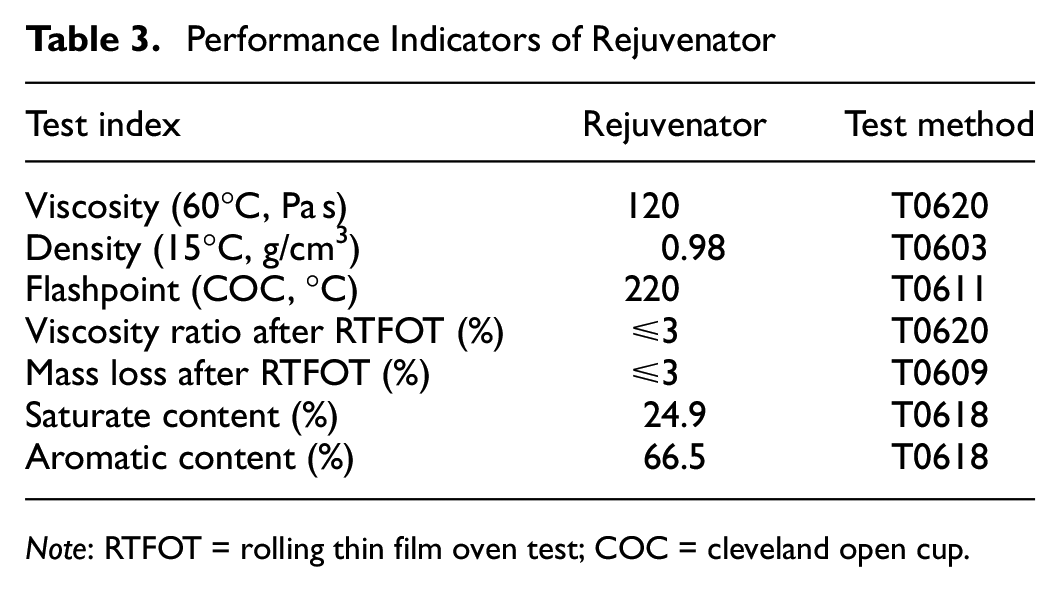
The XT-2 rejuvenator used in this paper was produced by Changzhou Xintuo Refined Materials Corporation. XT-2 rejuvenator can be categorized as Aromatic Extracts according to NCAT ( 17 ). The XT-2 rejuvenator is rich in aromatics and similar in composition to asphalt, which makes it highly compatible with asphalt. In addition, the special polymers in XT-2 improve its diffusion and penetration ability. XT-2 performance indicators are shown in Table 3.
Performance Indicators of Rejuvenator
Note: RTFOT = rolling thin film oven test; COC = cleveland open cup.
Figure 1 shows the infrared spectrogram of XT-2 rejuvenator. It can be seen that XT-2 shows C-H absorption peaks at 2952 cm−1, 2924 cm−1, and 2855 cm−1 for methyl and methylene, respectively. Two tiny C-H absorption peaks on the benzene ring appeared at 3000 cm−1 and 3044 cm−1. Stretching vibration absorption peaks of the aromatic ring appeared at 1602 cm−1 and 1457 cm−1, and three bending vibration peaks of the benzene ring appeared at 701 cm−1, 724 cm−1, and 748 cm−1, and the stretching vibration of the benzene ring was stronger at 813 cm−1 and 875 cm−1, which indicated that XT-2 has a high proportion of light fractions containing aromatic hydrocarbons. The stretching vibration of saturated fatty acid ketone C=O appeared at 1699 cm−1, and the absorption peak of antisymmetric stretching vibration of C-C2 in (CH3)2-CH-R appeared at 1164 cm−1, indicating that the two ends of the special molecular substances added in XT-2 are polar and nonpolar, which can make the asphalt molecule change its activity.
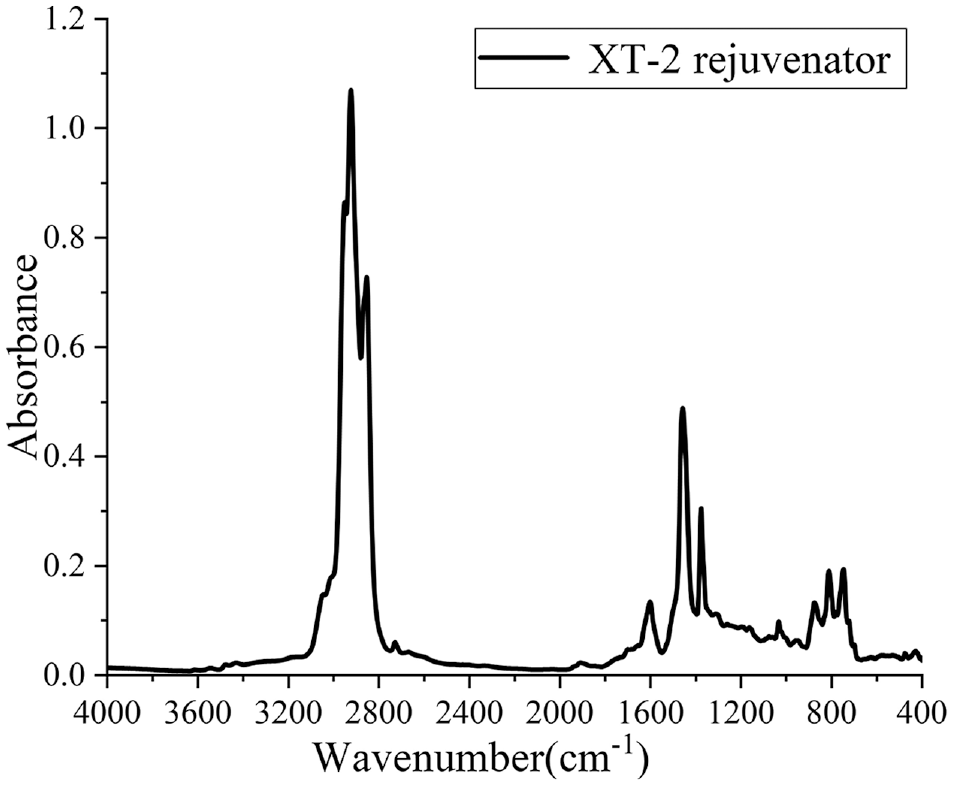
Fourier-transform infrared spectra of XT-2 rejuvenator.
Methods
Dynamic Shear Rheology
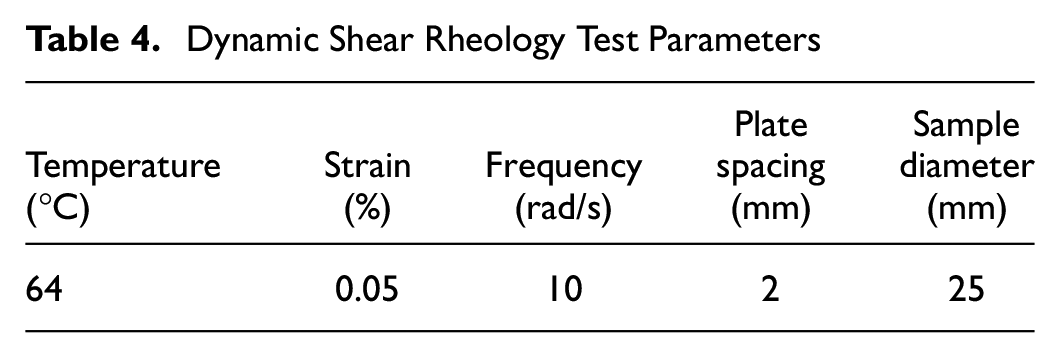
To study the fusion behavior between new and aged asphalt, DSR test schemes were designed for different combinations of new asphalt, aged asphalt, and rejuvenator. In each scheme, the complex shear modulus of the samples was tested at the specified fusion temperature (90°C, 110°C, 130°C, 150°C) and fusion time (10 min, 30 min, 60 min, 90 min, 120 min). Each scheme contains three parallel samples, and the average value was taken as the test result. DSR test parameters are shown in Table 4.
Dynamic Shear Rheology Test Parameters
The DSR adopted a double-layer asphalt sample with a diameter of 25 mm and a thickness of 2 mm. For the sample without a rejuvenator, the new asphalt was directly placed on top of the aged asphalt. For the sample with the rejuvenator, a 1 mm-thick modified asphalt sample was produced by mixing the aged asphalt with the rejuvenator, and then the new asphalt was placed on it. The double-layer asphalt samples were cured in the oven according to the temperature and time set in each scheme.
Fourier-Transform Infrared Spectroscopy
FTIR can obtain the molecular structure and functional group changes of different materials according to the absorption peaks corresponding to different molecular structures. In this paper, the scanning range is 4000 cm−1–400 cm−1, the resolution is 4 cm−1, and the scanning times are sixty-four times. OMNIC software was used to process and analyze the data collected by FTIR.
During the aging process, asphalt reacts with oxygen in the air to form characteristic oxygen-containing functional groups such as carbonyl and sulfoxide groups. The absorption peak area and height of the characteristic functional groups can be tested by infrared spectroscopy. The aging mechanism of asphalt can be studied by calculating the content of characteristic functional groups ( 17 ). Therefore, this paper quantitatively described the new and aged asphalt fusion at the microscopic level by calculating the carbonyl index (I(C=O)) and sulfoxide index (I(S=O)), as shown in Equation 1 and Equation 2.


where A(C=O) is the area of the carbonyl absorption peak; ACH3+ACH2 is the sum of methyl and methylene absorption peak areas; A(S=O) is the sulfoxide group absorption peak area.
Gel Permeation Chromatography
The GPC test can obtain the molecular weight distribution of asphalt according to the time difference that different molecules pass through the chromatographic column. In this study, tetrahydrofuran (THF) was used to dissolve the asphalt sample, and the prepared mixed solution was used for the GPC test. Then the molecular weight distribution curve of the samples was detected through the automatic detection system at the end point of the chromatographic column. The test results were quantitatively characterized by calculating the LMS percentage.
In this paper, the molecular weight distribution curves obtained from GPC tests are divided into thirteen intervals according to the retention time. According to the size of molecular weight, it is divided into three regions, which are interval 1–5 for large molecules (LMS), interval 6–9 for medium molecules (MMS), and interval 9–13 for small molecules (SMS) ( 18 ). Therefore, the LMS content of asphalt can be calculated according to Equation 3, and the specific division of LMS, MMS, and SMS is shown in Figure 2.

where
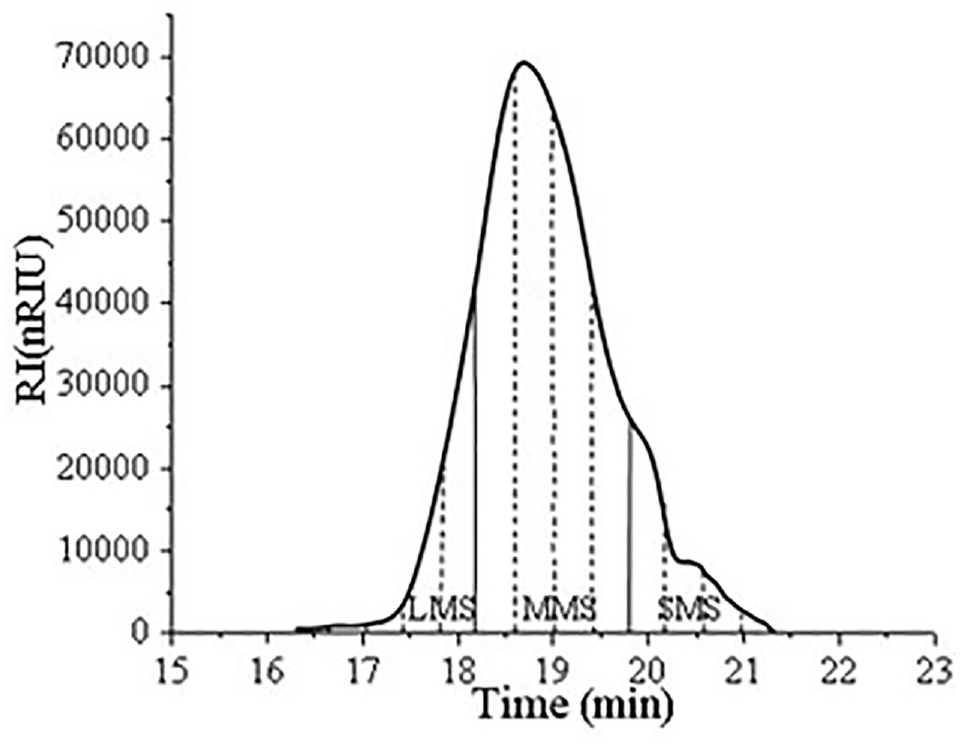
Molecular weight distribution curve aliquot diagram.
Atomic Force Microscopy
AFM enables the observation of asphalt microstructure without destroying the sample. In this paper, the samples were prepared by the hot-casting method. Using the tap mode, a cantilever probe with a length of 125 um and an elasticity factor of 0.4 n/m was selected. Each microscopic image was scanned in the range of 20 um × 20 um with a resolution of 512 × 512.
There were many bee structures in the 2D AFM image of asphalt. These bee structures were undulating peaks and valleys in the 3D image. The larger the bee structure area in the 2D image, the higher the peak corresponding to the bee structure in the 3D image. In this study, the change in microscopic asphalt morphology was analyzed by the characteristic values of the microstructure such as the percentage of bee structures area (Pbee) and roughness of the AFM image (Ra, Rq).
Pbee is defined as the ratio of the bee structures area in the AFM 2D image to the total area of the image. Pbee is calculated as follows: (1) NanoScope Analysis is used to noise-reduce the AFM images and to export 2D morphological BMP maps. (2) Matlab is used to adjust the upper and lower limits of the BMP image threshold. The upper limit is selected as 255 and the lower limit depends on the sample scan image. The filter is adjusted to eliminate the noise points in the image, and a grayscale image is obtained to distinguish the bee structure from the asphalt matrix (Figure 3). (3) The grayscale map is imported into Image-Pro Plus 6.0 software. By using the “Count and measure object” function, the Pbee can be calculated after using the dropper tool to select the peak structure interface.
Roughness can define the smoothness of the asphalt surface micromorphology. The root mean square roughness (Rq) and arithmetic mean roughness (Ra) are used as the roughness characteristic values. The calculation formula is as follows:


where
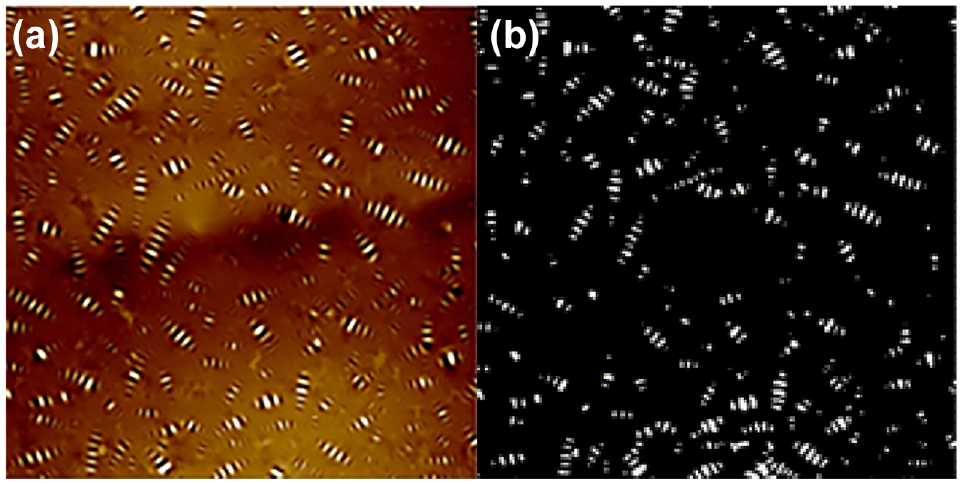
Atomic force microscopy (AFM) image processing process: (a) Raw AFM images and (b) processed grayscale image.
Evaluation Indicators for the Fusion Behavior
Diffusion Rate
Based on the classic Fick theory, this paper divided the new and aged asphalt sample into twenty layers of equal thickness, and each layer after fusion was the new and aged asphalt composite layer. The calculation formula of Fick’s theory can be converted into Equation 6.
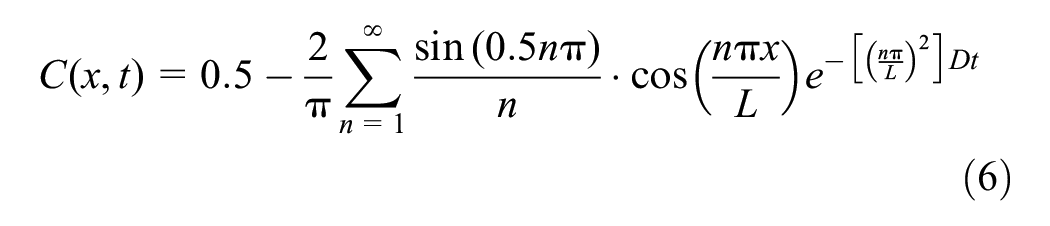
where
The diffusion rate is calculated as follows ( 16 ):
(1) The complex shear modulus of fully fused asphalt (Gmix) at different mass ratios of new asphalt is tested by DSR to obtain the Gmix curve (Figure 4). Then the functional relationship between Gmix and C can be fitted by Gmix curve.
(2) Specifying the initial value of the diffusion rate, then Equation 6 is used to calculate the mass fraction of new–aged asphalt in each asphalt sample layer (twenty layers total). The complex shear modulus of each asphalt sample layer is calculated according to the Gmix-C functional relationship, and using the Reuss equation (Equation 7) to obtain the overall complex shear modulus of the double-layer asphalt sample.
(3) The measured complex shear modulus of the new and aged double-layer asphalt sample is tested by DSR. The diffusion rate (D) is adjusted so that the complex shear modulus calculated in Step 2 is closest to the measured complex shear modulus. The diffusion rate at this point is the actual diffusion rate of the sample under the corresponding conditions in the DSR test.

where Gmix is the overall complex shear modulus of the double-layer asphalt sample; hL is the thickness of the asphalt sample, hL = 2 mm; hi (i = 1, 2, …, 20) is the thickness of each layered asphalt sample, hi = 0.1 mm; G i mix (i = 1, 2, …, 20) is the complex shear modulus of each layer of asphalt sample.
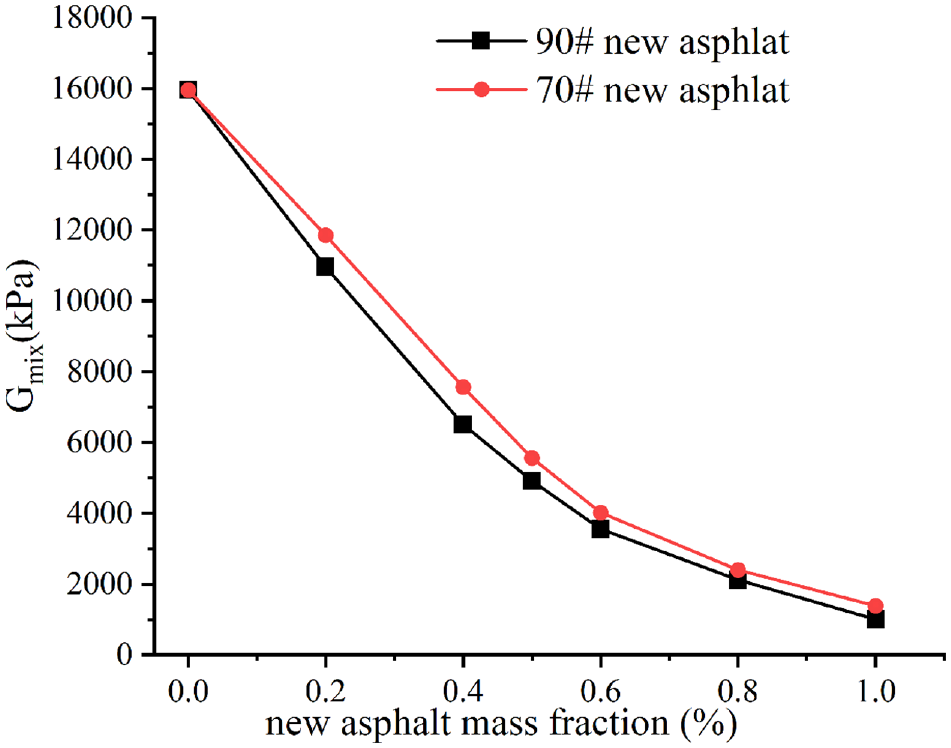
Gmix of new–aged asphalt with different mass ratios in the fully fused state.
Fusion Degree
With the fusion of new and aged asphalt, its dispersion degree decreases and distribution becomes more uniform, which indicates the increase of the new and aged asphalt fusion. To analyze the effect of different factors on the fusion degree (FD) of new and aged asphalt, Equation 8 is used to calculate the fusion degree.

where G t mix is the complex shear modulus of the sample at time t; Gmix is the complex shear modulus when the sample is completely fused.
Diffusion Activation Energy
The fusion behavior of new and aged asphalt is driven by energy. The transition of the asphalt molecule needs to escape from the constraint of surrounding molecules and overcome the energy barrier for the transition to occur. The diffusion activation energy (Q) is the energy required for the diffusion of asphalt molecules. The greater the Q of asphalt molecules, the more difficult it is for asphalt molecules to diffuse and the less active the fusion of asphalt.
In this paper, the fusion mechanism and the intrinsic driving force of the new and aged asphalt were analyzed from an energy perspective using the logarithmic form of the Arrhenius equation, as shown in Equation 9.

where
To calculate the diffusion activation energy, the calculated diffusion rate is brought into Equation 9 to fit a straight line of lnD versus 1/T using the least squares method. The constant D0 is calculated from the linear intercept. Then the diffusion activation energy can be calculated by bringing the diffusion rate and temperature into Equation 9.
Results and Discussion
Results and Analysis of DSR
Gmix Results by DSR
As can be seen from Figure 5, the double-layered asphalt sample continued to increase with time, which indicates that diffusion of the new and aged asphalt occurred. By calculating the slope of the curves, it can be seen that the growth rate of Gmix in the first hour of each specimen is much larger than that in the second hour. This indicates that the fusion mainly occurs in the first half of the period.

Trend of complex shear modulus of new and aged asphalt fusion samples: (a) 70# new asphalt and aged asphalt, (b) 90# new asphalt and aged asphalt, (c) 70# new asphalt and 4%XT-2 modified aged asphalt, and (d) 90# new asphalt and 4%XT-2 modified aged asphalt.
Throughout the fusion process, the increase in temperature accelerated the average growth rate; taking the test results of Figure 5a as an example, in the case of double-layer asphalt specimens fused for 2 h, as the temperature increased from 90°C to 150°C, the
It can be seen that after the addition of the rejuvenator to the aged asphalt, the growth of the double-layer asphalt specimens is more average and linear. Although the growth rate is lower than without rejuvenator, the slope of the growth curve over time is significantly greater than the slope when no rejuvenating agent is added. And after adding the rejuvenator, the missing components in the aged asphalt were obtained, and the performance was improved. Under the condition of 150°C, after adding 70# and 90# asphalt and fusing for 2 h, it is 1987 Pa and 1610 Pa, respectively, whereas after adding 70# and 90# asphalt, the fully fused asphalt samples are 2055 Pa and 1632 Pa. It can be found that after adding a certain amount of rejuvenating agent, the new and aged asphalt reached the state of complete fusion, the addition of rejuvenating agent significantly promoted the fusion of the new and aged asphalt. It can be found that after adding a certain amount of rejuvenator, the new and aged asphalt sample reaches the state of complete fusion.
Diffusion Rate and Fusion Degree
As can be seen from Figures 6 and 7, with the extension of time, the diffusion rate of new and aged asphalt decreases, and the FD increases. Both the reduction of the diffusion rate and the increase of the FD are slowing down. The main reason is that as time increases, the light components in the new asphalt gradually diffuse into the aged asphalt layer, and the concentration difference between the new and aged asphalt gradually decreases. It can be considered complete when the new and aged asphalt diffusion rate tends to be stable.
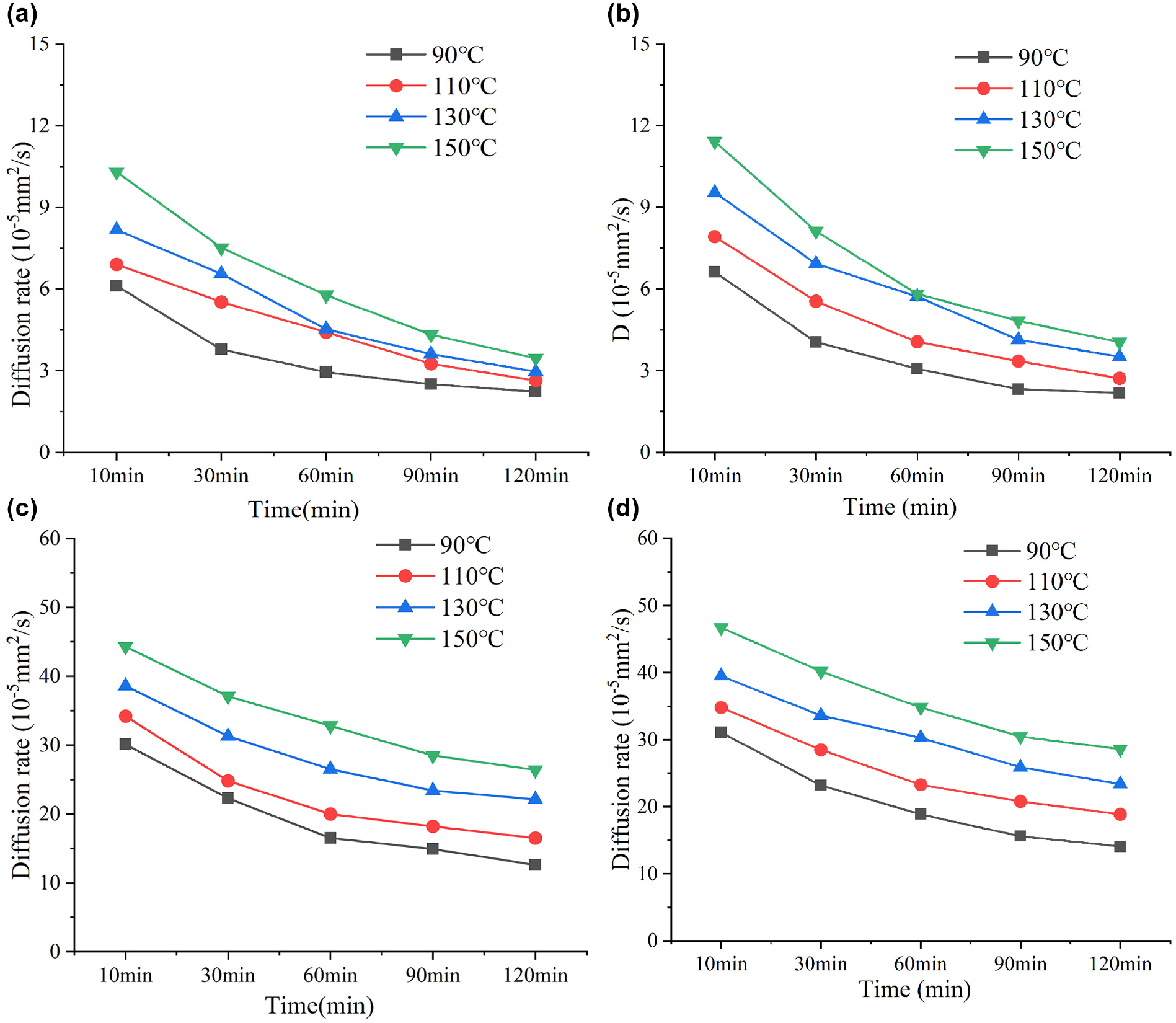
Trend of new and aged asphalt diffusion rate: (a) 70# new asphalt and aged asphalt, (b) 90# new asphalt and aged asphalt, (c) 70# new asphalt and 4%XT-2 modified aged asphalt, and (d) 90# new asphalt and 4%XT-2 modified aged asphalt.
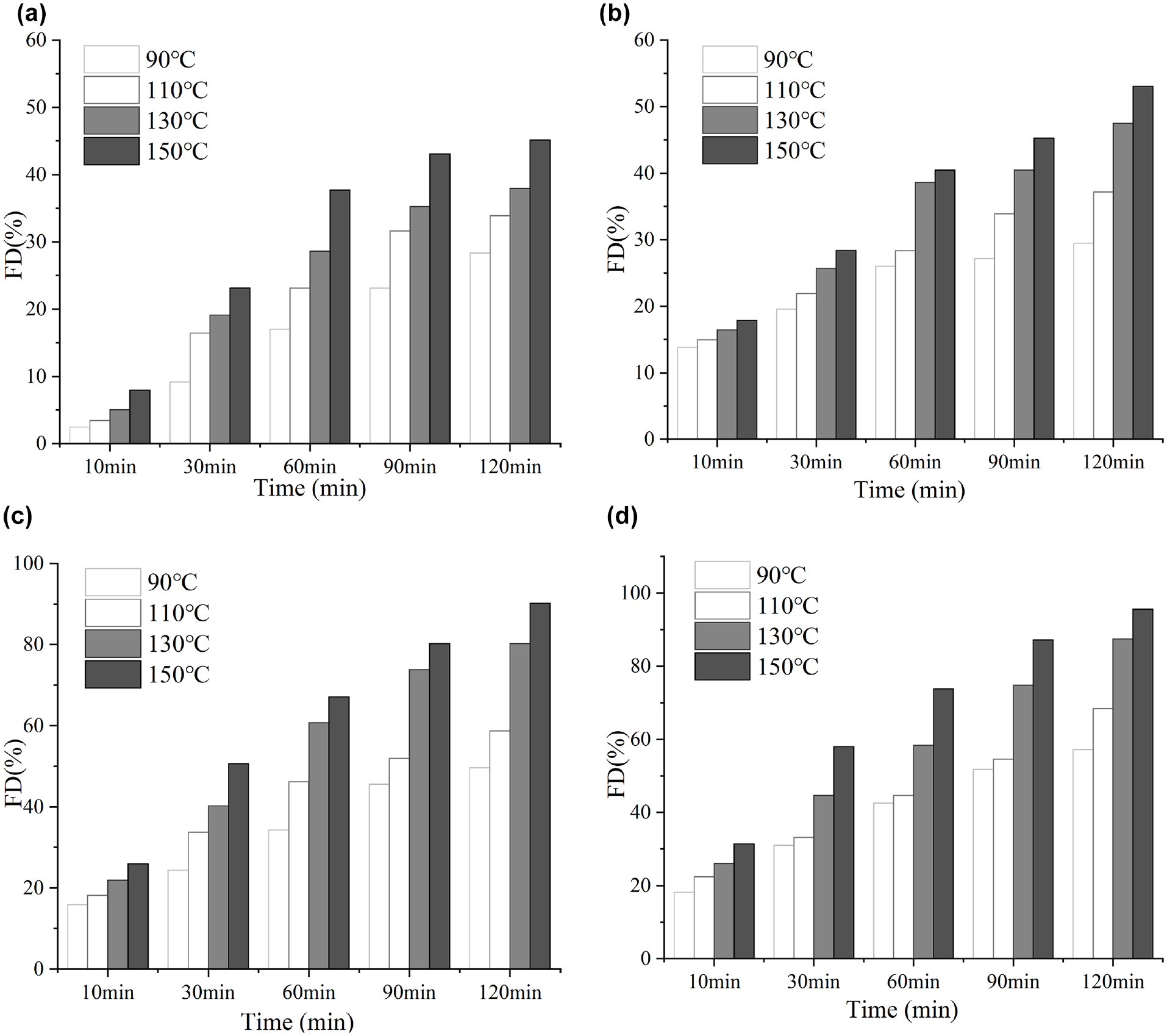
Results of asphalt samples fusion degree: (a) 70# new asphalt and aged asphalt, (b) 90# new asphalt and aged asphalt, (c) 70# new asphalt and 4%XT-2 modified aged asphalt, and (d) 90# new asphalt and 4%XT-2 modified aged asphalt.
As the temperature increases the initial moment of the fusion rate difference increases rapidly, and each moment of the fusion rate increases significantly. This is mainly because temperature enhances the activity of molecular movement, accelerates the diffusion process, and lowers the viscosity, making the diffusion process faster ( 19 ).
The addition of the XT-2 rejuvenator significantly increases the diffusion rate and FD. The fusion rate is increased by 4–5 times, and the fusion level can even approach 100%. XT-2 rejuvenator can adjust the proportion of aged asphalt components, dissolve and disperse asphaltene molecules, reduce the attraction between polar groups and the friction between asphalt molecules, and enhance the fluidity of asphalt molecules. Therefore, the rejuvenator can significantly accelerate the new and aged asphalt fusion.
Diffusion Activation Energy
It can be seen from Figure 8 that the diffusion activation energy of asphalt molecules is positively correlated with time. The diffusion activation energy of asphalt molecules increases by 20%–50% when the fusion time is extended from 10 min to 110 min. The probability of asphalt molecules crossing the energy barrier and leapfrogging is reduced. Therefore, the diffusion rate and FD of new and aged asphalt decrease accordingly.
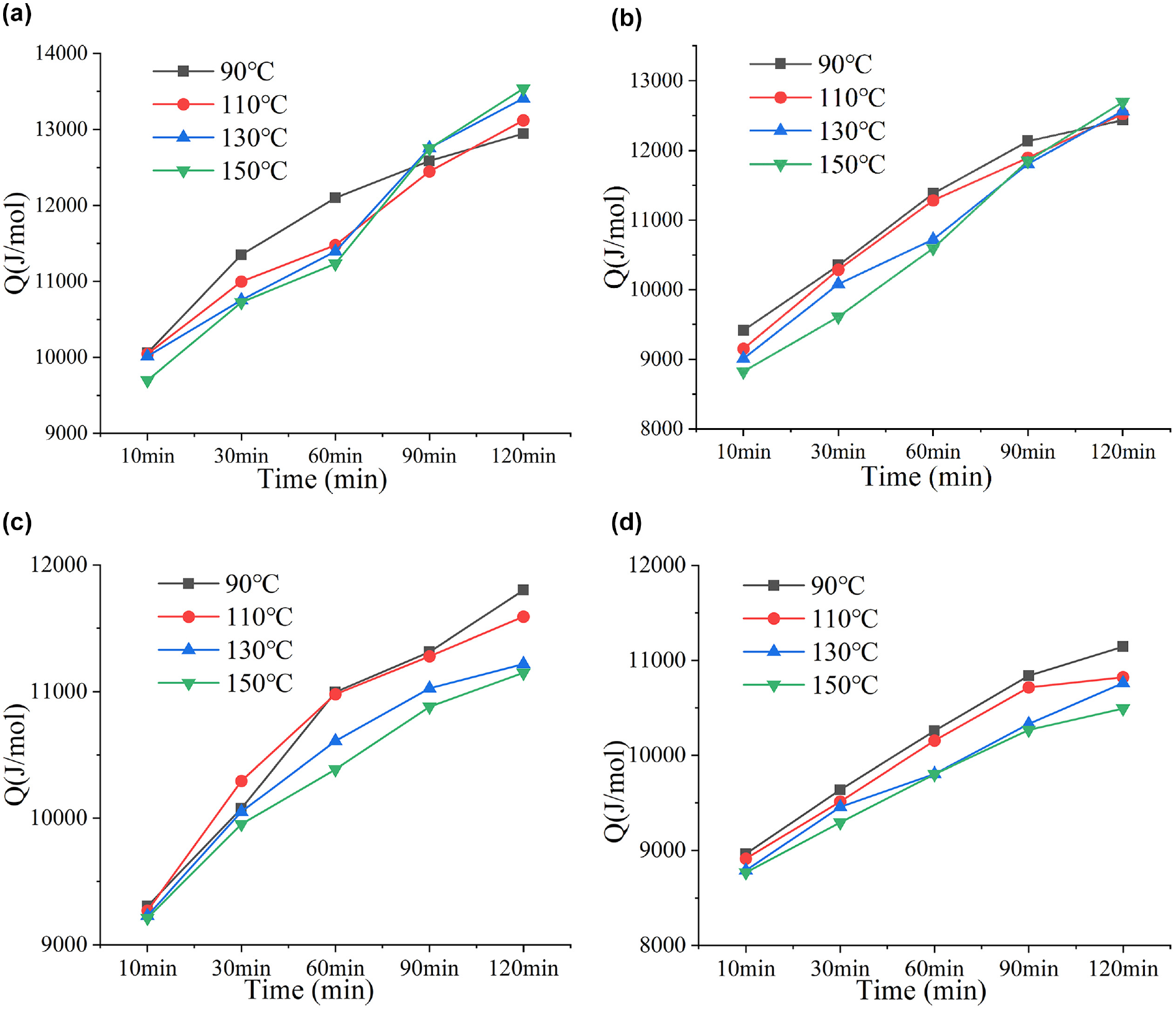
Diffusion activation energy of new and aged asphalt: (a) 70# new asphalt and aged asphalt, (b) 90# new asphalt and aged asphalt, (c) 70# new asphalt and 4%XT-2 modified aged asphalt, and (d) 90# new asphalt and 4%XT-2 modified aged asphalt.
The increase in temperature intensifies the movement of asphalt molecules and facilitates the generation of vacancies. Therefore, the diffusion activation energy decreases, and the diffusion rate increases with the increase in temperature.
Compared with the sample without the rejuvenator, the diffusion activation energy of the asphalt sample with the rejuvenator is reduced by 10%. The addition of XT-2 rejuvenator supplements light components of the aged asphalt. In addition, the XT-2 rejuvenator contains polymeric substances that improve diffusion and permeability. As a result, the diffusion activation energy is reduced.
Results and Analysis of FTIR
Effect of Fusion Time on I(C=O) and I(S=O)
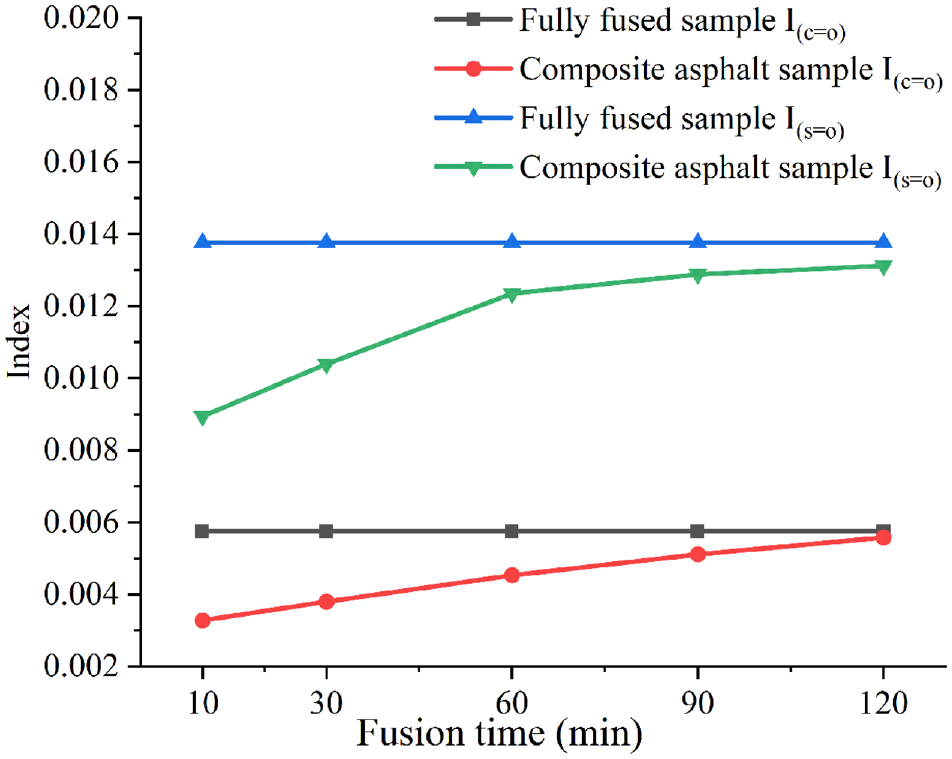
The 70# double-layer new and aged asphalt samples were tested after fusion at 150°C for 15 min, 30 min, 60 min, 90 min, and 120 min to calculate the I(C=O) and I(S=O). The results are shown in Figures 9 and 10.
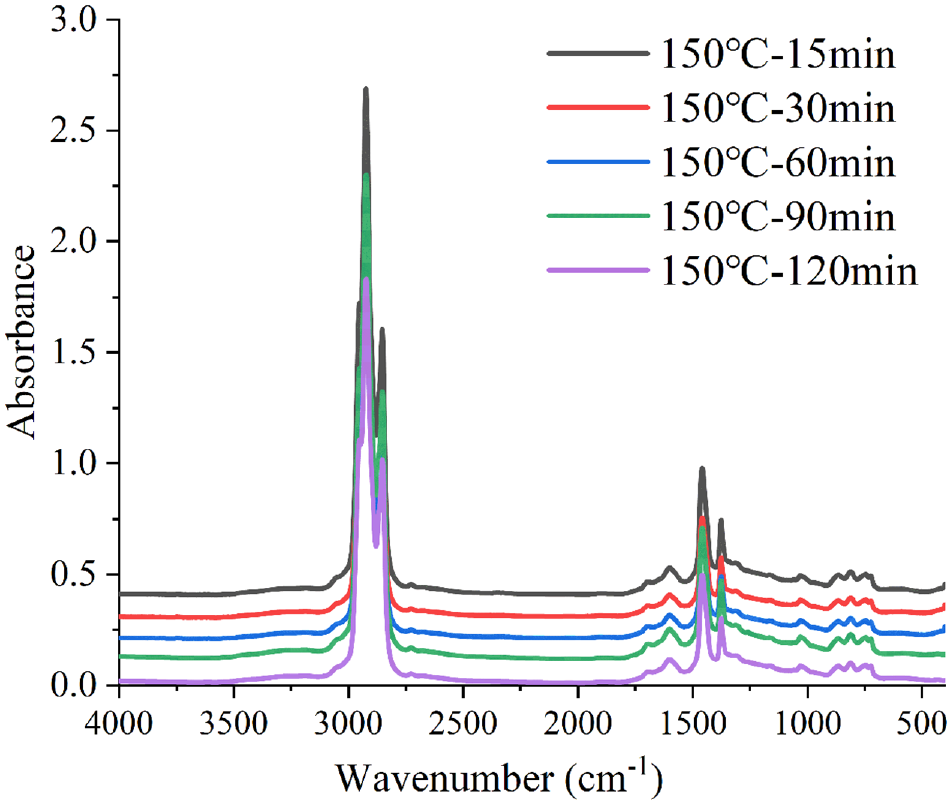
Infrared spectrogram of the sample with time.
Trend of I(C=O) and I(S=O) with time.
As shown in Figures 9 and 10, with the increase in fusion time, the I(C=O) and I(S=O) of the composite asphalt samples continue to increase and gradually slow down until the values approach the fully fused state. The main reason for this is that after the new and aged asphalt fusion, the aged asphalt molecules keep spreading to the new asphalt side. The increase in I(C=O) and I(S=O) enhances the intermolecular constraint of the asphalt, which leads to an increase in the diffusion activation energy and a decrease in the diffusion rate of the new and aged asphalt. This corresponds to the previously calculated diffusion rate and diffusion activation energy of new and aged asphalt.
Effect of Fusion Temperature on I(C=O) and I(S=O)
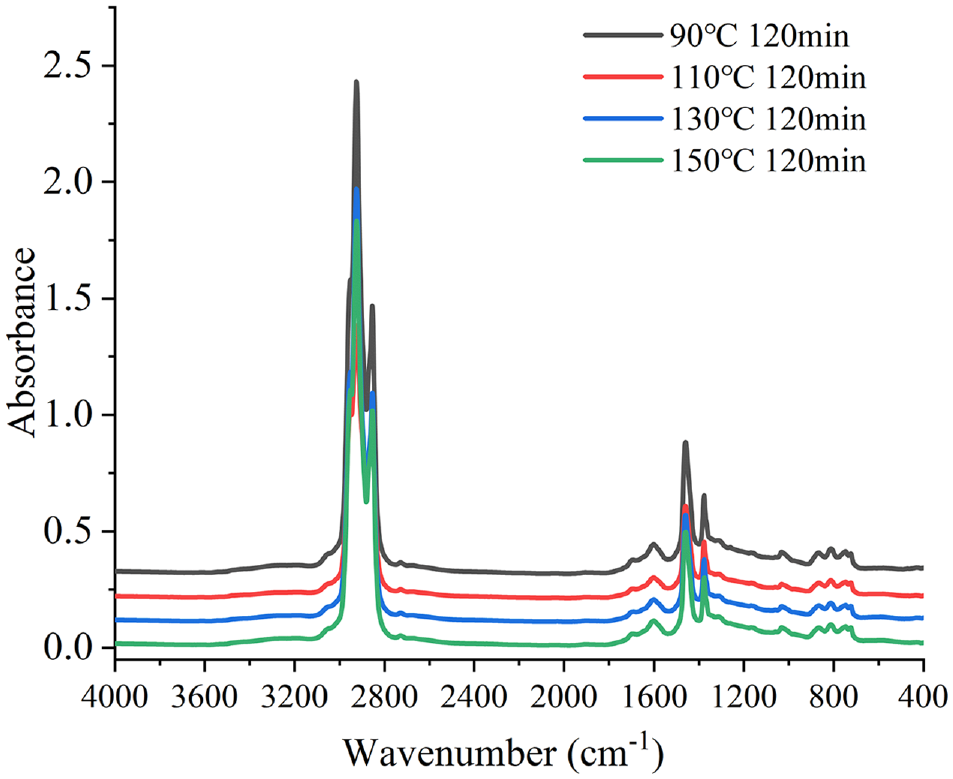
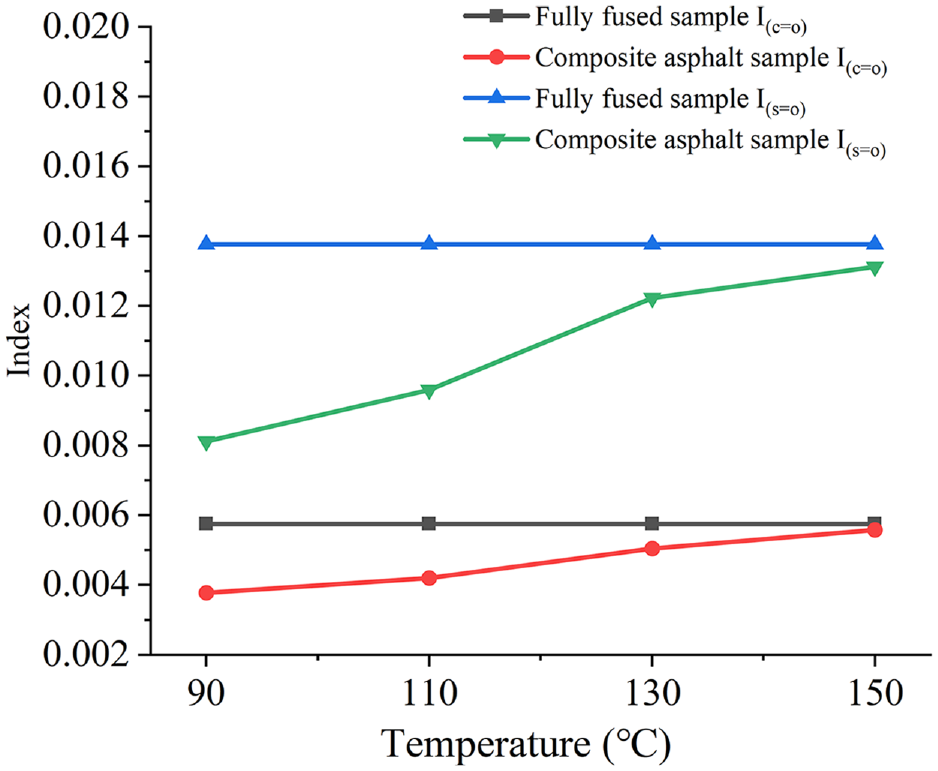
The 70# double-layer asphalt samples were tested at different fusion temperatures for 2 h to calculate their I(C=O) and I(S=O), as shown in Figures 11 and 12. With the increase in temperature, the I(C=O) and I(S=O) on the new asphalt side gradually increase. Compared with the fusion temperature of 90°C, the I(C=O) and I(S=O) of the samples at the fusion temperature of 150°C respectively increased by about 50% and 60%. This indicates that the new and aged asphalt fuse rapidly. The main reason is that the increased temperature intensifies the movement of asphalt molecules, which makes the diffusion rate faster and the FD higher.
Infrared spectrogram of the sample with temperature.
Trend of I(C=O) and I(S=O) with temperature.
Effect of Rejuvenator on I(C=O) and I(S=O)
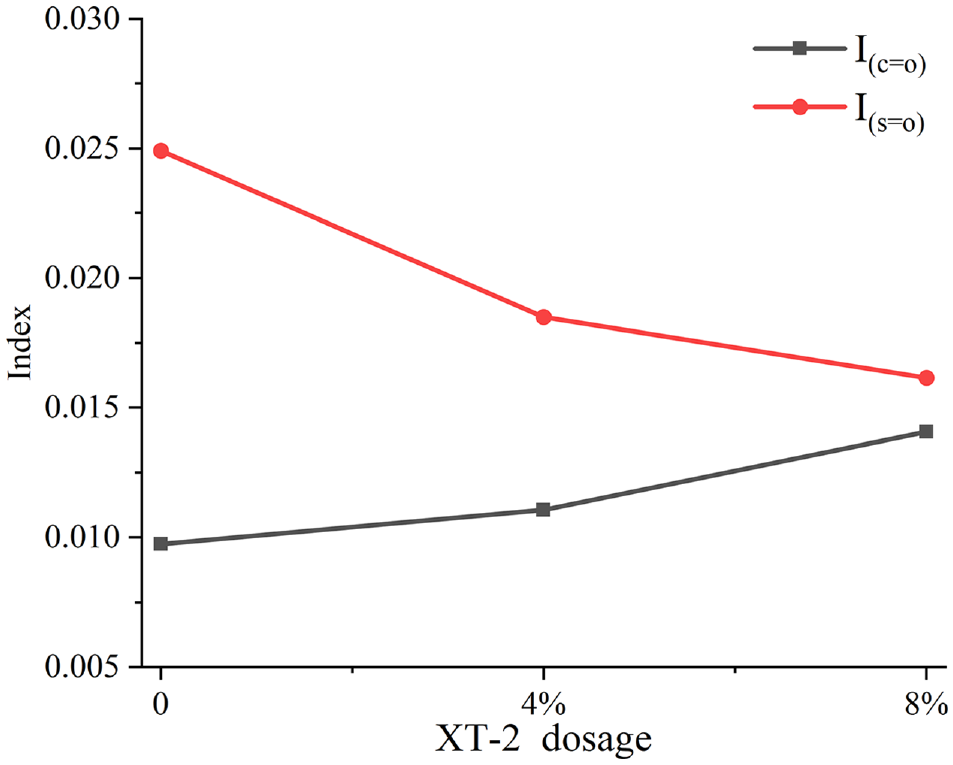
Aged asphalt samples with different contents (0%, 4%, 8%) of XT-2 rejuvenator were selected to analyze the effect of the rejuvenator on the asphalt fusion, as shown in Figures 13 and 14. The sulfoxide absorption peak of aged asphalt decreases after adding the XT-2 rejuvenator. The possible reason is that the special substances in the XT-2 rejuvenator react with the aged asphalt molecules, resulting in a significant decrease in I(S=O). Because of the fatty acid ketones (containing C=O) in the XT-2 rejuvenator, I(C=O) is increased with rejuvenator content.

Fourier-transform infrared spectra of aged asphalt with different XT-2 content.
Change trend of I(C=O) and I(S=O) with different XT-2 content.
Results and Analysis of GPC
Effect of Fusion Time on LMS
The GPC test was carried out as the 70# double-layer asphalt samples were fused for 10 min, 30 min, 60 min, 90 min, and 120 min at 150°C, and the results are shown in Figures 15 and 16. As time increased, the distribution range and molecular weight of asphalt became larger, and LMS gradually increased. This indicated that the molecular content of aged asphalt and the macromolecular substances on the new asphalt side increases, resulting in a deterioration of asphalt flow, an increase in diffusion activation energy, and a decrease in the diffusion rate of new and aged asphalt. At the time of 2 h, the LMS approaches the value in the fully fused state, which means that the fusion of the old and new asphalt is nearly complete.
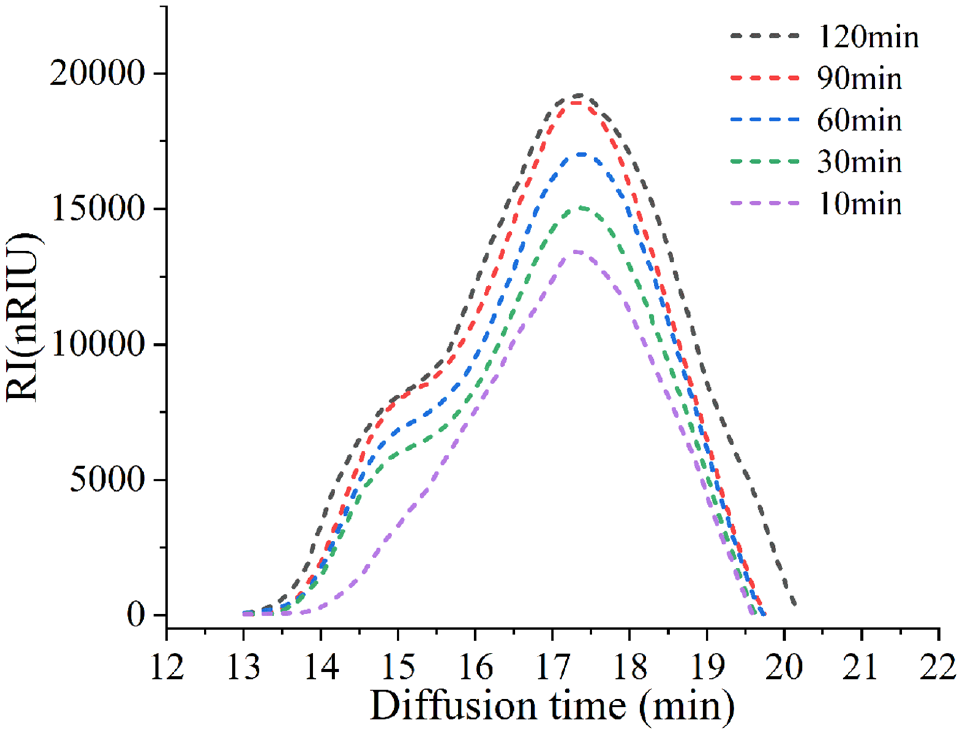
Molecular weight distribution of samples over time.

Large molecular size (LMS) value of the samples at different times.
Effect of Fusion Temperature on LMS
The GPC test was carried out on the 70# double-layer asphalt samples fused at 90°C, 110°C, 130°C and 150°C for 2 h. The test results are shown in Figures 17 and 18. As the temperature increases, the molecular weight distribution curve of the sample moves toward the macromolecular direction, and the LMS of the new asphalt side increases continuously and approaches the value in the fully fused state. The increase in temperature enhances the movement of asphalt molecules, which facilitates the passage of aging asphalt molecules through molecular gaps free from the constraints of surrounding molecules. As a result, the diffusion rate and FD of new and aged asphalt increases.
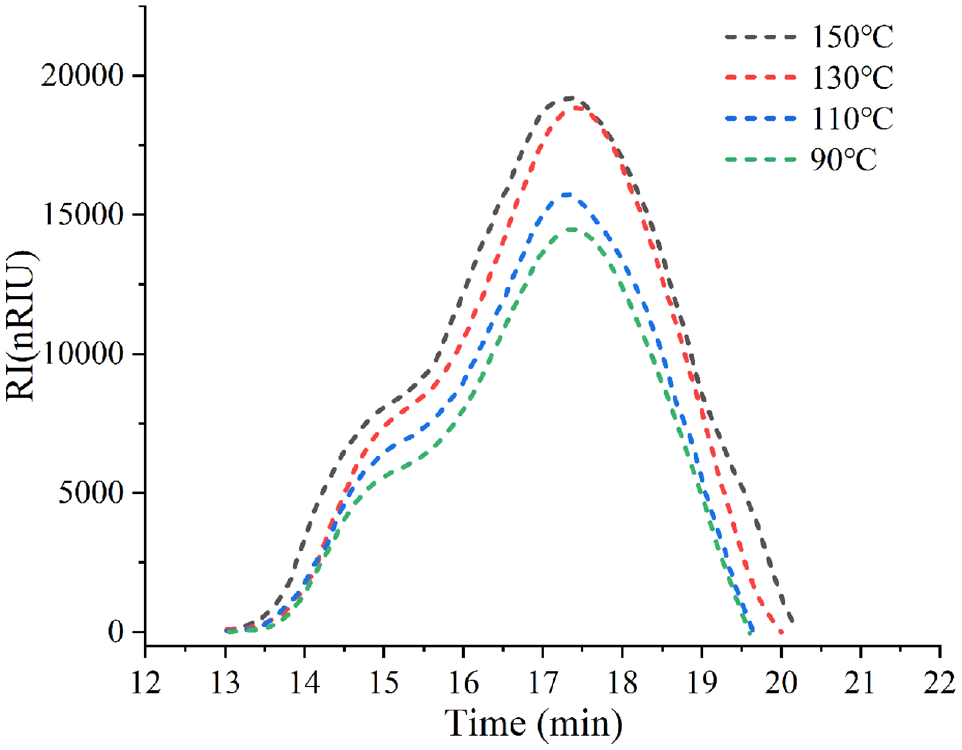
Molecular weight distribution of samples at different temperatures.

Large molecular size value of the samples at different temperatures.
Effect of Rejuvenator on LMS
The molecular weight distribution curves and LMS values of aged asphalt with different XT-2 content (0%, 4%, 8%) are shown in Figures 19 and 20. The molecular weight of aged asphalt is reduced with the addition of the rejuvenator. Compared with the samples without the rejuvenator, the LMS of the aged asphalt samples with 4% XT-2 decreases by 2.8% and the LMS of the aged asphalt samples with 8% XT-2 decreases by 7.8%. XT-2 supplements the saturated and aromatic fractions in the aged asphalt and has a dissolving effect on the aged asphalt. On the other hand, the special polymers in XT-2 can react with the aged asphalt to convert its large molecules into medium and small molecules. Under the effect of these two aspects, the LMS of the aged asphalt is reduced. Compared with the aged asphalt without XT-2, the diffusion activation energy is reduced and the diffusion rate and FD are increased when the aged asphalt with XT-2 fuses with the new asphalt interface.
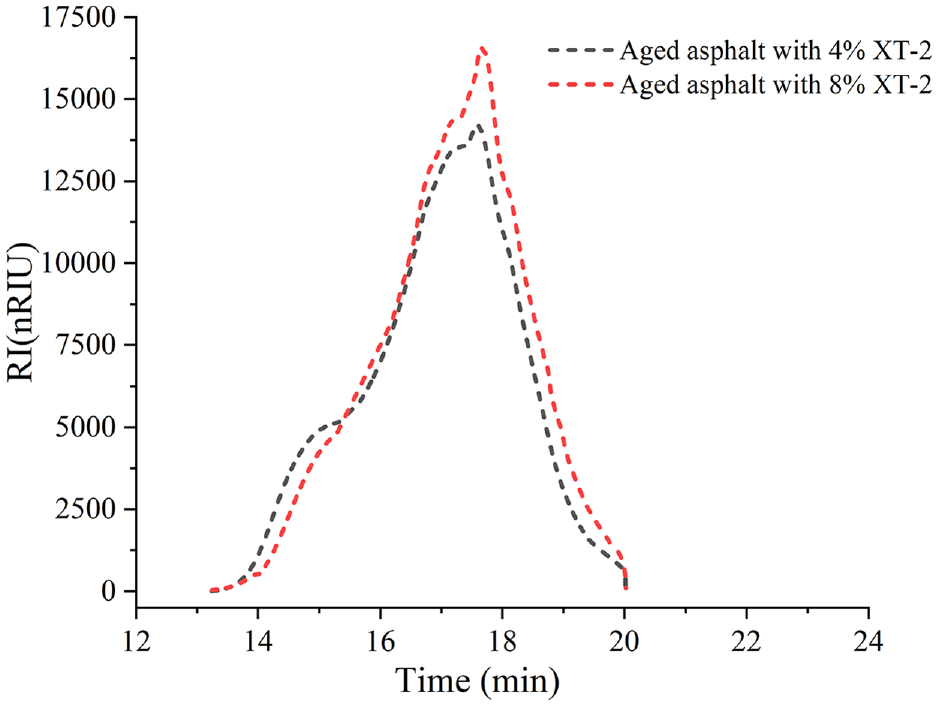
Molecular weight distribution of samples with different XT-2 content.
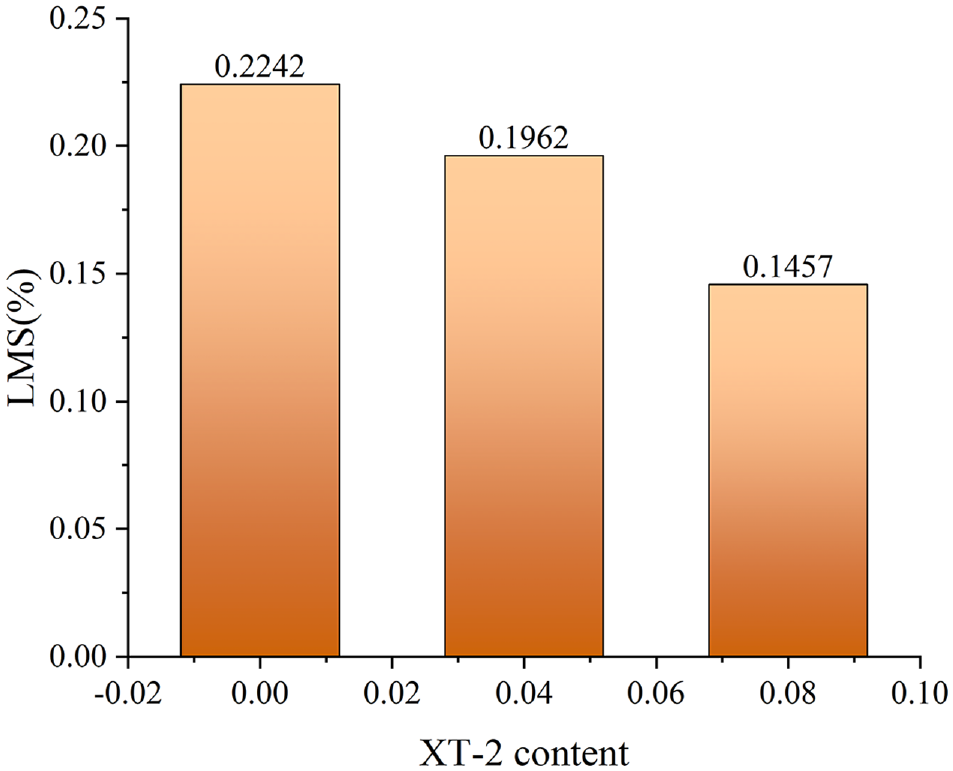
Large molecular size value of the samples with different XT-2 content.
Results and Analysis of AFM
Effect of Fusion Time on the Microstructure of Samples
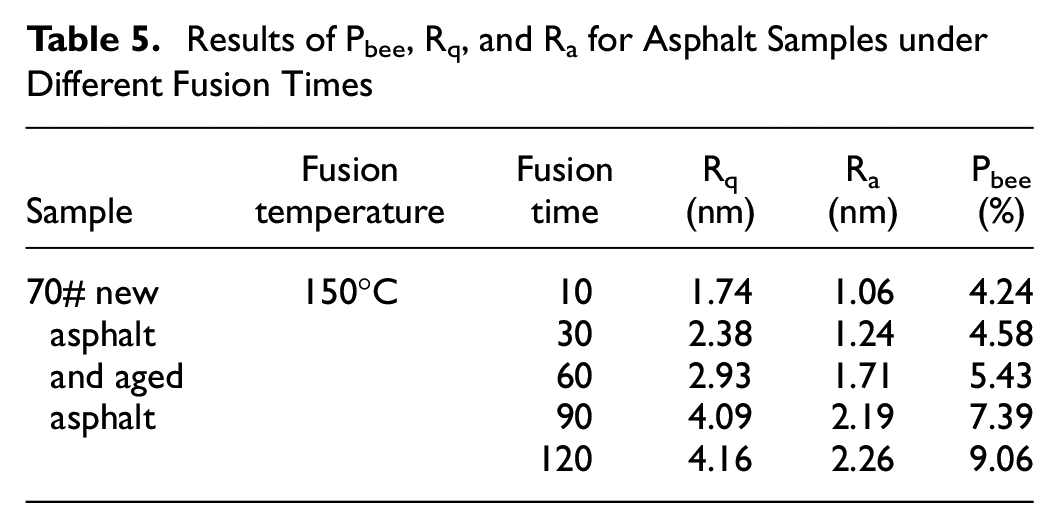
With increasing fusion time, the bee structures in Figures 21 and 22 continuously grow. These bee structures increase in height and become more numerous. According to Table 5, compared with the sample fused for 10 min, the Pbee of the sample fused for 120 min increases by 113%, and Rq and Ra also increase to 4.16 nm and 2.26 nm. The main reason is that the aged asphalt molecules on the new asphalt side become larger and the molecular polarity increases as fusion time increases. The light components and polar components are adsorbed around the wax crystal, which results in an increase in the number and area of bee structures.
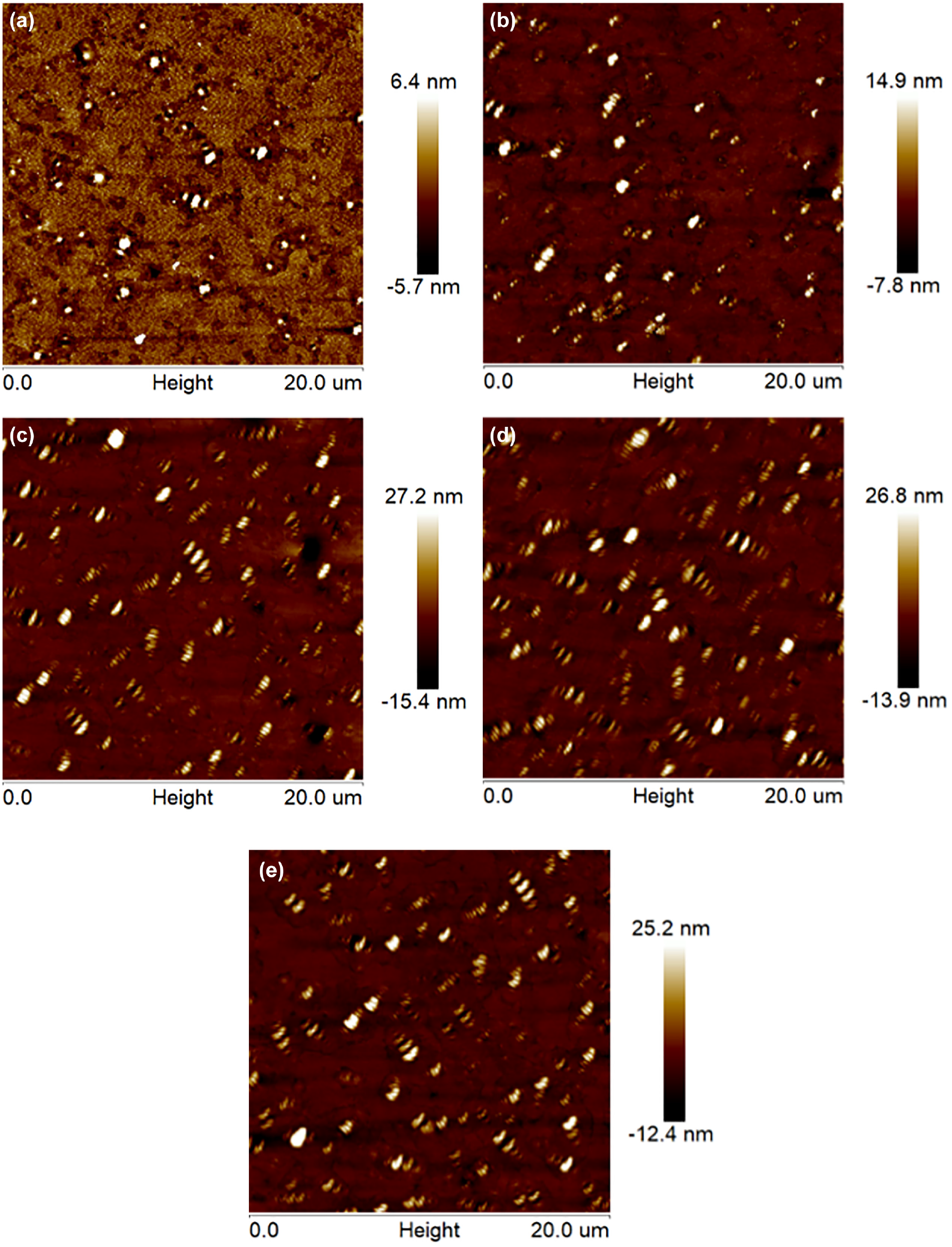
2D image of 70# new and aged asphalt under different fusion times: (a) 10 min, (b) 30 min, (c) 60 min, (d) 90 min, and (e) 120 min.
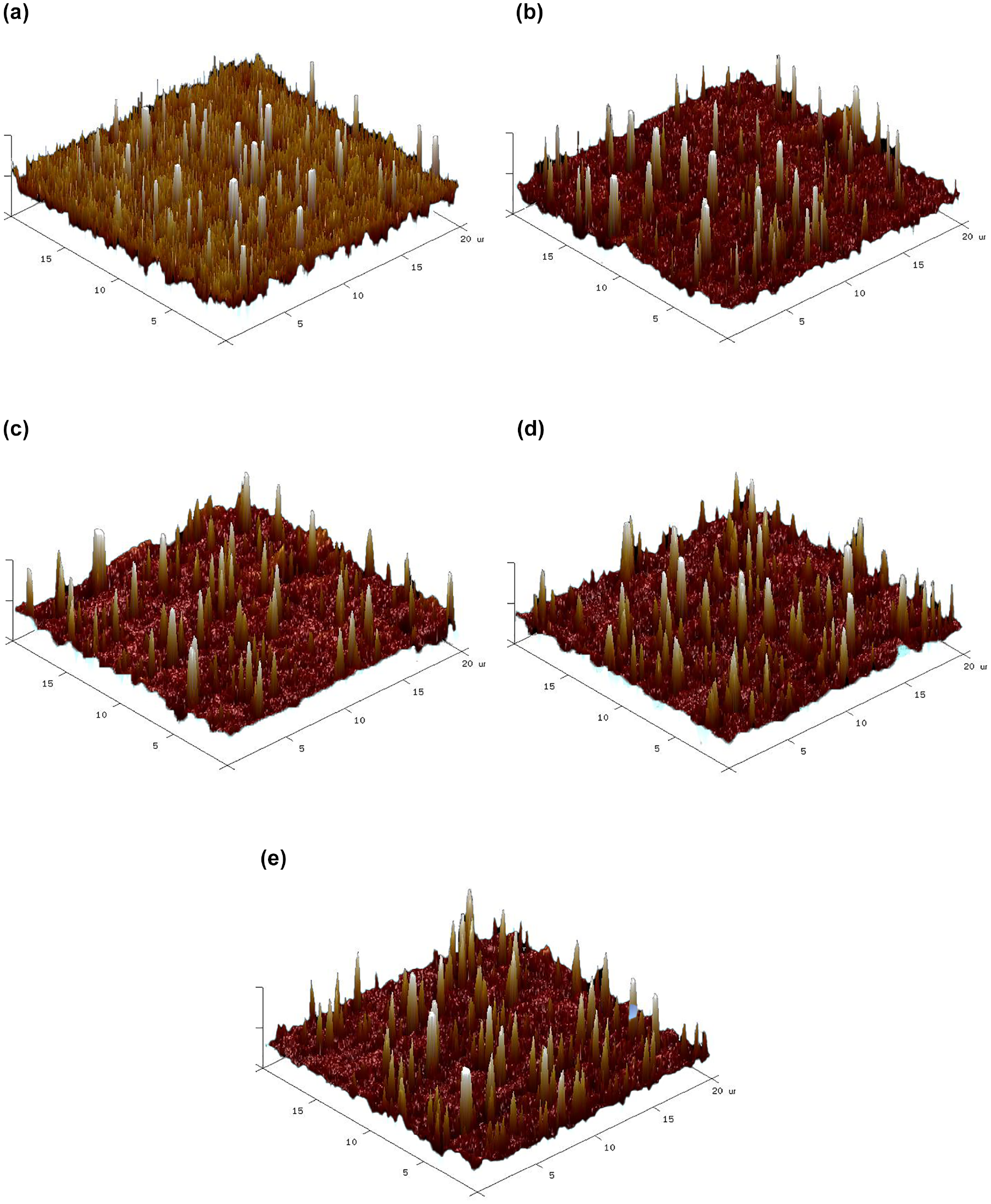
3D image of 70# new and aged asphalt under different fusion times: (a) 10 min, (b) 30 min, (c) 60 min, (d) 90 min, and (e) 120 min.
Results of Pbee, Rq, and Ra for Asphalt Samples under Different Fusion Times
Effect of Fusion Temperature on the Microstructure of Samples
It can be seen from Figures 23 and 24 that as the temperature increases, the bee structures increase and become more numerous. As shown in Table 6, when the temperature is raised from 90°C to 150°C, the Pbee increases by 7.47%. Rq and Ra also increase from 3.42 nm and 1.88 nm to 4.16 nm and 2.26 nm. The increase in temperature enhances the movement of asphalt molecules, which makes the large molecules on the new asphalt side increase and promotes the growth of bee structures.

2D image of 70# new and aged asphalt under different fusion temperatures: (a) 90°C, (b) 110°C, (c) 130°C, and (d) 150°C.
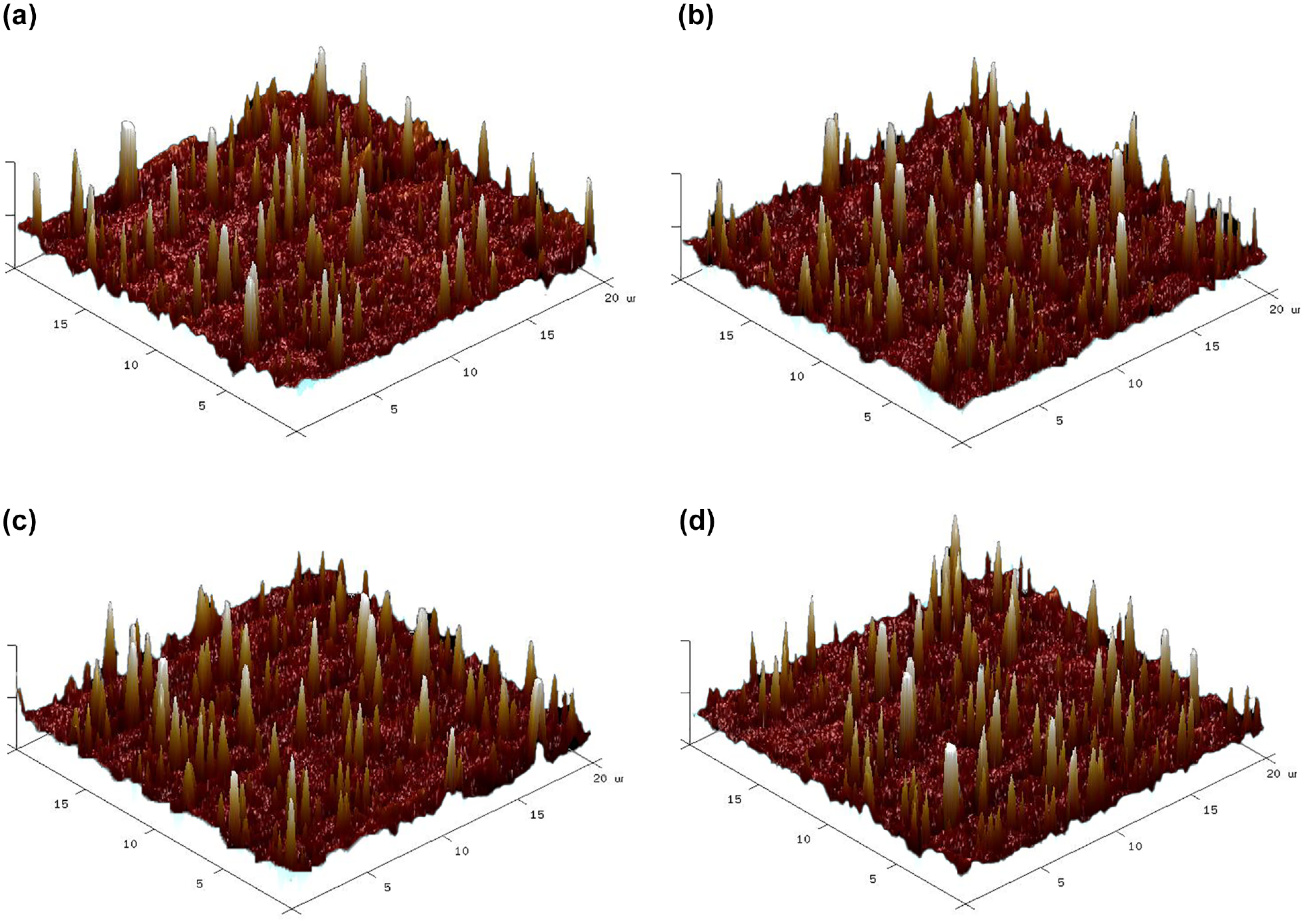
3D image of 70# new and aged asphalt under different fusion temperatures: (a) 90°C, (b) 110°C, (c) 130°C, and (d) 150°C.
Results of Pbee, Rq, and Ra for Asphalt Samples at Different Fusion Temperatures

Effect of Rejuvenator on the Microstructure of Samples
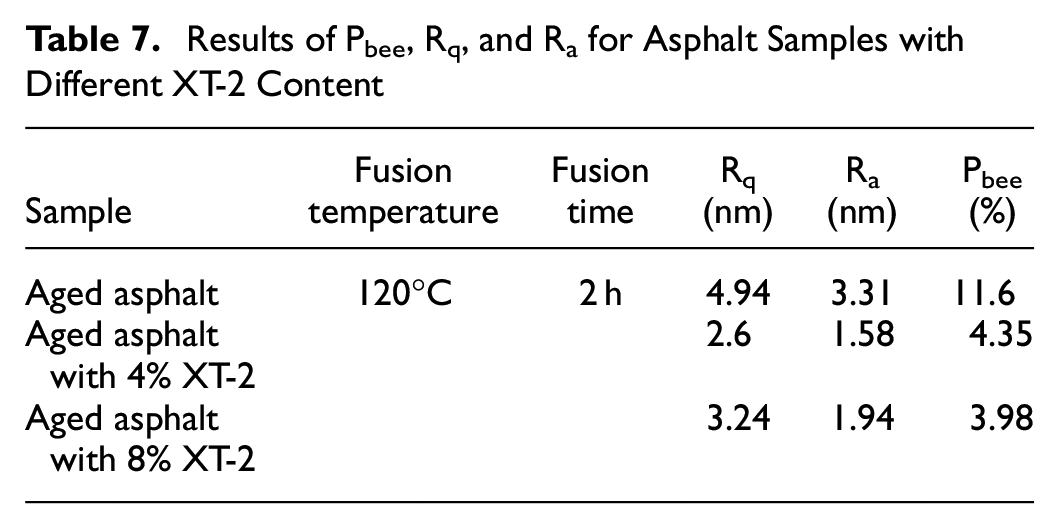
After adding the XT-2 rejuvenator, the smaller bee structures in Figures 25 and 26 are dissolved and absorbed. As can be seen from Table 7, the Pbee decreases when the content of rejuvenator is increased. The XT-2 contains mainly light components and special polymers, which dissolve the smaller bee structures of the aged asphalt and facilitate the aggregation of polar molecules near the wax crystals. Therefore, the number of bee structures decreases, but the area of individual bee structure becomes larger.
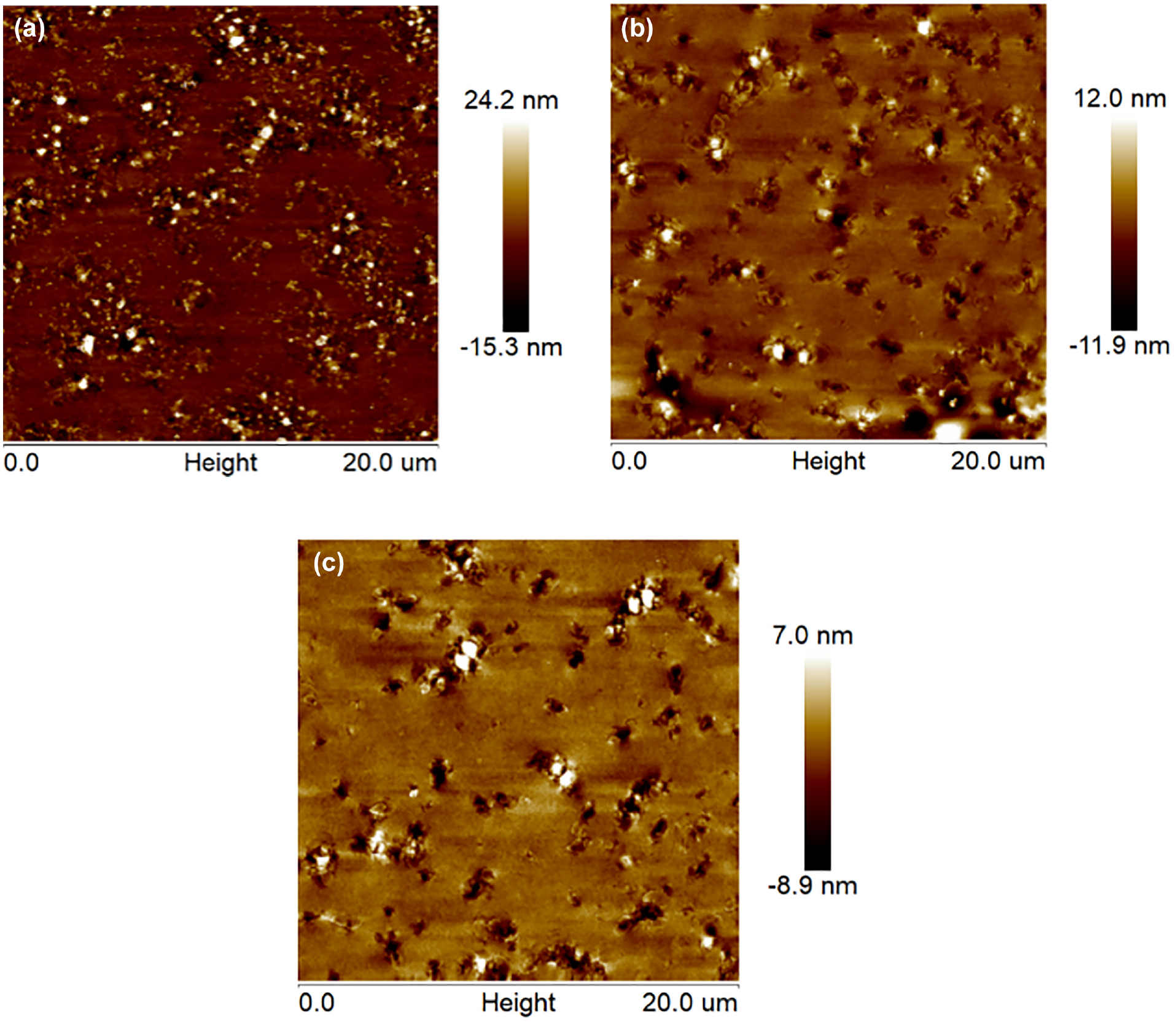
2D image of aged asphalt with different XT-2 content: (a) 0%XT-2, (b) 4%XT-2, and (c) 8%XT-2.

3D image of aged asphalt with different XT-2 content: (a) 0%XT-2, (b) 4%XT-2, and (c) 8%XT-2.
Results of Pbee, Rq, and Ra for Asphalt Samples with Different XT-2 Content
Correlation Between Fusion Behavior and Microscopic Indicators
The macroscopic fusion behavior of asphalt is an external expression of the movement of asphalt molecules in the microstructure of asphalt. The macroscopic performance indicators correlate closely to the molecular properties of asphalt. Therefore, it is necessary to study the correlation between the macroscopic and microscopic indicators of asphalt.
According to the determination coefficient (R2) of each fitting relationship in Table 8, each microscopic indicator has a good correlation with the macroscopic fusion behavior. Therefore, the diffusion activation energy and diffusion rate of new and aged asphalt can be better analyzed by microscopic indicators such as I(C=O), I(S=O), LMS, and Rq to analyze the fusion behavior of new and aged asphalt at the microscopic level.
Correlation between Fusion Behavior and Microscopic Indicators

Note: LMS = large molecular size.
Discussion
After aging asphalt macroscopically shear modulus and viscosity decrease, microscopically the average molecular weight becomes larger, the molecular weight distribution is not uniform ( 20 ), the bee structure increases, and the roughness increases. Various microscopic indicators of aged asphalt are improved after fusion with new asphalt. Research shows that controlling the time, temperature, and rejuvenation agent can promote the fusion of new and aged asphalt, which makes the fusion rate and the degree of fusion increase.
This study is characterized by the analysis of the effects of time, temperature, and rejuvenator on the fusion behavior of old and new asphalt from two perspectives: macroscopic properties and microstructure. In addition, the correlation between macro and micro indicators was also analyzed. In the future work we will investigate the influence law of different kinds of reclamation agents on the new and aged asphalt fusion, in order to provide guidance for the selection of rejuvenator.
Conclusion
(1) Higher temperature, longer time, and the addition of rejuvenator are beneficial to the fusion of new and aged asphalt, among which the effect of rejuvenator on the FD is the most significant.
(2) As the time prolongs, the I(C=O) and I(S=O) on the new asphalt side of the double-layer asphalt sample increase. Meanwhile, the polarity of asphalt molecules increases, the macromolecular content increases, the roughness increases, and the fusion of new and aged asphalt slows down.
(3) Temperature increases the kinetic energy of asphalt molecules, reducing molecular viscosity, making it easier for asphalt molecules to diffuse, increasing the diffusion rate and FD.
(4) The addition of rejuvenator supplements the lightweight component missing in aged asphalt and significantly improves LMS and Pbee. This reduces the diffusion activation energy of the asphalt molecules, resulting in a 4–5-fold increase in the new and aged asphalt diffusion rate and a near-complete FD.
(5) The macro-indicators correlate well with the micro indicators. This indicates that the micro indicators can well explain the diffusion activation energy and fusion rate of asphalt, and the macro–micro results are consistent.
Footnotes
Author Contributions
The authors confirm contribution to the paper as follows: study conception and design: Zhu Yunsheng, Wang Kaifeng; data collection: Liu Yang, Wang Kai; analysis and interpretation of results: Cheng Boyong, Wang Kai; draft manuscript preparation: Zhu Yunsheng, Cheng Boyong. All authors reviewed the results and approved the final version of the manuscript.
Declaration of Conflicting Interests
The author(s) declared no potential conflicts of interest with respect to the research, authorship, and/or publication of this article.
Funding
The author(s) disclosed receipt of the following financial support for the research, authorship, and/or publication of this article: This work was supported by the National Natural Science Foundation of China (No.52178437). The authors gratefully acknowledge their financial support.
