




Abstract
The results of this article propose three primary findings: first, the news media perpetuates and creates new stereotypes for women and women of color who run for political office; second, female journalists disproportionately write news articles about female candidates compared to their male counterparts; and finally, images of women in online news stories appear to be “vanishing,” with news articles supplementing media elements with videos and infographics.
In the past few years, a surge of women and people of color have run for political office in the United States (Wasserman, 2018). The 2018 Midterm election has been referred to as the “Year of the Angry College-Educated Female” (Wasserman, 2018) and “The year black women are taking power in politics” (Carr & Peeler-Allen, 2018). In addition, 2018 was the first year in U.S. history where female Democratic women outperformed their male opponents (Wasserman, 2018). This shift also resulted in a substantial number of political candidates running for the 2020 Presidential election. Upward of 20 individuals announced their run for the White House to oppose incumbent Donald Trump. Of those numbers, six women officially began their campaign. In addition, two of the six women were women of color, Kamala Harris and Tulsi Gabbard. However, by March of 2020, all women formally suspended their campaigns.
While the implications of these campaign events are still ongoing, it is imperative to document the ways in which this campaign was covered by the news media. Unfortunately, while research has found some important trends in media coverage, there has also been negligence at fully understanding the complexity of traits beyond race or gender. A consistent pattern that occurs in past and current research is the exclusive focus on gender (Dolan, 2005; Dolan & Lynch, 2016; Funk & Coker, 2016; Herrick, 2016) or racial stereotypes (Domke et al., 1999; Mastro, 2015; Payne, 2010; Scharrer & Ramasubramanian, 2015). Considering this, researchers appear to be missing the larger narrative as to how identity plays into media stereotyping. Indeed, identity is more than just race or gender and includes aspects such as religion, political party, sexual orientation, socioeconomic status and/or disability. Discounting these traits unfortunately leads to findings that may not be providing the whole picture as to what is portrayed in the media.
When considering the status of research in gendered and racial political communication, there is scholarly work that examines how the news media develops and perpetuates stereotypes. These portrayals come through commercials, pictures, news articles and many other modes of communication. Documentation of stereotype usage for candidates has been studied for decades, and while there has been progress in the ways that candidates are framed, there are still concerns regarding current representations. Methodologically, researchers also frequently observe text or image in news; however, studies show how assessing both can increase contextual understanding (Nilsen & Turner, 2014).
Notably, the news media recognized the role of identity in the 2020 election, with several articles being published after the final woman suspended her campaign. Some of these articles include, “Did Gender Keep Democratic Women from Winning the Presidential Primary?” (Kurtzleben, 2020), “Why Warren Dropping Out Shouldn’t Cause Women to Give Up Hope” (Burke, 2020) and “A Promising 2020 Presidential Campaign for Women Falls Short” (Novek & Dale, 2020). Furthermore, other articles acknowledged the lack of racial diversity with articles titled: “#DemsSoWhite? Kamala Harris’ Exit Raises Hard Questions about Race and Power” (Khalid, 2019), and “Democrats Scrutinize Party’s Diversity After Harris Exit” (Thomas, 2019). These concerns from constituents and the media warrant an exploration into why diversity continues to be an issue in modern U.S. politics. The methodological approach includes a thorough content analysis of mainstream newspaper headings, primary images, and the text of the article on the major gender and gendered racial moments of the campaign. The news sources selected include the top, partisan, private news sources in the United States: USA Today, The New York Times, The Washington Post, The LA Times, and Fox News. Critiquing the media on both sides of the partisan spectrum can ultimately lead to change, as the coverage of the 2020 election is no exception to stereotypical framing. Coverage of breadth and depth of the women and women of color in the U.S. Presidential election will glean answers on the perpetual struggle to break the “ultimate glass ceiling.” The results of this article propose three primary findings: first, the news media perpetuates and creates new stereotypes for women and women of color who run for political office, second, female journalists disproportionately write news articles about female candidates, and finally, images of women in online news stories appear to be “vanishing,” with news articles supplementing media elements with videos and infographics.
Methods
A quantitative textual and visual analysis was conducted in this research. A quantitative content analysis is considered an “empirical method for the systematic analysis of well-defined audio, textual, visual, and/or audio-visual media content” (Bok et al., 2011, p. 265). As there are many different units of analysis, the researcher has the flexibility to select all available content or use a representative sample (Bok et al., 2011). The use of content analysis with media messages is useful as it can show trends in content of media messages (Bok et al., 2011).
Bok et al. (2011) specifically focus on the visual analysis of content in journalistic images. Visual content can be described as any graphic image, including photographs, moving images, sculptures, drawings and paintings (Bok et al., 2011). Exploring the visual is particularly useful as stated by Bell (2001): Visual content analysis is a systematic, observational method used for testing hypotheses about the ways in which the media represent people, events, situations, and so on. It allows the quantification of samples of observable content classified into distinct categories. (p. 14)
As such, the visual content analysis can show who or what the media represents and illuminate emerging visual themes. These themes are often described as frames, wherein “editors predict what an audience will find appealing or important” (Scharrer, 2002, p. 395). However, when this decision is made, “an interpretation of ‘reality’ is advanced” (p. 395). Some of the frames prevalent in this research include the conflict and the human-interest frame. Bartholomé et al. (2018) writes that conflict framing is central to political news coverage but has suffered from a “lack of consistent conceptualization” (p. 1689). The conflict frame presents elements of disagreement, tension between opposing sides or politicians attacking one another in the media. The conflict frame is often displayed in political debates (Bartholomé et al., 2018). Cho and Gower (2006) stress that the human-interest frame “puts a human face and emotional angle to the presentation of an event, issue, or problem, so it makes people regard the crisis as serious, urgent, or dangerous” (p. 420). The human-interest frame in news is argued to influence how the public responds to a crisis. Examples of “conflict” in the campaign include references to the Ford-Kavanaugh hearings or Sanders’ allegedly saying to Warren that a “woman couldn’t win.” Human-interest frames are correlated with an emotional response from news consumers (Cho & Gower, 2006).
Selection of Unit of Analysis
The selection of news articles began when the first female politician announced her candidacy to run for the 2020 U.S. Presidential Election (Elizabeth Warren on February 9, 2019). The articles during that time continued to be collected until 1 month after the November election (December 4, 2020). Biden’s formal announcement of a running mate came mid-August of 2020 and Kamala Harris was selected. As a woman of color was his running mate, the data collection continued past the election to capture the news that followed her eventual nomination.
Over the course of the campaign, the assortment of news articles was based on what were largely identified as “gender moments” and “gendered racial moments” in the news media. Gender moments are a concept originated by Dustin Harp’s (2019) book on the events of the 2016 election. The purpose of the book was to explore significant occurrences in the 2016 election that were laden in gendered discourse. Harp (2019) followed the 2016 election closely and would document what she defined as “gender moments” (p. 17). Harp (2019) then selected news content from both mainstream and well-known alternative/partisan websites in order to identify how these events were talked about, and to document the dominant and marginalized voices. The current research followed the gendered moments concept but extended the research in several ways. First, was a quantitative content analysis that was applied to these moments, as Harp (2019) used a qualitative discourse analysis. Harp (2019) also looked at a variety of news sources, including Twitter and popular culture responses to the campaign. This research only observed the top news sources in circulation in the United States (accounting for private ownership and partisan representation). These sources included, USA Today, The New York Times, The Washington Post, The Los Angeles Times, and Fox News (online news articles) (Watson, 2021). Although Fox News is primarily a television network, the station also provides online news stories that are in wide circulation for the reading public. The inclusion of these news sources covered the primary agenda setters for newsreaders in the United States on both sides of the political partisan spectrum (University of Michigan Library, 2020). These sources are also owned privately and are not government funded.
Another extension was the inclusion of gendered racial moments. This addition acknowledges that some issues in the news media are not exclusive of gender, but also involve race. As there were both women and women of color who ran for Office, it was important to note the distinctions and similarities in news coverage. According to previous literature, women of color experience different coverage and additional barriers when running for political office (Van der Pas & Aaldering, 2020; Ward, 2016). To acknowledge this pattern, gender moments and gendered racial moments were explored. The key words that were used to collect articles included (a) the six women running for president, (b) Sander’s allegedly stated to Warren that a woman could not win, (c) electability in the 2020 election, (d) The New York Times endorses two women, and (e) Joe Biden’s selection of a woman of color as his running mate. All articles were collected from the five news sources on these topics, which resulted in 204 unique articles.
Quantitative Analysis
The study consisted of a detailed content analysis of 204 articles from the five news sources listed above. Overall, three coders were trained to identify the presence or absence of variables in online news articles. Coders analyzed each articles heading, the text of the article, and the primary image at the beginning of the article. Intercoder reliability was determined by coding a random sample of 20%. The codebook was established using prior research as well as new variables through an initial coding sample and qualitative research.
Coding
The coding process was conducted in several stages. The first stage included a general reading of articles to identify emerging language and visual frames that were not included in prior research. The election was followed closely with this research in mind, so variables were added based on that monitoring. Once the codebook was completed, the researchers participated in training and coded five articles. The coders met and discussed findings and clarified some of the codebook elements. Once the five were completed, the intercoder reliability was conducted to code 20% of the total articles. After achieving reliability (d = .82) (Cohen, 1988), two of the three coders finished the remaining articles. The data set was downloaded from the survey software (Qualtrics) and transferred to the statistical software, SPSS, for analysis of descriptive results and chi-square/crosstabs analysis.
The coding was divided into three sections: the title of the news article, the text of the news article, and the primary image at the beginning of the news article directly under the title. The full codebook can be found in the Appendix of the article. In sum, the coders identified the presence of sex (North, 2014), which candidates were mentioned, feminized and masculinized policy issues, feminized and masculinized traits (Bystrom et al., 2001; R. L. Fox & Lawless, 2010; Major & Coleman, 2008; Van der Pas & Aaldering, 2020), racial elements (Domke et al., 1999), novelty (R. L. Fox & Lawless, 2010; Van der Pas & Aaldering, 2020), sexism or bias against women was coded, along with the use of mother/marriage/grandmother, a woman’s viability (Van der Pas & Aaldering, 2020), being a white man, white old man, or only men left and mentioning of being a diverse female (i.e., woman of color, diverse women, black/African American woman).
After these elements were coded in the articles, the primary image of the news article was coded. While traditional newspapers often feature a cover page image, the news articles of today may include different elements, such as a video, no image or video or a graphic (cartoon image/graph/interactive digital component). To simplify this occurrence, only the images were used in the research study. Next, the images were narrowed based on the presence of female candidates in the image. Some images included only male candidates or no candidates at all, so these images were excluded from the coding. After this process, there were 97 pictures left in the content analysis.
Coders were first asked to select “all that apply” of the female candidates in the image. This was followed by identification of the two frames from An and Gower (2009). First, was the “conflict frame,” which asked, does the story reflect disagreement between parties/individuals? Does the story refer to winners and/or losers? The second was the “human interest frame.” This frame inquired if the story provided a human example or “human face” on the issue, if the story contained visual information that might generate feelings of outrage, empathy, caring, sympathy or compassion, or if the story went into the private or personal lives of the actors. After these frames, the facial expression of the candidates was coded. Next, based off several researchers was “social distance” (Hall, 1972; Jewitt & Oyama, 2001; Kress & van Leeuwen, 1996). These distances were defined as “close shot,” “medium shot,” “long shot” and “extra-long shot.” Finally, the ascensional angle was documented, which states that the face is “lifted towards a supernatural light which draws it up and elevates it to the realm of a higher humanity” (Matamoros, 2010, p. 328). After an extensive review of content on this subject area, the following hypotheses were drafted for study:
Furthermore, the following research questions was developed to explore the latent findings of the news coverage:
Results
Descriptive Statistics
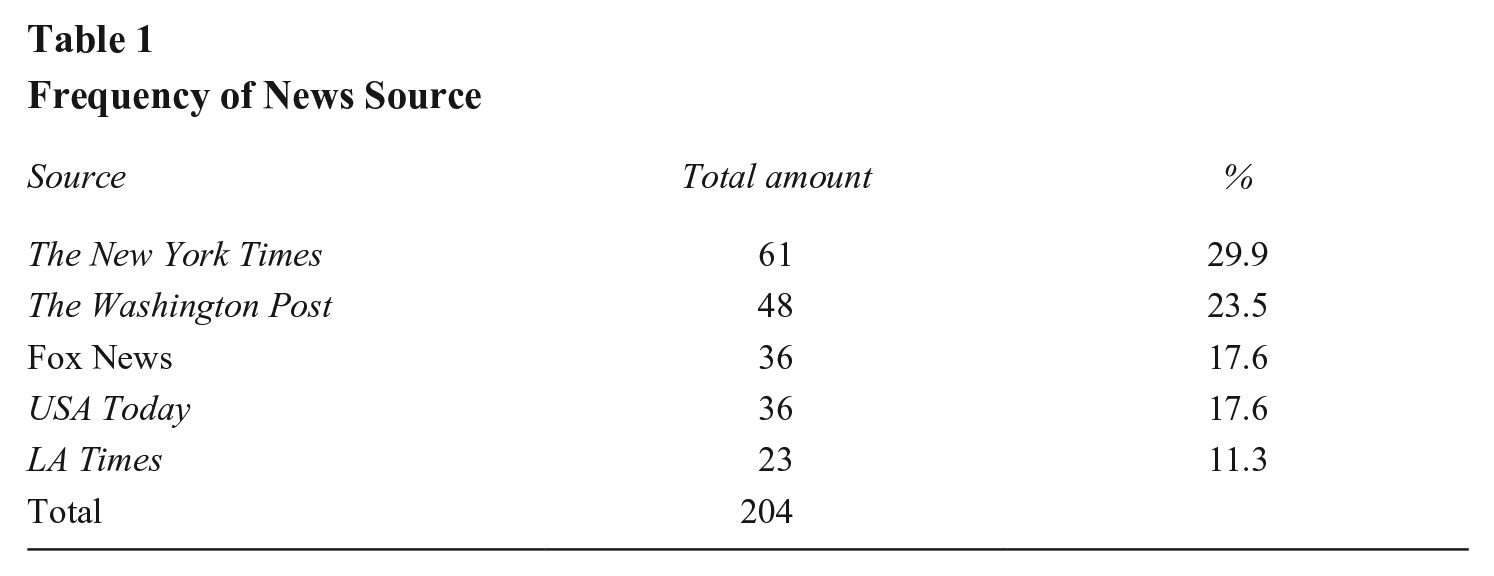
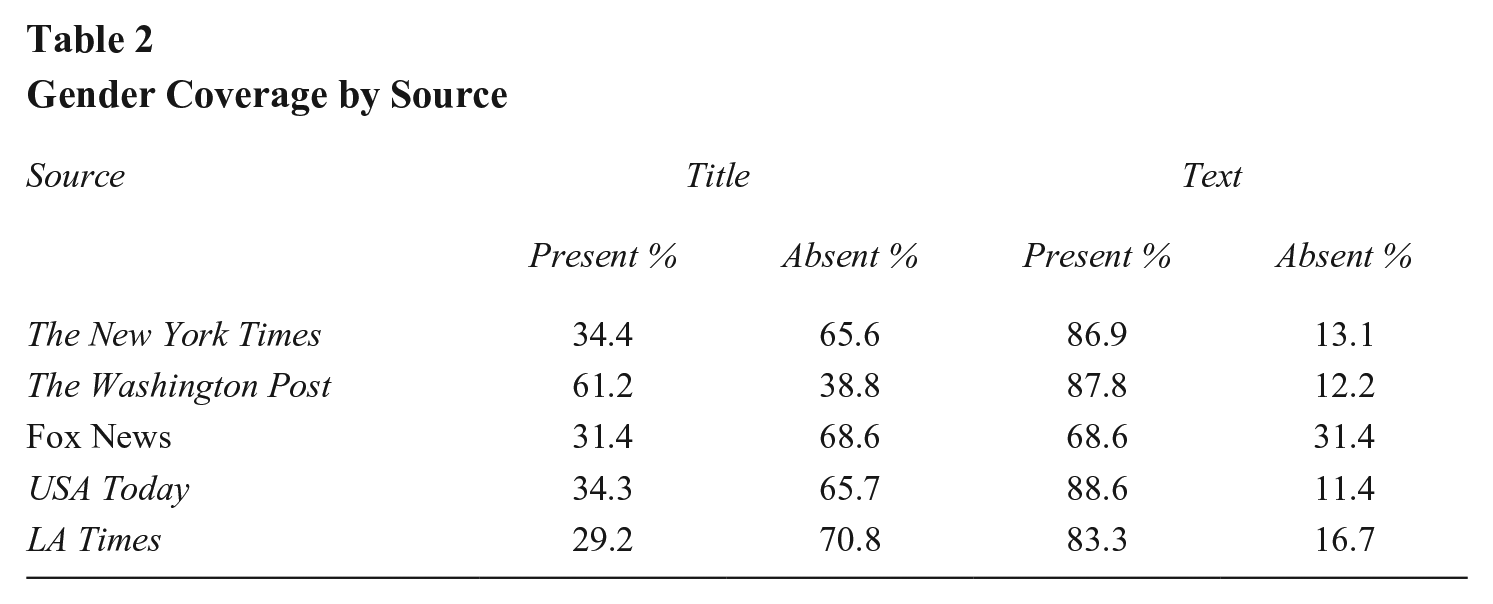
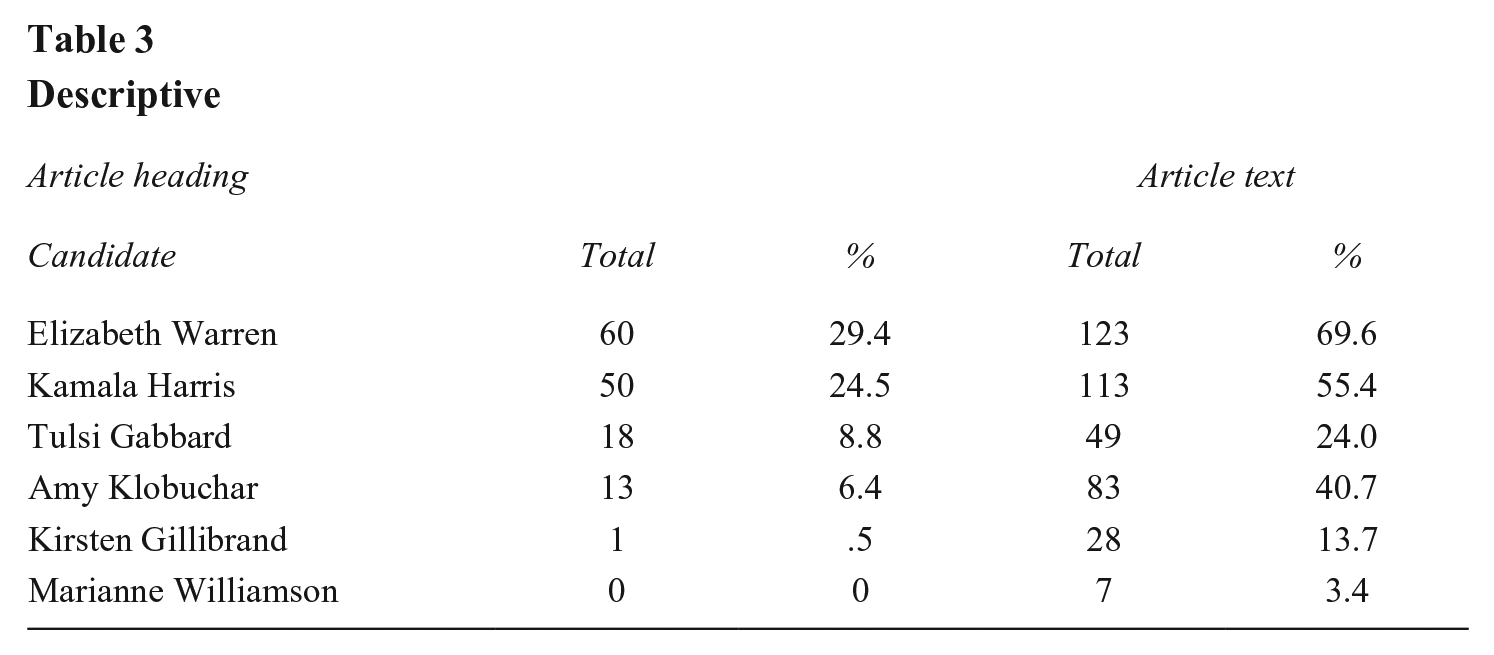
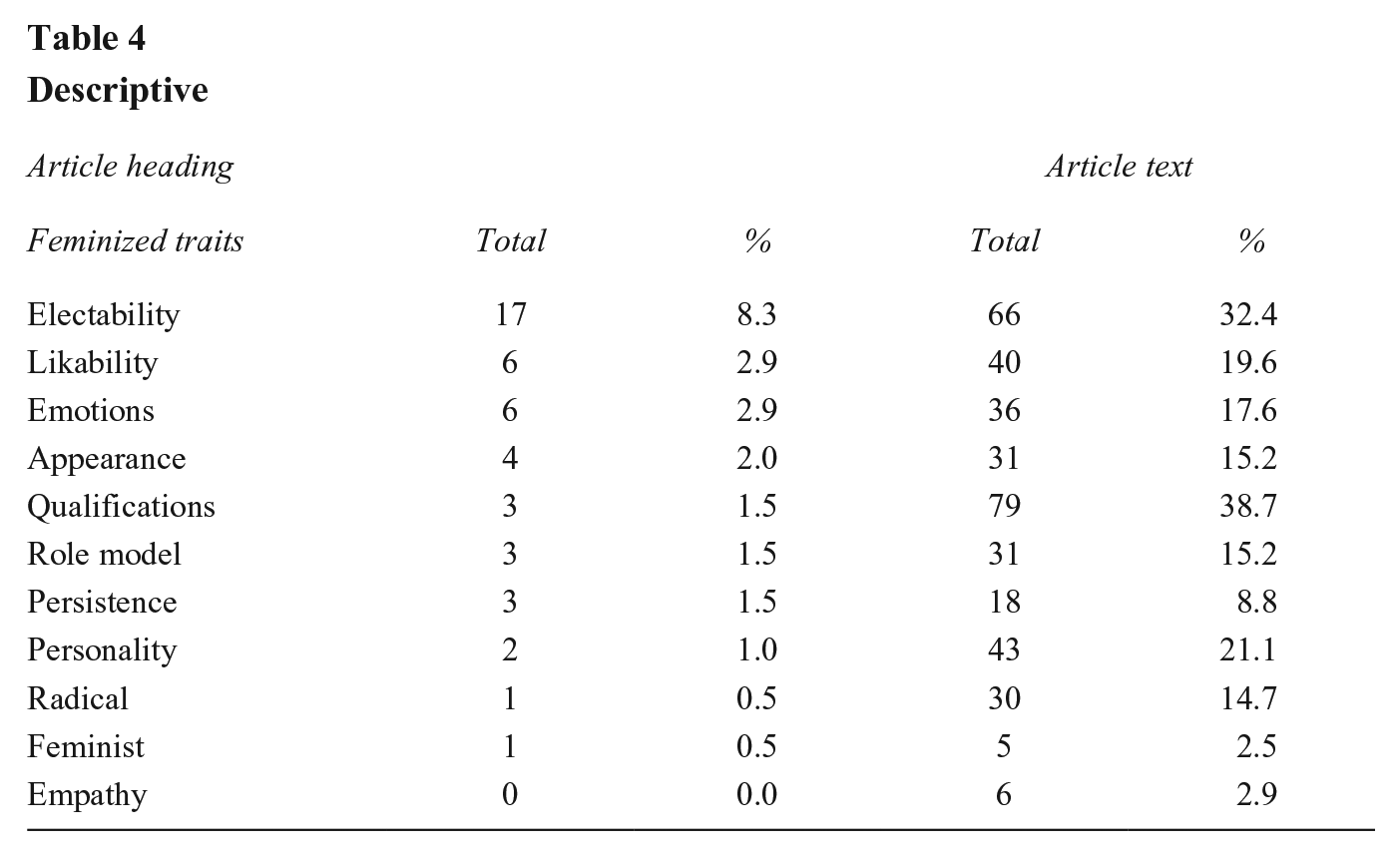
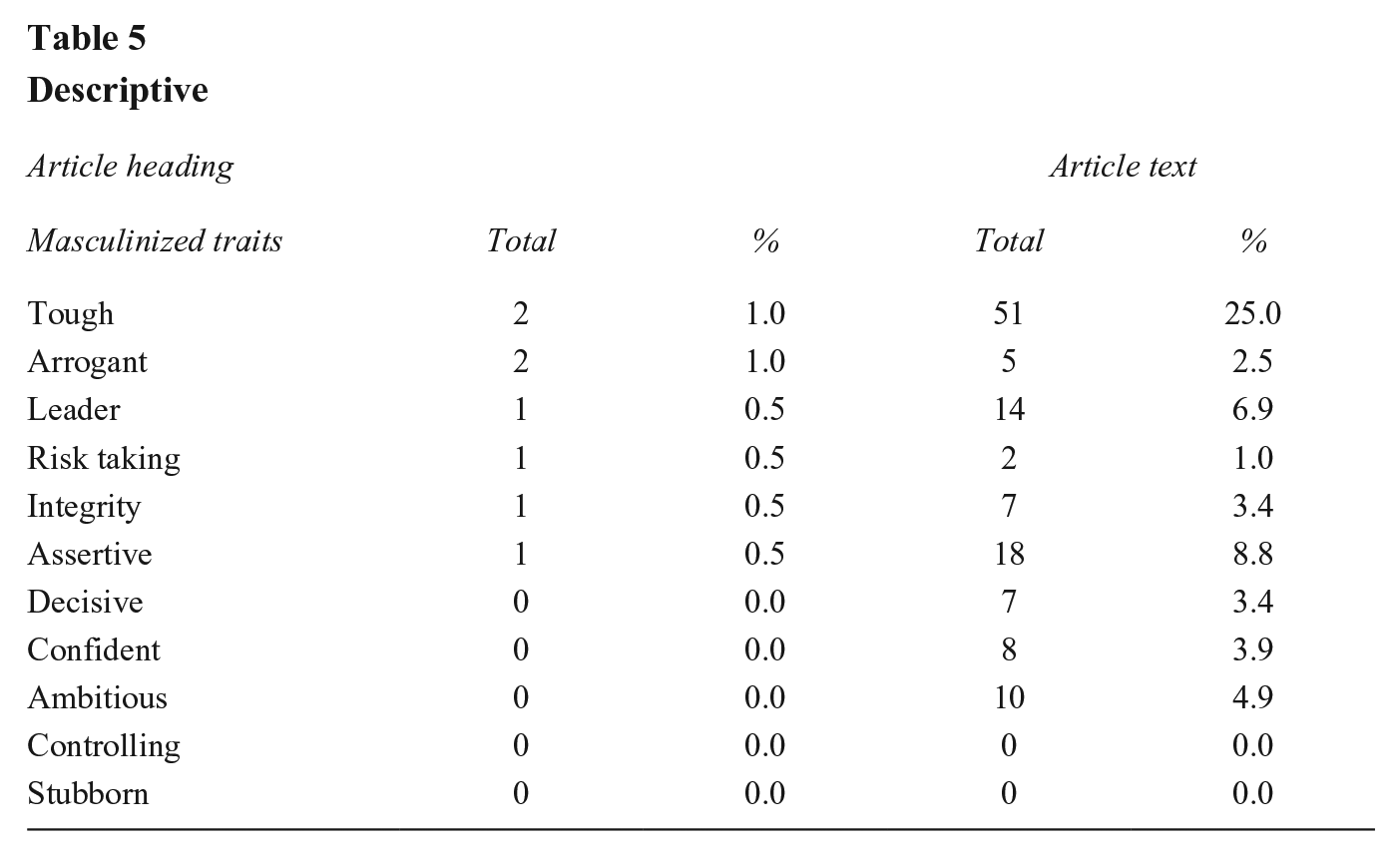
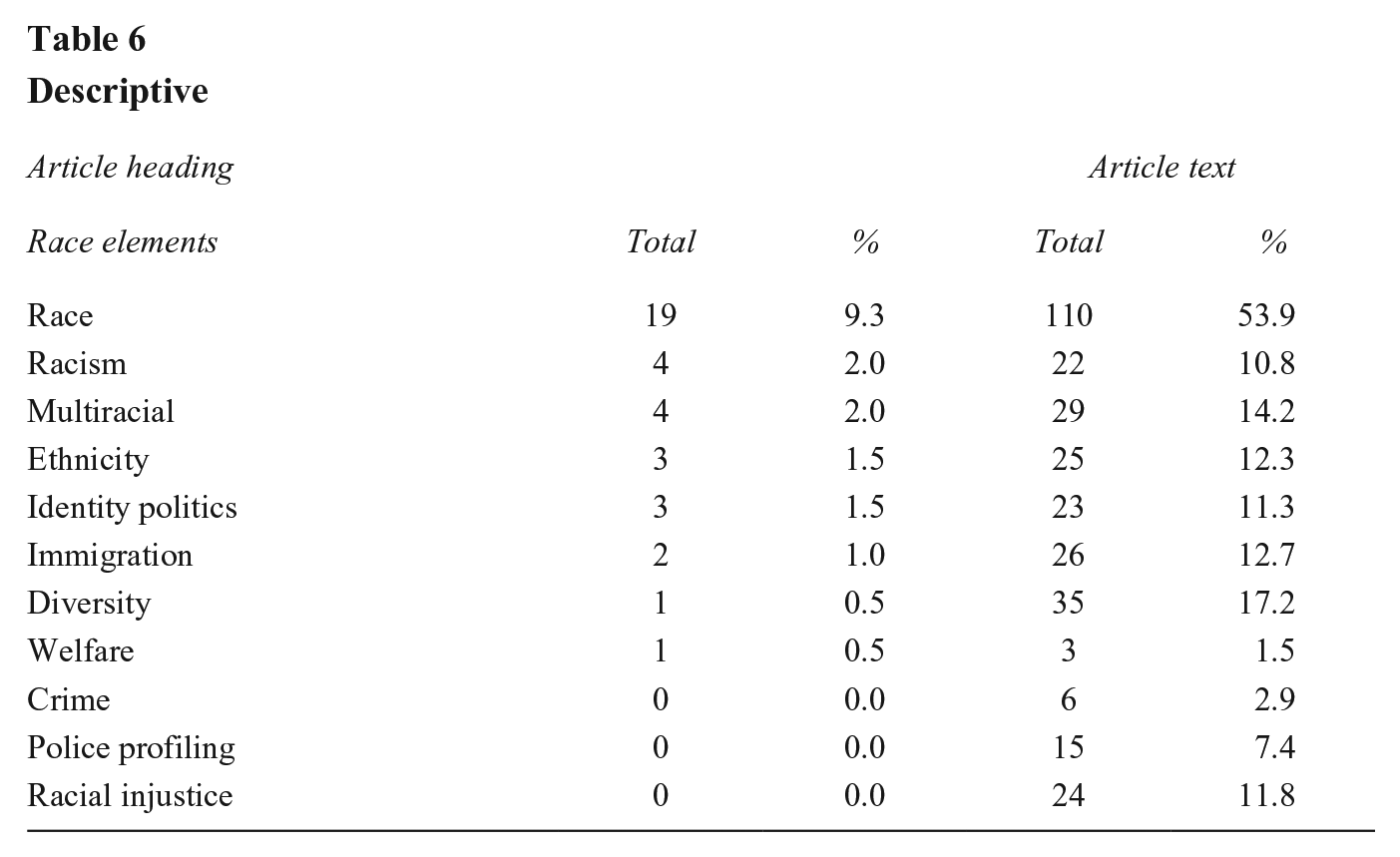
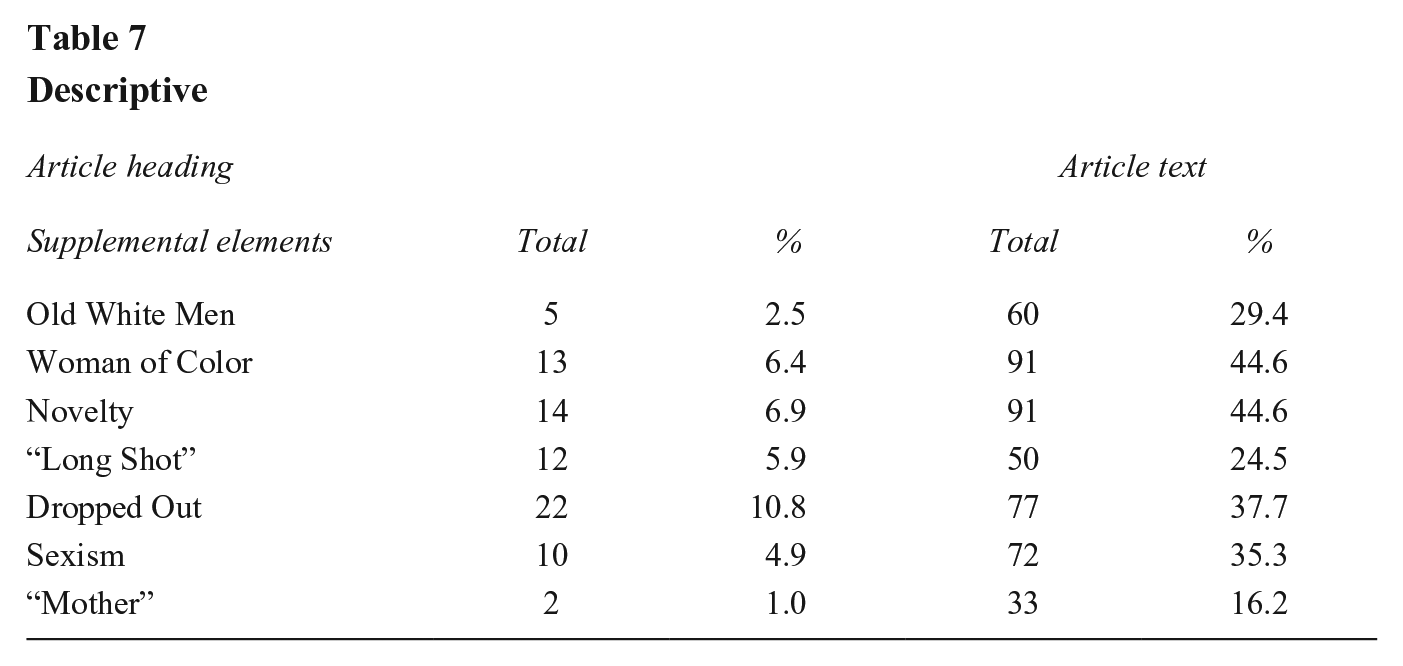
As stated, 204 articles were collected and analyzed by the title, the first image (media element) and the text of the article. Descriptive results about news sources and candidates are in Tables 1 to 3. Regarding the authors of the articles, 121 (59.3%) were women and 100 (49.0%) were men. The title of the articles mentioned the gender of the female candidate in 80 article titles, totaling 39.2%, while the text of the article highlighted gender 172 times (84.3%). There were no statistically significant differences between news sources on reporting gender in the article text. However, The Washington Post did report on gender at a significantly higher rate than all other news sources in the heading, x2(4) = 12.732, p < .05, (see Table 2). There was a total of 44 feminized stereotypical traits in the title and 385 mentions in text (Table 4). With masculinized stereotypes, eight were present in the title and 122 were featured in the text (Table 5). Mentioning of policy issues was nearly absent in the titles, with feminized policy issues never being mentioned and masculinized policy issues only stated once. Feminized policy issues in text were mentioned 58 times while masculinized policy issues were included 45 times. Racial elements in text included 318 statements; this breakdown can be found in Table 6. Finally, the supplemental variables that were added, such as “woman of color” or “sexism” can be found in Table 7.
Frequency of News Source
Gender Coverage by Source
Descriptive
Descriptive
Descriptive
Descriptive
Descriptive
Images
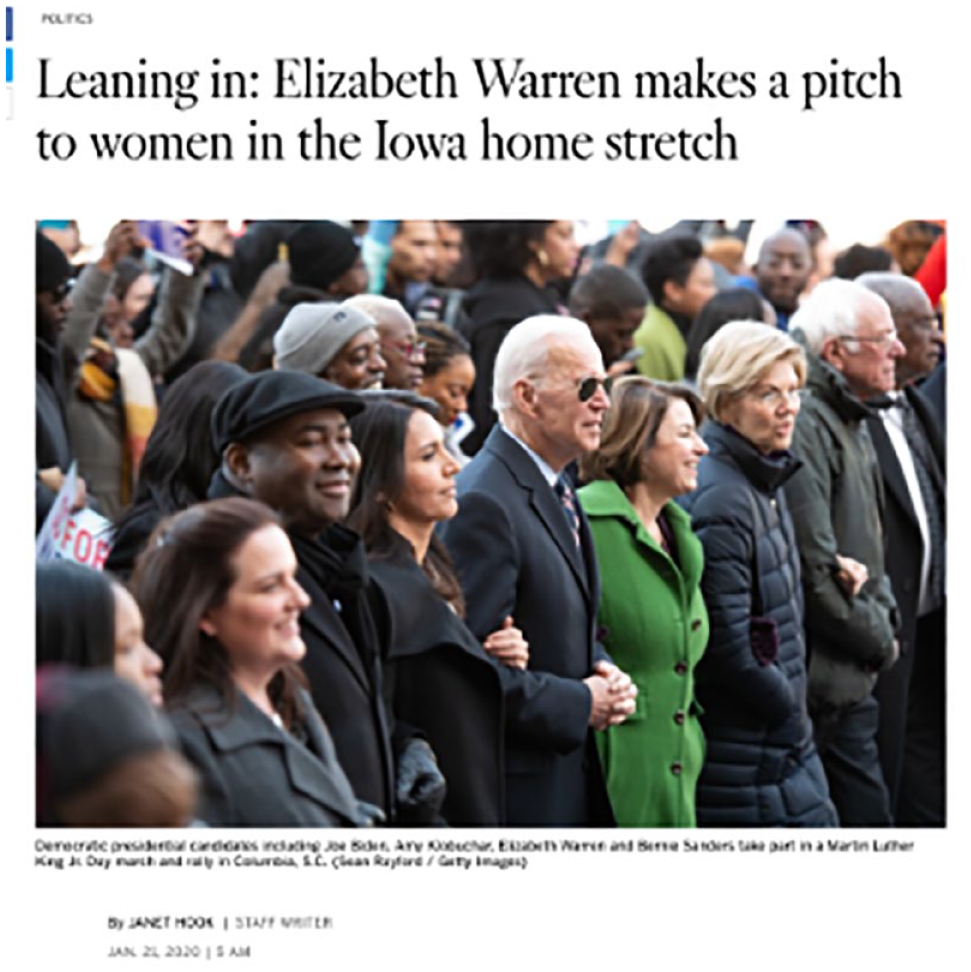
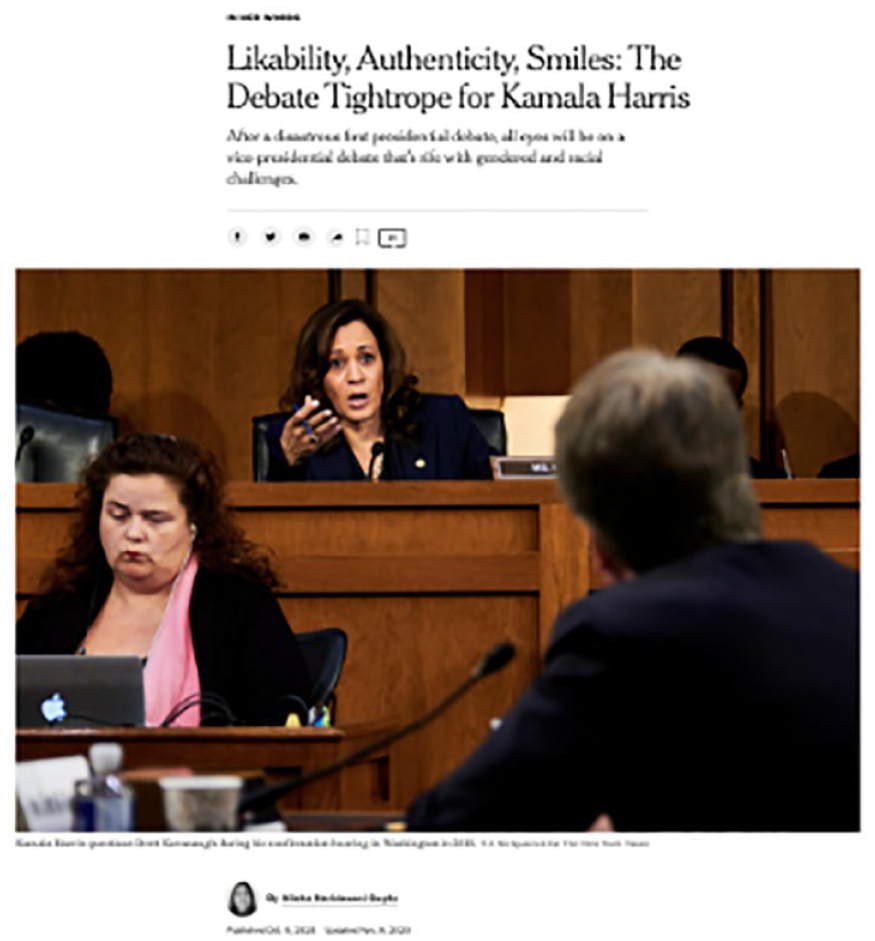
The media element at the beginning of each article was also coded. Of the 204 articles, there were 117 images (57.4%), 81 videos (39.7%), 4 blank media elements (2.0%) and finally, “other” (which may include an interactive graph etc.), 2 (1%). Of the 117 images, 97 (80.8%) featured at least one female candidate. The images that included women candidates were coded in further detail. Of the images with female candidates, Kamala Harris was in 31 (31.9%), Elizabeth Warren was in 31 (31.9%), Gabbard was in 16 (16.49%), Marianne Williamson was featured in 11 images (11.3%), Kirsten Gillibrand was in 2 (.02%) and Amy Klobuchar was in 3 (.04%). The human-interest frame was present in 17 (17.5%) (see Figure 1), and the conflict frame was in 20 images (20.6%) (see Figure 2).
Human-Interest Frame
Conflict Frame
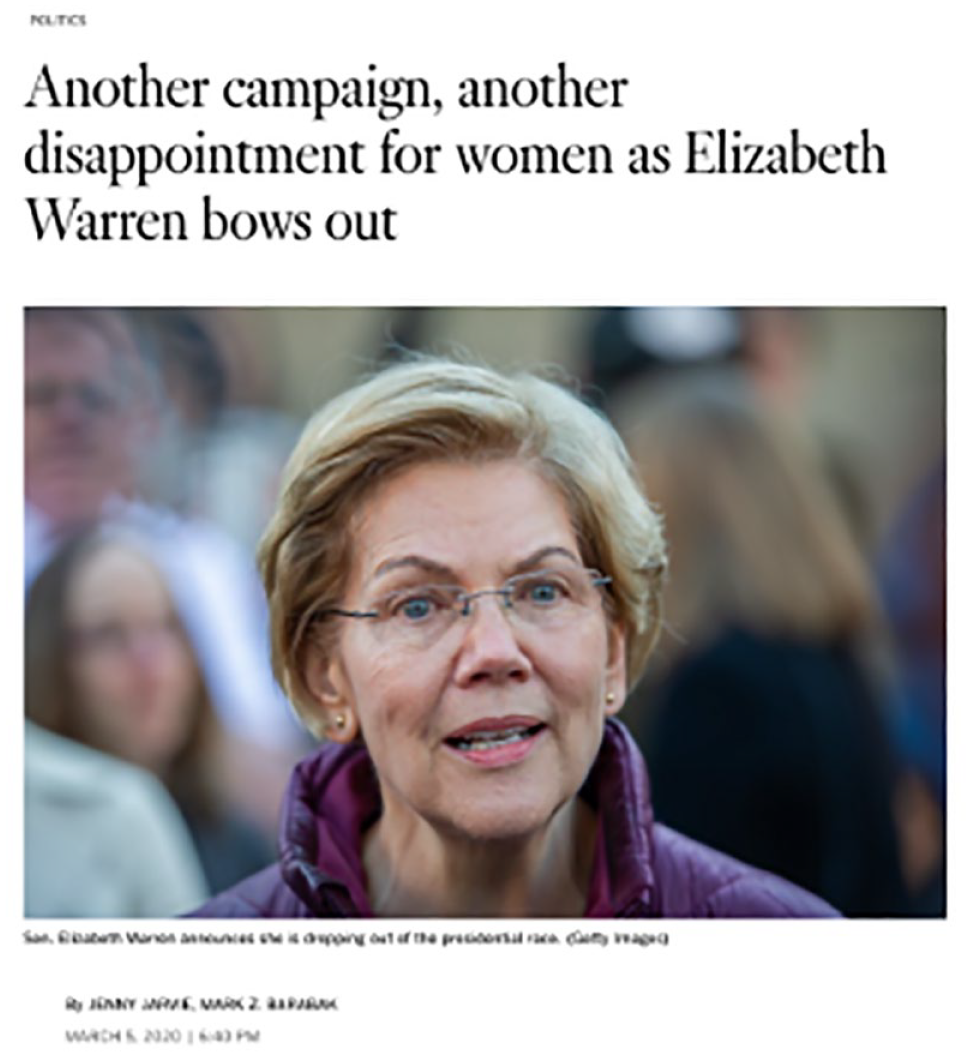
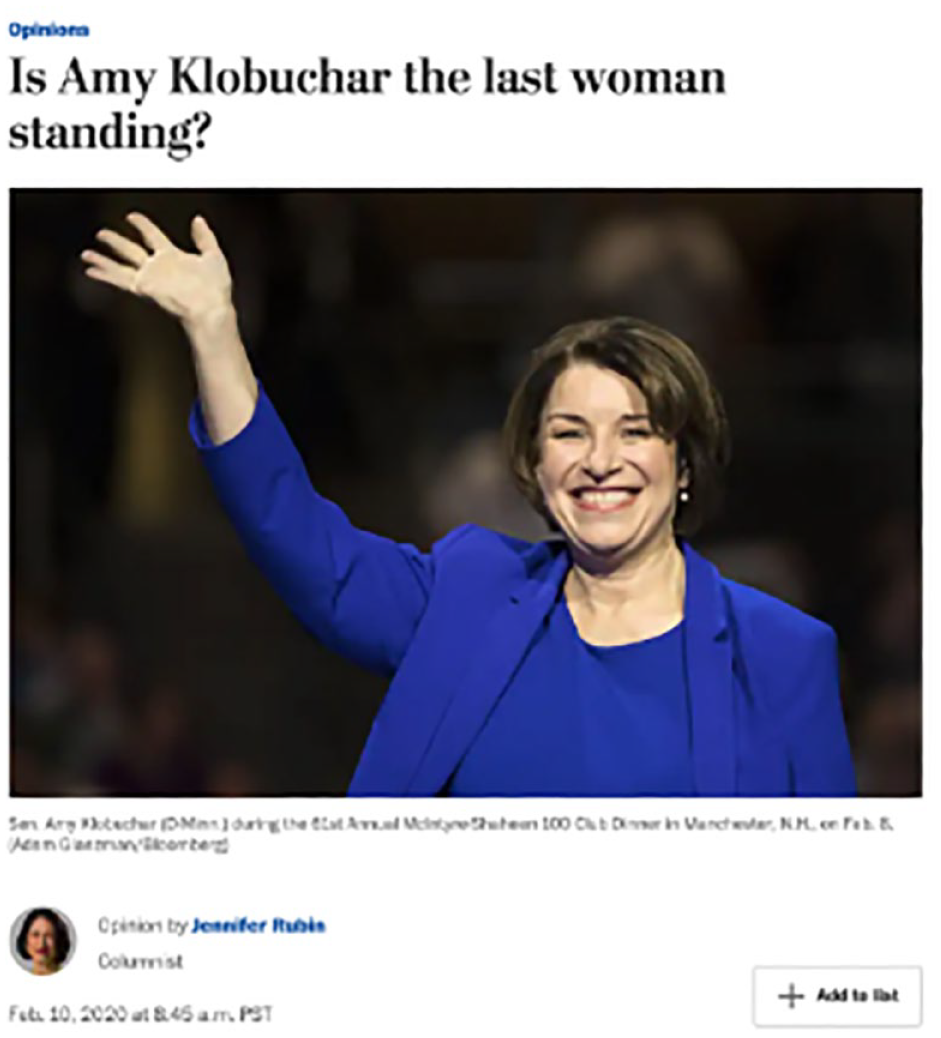
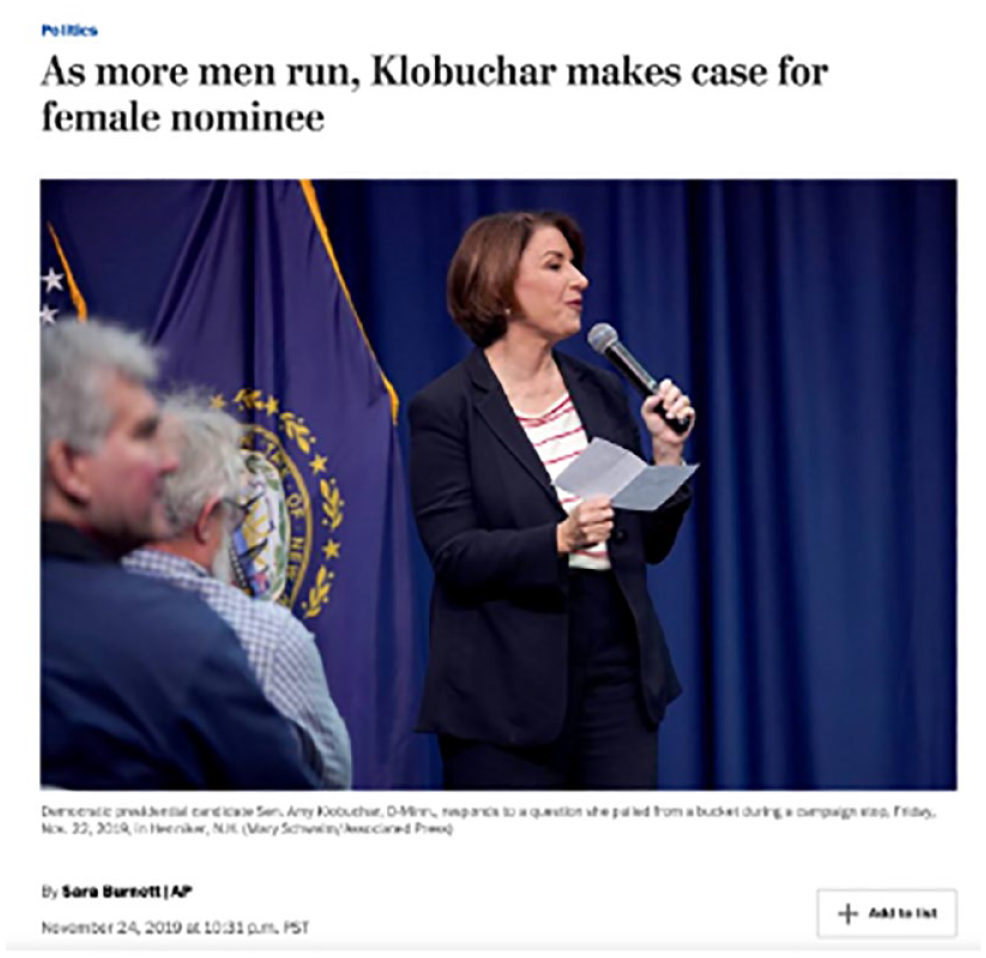
Regarding social distancing, there were 12 (17.9%) close up shots (see Figure 3), 24 (35.8%) medium shots (see Figure 4), 24 (35.8%) long shots (see Figure 5) and 7 (10.4%), extra-long shots (see Figure 6). Facial expression of the female candidate’s consisted of 39 (58.2%) positive (see Figure 7), 4 (.06%) negative (see Figure 8), 16 (23.9%) stern/pensive/focused (see Figure 9), and 17 (25.3%) neutral (see Figure 10). Finally, there were 11 (16.4%) ascensional images (see Figure 11).
Close Shot
Medium Shot
Long Shot
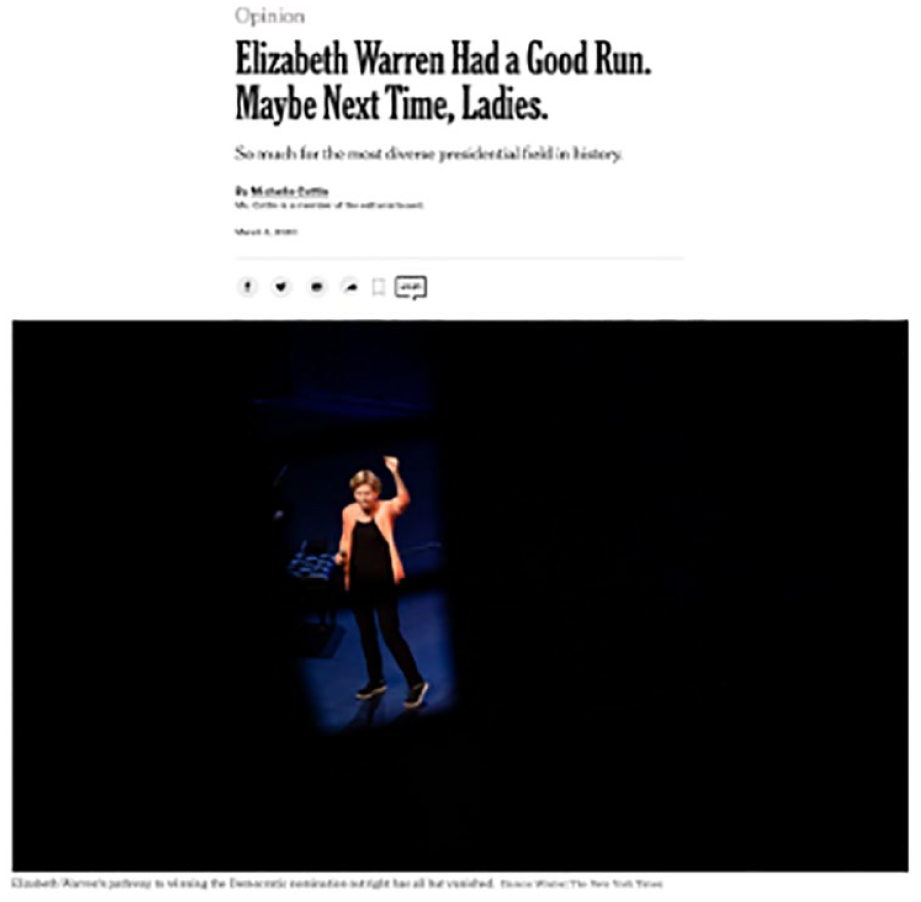
Extra Long Shot
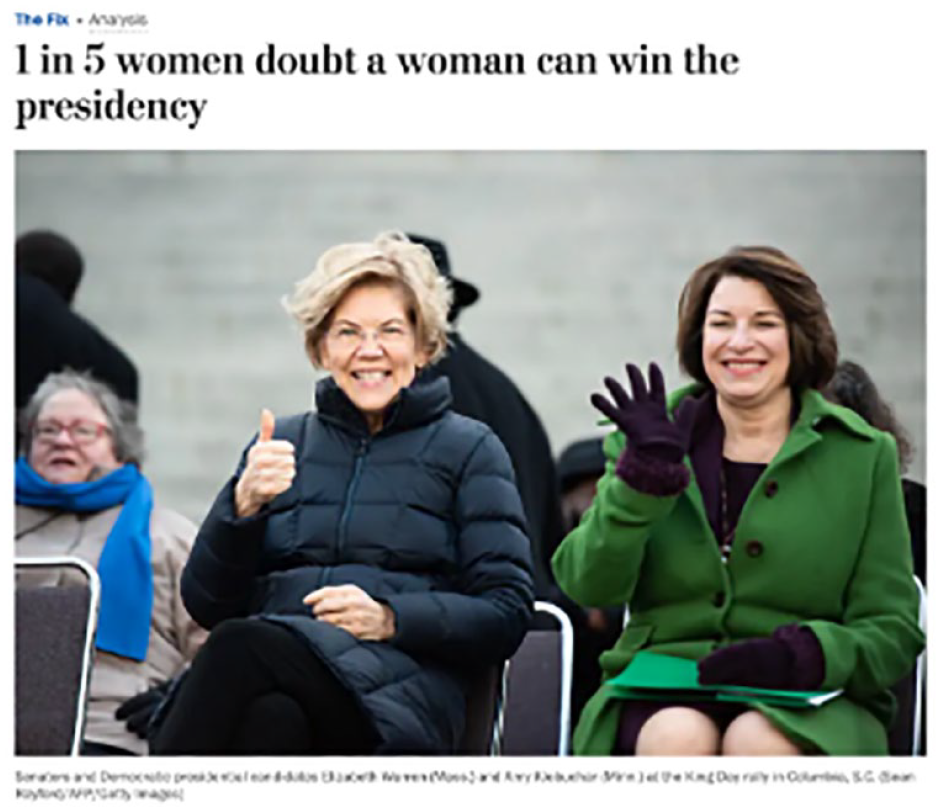
Smile/Positive Expression
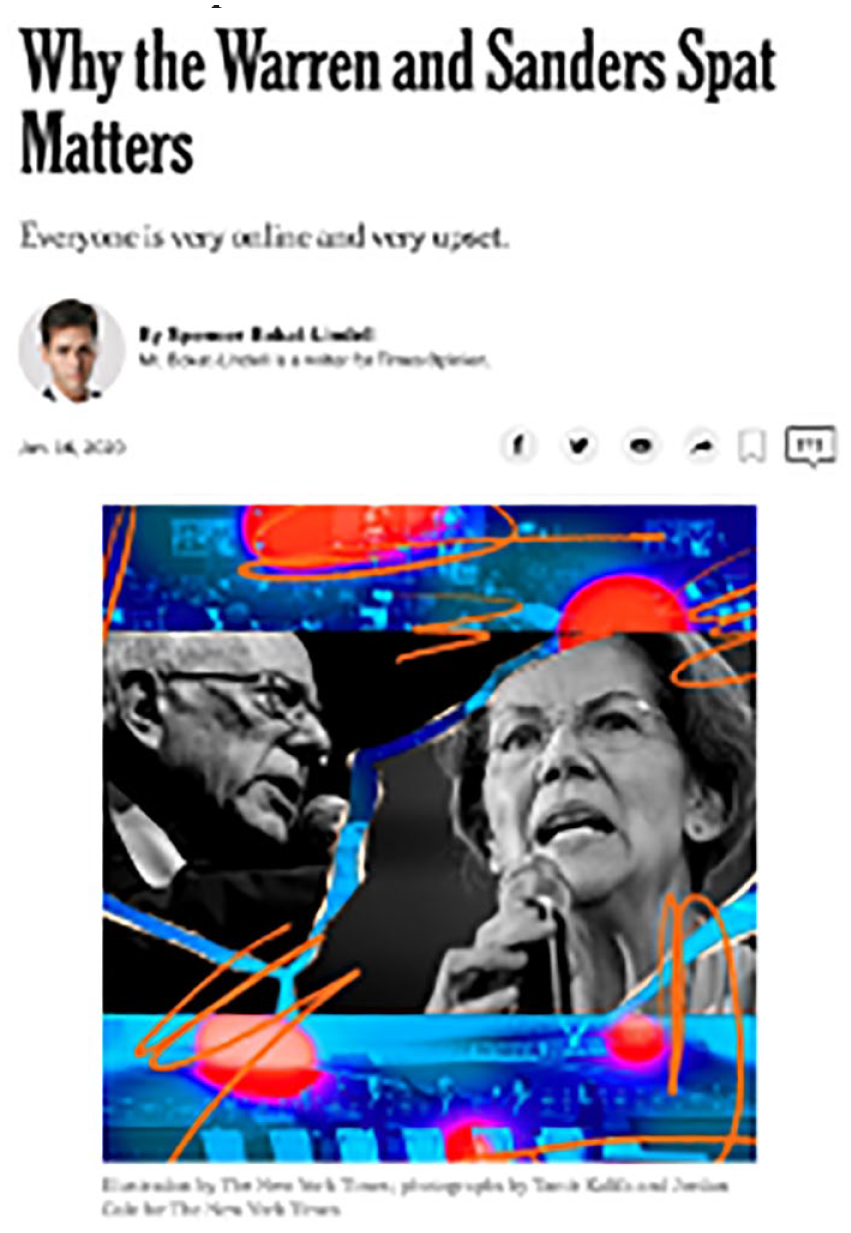
Negative/Angry/Frustrated Expression
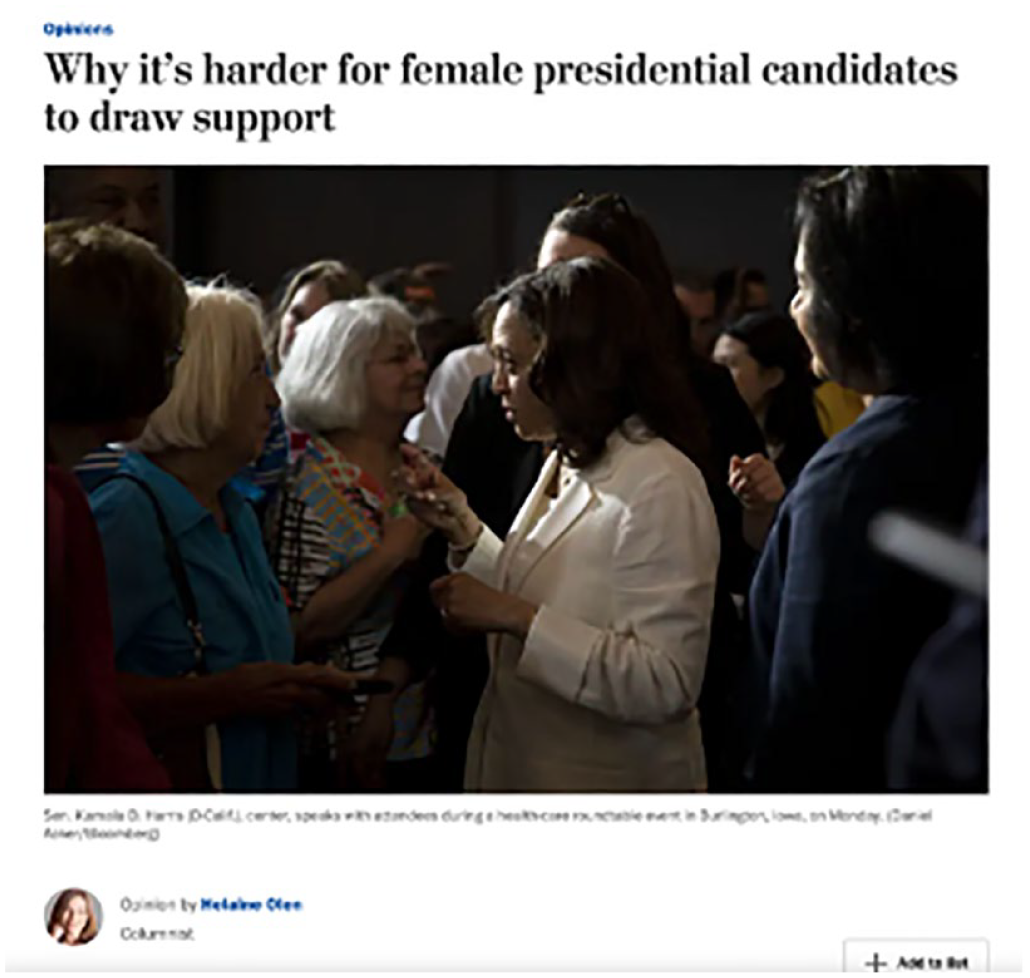
Focused/Stern/Pensive Expression
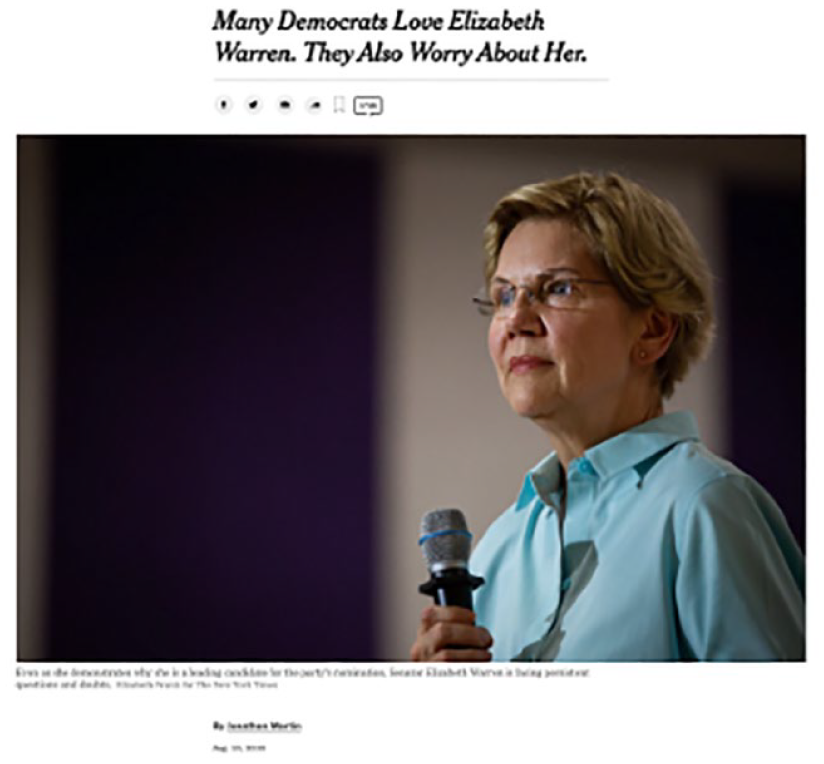
Neutral Expression
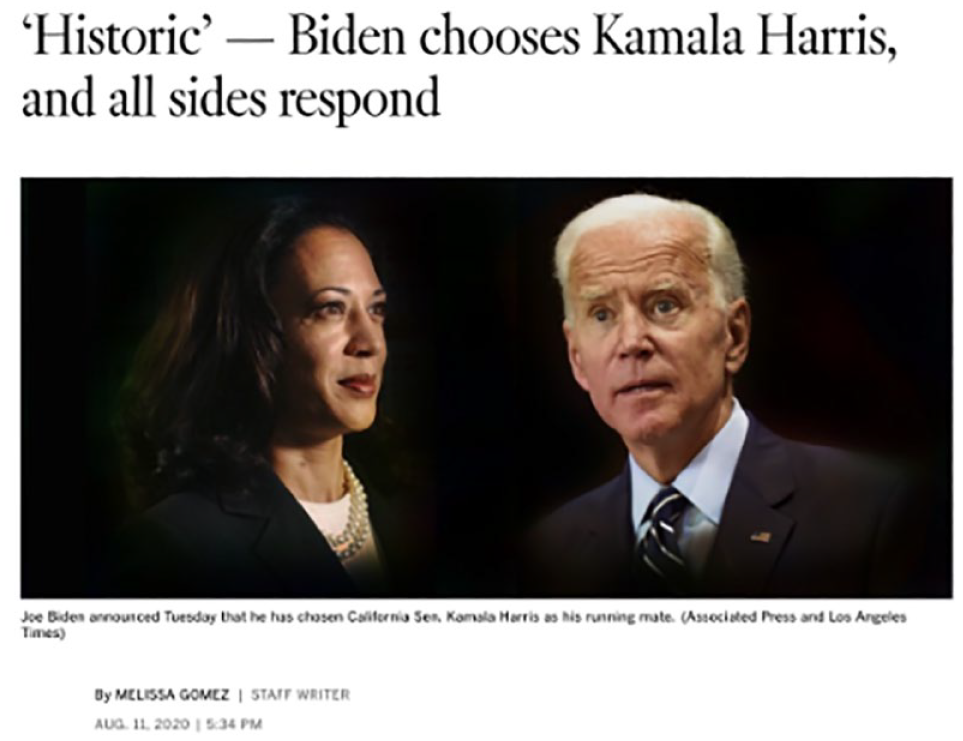
Ascensional Angle
Hypotheses
To answer the hypotheses, chi-squares were conducted in SPSS with the data set. The first hypothesis predicted: there will be more feminized issue coverage of female candidates than masculinized issue coverage. The titles of the articles were not tested, as the assumptions were not met for a chi-square being that there needed to be at least five valid cases. As for the text of the articles, the chi-square was completed. Based on the results, there was a significant association between feminized policy mentions and masculinized policy mentions, x2(1) = 24.436, p < .001. This finding seems to represent the fact that, based on the odds ratio, the odds of a feminized policy issue being mentioned was 1.4 times higher that a masculinized policy issue being mentioned. This result supports the first hypothesis.
The second hypothesis stated there will be more feminized trait coverage of female candidates than masculinized trait coverage. Chi-squares were conducted for both the titles and the texts of the articles. The titles of the articles were significant in the direction of feminized traits being mentioned more than masculinized traits, x2(1) = 28.5635, p < .01. The odds ratio for this test suggests that mentioning of feminized traits in the title occurs 6.71 times more often than masculinized traits. As for the text, feminized traits were mentioned at a significantly higher rate than masculinized trait coverage, x2(1) = 17.107, p < .001. Based on the odds ratio, mentioning a feminized trait was 6.56 times more likely to occur than a masculinized trait. Hypothesis 2 was fully supported. This number outcome did not include multiple stereotypes in the same article. In fact, having multiple mentions of feminized and masculinized traits varied greatly. The third and final hypothesis was that mentioning of gender of the female politician would be significantly higher compared to her mentioning of issue coverage. After analysis, there was not a significant association, x2(1) = 2.624, p = .105. This result does not provide support for the third hypothesis.
Discussion
The results of the quantitative analysis uncovered some findings that are consistent with previous research. There were also findings that pose questions about some more latent frames that the media may be using. These will be mentioned in the discussion below.
Gender at the Forefront
The focus on gender in both the titles (39.4%) and the text (84.3%) dominated the news coverage of the candidates. Explicitly stating the gender of the candidate has been a persistent issue in political coverage of female candidates (Van der Pas & Aaldering, 2020). Van der Pas and Aaldering (2020) state, “women politicians are more often discussed in terms of their gender, their family life, and their physical appearance, but not in terms of their personality” (p. 132). As a result, the focus on “trivial matters,” “goes at the expense of substantive coverage and, therefore, that women get less issue coverage” (p. 119). There is often debate as to whether or not identity politics or feminized issue advocacy will hurt or harm women or women of color candidates. While this matter is certainly important to understand, the fact that issue coverage is so low in the press for both feminized and masculinized policy issues is equally, if not more concerning. While in this research, masculinized and feminized policy issue coverage was relatively the same (title: 0% feminized policy issues, .5% masculinized and text: 28.4% feminized, 22.1% masculinized), it was still disproportionately low compared to all other categories.
Women Covering Women
The authors of the articles were primarily women, accounting for nearly 60% of all the articles. This is a stark difference compared to overall female journalists. As of 2017, women are the minority at all major news sources (Watson, 2020). Watson (2020) found that at USA Today, 31% of journalists are women, while 44% are at The Washington Post, 43% at the LA Times, and 41% at The New York Times. Female journalists predominantly cover women in politics, which brings up several points of contention. Women journalists may be given the news stories about women, either by proposing the headline, or by inheriting it. North (2014) affirms the consistent finding that female journalists are often allocated “soft” news stories, while male journalists are typically given “hard” news topics. Female journalists express feeling “pigeon-holed” into covering stories about the arts, health, and women’s issues (North, 2014), which is apparent in both the hard and soft news stories presented in this analysis.
Feminized Stereotypes Dominate
The prevalence of feminized stereotypical traits affirms the decades old research, which finds that female candidates experience a greater focus on her personal life, appearance, and personality (Kahn & Goldenberg, 1991; Scharrer, 2002; Winfield, 1997). Furthermore, she is also likely to be described by feminized traits (Bystrom et al., 2001; Kittilson & Fridkin, 2008; Neville-Shepard & Nolan, 2019; Scharrer, 2002). As stated, the focus on feminized traits perpetuates the stereotypes of women while simultaneously reducing time for discussing the female candidates’ viability (Bystrom et al., 2001). Instead, articles pose questions such as, “Do you really think a woman could be elected president?” One article references other politicians who argue that they are “shocked” this question is still relevant in the 2020 election; however, political parties still find themselves “grappling with the strangely enduring question on the electability of women” (Lerer, 2019). The article proceeds to assert that each woman needed to both introduce herself in the first Democrat debate, while also find a way to “tackle the lingering doubt that this country would elect a female president” (Lerer, 2019). These enduring doubts about a woman’s viability can also be traced back to earlier research (Kahn & Goldenberg, 1991; Scharrer, 2002; Winfield, 1997). Breaking away from traditional gender roles has been documented to hurt a woman’s campaign as women have experienced hostile news coverage by journalists (Scharrer, 2002). Although there are efforts to have more equitable coverage of women candidates and breaking traditional norms is more accepted, covering women with the same schemas persists in the news media.
Viability, in further detail, was the unlikely success that women would experience on the election trail. This content analysis observed the presence of women not being able to win or that her chance of winning would be a long shot (largely because of gender alone). This occurred in 50 articles (24.5%) and the presence of sexism or a bias against women was mentioned 72 times (35.3%). This reporting largely follows the pattern that Hillary Clinton experienced nearly 20 years ago (Scharrer, 2002). As Scharrer (2002) stated, Hillary Clinton’s efforts in politics were an “improbable leap.” Observing these percentages, it is evident that the news coverage of these women focused on viability, novelty and gender. As a result, it is understandable that there was little to no room to discuss political or social policy. Indeed, both feminized and masculinized policy issues were mentioned less in the articles than the individual mentions of old white men, women of color, novelty, dropping out and sexism/bias against women. The focus on a woman’s identity and novelty is pervasive enough that it undercuts the discussion on policy and goals for the woman, should she be elected. Indeed, research has shown that progress has been made in the media over time. The sexist descriptions of women and women of color have decreased in severity and breaking traditional expectations is scrutinized less than in the past (C. Fox, 2010).
Race and the Women of Color
Notably, the articles had many mentions of race in text (110 mentions equating to 53.9% of all articles). This likely happened due to two primary events. First, there were women of color who ran for President (Tulsi Gabbard and Kamala Harris); thus, “women of color” was prevalent in many articles (91 in text mentions, totaling 44.6%). Another variable that contributed to discussions of race were acts of racial injustice which led to national protests. These reasons were often cited as justifications for Joe Biden choosing a woman of color as his running mate. After all women formally suspended their campaigns, the media referred to the remaining candidates as the “old white men” (60 times in text [29.4%]). A popular term that was used was “septuagenarian,” which simply means a person who is in his or her seventies. Often, Sanders and Biden would be described as the two white septuagenarian men left in the race. The racial events of the 2020 election resurfaced the debate on a “post-racial” America. With race mentioned often in the articles, large events of protests from the Black Lives Matter movement, and efforts to have a woman of color as the first woman and woman of color vice president, conversation on the role of race in American has emerged in the national discourse.
The Story in the Images
The first research question aimed to understand how the women and women of color who ran for President were visually framed. Nearly half of the articles in this analysis had no image. These images were often supplemented with videos about the election, the candidate, or even other breaking news. A large portion of videos during coding covered the COVID-19 vaccine, the Georgia Senate run-off election, and other “front news,” stories. Of the 204 articles, there were 117 images (57.4%), with only 97 (80.8%) featuring at least one female candidate. These numbers indicate that, though the article is about a female candidate, an image including at least one woman is shown less than half of the time (47.5%). Transitioning to videos in news stories is something to consider when evaluating the importance of images. Images have a vital role in multimodal communication. With limited visual representation, readers are unable to decode the meaning that may have otherwise been conveyed with an image. Images provide a sense of truth, ideological value and personify events. As images fade in news media, there is no “freezing” of a moment, no feeling of “having been there,” and no “record of things seen” (Bauer, 2018). Bauer (2018), Graber (1990) and Shea and Burton (2001) find political images of candidates help voters to learn about the candidate; consequently, removing the image eliminates a vital aspect of the candidate and voter dynamic.
The two frames that were coded in the study consisted of the human-interest frame and the conflict frame. The conflict frame was present in one out of every five images where a female candidate was present. This frame reflected disagreement among parties or individuals and positioned the women as participants in a struggle where there were “winners” and “losers.” The tension between appearing “too soft” or “too hard” along with the viability of winning an election is what C. Fox (2010) refers to as the “double bind” for women politicians. Documenting the presence of the conflict frame is vital as Bartholomé et al. (2018) contends conflict frames are hard to generalize and compare studies on because there is a lack of clear conceptualization. Conflict frames are one of the most common frames in political news coverage and are argued to decrease public approval of politicians and contribute to a decline in public trust (Bartholomé et al., 2018). Conversely, these frames can also increase support for certain policies.
The human-interest frame was present in 17.5% of the images and seeks to evoke an emotional response from the reader. These responses can vary from empathy to rage, so it may portray the candidate in a positive or negative light. However, in conjunction with the coded emotional expression of the candidate, there were few images where the female candidate had a “negative” expression (4 images total accounting for .06%). With most images of the candidates being positive (58.2%) and the remaining expressions being “focused/stern” or “neutral,” the human-interest frame likely portrayed the candidate in a more favorable light (see Figure 1). Both the conflict frame and the human-interest frame have been shown to capture the attention of the viewer (Jebril et al., 2013), so its presence in this research highlights a dynamic effort to select and share meaningful and attention-grabbing photos of the women.
Although the use of the smile in political images may sound benign, some research contends that the role of the smile for women in politics has become gendered as well. This is largely coupled with the expectations that women are warm, gentle, compassionate and should be “likable.” Koo (2020) finds that smiling for female candidates had a significant positive impact on electoral performance. This calls into question what Koo (2020) refers to as “leading or cheer-leading.” The gender gap in political smiles is something that has been argued by other researchers (Jungblut & Haim, 2021; Renner & Masch, 2019) and may explain the results of the present study.
Emerging Traits
The second research question aimed to unearth new or latent frames from the news media. Perhaps one of the most profound of the election was the use of the word, “electability.” Journalists and voters began using “electability” as an objective term. It was conceptualized as which candidate was “most likely to defeat Donald Trump”; however, as the election progressed, it became clear that “electability” was conflated with a woman’s viability. The persistent focus on a woman or woman of color’s novelty reinforced risk and uncertainty, making a candidate like Joe Biden appear as the “safest” choice. Eventually, journalists began referring to this term as “the e word,” or the “curse of electability” (Bennett, 2020; Lerer, 2019).
There were other variables that were coded in this study that point to interesting narratives about what is discussed in news articles. These variables included the old white man, women of color, novelty/making history, whether a woman could win, sexism/bias against women, reference of being a mother etc., and finally a women or woman of color who has failed to break the glass ceiling. Many of these variables have not been included in research before (i.e., failing to break the glass ceiling), and it points to the agenda of the news articles. With such a large focus on these common frames, discussing substantial content or policy stances of the candidate is disregarded.
Future Research and Concluding Thoughts
Many of the latent and emerging traits in this study warrant novel areas of news discourse to explore. Understanding the role of electability or a more specific focus on individual candidates (i.e., how Kamala Harris was covered) would likely produce richer findings. Furthermore, it is evident that appearance and likability is still a focus for journalists. Exploring in depth the context of these topics could answer questions about progress in news coverage and areas for improvement. It is important to note the progress that has been made with covering women by certain policy issues. Although these results were significant and support previous findings, it appears as if the gap is closing between coverage of feminized and masculinized policy issues. With an approximate 5% difference in coverage, there is almost an equal representation of women being connected with any policy issue across the political spectrum. This is a notable difference from elections past and may guide coverage in the future. Future research could also explore the difference in coverage between male and female candidates. Extending the current research could transpire by doing a time-series to document the changes in coverage over time.
The use of the terms “feminized” and “masculinized” were used intentionally in this research as a step to shifting away from the assumption that masculine and feminine are accurate descriptors of the sum of traits explored in this research. As there are few proposals by scholars on other, more fitting terms to represent the totality of these constructs, this article used “feminized” and “masculinized” to shift the discourse. Kachel et al. (2016) acknowledged that gender roles are and continue to be measured as “masculine” and “feminine.” In response, Kachel et al. (2016) propose the scales to be “Traditional Masculinity and Femininity” (TMF). This appears to be the extent of the research in this area. Future research may explore the use of these terms in research to define how these traits are operationalized.
Franklin (2014) writes of the transformation of journalists in the age of digital media. Shifting from pictures to videos, graphics and digital news is worthy of deeper study. How does the absence of images impact the quality of the story? Furthermore, this shift also highlights the need for multimodality in journalism. Multimodality provides a depth and breadth of understanding about any news phenomena. Just as one media genre is not capable to communicating the wholeness of a candidate, expanding the research on news modality will likely lead to comprehensive results. Unfortunately, in this research, the text of the articles did not differ from “relevance optimizers” (Dor, 2003). Indeed, the content of the text often superseded the relevance-optimizing headline. Rather than attracting attention and then providing more meaningful text, the articles were often elaborations of relevance optimization.
As the media is often regarded as the fourth estate of the government, it is increasingly important that the people hold the media accountable for disseminated messages. This is especially true for the news media as it can shape perceptions, create schemas and establish what is salient news for the general public. From this research, it is evident that the media continues to reinforce and produce stereotypes surrounding women and people of color. As the media exists as a structural institution within the United States, the expectation of change is a heavy burden. Hancock (2016) writes of the concept of media events. Media events acknowledge the synthesis of what is real and what is a media event. Now, media events “blur the distinction between media and reality. Media no longer produce secondary or supplemental images about reality for us; media now produce the very reality they mediate” (p. xiii). As researchers, Hancock (2016) argues that we should dissect politics and interrogate cultural realities that permeate throughout society by critiquing how the media shapes and circulates knowledge. As the news media continues to be pervasive in everyday life, researchers and consumers must be aggressive with holding the media accountable.