



Abstract
Adolescent dating violence (ADV) is a serious concern with various negative impacts on adolescent development. Research on ADV has predominantly been conducted in urban areas and has generally focused on physical and sexual forms of violence. The purpose of this study was to assess prevalence rates of various forms of ADV by gender in the rural context. A convenience sample of rural adolescents responded to an online survey. In total, 131 responses were used for this study. Participants reported perpetration and victimization experiences of physical abuse, sexual abuse, threatening behavior, relational aggression, verbal abuse, and cyber dating abuse. Descriptive statistics and chi-square analyses were used to determine gender differences in proportion and frequency of ADV. Results reveal that various forms of ADV are occurring in the rural context, with many of both males and females reporting perpetration and victimization. Overall, verbal and cyber ADV are the most common. Gender analysis reveals that males were significantly more likely to be victimized by physical abuse victimization, whereas females were significantly more likely to be victimized by sexual abuse. Though the proportion of adolescents reporting ADV were high in this study, most participants reported lower frequencies of ADV. Results support the urgent need in rural areas for education and prevention that target physical, sexual, and psychological components of healthy relationships. Rural dating violence prevention efforts must emphasize the importance of mutual respect across gender, rather than solely presenting this lesson to males in a traditional gendered manner. Results also suggest the need for rural areas to adopt comprehensive sex education that details sexual relationships that are consensual and healthy.
Keywords
Adolescent dating violence (ADV) is a serious public health concern that has negative impacts on individuals, relationships, and families. A variety of actions perpetrated by current or former dating partners qualify as ADV, including physical, sexual, and verbal abuse, as well as intentional threats, intimidation, and stalking (Centers for Disease Control and Prevention [CDC], 2016). Scholars estimate that between 10% and 40% of adolescents have experienced physical or sexual ADV, while up to 70% have experienced psychological or threatening forms of ADV (CDC, 2016; Halpern et al., 2009). ADV contributes to numerous physical and psychological consequences, such as substance use, risky sexual behaviors, physical fighting, depression, and anxiety. Additionally, it is common for adolescents who experience ADV to struggle with their academics, drop out of school, or skip school to avoid seeing their partner (Ball et al., 2008; Banyard & Cross, 2008).
Historically, scholars reported that females were more likely to be victimized by ADV compared to males (Bergman, 1992). This trend was likely due to research guided by a traditional gendered perspective that emphasized male dominance and female submissiveness (Reyes et al., 2016). Much of this research also likely had underreports of male victimization due to stigma and shame (Barber, 2008). However, recent research suggests there are multiple forms of ADV perpetrated by both males and females. In fact, males may be victimized by ADV at similar rates as females (Cascardi & Avery-Leaf, 2015; Reidy et al., 2016). This recent trend may be due to broader conceptualizations of ADV beyond merely physical and sexual ADV, research assessing situational contexts behind ADV (Johnson, 2008), and diverse study samples from understudied contexts. Nevertheless, this new trend highlights the need to continue exploring ADV by gender in various contexts as new implications for ADV prevention may emerge.
Consequently, this study examines various forms of ADV by gender in rural areas. Research on ADV has primarily been conducted in urban areas (e.g., Haberyan & Kibler, 2008) and has generally focused on physical and sexual forms of violence (e.g., Cascardi & Avery-Leaf, 2015). Extending ADV research to additional contexts (i.e., rural) and forms of violence (i.e., beyond physical and sexual) is essential in order to develop effective and comprehensive ADV prevention programs.
Rural Context and Partner Violence
The rural context is conceptualized by many scholars in terms of social characteristics, such as tight knit communities influenced by local histories, strong social and family relationships, and traditional views toward gender and sexuality (Little, 2017). Other scholars conceptualize the rural context as a place with low population density and a sparse population (Pruitt, 2008). Collectively, characteristics of the rural context inform experiences in intimate relationships and how partners interact with one another (Little, 2017).
Research reveals that forms of relationship violence among adults tend to be more prevalent and severe in the rural context compared to the urban context. For instance, rural perpetrators of relationship violence are twice as likely to cause severe physical injuries to their victims, as well as to use a weapon on their victims, compared to urban perpetrators (Logan et al., 2005; Shannon et al., 2006). In addition, twice as many rural perpetrators threaten to kill their victims compared to urban perpetrators. Rural victims are also more likely to experience multiple instances of abuse before requesting a protection order compared to urban victims (Logan et al., 2003).
Research suggests several reasons for higher prevalence rates in the rural context. First, people in the rural context commonly have traditional attitudes toward gender roles, which are engrained in beliefs of male dominance over women and can be displayed in the form of relationship violence (Reitzel-Jaffe & Wolfe, 2001). People in the rural context also tend to have less access to resources, which can further perpetuate violence by limiting a victim’s opportunity to seek help (e.g., Peek-Asa et al., 2011). In addition, rural individuals tend to perceive reduced anonymity (i.e., limited privacy), and thus, victims may be reluctant to seek help for fear that their community will criticize them and their relationship (e.g., Pruitt, 2008).
Though research on relationship violence in rural areas is minimal, the existing research focuses predominantly on adult relationships. The limited research on rural adolescents has focused primarily on physical/threatening ADV, or has operationalized ADV broadly. For example, in a national sample of rural adolescents, Marquart et al. (2007) reported that approximately 16% of participants had been hit, pushed, or threatened by a partner—but did not investigate other kinds of ADV (e.g., relational, verbal). McDonell et al. (2010) found that 27% of females and 18% of males had experienced dating violence in their lifetime; however, in their study they asked participants to indicate if they had “ever been victimized” or “ever perpetrated” dating violence. Thus, it is unclear what specific kind of ADV, if any, the results reflect. Overall, the limited research on relationship violence among adolescents suggests the need for further research on the topic of rural ADV. Specifically, examining ADV beyond physical/threatening violence or broad conceptualizations of ADV would inform the understanding of rural ADV.
Current Study
The purpose of this study is to assess prevalence rates of various forms of ADV (i.e., physical, sexual, threatening, relational, verbal, cyber) by gender in the rural context. This study is guided by the intersectional feminist theory, which suggests there are multiple intersecting factors associated with ADV (Crenshaw, 1991). Traditionally, relationship violence has been studied through the power imbalances of gender, ethnicity, age, and sexuality (Sandberg, 2013). Locality has rarely been considered in ADV research, even though locality is linked to power and marginalization. Findings from this study will contribute to the ADV knowledge base, which may help guide curriculum and delivery methods for ADV prevention training in rural areas. Overall, this study explores the following research questions: (a) Which forms of ADV perpetration and victimization are most prevalent in the rural context?; (b) How do forms of ADV perpetration and victimization vary by gender?
Methods
Participants
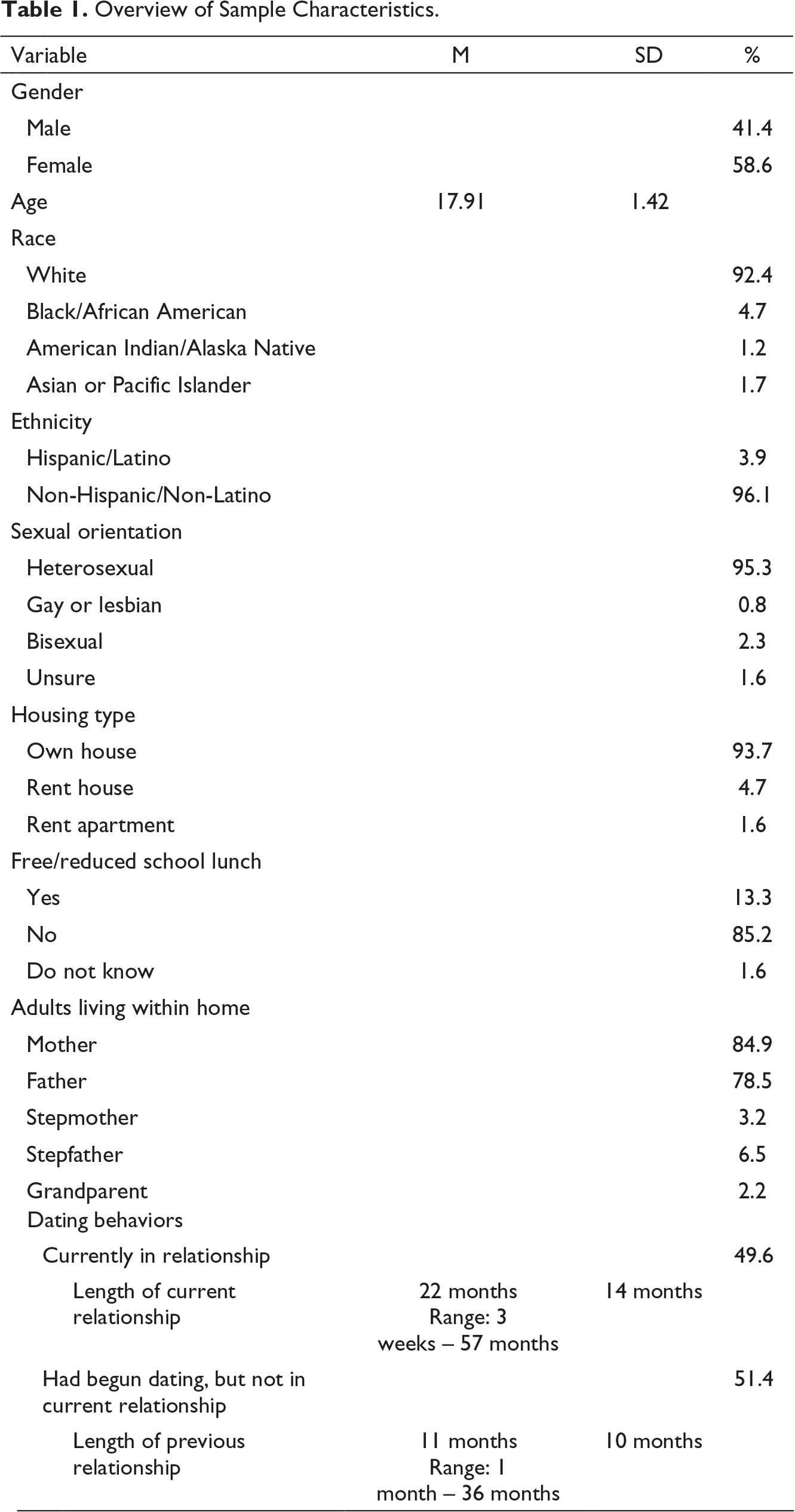
Participants for this study were a subsample from a larger project on rural relationship well-being. This larger project used convenience sampling to select 208 rural adolescents to complete a survey (Fraenkel et al., 2011). Participants were recruited through schools and youth programs. Criteria to participate were: (a) between the ages of 13 and 19; (b) English speaking; and (c) resided in a rural area. For the purposes of this larger project, any house or town that was part of an area with less than 50,000 people was considered rural (Ratcliffe et al., 2016). For the current study, the sample was further restricted to only include participants who had a dating history. In all, 131 responses were used for data analysis.
Overview of Sample Characteristics.
Perpetration and Victimization Measures
This study used the Conflict in Adolescent Dating Relationships Inventory (CADRI) short scale to assess ADV perpetration and victimization (Fernández-González et al., 2012). This measure was chosen as it assesses not only the percentage of participants who have perpetrated or experienced violent behaviors but also the frequency (i.e., extent, ongoing nature) of these behaviors. Assessing both percentage (proportion of sample) and frequency of ADV is important as these assessments together provide a more comprehensive understanding of ADV in a particular sample.
The perpetration and victimization measures asked participants to respond to how often ADV behaviors occurred during a conflict or argument with a dating partner within the last 12 months. Participants indicated whether they were in a current relationship with this dating partner or no longer in a dating relationship with this partner. Both the perpetration and victimization measure included five subscales: physical abuse (e.g., hit, punch), sexual abuse (e.g., touched sexually, forced to have sex), threatening behavior (e.g., threatened to hurt), relational aggression (e.g., spread rumors), and verbal abuse (e.g., spoke with hostile tone of voice). Each subscale included two items. Items were on a 4-point Likert-scale that assessed frequency of ADV, with participant responses ranging from 0 = Never to 3 = Often. This measure has a reported coefficient alpha of α = .85 (Fernández-González et al., 2012).
In addition to the offline perpetration and victimization measure, a three-item subscale was included for both cyber ADV perpetration and cyber ADV victimization (Reed et al., 2015). Items reference ADV behaviors perpetrated through internet or cell phones, such as using technology to monitor a dating partner’s whereabouts and monitoring who a dating partner talks to through technology. Responses range from 0 (0 times) to 5 (5 times). These items have a reported alpha of α = .74 for perpetration and α = .71 for victimization.
Data Collection and Analysis
ADV is a challenging topic to measure in the adolescent population due to stigma, discomfort, and shame. Researchers who study adolescent health and relationships have argued that requiring parental consent for participation skews the sample as response rates significantly drop. As a result, research findings are biased with an underrepresentation of at-risk groups, which has implications for the application of the research findings to practice (Esbensen et al., 1996; Sanci et al., 2004). Therefore, a waiver of parent consent documentation was requested and granted through the sponsoring institution (IRB approval number 20170316926). Furthermore, a waiver of youth assent signature was requested and granted for this study. This waiver of youth signature aimed to ensure youth felt comfortable responding to the measures honestly, while knowing their identifying information was not attached to their responses.
The online survey was offered through an online data collection software system. A total score was created for both perpetration and victimization, which summed the responses from the physical, sexual, threatening, relational, verbal, and cyber items. Total scores were also created for each ADV perpetration and victimization subscale (e.g., threatening perpetration, threatening victimization,). Then, from the total scores, binary variables were created and used to calculate the proportion of ADV among participants (Fernández-González et al., 2012). Specifically, participants who did not report an ADV behavior were recoded as “0” and participants who reported an ADV behavior to any extent were recoded as “1.”
Descriptive statistics were calculated for study variables. Percentages were calculated to determine the proportion of respondents who had experienced ADV. Frequencies were calculated to determine the extent and ongoing nature of the ADV. Chi-square analyses and independent samples t-tests were used to determine gender differences in proportion and frequency of ADV. Results were calculated for: (a) the overall sample of participants with a dating history, which includes participants still in a relationship with their dating partner and participants who were no longer in a relationship with their dating partner; (b) participants who were currently in a relationship with their dating partner; and (c) participants who were no longer in a relationship with their dating partner.
Results
ADV Variables: Correlations and Descriptive Statistics.
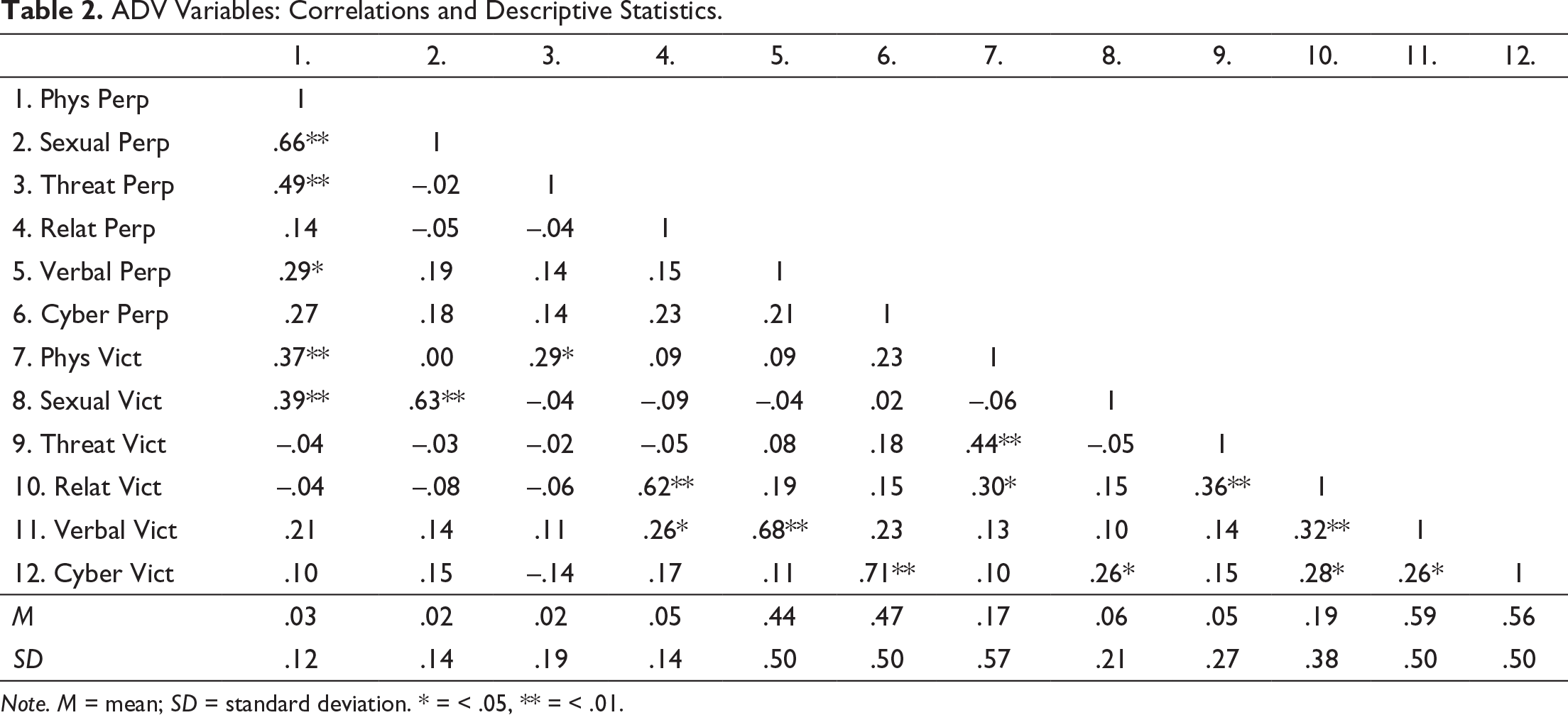
Note. M = mean; SD = standard deviation. * = < .05, ** = < .01.
Proportion (%) of Adolescents Reporting ADV
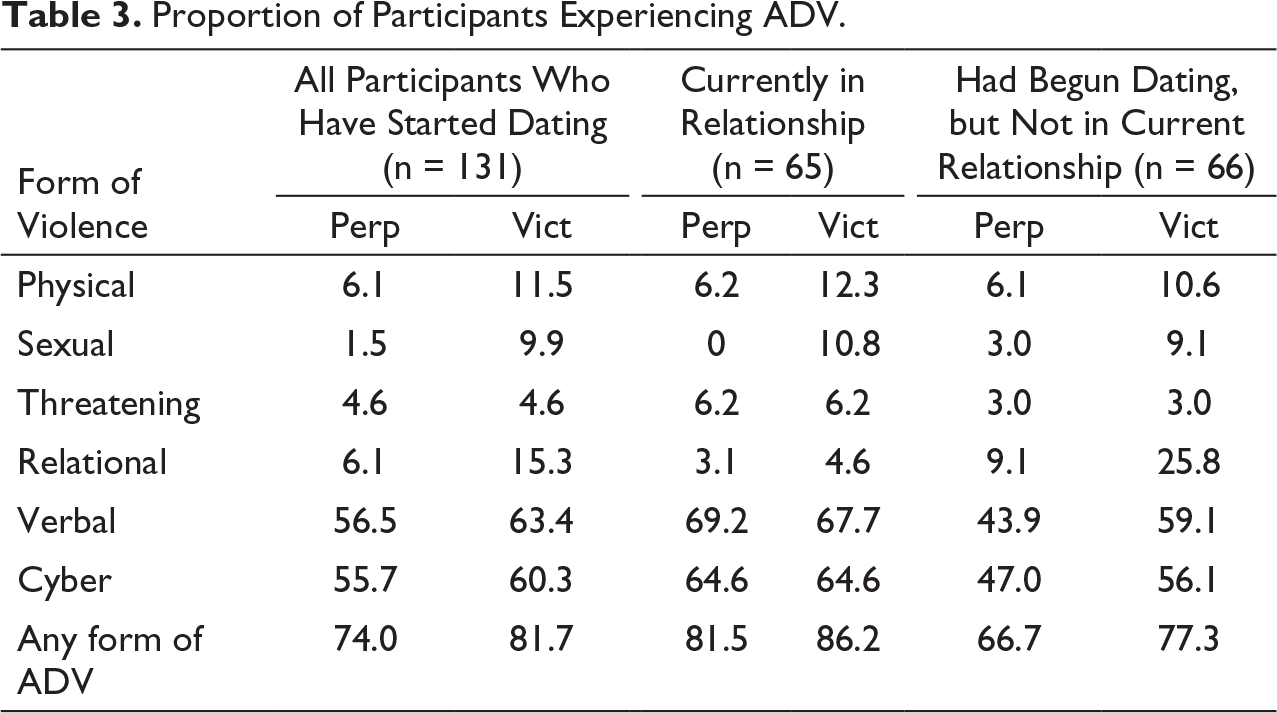
Proportion of Participants Experiencing ADV.
Results by gender reveal that the majority of both male (73.6%) and female (73.3%) participants reported perpetrating at least one form of ADV. Though differences were not significant across gender, a higher proportion of males reported perpetrating physical, sexual, threatening, and relational ADV compared to females. Likewise, a higher proportion of females reported perpetrating verbal and cyber ADV compared to males.
Proportion of All Participants With Dating History Experiencing ADV by Gender.
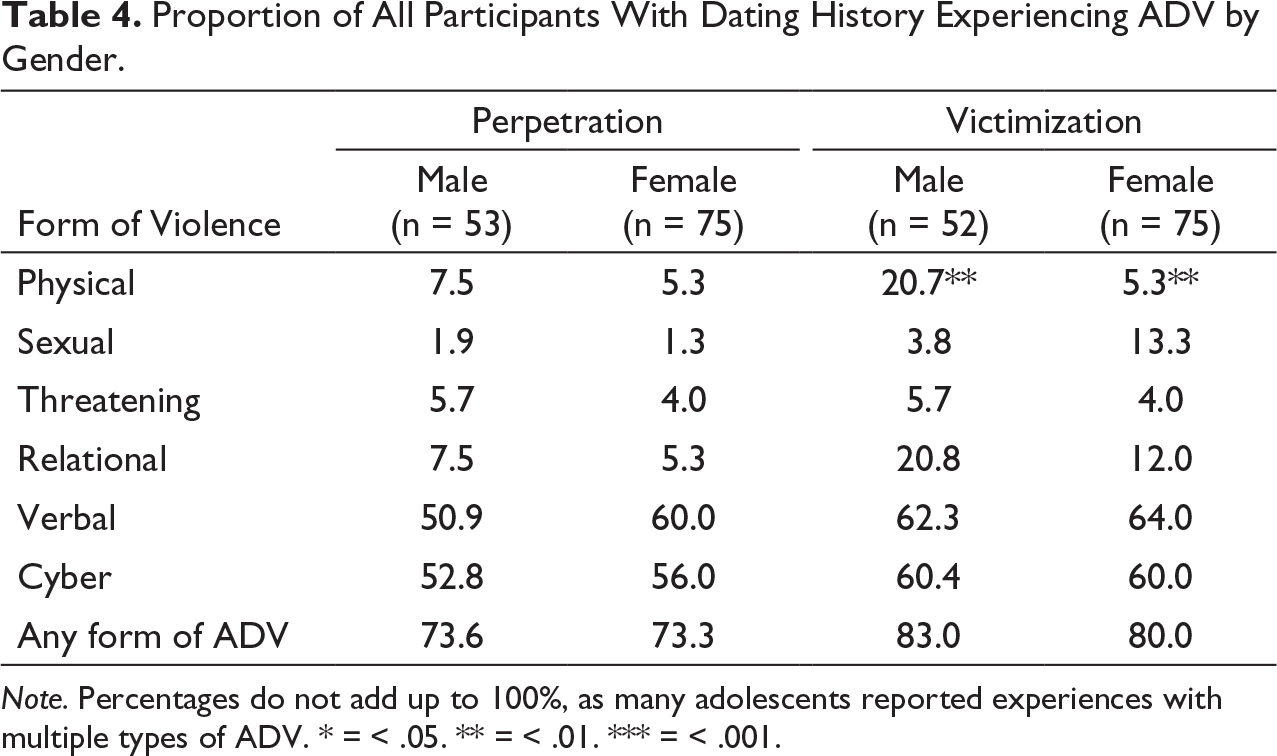
Note. Percentages do not add up to 100%, as many adolescents reported experiences with multiple types of ADV. * = < .05. ** = < .01. *** = < .001.
Results show significant differences by gender when examining perpetration for this group. Significantly more females (over 88%) have perpetrated at least one form of ADV against their current partner compared to males (66.7%; Χ2(1)=4.17, p < .05). Additionally, a significantly higher proportion of females (73.8%) reported perpetrating cyber ADV against their current partner compared to males (42.9%; Χ2(1)=5.79, p < .05).
Proportion of Participants in Current Relationship Experiencing ADV by Gender.
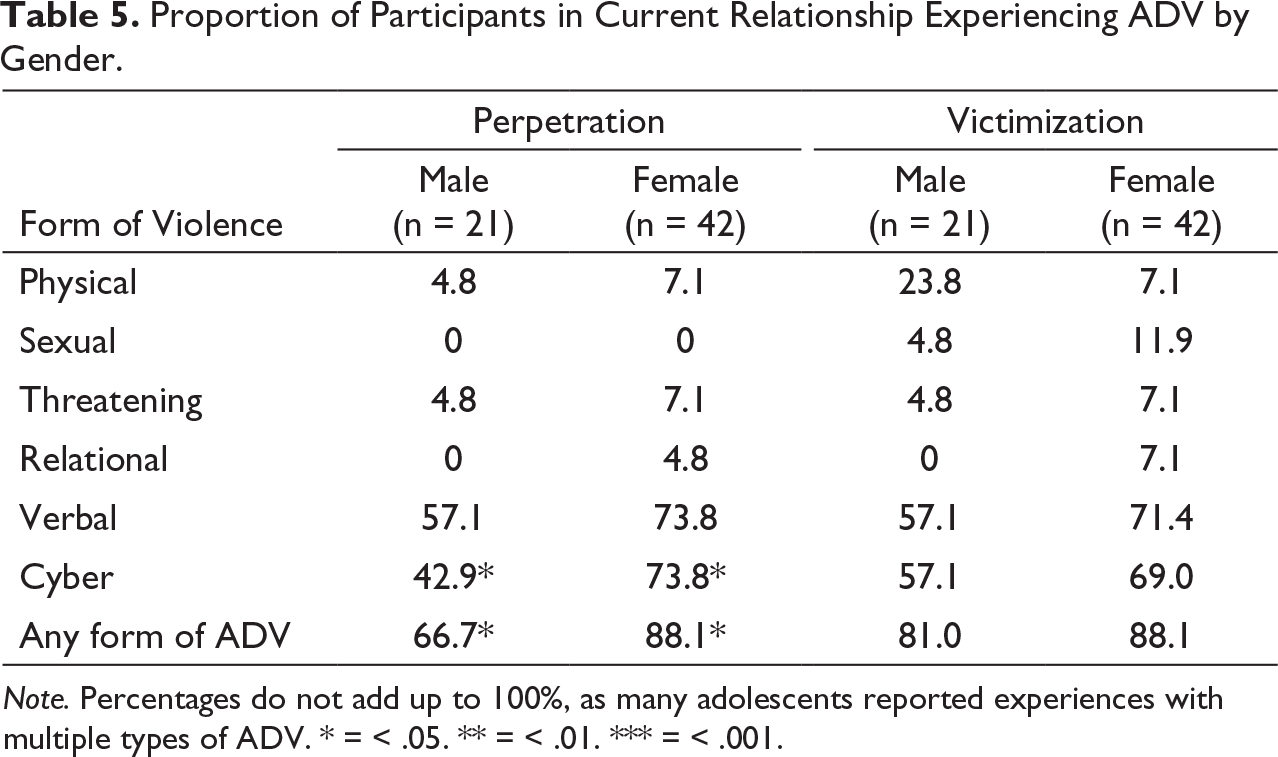
Note. Percentages do not add up to 100%, as many adolescents reported experiences with multiple types of ADV. * = < .05. ** = < .01. *** = < .001.
Proportion of Participants No Longer With Dating Partner Who Experienced ADV by Gender.

Note. Percentages do not add up to 100%, as many adolescents reported experiences with multiple types of ADV. * = < .05. ** = < .01. *** = < .001.
Frequency of ADV
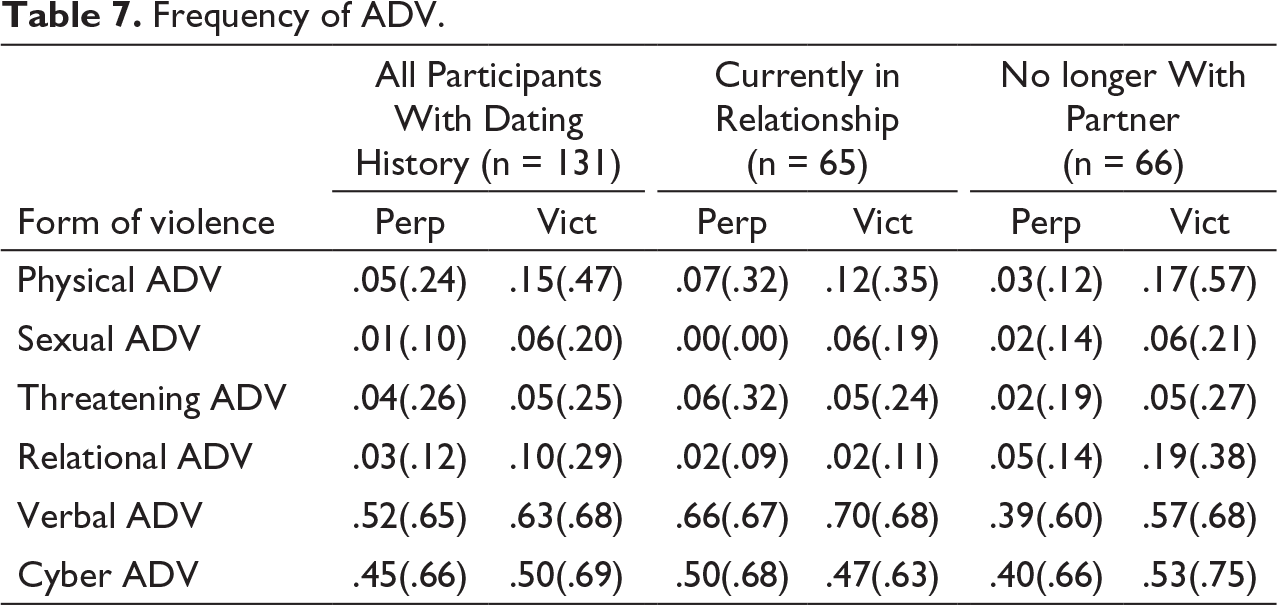
Frequency of ADV.
Frequency of ADV Across Gender for All Participants With Dating History.
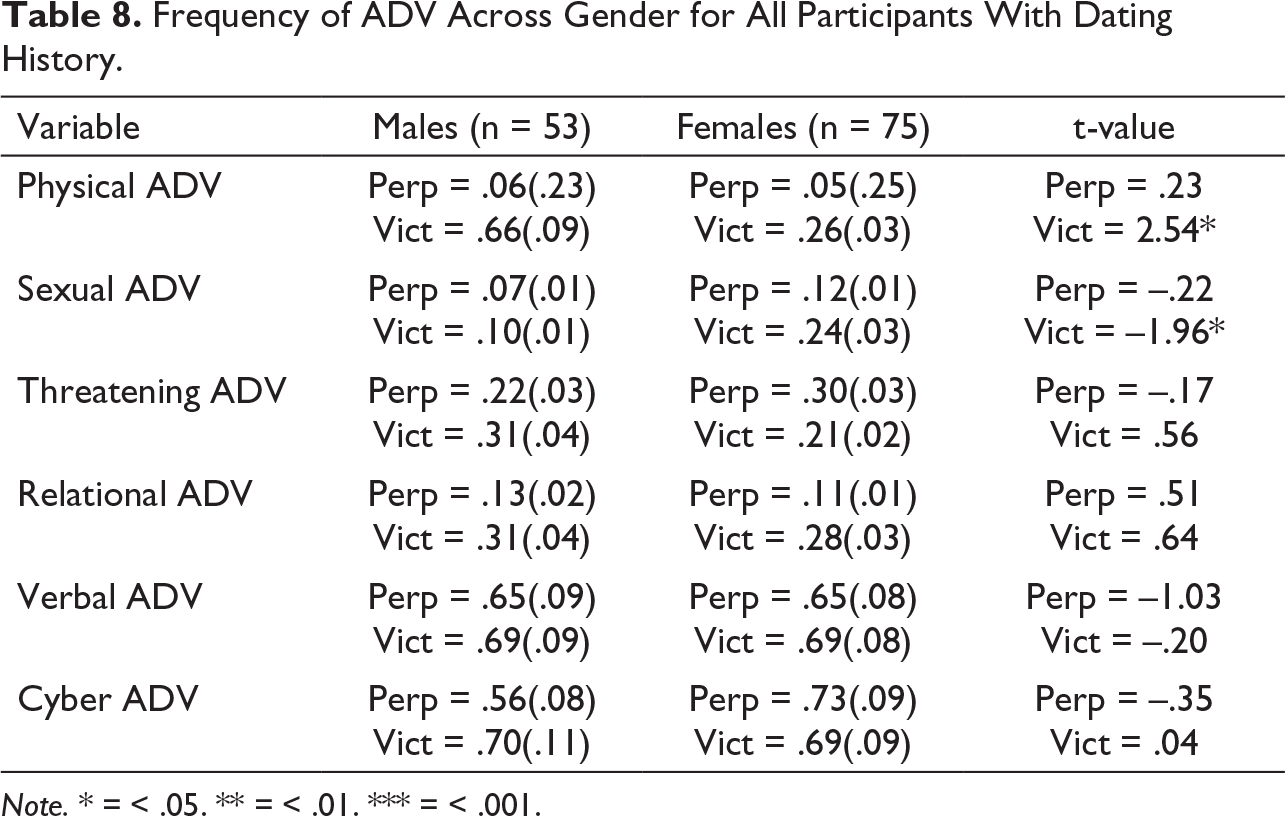
Note. * = < .05. ** = < .01. *** = < .001.
Frequency of ADV Across Gender for Participants in Current Relationship.
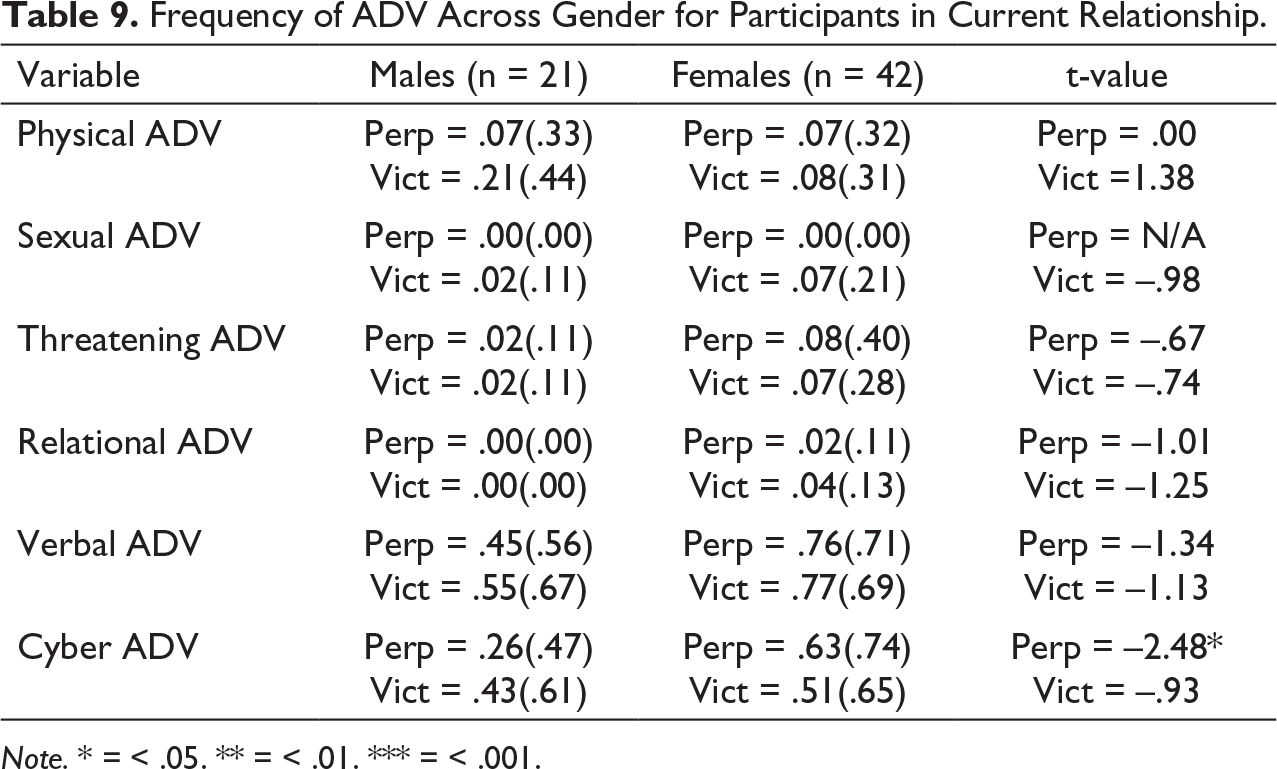
Note. * = < .05. ** = < .01. *** = < .001.
Frequency of ADV Across Gender for Participants No Longer With Partner.
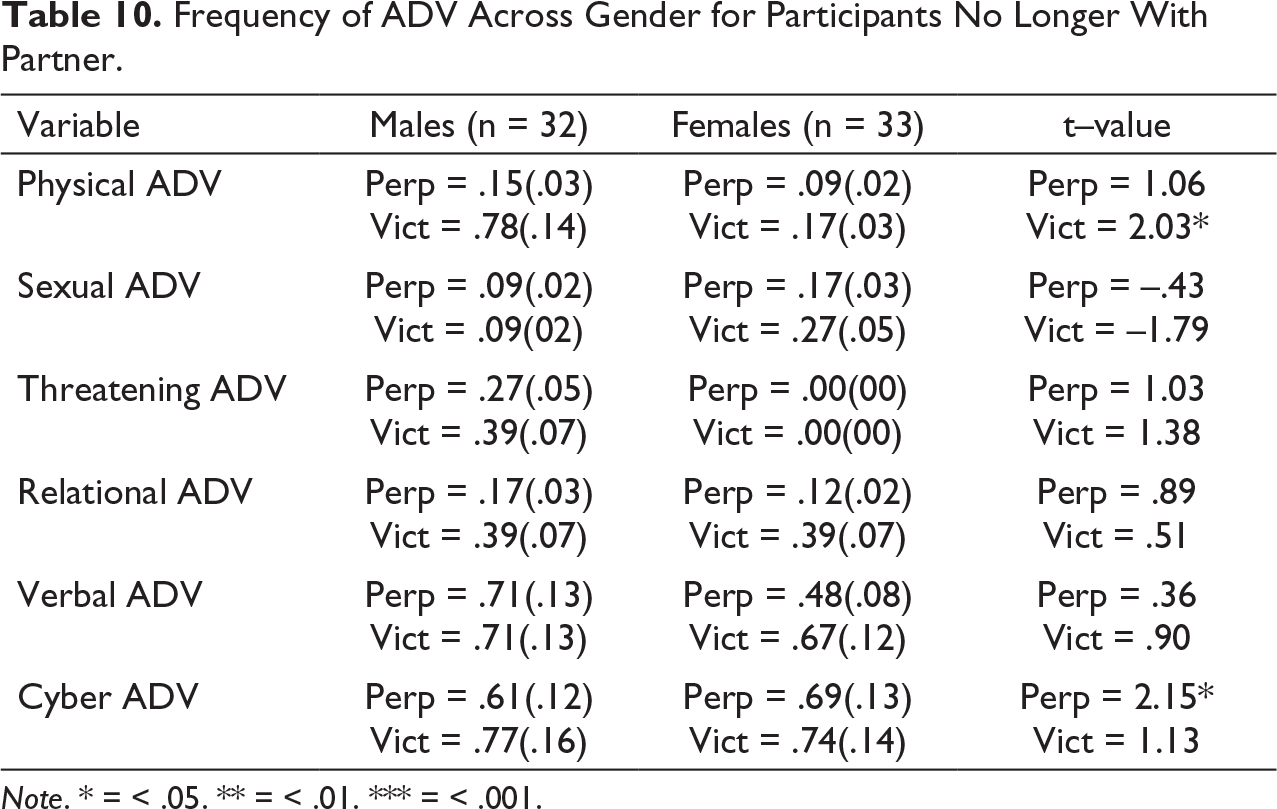
Note. * = < .05. ** = < .01. *** = < .001.
Discussion
This study expands research on ADV to the rural context and assesses ADV prevalence and frequency across gender. The proportions of males and females from this study who reported perpetration and victimization are higher compared to previous research on adolescents (e.g., Halpern et al., 2009). The waiver of parental consent and online sampling procedures may have contributed to these higher percentages. Much previous research with lower proportions of the sample reporting ADV has measured ADV experiences using in-person surveys and has required parental consent documentation (e.g., Ellis et al., 2009; Foshee et al., 2013). Consent and sampling procedures that include a waiver of parental content, as well as a waiver of youth assent signature, may contribute to participants feeling more comfortable to respond honestly, and thus, may contribute to more accurate responses. Future ADV research should further explore the impact of consent and sampling procedures on reported ADV experiences.
A comparable percentage of adolescents with a dating history reported ADV perpetration (74%) and ADV victimization (81.7%). Across all responding participants, the most prevalent form of ADV perpetration and victimization was verbal ADV. In this rural sample, a comparable percentage of males (62.3%) and females (64.0%) reported verbal ADV victimization, which contradicts previous research showing males report more verbal victimization compared to females (e.g., Cascardi & Avery-Leaf, 2015). However, when grouping participants by current relationship status (i.e., in current relationship or no longer with dating partner), more males who were no longer with their dating partner reported verbal ADV victimization from their ex-partner (65.6% compared to 54.5% of females). On the other hand, higher proportions of females (71.4%) in a current relationship reported verbal ADV victimization from their current partner (compared to 57.1% of males). These findings on verbal ADV are notable as verbal ADV is often overlooked or viewed as less severe compared to physical or sexual ADV, especially for males. Research reveals victims of verbal ADV still experience severe consequences, such as depression, anxiety, and isolation from friends and family (Button & Miller, 2013). Education on healthy relationships in rural areas must highlight components of healthy relationships, healthy communication, conflict resolution, and expression of feelings to both males and females starting at a young age.
Additionally, high proportions of participants reported cyber ADV perpetration and victimization. In fact, almost three in four females in a current relationship reported perpetrating cyber ADV against their current partner, which was significantly higher than males in this group (42.9%). Once again, gender trends were opposite for relationship status groups. More males (almost 60%) who are no longer with their dating partner reported perpetrating cyber ADV against an ex-partner, compared to only one in three females in this group. These prevalence rates are higher than many studies measuring cyber ADV in urban areas (e.g., Korchmaros et al., 2013; Zweig et al., 2013). Geographic isolation, a common characteristic of many rural areas (Websdale, 1998), may contribute to adolescents relying on technology to develop and maintain relationships with their intimate partners. In addition, increasingly high rates of technology usage, as well as expansive apps and social media platforms, are perhaps creating more opportunities for this form of ADV to occur. Future research should further explore the use of technology in adolescent relationships and cyber ADV in rural contexts. There may be unique contextual factors in rural areas (e.g., geographic and social isolation) that contribute to high cyber ADV prevalence rates.
Consistent with previous research in urban areas (Foshee et al., 2004), more female adolescents reported sexual victimization compared to male adolescents. Over 13% of females with a dating history reported sexual victimization. Furthermore, almost 12% of females reported that their current partner has sexually touched or forced them to have sex when they did not consent. These findings present important implications for rural areas where many communities and schools are still hesitant to adopt comprehensive sex education (Haley et al., 2013). Not only are rural adolescents sexually active, but findings among this sample reveal that the context surrounding adolescent sexual activity is not always consensual and healthy. This finding also challenges the traditional mindset that rural adolescents are remaining abstinent (Greslé-Favier, 2010), and instead reaffirms the urgent need for comprehensive sex education.
Findings also reveal that significantly more males experienced physical ADV victimization, which is consistent with recent literature in urban areas (e.g., Cascardi & Avery-Leaf, 2015). Sears et al. (2006) suggest adolescent girls often do not interpret physical ADV as an abusive behavior if it does not cause physical harm or fear, which may partially explain why a lower percentage of girls reported physical victimization in this study. Nevertheless, over 20% of males with a dating history in this study reported physical ADV victimization, and almost one in four males in a current relationship reported physical ADV victimization from their current dating partner. This finding partially challenges gender stereotypes common in rural areas of female submissiveness and male dominance (Reitzel-Jaffe & Wolfe, 2001); however, it may be that males are using other forms of ADV to establish and maintain power and control over their partners. Society emphasizes that “boys should not hit girls,” yet, society tends to overlook the use of physical ADV against boys (Salter, 2016). Perhaps females in the rural context are not coached to respect their intimate partner to the same degree as males. This finding suggests rural ADV prevention efforts must emphasize the importance of mutual respect across gender, rather than solely presenting this lesson to males in a traditional gendered manner. This finding on physical victimization confirms the need to further understand both males and females as perpetrators and victims. Future research should utilize Johnson’s typology and explore whether rural males and females perpetrate mutual ADV during an altercation with their partner, or as a form of violent resistance to their partner’s violence.
Findings related to relational ADV are also noteworthy. A high proportion of participants (over 25%) had experienced relational ADV (e.g., had rumors spread about them) from an ex-partner. This victimization was ongoing relative to other forms of ADV. For rural adolescents where tight-knit communities are the norm (Little, 2017), violence involving social relationships, such as trying to turn a partner’s friends against them, may be a contributing factor to the dissolution of relationships. Friendships may have a considerable influence on the longevity of dating relationships, particularly for young rural participants.
Moreover, though the proportion of adolescents reporting ADV was high in this study, most participants reported lower frequencies of ADV (i.e., once or twice in their relationship). It is unclear why frequency rates were low considering the adolescent sample was older in this study. ADV research has only recently begun to assess frequencies in addition to proportion. Thus, more research is needed on frequency of violent behaviors and how frequencies of ADV may change into early adulthood.
Overall, adolescence is a developmental period where youth are cultivating understandings of healthy relationships and determining qualities they desire in intimate relationships (Meier & Allen, 2009). Higher proportions of participants in current relationships reported both ADV perpetration against and victimization by a current partner, compared to participants reporting experiences with an ex-partner. This result is of note as adolescents in this sample were in long-term relationships (i.e., 22 months on average). This result has implications for adolescent relationship education on teaching youth to set expectations in one’s relationship, but also cultivating knowledge and skills on how to leave unhealthy relationships. In the rural context, many children are expected to marry at young ages and, thus, many families do not convey acceptance of dating multiple people to find an adequate match (Carr & Kefalas, 2009). High rates of ADV in this sample highlight the importance that adolescents feel able and prepared to end unhealthy and abusive relationships.
Limitations
This study has limitations that should be acknowledged. First, given the topic of ADV, numerous challenges occurred that impacted data collection, such as confidentiality of participants’ sensitive information and stigma of violence in rural communities. Even though confidentiality and anonymity of participation were ensured, many participants may not have felt completely comfortable answering questions about their dating and sexual history. Thus, it may be difficult to determine the accuracy of survey responses.
Second, the sample was small and contained minimal diversity. The sample was largely older adolescents (i.e., 18–19 years of age) as younger age groups were difficult to access. Thus, high proportions of ADV may be partially due to the older age of the participants. The sample also contained minimal diversity in race, ethnicity, and sexual orientation. Thus, findings should not be generalized to other diverse groups of adolescents. Future research should attempt to collect data among rural adolescents of varying ethnicities, sexual orientations, and ages.
Finally, the measure for ADV perpetration and victimization only assessed ADV behaviors in participants’ current or most previous relationship within the last 12 months. This measure was the most relevant and appropriate given the sample and intended use. Rates of ADV could potentially be higher if assessing experiences within one’s entire dating history. Future research should explore reliable measures to address ADV experiences throughout a longer length of time.
Conclusion
This study extends research on ADV in the rural context, particularly to the rural Midwest. Findings suggest that ADV is a noteworthy issue in the rural Midwest as ADV rates from this sample are high compared to many previous studies on ADV (e.g., Halpern et al., 2009). This study also examines males and females as both perpetrators and victims. Previous studies on partner violence among both adolescent and adult samples tend to view females as victims and males as perpetrators (e.g., Drijber et al., 2013). This study adds to the ADV literature and suggests perpetration and victimization rates are comparable among rural males and females, yet the forms of violence they perpetrate vary.
In conclusion, this study reveals that a high proportion of both male and female rural adolescents have experienced ADV. Though various forms of both ADV perpetration and victimization are occurring in the rural context, verbal and cyber ADV are the most common. Findings confirm the urgent need for ADV education and prevention efforts in rural areas that teach skills for developing and maintaining healthy relationships, as well as target the physical, sexual, and psychological components of healthy relationships. Moreover, efforts should incorporate content related to healthy intimate relations through technology.
Footnotes
Declaration of Conflicting Interests
The author(s) declared no potential conflicts of interest with respect to the research, authorship and/or publication of this article.
Funding
The author(s) received no financial support for the research, authorship and/or publication of this article.
