



Abstract
The purpose of this study was twofold: to define the fashion marketing forum - a collection of publication outlets where fashion marketing scholars can effectively exchange ideas, learn from each other’s work, and maximize contribution to the field - and to analyze the contributions of individuals and institutions to the fashion marketing forum. For the first purpose, a select group of fashion marketing scholars was contacted in order to identify a list of 14 journals, which could define the fashion marketing forum. For the second purpose, the defined forum was reviewed from 2004 to 2014, utilizing established methodology. Specifically, a total of 992 fashion marketing articles were identified, reviewed, and coded for authorship and institutional affiliation, and then analyzed based on four different measures designed to control the various factors. The results of this study provide a current snapshot of publishing activity in the field of fashion marketing.
Over the past few decades, scholars have shown considerable interest in examining the contributions of individuals and institutions to a discipline’s core journals. The interest is reflected by numerous publication assessment studies found in various academic fields such as accounting (Guffey & Harp, 2014), entrepreneurship (Shane, 1997), finance (Heck & Cooley, 1988), international business (Morrison & Inkpen, 1991), retailing (Runyan & Hyun, 2009), and tourism (Ryan, 2005). The prevalence of such studies is motivated by the important role that publication records play in funding agencies’ decision making, faculty career advancement, and the need to provide information to potential graduate students (Morrison & Inkpen, 1991; Xu, Poon, & Chan, 2014). Despite the above, no publication assessment study has been conducted specifically in the fashion marketing field. Accordingly, we believe that there is need for a study that examines the contributions of individuals and institutions to the core fashion marketing journals. Such a study is especially timely, given the discipline’s increased presence as an independent field of study, as evidenced by the recent emergence of journals as well as conferences specializing in fashion marketing (e.g., Journal of Fashion Marketing and Management [JFMM], Journal of Global Fashion Marketing, and Global Fashion Management Conference).
One may question the rationale for specifically focusing on fashion marketing rather than the parent discipline (clothing and textiles). However, as Laughlin and Kean (1996) proposed, a publication assessment study in the clothing and textiles discipline can be somewhat limited due to the underrepresentation of creative works disseminated via juried competitions and exhibitions. That is, publication assessment studies may not be as useful to the overall field of clothing and textiles as they could be for its subdisciplines, especially fashion marketing, in which the majority of research activities are disseminated via journal publications.
Selection of the journals to be examined in a publication assessment study often rests on a discipline’s definition of the academic forum. For example, Shane (1997) reviewed 19 journals included in the entrepreneurship forum defined by MacMillan (1993). Similarly, in the field of international business, Chan, Fung, and Leung (2006) conducted their study by adopting the list of journals suggested by Morrison and Inkpen (1991). The fashion marketing field, however, lacks an established definition of a forum, making it challenging to determine which journals should be examined for this study. Accordingly, we propose that a fashion marketing forum needs to be defined in order to effectively conduct a publication assessment study of the field.
Aside from providing a list of journals to be examined, defining a fashion marketing forum may also encourage a more focused accumulation of fashion marketing studies. Fashion marketing studies are currently published across a wide variety of journals in various disciplines: A review of the publication records of widely acknowledged fashion marketing scholars revealed that fashion marketing studies appear in more than 150 different journals in multiple disciplines such as tourism, communications, and marketing. Without a doubt, this publication trend is beneficial to the discipline in multiple ways such as enhancing research presence and expanding the knowledge base. However, widely scattered publications make it challenging for fashion marketing scholars to adequately retrieve the full extent of underlying research and focus on increasing the depth of the discipline. Defining the fashion marketing forum may resolve such issues by suggesting a collection of publication outlets where fashion marketing scholars can effectively exchange ideas, learn from each other’s work, and maximize contribution to the field.
The purpose of this study was twofold: to define the fashion marketing forum and to examine the contributions of individuals and institutions to the defined forum. To these ends, we utilized a time frame of 11 years (2004–2014), which far exceeds the suggested minimum time frame (3–5 years) to eliminate outliers (Macharzina, Wolf, & Rohn, 2004). We believe that this broad and recent time frame not only provides a current snapshot of publishing activity but also helps ensure that the journals included in our sample are as mature as possible. It should be noted that we are aware of the criticisms publication assessment studies often face due to their one-dimensional nature (Shugan, 2003). However, as evidenced by academic disciplines with a significant accumulation of publication assessment studies (e.g., international business), criticisms encourage such studies to evolve and, over time, become more accurate, reliable, and tailored to the specific needs and unique situations within each academic discipline (see Trevino, Mixon, Funk, & Inkpen, 2010 and Xu et al., 2014 for examples).
Defining the Fashion Marketing Forum
The forum for an academic field is typically defined using one of the three methods: surveying the scholars within a field, selecting the journals with higher numbers of citations, and selecting the journals with lower acceptance rates. The survey method is rationalized by the belief that the most accurate view of journals comes from those with the greatest knowledge and experience in the field (Mingers & Harzing, 2007; Runyan, 2008). This method is also the most common and widely accepted among scholars in the social sciences (Gomez-Mejia & Balkin, 1992). However, some criticize the survey method for its potential response bias and lack of objectiveness (Wicks & Derry, 1996). An alternative method, citation analysis, is often utilized for its objectivity. However, this method is also not without criticism due to bias caused by journal self-cites and a tendency to favor older, more established journals (Marsh & Hunt, 2006). Analyzing journal acceptance rates, another objective method, can also be problematic. For example, McKercher, Law, and Lam (2006) mentioned that acceptance rates can be easily manipulated by altering the way the number of submissions is counted. Also, acceptance rates tend to favor journals that publish less frequently and have a fewer number of pages per issue (Albrecht, Thompson, Hoopes, & Rodrigo, 2010).
As described above, each of the three methods has its own limitations. Accordingly, we felt that the method for defining a forum should be selected based on the need and the situation within any academic field. That said, we adopted the survey method due to the challenges regarding the use of citation analysis and acceptance rate in the current fashion marketing field.
Citation analyses are typically conducted using citation services such as the Social Sciences Citation Index (SSCI). However, such an approach is not appropriate for the fashion marketing field since a large number of journals that actively publish fashion marketing studies are not indexed in the Journal Citation Reports and therefore do not have SSCI impact factors. Alternative citation services such as Google Scholar are also difficult to utilize, due to the fact that fashion marketing studies are published across a wide variety of journals in various disciplines. For example, fashion marketing studies published in a business journal may gather a large number of citations. Yet, that does not necessarily mean that the journal should be considered a fashion marketing journal since the citations may be attributed to scholars in business or other fields rather than fashion marketing. In relation to the above issue, McKercher et al. (2006) suggested that citation analysis is only appropriate for older academic fields that possess a clear mass of core journals, especially large independent fields where most citations are made by scholars within the field.
Similarly, acceptance rates are also difficult to utilize in academic fields that lack a clear mass of core journals. For example, the Clothing and Textiles Research Journal (CTRJ), the Journal of Business Research (JBR), and JFMM are all often sought as publication outlets for fashion marketing research. According to the journal editors, the acceptance rates of these journals in 2014 were 8.5% for CTRJ (E. Pedersen, personal communication, December 22, 2015), 10% for JBR (A. Woodside, personal communication, December 23, 2015), and 33% for JFMM (S. Hayes, personal communication, January 4, 2016). Based on the acceptance rate method, CTRJ and JBR would have higher priority for inclusion in the fashion marketing forum compared to JFMM. Without a doubt, both CTRJ and JBR are important publication outlets for fashion marketing scholars. However, it is debatable whether JFMM should be the last to include in the fashion marketing forum, especially since JBR is usually considered a business journal, which is often consulted by business scholars.
Unlike the citation analysis and the acceptance rate methods, the effectiveness of the survey method is not dependent upon the presence of a clear mass of core journals, thus has been utilized more frequently in academic fields that were relatively new at the time of the study (Caligiuri, 1999; MacMillan, 1989; Runyan, 2008). While finding ways to combine one of the objective methods may be useful, the survey method is utilized independently in most cases (MacMillan, 1989). Also, Brown and Huefner (1994) found that there are no significant discrepancies among subjective and objective methods. Given the above, we felt that the survey method is the best instrument available for the fashion marketing field.
We attempted to define the fashion marketing forum using MacMillan’s (1989, 1991, 1993) method: A survey method that has been utilized by many other academic fields such as e-commerce (Bharati & Tarasewich, 2002), human resource management (Caligiuri, 1999), information systems (Walstrom & Hardgrave, 2001), and retailing (Runyan, 2008). MacMillan originally defined the forum for entrepreneurship scholars via a three-stage process. In Stage 1, 15–20 tenured professors who have been acknowledged via their strong publication records were contacted and asked to recommend other equally qualified scholars. In Stage 2, the scholars were provided with a list of journals considered to be relevant to the entrepreneurship field and asked to add or delete from the list based on their opinion of which journals may define the entrepreneurship forum. In Stage 3, the list of journals generated from the earlier stage were rated by each respondent based on one of the four categories: not appropriate as a publication outlet, appropriate as an outlet for publication, significant as an outlet for publication, and outstanding as an outlet for publication.
Taking a similar approach, we utilized a multistage method for defining the fashion marketing forum. It should be noted that, while MacMillan’s (1989, 1991, 1993) approach is useful, it does not include any instrument to minimize the unwanted variance that may be caused by each scholar’s varying perception of “entrepreneurship.” We attempted to avoid this problem by providing respondents with a standardized definition of “fashion marketing.” Since there is no known clearly established definition of fashion marketing, we adopted the definition of marketing from the American Marketing Association (2015) and applied it to a fashion context as follows: “the activity, set of institutions, and process for creating, communicating, delivering, and exchanging fashion offerings that have value for customers, clients, partners, and society at large.” This definition is purposely broad and all inclusive as we believe that such a definition would not only encompass most aspects of fashion marketing research but also prevent respondents from limiting their focus to specific subcategories of fashion marketing such as fashion consumer behavior or fashion retailing.
The first stage began with a list of 15 journals considered relevant to the fashion marketing field. Since there were no referable prior studies, and no explanation from MacMillan (1989) as to how the initial journal list was created, the 15 journals were selected based on discussions among the three authors of this study. Next, in accordance with MacMillan’s (1989, 1991, 1993) method, which utilized tenured professors, we identified a group of widely acknowledged fashion marketing scholars. More specifically, we created a list of associate and full professors currently working in a fashion or a closely related academic department (e.g., retailing, consumer science) within a U.S. institution. The list was then narrowed down by reviewing each scholar’s research interest and removing those who were deemed to put a heavier focus on nonfashion marketing research (e.g., fashion design), resulting in a list of 24 scholars.
The list of 15 journals was e-mailed to the 24 scholars, asking them to add or delete based on their opinion of which journals may be considered as potential publication outlets for fashion marketing research. Using a snowball sampling method, these individuals were also asked to suggest other equally qualified scholars who could participate in the study. The additionally suggested six scholars were then approached and asked to participate as well. In all, 30 scholars were contacted and 20 responses were collected. Based on the responses, journals suggested for inclusion by three or more scholars were added to the list, and journals deleted by three or more scholars were removed from the list. In all, nine journals were added and three were removed, resulting in a list of 21 journals (see Table 1).
Definition of the Fashion Marketing Forum.
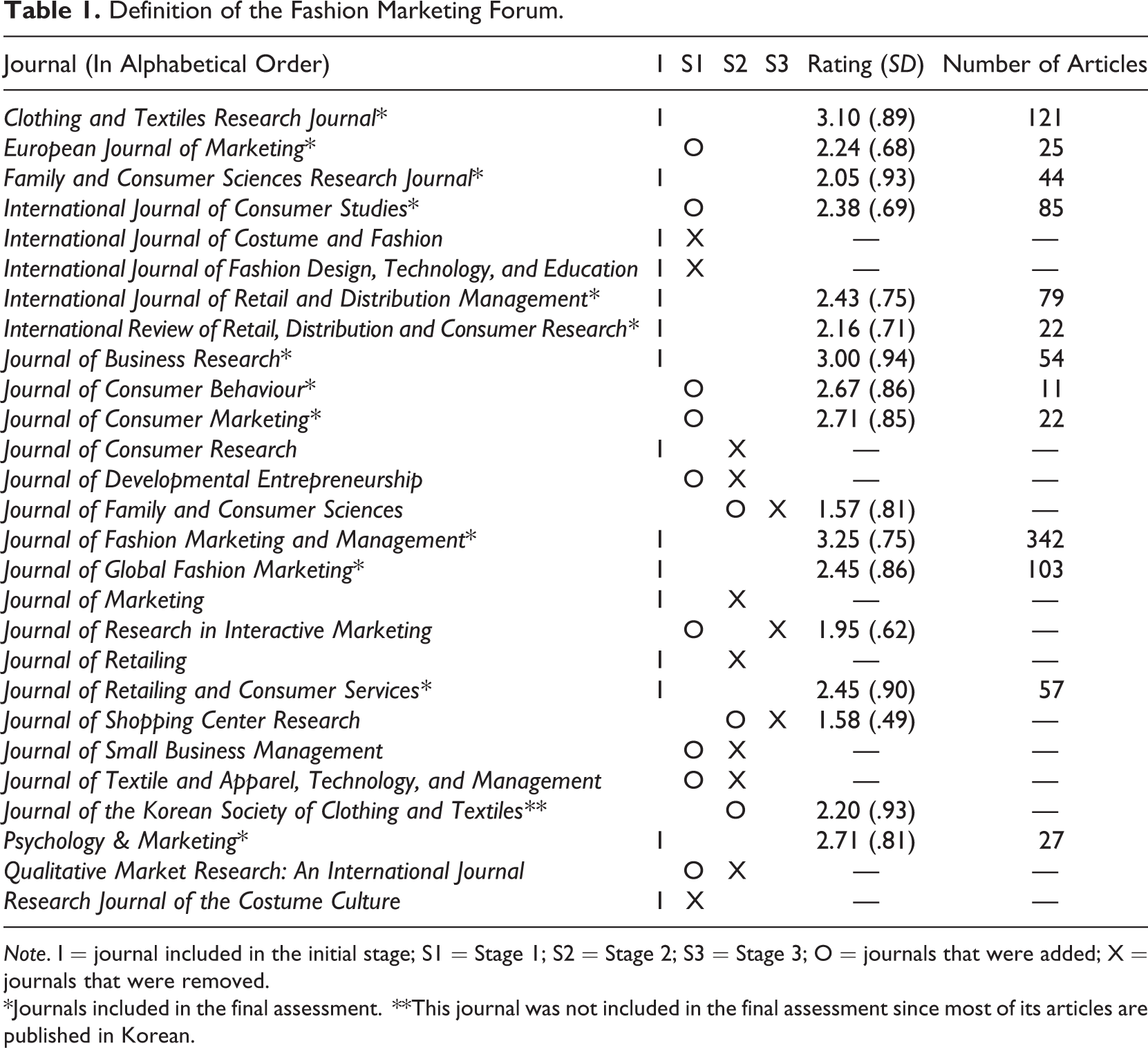
Note. I = journal included in the initial stage; S1 = Stage 1; S2 = Stage 2; S3 = Stage 3; O = journals that were added; X = journals that were removed.
*Journals included in the final assessment.
**This journal was not included in the final assessment since most of its articles are published in Korean.
Stage 2, which was not drawn from MacMillan (1989, 1991, 1993), was developed and added by the researchers to ensure that all journals included in the forum are commonly sought outlets for fashion marketing research. Specifically, we reviewed publicly accessible publication records of 19 widely acknowledged fashion marketing scholars. These 19 scholars were selected from the pool of 30 scholars utilized in Stage 1; the remaining 11 scholars were excluded since their publication records were either partially missing or not publicly accessible. The review showed that these 19 scholars had an average of 40.8 publications across 142 different journals. Out of those 142, only 10 journals were selected as publication outlets by more than 3 scholars. Based on the rationale that the fashion marketing forum is a space where fashion marketing scholars can actively exchange ideas and learn from each other, this list of 10 journals was used to reinforce and validate the list of 21 journals generated in the first stage. More specifically, journals that were included in the list of 10 but not in the list of 21 were added, and journals that were included in the list of 21 but not in the list of 10 were removed. In all, 3 journals were added and 7 were removed, resulting in a list of 17 journals (see Table 1).
Stage 3 was identical to MacMillan’s (1989, 1991, 1993) method. To verify and confirm the list of 17 journals generated in Stage 2, the list was e-mailed to 35 fashion marketing scholars currently housed in a U.S. institution. These 35 scholars were selected by combining the pool of 30 scholars utilized in Stage 1, with an additional 5 scholars identified by the researchers as having sufficient experience in fashion marketing research. Each scholar was asked to rate the journals based on one of the following four categories: Not significant as an outlet for fashion marketing research Somewhat significant as an outlet for fashion marketing research Significant as an outlet for fashion marketing research Outstanding as an outlet for fashion marketing research
Reponses were returned from 25 of the 35 scholars contacted. The acquired ratings were averaged for each journal. Three journals with average ratings of less than 2 were removed from the list, resulting in a final list of 14 journals (see Table 1). In all, we propose that these 14 journals are the most significant and commonly sought publication outlets for fashion marketing research and therefore define the fashion marketing forum as a collection of publication outlets where fashion marketing scholars can effectively exchange ideas, learn from each other’s work, and maximize contribution to the field.
Analysis of the Fashion Marketing Forum
Another purpose of this study was to analyze the contributions of individuals and institutions to the fashion marketing forum. This was addressed by adopting Shane’s (1997) method which has been used and found to be effective in similar studies from other disciplines such as marketing (Bakir, Vitell, & Rose, 2000) and retailing (Runyan & Hyun, 2009). Shane (1997) examined the contributions of individuals and institutions to the entrepreneurship forum by reviewing entrepreneurship articles published in journals rated as 2 or higher in MacMillan’s (1993) study. More specifically, Shane (1997) recorded, analyzed, and sorted author and institution names in the articles published during the 1987–1994 period in four different ways. Authors and institutions were sorted based on the total number of appearances, an adjustment was applied to reflect articles with multiple coauthors, an adjustment was applied to reflect the journal ratings, and lastly, the second and the third adjustments were combined. This process also resembles the method utilized by Oliver and Mahoney (1991) to conduct an analysis of CTRJ. We recognize that Shane’s (1997) method does not consider the varying impact of different publications. Citation analysis may resolve this issue, but the method was not utilized for this study due to the following reasons. First, citation analyses tend to be biased toward older articles that had more time to accumulate citations (Morrison & Inkpen, 1991; Runyan & Hyun, 2009) and second, assessing fashion marketing studies published in journals from other disciplines (e.g., JBR) is challenging. More specifically, it is debatable whether such articles have contributed to the fashion marketing field or the primary field associated with that individual journal.
We initiated the assessment process by first reviewing the journals included in the fashion marketing forum and generating a pool of fashion marketing studies. It should be noted that, although included in the forum of 14 journals, the Journal of the Korean Society of Clothing and Textiles was not reviewed since most of its articles are published in Korean, and therefore findings are not readily accessible to English speakers. Consequently, a total of 13 journals were reviewed for this study.
All 8,994 articles published from 2004 to 2014 in the 13 journals were reviewed with the exception of the Journal of Global Fashion Marketing, which was founded in 2010. This review of a 11-year period included all issues from January to December along with any supplemental issues published during that time. Not all 8,994 articles were fashion marketing related, and, therefore, two coders familiar with the fashion marketing literature reviewed the articles to decide whether each article was within or outside the domain of fashion marketing. To ensure that the same criteria were used by both coders, the articles were reviewed based on the definition of fashion marketing as provided earlier in this study. Some examples of articles ruled out include nonfashion studies and studies centering on fashion design, fabrics, fashion history, and fashion education. Nonrefereed articles were also excluded to focus on peer-reviewed research.
In all, out of 8,994 articles, 992 were agreed upon and classified as fashion marketing research. The number of fashion marketing articles found in each of the 13 journals is shown in Table 1. More than 44% (445 articles) of the collected articles were from journals specializing in fashion marketing research: JFMM and the Journal of Global Fashion Marketing. The 992 articles were then individually reviewed to record the associated authors and institutions. Over 900 authors from more than 500 institutions were identified.
Analysis of the Fashion Marketing Forum: Authors
Following Shane’s (1997) approach, we conducted the analyses in four different ways. The first analysis measured the contributions of authors to the fashion marketing forum by sorting the authors based on the total number of appearances in peer-reviewed articles published across the 13 journals from 2004 to 2014. The results are in Table 2.
Authors Sorted by the Total Number of Appearances.
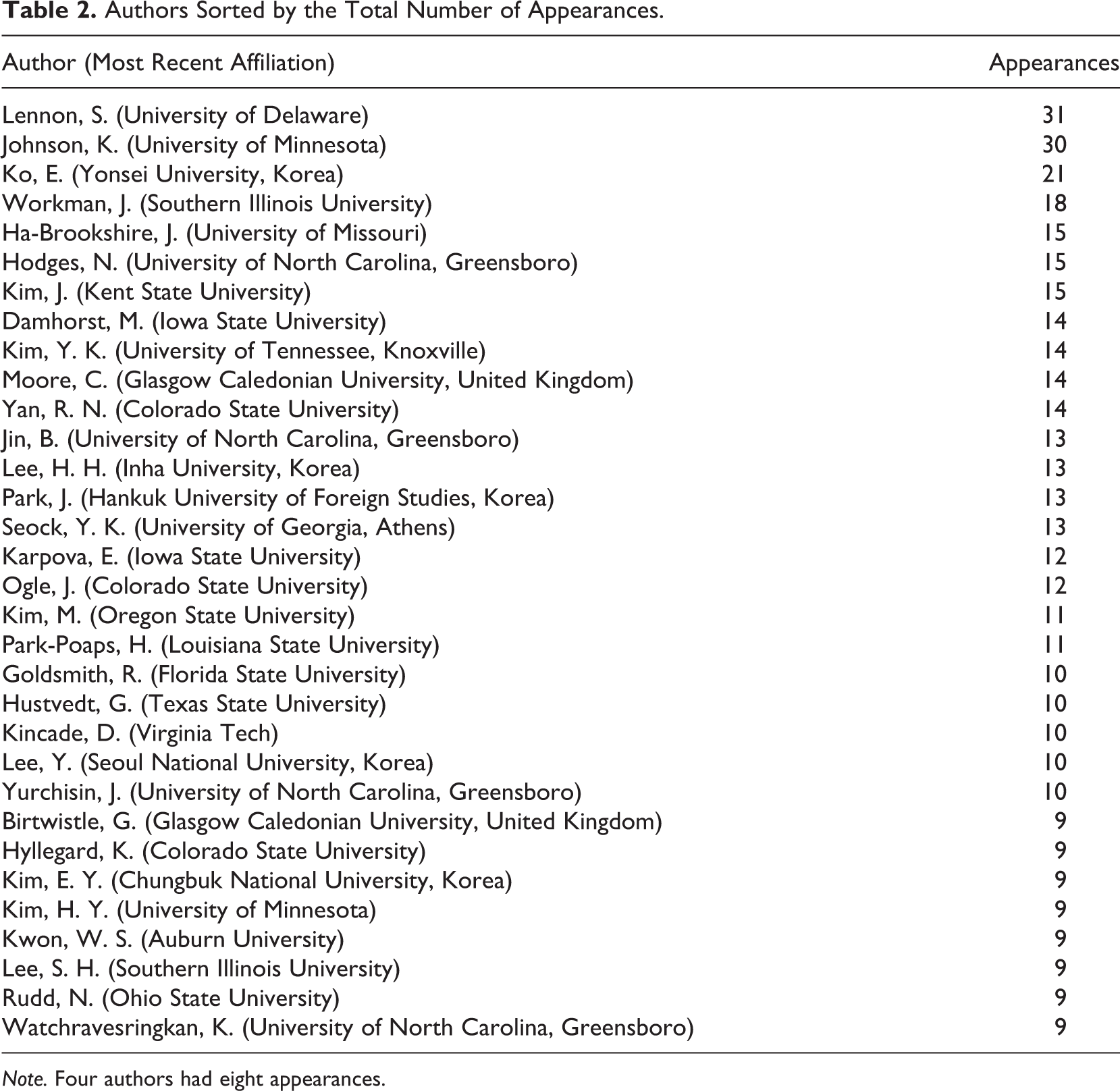
Note. Four authors had eight appearances.
Second, an adjustment was applied to account for articles with multiple authors. This adjustment, namely, the “adjusted appearances,” was suggested based on the assumption that more individual effort may be needed for single-authored articles compared to multiple-authored articles. However, the order of authorship was not considered since most multiauthored articles do not state the percentage of contribution by each author. Instead, we assumed an equal contribution for all multiauthored articles. Specifically, the adjusted appearance was calculated by assigning a weight of 1/2 for two-authored articles, 1/3 for three-authored articles, and so forth. See Table 3 for the authors sorted by adjusted appearances.
Authors Sorted by Adjusted Appearances.
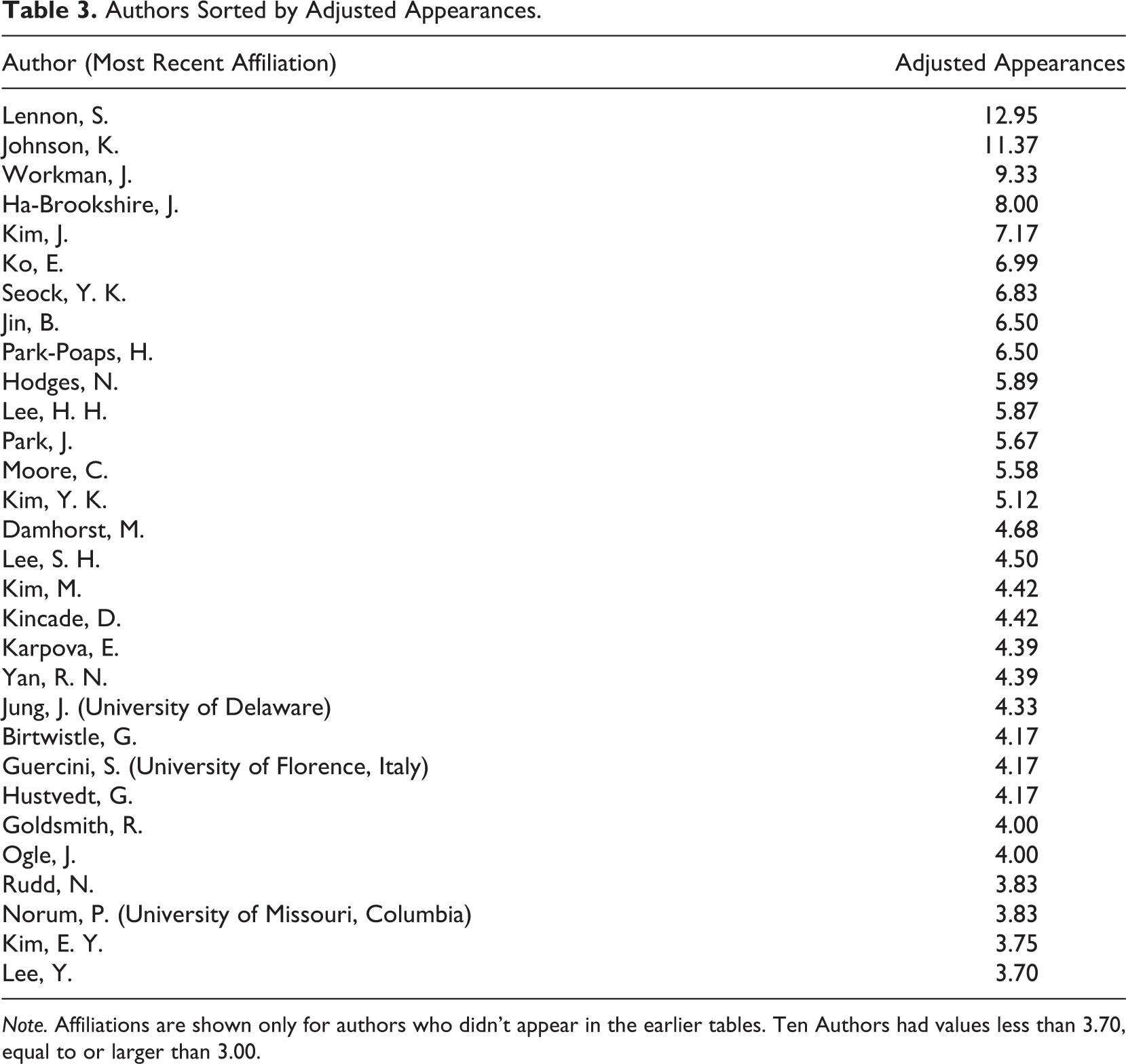
Note. Affiliations are shown only for authors who didn’t appear in the earlier tables. Ten Authors had values less than 3.70, equal to or larger than 3.00.
Third, an adjustment was applied to account for the varying ratings acquired for each journal as shown in Table 1. This adjustment, labeled as “weighted appearances,” was suggested based on the assumption that publishing in a journal with a higher rating may translate to a larger contribution to the fashion marketing forum. More specifically, this adjustment added weight to authors who have published a greater number of articles in journals with higher ratings. For example, if a scholar published two fashion marketing articles in the CTRJ and three in the Journal of Retailing and Consumer Services, the weighted appearances would be calculated as (2 × 3.10) + (3 × 2.45) = 13.55. The authors sorted by weighted appearances are shown in Table 4.
Authors Sorted by Weighted Appearances.
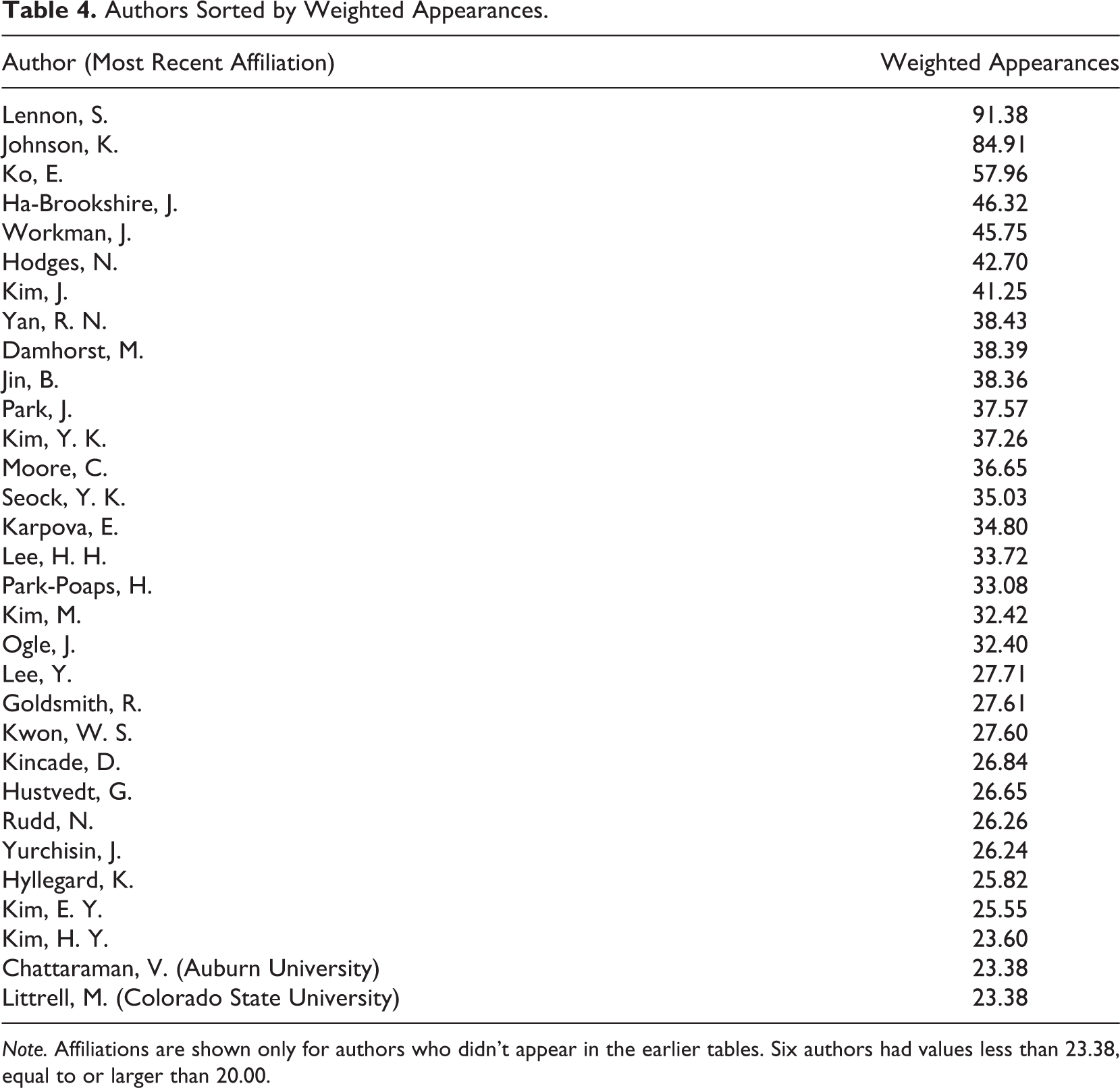
Note. Affiliations are shown only for authors who didn’t appear in the earlier tables. Six authors had values less than 23.38, equal to or larger than 20.00.
The fourth adjustment combined the second and the third adjustments. This adjustment, namely, the “composite measure,” addressed both the number of authors and the journal ratings simultaneously. For example, if a scholar published a three-authored article in the Journal of Fashion Marketing and Management, the composite adjustment would be calculated as 1/3 × 3.25 = 1.08. See Table 5 for the authors sorted by composite measure.
Authors Sorted by Composite Measure.

Note. Affiliations are shown only for authors who didn’t appear in the earlier tables. Five authors had values less than 10.03, equal to or larger than 9.00.
Analysis of the Fashion Marketing Forum: Institutions
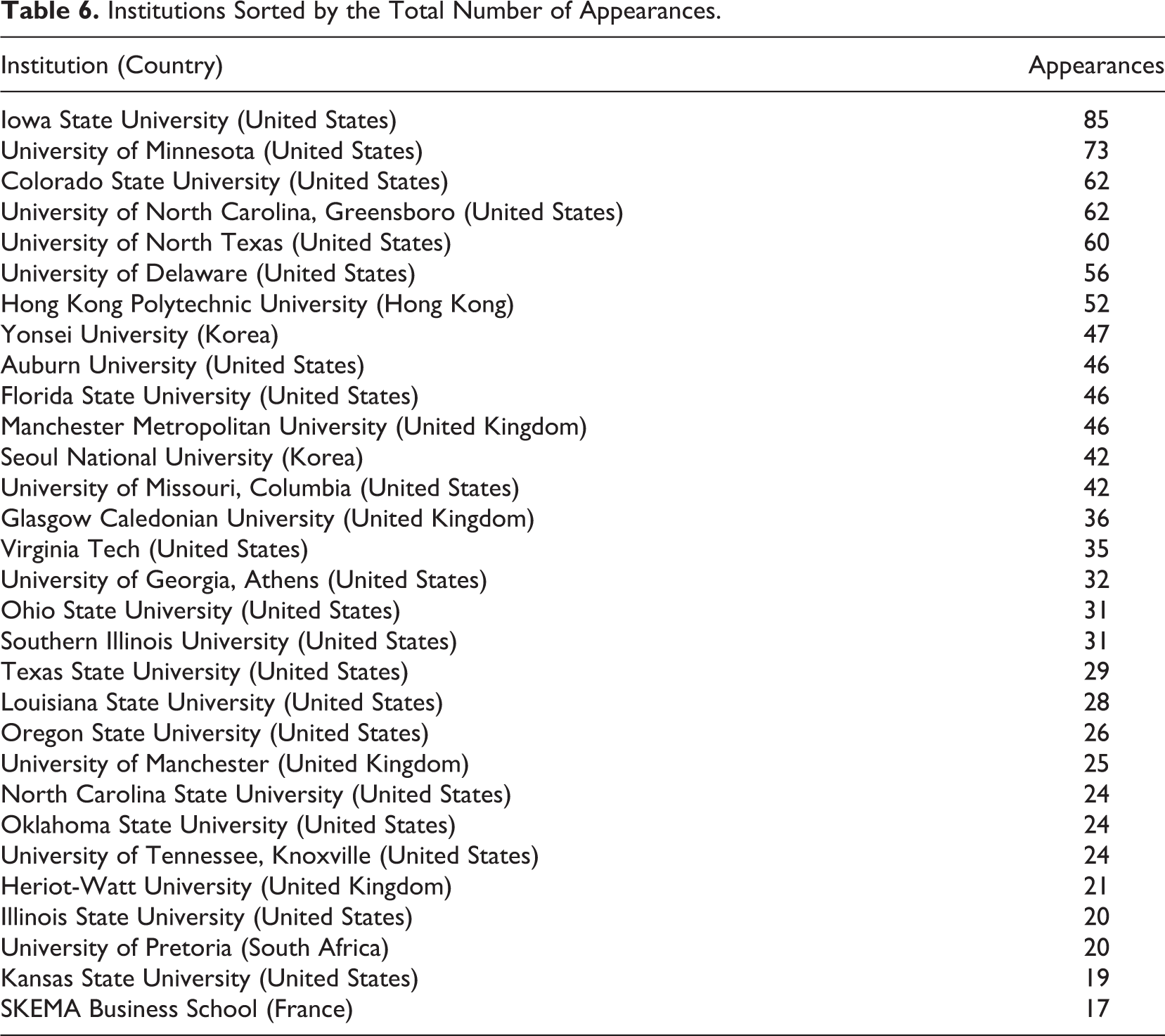
The researchers also examined the contributions of institutions to the fashion marketing forum. The procedure was identical to what was used for author contributions. First, institutions were sorted based on the total number of appearances across the 13 journals from 2004 to 2014. Second, the number of appearances was adjusted based on the number of institutions affiliated with each article. For example, for a three-authored article affiliated with three different institutions, each institution was given a score of 1/3. For a three-authored article affiliated with three identical institutions, the institution was given a score of 1. Third, the number of appearances was adjusted based on the ratings of the 13 journals, and finally for the fourth adjustment, the composite measure, the second and the third adjustments were applied simultaneously (see Tables 6 –9 for the results).
Institutions Sorted by the Total Number of Appearances.
Institutions Sorted by Adjusted Appearances.
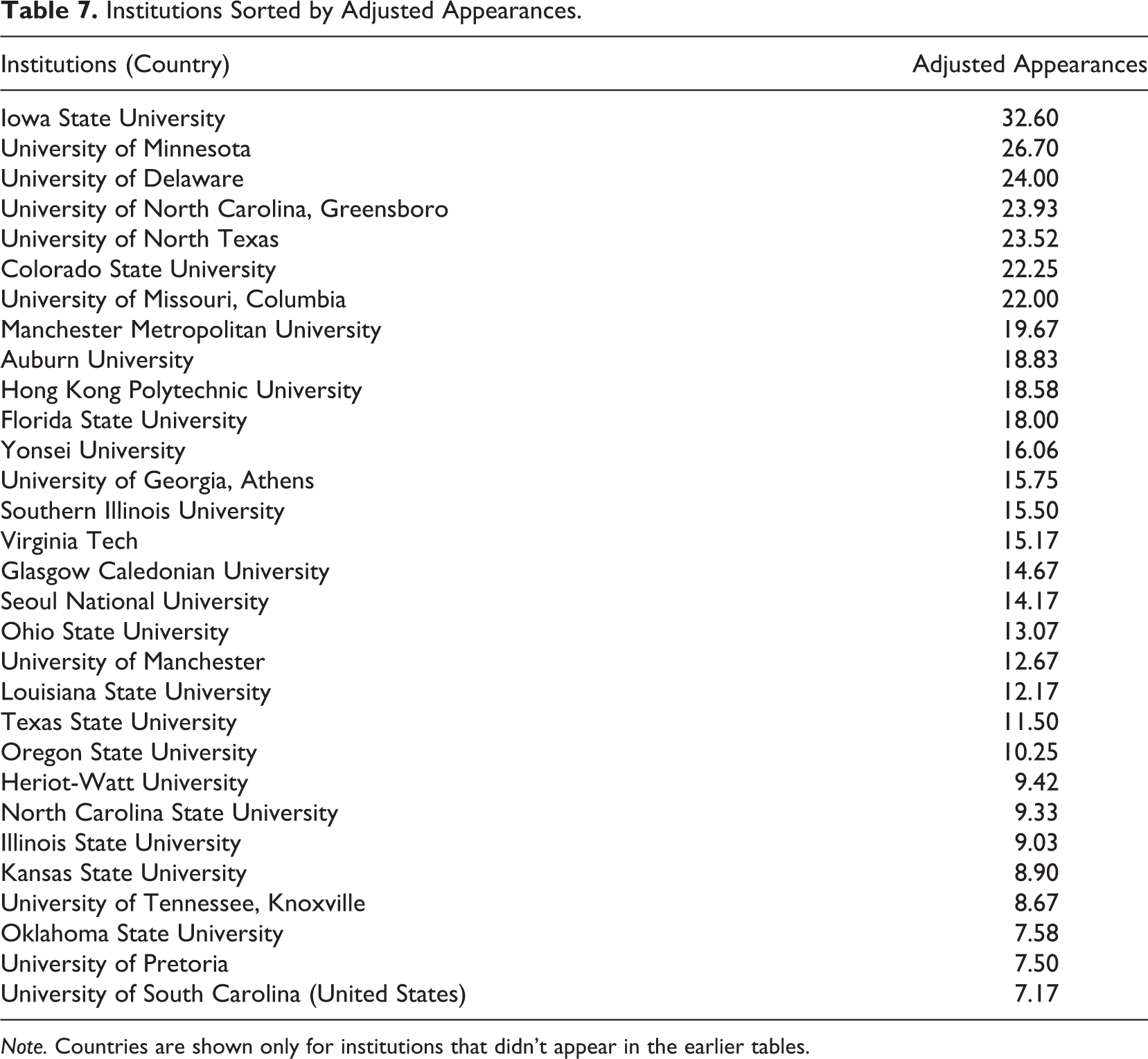
Note. Countries are shown only for institutions that didn’t appear in the earlier tables.
Institutions Sorted by Weighted Appearances.
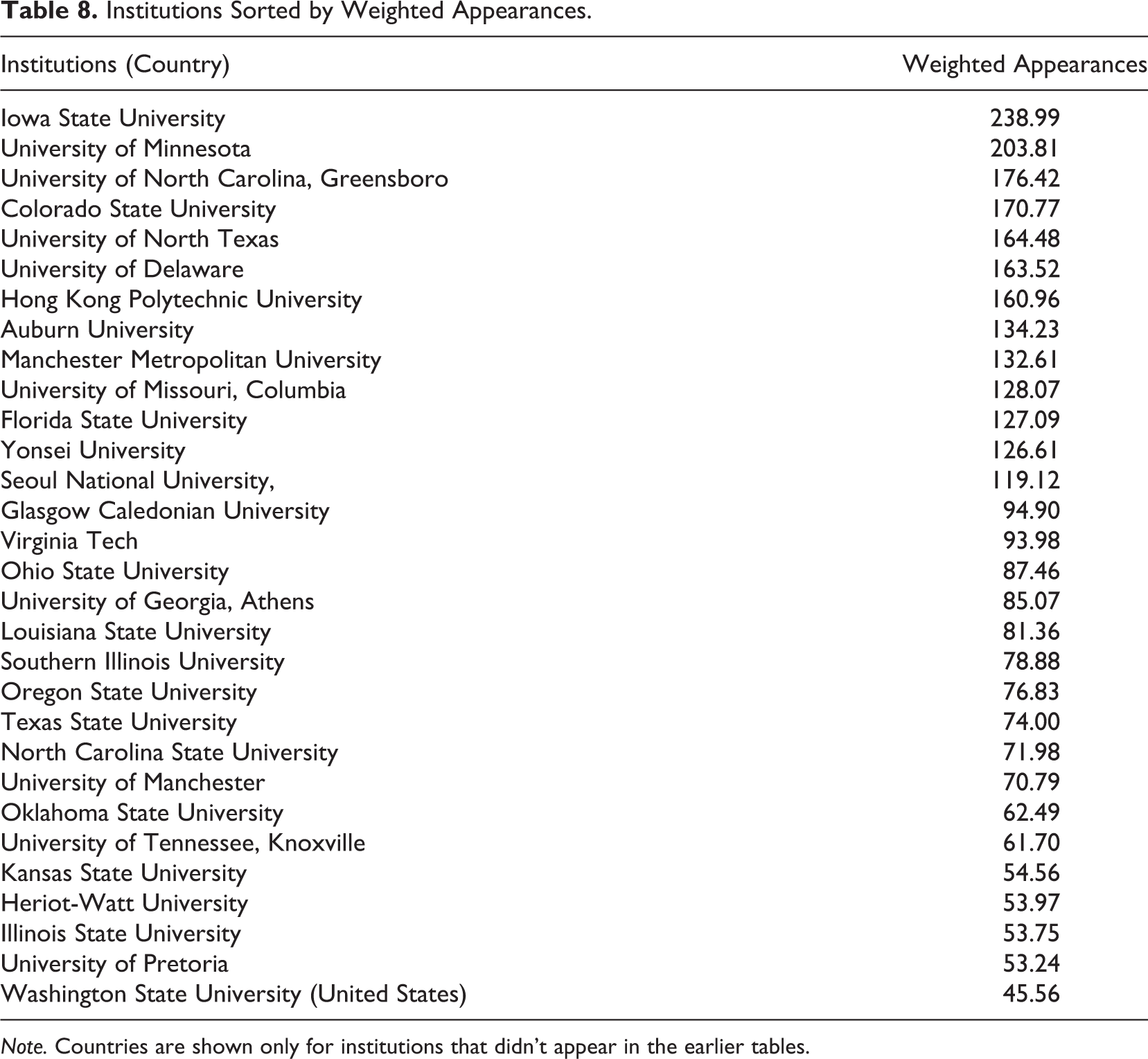
Note. Countries are shown only for institutions that didn’t appear in the earlier tables.
Institutions Sorted by Composite Measure.
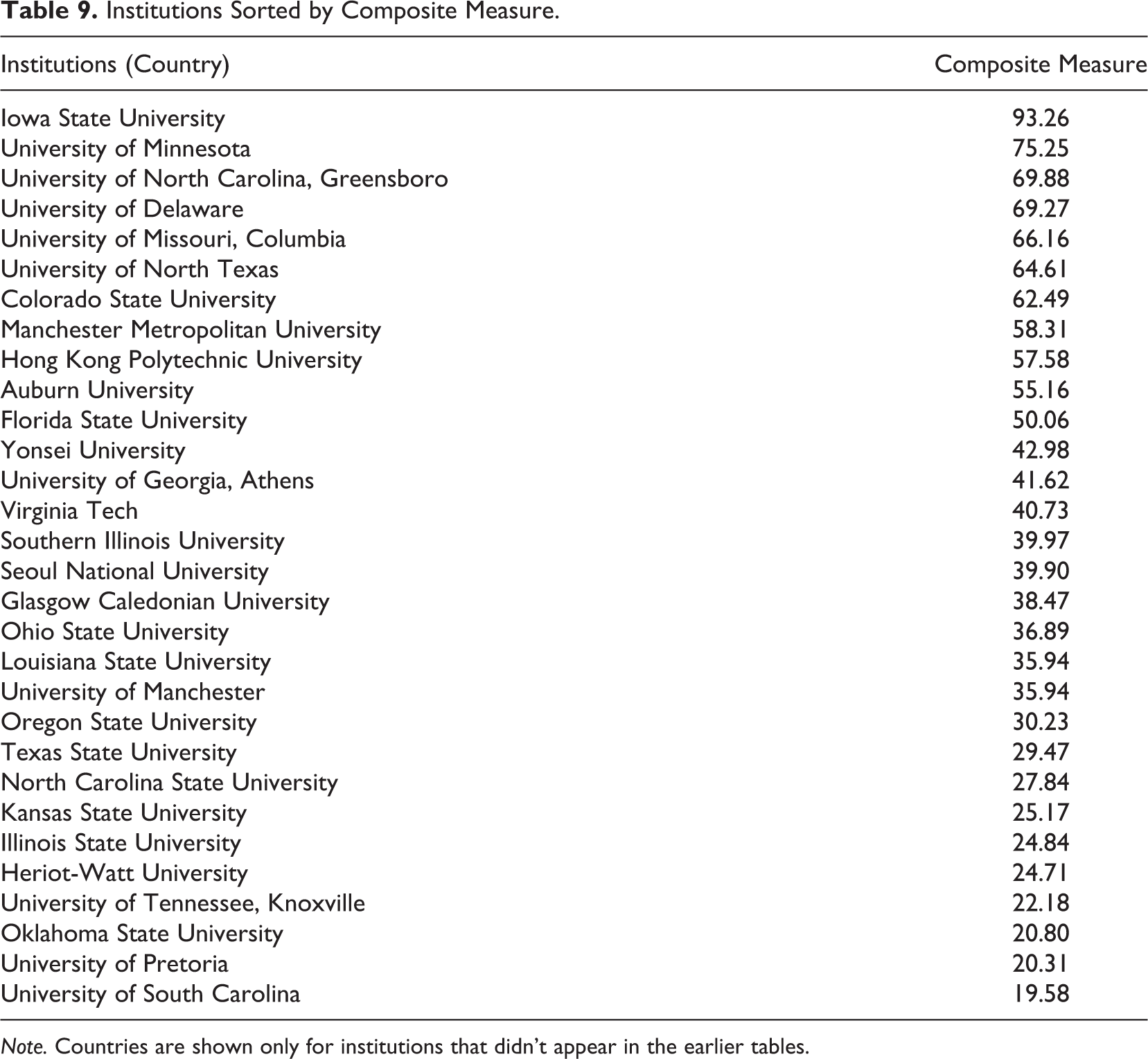
Note. Countries are shown only for institutions that didn’t appear in the earlier tables.
Appearances by Journal Type
As mentioned earlier, publication assessment studies should address the specific needs and unique situations within each academic discipline. One unique aspect of the fashion marketing field is that a large number of contributing academic departments do not necessarily specialize in fashion, as evidenced by the varying department names. For example, some department names display a specific focus on fashion (e.g., textile and apparel management and fashion and apparel studies), whereas other related units use a variety of terminology (e.g., merchandising and digital retailing and consumer and design sciences). In line with the above, we assume that institutions with a fashion-focused department may have a greater propensity to publish in fashion journals than nonfashion journals. Likewise, scholars housed in fashion departments may be more attracted to journals that expressly focus on fashion. In an attempt to provide greater insights, we generated tables that compare the weighted appearances in fashion versus nonfashion journals. A comparison of authors is shown in Table 10, and a comparison of institutions is shown in Table 11.
Authors Sorted by Adjusted Appearance in Fashion Versus Nonfashion Journals.
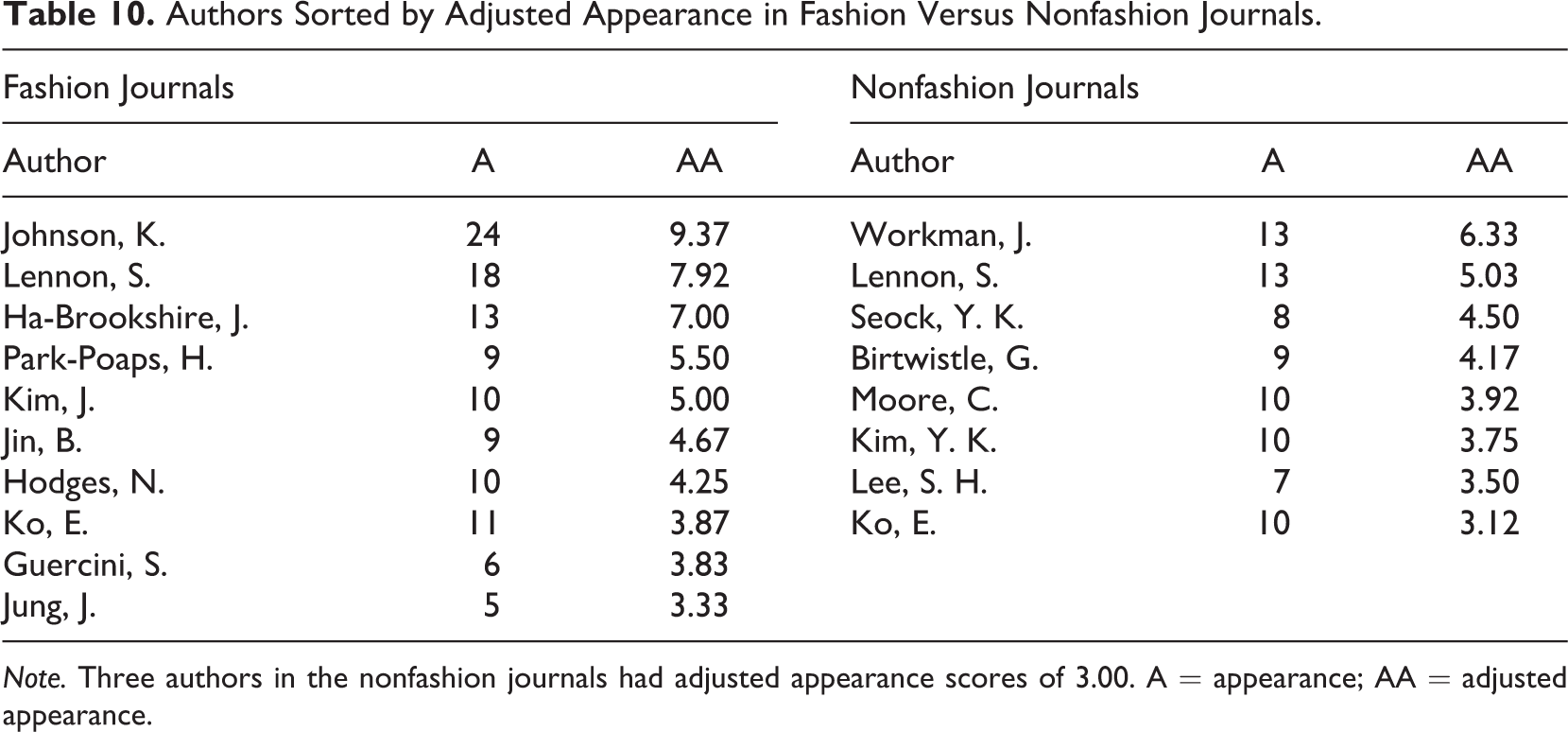
Note. Three authors in the nonfashion journals had adjusted appearance scores of 3.00. A = appearance; AA = adjusted appearance.
Institutions Sorted by Adjusted Appearance in Fashion Versus Nonfashion Journals.
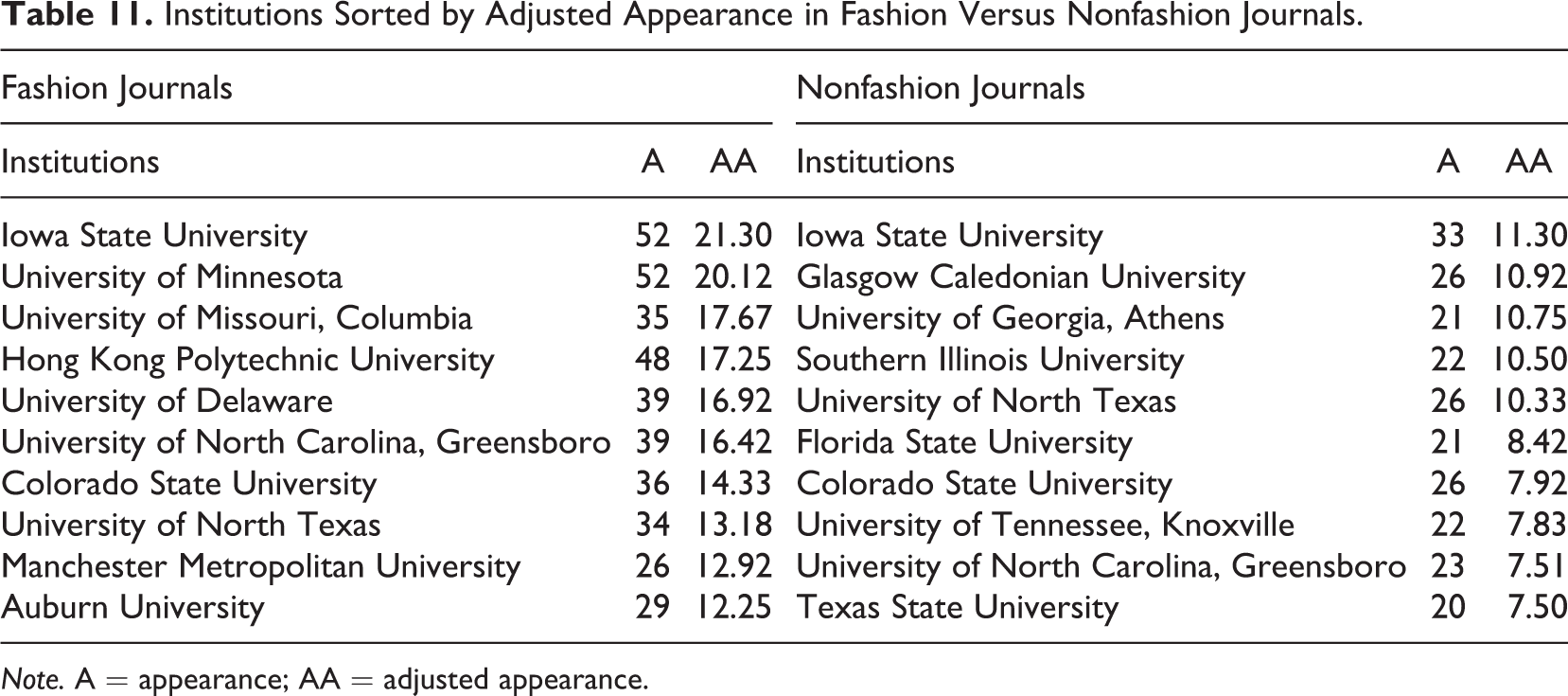
Note. A = appearance; AA = adjusted appearance.
As shown in Table 10, in fashion journals, 9 of 10 scholars were housed in a department with the term fashion, apparel, textiles, or clothing included in the department name, whereas only 5 of 8 in nonfashion journals were housed in such a department. Similarly in Table 11, in fashion journals, 7 of 10 institutions had an academic department with fashion-related terms in the department name, whereas only 5 of 10 in nonfashion journals had such a department.
Discussion and Conclusions
This study makes several contributions. One is the definition of the fashion marketing forum, which was achieved by generating and refining a list of journals based on evaluations and ratings acquired from fashion marketing scholars. The list is useful for multiple reasons. First, it provides a guideline for researchers pursuing potential publication outlets for fashion marketing studies. More specifically, the forum enables one to identify the fashion and nonfashion journals that are most frequently sought and regarded as significant as an outlet for fashion marketing studies. Second, the information can function as a tool for evidencing the scholarly impact of fashion marketing studies published in non-SSCI journals. Third, the fact that the JFMM and the Journal of Global Fashion Marketing were included and rated highly in the defined forum may promote the creation and growth of specialist journals dedicated specifically to publishing fashion marketing research, thus encouraging the field to form a clear mass of core fashion marketing journals. While the defined forum is useful as described above, it should not be taken as an indicator of overall journal quality but rather perceived as a space where fashion marketing scholars can maximize their contribution to the field. Also, we have no intention to undervalue research published in journals outside of the defined forum or argue that scholars should publish in specific journals. Rather, we hope that the forum supports the emergence of fashion marketing as a separate and independent scholarly field.
Another contribution of this study is the analysis of the fashion marketing forum. The recent publication pattern in the field of fashion marketing as shown in the analysis provides useful information to funding agencies and faculty seeking career advancement. The information may also be useful for students seeking master’s and doctoral advisors or graduate programs in fashion marketing. Currently, the lack of published rankings in the field of fashion marketing drives prospective graduate students to make selections largely based on anecdotal information, such as suggestions from mentors or peers. The results of this study provide a quantifiable means to evaluate or add support to such information. It should be noted that the list of authors and institutions presented in this study is not an indicator of overall research impact or productivity but rather a recent snapshot of who has been contributing to the fashion marketing forum. As mentioned earlier, many fashion marketing scholars are not housed in a fashion department and many academic departments are not fashion focused. Consequently, such scholars and institutions may not necessarily seek fashion journals or focus on publishing fashion marketing studies. That is, this study may be capturing only a fraction of the total publication productivity for some scholars and institutions.
Limitations and Future Studies
As with most publication assessment studies, this study is not without limitations. First, the scholars who participated in the survey were all housed in U.S. institutions. This limitation bears the possibility of not fully capturing the outputs of non-U.S. institutions and the affiliated authors. However, despite the bias, almost one third of the institutions listed in Table 6 was non-U.S. based. This implies a strong contribution of non-U.S. institutions in the fashion marketing discipline. That is, more non-U.S. institutions may have been listed if the current study was conducted in a global setting. Future studies could expand the initial e-mailing list to scholars in other parts of the world (e.g., Korea, Hong Kong, and United Kingdom) to define a more globally agreed-upon forum. The analysis of such a forum would also provide a more global perspective of the publication pattern.
A second limitation is the small sample size. However, it should be noted that the respondents of this study were all deemed to be widely acknowledged scholars, “experts” in the fashion marketing field. According to McKercher et al. (2006), publication assessment studies utilizing a small number of experts can provide meaningful results since the respondents, in principle, have significant knowledge about their literature. In addition, many similar past studies were conducted using small sample sizes: 15 responses (MacMillan, 1989), 22 responses (Caligiuri, 1999), and 30 responses (Fried, 2003).
Third, the results of this study, or any other similar studies, are not predictive. According to Morrison and Inkpen (1991), the definition of a forum is dynamic and continually changing. That is, a journal currently perceived by scholars to define the fashion marketing forum may not hold the same perception 10 or 20 years later. Also, journal ratings acquired in the current study may shift over time. Likewise, the tables of authors and institutions generated in this study may be altered due to factors such as changes in publication trends, scholars shifting institutional affiliations, or authors publishing a greater or fewer number of fashion marketing articles for a variety of reasons. In order to minimize such limitations, replication studies should follow. That said, this study has value to the fashion marketing field as a starting point for the future stream of publication assessment studies that will accumulate and gradually mature over time.
Footnotes
Declaration of Conflicting Interests
The author(s) declared no potential conflicts of interest with respect to the research, authorship, and/or publication of this article.
Funding
The author(s) received no financial support for the research, authorship, and/or publication of this article.