



Abstract
Objective
The concept of self-efficacy is a determining factor in many behaviours related to health promotion and health education. Several pilot studies have been conducted in different parts of the world on different populations regarding the impact of training based on the Pender Health Promotion Model on self-efficacy, yielding conflicting results. Therefore, the present systematic review and meta-analysis were conducted with the aim of evaluating and summarizing the results of studies on the impact of training based on the Pender Health Promotion Model on self-efficacy.
Data Source
MagIran, SID, PubMed, Embase, Web of Science (WoS), Scopus and Google Scholar.
Study Inclusion and Exclusion Criteria
Original scientific research articles; Interventional studies; Studies investigating the effects of education based on the Pender Health Promotion Model on self-efficacy; Studies irrelevant to the objective; Cross-sectional studies; case reports; and papers presented in conferences; letters to the editor; systematic and meta-analysis studies.
Data Extraction
Two independent reviewers extracted data and assessed the quality of the 18 included studies using a pre-prepared checklist for the systematic review and meta-analysis process.
Data Synthesis
We conducted meta-analyses and reported the characteristics, outcomes, and risk of bias of studies.
Methods
The present study was conducted according to PRISMA guidelines until December 2022. The quality assessment of the included articles for meta-analysis was performed using the JBI checklist. Heterogeneity of the studies was calculated using the I 2 statistics, and Egger's regression intercept was used to assess publication bias.
Results
In the initial search, 13,943 studies were found, and after excluding studies irrelevant to the research objective, a total of 18 articles were included in the meta-analysis. These articles represented a sample size of 1015 individuals in the intervention group and 999 individuals in the control group. The combined results of the studies showed a significant increase in self-efficacy in the intervention group when compared to the control group (1.788 ± .267; CI: 95%, P < .001). With an increase in the year of study and the quality assessment score of the articles, the effect of the intervention decreased (P < .001).
Conclusion
The results of this study indicated that training based on the Pender Health Promotion Model significantly increased self-efficacy. Therefore, it seems that training based on this model can have positive effects on individuals' self-efficacy.
Objective
The concept of self-efficacy has been recognized as a determining factor in behaviours of promoting health and health education. 1 Assessing self-efficacy is an important part of individual care programs, and studies have shown that enhancing self-efficacy can be effective in modifying lifestyle and improving quality of life.2-5 The concept of self-efficacy was introduced by Bandura in 1977, and he states that the sense of self-efficacy is a prerequisite for behaviour change. 6
Pender proposed a health promotion model (HPM) as a comprehensive framework to predict and explore the factors influencing health-promoting behaviours.6,7 According to this model, individuals commit to behaviours that they perceive as beneficial, and perceived barriers may hinder commitment to those behaviours, while perceived self-efficacy increases commitment to action. Family, friends, health professionals, and healthcare providers are important interpersonal influences that can either enhance or diminish commitment to action.8-11
Fashafsheh et al 12 quoted by Pender and colleagues identified self-efficacy as a predictive factor of behaviour in the HPM. They believed that perceived self-efficacy affects perceived barriers to behaviour. The higher the self-efficacy for a behaviour, the fewer the perceived barriers to performing that behaviour. Self-efficacy belief determines individuals' feelings, thoughts, motivations, and behaviours. Higher self-efficacy leads to better performance in various domains. Individuals with a high self-efficacy confront challenging tasks rather than avoiding them. They set challenging goals for themselves and demonstrate a high level of commitment to achieving these goals. In contrast, individuals with low self-efficacy perceive difficult tasks as personal threats. They have minimal concerns and little commitment to achieving their goals. When faced with challenging tasks, they doubt their competence and imagine negative outcomes instead of thinking about how to perform successfully. 13 O’Neil et al 14 (2013) showed that higher self-efficacy scores were associated with better cardiac performance, improved mental and physical health, and less likelihood of hospitalization.
Several preliminary studies have been conducted worldwide on the impact of education based on the Pender Health Promotion Model on self-efficacy. Due to the inconsistent results reported by these studies, a systematic review and meta-analysis is necessary to provide a clear and comprehensive guide for educators/practitioners and researchers. Therefore, the present systematic review and meta-analysis aimed to evaluate and summarize the results of studies investigating the effects of education based on the Pender Health Promotion Model on self-efficacy.
Methods
The present study was conducted according to PRISMA guidelines until December 2022. The study followed the PRISMA 2020 protocol (https://www.prisma-statement.org/) including the stages of Identification, Screening, Eligibility, and Included. 15
To find relevant articles related to the research objective, both Persian databases such as (https://www.sid.ir) SID and MagIran (https://www.magiran.com) and international databases such as PubMed, Embase, Scopus, and Web of Science (WoS) were searched. The search was performed using the keywords “Pender” and “Model*”; the keywords were validated using MeSH for PubMed and Emtee for Embase, using OR and AND operators. The search did not include any time or language restrictions to make sure that all potentially relevant studies were retrieved. To maximize the comprehensiveness of the search, the Google Scholar search engine and the references of all retrieved articles were also used. For example, the search strategy for PubMed was as follows:
(((“Self-Efficacy”[Title/Abstract]) OR (“Self-Efficacy”[MeSH Terms])) AND (((“Health Promotion”[MeSH Terms]) OR (“Health Promotion”[Title/Abstract])) OR (Pender [Title/Abstract]))) AND (model*[Title/Abstract])
Inclusion Criteria
• Original scientific research articles; • Interventional studies; (The studies that considered the educational program in order to improve self-efficacy and were designed based on Pender's self-efficacy model). • Full-text available; • Studies investigating the effects of education based on the Pender Health Promotion Model on self-efficacy; and • Sufficient data (Mean ± SD scores of self-efficacy before and after intervention for case and control groups).
Exclusion Criteria
• Studies irrelevant to the objective; • Cross-sectional studies, case reports, case series, case studies, and papers presented in conferences, letters to editor, qualitative studies, dissertations, systematic and meta-analysis studies, and studies on animal subjects; • Studies indexed in different databases; • Full-text unavailable; • Lack of adequate data (failure to report Mean ± SD and self-efficacy score before and after the intervention for the control and case groups); and • Lack of a control group.
Selection Process of Studies
All articles obtained from the databases were imported into the EndNote X8 software. Then, the duplicated articles were excluded. Then, a detailed examination of the titles and abstracts of the studies was conducted, and irrelevant papers were removed. Subsequently, the full texts of all remaining articles were evaluated thoroughly, and studies that did not meet the inclusion and exclusion criteria were excluded. The searchers were blind to the authors, institutions, and journals of the articles. All selected articles were subjected to qualitative assessment before entering the systematic review and meta-analysis stage.
Qualitative Evaluation of the Studies
The qualitative assessment was conducted using the Joanna Briggs Institute (JBI) checklist, which is a standardized and well-known checklist for evaluating the quality of randomized controlled trials. 16 The checklist contains 13 questions regarding similarity of treatment groups in the beginning, allocation, randomization, the blindness of participants, blindness of doers, the blindness of the evaluators of the results, similar treatment in groups except intervention, follow up, participants analysis, outcomes, reliability of the method of measuring results, appropriate statistical analysis and trial design appropriate the study. For scoring, “Yes” indicates compliance, “No” indicates non-compliance, and “NA” indicates non-reporting. The minimum and maximum scores based on the number of “Yes” responses are 0 and 13, respectively.
Data Extraction
Data extraction was performed manually from all final articles using a pre-prepared checklist for the systematic review and meta-analysis process. The items on this checklist included the first author, year of study, study location, age, and sample size, Mean ± SD of self-efficacy score before and after intervention for the intervention and control groups, P-value, study type, and diagnostic tool. All the studies included in the meta-analysis had conducted training based on different dimensions of Pender's health promotion model, and in this meta-analysis, we extracted the mean ± SD self-efficacy score of the case group and the control group before and after the intervention. To reduce publication bias and errors, all stages of identification, selection, qualitative assessment of studies, and data extraction were performed by two researchers independently (A.J. and M.K.). Any disagreement between the two researchers would be discussed and reviewed again in the presence of a supervisor (A.Z.) to achieve a consensus.
Statistical Analysis
The index under investigation was the effect of education based on the Pender Health Promotion Model on self-efficacy. To combine the results of studies, the mean ± SD score before and after the intervention of the case and control groups were used. The heterogeneity of the studies was examined using the I 2 index. An I2<50% was considered as “low heterogeneity” and I 2 > 50% was considered as “high heterogeneity.” Due to the high heterogeneity among the results of the included studies (I 2 > 50%), the Random Effects model was used. This model calculates the parameter variations among the studies, making the results of this model more generalizable even with high heterogeneity compared to the fixed-effect model. 17 Sensitivity analysis was performed to identify the source of heterogeneity. Egger's regression intercept was used to assess publication bias as it has a higher sensitivity to publication bias in meta-analyses when the number of articles is between 10 and 75. 18 Additionally, meta-regression was used to examine the association between the standardized mean difference before and after the intervention for the control and intervention groups and the sample size, year of publication, age, and JBI score. The data were analyzed using Comprehensive Meta-Analysis software (Version 2) (a P-value <.05).
Ethics Approval and Consent to Participate
Ethics approval was received from the ethics committee of deputy of research and technology, Kermanshah University of Medical Sciences (IR.KUMS.REC.1402.231).
Results
Summary of how the Articles Were Included in the Meta-Analysis
Using search strategies in various databases, a total of 13,943 studies were found, out of which 8654 duplicated and overlapping studies were excluded. Out of the remaining 5289 studies, 5228 were removed due to irrelevance based on the titles and abstracts. Then, out of the 61 remaining studies, 43 articles were excluded based on the examination of the full-text articles due to their non-compliance with the inclusion criteria. Therefore, 18 articles that met the inclusion criteria were included in the meta-analysis. The flowchart of the PRISMA 2020 diagram is depicted in Figure 1. PRISMA 2020 flow diagram for article selection.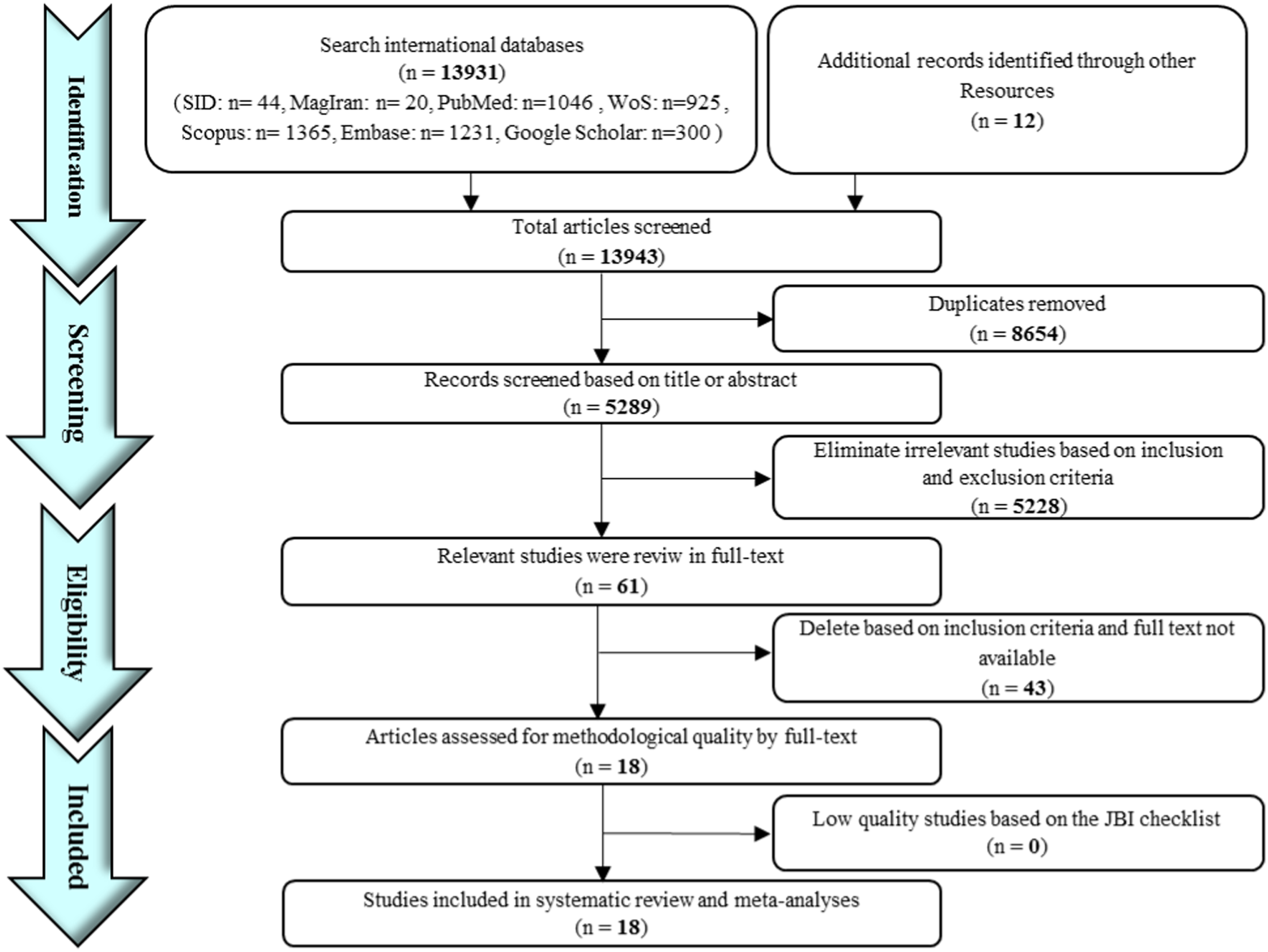
General Characteristics of the Studies
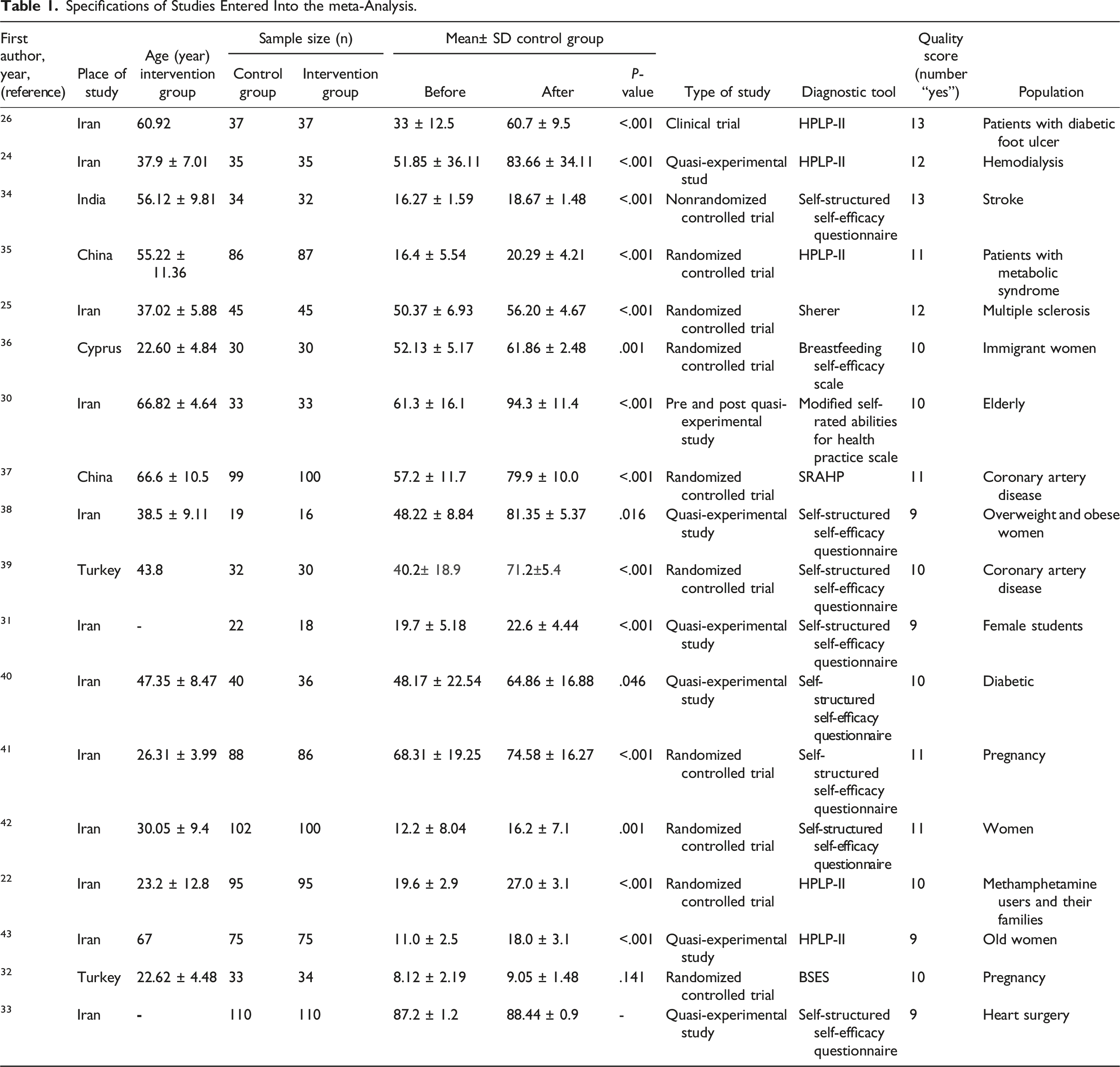
Specifications of Studies Entered Into the meta-Analysis.
Differential Mean Standardized Analysis Before and After Intervention in Intervention and Control Groups
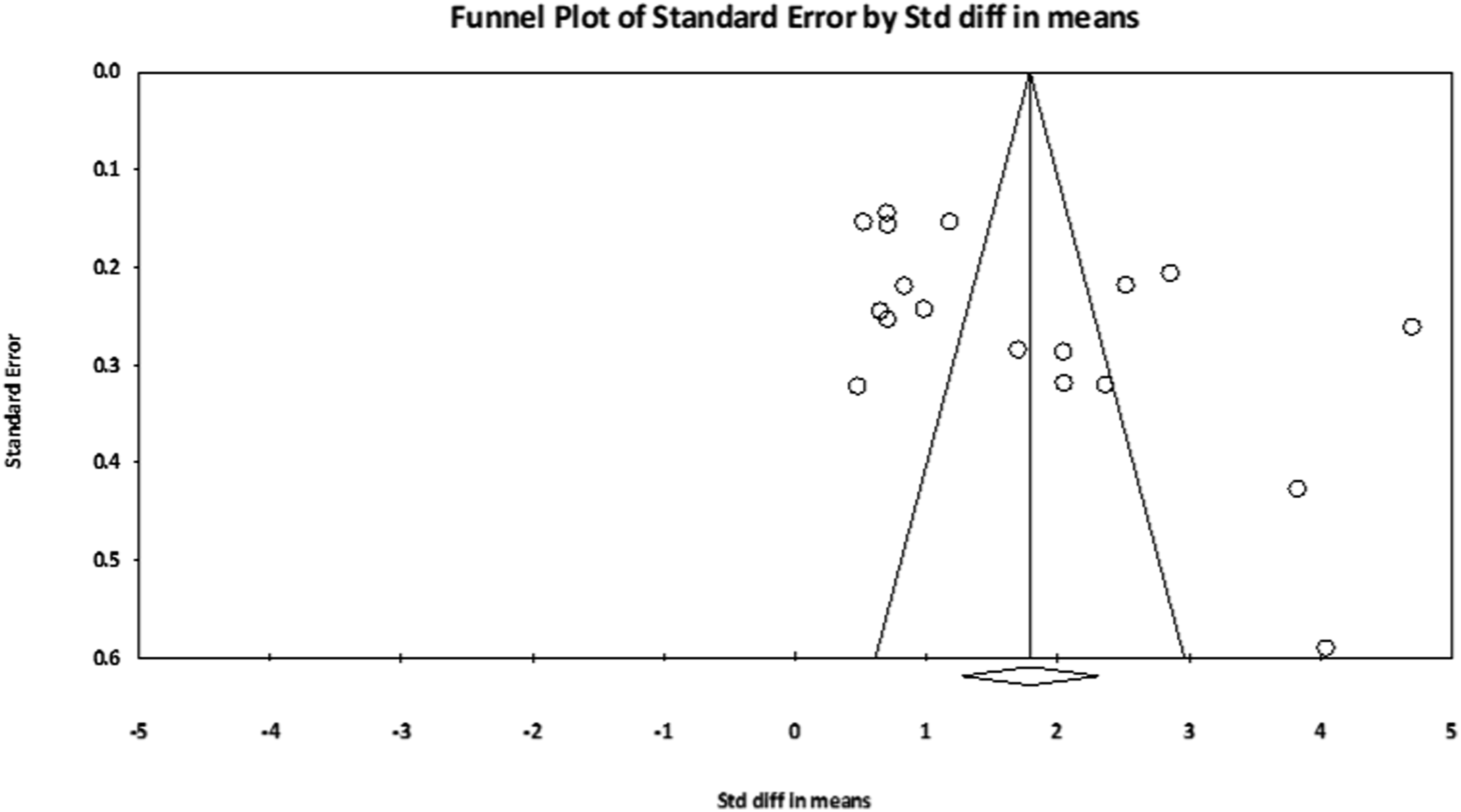
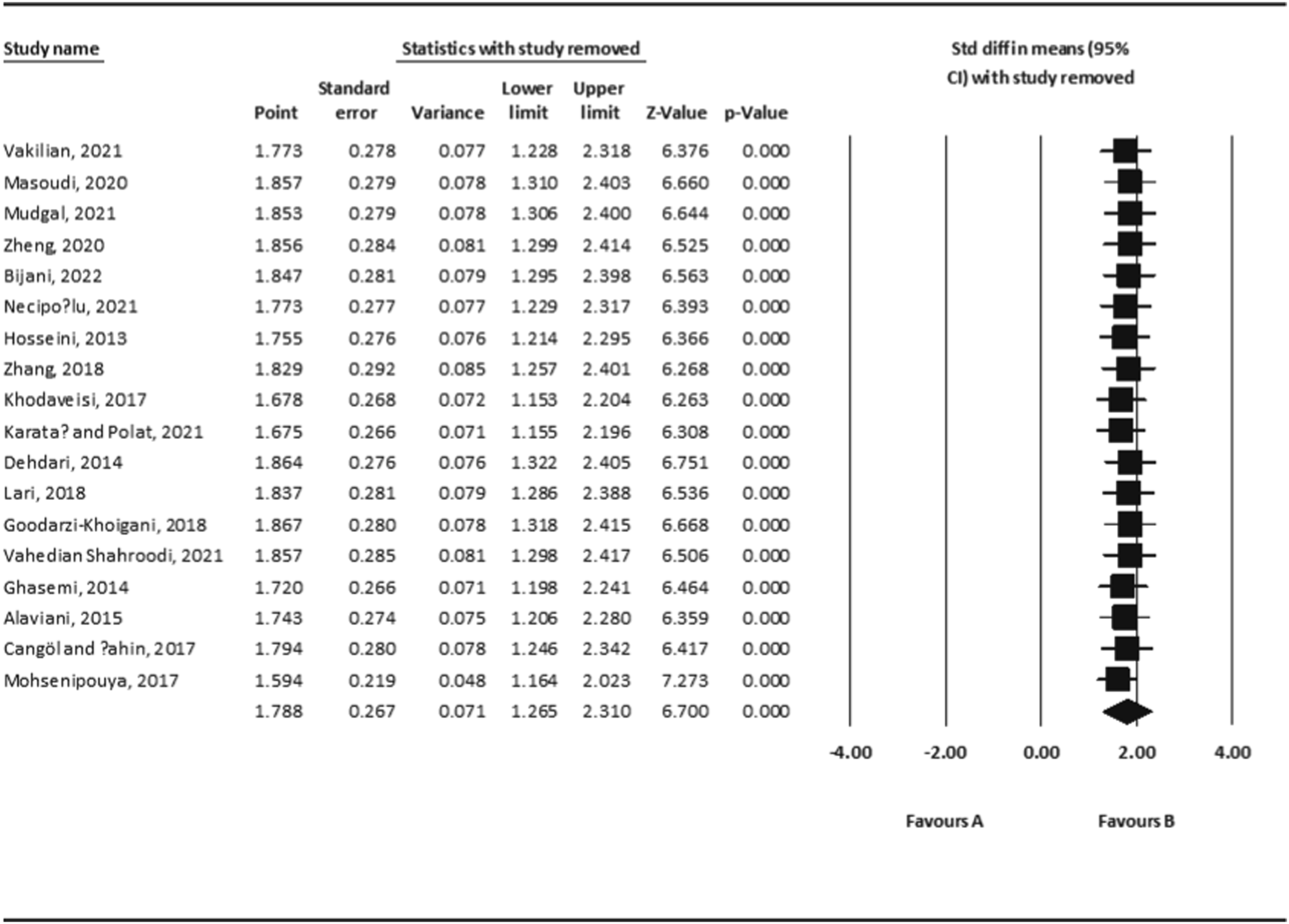
Based on the results, there was a substantial heterogeneity among the included studies (I2 = 95.94). Therefore, a random-effects model was used to combine the studies and obtain the final outcome. Analysis of all studies combined demonstrated a significant increase in self-efficacy scores in the intervention group (1.788 ± .267; CI: 95%) compared to the control group (P < .001). The Forest Plot (Figure 2) illustrates the combined estimate of all studies and the standardized mean difference in each study. The 95% confidence interval is depicted by the horizontal line in each square (Figure 2). Based on Egger's regression intercept, there was no evidence of publication bias in the studies at a significance level of .01 (P = .022) (Figure 3). Sensitivity analysis results showed that the exclusion of any study did not significantly alter the overall findings (Figure 4). Forest plot of the studies included in the meta-analysis before and after the intervention of the control group and the intervention group. Funnel plot of the studies included in the meta-analysis before and after the intervention of the control group and the intervention group. Sensitivity analysis chart before and after the intervention of the control group and the intervention group based on the random effects model.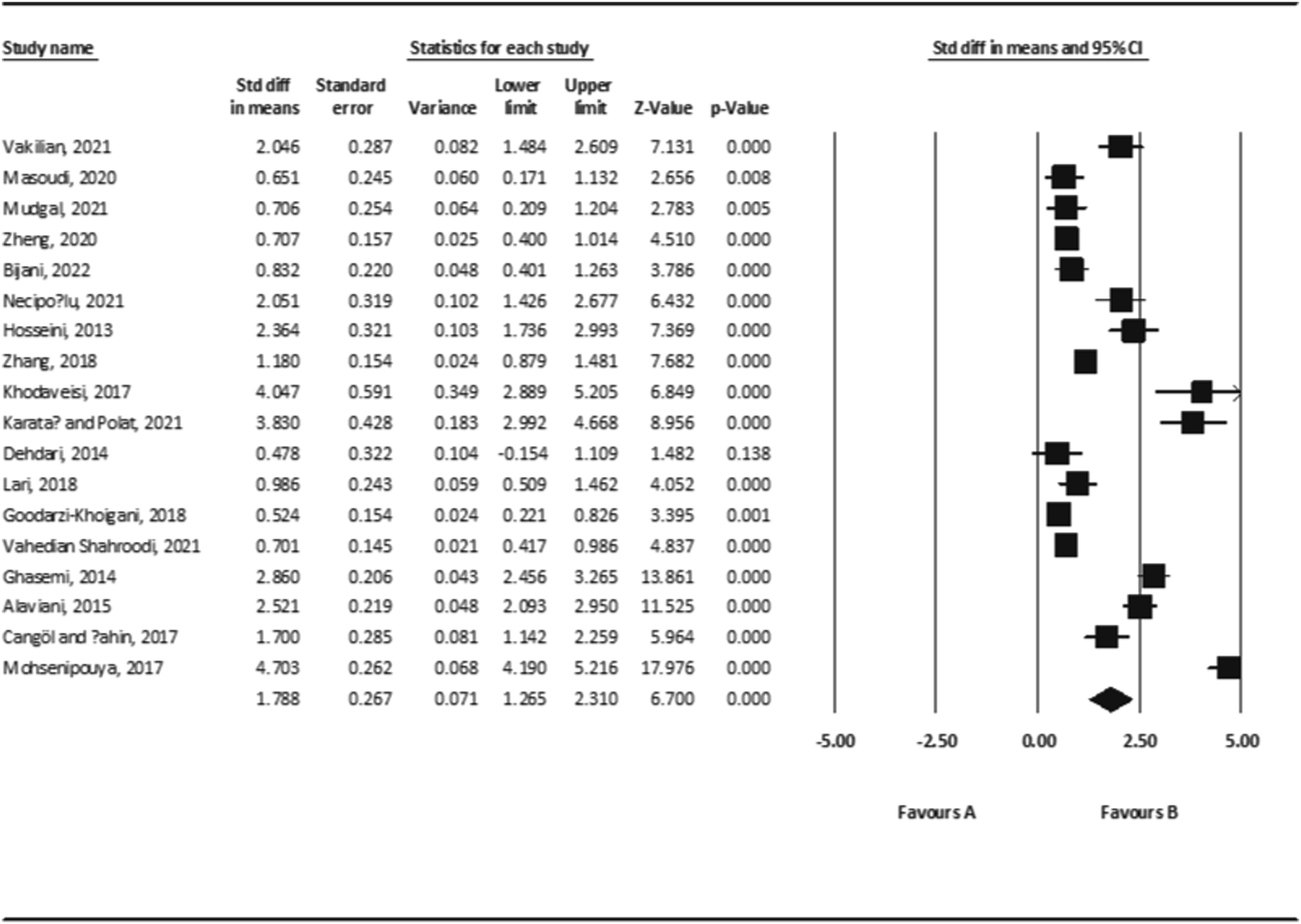
Meta- Regression
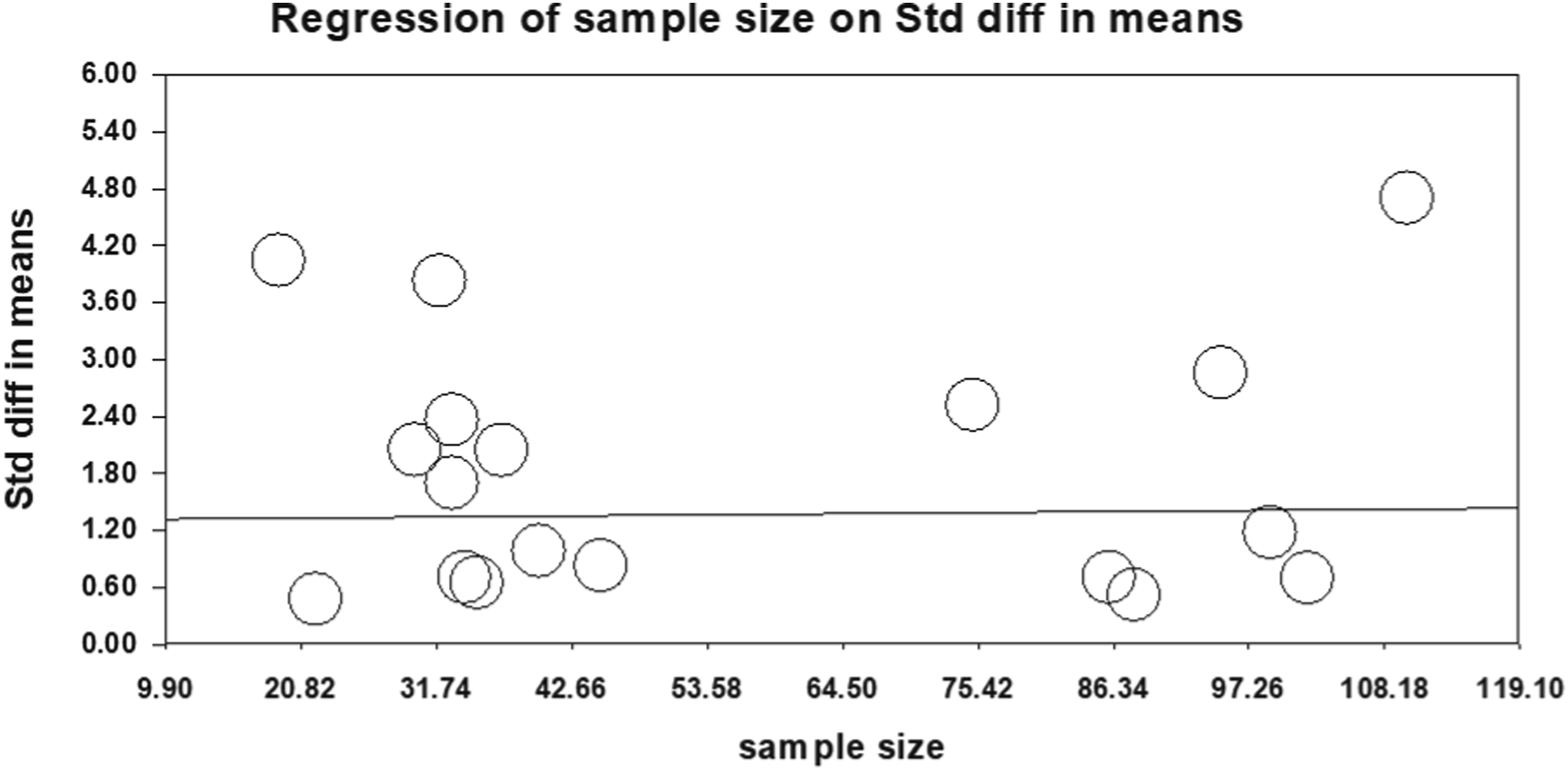
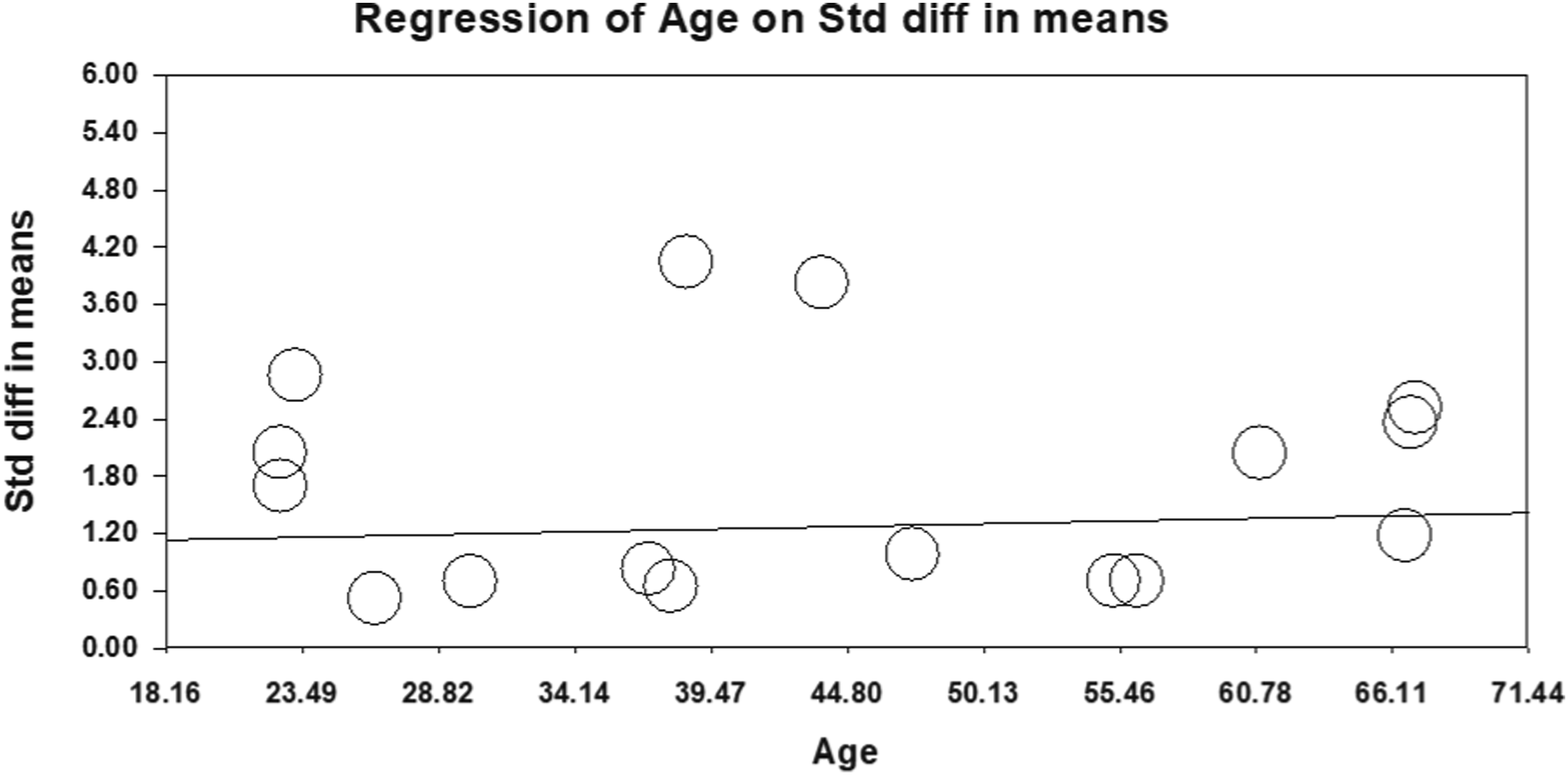
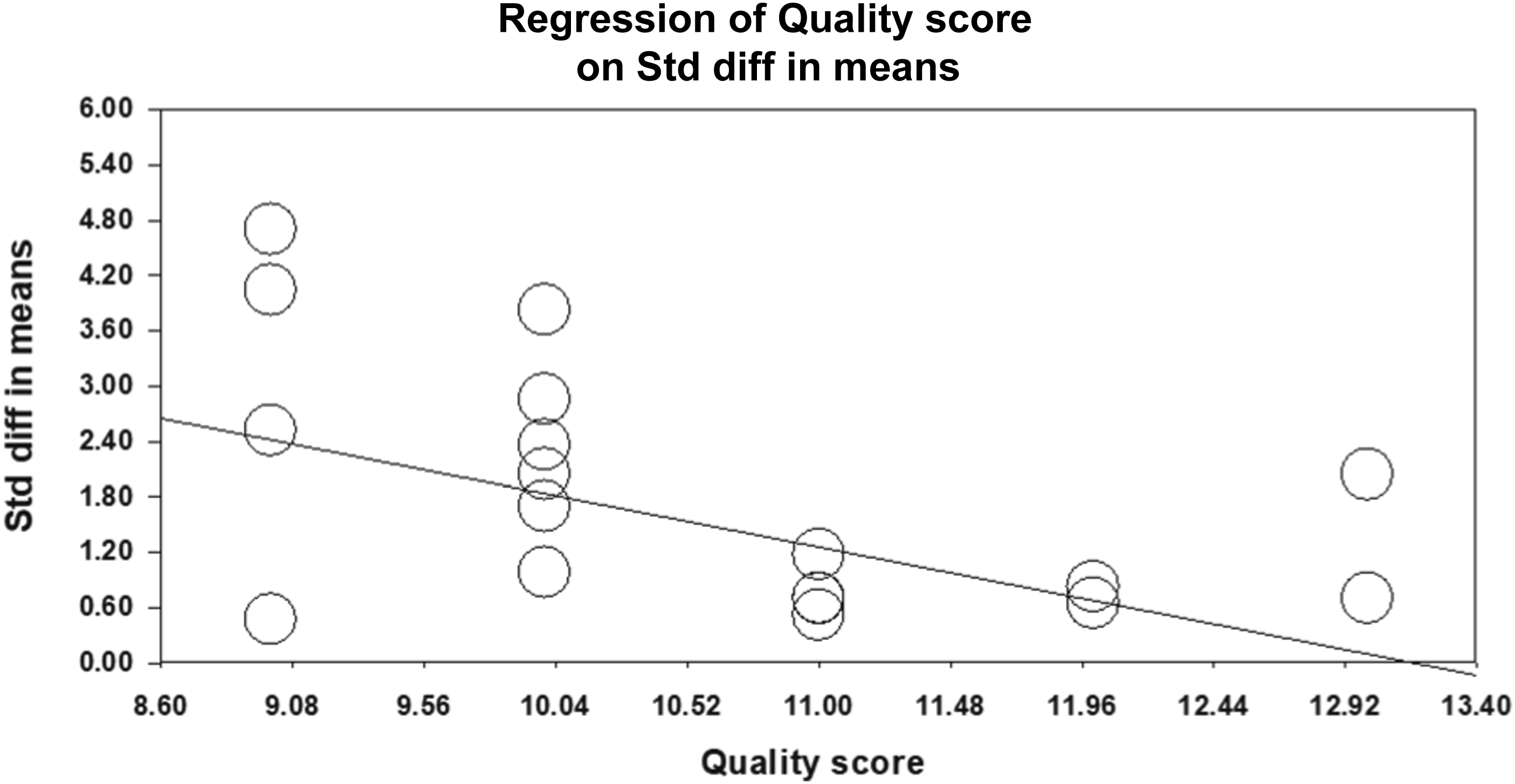
Using meta-regression, the relationship between potential factors such as year of study (Figure 5), sample size (Figure 6), mean age (Figure 7), and JBI Checklist qualitative assessment score (Figure 8) with the standardized mean difference before and after intervention in the intervention and control groups was examined. The results showed that with the increase of the year and the increase of the quality evaluation score of the article based on the JBI checklist, the effect of the intervention decreases significantly (P < .05) (Figures 5 and 8). However, there was no significant relationship between patient age, sample size, and intervention effect (P > .05) (Figures 6 and 7). Meta-regression of the relationship between the year of the study and the standardized mean difference before and after the intervention of the control group and the intervention group. Meta-regression of the relationship between the sample size and the standardized mean difference before and after the intervention of the control group and the intervention group. Meta-regression of the relationship between the mean age and the standardized mean difference before and after the intervention of the control group and the intervention group. Meta-regression of the relationship between the quality assessment score of the JBI checklist and the standardized mean difference before and after the intervention of the control group and the intervention group.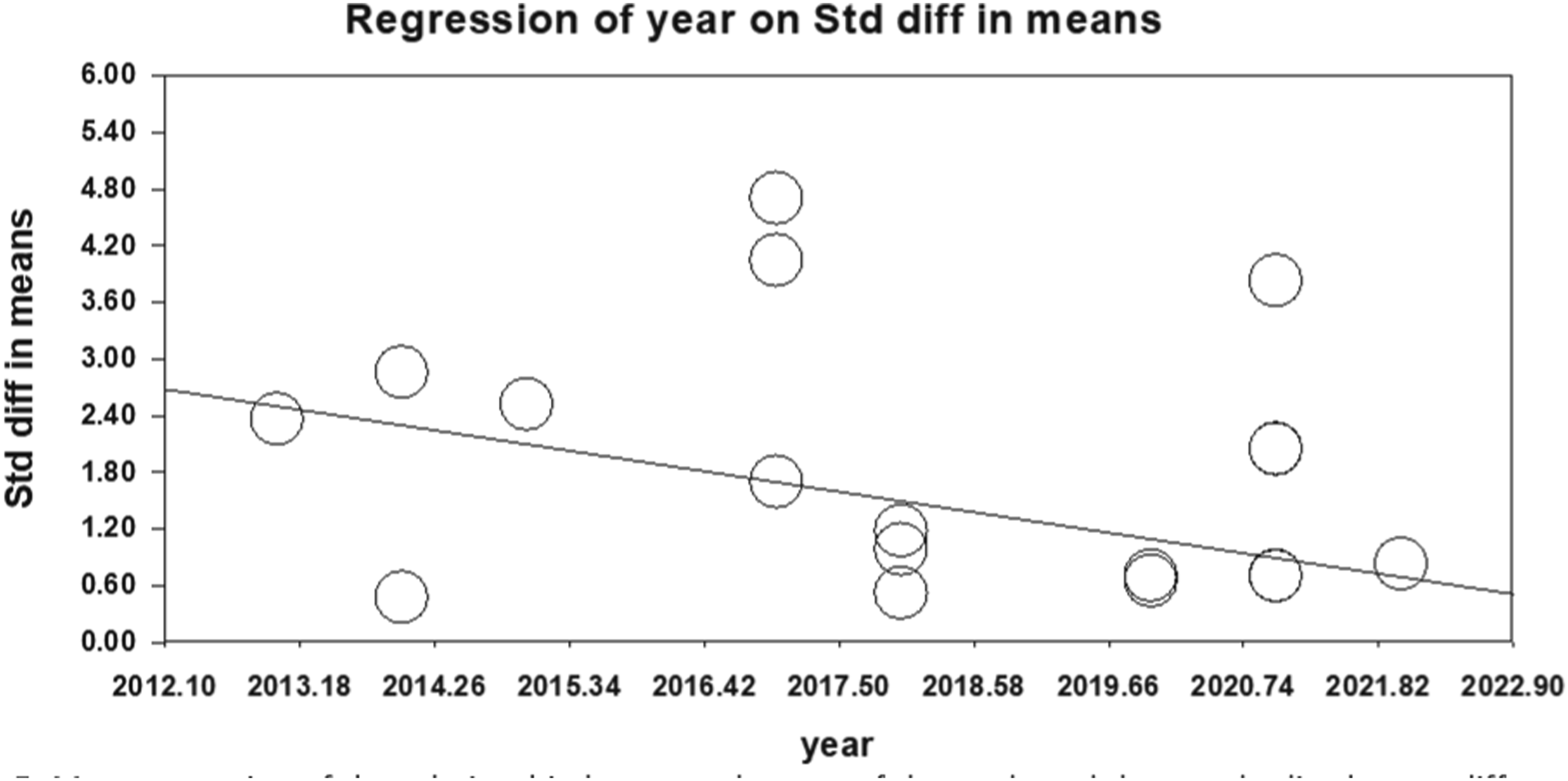
Discussion
The effects of education based on the Pender Health Promotion Model on self-efficacy were examined through a systematic review and meta-analysis approach. The combination of data from 18 reviewed articles revealed a substantial increase in self-efficacy in the intervention group compared to the control group, indicating a positive effect of implementing education based on the Pender Health Promotion Model on self-efficacy.
Several systematic reviews and meta-analyses have demonstrated the impact of education based on different theories or models on individuals' self-efficacy. Chipojola et al 19 showed that theory-based educational interventions were effective in improving breastfeeding self-efficacy and exclusive breastfeeding rates in the sixth month. Fentz et al 20 partially indicated an improvement in anxiety self-efficacy as a result of cognitive-behavioural therapy intervention. Ghazi et al 21 reported that studies using social cognitive or learning theory to improve self-efficacy in patients with orthopaedic or musculoskeletal diseases generally showed moderate to large effect sizes.
General self-efficacy refers to an individual's belief in their overall competence to perform effective actions, which requires efficiency in all progressive situations. 22 Therefore, on the one hand, self-efficacy is generally considered as a wide-ranged or situation-specific construct, meaning that a person may have strong or weak beliefs in a broad range or specific situations of functioning. On the other hand, some researchers refer to a generalized form of self-efficacy, indicating a general confidence in coping abilities across all domains or new situations. 23 Other studies have shown that using the Pender model of education can enhance self-efficacy in various patient groups, including those undergoing haemodialysis, 24 patients with multiple sclerosis, 25 and diabetic patients with diabetic foot ulcers. 26 This educational model has been used for health promotion, managing mental state, and controlling stress in diabetic patients.27,28
The components of the Pender 29 Health Promotion Model are perceived barriers to performing the behaviour, perceived benefits of healthy behaviour, self-efficacy, perceived susceptibility to the behaviour, interpersonal influencers (family, friends, peers, social norms), and situational influencers (individuals' perceptions and knowledge of any situation or factor that can facilitate or hinder a behaviour).
The results of the meta-regression indicated that the impact of education based on the Pender model on self-efficacy did not have a significant relationship with age. Therefore, it can be concluded that education based on this model can have positive effects on self-efficacy in all age groups. Hosseini et al 30 demonstrated that education based on the Pender model significantly increased self-efficacy. Dehdari et al 31 showed that self-efficacy increased in students as a result of the intervention based on the Pender model. Thus, the intervention based on the Pender model can have positive effects on the self-efficacy of youth, adults, and even the elderly.
However, the impact of the intervention based on the Pender model on self-efficacy has not been consistently positive in all studies. Cangöl and Şahin 32 showed that education based on the Pender model did not have a significant impact on self-efficacy in pregnant women. Study No. 222 et al. demonstrated an increase in self-efficacy in the intervention group; however, they did not report the P-value. 33 Other studies (16 studies) showed a significant increase in self-efficacy as a result of the intervention based on the Pender health promotion model.
The highest quality assessment score according to the JBI checklist was obtained by Vakilian et al. and Mudgal et al., both receiving a score of 13, which showed a significant increase in self-efficacy as a result of the intervention based on the Pender Health Promotion Model. However, the meta-regression analysis based on the quality assessment score showed that low-quality studies had overestimated the impact of the intervention on self-efficacy.
One of the strengths of this study was estimating, for the first time, the difference in standardized mean before and after intervention in intervention groups compared to the control group in 18 published articles. Although we examined the international databases PubMed, Embase, Scopus and Web of Science (WoS) almost completely without time and language restrictions, but the number of studies that met the inclusion criteria was not more than 18 articles, so it is recommended More preliminary studies can be done in different parts of the world. The high heterogeneity in the studies (over 90%) required performing a meta-regression based on potential factors such as age, publication year, sample size, and quality assessment score. However, the studies were conducted in different populations with limited numbers of studies in each population, making subgroup analysis impossible. Thus, additional studies are needed in various populations such as the elderly, pregnant women, diabetics, and cardiac patients, with larger sample sizes from different parts of the world. These studies will help determine the intervention's effects more effectively across different populations. Other limitations include inconsistent reporting by studies, non-random selection of participants in some studies, variations in the implementation method, Lack of access to unpublished studies, and unavailability of the full text of conference papers.
Overall, this systematic review and meta-analysis indicate that training using Pender's health promotion model significantly improves people's self-efficacy. Implementing educational programs based on this model should take into account factors like age, gender, quality of education, number of participants in educational sessions, and the novelty of educational content.
Conclusion
The results of this study demonstrated that education based on the Pender Health Promotion Model significantly increased self-efficacy. Therefore, it appears that education based on this model can have positive outcomes on individuals' self-efficacy.
Footnotes
Declaration of Conflicting Interests
The author(s) declared no potential conflicts of interest with respect to the research, authorship, and/or publication of this article.
Funding
The author(s) received no financial support for the research, authorship, and/or publication of this article.
