



Abstract
This study developed the construct of readiness for renewal in organizations and evaluated its underlying psychometric properties. We drew on Discourse of Renewal theory to develop, pilot, and refine a scale through three studies with full-time employees whose organizations recently experienced crises. Study 1 established a two-factor structure that included ethical communication and effective organizational rhetoric. Using confirmatory factor analysis in Study 2, we replicated the two-factor solution. Because of a high correlation between factors, we modified the model to include a higher order factor predicting the two lower order factors. Study 3 translated the questionnaire and replicated findings from Study 2 with full-time employees in Mexico. The resulting 15-item instrument in English and Spanish can be used by researchers and practitioners interested in assessing precrisis readiness through the Discourse of Renewal.
Crises are nonroutine, surprising events that simultaneously threaten high-priority organizational goals and create opportunities for transformation, growth, and learning (Ulmer, 2012). Although crises are low-probability, high-consequence events, most organizations will experience a crisis (Ulmer, Sellnow & Seeger, 2019). Crisis communication is a critical competency for organizational leaders (Ulmer et al., 2019). Prior business and managerial communication research has examined message strategies (Bamber & Parry, 2016; Brühl & Kury, 2016; Johansson & Nord, 2018), and contingencies influencing a crisis response such as stakeholders (Mazzei & Ravazzani, 2015), multicultural environments (Fatima Oliveira, 2013), and leadership characteristics (Jamal & Abu Bakar, 2015). Although crisis management is an ongoing process (Coombs, 2014), most communication research focuses on response or postcrisis recovery compared to preparation (Coombs, 2010). Consequently, communication scholars have advocated developing an anticipatory perspective on crises (Olaniran, Williams, & Coombs, 2012).
As Taleb (2010) notes, organizations spend too little time preparing for crises. Preparation can decrease the likelihood of a crisis or mitigate its fallout. Prior research indicates that few organizations prepare for crises (Avery, Graham, & Park, 2016; Cloudman & Hallahan, 2006; Lee, Woeste, & Heath, 2007; Schwarz & Pforr, 2011). Those organizations that do prepare often address crisis communication tactics (Cloudman & Hallahan, 2006), and the presence or absence of crisis plans, crisis management teams, and training (Lee et al., 2007). Extant research has demonstrated the significance of discursive practices in crisis response and postcrisis recovery (Johansson & Nord, 2018; Ulmer et al., 2019; Veil, 2011). Although crises complicate typical communication response strategies (Hale, Dulek, & Hale, 2005), research on the Discourse of Renewal suggests that organizations that practice ethical communication, learn directly or vicariously from organizational failures, frame reality effectively, and articulate a forward-looking vision improve their chances of postcrisis recovery (Ulmer et al., 2019). Discourse of Renewal theory provides a comprehensive, communication-focused approach for preparing for and managing crises effectively. Consequently, we draw on the Discourse of Renewal (Ulmer et al., 2019) theory of crisis communication to develop, pilot, and refine an instrument to assess precrisis readiness through three studies. Together, our studies support assessing organizational discourse as part of the ongoing cycle of crisis management.
Discourse of Renewal Theory
The Discourse of Renewal theory emphasizes the role of communication in transforming and creating a “fresh sense of purpose and direction” in a community or organization following a crisis (Ulmer et al. 2009, p. 307). Discourse of Renewal deemphasizes the role of image in a crisis and instead centers on how organizations or communities can learn from crises, communicate consistently using their values, constitute prospective visions of transformation and recovery, and emphasize optimism and commitment to recovery following negative events (Ulmer et al., 2019). Over the past 20 years, scholars have extensively examined renewal in a wide variety of organizational and community crises (Carlson, 2018; Herovic & Veil, 2015; Littlefield, Reierson, Cowden, Stowman, & Feather, 2009; Paquette, 2015; Reierson & Littlefield, 2012; Sellnow, Iverson, & Sellnow, 2017). Organizational learning, ethical communication, prospective vision, and effective organizational rhetoric are ways that organizations can effectively manage a crisis.
Organizations or communities that learn from direct or vicarious failures and communicate that learning to constituents are more likely to rebound from crises (Ulmer et al., 2019). Organizational learning is the acquisition of knowledge to shift attitudes, beliefs, and behaviors. Learning can result from direct experience; it can also occur vicariously such as when organizational leaders observe failures or crises experienced by similar organizations and act preventatively. Learning is an important part of a crisis response because it suggests that the organization has integrated lessons from its experience and will likely not make the same mistake(s) again (Reierson, Sellnow, & Ulmer, 2009). As a result, organizations that are constantly learning, adapting, and self-reflexive in the precrisis stage are more likely to learn from a crisis rather than exhibit defensive strategies or suffer from a threat bias.
In addition to learning, another factor that influences organizational renewal is ethical communication (Ulmer et al., 2019), or the communication choices people in organizations make, including established organizational values, standards, and norms. Ethical communication focuses on organizational values, stakeholder relationships, provisional communication, and significant choice. Values refer to established positions on how leaders communicate (Seeger & Ulmer, 2003). Discourse of Renewal theory suggests that openness, honesty, and clarity are key value positions in responses to organizational crises (Ulmer et al., 2009). Positive stakeholder relationships are based on collaboration and equity and provide a reservoir of goodwill during times of crisis (Jones, Jones, & Little, 2000; Seeger, 2006). Provisional communication refers to the instinctive rather than strategic responses by leaders who attempt to escape responsibility and blame (Seeger & Ulmer, 2001). These instinctive responses are developed over time within the organization through conversations and public commitments. Significant choice provides the ideal circumstances for free and informed decision making (Nilsen, 1974). For example, organizations enable significant choice by providing clear, unbiased information about issues that affect their stakeholders. The process for exhibiting ethical communication is developed prior to a crisis (Seeger & Ulmer, 2003). Organizations and communities must develop positive value positions on issues, key positive stakeholder relationships, and ethical culture before crises. Organizations that establish these relationships and value positions before a crisis will be able to respond more instinctively and authentically following a crisis (Ulmer et al., 2019).
Related to ethical communication, a third factor that shapes renewal is prospective vision (Ulmer et al., 2019), which is the orientation (past or future) that an organization takes following a negative event. Organizations that spend more time looking in the rearview mirror trying to assess blame or focusing on image or reputation are less resilient than those that focus on developing a prospective vision for resolving the crisis after the event. Through optimism, leaders can find the opportunity within a crisis to help move toward a renewing response (Ulmer et al., 2009). Organizations and communities that emphasize learning, positive values, and effective stakeholder relationships have often developed leadership teams that emphasize effective communication patterns that focus on the future over the past (Ulmer et al., 2009). Following a crisis, they instinctively move forward, solve the problem, learn, and transform the organization or community.
A final factor that affects the ability to renew is effective rhetoric (Ulmer et al., 2019). This component is the ability to structure reality for stakeholders following a problematic event, to convince them to stick with the organization, and to become a model to others in the industry and beyond. When leaders see a crisis as an opportunity, they must also ensure that stakeholders view the situation similarly. By cocreating meaning between the organization and its stakeholders, leaders can structure realities of optimism and commitment (Ulmer et al., 2019). Because the communication surrounding the Discourse of Renewal focuses on learning, ethical communication, positive stakeholder relationships, and a prospective vision, organizations are often viewed as models in their industry and examples to follow. These organizations often work through communication for years to establish this position in their communities or industries and understand that their communication and conduct following a crisis should be consistent with their long-standing approaches to business and/or community (Seeger & Ulmer, 2002).
The Discourse of Renewal theory emphasizes the role of postcrisis communication in organizational and community responses. Although much research focuses on how communities and organizations meet or fail to meet the standards of the Discourse of Renewal, little research examines the readiness of an organization to renew following a crisis (Seeger & Ulmer, 2001; Ulmer, 2001, 2012). More needs to be known about whether an organization or community is prepared to produce effective crisis communication. As a result, we conducted the following studies to address this gap in the literature. In this project, we also investigate the intercultural implications of readiness to renew.
Measurement of Readiness for Renewal in the Precrisis Stage
This project contributes to crisis management research by developing an instrument to measure organizational readiness for renewal. Measurement is a fundamental activity of science, allowing researchers to build on knowledge about people, organizations, and processes (Miller et al., 2011). Thus, measurement scales enable researchers to better appreciate and examine organizational phenomena and conduct research. In essence, we argue that Discourse of Renewal studies have reached a critical mass to create a quantitative measure of communication indicators for precrisis readiness. Moreover, we argue that preexisting measures are insufficient to accomplish this task.
Over the past 20 years, Discourse of Renewal studies have examined cases of organizational and community responses after crises, including earthquakes (Sellnow et al., 2017), oil spills (Nelson & Reierson, 2012-2013), mass shootings (Wombacher, Herovic, Sellnow, & Seeger, 2018), and terrorist attacks (Veil, Sellnow, & Heald, 2011). There has also been some initial scale development in this research area. Xu (2018), for instance, developed a postcrisis communication scale based upon the Discourse of Renewal that revealed four factors, including engagement, prospective focus, communication efficiency, and culture and value. Renewing discourse successfully predicted trust, commitment, satisfaction, and control mutuality. The scale provides a way to capture an organization’s postcrisis communication. Our project differs from this empirical work and helps build the overall theory by focusing on the communication indicators of an organization’s precrisis readiness for renewal.
The conditions for renewal are affected by communication practices before a crisis occurs (Ulmer, 2001). Moreover, recent research has begun to advance the point that organizations should incorporate preparedness into their Discourse of Renewal (Carlson, 2018). To put recommendations from the theory into practice, organizations must meet certain preconditions. Such a measure of readiness for renewal provides organizations the opportunity to understand how internal stakeholders perceive their communication practices, and point to areas to reinforce positive practices and adjust weaknesses.
Some research has attempted to measure organizational crisis/disaster preparedness, although these measures do not provide a heuristic measure for renewal at the precrisis stage. Fowler, Kling, and Larson (2007) developed a scale to assess organizational preparedness. However, their specific focus was on knowledge of how to respond in a crisis or disaster rather than on organizational communication practices per se. Some research also measured ethical organizational culture (DeBode, Armenakis, Feild, & Walker, 2013). Although DeBode et al.’s (2013) scale addresses some communication practices, it does not capture how organizations create the conditions for informed decision making, promote positive stakeholder relationships, or speak from organizational values, which are significant elements for renewal. Jerez-Gomez, Céspedes-Lorente, and Valle-Cabrera (2005) developed an organizational learning capability scale. Although their scale has similar elements as learning in Discourse of Renewal, the measure is broader, and only a few items focus on organizational learning related to negative events such as crises. Prospective vision is similar to the concept of optimism. Shifren and Hooker (1995) developed an optimism scale, which organizational scholars have used (Youssef & Luthans, 2007); however, this scale reflects individual optimism rather than the organization’s outlook. Finally, scholars have attempted to measure communication indicators of organizational effectiveness (Meng & Berger, 2013). However, the focus of Meng and Berger’s scale is on what excellent public relations leaders should do, rather than on whether the organization in question serves as a model for other organizations and is able to frame significant events in preferred ways for stakeholders.
This study extends Discourse of Renewal literature to the precrisis stage by assessing members’ perceptions of their organizations’ communication practices. Such an extension is warranted and valuable to business and management communication to incorporate into the crisis management cycle, and may suggest areas for the organization and community (leaders, members) to act more mindfully to prevent and mitigate the harms of crises (Veil, 2011). Although Discourse of Renewal theory posits four areas that contribute to renewal, and one prior study (Xu, 2018) has confirmed four factors post crisis, we lack an approach to understand and assess the level of precrisis preparedness of an organization or community. Thus, we examined the following guiding research question:
To aid in construct validation, new constructs are measured concurrently with established constructs (DeVellis, 2016). Previous research suggested member demographic characteristics covary with organizational constructs (Canary, Riforgiate, & Montoya, 2013; Gailliard, Myers, & Seibold, 2010). Organizational change, such as crises, can influence job satisfaction and turnover intentions (DuFrene & Lehman, 2014; Markovits, Boer, & van Dick, 2014; Zhu, May, & Rosenfeld, 2004). Moreover, employees’ perceptions of organizational preparedness were related to self-reported positive experiences at work (Selart, Johansen, & Nesse, 2013). Ulmer et al. (2019) argued that the conditions for renewal were more likely if the triggering event that led to the crisis was unintentional compared to intentional. Hence, we state the following research question and hypotheses:
To provide further evidence of generalizability of a new construct, researchers replicate data collection with a different population (DeVellis, 2016), including different cultures and languages (Myers & Oetzel, 2003). With some exceptions (Cotton, Veil, & Iannarino, 2015; Herovic & Veil, 2015; Sellnow et al., 2017), published research on Discourse of Renewal theory has focused primarily on American organizations and English-language studies. Although Parnell (2015) examined crisis occurrence and types of crisis concern among Mexican and Peruvian managers, we know little about whether organizations in Latin American and Caribbean (LAC) countries incorporate precrisis renewal into their crisis management. This is an important gap because LAC countries are risk prone (INFORM Index for Risk Management, n.d.). Moreover, more than 400 million people speak Spanish worldwide (Ethnologue, n.d.); consequently, we examined readiness for renewal, past crisis experience, organizational tenure, overall experiences at work, job satisfaction, and intention to leave with workers in Mexican organizations.
Having established the importance of a measure for readiness for renewal, we focus the remainder of the article on development and testing of our instrument, discussion of the results and implications for theory and practice, and recommendations for future research.
Method
Overview
The purpose of this project was to develop the construct of readiness for renewal and assess its dimensionality, measurement properties and validity, and cultural transferability. To accomplish these goals, this project followed guidelines for scale development studies (Carpenter, 2018; DeVellis, 2016), including generating items, testing items on a development sample, exploring their dimensionality through exploratory factor analysis, and replicating dimensionality using confirmatory factor analysis (CFA) procedures, and establishing different types of construct validity.
Item Generation and Pilot Study
We generated items, sought expert feedback, and then pilot tested items with a single organization. To develop items, we examined literature on Discourse of Renewal (Herovic & Veil, 2015; Littlefield et al., 2009; Paquette, 2015; Reierson & Littlefield, 2012; Seeger & Ulmer, 2001; Ulmer, 2001; Ulmer et al., 2009; Ulmer et al., 2019; Veil et al., 2011). About 80 items were developed, which included an equal number of positively and negatively worded statements. Overall, 48 individuals familiar with Discourse of Renewal theory tested the items, and provided qualitative feedback about the overall length, relevance, clarity, and comprehensiveness of items. These subject matter experts included faculty who served on graduate research projects using Discourse of Renewal theory and past graduate students in either a crisis communication course or organizational communication course that featured readings and course projects centered on the Discourse of Renewal. Negatively worded items were dropped to reduce scale length. The process of creating items from existing qualitative research on Discourse of Renewal and seeking expert feedback helped to establish content validity of the instrument (DeVellis, 2016).
The resulting 40-item measure was piloted at a state agency located in the Mid-South. Researchers obtained permission to pilot the survey at a health organization with approximately 2,800 employees. After two all-agency emails, 343 people started the survey and 189 fully completed it (6.7% response rate, and 55% completion rate). Respondents were full-time employees in self-identified roles of program staff (n = 67), other (n = 52), middle management (n = 32), program management (n = 28), senior management (n = 5), and executive leadership (n = 4). Several respondents also reported having some on-call role in emergency or disaster response for the agency (n = 85, not applicable = 104). Example questions included the following: “We touch base with our stakeholders, even when we lack new information” and “My organization is capable of scanning the environment to heed warning signals.” Statements were anchored by a 7-point Likert-type scale, ranging from 1 = very strongly disagree to 7 = very strongly agree, and included a do not know option. Following the pilot administration, we sought to reduce the number of items, ensure items measured what we thought they should, identify items that may be too difficult for participants to answer, and improve survey language. Hence, we used a combination of statistical criteria and knowledge of Discourse of Renewal theory to reduce items. We eliminated questions that had a large number of “do not know” responses. Our revised questionnaire included 21 items, reflecting four factors articulated in the Discourse of Renewal: ethical communication (6 items), organizational learning (6 items), prospective vision (4 items), and effective organizational rhetoric (5 items).
Full Administrations
Following pilot testing of the instrument, full administrations of the readiness for renewal scale were conducted to reduce the number of overall dimensions and assess the reliability, validity, and cultural transferability of the construct. The participants, procedures, and measures applied to all administrations of the survey, although not all data gathered were used in analyses for each of the studies.
Participants and procedure
We recruited participants via two different online platforms: Amazon’s Mechanical Turk (MTurk) and Qualtrics Panels. Scholars have established MTurk and Qualtrics Panels as viable data sources for scale development (Clark, Michel, Early, & Baltes, 2014) and survey research (Shoss, Jiang, & Probst, 2018). MTurk samples include diverse employees and have findings consistent with other sources of data (Clark et al., 2014). Opportunities to participate in various tasks are available on the MTurk website. Qualtrics Panels is an online forum for requesting individuals to complete paid surveys based on criteria set by the researcher through the Qualtrics online survey platform. Participants self-enrolled based on criteria and were compensated for completing the survey. To be eligible to participate in the study, subjects had to be employed full-time (at least 35 hr a week) by an organization that had undergone a crisis in the previous 6 months. Each sample is described in greater detail below.
Measures
Our questionnaire included individual and organizational demographic questions, 21 readiness for renewal items, and three questions about experiences at work. Individual demographic questions asked about age, gender, ethnicity, education, and tenure with the organization. Organizational demographic questions addressed the industry, number of full-time employees, and type of crisis (from Ulmer et al., 2019).
Example renewal items included the following: “My organization’s values are clearly conveyed to its members” (ethical communication); “In my organization, we embrace failure as an opportunity to learn” (organizational learning); “My organization views crises as turning points that have the potential for future positive outcomes” (prospective vision); and “Our communication about a negative event usually expresses a silver lining” (effective organizational rhetoric).
Following an approach similar to Lutgen-Sandvik, Tracy, and Alberts (2007), we used single-item measures for experiences at work, job satisfaction, and voluntary turnover intentions. Consistent with recommendations to establish concurrent validity for newly developed scales (DeVellis, 2016), we included these measures as possible correlates of readiness for renewal. Questions about work experiences included two questions from Lutgen-Sandvik et al. (2007): “Overall, how would you rate your experiences at work?” (1 = extremely negative to 7 = extremely positive) and “Overall, how satisfied are you in your job?” (1 = extremely dissatisfied to 7 = extremely satisfied). We also included the following question about turnover intentions from Cohen, Panter, and Turan (2013): “How likely is that you will actively look for a new job in the next year?” (1 = extremely unlikely to 7 = extremely likely). Prior research indicated that single items were strongly correlated with multiple-item scales measuring the same concept (Nagy, 2002). Moreover, compared to multiple-item measures, single-item measures are shorter to administer and may also include more of the facet of interest.
Study 1
The purpose of Study 1 was to reduce the number of dimensions of our 21-item questionnaire, which we conducted through exploratory factor analysis.
Participants
The exploratory factor analysis sample was a randomly assigned and evenly split sub-sample of a larger data set of MTurk respondents. These individuals were full-time employees and ranged in age from 19.67 to 60.33 years (M = 33.49, SD = 8.22). Tenure with their organizations spanned from 0.42 to 24.42 years (M = 5.63, SD = 4.51). The majority of respondents was male (n = 112, female = 76). The education breakdown of participants was as follows: 4-year degree or higher (n = 85), some college (n = 55), 2-year degree (n = 32), high school graduate (n = 16). Participants were majority White (n = 153), followed by Black or African American (n = 21), Asian (n = 7), other (n = 4), prefer not to disclose (n = 2), and American Indian or Alaskan Native (n = 1). They worked for majority small-to-medium enterprises of fewer than 499 employees (n = 124, 500 or more employees = 64), and their organizations experienced mostly intentional crises (n = 107) compared to unintentional crises (n = 81).
Data Analysis
To reduce the number of dimensions of our 21-item questionnaire, we conducted exploratory factor analysis in R 3.5 (R Core Team 2018). We used principal access factoring as the factor reduction method, with Promax rotation. For communication studies, oblique factor rotation methods such as Promax are often more appropriate (Morrison, 2009) compared to orthogonal rotations because they provide greater accuracy and estimates of correlations between factors. To determine the number of factors to extract, we used parallel analysis in the R package “psych” (Revelle, 2018). Parallel analysis first generates many random data sets whose structures are identical to real data, and then determines the average eigenvalues for each factor derived from the random data. This approach is more robust and less subjective than either the scree test or the Kaiser criterion (eigenvalues greater than 1; Morrison, 2009). For factors to be considered meaningful, they had to contain at least three items, with a primary factor loading of .50 and a secondary loading no greater than .32, communalities of at least 0.4, and an acceptable level of reliability Cronbach’s alpha (greater than 0.7; Carpenter, 2018).
Results
We computed the Kaiser–Meyer–Olkin test of factorial adequacy, which was 0.95, or “marvelous” according to Kaiser’s (1974, p. 35) guidelines. Parallel analysis, which generated 1,000 random data sets, revealed a two-factor solution was optimal. A two-factor solution explained 55% of the variance. We examined the resulting factors and removed five items that failed to meet our retention criteria. The resulting factors had seven and eight items, respectively, and excellent reliabilities (ethical communication α =.92; effective rhetoric α = .90; Table 1).
Exploratory Factor Analysis Results for Readiness for Renewal Items.
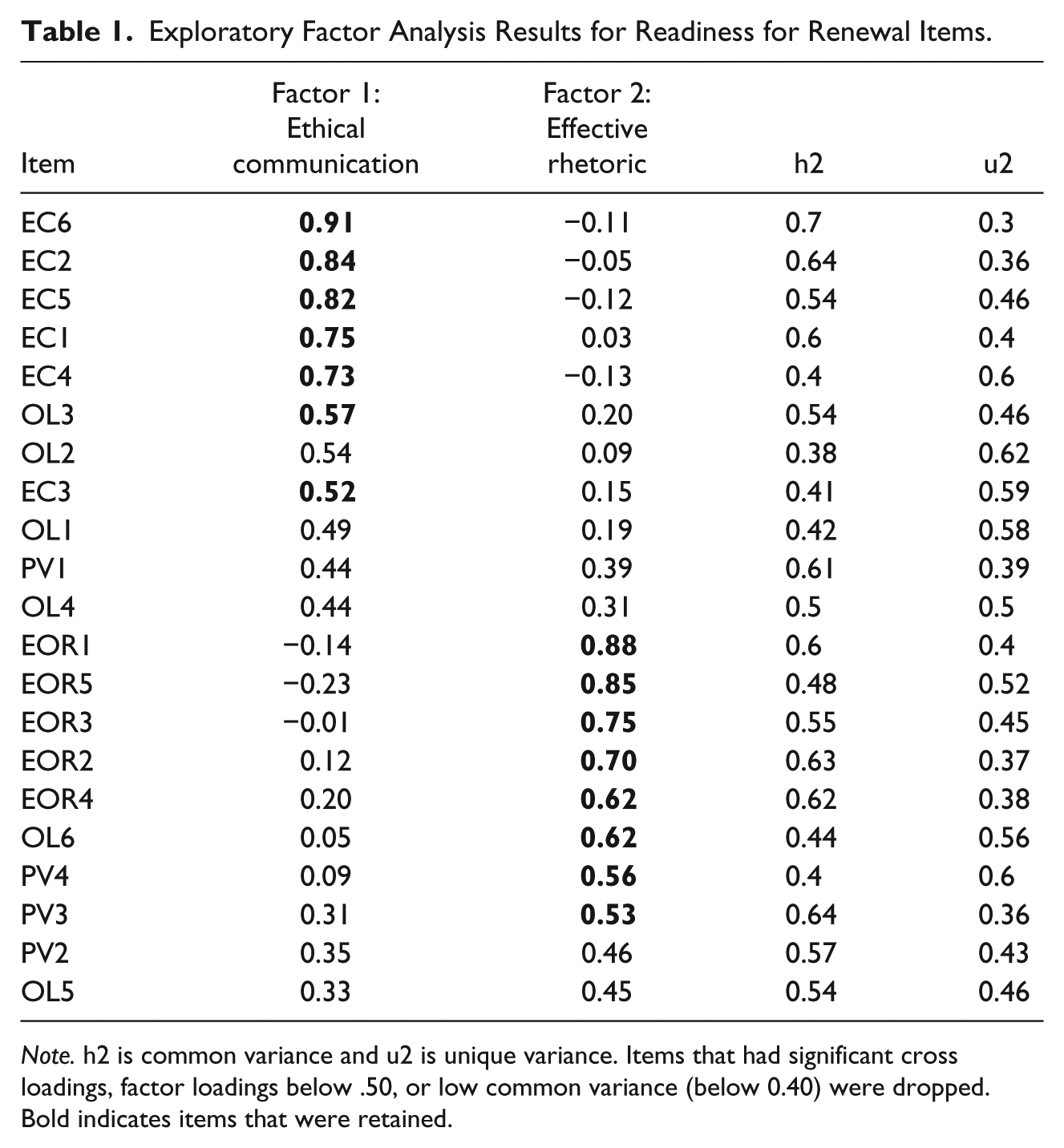
Note. h2 is common variance and u2 is unique variance. Items that had significant cross loadings, factor loadings below .50, or low common variance (below 0.40) were dropped. Bold indicates items that were retained.
Study 2
The intentions of Study 2 were to test our 15-item instrument using confirmatory methods, and to establish different types of validity.
Participants
The CFA sample was a randomly assigned subsample of a larger data set gathered from MTurk. The ages of full-time employees spanned from 21.83 to 73.75 years (M = 33.87, SD = 9.61), and their organizational tenure ranged from .33 to 50.33 years (M = 5.61, SD = 5.25). The majority of participants was male (n = 107, female = 81). Participants levels of education included: 4-year degree or higher (n = 111), some college (n = 41), 2-year degree (n = 19), high school graduate (n = 17). Participants were majority White (n = 141), followed by African American (n = 20), Asian (n = 18), other (n = 1), and prefer not to disclose (n = 1). Respondents worked for predominately organizations with fewer than 499 employees (n = 131, 500 or more = 56, not reported = 1). Their organizations experienced crises that were intentional (n = 122) and unintentional (n = 66).
Data Analysis
We used CFA, a theory-based approach that tests how well data fit hypothesized models (Morrison, 2009), for the two-factor (ethical communication, effective organizational rhetoric) model of readiness for renewal. Lavaan (Rosseel, 2012), a structural equation modeling package in R 3.5 (R Core Team, 2018), was used to evaluate model fit. To answer hypotheses related to relationships among variables, we computed Pearson correlations. To address our hypothesis related to group differences, we conducted an independent samples t test between individuals who belonged to organizations that faced an intentional crisis and those that experienced an unintentional crisis.
Results
To aid in model evaluation, we computed both average variance extracted (AVE) of the latent variables, and the hetero-trait mono-trait (HTMT) ratio of correlations (Henseler, Ringle, & Sarstedt, 2015) for the two-factor model. HTMT was above 0.90 for the two factors. Although AVE was above 0.50, the squared correlation between the two factors exceeded AVE.
Given these results, we modeled readiness for renewal as a higher order factor predicting the two lower-level factors. We conducted a scaled chi-square difference test (Satorra & Bentler, 2001). The higher order model was a better fit compared with the single-factor model (χ2Δ = 45.04, df = 2, p < .001). We estimated reliability for higher order model using measures appropriate for multidimensional data. Overall scale reliability (ωt) was 0.94; hierarchical omega (ωh) for the general construct was 0.94. The second-order factor accounted for 90% of the variance in total scores. Table 2 shows the single-factor and higher order model comparison, while Figure 1 illustrates the higher order CFA model.
Study 2: Confirmatory Factor Analysis Results of Readiness for Renewal.

Note. N = 188. The chi-square difference to determine the best fitting model was calculated using the Satorra and Bentler (2001) scaled chi-square difference test. AIC = Akaike information criterion; BIC = Bayesian information criterion; RMSEA = Root Mean Square Error of Approximation; LL = lower limit for 95% confidence interval; UL = upper limit for 95% confidence interval; CFI = comparative fit index; TLI = Tucker–Lewis index; SRMR = standardized root mean square residual.
p < .001.
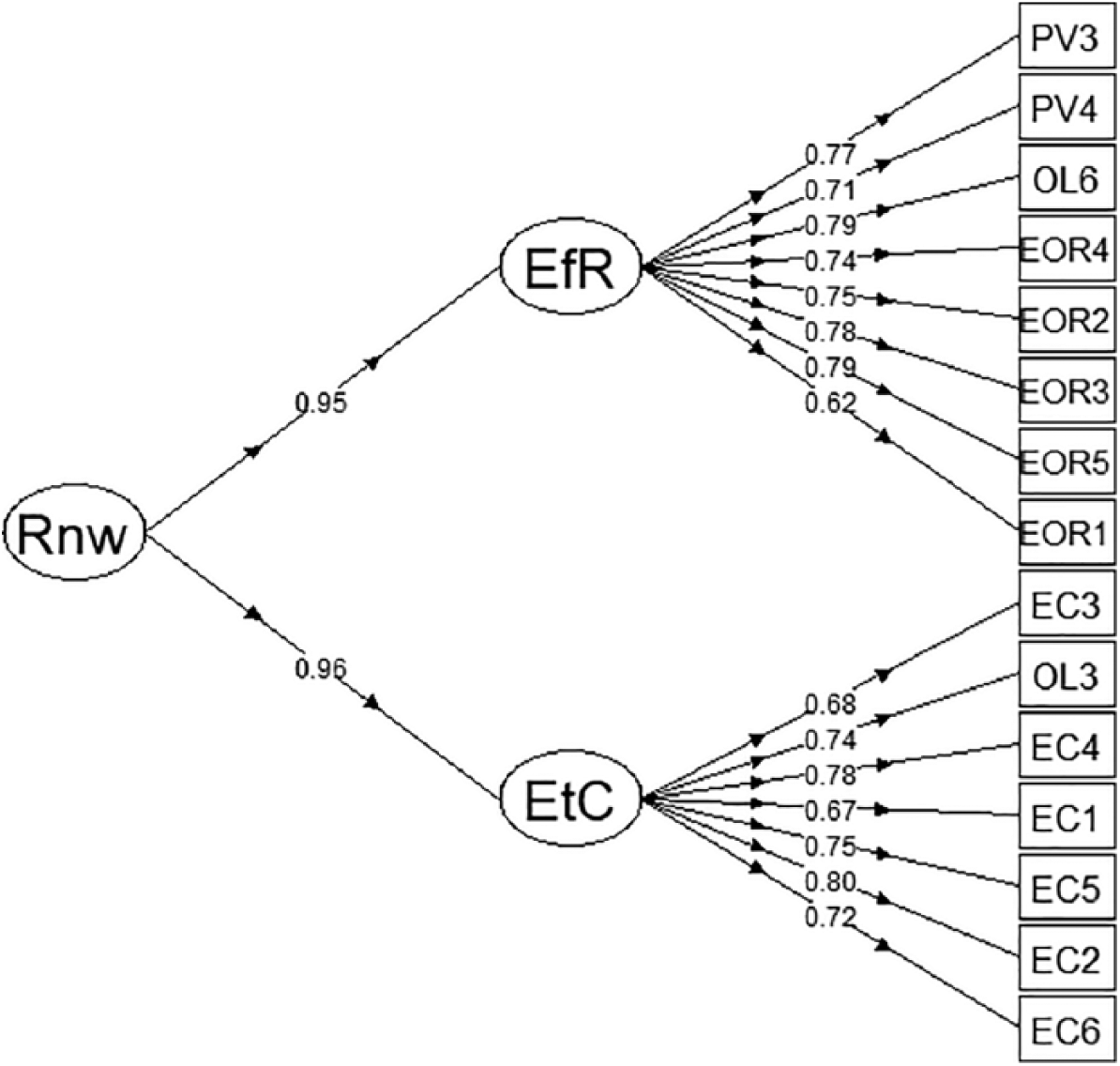
A higher order model of readiness for renewal for workers at American organizations that experienced a crisis in the previous 6 months.
The relationships between total readiness for renewal scores and variables of interest were evaluated. The total scores had a theoretical range from 15 to 105, such that a higher score indicated a greater level of perceived organizational readiness for renewal. In response to RQ2, total scores were independent of participant age (r = 0.02, p = .77, two-tailed), and participants’ tenure with the organization (r = 0.08, p = .26, two-tailed). As predicted, renewal scores were positively associated with experiences at work (r =.77, p < .001) and job satisfaction (r = 0.70, p < .001), and negatively associated with intention to leave the organization (r = −0.52, p < .001). Regarding H2, we computed a Welch’s t test, which is appropriate for groups of unequal size and variance (Delacre, Lakens, & Leys, 2017). Participants whose organizations experienced an unintentional crisis (n = 66, M = 80.43, SD =11.99) perceived higher levels of readiness for renewal compared with those who experienced intentional crises (n = 122, M = 67.53, SD =15.79; t = 6.27, df =165.75, p < .001). Effect sizes were computed (Cohen’s d = 0.92, Hedge’s g=0.88), indicating a large effect for crisis type.
Study 3
The purpose of Study 3 was to replicate findings from Study 2 with Spanish-speaking, full-time employees at Mexican organizations.
Sample
Mexico-based employees were recruited through both MTurk (n = 14) and Qualtrics Panels (n = 168). The full-time employees ranged in age from 18.08 to 61.58 years (M = 33.69, SD = 4.66), worked for their organization between 0.5 and 30.92 years (M = 6.35, SD = 4.67), and were majority male (n = 116, female = 66), Hispanic (n = 146, Caucasian = 24, Other = 4), and highly educated (4-year degree or higher = 146; some college = 24; 2-year degree = 9; high school graduate = 3). The organizations that respondents reported working for were majority small-to-medium enterprises (499 or fewer, n = 108; 500 or more = 74), and faced predominately intentional crises (n = 111; unintentional = 71).
Spanish Translation
Two individuals independently translated instructions and measures into Spanish. The translators included (a) the fourth author of this study, who holds a PhD in Communication, has conducted prior research in crisis communication, and is a native Spanish speaker, and (b) an individual with a master’s degree in Spanish and 7 years’ experience teaching Spanish at the college level. The first author of this study compared the two translations, consulted the translators, and reconciled differences between them.
Data Analysis
We used CFA to evaluate model fit, and tests of association (Pearson’s correlation) and differences (independent samples t test) to test hypotheses related to different types of construct validity.
Results
We evaluated the measurement properties and validity of readiness for renewal with data collected from employees at Mexican organizations to assess the construct’s cultural transferability. Similar to Study 2, we modeled readiness for renewal as a higher order factor predicting the two lower order factors. A scaled chi-square difference test (Satorra & Bentler, 2001) revealed that the higher order model was a better fit than the single-factor model (χ2Δ = 204.51, df = 2, p < .001). Table 3 shows the results of the model comparisons. We estimated reliability for the higher order model using measures appropriate for multidimensional data. Overall scale reliability (ωt) was 0.94; hierarchical omega (ωh) for the general construct was 0.94, and accounted for 88% of the variance in total scores. Figure 2 shows the higher order CFA model.
Study 3: Confirmatory Factor Analysis Results of Readiness for Renewal for Workers at Mexican Organizations.
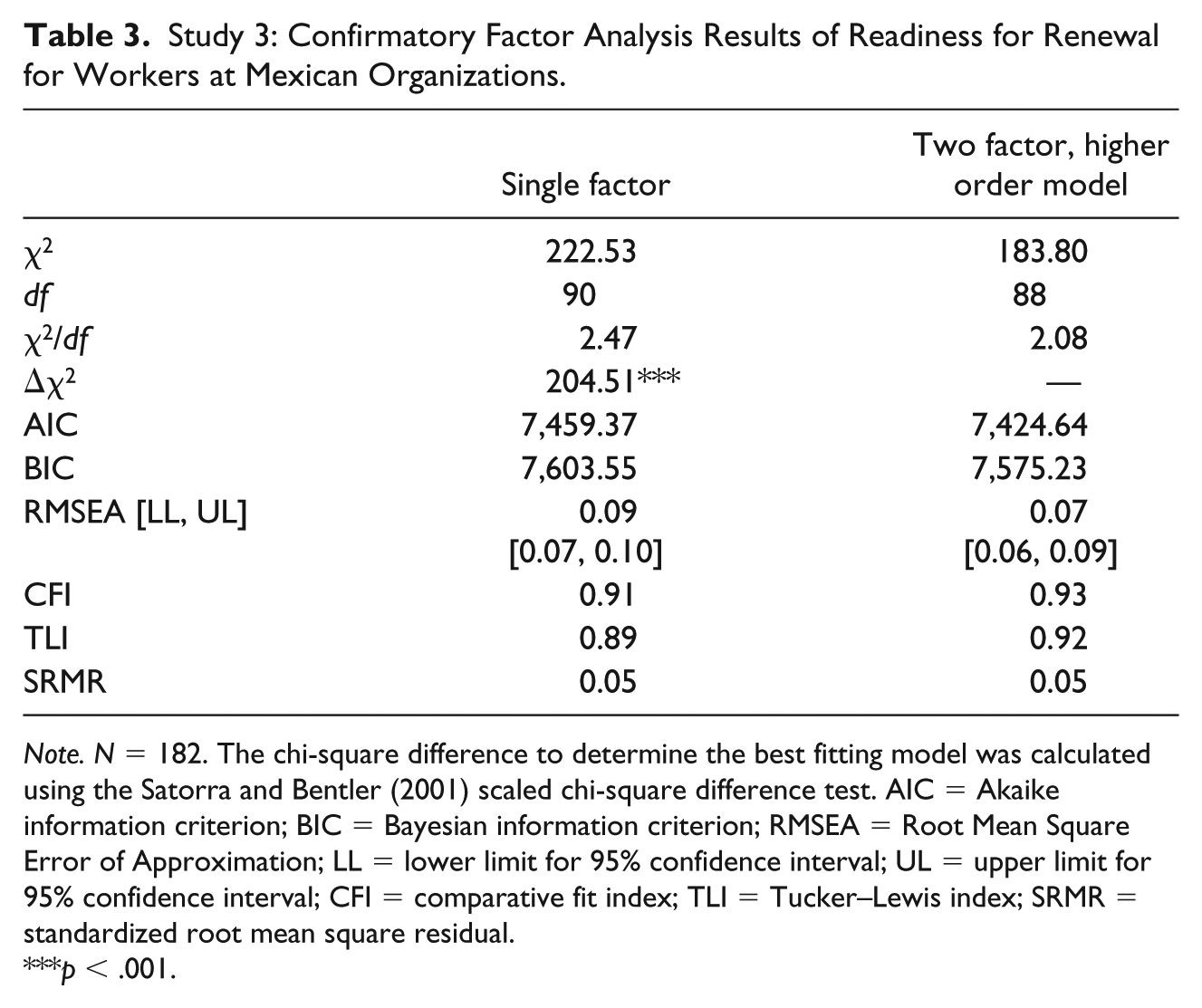
Note. N = 182. The chi-square difference to determine the best fitting model was calculated using the Satorra and Bentler (2001) scaled chi-square difference test. AIC = Akaike information criterion; BIC = Bayesian information criterion; RMSEA = Root Mean Square Error of Approximation; LL = lower limit for 95% confidence interval; UL = upper limit for 95% confidence interval; CFI = comparative fit index; TLI = Tucker–Lewis index; SRMR = standardized root mean square residual.
p < .001.
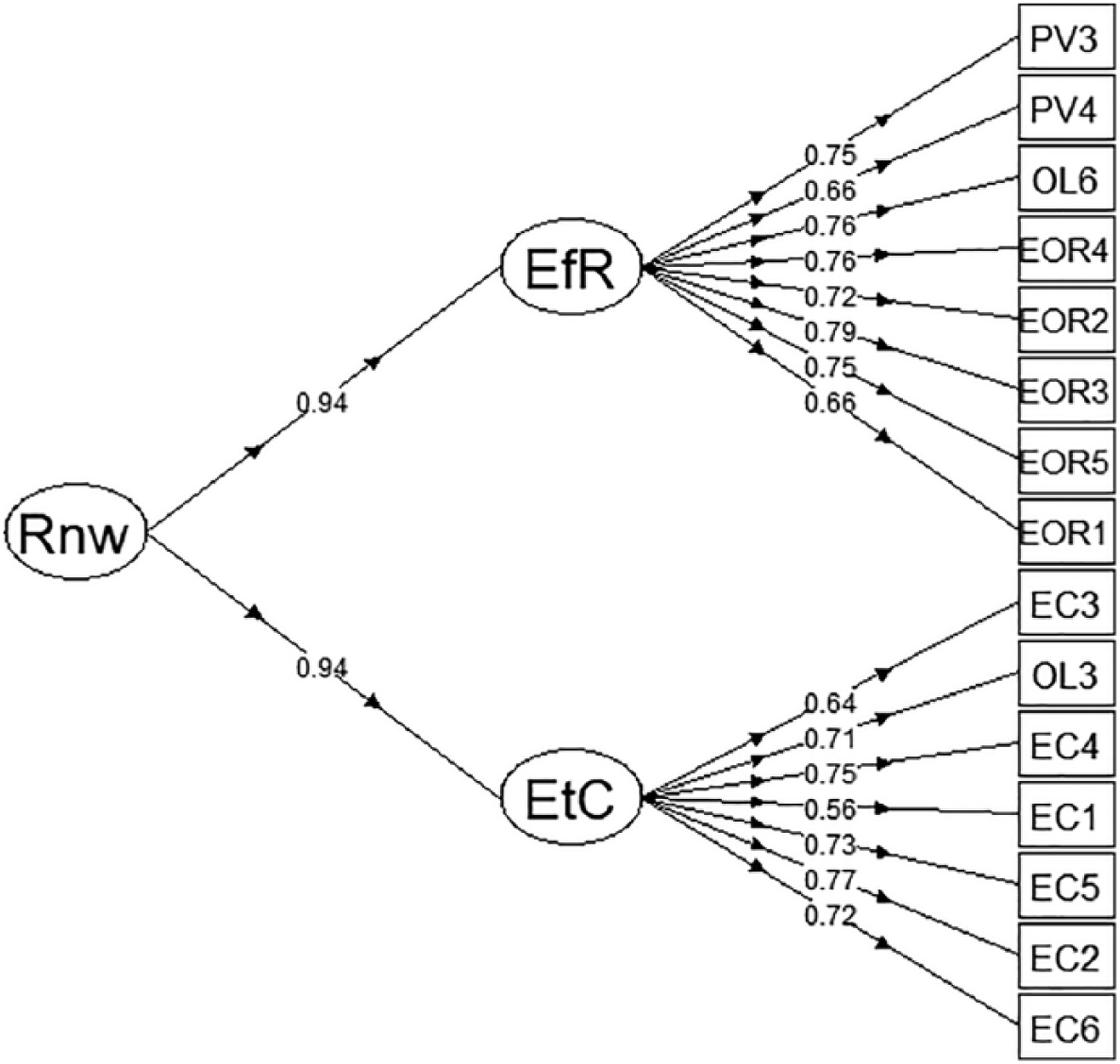
A higher order model of readiness for renewal for workers at Mexican organizations that experienced a crisis in the previous 6 months.
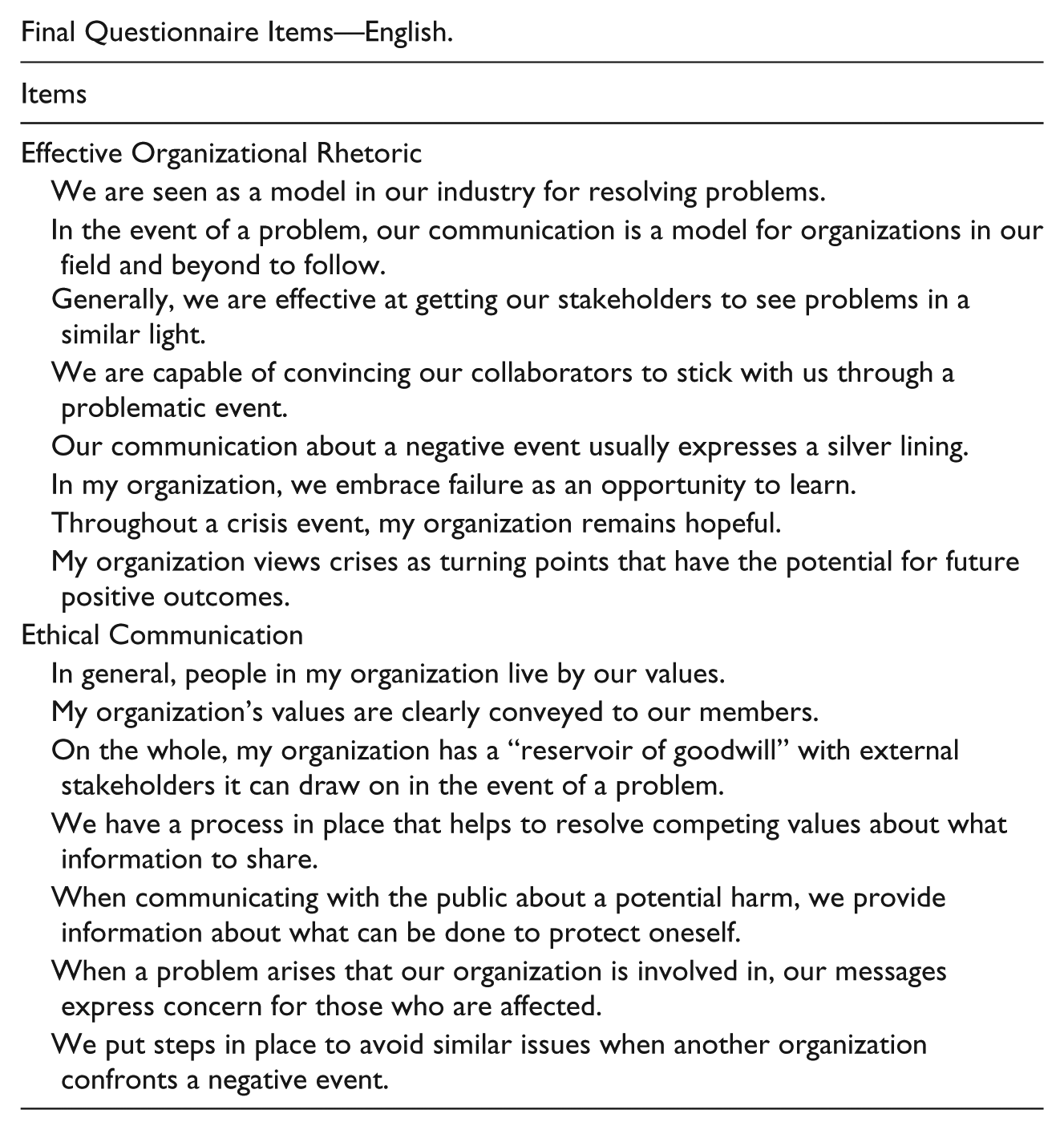
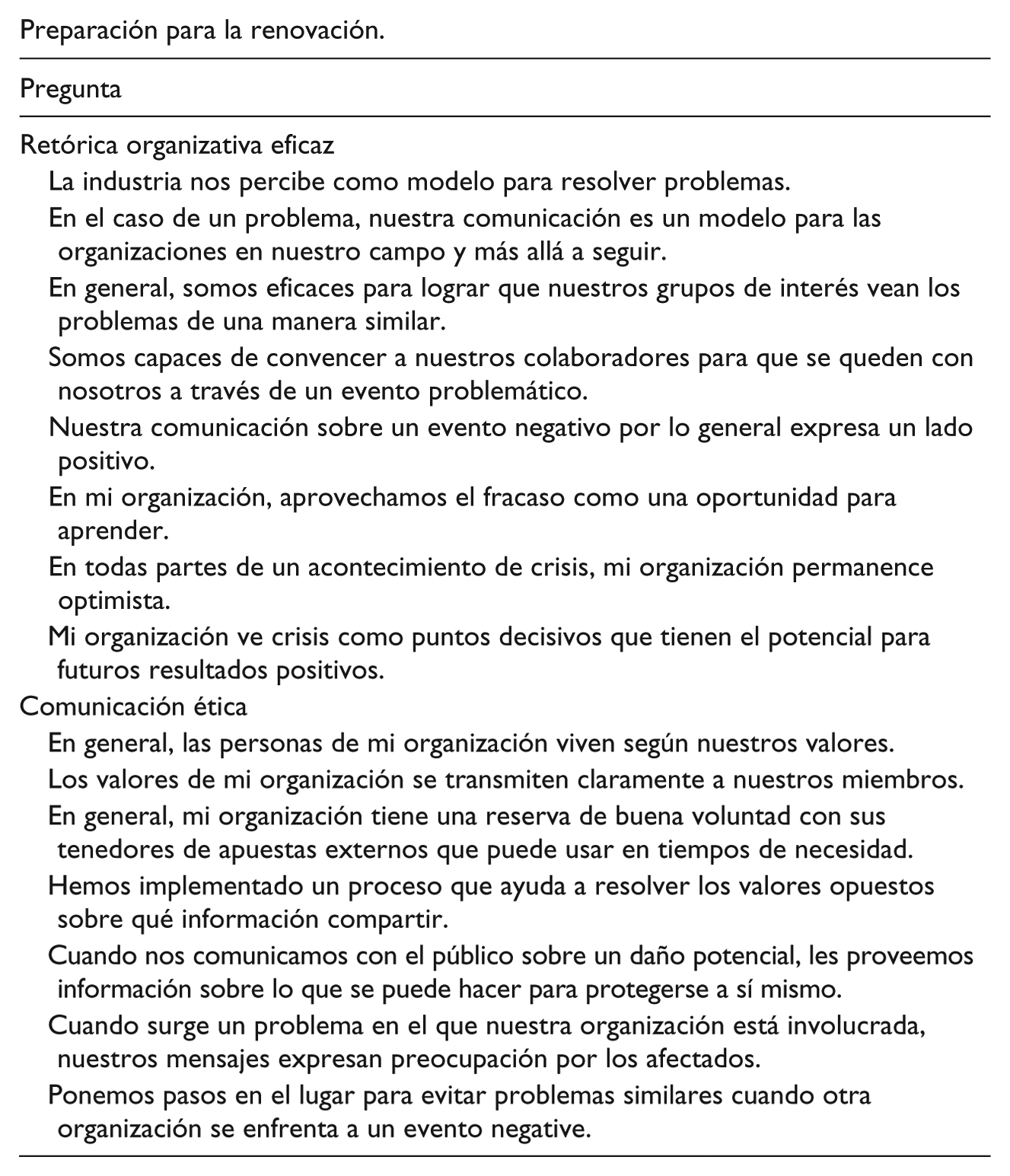
Total scores were independent of participant age (r = 0.06, p = .39, two-tailed), but were positively associated with participants’ tenure with the organization (r = 0.22, p < .05, two-tailed). Renewal scores were positively associated with positive experiences at work (r = .69, p < .001) and job satisfaction (r = 0.61, p < .001), and negatively related to intention to leave the organization (r = −0.31, p < .001). A Welch’s t test indicated that participants whose organizations experienced an unintentional crisis (n = 71, M = 89.66, SD = 10.01) perceived higher levels of readiness for renewal compared with those who experienced intentional crises (n = 111, M = 80.07, SD =13.24; t = 5.54, df =174.95, p < .001). Effect sizes were computed (Cohen’s d = 0.82; Hedge’s g = 0.79), indicating a large effect for crisis type. Final versions of both the English and Spanish language versions of the 15-item scale are located in Appendix A and B, respectively.
Discussion and Implications
Readiness for renewal refers to the communication practices that organizations regularly engage in to provide the capacity to resolve crises productively. Our project contributes to the growing chorus of scholars who advocate more attention to precrisis planning and anticipatory perspectives in crisis communication (Olaniran et al., 2012). Although prior studies address concepts similar to an organization’s crisis response capacity (DeBode et al., 2013; Fowler et al., 2007; Jerez-Gomez et al., 2005; Meng & Berger, 2013; Youssef & Luthans, 2007), fundamentally we were missing a heuristic measure that captures precrisis communication practices that indicate the preparedness an organization or community for effectively managing a negative event. Our three studies indicate that that an organization’s readiness for renewal can be measured prior to a crisis; that a two-factor construct including ethical communication and effective organizational is psychometrically sound with high internal consistency and validity; and that our measure transfers across at least two national contexts. Our research addresses an important gap in the literature by focusing on the precrisis stage and providing a measurement tool with both theoretical and practical implications.
Theoretical Implications
The first theoretical implication is that Discourse of Renewal theory extends to the precrisis stage, supporting extant limited evidence and normative recommendations for organizations to implement (Ulmer, 2012). Prior research indicates that renewal has four important elements: organizational learning, prospective vision, ethical communication, and effective organizational rhetoric. Both qualitative (Sellnow et al., 2017; Wombacher et al., 2018) and quantitative research approaches (Xu, 2018) support four dimensions of postcrisis renewal. According to our research, in the precrisis stage, the most significant factors that contribute to organizational readiness for renewal are communicating ethically and effectively. This finding is consistent with over 20 years of case study research that argues that for renewal to be effective organizations and their leaders need to develop consistent patterns of ethical behavior, strong stakeholder relationships, and develop strong positive value positions on important issues (Seeger & Ulmer, 2001, 2002, 2003; Ulmer, 2001; Ulmer et al., 2019). This makes sense as ethical communication and organizational rhetoric are most related to readiness for renewal as these are more closely tied to precrisis communication, while prospective vision and organizational learning are largely but not entirely postcrisis communication activities. A precrisis view addresses a limitation of about the applicability of the theory raised by Coombs (2010). Specifically, the instrument assesses whether organizations have strong precrisis ethical standards, positive relationships, and consistent pattern of engaging in effective communication, so they can intervene to increase their possibility of producing effective postcrisis communication.
The second theoretical implication is that given the higher order structure of readiness for renewal, a total score interpretation of the instrument is recommended. This is primarily a conceptual issue (confirmed through measurement). Essentially, this total score interpretation means that to demonstrate readiness for renewal an organization needs to score highly overall rather than highly on one single factor (e.g., effective rhetoric, ethical communication). In light of Discourse of Renewal, this total score interpretation makes sense. Successful examples of postcrisis renewal are those where an organizational leader practices all aspects of renewal (Veil et al., 2011), while unsuccessful cases are those where one or more are attempted or other conditions were not met due to crisis or organization type. For example, Cotton et al. (2015) found that after the Fukushima Daiichi nuclear power plant disaster, Tokyo Electric Power Company (TEPCO) attempted major tenants of renewal (prospective vision, organizational learning). However, TEPCO was ultimately unsuccessful because of its unethical communication practices and organizational rhetoric that failed to convince stakeholders about the type of crisis (tsunami and earthquake and not the company’s shortcomings).
The third theoretical implication is that our measure allows crisis communication researchers to test a normative theory of crisis communication, addressing a call to action by Ulmer (2012). Scholars can now use reliable readiness for renewal instruments with either or both English- and Spanish-speaking populations. Our 15-item questionnaire could be used with other measures of precrisis assessment (e.g., Cloudman & Hallahan, 2006; Fowler et al., 2007) for business and managerial researchers who are interested in incorporating readiness for renewal into their work. These researchers can also draw connections between the Discourse of Renewal theory and climate, culture, and communication flow instruments (Clampitt, 2009) to establish further connections between crisis and organizational communication theories, and engage with organizational and managerial communication researchers in Latin American countries (Vásquez & Velásquez, 2016).
Practical Implications
Consistent with Discourse of Renewal theory, we frame the use of the instrument as a way for organizations to learn and grow. At the same time, we also suggest that leaders’ openness “may promote an environment of risk-sharing” (Seeger, 2006, p. 239) in which organizational members also bear responsibility for cocreating to the organization’s culture and communication practices. We address several implications for leaders and their organizations about how to use the instrument.
This instrument has important implications for all organizations and communities. Crisis preparedness should be a foundational concern to ensure organizational survival. By using the readiness for renewal instrument, organizational leaders can reflect on how they communicate and how their organizations are perceived. Organizations hamper their crisis responses if they fail to understand how their precrisis communication practices impact their postcrisis responses. By understanding these practices before crises hit, organizations have opportunities to intervene and mitigate potential challenges. For example, scores at or lower than the midpoint on the instrument could reflect organizations at risk of poor crisis response and recovery efforts. That is, communication practices can impede organizations from successfully moving past crises. Or, worse, these communication practices can trigger preventable, self-inflicted crises (Pyle, 2016) because of mindlessness (Veil, 2011), poor stakeholder relationships, or unethical organizational leadership (Ulmer et al., 2019). Conversely, high scores would predict a better ability for an organization or community to manage a low-probability, high-consequence event.
Similar to communication audits (Hargie & Tourish, 2009), organizational leaders could use quantitative scores from the instrument to probe for areas to improve, learn, and grow. Leaders can also continue to foster areas of excellence. The instrument should be viewed as a way of benchmarking readiness for renewal. Organizations should strive for excellence, although they may not attain it, and incorporate the lessons learned to improve. The items themselves suggest ways organizations can alter communication practices, but organizations should consider their business/community context. For example, organizations that are unable to convince stakeholders to see problems in preferred ways should ask why. Leaders might evaluate recent attempts at framing problems and the nature of the relationship with stakeholders, for instance.
Leaders who seek to use the instrument should keep several caveats in mind. First, they should encourage participation across the organization (Clampitt, 2009). One cannot say an organization has readiness for renewal if only a few people respond, or only people in certain organizational roles answer these questions. Leadership should encourage broad participation. Second, the instrument measures perceptions of communication practices. That is, organizational leaders may believe that they are accomplishing some of these communication practices, but the perception is that they are not doing so effectively or are doing things that are putting the organization at risk. Sandman (1989) described the role of perception in the simple formulation of risk = hazard + outrage. The point is that perceptions can play an outsized role, so leaders need to manage them effectively to manage risk. We take a similar view and suggest that understanding perceptions, finding the source of misunderstanding, and attempting to improve perceived readiness for renewal by sincerely demonstrating the practices. In turn, those perceptions build confidence in the organization’s potential crisis response. Third, as is the case with other best practices of planning for crises, assessing the organization’s readiness for renewal should be an ongoing endeavor. Organizations, environments, people, and processes change. Readiness for renewal is dynamic and fluid, and organizational leaders should not assume that once their organization has it they always will, or if they lack readiness that they cannot improve.
Overall, these positive communication practices relate to desired organization outcomes, including job satisfaction, experiences at work, and reduced voluntary turnover intentions. Even if organizations escape crises, these communication practices are mutually beneficial to them and their employees.
Limitations and Future Directions
Limitations regarding our study should be addressed. The studies were based on convenience sampling, and were not representative of the population of organizations or their countries. Furthermore, participation was restricted to individuals employed by an organization that had experienced a crisis within the previous 6 months. Our studies were not longitudinal, and perceptions of readiness for renewal may vary over time. Hence, a longitudinal study may more accurately assess perceptions of organizational readiness for renewal.
Our studies suggest further areas of research on crisis readiness. Research should continue to investigate the psychometric properties of readiness for renewal. We interpreted the instrument with the total score. Although this interpretation makes sense in light of the theory, scholars should determine whether this conclusion holds across time and other contexts. Future studies should conduct longitudinal research on readiness for renewal, and test some of the theoretical propositions of Discourse of Renewal theory (Ulmer et al., 2019) including the type of organization (e.g., publicly traded, privately held, not-for-profit) and perceptions of responsibility (if applicable). The questionnaire could also be adapted to focus on communities’ readiness for renewal (cf., Littlefield et al., 2009; Reierson & Littlefield; Veil et al., 2011).
Conclusion
This study developed a measure to assess readiness for renewal, that is, the communication practices that buffer the organization from high consequence, low-probability negative events such as crises. This article’s contributions are theoretical, methodological, and practical. Theoretically, this article extends Discourse of Renewal theory to the precrisis stage. Methodologically, this article explores the psychometric properties of readiness for renewal, demonstrating a reliable and valid measure across cultural contexts. Practically, this article provides an instrument for organizational leaders to check perceptions, to continue doing what works, and to take corrective action where there are growth opportunities.
Footnotes
Appendix A
Final Questionnaire Items—English.
| Items |
|---|
| Effective Organizational Rhetoric |
| We are seen as a model in our industry for resolving problems. |
| In the event of a problem, our communication is a model for organizations in our field and beyond to follow. |
| Generally, we are effective at getting our stakeholders to see problems in a similar light. |
| We are capable of convincing our collaborators to stick with us through a problematic event. |
| Our communication about a negative event usually expresses a silver lining. |
| In my organization, we embrace failure as an opportunity to learn. |
| Throughout a crisis event, my organization remains hopeful. |
| My organization views crises as turning points that have the potential for future positive outcomes. |
| Ethical Communication |
| In general, people in my organization live by our values. |
| My organization’s values are clearly conveyed to our members. |
| On the whole, my organization has a “reservoir of goodwill” with external stakeholders it can draw on in the event of a problem. |
| We have a process in place that helps to resolve competing values about what information to share. |
| When communicating with the public about a potential harm, we provide information about what can be done to protect oneself. |
| When a problem arises that our organization is involved in, our messages express concern for those who are affected. |
| We put steps in place to avoid similar issues when another organization confronts a negative event. |
Appendix B
Preparación para la renovación.
| Pregunta |
|---|
| Retórica organizativa eficaz |
| La industria nos percibe como modelo para resolver problemas. |
| En el caso de un problema, nuestra comunicación es un modelo para las organizaciones en nuestro campo y más allá a seguir. |
| En general, somos eficaces para lograr que nuestros grupos de interés vean los problemas de una manera similar. |
| Somos capaces de convencer a nuestros colaboradores para que se queden con nosotros a través de un evento problemático. |
| Nuestra comunicación sobre un evento negativo por lo general expresa un lado positivo. |
| En mi organización, aprovechamos el fracaso como una oportunidad para aprender. |
| En todas partes de un acontecimiento de crisis, mi organización permanence optimista. |
| Mi organización ve crisis como puntos decisivos que tienen el potencial para futuros resultados positivos. |
| Comunicación ética |
| En general, las personas de mi organización viven según nuestros valores. |
| Los valores de mi organización se transmiten claramente a nuestros miembros. |
| En general, mi organización tiene una reserva de buena voluntad con sus tenedores de apuestas externos que puede usar en tiempos de necesidad. |
| Hemos implementado un proceso que ayuda a resolver los valores opuestos sobre qué información compartir. |
| Cuando nos comunicamos con el público sobre un daño potencial, les proveemos información sobre lo que se puede hacer para protegerse a sí mismo. |
| Cuando surge un problema en el que nuestra organización está involucrada, nuestros mensajes expresan preocupación por los afectados. |
| Ponemos pasos en el lugar para evitar problemas similares cuando otra organización se enfrenta a un evento negative. |
Acknowledgements
The authors thank MCQ Editor Dr. Patricia Sias, Associate Editor Dr. Erik Timmerman, and three anonymous reviewers for their insightful feedback on versions of the manuscript.
Declaration of Conflicting Interests
The author(s) declared no potential conflicts of interest with respect to the research, authorship, and/or publication of this article.
Funding
The author(s) disclosed receipt of the following financial support for the research, authorship, and/or publication of this article: This research was supported by funding from the C.R. Anderson Research Fund and the California State University–Sacramento College of Business Administration.
