




Abstract
This is an introduction to a selection of portraits that are part of a personal archive of photographs collected over the last 6 years. The portraits are of artists, cultural agents, activists and people who, like me, have settled in the diaspora and who, despite the nuances of each experience, share the journey as a common element that allows us to learn from each other. The intention of the essay is to pay tribute to these people as a gesture of gratitude for their guidance and solidarity in the distance. At the same time, the exercise is a bet on the construction of an imaginary of our own about migration and a strategy to combat invisibility and silence through the recognition of the identities that emerge as a result of these processes.
“Tell me who you hang out with, and I'll tell you who you are.” (“Dime con quien andas y te diré quién eres”) The inclusion of the migrant perspective in culture is a determining factor for contemporary societies to be able to represent and respect the exercise of citizenship of all the people that compose it (Olívar Graterol D (2021)).
1
—Dagmary Olívar Graterol […] identities are constructed through difference, not on the margins of it. —Stuart Hall
These portraits are part of a personal photographic archive that is mainly fed by the registration of cultural events, activism, collaborations and informal meetings between friends and colleagues. The intention behind this urge to document is partly born from the recognition of the invisibility in which migrants exist and the silence under which their stories remain with respect to the hegemonic versions naturalized by the academy and the mass media.
The archive is an exercise that springs from subjectivity and the need to re-elaborate a place of enunciation that would help me navigate my own migration. In a way, the images also say something about me and the place I occupy as a diasporic Puerto Rican in Europe, toward the migrant community in Madrid and other communities of migrants to which I also belong in a less direct way, for example, the Puerto Rican diaspora in the United States. The idea of the archive comes from the need to develop tools that allow us to highlight the work and cultural practices of a network of people who are diverse but similar circumstantially.
On the other hand, recognizing the reception by academic and cultural institutions on the conversations about diasporic identities, it seems to me responsible —and pertinent— to reflect on the development of initiatives and instances that allow these collectivities —in their diversity— to think of themselves punctually according to the impact that their presence has on the cities they inhabit. But above all, to think of themselves considering the needs and agendas they share in the struggle to gain a more egalitarian position in relation to citizens and people with nationality.
In this sense, I find it interesting to think about the migratory journey of each one in relation to the identity they assume outside their respective places of origin. Calling oneself “Migrant,” “(Oxford Learner’s Dictionary) Latinx,
2
” “(Wikipedia) Nuyorican
3
” or appropriating pejorative
4
classifications such as “Sudaca,
5
” “(Urban Dictionary) Spic
6
” or “(Esparza P (2019)) Mena,
7
” is an invitation to reflect critically on the space allocated by the receiving society to people who, regardless of the benefit they produce and the civil responsibility they assume, continue to act from a marginalized space regarding the places of political, cultural and civic visibility granted to them. Portraits 1–18 Yeison F. García López/Cali, Colombia: 1992 - 2001/Madrid, España: 2001 - Present. Natalia Viera Salgado/San Juan Puerto Rico: 1991 - 2016/Brooklyn, Nueva York 2016 - Present. Johan Posada/Medellín, Colombia en los albores del Apocalipsur: 1985 - 2009/Madrid, España: 2009 - Present. Ángel Otero/Bayamón, Puerto Rico: 1981 - 2003/Chicago, Illinois, USA: 2003 - 2008/New York, USA: 2008 - 2021/San Juan, Puerto Rico - 2022 - Present. Jeannette del Carmen Tineo Duran/Mata Grande, San José de las Matas, República Dominicana: 1973 - 1983/Santiago, República Dominicana: 1983 - 1996/Vèrèt, Haití: 1988 - 1989/La Habana, Cuba: 1996 - 1997/San José, Costa Rica: 1997 - 1998/Buenos Aires, Argentina: 1998/Santo Domingo, República Dominicana: 1998 - 2006/Beni, Bolivia; Recife, Brasil; Asunción, Paraguay; Quito, Ecuador: 2003/Ciudad de Panamá, Panamá: 2007/Bogotá, Colombia: 2008 - 2014/Madrid, España: 2015 - Present. Steph! Peña/Choloma, Honduras: 1997-2011/Madrid, España: 2012/Choloma, Honduras: 2013- 2015/Madrid, España: 2016 - Present. Marisé ‘Tata’ Álvarez/San Juan, Puerto Rico: 1981 - 2003/Urbino, Italia: Summer 2003/San Juan, Puerto Rico: 2003 - 2007/Manchester, United Kingdom: 2007 - 2008/San Juan, Puerto Rico: 2008 - 2011/Los Ángeles, CA, USA: 2011/San Juan, Puerto Rico: 2012 - 2019/Los Ángeles, CA, USA : 2019 - Present. Artemisa Semedo/Santa Catarina, Assomada, Cabo Verde: 1985 - 1988/Burela, Galicia, España: 1988 - 2007/Lisboa, Portugal: 2007 - 2008/Tenerife, Islas Canarias, España: 2008 - 2009/Santa Clara, Cuba: 2010 - 2011/A Coruña, Galicia, España: 2011-2017/Madrid, España: 2018-Present. David Santamaría/Medellín, Colombia: 1975-2000/Madrid, España: 2000 - Present. Casa Drag Latina | Nativa a.k.a. Oscar García/Guadalajara, México: 1982 - 2007/Madrid, España: 2007 - Present | Shirley a.k.a. Mauricio Erazo/Quito, Ecuador: 1983 - 2017/Madrid, España: 2017 - Present | Clush a.k.a. Andre Zuloeta Díaz/Perú, Lima: 1994 -2001/Madrid, España: 2001 – Present | Lady Cirka a.k.a. Eiri Teixeira Emericiano/Tubarão, Santa Catarina, Brasil: 1994 – 2006/Madrid, España: 2006 – Present | Gad Yola a.k.a. Angello Vivar/Lima, Perú: 1995 – 2006/Madrid, España: 2006 – Present. Karessa Malaya Ramos Aguiñot/Cabanatuan, Manila, Cebu City, Cavite (province), Mambajao y Cagayan de Oro, Filipinas: 1984 - 2001/Madrid, España: 2001-2010/Bogotá, Colombia: Spring - Summer: 2010/Madrid, España: 2010 - 2013/Paris, Francia: 2014 – 2017/Madrid, España: 2018 - Present. Zebra Prieta | Génessi Felina Vólquez Soto/Santo Domingo, República Dominicana: 1996 - 2015/Madrid, España: 2015 - 2019/Santo Domingo, República Dominicana: 2019 - 2020/New York, USA: 2020 - Present | Jean Pierre Ozuna de la Cruz/Santo Domingo, República Dominicana: 1998 - 2015/Madrid, España: 2015 - Present | Lluvia Josefina Marchena Durán./Santo Domingo, República Dominicana: 1997 - 2016/Madrid, España: 2016 - Present/Malvin Montero Puerca de Goma/Santo Domingo, República Dominicana: 1991 - 2015/La Habana, Cuba: 2015/Madrid, España: 2016 - Present. Paloma Chen/Valencia, España: 1997 - 2003/Utiel, España 2004: - 2015/Valencia, España: 2015 - 2017/Shanghai, China: 2017 - 2018/Valencia, España: 2018 - 2021/Barcelona, España: 2021 - Present. Sofía Maldonado & Denise Marrero | Sofía Maldonado-Suárez/San Juan, Puerto Rico: 1984 - 2006/New York, Miami, Los Angeles, USA: 2006 - 2014/San Juan, Puerto Rico: 2014 - 2020/Madrid, España: 2021 - 2022/San Juan, Puerto Rico: 2022 - Present | Denise Marie Marrero Colón/Bayamón, Puerto Rico: 1983 - 2007/Madrid, España: 2007 - 2012/Padova, Italia: 2012/Madrid, España: 2013 - 2016/Bayamón, Puerto Rico: 2016 - 2017/Madrid, España: 2017 - 2018/Los Ángeles, USA.: 2018 - 2020/Madrid, España: 2020 - Present. Fabian Villegas/Mexico: 1985 - 2011/Francia: 2011/República Dominicana: 2012/Guatemala: 2013/Puerto Rico: 2014/Mexico, Uruguay, Brasil, Dominicana y Costa Rica: 2015/Santo Domingo, República Dominicana: 2016 - Present. Estephany Vanessa Quispe Ramírez/Callao, Perú: 1990 - 2017/Madrid, España: 2017 - Present. Nora Maité Nieves/Bayamón, Puerto Rico: 1980-1991/San Juan, Puerto Rico: 1991-2005/Tallahassee, Florida, USA: 2005-2006/San Juan, Puerto Rico: 2006-2008/Chicago, Illinois, USA: 2008-2015/Brooklyn, New York, USA: 2015 - Present. Johan Mijail/Santo Domingo, República Dominicana: 1990 - 2010/Berlín, Alemania: 2011/Santo Domingo, República Dominicana: 2011-2012/Santiago, Chile: 2012-2019/Santo Domingo, República Dominicana: 2019/San José, Costa Rica: 2020/Bogotá, Colombia: 2021/Santo Domingo, República Dominicana: 2022 - Present.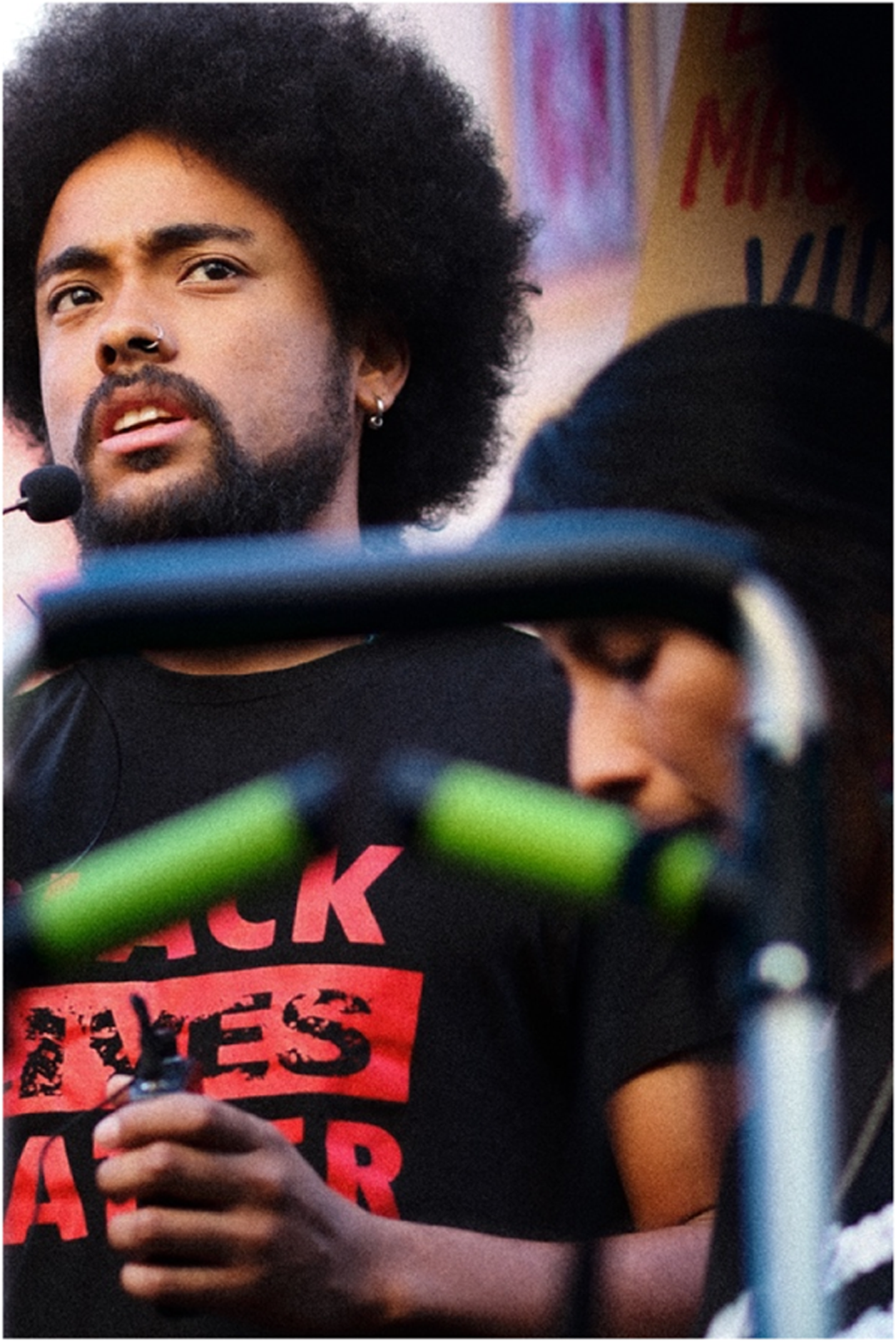
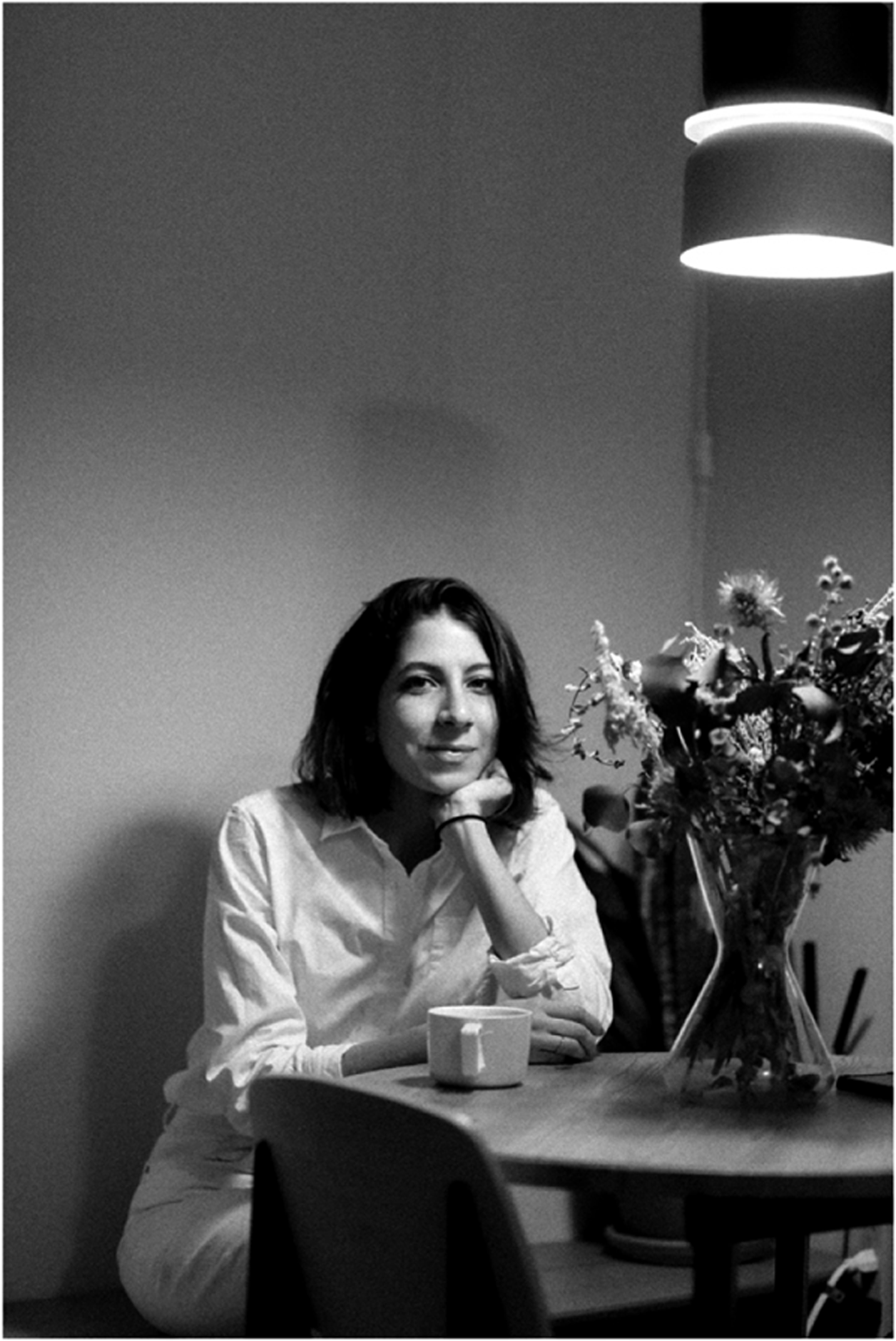


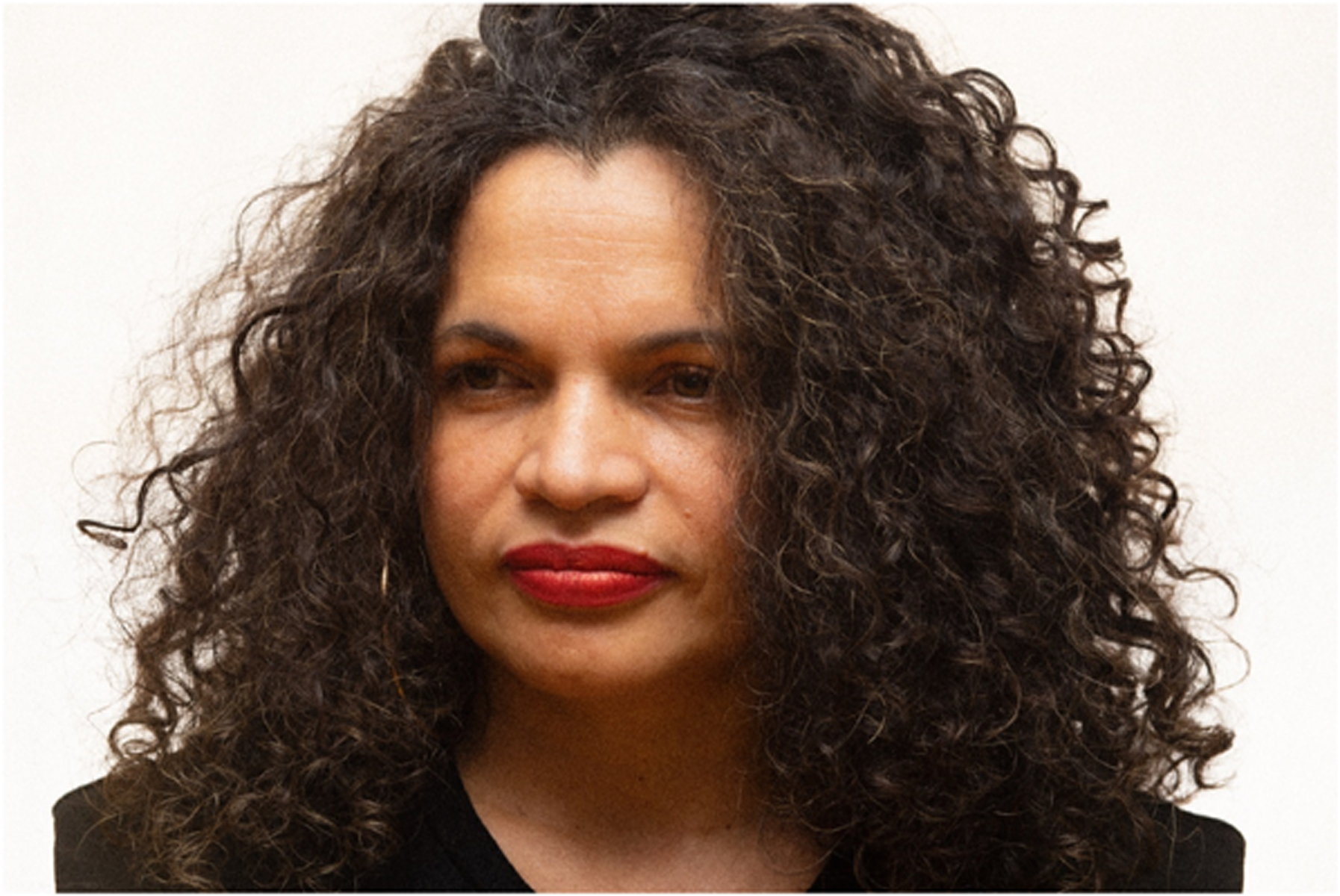
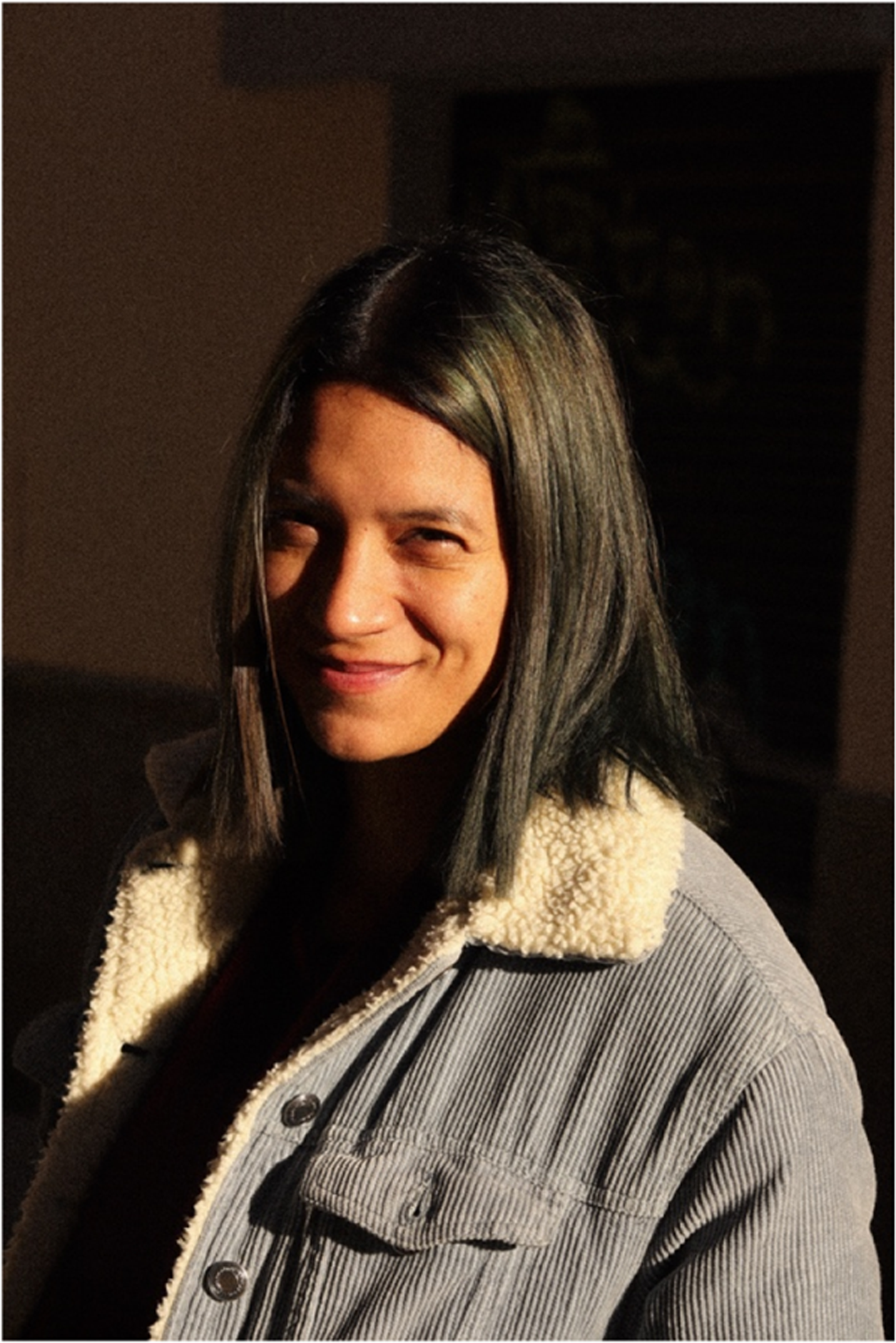
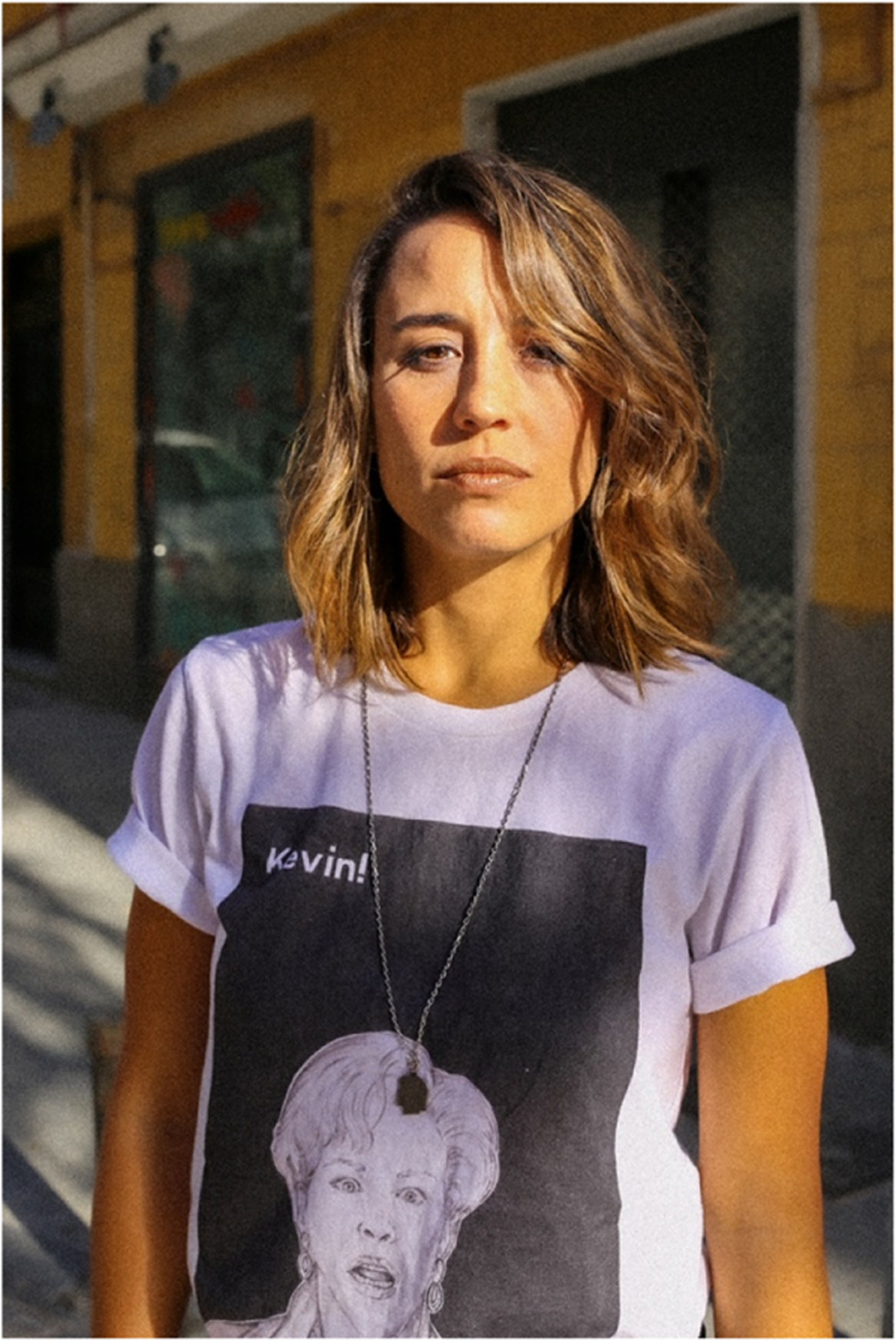
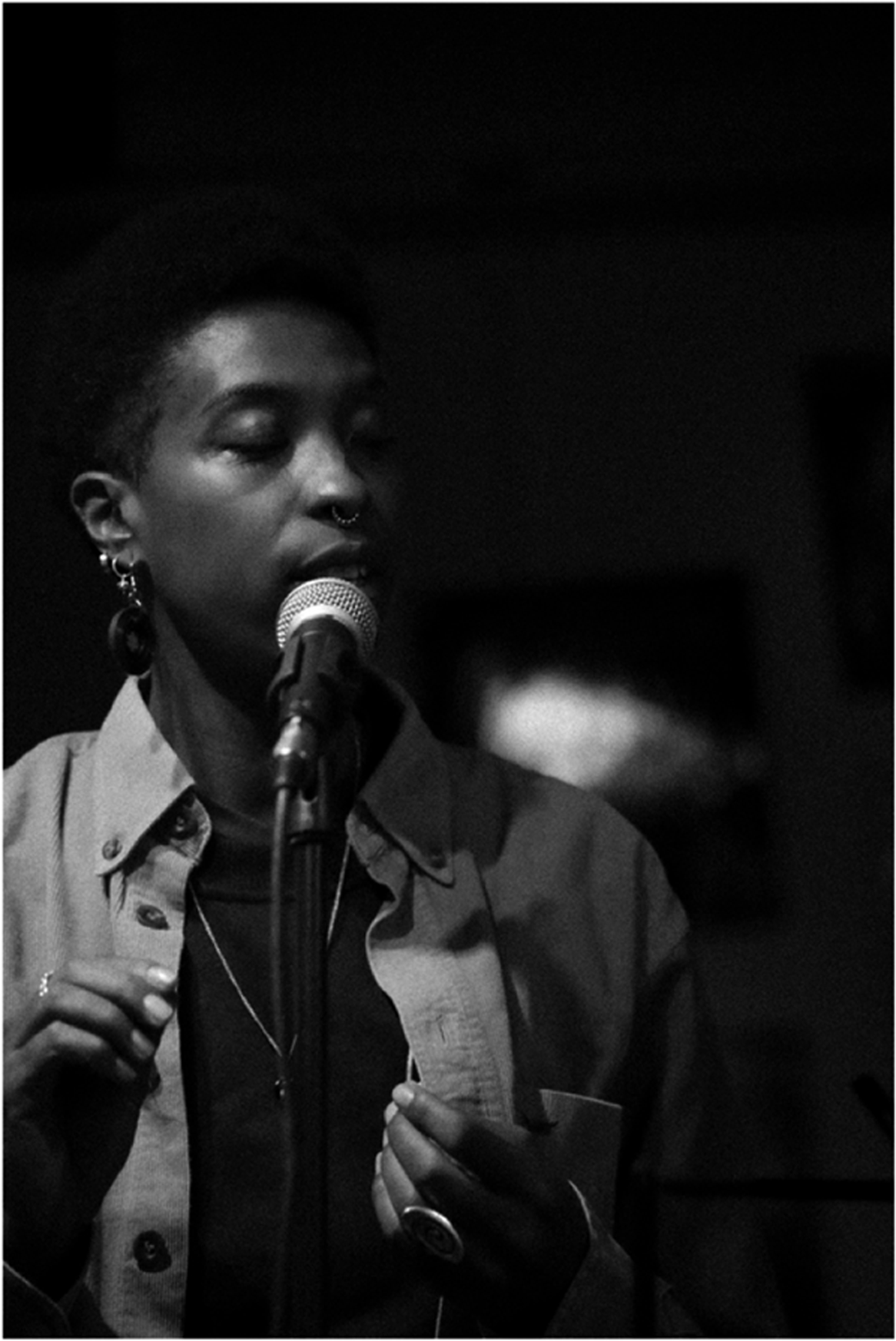
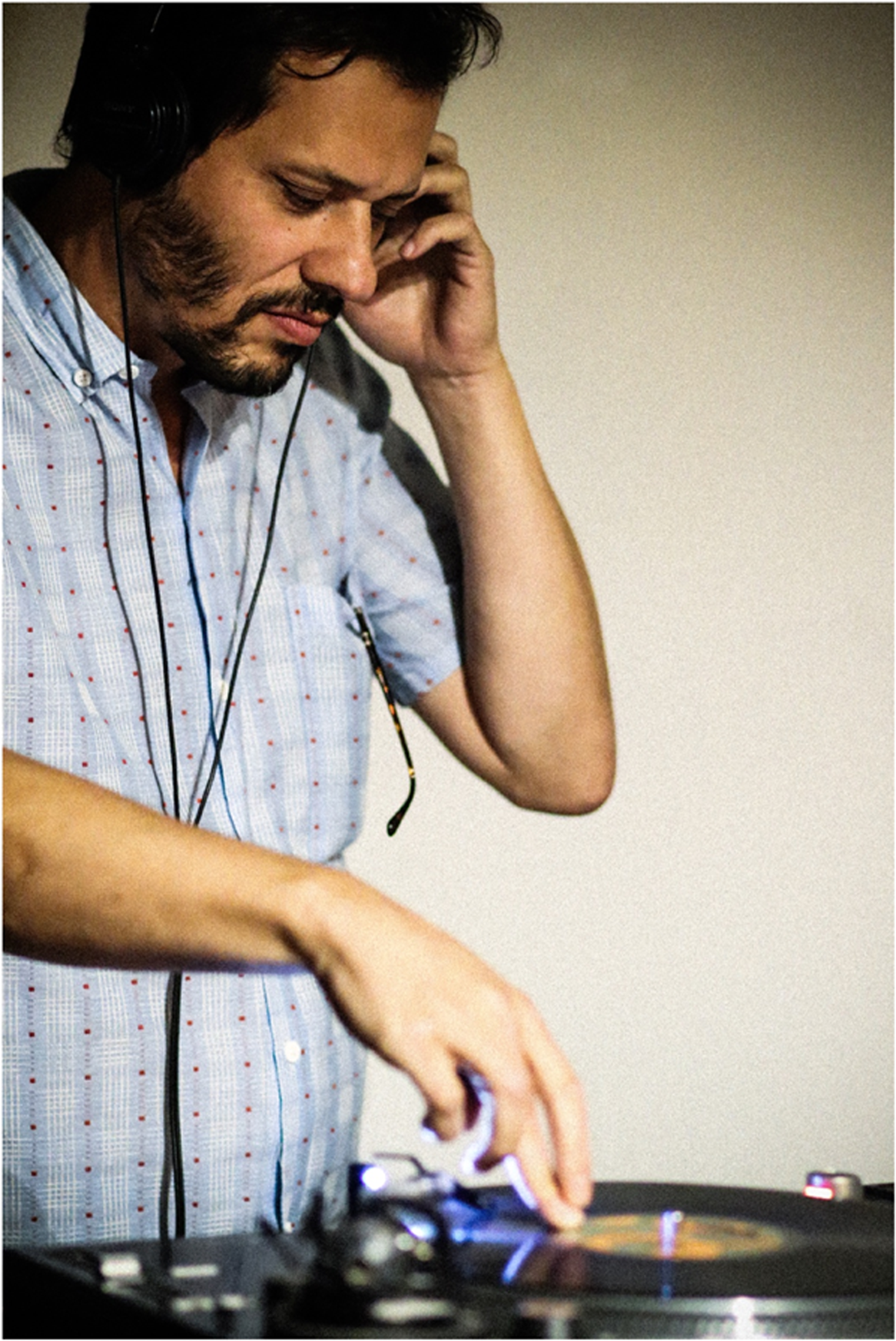


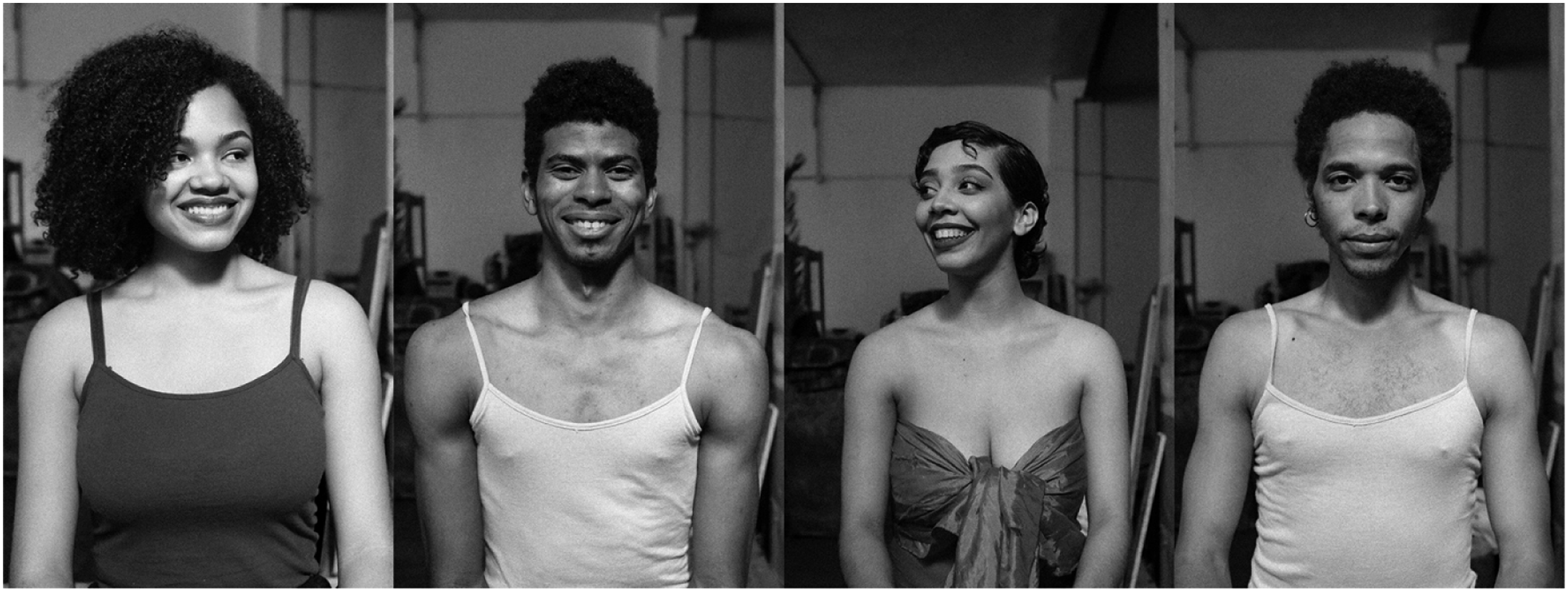
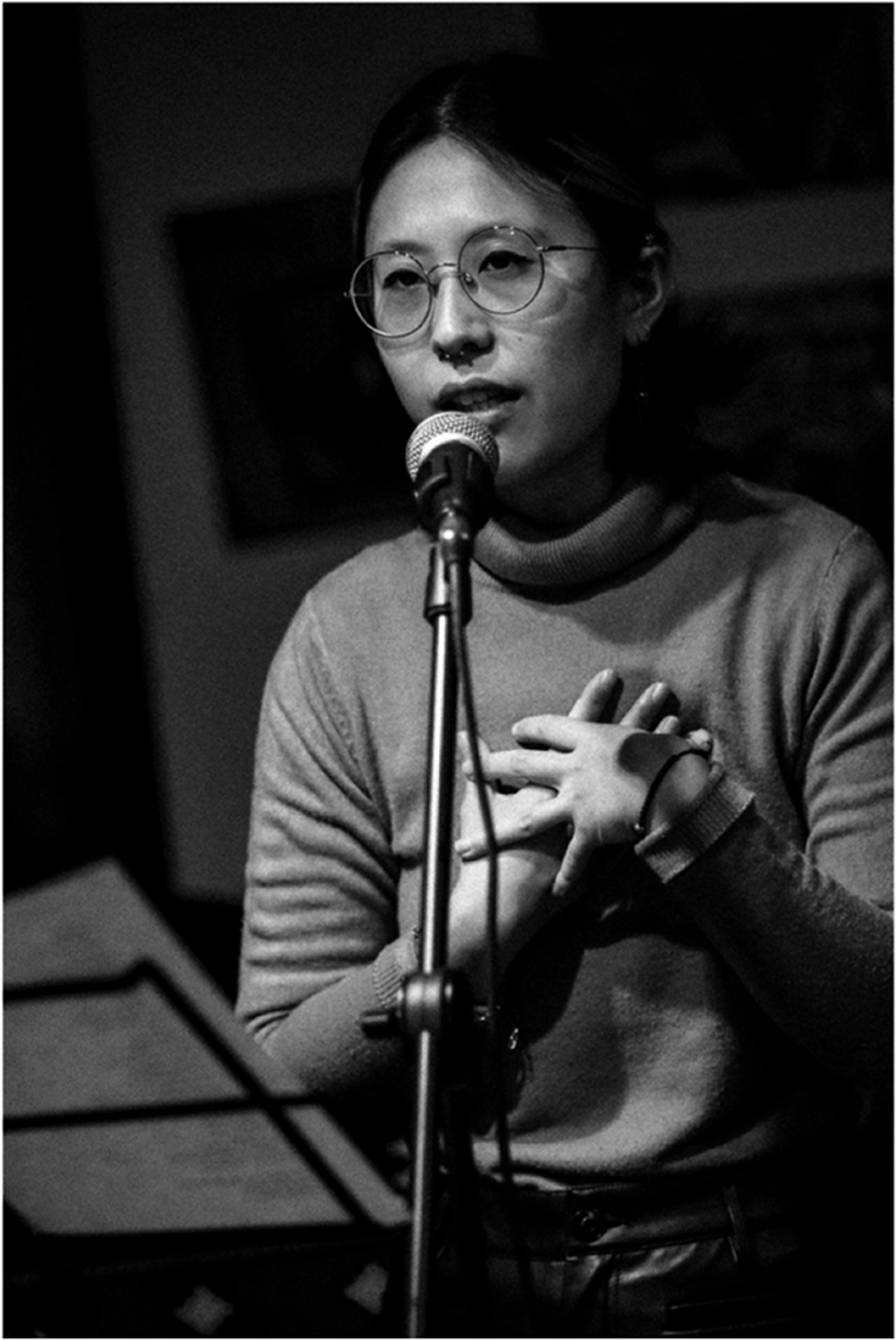
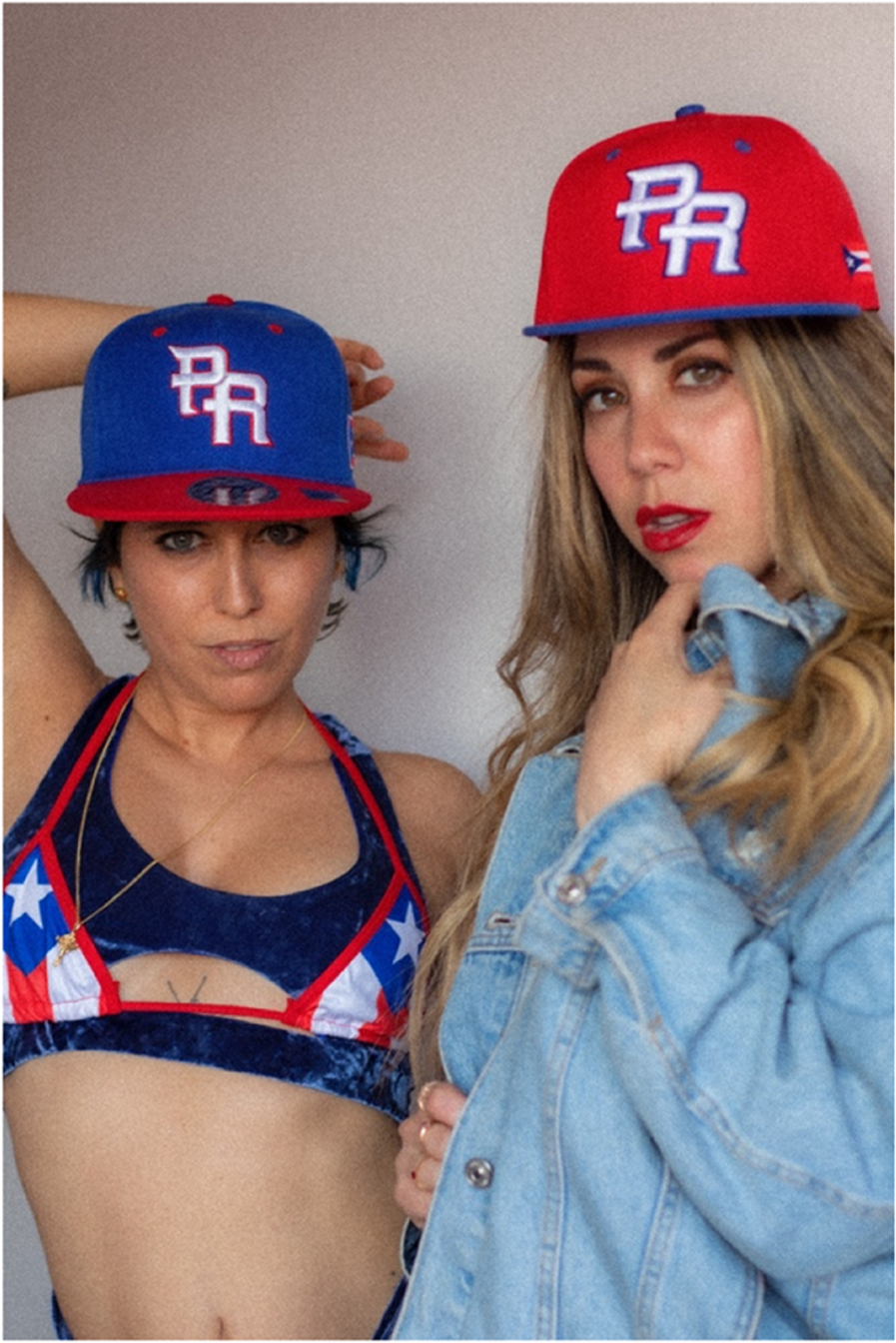
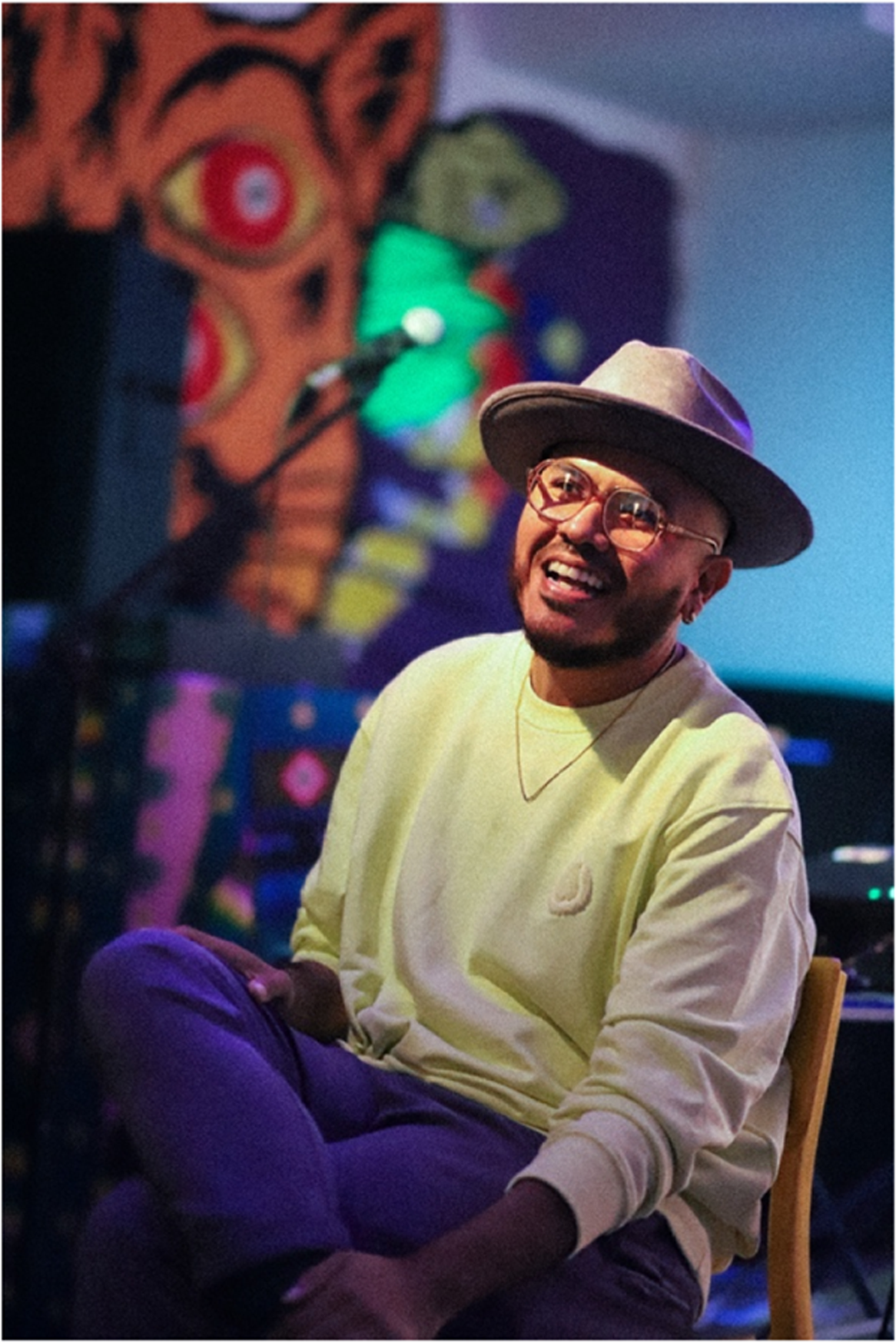
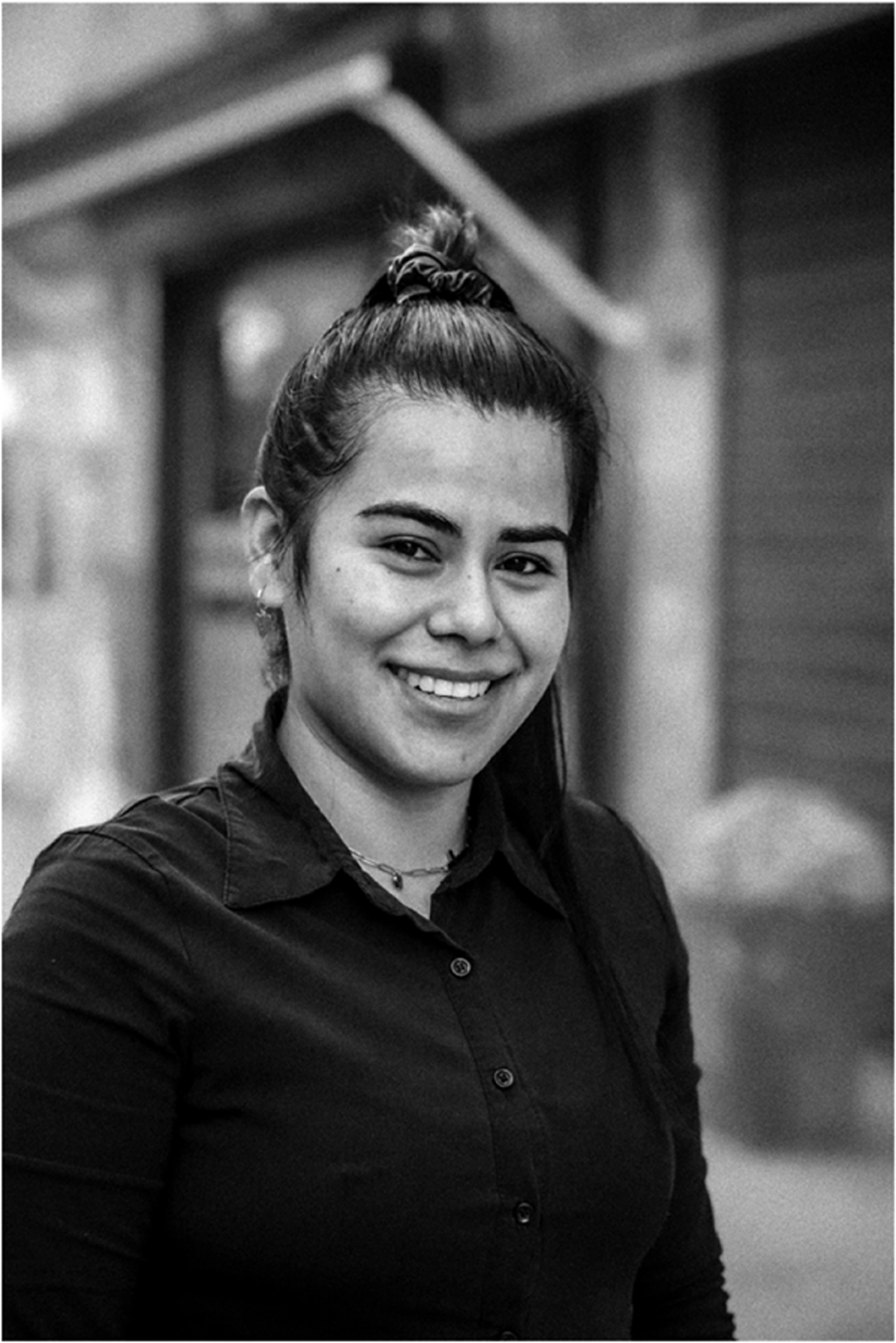
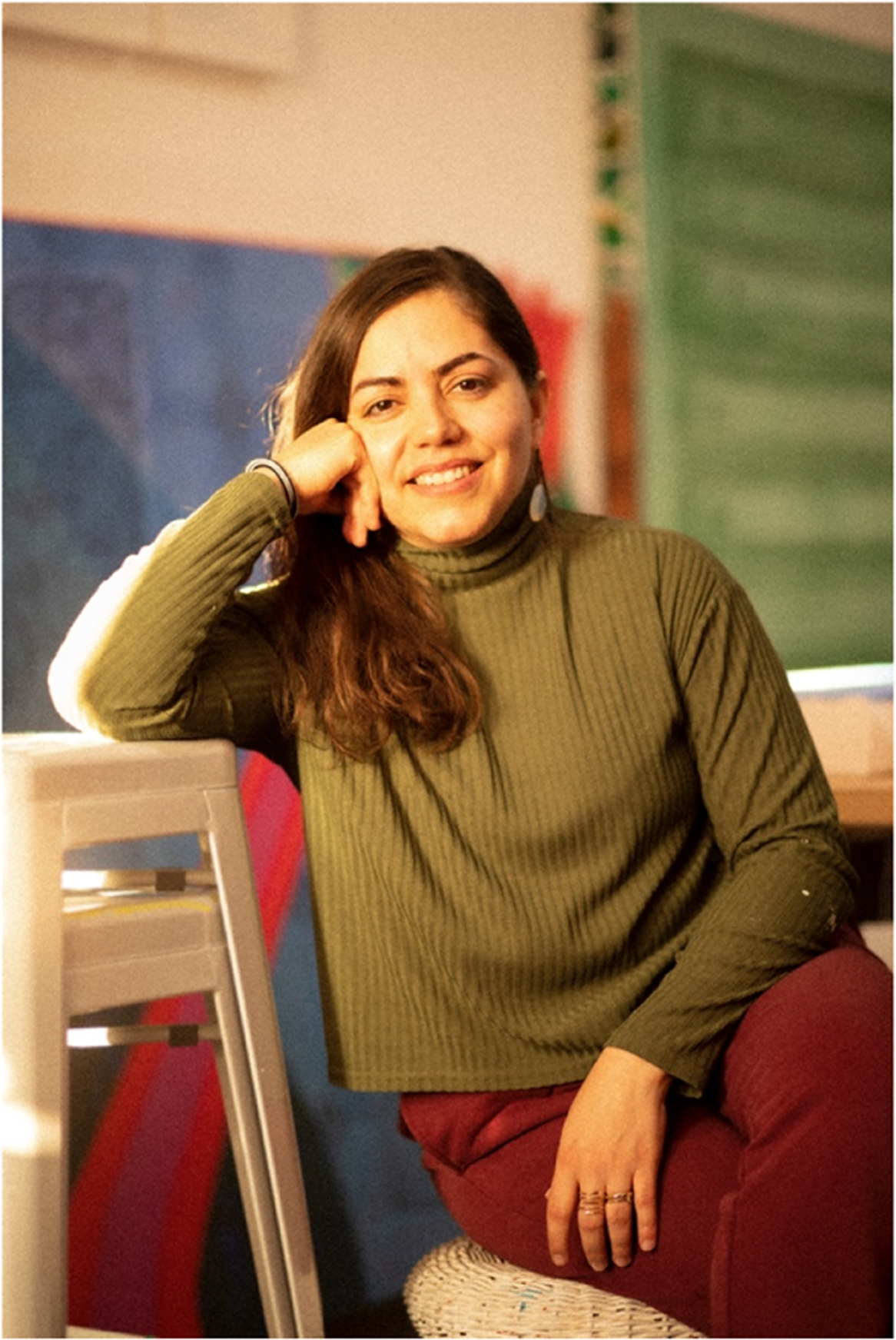
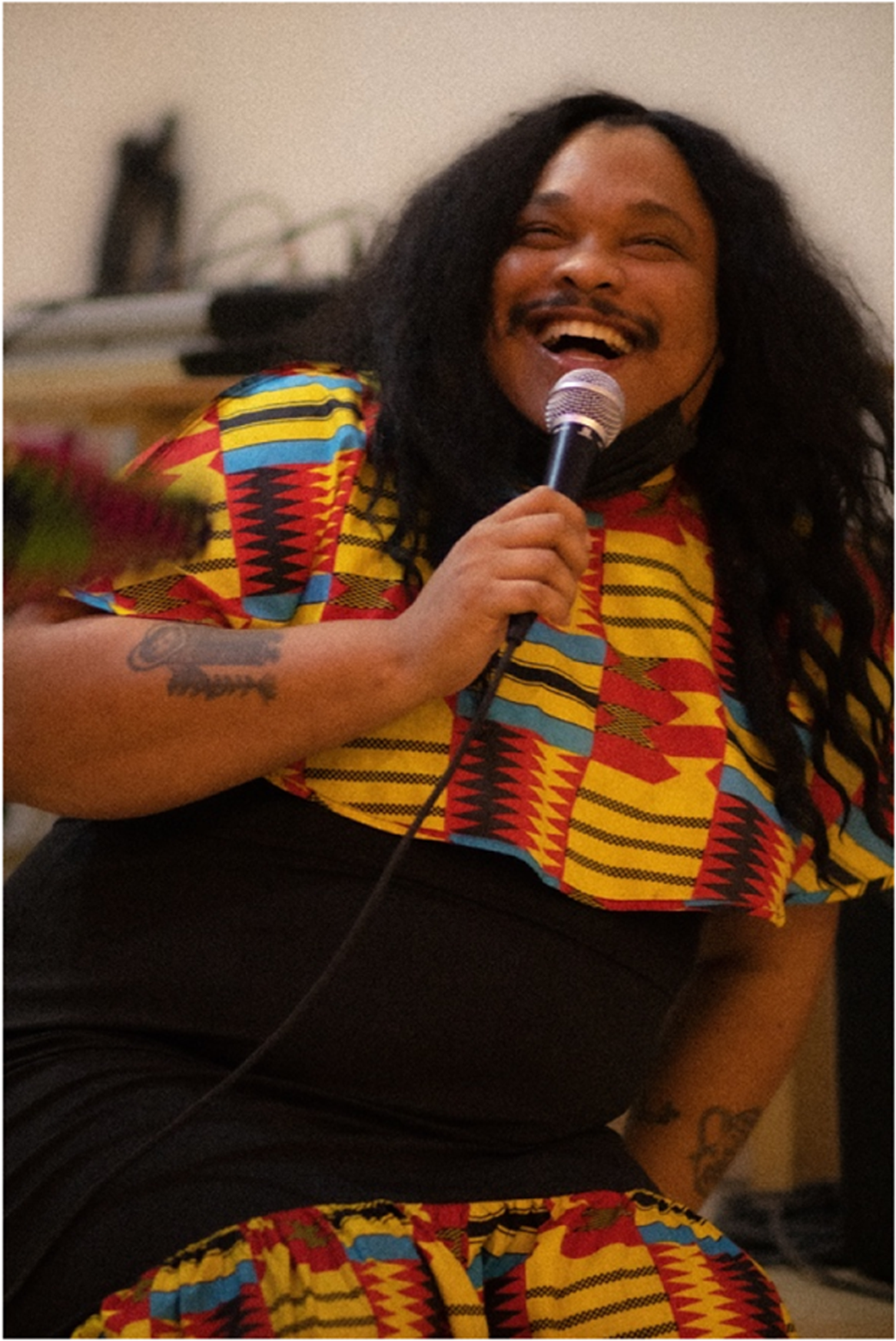
Here, each one narrates with his or her own face the round trip that has brought him or her to where he or she is today. With no intention of feeding any figure, with their own name and face, each one is her/his own homage. We will be others if the societies we reach are thought from the legal privilege of the border. When we call ourselves migrants, we claim a category of otherness as a political gesture to reclaim a space of speech in society; as if to say —Yes, we are the ones you are talking about.
In my case, thinking of myself from the category allows me to unfold in a reflection about the place I occupy in the imaginary of this multiform community of non-Spanish people and in the collective Puerto Rican imaginary inside and outside the Archipelago. The questions about identity, while helping to demarcate the power structures through which we relate, along the lines developed by Stuart Hall (1996) in his essay “Who Needs Identity?” also highlight the need to think about symbolic and political instruments capable of intentionally influencing the mindset of those who do not consider themselves to be others.
In the end, we are here, it is time to recognize ourselves for what we are, regardless of where we come from.
Footnotes
Declaration of conflicting interests
The author(s) declared no potential conflicts of interest with respect to the research, authorship, and/or publication of this article.
Funding
The author(s) received no financial support for the research, authorship, and/or publication of this article.