



Abstract
Background
Pharmacovigilance is a global effort to protect patients and public health by detecting and responding to adverse drug reactions (ADRs). However, underreporting is a major obstacle in reporting ADRs. An effective reporting culture is one way to overcome the challenges in ADR reporting.
Objectives
This study aimed to determine the factors affecting the patient safety culture related to adverse drug reaction reporting among healthcare professionals in a public hospital in Indonesia.
Methods
This observational cross-sectional study was conducted by Dr. R. Soedjono Selong Hospital, East Lombok, Indonesia. Data were collected using the Hospital Survey on Patient Safety Culture 2.0, conducted by the Agency for Healthcare Research and Quality, and a researcher-developed questionnaire.
Results
Among the 238 healthcare professionals who responded, 60.9% had previously reported ADRs. Age, education, working period, knowledge, perception, facilities, policies, and environment were significantly associated with patient safety culture and ADR reporting. The working period and age emerged as the most influential factors in patient safety culture and ADR reporting, respectively.
Conclusion
Age, education, working period, knowledge, perception, facilities, policy, and environment significantly affected the patient safety culture and ADR reporting.
Introduction
Patient safety is fundamental to providing quality essential health services. Ensuring patient safety in healthcare is a high-visibility issue for providing healthcare worldwide. 1 Patient safety arrangements aim to improve the quality of healthcare facility services by applying risk management to all aspects of services offered by healthcare facilities. 2 Patient safety in health care is a global public health concern. 3 Unsafe care and poor-quality healthcare increase the burden of illness and adverse outcomes. 1 Reducing adverse events requires a multifaceted approach to provide healthcare services, including safety in medicine. The global top 10 causes of disability and mortality are adverse events (AEs) related to unsafe patient care. 4 Pharmacovigilance is a global effort to protect patients and public health through early identification and appropriate measures to prevent adverse drug reactions (ADRs). 5
The World Health Organization (WHO) defines Adverse Drug Reactions (ADRs) as “a drug-related event that is noxious and unintended and occurs at doses used in humans for prophylaxis, diagnosis, or therapy of disease or for modification of physiological function.” 6 ADRs are a global issue estimated to be the fourth and sixth most common cause of death worldwide and require the attention of all stakeholders. 7 Public health and safety from ADRs are important in clinical settings because of their profound effects on patients’ quality of life and the increased financial burden on patients, society, and healthcare systems. 8 A recent study in Ethiopia found that due to further clinical complications and the need for additional care, an increase in cost was seen in patients with ADR, and medical costs were significantly higher than in patients without ADR. 9 A recent study in Korea also found that the medical cost of patients with ADRs than in those without ADRs was $9360.2 versus $4765.9. 10
Although healthcare professionals play a crucial role in pharmacovigilance, particularly in reporting ADRs, most ADR incidents have not yet been reported, particularly in developing countries. 7 The WHO monitors spontaneous ADR reporting in most countries and finds that a common problem is underreporting; it is estimated that only 5%–10% of ADRs are reported. 11 A recent study in Finland showed that approximately 38% (n = 50) of healthcare professionals do not always report suspected ADRs. 12 A study in Addis Ababa, the National Pharmacovigilance Reporting Center of Ethiopia, found that ADR reporting practices among doctors were low; only 27.4% of doctors had ever reported ADRs. 8 A recent study conducted in Saudi Arabia also found that 96.5% of ADRs were reported only when the effects were serious, life-threatening, or severe, and caused disability. 13 Thus, underreporting is a major obstacle in reporting ADRs, which is a challenge for pharmacovigilance activities. 7 Underreporting of ADRs by healthcare professionals could have a negative impact on public health and patient safety.
Promoting an effective patient safety culture is one way to overcome the challenges of reporting. 14 Patient safety culture is the extent to which an organization’s culture supports and promotes patient safety. 15 A patient safety culture creates values, beliefs, and norms shared by all healthcare professionals and organizational staff that influence actions and behavior.15,16 Studies have shown that patient safety culture is influenced by organizational support, leadership commitment to patient safety, staff education and training, openness in communication, reporting of adverse events, and learning from adverse events. 17 Reporting adverse events is an essential part of the patient safety culture to improve patient safety. One study showed that the relationship between patient safety culture and the frequency of adverse events was directly significant. 18 A recent study in Ghana showed that patient safety culture is associated with the frequency of adverse event reporting and that positive safety culture practices increase the chance of adverse events being reported. 14
Based on this background, it is known that there are many factors influencing patient safety culture and adverse drug reactions (ADRs) reporting. The internal and external factors directly influence each other. This is in line with Lawrence Green’s theory, which states that human behavior is influenced by two main factors: behavioral and environmental. Behavioral factors are influenced by three: predisposing factors (age, education, working period, knowledge, and perception), enabling factors (facilities), and reinforcing factors (policy and environment). 19
There is insufficient data in Indonesia regarding the association between patient safety culture and adverse drug reaction reporting. Given the gaps identified in the literature and the critical role of healthcare professionals in ADR reporting, this study aimed to determine the factors affecting patient safety culture related to adverse drug reaction reporting among hospital healthcare professionals. This study was conducted at Dr. R. Soedjono Selong General Hospital in East Lombok, Nusa Tenggara Barat, Indonesia. It was hypothesized that demographic factors, institutional actors, and healthcare professionals’ knowledge and perceptions would significantly influence patient safety culture and ADR reporting in hospitals. The results of this study are expected to help policymakers identify problems in reporting adverse drug reactions for drug safety evaluations to improve service quality and patient safety.
Methods
Study design, setting, and period
This observational cross-sectional study was conducted from September 2022 to April 2023 at the Dr. R. Soedjono Selong Hospital, East Lombok, Nusa Tenggara Barat, Indonesia.
Population and participant description
The study population consisted of healthcare professionals working in public hospitals in Indonesia. The healthcare professionals in this study were defined as anyone who dedicated themselves to the healthcare sector and had knowledge and/or skills through education in the health sector, who had the authority to carry out health efforts, and who had a practice license. This study included participants who had worked with Dr. R. Soedjono Selong Hospital, including general practitioners, medical doctor specialists, dentists, pharmacists, pharmacy teachers, nurses, and midwives, who met the inclusion criteria.
Inclusion and exclusion criteria
This study included healthcare professionals who agreed to participate by signing an informed consent form, who had worked for a minimum of 4 years, and who were registered healthcare professionals with practice permits at the hospital. Healthcare professionals who were on educational leave during the time of the survey distribution and those with less than 4 years of work experience were excluded.
Sample size determination and techniques
According to data gathered from the hospital, the total number of healthcare professionals was 623, including doctors, pharmacists, nurses, pharmacy technicians, and midwives. A purposive sampling technique was used to recruit the eligible participants. The minimum sample size was calculated using the Raosoft Sample Size Calculator with an error margin of 5% and 95% confidence interval (https://www.raosoft.com/samplesize.html). The minimum sample size was 238. All healthcare professionals who met the inclusion criteria were included in this study.
Data collection procedure and tool
Data were collected using two questionnaires. The Hospital Survey on Patient Safety Culture (HSOPSC) 2.0, by the Agency for Healthcare Research and Quality (AHRQ), was adopted and translated into Indonesian to collect data on patient safety culture (Surveys on Patient Safety CultureTM. Agency for Healthcare Research and Quality (AHRQ), Rockville, MD. USA https://www.ahrq.gov/sops/surveys/hospital/index.html). To determine the validity of the HSOPSC questionnaire, Cronbach’s alpha test was used, which showed an R count ≥0.50 and Cronbach’s alpha ≥0.70. 20 Data on adverse drug reaction (ADRs) reporting were collected using a questionnaire prepared by the researcher, which met the validity and reliability requirements with an R count greater than 0.279 (df = the number of cases: 2 = 50–2 = 48) and Cronbach’s alpha >0.60.
Data processing and analysis
Statistical analysis was performed using the Statistical Package for Social Science (IBM SPSS version 22). Descriptive statistics were used to describe most of the variables. Spearman’s rank test was used to identify correlations between the independent and dependent variables. Multiple linear regression analysis was used to analyze the effects of the independent variables on the dependent variable.
Ethical considerations
Ethical approval was obtained from the Research Ethics Committee of RSUD, Dr. R. Soedjono Selong, East Lombok, Nusa Tenggara Barat, Indonesia (02/EC/KEPRS/10/2022). Written informed consent was obtained from all the participants. No personal identification was used for this study.
Results
Demographic characteristics of respondents
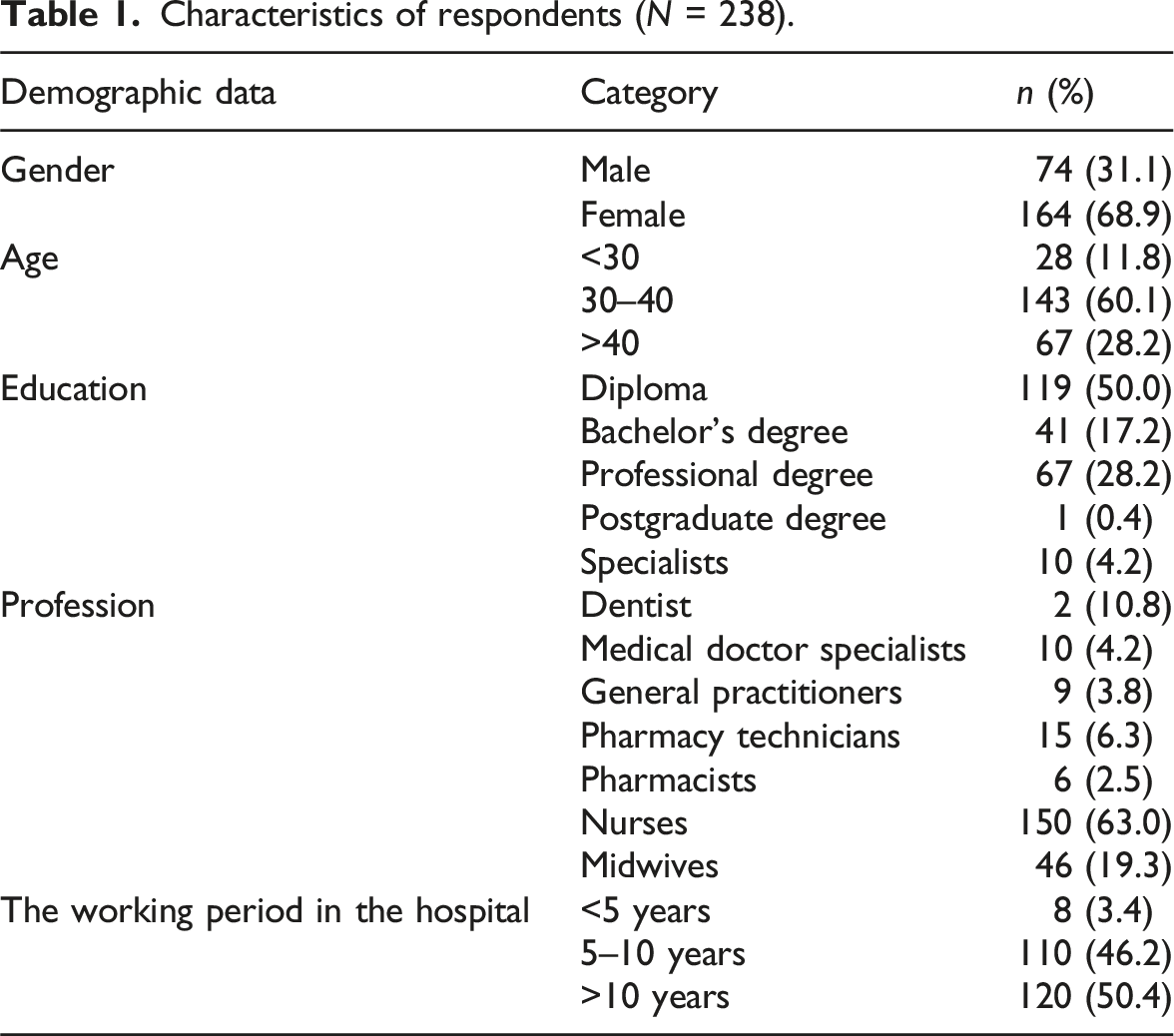
Characteristics of respondents (N = 238).
Reporting behavior and training of respondents
Patient safety and adverse drug reactions reporting characteristics (n = 238).

Experience of adverse drug reaction reporting by work unit (n = 145).

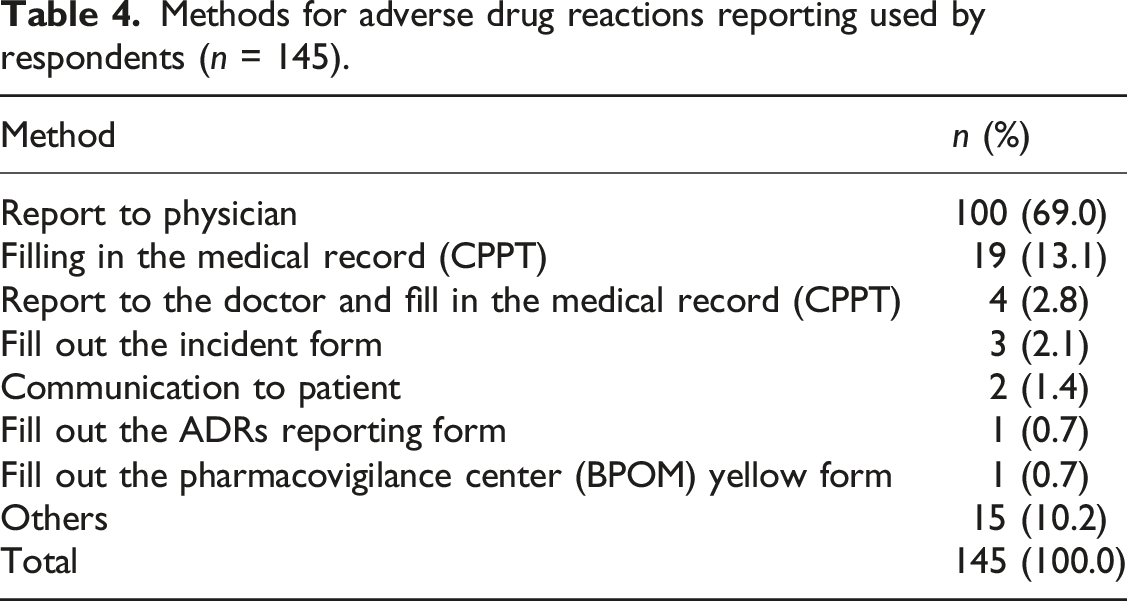
Methods for adverse drug reactions reporting used by respondents (n = 145).
Barriers to reporting ADRs
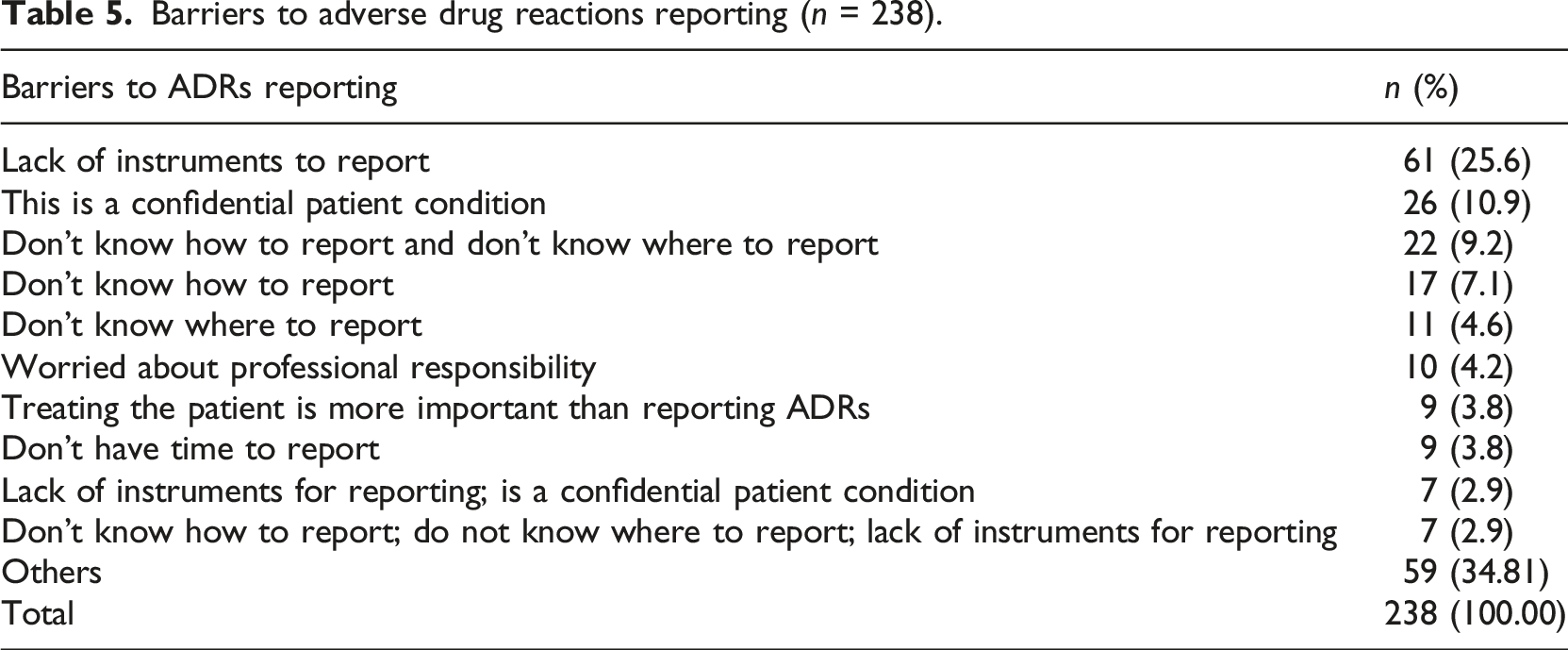
Barriers to adverse drug reactions reporting (n = 238).
Correlation test
Correlation test between independent variables with patient safety culture and adverse drug reactions reporting.
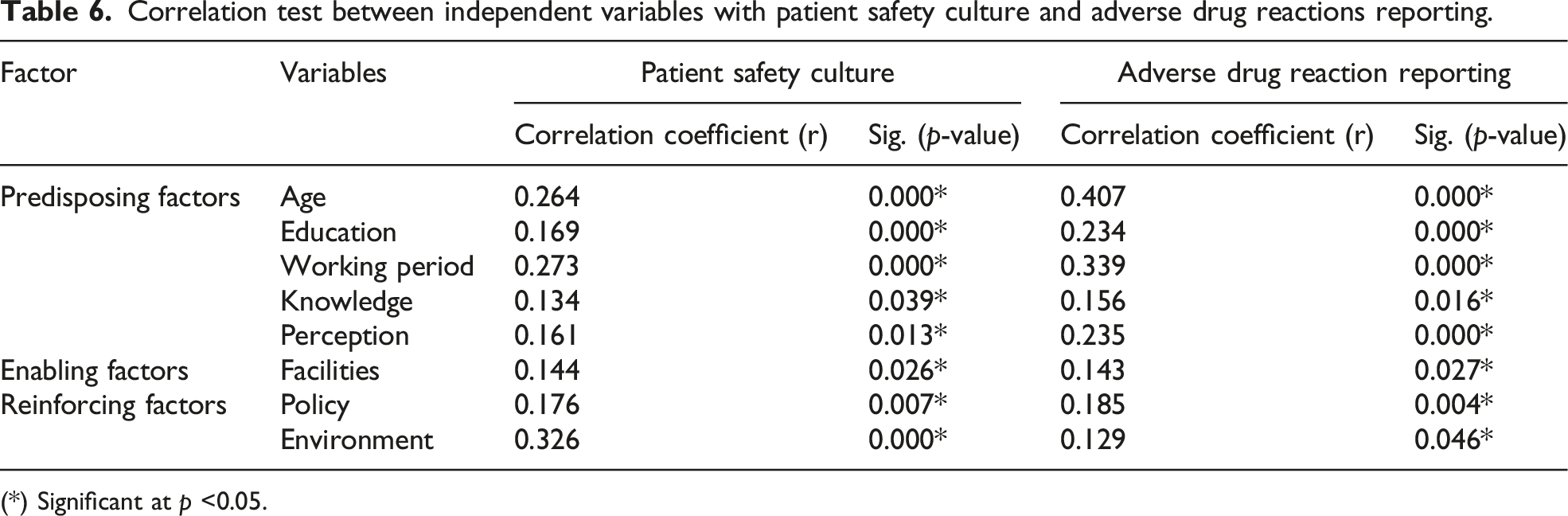
(*) Significant at p <0.05.
Correlation between patient safety culture with adverse drug reactions reporting.
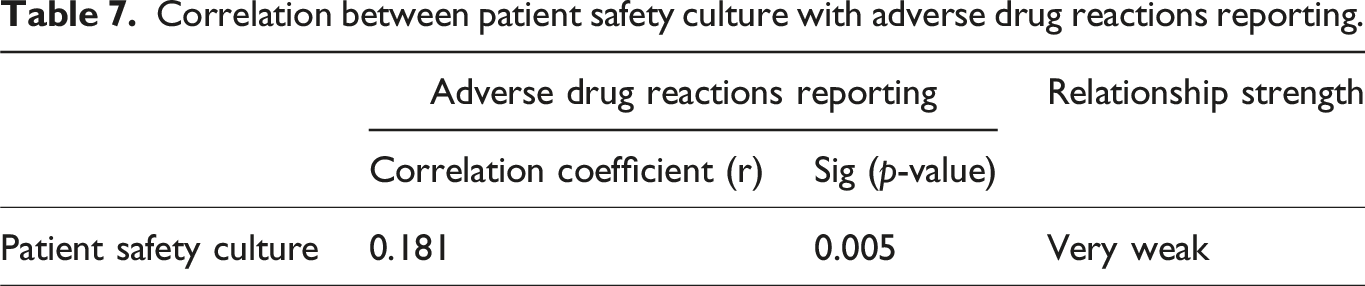
Effect of independent variables on the dependent variable patient safety culture and adverse drug reactions reporting.

aMultiple linear regression analysis
Effect of each independent variable on the dependent variable patient safety culture and adverse drug reactions reporting.
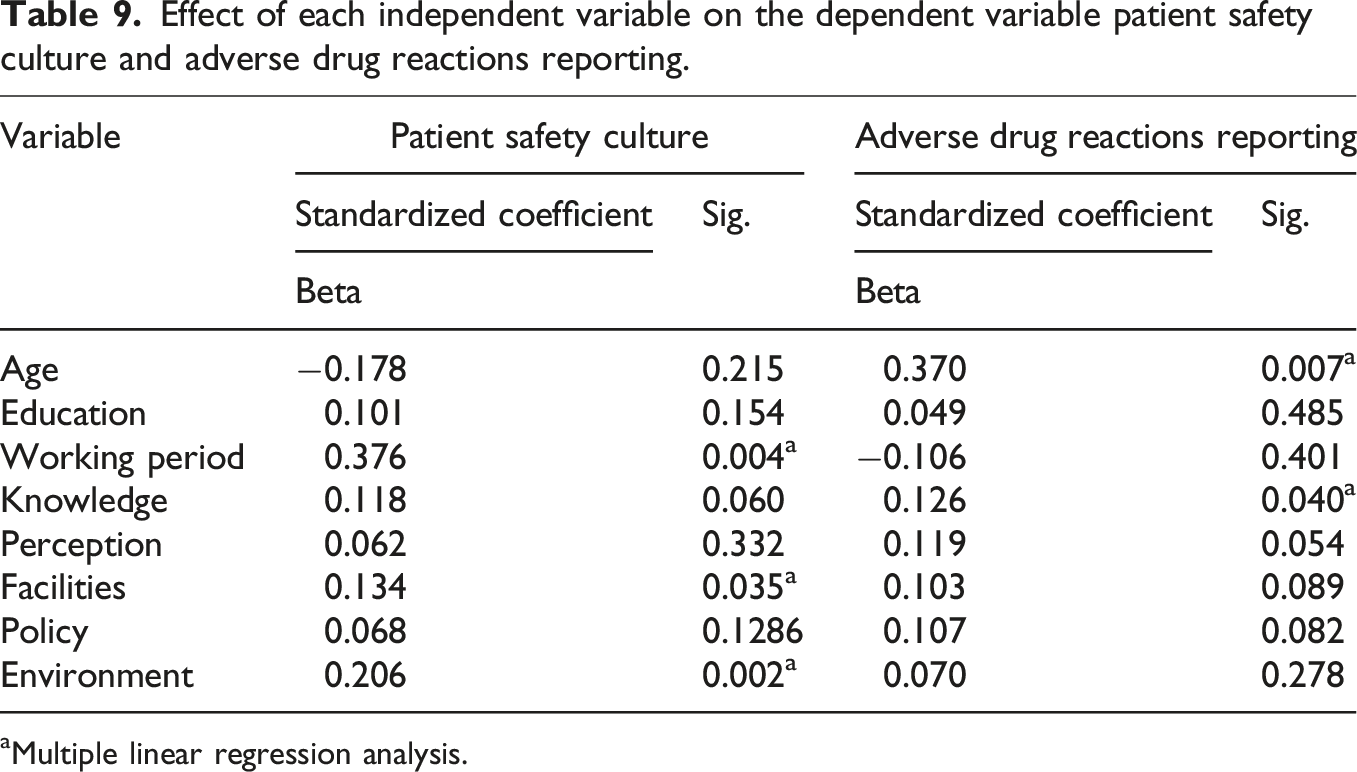
aMultiple linear regression analysis.
Multiple linear regression test
Multiple linear regression was used to determine the effect of the independent variables on patient safety culture and ADR reporting (Supplemental Table 8). The results showed that age, education, working period, knowledge of patient safety culture, perception of patient safety culture, facilities, patient safety culture policy, and environment influenced patient safety culture (21.9%) and ADR reporting (24.0%).
The most influential variables for patient safety culture and ADR reporting are shown in Supplemental Table 9. The working period (beta = 0.376, p = 0.004), facilities (beta = 0.134, p = 0.035), and environment (beta = 0.206, p = 0.002) were the most influential factors in patient safety culture. Age (beta = 0.370, p = 0.007) and knowledge (beta = 0.126, p = 0.040) were the most influential factors for ADR reporting.
Discussion
Age
This study found a significant association among age, patient safety culture, and ADR reporting. Similar to a previous study in Malaysia, age was associated with positive patient safety culture. 21 However, this is in contrast to a study conducted in Southern Ethiopia, which found that age was not significantly associated with patient safety culture. 22 These findings differed, which may be due to the differences in the methods used to categorize age.
This study also found that the healthcare professionals’ age was the most influential and significant factor in ADR reporting. This finding differs from a study conducted in Yogyakarta, Indonesia, in which age and nurses' attitudes toward incident reporting were weak but significant because of factors that nurses experience that increase with age, which may affect the formation of nurses’ perspectives. 23 Age could affect healthcare professionals’ performance because increasing age could allow them to gain more knowledge, perceptions, experiences, and skills that would be better in providing quality health services and patient safety.
Education
The results of this study showed that educational level is associated with patient safety culture and ADR reporting. This finding aligns with that of another study that showed that educational level is associated with patient safety culture. 24 Education level can affect healthcare professionals’ skills in implementing a patient safety culture. A greater level of education is better able to utilize knowledge and skills to establish a patient safety culture. Compared to healthcare professionals who did not receive any information about patient safety in their initial professional education or throughout their professions, they had more negative attitudes toward most dimensions of patient safety. 21
Working period
A significant association between working period, patient safety culture, and ADR reporting was found in this study. This study also found that the working period was the most influential factor in patient safety culture. The results of this study differ from those of other studies that found that work experience was not associated with a good patient safety culture, which means that regardless of how long healthcare professionals had been working, it did not significantly impact their perception or practice of patient safety culture. 25 A study in China showed that nurses’ reporting awareness of adverse events increased with the length of employment because 90% of the nurses had worked for more than 10 years, resulting in increased reporting of adverse events. 26 Healthcare professionals with more work experience tend to have a better understanding of and skills in implementing patient safety culture and ADR reporting. Based on the results of the studies above, it might be suggested that the training and guidelines provided to healthcare professionals are standardized, leading to a consistent level of patient safety culture regardless of experience.
Knowledge
The results of this study show that knowledge has a significant association with patient safety culture and ADR reporting and is also the most influential factor in patient safety culture and ADR reporting. Knowledge is a vital component of the patient safety culture and ADR reporting. This enables healthcare professionals to be proactive in detecting and reducing adverse events, reporting incidents, and improving patient safety by providing high-quality health care services. A study conducted in Nigeria found that many healthcare professionals were willing to report ADRs but had a low level of knowledge about ADRs. 7 Previous studies have identified insufficient knowledge as the main reason for underreporting ADRs. 14 Therefore, to overcome the underreporting of ADRs, it is necessary to improve knowledge of ADR reporting among healthcare professionals through education or training.
Perception
This study found a significant association among perception, patient safety culture, and ADR reporting. A recent study conducted in Saudi Arabia identified that the perception of the potential harm of ADRs is likely related to the misunderstanding of the definition of an ADR because most respondents stated that they would not report a non-serious ADR. 27 Perception plays a critical role in the patient safety culture and ADR reporting. Perception influences behavior, attitudes, and actions. Creating a positive perception of ADR reporting and patient safety culture is essential as it can lead to increased reporting of adverse events, improve patient safety, and create a positive patient safety culture.
Consistent with Green’s theory, 19 our findings demonstrated a significant association between behavioral factors (such as knowledge and perception) and patient safety culture, aligning with the hypothesis in this study that both internal and external factors influence ADR reporting.
Facilities
There was a significant association between facilities with a patient safety culture and ADR reporting. The results of this study are in line with those of another study conducted in Indonesia, which showed that the availability of facilities influences patient safety. 23 This study also found that barriers to ADR reporting included the lack of instruments to report (25.6%), which is similar to other studies showing that barriers to ADR reporting lack access to the reporting form. 28 Adequate facilities such as reporting forms are critical elements of patient safety and ADR reporting. The availability of support facilities can help prevent incidents that harm patients and affect their safety. It is also important to achieve the patient safety goals.
Policy
The results of this study showed that policies related to patient safety culture were significantly associated with ADR reporting. This study also found that 9.2% of respondents did not know how to report and where to report ADRs, which, similar to another study, is the reason for ADR underreporting was a lack of understanding of how to report an ADR. 29 Therefore, a policy of reporting guidelines and procedures is needed to ensure that all healthcare professionals are equipped with the knowledge and resources needed to report ADRs effectively and to contribute to patient safety improvement.
Environment
A significant association between the environment, patient safety culture, and ADR reporting was found in this study. This is similar to a study conducted in Southeast Iran, which found that working conditions and the environment affected patient safety and quality improvement. 30 Other studies have also identified that the work environment is conducive to safe incident reporting and has been found to be significant for positive changes in patient safety climate. 31 The environment has a direct impact on the patient safety culture and ADR reporting. A supportive environment that is conducive to safety and efficiency in providing healthcare promotes a patient safety culture and provides the tools necessary for effective ADR reporting.
Strengths and limitations of research
The results of this study can provide information regarding factors that influence patient safety culture and ADR reporting and can also provide baseline information for evaluating the quality of healthcare services. This study examined multiple factors that could potentially affect patient safety culture and ADR reporting, including demographic, institutional, and individual factors. This comprehensive approach identified various factors. The sample size was adequate, based on the calculated minimum sample size, which provided sufficient statistical power. The use of validated survey instruments (HSOPSC 2.0) increases the reliability of the measurements. This study had some limitations. First, this study used a survey method that was not followed by in-depth interviews; therefore, it was not possible to control all statements and answers from the respondents. Second, this study did not examine the types of ADRs found in hospitals. Unmeasured confounders such as organizational culture, leadership styles, and other workplace factors that could influence safety culture and ADR reporting may not have been accounted for in the analysis. However, potential effect modifiers have not been explicitly examined. For instance, the relationship between knowledge and reporting practices may differ depending on professional roles or departments. The possibility of reporting bias may have occurred because the respondents were concerned that if the results obtained did not go as expected, it would have consequences. To avoid reporting bias, all respondents explained that the data obtained were not published, including their identity. Moreover, the use of validated instruments, such as the HSOPSC 2.0 survey, helps to reduce measurement bias. This study ensured sufficient statistical power by calculating and achieving the minimum required sample size, thereby reducing the risk of type II error.
Further research examining potential edge modifiers, conducting longitudinal studies, and incorporating qualitative methods could provide more robust insights into the complex relationships between these factors and patient safety outcomes. Including objective measures of ADR reporting (e.g., from hospital records) along with self-reported data could reduce the self-report bias. Expanding the study to multiple hospitals would improve generalizability and reduce site-specific biases.
Conclusion
In conclusion, ADR reporting is an essential part of patient safety culture and is significantly associated with it. Age, education, working period, knowledge, perception, facilities, policies, and the environment were significantly associated with patient safety culture and ADR reporting. ADRs are a global problem that can decrease with the implementation of positive patient safety culture and reporting of ADRs. ADR reporting can identify the roots of the problem of safety in medicine and can be used as a baseline evaluation to improve patient safety and quality of healthcare services. Creating a positive patient culture and ADR reporting are needed to minimize the occurrence of ADR and provide quality and safety in healthcare services.
Supplemental Material
Supplemental Material - Factors affecting patient safety culture and adverse drug reaction reporting among healthcare professionals in an Indonesian public hospital: A cross-sectional study
Supplemental Material for Factors affecting patient safety culture and adverse drug reaction reporting among healthcare professionals in an Indonesian public hospital: A cross-sectional study by Baiq Khuwailida Kartikasari, Samirah Samirah, Yunita Nita, Arie Sulistyarini, and Elida Zairina in International Journal of Risk & Safety in Medicine.
Supplemental Material
Supplemental Material - Factors affecting patient safety culture and adverse drug reaction reporting among healthcare professionals in an Indonesian public hospital: A cross-sectional study
Supplemental Material for Factors affecting patient safety culture and adverse drug reaction reporting among healthcare professionals in an Indonesian public hospital: A Cross-sectional study by Baiq Khuwailida Kartikasari, Samirah Samirah, Yunita Nita, Arie Sulistyarini, and Elida Zairina in International Journal of Risk & Safety in Medicine.
Statements and declarations
Footnotes
Acknowledgments
We extend our deepest gratitude to all healthcare professionals who participated in this study.
Author contributions
BKK and EZ contributed to the design and implementation of this study. SS, YN, and AS contributed to the analysis of results and manuscript writing. EZ conceived the original study, secured funding, and supervised the project.
Conflicting interests
The authors declared no potential conflicts of interest with respect to the research, authorship, and/or publication of this article.
Funding
The authors disclosed receipt of the following financial support for the research, authorship, and/or publication of this article: The authors thank Universitas Airlangga, Surabaya, Indonesia, for supporting this study through the Airlangga Research Fund 2023 (No: 738/UN3. 1.5/PT 2023).

Supplemental material
Supplemental material for this article is available online.
References
Supplementary Material
Please find the following supplemental material available below.
For Open Access articles published under a Creative Commons License, all supplemental material carries the same license as the article it is associated with.
For non-Open Access articles published, all supplemental material carries a non-exclusive license, and permission requests for re-use of supplemental material or any part of supplemental material shall be sent directly to the copyright owner as specified in the copyright notice associated with the article.
