



Abstract
Background
People living with Human Immunodeficiency Virus (PLW-HIV) on anti-retroviral therapy are more likely to develop tuberculosis as compared to people without HIV. The objective of the study is to evaluate the risk factors, prevalence, and management pattern of Anti-tubercular therapy-induced hepatitis (ATT-IH) in PLW-HIV with Anti-Retroviral Therapy (ART) in comparison with HIV-SNP.
Methodology
A retrospective observational cohort study was conducted at a university teaching hospital for Anti-tubercular therapy-induced hepatitis ATT-IH. Patients were screened based on International Classification of Diseases codes 10. A total of N = 431 patients with ATT-IH (250 males and 181 females) were included in the study. The severity grading of ATT-IH was assessed by Liver Tox. The risk factors associated with ATT-IH in HIV-SPP and HIV-SNP were assessed and determined at a p value <0.05.
Results
Out of 431 patients with ATT-IH, 231 patients experienced ATT-IH in the HIV-SP group and 200 patients in the HIV-SN group. Zero-inflated regression analysis identified risk factors for ATT-IH in HIV-SPP in comparison with HIV-SNP, including BMI, hepatitis B, and smoking habits. The prevalence of ATT-IH in HIV-SPP was 53.6% and 46.4% in HIV-SNP. A higher incidence of 23 (10 %) of ATT-IH was reported with the Tenofovir + Lamivudine + Lopinavir+ Ritonavir ART regimen.
Conclusion
Clinicians must focus on early detection of risk factors for ATT-IH in HIV-SPP in comparison with HIV-SNP to prevent significant hepatic complications.
Keywords
Introduction
The World Health Organization (WHO) reported that in 2022, 10.6 million people fell ill with tuberculosis, leading to 1.3 million deaths. 1 In India, as per the National TB Elimination Programme (NTEP), the first-line anti-TB drugs such as isoniazid (INH), rifampicin (RIF), ethambutol (ETM), pyrazinamide (PZA), and streptomycin (STM) are included in the directly observed treatment short course (DOTS) program for the control of TB. The standard regimen follows a 2HRZE/4HRE protocol with daily dosing under direct observation. Second-line anti-TB drugs, classified by WHO into Groups A, B, and C, include levofloxacin (LFX), moxifloxacin (MFX), bedaquiline (BDQ), linezolid (LZD), clofazimine (CFZ), cycloserine (CCS), kanamycin (KM), amikacin (AMK), ethionamide (ETO), and para-aminosalicylic acid (PAS), which are used when first-line anti-TB drug resistance occurs.2–5 First-line anti-tuberculosis drugs, including isoniazid, rifampicin, and pyrazinamide, are known to cause hepatotoxicity and account for a substantial risk of drug-induced liver injury (ATT-IH), potentially leading to serious adverse effects. 6
In India, TB is the most common Opportunistic infections (OIs) among people living with human immunodeficiency virus (PLW-HIV). 7 PLW-HIV on anti-retroviral therapy (ART) are more likely to develop TB disease as compared to people without HIV. As per World Health Organization (WHO) recommendations, all HIV-Seropositive Patients (HIV-SPP) must be started on ART irrespective of their CD4 T-cell count. 8 ART has proven to have a greater quality of life among HIV-infected patients with TB or HIV-related TB (TB/HIV). The approach in India to treating HIV-SPP with active TB disease is with initiation of first-line anti-TB drugs first, and then starting with ART. 9 An integrated treatment approach for both TB and HIV is needed in clinical settings for efficient control of both diseases, TB/HIV, in resource-limited countries worldwide. 10
The treatment of TB in PLW-HIV is a great challenge for clinicians due to leading cause of morbidity and mortality. 11 Concomitant use of ART and anti-TB drugs results in the occurrence of serious adverse drug reactions (ADRs) like hepatotoxicity and drug-drug interactions (DDIs), pill burden. 12 ATT-IH is a major health concern in PLW-HIV with ART, leading to intentional interruption of TB treatment, economic burden, life-threatening adverse events, prolonged hospitalization stay, and drug resistance. 13 Previous studies reported the incidence of hepatotoxicity to be 1 to 31% in TB/HIV patients with TB therapy.14–16
In India, the National AIDS Control Organization (NACO) offers free treatment of ART and OIs associated with TB/HIV. In spite of free treatment for TB, 84% of HIV-SPP discontinue TB treatment due to ATT-IH, which leads to non-adherence and treatment failure. 17 There is a lack of data about ATT-IH in PLW-HIV with ART in comparison with HIV-seronegative patients (HIV-SNP) in the Indian population. There are no studies conducted in India concerning ATT-IH in HIV-SPP in comparison with HIV-SNP. This study was conducted to evaluate the risk factors, prevalence, pattern, and management pattern of ATT-IH in PLW-HIV with ART in comparison with HIV-SPP with HIV-SNP.
Methodology
Study design and setting
A retrospective observational cohort study was conducted at the Kasturba Hospital (KH), Manipal, India. The study was approved by the Institutional Ethics Committee (IEC583/2016) of KH, Manipal. Retrospective medical record review (RMRR) of ATT-IH was analyzed from January 2011 to December 2016 from the Medical Record Department (MRD) of KH.
Inclusion and exclusion criteria
The inclusion criterion was TB/HIV or HIV-SPP with ART with TB therapy, who had experienced ATT-IH, and HIV-SNP with TB therapy, who had experienced ATT-IH. The exclusion criteria were patients less than 18 years of age, patients with no serological evidence of hepatitis, and patients with incomplete or no data on liver function tests (LFTs) results with follow-up, were excluded from the study.
HIV-SP cases with ART with TB therapy or TB/HIV and HIV-SN cases with TB therapy were screened by a graduate clinical pharmacist from MRD based on International Classification of Disease codes −10 (ICD) (ICD-10-volume 1, 2013) As per ICD-10 disease under the sections of A16.0 to A16.9, A17+ to A+17.9, A18 to A18.8, A19 to A19.9, B20 to B 20.s9, B21 to B21.9, B22 to B 22.7, B23 to B23.8 and B24 was included for screening. 18 The sections A16 broadly include respiratory tuberculosis, not confirmed bacteriologically or histologically, A17+ tuberculosis of nervous system, A18-tuberculosis of other organs, A19-military tuberculosis, B20-HIV disease resulting in infectious and parasitic diseases, B21-HIV disease resulting in malignant neoplasms, B22-HIV disease resulting in other specified diseases, B23-HIV disease resulting in other conditions, and B24-unspecified HIV diseases were included for analysis.
ATT-IH definition
ATT-IH was defined as an elevation of transaminases more than fivefold the upper normal limits if patient had no symptoms. In addition, 1) A rise of five times the upper limit of normal levels 50 International Units [(IU)/l)] of serum aspartate aminotransferase (AST) and/or alanine aminotransferase (ALT). 2) A rise in the level of serum bilirubin (SB) > 1.5 mg/dl. 3) Any increase in AST and/or ALT above pre-treatment levels together with anorexia, nausea, vomiting, and jaundice. The presence of any one of the above three criteria, along with the absence of viral hepatitis, was considered to be ATT-IH for RMRR. The interpretation of LFT results before and after TB therapy in both groups of HIV-SPP and HIV-SNP was correlated for ATT-IH during screening.
Tools used
Liver Tox criterion was used for assessing the severity grading of ATT-IH. This severity grading assessment scale categorized grades of ATT-IH broadly into “1+, mild,” that is, elevated serum AST or alkaline phosphatase (ALP) levels or both, but total SB <2.5 mg/dL and no coagulopathy (CO), international normalization ratio (INR), that is, (INR <1.5). “2+, moderate,” that is, elevated serum AST or ALP levels or both and total SB >2.5 mg/dL or CO (INR >1.5) without hyperbilirubinemia. “3+, moderate to severe,” that is, elevated serum AST or ALP levels and total SB level >2.5 mg/dL and hospitalization (or preexisting prolonged hospitalization stay) because of ATT-IH. “4+, severe,” that is, Elevated serum AST or ALP levels and SB >2.5 mg/dL and with prolonged jaundice and symptoms beyond 3 months, or signs of hepatic disorders (INR >1.5, ascites, encephalopathy), or other organ failure related to ATT-IH, and “5+, Fatal,” that is, death or liver transplantation for ATT-IH. 19
ATT-IH was analyzed in order to study the demographic details of the patients, prevalence, possible risk factors, pattern, and management of ATT-IH in HIV-SP cases with ART and TB therapy in comparison with HIV-SN cases with TB therapy in the Indian population. “Individual case record form” (ICRF) was used to collect relevant data related to ATT-IH including gender, age, body mass index (BMI), social habits of alcohol and smoking status, literacy, employment, Implication of anti-TB drugs with dosage, duration, ART regimen associated for ATT-IH, duration of ART, baseline LFTs and follow-up LFTs after initiation (or) with withdrawal of anti-TB drugs due to ATT-IH (or) first-line anti-TB drug resistance with their follow-up treatments, type of TB, pregnancy status, serological tests of anti-hepatitis C antibody (anti-HCV), hepatitis B surface antigen (HBsAG), types of Hepatitis with severity grading assessment, viral load, correlation with CD4 T-cell counts before and after ART in PLW-HIV with ATT-IH.
Statistical analysis
The frequency and percentage were used to summarize the categorical variables. The chi-square test was used to find an association between two categorical variables. The risk factor associated for ATT-IH was assessed between HIV-SP cases with ART with TB therapy in comparison with HIV-SN cases with TB therapy determined at a P value <0.05 by investigating gender, age, type of hepatitis, BMI, smoking and alcoholic status, liver diseases such as liver cirrhosis and jaundice. Regression analysis was used to assess the influence of these risk factors on the development of ATT-IH. All statistical calculations were performed using Statistical Package for Social Sciences (SPSS) version 20. P-value <0.05 was considered statistically significant.
Results
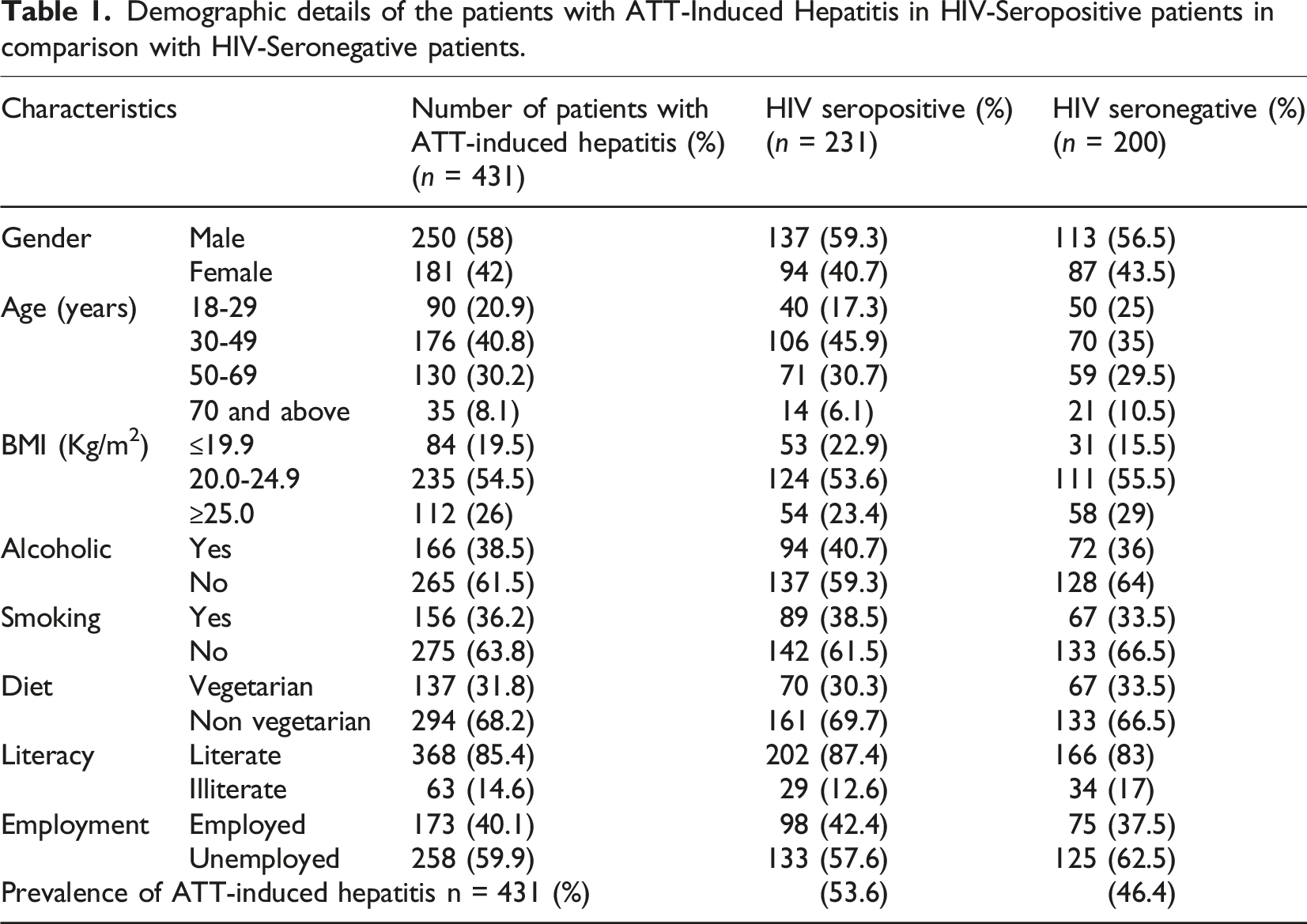
Demographic details of the patients with ATT-Induced Hepatitis in HIV-Seropositive patients in comparison with HIV-Seronegative patients.
Risk Factors associated with ATT-Induced Hepatitis in HIV-Seropositive patients in comparison with HIV-Seronegative patients.
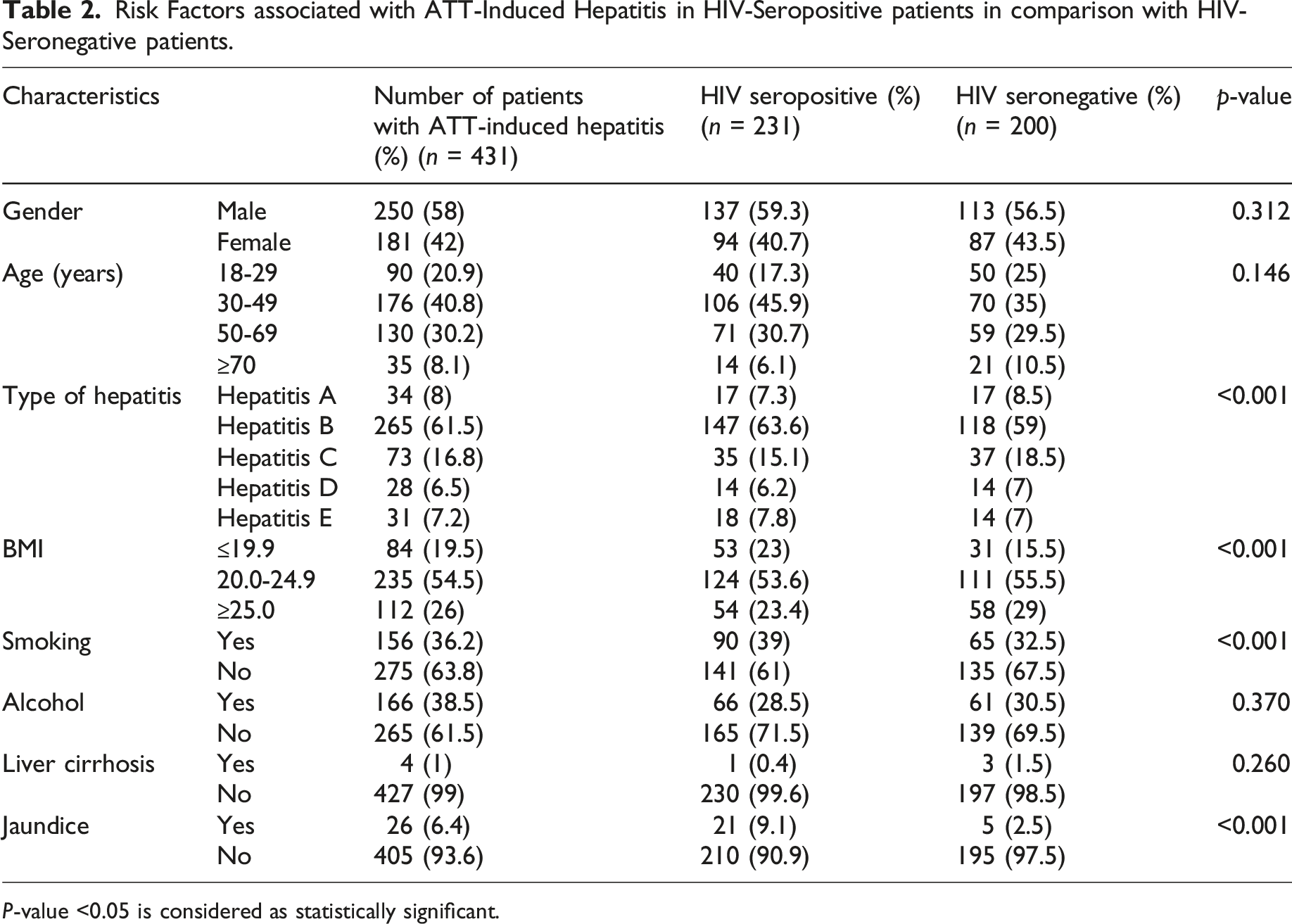
P-value <0.05 is considered as statistically significant.
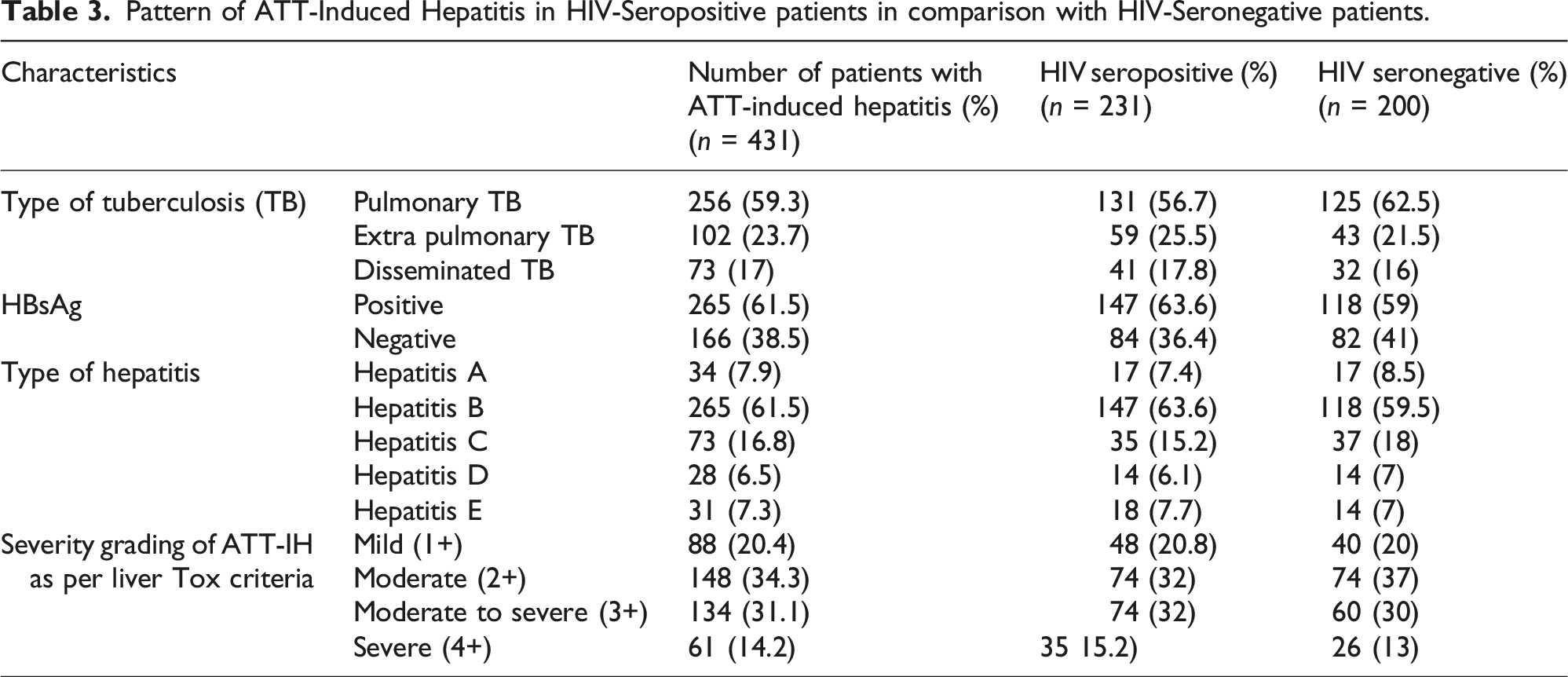
Pattern of ATT-Induced Hepatitis in HIV-Seropositive patients in comparison with HIV-Seronegative patients.
Management of ATT-Induced Hepatitis in HIV-Seropositive patients in comparison with HIV-Seronegative patients.
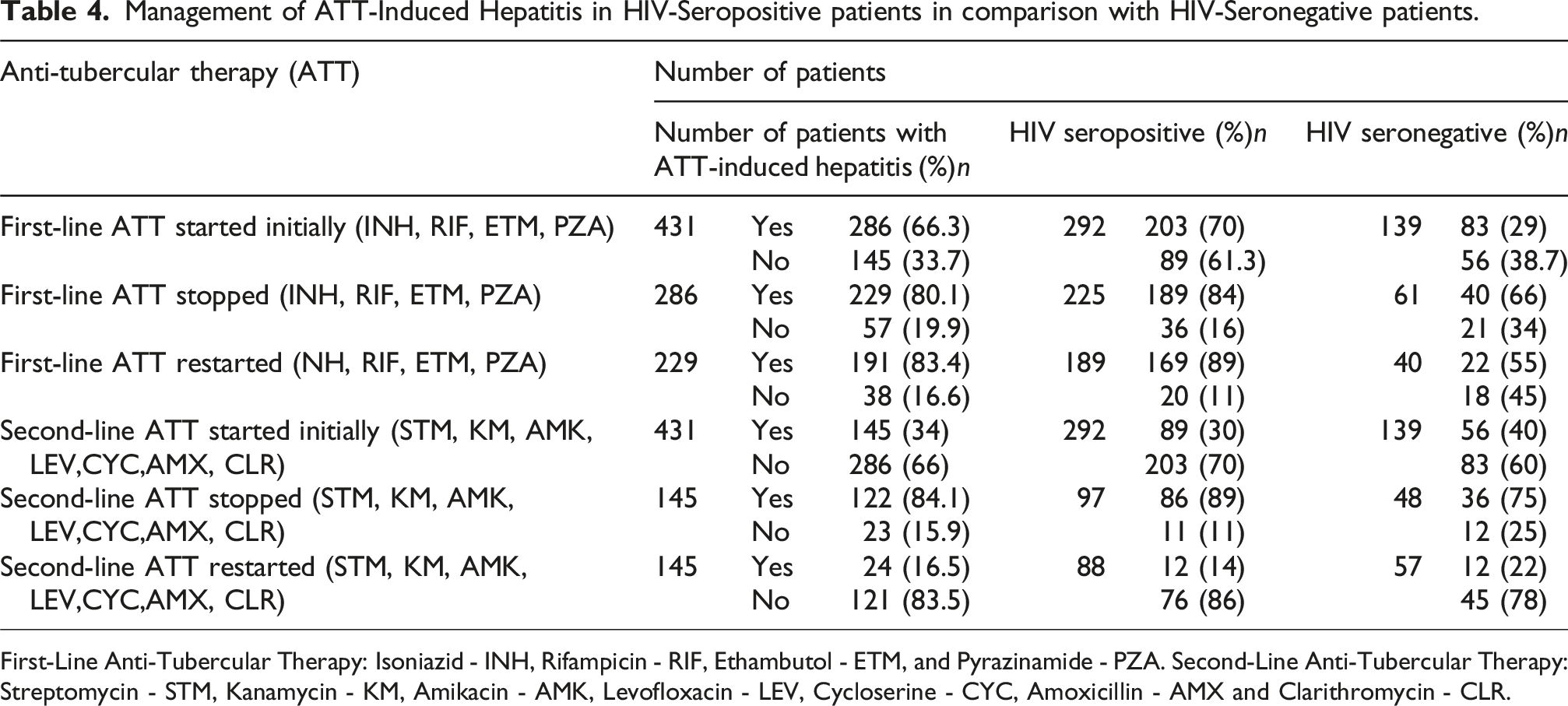
First-Line Anti-Tubercular Therapy: Isoniazid - INH, Rifampicin - RIF, Ethambutol - ETM, and Pyrazinamide - PZA. Second-Line Anti-Tubercular Therapy: Streptomycin - STM, Kanamycin - KM, Amikacin - AMK, Levofloxacin - LEV, Cycloserine - CYC, Amoxicillin - AMX and Clarithromycin - CLR.
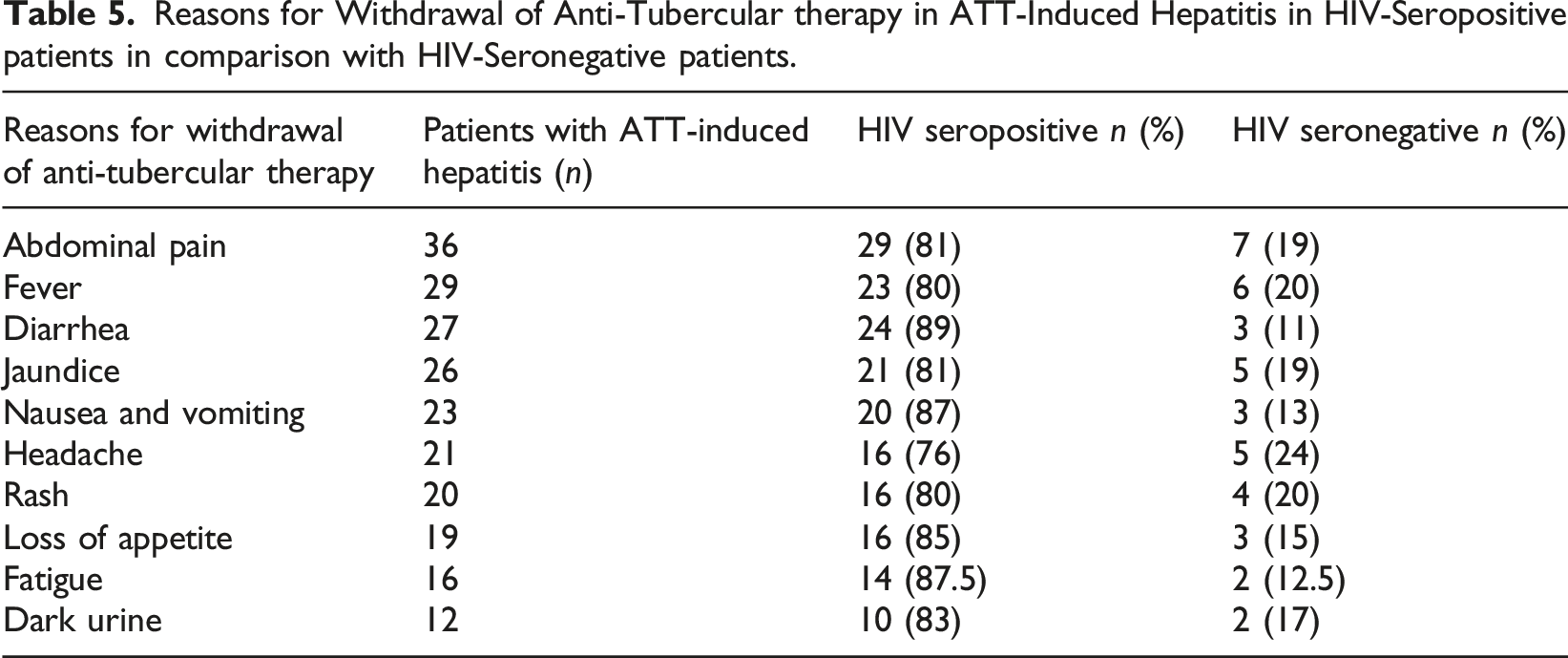
Reasons for Withdrawal of Anti-Tubercular therapy in ATT-Induced Hepatitis in HIV-Seropositive patients in comparison with HIV-Seronegative patients.
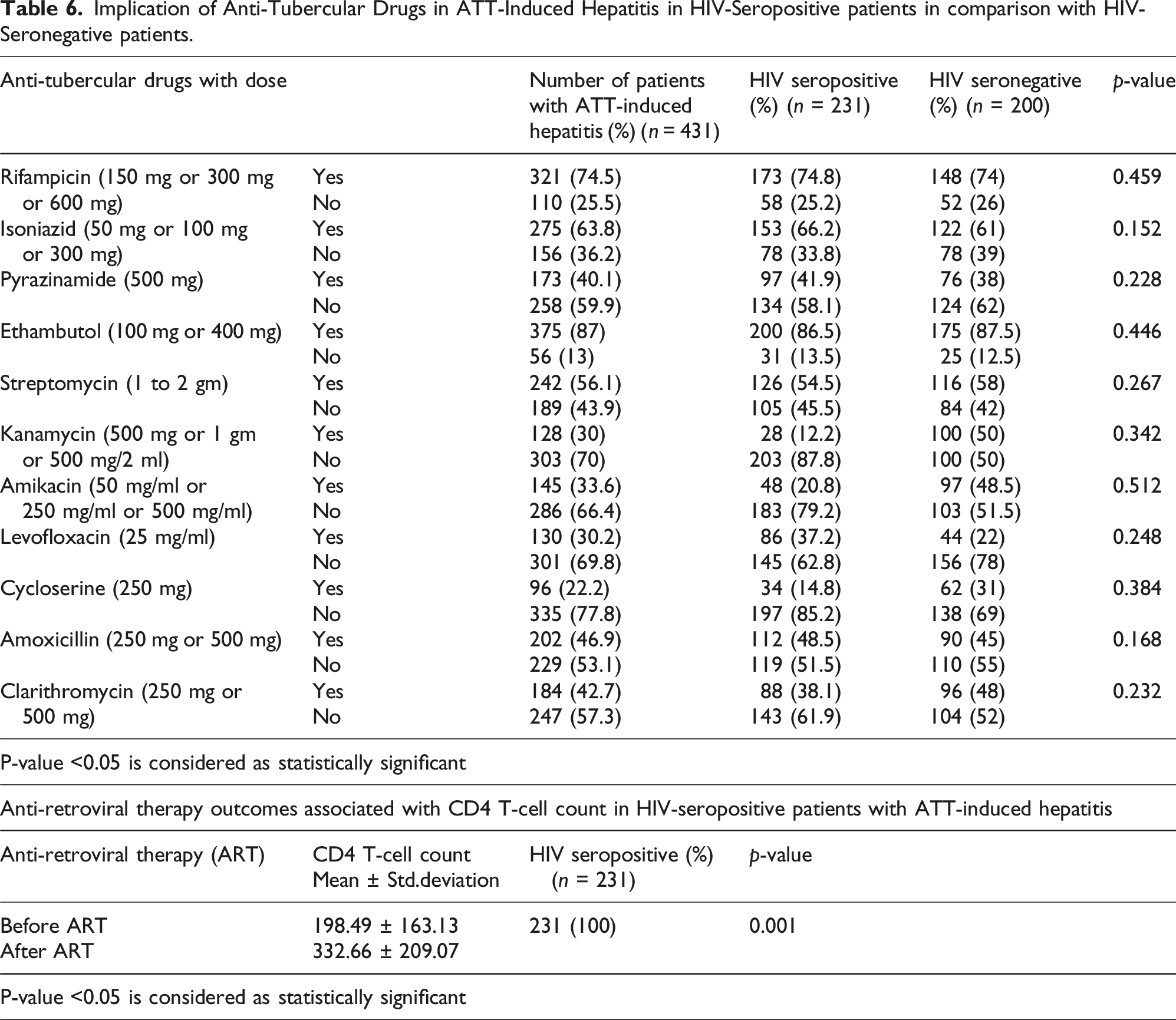
Implication of Anti-Tubercular Drugs in ATT-Induced Hepatitis in HIV-Seropositive patients in comparison with HIV-Seronegative patients.
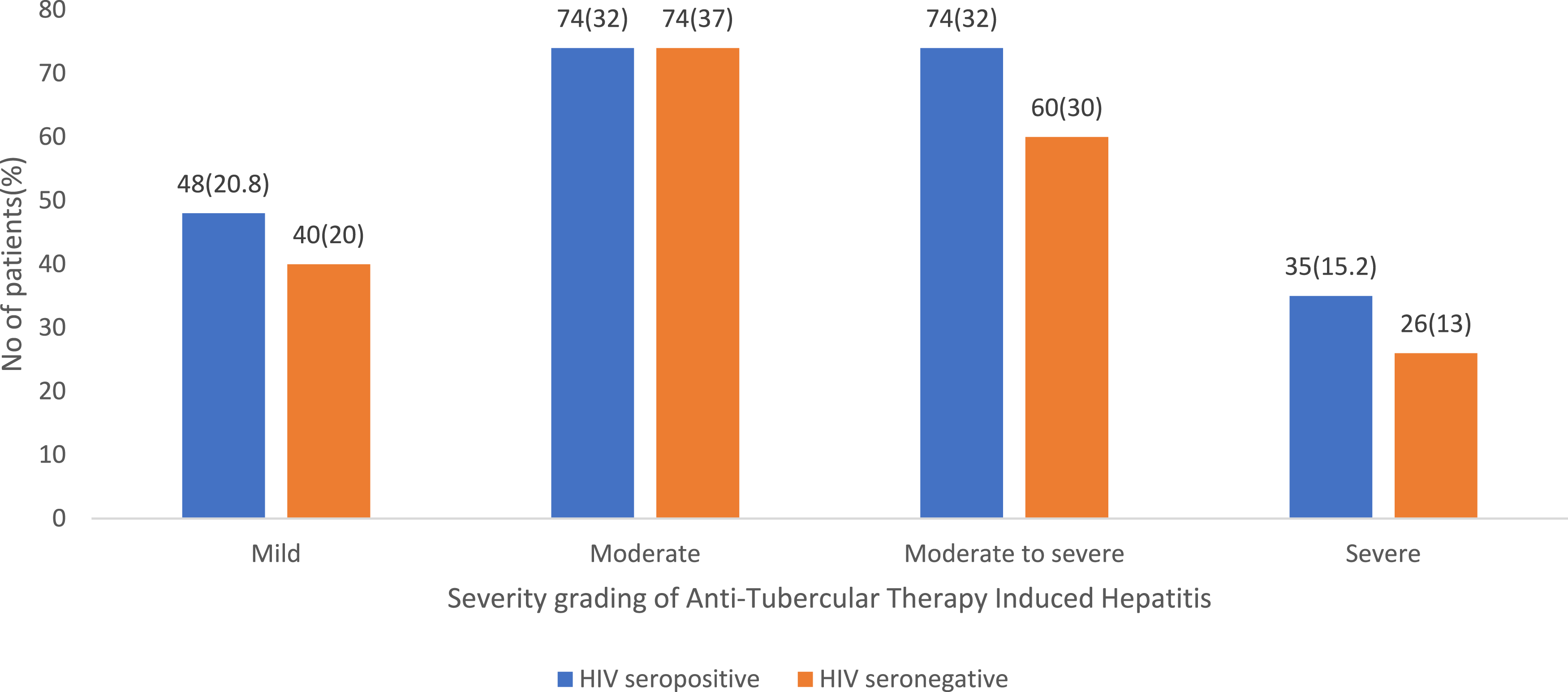
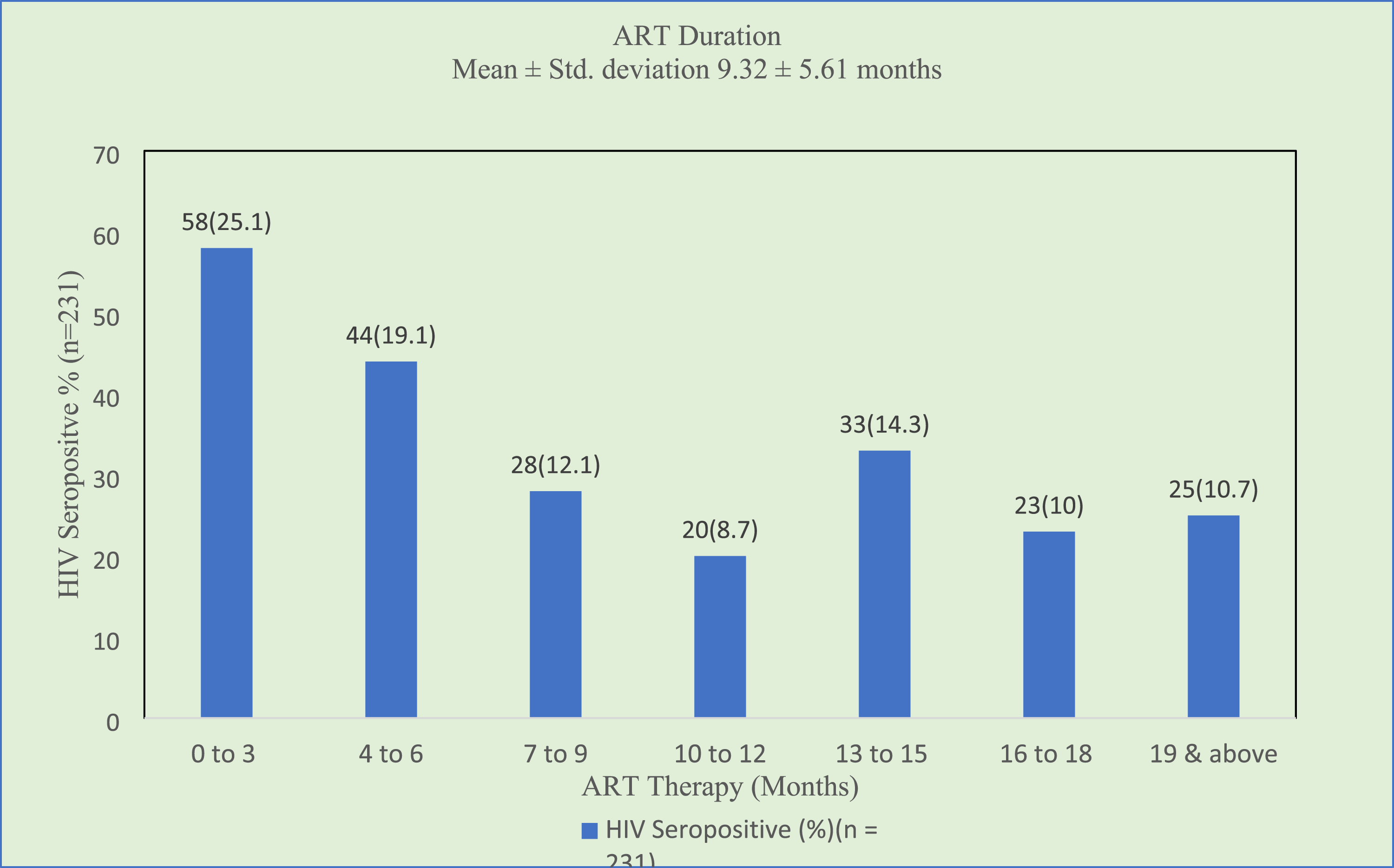
Higher incidence of ATT-IH was reported with tenofovir + lamivudine + lopinavir + ritonavir combination 23 (10%), followed by lamivudine + stavudine + efavirenz 22 (9.5%), followed by lamivudine + tenofovir + efavirenz 20 (8.7%), while the incidence was lowest with efavirenz + atazanavir + ritonavir (3%). ART regimens associated with ATT-IH were summarized in Figure 1. The severity grading of ATT-IH as per the Liver Tox criterion is shown in Figure 2. Association of rise in CD4 T-cell count with ART before and after ART was found to be 198.49 ± 163.13 and 332.66 ± 209.07 with a 95% confidence interval (CI), p = 0.001) are shown in Table 6. Duration of ART therapy in HIV-SP cases were ranging from 0 to 3 months to maximum of 19 years with 9.32 ± 5.61 month as shown in Figure 3. ATT-Induced Hepatitis in HIV-seropositive Patients Severity grading of Anti-Tubercular Therapy-Induced Hepatitis. Duration of ART therapy in HIV-seropositive patients.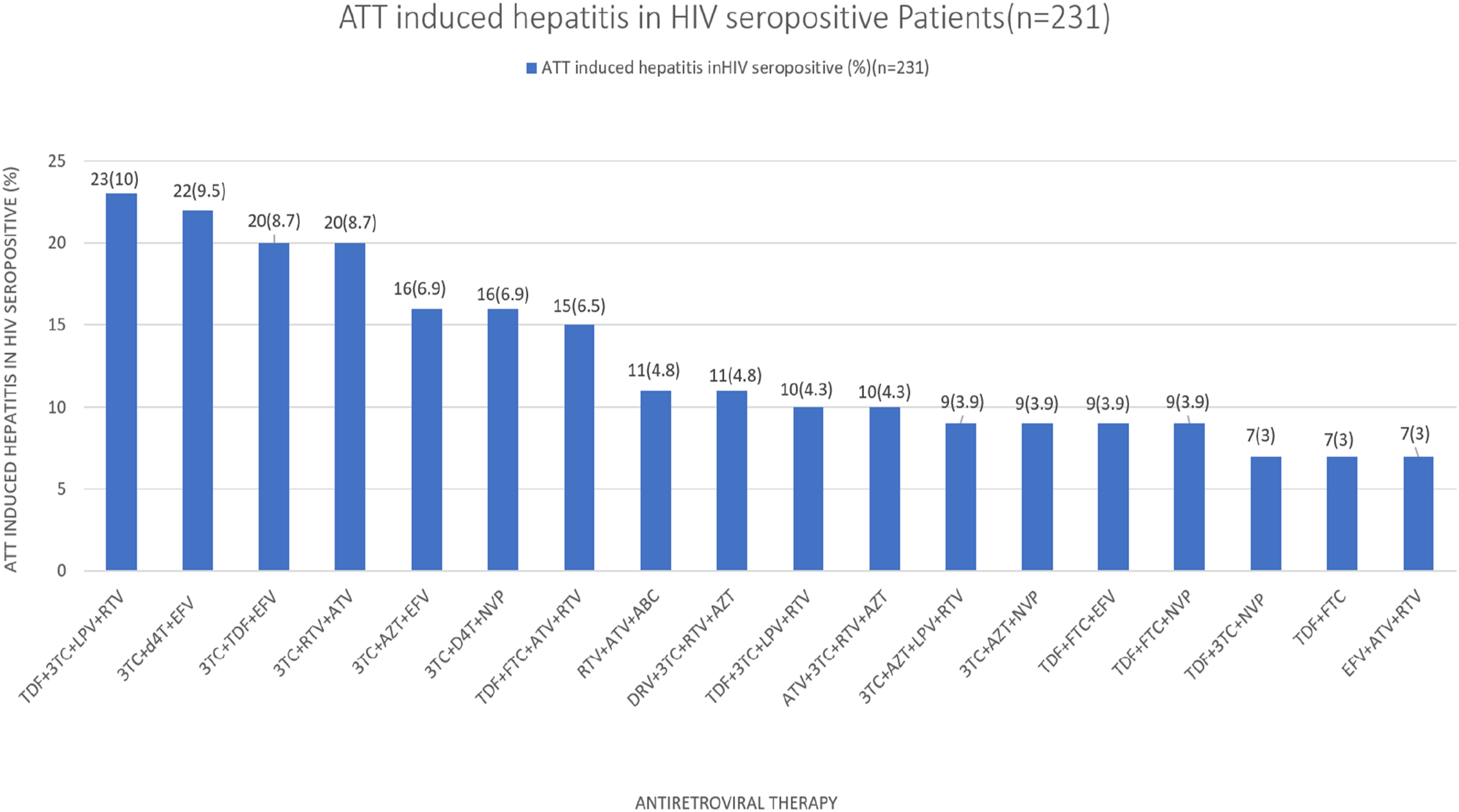
Discussion
This is the first study evaluating risk factors, prevalence, and management patterns of ATT-IH in PLW-HIV with ART in comparison with HIV-SN Indian patients. In our study, the higher prevalence of ATT-IH (53.6%) was reported with HIV-SPP in comparison with HIV-SNP (46.4%). This may be due to the fact that the difference in prevalence of ATT-IH between HIV-SP and HIV-SN groups is because of the presence of Opportunistic Infections (OIs) like TB and their management with anti-tubercular drugs, leading to hepatic damage. These findings support that PLW-HIV develops more OIs, such as TB disease, 29 times as compared to people without HIV disease. Hassen Ali et al., an Ethiopian study, reported 11.5% of ATT-IH among TB/HIV co-infected patients, 20 and other studies showed a variance of 30% of ATT-IH in TB/HIV-infected patients.
Previous studies (Molla Y et al., 2021; Anand et al., 2006; Fernandez-Villar et al., 2004; Fan Zang et al., 2024) have shown that increasing age is a potential risk factor for ATT-IH. ATT-IH ranges from 2 to 8% with an increase in age to a maximum of 5%.6,21–23 However, our study revealed no significant correlation of age with ATT-IH in both HIV-SP and HIV-SN groups. Significantly, in our study, the highest incidence of ATT-IH was reported in male patients compared to female patients. This is because most of the male patients were workers with chronic alcohol habits and presented with ATT-IH of jaundice and liver cirrhosis. This finding of our study supports a study where ATT-induced liver disease in HIV-infected patients was associated with alcohol abuse and with anti-tuberculosis drugs as a major cause (Shamanna et al., 2016). Previous studies (MoP et al.,2014; Avihingsanon et al., 2012) have reported increased risk of ATT-IH in females compared to males. However, the gender difference for ATT-IH was neither treatment-oriented nor statistically significant.14,24,25
In our study, the occurrence of Hepatitis B co-infection was highly associated with ATT-IH in both HIV-SPP (63.6%) and HIV-SNP groups (59%) [p < 0.001]. Higher incidence of hepatitis B co-infection followed by hepatitis C in HIV-SP (15.1%) and in HIV-SN groups (18.5%). The occurrence of ATT-induced hepatitis A, hepatitis D, and hepatitis E co-infection was comparatively high in the HIV-SPP group in comparison with the HIV-SN group. Our study results align with recently published systematic reviews and meta-analyses, which showcased anti-tubercular therapy-induced hepatitis (ATT-IH) in HIV patients by Melkamu et al. (2022). 26 They conducted a systematic review and meta-analysis of 13 studies involving HIV-infected patients in Ethiopia, which shows a pooled prevalence of hepatotoxicity of 25.45% (95% CI = 20.06–30.84%). Their findings showed significantly higher hepatotoxicity rates among HIV/TB co-infected patients (26.3%) compared to HIV mono-infected patients (17.94%), supporting our observed prevalence difference between HIV-seropositive (53.6%) and HIV-seronegative patients (46.4%).
The findings of the association of occurrence of Hepatitis B co-infection and hepatitis C in our study results were similar to those observed in the study by Singh et al. (2017), wherein the presence of HIV infection has a higher impact on the occurrence of Hepatitis B virus with an increased level of liver disease in association with ATT-IH. A recent Indian study carried out by Puri et al. (2017) revealed the occurrence of hepatitis B (11.6%) and hepatitis C (8.8%) co-infections in HIV/TB, which are mild and multifactorial, and Occult co-infections are rare.27,28 Wang et al. (2022) conducted the most inclusive global meta-analysis to date; a total of 160 studies with 1,16,147 patients worldwide were analyzed. 29 This systematic review revealed a pooled incidence of antituberculosis drug-induced liver injury (ATLI) of 11.50% (95% CI: 10.10%-12.97%) with an upward temporal trend (p < 0.001). Critically, patients with hepatitis B and C co-infection have shown substantially higher incidence rates at 39.19%, directly supporting our identification of hepatitis B as a significant risk factor (p = 0.042). Malnutrition as a risk factor (Molla, Yalew et al., 2021; Sharma et al., 2002) for ATT-IH, as detected by BMI of less than 20 kg/m2 and serum albumin levels less than 3.5 mg/dl, has been reported in previous studies.6,30 In our study, there was a significant association between malnutrition as measured by BMI (20.0 to 24.9) and ATT-IH in both HIV-SP (53.6%) and in HIV-SN groups (55.5%) [p < 0.001]. This may be due to oxidative injuries caused by depletion of glutathione stores and slowing the progression of liver-metabolizing drugs (Pol et al., 2004). A study reported low BMI and hypoalbuminemia associated with higher rates of ATT-IH. In addition, a study by Ngouleun et al. (2016) suggested that the consumption of antioxidant foods while taking TB drugs will help to reduce ATT-IH effects.31,32 Studies have shown that (Molla Yalew et al., 2009; Pol et al., 2004; Abbara et al., 2017) alcoholic habits are well-established risk factors for ATT-IH.6,31,33 However, we did not find an association of alcohol habits (p = 0.370) as a risk factor for ATT-IH in both HIV-SP and HIV-SN groups. This may be due to the fact that in our study, 127 patients had alcoholic habits in both the HIV-SP (28.5%) and the HIV-SN groups (30.5%). The correlation of history of alcohol consumption levels in both groups was not high enough to contribute to ATT-IH. Our findings support the study by Bouazzi et al. (2016), wherein alcohol intake status was not significantly associated with ATT-IH. 34
In our study, we found that liver diseases such as Jaundice and liver cirrhosis were risk factors with ATT-IH in patients who were receiving concomitant anti-TB drugs and ART regimen (9.1%) [p < 0.001] in HIV-SPP in comparison with HIV-SN groups (2.5%). These findings are consistent with the study carried out by Shamanna et al. (2016) and Abbara et al. (2017).24,33 Another study carried out by Pukenyte et al. (2007) reported severe liver toxicity in HIV/TB therapy, wherein they suggested closely monitoring ALT and bilirubin levels during the first month of TB treatment, especially in patients with increased baseline ALT and bilirubin levels. 35 However, Lemoine et al. (2017) study correlated metabolic syndrome, obesity, and non-alcoholic fatty liver disease (NAFLD) as an important risk factor for liver fibrosis in HIV patients. 36 These findings are mainly due to adipose tissue and macrophage activation resulting in liver fibrosis, but the exact mechanisms are unclear.
HIV patients being treated for OIs of tuberculosis with anti-TB drugs for more than 9 months experienced ATT-IH at a much higher rate, with the type of pulmonary TB in the HIV-SP group (56.7%) in comparison with the HIV-SN group (62.5%). Extrapulmonary TB and disseminated TB were also observed at a lower rate. This finding is concurrent with the study (Sharma et al., 2002), where 56 patients developed ATT-IH and 290 patients did not develop ATT-IH. ATT-IH patients in the study presented with older age, low pre-treatment serum albumin, and risk factors influenced by genetic and clinical factors. 30 New findings from Segal et al. (2017) study revealed that anaerobic bacterial fermentation products, such as butyrate, short-chain fatty acids, and regulatory T-cells, increase TB susceptibility by suppressing cellular immune response to Mycobacterium tuberculosis risk in HIV patients. 37
The presence of HBsAg in serum in the HIV-SP group (63.6%) in comparison with the 59% HIV-SN group correlates with a significant risk factor for the development of ATT-IH. Our findings support a cohort study for incidence and risk factors for hepatotoxicity among HIV/TB, wherein HBsAg-positive and concomitant TB therapy shows a greater risk for ATT-IH (Hoffmann et al., 2007) using Cox proportional hazards modeling (CPHM). 38 However, our study could not directly correlate the significant risk factors using CPHM.
In our study, severity grading of ATT-IH as per the Liver Tox Criterion method indicated that 34.3% of (2+, moderate) to 31.1% of (3 + moderate to severe) grade hepatotoxicity in both HIV-SPP and HIV-SNP. These findings were consistent with Hassen et al. (2013) study, wherein they reported the degree of severity of hepatotoxicity. 20 Based on the WHO Toxicity classification standards (Tostmann et al, 2008) (WHO-TCS), classified into very severe 24.4% (grade 4) and severe 21.2 % (grade 3) hepatotoxicity associated with ATT-IH among TB/HIV Co-infection. 39 Similarly, severe hepatotoxicity associated with ATT-IH was reported among TB/HIV patients with an incidence of 10.7% (Pukenyte et al. 2007). 35
In our study, first-line anti-TB drugs containing INH, RIF, ETM, and PZA were initially started in both HIV-SPP (70%) and HIV-SNP (29%) cases. Monitoring of LFT levels before and during TB therapy with follow-ups from RMRR. Any abnormal levels of LFTs during follow-ups with symptoms of liver abnormalities suggested for withdrawal of first-line anti-TB drugs and all first-line anti-TB drugs were withdrawn due to ATT-IH among TB/HIV-infected patients. In most of the patients, AST and ALT levels attained normal levels after cessation of TB therapy within 9-day to 30-day period. In 169 cases of HIV-SPP and 22 cases of HIV-SNP, first-line anti-TB drugs were restarted. Reasons for withdrawal of anti-TB drugs in ATT-IH in our study were due to fever (80%) in HIV-SPP and (20%) in HIV-SNP, abdominal pain (81%) in HIV-SPP and (19%) in HIV-SNP, diarrhea (89%) in HIV-SPP and (11%) in HIV-SNP and jaundice (81%) in HIV-SPP and (19%) in HIV-SNP, and rash (80%) in HIV-SPP and (20%) in HIV-SNP. Our findings differ from Sun et al. (2016) study, in which the reasons for withdrawal of first-line anti-TB in ATT-IH in 12.9% of cases were due to poor clinical outcomes with systemic lupus erythematosus (SLE), chronic alcoholism, the occurrence of Hepatitis B, and albumin ≤25 g/L. 40
In our study, the implication of INH, RIF, and ETM associated with ATT-IH among TB/HIV-infected patients was similar to published data41,42 (Tedla et al., 2010; Nader et al., 2010). We observed that HIV-SPP with ATT-IH experienced a rise in CD4 T-cell count before (198.49 ± 163.13) and after (332.66 ± 209.07) ART was statistically significant (p < 0.001), suggestive of good clinical therapeutic outcomes among TB/HIV-infected patients, similar to that observed in (Yimer et al., 2014) an Ethiopian study. 43
In this study, we found the efavirenz-based ART regimen highly associated with ATT-IH in HIV-SPP cases, that is, lamivudine + stavudine + efavirenz (9.5%) and lamivudine + tenofovir + efavirenz (8.7%). This finding is concurrent with a study carried out by Patel et al., (2004) 44 but differed from reports of dos Santos et al., (2013), where the ritonavir + saquinavir ART regimen associated with ATT-IH was highest. 45
Our study results have contributed to evidence-based updates in clinical practice guidelines. Boyles et al. (2024) published updated management guidelines for drug-induced liver injury for HIV patients treated for tuberculosis by the Southern African HIV Clinicians Society. 46 These guidelines now underscore early screening of hepatitis B and liver function tests as standard care for HIV patients receiving ATT, directly incorporating evidence from our study that identified hepatitis B co-infection as a significant predictor.
Conclusion
Our findings indicated that (53.6%) of HIV-SPP on ART and (46.4%) of HIV-SNP developed ATT-IH with standard anti-TB therapy. Clinicians should focus on early detection for all possible risk factors associated with ATT-IH, including screening of LFTs, HBsAg, anti-HCV antibodies, and HCV RNA in both HIV-SPP and HIV-SNP during standard anti-TB therapy to prevent significant hepatic complications.
Limitations and future directions
Our study Limitations, the data of other concurrent drugs other than anti-TB or ART, and the concurrent use of any traditional/complementary medicine recognized by the government were not available. The concurrent use probably contributes to the burden of liver function, though it does not necessarily lead to liver toxicity.
This study represents the first comparative analysis in India to evaluate anti-tubercular therapy-induced hepatitis between HIV-seropositive and seronegative patients. This study is limited by its single-center, retrospective design, which may affect the depth of findings. Self-reported data on alcohol and smoking habits could introduce reporting bias, and unmeasured confounders may have influenced the results. Future research should involve multicenter, prospective studies to confirm these findings across diverse populations. Investigation into the molecular mechanisms behind ATT-IH, particularly in HIV-seropositive patients, is crucial. Additionally, studies focusing on developing less hepatotoxic ART regimens and preventive strategies, such as hepatitis B vaccination, could help reduce ATT-IH incidence and improve patient outcomes.47–50
Supplemental Material
Supplemental Material - Risk factors associated with antitubercular therapy induced hepatitis in human immunodeficiency virus seropositive and seronegative patients in India
Supplemental Material for Risk factors associated with anti-tubercular therapy-induced hepatitis in human immunodeficiency virus seropositive and seronegative patients in India by Aneez Jamal KM, Ashutosh Bhosale, Muralidhar Verma, Rajesh Radhakrishnan in International Journal of Risk & Safety in Medicine.
Footnotes
Acknowledgments
The authors thank the staff of the Department of Medicine, Kasturba Hospital, Manipal University, Manipal College of Pharmaceutical Sciences, and Manipal Academy of Higher Education for their assistance and cooperation during the study period.

Funding
The authors received no financial support for the research, authorship, and/or publication of this article.
Declaration of conflicting interests
The authors declared no potential conflicts of interest with respect to the research, authorship, and/or publication of this article.
Data Availability Statement
Data will be available upon request.
Supplemental Material
Supplemental Material for this article is available online.
Appendix
References
Supplementary Material
Please find the following supplemental material available below.
For Open Access articles published under a Creative Commons License, all supplemental material carries the same license as the article it is associated with.
For non-Open Access articles published, all supplemental material carries a non-exclusive license, and permission requests for re-use of supplemental material or any part of supplemental material shall be sent directly to the copyright owner as specified in the copyright notice associated with the article.
