



Abstract
The use of neuroscience in political science inquiry has steadily increased over the last decade, yet many remain skeptical regarding its usefulness in explaining outcomes and solving puzzles. In this article we develop ramifications of the neuroscientific paradigm of the ‘social brain’ and critically assess its utility for political science. We argue that this model has promise in three distinct areas of research: challenging assumptions, clarifying conceptions, and specifying conditions. We then apply this theoretical framework to a specific puzzle in political science that transcends sub-field distinctions: social norm compliance. We argue that utilizing the social brain paradigm allows us to clarify precisely what social norms are at a physical level, challenge the underlying assumptions of current social norm research, and specify precise and testable conditions of compliance and non-compliance behavior. Ultimately we suggest that the social brain specifically and neuroscience generally offer much promise for political scientists, although scholars must be critical and careful in their justification and application of neuroscientific data.
1. Introduction: emerging neuroscientific models of the ‘social brain’
The intersection of neuroscience, psychology, and political science has existed for about a decade, and political scientists are becoming increasingly convinced that the social and physical realms cannot remain separate fields of inquiry. Indeed, an emerging view suggests that each realm has inherent limitations that cannot be resolved on their own, but only through collaboration across disciplines (Fowler and Schreiber, 2008; Hatemi and McDermott, 2012). In this way political science and neuroscience in particular have ‘mutual interests’ in helping each other to resolve fundamental puzzles inherent to each discipline (McDermott, 2009). This article seeks to advance this discussion by providing an outline of what neuroscience is currently doing for political science, where we believe we should be headed, and how this move helps to advance the study of American Politics (AP), International Relations (IR), and potentially neuroscience as well.
We attempt to address this on two levels. Firstly, we address the question of what types of questions neuroscience can help political scientists to answer. We argue that neuroscience is not a panacea but that it helps political scientists with respect to three critical questions: Are our assumptions about decision-making and political behaviors accurate? Under what conditions do our theories of political behavior apply? And what precisely are the concepts or ‘things’ that we study? We suggest that neuroscience brings significant promise in answering each of these big questions. Next, we conduct a plausibility probe for our theoretical framework by applying this analysis to a particular problem in political science, social norm compliance, and demonstrate how neuroscience insight provides provisional answers to these three important questions when it comes to social norms. We investigate the phenomenon of eye contact or ‘reactivity effect’ and suggest that this perspective provides very concrete and testable answers to these three critical questions. Put simply, neuroscience helps us to identify what social norms actually are, the extent to which our assumptions about them are accurate, and under what conditions pro-social norm compliance obtains.
In making this argument we draw upon a relatively new concept in the political science discourse: the social brain (Hatemi and McDermott, 2011; Schreiber and Iacoboni, 2012). Neuroscientists and psychologists have demonstrated that decision-making in social contexts is significantly influenced by both positive and negative concern for the welfare of others (Fehr and Camerer, 2007). Rather than acting in a completely self-interested manner, individuals will exhibit altruism, fairness, trusting behavior, and so forth in their interactions with counterparts (Krueger et al., 2007; Sanfey, 2007). Rilling et al. (2002) and Sanfey (2007) argue that altruism and trusting behaviors are likely the result of selection mechanisms that favor reciprocity and group cohesion; individuals may expend relatively little effort to help others in exchange for anticipated large benefits derived from membership in the group. If these pro-social behaviors are the result of evolution, then it is reasonable to suggest that there is neurobiological architecture and neural mechanisms that support social choice behavior and decision-making (Adolphs, 2009; Shultz and Dunbar, 2012).
Neuroscientists over the last few decades have attempted to identify the architecture and systems involved in these types of pro-social behaviors. Particular emphasis has been placed on understanding how and when these systems are activated. For instance, dopamine (DA) signaling has been associated with reward processing for social behavior. Positively following social norms provides a rewarding hormonal response in the body (Caldu and Dreher, 2007); neurochemicals vasopressin and oxytocin have both been shown to play a prominent role in regulating social responses as well (Storm and Tecott, 2005). Further, neuroscientists have also uncovered the neural signature of social norm compliance, illustrating the discrete brain processes involved with the punishment threat for norm violations (Spitzer et al., 2007).
The social brain model suggests a number of important points. Firstly, from an evolutionary perspective the human brain developed in a particular way in response to the social needs of the species. Therefore, we should expect discrete architecture and systems developed for sociality. Secondly, these systems complement other architecture and systems that developed for rational, calculating, self-interested cognition that we associate with homo economicus models. Finally, through increasingly sophisticated imaging technologies, such as functional magnetic resonance imaging (fMRI), neuroscientists are able to better understand under what conditions these systems are utilized discretely or in tandem.
The implications of the social brain model for political science have yet to be fully analyzed or understood, although the potential contributions are significant (McDermott and Monroe, 2009). In AP the use of neuroscientific findings has tended to focus on voting behavior and candidate choice. How individuals respond to and judge faces has been shown to predict election results (Todorov et al., 2005), for instance. In IR, neuroscience has been used to better understand the meaning of rationality and the nature of decision-making under risk, as well as the nature of diplomatic interactions. Rose McDermott, for instance, has argued that emotion, or ‘hot processing,’ is an integral part of rationality (McDermott, 2004), a finding that helps to make sense of prospect theory outcomes. Marcus Holmes (2013) uses neuroscientific evidence to explain divergent outcomes in diplomatic interactions that take place face-to-face versus those that occur throughout other interaction modalities. To date, however, there has been little research that seeks to provide a unified neuroscientific argument to social behavior that affects aspects of both American and International Politics (AP/ IP). We argue that the social brain model may serve as a useful entry point for this purpose.
In order to gain explanatory leverage from the social brain model, it is crucial to be able to identify under what conditions the social systems are activated. That is, it is one thing to argue that there are parts of the brain devoted to social processing, but this data is only useful from an explanatory perspective if we can delineate when those social systems are activated. Every known human society establishes social order through social norm frameworks (Spitzer et al., 2007). Is norm compliance a vestige of the evolutionary environment that satisfies the desires and needs of group cohesion? Or alternately, are there extrinsic benefits that norm compliers gain by adhering to the norm? While we know that individuals will comply under certain conditions, we lack a solid understanding of why. By bringing the analysis to the sub-individual level we can identify the discrete processes involved with the decision to comply or not comply. We will examine whether these processes may be affected by social contexts, such as being observed. Specifically, we will examine the neuroscience findings behind ‘being watched,’ the notion that observation has an effect on social norm compliance. We derive conditions under which observation is likely to have a significant effect in the decision-making process. Finally, we provide an analysis of how these neural norm compliance processes may help us to understand outcomes at both the domestic and international levels of analysis.
Finally, while there has been meta-theoretical work linking the use of biology to political science, some of which has been featured recently in this journal (Hatemi et al., 2012), particularly in the areas of genetic research (Alford and Hibbing, 2004) and neuroeconomic approaches (Smith and Huettel, 2010), there has been less systematic theoretical investigation of neuroscience, in particular for existing political science puzzles. This represents an opportunity. Theoretical models of what genetics might mean for political science or what neuroscience might mean for economics will not necessarily provide the type of foundational framework necessary for incorporating neuroscience into political science. This is true for a number of reasons, including the level of analysis that neuroeconomics and genetic research normally speak to (i.e. the individual). As we will suggest below, the social brain paradigm is just that: social. It links the individual with groups, dyads, hierarchies, and so forth, and thus requires a framework for thinking through the fundamentally social aspects of political interaction. This is not to say that foundational theoretical frameworks and models in genetics or neuroeconomics research are unimportant; rather they remain incomplete for political science without analysis of the social nature of politics. This is also an exciting opportunity precisely because this research is beginning to pay important dividends, evidenced by the insights providing political scientists and neuroscientists alike to think through, together and symbiotically, what findings from the latter discipline might mean for the former. Put another way, we are moving beyond mere promise to now delivering on that promise.
In this paper, we apply these insights to the long-standing puzzle of norm compliance, aiming to advance a framework, or meta-theoretical discussion, for using neuroscience to explain this phenomenon. We will not test any specific hypotheses here but rather provide the parameters of a research paradigm that can help to generate testable hypotheses. This is an important step because the hypotheses generated from this new paradigm vary significantly from those generated from extant theories of AP and IR. Thus, the theoretical elements we develop here are necessary for new hypothesis construction, and we hope this article will serve as a first step in a new research paradigm focused on incorporating neuroscientific insights in a way that problematizes extant theory and yields new insights about political processes. Our aim here is to begin a discussion and debate regarding the utility of the social brain model as well as to provide one example of how it may be applied.
2. Utilizing the social brain paradigm in political science
Aristotle famously observed that humans are fundamentally both social and political creatures (Barnes, 1995). We live in groups, create social hierarchies, and develop decision-making procedures to facilitate daily life (Sinclair, 2012). As Cacioppo and Ortigue (2011) argue, while Aristotle was aware of these observable aspects of our social human nature, he would not have been aware of the emergent structures in the body that have developed precisely to support and allow for social interaction, such as neural, neuroendocrine, and genetic mechanisms. Interestingly, scientists have not always appreciated that social factors were important to the structure and functioning of the brain, since sociality emerged only fairly recently in the development of the human species (Cacioppo and Ortigue, 2011). The relatively recent social brain hypothesis (cf. Dunbar and Shultz, 2007) suggests that social complexity in primates led to profound increases in neocortical development and activity. The shifts in complexity of social life for primates were profound. As Cacioppo and Ortigue (2011: 2) note:
Deducing better ways to find food, to avoid perils, and to navigate territories has adaptive value for large mammals, but the complexities of these ecological demands are no match for the complexities of social living. Communal living requires learning by social observation; recognizing the shifting status of friends and foes; anticipating and coordinating efforts among individuals; using language to communicate, to reason, to teach, and to deceive others; orchestrating relationships; navigating complex social hierarchies, social norms, and cultural developments; subjugating self-interests for the interests of the pair bond or social group in exchange for the possibility of long-term benefits; recruiting support to sanction individuals who violate group norms; and accomplishing all these tasks across time frames that draw on lessons learned from the distant past to mental simulations of multiple possible futures.
As predicted by the social brain hypothesis, studies of cross-species comparison of brain size and structure indicate that social complexity is correlated with ‘large and metabolically expensive brains’ (Cacioppo and Ortigue, 2011: 2; Dunbar and Shultz, 2007).
The study of the social brain has been a central feature of the neurosciences for the past two decades. Social neuroscience attempts to understand how brain and environment respond to each other in an effort to understand the mechanisms underlying complex social behaviors. The conduct of inquiry is organized around a number of principles. Firstly, multiple determinism suggests that a social behavior at one level of analysis may have multiple antecedents at various levels of analysis. For example, alcohol addiction can be understood by dependence at the biochemical level as well as the social or psychological level. As Cacioppo and Ortigue (2011: 4) note, ‘the principle of multiple determinism means that we are unlikely to achieve a complete understanding of social behavior if we limit analyses to any single level of organization.’ Secondly, non-additive determinism suggests that the whole is not necessarily predictable from summation of the parts. Researchers were surprised to find that amphetamines given to primates produced no discernible pattern of outcomes until the primate’s position in the social hierarchy was accounted for (Haber and Barchas, 1983). Primates high in the social hierarchy tended to exhibit dominant behavior when given the drug, while those lower in the social hierarchy exhibited submissive behavior. Without accounting for the social hierarchy, the biochemical level could not produce a compelling explanation of behavior. Finally, reciprocal determinism suggests that social and biological factors can have mutual influence in affecting behavior. Rather than simplistic ‘nature versus nurture’ perspectives, social neuroscience suggests complex mutual effects between the two. The focus therefore becomes about holding environments and biology constant in order to determine the precise effects of each on the other.
One of the central questions that motivates current social neuroscience research is under what conditions particular aspects of the social brain are invoked. Put simply, why is it that sometimes pro-social behavior obtains in certain social or political contexts but not in others? If discrete brain architecture and mechanisms exist to facilitate pro-social behavior, how and when are those mechanisms activated? Social brain ‘activation’ also helps to explain a number of outstanding puzzles in political science as well. While it is only possible to view neural activity with imaging technology, the type of multi-level and multiple determinism perspectives taken by social neuroscience allow researchers without access to fMRI to nevertheless hypothesize activation and test the social brain’s effects at the social or political level of organization.
There are a number of areas of social and political behavior that transcend the sub-disciplines of political science and may be informed by incorporating social brain models into their research programs. Here we delineate three types of questions related to political decision-making that we believe the social brain model can help to address. We then turn to examining these questions in an area of political science relevant for both AP and IR: social norm compliance.
In order to understand how the social brain can help to explicate complex political decision-making, it is worth outlining precisely where the brain enters the analysis of political outcomes. Typically, political scientists are interested in the behavioral relationships between variables. A political decision-making model may define function f in such a way that conditions X are mapped to behaviors Y. The Xs (or independent variables) will depend on the discipline, but may include such things as power, ideology, or identity. The Ys (or dependent variables) will also depend on the discipline. An IR scholar might be interested in the identity of a diplomat (condition X) and its relationship to the type of agreement crafted in a post-war settlement (condition Y). Traditionally, neither X nor Y includes such things as neurons, neurochemicals, and so forth. Social neuroscience suggests that breaking f down into constitutive or causal pathways can elicit a more holistic understanding of the outcome itself. More specifically, it allows the researcher to ask whether they are assuming shortcuts in the function. As Mark Dean has argued persuasively on the role of neuroscience in economics, the relationship f in a given decision-making model is really just a reduced form of a series or chain of mappings (Dean, 2013):

such that f = hn.hn−1…h1. Each of the hi s becomes the intermediate steps in the decision-making process, where the Zis are the intermediate variables involved in moving from one state of the process to the next. Dean (2013: 167–168) provides a simple example from neuroeconomics, mapping a process of purchasing a given good:
h1 could be the mapping from a display of prices (X) to retinal activation (Z1) which in turn maps to activation in the visual cortex (h2: Z1 → Z2), which leads to activity in the ventral striatum (h3: Z2 → Z3), which activates brain area M1(h4: Z3 → Z4), which leads to an arm movement (h5: Z4 → Z5) and the purchase of a good (h6: Z5 → Y).
While the function f is what interests economists, the intermediate stages or mappings in the process may contain variables, such as brain activity, that economists are not normally interested in. Yet by breaking down those intermediate stages the researcher is able to determine whether theoretical shortcuts have been made. A key assumption here is that in understanding f it is useful to understand the various Z s that comprise the function. Perhaps not all would agree. After all, one value of theory creation is the process of abstraction and simplification; drilling down and making outcomes more complex may not always be desirable. At the very least, however, deconstructing political functions into constitutive or causal parts may help to answer an important question: are the assumptions we are making defensible?
One area of research where this type of assumption checking has occurred already is in the role of emotions in decision-making. Emotion has long been viewed as a detriment to rational decision-making. As William Penn argued in 1693, ‘[p]assion is a sort of fever in the mind, which ever leaves us weaker than it found us’ (McDermott, 2004). As Rose McDermott points out, ‘[m]ost of us are taught from early on that logical, rational calculations forms the basis of sound decisions. Like William Penn, we assume that emotions can only interfere with this process’ (McDermott, 2004: 691). McDermott utilizes social neuroscience findings to dissect the rational decision-making process in order to determine if the theoretical assumptions we make about rationality are appropriate. Put into functional terms, we assume that a rational decision-making process f lacks an emotional component. We would not expect to find an emotional Z in this function. Yet, upon analysis of the neuroscientific findings on rationality, it turns out that emotion and rationality are necessarily tied together. Indeed, breaking rationality down to its constitutive parts illustrates that emotion is inherently tied to rationality: the Zs of rationality include emotion. McDermott goes on, ‘[e]motion is intertwined with cognition in a way that requires the processes to be analyzed interdependently; emotion is, inescapably, an essential component of rationality’ (McDermott, 2004: 699). Put simply, researchers were working with assumptions about rational decision-making and emotion that, at best, are misleading (Stein, 2012). For instance, Jon Mercer has persuasively argued that not only are emotions and rationality tied together, but emotion can help to strengthen and constitute rational beliefs, what he terms ‘emotional beliefs’ (Mercer, 2010). As he notes, ‘feeling is believing because people use emotion as evidence’ (Mercer, 2010: 1). Subsequent research has focused on further exploration of the precise conditions under which emotions are engaged in social/moral judgments and the pathways in the brain that elicit those judgments and behaviors (Greene et al., 2001, 2004; Greene and Haidt, 2002; Haidt, 2001; Moll et al., 2002).
This leads us to the second added value of social brain research: answering the ‘conditions under which’ question. Returning to the emotion and rationality example, it is one thing to be able to challenge assumptions about the autonomous nature of rational thought and suggest that emotions and rationality are intertwined, but researchers will also want to be able to delineate a more specific role for emotions. For example, when do they matter? Which types of emotions, such as fear or disappointment, are more salient than others? The somatic marker hypothesis (Bechara, 2011; Bechara et al., 2000) suggests that ‘individuals make judgements not only by assessing the severity of outcomes and their probability of occurrence, but also and primarily in terms of their emotional quality’ (Bechara et al., 2000: 305). Current research is focused on determining which emotions and conditions make a difference in social outcomes. For instance, a seminal study found that fear reduced increased cooperation while guilt increased cooperation in prisoner dilemma games (Nelissen et al., 2007). The effects were qualified, however, by conditions of individual social value orientation, or the tendency for some individuals to act more pro-socially, while others have a tendency to act in more pro-self ways. The emotions and social value orientation interact in specific ways:
Temporal goal-activation due to an induced emotional state only changes behavior of individuals to whom this goal was not already chronically accessible. Fear induces a goal to avoid personal risk, which does not affect pro-selves because they are chronically motivated to avoid the risk of losing to the other party. On the other hand, guilt is associated with an implicit goal to make-up for transgressions, inducing a tendency to cooperate, which does not affect pro-socials because they already have the other player’s interest in mind (Zeelenberg et al., 2008: 186).
This illustration is consistent with the social neuroscience perspectives on determinism and multiple levels of analysis identified above. Neither emotion, rationality, nor social value orientation alone make complete sense of the social outcome; rather, each comes together under specific conditions to produce specific outcomes. Analysis of any one of these alone would produce an insufficient explanation of the outcome.
Finally, one of the oldest debates in political science regards the nature of concepts. As Giovanni Sartori argued decades ago, the perpetual quest for generalization often leads to conceptual traveling and stretching, the application of old concepts to new cases in the former and distorting concepts to new cases in the latter (Sartori, 1970). In the modern language of variable operationalization, this remains a significant concern. To avoid stretching, scholars must not only agree on what the variables are but how they are to be understood in a given context and, perhaps most importantly, what they mean. Returning to the example of emotion, one of the criticisms of the use of emotions in political science research was, and perhaps arguably still is, the conceptual fuzziness of the variable. As George Marcus recently has argued in his review of the literature, ‘…although political science’s recent attention to emotion in politics reflects considerable variety in theoretical direction and application, a consensus on the effects of emotion in politics remains to be achieved’ (Marcus, 2000: 222). The result of this lack of agreement on the meaning of the emotion concept has been the use of a heuristic: cognition is equated with thinking and rationality; emotion equated with its contrast, irrationality. The rise of neuroscience in emotions research has done much to clarify this relationship between rationality and emotion. As mentioned above, the use of imaging technologies has allowed researchers to determine the pathways associated with rational thinking, emotions, and when the two converge. This has led to significant leaps in theorization of the meaning of emotions in a political science, both in AP and IR. This does not imply, however, that neuroscience can or should have the last word on concept definition and meaning. Sartori’s warning still applies, although by digging into the brain we are able to gain greater purchase and explanatory leverage on important, and often ubiquitous, concepts.
At this point we can begin to build a typology of the questions that the social brain specifically, and social neuroscience generally, can help political scientists answer. We suggest that there are at least three key areas where the social brain is already making an impact: (1) challenging assumptions; (2) defining conditions; and (3) clarifying concepts. In the preceding discussion we used extant work on emotions to highlight the promise in these three areas. In what follows we apply our typology to another specific area of social interaction that has significant implications for multiple sub-disciplines of political science: social norm compliance. We demonstrate how the social brain helps in each of these three areas: defining what norms are; challenging the assumptions we make regarding compliance at the domestic and international levels; and delineating the conditions under which pro-social behavior should be expected.
3. Bridging neurons and politics: social norm compliance
3.1. Norms in political contexts: the international problem
At the international level, social norms have posed a thorny problem for IR scholars for two distinct reasons. Firstly, scholars have long struggled with the problem of idea selection. That is, while constructivists have noted the importance of ideas, and in particular social norms, in mediating outcomes at the international level, a standard criticism is that constructivist theories have not been able to predict which ideas or norms are selected, accepted, and institutionalized over others. In a complex environment of competing social norms, what or who decides which are conformed to and which are simply disregarded? As Risse-Kappen (1994: 187) has argued, ‘decision makers are always exposed to several and often contradictory policy concepts.’ Put simply, while constructivists agree that change in the international system is possible, what that change consists of has been difficult to theorize and demonstrate empirically. Which concepts are acted upon and others ignored? Further, once an idea or norm has been selected, why are they sometimes acted upon and other times violated?
Evolutionary theory has recently made a significant contribution to this debate. Steven Bernstein (2001) suggests that ideas must fit a given cultural environment in order to be selected. This insight has led to a significant amount of theorizing regarding the trajectory of political thought, with some suggesting that the norms and ideas that are selected are precisely those that fit with an international environment of liberalism, universalism, and so forth (Bernstein, 2001). Yet, the actual mechanism of selection remains unidentified; while certain liberal norms may fit better with a liberal international discourse, we still do not know the mechanism by which the norms are selected. Put simply, how does the system know if a given norm fits? Who or what decides if the norm is liberal enough?
Secondly, even if a sufficient explanation for why a particular social norm has been institutionalized in the system can be provided, a question of norm compliance remains. That is, in a system characterized by anarchy, the absence of a sovereign to compel states to uphold agreements, norms, and so forth, why would a state comply with a given social norm? Scholars have suggested a number of explanations. Checkel argues that social learning, a ‘process whereby agent interests and identities are shaped through and during interaction’ (2001: 561), helps to make sense of this puzzle. Through deliberation and argumentation, agents are able to persuade others to comply with an existing or emergent norm. Checkel (2001) provides a number of conditional hypotheses under which this compliance is most likely (pp. 562–563):
The persuadee is in a novel situation and is motivated to analyze new information
The persuadee has few inconsistent ingrained beliefs
The persuader is an authoritative member of an in-group
The persuader acts as a principled deliberator
The interaction takes place in a private, less politicized setting
In Checkel’s formulation, norm compliance is the result of persuasion. Or, as Finnemore puts it, actors comply with norms because they have ‘become powerful and prevail by being persuasive’ (1996: 141). Importantly, by being persuaded the actors are not forced to ‘grudgingly comply’ (Krebs and Jackson, 2007: 39), but rather actually sincerely believe in what they are doing as they have internalized the new beliefs and, as a result, have constructed new identities for themselves (Finnemore and Sikkink, 1998; Wendt, 1999). Thus, persuasion for constructivists is a particularly powerful rhetorical tool. It is essentially a process whereby ‘agent action becomes social structure, ideas become norms, and the subjective becomes the intersubjective’ (Finnemore and Sikkink, 1998: 914).
The difficulty with persuasion as a causal mechanism for norm compliance is essentially twofold. Firstly, it is difficult to predict a priori which norms will be convincing to a given actor and therefore more likely to witness compliance. That is, why are some norms convincing but others less so? More importantly, however, Krebs and Jackson (2007) have argued that the persuasion argument often relies on an optimistic assessment of political dialogue and interaction. Many of the persuasion arguments either implicitly or explicitly implicate a Habermasian understanding of ‘communicative action,’ whereby rational dialogue and open-minded deliberation truth-seeking ‘give rise to the perspective of an agreement that is open to criticism on the basis of validity claims’ (Habermas, 1990: 199). As Krebs and Jackson suggest, from this perspective, political actors ‘leave power and rank at the door, and they seek to persuade others and are themselves open to persuasion’ (Krebs and Jackson, 2007: 39). The problem, at least with persuasion in an international political context, is that these ideal conditions are not always, if ever, present. Rather, ‘power and rank are omnipresent in the political sphere,’ and ‘actors do not leave their identities at the door when entering into a dialogue’ (Krebs and Jackson, 2007: 39–40). It is therefore difficult to know if rational deliberation in the political world is prevalent or possible. Do actors actually engage in truth-seeking behavior and dialogue, willing to be convinced, or is there something else occurring, where power is implicated, that explains norm compliance?
Recent work has attempted to deal explicitly with these criticisms by empirically demonstrating the link between rhetoric and changed perspectives. Frank Schimmelfennig (2003) convincingly shows that European Enlargement to the East can be understood in terms of ‘rhetorical action’: the candidate countries and their supporters crafted arguments around liberal norms in order to shame opponents into changing their positions. Under this formulation it was not entirely necessary that each side was seeking the truth; if communicative action is about the appropriate use of arguments, persuasion or rhetorical action is about the strategic use of arguments (Schimmelfennig, 2003). Rather, the necessary component for compliance was a public, the ‘community environment’ (p. 199) that was observing the proceedings and appearances.
Krebs and Jackson take this public argument one step further to suggest that the actual validity of the claims that are made may have less of an effect than the public itself does. That is, one side of the argument may win not because their claims are closer to the truth, or more valid than others, but because they are more socially sustainable from the public’s perspective (Krebs and Jackson, 2007). The result is a situation in which neither communicative action nor rhetorical action is necessary for compliance, but rather actors can simply be coerced, rhetorically, by forcing the actor into publicly endorsed positions (p. 42). In each of these formulations the public, or a collection of observers, plays a role, although that role is defined differently in communication action, rhetorical action, and rhetorical coercion.
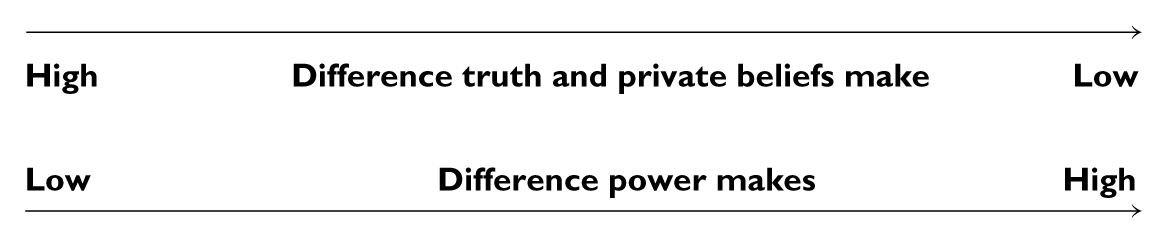
While each of the mentioned approaches to norm compliance proffers a role for the public, it is interesting to note that each perspective has a different take on what the public does to compel actors to comply with norms (see Table 1 below). We suggest that each of these perspectives has complicated a much simpler, but important, mechanism that may induce compliance: observation itself. Before identifying how this mechanism might work, we turn to the domestic version of the norm compliance problem.
Theories of Rhetoric in International Relations

3.2. Norms in political contexts: the electoral problem
In the domestic context, political scientists have faced similar questions of norm compliance. While the political environment is different from the international one, the key questions and identification of mechanisms remain the same. Researchers in social and political psychology have largely focused their efforts on two distinct principles of social interaction with respect to norms: compliance and conformity (Cialdini and Goldstein, 2004). Compliance refers to acquiescence to a particular request, either explicit (as with door-to-door campaigns for charities), or implicit (as with a politician’s request for a vote) (Cialdini and Goldstein, 2004). In each case the individual realizes that they are being asked to respond in a particular manner, complying with the request that has been made. Conformity, on the other hand, refers to ‘the act of changing one’s behavior to match the responses of others’ (Cialdini and Goldstein, 2004: 606). Deutsch and Gerard (1955) delineated two different conformity motivations: informational, that based on a desire to achieve an accurate reading of reality and behave accordingly, and normative, that based on the desire to receive social approval from others.
From a political perspective these two approaches to norms have been used to explain how individuals overcome collective action problems (Olson, 1965). For instance, political participation is often viewed as irrational, since no single individual vote or action can, in nearly all instances, affect an electoral outcome, campaign, or social movement (Downs, 1957). Similarly, at the international level, individual states may illustrate similar paradoxical action, joining alliances or engaging in other collective action when there is not a material incentive to do so (Baldwin, 1993).
Laboratory experiments have consistently demonstrated that individuals cooperate more than is predicted by collective action theories would predict. David Sally’s (1995) meta-analysis of over 35 years of laboratory experiments finds cooperation rates of 20–50% even in games where little or no cooperation is the dominant strategy (cf. Ahn et al., 2010). In addition, experiments demonstrate that communication between individuals, and in particular face-to-face interaction, leads to positive influence with respect to cooperation (Ostrom, 1998). Rather than being ‘cheap talk,’ face-to-face interaction seems to cultivate mutual commitment and understanding (cf. Holmes, 2013).
This finding is consistent with recent field experiments that have highlighted the non-informational aspects of communication that may be salient in producing norm conformity. For instance, in the domain of voter turnout, direct mail or telephone calls delivering civic duty blandishments to vote routinely fail to produce significant results (Green and Gerber, 2008). Similarly, providing information on where and when to vote does not produce significant cooperation rates (Garcia Bedolla and Michelson, 2009). Surprisingly, even partisan or advocacy appeals tend to be no more effective than non-partisan messages (Panagopoulos, 2009). In essence, communication based on overcoming information costs seems to play a relatively minor role in overcoming collective action problems. Returning to the norm conformity literature, this perhaps suggests that rather than an information route to conformity, political behavior may, in some instances, be based on a desire to receive social appeals from others.
The results from political mobilization face-to-face interaction studies buttress this perspective. The effect of personal communication, such as door-to-door canvassing, has been shown to produce statistically significant increases in voter turnout (Green and Gerber, 2008). Similarly, when one voter in a two-voter household interacts face-to-face with a ‘Get-Out-the-Vote’ volunteer, the likelihood of the cohabitant to vote increases by 60% (Nickerson, 2008). Thus, the face-to-face effect seems to be contagious, at least within the same household.
Yet, what is it about face-to-face interaction that makes a difference here? Is the effect a social one, where engaging directly and personally with another human evokes and engenders intersubjectivity? Or is the effect a more rational calculation about reputation? In short, what explains the difference in outcome between being observed and not? In both the IR case of public rhetoric and the AP case of more private face-to-face canvassing, we see a profound effect of the public, yet the foundations of that effect remain poorly understood. In the following section we proffer a new perspective with respect to social brain activation that may help scholars get analytical leverage on this thorny problem.
4. Observation as norm compliance mechanism?
Bringing the electoral and international levels together, we find that in both cases the findings regarding norm compliance and the public suggest that there is something particular to observation that affects norm conformity. With face-to-face interaction the observation is overt: someone is literally watching the target and waiting for a response. Yet, researchers have found that the mere knowledge that one is being observed at a distance can have a profound effect on compliance. In a large-scale study of voter turnout in the Michigan 2006 primary, Gerber et al. (2008) found that groups that received mailings indicating that they were being studied by researchers would vote at a higher rate than control groups that did not receive these mailings. When voters were sent a list of voting records for their household and that of their neighbors, and told that the records would be updated after the election, they tended to vote at a significantly higher rate. Subsequent studies have shown that such ‘social pressure’ effects are persistent and have the capacity to endure long-term (Davenport et al., 2010).
Thus, the act of being observed, whether closely as in a face-to-face interaction, or at a distance, through mail, seems to have a significant effect on social norm conformity, which may help to explain paradoxes of collective action: knowledge of being observed enhances desire to cooperate. Yet, little work has been done with respect to why observation has a significant effect on cooperation and under what conditions it may fail to do so. Further, does observation apply only to voter mobilization or should its effects be present at the international level, where the level of analysis is scaled up from the individual to the state, as well? In this section we suggest a plausible explanation that relies on social brain architecture.
4.1 Social brain activation and pro-social behavior
One area of social brain activation that has received significant attention in the neuroscience literature involves face-to-face contact or knowledge of being observed. Psychologists have long identified the so-called ‘reactivity effect,’ the propensity for individuals to respond to stimuli differently if they are on their own versus being knowingly observed. This is perhaps most widely cited as the ‘Hawthorne effect,’ a term coined in the 1950s to explain outcomes of a number of experiments in the 1920s and 1930s at the Hawthorne Works electric factory. In the original experiments, investigators wanted to see if worker productivity varied in response to variation in levels of light or illuminate they were exposed to. There are multiple variants of this type of research design and it has significant ramifications for not only social psychology findings but also the very process of experimentation with subjects and experimenters/observers.
Recent fMRI studies have attempted to identify the neural correlates of this behavior and suggest that the act of being observed has a material effect on the brain, provoking different neural and biochemical responses from when decisions are made in isolation. One study (Izuma et al., 2010) scanned subjects as they decided about whether to donate money to charity. One group made the decision while being observed by peers; the other group did not. The presence of observers not only increased donation rates, but activated a ventral striatal response prior to the decision to donate. This same ventral striatal region is activated when individuals decide to keep the money for themselves without peer observers. As the authors point out, this suggests that the activation of the region may reflect the anticipation of reward from peer approval; monetary rewards and social rewards provide a ‘decision utility’ that adds to our understanding of how individuals make decisions in social situations (2010: 621).
In addition, neuroscientists have begun to elucidate a model of ‘eye contact effect’ (Argyle and Dean, 1965; Kleinke, 1986; Senju and Johnson, 2009). This phenomenon occurs when one perceives eye contact with another human face. In other species direct eye-to-eye contact often elicits a negative or aversive response; in humans, however, eye contact is believed to provide the foundation of social interaction, communication, and modulate the activation of the social brain (Senju and Johnson, 2009). The social brain includes a series of brain regions that are specialized to process aspects of social interaction and social information processing, such as empathy (De Vignemont and Singer, 2006; Singer, 2006; Singer and Lamm, 2009; Singer et al., 2006), gaze (Allison et al., 2000), goal-directedness (Morris et al., 2006; Pelphrey and Morris, 2006), theory of mind (Frith and Frith, 2006), and so forth. These regions include the ventromedial prefrontal cortex (VMPC), fusiform gyrus (FG), and amygdala among others (Adolphs, 2009). The key insight from the eye contact literature is that it is precisely eye contact processing that invokes the social brain structures. Put another way, new models of social interaction suggest a special role for eye contact: it activates the social brain.
Bateson et al. (2006), in a seminal article on eye contact effect and social norms, examined the effect of an image of a pair of eyes on contributions to an ‘honesty box’ that is used to collect money for drinks in a university environment. The results demonstrated that individuals paid nearly three times as much for their drinks when eyes were displayed rather than a control image. A field experimental study conducted by Panagopoulos (2014) showed that voters who received a postcard reminding them to vote in an upcoming election were significantly more likely to do so when the postcard featured an image of a pair of eyes facing the recipient compared to voters who received postcards that featured either of two placebo (palm tree or American flag) images. Why does an image motivate pro-social and cooperative behavior? The activation of the social brain pathway may provide clues and generate conditions under which we should expect such compliance.
Consider one of the regions of the social brain mentioned above, the VMPC. The VMPC serves a number of different functions, including regulation of emotion and processing rewards and punishment. The role of the VMPC in moderating social behavior is clearly seen in examples where there are VMPC deficits or lesions, such as the landmark Phineas Gage case (cf. Damasio et al., 1994). Gage survived an iron rod piercing his brain through the front of his head, but his social interactions and social information processing changed dramatically. As Damasio et al. report, Gage’s personality changed from being respectful to others to capricious and profane. Other experiments and patient examples illustrate similar phenomenon. Patient EVR suffered from a brain tumor that required removing significant portions of the VMPC on both sides of the brain. After surgery, the patient reportedly suffered personal and interpersonal crises, including losing his job and two divorces. Despite these significant changes to his social life, his decision-making and intellectual faculties remained largely unchanged (Saver and Damasio, 1991). These social changes extend to the ability to interpret more complex social judgments such as faux pas and concern of others (cf. Shamay-Tsoory et al., 2003). Finally, some scholars have suggested that there is a link between the VMPC and moral cognition as well (cf. Koenigs et al., 2007).
While the above findings suggest a general role for the VMPC and other social brain architecture in social interaction and information processing that is distinct from other intellectual faculties, there is also evidence that the social brain is invoked specifically in questions of norm compliance. Berthoz et al. (2002) investigated the neural systems supporting the processing of social norm transgressions. Subjects were monitored with fMRI while given stories describing normal behaviors, embarrassing behaviors or situations, and violations of social norms. The results suggest that the processing of transgressions of social norms invokes the VMPC among other areas. In this seminal study of the neural underpinnings of social norm transgressions, we see neural response to social norm violations involving the social brain architecture activated by eye contact effects.
Thus, it may be that social brain activation through observation, or knowledge of being observed, has explanatory leverage with respect to long-standing puzzles of norm compliance in IR and AP. Rather than explaining the phenomenon through only social analysis, it may be that brute material forces are combining with the social level to produce compliance outcomes. What the neuroscience is adding in this case is specific and testable activation parameters and conditions. If our theory is correct then the variable that is doing most of the work in these instances of social norm compliance is observation itself and not necessarily a social variable such as rhetoric, identity, or civic pride. This perspective lends itself to the creation of very specific testable hypotheses and routes for future empirical research.
For example, in IR one might investigate a specific norm and measure compliance of the norm in a variety of conditions, including those that involve observation effects and those that do not. Consider a norm regarding arms control, for example. Scholars and policymakers alike struggle with how to best ensure compliance, be it through threat of force or sanction, diplomacy, non-governmental organizations (NGOs), and so forth. Empirically, there appears to be wide variation in how and when states comply with this particular norm, leading to well-known arms crises in some cases, such as Iran, Syria, North Korea, and elsewhere. Our analysis here would suggest that observation through face-to-face interaction will have a positive effect on compliance with the specific norm in play. This is testable in multiple ways. Qualitatively, scholars can trace variation in compliance that results from the strategies discussed above. In a complex case such as Iran or Russia, for example, there is likely significant within-case variation in what has been tried and what has been successful. Tracing the process by which decision-makers comply or not comply will allow researchers to isolate the effect of the observation strategy versus others. Quantitatively, scholars can create a dataset of observation episodes (such as the use of United Nation weapon inspectors, for example) and compare these to variation on the dependent variable of compliance level over time and across states. Finally, experimentally it is possible to put subjects in the role of decision-makers with respect to arms control and test what effect observation has in the laboratory setting. Combining each of these strategies will increase internal and external validity while telling us something very important about the politics and practical nature of norm compliance. As Ronald Reagan famously argued in relation to this very topic in the signing of the Intermediate-Range Nuclear Forces (INF) Treaty during the Cold War, ‘trust, but verify.’ By investigating the conditions under which observation leads to compliance, scholars can empirically investigate the precise roles of verification and social trust in the axiom. 1
In the domain of AP, the effects of observation on norm compliance can also be tested empirically. Above, we described several field experimental studies whose results support the notion that surveillance, both explicit (Gerber et al., 2008) and implicit (Panagopoulos, 2014), raises compliance with social voting norms. Acknowledging citizens for norm-compliant behavior would likely stimulate subsequent, pro-social activity (Panagopoulos, 2010, 2011, 2013). Additional research along these lines, or probing the effects of ‘eye contact’ more deeply, has the capacity to yield further insights about the political conditions under which these effects obtain. Tests could also be deployed in legislative arenas. For example, it is conceivable that publicizing legislative deliberations, such as budgetary debates, may affect legislators’ behaviors (e.g. earmark requests); efforts to publicize legislators’ behavior (roll call votes, attendance) may result in lower levels of abstention or greater conformity with district preferences, for instance. In addition, publicizing politicians’ sources of campaign funds may attenuate candidates’ dependence on corporate or special interest funding. Returning to the electoral arena, studies in the international context have demonstrated that the presence of election observers improves efficiency of election administration and reduces fraud (Hyde, 2011); these effects could be further explored in the context of US elections.
Our analysis thus constitutes something of a theoretical plausibility probe. We suggest that there is good reason to believe that observation and eye contact effect are important potential causal mechanisms that should be further explored theoretically and empirically. While we have not provided a systematic test of our argument, we have provided an initial foray into the promise of the social brain for explicating these types of social norm compliance puzzles. Ultimately, the utility of the social brain model rests, we argue, in being able to make predictions that are different from extant theory. This requires significant theory development in order to create testable predictions, but the benefit of doing so is that it may very well shed light on older thorny puzzles, some of which we have identified in this article.
Finally, this perspective also addresses the challenge laid down by Krebs and Jackson (2007) with respect to answering unanswerable questions about the true motivations of actors. As they note, scholars should ‘avoid centering causal accounts on unanswerable questions about actors’ true motives and to focus instead on what actors say, in what contexts, and to what audiences’ (Krebs and Jackson, 2007: 36). It may be that Krebs and Jackson are right; true motivations are impossible to get at. But the research presented in this article suggests reasons to believe that this position is overstated. If social brain activation through observation/reactivity effects can predict social norm compliance under a certain set of conditions, then the motivation for action would have material support. While this may not satisfy the ‘hard question’ of true motivations, it should, at the very least, put social brain explanations on par with other social explanations, such as rhetoric. 2
5. Conclusion
This article has had both broad and specific goals. Most broadly, it has set forth a framework for utilizing the social brain specifically and social neuroscience more generally within the context of political science inquiry. We argued that such analysis can provide key insights into at least three unique areas of political science research: challenging assumptions; specifying conditions of action; and clarifying concepts. More specifically, we applied this framework to a new area of research, social norm compliance, and argued that social brain activation through conditions of face-to-face contact and knowledge of being watched help to explain existing puzzles of pro-social versus pro-self behavior. Finally, while we have not provided a test of our theoretical argument we have explored the notion that norm compliance may be affected by observation through a plausibility probe and suggested how hypothesis creation and testing may follow. We have focused on specific examples of norm compliance but we believe the argument applies to a broad range of behavior in both AP and IR, encompassing electoral arenas outside of the United States and negotiating/bargaining behavior inside of it.
Ultimately, as we learn more about the brain and how it functions we should be encouraged, as political scientists, to ponder what these insights may mean for the assumptions we make and the theories we have crafted. Ideally, neuroscience will aid us in rethinking through old puzzles with fresh insight, prompting new ideas and solutions to the thorny problems that have plagued our discipline for decades. We believe that the social brain pathway discovery has the potential to do just that and represents a potentially significant and deep reservoir to draw from for future research.
However, political scientists who seek to use neuroscience in their theory-making and argument construction also need to be aware that the evidentiary and theoretical bar to reach is a significant one. While many would agree the benefits of using information about the physical process of decision-making are high, others remain unconvinced, or at least are measured in their response, of these benefits (Theodoridis and Nelson, 2012). While neuroscience has already made significant contributions to political science, the acceptance of this work will likely hinge on ensuring that the insights are directly relevant to important questions of political science. Put another way, consumers of this information must be shown why exactly neurological data is being used, the benefits of using such data, the drawbacks and assumptions that have gone into such data, and so forth. Digging deeper into the brain for answers to long-standing puzzles in political science offers significant promise, but needs to be done in a way that foregrounds the justification and drawbacks of doing so.
Footnotes
Funding
The author(s) received no financial support for the research and/or authorship of this article.