



Abstract
A major occupational health risk in the agricultural industry is Hand Arm Vibration Syndrome (HAVS), which is brought on by exposure to vibration from handled machinery. This review thoroughly covers the historical background and prevalence of HAVS in agriculture, highlighting the harm it does to the health and productivity of workers. The goal is to solve the research deficit in this area by concentrating on vibration isolation and dampening approaches. The paper comprehensively examines measurement methods, such as accelerometer-based approaches, strain gauge and force plate methods, wireless sensor networks, for evaluating vibrations related to HAVS. These methods are compared in order to clarify their advantages and disadvantages. Furthermore, engineering controls, isolation mounts, dampers, and smart technologies are included in the categories of shock and vibration reduction solutions based on their efficiency and application. Also covered are human factors that affect vibration reduction. The difficulties in putting reduction strategies into practice are underlined. These difficulties include economic considerations, technological limitations, and user approval. In order to draw useful conclusions, case studies demonstrating effective vibration reduction methods in agricultural contexts are provided. Future directions for reducing HAVS in agriculture include interdisciplinary research opportunities, developing technologies for vibration reduction, and a global approach. This review concludes by highlighting the importance of tackling HAVS, providing insights into real-world applications, and suggesting future research initiatives.
Keywords
Introduction
Hand-Arm Vibration Syndrome (HAVS) 1 is a significant occupational health problem caused by extended exposure to hand-transmitted vibration while using handheld vibrating tools and equipment. 2 This illness has a negative impact on the hands and arms, causing damage to blood vessels, nerves, muscles, and joints. Several factors influence the development of HAVS, including the frequency and severity of vibrations, the duration of exposure, individual vulnerability, and ergonomic issues during tool use. The extensive use of vibrating handheld equipment, such as chainsaws and brush cutters, makes agricultural workers particularly vulnerable to HAVS.3–5
Background
Hand-Arm Vibration Syndrome is a dangerous industrial condition caused by extended vibration exposure from handled vibrating tools and equipment. The negative effects of HAVS are most noticeable in the hands and arms, where blood vessels, nerves, muscles, and joints are all damaged. This occupational disease progresses through three unique stages: vascular, sensorineural, and musculoskeletal.6–8 HAVS development is a complicated process impacted by a variety of factors. The frequency and magnitude of the transmitted vibrations are important variables, with a frequency range of 5 to 2000 Hz being most dangerous. Prolonged exposure to these vibrations exacerbates the severity of HAVS. Individual sensitivity, including genetic predisposition, also influences how a person reacts to chronic vibration exposure. 9 Grip strength, posture while using tools, and the presence of pre-existing medical issues are all important factors. Because of the widespread use of vibrating handheld equipment, HAVS poses a serious occupational health risk in the agricultural sector. Chainsaws, brush cutters, and hedge trimmers are widely used by agricultural workers and are necessary for a variety of agricultural jobs. 10 However, the use of this necessary instrument exposes agricultural workers to prolonged and recurrent hand-arm vibration, increasing their sensitivity to HAVS. The prevalence of HAVS in the agricultural industry is increasing, demanding proactive steps to address its impact on agricultural workers’ health and productivity. 11 The agricultural consequences of HAVS are significant and multifaceted. Symptoms may begin as moderate discomfort and progress to more severe concerns such as numbness, tingling, and pain. If left untreated, these symptoms might result in permanent handicap, limiting an individual’s capacity to execute duties effectively. Furthermore, HAVS has a financial impact on both individuals and the agricultural sector, resulting in higher medical costs and lost workdays. The compromised health and reduced productivity of agricultural employees emphasizes the importance of adequately managing HAVS within this industry. Finally, addressing the prevalence and impact of HAVS in the agricultural sector is critical for worker safety and the industry’s long-term viability .12,13 To alleviate the negative consequences of HAVS, proactive measures such as extensive training, engineering controls, regular health assessments, and effective vibration reduction tactics are required. Collaboration among employers, policymakers, academics, and employees is essential for developing and implementing policies that create a safer working environment for agricultural workers, thereby increasing their productivity and quality of life.
Significance of HAVS in agriculture
Hand-Arm Vibration Syndrome (HAVS) is a serious occupational health problem in the agriculture industry, with serious health consequences for workers. This section examines the short- and long-term effects of HAVS and underlines the critical need of managing HAVS to protect agricultural workers’ health and productivity.
Health implications of HAVS
Short-term exposure to hand-arm vibration might cause serious health problems. Workers may notice tingling, numbness, and decreased grip strength. These symptoms might create discomfort and impair one’s ability to accomplish exact activities, thus compromising overall work performance. Furthermore, decreased sensitivity in the hands and fingers can limit the worker’s ability to safely operate machines. HAVS’s long-term effects can be severe and irreversible.14,15 Hand-arm vibration can permanently damage nerves, blood vessels, and muscles in the hands and arms if exposed for an extended period of time. Workers may get conditions such as Raynaud’s phenomenon, which occurs when blood flow to the fingers is significantly restricted, leading the fingers to turn white or blue, and in severe cases, necrotic. Long-term impacts include musculoskeletal issues such as tendinitis, carpal tunnel syndrome, and osteoarthritis. These chronic illnesses not only have an impact on the worker’s quality of life, but they may also prevent them from continuing to work in their chosen occupation.16,17
Importance of addressing HAVS for agricultural workers
It is critical to prioritize agricultural workers’ health and well-being. The associated health hazards linked with exposure to hand-arm vibration can be minimized by proactively treating Hand-Arm Vibration Syndrome (HAVS) through preventative measures and early intervention. Effective HAVS prevention or reduction allows agricultural workers to live healthier, more pleasant lives, allowing them to continue contributing to their families and communities. Furthermore, the agricultural sector’s production, which is heavily reliant on labour, is closely related to the well-being of agricultural employees. The negative health impacts of HAVS, such as absenteeism and lower labour capacity, can considerably limit agricultural productivity and efficiency. By preventing HAVS, agricultural personnel may fulfill their jobs to the best of their abilities, ensuring the agricultural sector’s long-term viability. Furthermore, appropriately tackling HAVS can result in a reduction in healthcare costs. Early detection and management of HAVS symptoms are critical in slowing the progression of the illness and reducing the need for costly medical treatments and rehabilitation. This reduction in healthcare costs benefits not just the workers, but also the healthcare system financially. Furthermore, agricultural businesses have a legal and ethical obligation to provide a safe and healthy working environment for their employees. Addressing HAVS is consistent with these requirements, demonstrating a commitment to worker welfare and safety. To summarize, understanding and proactively managing HAVS in the agricultural industry are critical for sustaining agricultural workers’ health, productivity, and general quality of life. Preventive interventions and activities to promote knowledge about the risks of hand-arm vibration exposure are critical steps toward establishing a safer and healthier work environment for agricultural employees.18,19
Objective of the review
This review aims to undertake a comprehensive examination of HAVS within the agricultural domain, with a specific emphasis on vibration isolation and damping techniques. The primary objectives include: • Analyze Hand-Arm Vibration Syndrome (HAVS) in the agricultural sector with a specific focus on vibration isolation and damping techniques. • Synthesize existing knowledge to emphasize the significance of vibration reduction measures in agricultural settings. • Highlight the importance of minimizing adverse effects of HAVS through vibration reduction strategies. • Provide a comprehensive understanding of vibration isolation and damping techniques. • Contribute to enhancing the well-being and productivity of agricultural workers by addressing HAVS through appropriate measures.
Literature review
Hand-Arm Vibration Syndrome (HAVS) is a well-known occupational health issue that affects workers in a variety of industries, including agriculture. 20 Understanding its historical context, prevalence, and impact on agricultural workers’ health and productivity is critical to effectively addressing this issue. HAVS’s agricultural roots can be traced back to the increased mechanization of farming techniques in the twentieth century. Workers’ exposure to vibrating stresses from handheld equipment increased as agricultural implements and machinery progressed. Because previous agricultural implements lacked suitable vibration-damping systems, labourers were subjected to higher levels of hand-arm vibrations. This extended exposure eventually led to the identification and awareness of HAVS as an occupational health hazard in the agriculture sector. The incidence of HAVS in agriculture is a major source of worry. Agricultural workers are commonly exposed to HAVS while using handheld vibrating tools such as chainsaws, pneumatic drills, hedge trimmers, and other equipment. Agricultural employees have a higher frequency of HAVS than workers in other industries, according to studies. 21 Long-term usage of this vibrating equipment without sufficient protection contributes greatly to the prevalence of HAVS among agricultural workers. HAVS has a wide-ranging impact on agricultural workers’ health and productivity. Individuals with HAVS exhibit symptoms such as finger blanching, numbness, tingling, and discomfort in the short term. These symptoms can worsen and become persistent, impairing dexterity and total hand-arm function. Long-term HAVS can cause irreversible damage, resulting in considerable disability and a worker’s capacity to continue working efficiently.22,23 Reduced productivity caused by HAVS can lead to absenteeism, reduced work capacity, and higher healthcare expenditures, hurting both the person and the agricultural business as a whole. It is critical to understand the historical context, prevalence, and impact of HAVS in agriculture. It emphasizes the critical necessity for comprehensive efforts to prevent and mitigate the dangers associated with extended hand-arm vibration exposure. Implementing effective vibration reduction techniques and fostering a safety culture in the agricultural sector are critical steps toward protecting agricultural employees’ health and productivity and guaranteeing a sustainable and thriving economy.
Continued vibration analysis research is critical to addressing developing difficulties and improving worker safety in a variety of industries, including agricultural. Current and future research trends aim to improve measurement precision, optimize reduction procedures, and investigate novel technologies. A novel technique for characterizing vibrating components of hand-held machines was introduced in a study by. 24 To thoroughly examine vibration profiles and patterns, laser vibrometry and capacitive sensor element matrices were used. With a focus on ergonomic issues, this technique provides significant information to direct structural improvements, limit vibrations, and improve operator comfort. 25 Determined that vibration levels above safety standards when investigating the health concerns linked with hand-arm vibration from portable petrol-powered grass trimmers. As a result, new suspended handles with rubber mounting were created. However, not all rubber-mounted handles effectively reduced hand-arm vibration. The reduction was determined by the handle material and the distance between the rubber mount and the handle-isolation system’s vibration transmissibility. Notably, the new handle’s heavier substance resulted in a considerable 76% reduction in hand-arm vibration when compared to the previous commercial handle, demonstrating its potential to improve operator safety. 26 Conducted modal and operating deflection shape analyses to propose a tuned vibration absorber (TVA) device to minimize hand-arm vibration in electric grass trimmers. The results showed that vibration levels were significantly reduced, especially when the TVA was appropriately positioned along the shaft of the electric grass trimmer. The TVA dramatically reduced hand-arm vibration when trimming grass, indicating its efficacy in lowering hand-arm vibration and improving operator comfort.
The level of exposure to hand-arm vibration among operators using portable shakers for olive harvesting was assessed in a study by. 27 The goal was to create an efficient system for monitoring and analyzing vibration exposure, so providing vital information to help prevent health risks. Micro Electro-Mechanical Systems (MEMS) technology was used in the proposed system, which included a compact wearable unit attached to the operator’s waist and a stationary station for data storage and analysis. This novel approach sought to estimate hand-arm vibration exposure and ensure compliance with relevant safety regulations. Regarding steering wheel vibration, which is a significant element impacting operator comfort in agricultural tractors, 28 underlined the necessity to reduce vibrations in order to increase driver comfort and lower the danger of hand-arm vibration syndrome (HAVS). To eliminate vibrations from the tractor’s steering wheel, the recommended technique entailed using the tuned mass damper concept. The tuned mass damper’s usefulness in reducing vibration amplitudes and improving driver comfort was proved by experimental measurements and numerical calculations. The focus of 29 ’s work on power tillers was on evaluating vibration generation and transmission mechanisms in order to recommend strategies for vibration isolation and damping. The study’s goal was to improve operator comfort and safety while operating a power tiller in difficult terrain. It emphasized the importance of developments in vibration reduction in order to promote a safer working environment. 30 Stressed the significance of mechanization to lower production costs in order to mitigate hand-arm vibration exposure during olive harvesting with hand-held vibrating harvesters. The negative was that this exposed operators to severe vibration hazards for the hand-arm system. The study presented a test bench to imitate the load resistance provided by branches during harvesting, allowing for repeatable vibration observations. The goal of this study was to evaluate and offer trustworthy acceleration values to optimize hand-held harvester designs while assuring operator safety and comfort. 31 Recommended employing a tuned mass damper (TMD) to achieve the needed vibration reduction in a study aimed at reducing steering wheel vibrations in agricultural tractors. The study used an actual tractor to conduct experimental analysis to quantify steering wheel vibration characteristics and validate the proposed approach. The findings revealed the potential for utilizing a TMD to minimize vibrations and increase driver comfort, hence contributing to the reduction of hand-arm vibration syndrome. 32 Attempted to quantify vibrations on several tractor components, including the steering wheel, in a study on excessive vibrations experienced by agricultural tractor operators due to the absence of suspension systems. This technique provides insights to meet safety regulations and boost operator comfort by decreasing vibrations by using a machine vision system to measure steering wheel vibrations and utilizing advanced algorithms for precise analysis. 33 Conducted experimental studies with the goal of reducing steering wheel vibrations in agricultural tractors in order to increase operator comfort and reduce the harmful health effects associated with hand-arm vibrations. To successfully eliminate steering wheel vibrations, a tuned mass damper (TMD) was presented as a solution. The results showed a significant reduction in vibration levels, demonstrating the potential of the suggested method to improve operator comfort and reduce hand-arm vibration syndrome. 34 Proposed an approach for collecting vibration data using a tiny wearable device in a study leveraging modern technologies such as wearables and machine learning to analyse and minimize vibration risks for operators in Agriculture 4.0. Machine learning was used to recognize worker activities and assess their vibration risk. The system was confirmed by experimental analysis, demonstrating its effectiveness in mapping operator vibration risk during harvesting operations. This strategy has the potential to greatly improve ergonomics and safety in modern agricultural work situations.
These reviews underscore the critical importance of addressing hand-arm vibration risks across different components and machines in the agricultural sector. Innovative approaches, including tuned vibration absorbers and machine learning-based methodologies, have shown potential to significantly reduce hand-arm vibrations and enhance operator comfort and safety. By leveraging these technologies and insights, the agricultural industry can strive towards creating safer, more efficient work environments that prioritize the well-being of operators, ultimately contributing to increased productivity and overall sustainability.
Research gap
The realm of vibration reduction for agricultural handheld equipment is at a crucial juncture, necessitating a thorough and consolidated review. Existing research exhibits fragmentation and lacks a cohesive approach, often isolating specific tools or aspects of vibration reduction. The diversity of agricultural handheld equipment further complicates matters, demanding tailored solutions for different devices. Standardization of measurement protocols is notably absent, hindering effective comparisons and the development of a unified framework. Moreover, economic constraints pose a significant challenge, highlighting the necessity for cost-effective vibration reduction techniques that can be adopted widely, particularly by smaller agricultural entities. The lack of comprehensive longitudinal studies examining the sustained effectiveness of these techniques is another notable gap. A holistic review that synthesizes existing knowledge, proposes standardized measurement protocols, evaluates economic viability, and identifies interdisciplinary approaches is essential.
In response to these challenges, a comprehensive review can play a pivotal role. By synthesizing and integrating fragmented research, it can provide a unified understanding of vibration reduction techniques specific to agricultural handheld equipment. Standardized measurement protocols, proposed within this review, could bring much-needed consistency and comparability to the field, facilitating a more comprehensive evaluation of the effectiveness of various techniques. Additionally, the review can shed light on the economic viability of these techniques, an essential factor for their practical implementation across the agricultural sector. Furthermore, it can identify interdisciplinary collaboration as a key strategy, encouraging engineers, health professionals, and agricultural experts to work collectively, thus fostering holistic solutions that cater to the diverse nature of agricultural handheld equipment. This review can serve as a roadmap, guiding future research towards sustainable and efficient vibration reduction strategies, ultimately enhancing the safety and productivity of agricultural workers.
Measurement techniques for vibration isolation and damping
Vibrations generated by handheld vibrating tools and equipment can have detrimental effects on the health and productivity of workers, making accurate assessment essential. This section focuses on reviewing various measurement techniques designed to evaluate these vibrations in the context of Hand-Arm Vibration Syndrome (HAVS). Understanding the principles, strengths, and limitations of these techniques is crucial for effective vibration analysis and subsequently developing strategies for vibration isolation and damping.
Accelerometer-based techniques
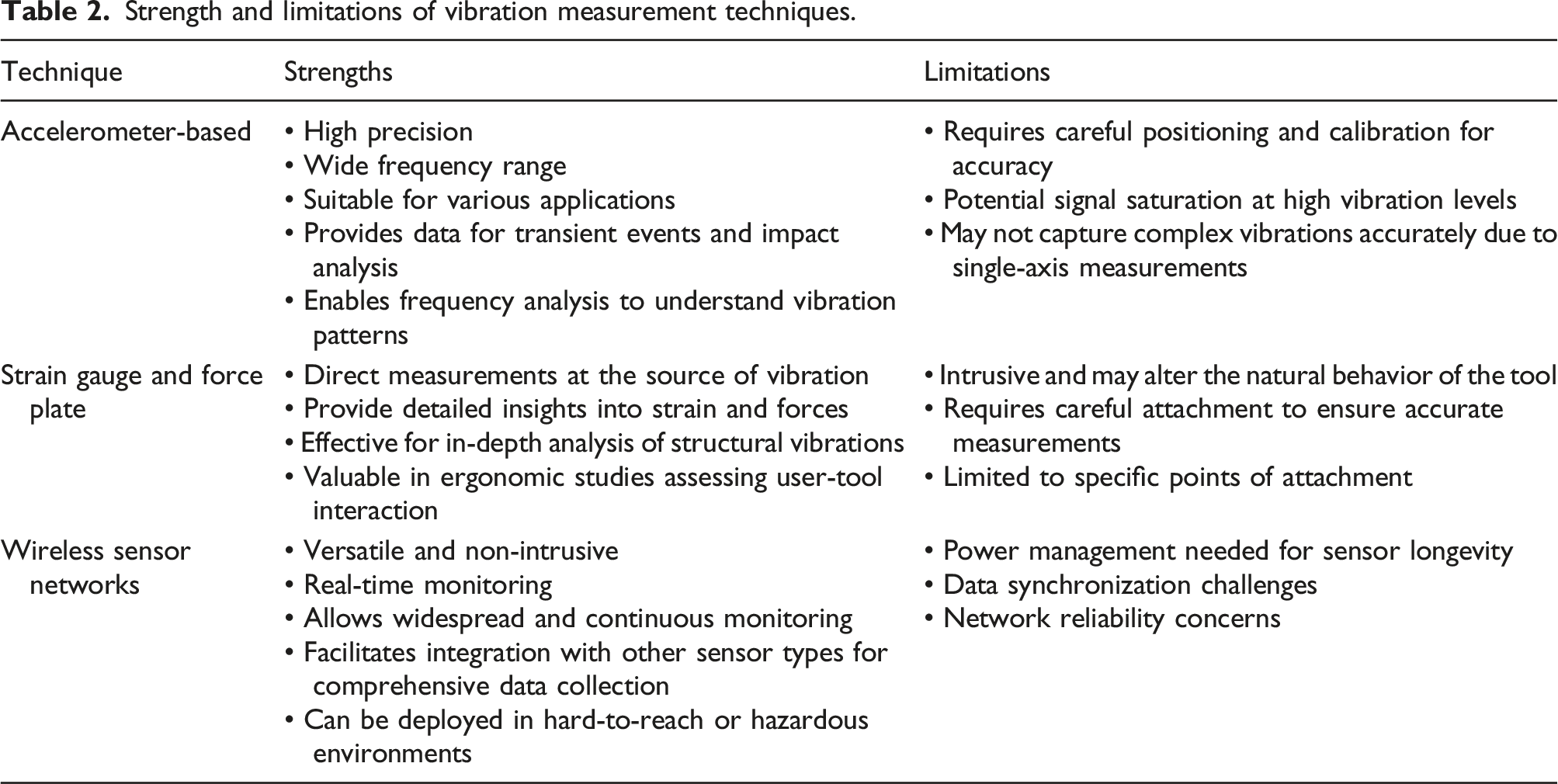
Accelerometer-based techniques 35 are widely adopted for vibration measurement due to their high sensitivity and precision. These devices operate on the principle of detecting acceleration, providing a reliable method to indirectly assess vibrations. When attached to the vibrating tool or equipment, accelerometers convert the acceleration caused by vibrations into an electrical signal, which can then be analysed to determine the level and frequency of vibrations. The advantages of using accelerometers include their high accuracy, wide frequency range, suitability for both short-term and long-term measurements, and ability to capture vibrations across various axes. However, ensuring correct sensor placement and orientation is crucial to obtain accurate measurements. Additionally, at high vibration levels, there is a possibility of signal saturation, impacting the precision of the collected data.
Strain gauge and force plate techniques
Strain gauge and force plate techniques provide a direct approach to measuring vibrations by assessing deformation and forces, respectively. Strain gauges are applied to the surface of the vibrating tool to measure deformations caused by the vibration, offering insights into the strain experienced during operation. 36 On the other hand, force plates measure the forces exerted on a surface during tool operation, aiding in understanding the intensity and impact of vibrations. These techniques offer precise and detailed measurements, especially regarding the interaction between the user and the vibrating tool. However, they can be somewhat intrusive, potentially altering the tool’s natural behavior and affecting measurement accuracy. Proper attachment and calibration are crucial for obtaining accurate data using these techniques.
Wireless sensor networks
Wireless Sensor Networks (WSNs) represent a modern and versatile approach to vibration monitoring. A WSN comprises interconnected sensors that communicate wirelessly to monitor and record vibrations in real-time. 37 These sensors are strategically placed on the vibrating equipment, allowing for non-intrusive and continuous monitoring. WSNs offer several advantages, including real-time data access, remote monitoring capabilities, and the ability to collect data simultaneously from multiple points. This real-time monitoring is particularly valuable for continuous and long-term assessment of vibration patterns. However, challenges such as power management to ensure sensor longevity, data synchronization, and maintaining network reliability need to be addressed for effective implementation of WSNs.
Comparison of techniques
Summary of the paper reviewed.

Strength and limitations of vibration measurement techniques.
Shock and vibration reduction techniques
Hand-Arm Vibration Syndrome (HAVS) is a critical occupational health concern prevalent among agricultural workers due to prolonged exposure to vibrations from handheld equipment. The imperative to address shock and vibrations in these tools cannot be overstated, aiming to mitigate the potential health risks associated with HAVS and ensure a safe and efficient working environment. 38
Engineering controls
Engineering controls play a pivotal role in mitigating Hand-Arm Vibration Syndrome (HAVS) by focusing on modifying the design and materials of agricultural handheld implements to minimize vibrations effectively.
Ergonomic design
The foundation of engineering controls lies in creating an ergonomic design that aligns with the natural contours of the hand and arm. Ergonomics aims to optimize the handle design, grip size, and shape of the tool to reduce stress and fatigue on the user. When a tool fits comfortably in the user’s hand, it promotes a more natural and relaxed grip, consequently minimizing the impact of vibrations during operation.
Material selection
Selecting the appropriate materials is equally crucial in vibration reduction. Anti-vibration materials or polymers with damping properties are often employed to attenuate the transmission of vibrations from the tool to the user. These materials possess inherent qualities that absorb and dissipate vibrations, ensuring that minimal harmful vibrations reach the operator. Moreover, materials that provide a softer and more cushioned grip can significantly enhance user comfort and reduce the vibrational stress on the hand and arm.39,40
Weight distribution optimization
Strategically distributing the weight of the tool is a key consideration in engineering controls. Well-distributed weight ensures that the tool is balanced, reducing the vibrational impact experienced by the user. Concentrating on an appropriate balance between weight and structural integrity is essential. Too much weight in certain parts of the tool can exacerbate vibrations, while a well-distributed weight can help in dampening and minimizing the vibrations transmitted to the user, thus enhancing overall user comfort and safety.
By synergizing these engineering control measures, agricultural handheld tools can be crafted to provide a more user-friendly and vibration-resistant experience. Prioritizing ergonomic design, careful material selection, and intelligent weight distribution not only reduce the risk of HAVS but also optimize the usability and efficiency of these essential agricultural implements, ensuring the well-being of the workers who rely on them.41,42
Isolation mounts and dampers
Isolation mounts and dampers are crucial components integrated into handheld equipment to effectively minimize the transmission of harmful vibrations to the user, ensuring a safer and more comfortable operating experience.43–45
Isolation mounts
These mounts act as a protective barrier between the vibrating source within the handheld equipment and the user’s hand. By isolating the user from the direct contact with the vibrating elements, they play a pivotal role in reducing the harmful effects of vibrations. Isolation mounts are crafted using materials known for their exceptional vibration absorption properties. These materials possess the ability to absorb and dissipate the vibrations generated during tool operation, preventing them from propagating to the user. The isolation mounts essentially act as shock absorbers, absorbing the vibrational energy and converting it into less harmful forms like heat or low-level kinetic energy.
Dampers
Dampers are engineered to reduce the amplitude of vibrations within the handheld equipment. Their primary function is to absorb excess energy produced by the vibrations, thus dampening their intensity. This absorption process is crucial in minimizing the impact of vibrations on the user. Dampers are typically constructed using materials with high damping ratios, which possess an inherent ability to dissipate vibrational energy effectively. These materials may include elastomers (rubber-like materials) and viscoelastic materials, known for their capacity to absorb vibrations and transform them into heat, rendering them less harmful. Proper placement of dampers within the tool is essential. Strategically positioning them at specific vibration-prone points significantly diminishes the vibrational intensity experienced by the user, enhancing overall comfort and safety during operation.
By integrating isolation mounts and dampers into agricultural handheld implements, manufacturers ensure that users are shielded from the adverse effects of vibrations. These components serve as critical safeguards, absorbing and dissipating vibrational energy before it reaches the user, effectively mitigating the risk of Hand-Arm Vibration Syndrome (HAVS). Their thoughtful design and application not only prioritize user well-being but also contribute to the efficient and responsible use of handheld equipment in the agricultural sector.
Smart technologies
Smart technologies represent a paradigm shift in mitigating vibration-related risks associated with Hand-Arm Vibration Syndrome (HAVS) in agricultural handheld implements. By integrating cutting-edge advancements such as sensors, real-time data analysis, and adaptive systems, these technologies are revolutionizing the way we approach vibration reduction and user safety.46–50
Integration of sensors and data analysis
Smart technologies incorporate an array of sensors within the handheld equipment, designed to measure and analyse various parameters in real time. These sensors capture critical data points, including vibration levels, grip pressure, tool orientation, and operational duration. The real-time data obtained is then processed and analysed using sophisticated algorithms.
Adaptive systems and machine learning
Adaptive systems, a subset of smart technologies, continuously analyse the user’s grip and operational conditions. By interpreting the data from the integrated sensors, these systems dynamically adjust the vibration characteristics of the tool to maintain optimal performance while effectively reducing vibrations. Machine learning algorithms play a significant role in enhancing the adaptability and responsiveness of these systems over time. As the system gathers more data and learns from user interactions, it fine-tunes its responses, becoming more attuned to the specific needs and preferences of the operator.
Real-time monitoring and assessment
One of the key features of smart technologies is their ability to provide real-time monitoring and assessment. Users can access this data through intuitive interfaces, allowing them to make informed decisions regarding tool usage, maintenance, and rest intervals. By having access to real-time feedback on vibration levels and exposure, users can proactively adjust their usage patterns, reducing the risk of overexposure and potential harm caused by vibrations.
By embracing these smart technologies, the agricultural industry is elevating the standards of safety and efficiency. The intelligent integration of sensors, adaptive systems, and machine learning not only significantly reduces the risk of HAVS but also empowers users to make data-driven decisions regarding their tool usage. Smart technologies are undoubtedly a pivotal step forward in creating a safer and more productive environment for agricultural workers, ensuring their well-being and long-term health.
Human factors in vibration reduction
In the realm of mitigating Hand-Arm Vibration Syndrome (HAVS), addressing human factors is an indispensable pillar of comprehensive vibration reduction strategies. Recognizing the pivotal role of human behavior, training, and active involvement in minimizing risks associated with HAVS is fundamental for a safer work environment and the overall well-being of agricultural workers.
Training programs and education
The cornerstone of addressing human factors lies in comprehensive training programs. These initiatives are designed to educate agricultural workers about the potential risks linked to HAVS and the proper techniques for utilizing handheld tools. Through educational modules, workers are made aware of the importance of maintaining a secure grip on tools to minimize vibration exposure. Furthermore, they learn about the necessity of taking regular breaks to reduce prolonged exposure, thus mitigating the risk of HAVS.
Promoting effective PPE utilization
Proper utilization of Personal Protective Equipment (PPE) is an essential aspect emphasized in training programs. Workers are educated on the appropriate selection and usage of PPE, such as vibration-resistant gloves. These measures act as a crucial line of defense, providing an additional barrier against the harmful effects of vibrations.
Encouraging proactive reporting and involvement
Fostering a culture where workers are encouraged to actively report any discomfort, pain, or early signs of HAVS is vital. This proactive approach allows for early detection and timely intervention, significantly reducing the potential severity of the syndrome. Moreover, involving workers in the design and selection of tools, as well as considering their feedback on vibration levels and comfort, promotes a sense of ownership and empowerment. Workers’ insights and experiences are invaluable in tailoring solutions that truly address their needs.
Balancing engineering solutions, smart technologies, and human factors
Achieving a holistic approach involves striking a balance between engineering solutions, smart technologies, and human factors. While engineering solutions and smart technologies optimize tool designs and performance, human factors ensure that these solutions are effectively utilized and embraced. A synergistic approach, encompassing user education, technological innovation, and active involvement, ultimately creates a workplace where the risks of HAVS are significantly minimized.
In conclusion, implementing a multifaceted strategy that encompasses ergonomic design, effective material selection, vibration isolation methods, the integration of smart technologies, and considerations of human factors is crucial in reducing shocks and vibrations in agricultural handheld implements. A comprehensive approach is pivotal to not only enhance user comfort and safety but also to mitigate the risk of Hand-Arm Vibration Syndrome (HAVS) and promote a healthier work environment for agricultural workers.
Challenges in implementing reduction techniques
Addressing Hand-Arm Vibration Syndrome (HAVS) through reduction techniques is vital for the agricultural sector, yet it is not without its challenges. Effective implementation of vibration reduction techniques requires navigating economic, technological, and behavioural hurdles.
Cost considerations
The economic challenges associated with implementing vibration reduction techniques in the agricultural sector are substantial and require a delicate balancing act to ensure the welfare of workers without imposing an unmanageable financial burden. Cutting-edge vibration reduction technologies often come with a high initial investment. The cost of acquiring and installing these technologies, such as advanced isolation mounts, dampers, or smart systems, can be a significant portion of an agricultural enterprise’s budget. For small-scale farmers or businesses with limited financial resources, this upfront expense can deter them from embracing these solutions, even if they recognize the potential long-term benefits in terms of worker health and productivity. Beyond the initial investment, ongoing maintenance and potential replacement of components add to the economic challenges. Maintenance is essential to ensure the efficiency and longevity of vibration reduction systems. Wear and tear, environmental exposure, and regular use can necessitate replacements or upgrades, incurring additional costs. Balancing the need for regular maintenance with cost-effectiveness becomes crucial to sustain the long-term benefits of vibration reduction. Adequate training for workers on how to effectively use and maintain vibration reduction equipment is fundamental. Training programs come with their own cost implications, including expenses related to designing, conducting, and managing the training sessions. Training is an investment in ensuring that the technology is utilized optimally, maximizing its benefits in reducing HAVS risks. However, budgetary constraints can limit the extent and frequency of training programs. For many small-scale farmers or agricultural workers in economically challenged regions, even affordable technologies can be financially burdensome. Ensuring that cost-effective vibration reduction solutions are accessible and affordable to a wide range of agricultural workers is a critical consideration. Affordable solutions that provide tangible benefits without compromising the effectiveness of vibration reduction are essential to address this challenge. 51
Strategies to mitigate these economic challenges could include government subsidies or grants for adopting vibration reduction technologies, collaborations between research institutions and industry to develop cost-effective solutions, and educational initiatives to raise awareness about the long-term cost savings associated with reduced HAVS incidents. Ultimately, finding the right balance between investing in worker safety and managing the economic feasibility of these solutions is vital to ensure a sustainable and equitable approach to mitigating the risks of HAVS in the agricultural sector.
Technological constraints
Technological constraints are significant barriers in implementing vibration reduction techniques in the agricultural sector. These constraints stem from the diverse range of agricultural handheld equipment, each with its unique design, functionality, and limitations. Addressing these challenges requires tailored and adaptable solutions to ensure the successful integration of vibration reduction technologies. Agricultural handheld equipment comes in diverse forms, each serving specific purposes in the agricultural workflow. Tractors, plows, pruners, and other handheld devices vary significantly in their design and structure. Integrating vibration reduction technologies into this diverse array of equipment poses a considerable challenge. Some equipment may have complex structures that make the integration of certain vibration reduction solutions technically intricate or economically unviable. For instance, retrofitting anti-vibration mounts onto existing designs might not always be feasible due to constraints in space or incompatible structures. The rapid pace of technological advancements further complicates the scenario. Continuous innovations in vibration reduction technologies are promising, but they can outpace the rate at which farmers and workers adopt new solutions. Keeping up with the latest advancements and assessing their applicability to the specific agricultural setting is a demanding task. Agricultural workers often lack the time, resources, or expertise to evaluate and implement emerging technologies effectively. Tailored solutions that can be customized to suit the specific needs of the agricultural industry are essential. A one-size-fits-all approach is inadequate given the diversity of equipment and operational requirements. Vibration reduction technologies need to be adaptable and flexible, accommodating different equipment types, sizes, and functionalities. Customization ensures that the technology can be seamlessly integrated into various agricultural tools without compromising their performance. Cost considerations intersect with technological constraints. While advanced vibration reduction technologies offer benefits, they should also provide a clear and tangible return on investment. The costs associated with integrating these technologies should be justified by the reduction in HAVS risks and the consequent improvement in worker health and productivity.
Addressing technological constraints necessitates a multidimensional approach. Collaboration between agricultural engineers, researchers, and technology developers is crucial to design adaptable solutions that align with the specific needs and constraints of the agricultural sector. Additionally, providing educational resources and training to agricultural workers on the effective use and integration of vibration reduction technologies is pivotal. Overcoming these technological hurdles is imperative to create a safer work environment in the agricultural sector, reducing the risks of Hand-Arm Vibration Syndrome and promoting the overall well-being of agricultural workers.
User acceptance and training
Achieving successful implementation of vibration reduction measures in the agricultural sector critically hinges on user acceptance and comprehensive training. Recognizing the value of these factors and addressing potential resistance or lack of awareness is paramount to the efficacy of vibration reduction initiatives. Awareness of the risks associated with Hand-Arm Vibration Syndrome (HAVS) is the first step towards successful implementation. Many agricultural workers may not fully grasp the potential health hazards posed by prolonged exposure to vibrations. Resistance to change, often stemming from unfamiliarity with new technologies or reluctance to adopt different practices, can hinder progress. Overcoming this resistance requires proactive educational campaigns and clear communication about the benefits of vibration reduction. Training programs are foundational in ensuring that agricultural workers are well-informed about the potential risks of HAVS and the benefits of vibration reduction measures. These programs should encompass a range of topics, including proper tool usage techniques, maintenance practices, and the correct utilization of vibration reduction features. Hands-on training that allows workers to experience the benefits of reduced vibrations first-hand can be particularly effective in promoting understanding and acceptance. Involving workers in the design and selection of tools is a powerful approach. Their first-hand experience and feedback regarding vibration levels and comfort are invaluable. Workers can provide insights into the practicality and usability of various vibration reduction solutions, leading to the selection of measures that resonate with their needs. This involvement fosters a sense of ownership and makes workers more receptive to the implemented changes. Establishing a feedback loop is crucial. Workers should have a channel to report any issues or discomfort related to the vibration reduction measures. Continuous feedback helps in identifying areas for improvement, making necessary adjustments, and fine-tuning the implemented solutions. This iterative process ensures that the vibration reduction measures are continually optimized to suit the workers’ preferences and needs. Lastly, promoting a culture of safety within the agricultural work environment is key. Workers should feel empowered to prioritize their safety and well-being, which includes embracing vibration reduction measures. This can be achieved through regular safety briefings, incentives for safe practices, and fostering an environment where reporting safety concerns is encouraged.
By focusing on user acceptance through education, involvement, and feedback mechanisms, the agricultural sector can break down resistance to change and facilitate the successful integration of vibration reduction techniques. Ultimately, this approach ensures a safer and more productive work environment, aligning with the goal of mitigating HAVS risks effectively.
Case studies
In this comprehensive exploration of strategies to reduce vibration exposure in agricultural settings, a series of compelling case studies provide unique insights into mitigating risks associated with hand-arm vibration (HAV).
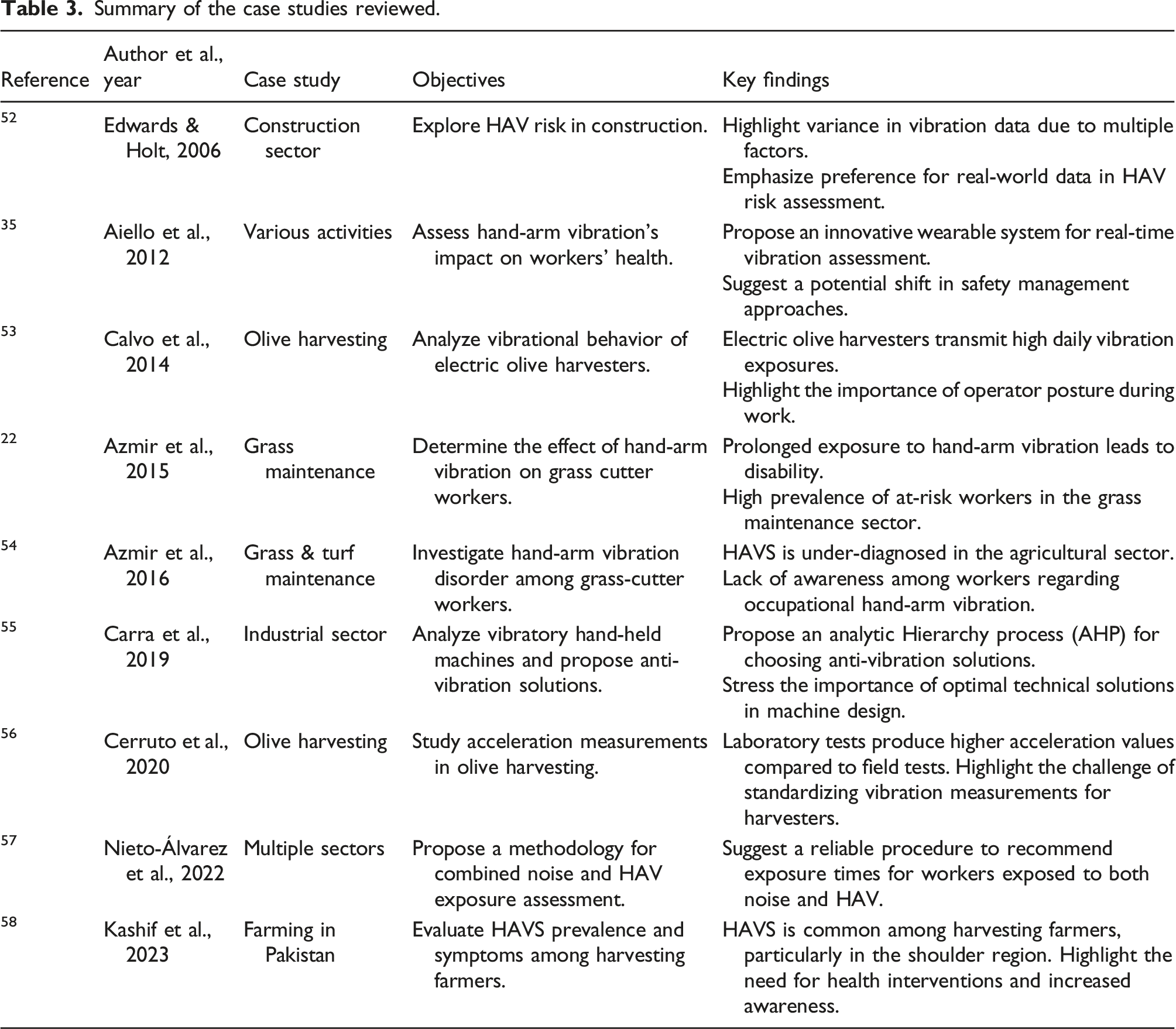
The construction sector, notorious for significant HAV risks, 52 becomes a focal point in understanding the importance of real-world vibration data for effective risk assessment. The study emphasizes the superiority of genuine field data over controlled conditions, underlining variations resulting from factors like tool sharpness and operator techniques. 52 These findings stress the need to account for potential data variations when calculating operators’ maximum exposure times, advocating for a more precise risk assessment approach within construction. 52 Shifting to a broader concern spanning various activities, vibrations stand out as potential causes of health issues, prompting the establishment of laws and directives to protect workers. 35 Innovative wearable technologies utilizing Micro Electro-Mechanical Systems (MEMS) show promise in real-time hand-arm vibration assessment, hinting at a potential transformation in safety management. 35 This innovation signifies a significant move towards personalized, continuous monitoring, holding the promise to significantly influence safety protocols and ensure enhanced worker safety. 35 In the context of olive harvesting, the operation of electric handheld olive harvesters transmits elevated vibration doses to the operator’s hand-arm system. 53 A meticulous study analyzing the vibrational behavior of these machines in real-world settings has provided invaluable numerical insights, showcasing daily vibration exposures ranging from 10 to 18 ms^–2. 53 This precise data proves instrumental in crafting targeted intervention strategies, emphasizing the necessity of understanding specific machinery vibrational characteristics and operator posture for devising effective risk reduction approaches. 53 Shifting focus to the grass maintenance sector, prolonged exposure to hand-arm vibration has been shown to induce disability among hand-held machine users. 22 A detailed case study employing numerical scoring and grip strength force assessment reveals a high prevalence of workers at risk of hand grip disorders, underscoring the pressing need for enhanced health surveillance and awareness programs in the agricultural sector. 22 The inclusion of precise numerical results strengthens the call for proactive measures to mitigate potential health issues due to hand-arm vibration. 22 Similarly, a cross-sectional study within the grass and turf maintenance industry reveals concerning gaps in the diagnosis of Hand-Arm Vibration Syndrome (HAVS) among workers. 54 The study highlights the prevalence of HAVS symptoms and the lack of awareness among workers, with numerical prevalence ratios offering stark evidence of the under-diagnosis issue. 54 These numerical findings underscore the necessity for comprehensive awareness programs and active measures to enhance HAVS diagnosis in the agricultural sectors. 54 The industrial landscape grapples with the pervasive risk of mechanical vibrations from various machines. 55 A thorough analysis involving an Analytic Hierarchy Process (AHP) is presented, showcasing a systematic approach to analyse and choose anti-vibration solutions when designing hand-held machines. 55 The inclusion of numerical and analytical methodologies in this case study underscores the importance of integrating engineering principles to minimize hand-arm vibration exposure and design safer machinery. 55 Olive harvesting, a crucial sector prone to high vibration risks, has been subject to meticulous research focusing on acceleration measurements. 56 This study, presenting laboratory and field results, highlights the complexities of standardizing these measurements due to various affecting factors. 56 The numerical insights offer a clear understanding of the challenges in measuring vibration accurately, paving the way for future device development for standardized measurement conditions. 56 In the broader context of multiple sectors where workers endure both noise and hand-arm vibrations, a pioneering methodology integrating energy doses for both agents is proposed. 57 This method presents a combined index, allowing for recommended exposure time calculations for workers experiencing concurrent exposure. 57 Numerical calculations based on this methodology provide practical recommendations, highlighting the potential for its application in establishing effective prevention measures across sectors. 57 Lastly, an in-depth study in Pakistan evaluates the prevalence of Hand-Arm Vibration Syndrome (HAVS) among farming communities. 58 Employing a comprehensive questionnaire and grading system, the study offers numerical evidence of the occurrence and severity of HAVS symptoms among farmers exposed to vibratory tools. 58 The numerical data underlines the urgency for targeted interventions and heightened health surveillance to address HAVS effectively and ensure the well-being of this particular workforce. 58
Summary of the case studies reviewed.
Future directions
The future of vibration reduction in agriculture is promising, with a trajectory towards innovative technologies, interdisciplinary collaboration, and a global perspective to combat Hand-Arm Vibration Syndrome (HAVS) effectively.
Innovative technologies such as Artificial Intelligence (AI), Internet of Things (IoT), and advanced materials will play a pivotal role. AI algorithms can optimize vibration reduction in real-time by adapting equipment settings based on usage patterns and operator feedback. IoT-enabled devices can offer continuous monitoring and data-driven insights, allowing for proactive maintenance and reducing vibration exposure risks. Advanced materials with superior damping properties can be integrated into the design of agricultural handheld equipment to enhance vibration absorption, significantly contributing to HAVS prevention. Interdisciplinary collaboration is key to addressing the multifaceted challenges of HAVS in agriculture. Engineers, ergonomists, health professionals, and agricultural experts must join forces to design and implement holistic solutions. Ergonomists can contribute by ensuring that vibration reduction technologies are user-friendly and ergonomic. Health professionals can provide valuable insights into the health impact of vibrations, guiding the design of effective prevention strategies. This interdisciplinary approach will lead to a comprehensive understanding and a more efficient implementation of vibration reduction techniques. Adopting a global perspective is essential to tackle HAVS effectively, as the issue is not confined to a specific region. Collaborations between countries can facilitate the sharing of best practices, knowledge, and resources. This can lead to the development of standardized guidelines and regulations, ensuring a uniform and high standard of safety measures for agricultural workers globally. International partnerships can also drive research on cost-effective solutions suitable for both developed and developing agricultural economies. In conclusion, the future of vibration reduction in agriculture is marked by the integration of cutting-edge technologies, interdisciplinary collaboration, and a united global effort. By embracing these advancements and fostering collaboration, we can aspire to significantly reduce the prevalence of HAVS, thereby ensuring a safer and healthier working environment for agricultural workers worldwide.
Conclusion
In summary, this review sheds light on the critical challenges faced in addressing Hand-Arm Vibration Syndrome (HAVS) among agricultural workers due to prolonged exposure to vibrations from handheld equipment. The research landscape is characterized by fragmentation and lacks a cohesive approach. Tailoring vibration reduction techniques to suit the diverse array of agricultural handheld equipment is crucial. Standardized measurement protocols are identified as a necessity to ensure uniformity and effectiveness in assessing vibration reduction strategies. The review underscores the imperative of interdisciplinary collaboration and integration of emerging technologies for a comprehensive and effective approach.
Moving forward, it is recommended that future research focuses on bridging the gaps identified in this review. Integration of AI and IoT technologies into vibration reduction strategies can significantly enhance real-time adaptability and continuous monitoring. Additionally, the use of advanced materials with superior damping properties in equipment design holds promise. Education and outreach programs are vital for raising awareness among agricultural workers, while industry collaboration can drive the development of cost-effective vibration reduction solutions. Ultimately, a collective effort is essential to foster a safer and healthier working environment for agricultural workers, mitigating the risks of HAVS effectively.
Footnotes
Declaration of conflicting interests
The author(s) declared no potential conflicts of interest with respect to the research, authorship, and/or publication of this article.
Funding
The author(s) received no financial support for the research, authorship, and/or publication of this article.
