



Abstract
Biomass can be converted into energy, fuels, and value-added products by adopting proper conversion or production methods. For many years, biomass has been considered to be a good candidate for producing biochar or activated carbon. The awareness created on mitigation of carbon dioxide (CO2), which is the major cause of global warming, necessitated developing potential methods and materials for curbing CO2 originating from various sources. Adsorption is the most viable option to mitigate CO2 by using activated carbon which can be derived from various biomass sources. In recent years, activated carbon has been produced from different biomass substances by varying carbonization and activation duration, carbonization and activation temperature, impregnation ratio, and the concentration of the activating agent to improve its surface area and porosity. This review article provides a comprehensive review on utilization, production and characterization of biomass-based activated carbon for CO2 adsorption. Initially, the article discusses the review of research works carried out on utilization of biomass-based activated carbon for CO2 adsorption. Furthermore, the article presents the research works carried out on surface textural characteristics, physicochemical properties, and maximum adsorption capacity of activated carbon obtained from different biomass substances. Finally, the article presents the research works carried out related to the biomass-based activated carbon and the parameters significantly enhancing the CO2 adsorption performance.
Introduction
At the beginning of the pre-industrial revolution, carbon dioxide (CO2) concentration in the ambient air was 280 ppm (part per million), and at the beginning of 2021, it was about 420 ppm. The rising global atmospheric CO2 level is observed as a serious threat to the environment. In recent years, mitigation of CO2 has been considered as a thrust area of research in the world. Three different methods currently available for CO2 capture are; (a) post-combustion, (b) pre-combustion, and (c) oxy-fuel combustion. CO2 capture by using different techniques such as adsorption, absorption, and membrane separation has been implemented in some of the major coal-fired power plants, industrial plants like cement and steel manufacture, and gas purification units in the world. 1 Among these methods, adsorption is the most promising method because it offers the following benefits; (i) gives better performance, (ii) stable for a long period, (iii) requires minimum cost for regeneration, (iv) does not regenerate toxic materials and (v) cost-effectiveness. 2 Adsorption is a surface phenomenon where CO2 molecules (adsorbate) are adsorbed onto the material's surface (adsorbent). It is mainly categorized into two types; (i) physical adsorption (Van der Waals force of attraction) and (ii) chemical adsorption (chemical bond interaction). Activated carbon obtained from biomass is the most efficient adsorbent used for CO2 separation and capture due to its advantages: (a) non-expensive and easily available raw material, (b) greater selectivity for various concentrations, (c) high adsorption capacity, (d) quicker adsorption kinetic rate and (e) ease to regenerate original adsorbent. The regeneration of solid activated carbon can be achieved by using pressure swing adsorption (PSA) and temperature swing adsorption (TSA). PSA and TSA are carried out in the regeneration process by reducing the operating pressure and increasing the operating temperature in an adsorbent bed, respectively. Therefore, the accumulated adsorbed CO2 molecule gets discharged or desorbed from the surface of activated carbon. The regenerated activated carbon can again be used further for adsorption cycle without losing its adsorption capacity. 3
Recently, many researchers have focused on their research works for converting biomass residues and agricultural by-products into activated carbon for CO2 adsorption. The lignocellulosic biomass comprises three major components: (a) lignin, (b) cellulose, and (c) hemicellulose.4,5 The different categories of biomass are agricultural crop residues, forestry residues, wood processing residues, animal waste, industrial waste and municipal solid waste. There are two pathways to produce activated carbon from biomass substance: (i) the selected biomass raw material is converted into biochar by using carbonization process and the obtained bio-char is converted into activated carbon by using physical and chemical activation methods, and (ii) the selected biomass feedstock is directly converted into activated carbon by adopting pyrolysis method. The selection of appropriate raw materials, preparation mode, and preparation methods including activation methods, type of activator, and preparation conditions are important factors that enhance the textural properties and performance of activated carbon. 6 The carbon yield, impregnation ratio, the concentration of the activating agent, carbonization temperature and time and activation temperature and time are the essential parameters considered at the time of activated carbon preparation. In this review article, review is categorized into different sections and arranged as follows: Section 2 discusses the potential activated carbon for CO2 adsorption; Section 3 presents the availability of biomass and its residues for selection of suitable raw material; Section 4 provides the preparation methods of the biomass-based activated carbon; Section 5 describes the evaluation of characteristics and properties of activated carbon by the different characterization and analytical methods; and Section 6 discusses the parameters influencing the performance of activated carbon.
Potential activated carbons for Co2 adsorption
In the last three decades, many research works have been carried out to explore the possibility of using activated carbon to capture CO2 from flue gas originating from power plants, biogas plants, and natural gas plants. Activated carbon is obtained from different biomass substances such as biomass shell, biomass waste, stone-type biomass; agro-residues; leaves; woody biomass; algae and fungi, and fruit and vegetable peels. Table 1 provides detailed information about the different adsorbent materials for CO2 adsorption.
Different adsorbent materials for CO2 adsorption.
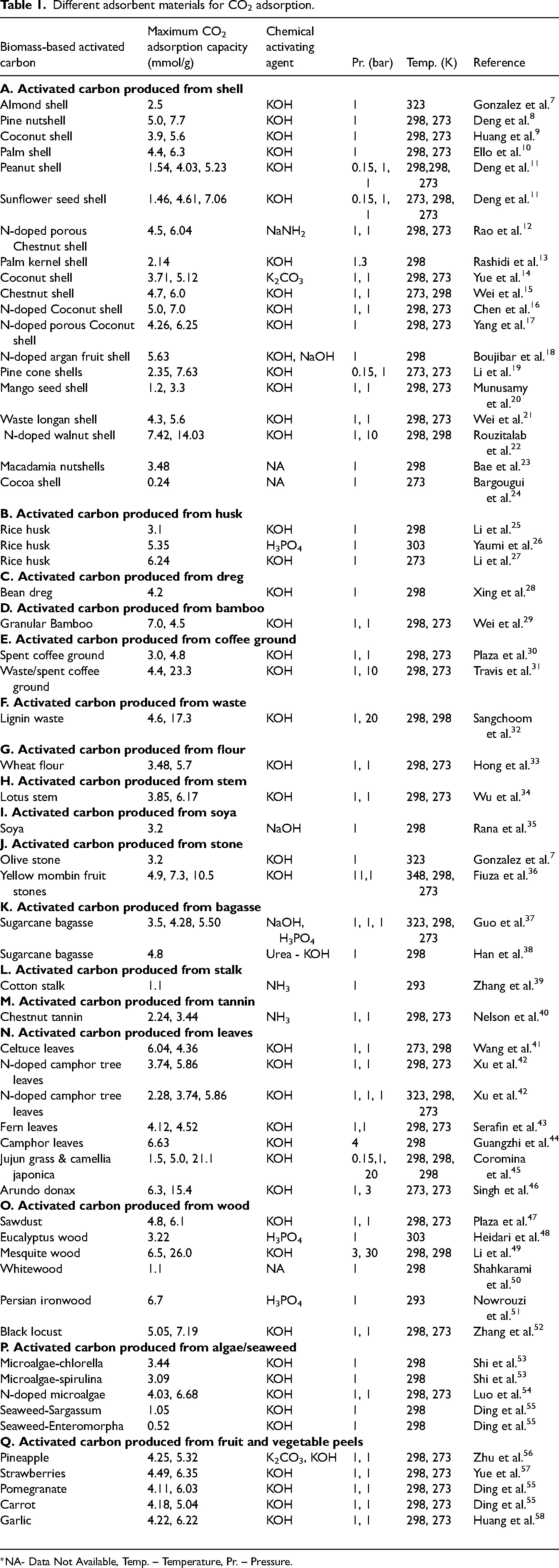
*NA- Data Not Available, Temp. – Temperature, Pr. – Pressure.
Many research groups documented their research works on the utilization of biomass-based activated carbon to capture CO2. Rouzitalab et al. 22 developed the nitrogen-doped Walnut shell-based activated carbon by using nitrogen doping and followed by chemical activation using potassium hydroxide (KOH). The prepared n-doped Walnut shell activated carbon showed a maximum adsorption capacity of 14.03 mmol/g at 10 bar pressure and 298 K temperature. Bargougui et al. 24 experimentally investigated activated carbon obtained from the Cocoa shell. At a pressure of 1 bar and temperature of 273 K, activated carbon exhibited a minimum adsorption capacity of 0.24 mmol/g. Travis et al. 31 investigated the adsorption performance of Waste coffee ground activated carbon which showed the highest CO2 uptake of 23.3 mmol/g at 10 bar, 273 K; and 4.4 mmol/g at 1 bar, 298 K; whereas Plaza et al. 30 reported that the Spent coffee ground activated carbon exhibited the lowest CO2 uptake of 4.8 mmol/g at 1 bar, 273 K; and 3.0 mmol/g at 1 bar, 298 K. Sangchoom et al. 32 developed the Lignin-waste based activated carbon by using KOH and examined its adsorption performance. Activated carbon exhibited a higher CO2 adsorption capacity of 17.3 mmol/g at 1 bar, and 298 K. Coromina et al. 45 investigated the Jujungrass and Camellia Japouica based activated carbon by chemical activation using KOH and examined its adsorption capacity. Activated carbon showed a maximum CO2 adsorption capacity of 21.1 mmol/g at 20 bar and 298 K. Singh et al. 46 explored the feasibility of activated carbon derived from Arundo donase using KOH. Activated carbon exhibited the highest CO2 adsorption capacity of 15.4 mmol/g at 3 bar and 298 K. Li et al. 49 recently reported that activated carbon obtained from Mesquite wood by chemical activation using KOH. At a pressure of 30 bar and a temperature of 298 K, the obtained activated carbon showed maximum CO2 adsorption of 26.0 mmol/g.
Ding et al. 55 examined the performance of Seaweeds activated carbon obtained from Sargassum and Enteromorpha. The maximum CO2 adsorption capacity of 1.05 mmol/g was achieved for Sargassum activated carbon and 0.52 mmol/g for Enteromorpha activated carbon at 1 bar, 298 K. The same research group developed activated carbon from Pomegranate peels and Carrot peels by chemical activation using KOH. The CO2 adsorption capacities of 4.11 mmol/g at 1 bar, 298 K and 6.033 mmol/g at 1 bar, 273 K for Pomegranate peels based activated carbon; and 4.18 mmol/g at 1 bar, 298 K and 5.04 mmol/g at 1 bar, 273 K for Carrot peels based activated carbon. Wu et al. 34 experimentally investigated activated carbon obtained from Lotus stem waste with hydrothermal carbonization followed by chemical activation using KOH and sulphuric acid (H2SO4). The three different impregnation ratios (1:0, 1:2, and 1:4) were adopted to examine the activated carbon's surface area and porous volume. At the impregnation ratio of 1:4, activated carbon showed the highest surface area of 2893 m2/g and the greatest total pore volume of 1.59 cm3/g. At the impregnation ratio of 1:2, the same activated carbon exhibited the maximum CO2 uptake of 3.85 mmol/g at 1 bar, 298 K; and 6.17 mmol/g at 1 bar, 273 K. Wei et al. 29 proposed that the Granular Bamboo-based activated carbon can be used for CO2 adsorption. Activated carbon was derived from bamboo by chemical activation using KOH. Two different impregnation ratios (1:1 and 1:3) were used for the activated carbon preparation. At the activation temperature of 600°C and the impregnation ratio of 1:3, activated carbon exhibited the highest CO2 adsorption capacity of 5.3 mmol/g at 1 bar, 298 K and 7.0 mmol/g at 1 bar, 273 K. At the activation temperature of 600°C and the impregnation ratio of 1:1, activated carbon showed the adsorption capacities of 4.0 mmol/g at 1 bar, 298 K and 4.5 mmol/g at 1 bar, 273 K. It was concluded from the observation, that the maximum CO2 adsorption capacity could be achieved by maintaining the minimum temperature and the maximum pressure.
Activated carbon for Co2 capture application
According to the Environmental Protection Agency (EPA), activated carbon is one of the most value-added and energy-efficient materials derived from waste organic substances. The demand for activated carbon has increased due to its wide range of applications such as drinking water treatment, CO2 adsorption, air and gas purification, exhaust purification, and sewage treatment. Conversion of an organic waste substance into activated carbon is the most viable waste management and waste minimization option. Nowadays, activated carbon has been obtained from different resources such as agricultural and crop residues, municipal solid wastes, industrial wastes, animal residues, and forestry bio-wastes. Activated carbon derived from the various sources offers the following advantages; (a) can meet the demand, (b) can be produced at low cost, (c) can be easily accessible, (d) can offer a solution to waste minimization, (e) can yield low degradation properties, (f) can be eco-friendly, (g) can increase sustainable resources and (h) can offer a low negative impact to the environment. Activated carbon is an amorphous, tasteless, micro-crystalline, non-graphite and carbon skeleton structure of solid carbonaceous material. It is also known as a solid sponge, adsorbent, activated charcoal.59,61 Typically, it has the following desirable characteristics such as high internal surface area, 62 high degrees of porosity, 63 high mechanical strength, 64 high selectivity, 65 adequate pore size distribution, 66 high thermal and chemical stabilities, 67 high surface affinity, 68 high adsorptive capacity, 69 high degrees of surface reactivity, 70 and sufficient surface functional groups. 71 The biomass residues or agricultural by-products would significantly decrease waste disposal and increase economic benefits.
Activated carbon obtained from different forms of biomass
The biomass residue or agricultural by-product is a potential source of raw material or feedstock for activated carbon production. Activated carbon can be produced from different forms of biomass source are leaves, stems, flowers, fruits, seeds, peels, stalks, cores, husks, straws, fibers and woods, fruit and vegetable peels, pomaces, roots, dregs, grass, pods, saw-dusts, bagasse, piths, brans, pulps, kernels, hulls, barks, shells, and stones. The agricultural residues can be classified into two different types; (a) primary residues and (b) secondary residues. The primary or field-based residues are generated at harvesting time (e.g. straws, bunches, stalks, and fronds). The secondary or processing-based residues are produced during processing time (e.g. shells, cobs, husks, and bunches). There are significant quantities of unused biomass residues that remain in the field itself in the form of cob and straw. Some of the crop residues are (i) coconut-fronds, husks, and shells; (ii) coffee-grounds, hulls, and husks; (iii) corn-cobs, leaves, stalks, and stovers; (iv) cotton-stalks, hulls, and shells; (v) rice-hulls, husks, straws, and stalks; and (vi) sugarcane-bagasse. Table 2 presents the different forms of biomass resources.
Different form of biomass resources.

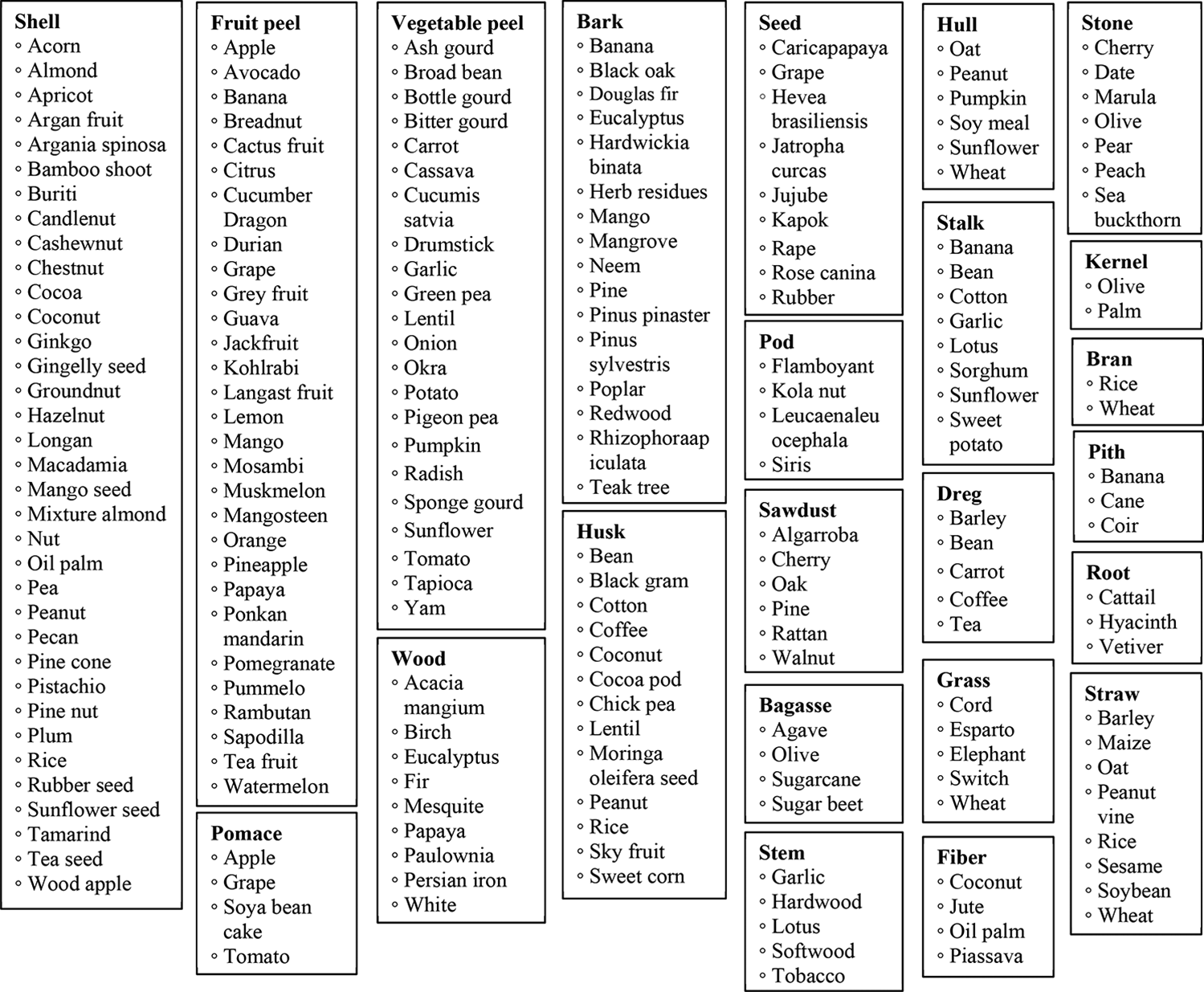
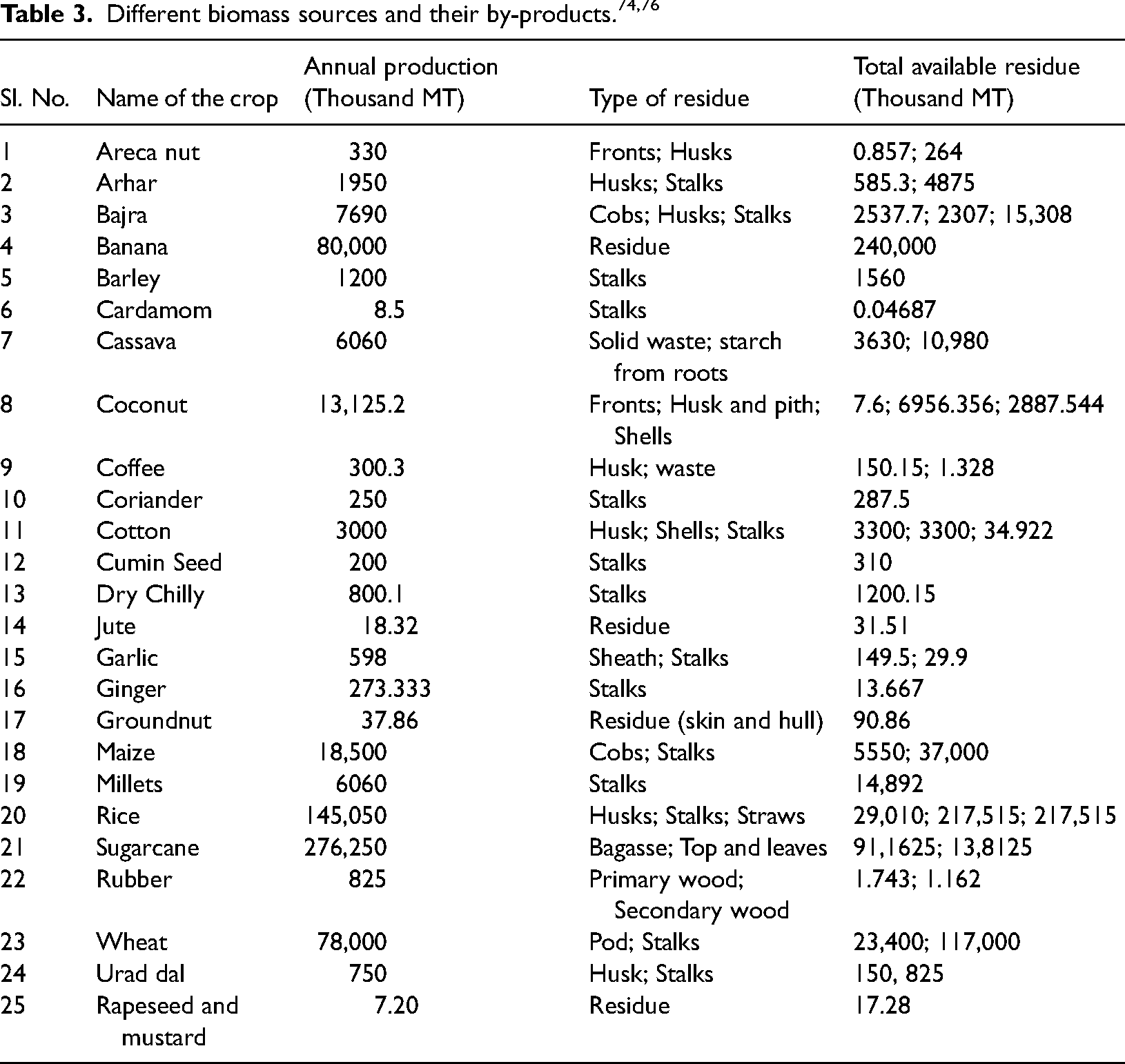
The selection of feedstock mainly depends on the energy density and the physical properties. The preparation method of activated carbon plays a significant role in the aspect of the desirable properties and physicochemical characteristics.63,72 The biomass-based activated carbon is also known as carbon enriched material. It has a large specific surface area, inherent well-defined porous structure, and surface functional groups. These properties are directly related to adsorptive capacity. 73 Table 3 provides different biomass sources and their respective by-products that are significantly available in India.
Biomass lignocellulosic components
Biomass substances are mainly composed of three main natural fiber components viz., (i) cellulose, (ii) hemicellulose, and (iii) lignin. The composition of them varies from material to material. Generally, the composition of cellulose, hemicellulose and lignin is in the range of 20–55 wt %, 20–45 wt % and 15–35 wt %, respectively. An effective activated carbon as a potential CO2 adsorbent can be produced from distinct materials such as (i) carbonaceous raw material, (ii) biomass-based residues and (iii) lignocellulosic agricultural by-products. It possesses a high degree of porosity, good adsorption capacity, excellent surface textural properties and physicochemical characteristics.77,78 Figure 1 shows the lignocellulosic chemical structures of cellulose, hemicellulose, and lignin.

Lignocellulosic chemical structures of cellulose, hemicellulose, and lignin. 79
Table 4 gives the lignocellulosic composition of various agricultural by-products or biomass residues.
Lignocellulosic composition of different biomass residues.
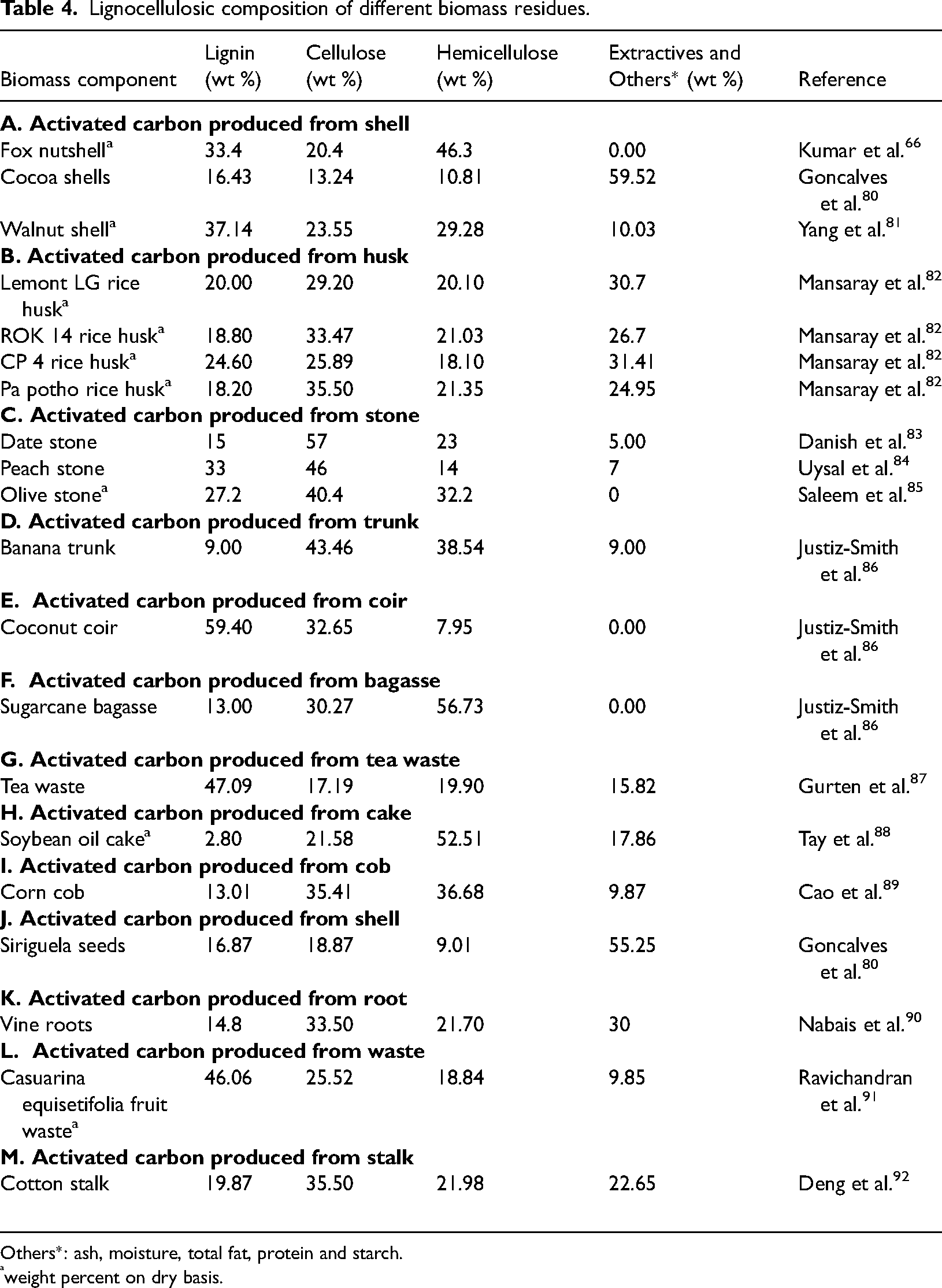
Others*: ash, moisture, total fat, protein and starch.
weight percent on dry basis.
It is understood from the table that the different lignocellulosic-based agricultural by-products or biomass residues are used to produce activated carbon for adsorption purposes. It is reported that biomass sources are used as potential feedstocks to prepare activated carbon.4,6 The outer surface of the biomass is covered by lignin. The inner part of the biomass is filled with cellulose. The random amorphous structure is hemicellulose located in between lignin and cellulose. These lignocellulosic components significantly enhance the adsorption capacity and specific porous volume of the activated carbon.
Methods adopted for the preparation of activated carbon
This section discusses the methods involved in the preparation of activated carbon.
Pre-treatment
Initially, unwanted impurities, dust, dirt and foreign particles, and unevenly distributed materials are first removed from the selected raw material. Then, it is subjected to a drying process for removing the moisture content present on it.
De-ashing/demineralization
Biomass substances generally consist of volatile matter, fixed carbon, moisture, ash, and some mineral components. The percentage composition of them affect the chemical properties and surface functional groups of the prepared activated carbon. 61 Therefore, the moisture and undesirable components should be removed by drying or heating and using a suitable acidic or basic solution. 6 Figure 2 illustrates the process flow diagram of the bio-products obtained from different biomass residues.

Flow process of activated carbon preparation.
Two main methods are involved in the preparation of activated carbon: (i) carbonization and (ii) activation. Carbonization is a process of thermally decomposing a selected material at an elevated temperature with an inert atmosphere and obtaining a solid form of carbon enriched product. Pyrolysis is the process of thermally decomposing of an organic substance in the absence of oxygen at high temperature in the conversion of organic material to form a liquid (bio-oil), combustible gas (syngas), and solid residues (bio-char). The physical activation, chemical activation, and combination of both activation methods are used to activate the material for developing the higher porosity and enhancing the larger specific surface area. The characteristics and properties of activated carbon purely depend on the preparation methods and nature of the raw material. Figure 3 shows the schematic diagram for the activated carbon preparation methods such as carbonization and activation (physical and chemical).
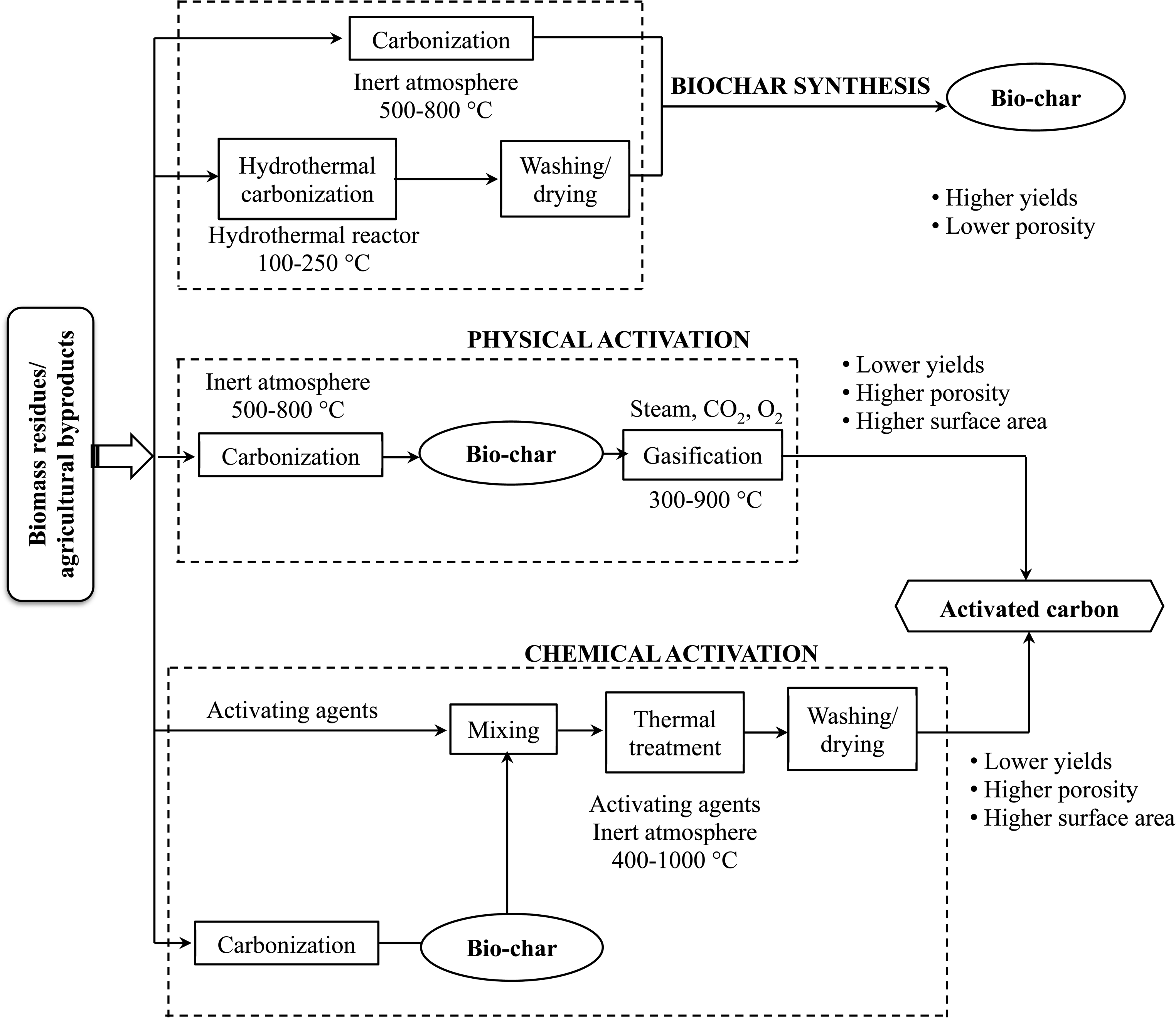
Schematic representations for activated carbon production. 86
Carbonization
The important parameters affecting carbonization are carbonization temperature and duration, heating rate, and the presence or absence of an inert atmosphere. The moisture content and low molecular weight of the volatile matter are first reduced from the raw material. The thermal decomposition of a raw material eliminates non-carbon elements like hydrogen (H2), nitrogen (N2), oxygen (O2) and sulfur (S) in the form of gas and tar. This process is more intended to develop the carbon enriched skeleton structure. Usually, the carbonization temperature maintains at a temperature above 600°C and obtains a better carbon yield. High temperature reduces the volatile matter and increase the fixed carbon content in the material. The obtained carbonized product (biochar) has a low surface area and less porosity. Therefore, it is subjected to activation. The main objective of the activation process is to develop the specific surface characteristics and inherent porosity of activated carbon. 59
Activation
The activation method dramatically influences the physical, and chemical properties of activated carbon. There are two different methods involved in activation, namely physical activation and chemical activation. It is mainly used for pore development based on the following three categories;
Opening of developed inaccessible pores, Developing and formation of new pores and Enlarging or widening of existing pores.
Physical activation
Dry oxidation is also referred to as a physical treatment method. It is performed by two steps; the first one is carbonization and the second one is activation. In this method, the sample is first subjected to carbonization, followed by activation which is carried out at an elevated temperature. Generally, the carbonization temperature ranges between 400 and 850°C, while the activation temperature ranges between 600 and 900°C and sometimes the maximum temperature reaches up to 1000°C. Suitable oxidizing gases such as steam, CO2, air, or mixtures are used. CO2 is the most preferably used gas for the physical treatment of oxidation due to its advantages such as cleanness, ease to handle, and achieving uniform pore development on the surface of activated carbon.
70
There are different physical activating agents and their reactions are given below;
Oxygen Carbon dioxide Steam






Chemical activation
Wet-oxidation is also known as chemical treatment method. The carbonization and activation processes are carried out simultaneously in this method, so it is also termed as a single-step method. Before being subjected to carbonization, the sample is directly impregnated with suitable chemical activating agents. Then, it is heated under an inert atmospheric condition and is maintained in the temperature range between 300–800°C. The activating agent dehydrates and degrades the cellulose found in the material. 4 During thermal decomposition, the activating agent is supported to inhibit the ash and tar formation. The activating agent is also known as oxidizing agent or oxidant, activator, chemical catalyst, and dehydrating agent. The activating agent is mainly used to trigger the oxygen functional group on the surface of activated carbon by the impregnation method. Gonzalez-Garcia et al. 59 reported that the use of activating agent significantly exhibits the uniform pore formation and wide pore distribution. It was reported that the concentration of the activating agent plays a vital role in pore formation on the surface of activated carbon. Table 5 provides the different chemical activating agents used for the chemical activation.
Different chemical activating agents.
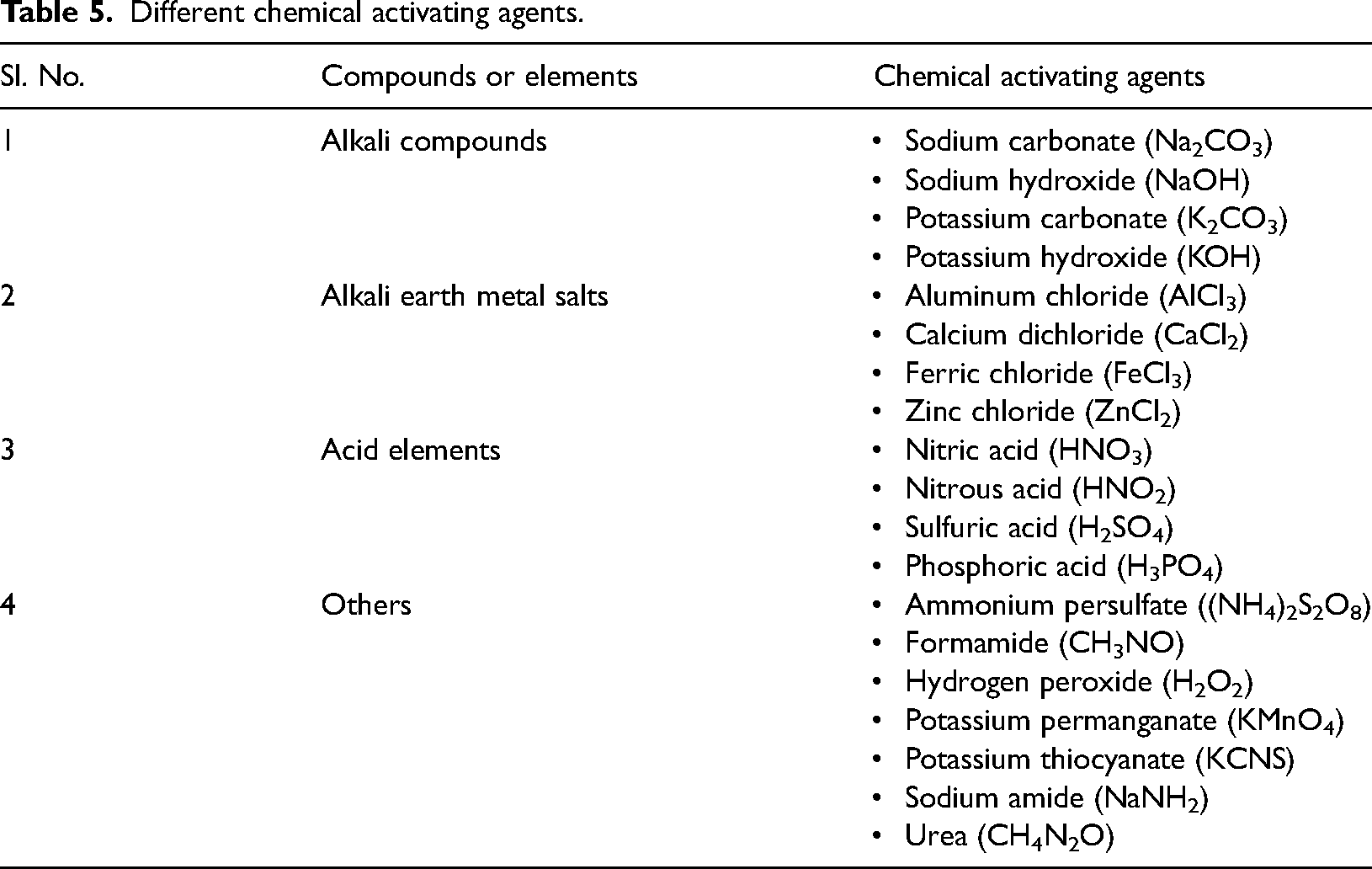
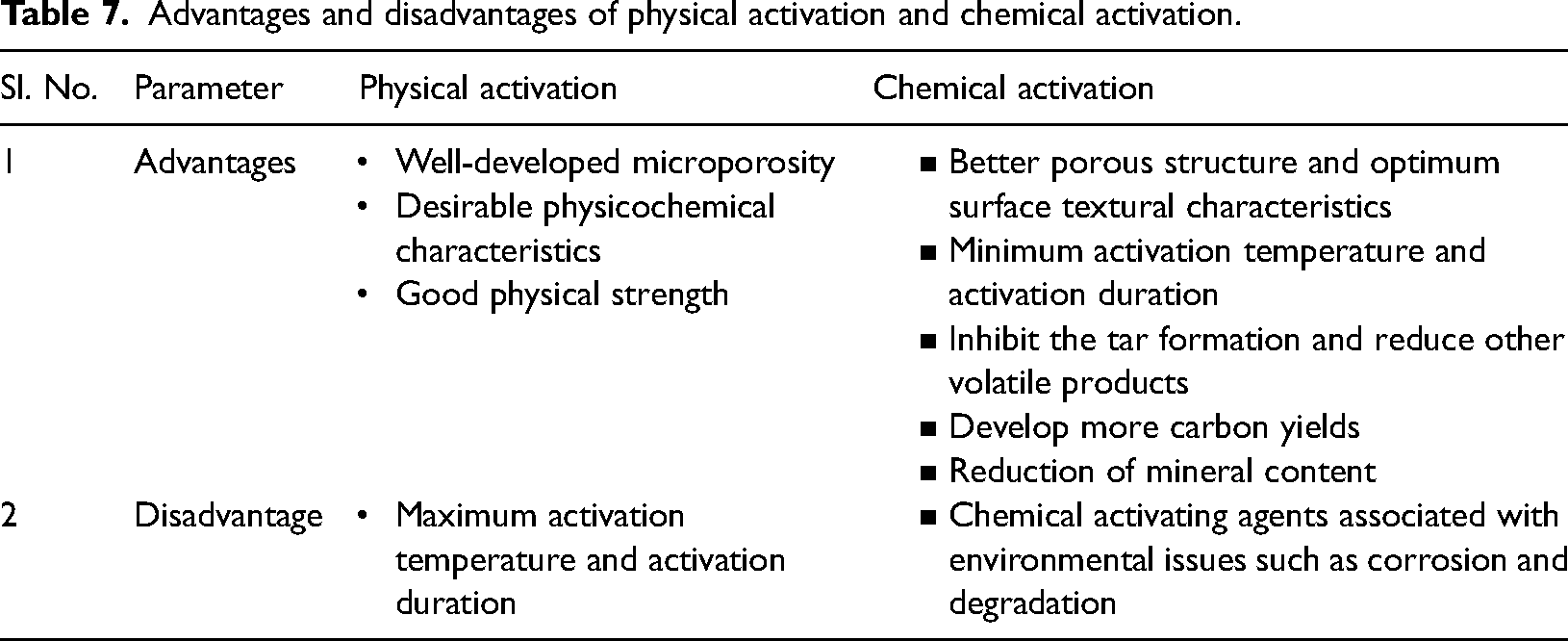
The main advantages of chemical activation are minimum temperature, shorter duration, high yield of the target product, uniform heating process, and reduction of the mineral content than physical activation. The demerits of chemical activation are (i) formation of impurities and (ii) corrosive properties of activating agents. Girgis et al. 72 discussed the use of the activating agent in chemical activation. Some of the considered factors are the impregnation ratio, selection of activating agent, the concentration of the activating agent, and activation time and temperature. During activation, the mentioned factors significantly (i) control the tar formation, (ii) inhibit the formation of unwanted impurities, and (iii) restrict any by-products. Finally, the chemically treated sample is washed with the appropriate acid or alkali compounds followed by distilled water. In the chemical activation method, washing is essentially done as the final step of the process. As a result, it helps to remove the occupied chemical compound in the carbon structure and enhances the porosity in activated carbon. Ioannidou et al. 93 reported that the porous activated carbon obtained from agricultural by-products would be more effective for adsorption. It should possess better characteristics that increase the adsorptive properties. Table 6 provides the important parameters of physical activation and chemical activation.
Physical activation and chemical activation.
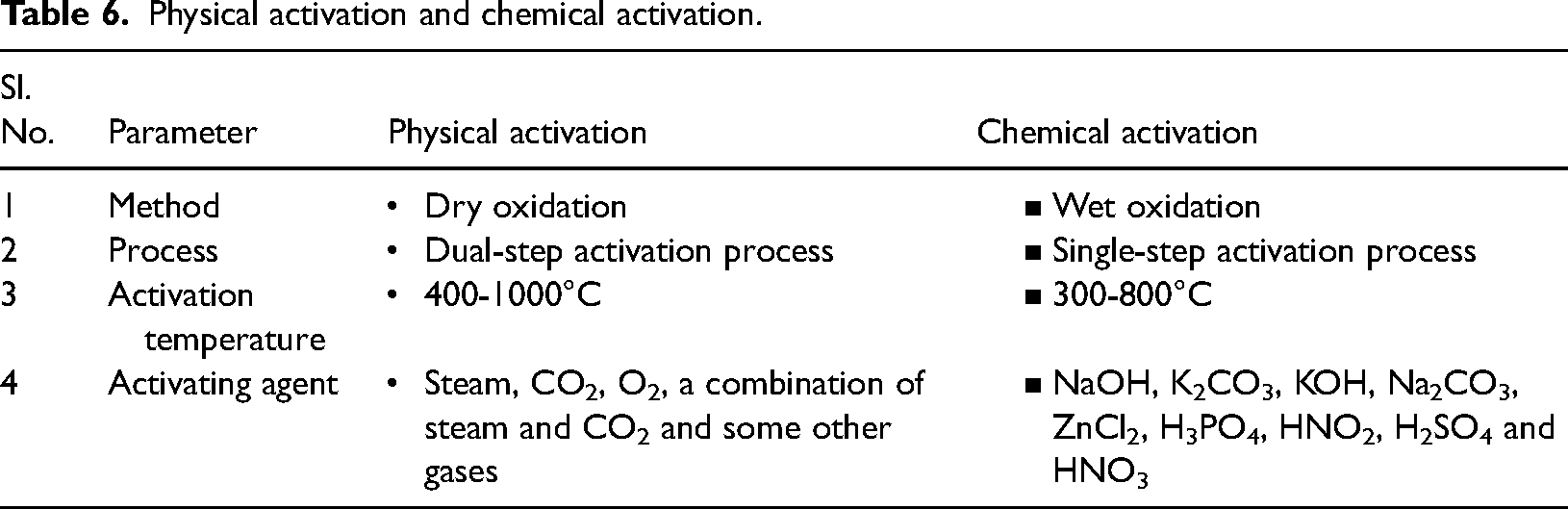
Table 7 presents the advantages and disadvantages of physical activation and chemical activation.
Advantages and disadvantages of physical activation and chemical activation.
Factors involved in the selection of activated carbon
The following factors are considered for the selection of suitable activated carbon: (a) high carbon and low inorganic contents, (b) superior adsorption capacity, (c) well-developed porosity and higher surface area, (d) good resistance to moistures and impurities, (e) high CO2 intake and selectivity against other molecules, (f) adequate mechanical strength and stable CO2 adsorption capacity in the multi adsorption-desorption cycle, (g) minimal energy consumption and operational cost, and (i) easy modification in terms of physicochemical characteristics, desirable properties, and surface chemistry without imposing high energy penalty.
Characterization and analytical methods
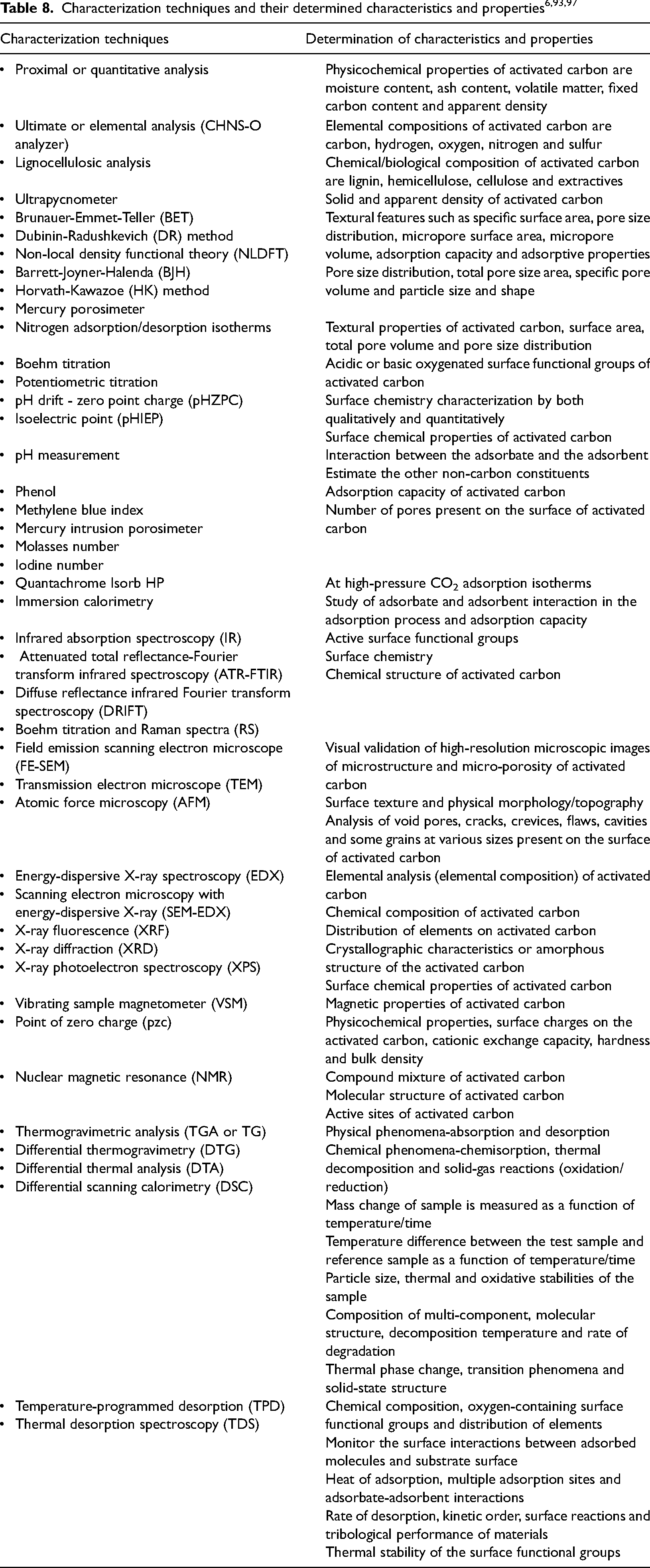
Characterization is the important and foremost step to confirm the suitability of activated carbon for adsorption. It is necessary to identify the surface textural characteristics and physical/chemical properties of activated carbon obtained from biomass residues or agricultural by-products. There are different techniques used to perform the proximate, ultimate and thermal analyses, and also determine physical, chemical, physiochemical, surface-chemical, surface structural and morphology, textural characteristics, adsorptive capacity, adsorptive behavior, and adsorptive properties. Table 8 provides the different characterization and analytical techniques used to determine the activated carbon's surface textural and physicochemical characteristics and physical/chemical properties.
Proximate analysis
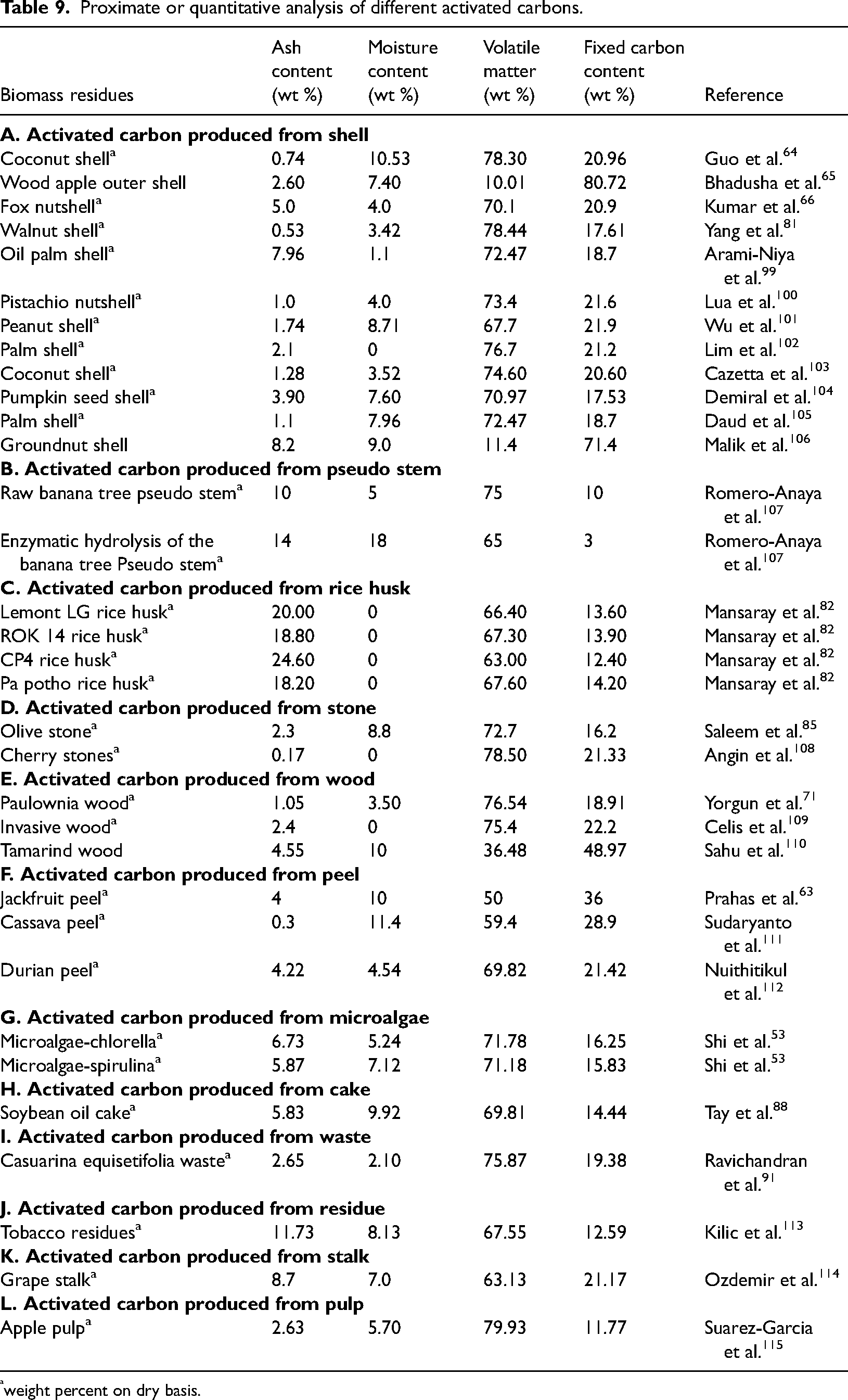
Proximate analysis is the quantitative analysis used to identify the percentage of volatile matter, moisture, ash, and fixed carbon contnent. 98 According to the American Society of Testing and Materials (ASTM standard), the quantitative analysis of the compound determines the chemical properties found in a given sample. Table 9 provides the proximate analysis of activated carbon obtained from different biomass residues.
Proximate or quantitative analysis of different activated carbons.
weight percent on dry basis.
It is necessary to identify the compositions of raw material and activated carbon for adsorption application. Volatile matter and fixed carbon content are the primary elements that greatly influence activated carbon for adsorption. The high volatile matter favors activated carbon production while decreasing the amount of ash content. Therefore, it significantly increases the amount of carbon yield and bio-char formation. It is apparent from the table that the maximum carbon content and minimum ash content are found in the activated carbon. Meanwhile, a significant quantity of carbon content will enhance the adsorption process. It is noticed that the minimum ash content (i.e. 0.17 wt %) and the maximum ash content (i.e. 24.60 wt %) are found in Cherry stone and CP4 rice husk, respectively. The higher and lower moisture contents are noticed about 11.4 wt % and 0 wt % for Cassava peel and Rice husks, respectively. The highest volatile matter and fixed carbon content percentages are noticed at about 78.50 wt % and 80.72 wt % for Cherrystone and Wood apple outer shell, respectively. On the other hand, the high volatile content present in the biomass feedstock can produce a significant porous structure of activated carbon.
Ultimate analysis
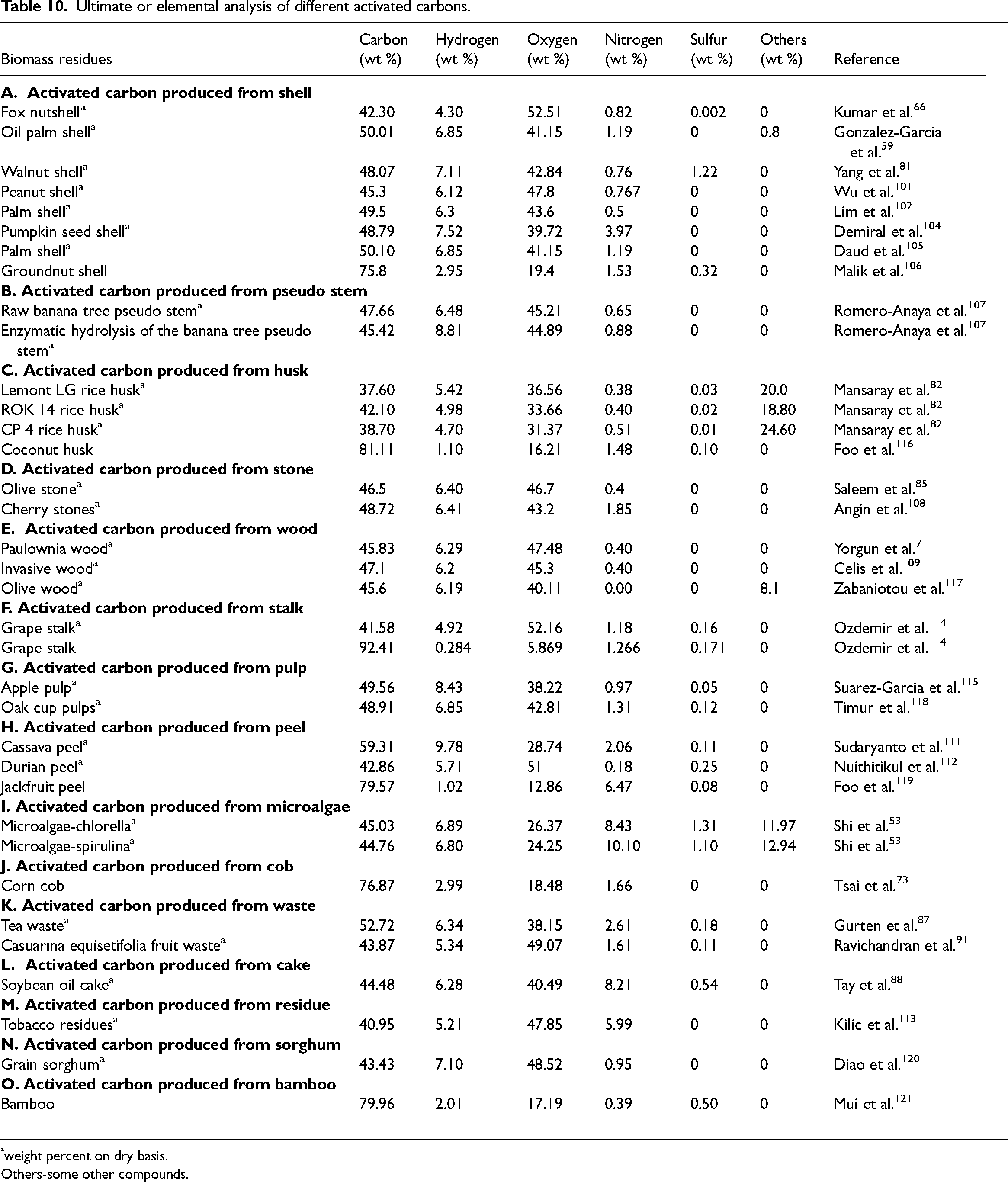
The ultimate analysis determines C, H2, N2, O2, and S. 98 These elemental compositions are the most fundamental chemical elements considered for the chosen raw material and activated carbon. A CHNS/O analyzer or elemental analyzer is an instrument used to examine the elements present in a given sample. Based on the biomass substances, the elemental compositions significantly vary from material to material. Table 10 presents the information of the ultimate analysis of activated carbons obtained from biomass residues.
Ultimate or elemental analysis of different activated carbons.
weight percent on dry basis.
Others-some other compounds.
Many researchers have documented their research works on the biomass-based activated carbon. Activated carbon originating from biomass substances shows distinct elemental compositions. It is seen from the table that the carbon content for all activated carbon is found to be maximum when compared to other elements. This is mainly due to the inherent carbonaceous nature of the chosen feedstock. Therefore, it indicates that activated carbon has a great potential to adsorb CO2. It is also noted that the amount of carbon is higher (i.e. 92.41 wt %) and lower (i.e. 31.60 wt %) in Coconut husk and Rice husk, respectively. The average percentage of H2, O2, S and N2 components ranges are 4–12 wt %, 20–45 wt %, 2–8 wt % and 0.05-1 wt %, respectively. From the ultimate analysis, it is easy to calculate the amount of CO2 and steam used for physical activation (i.e. gas/carbon molar ratio) and the amount and concentration of chemical agent (i.e. activating agent/carbon molar ratio) used for chemical activation. Therefore, a suitable impregnation ratio gives better surface characteristics of activated carbon.
Adsorption-desorption isotherms
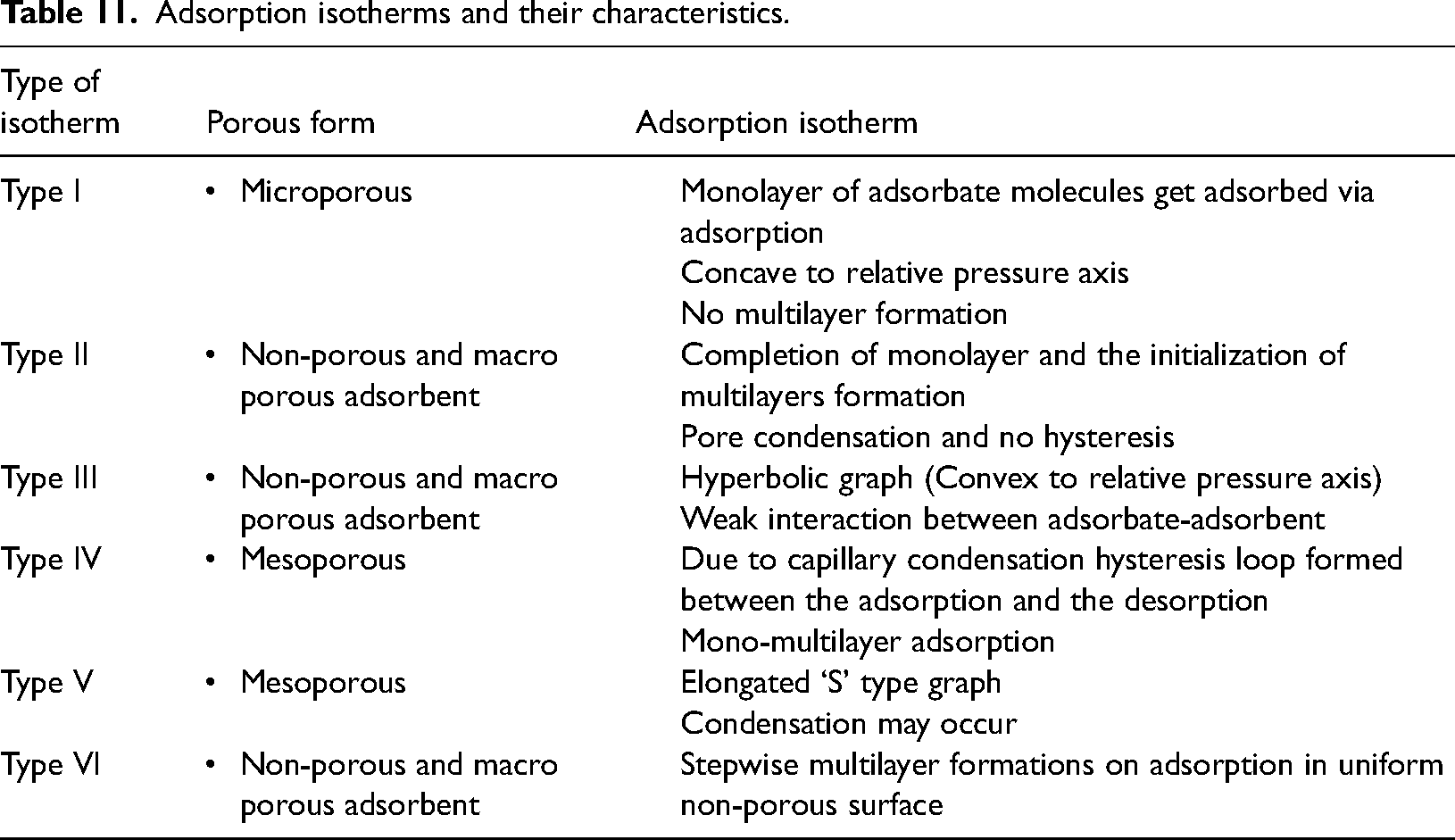
Adsorption isotherm is a process in which the gas molecules are adsorbed on the surface of adsorbent by surface phenomena (i.e. adsorbate and adsorbent interaction). The adsorption isotherm is a function of pressure at a given temperature. By increasing the pressure and decreasing the temperature in the adsorption column; activated carbon will tend to adsorb more CO2. The desorption isotherm is a process to remove the adsorbed gas molecules from the adsorbent's surface by decreasing the pressure and increasing the temperature in the desorption column.

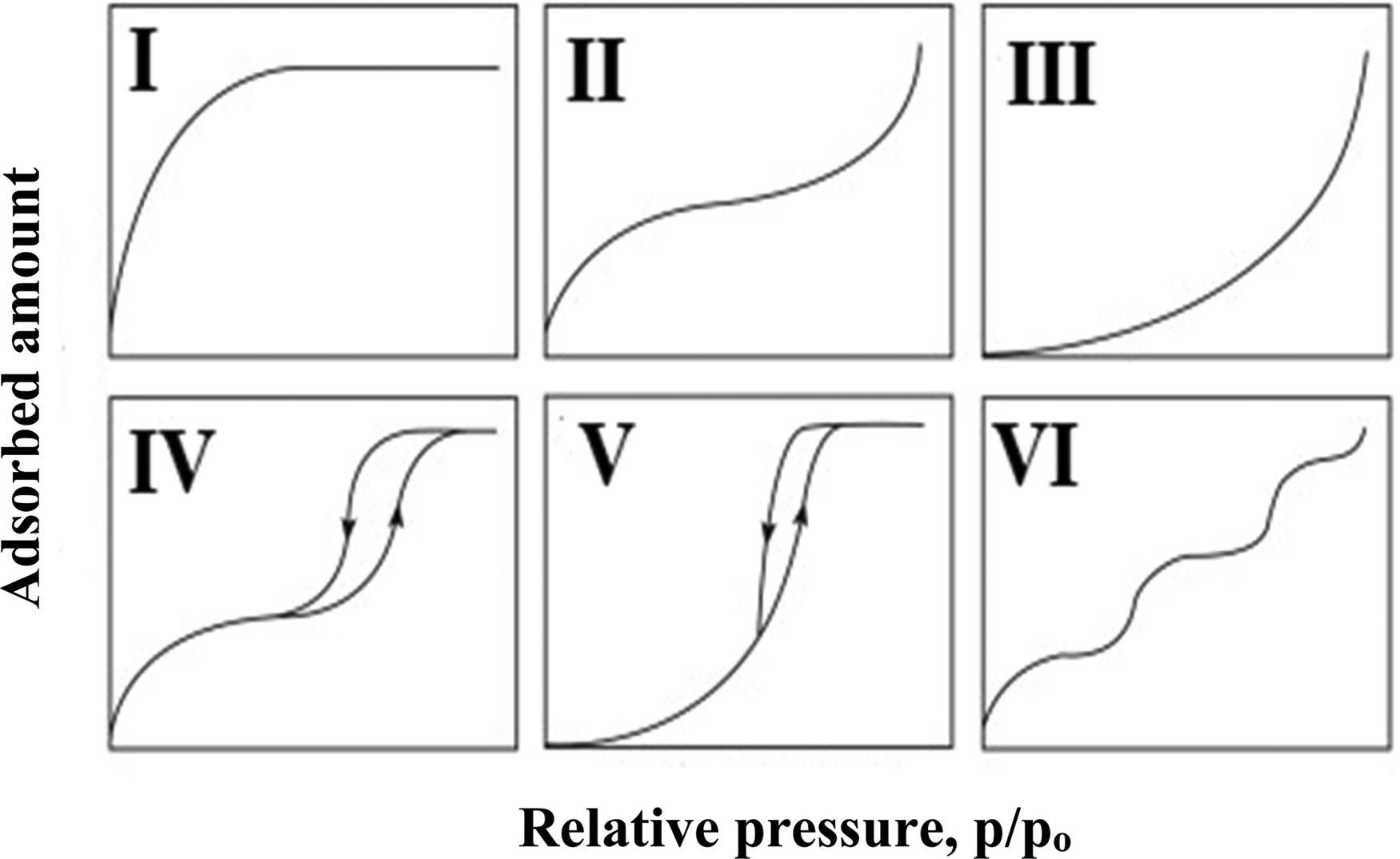
Table 11 gives the adsorption isotherms and their characteristics are classified according to the IUPAC.
Adsorption isotherms and their characteristics.
Specific surface area
Surface area is one of the most important properties of activated carbon that is considered for real-time adsorption applications Because it strongly influences the reactivity and behavior of activated carbon. It is mainly related to the surface texture, particle size and morphology of the sample. A larger surface area and higher pore volume of activated carbon play an important role in adsorption. Similarly, the active sites and surface functional groups are directly proportional to the adsorption capacity of activated carbon. It also influences strong interaction between the adsorbate and the adsorbent. 85 Table 12 provides the different adopted adsorption methods, assumptions, and determined characteristics.
Characterization of adsorption methods and their determined characteristics. 122

Surface porosity - pore size, pore volume, and pore size distribution
A porous structure of activated carbon plays a vital role in the adsorption kinetics and dynamic mechanism. It means that the adsorbate molecules can easily access available pores in the adsorbent. The size of the adsorbent pore should be greater than the size of the adsorbate molecule. Then only adsorbate molecules can accumulate and adhere to the surface of the adsorbent. According to the IUPAC classification, the pores are classified based on their sizes of material. 125 Table 13 presents the different pore sizes and their ranges.
Different pore sizes and their range.
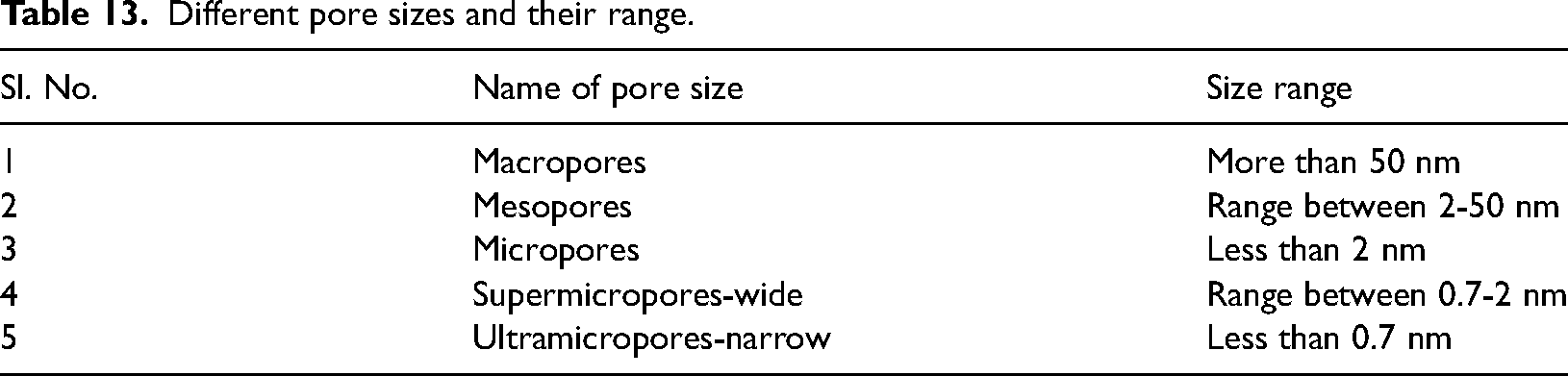
The pore size of activated carbon plays an important role in adsorptive behavior. It is noticed that the porosity is mainly related to pores size, pores shape, pores volume and pore size distribution. Figure 5 shows the different pore sizes present in the material.

Surface morphological aspects
Scanning electron microscopy (SEM) is used to study the surface morphology, topography, tortuosity, pore size and shape of the material. It provides the high resolution of micrograph images, which elucidate the uneven and even cavities, cracks, holes, open and filled pores and some grains are present on it. The smoother surface structure, high degree of porosity and active adsorptive pores in activated carbon can be achieved by adopting suitable activation methods and optimum impregnation ratio.6,127 Figure 6 depicts the porous form of carbonaceous materials and their different characterization techniques.
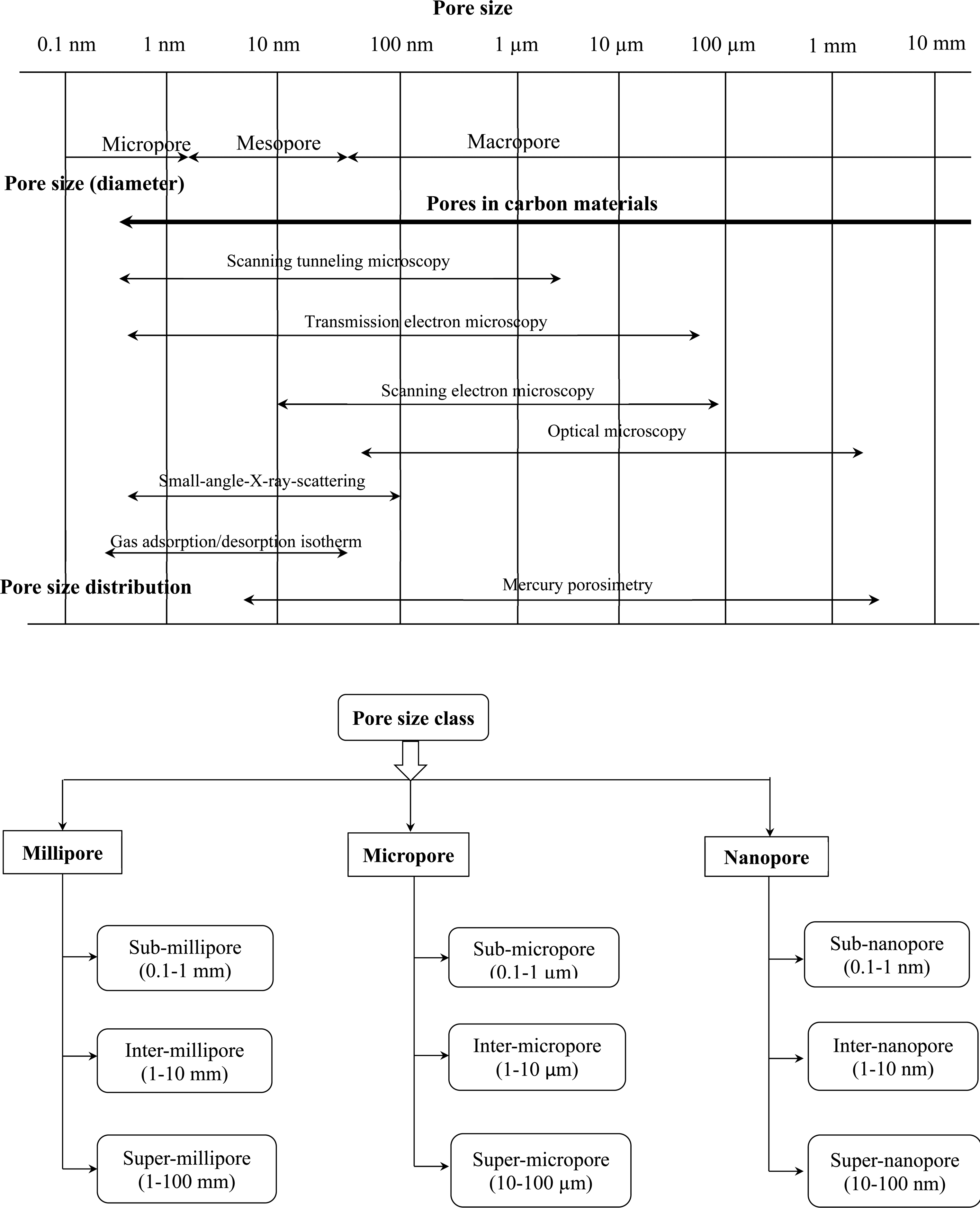
(a) Different pore sizes and their characterization techniques. 122 ,126 (b) classification of pore sizes.
According to the IUPAC classification, the pore size is categorized into three main types: (i) microporous (1–100 µm), (ii) millipore (0.1–100 mm), and (iii) nanoporous (0.1–100 nm). Figure 6(b) shows the classification of main pore sizes and sub-division of the pore sizes.
The critical factors directly related to high adsorption capacity are the surface area, internal porosity, surface structure, pore volume, and pore-size distribution. The activation treatment of activated carbon can significantly enhance the porous structure and adsorption performance.59,93
Surface chemistry or surface functional groups
Fourier transform infrared spectroscopy (FTIR) analysis provides detailed information about the surface functional groups and surface chemistry present in activated carbon. Generally, the adsorption capacity of activated carbon is directly linked to the surface area, porosity, and especially surface functional groups. The surface functional groups significantly contribute to the activated carbon's adsorption behavior and adsorption capacity. Activated carbon is characterized by infrared spectroscopy (400–4000 cm−1) to examine surface functional groups. Mainly, activated carbon is associated with the different heteroatoms: H2, N2, O2, S, halogen, phosphorous, and other elements. These elements are chemically bonded to the chemical structure of the activated carbon.85,128 Figure 7 shows the chemical structure of the active surface functional groups present in activated carbon.
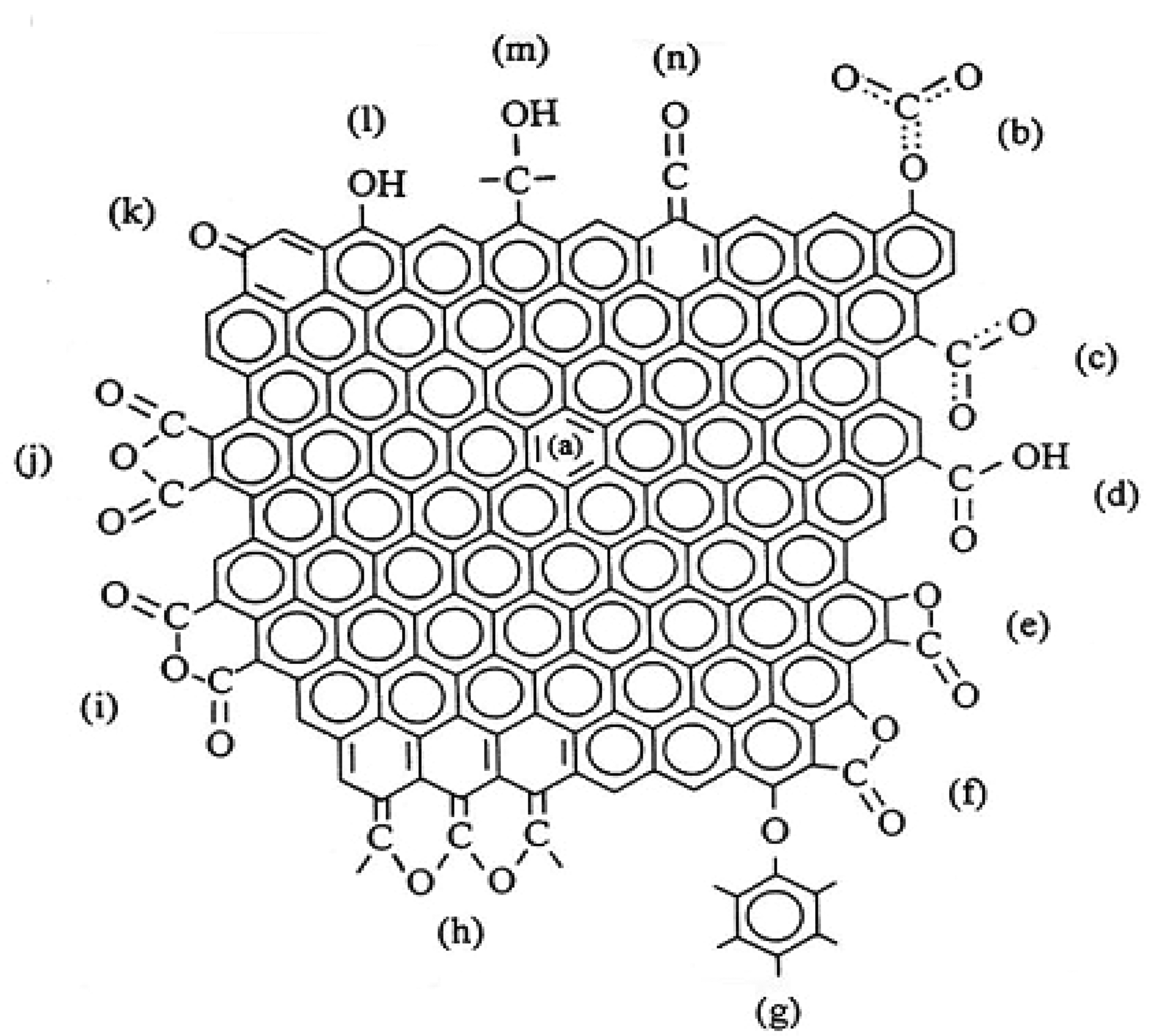
Chemical structures of surface functional groups. 60
The different functional groups present in activated carbon are as follows, (a) aromatic C = C stretching; (b) and (c) carboxyl carbonates; (d) carboxylic acid; (e) lactone (4-membered ring); (f) lactone (5-membered ring); (g) ether bridge; (h) cyclic ether; (i) cyclic anhydride (5-membered ring); (j) cyclic anhydride (6-membered ring); (k) quinine; (l) phenol; (m) alcohol; and (n) ketene. Table 14 gives the details of the FTIR analysis for different activated carbons with absorption peaks and corresponding surface functional groups.
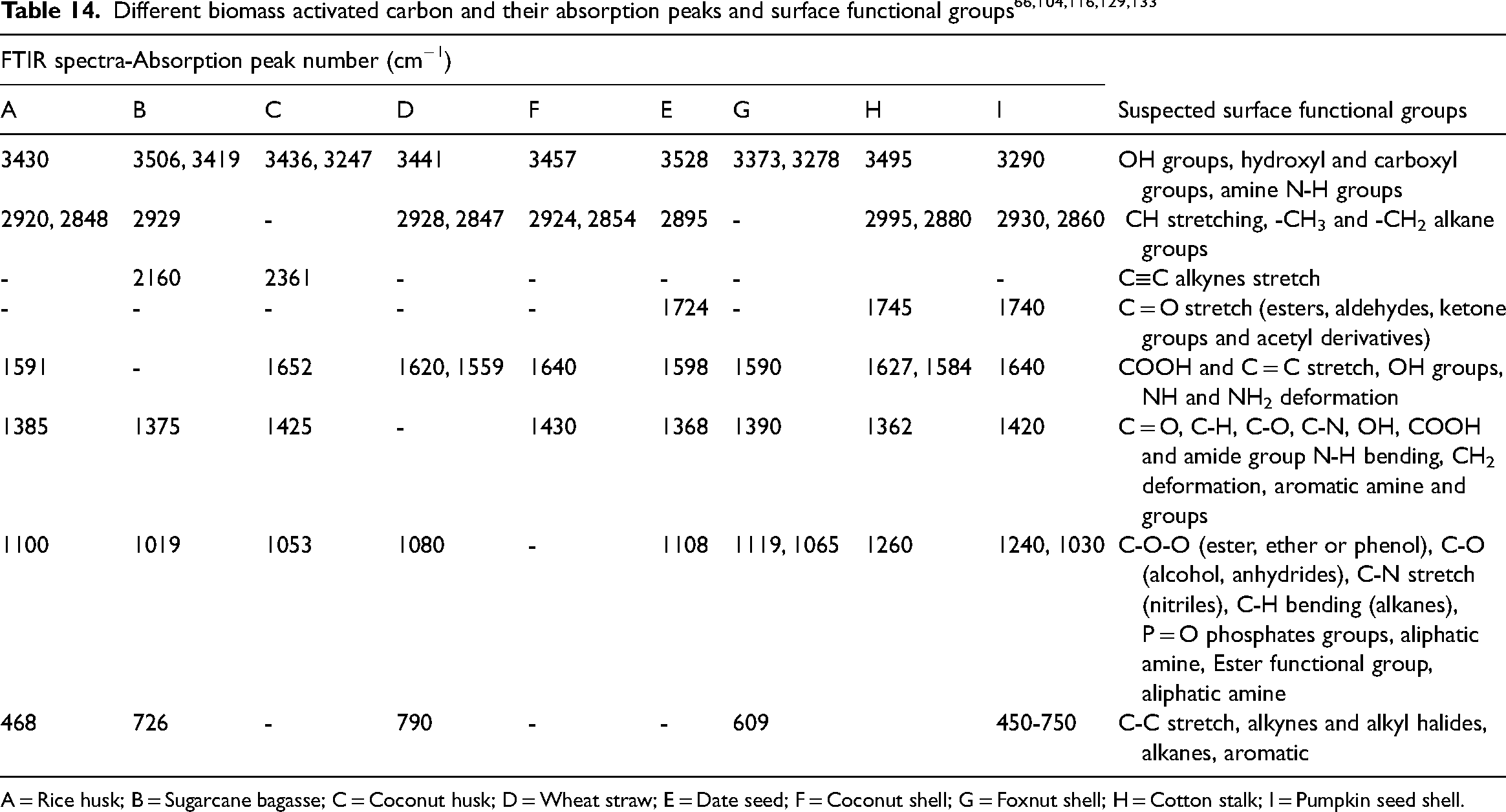
A = Rice husk; B = Sugarcane bagasse; C = Coconut husk; D = Wheat straw; E = Date seed; F = Coconut shell; G = Foxnut shell; H = Cotton stalk; I = Pumpkin seed shell.
Few researchers examined the absorption peaks and surface functional groups of activated carbon by FTIR analysis, and the details are listed in Table 14. It is noticed that the hydroxyl (-OH), carboxyl (C = O), and carbonyl (COOH) surface functional groups (i.e. oxygen-containing groups) are influential groups for adsorption. These three oxygen-containing surface functional groups are generally present in activated carbon from the various feedstock. The nature of the activating agent, the concentration of the impregnant and the impregnation ratio are directly linked to the oxygenated surface groups of activated carbon.66,104,116,129,130 In addition to that, the nitrogen functional groups present in activated carbon also play a significant role in adsorption.131,134
Thermal stability
Thermogravimetric analysis (TGA) provides detailed information about the weight loss of the given materials as a function of temperature/time. There are three main stages of decomposition: (i) the first stage represents the decomposition of organic matter into the smaller molar mass to release the volatile gaseous components; (ii) the second stage in which stage intermediate component gets decompose to liberate other volatile species, tar and char; and (iii) the third stage indicates the degradation of materials. Biomass mainly comprises three lignocellulosic components: cellulose, hemicellulose, and lignin as discussed earlier in Section 3. At different temperature ranges, decomposition will occur in lignocellulosic components. It purely depends on the composition of natural fibers. Generally, the decomposition temperature ranges for cellulose, hemicellulose and lignin are 200–500°C, 180–400°C and 150–800°C, respectively. 135 Table 15 gives the information of TGA analysis for activated carbon obtained from different feedstock and their decomposition temperature range and percentage of weight loss.
TGA analysis of biomass activated carbon at different stages of decomposition.

*NA – Not Available, Temp. - temperature.
The thermal characteristics of activated carbon (i.e. thermal stability) are determined by the TGA method, and the results obtained in different research works are reported in Table 15. Activated carbon is subjected to thermal decomposition by gradually increasing temperature. At a particular temperature range, the sample starts degrading that helps to evaluate the thermal characteristics. It is inferred from the analysis that the biomass-based activated carbon can be used at a high temperature for better adsorption. In the first stage, activated carbon undergoes decomposition of weight loss (8–15 wt. %) due to the elimination of moisture content and volatile matter. Detarium microcarpum shell and Balanite aegyptiaca shell-based activated carbons reach more than 245°C and the peak temperature of the remaining activated carbon is less than 200°C due to the presence of moisture. In the second stage of decomposition, the significant weight loss (50–70 wt %) occurs at a temperature range of 250–550°C. This is due to the degradation and distillation of tar components. At a temperature range of 750–900°C, the total weight loss (15–30 wt %) is achieved in the sample. Hence, it can be concluded that the activation temperature at above 500°C is suitable for the activated carbon preparation.
Adsorption capacity
Adsorption capacity is one of the vital characteristics of activated carbon. In this context, several natural raw materials (i.e. biomass residues or agricultural by-products) are used to produce efficient activated carbon. The developed activated carbon is treated with methylene blue at the optimum operating conditions to examine its maximum adsorption capacity. Table 16 presents the operating condition and maximum adsorption capacity of the biomass-based activated carbon.
Different biomass based-activated carbons and their maximum adsorption capacity.
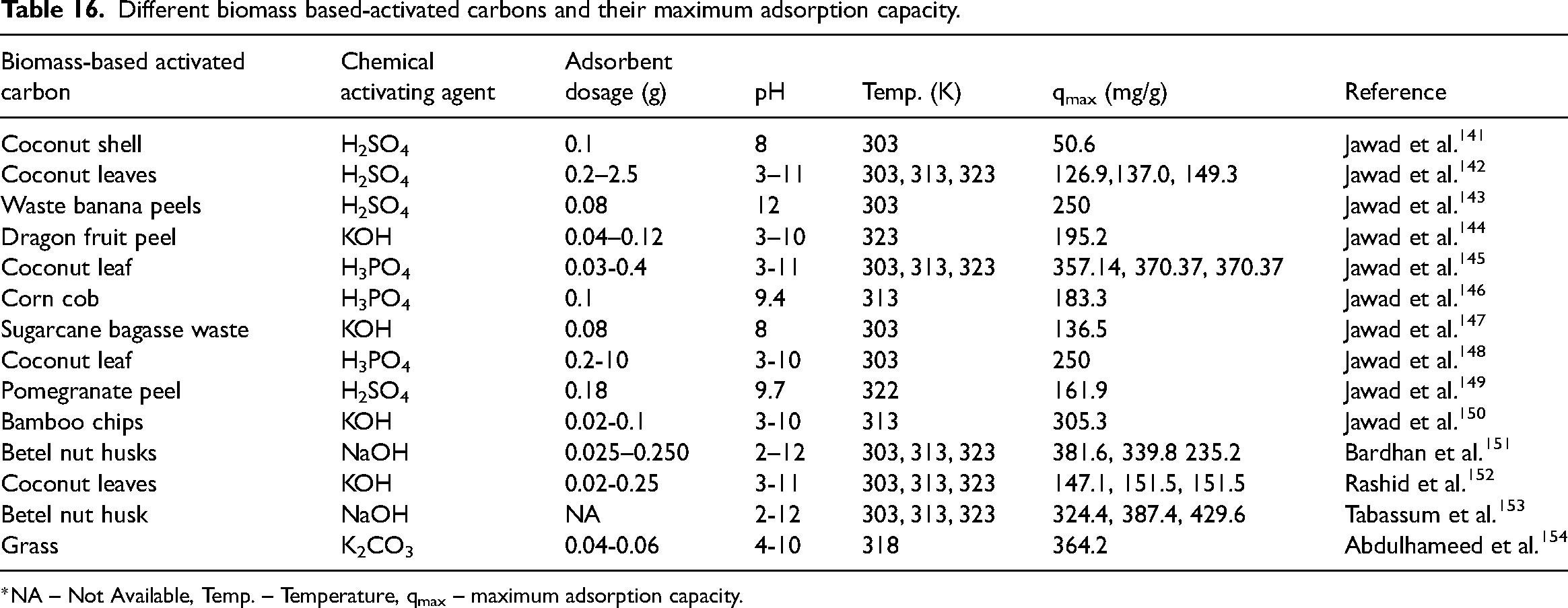
*NA – Not Available, Temp. – Temperature, qmax – maximum adsorption capacity.
Jawad et al.141,150 explored the feasibility of activated carbon obtained from different feedstocks such as used coconut (Cocos nucifera) shell, coconut leaves, waste banana peels, dragon fruit peels, corn cob, sugarcane bagasse waste, pomegranate peel, and bamboo chip. The chemical activating agent, operating condition, and finding of the maximum adsorption capacity of each activated carbon are given in Table 16. Bardhan et al. 151 prepared activated carbon from agricultural by-products of betel nut husks with NaOH chemical activation. The adsorption isotherm of methylene blue was performed at three different temperatures viz., 30, 40, and 50°C and their corresponding maximum adsorption capacities of activated carbon were about 381.6, 339.8, and 235.2 mg/g, respectively. Rashid et al. 152 developed activated carbon from coconut leaves with the chemical activation using KOH. Activated carbon was treated with methylene blue at operation conditions: a dosage of 0.02–0.25g/100 mL and solution pH of 3–11. It was found that the maximum adsorption capacities of activated carbon were147.1, 151.5, and 151.5 mg/g at 303, 313, and 323 K, respectively. Tabassum et al. 153 examined the samples of activated carbon obtained from betel nut husks with chemical activation using NaOH. The sample was processed with methylene blue to examine its maximum adsorption capacity. It was reported that the maximum adsorption capacities were about 324.4, 387.4, and 429.6 mg/g attained at the temperature of 30, 40 and 50°C, respectively. Abdulhameed et al. 154 investigated the grass-based activated carbon with impregnating K2CO3 for activation at a temperature of 700°C. The activated carbon sample was subjected to the methylene blue treatment at a dosage of 0.06g to examine its maximum adsorption capacity. It was reported that the feasibility of activated carbon has a maximum adsorption capacity of 364.2 at a temperature of 45°C.
Parameters influencing the characteristics of the activated carbon
Effect of activating agents
The surface characteristics of activated carbon can be modified by using either a physical or chemical activating agent. The pores development on the surface of activated carbon is mainly achieved by three significant steps viz., (i) opening of already inaccessible pores, (ii) generating new pores by using suitable activating agents and activation methods, and (iii) enlarging and magnifying of the existing available pores. 127 The carbon yield and well-developed porosity are superior and effective in the chemical activation method when compared to the physical activation method for the preparation of the activated carbon. 155
Activating agents used in physical activation
Air, CO2 and steam are excellent activating agents that are most commonly used in the physical activation method. The carbonized bio-char reacts with air (10 times) and steam (8 times) are faster than that of CO2 (slow reaction rate). 4 Ruiz-Fernandez et al. 155 experimentally investigated the effects of steam activation on Vine shoot activated carbon produces meso and macro-porosity than CO2 activation. It is found that activated carbon exhibited large pore size distributions. The CO2 activation developed the microporous surface texture compared to steam activation. For physical activation, the performance of the physical activating agents is given in the following order: steam > air > CO2. Similarly, the carbon yield also depends on the activating agents is shown in the following order: CO2 > air > steam.
Activating agents used in chemical activation
The chemical activating agent is also known as an activator or oxidizing agent or activating catalyst or dehydrating agent. It is mainly used for chemical activation purposes. The chemical activating agents are used to develop more pores on activated carbon. It is non-toxic, non-corrosion, and has non-harmful properties. 53 It mainly promotes decomposition and induces the catalytic bond cleavage by forming link structures and triggering to develop the pores. Ruiz-Fernandez et al. 155 prepared Vine shoot-based activated carbon by using chemical activation with the different chemical agents. It was reported that a high carbon yield was achieved in the following order of the chemical activating agent: ZnCl2 > H3PO4 > KOH. It was also noticed that the Vine shoot activated carbon developed micro and mesoporosity by using ZnCl2 and H3PO4. The same activated carbon formed macro-porosity by using KOH.
Effect of carbon yield and impregnation ratio
The selection of a suitable raw material and appropriate preparation methods significantly influence the activated carbon's characteristics. The different parameters such as activation temperature and duration, activation method and process, activating agent, heating rate, impregnation time, and concentration and impregnation rate of impregnants greatly influence the carbon yield and quality of activated carbon. As the activation temperature and impregnation ratio increase, activated carbon yield gradually decreases. The parameters significantly influence the maximum adsorption capacity of activated carbon are given in the following order: activation temperature > concentration of activating agent > impregnation ratio > activation time. Similarly, the parameters significantly impact the high amount of carbon yield achieved are given in the following order: activation temperature > activation time > impregnation ratio > concentration of activating agent. 5
The following expression can be used to calculate the percentage of the carbon yield

Characteristics of activated carbons prepared from biomass residues.

*NA-Not Available, BET surface area = SBET (m2/g); Total pore volume = VTotal (cm3/g).
Many research works were carried out by varying the impregnation ratio to develop activated carbon. Kumar et al. 66 conducted an experimental investigation of Fox nutshell activated carbon by chemical activation using ZnCl2. At the impregnation ratio of 2:1, the prepared activated carbon exhibited a maximum surface area of 2869 m2/g and a total pore volume of 1.96 cm3/g. Shi et al. 53 developed activated carbon from Microalgae spirulina by using KOH. At the impregnation ratio of 2:1, the obtained activated carbon showed a surface area of 404.8 m2/g and a total pore volume of 0.23 cm3/g. Kilic et al. 113 explored the feasibility of activated carbon prepared from Tobacco residues by using KOH and K2CO3. About 75 wt % of KOH and K2CO3 were used for impregnation. It was reported that the surface area of activated carbon was 1474 and 1635 m2/g for KOH and K2CO3, respectively. De Celis et al. 109 developed the Saw-dust invasive Wood-based activated carbon by chemical activation using H3PO4. The impregnation was performed at 50 wt % of H3PO4 and Saw-dust invasive wood maintained at 450°C, 0.5 h. Activated carbon exhibited the highest surface area of 2281 m2/g and the total pore volume of 1.7 cm3/g.
Diao et al. 120 evaluated activated carbon produced from Grain sorghum by using H3PO4. The authors experimentally investigated the different impregnation ratios viz., 10 wt %, 20 wt %, 35 wt %, and 50 wt %. Especially, at 35 wt % of H3PO4 of the developed activated carbon showed the surface area of 346 m2/g and 547 m2/g for single and double stage activation, respectively. It was also reported that H3PO4 concentration was more induced to develop many pores on the surface of activated carbon. Alhassan et al. 169 carried out the performance assessment of activated carbon obtained from a mixture of Jatropha curcas shell treated with KOH and triethanolamine (TEA). Activated carbon was developed from three different impregnation ratios, such as 2.5 wt %, 5 wt %, and 7.5 wt %. The determined CO2 adsorption capacities of activated carbon were 66 mg/g and 78 mg/g for Jatropha curcas shell and Jatropha curcas shell treated TEA, respectively. It was reported that the Jatropha curcas shell treated with TEA showed the same CO2 adsorption capacity up to seven turns of cycles.
Effect of activation temperature on surface area and pore size
The carbonization and activation temperatures are the two main factors that significantly influence the activated carbon's surface properties and characteristics. Activated carbon obtained from the high temperature carbonized sample shows the large-specific surface area, well-developed internal porosity, and low carbon yield compared to those of the activated carbon obtained from the low temperature carbonized sample. Similarly, the low carbonization temperature maintained in the sample gives more volatile matter and a less order structure than the high carbonization temperature. 97 Table 18 gives the information of activated carbon obtained from biomass, the physical and chemical activating agents, appropriate activation temperature and specific surface area and total pore volume.
Characteristics of activated carbons prepared from biomass residues.

*NA-Not Available, Temp. = Temperature, BET surface area = SBET (m2/g); Total pore volume = Vtotal (cm3/g).
Several researchers documented their research works on the production of biomass-based activated carbon by using activation methods. Kumar et al. 66 investigated the Fox nutshell activated carbon by using ZnCl2. At the activation temperature of 700°C, activated carbon exhibited a maximum surface area of 2869 m2/g and a total pore volume of 1.96 cm3/g. Shi et al. 53 developed and examined activated carbon produced from Microalgae spirulina by chemical activation using KOH. At the activation temperature of 600°C, activated carbon showed a surface area of 404.8 m2/g and a total pore volume of 0.23 cm3/g. Diao et al. 120 investigated the effect of activation temperature on the biomass-based activated carbon. Activated carbon obtained from Grain sorghum was maintained at the activation temperature of 600°C (single-stage activation) and 500°C (double-stage activation). The surface area (547 m2/g) of activated carbon for double activation was higher when compared to the surface area (346 m2/) of activated carbon for a single activation. Maneerung et al. 127 evaluated activated carbon produced from Woody biomass by using physical activation. Steam was used for the activation to maintain the activation temperature of about 900°C. The sample exhibited a surface area of 776.46 m2/g and an adsorption capacity of 189.93 mg/g. It also reported that the surface functional groups such as hydroxyl ( − OH) and carboxyl ( − COOH) groups present on the surface of activated carbon highly attribute to adsorption. In an investigation, Ogungbenro et al. 131 explored the possibilities of producing activated carbon from Date seeds via physical activation. At the temperature of 600°C, the pyrolyzed date seed-based activated carbon was obtained. At the activation temperature of 900°C, the optimized date seed-based activated carbon was achieved. The pyrolyzed date seed activated carbon and optimized date seed activated carbon exhibited the maximum CO2 adsorption capacities of 64.96 mg/g and 141.14 mg/g, respectively.
Conclusions and prospects
This review article gives a comprehensive review of activated carbon obtained from different biomass sources that were chosen based on suitability, pre-treatment process, preparation methods, modification methods, possible characterization techniques, and adsorption performance. The findings related to production, characterization, and adsorption characteristics have been reviewed, discussed and summarized. The effect of activating agents, the concentration of the activating agents, impregnation ratio, activation temperature and activation duration greatly influence the adsorption performance of activated carbon that has also been discussed and presented. The following points are the important conclusions of this review;
Inexpensive and renewable biomass-based residues are used as raw materials to produce activated carbon and can be potentially used for CO2 adsorption Due to their excellent physicochemical properties, surface textural characteristics and maximum adsorption capacity. Large surface area, greater porosity and active surface functional groups significantly contribute to CO2 adsorption performance. Surface modification on activated carbon with remarkable adsorptive properties and finding optimum operating conditions could significantly enhance the adsorption performance. At the impregnation ratio of 4:1, H3PO4 impregnated Lotus stem and Paulownia-wood-based activated carbon showed the maximum surface area of 2893 m2/g and 2806 m2/g; and the most significant total pore volume of 1.59 cm3/g and 1.74 cm3/g, respectively. Among the chemically impregnated activated carbon, ZnCl2 impregnated Fox nutshell activated carbon exhibited the highest total pore volume of 1.96 cm3/g. KOH treated Plum stones activated carbon showed the utmost highest surface area of 3228 m2/g. Waste coffee ground-based activated carbon showed the highest CO2 uptake of 23.3 mmol/g, at 10 bar and 273 K. Activated carbon produced from Jujun grass and Camellia Japonica exhibited the maximum CO2 adsorption capacity of 21.1 mmol/g, at 20 bar and 298 K. Activated carbon obtained from Mesquite wood exhibited the superior CO2 adsorption capacity of 26.0 mmol/g, at 30 bar and 298 K. Hence, it can be concluded that the maximum adsorption capacity of activated carbon could be achieved by increasing the pressure and decreasing the temperature. Finally, the above-mentioned findings confirmed that biomass-based activated carbon could be effectively used as advanced adsorbents to remove CO2 from CO2 contained gas streams.
Future outlook and scope
More research studies are needed to develop novel adsorbent materials for the application of CO2 adsorption. The in-depth analyses of characteristics and properties of the adsorbent studies are also required to improve their significance in CO2 adsorption performance.
Key points/Highlights
Inexpensive biomass residue or agricultural by-product is used as feedstock/raw material to prepare potential activated carbon for CO2 capture.
Different characterization techniques are used to determine the physicochemical properties, surface textural characteristics and adsorptive properties of activated carbon.
Surface modification, porous structural properties, active surface functional groups, active adsorptive pores and excellent adsorption capacity of the activated carbon gives better CO2 adsorption.
Footnotes
Declaration of conflicting interests
The author(s) declared no potential conflicts of interest with respect to the research, authorship, and/or publication of this article.
Funding
The author(s) received no financial support for the research, authorship, and/or publication of this article.
