



Abstract
In 2020, China proposed the goal of reaching carbon peaking and achieving carbon neutrality. The realization of dual-carbon goals necessitates the support of policies. This study constructs a three-dimensional analytical framework encompassing policy objectives, policy instruments, and policy effectiveness to elucidate the internal logic and implementation outcomes of dual-carbon policies from multiple perspectives. This analysis, on the one hand, provides a clear understanding of the current application status and characteristics of various dual-carbon policy instruments, and on the other hand, it identifies the strengths and weaknesses of these policies. Consequently, this research offers valuable insights into future policy formulation and implementation. The findings reveal discrepancies between central and local governments concerning the priorities of policy objective execution, with the national level allocating relatively less attention to areas like green finance and carbon sequestration. Additionally, the distribution of policy instruments is uneven, with an over-reliance on environmental policy instruments and under-utilization of supply-side and demand-side policy instruments. It performs well in terms of policy timeliness and the use of policy instruments, but it scores poorly in terms of 1 + N policy. At the same time, there is a significant gap in PMC scores among regions. In response to the existing issues, this study proposes several measures aimed at advancing the achievement of dual-carbon targets. These include enhancing the formulation and implementation of policy documents pertaining to green finance and carbon sequestration, optimizing the structure of policy instruments, and refining the “1 + N” policy framework.
Introduction
Global climate change poses a formidable challenge to humanity, prompting the international community to reach a consensus on emissions reduction and carbon mitigation to combat its impacts. At the 75th United Nations General Assembly Summit, General Secretary Xi Jinping proposed achieving the carbon peak by 2030 and carbon neutrality by 2060. This dual-carbon objective holds profound significance for both China and the global community, 1 necessitating concerted efforts from the government, industry, and the populace at large. 2 Challenges such as the nascent stage of low and zero carbon technologies, 3 regional disparities in achieving carbon neutrality, 4 and potential impacts on GDP growth due to emission control policies need to be addressed to realize the dual-carbon goals. Since the introduction of the “3060” target by General Secretary Xi Jinping, a series of policies has been unveiled across various sectors and regions. Notably, the State Council released the “Opinions on the Complete and Accurate Implementation of the New Development Concept for Carbon Neutrality” in September 2021, followed by the issuance of the “Action Plan for Carbon Peak by 2030” in October, which serves as a cornerstone document within the policy framework. Subsequently, complementary policies to facilitate the achievement of the carbon peak have been introduced by stakeholders from diverse sectors of society.
A comprehensive analysis and study of the policy system is needed to determine whether policies can support the achievement of the dual-carbon objective. 5 Academics and policymakers have acknowledged the importance of policy assessment for understanding policy objectives and the effects of policies on practice. 6 Problems can be identified, lessons learned, and improved methods for formulating future policies can be proposed through policy evaluation. Therefore, this paper conducts a comprehensive analysis and evaluation of the dual-carbon policy system through a three-dimensional analytical framework that encompasses policy objectives, policy instruments, and policy effectiveness. This framework is based on systematic and integrated considerations. Firstly, policy objectives serve as the starting and ending points of dual-carbon policies. They clarify the core orientation of the policies and guide policy formulation. Secondly, policy instruments represent the specific means and methods for achieving policy objectives. Different types of policy instruments require coordination and synergy to form a combined force, collectively driving the realization of dual-carbon goals. Lastly, policy effectiveness refers to the actual results and impacts generated after the implementation of dual-carbon policies. By assessing policy effectiveness, issues and deficiencies in policies can be promptly identified, providing a basis for policy adjustment and optimization. The three-dimensional analytical framework integrates policy objectives, policy instruments, and policy effectiveness into a cohesive whole, facilitating an in-depth exploration of the intrinsic connections and interactions among policies. Additionally, it possesses strong practicality, offering guidance to governments, businesses, and the public. This, in turn, facilitates the implementation and optimization of dual-carbon policies and promotes the achievement of dual-carbon objectives.
The main contributions of this paper are: (i) from the policy formulation perspective, this research constructs a three-dimensional objective-instrument-effectiveness framework to analyze and assess the dual carbon policy system on several levels; (ii) in the dimension of policy effectiveness, the evaluation index system of dual-carbon policy is constructed, and the improved PMC index model is used to evaluate the effectiveness of dual-carbon policies in various provinces quantitatively. The strengths and weaknesses of each dimension are visually depicted through the PMC surface map, furnishing valuable insights for the refinement and optimization of governmental policy formulation processes; (iii) studying the entire dual-carbon policy system, rather than a separate policy, is of greater reference significance for the government to grasp the entire dual-carbon policy structure and achieve the dual-carbon goal.
The remainder of this paper is as follows: The second part is a review and summary of the literature. The third part is the construction of the three-dimensional framework and the data source. The fourth part is the analysis of the policy goal-policy tool dimension. The fifth part is the calculation and analysis of the Z-policy effectiveness dimension. The sixth part is the conclusion and policy recommendations of the paper.
Related work
The dual-carbon policy represents a pivotal initiative driving economic transformation in China and potentially the global economy. The realization of dual-carbon goals facilitates the green and low-carbon transition of energy. Currently, there is a scarcity of research on the policy texts of the dual-carbon policy system. 7 Notable studies include those by Zhou et al., who employed grounded theory and institutional grammar to analyze policy texts and explore the development pathway of dual-carbon policies. They pointed out that, while the policy pathway is already well-established, continuous optimization is needed via administrative and market mechanisms. 8 Li et al. utilized the PMC index model to conduct quantitative analysis of 11 dual-carbon policies, revealing that, China's dual-carbon policies perform well in top-level design but neglect short-term policies in terms of policy implementation timelines. 9 Zhai et al. adopted content analysis methods and conducted coding analysis on policies, finding that the overall design of dual-carbon policies is reasonable but suffers from an uneven distribution of policy instruments. However, the aforementioned studies on dual-carbon policies have relatively narrow dimensions of analysis, focusing either exclusively on policy instrument dimensions or policy themes. The limited quantitative analysis that is often conducted is confined a single dimension, lacking integrated research methodologies. Furthermore, insufficient attention has been given to the quantity of policy texts. Following the proposal of dual-carbon goals in 2020, supporting policies at ministerial and local levels have been successively introduced. Previous studies have either only selected a portion of representative policies for analysis or lacked comprehensiveness in policy selection.
In this paper, a three-dimensional analytical framework for dual-carbon policies is constructed. This framework comprehensively and systematically analyzes these policies from three dimensions: policy objectives, policy instruments, and policy effectiveness. Both individual and cross-dimensional integrated analyses are conducted within each dimension. This approach aims to understand the implementation status of both central and local policy objectives, as well as the utilization of policy instruments in dual-carbon policies. Regarding policy selection, the paper includes not only central-level policies but also policies from various provinces. This allows for comparative analysis among provincial dual-carbon policies, thereby ascertaining regional differences. Furthermore, an improved PMC index model is employed to conduct quantitative analysis of the policies. This provides insights into various aspects of the dual-carbon policy system and offers more detailed guidance for government policy formulation.
Literature review
Currently, research on dual-carbon policy is primarily focused on the following areas: (I) Policies in related industries and fields; (II) Analysis of regional dual-carbon policies; (III) Research of dual-carbon policies both domestically and internationally, which will enlighten China.
Research on related industries and fields. 10 Guo evaluated the low-carbon pilot policy. The results indicate that the low-carbon pilot policy as a whole has not yet achieved the desired results. Therefore, it is necessary to strengthen the guidance of institutional arrangements and the compatibility of incentive mechanisms to ensure the comprehensiveness, stability, and sustainability of low-carbon policy design and implementation at the local level. 11 Liu et al. utilized the DID model to evaluate the role of carbon trading policies in carbon decoupling. The carbon emission trading policy has the potential to significantly promote China's carbon decoupling, and the government should actively establish a unified carbon trading market. In their empirical study examining the effects of China's carbon trading pilot policy on the development of green technology. 12 Liu et al. recommended that institutional frameworks and mechanisms support low-carbon development, with the aim of promoting regional green innovation. 13 Wu examined the impact of China's green finance pilot policy on the country's energy efficiency and proposed the introduction of more green finance-related policies to advance energy efficiency. 14 Zhao et al. studied the effects of policies in the new energy vehicle industry on carbon emission in the transportation sector. According to the study, new energy vehicle policies have a long-term and short-term impact on carbon emissions, as well as secondary consequences in adjacent regions. 15 Guilhot analyzed China's energy policy from 1981 to 2020 and noted that the three obstacles of system, economics, and environment must be overcome by the government for China's energy transition.
Investigation of regional double carbon strategies. Through the use of a proxy model and taking into account various individual responses to the policy, 16 Zhang et al. conducted scenario research on the energy consumption and carbon dioxide emissions of Shenzhen's urban passenger transport in the future. They emphasized that in order to ensure that Shenzhen reaches the carbon peak in 2030, it is required to both improve currently existing policies and establish new ones. 17 Wang et al. conducted a scenario analysis of carbon dioxide emissions connected to energy on the basis of the most recent data and regulations of Guangdong Province. The findings demonstrate that in order to meet the carbon peak objective by 2030, it is imperative to improve the energy structure and develop effective policies. To determine whether Inner Mongolia can benefit from Zhejiang Province's low-carbon strategy, 18 Duan et al. analyzed the impacts of policy implementation in the two provinces through simulation scenarios. It is noteworthy that while learning from low-carbon policies in developed regions, we must enhance policy flexibility and improve the monitoring and management of policy implementation outcomes. 19 Tang et al. studied Jiangxi Province's target path to attain carbon neutrality and the carbon peak by building a carbon game analysis model between the government and firms, and they concluded that carbon neutrality is challenging. A suitable framework for energy policy must be established, and top-level policy design must be strengthened.
Research on domestic and international dual carbon policies. 20 Zheng et al. analyzed international carbon peaking and carbon neutrality literature using the Web of Science database and found that current international research hotspots encompass dual-carbon technology, performance evaluation of relevant policies, climate governance and cooperation, among others. However, there is a notable lack of research on the theoretical framework of the carbon neutrality target system. 21 Li et al. conducted a thorough analysis of the characteristics of the UK's carbon neutrality policy system and discovered that the UK has essentially formulated a carbon neutrality strategy known as the “1 + 1 + N + X” policy framework. They then provided recommendations to improve China's “1 + N” policy system from various perspectives. 22 Zhang et al. used the United Kingdom, Germany, Finland, Australia, and other countries as samples to refine and summarize their carbon neutrality practice pathway, and proposed that China should learn from their experiences and advance the overall concept of China's carbon neutrality. 23 Wu et al. compared the national strategies and routes taken by the United States and China to become carbon neutral and discovered that the two countries’ policy frameworks are divergent. The study serves as a guideline for both developed and developing nations in formulating carbon emission reduction plans as well as setting carbon neutrality goals.
The previous research lays an important foundation for the achievement of the dual carbon objective. However, the majority of literature studies, such as those on energy policy and carbon trading policy, only pay attention to the effects of a certain policy on a particular element. Studies on the comprehensive dual-carbon policy system are lacking. The achievement of the dual carbon objective needs the coordinated growth of every field and cannot rely on a single strategy. Additionally, there is a little comparative analysis of each province, and many research viewpoints on the dual carbon policy are confined to the national level policy or simply to a specific region. This study constructs a three-dimensional framework for the analysis of dual-carbon policy, explores it from the perspectives of the instruments, objectives, and effectiveness of the policy, and uses text-mining techniques to analyze the current dual-carbon policy emphasis. The improved PMC index model, which is more objective and scientific, is also used to analyze policy performance systematically. It serves as a guideline for the development of China's future dual-carbon policy.
Three-dimensional framework and data
Three-dimensional framework construction
The three-dimensional framework is illustrated in Figure 1, the X-dimension represents policy objectives, which allows for an understanding of the target structure design of the dual-carbon policy system, 24 the Y-dimension represents policy tools, providing a quantitative analysis of policy content and structure, which can comprehend the content status of the dual-carbon policy system. The Z-dimension pertains to policy effectiveness, enabling a thorough evaluation of the effectiveness of the dual-carbon policies implemented in each province.
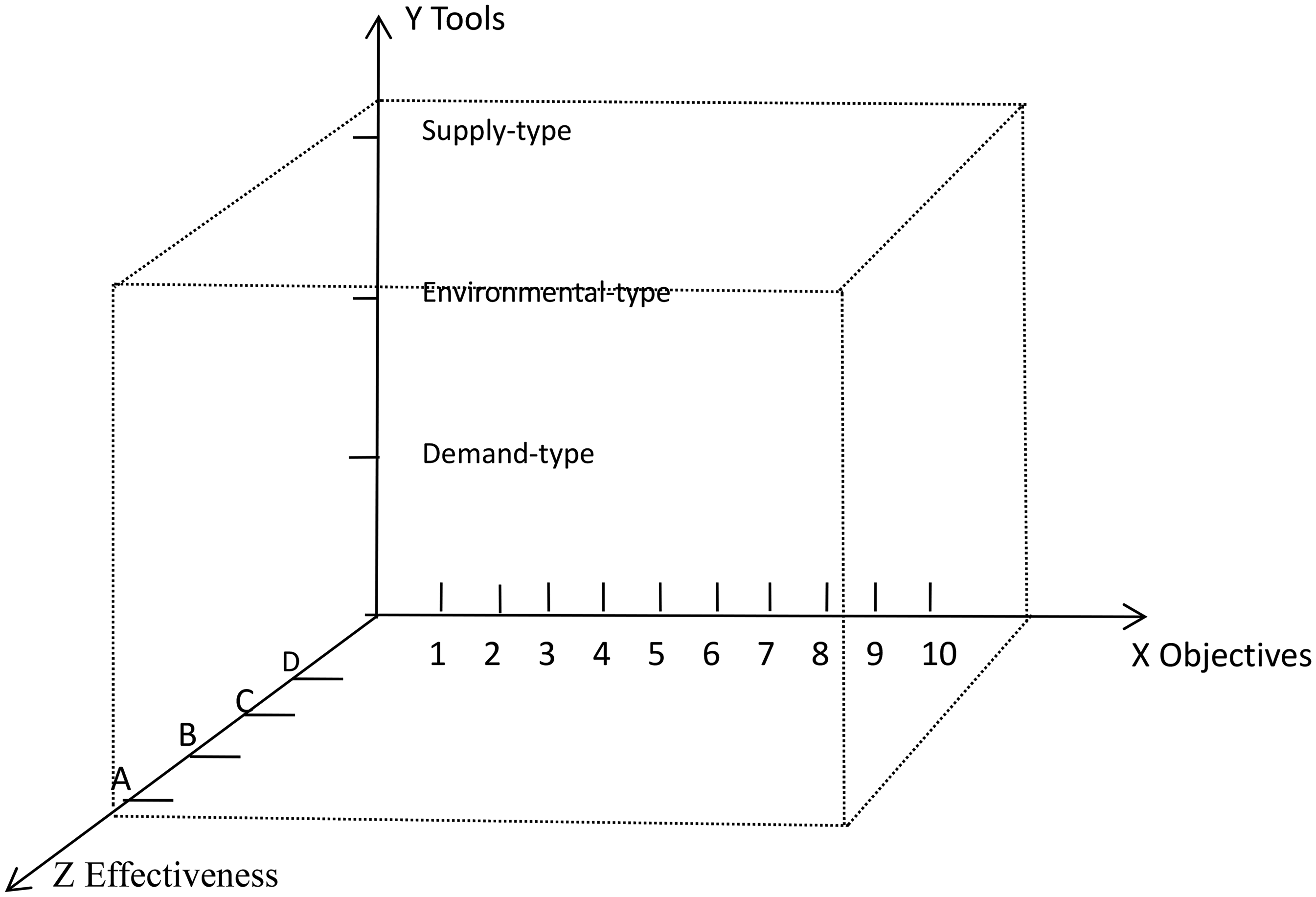
Three-dimensional analysis framework of dual carbon policy system.
X dimension: policy objectives
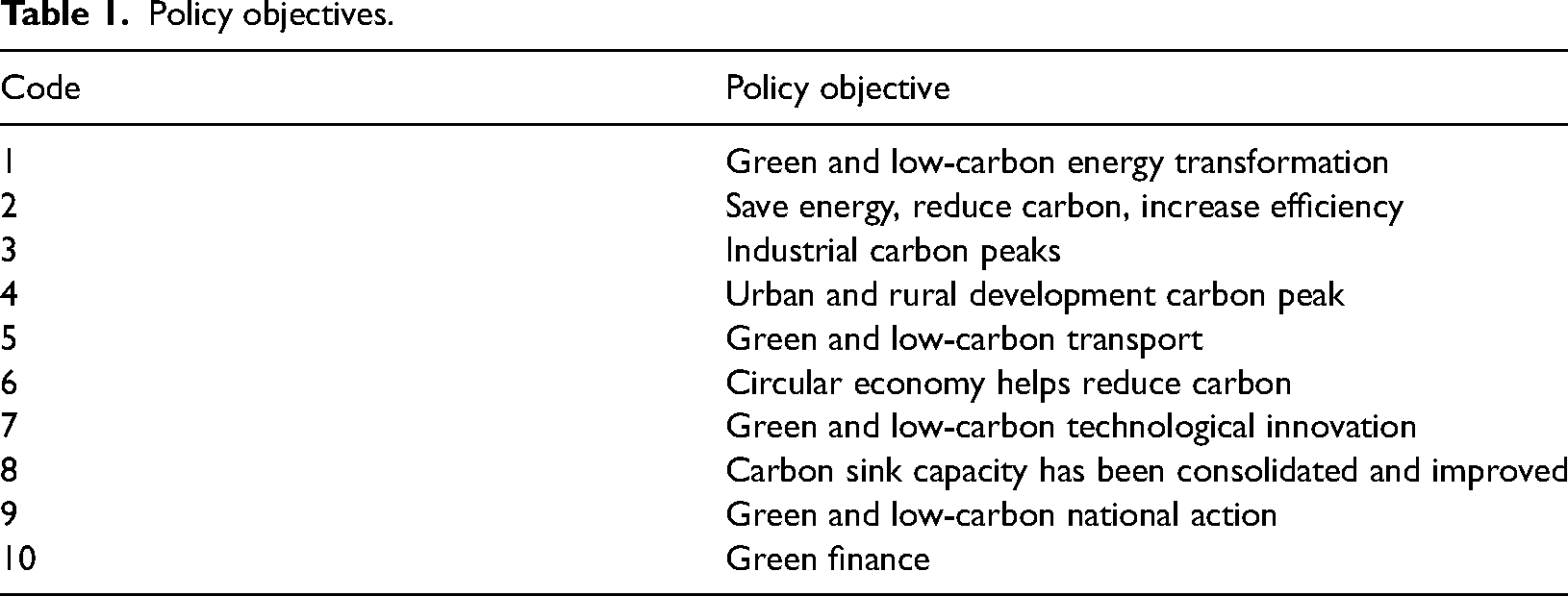
The top ten initiatives in the high-level document “Carbon Peak Action Plan by 2030” serve as the primary inspiration for the policy objective dimension. Furthermore, 25 the dual-carbon policy system's primary policy is green financing, which holds the potential to significantly reduce carbon emissions and is critical for achieving the dual-carbon target. Consequently, establishing green finance is one of the key policy goals. Table 1 presents the precise policy goals in detail.
Policy objectives.
Y dimension: policy tools
The specific measures implemented to achieve policy goals are referred to as policy tools. 26 The most well-known classification of policy tools is provided by Rothwell and Zegveld, who categorize them into three groups: supply, environment, and demand. This classification method has been widely recognized by scholars, as illustrated in Figure 2. Supply-type policy measures, including funding, infrastructure, public services, and technology, facilitate the achievement of the dual carbon target. Through laws and regulations, goal planning, organizational oversight, and other methods, environmental policy tools primarily help to establish a favorable climate for achieving the dual-carbon objective. Tools for demand-type policy that primarily involve public relations and education, demonstration projects, exchanges, and cooperation play a pulling role.

Role diagram of dual carbon policy tools.
Z dimension: policy effectiveness
Policy effectiveness evaluation constitutes an essential aspect of policy analysis and research, which plays a crucial reference role in policy formulation, implementation, and revision. This study combines the text mining of the dual carbon policy, including the statistical analysis of high-frequency words and semantic network mapping, as well as the relevant characteristics of dual carbon targets, to establish the PMC index model for the dual carbon policy. The flow chart of text mining is shown in Figure 3. 27 The PMC index model is proposed by Ruiz Estrada et al., based on the Omnia Mobilis hypothesis. 28 The PMC model is capable of accurately calculating policy effectiveness and can visualize the policy's score across various indicators through the use of a surface map. The refined PMC index model exhibits several advantages: (i) It provides a comprehensive and multidimensional analysis of various aspects of the dual-carbon policy system. (ii) By overcoming the limitation of equal weighting for all indicators, 29 the refined model enhances the scientific accuracy of evaluations. Additionally, it clearly demonstrates the weight distribution among different indicators, thereby enhancing the interpretability of the PMC index model's results. (iii) Through the use of PMC surface plots, the model enables a visual representation of the strengths and weaknesses across various dimensions of policies. This model has been extensively applied in research across diverse industries.
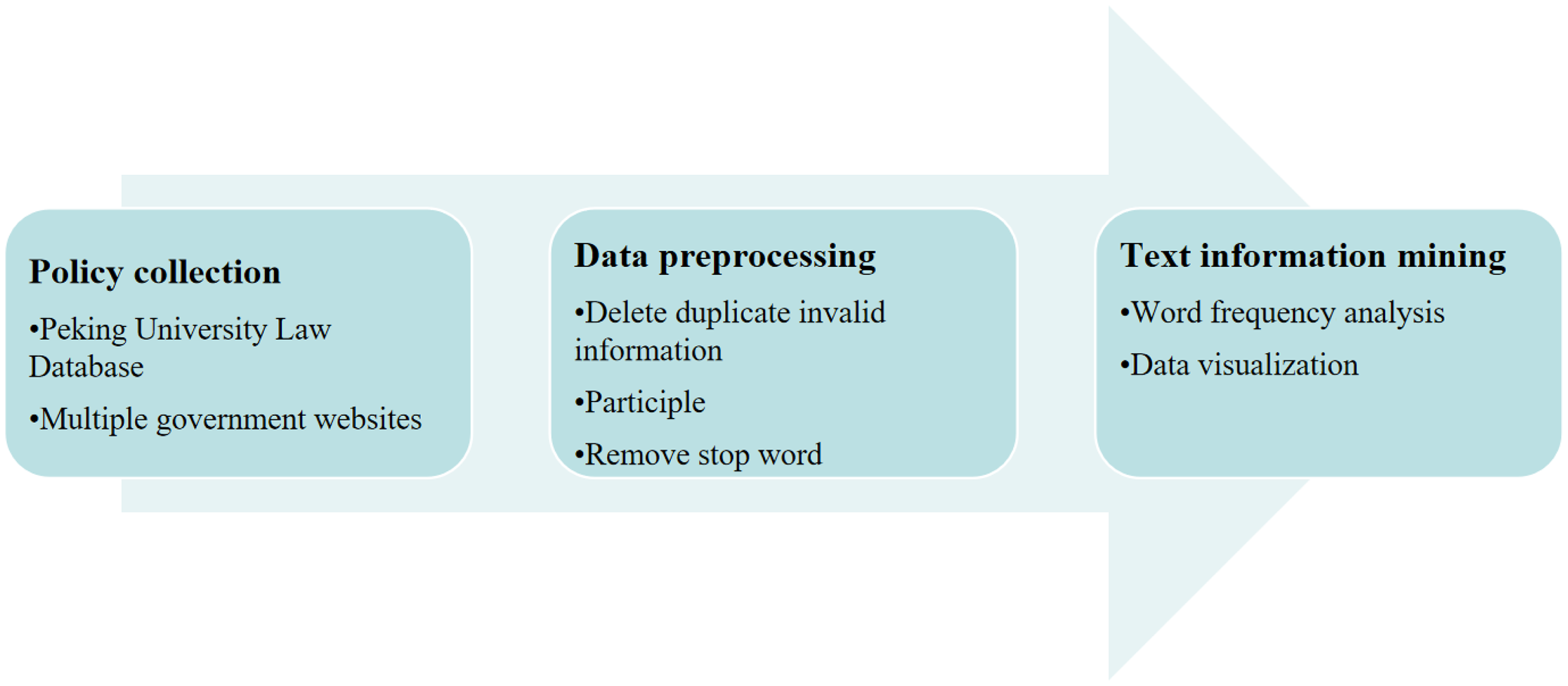
Flow chart of text mining.
Data source
The selection of policy texts is based on the Peking University Law Database, supplemented by multiple government websites, using “carbon peaking,” “carbon neutral,” “double carbon,” “energy saving,” etc. as keywords for the search. The search included national-level policies and local provincial policies, and the policies retrieved included notices, opinions, and measures. Additionally, due to the large number and complex content of the collection policy texts, in order to ensure that the policy texts are representative, comprehensive, and scientific, the following criteria were selected:
Keywords: In the advanced search of the Peking University Law Info Database, keywords such as carbon peak, carbon neutrality, dual carbon, energy conservation, and energy were utilized; (II) Policy-making Bodies: National-level policies are those formulated by central institutions (such as the National People's Congress, the courts, the procuratorates, the State Council, and its directly affiliated ministries and bureaus). Provincial-level policies are those formulated by provincial institutions (including the provincial People's Congress, the provincial people's government, and other institutions). Lower-level city and district/county dual carbon policies are not included in the scope of this study;(III) Publication Date: The selected time range is from January 1, 2000, to December 31, 2023;(IV) Policy Nature: The types of policies selected include plans, opinions, notifications, decisions, and other forms issued by national and provincial levels;(V) Relevance of Content: Administrative approvals, draft opinions for soliciting comments, and other policy texts with lesser relevance were excluded. The selected policies are closely related to dual carbon goals. Due to constraints of data availability, 29 provinces were selected for provincial policy text screening in this paper. Ultimately, 88 national policies and 493 local and provincial policies were selected. Figure 4 presents the flow chart of this paper.
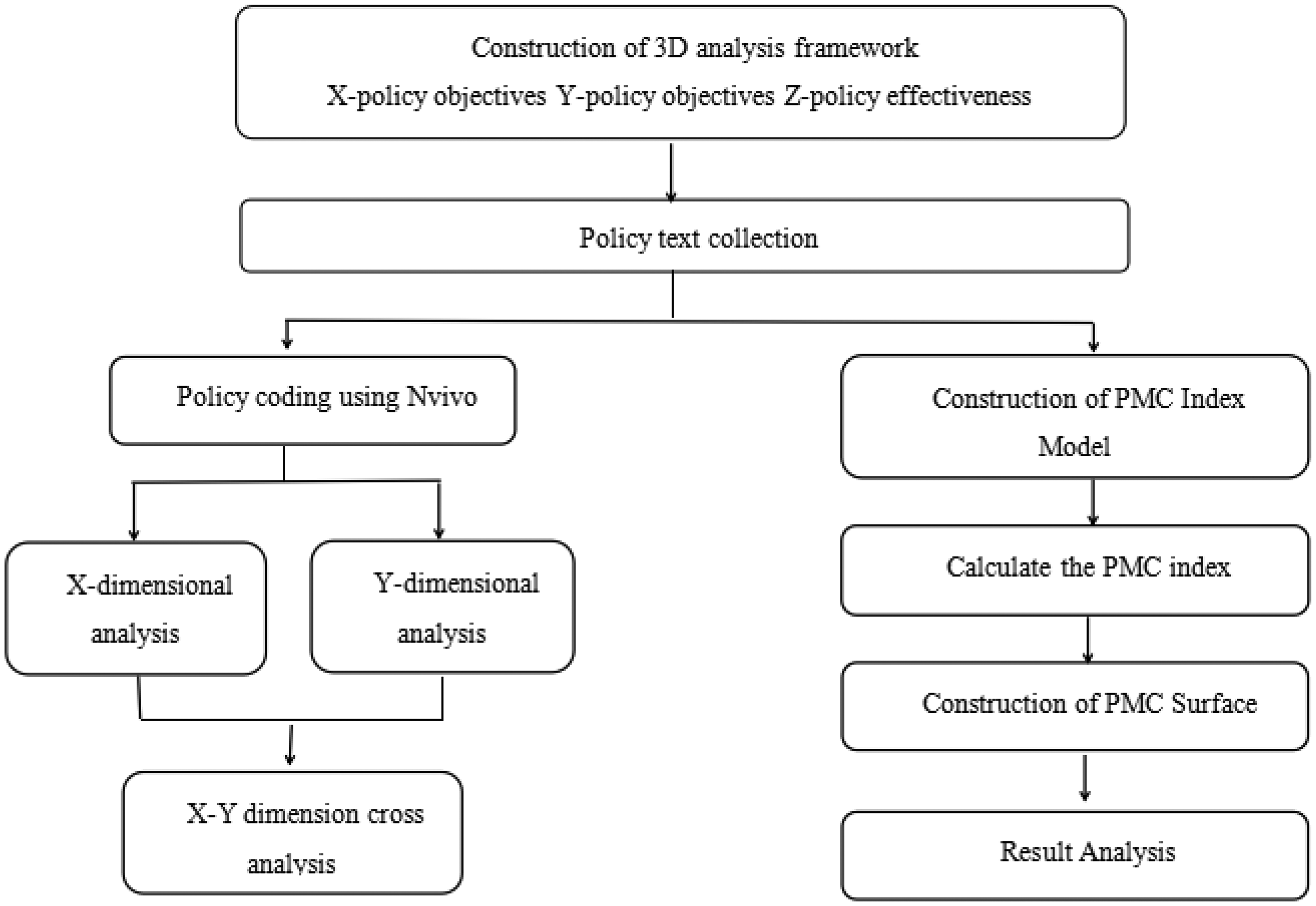
Research flow chart.
X, Y dimension analysis
Policy coding
In this study, the policy text was encoded using the qualitative analysis program Nvivo12 Plus.30,31 Nvivo contains features such as queries and matrix coding, which enable quick comparisons of the relationships between various nodes and facilitate analytical processes. These features can also significantly enhance the effectiveness of qualitative analysis. A total of 1812 reference points are ultimately obtained after coding.
X-dimensional analysis of policy objectives
Figure 5 shows the proportions of different policy objectives in the national and provincial policy texts. According to the figure, the policy text covers all aspects, and policy implementation is relatively comprehensive in general. National policies give significant weight to energy conservation, carbon reduction, and efficiency improvement (accounting for 30%); energy low-carbon transformation (22%); and carbon peak targets in the industrial sphere (12%). These three target types account for more than 50% of the programs, while few texts address green financing and the improvement and consolidation of carbon sink capacity. The top three provincial policy goals, accounting for 32%, 17%, and 13% of the total, are energy conservation, carbon reduction with efficiency improvement, circular economy, and carbon peak of urban and rural construction. There are relatively few policy texts on the goals of carbon sink capacity consolidation and green finance. Nearly one-third of the policies are dedicated to the goal of energy saving, efficiency improvement, and carbon reduction. This characteristic is present in both provincial and national policies Additionally, 22% of national policy texts mention the objective of green and low-carbon energy transformation, demonstrating the high priority the state places on the growth of the energy sector. Energy plays a pivotal role in achieving the dual-carbon goal. However, the goal of low-carbon energy transformation is not given much attention in the provincial policy texts, despite the fact that we must prioritize energy development and renewable energy.
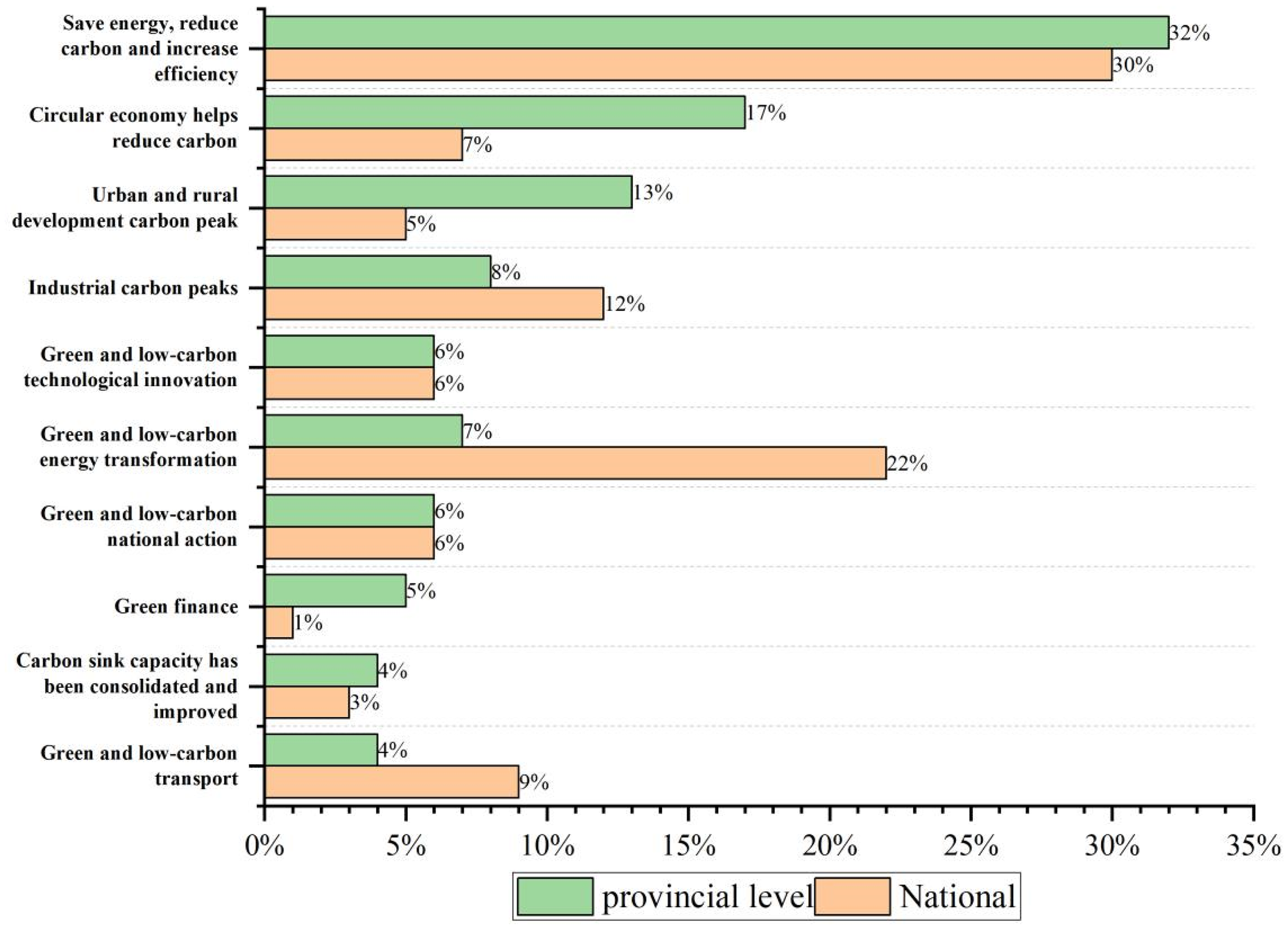
Proportion of policy objectives.
Y-dimensional analysis of policy instruments
The percentage of policy instruments employed in national and provincial policy texts is shown by a double-loop diagram in Figure 6. Various types of policy tools are present at different levels of these policy texts, and they are diverse, demonstrating that the government supports the achievement of the dual carbon-target from multiple angles. At the same time, the frequency of use of various types of policy tools at both the national and provincial levels is generally similar. The environmental type is the most frequently used, while the supply type is less frequent than the demand type. Additionally, there are slight differences in the frequency of use of sub-policy tools, but the overall difference is not significant.
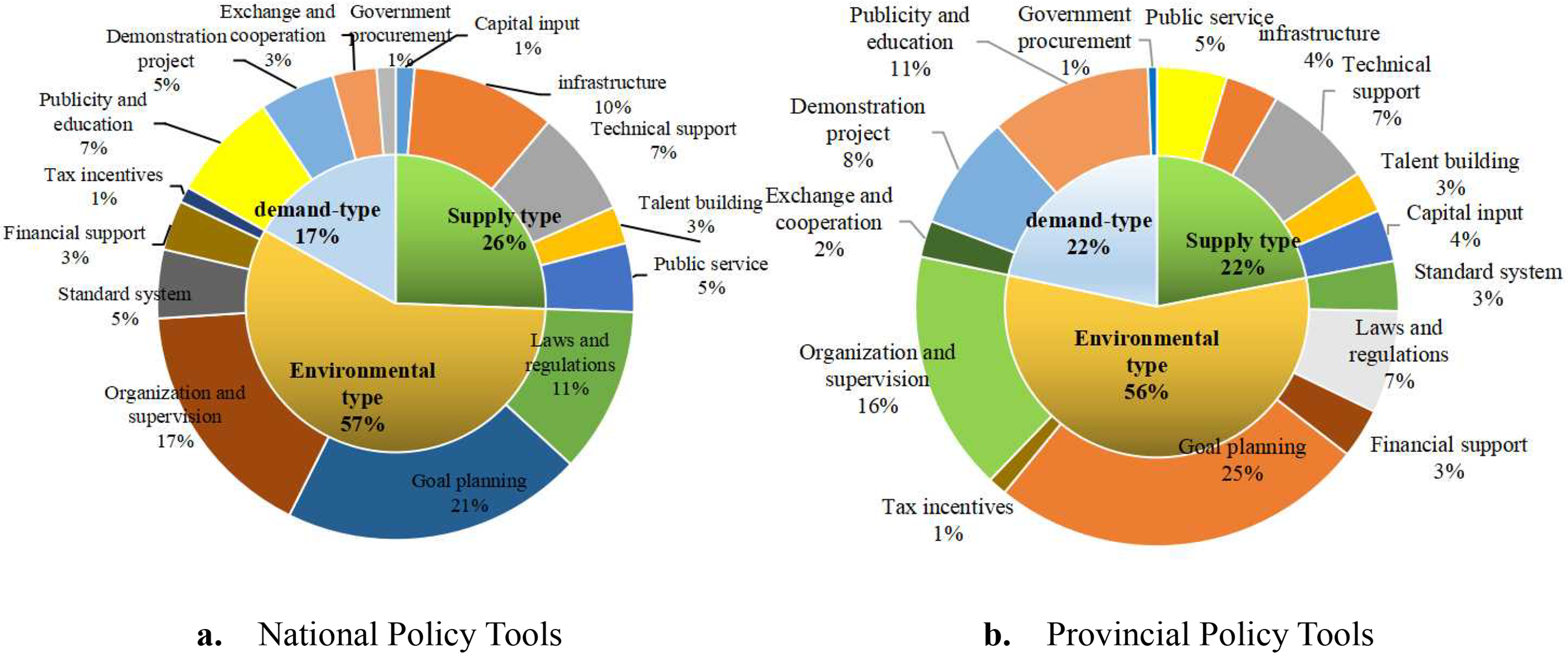
Double-loop chart of the proportion of policy instruments.
The proportion of environmental policy tools exceeds 50%. Among them, the sub-tools of goal planning are the most frequently used, followed closely by organizational supervision. In the pursuit of the dual-carbon goal, the government assumes the role of leader, overseeing the overall plan and placing emphasis on organizational supervision during policy implementation. Simultaneously, the use of sub-tools of laws and regulations is also high, and the realization of the dual carbon goal is inseparable from the constraints of various rules and regulations. In contrast, the standard system, financial support, and other environmental policy tools are used less frequently, suggesting that the current government policy tends to prioritize the macrolevel environment support while potentially neglecting the micro-environment.
In national and provincial policy texts, supply-oriented policy tools accounted for 26% and 22%, respectively, with technical support comprising a higher percentage in both cases, at 7%. The government highly values fostering science and technology, and encourages technological advancement by conducting research into carbon-neutralizing technologies and compiling a list of green technology catalogs. At the national and provincial levels, the frequency of application of tools for building infrastructure is 10% and 4%, respectively. The government supports infrastructure development in the transportation, urban and rural, energy, and other sectors in order to further the achievement of the dual-carbon target. Additionally, the state encourages the completion of 5G data centers, pays attention to the construction of soft service infrastructure such as data centers, and supports high-quality, environmentally friendly development. Tools for public services constitute 5% of the total. The government should not only develop macro goal planning to meet the dual carbon goal but also provide pertinent services, such as creating an industrial information service platform and supporting and directing the construction of green service institutions. In terms of supply-oriented policy measures, talent development and capital investment account for a relatively small fraction of the total.
Demand-type policy instruments constitute 17% and 22%, respectively, of national and provincial policies. Publicity and education account for 7% and 11% of them, respectively. As a public sector, the government has promoted pertinent laws and regulations, held pertinent events, and led various entities to take part in the accomplishment of the dual carbon target. It has also enhanced publicity and provided direction for many sectors and industries through a variety of channels. Demonstration projects account for 5% and 8% of all construction, respectively. Demonstration projects, such as low-carbon city pilot construction and green construction pilot, primarily work to realize dual-carbon targets. Government procurement policy tools and interactions are used infrequently.
X-Y dimension cross-analysis
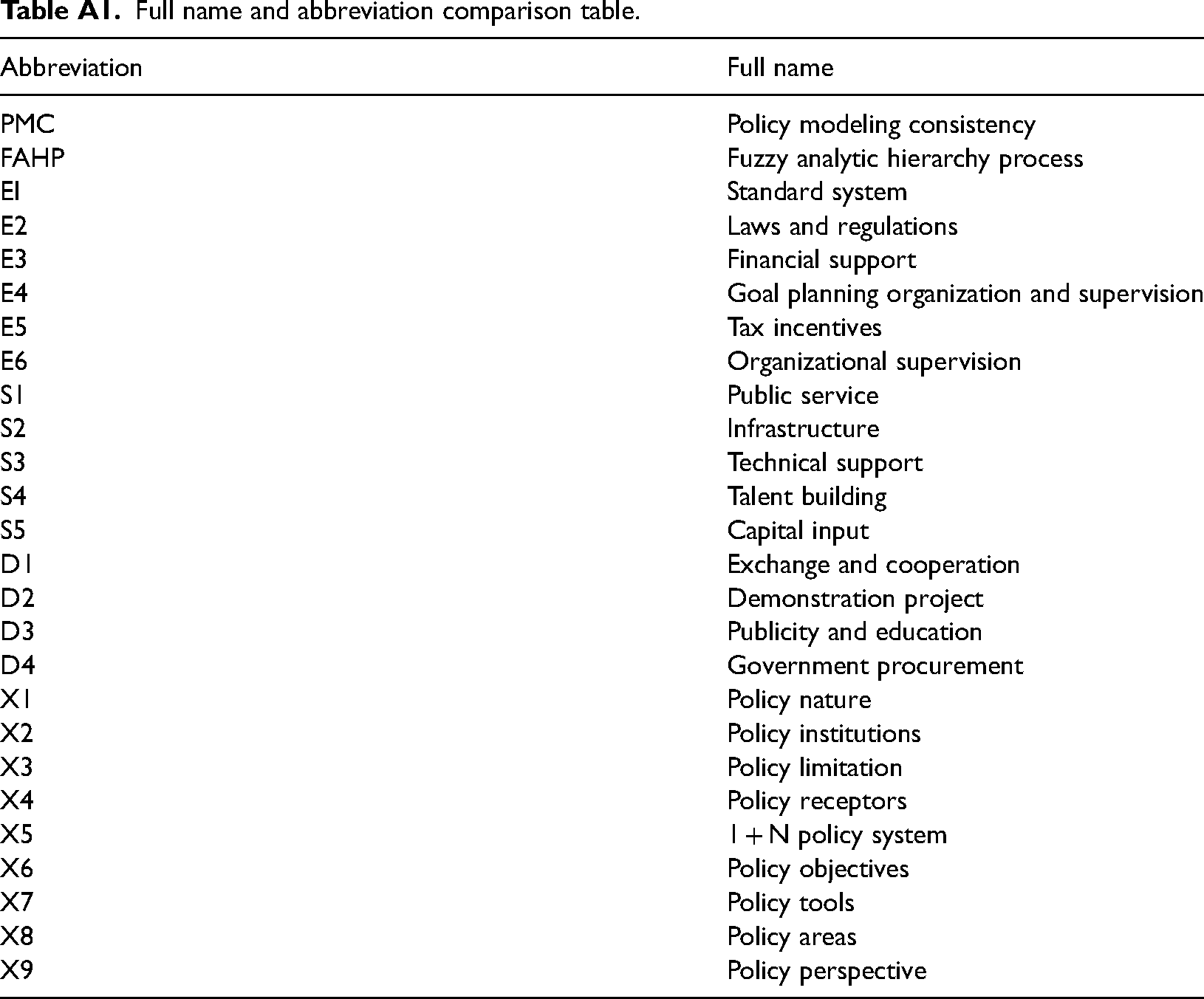
Figure 7 presents a heat map illustrating the relationship between policy objectives and policy instruments. The heatmap uses color to represent numbers, which can make the data more intuitive. The figure shows the use of different policy tools for different policy objectives and the policy objectives associated with different policy tools. The abscissa is the policy goal, and the ordinate is the policy tool. The specific codes are given in Table 1 and Figure 2. It can be seen that: (I) In the use of policy tools, each policy goal involves a variety of policy tools and exhibits diversity; (II) The most commonly used policy tools for all policy goals are E4-objective planning and E6-organizational supervision. As the leading department, the government plays a leading role in realizing the dual-carbon goals and formulates plans for realizing the goals. At the same time, the government has the functions of organizational supervision and evaluation to accompany the realization of the dual-carbon goals; (III) Policy tools such as D4-public procurement and E5-tax incentives are less frequently used in various policy objectives; (IV) In terms of the utilization of policy tools, in addition to E6-organisational supervision and E4-objective planning, the government is more inclined to leverage D3-publicity and education policy tools to achieve the goals of energy savings, carbon reduction, and efficiency improvement. For urban and rural construction carbon peak, D2-demonstration project policy tools are employed. Industrial sector policies tend to provide S1-public services and initiate more pilot projects on green finance. Additionally, there is a greater emphasis on the establishment of relevant regulatory frameworks in energy. Furthermore, for circular economy goals, there is an increased utilization of E3-finance, E2-regulations, E1-standard systems, S3-technology, and S2-infrastructure.

Policy objectives-policy tools heat map.
Z-dimension data calculations and analysis
Construction of PMC Index model
In this paper, the PMC index model is established based on the data of policy text mining. The model incorporates the final selection of 10 primary policy evaluation indicators and 47 secondary evaluation indicators,32–34 with references to Zhang et al. In the traditional PMC index model, all indicators are assigned the same weight. However, this approach is not very scientific for policy evaluation. The reason is that different indicators have varying degrees of importance and influence on policy evaluation. Assigning equal weights to all indicators can lead to unscientific evaluation results, which in turn affect the usability of these results for decision-makers. Therefore, this paper improves the model by employing the FAHP. Based on the results of the FAHP, more refined weight allocation is conducted for different indicators. This weight allocation takes into account multiple factors such as the importance, influence, and relevance of the indicators, thereby more accurately reflecting the performance of policies in different aspects. 35 FAHP is a method that combines the characteristics of fuzzy comprehensive evaluation with the analytical hierarchy process.36,37 It has become a popular fuzzy multi-criteria decision-making method widely applied in various fields of evaluation and decision-making.
In this study, questionnaires were designed based on primary and secondary variables, which were then distributed. Five experts in the field of dual carbon policy were invited to participate in the questionnaire survey. The weights of each indicator were calculated based on the survey results using the steps of FAHP. The specific steps are as follows:
Step 1: Utilize the 0.1–0.9 annotation method to compare the pairwise importance of influencing factors based on the questionnaire survey results and construct a fuzzy complementary matrix
Step 2: Construct the fuzzy consistency matrix 

Step 3: Calculate the weights Wi using formulas (3) and (4).

The final parameters and their weights for the PMC index model are shown in Table 2.
Parameters and weights for the PMC index.

Data calculation
To calculate the PMC index we will follow the three steps.
Step 1: Use formulas (5) and (6) to assign values to the secondary variables.
Step 2: Utilize formula (7) to calculate the values for each primary variable.
Step 3: Calculate the PMC index for each province using formula (8).

X obeys the (0, 1) distribution. When each sample policy meets the secondary variables under each primary variable, it is expressed as 1. When it does not meet the secondary variables under each primary variable, it is expressed as 0.
Where t is the first-level variable and j is the second-level variable.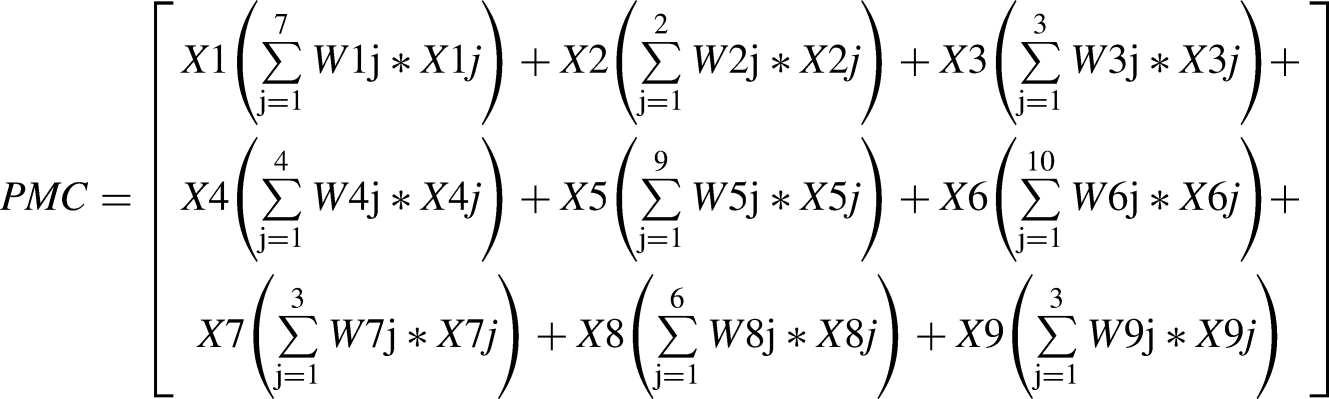
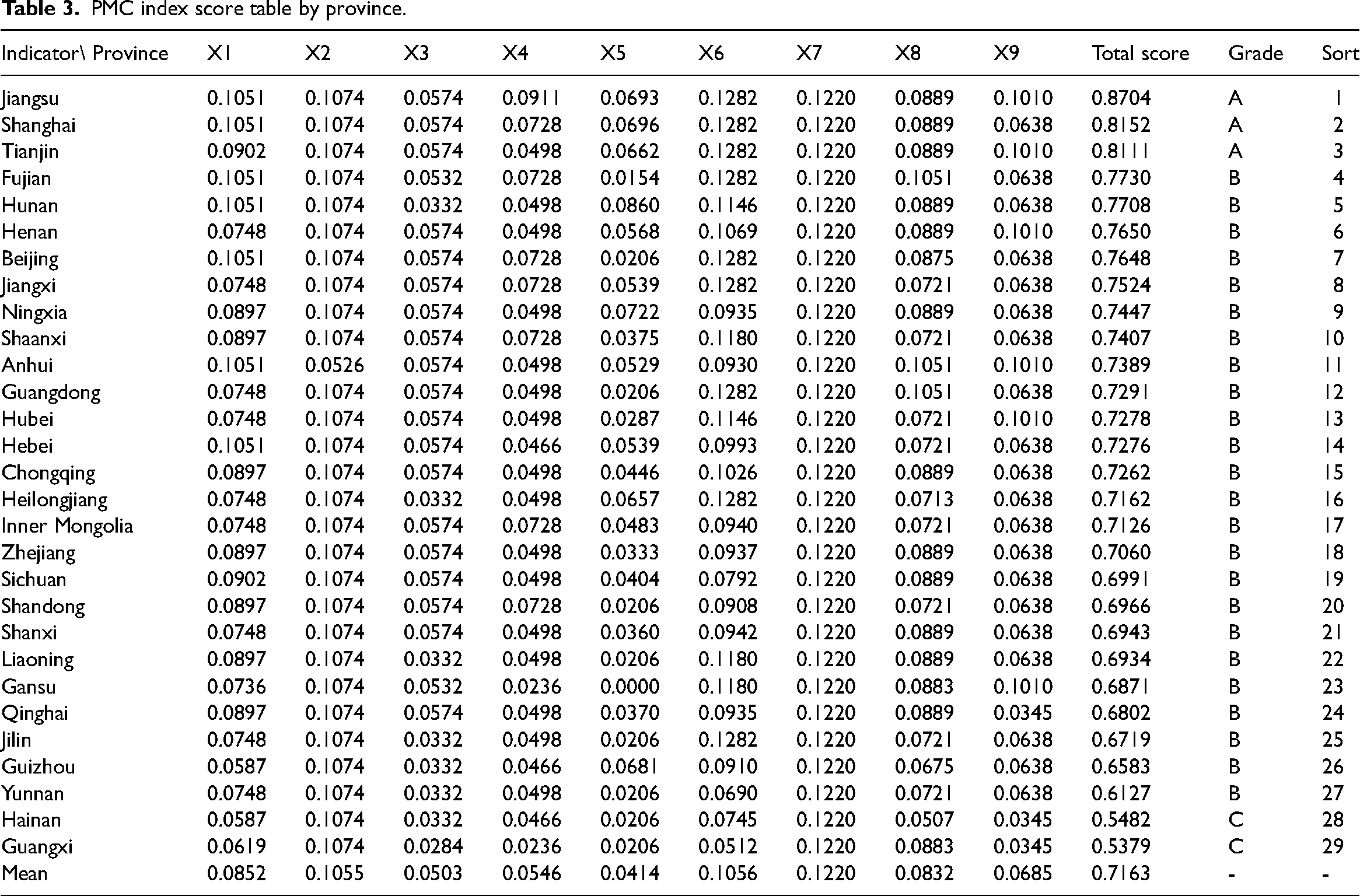
The PMC index for each province has been calculated, and the results have been graded according to the following criteria: 0–0.3999 (D); 0.4–0.5999 (C); 0.6–0.7999 (B); 0.8–0.9999(A). The specific results are shown in Table 3.
PMC index score table by province.
Construction of the PMC surface
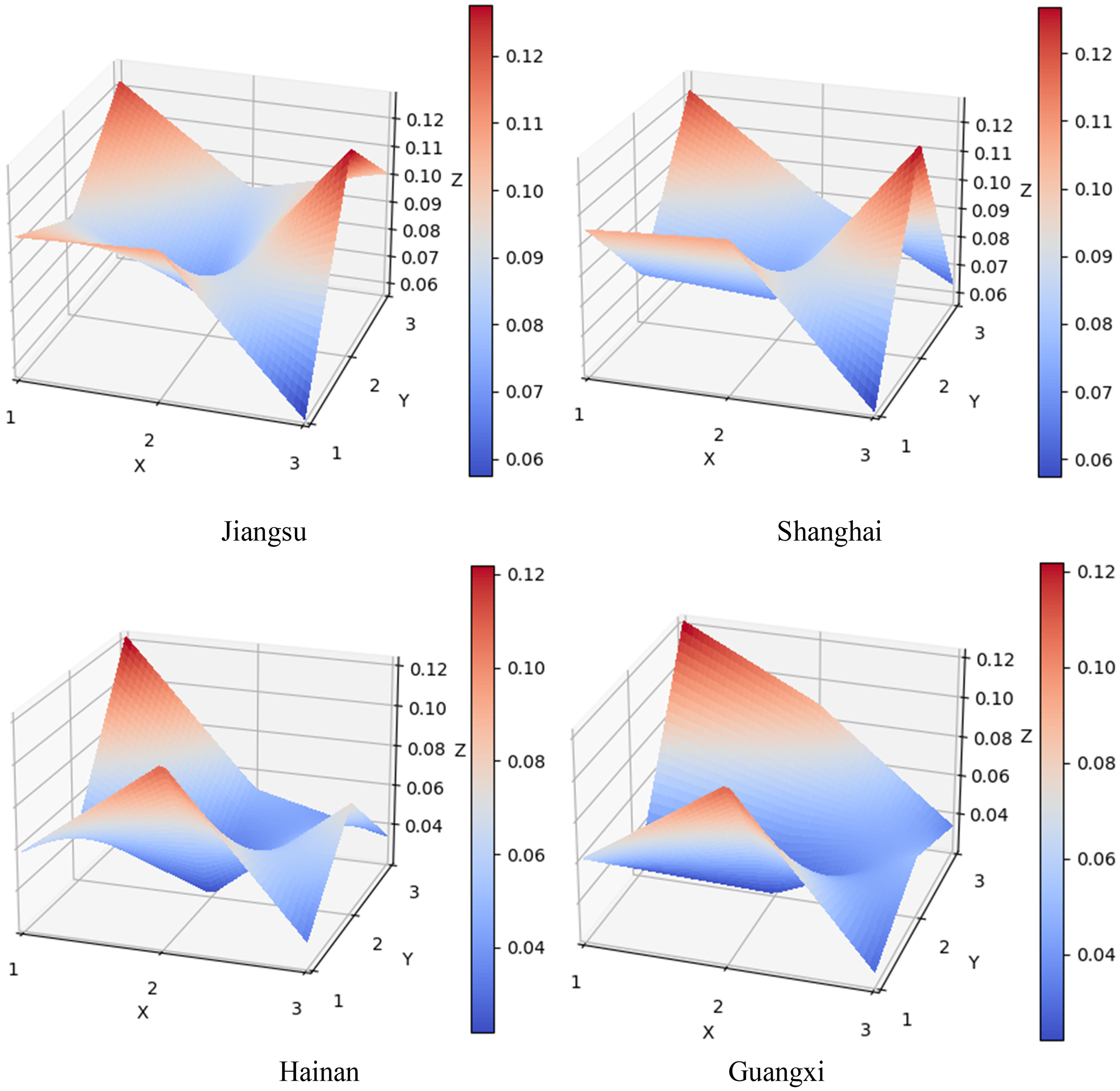
The PMC surface is constructed based on the PMC index obtained as previously mentioned. The PMC surface visually represents the evaluation results of policy instruments across various dimensions. In this study, there are a total of 10 primary variables. However, the primary variable X10 does not have any secondary variables, and all policy systems have a score of 1 for X10. Considering the balance and symmetry of the PMC surface, the primary variable X10 is excluded during the construction of the PMC surface. Consequently, the PMC surface is composed of a 3 × 3 matrix. The construction method is as follows:
In surface diagrams, the X and Y axes represent the horizontal and vertical coordinate values, respectively, while the Z-axis represents the PMC score. Different color blocks signify the PMC scores. Different color blocks denote different PMC scores, where darker shades of red signify higher scores, reflecting more comprehensive and scientifically sound policy content. Conversely, darker shades of blue signify lower scores, suggesting areas where the policy content requires further improvement. The shape of the graph, as well as its concavity or convexity, reflects the scoring patterns across various indicators, with convex areas indicating higher scores and concave areas indicating lower scores. This paper selects the highest score of Jiangsu and Shanghai, and the lowest score of Hainan and Guangxi. The PMC surface is depicted in Figure 8.
PMC surface map of some provinces.
Result analysis
Based on the analysis presented in Table 3, the average PMC index for the 29 provinces is 0.7163. Overall, China's dual-carbon policy is at a commendable level, classified as grade B. Among the provinces, 3 provinces are rated as grade A, 24 as grade B, and 2 as grade C. In general, Chinese provinces perform well in the areas of X2 (policy institution), X3 (policy timeliness), and X7 (policy tools). Each institution can align with national requirements and develop pertinent policies to support the achievement of dual-carbon goals. The government not only establishes long-term goals but also decomposes them into midterm and short-term targets, thereby facilitating the realization of long-term carbon neutrality. Furthermore, the government emphasizes the diversification of policy tools in the pursuit of dual-carbon target, supporting efforts from three perspectives: supply, demand, and environment. However, the overall score for X5 (policy system) is relatively low within China's dual-carbon policy system. Most provinces have implemented the “1 + N” policy system, where “1” represents the carbon peak action plan, but the “N” component exhibits certain shortcomings. Additionally, there are variations in PMC scores among provinces, primarily in X1 (policy nature), X4 (policy recipients), and X5 (policy system).
Among the 3 provinces rated as grade A, the Jiangsu Province exceeds the average in all aspects, while Shanghai is only below average in X9 (policy perspective). Tianjin falls below the average in X4 (policy recipients). This indicates that these 3 provinces perform well in various aspects of the dual-carbon policy system, with more comprehensive and complete policies. Among the 24 provinces rated as grade B, there are variations in their scores. Fujian, Henan, and Beijing have 2 aspects below the average, while Hunan, Jiangxi, Ningxia, Shaanxi, Anhui, Chongqing, and Gansu have 3 aspects. Guangdong, Hubei, Hebei, Inner Mongolia, Zhejiang, Sichuan, Shandong, Liaoning, and Qinghai have 4 aspects below the average. Heilongjiang and Shanxi have 5 aspects, Jilin and Guizhou have 6 aspects, and Yunnan has 7 aspects below the average. Although these 24 provinces are rated as grade B, there are significant differences in scores. Many provinces have aspects below the average in X1 (policy nature), X4 (policy recipients), X6 (policy goals), and X9 (policy perspective). In X4 (policy recipients), most provinces lack policy texts targeting third-party institutions such as schools and banks, as well as ordinary residents. In X5 (policy system), the dual-carbon policy systems in various provinces are still incomplete. While most provinces have implemented carbon peak implementation plans, there are still gaps in implementation plans for different sectors. In X6 (policy goals), some provinces have some gaps in the policy texts regarding the decomposition of dual-carbon targets. In X9 (policy perspective), most provinces’ policies mainly focus on the macro and medium perspectives, while lacking policies from the micro perspective. The 2 provinces rated as grade C, Hainan and Guangxi, both have 7 aspects below the average. They score poorly in all aspects.
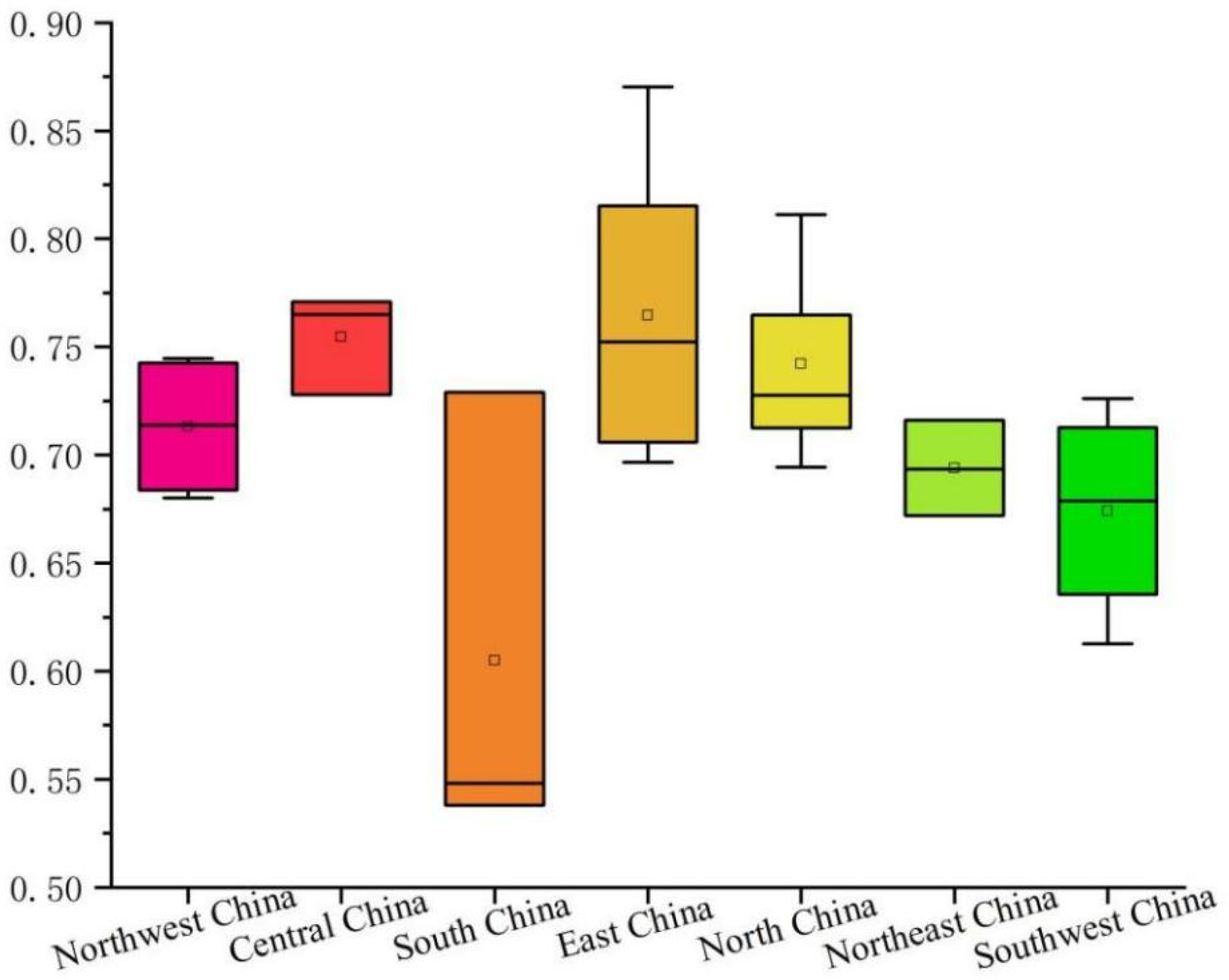
Considering regional differences, this study divided the sampled provinces into 7 regions based on their geographical location: Northwest, Southwest, South China, Central China, East China, North China, and Northeast China. The box plot in Figure 9 shows that there are significant differences in the PMC index scores among the regions. The Central China region has the highest mean score of 0.7546, while the South China region has the lowest mean score of 0.6051, which is already at the lower limit of grade B. The South China region shows the largest disparity in PMC scores among its provinces, followed by the East China region. The provinces in Central China and North China have relatively concentrated PMC scores.
PMC score box line diagram of each region.
Conclusion and policy implications
The implementation of dual-carbon goals requires government policy support. This study undertakes a quantitative evaluation of the dual-carbon policy system, examining its facets through the lenses of goals, tools, and effectiveness. The findings can be summarized as follows:
The implementation of dual-carbon policies is relatively sound, with goals covering a wide range of industries and sectors. However, there is a significant gap in the proportion of policy texts between the national and provincial levels. National policies pay particular attention to energy conservation, carbon reduction and efficiency, energy low-carbon transformation, and industrial carbon peaking, which account for more than 50% of the total. In contrast, there are few policy texts on green financing and carbon sequestration capacity enhancement. Provincial policies are more focused on energy conservation, carbon reduction and efficiency, the circular economy, and carbon peaking in urban and rural construction. Nearly a third of the policies focus on energy efficiency and carbon reduction. While the transition to green and low-carbon energy has received attention at the national level, it has not received enough attention in provincial policies. The government employs a range of policy tools when drafting a dual-carbon policy, but the use of environmental policy tools is excessive; goal planning, organizational supervision, legislation, and regulations make up the largest share, while other subtools are employed less frequently. The tools for supply and demand policy are less frequently deployed, and the pull and thrust are insufficient. Overall, China's dual-carbon policy is doing well, with three provinces receiving a grade of A, 24 receiving a grade of B, and two receiving a grade of C. In general, X2 (policy institution), X3 (policy timeliness), and X7 (policy tools) have greater performance, while X5 (policy system) has a lower score. In terms of regions, Central China has the highest average PMC score (0.7546), while South China has the lowest average PMC score (0.6051) and has the greatest variation in average PMC values across provinces. Regarding the regional provinces’ policy PMC, the Central and North China regions have significantly concentrated scores.
Based on the above research, this paper puts forward the following policy recommendations.
Strengthening the formulation and implementation of policies related to energy, green finance, and carbon sequestration is crucial. Energy, particularly renewable energy, holds the key to achieving dual-carbon (carbon peaking and carbon neutrality) targets. Provincial governments should closely follow national policies and intensify support for the green and low-carbon transformation of energy, formulating relevant policies to promote energy transition. This, in turn, will facilitate the optimization of energy structures, the upgrading of industrial structures, and the enhancement of energy utilization efficiency. Both national and provincial governments should prioritize the development of green finance, improve the green financial system, provide financial support for related industries, enrich financial products and services, and drive financial innovation. Enhancing carbon sequestration capacity is a vital means of achieving nature-based dual-carbon targets. Establishing and refining ecological carbon sequestration mechanisms not only bolsters natural carbon absorption capacity and promotes ecosystem health but also incentivizes enterprises to reduce emissions and improves the carbon market system. Optimizing the Structure of Policy Instruments. Emphasis should be placed on talent development and the improvement of talent incentive mechanisms. By leveraging institutions such as universities and enterprises, the cultivation of talents in the green and low-carbon sector should be strengthened, creating a favorable employment environment for outstanding individuals and attracting top talent. This will provide a continuous impetus for industrial development and technological innovation. Increasing financial support is imperative for the achievement of dual carbon targets, as substantial funds are required for the research, promotion, and application of clean energy technologies. Financial support can guide social capital investments towards the green and low-carbon sector, while also enhancing China's international competitiveness in this field, thereby securing a larger share of the international market. Furthermore, augmenting government procurement of green and low-carbon products can not only steer market consumption trends but also stimulate enterprise technological innovation, driving industry upgrades. Improving the 1 + N Policy System: Various provinces should enhance their dual carbon policy systems from multiple dimensions by strengthening top-level design and constructing a comprehensive policy framework to ensure the effective implementation of dual carbon policies across the province. The scope of policy targets should be expanded to include schools and residents, with schools incorporating relevant courses and communities organizing diverse educational activities. This not only raises public awareness and understanding of dual carbon targets, stimulating environmental awareness and responsibility among people, but also helps the public grasp the importance and practical methods of adopting green and low-carbon lifestyles, guiding them to form eco-friendly habits. Additionally, inter-regional exchanges and cooperation should be intensified, establishing cooperation mechanisms, promoting collaboration on dual carbon projects, and enhancing technological innovation and transfer between regions. Such efforts can facilitate the integration of various resources, industrial transfer and upgrading, optimize industrial layouts, and promote coordinated development among regions, thereby ensuring the timely achievement of dual carbon targets.
The limitations of this paper include the selection of an evaluation index and the use of policy texts. In the selection of policy documents, no lower-level policy texts were chosen; only national and provincial policy texts were selected. When FAHP is used to optimize the PMC index model, the index weights may be affected by expert subjectivity. Future research can delve further into additional governmental levels and utilize big data-related tools to enhance the index evaluation method. Moreover, by selecting additional layers of policy texts, we can more thoroughly examine the policy system and provide guidance for local governments to develop pertinent policies.
Footnotes
Author contributions
Bangjun Wang: conceptualization, formal analysis, methodology, supervision, and writing—review and editing. Qiaoqiao Xing: methodology, data curation, formal analysis, software, visualization, roles/writing—original draft, and writing—review and editing. Yu Tian: data curation, software, visualization, and writing—review and editing.
Data availability
Data will be made available on request.
Declaration of conflicting interests
The authors declared no potential conflicts of interest with respect to the research, authorship, and/or publication of this article.
Funding
The authors disclosed receipt of the following financial support for the research, authorship, and/or publication of this article: This work was supported by the National Social Science Fund of China (grant number 20BGL185).

Appendix
Full name and abbreviation comparison table.
| Abbreviation | Full name |
|---|---|
| PMC | Policy modeling consistency |
| FAHP | Fuzzy analytic hierarchy process |
| El | Standard system |
| E2 | Laws and regulations |
| E3 | Financial support |
| E4 | Goal planning organization and supervision |
| E5 | Tax incentives |
| E6 | Organizational supervision |
| S1 | Public service |
| S2 | Infrastructure |
| S3 | Technical support |
| S4 | Talent building |
| S5 | Capital input |
| D1 | Exchange and cooperation |
| D2 | Demonstration project |
| D3 | Publicity and education |
| D4 | Government procurement |
| X1 | Policy nature |
| X2 | Policy institutions |
| X3 | Policy limitation |
| X4 | Policy receptors |
| X5 | 1 + N policy system |
| X6 | Policy objectives |
| X7 | Policy tools |
| X8 | Policy areas |
| X9 | Policy perspective |