



Abstract
To keep global warming well below 1.5°C, world leaders signed the Paris Agreement, but World Meteorological Organization forecasts indicate that it will be difficult to achieve this target, making it extremely imperative to use all tools to achieve sustainable transformation and carbon neutrality within a given timeframe. Therefore, this work focuses on discussing critical issues for sustainable transformation toward a carbon-neutral economy. Firstly, obstacles associated with finance, technology, policy, and resources in the transformation process of the current carbon-rich economy to a low-carbon or carbon-neutral economy were frankly indicated. Secondly, the trends and roles of stakeholders in the progress of carbon neutrality were thoroughly analyzed. Thirdly, the importance of low-carbon technologies and sustainable behaviors in achieving carbon neutrality was discussed critically. Finally, short-to-long-run plans depending on the actual conditions and situations of various nations and governments are suggested in detail. In summary, the findings of this study emphasize that fully complete disruptive technologies, coherence in society awareness combined with sustainable government policies, and strong financial support along with positive participation of technological enterprises are known as a “tripod iron stand” for sustainable transformation to carbon neutrality.
Keywords
Introduction
According to the United Nations Intergovernmental Panel on Climate Change, the world must reach carbon neutrality before 2050, with net-zero carbon dioxide (CO2) emissions achieved by eliminating environmental pollutants. 1 Furthermore, the Paris Agreement aimed to limit global warming to 1.5°C above pre-industrial levels; however, the World Meteorological Organization and others predicted that this objective will not be achieved without a robust solution.2,3 Thus, clean, low-carbon, safe, and efficient new energy supply and consumption methods have been proposed as a means to achieve a carbon-neutral future.4–6 This undoubtedly requires the creation of novel low-carbon energy technologies, advancements in energy efficiency, optimization of the energy supply structure, and a shift in the energy-usage habits of all stakeholders.7,8 Strong commitments to sustainable transformation were signaled by net-zero pledges by all countries at COP26. Thanks to COP26, many nations have recently announced plans to reduce their carbon emissions, 9 such as the European Council's creation of a Carbon Border Adjustment Mechanism and the Chinese government's release of the National Climate Change Adaptation Strategy 2035. In addition, COP28 advocates for a fair and systematic shift from fossil fuels to clean energy, with goals to triple the share of renewable energy and double energy efficiency by 2030. 10 As of February 2021, 124 countries around the world have committed to reaching carbon neutrality and achieving net-zero carbon emissions by either 2050 or 2060. 11 Meeting the goals outlined in the Paris Agreement and promoting sustainable development requires not only cutting CO2 emissions but also actively removing CO2 from the atmosphere, implying that a range of social, economic, environmental, and technological strategies are required to accomplish this ambition. Carbon neutrality refers to the state in which the total greenhouse gas (GHG) emissions directly or indirectly generated by a nation, organization, enterprise, product, activity, or individual are fully offset or removed over a specified time frame through carbon offset or removal approaches. 12 Depending on the action planning of each nation, government behavior, market environment, and business capacity will determine the success of the long road to carbon neutrality, despite the promulgation and subsequent implementation of various policies.13–15
It is evident that a carbon-neutrality-based economy will rapidly transform the current carbon-rich energy system into a greener and cleaner system, which will shift toward carbon-free new energy, which is expected to push GDP and create more jobs for the energy sector and economy.16,17 According to a report by the International Renewable Energy Agency, the low-carbon and carbon-neutrality economy could provide more than 100 million jobs by 2050, although it also requires a very high investment of 3200 billion USD and 95,000 billion USD for average annual and cumulative investments, respectively. 18 Some studies have shown that efforts to reduce carbon emissions through low-carbon policies lead to technological advancements that cover these expenses, 19 while others argue that the size of the innovation offset effect determines the overall impact of low-carbon measures on technological progress. 20 These arguments indicate that the in-depth analysis and efficient deployment of theoretical, political, and technological connotations for the transformation process of the current economy into carbon neutrality and a low-carbon economy could offer far-reaching significance and extremely broad reality prospects for humankind's common goal, “against climate change.” 21 Indeed, the theoretical and technological connotations, future targets, and strategic principles of carbon neutrality and a low-carbon economy are illustrated in Figure 1.
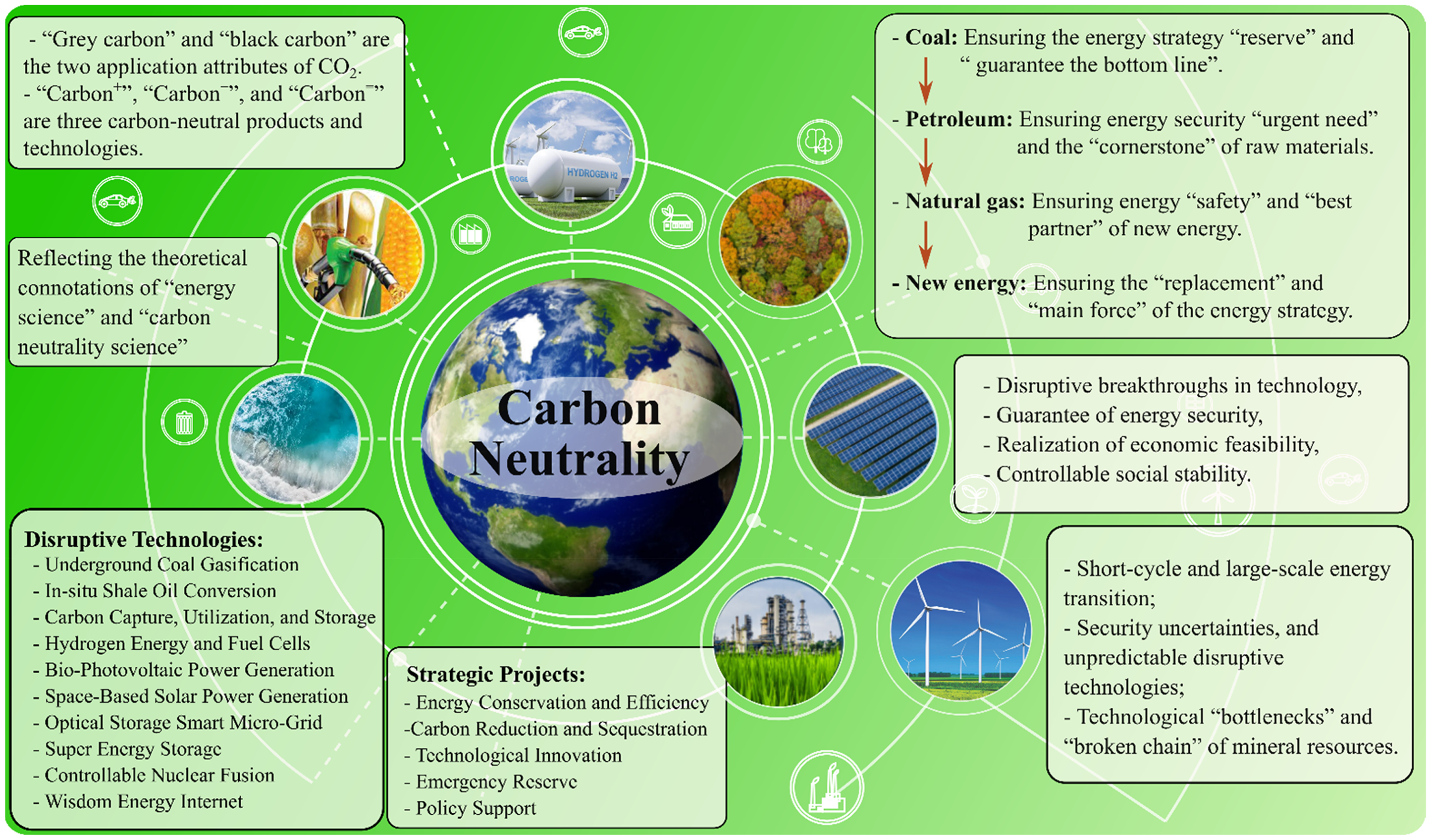
Theoretical, technological, and scientific connotations and innovation aiming to achieve carbon neutrality. 21
To achieve carbon neutrality goals prior to 2050, technological advancements, appropriate policy frameworks, efficient allocation of investments and budgets, and societal awareness transitions are necessary, as carbon neutrality has been identified as a fundamental practice in the “green society revolution.” 22 The “green society revolution” concept could include and cover green industries, low-to-zero carbon energy systems, and ecological technologies, which should be implemented according to the corresponding criteria in Figure 1. This implies that the “green society revolution” concept should focus on the increase in renewable energy share, development of “negative carbon technologies,” enhancement of the carbon sink, and effective policy implementation aiming at promoting a “green market” related to carbon emissions trading, in which carbon credit trading is a typical example.
In theory, the implementation plan for transitioning the current carbon-based economy to a green economy characterized by carbon neutrality and low-carbon practices appears to proceed without significant obstacles. However, the harsh reality can be seen that low-carbon energy technology has only reached 20% to 25% of its market potential after 30 years of policy promotion. 23 This raises concerns about “whether the transition to a carbon-neutral economy will be carried out according to the expected path.” Furthermore, there seems to be a lack of comprehensive studies analyzing the transition to a carbon-neutral economy, so scientists and policymakers can gain insights into the limitations of this transformation. Therefore, there is a need for convincing works and reports with solid evidence aimed at pointing out the limitations and providing solutions to overcome this “crawling turtle” transition to a carbon-neutral economy as soon as possible. Therefore, this study focuses on how different stakeholders who have created new technologies and designed green transformation paths can achieve carbon neutrality goals. It helps to learn more about how to encourage and speed up the creation of low-carbon technologies and sustainable transformations, as well as how to modify these technologies for the sake of said transformations, and how to weigh the costs and benefits of doing so. In addition, this review aims to clarify the importance of sustainable transformation to carbon neutrality with a focus on obstacles and solutions by using the system review method combined with several screening phases, in which the papers were carefully filtered and collected, and thoroughly analyzed, aiming to select the highest quality and the most relevant works to the current review. 24 Indeed, the published papers from prestigious journals and publishers along with valuable information from websites of recognized organizations were searched using keywords such as “Carbon neutrality,” “Sustainable transformation,” “Low-carbon economy,” “Decarbonization,” “Net-zero,” and “Green solution.” After that, the abstract, introduction, and conclusion of the collected publications were completely and critically checked and classified on the basis of the following criteria: (i) publications collected must be peer-reviewed and verified; (ii) collected papers should come from scholars in the relevant field; (iii) balance between recent studies and older ones should be ensured; (iv) referring to cutting-edge technologies appropriate to the current work from the recognized organizations. After collecting the papers, a test–retest process was performed to ensure high consistency. More importantly, the abovementioned keywords were used during the searching and filtering process of the data to ensure the logical characteristics of this current review. Finally, 489 papers were collected and reviewed; nonetheless, only 145 papers were selected to be included in the analysis process of this current review.
In this review, obstacles in achieving low-carbon transformation are scrutinized in the “Obstacles to achieving a low-carbon transformation: section, while trends and role of stakeholders in carbon neutrality progress are discussed in detail in the “Trends and role of stakeholders in carbon neutrality progress” section. In the “Plans for carbon neutrality” section, plans for carbon neutrality are thoroughly analyzed aiming to highlight the importance of diffusion channels, technological advancement, collaborative innovation, and competition in boosting sustainable transformation to carbon neutrality, while the conclusion is presented in the fifth section.
Obstacles to achieving a low-carbon transformation
Market and energy pricing distortions
Market distortion, a deviation from ideal economic outcomes owing to manipulated regulatory policies and economic incentives, hinders the creation of new low-carbon technology adoption and pricing mechanisms. 25 This impedes progress toward climate change objectives because market distortions, such as subsidies, tax exemptions, or laws that favor traditional energy sources, make it difficult for low-carbon technologies and products such as renewable energy to compete fairly with them. 26 Market distortion can also alter the competitive dynamics between businesses and other economic actors by altering the pricing dynamics of goods and services. 27 For example, a firm that receives substantial government subsidies may lower prices, creating an unfair competitive environment for firms working on low-carbon technologies that do not receive such subsidies. As a result, low-carbon technology firms lose ground in the marketplace and creativity is stifled. Market distortions contribute to approximately 24.9% to 33.1% of overall energy losses. Addressing these distortions could boost energy efficiency by 10% and cut annual energy consumption by 145 Mtce.28,29 Therefore, policymakers, businesses, and investors must work together to align economic incentives with the aim of low-carbon transformation if market distortions are to be addressed. 30 Implementing carbon pricing systems, eliminating subsidies for fossil fuels, and encouraging R&D in low-carbon technologies are all possible ways to achieve this goal.31,32 It is demonstrated that optimizing the electricity-pricing mechanism can lead to energy savings while maximizing the total social surplus. 33 Moreover, market-based solutions that incentivize low-carbon innovation and investment may be difficult to implement but could use market forces to speed up the shift to a low-carbon economy. 34 In short, low-carbon transformation remains crucial for climate change mitigation, and addressing market distortions is important for achieving this. 35
Another major barrier to green transformation is the distortion in the energy pricing mechanism. 36 Indeed, current energy prices often fail to accurately reflect true market supply and demand, leading to misguided decisions by enterprises regarding energy use. For instance, to maintain social stability and promote economic growth, governments may offer subsidies to energy-intensive industries to lower their production costs. While such subsidies may support these companies in the short term, over time they result in inefficient resource use and reduced market competitiveness, ultimately hindering progress toward green transformation. 37 This dependence on artificially low costs discourages companies from investing in energy efficiency, emission reduction, and green technologies, slowing the overall transition to a more sustainable economy. Additionally, the misallocation of energy resources provides a relatively stable environment for high energy-consuming businesses, which in turn reduces their incentive to innovate. Rather than embracing new technologies, these firms tend to stick with existing production methods, stifling innovation. Excessive government intervention further disrupts the market's ability to use “price signals” to balance energy supply and demand, creating uncertainty around future energy prices and complicating long-term planning and investment decisions for businesses. 38
Financial constraints
The energy transition is not a spontaneous process, 39 and its advancement is shaped by several factors such as innovation, infrastructure, institutional frameworks, human capital, and finance.40,41 Among these, finance plays a crucial role as it can influence other resources necessary for the transition. 42 A sound financial system is essential for providing the support needed for a strong and secure energy transition. Therefore, it must be admitted that the major challenge to low-carbon transition is monetary constraints, making it difficult to make substantial investments needed for renewable energy infrastructure or energy-efficient buildings. 43 Furthermore, in the era of the “dual” transition, the financial system itself is undergoing two major transformations, including digitization and greening, 44 resulting in the reshaped distribution of financial resources. Specifically, green finance, with its environmentally friendly characteristics, has led to the creation of numerous “eco-conscious” financial tools, such as green loans, green bonds, green funds, and green insurance.45,46 In developing countries, the shift to green and renewable energy offers opportunities to enhance electricity access in remote and underserved communities, lessen reliance on imported fossil fuels, and generate employment. Despite these benefits, such nations often encounter major obstacles, including limited financial resources, technical expertise, and infrastructure, which can impede progress in adopting renewable energy.47,48 Due to a severe lack of funding, resources, and misplaced priorities, renewable energy initiatives are difficult for developed countries to fund. 49 Securing funding for renewable energy initiatives is difficult in many low-income regions. More significantly, a lack of adequate funding can stall renewable energy projects. According to a study by the International Renewable Energy Agency, to meet climate goals, renewable energy investments must reach $5.7 trillion annually by 2030, but the current spending is more than 50% below that level.
According to the UNDP, the global need for climate adaptation funding, in addition to renewable energy investments, could rise to $536 billion/year by 2050. However, despite commitments to provide “adequate funding,” developed countries have not delivered the necessary financial support. They have also failed to clearly outline how they plan to calculate their contributions, resulting in a significant gap between the available funds and the actual adaptation needs of developing countries. 50 Adaptation funding is often spread across multiple sectors, such as health, agriculture, and science and technology, rather than being directly targeted at climate adaptation, which reduces its overall effectiveness. 51 In addition, a lack of familiarity with the technology, persistent political and economic instability, and an inadequate and weak regulatory and legal environment contribute to financial institutions viewing renewable energy-related initiatives and investments in renewable energy as high risk. Therefore, companies are hesitant to engage in low-carbon technologies because of the high degree of uncertainty surrounding them and the absence of clear policy support and long-term incentives to do so. 52 In addition, many individuals and companies cannot afford the initial investment in renewable energy infrastructure such as wind turbines or solar panels. 53 Moreover, making existing structures more energy-efficient through retrofitting can be costly, showing that the transition to a low-carbon economy, particularly in developing nations, may stall without financial aid to cover these high up-front costs. 54 In general, financial constraints remain a critical obstacle that impedes low-carbon transformation despite the substantial progress achieved in renewable energy. To shift to a low-carbon economy, governments, financial institutions, and businesses must work together to support and create innovative financing models that can unlock and leverage public- and private-sector finance. Policymakers should also emphasize the implementation of long-term incentives to increase the desirability of investing in low-carbon technologies. 55 Given their main contribution to climate change, developed countries have a responsibility to assist developing nations and poor countries in securing sustainability in the energy shifting and solving challenges associated with energy security. 51 This assistance can take the form of funding, technological support, and initiatives aimed at building local capacity to enable the transition to renewables, thus boosting a more resilient and sustainable global energy system. As a major part of climate funding, mitigation funding is especially critical. Key responsibilities of mitigation funding are promoting the switch to green energy, aiming to attain a sustainable future and lower GHG emissions. 56 Moreover, mitigation funding helps bridge gaps by supplying essential capital, sharing technological know-how, and supporting the development of skilled human resources. For instance, mitigation-funded capacity-building initiatives can bolster local institutions, enhance workforce capabilities, and promote the long-term success of green energy efforts. 57 By addressing these foundational challenges, mitigation funding enables developing nations to support global climate objectives while advancing their sustainable growth. 51
Uncertainty of policies
Worldwide emissions of CO2 hit a new record of more than 36.8 gigatonnes in 2022, but a major obstacle to lowering these numbers is the lack of clarity surrounding policymaking. Uncertainty in the energy industry and the effectiveness of these policies can be obstacles. It is unknown whether low-carbon transformation strategies will be successful. It must be admitted that governments around the globe absolutely recognize the importance of low-carbon transformation policies in an effort to mitigate the negative environmental impacts of carbon emissions. 58 Achieving alignment between energy policies and energy security goals requires a strong, long-term commitment from all involved parties. However, a key challenge is that these goals often have time frames that extend beyond the usual duration of policies or election cycles. This creates difficulties for governments trying to implement change without delivering immediate results that voters typically expect. To overcome this, governments need to take a proactive, long-term approach to energy and climate policies, focusing on sustainability rather than short-term political advantages, and ensuring that policies are consistently enforced across different administrations. 59 Additionally, sustaining public support and engagement is crucial to fostering political commitment and facilitating the transition to clean energy and the associated energy security goals. 60 However, a lack of public or business support for a policy can arise when its efficacy is not well-defined or cannot be demonstrated. 61 One possible strategy to garner public support is to highlight the domestic benefits of the energy transition, such as job creation and economic growth. 62
In addition, the volatile nature of the energy market adds another layer of complexity to the development of low-carbon transition policies. 63 The market can be reshaped by technological advancements in both renewable and traditional energy, making it more difficult to forecast the outcomes of certain policies. When governments are uncertain about the future, they may be hesitant to engage in policies for fear that they will soon become obsolete. 64 Political instability can also cause uncertainty regarding the implementation of low-carbon transformation strategies. For instance, promising projects may be abandoned or reduced due to factors such as a shift in government priorities or a lack of resources. 65 Therefore, efforts to advance may lose their financial and institutional support. It must be admitted that the success or failure of low-carbon transformation strategies is dependent largely on the level of present policy uncertainty. Indeed, 20% of large-scale renewable energy projects have been delayed or canceled due to political unrest in Latin America and Eastern Europe, which has reduced the effectiveness of decarbonization initiatives in those areas. The challenges of uncertainty can cause people to doubt or delay their commitment to sustainable energy projects. 66 Overcoming these obstacles and ensuring that low-carbon transformation policies remain central to global environmental efforts requires government collaboration with industry leaders and energy companies. 67 Furthermore, encouraging investment in research, facilitating public discourse, and providing incentives for the development of renewable energy sources are crucial to overcoming this challenge.
Technology and resource constraints
In the literature, carbon emissions from various industries are reported, along with some suggested solutions and technologies aimed at reducing and limiting carbon emission sources, as depicted in Figure 2.

Statistical analysis of distribution characteristics of carbon reduction from various sectors. 68
The left side of Figure 2 shows the potential for carbon reduction from the transition to a low-carbon energy structure. Thanks to the distributed nature of power generation, some regions can rely entirely on renewable energy for a stable power supply, leading to a carbon emissions reduction of approximately 90%. However, carbon capture, utilization, and storage, and ecological carbon sinks are considered as the beginning carbon cycle technologies since these technologies have not been fully developed, showing a carbon reduction rate of about 20%. In addition, the carbon reduction rate for industrial manufacturing and new-energy powered vehicles is around 36% and 59%, respectively. In case of energy-conservation and emission reduction measures, the average carbon reduction rate from transportation could be reduced by around 20%. The right side of Figure 2 depicts carbon emissions of electricity and heat production, transportation means, and manufacturing and construction, which occupy 42.7%, 22.3%, and 17%, respectively, showing that the carbon reduction rate from high-carbon-intensive sectors does not correspond to their potential depicted on the left side. This imbalance could be due to the technology and resource constraints, leading to hindering carbon neutrality.
It is evident that the carbon reduction potential of the clean energy production system is not fully exploited because of the lack of advanced technology for accurate carbon flux and carbon emission quantification as this sector has released the largest amount of carbon emissions. Renewable energy technologies do not demonstrate high stability or superior efficiency and performance, although the initial investments are very high, raising the suspicion of investors and users. In addition, most current buildings do not have proper architectural technologies related to airtightness and thermal insulation, leading to an increase in energy consumption and carbon emissions. As a result, it is difficult to achieve low-energy and low-carbon emission buildings if there is no proper strategic energy management or significantly advanced technologies. Moreover, the transportation sector is facing several challenges. On the one hand, existing internal combustion engine-based vehicles are getting stuck in how and what biofuels should be used to achieve decarbonization and net-zero goals. On the other hand, technologies for manufacturing electric vehicles, which are thought to be noncarbon emission transportation means, are running into remarkable obstacles due to limited battery range, low-performance/high-cost/short-life battery systems, and battery-originated secondary pollutant recycling potential, resulting in the obstruction of the transition to low-to-zero carbon transportation.69,70 In addition, immature carbon capture and storage technologies can cause challenges in applying this technology on a large scale. In addition to financial and regulatory aspects, pipeline construction of carbon supply is not perfect, and carbon storage sitting and ensuring safety in the storage process are very difficult, making carbon capture and storage technology less efficient and less reliable. 68 Furthermore, deploying carbon capture and storage technology requires large amounts of water and energy, which has a significant impact on local resources. 71
The development of clean energy technologies is thought to rely on a large number of resources, and this development could be limited by insufficient resource supply. Research indicates that clean energy technologies necessitate and utilize a greater quantity of raw materials than fossil energy-based technologies. 72 A solar power plant requires four metric tons of copper per megawatt of installed capacity compared to the need for only one metric ton from a conventional power plant. 73 For wind power, large amounts of rare earth elements are being used for manufacturing permanent magnets for electricity generators.74,75 Additionally, the development of wind and solar technologies requires the use of key metals such as copper, nickel, and cobalt. However, the supply of most of these metals has been restricted because of the scarcity and imbalance of geological concentrations, showing that the supply of critical metals could face significant risks.71,76 Therefore, the severe shortages of the abovementioned metals may greatly restrict clean energy technologies in the future.
Trends and role of stakeholders in carbon neutrality progress
Shifting trends toward carbon neutrality
The importance of switching to low-carbon alternatives is increasing, as the world continues to experience ever-increasing CO2 emissions. Reaching net-zero emissions goals by 2050 will require an urgent and dedicated pursuit of low-carbon pathways, which will require cooperation between policymakers, industry actors, and people, since the low-carbon emissions transition is happening across all industries, not just the energy industry. The transport and building industries, among others, are also experiencing a significant shift towards lowering their carbon footprint. In addition, energy efficiency and waste reduction are being prioritized throughout the entire production and manufacturing process, and all sectors are shifting toward more sustainable products and practices toward minimal waste and maximal recycling, as well as the efficient design of the circular economy. For this reason, a closed production–consumption–emission loop is suggested to recover waste and CO2, aiming to maximize energy-use efficiency, minimize carbon emissions and waste, and ensure the sustainability of the circular economy chain, as shown in Figure 3, 77 which is also a promising and potential trend to hit carbon neutrality and targets of climate change mitigation strategies by implementing innovative solutions and committing to environmental initiatives. However, this requires consistent funding, a focus on research, a rethinking of policy, and working together with supply chain stakeholders.
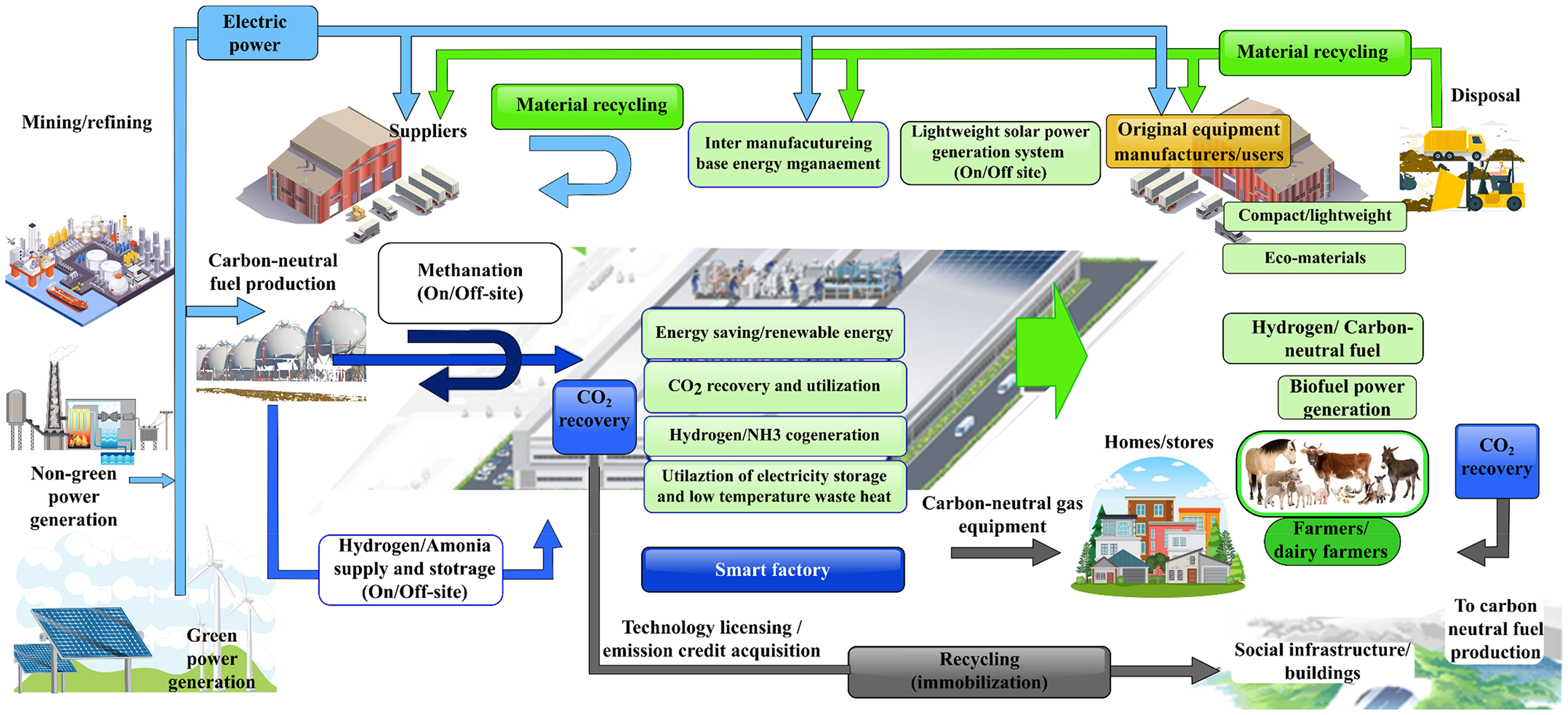
Closed production–consumption–emission loop for circular strategy. 77
In the closed-loop process depicted in Figure 3, traditional fossil fuels are being replaced by low-carbon options in the energy sector to achieve net-zero emissions. Innovation in the energy sector should be set at an all-time high, as governments around the world have set goals for reducing carbon emissions as soon as possible. More importantly, the transition to low-carbon alternatives has economic benefits, such as job creation and improved energy security, and helps in the fight against climate change. 78 However, there are still obstacles to guaranteeing the reliability and affordability of renewable energy sources as they are integrated into established grids. Advances in battery storage are helping solve these problems by facilitating the long-term storage of surplus renewable energy. Bioremediation is also considered a strategy for lowering carbon emissions and has been gaining popularity in recent years because of its high efficiency and low cost. The use of plants to help absorb CO2 from the environment is one method of bioremediation to achieve carbon neutrality. Moreover, guaranteeing a steady supply of biomass could help counteract carbon emissions by adopting sustainable forestry practices and promoting tree regeneration. 79 The use of bioremediation to convert organic waste into biogas is another step toward a closed-loop system. Anaerobic digestion converts organic waste into biogas, which can be used for food scraps and farm waste. Biogas can be used to power and heat buildings, thereby offsetting pollution caused by these processes. The leftover digestate can be used as fertilizer, helping foster the circular economy by reusing refuse. 80 This will enhance the formation and development of full-scale regenerative farming, which helps with CO2 sequestration through the replenishment of soil nutrients by organic fertilizer-based no-till cultivation. Pollutants from the manufacturing and mining processes can also be removed with the aid of bioremediation. Microorganisms offer a safe and environmentally friendly method for degrading hazardous chemicals at polluted sites. 81 Taking these measures help to create a more sustainable and circular economy by lowering the amount of toxic waste released into the ecosystem. Bioremediation is an economically viable and environmentally sustainable approach to mitigate carbon pollution and enhance circularity. Therefore, to build a more sustainable future, it is necessary to adopt bioremediation practices at both individual and corporate scales. However, artificial intelligence and machine learning technologies should be applied to accurately measure the carbon footprint from these activities to propose reasonable solutions for managing carbon emissions.
Role of stakeholders in developing low-carbon technologies
If all countries in the world meet their environmental goals, the governments must play a leading role in creating low-carbon techniques. Energy-efficient buildings and infrastructure, renewable energy sources, low-carbon emission transport systems, and carbon capture and storage are examples of low-carbon technologies that governments around the world can promote and invest in through various policies, incentives, and regulations. 82 Governments can hasten the shift to a carbon-neutral economy and boost economic growth by investing in R&D in these areas to mitigate climate change, create jobs, and open up possibilities for innovation. The above connotations seem to admit that the government's unwavering commitment to this issue strengthens global efforts toward sustainability, despite the many hurdles it faces in enacting these measures due to political or public opposition. 83
Market involvement in the creation and dissemination of low-carbon methods is crucial. Markets provide an important framework for businesses to develop and scale their solutions at a competitive price by providing financial incentives and investment opportunities. 84 Investors, lenders, and consumers are increasingly seeking products that are environmentally sustainable in response to large-scale investments in low-carbon technologies by governments worldwide. 85 As a result, new markets have opened up for renewable energy, carbon capture and storage, electric cars, biofuels, green construction, and smart grids. Public policy instruments, such as subsidies or tax rebates, can help stimulate private sector investment to support innovation and overcome market failures, but some investors may be wary of funding new ventures in these sometimes-unproven sectors because of high capital requirements. In addition, consistency in forming and deploying carbon credit certification and commercialization should be strongly implemented at both national and global levels. However, standards associated with carbon credit must be aided by independent verification bodies to ensure strict in-offsetting rules for carbon reduction projects. 86 Ultimately, progress toward weaning economies off fossil fuels while ensuring economic growth into the future will require multidisciplinary strategies, including both existing market mechanisms and targeted public policies, to successfully integrate low-carbon approaches across diverse industries. 87
The need for low-carbon alternatives is growing, as the world prepares to address the effects of climate change. Their role in creating such methods is crucial because people pay more attention to environmental problems. 85 Through informed choices, advocacy, and community participation, the public can play a crucial role in fostering innovation by encouraging investments in low-carbon technologies. Companies need to adjust their plans to accommodate the growing demand for environmentally friendly goods or to face the possibility of declining sales. 88 Indeed, GHG emissions from traditional carbon-intensive sources could be decreased, while development could be accelerated by investing in renewable energy initiatives. Leaders in the business world must realize that low-carbon alternatives can only be effectively implemented through partnerships with a wide range of stakeholders to contribute to a sustainable future. 89
The adoption and implementation of low-carbon techniques are greatly aided by the efforts of commercial businesses. Organizations with access to substantial funding are in a position to spur the development and funding of clean technologies that can drastically reduce carbon pollution, 90 in which businesses can use their financial resources to advance the study of sustainable energy sources. Alternatively, they can aid decarbonization initiatives by reducing energy usage through the use of smart lighting systems and energy supply system optimization. 91 Businesses can help slow the effects of climate change, save money, and look good in the eyes of their customers by adopting low-carbon policies. Scaling up technological innovations that flourish through co-creation between businesses and governmental entities or civil society groups is one way in which public–private partnerships with governments or nongovernmental organizations (NGOs) can catalyze sustainable development. As a result, businesses can and should help promote more environmentally friendly methods of doing business and thereby make a positive contribution to international efforts to combat climate change.
Disruptive technologies and sustainable behaviors for carbon neutrality
Carbon neutrality could be known as a revolution focusing on green industry, carbon-free/reduction energy, and ecological technology aimed at offering profound changes to the development of society and economy based on the sustainability of the ecosystem. To achieve global carbon neutrality, the changes in energy systems and technologies, products, and services, and beginning-to-end behaviors of consumers should be handled and solved based on four key principles, including (i) breakthroughs in technology, (ii) guarantee of energy security; (iii) realization of economic feasibility, and (iv) controllable social stability, 21 as illustrated in Figure 4.
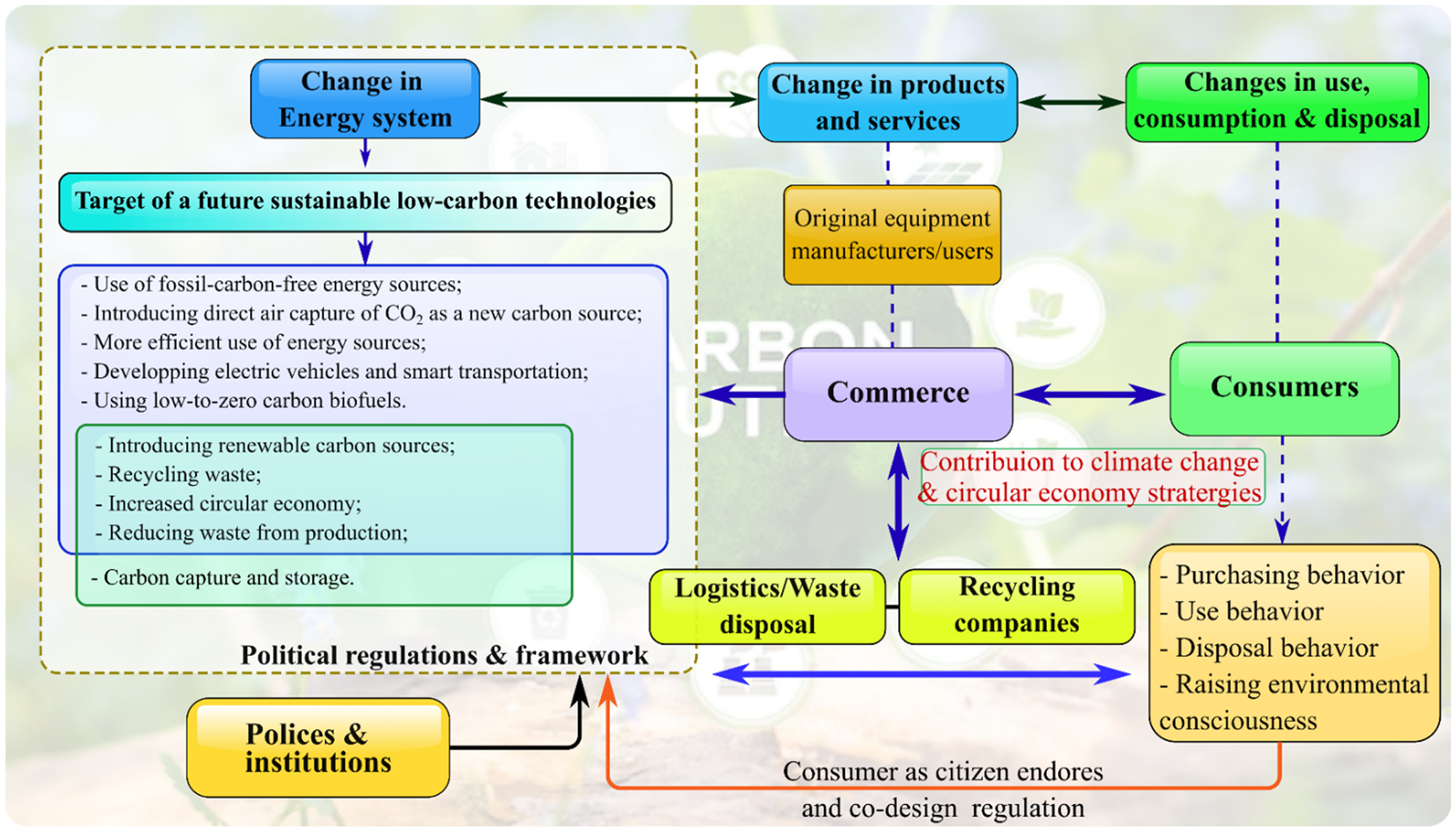
Low-carbon technologies and sustainable behaviors based on four key principles to achieve carbon neutrality. 92
It could be observed that the lock-in of energy supply systems based on carbon-rich fossil fuels/energy and the effective development of “negative carbon” technologies in addition to the adoption of measures and policies could be a comprehensive solution to achieve carbon neutrality by 2060. 22 Therefore, it could be confirmed that there should be two potential scenarios for a low-carbon future, including low-carbon technologies and sustainable behaviors.
For low-carbon technologies, the world at large has embraced the shift towards low-carbon technological advancement as a means of combating climate change. GHG emissions can be greatly reduced by increasing the use of technological transitions, such as grid integration, in sustainable renewable energy sources rather than fossil fuels.93,94 Similarly, the increasing prevalence of electric cars represents a significant development in the automotive industry. When it comes to worldwide GHG emissions, the transportation sector is among the top contributors. 95 By 2030, electric vehicles will have cut carbon emissions by a substantial margin, accounting for over 30% of all vehicle sales worldwide. Assuming the transition is coupled with decarbonized power grids, the International Council on Clean Transportation estimates that electric vehicles could cut worldwide CO2 emissions by 1.5 gigatonnes per year by 2030. Technological developments are increasing the efficiency and range of electric vehicles, making them more suitable for daily use. 96 In addition to electric vehicles, it is also reported that the use of low-carbon or zero-carbon alternative fuels for internal combustion engine-based vehicles is an effective solution to achieve carbon neutrality.97,98 Indeed, a large number of low-carbon or zero-carbon alternative fuel types, such as hydrogen, ammonia, and methanol, could be considered as promising green fuels in reducing GHG and CO2 emissions.99–101 Energy storage is another emerging trend in the research and development of low-carbon technologies. One of the most promising areas of energy storage development is battery technology, with lithium-ion battery costs falling by nearly 90% over the past decade. New advancements, such as solid-state batteries and flow batteries, offer even greater potential for long-term energy storage. Owing to the lack of trustworthy storage technology, the energy generated by intermittent sources such as solar and wind is wasted. 102 To help store energy generated during peak production periods and provide a reliable source of energy during low production periods, energy storage systems like batteries, fuel cells, and pumped hydrostorage systems are being developed. For instance, renewable energy grid efficiency could see a significant boost if the worldwide energy storage market expands from 20 GW in 2020 to more than 1000 GW by 2030. By ensuring a steady supply of green energy, energy storage technologies will aid in the effort to wean the world off fossil fuels. 103 Furthermore, encouraging afforestation and developing “blue carbon” ecosystems is also one of the significant negative-emission technologies. 104 Although the above-mentioned low-carbon technologies could lock and minimize GHG and CO2 emissions, some of them have not been fully implemented, along with incomplete technologies. In addition, life cycle analysis of those technologies should be critically conducted to have a comprehensive assessment. In the future, disruptive technologies should be focused on with the participation of the government, policymakers, enterprises, and scientists, in which these disruptive technologies should be developed toward low-carbon and negative carbon norms. In general, disruptive technologies for transformation to carbon neutrality could be depicted in Figure 5.

Suggested disruptive technologies for a carbon-neutral future. 21
To ensure that the Earth continues to flourish and provide for future generations with a low-carbon future, sustainable behaviors are required. Sustainable living choices, decreased carbon emissions, and advocacy for environmental protection are necessary steps toward achieving this goal. 105 According to theory, global carbon emissions may drop dramatically if people start living more sustainably. Furthermore, the United Nations Environment Programme research shows that worldwide CO2 emissions can be reduced by 10% by 2030 if people make small changes to their behavior, such as using less electricity, which would go a long way toward reaching the 1.5°C goal of the Paris Agreement. In addition, reducing waste, using renewable resources, and choosing energy-efficient options are all examples of sustainable behaviors. Reducing the impact of carbon is an important action that can be taken. Modifying the commute by taking a bus, strolling, or riding a bike instead of driving will help immensely. 106 For example, a study conducted by the International Transport Forum found that if city dwellers were to switch from driving to taking a bus or bike by the year 2030, it could reduce yearly emissions from transportation by more than 500 million metric tons. Turning off electronics when not in use, purchasing energy-efficient appliances, and switching to sustainable energy sources, such as solar or wind power, is a great way for individuals to lessen their impact on the environment. Emissions might be drastically affected by a worldwide movement towards zero-waste lifestyles. Zero Waste Europe found that by 2050, if the European Union implemented circular economy policies, it could cut GHG emissions by 39%. Reducing waste output is another sustainable action that can be undertaken to help the environment. Rather than throwing things away, people choose to either repurpose or reuse them. People can help the environment by composting biological waste, switching to reusable bags, and not purchasing products that come in excessive packaging. Adopting these practices helps reduce the environmental impact of consumer products and the amount of trash sent to landfills. The distribution of sustainable food systems is potentially a bright spot. According to some studies, cutting down on food waste and switching to a plant-based diet may cut agricultural emissions worldwide by up to 70%, making a big dent in the fight against climate change.107,108
Another important move toward sustainable behavior in a low-carbon future is to raise environmental conservation and awareness. Taking part in conservation activities, informing others about environmental concerns, and lobbying for policies could help the environment at the state and federal levels because this attitude makes people conscious of their effect on the planet and inspires them to take action to preserve it. 109 Moving toward more eco-friendly practices is crucial for a lower-emission future. There might be a dramatic change toward more sustainable practices if environmental education becomes an integral part of public policies and school curricula. People need to take charge of their lives and make decisions that support efforts to protect the ecosystem, in which steps that could be applied to achieve this include cutting down on carbon emissions, recycling more, and raising environmental consciousness. Furthermore, green purchasing is also considered as an efficient solution to reduce energy consumption, leading to reduced GHG and carbon emissions. In recent years, efforts to promote green and sustainable development have led to the exploration of e-commerce as a means to alleviate energy poverty, mitigate the dependence on fossil fuel/energy, and advance eco-friendly growth that is thought of as an efficient solution to reduce GHG and CO2 emissions.110,111 As the sustainable development agenda advances, there is growing recognition among researchers and policymakers of the strong connection between e-commerce and the Sustainable Development Goals. 112 They contend that e-commerce can not only provide immediate economic relief to impoverished populations but also foster long-term sustainable growth. 113 This approach is rooted in ecological economics, which values ecosystem services like organic product production, clean air, water conservation, and biodiversity for their substantial economic worth. By fostering ecological tourism and sustainable agriculture, it boosts the realization of ecosystem service value while bypassing the limitations imposed by energy poverty on traditional production models. 114 Therefore, e-commerce not only reduces reliance on conventional energy sources but also enables communities to diversify their income strategies, increasing their resilience and capacity for sustainable development, which ultimately leads to reduced environmental degradation and GHG emissions, and fosters green development toward the sustainable transformation to carbon neutrality.115,116
Plans for carbon neutrality
Diffusion channels
Technology diffusion channels are the ways through which new technologies move from their point of origin to widespread use in society. 117 In the context of sustainable transformation, these avenues are crucial because they facilitate the spread of cutting-edge sustainable technologies and practices that lessen human interference with the natural world and advance sustainable development. Sustainable transformation can be facilitated through the use of a variety of technological diffusion channels, such as government efforts, market incentives, and social networks. 118 Indeed, government policies and regulations constitute one of the most efficient dissemination routes. Governments can use their regulatory authority to enact stricter environmental laws and promote the creation and widespread use of innovative green technologies. 119 The United States federal government, for instance, has established the Environmental Protection Agency to control pollution, and many local governments have passed laws requiring the use of green energy. 120 Environmental federalism proposes that governments can affect pollution levels and management of sustainable transformation progress through the creation and enforcement of policies, as well as the control and distribution of societal resources. 121 Essentially, such policies serve as formal sustainable transformation regulations imposed by the government, acting as a “top-down” “hard constraint.” 122 Governments can comprehensively oversee various carbon neutrality-related aspects and implement rules that directly influence carbon emitters, for example, by limiting carbon emissions from industrial manufacturers to lessen environmental degradation and target sustainable transformation to carbon neutrality. 123 This can take the form of rewarding businesses for implementing eco-friendly policies and penalizing those that do not. Similarly, policies that restrict motor vehicle usage help decrease carbon emissions from transportation means, thus fostering the transformation to green energy and carbon neutrality with the systematic control of the government. 123
The market is an essential medium for the long-term dissemination of green technologies. To keep up with the increasing demand for environmentally sustainable products and services, businesses can leverage funding for research and development initiatives focused on innovative eco-friendly offerings. 124 This has the potential to spur the creation of cutting-edge renewable energy sources as well as sustainable businesses aiming to boost the economy and create jobs. By influencing behavior and raising awareness, social networks can contribute to the spread of novel technologies. The rapid dissemination of new ideas and trends is a direct consequence of the connectivity and information sharing enabled by social networks. Using social media to advertise eco-friendly goods and lobby for sustainable policies and laws can be particularly useful in increasing the public's understanding of sustainable technologies and practices. 125 Thanks to social media, the public could contribute to sustainable transformation governance by adopting better practices and keeping track of information to support energy saving, carbon emission reduction, and the enhancement of environmental quality. In contrast to formal government regulations, citizens’ awareness acts as a more flexible influence that often shapes the results of sustainable transformation governance. 123 Assessing public understanding of the energy transition and sustainability can offer valuable insights for policymakers aiming to implement effective low-carbon strategies. Furthermore, institutions of higher education and scientific research can contribute significantly to disseminating knowledge regarding sustainable transformation. Academic programs and research projects can spark creativity and lead to novel approaches to solving environmental problems. Sustainable technologies and practices can be adopted more quickly and with less effort if they are incorporated into government policies, market incentives, and social networks. 126 These pathways facilitate the creation, adoption, and dissemination of environmentally sustainable innovations and practices that contribute to the promotion of sustainable development.
Technological advancement
Technological advancements should aid sustainable development to achieve carbon neutrality goals because they could help solve pressing societal and ecological issues in novel ways. 127 For emissions to be negative, carbon emissions must be equal to or less than the amount of CO2 removed from the air; thus, technical plans are required across all industries, especially in the energy production, building and construction, transportation, and farming sectors.
Renewable energy technology is one of the most important technical advancements that has helped bring about a more sustainable society. In recent years, renewable energy sources, such as solar and wind, have improved in terms of both cost and reliability, making them competitive with more conventional energy options. Examples of technological developments in the renewable energy field include a 90% drop in the price of solar photovoltaic modules since 2010, which has made solar power more affordable for poor countries. The exponential rise of wind and solar power is shown by the fact that they contributed 10.3% of the world's electricity generation in 2021, up from a mere 4.2% in 2015. 128 It is important to incorporate energy-storage options to increase the availability and dependability of renewable energy sources. In addition, emissions from the massive consumption of fossil fuels can be lowered with the aid of carbon capture and storage devices. However, to compensate for the shortage of mineral resources for clean energy production in the future, advanced technological supports such as satellite-based aerial surveys and high-efficiency computer model-aided geographical information systems for looking for new mineral resources should be developed to reduce costs and increase productivity. 129 Moreover, new materials for replacing the existing metal being used for the renewable energy sector should be explored since renewable energy technology is found to consume a large amount of metal. In addition, the recovery technologies of metal resources for enhancing the metal product recycling rate and optimization of product design and manufacturing technology for reducing metal and energy consumption should be a priority. 71
In addition to the deployment of renewable energy projects, new technologies are needed to encourage the use of more energy-efficient cars, such as electric and hybrid models since the transportation industry is responsible for a sizeable portion of global carbon emissions. Fuel efficiency requirements, incentives, and subsidies are examples of regulations that governments can enact to boost the use of low-carbon transportation systems. 130 In addition, governments can boost R&D and spending on low-carbon options, such as advanced rail infrastructure, hydrogen technology, and sustainable aviation fuels. Furthermore, to reduce GHG emissions from livestock farming, fertilizers, and waste management, the agricultural sector can adopt technological innovation schemes. 131 The carbon footprint of agriculture can be improved through better livestock management, more precise farming, and the incorporation of green energy sources. 132 Climate change can be mitigated in the agricultural industry using engineered crops that increase carbon sequestration or bio-energy crops that generate low-carbon fuels. In addition, three-dimensional (3D) printing technology has helped producers reduce waste and increase productivity without sacrificing environmental friendliness. This technology helps to manufacture goods with low material waste, which is beneficial to the natural world. Smart sensors and automation technologies have also helped businesses control their production processes and resources, leading to less waste. Moreover, sustainable city planning is another result of technological advancements. To provide their residents with a better standard of living, residents of “smart cities” have embraced numerous technical advancements. Some examples of these advancements are “smart” transit systems, “green” construction, and “trash” management programs. Cities have been able to reduce their carbon footprints, improve their air quality, and alleviate transportation congestion thanks to these innovations. 133 According to the World Economic Forum, by 2030, smart city projects are expected to reduce energy usage worldwide by 30%, which will greatly help carbon reduction targets. It plays a vital role in sustainable transformation and is crucial to keep investing in research and the widespread implementation of environmentally friendly innovations to achieve a sustainable future. 134 In general, improvements in energy efficiency, waste and pollution reduction, and resource management have resulted from efficient technological plans that contributed to the achievement of a sustainable transition.
In addition to low-carbon technologies, mapping carbon emissions through statistical methods plays a vital role in quantifying emission levels and formulating effective reduction strategies to achieve carbon neutrality. In fact, such mapping can help enhance energy efficiency in manufacturing and decrease the reliance of downstream industries on energy-intensive products, ultimately leading to lower carbon emissions. 12 Carbon footprint maps with spatial detail offer precise and comprehensive local evaluations, breaking down results by sector and category. This level of detail supports more effective, collaborative policymaking tailored to region-specific mitigation efforts. 135
Collaborative innovation
Although technological solutions are often seen as key drivers, collaborative innovation is essential for achieving long-term carbon neutrality by fostering momentum and broad support for sustainable transformation. In practice, collaborative innovation functions most effectively as a systemic approach that addresses complex societal issues through comprehensive, integrated solutions and adaptive ecosystems. Collaborative innovation delivers both tangible benefits (such as practical solutions and economic growth), and intangible benefits (including shifts in culture and behavior, stronger relationships, and more inclusive development). It can significantly support sustainable transformation in accelerating their transition to climate neutrality through several key pathways: (i) embedding economic development, human wellbeing, and environment throughout the net-zero path; (ii) emphasizing the additional social and economic advantages of climate mitigation efforts; (iii) enabling new business models to tackle decarbonization challenges; (iv) creating platforms for diverse stakeholders to co-design and co-develop climate solutions; (v) encouraging behavioral change by addressing local needs and aligning with cultural norms. 136
Sustainable change also relies heavily on collaborative creativity. The term “stakeholder engagement” describes the collaborative effort required to handle sustainability issues. The ultimate objective is to ensure that present and future generations can live in harmony with the planet. As the need for a more sustainable world grows, collaborative innovation in sustainable transformation has emerged as a potent instrument. 137 Collaborative innovation in sustainable transformation is especially useful because it encourages people to share their unique views. This is important because environmental problems are often complex and often involve many parties. Collaborative innovation is more likely to result in comprehensive and effective answers because it incorporates multiple viewpoints. This not only fosters greater stakeholder ownership and responsibility but also propels systemic change that can lead to a safer future for all parties involved. Sustainable production and consumption habits, for instance, are good for everyone and can be promoted by businesses, NGOs, and governments working together. 138 Furthermore, sustainable transformation should be facilitated by collaborative innovation, as it promotes accountability and responsibility among all stakeholders. Engagement of key stakeholders in the innovation process enhances the probability that the proposed solution will be adopted and implemented. As a result, accountability improves because everyone involved has a vested interest in seeing the solution become a reality. As a result, a sustainable culture emerges that promotes constant teamwork in the face of emerging sustainability issues. Sustainable transformation through collaborative innovation can drive systemic change. Stakeholders can handle the root causes of sustainability problems rather than just the symptoms. In this way, the goal of collaborative innovation in sustainable transformation is not limited to solving a single sustainability issue, but rather to pave the way toward a more sustainable future for humanity as a whole 139 ; it is a potent instrument for fostering long-term change.
Competition and efficiency analyses
The sustainable transition to carbon neutrality is no exception to the rule of technological innovation. However, the high initial costs of many technological innovations make it difficult to rationalize their use compared to more tried-and-true approaches, indicating that cost-benefit, efficiency, and competition analyses should be carefully and thoroughly conducted. Some emerging trends in low-carbon technology growth could completely change “the face of the energy sector” at large, in which the integration of renewable energy sources into energy infrastructure is a major development in this direction. In some instances, the cost of producing renewable energy is even less than the cost of fossil fuel production. The levelized costs of solar photovoltaics and wind have decreased by 85% and 55% over the last decade, respectively, making them more cost-effective than coal and gas in numerous places, according to the International Energy Agency. Although the initial investment in environmentally friendly technology may be high, its operating expenses are typically lower in the long term because this helps reduce trash and streamline resource management. 140
The fact shows that carbon neutrality scenarios could lead to substantial energy-use expansion in developing countries, where technological innovation is still limited, as complete decarbonization to reach carbon neutrality goals usually requires significant progress in this respect. More importantly, this expansion has been found to dominate the decrease in the ratio of energy use/GDP and the increase in energy efficiency. It should be noted that the increase in energy efficiency could be enhanced via targeted interventions and could play an important role in determining the energy intensity of the economy. 141 For this reason, optimizing the energy structure could reduce energy intensity, leading to increased energy efficiency. Furthermore, the energy use/GDP ratio is highly dependent on the most energy-consuming sectors. For instance, the energy use/GDP ratio in mining and heavy-processing industries is much higher than that in transport and agriculture, while this ratio in the service industry is very low. Investment in technological advancement toward sustainability also usually results in increased productivity. Energy-efficient machinery in a factory, for instance, could reduce the facility's total energy consumption compared to older, inefficient machines. 142 This has the potential to lower energy consumption, cut down on GHG pollution, and make operations more environmentally friendly. Based on the abovementioned analysis, it could be seen that raising energy efficiency and reducing the energy use/GDP ratio could be conducted through technical improvements or energy-efficient technologies. 143 Therefore, to remain competitive in today's fast-paced business climate, investing in technological innovation is essential. 144 Businesses that do not implement sustainable practices may find themselves at a competitive disadvantage as their competitors advance. Businesses can gain a competitive advantage and establish themselves as market champions by making early investments in sustainable technologies. Investing in new technologies that can have a positive effect on the environment and society is important to ensure a sustainable future, but the cost-benefit analysis of technical innovation for sustainable transformation is complex and requires thorough evaluation. The investment may seem large, but the long-term gains justify this expense. Leaders in business and the government must ultimately consider the pros and cons of various options before investing in initiatives that will help users in a more sustainable future.
Achieving sustainable carbon neutrality requires an integrated approach that combines both climate change mitigation and adaptation strategies because, after all, climate change is the consequence of unsustainable transformation and energy consumption. Therefore, sustainable transformation to carbon neutrality should be a harmonious path between climate change mitigation and adaptation strategies, between social benefits and economic development. From a socioeconomic perspective, it is crucial to carefully control and manage both synergies and trade-offs between these strategies to avoid unintended negative consequences. 145 Therefore, before implementing any mitigation or adaptation measures, policymakers should carry out thorough evaluations to ensure positive outcomes and minimize adverse effects. For instance, while building a hydroelectric power plant can lower GHG emissions by generating renewable energy, it may also intensify competition for water resources with local communities and contribute to GHG emissions through the use of materials like cement and steel during construction. 12 More importantly, the imbalance between mitigation and adaptation strategies to carbon emissions may lead to negative social consequences, including changes in living conditions and increased poverty. In certain regions, such measures could also result in job losses due to the closure of manufacturing businesses. 135
Conclusions
This current work presents the obstacles and solutions for the sustainable transformation process to carbon neutrality. The findings of this work show that market distortion, a deviation of outcomes due to manipulated regulatory policies, and economic incentives are hindering the creation of new low-carbon technology adoption and pricing mechanisms, and the competitive dynamics of a carbon-neutral economy. In addition, financial constraints are a major challenge to the low-carbon transition, making it difficult to make substantial investments necessary for renewable energy infrastructure and energy-efficient strategies. Furthermore, incomplete low-carbon technologies, lack of collaborative innovation, the unharmony between policy, strategies, and governance, as well as limited public awareness are considered as significant barriers to slow the transformation to carbon neutrality. Therefore, policymakers, businesses, and investors need to work together to align economic incentives, aiming to accelerate the transformation of the present carbon-rich economy toward carbon neutrality. Moreover, implementing carbon pricing systems, eliminating subsidies for fossil fuels, and encouraging R&D of low-carbon technologies should be considered efficient solutions to achieve carbon neutrality. Finally, the actions and resoluteness of governments for policies and regulations, the determination of businesses in financial support and technologies, and the awareness of people in sustainable behaviors are the core links for implementing decarbonization progress and ensuring transformation to a carbon-neutral society fast and sustainably. In conclusion, disruptive technologies, energy security guarantee, realization of clean energy projects, guarantee of economic feasibility, available policy, efficient governance, and ensuring the stability of controllable society are the core principles that should be critically and fully followed to achieve the goal of carbon neutrality.
Footnotes

Funding
The authors disclosed receipt of the following financial support for the research, authorship, and/or publication of this article: Enrique Rodríguez-Castellón thanks to the project PID2021-126235OB-C32 funded by MCIN/AEI/10.13039/501100011033 of Spain and FEDER funds.
Declaration of conflicting interests
The authors declared no potential conflicts of interest with respect to the research, authorship, and/or publication of this article.