



Abstract
While Kazakhstan's mining sector drives the national economy, it generates substantial waste containing toxic heavy metals that pose environmental and health risks. Effective recycling is thus crucial for industrial and social sustainability. This study reviews Kazakh mine wastes (e.g. tailings and slags containing Cu, Zn, Au, and Fe) and applicable recycling methods, including chemical beneficiation, bioleaching, and filtration. Crucially, the Kazakh government is advancing waste valorization through fiscal reforms, such as proposed tax relief for processing technogenic formations, and the commissioning of new industrial recycling projects. Unlike previous studies treating technical and legal aspects in isolation, this review integrates metallurgical methods with these emerging policy shifts to offer a holistic roadmap for transitioning from waste disposal to resource recovery. Based on this survey, strategic recommendations are provided to promote sustainable mine waste recycling in Kazakhstan.
Introduction
Mining is a cornerstone of Kazakhstan's economic landscape. The country is a major player in the global mining industry, rich in mineral resources, and a leading exporter of various mineral raw materials. 1 However, this comes at the cost of mine waste materials, including tailings, slag, and waste rock. 2 This waste can lead to environmental degradation and poses risks to human health and wellbeing. Thus, effective waste management practices are essential to mitigate these impacts and ensure sustainable growth. Approximately 1.53 billion tons of solid matter is extracted annually in Kazakhstan, with 534 Mt allocated for metallurgical purposes. 3 Only about 4% to 8% of this material is processed into final products, while the majority ends up in landfills as overburden rocks, tailings, and metallurgical slags, continuously accumulating and covering vast areas. Additionally, a large portion of the waste (57.6%) originates from nonferrous and ferrous metallurgy, contributing 38.9% and 23.7%, respectively.4,5
Recycling mine waste helps to reduce environmental pollution and recover valuable metals and materials that can be reintegrated into the industrial supply chain.6,7 Furthermore, the successful management of mine waste is crucial to mitigate these impacts and support sustainable development in the mining sector and surrounding communities. This study explores the types of mine waste generated in Kazakhstan, their impacts, and potential management strategies. Understanding the types of waste produced and their impacts is essential for developing effective waste management strategies. This review aims to present current techniques for recycling mine waste and their effectiveness, analyze existing recycling methods used in Kazakhstan for producing materials from mine waste, and evaluate both the effectiveness and economic implications of these approaches.
While existing reviews have primarily focused on specific waste types in isolation,8–10 this work provides a comprehensive synthesis of multimetal recycling technologies applicable across Kazakhstan's diverse geology, bridging the gap between metallurgical feasibility and the national regulatory landscape to offer a unified strategy for industrial implementation. To this end, the references cited in this review were drawn from reputable peer reviewed journals, book chapters, conference proceedings, and official reports. Note that web pages are cited only for local policies and statistics. For the literature search, keywords searches were performed using research database such as Web of Science and Scopus as well as various publishers such as American Chemical Society, Elsevier, Multidisciplinary Digital Publishing Institute, Royal Society of Chemistry, Springer, Taylor & Francis, and Wiley. The following keywords were used for search: mine waste, minging residue, recycling, and Kazakhstan. Based on the literature survey, this review first introduces types of mine waste generated in Kazakhstan, followed by the discussion of environmental and socio-economic impacts of mine waste in Kazakhstan. After that, recycling techniques applicable to treating mine waste are surveyed to discuss common issues in recycling mine waste in Kazakhstan with suggesting strategies for improving the recycling practices.
Impacts of mine waste in Kazakhstan
Every year, 5 to 7 billion tons of production and consumption waste are generated in Kazakhstan. 11 In particular, mining and metallurgical industries produce the largest amount of hazardous industrial waste. 12 According to the Bureau of National Statistics of the Agency for Strategic Planning and Reforms of the Republic of Kazakhstan, approximately 890 million tons of industrial waste had been generated in Kazakhstan, and approximately 32 billion tons of waste had been accumulated as of 2022. 13 The amount of toxic waste generation from mining and metallurgical activities in Kazakhstan amounted to approximately 84 million tons annually until 2024—nonferrous metallurgy generates approximately 63% of the waste. The generation of significant toxic waste has been observed in East Kazakhstan, Karaganda, Kostanay, and Pavlodar regions.
Mine waste (including mineral waste and metallurgical byproducts) is subjected to a variety of mineral refining and extraction methods, resulting in materials with high metal and sulfate concentrations.14,15 These residues are frequently enriched with rare earth elements and valuable metals, making them potential resources for sustainable practices.16,17 Nevertheless, the high metal content of these residues poses risks, especially in terms of human health and environmental pollution. 18 Mining operations in Kazakhstan produce several mining byproducts, such as tailings, waste rock, and smelting slag. 19 These waste materials often contain hazardous trace elements, including heavy metals. The contamination of agricultural land by heavy metals (e.g. Zn, Cu, Hg, Pb, Cd, and Cr) has gained significant attention. 20 These metals are highly toxic and can have a detrimental impact on the long-term viability of the food supply. 20 Soil contamination can occur due to both natural environmental processes and human activity. It is generally accepted that mining activities are the main source of heavy metals in soils. 21 Certain metals (e.g. Cu, Fe, Mn, Ni, and Zn) are indispensable trace elements for crucial processes and the maintenance of physiological functions in living beings. 22 Conversely, other metals (e.g. As, Cd, Cr, and Pb) lack physiological activity and can be harmful, even in small amounts. 23 Low concentrations of As have been detected in the soil in different parts of Kazakhstan, for example, the mining site of Kurday where the concentration was 38 mg/kg. 23 This may pose risks where food crops are grown. 24 In the Akmola region (near Kokshetau), a high concentration of 721 mg/kg was found in the Vasilkovsky gold ore deposit. 25 However, arsenic concentrations were less concerning regarding the surface water of the Aral Sea, where the maximum value is 70 μg/L. 26 The Pb-Zn slags in Shymkent originate from the operations of JSC Yuzhpolmetall, where they have been stored since 1950. 27 These slags, originally located outside the settlement, are now within the city owing to urban expansion and pose significant environmental risks. The total volume of these slags was once 2.2 million tons, but recent use in building materials has reduced this quantity to 1.8 million tons. 27 The environmental impacts of lead-zinc slags include soil contamination with heavy metals, particularly lead, which has been linked to adverse health effects in local populations, especially children. 27 Figure 1 outlines the high and extreme contamination of soil, sediment, and water with different elements in Kazakhstan. 28
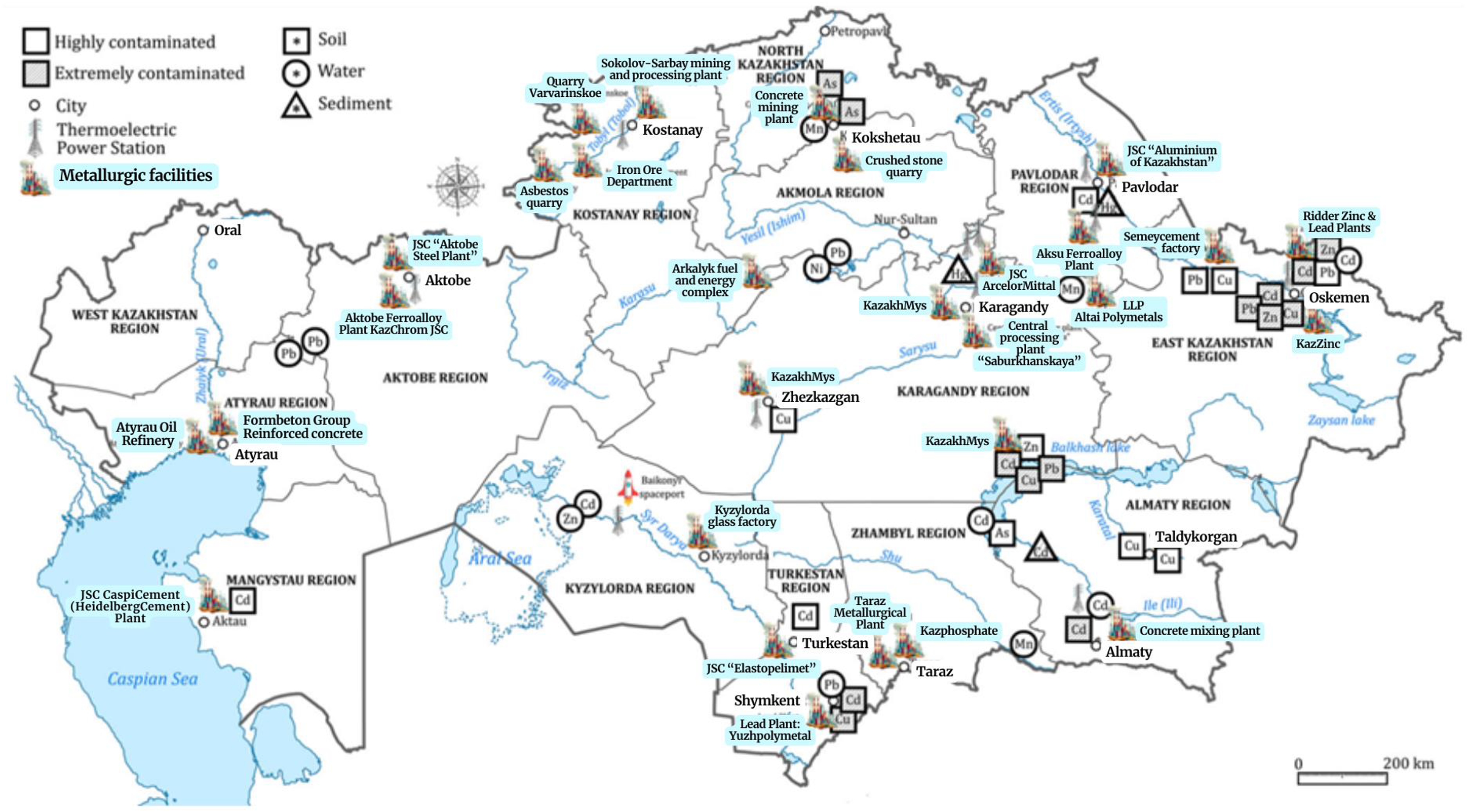
Identified areas with high concentrations of heavy metals in soil, sediment, and surface water as well as emission sources in Kazakhstan. Reproduced from Baubekova et al. 28 with permission from Springer Nature.
The intensified processing volumes of copper align with the broader trend of increasing global copper demand, which is projected to surge by 275% to 350% by the 2050s. 29 However, accelerated production poses significant challenges. Higher processing rates increase energy consumption, with copper production expected to consume up to 2.4% of global energy demand by 2050. 29 This situation is further complicated by projections indicating that cumulative global copper production will exceed current reserves by the early 2040s. This creates a critical sustainability challenge as the mining sector's growing energy consumption contributes substantially to global CO2 emissions.29,30 Thus, effective waste and resource management strategies are critical to mitigate escalating environmental impacts.
Recycling approaches of mine waste in Kazakhstan
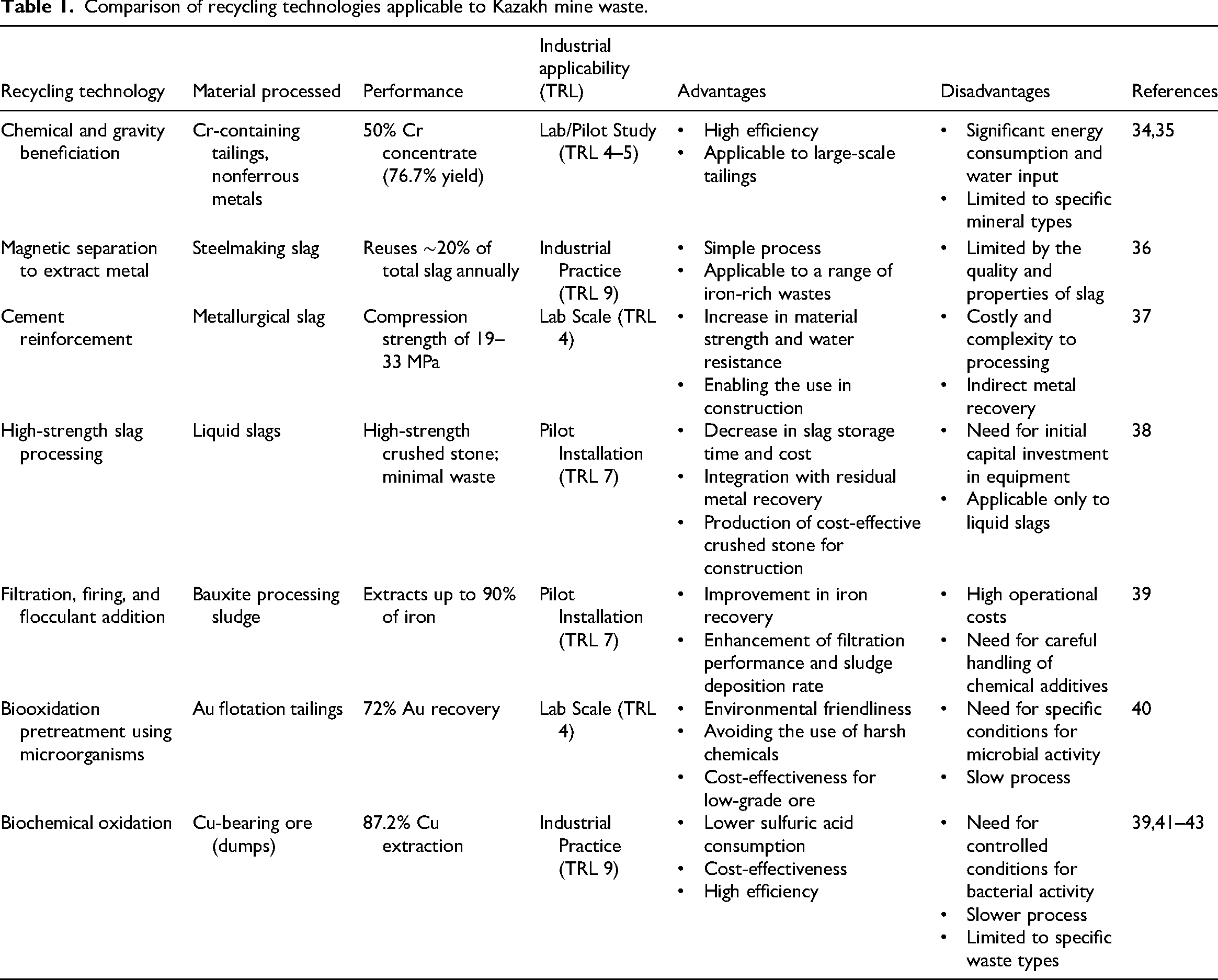
Recycling methods for mine waste (e.g. tailings, slags, ore, and overburden) can effectively decrease waste production and mitigate negative impacts of the mine waste. 31 Also, the amount of recyclable waste has recently increased in Kazakhstan. For example, the share of industrial waste recycling has increased from 26.8% to 32.2% since 2016. This progress leads to improving waste recycling infrastructure and more efficient use of resources. 32 Nevertheless, recycling rate of mine waste is still lower than the rate of other countries such as the European Union and Japan (80%). 33 In this regard, a proper use of recycling process with regard to mine waste type is crucial for increasing recycling rate and mitigating negative impacts of mine waste in Kazakhstan. Table 1 summarizes and compares various recycling methods applicable to Kazakh mine waste with highlighting their key features, advantages, and disadvantages. It is also critical to consider the environmental and energy footprints of these technologies. Pyrometallurgical recovery (e.g., slag fuming) offers rapid metal extraction but is highly energy-intensive and generates secondary emissions. In contrast, hydrometallurgical and biohydrometallurgical routes (e.g., bioleaching) operate at lower temperatures and significantly reduce direct energy consumption and greenhouse gas emissions, though they often require longer processing times and careful water management.
Comparison of recycling technologies applicable to Kazakh mine waste.
Tailings
Tailings are the residues left after extracting valuable minerals from ore. In Kazakhstan, copper mining is a major source of generating tailings. 44 Most copper mines are open-pit operations in which large volumes of ore are extracted, processed, and concentrated, leaving significant quantities of waste rock and tailings. The amount of tailings waste grew by 4% in 2023, reaching 88.9 Mt compared to 85.1 Mt in 2022. This rise is consistent with the increase in copper ore processing volume, which also expanded by 4%.
The tailings originating from copper extraction process consist of fine-grained material after valuable minerals have been removed. The fine-grained nature of copper tailings also provides opportunities for their incorporation into cementitious materials. When used as a partial replacement for cement, copper tailings can enhance the mechanical properties of concrete (such as compressive and flexural strength) when the proportion is maintained below a certain threshold (typically about 15%).45,46 The fine particle size of copper tailings contributes to improved workability and packing density in concrete mixtures, which can lead to improved performance. 45 Moreover, copper tailings can be utilized to produce geopolymers, 47 which are alternative binders that can replace traditional Portland cement. The incorporation of copper tailings into geopolymer formulations enhances the compressive strength and durability of the resulting materials, rendering them suitable for various construction-related purposes. 48 Effective practices to manage tailings include building secure facilities to store them, monitoring leaks and contamination, and exploring options for reusing or treating tailings.
Prolonged mining, processing, and refining of minerals lead to the generation of waste materials, which are stored in large-scale dumps and sludge ponds, causing environmental and health hazards. Beneficiation involves crushing, flotation concentration, gravity concentration, and grinding, followed by processing activities such as refining and smelting. The beneficiation process typically starts with milling, followed by flotation for further beneficiation. 34 A study has been conducted on waste from Cr ore processing using chemical and gravity beneficiation of Cr-containing tailings from the Dubersay dump (Aktobe region) to obtain Cr concentrates. 35 Through the processes of tailings beneficiation, around 50% of the Cr-containing concentrate was obtained (76.7% yield).
Selective flotation of Cu and Mo-containing ore collected in Aktogay deposit of Kazakhstan was conducted using a standard process with a modified flotation agent (Kumkolsk oil/diesel fuel = 1) compared to a traditional kerosene collector. 49 The procedure of the flotation is schematically described in Figure 2. The modified reagent increased the Mo yield in the concentrate by up to 7% compared to a traditional kerosene collector. The biooxidation of sulfide minerals in flotation tailings was studied using samples from the Altyntau Kokshetau extraction plant, which facilitated the subsequent recovery of 72% of Au. 40
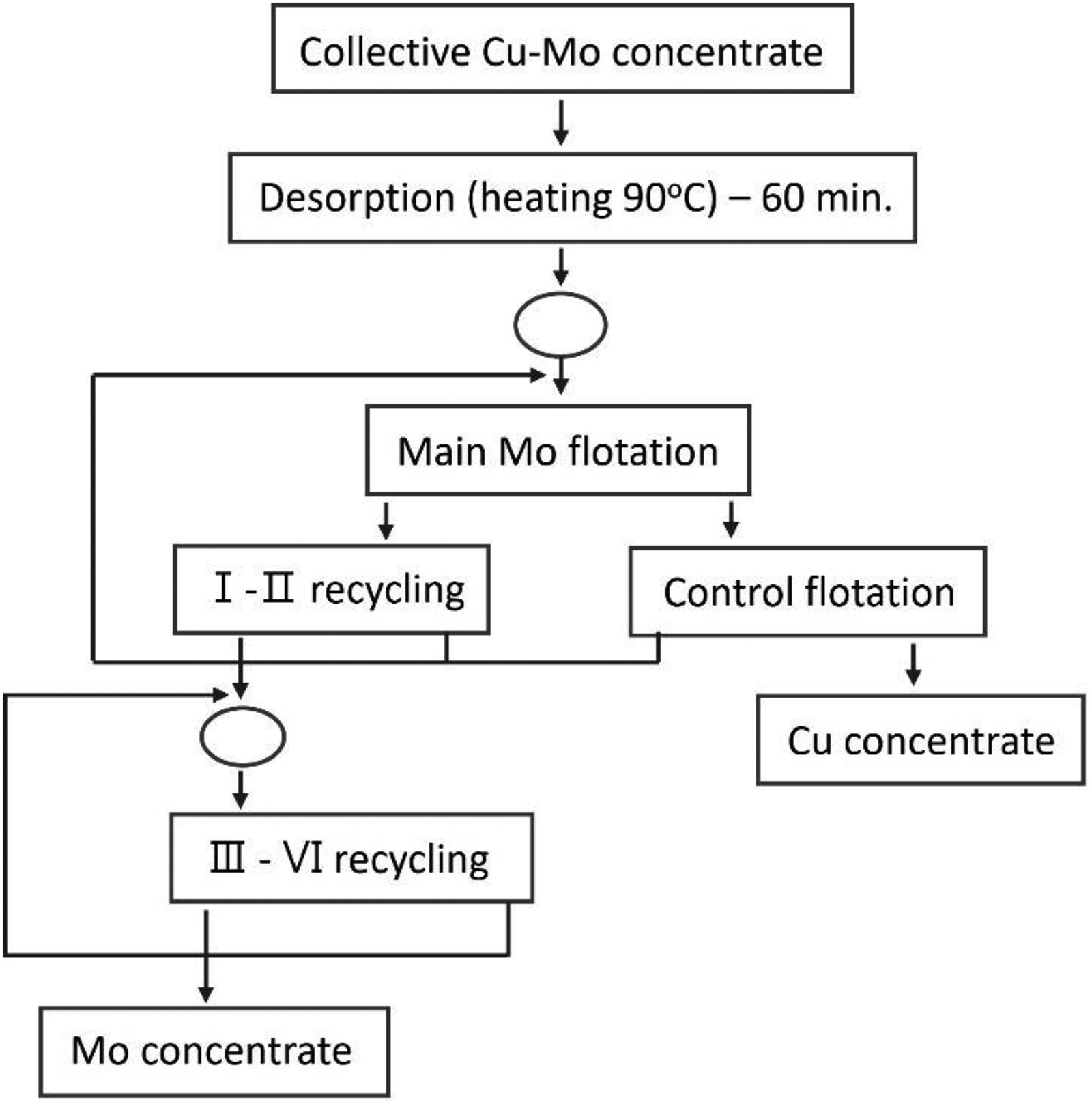
Schematic diagram for the flotation of Cu-Mo ore using a Kumkolsk oil/diesel fuel blend as a flotation agent. Reprinted from Mukhanova et al. 49 and licensed under CC BY.
Slags
Slags can be classified into different types including ferrous slag, 50 which is generated during the production of iron and steel; ferroalloy slag, 51 which is formed during the manufacturing of bulk ferroalloy materials such as FeCr, FeMn, FeNi, and FeSi; and base metal slag, 52 which is derived from the recovery processes of metals such as copper, nickel, lead, and zinc, commonly from sulfide ores. 50 Different pyrometallurgical processes generate hundreds of millions of tons of slag. For example, iron blast furnaces produce 0.25 to 0.3 tons per ton of crude iron for normal ore grades and 1 to 1.2 tons for lower-grade ore, while steel furnaces generate around 0.2 tons per ton of steel (although a portion is recycled to recover entrapped metal). 53 These slags are formed during the smelting stage due to the interaction of gangue minerals present in the feedstock, fluxes, and potential reductants deliberately added during smelting. 50
An installation was developed for processing liquid slags, which makes it possible to obtain high-strength crushed stone with minimal humidity and does not require long-term storage in dumps. This significantly accelerates processing and reduces the cost of slag storage. 38 In addition, this installation enables the processing of residual metal inclusion in slags without the need to separate them. This makes the process more cost-effective and increases the yield of useful products. Another important aspect is the use of filtration and firing to process the remaining sludge after bauxite processing. These processes enable the extraction of up to 90% of the iron and reduce the viscosity of the solutions, which accelerates the deposition and filtration of the sludge. This technology also allows for the use of flocculants to improve the deposition of fine particles, which increases filtration performance. 38
A previous study developed road-base materials by combining Kazakhstan's natural loam with ferrous slag and lime production waste. 54 Through sol-gel synthesis and compression, 55 these materials have demonstrated potential for both road construction and unburned brick production, achieving impressive strength over a 550-d testing period. 54 The raw materials (ground-cooled converter slag) were sourced from the Karaganda Metallurgical Concern, particularly ferrous metallurgy slag, which typically contributes to global pollution.
Copper slag is usually classified as waste and contains valuable metals (e.g., Cu, Zn, and Fe) that can be efficiently extracted using ammonium chloride (NH4Cl) treatment. 56 The recovery process (Figure 3) involves treating the slag with NH4Cl, which converts these metals into water-soluble forms, achieving high recovery rates of 91.5% for Zn, 89.7% for Cu, and 88.3% for Fe. This process utilizes a closed-loop system in which reagents (such as NH4Cl and ammonia water) can be reused, making it both environmentally and economically viable. 57

Schematic diagram for the Cu, Zn, and Fe recovery from copper smelter slag. Reprinted from Nadirov et al., 57 Copyright (2013), with permission from Elsevier.
In steelmaking waste dumps, metal-containing materials are extracted from the slag through magnetic separation. Hence, in the production of sinters, cast iron, and steel, around 20% of the total volume of this waste is reused annually. 36 Nevertheless, the ArcelorMittal Temirtau facility is unable to fully reprocess and utilize all metallurgical slags owing to a variety of factors, including the lack of physical and mechanical properties of the materials derived from such waste. 36 Numerous researchers have studied the issue of increasing the strength and water resistance of solid metallurgical waste. For instance, specialists from the Dortrans Kazakh Research and Design Institute, who were working on the fabrication of monolithic phosphoric granulated slag, 37 suggested a method for employing cement to reinforce raw materials without further processing. According to these experimental investigations, depending on the amount of cement used, this process increased the compressive strength of the materials to 19 to 33 MPa.
Other kinds of mine waste
During open-pit coal mining of one of the largest deposits in the world, Ekibastuz, Kazakhstan, a massive amount of overburden rock is produced and transferred to open dumps. 58 Approximately 4 billion m3 of heavy rocks from coal extraction have accumulated during operation, and the overburden rock dumps can reach heights of 100 m, fill enormous spaces, and are found close to city limits. 58 The study of overburden rocks addresses the growing problem of industrial waste 59 while providing a sustainable alternative for ceramic brick production. 60 Compared to traditional brick manufacturing that relies on extracting virgin clay, utilizing overburden rocks preserves natural landscapes and reduces quarrying costs. 61 However, unlike uniform raw clay, overburden waste is often heterogeneous, which makes it challenging to process without proper grinding and treatment. 62
Biohydrometallurgical processing offers a versatile approach for treating complex mine waste. Unlike conventional pyrometallurgical smelting, which requires high temperatures (often >1200°C) and generates significant gaseous emissions (e.g. SO2 and CO2), bioprocessing operates at atmospheric pressure and ambient temperatures. This results in a substantially lower carbon footprint, although the tradeoff is a significantly slower reaction rate (days to months versus hours). The mechanism differs significantly between base and precious metals. For low-grade copper dumps, Acidithiobacillus ferrooxidans (A. ferrooxidans) is employed in bioleaching operations to regenerate ferric iron (Fe3+), a potent oxidant that dissolves sulfide minerals.39,41–43 This method typically operates as a standalone heap-leaching process, where crushed and agglomerated ore is stacked on an impervious pad and irrigated with a nutrient-rich leaching solution containing active bacterial cultures. As the solution percolates through the heap, bacteria oxidize sulfide minerals to form soluble metal sulfates, yielding a pregnant leach solution that is collected at the base and further processed for copper recovery. A representative scheme of this industrial practice—commonly applied in operations such as the Sotkamo mine—is shown in Figure 4, illustrating the general configuration of a copper heap-bioleaching system. 64 In such setups, Koizhanova et al. achieved copper extractions of up to 87.2% by utilizing bacterial activity to reduce acid consumption. 43 A. ferrooxidans strain was adapted to withstand the toxic conditions generated by copper compounds. In contrast, for refractory gold concentrates, microbial processing serves as a biooxidation pretreatment rather than direct leaching. Here, bacteria oxidize the sulfide matrix (e.g. arsenopyrite) to liberate encapsulated gold for subsequent cyanidation. 65
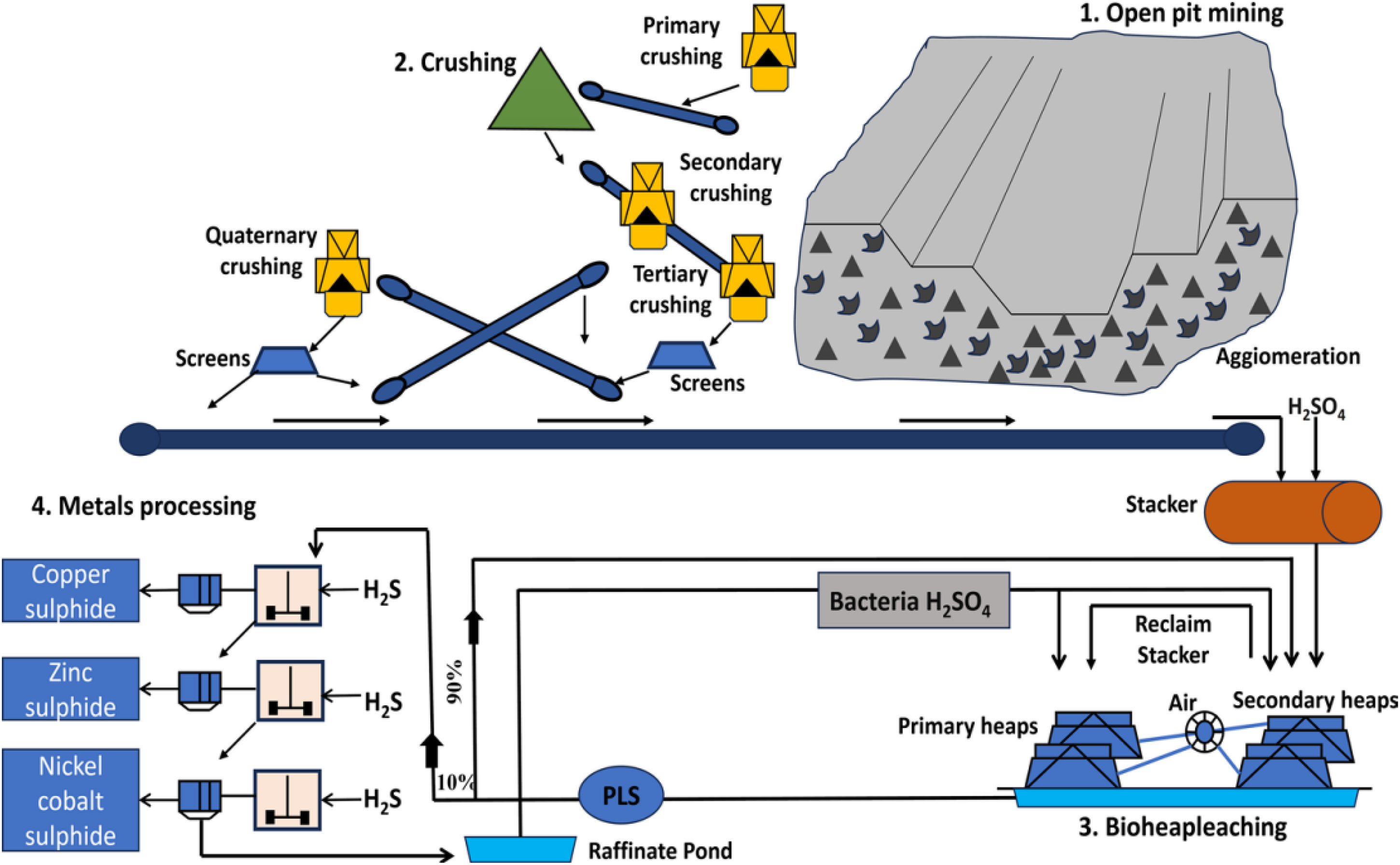
Schematic illustration of the heap-leaching process implemented at the Sotkamo mine, showing the general layout and flow of copper bioleaching operations. Reprinted from Hubau et al. 63 , Copyright (2020), with permission from Elsevier.
To sum up, the choice of recycling technology requires balancing metallurgical efficiency with environmental and energy footprints. While pyrometallurgical methods allow for rapid processing of complex wastes, they remain energy-intensive and generate secondary emissions. Conversely, biohydrometallurgical and closed-loop chemical processes offer significantly lower carbon footprints and reduced energy consumption, though they often demand rigorous water and reagent management. Furthermore, the large-scale valorization of residues—such as incorporating copper tailings into green cements or utilizing slags for road construction—serves a dual sustainability function: it immobilizes toxic heavy metals to prevent leaching while simultaneously reducing the energy burden associated with extracting virgin construction materials.
Research recommendations
As discussed in the above subsections, numerous studies have aimed at improving existing mineral and metal recovery approaches; however, further research should be undertaken to obtain more value and minimize environmental impacts for mine waste recycling in Kazakhstan. To effectively advance these goals, future initiatives should be prioritized based on their implementation timelines.
Regarding long-term strategic priorities, innovative approaches to resource recovery are exemplified by the transformation of metallurgical waste into useful materials. For instance, studies have demonstrated the potential to convert metallurgical residues into zeolites for water purification66,67 and to synthesize iron- and copper-based nanoparticles. 68 Additionally, the use of green synthesis methods, such as producing selenium nanoparticles from mining residues, aligns with the strategic goal of developing high-tech, export-oriented sectors. 69
In terms of short-term priorities, immediate efforts should focus on optimizing operations and mitigating legacy risks. This includes employing geometallurgical methods to identify supplementary commodities within existing waste streams for improved extraction efficiency,70,71 evaluating extractive waste from abandoned sites for reprocessing, 72 and applying noninvasive geophysical techniques to monitor storage facility stability. 73 These combined pathways support the national “Concept for the Transition to a Green Economy” by addressing both immediate remediation needs and future industrial innovation. 74
Feasibility of mine waste recycling in Kazakhstan
One of the key aspects of modern environmental law in Kazakhstan is waste management including mine waste. To improve corporate interest in recycling of mineral and mine wastes and increase their recycling rate, the Republican Association of Mining and Metallurgical Enterprises proposed several measures in 2024 as follows. 75 First, zero tax rate on mineral extraction was suggested for processing technogenic mineral formations from waste and residue, as the tax rates of fully fledged raw materials and processing waste are currently same. Second, the tax rate on mineral extraction needs to be applied to processed waste materials and tax incentives should be provided by the government in order to stimulate technogenic mineral waste recycling. Third, the tax rate should be lowered for processing state-owned technogenic minerals. Fourth, licenses for metal exports should only be granted when internal demand for the metal is satisfied. Fifth, amendments to the Tax Code can facilitate compliance with international requirements for geological exploration activities. Sixth, third parties (e.g. external enterprises) should handle metal processing instead of mining companies.
Kazakhstan government has tried to expand the use of waste management practices and waste recycling and reuse. 76 Currently, 25 projects associated with secondary recycling of industrial waste are implemented in Kazakhstan. In addition to eight projects that have been already launched, Kazakhstan plans to launch seven new industrial waste recycling projects by the end of 2025 in order to improve the recycling rate of mine waste. 77 The recycling projects involve the employment of exhausted mineral deposits and tailings from mining processes of Au, Cu, Fe, and other metals. Meanwhile, the Ministry of Industry and Construction works on changes in legislation to allow the recycling of mine waste outside populated regions for addressing the issues about accumulated mine waste near residential areas. These actions aim to intensify recycling efforts and promote sustainable resource utilization in Kazakhstan.
Despite these developments, several challenges continue to hinder the implementation of large-scale mine waste recycling in Kazakhstan. High capital costs and limited access to advanced processing technologies remain major economic barriers, and unclear legal and tax regimes—including contentious classification of technogenic mineral formations and ownership rights—reduce investment incentives. 78 Additionally, weak recycling infrastructure and low market demand for secondary raw materials constrain technology adoption, while regulatory gaps and limited government support for waste valorization inhibit the formation of efficient value chains. 79
Suggestions to promote mine waste recycling
Kazakhstan can transition to a more sustainable, resource-efficient mining industry by utilizing the valuable resources located in these wastes and implementing environmentally favorable processes. To this end, the following suggestions can be made.
Integrating circular economy principles into mining operations can significantly enhance waste recycling. The importance of a comprehensive waste management strategy that includes beneficial reuse options for nonmineralized mine waste and mining land rehabilitation has been emphasized. 80 This approach not only reduces waste generation but also promotes resource recovery, aligning with sustainable development goals. The implementation of circular economy elements can reduce energy requirements and waste across all economic cycles through recycling and recovery. 81
A robust regulatory framework is essential for effective waste management in the mining sector. The lack of a well-developed regulatory framework contributes to waste accumulation and environmental degradation. 11 Establishing clear regulations and incentives for waste recycling could encourage mining companies to adopt sustainable practices. In addition, involving local communities and stakeholders in the decision-making process is vital for the successful implementation of waste recycling initiatives. The mining industry needs to address environmental impacts and improve waste management practices through community engagement. 82
Implementing educational programs aimed at raising awareness about sustainable mining practices and waste management is essential. Training programs for mining personnel on best practices in waste recycling can boost operational efficiency and environmental performance. This aligns with the recommendations of a previous study advocating for an integrative approach to mine waste management that includes social dimensions and economic drivers. 83
To address issues about waste treatment and management, collaborative and multifaceted approaches are essential. 84 Hence, policy implications emphasize global cooperation, infrastructure investment, promotion of recycling process development, reduction in negative impacts of mine waste, and public education. Collaborative efforts for standardizing regulations of mine waste recycling between stakeholders are important. Combining innovative technologies, robust policies, public awareness, and cross-border cooperation can accelerate the transition toward sustainable mine waste management in Kazakhstan.
Kazakhstan could significantly benefit from adopting global best practices observed in mature mining jurisdictions like Australia and Canada. For instance, the “Leading Practice Sustainable Development Program” (LPSDP) in Australia emphasizes the “mine-closure-as-an-asset” approach, where repurposing plans are integrated into the mine design phase rather than addressed retrospectively. Similarly, Canada's “Towards Sustainable Mining” (TSM) initiative mandates transparent, community-integrated monitoring systems to ensure that environmental liabilities are managed proactively. Adopting such frameworks would assist Kazakhstan in moving beyond basic compliance toward a proactive system where waste reprocessing is viewed as a standard phase of the mining lifecycle.
In summary, improving practices surrounding the recycling of mine waste in Kazakhstan requires a multifaceted approach that incorporates circular economy principles, technological innovation, regulatory enhancements, community engagement, R&D, and education. By adopting these strategies, Kazakhstan can advance its mining sector toward more sustainable and environmentally responsible practices (Figure 5).
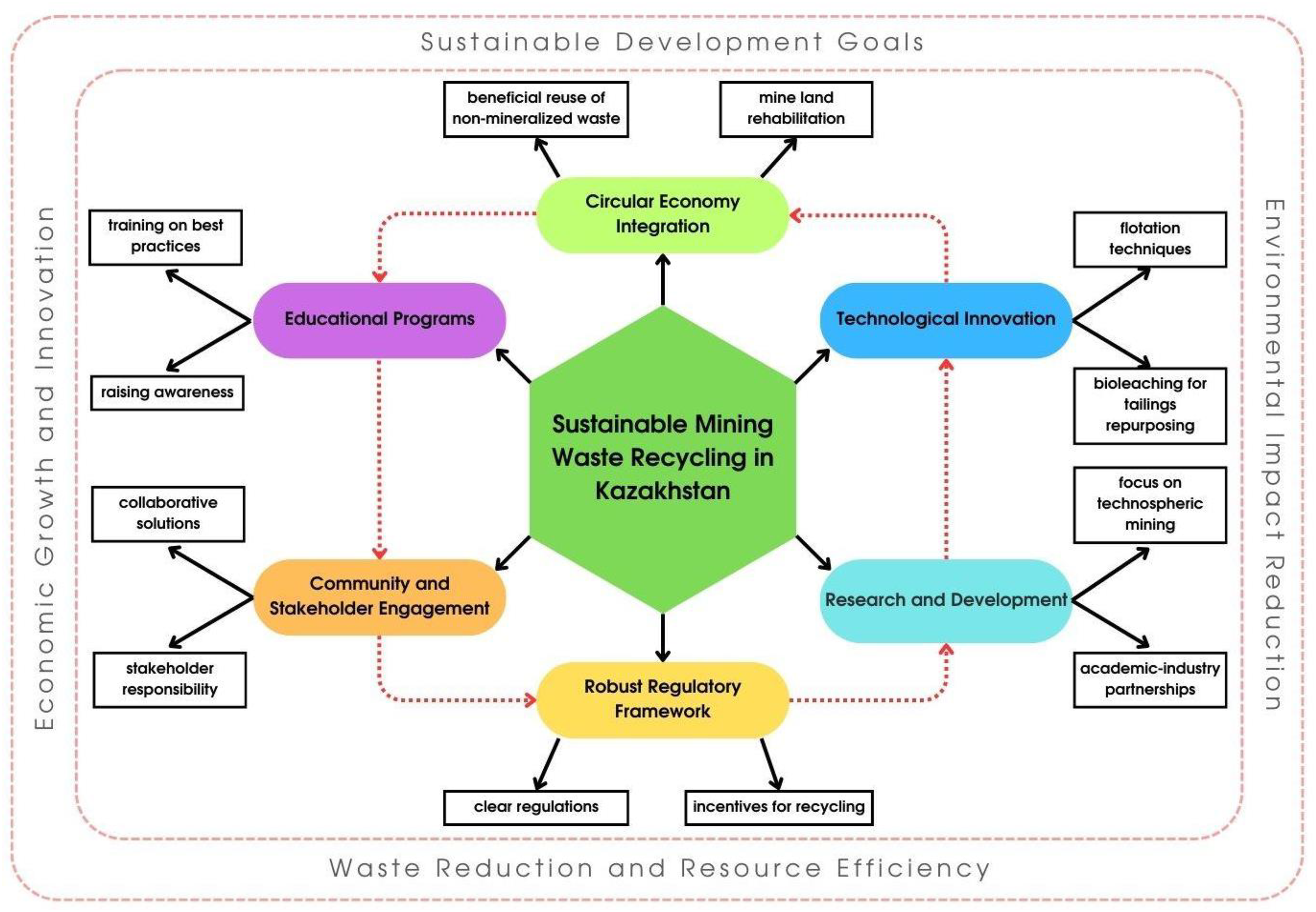
Framework for the sustainable recycling of mine waste in Kazakhstan: key strategies and long-term impacts.
Conclusions
The mining sector in Kazakhstan is a vital economic driver but faces significant challenges due to the generation of massive volumes of toxic waste, including tailings and metallurgical slags. This review has synthesized the environmental impacts of these wastes and evaluated a range of recycling technologies, from traditional beneficiation to emerging biohydrometallurgical processes. Unlike previous studies that have examined technical solutions or legal frameworks in isolation, this work uniquely contributes a holistic roadmap that integrates metallurgical feasibility with Kazakhstan's evolving fiscal incentives. Specifically, it highlights how recent government initiatives—such as the proposed zero tax rate on technogenic mineral extraction and the commissioning of new industrial recycling projects—can unlock the economic potential of waste valorization. By connecting technical innovation with policy support, this review offers a practical framework for transforming mine waste from an environmental liability into a secondary resource, thereby advancing Kazakhstan's transition to a green economy.
Footnotes

Funding
The authors disclosed receipt of the following financial support for the research, authorship, and/or publication of this article: This research was funded by the Committee of Science of the Ministry of Science and Higher Education of the Republic of Kazakhstan (grant #BR21881939, “Development of resource-saving, energy-generating technologies for the mining and metallurgical complex and the creation of an innovative engineering center”).
Declaration of conflicting interests
The authors declared no potential conflicts of interest with respect to the research, authorship, and/or publication of this article.