




Abstract
Rising global carbon emissions generate three major environmental effects: climate change, global warming, and ecological instability. Carbon capture and utilization (CCU) demonstrates potential as a promising technology to convert captured CO₂ into multiple industrial products, including synthetic fuels and green chemicals, as well as construction materials. CCU represents a divergent approach to carbon capture and storage because it maintains the continuous incorporation of CO₂ into industrial operations to establish a circular carbon economy model. The research community has extensively explored multiple carbon capture strategies. These include post-combustion, pre-combustion, direct air capture, and novel adsorption-based methods, focusing on both efficiency and practical implementation. Various CO₂ capture and conversion processes have benefited from research advancements in nanomaterials, solvent-based absorption, membrane separation, and electrochemical conversion. These technologies offer significant economic advantages and environmental benefits to society. However, several challenges remain, including production scalability, high operational costs, and regulatory complexities. The extensive review of CCU progresses by examining essential developments and industrial applications as well as sustainable carbon management predictions.
Keywords
Introduction
The increase in global carbon emissions has become a critical environmental threat, with significant consequences for climate change, global warming, and ecological sustainability. The greenhouse effect has emerged owing to CO₂ emissions, together with greenhouse gases (GHGs), including CH₄ and N₂O, resulting in climate change and its associated effects. 1
According to Olivier and Berdowski, 2 sources of CO₂ emissions encompass both fossil fuel combustion and all industrial processes that lead to deforestation and agricultural practices. Despite global efforts involving policy initiatives, renewable energy strategies, and carbon capture methods, the biosphere's carbon footprint continues to increase. This trend raises serious concerns regarding long-term ecological sustainability. 3 Understanding carbon emission sources and their effects serves as a foundation for formulating effective mitigation approaches. In addition to energy consumption, worldwide emissions studies reveal that transportation services, manufacturing facilities, and land-management approaches account for significant emission-producing operations. 4
The agricultural sector, for instance, has been recognized as another major contributor sector responsible for carbon, methane, nitrous oxide, and other GHGs emissions 5 due to land clearing activities, livestock farming, and fertilizer application. Moreover, the mining and construction industries have also been found to produce substantial carbon emissions, which have intensified this issue. 6 GHGs emissions from different sectors such as agriculture, conventional and modular construction, and transportation are shown in Figure 1.
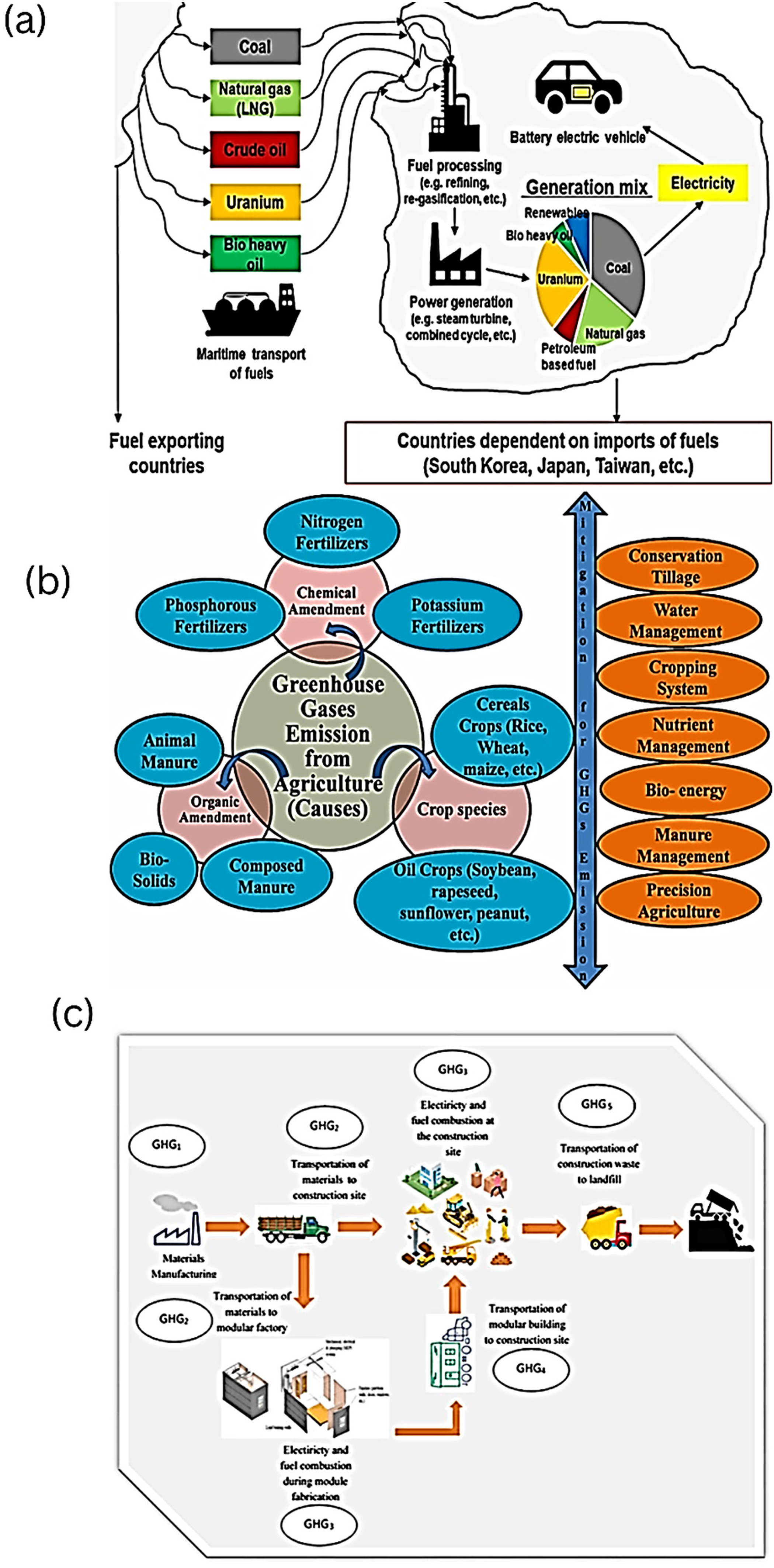
Numerous studies have investigated carbon emissions from different perspectives, such as the role of economic inclusion, 10 tourism, 11 and ecological innovation. 12 In addition, the influence of global events, such as the COVID-19 pandemic, has provided exclusive perceptions of emission reductions due to reduced industrial activities and transportation. 13
The earnestness of diminishing carbon emissions has led to a surge in research on carbon-capture technologies. Several studies have discovered carbon capture, storage, and latent applications across numerous industries. However, it is important to consolidate these conclusions into a comprehensive review that evaluates the development, challenges, and future directions of carbon-capture procedures. The existing literature has mainly focused on individual aspects of carbon capture, such as the competence of diverse capture materials, economic feasibility, and ecological implications.4,6 A complete investigation that assimilates these perspectives is indispensable in guiding future research and policy development. Additionally, current progress in nanomaterials, solvent-based absorption, adsorption technologies, and membrane separation has revealed substantial latencies to improve the carbon capture efficacy. 14 However, scalability and real-world implementation remain major challenges, necessitating the development of cost-effective and sustainable solutions.
The technological process of converting captured CO₂ into synthetic fuels, chemicals, and construction materials provides attractive commercial opportunities that could lead to broader-scale implementation. 11 This concept has resulted in the development of carbon capture and utilization (CCU), a new innovative technology in the present era. CCU is a dual approach that helps to reduce emissions while creating circular economies based on carbon. In order to build a base of knowledge on how CO₂ capture occurs, we will first discuss the main techniques used to capture CO₂, including how they were developed, followed by an analysis of the different ways in which CO₂ can be used.
Efficient climate change mitigation through sustainable energy transitions requires global industries and policymakers to understand carbon capture technologies (CCTs) because they provide viable solutions to meet emission reduction targets. 15 The CCU concept has changed traditional carbon storage processes to product formation from captured CO₂ as this strategy advances both economic potential and sustainability outcomes (Figure 2). 16 Scientists have developed various new methods for transforming captured CO₂ into synthetic fuels, together with green chemicals, polymers, and construction materials. 14 Packaging CO₂ through electrochemical conversion alongside catalytic hydrogenation and microbial fermentation techniques enables scientists to produce methanol, ethanol, and various other valuable end products. 11

Bio-capture technologies for several industrial applications and promotion of carbon neutrality. 16 Reproduced with copyright permission.
In addition, carbon mineralization procedures are being investigated to produce sustainable cement and concrete, contributing to a permanent and scalable solution for CO₂ storage, thus simultaneously minimizing emissions from the construction industry. 6 These progressions highlight the latent of commercially captured carbon as a precursor material, paving the way to the circular carbon economy and contributing to worldwide decarbonization efforts. 15
Carbon capture in climate mitigation: CCS and CCU
CCS and CCU play important roles in reducing carbon emissions globally. CCS includes capturing CO₂ from large emitting points, for example, power plants or industrial facilities, followed by underground storage in geological constructions such as depleted oil fields or saline aquifers. CCS provides a verified way of reducing GHGs, increasing sustainability in industry, and contributing to global efforts to reduce climate change. By including CCS as part of an overall approach to climate change mitigation, the transition to a sustainable future will be accelerated. Figure 1 provides a visual summary of the different parts of CCS and how they reduce GHGs, and the major factors driving CCS (Figure 3). 17 Capturing carbon dioxide (CO2) at point sources like industrial plants or power plants cannot be physically stored or transported directly as gas; therefore, it must be compressed in an orderly way. After CO₂ is captured, the CO₂-rich stream passes through a dehydration unit to remove moisture and prevent corrosion or hydrate formation. The dry CO₂ is then compressed through multi-stage compressors with intercooling to manage the heat generated during compression. This process consumes significant energy, accounting for approximately 7–12% of the net power plant output. Once compressed to 80–120 bar, CO₂ transitions into a dense or supercritical phase, greatly reducing its volume and facilitating transport and storage.

CCS technologies followed in different industries and their driving factors. 17 Reproduced with copyright permission.
For most large CCS projects, the design consists of dense-phase CO₂ transported through pipelines to a geologic CO2 storage location. For other types of CCS programs, such as demonstration projects or industrial use of CO2, like carbonated beverages, pressurized tanks or cylinders are typically used for the storage of CO2. When the captured stream has contaminants such as SOx (sulfur oxides), NOx (nitrogen oxides), H₂S (hydrogen sulfide), or O2 (oxygen), additional purification units may be necessary. Although CO2 compression is a well-known industrial process, it continues to be among the highest energy-consuming processes for CCS and impacts both the commercial and operational potential of routes used to utilize captured CO2.
This technology is expected to potentially reduce global CO₂ emissions by 14% by 2050 (Global CCS Institute, 2020). The main advantage of CCS is its capability to handle emissions from “hard-to-abate” sectors, including steel, cement, and petrochemicals, where emissions cannot be easily mitigated by transferring them to renewable energy sources. 18
On the other hand, the CCU approach emphasizes the repurposing of captured CO₂ to generate valued products, like synthetic fuels, building materials, and chemicals. By altering CO₂ from a waste product into a resource, CCU can help industries achieve a circular carbon economy, reducing dependence on fossil resources while instantaneously addressing climate change. The long-term accomplishment of CCU, though, relies on the scalability and cost-effectiveness of CO₂ conversion approaches, as well as the market call for carbon-based products is represented in Figure 4. 19
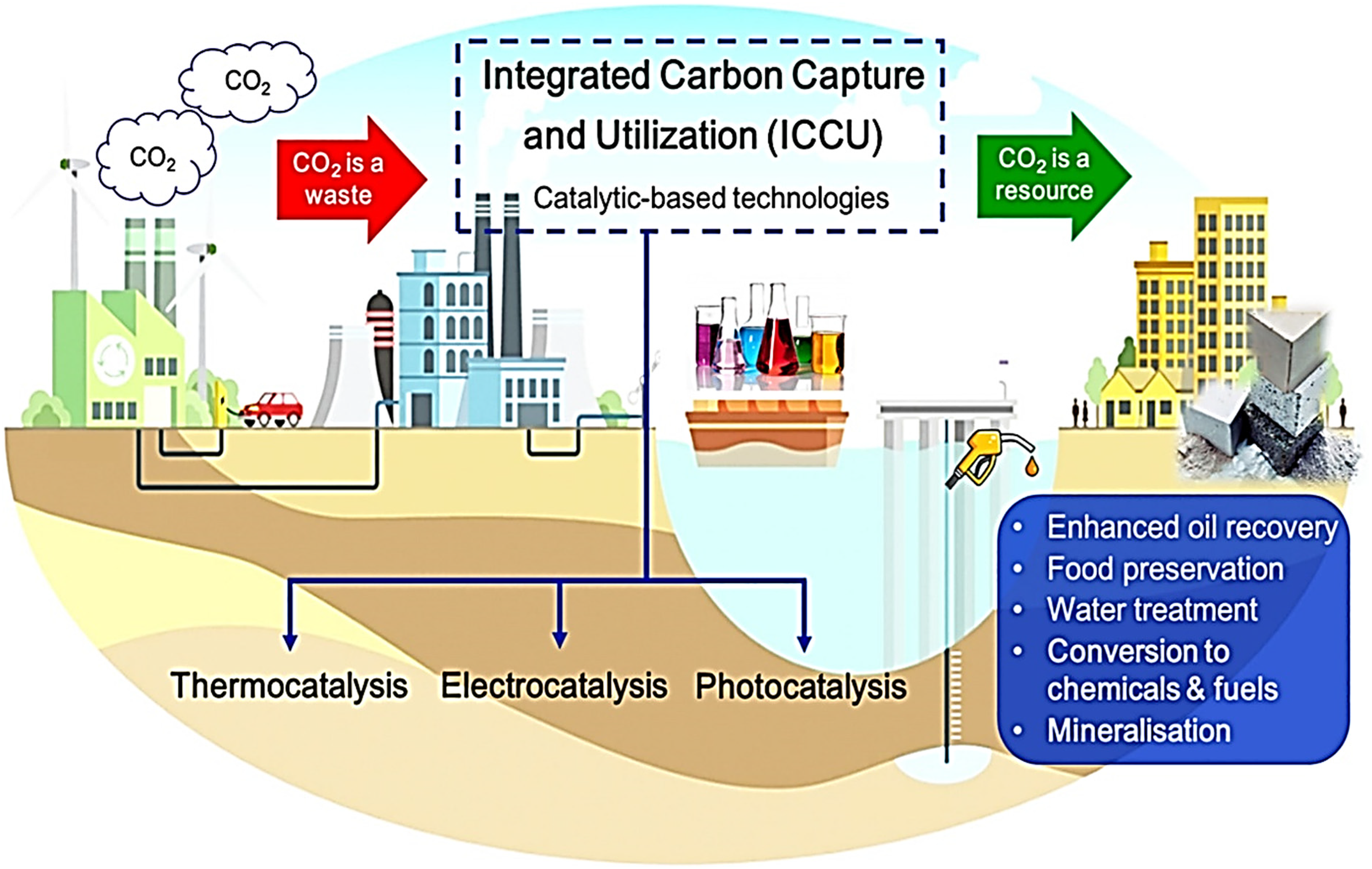
Integrated CCU technologies and value addition. 19 Reproduced with copyright permission.
Both CCS and CCU have been recognized as important technologies in global climate mitigation strategies, specifically for attaining the goals of the Paris Agreement, which calls for limiting global temperature rise to well below 2 °C, preferably to 1.5 °C, above pre-industrial levels.20,21 Owing to noteworthy reductions in carbon emissions, it is challenging to meet these targets and avoid the most severe influences of climate change.
This review aimed to explore various CCTs, including post-combustion, pre-combustion, and direct air capture (DAC), focusing on their competence, cost, and scalability (Figure 5). 22 It also investigates carbon utilization pathways, highlighting the conversion of captured CO₂ into appreciated products to support a circular economy. Furthermore, it evaluates the role of CCS and CCU in meeting global climate targets and aspects of acceptance, such as economic feasibility, infrastructure, and regulations. Given the crucial necessity for large-scale CO₂ reduction to mitigate climate change, this review is indispensable to consider recent developments, recognizing key barriers, and administrative future research and policy development. By showcasing current developments and ongoing inventions, it offers valuable insights for policymakers, industry leaders, and researchers on leveraging carbon capture to achieve sustainable carbon management.
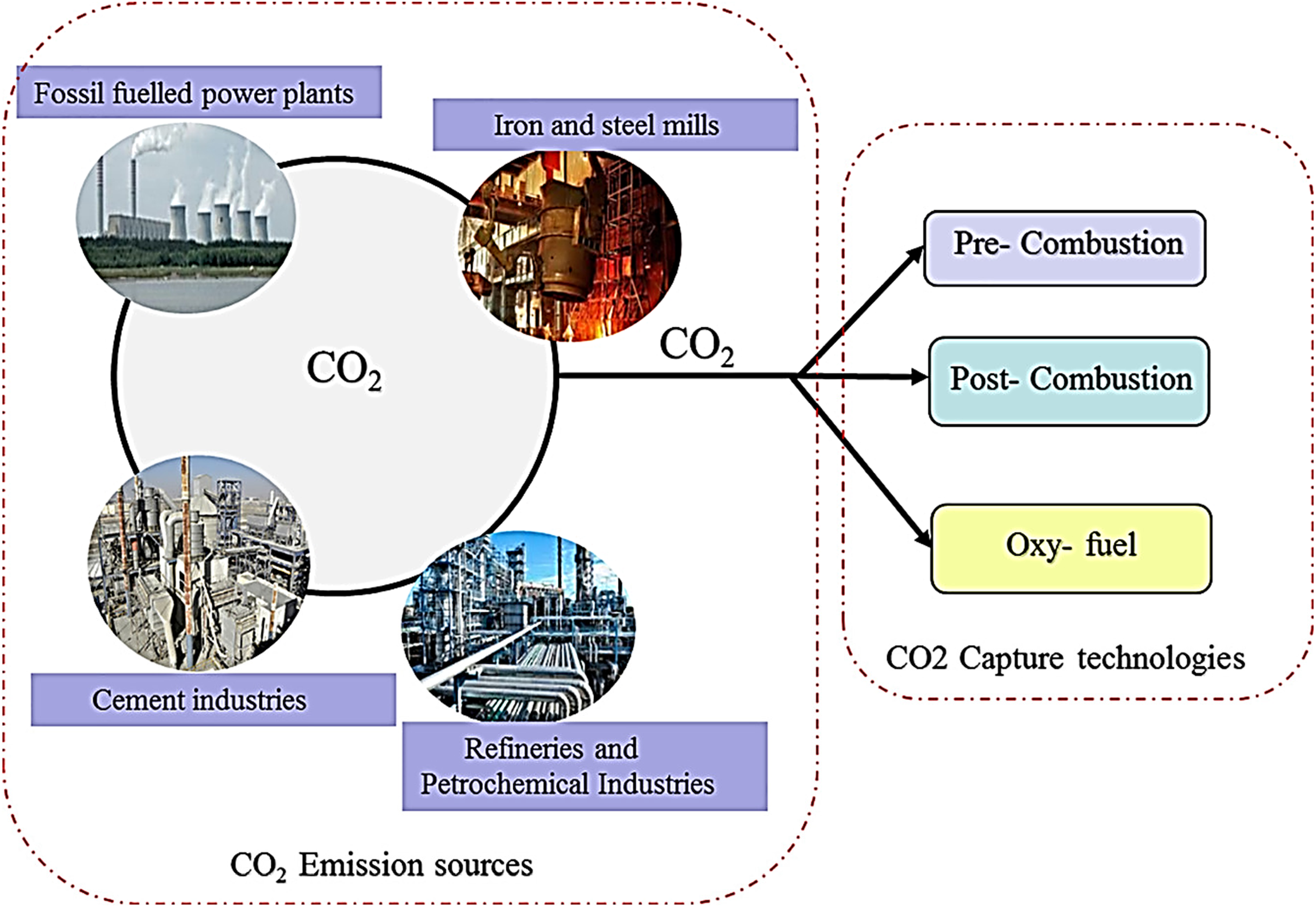
Different techniques utilized for carbon capture. 22 Reproduced with copyright permission.
This article integrates both CCTs and their end-use products, including green chemicals, fuels, bioplastics, and construction materials, under a unified framework. Previous reviews have generally focused on either capture technologies or utilization options in isolation.
In addition, this review provides a comprehensive analysis of techno-economic feasibility, life cycle assessment (LCA), policy implications, and global deployment examples of CCU technologies. It also incorporates recent advancements reported between 2023 and 2025, such as accelerated carbonation curing (ACC), biomineralization, biochar-enhanced mineralization, and CO₂-derived polymers. These emerging developments have rarely been collectively reviewed, thereby highlighting the novelty, comprehensiveness, and timeliness of this article.
Although there is a rapidly growing portfolio of CCU technologies, much of the literature surrounding CCU remains ambiguous and lacking integration between capture mechanisms, conversion pathways, and industrial deployment. This review further fill these gaps by (i) providing a comprehensive and updated assessment of CCU technologies that includes the operational characteristics, advantages, and limitations of these technologies as well as providing (ii) an evaluation of the various catalytic, thermochemical, and electrochemical CO2 conversion pathways that are now being developed based on the literature, (iii) providing an evaluation of the techno-economic and policy constraints to wide-scale implementation of CCU technology, and (iv) summarizing actual industrial examples for current and future wide-scale implementation of CCU technology. Through integration of these topics, this article aims to provide a coherent and forward-looking view of sustainable carbon management.
Carbon capture and sequestration
Carbon capture and sequestration (CCS) technologies signify a vital approach to mitigating climate change by capturing CO₂ emissions directly from the industrial sources from where they originated and enters to the atmosphere. The process generally comprises of three fundamental stages as shown in Figure 6.
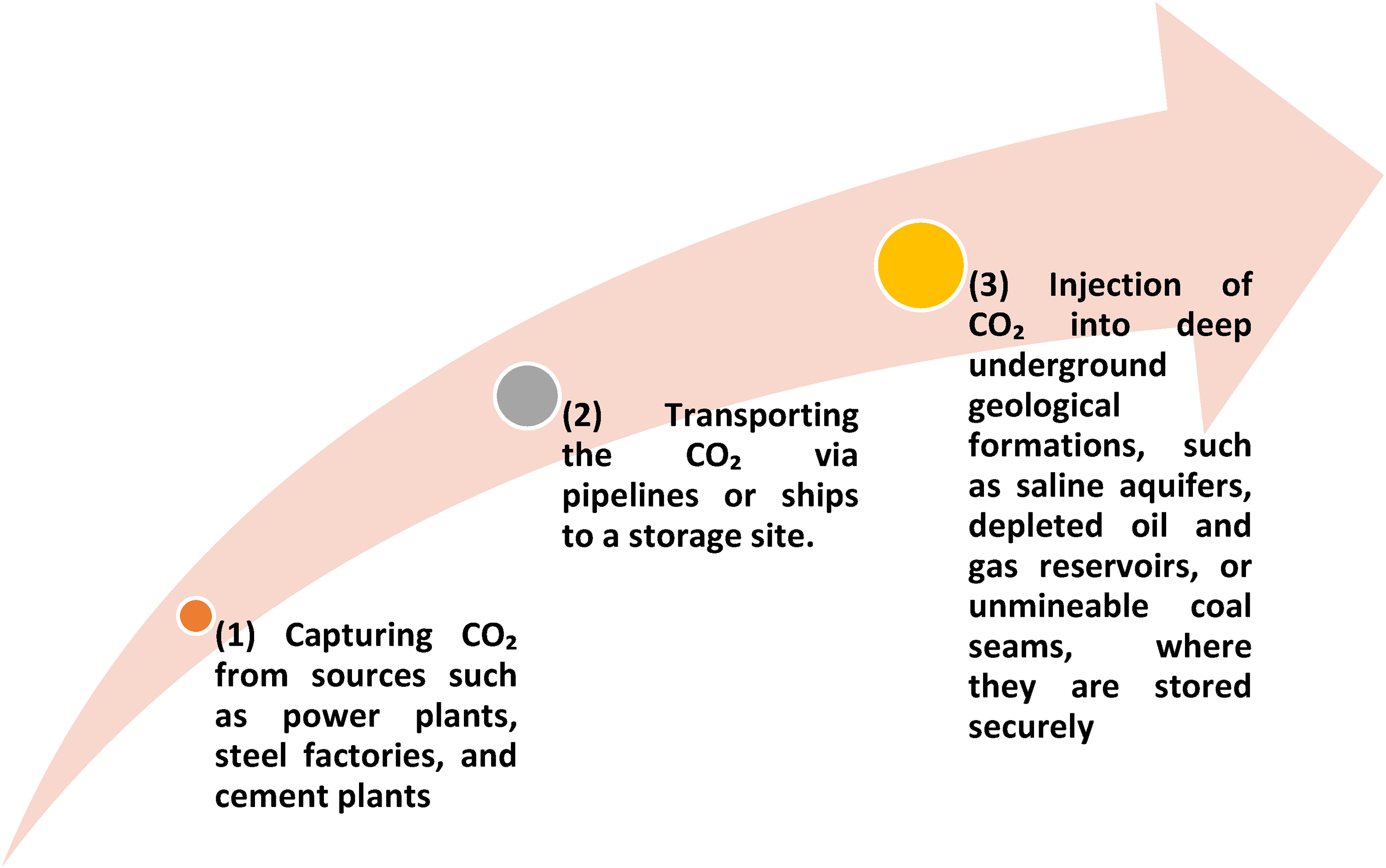
Fundamental stages of carbon capturing. 23 Reproduced with copyright permission.
CCS can be understood as an indispensable approach to achieve remarkable emissions reductions in industries that are tough to decarbonize. The latent for CCS lies not only in decreasing the emissions but also in enabling “negative emissions” when combined with bioenergy and known as bioenergy with carbon capture and storage (BECCS). This BECCS involves capturing CO₂ discharged during the combustion of biomass and storing it underground. 24 CCS can also be combined with renewable energy technologies to counterbalance the intermittency of renewables and store excess CO₂ liberated during the duration of peak energy demand. 18 While CCS has faced encounters linked to high costs, infrastructure requirements, and public insight, its role to limit global temperature rise to below 2 °C, as outlined in the Paris Agreement, is widely acknowledged by international climate experts (IPCC, 2018).
Post-combustion carbon capture
Post-combustion carbon capture technique is one of the most adopted approaches to capture carbon emitted from fossil fuel power sectors and other industrial processes. This technique involves the CO2 capture by the flue gas generated after the combustion process. In this, generally, chemical solvents have been employed in order to absorb the CO2 from the exhaust gases. One of the commonly used solvents is monoethanolamine. This process is then followed by the separation of CO₂ from the solvent via desorption and further compression and transportation for storage and utilization (Figure 7).25–27
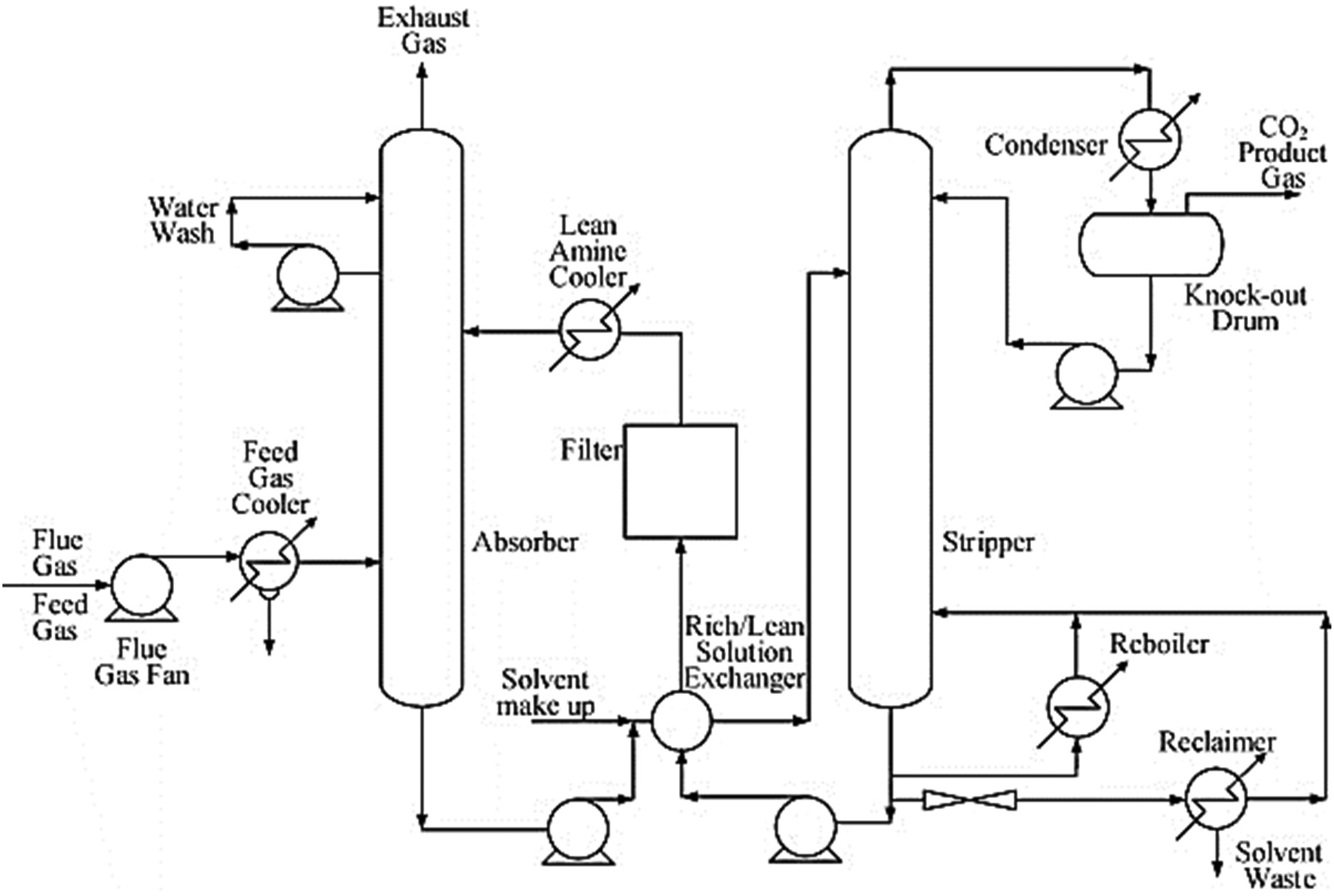
Design of solvent-based post-combustion CO2 capture for power plant. 27 Reproduced with copyright permission.
Solvent-based carbon capture is advantageous because it is compatible with existing power plant designs and requires no modifications to existing infrastructure. Currently, the most critical challenges of solvent-based carbon capture methods include the high energy requirements for solvent renewal and the need to manage substantial solvent volumes. 28 Research initiatives aim to enhance solvent-based capture while reducing price. Scientists have studied aqueous ammonia and ionic liquids as potential replacement solvents because they show promise for lowering both the energy consumption for regeneration and the deterioration rates.
Post-combustion capture now finds an effective solution using solid sorbents that operate as alternatives to solvent-based techniques. The CO₂ selectivity and lower operational requirements of solid sorbents such as metal-organic frameworks (MOFs), zeolites, and activated carbon surpass those of conventional solvents. Magnesium metal-organic framework 74 (MOF-74) is an example of an MOF that shows high dynamic adsorption capacity for CO2, accounting for 8.9 wt % before the CO2 begins to break through when exposed to the mixed gas feed stream. Also important, CO2 can be completely removed from the MOF at significantly lower temperatures. 29
These materials demonstrate the potential for optimization to function against particular pollutants while operating across multiple temperatures, which enhances the entire capture process performance. The development of next-generation solid adsorbents represents an essential research direction for resolving post-combustion capture technology barriers related to cost and energy consumption (Figure 8). 30
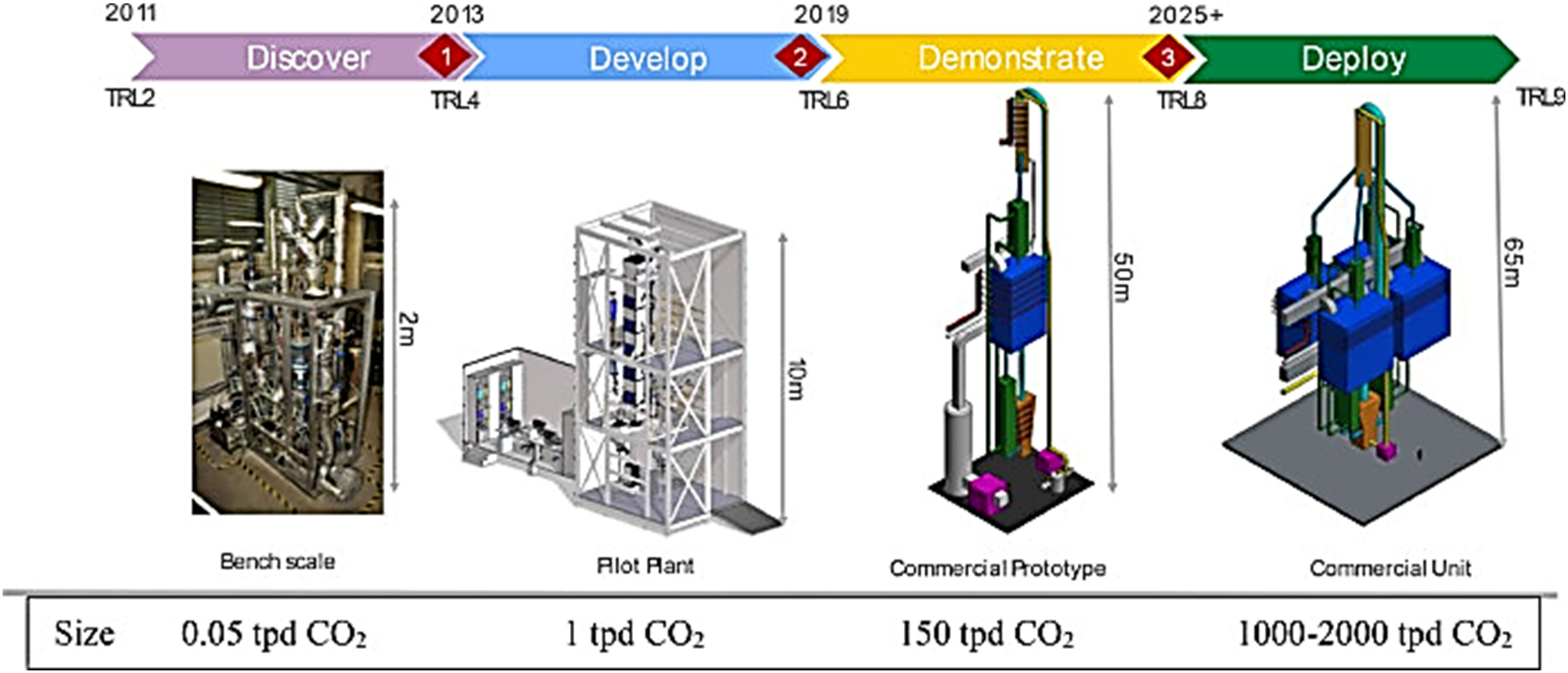
Stages of maturation of solid sorbent technology and scale-up phase for commercialization. 30 Reproduced with copyright permission.
Pre-combustion carbon capture
Pre-combustion carbon capture, as the name indicates, involves CO₂ capture before the combustion of fossil fuels. This procedure is characteristically executed in integrated gasification combined cycle (IGCC) plants, where fossil fuels such as coal, natural gas, or biomass are gasified to produce a mixture of hydrogen (H₂) and carbon monoxide (CO). This gaseous mixture, known as syngas, undergoes a water-gas shift reaction to convert CO into additional H₂ and CO₂. Subsequently, CO₂ is separated from the hydrogen, and can be further exploited as a clean fuel for electricity generation or other industrial applications (Figure 9). 31
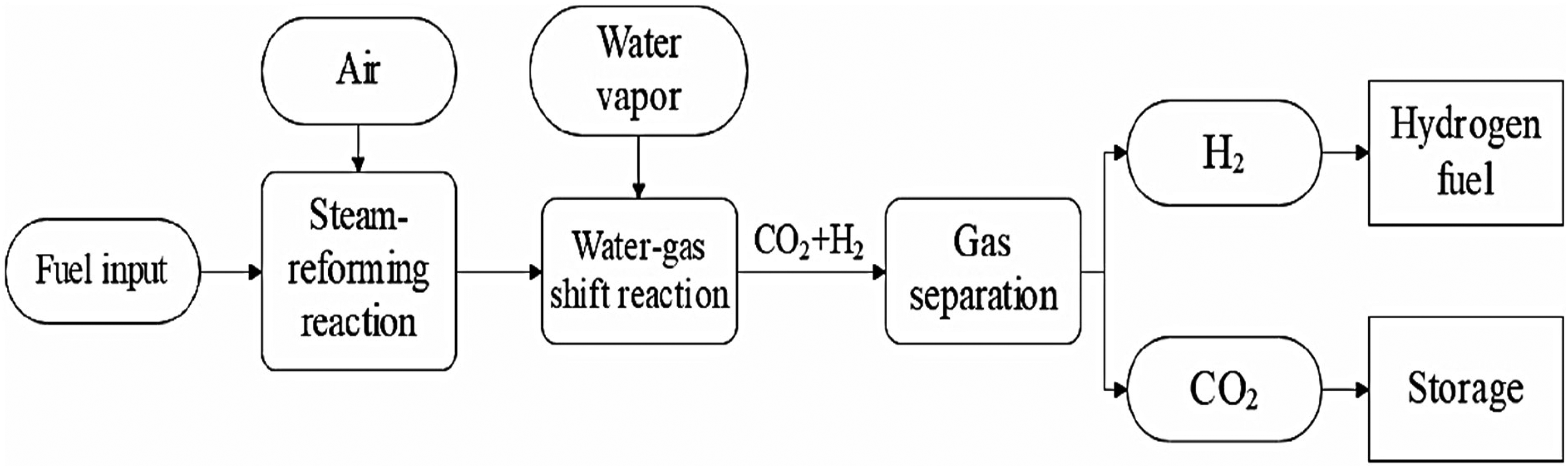
CCS technology based on the shipping industry. 31 Reproduced with copyright permission.
This technique has an advantage in dealing with the higher concentrations of CO₂ compared to post-combustion capture, making the separation procedure more effective at relatively lower costs. Furthermore, the use of hydrogen as a byproduct of the pre-combustion method is becoming increasingly attractive as part of the transition to a low-carbon economy. Hydrogen can be exploited in fuel cells, industrial developments, and even as a transportation fuel, contributing a clean energy solution when coupled with CCS. The main challenge associated with pre-combustion capture is its complexity and capital intensity, as IGCC plants require large upfront investments and sophisticated infrastructure. 18
Current advances in pre-combustion capture technologies include investigating the involvement of innovative gasification techniques and improved CO₂ separation procedures. For instance, membrane technologies and pressure swing adsorption are being explored for their potential to increase CO₂ capture competence in pre-combustion systems. These novel approaches aim to reduce the energy requirements and operational costs of the capture procedure, paving the way for broader deployment of pre-combustion capture technologies. 32
Oxy-fuel combustion carbon capture
Oxy-fuel combustion technology involves the burning of fossil fuels in 100% oxygen instead of air, thus forming a flue gas that predominantly comprises of CO₂ and water vapor (Figure 10). 31 This simplifies the separation procedure because of the easy condensation of water, leaving behind a high-purity CO₂ stream. The main challenge associated with this process is the high cost. Recent research studies have explored how to optimize air separation units and integrate cryogenic technologies to decrease costs with augmented performance.26,33

Oxy-fuel combustion technology for CCS. 31 Reproduced with copyright permission.
Direct air capture
The DAC technique is currently gaining interest as a potential carbon capture technique because of its ability to directly capture the CO₂ from the atmosphere. Unlike conventional procedures that generally rely on point sources such as power plants and factories, DAC goals diffuse atmospheric CO₂, and hence, become a more promising solution to achieve negative emissions and address legacy emissions. DAC systems characteristically involve chemical reactions that bind with the CO₂ in ambient air, and are captured, concentrated, stored, or utilized. 34 The DAC approach can be further characterized as liquid-based and solid-adsorbent systems, as shown in Figure 11.

Types of DAC systems reproduced from an open-access source. 35
After capture, the sorbent or solution releases CO₂ through thermal or pressure swing processes. This step produces a concentrated CO₂ stream that can be directed toward utilization or long-term storage. 36 Several companies have led the development of DAC despite its commercialization phase remaining at its initial stage. Climeworks and Carbon Engineering companies have led the development of DAC technology through their operating commercial plants and construction projects. According to Lackner (2020), 37 DAC technology offers dual benefits of both atmospheric CO2 removal and the development of a circular carbon economy that recycles CO2 into products while diminishing fossil fuel usage. However, this technology experiences significant hurdles, including high energy consumption and high costs. Ongoing research is focused on enhancing the operational efficiency and lowering expenses of the DAC system while integrating renewable power. 38
Emerging and novel technologies
Prospective carbon de-capture technology development will base its advances on new apparatuses that demonstrate better operational efficiency and scalability, along with lower expense when compared to existing protocols (Figure 12). Electrochemical carbon capture is a promising innovation that uses electrochemical processes for selective CO₂ filtration from flue gases and atmospheric air. The conversion of CO₂ to valuable fuels and chemicals without temperature or pressure constraints presents an opportunity for improved energy efficiency when using this technique over solvent and sorbent-based approaches.39,40
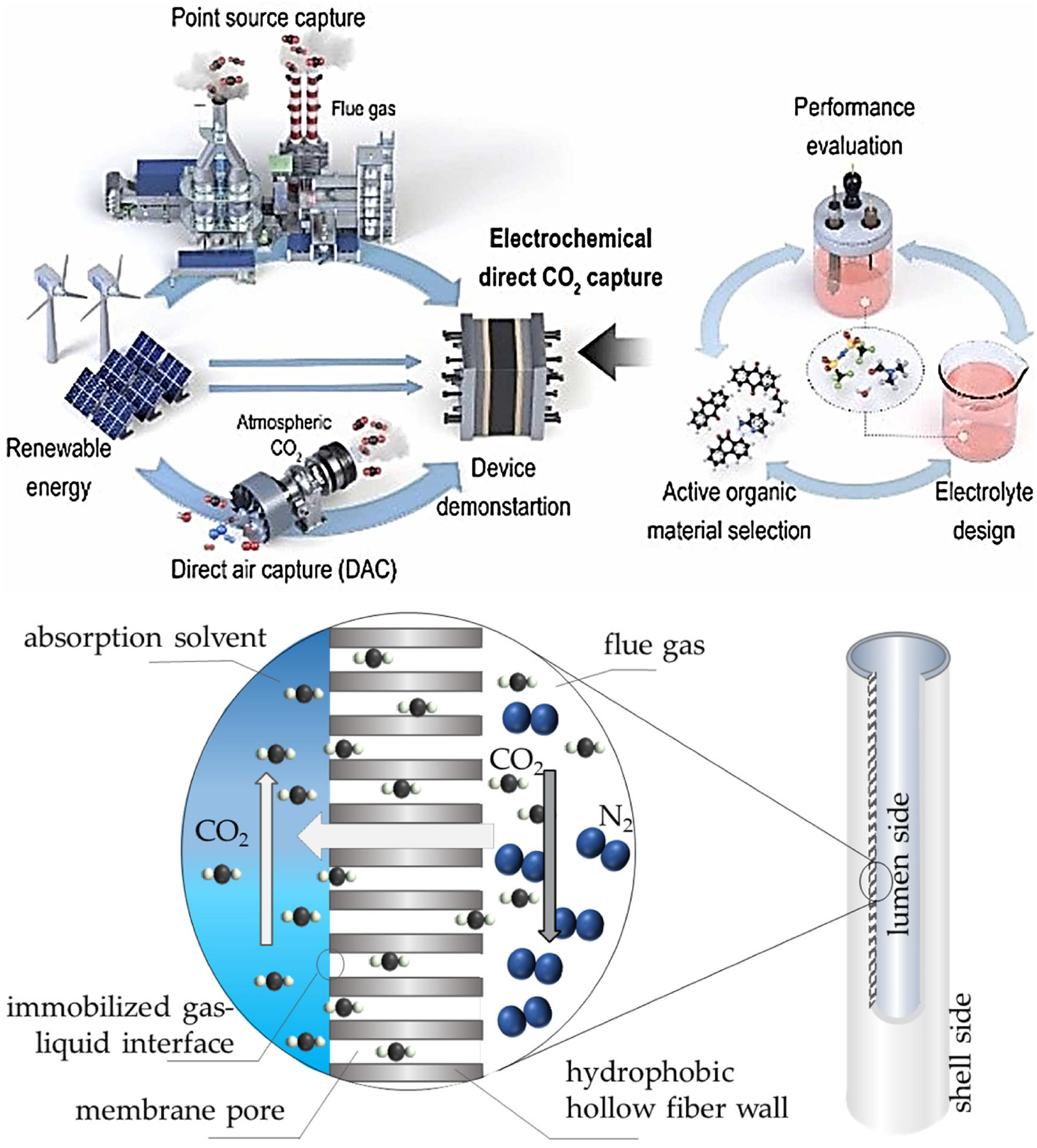
Membrane separation technologies have attracted increasing demand because they represent a viable method for isolating CO₂ from various gas mixtures. The use of membranes made from polymers and carbon-based nanomaterials provides various benefits over traditional capture techniques because they require less energy and have modular structures as well as adaptable operating conditions. Membranes used for carbon capture operate in pilot testing for both post-combustion and pre-combustion processes, and continued advancements in membrane materials and fabrication techniques could further enhance their performance. 41
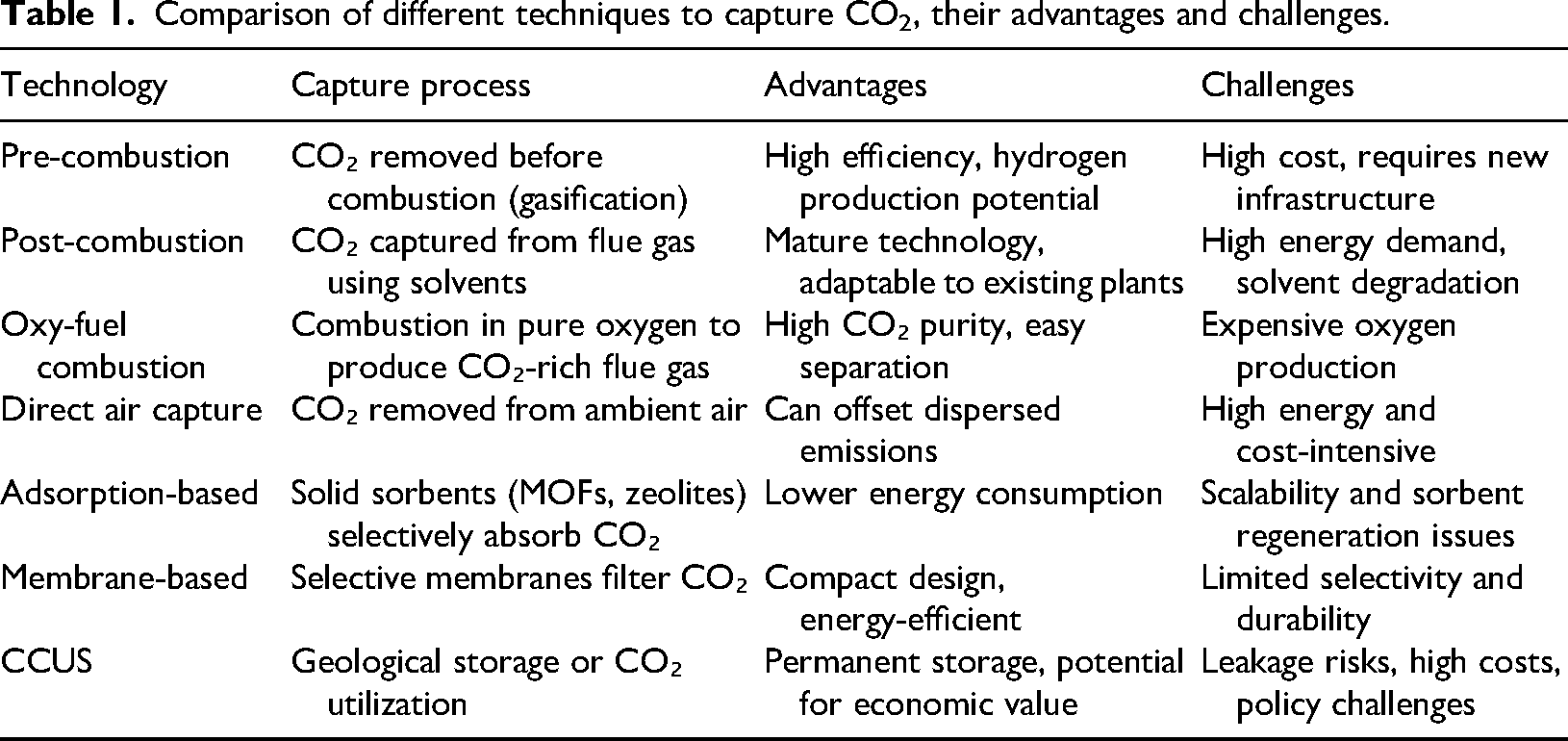
Currently, researchers have explored hybrid systems made from various capture techniques, including membrane-assisted solvents and electrochemical sorbents, as a means to enhance performance while decreasing costs. A comparison of different techniques for capturing CO2, their advantages and challenges are presented in Table 1. The combined technologies present a flexible solution to meet the specific needs of various industrial sectors, such as steel production, cement manufacturing, and chemical refining, when CCS approaches prove inadequate. 42 Such promising carbon capture solutions for the coming generations depend on utilizing unique materials and superior process engineering with sustainable energy systems. By leveraging a combination of advanced materials and innovative procedural designs, integrated with renewable energy, these emerging technologies offer great promise for next-generation carbon capture solutions. 43
Comparison of different techniques to capture CO2, their advantages and challenges.
Efficient CO₂ capture systems play an important role in helping to make CO₂ capture systems viable long-term; however, achieving the long-term sustainability of these technologies will come as a result of converting the captured CO₂ into valuable products. The processes that take the captured CO₂ through conversion to productive materials are referred to as CCU. Within CCU, four routes exist: thermochemical, catalytic, biological, and electrochemical. Each route has technology development timelines, which will be discussed in the next section.
Utilization pathways for captured carbon dioxide
Continuous research in the related field has explored various utilization pathways for captured CO₂, starting from chemical conversion and electrochemical reduction to biological fixation and mineralization (Table 2). Current advancements have sustainable alternatives to conventional fossil-based approaches, contributing to economic and environmental gains.
Summary of utilization techniques and methods to convert captured CO2 into value-added products.
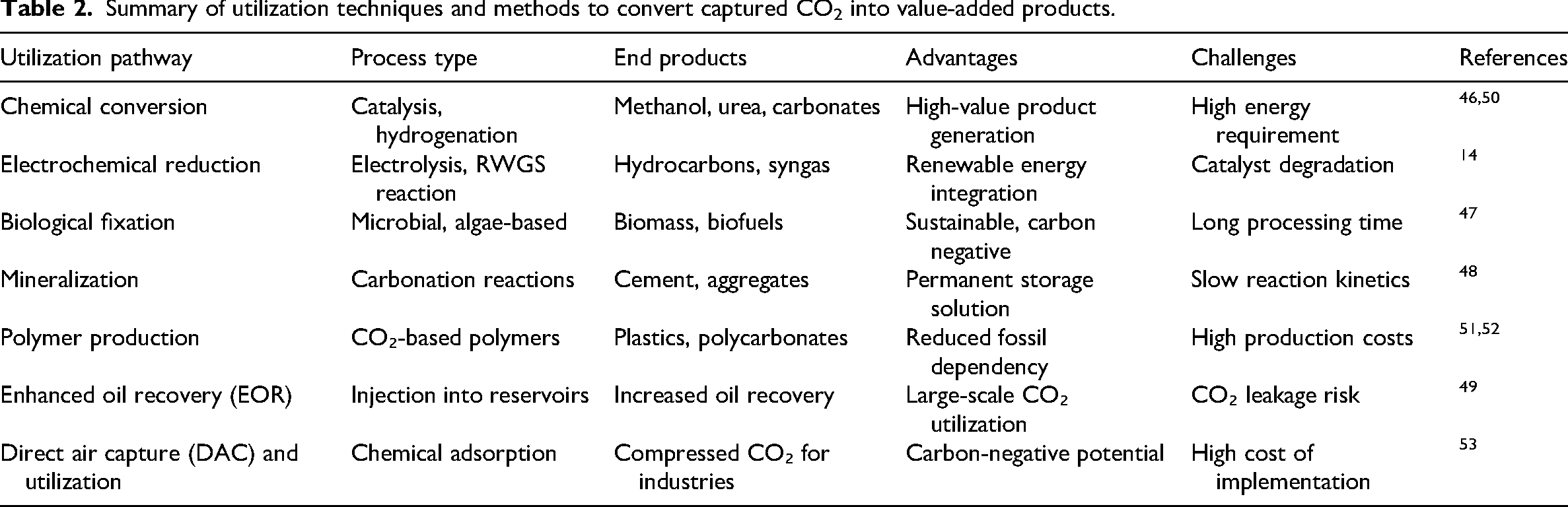
Chemical conversion involves the transformation of captured CO₂ into fuels, polymers, and industrial chemicals that contribute to reducing the dependence on petro- products. 46 Similarly, electrochemical reduction exploits renewable energy sources to produce hydrocarbons and syngas, thereby contributing to a circular carbon economy. 14 In addition, biological methods, such as microalgae cultivation and microbial fermentation, contribute to green approaches for CO₂ utilization, producing biofuels and bioproducts while mitigating atmospheric carbon levels. 47 In this series, mineralization is an additional vital pathway that involves the reaction of CO₂ with metal oxides to form stable carbonates, which can be further exploited in building materials such as cement and aggregates. This approach has proven to be a long-term storage solution for generating valuable industrial by-products. 48 Furthermore, CO₂ can also be found useful in enhanced oil recovery (EOR), where it is injected into depleted oil reservoirs to improve oil extraction efficacy by attaining fractional sequestration of carbon emissions 49 (Figure 13 and Table 2).
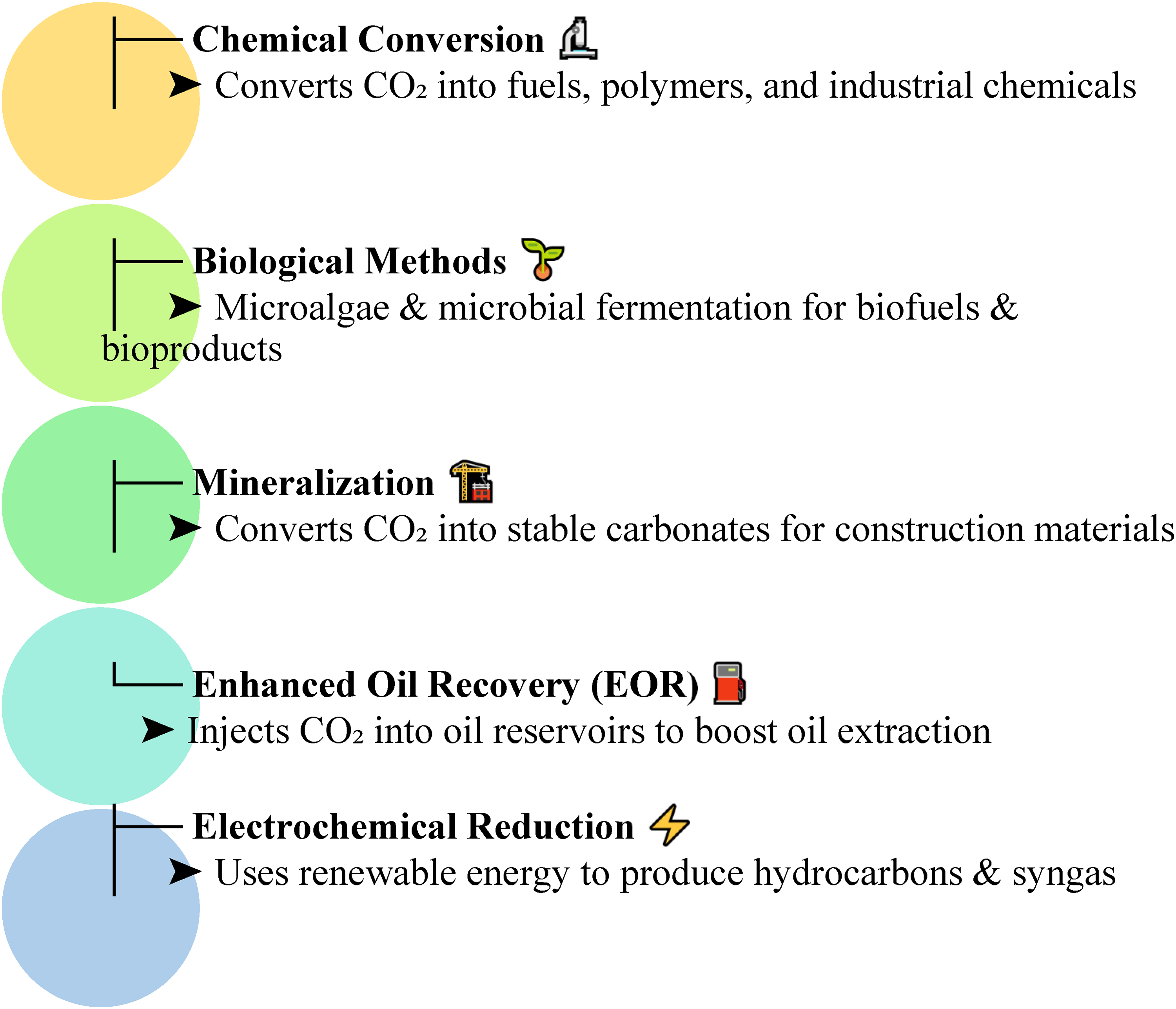
CO₂ utilization methods.
Chemical conversion processes
The chemical conversion of CO₂ capture and utilization into valuable products, such as methanol, urea, and hydrocarbons, has proven to be a promising strategy. The Fischer-Tropsch synthesis process is one of the best- established examples of converting CO₂ into liquid fuels. This process involves the reaction of CO₂ with hydrogen to produce liquid hydrocarbons, which can be further exploited as fuels or chemicals. 54 The key reaction involved in this is the CO₂ hydrogenation reaction. Advances in catalysts, especially those based on copper or iron, have contributed significantly to improving the competence and selectivity of the CO₂ conversion to suitable products such as methanol, which can be the potential precursor for the production of plastics, pharmaceuticals, and synthetic fuels.55,56
Another example of the series of beneficial chemicals produced via the chemical conversion process of carbon capture is urea, which is a product of CO₂ and ammonia. Urea is mainly used in fertilizers, but CO₂ utilization in its production supports the reduction of the negative environmental impact of both CO₂ emissions and ammonia production. 57 Integrating CO₂ into the urea production procedure helps reduce emissions from the fertilizer industry, which is one of the largest industrial CO₂ emitters.
In addition to urea and methanol, CO₂ can also be used to manufacture formic acid and carbonates. These chemicals can be employed in various industrial applications, including polymers and materials synthesis. In addition to many advantages, some challenges are also associated with chemical conversion related to energy consumption, catalyst stability, and the requirement of effective integration into existing industrial infrastructures. 54
Progress in electrocatalytic processes for CO₂ conversion has received significant attention. These procedures involve the exploitation of electricity to convert CO₂ into fuels and chemicals, thus offering a cleaner and more sustainable approach when integrated with renewable energy. 58 This new route was found more promising, particularly for the production of valuable chemicals directly from CO₂ at lower energy costs.
In a recent review, Lei et al. 59 discussed the transformation pathways of one-carbon (C1), two-carbon (C2), and multi-carbon (C2+) products in the electrocatalytic CO2 reduction reaction (CO2RR), highlighting key reaction mechanisms such as the carboxyl, methanoyl, and alkylation pathways. The classification of various catalysts, including alloy catalysts, porous materials, and atomically dispersed metal-based catalysts, emphasizes the need for improved selectivity, efficiency, stability, and cost-effectiveness (Figure 14). Furthermore, the optimization of catalytic mechanisms, enhancement of mass transfer efficiency, and exploration of new green CO2RR pathways for synergistic CO2 treatment were also investigated.

Recent advancements on electrocatalytic CO2 reduction to value-added products, using different typical catalysts. 59 Reproduced with copyright permission.
Through improved methodology, the operation efficiency associated with catalytic and electrochemical conversion of CO₂ has increased drastically. Coupled with advances in heterogeneous catalyst development associated with Cu6Zn, Ni6Fe, and Co lead to moving towards bimetallic systems where the additional metal allows for modified surface electronic structures that increase selectivity for methanol, methane, or short-chain hydrocarbons. As well, single-atom catalysts (SAC) such as the Fe6N6C- and Co6N6C-based structures provide efficient and effective methods of catalyst operation due to the extremely high turnover rate associated with both the atomic location of the active site and the high degree of coordination provided by the well-defined supporting structures. In addition, electrochemical conversion includes the combination of gas diffusion electrodes with membrane electrode assembly, which offers current densities greater than 200 mA cm−2 whilst decreasing or preventing additional competing hydrogen generation. Another technology that has enhanced CO₂ solubility or has stabilized CO₂ intermediate products through the use of ionic liquids or deep eutectic solvents is being used as either co-catalysts or electrolytes. These dramatic advancements are indicative of the rapid advances being made towards realizing efficient, large-scale, and modular technologies for the conversion of CO₂.
Biological conversion processes
The biological conversion approach of CCU offers a greener, more sustainable, and energy-efficient utilization of captured CO₂. Microorganisms, such as algae and bacteria, have evolved mechanisms to capture and fix CO₂ from the environment. Production of biofuels from microalgae using CO₂ is one of the most promising biological processes. Microalgae have high photosynthetic efficiency, enabling them to fix large amounts of CO₂ while simultaneously producing lipids that can be processed into biodiesel.60–62 This approach has the potential to address both the CO₂ problem and the growing demand for renewable biofuels.
Microalgae cultivation systems, such as photobioreactors, are designed to optimize CO₂ absorption and biomass production. Researchers have discussed on enhancing the effectiveness of algal biofuel manufacturing by improving light utilization and optimizing the growth conditions for specific algae strains. 63 Moreover, advances in genetic engineering are intended to increase the lipid content of algae, thereby increasing the yields of biofuels.
Bacteria, archaea, and fungi operate as microbes serving as promising biological alternatives to convert CO₂ into organic molecules through the Calvin cycle or the acetyl-CoA pathway. Microorganisms convert CO₂ into valuable chemical products such as biofuels and biopolymers through their operational processes. 63 These specific bacteria transform CO₂ into ethanol or butanol, which provides manufacturers with a different approach to fermentative production compared to traditional sugar-processing. The industrial use of microorganisms enables carbon-negative biofuel and chemical production, which helps to decrease atmospheric CO₂ levels. Genetically modified microorganisms transform CO₂ into a diverse range of end products, including bioplastics, biochemicals, and proteins. 54 These biotechnological conversion techniques deliver environmentally friendly CO₂ conversion technologies that contribute to an economic cycle that recycles waste CO₂ into usable resources. Recently, Nisar et al. 64 explored the latest advancements in metabolic engineering for the conversion of CO2 into biofuels and other valuable bio-based chemicals. They discussed a range of strategies, from simple gene modifications and optimizations to the development and testing of entirely new synthetic CO2-fixing pathways (Figure 15).
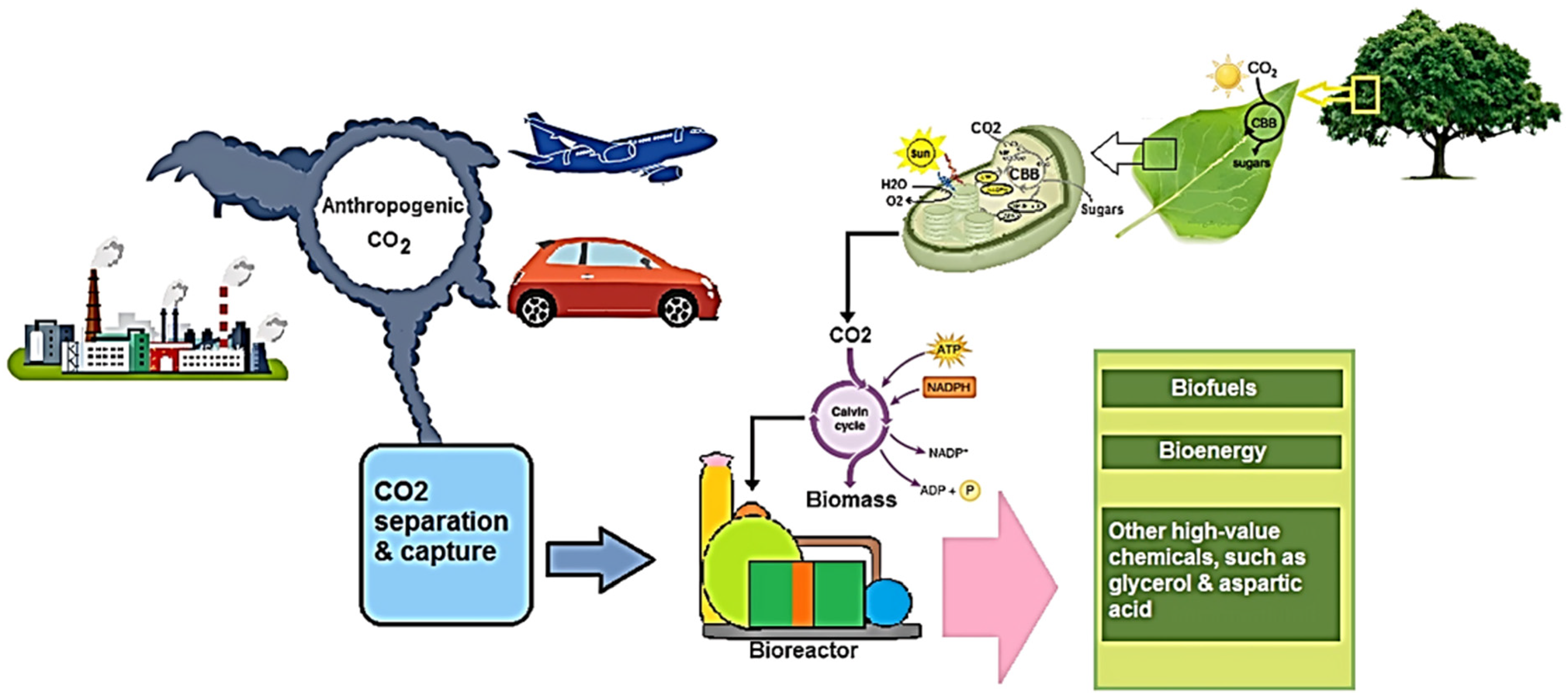
Biological conversion of CO2 into biofuels and other value-added chemicals. 64 Reproduced with copyright permission.
Mineralization: carbonate formation and applications
The mineralization of CO₂ through carbonation functions as a natural geological process to create lasting stable carbonates by combining CO₂ with minerals. These stable carbonates remained inert and could be stored for extensive periods. Scientists have identified carbon sequestration as a sustainable method for lowering the atmospheric CO₂ content. Mineral carbonation operates through ex situ and in situ procedures that involve the capture and reaction of CO₂ with minerals outside the natural environment or via the direct insertion of CO2 into geological formations, respectively.65–67
One of the most promising aspects of mineral carbonation is its application in construction. The reaction between CO₂ and basalt or olivine forms carbonates that function either as building aggregates or enhance cement manufacturing processes. 68 The construction industry could lower its environmental impact by replacing traditional cement with materials created via carbonated processes because cement production creates massive CO2 emissions. 69
The mineral carbonation process can be applied to make construction materials such as concrete through CO₂ incorporation during curing to produce an environmentally friendly product. Scientific research demonstrates that carbonated concrete exhibits superior mechanical characteristics, which make it a promising replacement for regular concrete. 70 Both economic benefits and reduced waste materials are accompanied by mineral carbonation applications for permanent CO₂ storage, which ultimately improves the sustainability of the building industry.
The growth of mineral carbonation technology faces ongoing difficulties in achieving bulk-scale implementation. The implementation of the process requires extremely high temperatures combined with significant pressures, which results in higher energy requirements. Modern research on mineral carbonation methods is centered on two main areas: the development of energy-efficient bio-catalysts and low-energy reaction protocols. 71 The removal of existing obstacles would enable mineral carbonation to become a significant force in CO₂ storage operations worldwide.
Biomineralization has recently gained attention as a sustainable approach for CO2 mineralization. These processes are based on various biochemical reactions. Ma et al. 72 analyzed the importance of biomolecules during carbon biomineralization in nature and investigated modern biomimetic methods, including cell-free systems and microbially induced carbonate precipitation to store carbon. This work evaluated mineral cation sources from natural minerals and industrial waste, as well as seawater, while evaluating their capabilities and obstacles. Research findings of this work endorsed biological carbon mineralization as a sustainable carbon capture method capable of providing solutions to the critical issues and recommendations for future investigation (Figure 16).

Biomimetic carbon mineralization approach of CCU. 72 Reproduced with copyright permission.
Accelerated carbonation curing and carbon mineralization in concrete
CCU use of minerals to create binders, such as Portland cement, is one of the largest and most popular forms of CCU in the construction industry because it provides both a huge market for a mass product (concrete) and the promise of CO2 being sequestered permanently in place if made with cementitious materials. In addition to that, according to the most up-to-date reviews on ACC, it is a good technology for sequestering large amounts of CO2 while enhancing the performance of cement-based materials, including increased strength, densification, and durability. 73 The process used to create ACC is designed to speed up the natural carbonation of concrete using controlled CO2 pressure, temperature, and humidity from the fresh and partially cured concrete until solid calcium carbonate is formed.
Standardized methods for evaluating carbonation kinetics, CO₂ uptake efficiency, and performance enhancement of various ACC systems include wet, dry, pressurized, and supercritical CO₂. The results of a comprehensive review of all test methods indicate the strong influence of curing duration, CO₂ concentration, and moisture content on mineralization pathways and the resulting microstructure. 74 Carbonation reactions convert Ca(OH)₂ and C-S-H (calcium silicate hydrate) into CaCO₃, resulting in increased compactness and reduced permeability of the concrete matrix. In addition to being a key factor in developing durable characteristics of concrete, carbonation can have a major effect on durability by reducing the level of porosity, increasing compressive strength, refining microstructural features, and maintaining long-term dimensional stability. Recent evidence suggests that carbonation may improve concrete performance by varying benefits or negative impacts depending on concrete mixture composition, curing conditions, and the extent of carbonation activity. 75
Carbonation assisted by biochar has been identified as an innovative way for biochar (either as dry or pre-soaked particles) to act as microreactors for the sequestration of CO₂; thus, increasing the biochar's ability to sequester CO₂ and allowing the mechanical characteristics to be modified. The recent creation of a new category of ACC types has shown that the addition of biochar greatly improves both the amount of carbon retained and the amount of strength generated when used with cementitious mortars. 76 The application of rice husk ash (RHA) and biochar used in LC3 systems also results in increased carbon mineralization in LC3 systems and more efficient microstructural development and mechanical performance. The bio-LC3 formulation is a clear indication of the high levels of stable carbonate formation due to the utilization of biochar within ACC, thereby providing a potential alternative source of low-carbon cement material. 77
Development of sustainable products
Bioplastics: types and production methods
The industrial production of bioplastics from captured CO2 emissions shows great potential for resolving plastic pollution problems. Poly lactic acid (PLA) and Polyhydroxyalkanoates (PHA) bioplastics, along with other bioplastics, can be synthesized from CO₂ through biological or chemical synthesis methods. Microorganisms cultivate biodegradable polymers using captured CO₂ as a carbon source during metabolism. Chemical processes use CO₂ to form lactic acid monomers, which then generate plastic through polymerization. The utilization of CO₂ for chemical synthesis decarbonizes petroleum-based plastic production and substitutes non-environmentally friendly petroleum-derived plastics with an ecologically safe substitute. 78
In the production of bioplastics from biomass, such as through corn processing operations, it is necessary to divert land from its current food cultivation purpose to establish plastic production facilities. The rising market demand for biofuels and bioplastics threatens to increase food costs, which will affect multiple business sectors and public life. The use of organic waste instead of specific feedstocks creates a sustainable manufacturing solution that enhances bioplastics industry development while addressing current industrial issues. 79
The FDCA of 2,5-furandicarboxylic acid formation through selective furoic acid carboxylation with CO2 enables the manufacture of bio-based monomer that aids in creating plastics to displace petroleum-based materials such as PET. Fabien et al. 78 examined the existing encounters while producing 2,5-FDCA precursors through furfural conversion by oxidation and carboxylation processes using heterogeneous catalysts. This research emphasizes on the development of more sustainable processes for developing bioplastics.
This technology combines microbial fermentation with microorganisms that metabolize trapped CO₂ to create biopolymers known as PHA, which function as substitute plastics in diverse applications. PHA benefits from its source as a waste product from industrial CO₂ emission streams because this production methodology enables carbon cycle management and alleviates plastic waste contamination. 80 Current advancements allow CO₂ hydrogenation using renewable-sourced hydrogen for the chemical synthesis of important products, including formic acid and ethylene glycol. Polyethylene furandicarboxylate plastics are produced by the polymerization of intermediates synthesized from existing industrial CO₂ sources. 81
In this sequence, Unaha et al. 82 investigated mixotrophic fermentation of C. necator to produce bioplastics by exploiting dual carbon sources representing CO2 and glucose. The researchers applied adaptive laboratory evolution to obtain a strain with improved PHB production capabilities. The completion of optimization steps for the CO2-to-glucose ratio combined with cell dosage and aeration optimization produced 0.22 g/L PHB in batch fermentation and 0.41 g/L PHB in fed-batch conditions. The results demonstrated that mixotrophic CO2 conversion is a viable method for producing sustainable bioplastics and future Bio-CCU technology, which helps minimize climate change impacts.
The field of synthetic biology now provides alternative methods for producing bioplastics using engineered microorganisms that demonstrate enhanced capabilities for absorbing CO₂. Irfan et al. 80 explored microalgae as a potential candidate for industrial flue gas carbon absorption, followed by PHAs bioplastics production. Fast-growing microalgae exist in photobioreactors or open ponds and consume flue gas carbon to produce oxygen. Through photosynthesis, microalgae convert CO2 into biomass that contains high levels of lipids, carbohydrates, and proteins, which is an effective way to lower GHG emissions while providing sustainable bioplastic production. The produced PHAs function like conventional plastic materials yet degrade into the environment, thus they present a viable replacement option for fossil fuel-derived plastics. Microalgae-based bioplastics can be used across numerous industries where they serve the needs of packaging and disposable products as well as textile production, medical equipment fabrication, 3D printing materials, agricultural uses, tissue engineering applications, and consumer items (Figure 17). The integration of CCT with bioplastic manufacturing enabled researchers to build a sustainable circular economy system, which resolves environmental issues. The thorough approach worked to resolve immediate worldwide matters that encompass climate change, together with global warming and plastic pollution, as it led to progress towards sustainability.

Bioplastic generation through carbon utilization. 80 Reproduced with copyright permission.
In collaboration with industrial facilities through CCU approaches, the plastics industry minimizes its environmental impact and creates solutions to address CO₂ emissions along with plastic waste. 51 The production of bioplastics combines two vital advantages since it decreases fossil fuel dependency, together with plastic waste reduction of non-biodegradable materials. Industrial production of CO₂-based bioplastics results in products that naturally decompose because they are biodegradable, therefore providing a sustainable alternative to prolonged plastic waste accumulation in landfills.
Carbon-based fuels: A renewable perspective
The process of converting the captured CO₂ into carbon-neutral fuels, including methane, ethanol, and synthetic diesel, represents a crucial approach for building sustainable energy systems. Unlike traditional fossil fuels, carbon-based fuels possess advantages through renewable source derivation for carbon emission offsetting by using CO₂ as their basic material.
Methane production from CO₂ is a promising approach, achieved through biological methanation (Figure 18(a)) or electrochemical processes (Figure 18(b)). In biological methanation, microorganisms such as archaea convert CO₂ into methane via the Sabatier reaction. The Sabatier reaction combines CO2 with hydrogen electrolysis-derived green hydrogen to produce methane. The simplest CO2 integration point directly converts absorbed CO2 from carbon capture methods into its product form. The reaction that occurs during Sabatier is shown in Figure 19. Although the economic value of hydrogen is higher than that of methane, many factors, including CO2 emissions and hydrogen distribution challenges, might warrant the combination under specific applications. Methanation of biogas generated through the anaerobic digestion of wastes and biomass stands out as an attractive solution. The conventional biogas upgrading route has undergone development in the past decades through commercially available technologies to separate CO2 for producing biomethane streams containing elevated methane concentrations, which can be applied directly or fed to natural gas grids. 83

(a) Catalytic methanation of CO2 with green hydrogen for industrial use. 83 Reproduced with copyright permission. (b) Novel hydrogen production using electrified steam methane reforming. 84 Reproduced with copyright permission. (c) Hydrogenation of captured CO2 to methane using single-atom catalysts. 86 Reproduced with copyright permission.

Sabatier reaction for methane production.
The electrolysis process is also an attractive option because it allows methane production using renewable electricity for hydrogen production, making the process carbon-neutral. 84 Similarly, CO₂ hydrogenation catalyzed by metals such as nickel, cobalt, or ruthenium allows for the direct synthesis of methane or other hydrocarbons from CO₂ and hydrogen. This method is particularly efficient when coupled with renewable energy sources, further reducing the carbon intensity of fuel production. 70 In a recent review, thermo-catalytic CO2 methanation through single-atom catalysts (SACs) while focusing on design and optimization strategies as well as existing challenges to achieve high selectivity and activity has been explored. 85 The pathway for producing high-selectivity methane requires two fundamental conditions: strong carbon monoxide binding and hydrogen dissociation on the catalyst surface. CO2 methanation will help inventors create SACs that perform more efficiently with higher selectivity. CO2 methanation offers the benefit of a wide infrastructure for the distribution and use of methane as a chemical and fuel for both heat and power generation (Figure 18(c)). 86
CO₂ provides substantial opportunities for ethanol production. The production of ethanol occurs through the reduction of CO₂, which is performed by biological, chemical, and electrochemical technologies. The electrochemical method of CO₂ reduction into ethanol utilizes catalysts to transform CO₂, along with water, into ethanol through electricity generated from renewable sources, thus making it suitable for industrial-scale implementation.87,88 The method operates in real-time with solar and wind power generation systems to ensure continuous production of carbon-neutral ethanol. The production of synthetic fuels using CO₂ and renewable hydrogen allows industries to replace traditional fossil fuels, which expands sustainable energy system potential. 89 The realization of a zero-emissions world depends heavily on technological fuels made from CO₂ since they will power transportation modes that cannot easily transition to electricity, like aviation and heavy-duty transport. Energy systems benefit from CO₂ capture operations when utilizing these renewable fuels to produce a carbon-neutral substitute for conventional fossil fuels.
Milão et al. 90 have extensively reviewed the sugarcane-based ethanol biorefinery system that implements BECCS alongside conventional biorefineries for increased CO2 removal. Ethanol and power production together with resource usage and profitability are evaluated through simulation methods (Figure 20). 90 The work presented an analysis of a potential BECCS reconfiguration for a large-scale sugarcane-based ethanol biorefinery through technical and environmental as well as thermodynamic and monetary assessment.
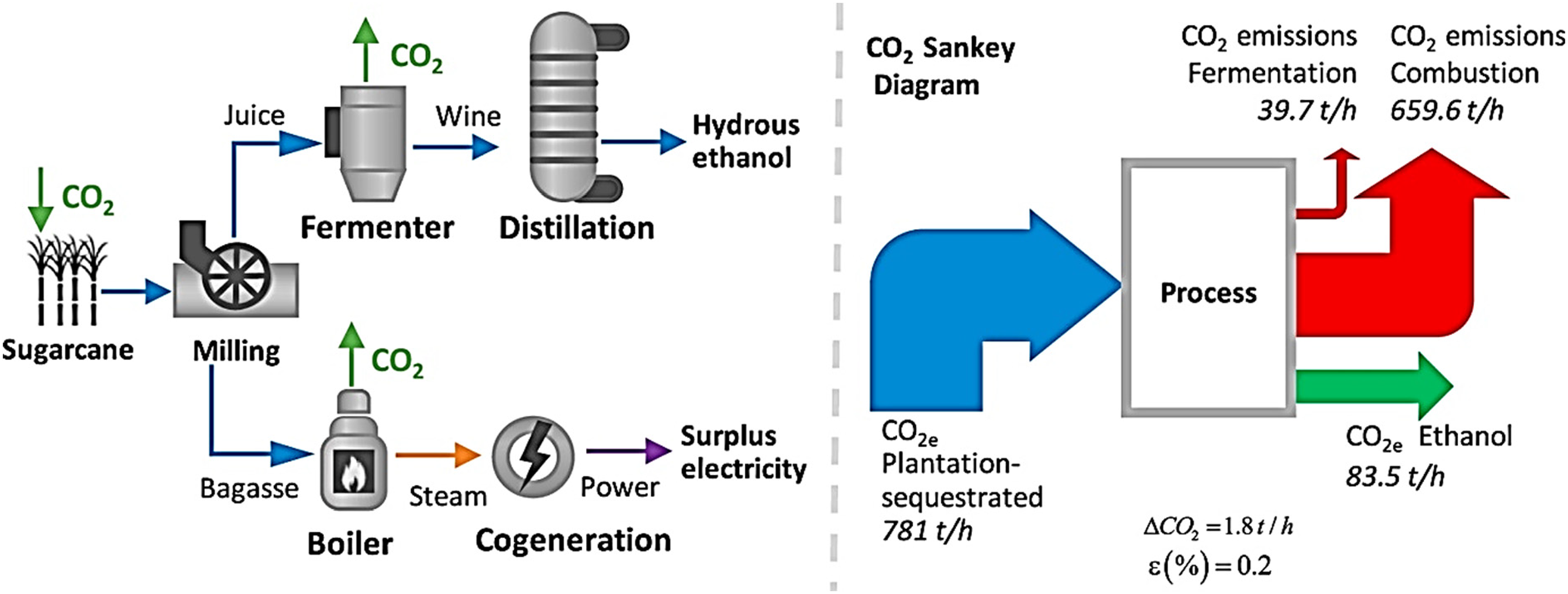
Sugarcane-based ethanol biorefinery system for BECCS. 90
Green chemicals: pathways to sustainable synthesis
CO₂ serves as an alternative renewable starting material for green chemical synthesis when used to replace the traditional fossil-based production methods. The synthesis of methanol synthesis urea, formic acid, and carbonates from CO₂ enables industries to find environmentally friendly alternatives through sustainable production methods. Methanol synthesis is one of the longest-standing operations to convert CO₂. The conversion of hydrogenated CO₂ into methanol enables industries to use this vital raw material for plastic production, pharmaceutical development, and solvent manufacturing. Research-based improvements have optimized CO₂ hydrogenation through copper-based, ruthenium-based, and iron-based catalyst development. Methanol serves as an important chemical intermediate, and its production from CO₂ enables the recycling of carbon emissions into marketable products.
Formic acid is another important chemical produced by the electrochemical reduction of CO2. This process has drawn interest for its ability to convert CO₂ into formic acid, which can be used as a fuel and/or chemical feedstock. Various catalysts, such as gold, silver, and copper, towards CO₂ formic acid conversion with high selectivity have been developed. 91 In the same way, the production of urea, usually a high energy intensive process that depends on fossil fuels as a feedstock, can become more sustainable through the use of CO₂ as a feedstock. It is important to make fertilizer and to produce it with urea, and converting it to CO₂ would reduce the carbon footprint of the agricultural industry. CO₂ utilization in chemical industries is conducted both for GHG emission reduction as well as a decrease in non-renewable feedstock consumption in the entire production cycle, increasing overall sustainability. Additionally, the chemical synthesis pathway incorporating CO₂ as a feedstock is in line with increased use of circular economy models and less dependence on fossil fuel-based chemicals.
Saleh and Hassan 92 presented a theoretical study and an assessment of fuel technology that allows a carbon-neutral chemical industry in a net-zero-CO2 emissions environment. These are based on the use of collected CO2 as a feedstock in novel chemical procedures, along with “green” hydrogen, or on the use of biomass. This has also shed light on novel pathways of green transformation and the development of sustainable, environmentally friendly energy (Figure 21).
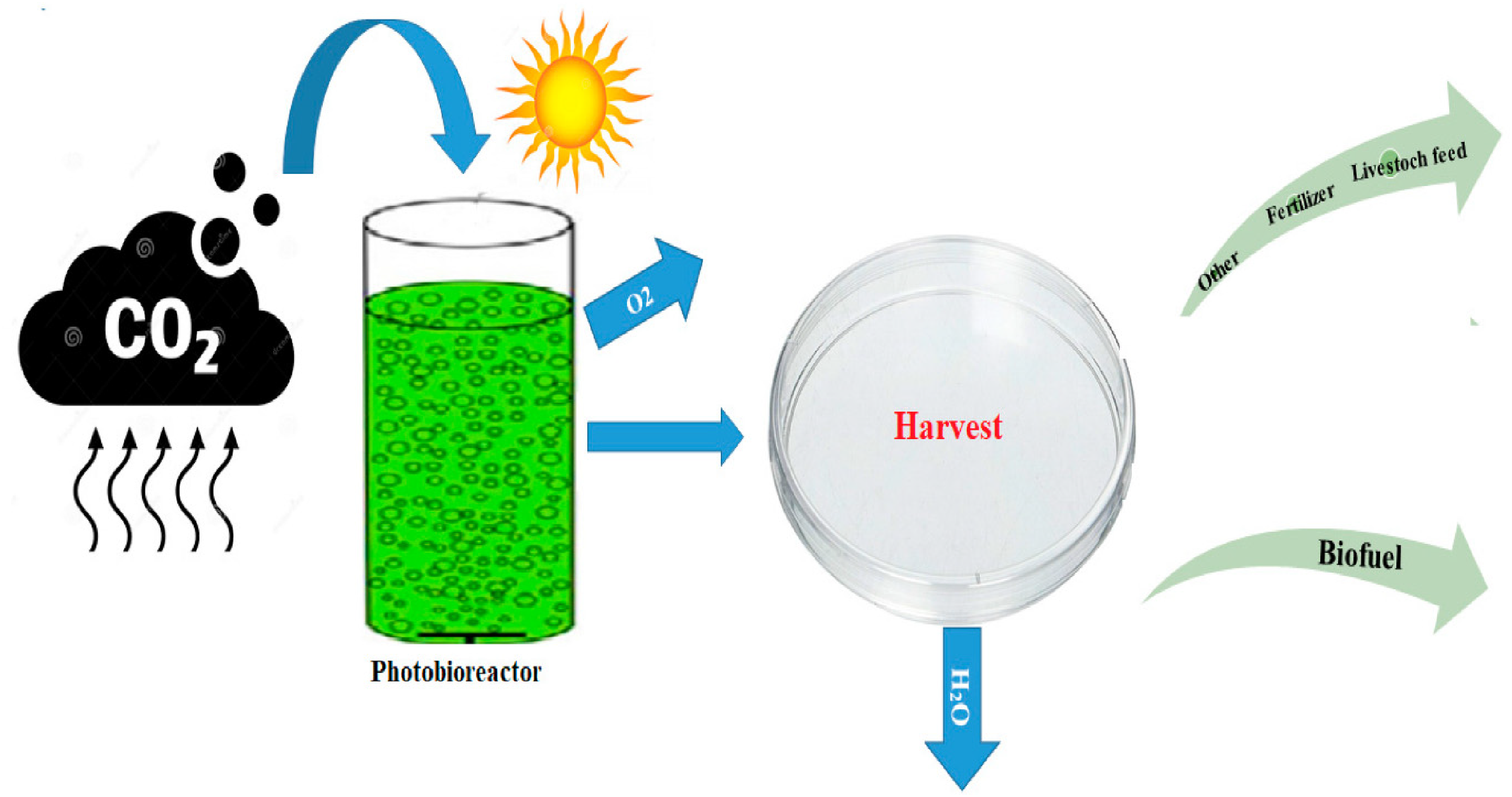
Green conversion of carbon dioxide for sustainable fuel synthesis. 92 Reproduced with copyright permission.
Innovative construction materials incorporating CO2
Captured CO₂ offers a critical opportunity to reduce the carbon footprint of the construction industry by incorporating the CO₂ into construction materials, such as concrete and cement. Cement and concrete constitute the most ubiquitous consumption of materials in the world today, and approximately 7–8% of the world's CO₂ emissions are released from cement production alone. 93 The use of CO₂ in concrete and cement makes it possible to sequester a lot of CO₂, improving the material's properties.
Among the most promising methods is the mineralization of CO₂ using calcium silicate compounds present in cement or concrete to form stable carbonates such as calcium carbonate. In addition to sequestering CO₂, it also increases the strength and durability of concrete, making it more appropriate for long-term construction applications.94,95 The CO₂ curing process, which involves injecting CO₂ into freshly mixed concrete, shortens the curing time and enhances the mechanical properties of the final product, thereby reducing the energy consumption in the production of concrete. 70
Likewise, carbon-neutral cement can be formed by substituting a portion of the clinker (the primary component in cement) with CO₂-based products, which also diminishes emissions during the manufacturing process. Another important step in making the cement industry more sustainable is the development of carbon capture-ready cement plants. The pilot plant operations were designed to collect CO2 from flue gases and use the captured substance as raw material to make alternative cement products. 96 Construction materials incorporating CO2 enable builders to develop strong, sustainable structures that reduce GHG emissions toward global climate targets. Alnahhal et al. 97 analyzed the durability performance of RA concrete, which incorporated three cementitious supplementary materials made from RHA, palm oil fuel ash, and palm oil clinker powder.
The materials functioned as cement replacements in construction to decrease the cement usage by 30%. The study examined both compressive strength, water absorption performance, and chloride ion penetration, along with electrical resistivity under elevated temperature conditions. The compressive strength performance efficiency generated its highest value of 0.143 MPa/kg cement at a 90-day period when using RHA at a 30% substitution rate. Although the initial early age strength was lower, the materials demonstrated improved durability owing to tenured aging. Thermogravimetric analysis research confirmed that RHA exhibited the highest pozzolanic activity of all the tested additives. The results demonstrated that 30% SCM led to an almost 29% reduction in CO₂ emissions, together with the maximum eco-strength efficiency reached at 20% cement substitution (Figure 22).

Reduction of CO2 emissions of recycled aggregate concrete integrating waste products as supplements to Portland cement. 97 Reproduced with copyright permission.
Economic and environmental considerations
The massive deployment of CCTs relies strongly on assessments of both economic viability and environmental sustainability. A comprehensive assessment of these technologies should measure their financial aspects together with environmental factors to determine their overall practicality. From an economic perspective, CCTs require substantial capital investment. This includes infrastructure development and the installation of capture units, transportation systems, and storage facilities.
In addition to that, operational and maintenance costs, which include energy consumption and labor, need to be properly accomplished to confirm the long-term feasibility. The energy-intensive nature of some carbon capture procedures can pose economic challenges, requiring the expansion of more efficient procedures to reduce costs. Revenue generation from the sale of carbon-derived products, such as synthetic fuels, chemicals, and building materials, can improve the economic appeal of these technologies. Policy support via incentives, subsidies, and carbon pricing mechanisms plays a vital role in making carbon capture economically viable.
From an environmental perspective, CCTs must be properly aligned with meaningful reductions in GHG emissions. A complete evaluation of the lifecycle environmental impact involving energy usage and emissions related to transportation and storage helps to minimize detrimental side effects. The selection of safe underground storage areas requires urgent attention because it will help to avoid CO₂ leakage, and proper long-term surveillance methods must be established. The combination of CCTs with renewable energy systems makes operations more sustainable because it decreases dependency on conventional fuels. The carbon utilization pathways developed for converting captured CO₂ into useful products will help establish a circular carbon economy and reduce industrial waste while creating new business opportunities. Economic feasibility combined with environmental responsibility leads to the successful implementation of CCTs, which must retain their financial stability to participate in global carbon reduction programs.
Cost-benefit analysis of carbon capture technologies
A thorough cost-benefit analysis is vital for determining the financial validity of carbon capture systems that assess their deployment costs, operational expenses, and market revenue from produced CO₂ products. The implementation of carbon capture facilities requires extensive investments that cover capture units, compression stations, and transportation pipelines. 98 The operational costs consist of energy usage for CO₂ capture procedures and purification steps, together with compression expenses of these procedures, continual maintenance, and staff education expenses. 99 The total value of these technologies becomes profitable through CO₂ upgrading into synthetic fuels as well as EOR applications and material production, such as carbon fibers. 100 The financial returns of these technologies can improve through economic incentives that combine government subsidies with carbon pricing programs.
The practice of CO₂ utilization to create green chemicals and biofuels with additional value-added products produces income that minimizes the expenses required for carbon capture implementation. 101 The financial advantages of preventing climate change environmental damages will boost the positive cost-benefit calculation of CCTs. Financial decision-makers and policymakers depend on this understanding of operational expenses and financial rewards to determine the financial stability of these technological solutions.
Physical absorption is a financially viable technology for CO2 sequestration because it costs 12.38 USD per ton while using 1.03 GJ of energy per ton. The transport of materials through pipelines yields the most affordable cost of 0.025 USD per ton across each kilometer. The production of dimethyl ether through chemical methods achieves the highest premium economic lifetime of 1.88 years, though methanol synthesis maintains a superior energetic performance of 51.7%. CO₂-enhanced oil recovery is financially attractive and technologically advanced since it requires just 4.1 years to generate a return on investment. Chinese power plants coupled with cement and chemical industries will reach their highest annual CO₂ carbon mitigation potentials through CCU in 2050 when they surpass 1691 million tons of CO₂. 102 Adam and Ozarisoy 103 presented a graphical illustration of the various expenses involved in leading economic evaluations. These costs include fuel expenses, maintenance and operation costs, and construction costs (Figure 23).

Economic analysis of carbon capture technologies. 103 Reproduced with copyright permission.
Life cycle assessment of carbon utilization products
LCA is an indispensable approach used to evaluate the environmental impact of CCU by analyzing products derived from CO₂. This approach demonstrates the ability to analyze the entire operational period from extraction through production to the use and disposal of CO₂-derived products alongside conventional products. According to Oluremi, 104 CO₂-derived products, including synthetic methanol and ethanol, reduce carbon emissions, which demonstrates their status as more ecologically friendly substitutes than fossil fuels. The process of converting CO₂ into fuel through hydrogenation reactions driven by renewable energy creates possibilities for energy production with zero carbon emissions. 105
LCA tools enable the determination of carbon footprints for construction materials, as well as CO₂, which includes carbon-cured concrete. The manufacturing of this form of concrete demonstrates carbon sequestration capabilities, which makes it a green option for replacing conventional concrete. 106 The use of these products involves large-scale industrial production, which leads to major reductions in the total environmental effects of different sectors.
Urgent measures to reduce CO₂ emissions are needed to address anthropogenic climate warming. The assessment of CO₂ removal efficiency often provides insufficient information to prevent environmental burden transfer because additional factors need to be analyzed. This study investigates CO₂ removal and utilization methods for ten European sites through DAC together with permanent storage and fuel and polymer production assessments. Location determines how energy resources are utilized, along with CO₂ distance-to-storage-treatment, along with shipping or pipeline methods for transport, and the storage materials used. Ali et al. 107 conducted a life-cycle assessment involving ten European post-combustion carbon-capture sites operating with an MDEA-EGS (N-methyldiethanolamine (MDEA) combined with an Engineered Gas-liquid System (EGS)), solvent system. Among these ten sites, seven achieved CO₂ removal efficiencies exceeding 95%. The process of CO₂ extraction and transport results in 0.3–13.1% of global warming effects in polymer creation and 0.4–16.5% of such effects in fuel generation based on polymer and fuel types. A comprehensive assessment framework for CO₂-based production utilizing DACC and electrolysis is depicted in Figure 24, which identifies the objective of the process (capture + conversion), the end products from the processes (fuels/polymer), and their different applications (transport/store). The significant factors influencing these systems are the site of production, the types of energy used, and the methods of transporting the product. The evaluation of the environmental implications of CO₂-based production is accomplished by means of LCA and considers impacts attributable to climate, water, ozone, and particulates. 107
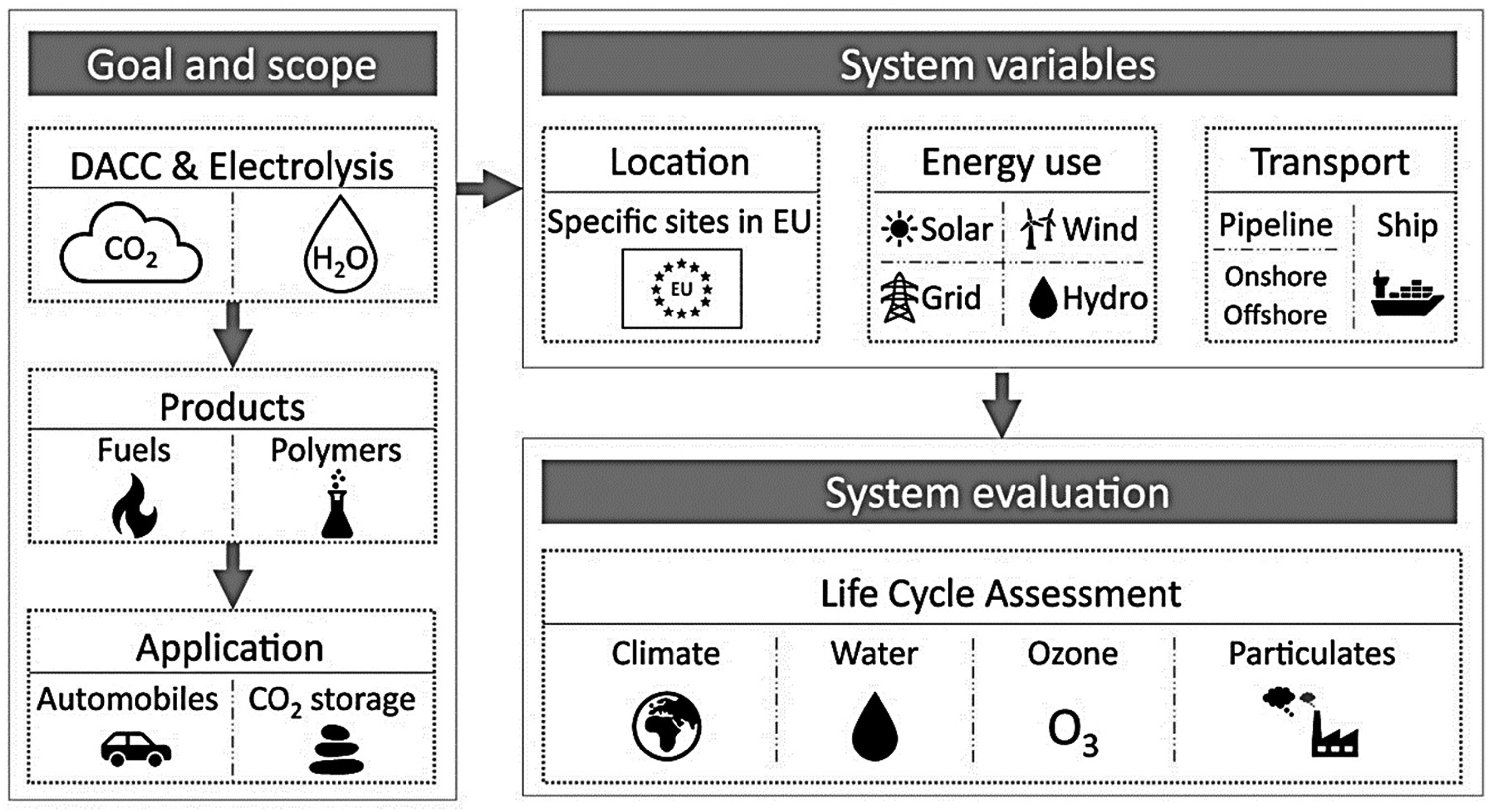
Life cycle analysis of CO2 removal and utilization. 107 Reproduced with copyright permission.
LCA provides industries with the best opportunities to lower carbon emissions and motivates them to embrace sustainable practices that support international sustainability targets.
Policy framework and regulatory challenges
Regulatory structures together with policy frameworks that govern CCU operations serve as essential requirements for successful technology implementation. Government support is crucial for CCT advancement through financial elements, consisting of subsidies, tax credits, and official loans. 108 To become economically feasible, CCTs greatly benefit from carbon pricing systems, including both carbon taxes and cap-and-trade programs that internalize CO₂ emissions environmental costs. 109
Regulatory challenges need to be resolved to establish safe operational standards and large-scale potential for CCU projects. Researchers must solve two vital storage problems regarding geological CO₂ sequestration because the process requires solutions to prevent leakage from geological reservoirs while ensuring long-term containment stability. 110 Standardized regulations must exist for CO₂-derived products movement between companies and markets because they reduce market fragmentation while boosting international collaboration. 111 International standards from the International Energy Agency and the United Nations Framework Convention on Climate Change serve as essential mechanisms to guarantee the secure and efficient deployment of CCU technologies.
Numerous lab-scale conversion systems have demonstrated significant performance potential in laboratory testing; however, the actual applicability of these systems in industry can only be assessed by means of pilot or commercial operation. The subsequent section will provide an overview of the scale-up of CCU technologies in an industrial environment, which includes a discussion of the operational parameters associated with each project, an assessment of the level of reductions, and an evaluation of the economic viability of the project.
Case studies of successful implementations of CCU
Industrial applications of carbon capture technologies
Several industries have deployed CCTs at commercial levels during the previous decade, which has proved the potential to significantly decrease CO₂ emissions. Since 2014, the Boundary Dam project has utilized its facility in Saskatchewan to extract more than one million tons of CO₂ yearly through its operations at a coal-fired power plant. The Boundary Dam project represented the world's initial CCS operation for post-combustion carbon sequestration at an industrial power facility. 112 Petra Nova operates in Texas by extracting the CO₂ emissions from its 240 MW coal power plant for EOR applications, thus minimizing yearly CO₂ discharges to 1.6 million tons. The economic circumstances led Petra Nova to stop operations in 2020, demonstrating why CCTs struggle with competitiveness. 113
The Sleipner CO₂ storage project operates under the North Sea to effectively store more than 20 million tons of CO₂ since operations began at its Norwegian power plant facility in 1996. 114 Australia operates the Gorgon project as one of the world's largest CCS projects that captures and stores CO₂ from natural gas extraction operations. The yearly target of this project involves collecting approximately 4 million tons of CO₂ for injection into the beneath-sea geological storage facilities. 115 The CCS and BECCS projects exhibit successful emission reduction achievements but encounter hurdles in spreading their technological presence due to high equipment expenses, regulatory challenges, and engineering implementation difficulties. 116
Innovations in carbon utilization
Modern innovations allow society to transition CO₂ from environmental burdens to producing beneficial commercial products. The cement sector, which produces the most CO₂ emissions from industries, has shown positive progress through contemporary developments. The Carbon Clean Solutions company operates a CO₂ capture technology at cement facilities that produces synthetic limestone from captured emissions for concrete manufacturing purposes. 117 The industry leader, Cemex has succeeded in developing a technique that adds CO₂ directly into concrete structures to improve their toughness and strength while reducing cement amounts. 118
The chemical sector uses different methods to convert the trapped CO₂ into raw materials to create beneficial chemical products. Carbon Clean Solutions, together with LanzaTech, operates a gas fermentation system to transform the captured CO₂ into ethanol. This process allows both emission reduction and the generation of commercially usable products. 119 The fuel sector company Carbon8 collaborates with scientists to develop procedures that transform CO₂ into carbonated aggregates to construct buildings while simultaneously turning unnecessary CO₂ emissions into construction materials instead of using traditional carbon-intensive building techniques. 120
Other novel approaches to carbon utilization include the conversion of CO₂ into synthetic fuels and the power of existing infrastructure while reducing net emissions. Carbon Clean Solutions is the leading example that explored the production of synthetic fuels, including methanol, from captured CO₂ through catalytic processes. 121 This type of innovation offers a strong foundation for repurposing CO₂ into high-value products and opens new economic opportunities.
Pilot projects (some leading examples)
The development of CCU technologies depends heavily on pilot projects that reveal realistic information regarding the obstacles and outcomes of process upscaling. By serving as a showcase for Texas, USA, the Port Arthur carbon capture project has uncovered essential technical obstacles in industrial CO2 capture. 122 The project demonstrated that systems need to maintain functionality when faced with variable CO₂ emission levels because industrial facilities show varying production outputs during operations.
Another example of this sequence is the NET Power Project in the United States. This project is developing a natural gas power generation facility that employs Allam Cycle technology for electricity production and CO₂ collection and reutilization. 123 NET Power's achievement demonstrates that it is achievable to create electricity through natural gas, yet produce virtually no emissions during the process. NET Power demonstrates that new facilities that incorporate carbon trapping technology will be more effective than trying to add capturing systems to existing plants.
The Alberta Carbon Trunk Line project in Canada demonstrates how large-scale CO₂ transport and storage systems function, as it started its operations in 2020. The designed infrastructure connects industrial CO₂ emitters to storage sites through pipelines because it solves the major operational challenges that CCS faces. 124 This project demonstrates the importance of constructing extended-distance infrastructure systems that efficiently convey large CO₂ volumes to storage sites while maintaining safety protocols and reducing operational expenses.
The European project Northern Lights works as part of the Longship initiative to build the infrastructure needed for CO₂ storage. This project will enable safe transportation systems to collect CO₂ emissions from waste from different industrial sources. The initial evidence shows that governmental backing, combined with international collaboration between bordering nations, serves as a foundation for sustainable CCS project profitability. 125
Current pilot projects demonstrate that CCU technologies exist at their developmental stage while facing implementation barriers to achieve commercial operation on a large scale. These pilot projects provide important knowledge about technical difficulties, economic barriers, and regulatory requirements that stand in the way of the worldwide implementation of these solutions.
The industrial applications of CO2 capture technology presented here illustrate that CCU can be achieved successfully through multiple sectors. However, the industrial examples above also confirm that there are substantial difficulties associated with the technical implementation of CCU. These difficulties include: costs, energy consumption, durability of materials, and market acceptance. As a result, it is important to identify policy and economic issues regarding these barriers when determining the long-term sustainability of CCU.
Challenges and future directions
The development of CCU technologies has encountered problems related to fundamental technology specifications, cost considerations, and wide implementation difficulties. 96 Carbon capture processes have an energy consumption problem, particularly in post-combustion techniques that require substantial power to recycle amine-based solution materials. The industrial use of these materials is restricted because they do not maintain their stability under operating conditions. CO₂ conversion technologies require more efficient catalysts to reach commercial goals because the present catalysts display limited conversion rates and require significant amounts of energy to convert CO₂ into fuel and chemical products.
Economic barriers hinder its widespread adoption. CCU technologies face barriers due to capital and operational expenses, together with uncertain market conditions that make investment risky. The market acceptance of CO₂-based products remains small because businesses need both competitive pricing and strong carbon taxation systems (e.g. carbon taxes) before they will consider CCU adoption. Effective Government policies through tax incentives, combined with carbon markets, remain essential to surmount the financial challenges facing carbon capture promotion. 126
Research and development (R&D) is essential for progress. The potential for industrial CO₂ capture lies in materials that include MOFs and COFs, together with ionic liquids, although they require optimization before they can reach practical industrial adoption. Electrocatalysis and bio-based methods for CO₂ conversion require technological breakthroughs to achieve better operational efficiency and minimize economic costs. Locating CO₂ utilization technologies within cement plants and steel processing facilities requires easy system integration for wide deployment. CCU deployment can be scaled up through three key enhancements: modular technologies combined with renewable energy integration and industrial symbiosis approaches that use captured CO₂ for multi-industry applications. Enhancing waste heat recovery with renewable power sources and CCU technology would create more efficient, sustainable solutions for widespread CCU adoption. 127
Conclusion
CCU is an essential method for achieving deeper decarbonization within the industrial and energy sectors. This review summarizes the pros and cons of the most common CO₂ capture technologies post-combustion, pre-combustion, oxy-fuel combustion, separation using membranes, and newer advanced adsorbent technologies, and focuses on recent developments in catalysis, thermochemical conversion, and electrochemical conversion processes. Although there has been considerable technological development, many challenges remain in the deployment of CCU relating to energy requirements, materials stability, cost-of-ownership issues, and regulatory uncertainty. Future research efforts should focus on developing highly reliable sorbent materials, electrocatalysts that have higher selectivity and longer lifetimes, and renewable-energy-powered conversion systems that can operate at industrially relevant scales. Also critical to the success of CCU is developing regulatory support, carbon pricing mechanisms for the long term, and other market incentives to enhance the economic feasibility of CCU technology. By coordinating efforts in the areas of materials science, process engineering, and policy design, CCU may evolve from emerging technologies to mainstream components of global climate change mitigation efforts.
Footnotes

Author contribution
Manuscript conceptualization, writing, and reviewing were done by Dr Divya Bajpai Tripathy and Dr Subhalaxmi Pradhan; Reviewing and editing by Dr Pooja Agarwal and Dr Rishabha Malviya.
Funding
The authors received no financial support for the research, authorship, and/or publication of this article.
Declaration of conflicting interests
The authors declared no potential conflicts of interest with respect to the research, authorship, and/or publication of this article.