




Abstract
The extensive use of petroleum-based polymers has exacerbated environmental pollution and fossil fuel depletion, spurring global interest in eco-friendly alternatives. Biodegradable materials serve as a potential replacement for non-biodegradable polymers. Among them, Cellulose, a prevalent natural biopolymer, having emerged as a promising material due to its affordability, biocompatibility, and biodegradability. However, cellulose alone have poor properties, therefore modification may be reequired. Recent research investigated the preparation of cellulose and Montmorillonite (MMT) clay films using the ionic liquid 1-ethyl-3-methylimidazolium acetate as a solvent. The study is aimed to evaluate the impact of MMT on the mechanical, absorption, and thermal properties of cellulose films. The results indicated that incorporating MMT significantly improved the films' moisture and water absorption properties. Moisture absorption decreased from 15.73 wt% to 8.55 wt%, and water absorption reduced from 22.68 wt% to 9.15 wt% as MMT content increased from 0% to 3%. Additionally, the water contact angle increased by approximately 54%, suggesting reduced hydrophilicity due to enhanced interaction between cellulose and clay particles. Differential scanning calorimetry (DSC) revealed that the glass transition temperature of the cellulose films increased with MMT loading, peaking at 89.447
• Extraction of cellulose from banana fiber • Preparation of cellulose films with nanoclay • Characterization of absorption, thermal and mechanical propertiesHighlights
1. Introduction
In the global economy, synthetic polymer plastic materials are produced to meet various human needs. Common packaging materials offer physical protection and establish ideal physical-chemical conditions, including those with mechanical, optical, and thermal properties. 1 The most common application for synthetic plastics is in packaging. Since these polymers are primarily made for performance and durability rather than recycling and degradability, there are significant amounts of discarded polymers in terrestrial and aquatic environments. 2
The main drawbacks of these polymers are their limited recyclability, poor biodegradability, and dependence on fossil fuels.3,4 The application of synthetic polymers in packaging industry led environmental pollution, global warming, and the depletion of petroleum reserves. Processes such as hydrothermal and pyrolysis are used to convert plastic wastes into fuels. However, due to toxic gaseous emissions produced during the high-temperature combustion of plastics, its application is limited. Recently, the biodegradation of synthetic plastics using microbes and enzymes started, but biological treatments are limited due to the difficulty of colonizing microbes and adhering to the surface of plastics. 5 Temporary recovery from mechanical recycling has come, but the volumes are typically too small. 3 Petroleum-based synthetic polymers have become a significant environmental concern as they continue rising sea pollution and depleting landfill space.6,7
Developing new bio-based materials with biodegradability, renewability, biocompatibility, and sustainability has increased demand in recent years.8–10 Since cellulose-based materials are made of aligned nanocellulose, they exhibit an intriguing structural hierarchy. They are also potential substitutes for petroleum-based polymers due to their availability on Earth, renewability, biodegradability, and biocompatibility. Adaptability, broad modification capabilities, and adaptable morphologies contribute to reducing non-renewable natural resources.11,12 The degree of polymerization (DP) of cellulose is a linear homopolysaccharide made up of repeating units of anhydro-d-glucose linked by β(1→4) glycosidic bonds.
In nature, the DP of cellulose chains is typically around 10,000. However, in some materials, such as native cellulose cotton, the DP can be higher, up to around 15,000. 13 Three hydroxyl groups are on the monomer, known as the anhydroglucose unit (AGU). These groups give cellulose the capacity to form powerful hydrogen bonds and its crucial characteristics. 14 Cellulose can be extracted from different sources, such as wood, 15 agricultural by-products, annual plants, 15 and marine algae. 16 There are two forms of nanocellulose extracted from a plant fiber: cellulose nanofibers (CNF) and cellulose nanocrystals (CNC).17–19 Its benefits include affordability, biocompatibility, and biodegradability. 11 However, as result of extensive network linking hydrogen bonds and partial crystal structure of cellulose, water and the majority of conventional organic solvents cannot dissolve cellulose. Therefore, several solvent systems, including N-methyl morpholine N-oxide, lithium chloride/1,3-dimethyl-2-imidazolidinone (LiCl/DMI), phosphoric acid, N-dimethylacetamide (LiCl/DMAc), and lithium chloride/N have been developed for the making of regenerated cellulose materials. Due to their toxicity, difficulty in recovering solvents, and numerous unfavorable side effects, the majority of the systems created up to this point are still viewed as unsuccessful by both industry and environmentalists.20,21
In recent times, room temperature ionic liquids (ILs) have emerged as environmentally friendly solvents for the regeneration of cellulose. This is attributed to their appealing characteristics, including robust chemical and thermal stability, minimal flammability, a low melting point, and straightforward recyclability. Ionic liquids, notable for their absence of measurable vapor pressure, contribute to a solvent option that emits no volatile organic compounds into the atmosphere, further enhancing their environmental friendliness. 22 The process by which cellulose dissolves in ionic liquids relies on creating of hydrogen bonds between the ionic liquid and the hydroxyl groups present in cellulose. Both the cation and anion play roles in this dissolution mechanism. Hence, the cellulose dissolution properties of ionic liquids are primarily attributed to their capacity for forming hydrogen bonds. 23 It was found that 1-allyl-3-methylimidazolium chloride (AmimCl) and EmimAc (1-ethyl-3-methylimidazolium acetate) were powerful solvents for dissolving cellulose when compared to BmimCl. They have higher dissolving capability and lower melting points and viscosities. 24 Though cellulose may be dissolved to form film, it is still a challenge to use cellulose in packaging due to its crystalline and hydrophilic nature. 5 Therefore, nano-sized materials are dispersed in matrix polymer to enhance properties like mechanical, moisture, and oxygen barrier properties.25,26
Nanoclays stand out as a highly favored and widely employed type of nanoparticles in the advancement of packaging. This is primarily attributed to their safety in packaging applications and their natural origin.27,28 Among clays, montmorillonite is the most commonly used in packaging materials. 29 The nano-sized layered structure of montmorillonite (MMT) results in a substantial surface area, creating ample interfacial regions within polymer nanocomposites. This, in turn, leads to significant enhancements in a diverse range of physical and engineering properties, even when utilizing low filler (MMT) loadings in polymers. 22 Cellulose and montmorillonite have been utilized for making films in different solvents. However, to the best of our knowledge there is no study reported for MMT, namely cloisite 30B, and cellulose prepared in 1-ethyl-3-methylimidazolium acetate ionic liquid solvent. This study aims to investigate the effects of MMT on the mechanical, absorption, and thermal properties of cellulose films processed via ionic liquid dissolution.
2.1. Materials
Banana fibres were supplied by bharath beedi works pvt. LTD, India. Sodium hydroxide pellets, 98% sulphuric acid, and 5% sodium hypochlorite were supplied by Minema Chemicals, South Africa. Merck South Africa supplied 1-ethyl-3-methyllidazolium acetate. Southern Clay Products, Inc., USA, supplied Cloisite 30B.
2.2. Methods
2.2.1. Cellulose extraction
Banana fibers were first washed with deionized water and dried an using air-circulating oven until completely dry. The sizes of dried fibers were reduced by chopping to 4 mm length, followed by alkali treatment using 5 wt% sodium hydroxide solution. Chopped banana fibers are shown in Figure 1. Fibers were soaked for 30 minutes in sodium hydroxide solution, and washed until neutral PH, and dried at 60 Chopped banana fibers. Two stage bleaching process.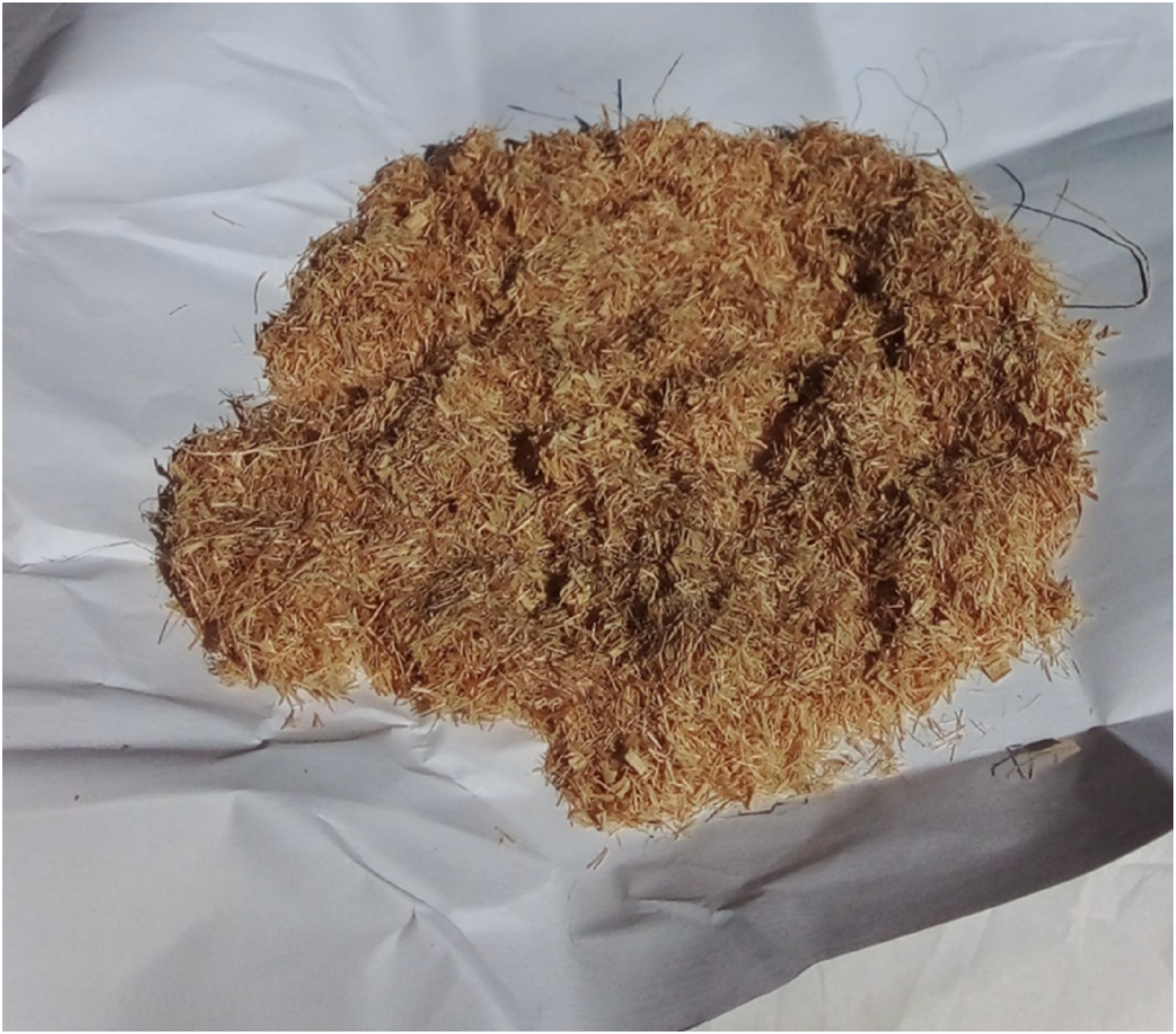

2.2.2. Cellulose nanocrystals production
Isolation of cellulose nanocrystals was done according to the previous method of Matebie, Tizazu.
30
Bleached banana fibers were treated with 51% wt% sulfuric acid at 45 Production of cellulose nanoparticles.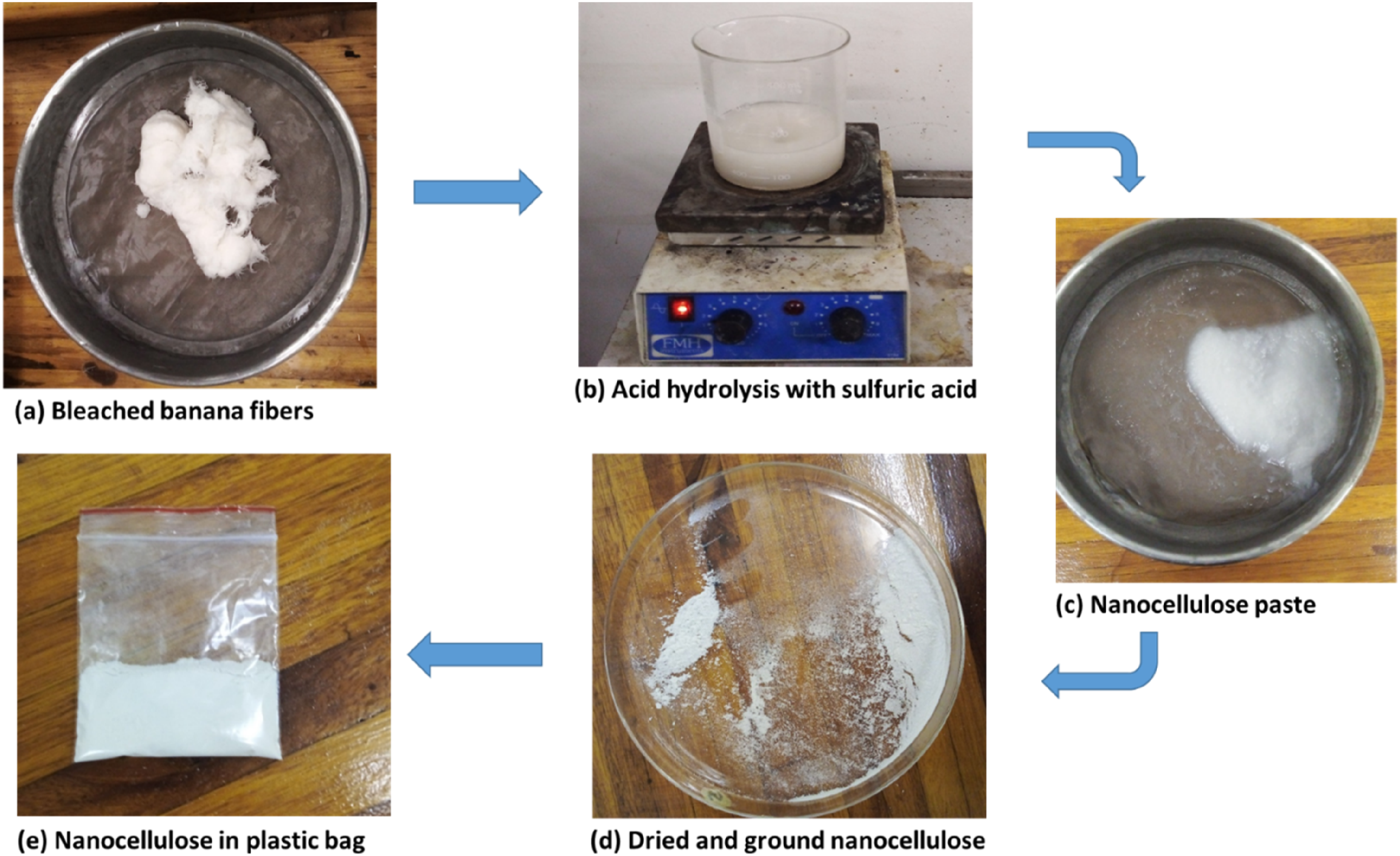
2.2.3. Preparation of cellulose/clay films
Cellulose/clay films were prepared based on the previously reported method by Pang, Liu.
20
In brief, cellulose film was prepared by dissolving 0,106 g of cellulose in 2 g of 1-ethyl-3-methyllidazolium acetate, and then the mixture was heated at 90 Preparing of cellulose/MMT film.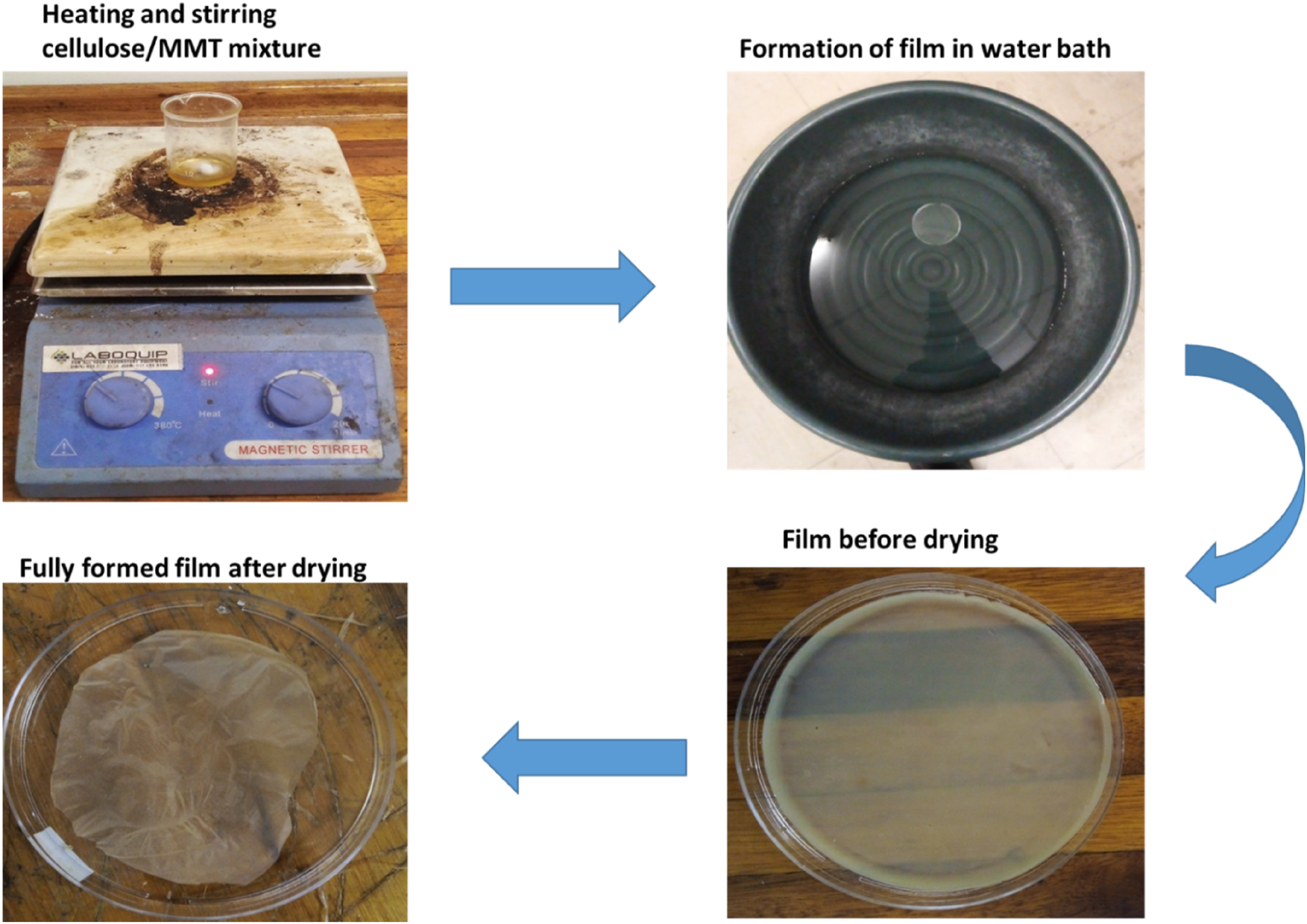
2.3. Film characterisation
2.3.1. Thickness
The micrometer (Lorentzen & Wettre, with a precision of 1 μm) was used to measure the thickness of regenerated cellulose film. The thickness at six different locations on each film was measured.
2.3.2. Moisture uptake
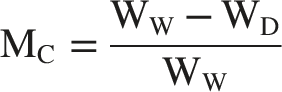
The technique used to measure the amount of moisture (MC) was according to ASTM D 570-98. To determine the dry weight (WD) of each film, 2 x 2 cm squares were cut and heated at 105 degrees Celsius for 24 hours. The weight of each piece was then measured using an analytical balance (Sartorius, BA 110 S, Bohemia, NY, USA), with the initial wet weight (WW) of the samples also being recorded. Using the Equation, the MC was calculated.
2.3.3. Water absorption
Water absorption test was carried out according to ASTM D 570. Films were dried at 105
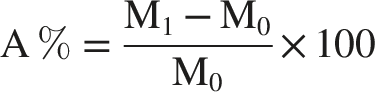
M1 is the mass of sample with absorbed water and Mo is the initial mass of dry sample.
2.3.4. The morphology of films
SEM analysis was used to study the morphology of cellulose films. After being coated with gold palladium in a sputter coater (E-1010, Hitachi, Japan), the cellulose film samples were examined using a scanning electron microscope (S-3400N, Hitachi, Japan) at 20 kV acceleration voltage.
2.3.5. Water contact angle
Water contact angle tests were performed using the sisal drop method on the DropMeter A-100 contact angle system (Maist Vision Inspection & Measurement Co. Ltd.) to characterize the composite film wetting behaviour. Deionized water droplets were applied to the film’s surface using a 25 µL micro-syringe the films were positioned on a rectangular glass slide. Average values were taken as contact angles, and testing was performed at room temperature.
2.3.6. Fourier transform infrared (FTIR) spectroscopy
Fourier transform infrared (FTIR) spectroscopy was used with a Perkin-Elmer Spectrum Two Universal ATR (model L1050242) to examine the intermolecular interactions within the nanoclay reinforced cellulose films. Windows users had to compile the FDA 21 CFR Part 11 regulation into the Spectrum 10 software to operate the FTIR instrument. Using an infrared spectrometer, the characteristic peak of the FTIR spectra was recorded in the 400 cm−1 to 4000 cm−1 frequency range with a spectral resolution of 4 cm−1 by co-adding scans for each spectrum at room temperature.
2.3.7. Thermal analysis
Thermal analysis was performed utilizing a simultaneous thermal analyzer (SDT Q600 TGA/DSC, TA Instrument) for differential thermal analysis (DTA) and thermogravimetric analysis (TGA). Under a nitrogen inert environment, samples weighing roughly 10 mg were heated from ambient temperature to 600 °C at a rate of 10 °C/min.
2.3.8. Tensile properties
Tensile test samples were made in accordance with ASTM D3039-76 (Aklilu, Adali, and Bright 2020). Tensile tests were performed on five samples of each cellulose bioplastic and cellulose/MMT film. The mean values for the ultimate strength obtained were recorded.
3. Results and discussion
3.1. Morphology of the cellulose/clay films
SEM images of neat cellulose film as well as those containing different MMT concentration are shown in Figure 5. It can be observed that film containing 0 wt% of MMT has slightly homogenous surface. Whereas a clear heterogeneous surface is observed as results of incorporating 0,5 wt% nanoclay as shown in figure (b) and more heterogeneity morphology appears as nanoclay concentration increases. This is because of smaller free chain mobility and more chain entanglement.
31
At lower MMT loadings, relatively uniform dispersion was observed, suggesting partial exfoliation. At higher loadings, localized agglomeration appeared, which may explain deviations in mechanical and thermal trends. SEM morphology of cellulose films with (a) 0 wt%, (b) 0,5 wt%, (c) 1 wt%, (d) 1,5 wt%, (e) 2 wt%, (f) 2,5 wt%, (g) 3 wt% MMT content.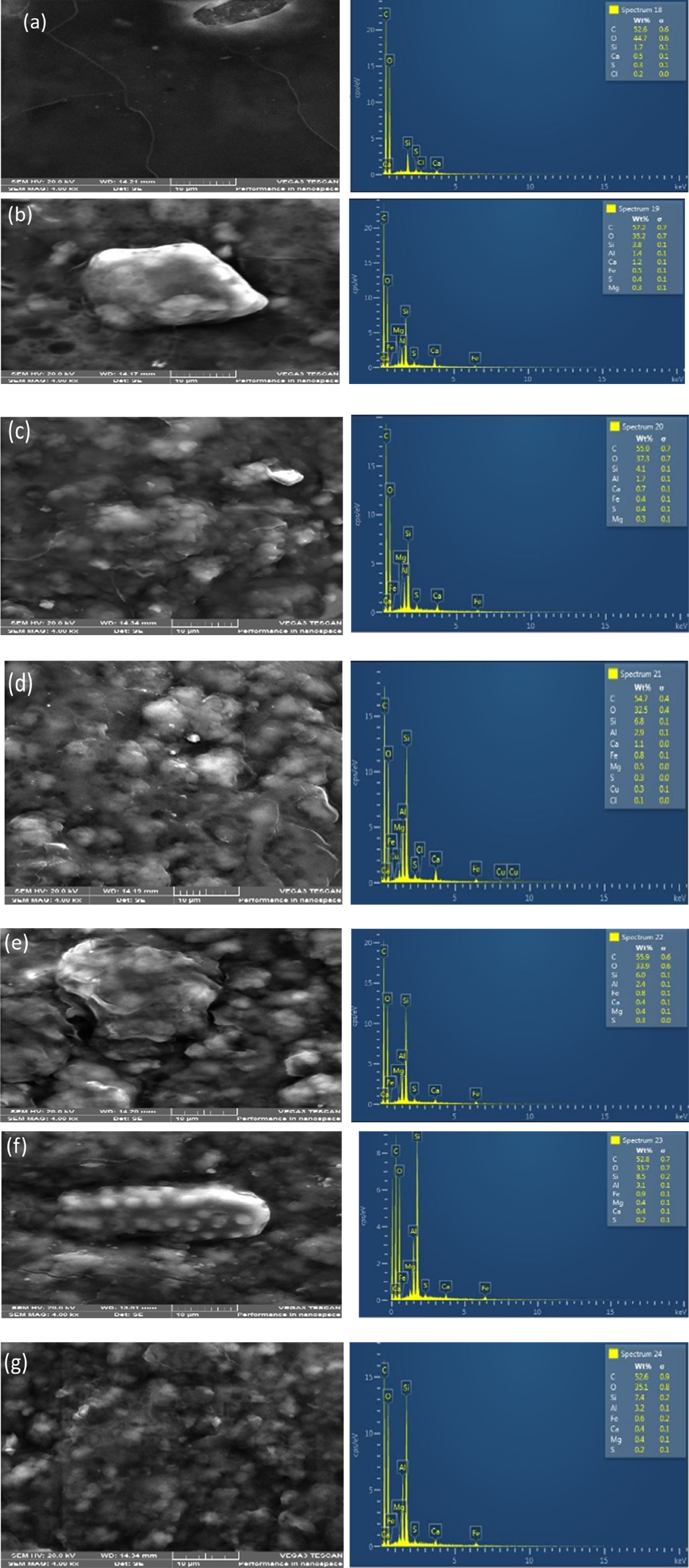
The distribution and presence of clay nanoparticles in cellulose matrix was further shown by using SEM-EDS elemental analysis, this was carried out to investigate chemical composition of neat cellulose film and cellulose/MMT films. In can be seen that elements contained by cellulose film without a filler are C,O,Si, Ca, S and Cl, as shown in Figure 5. In comparison, elements such Al, Fe, Mg appear in films with 0,5 wt% to 3 wt% of cloisite 30B nanoclay as revealed by energy-dispersive X-ray spectroscopy(EDS) which are elements of the clay.
3.2. Differential scanning calorimetry
DSC(Differential Scanning Calorimetry) results are presented in Figure 6. and summarized in Table 1. To boost the visibility of DSC processes, the temperature derivative of each initial curve is utilized, as shown in Figure 7. This transformation converts the heat flow step property of the glass transition into a peak in the heat flow derivative. The glass transition temperature (Tg) of the nanocomposites refers to the temperature at which the material undergoes a structural transition from a solid state characterized by amorphous properties (glassy state) to a more pliable and viscous rubbery state.
32
Some of these films showed grass transition temperatures around 80 °C and around crystallization temperature, as shown in Table 1. All samples exhibited a glass transition temperature (Tg) in the range of 80–90 °C. The incorporation of MMT slightly increased Tg, which is attributed to restricted segmental motion of cellulose chains due to strong interfacial interactions with the silicate layers. No crystallization peaks were observed within the DSC temperature range. DSC curves of neat cellulose film (0 wt%) and cellulose/MMT films. Glass transition temperature ( Temperature derivative of DSC for neat cellulose film (0 wt%) and cellulose/MMT films.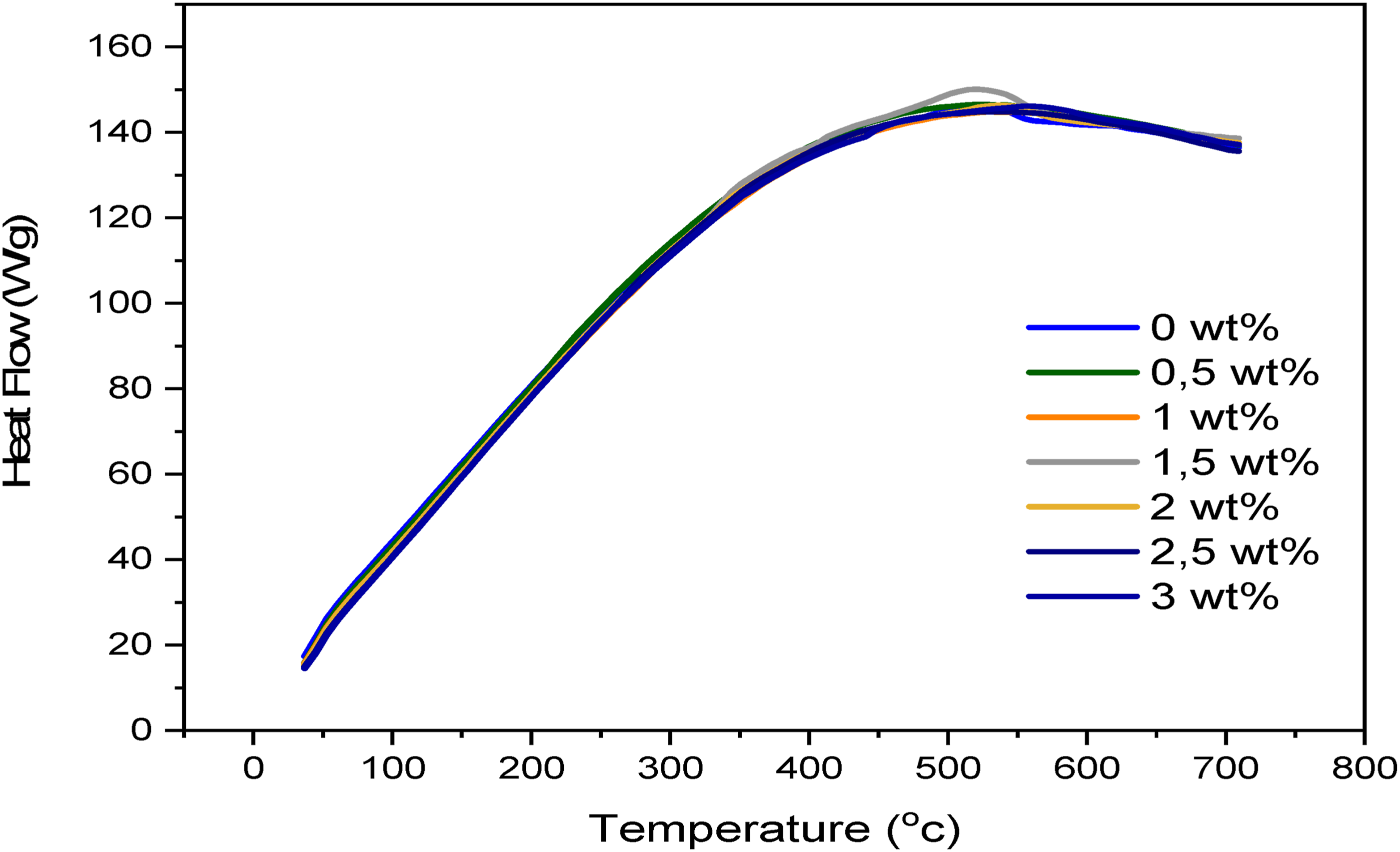
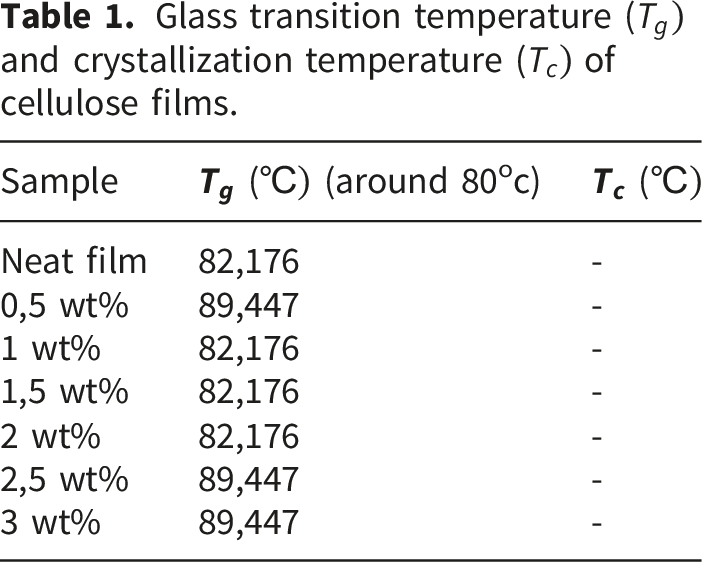
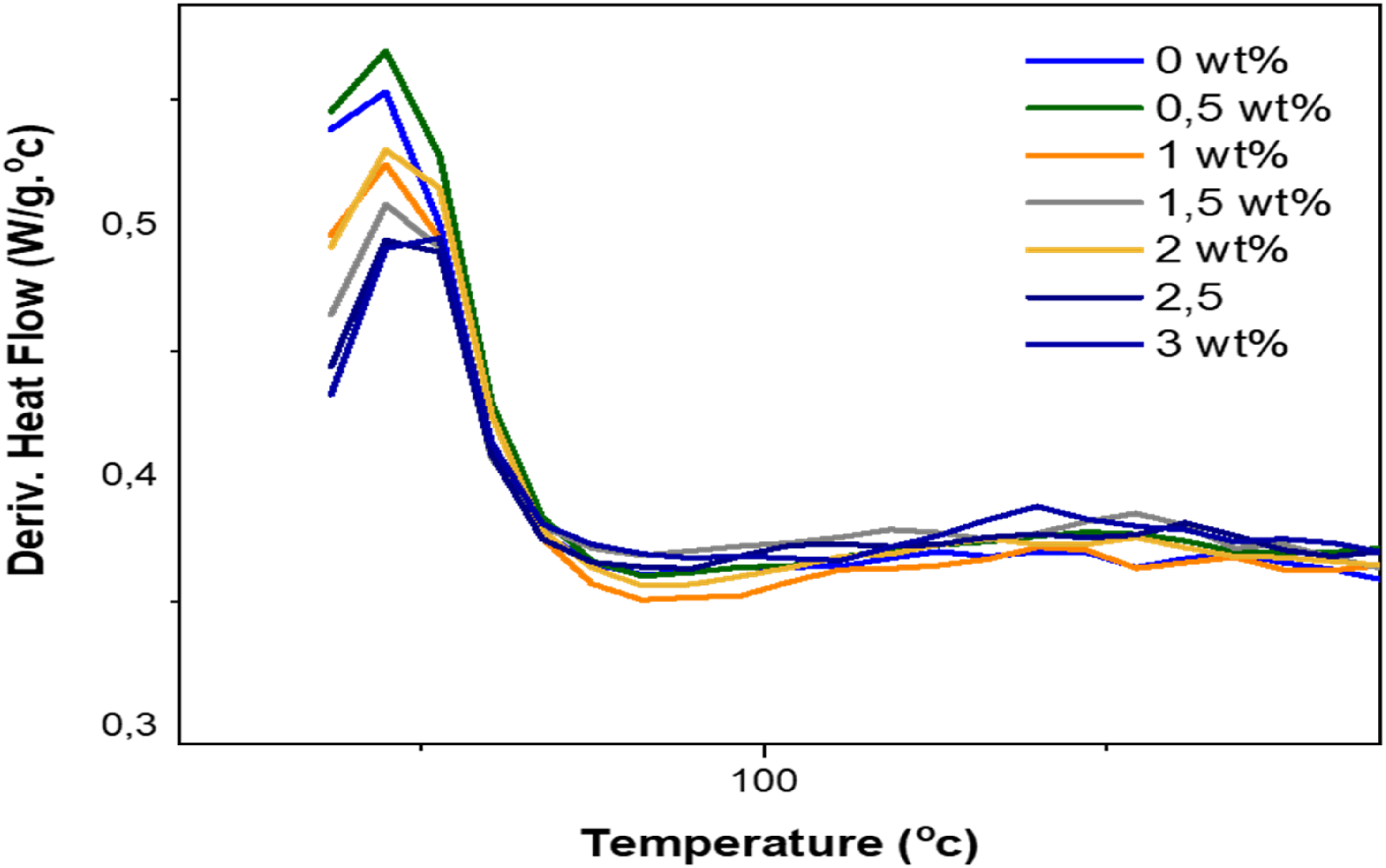
The DSC analysis showed that the glass transition temperature (Tg) increased with MMT content for most samples. Specifically, neat cellulose films exhibited a Tg of 82.18°C, which increased to 89.45°C at 0.5 wt%, 2.5 wt%, and 3 wt% MMT loading. However, samples with 1 wt% and 2.5 wt% MMT did not exhibit a significant Tg shift. This suggests that while MMT generally restricts polymer chain mobility, certain loadings may lead to phase separation or poor dispersion, reducing its reinforcing effect. Additionally, all films exhibited exothermic peaks in the DSC curves, indicating crystallization events. The crystallization temperature (Tc) initially decreased with MMT loading but remained unchanged at 3 wt%, possibly due to a saturation effect in the cellulose matrix.
The increase in
3.3. The thermal analysis of all cellulose films
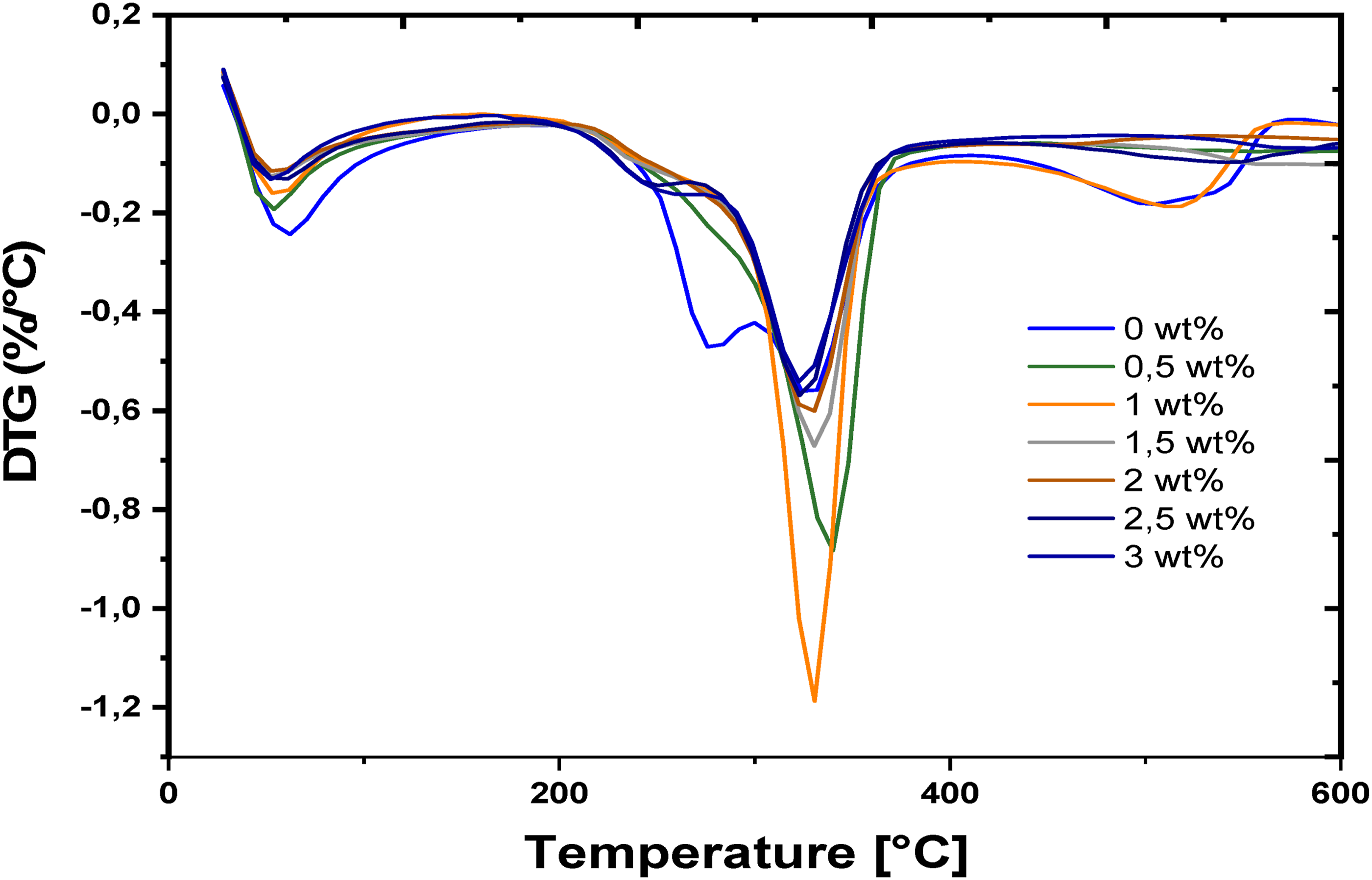
Thermogravimetric analysis (TGA) revealed a multi-step degradation process in cellulose/MMT films as shown in Figure 8 and derivative of TGA in Figure 9. Initial weight loss (below 100°C) was due to residual moisture evaporation. The primary thermal degradation occurred between 300°C and 350°C, corresponding to the decomposition of cellulose.
35
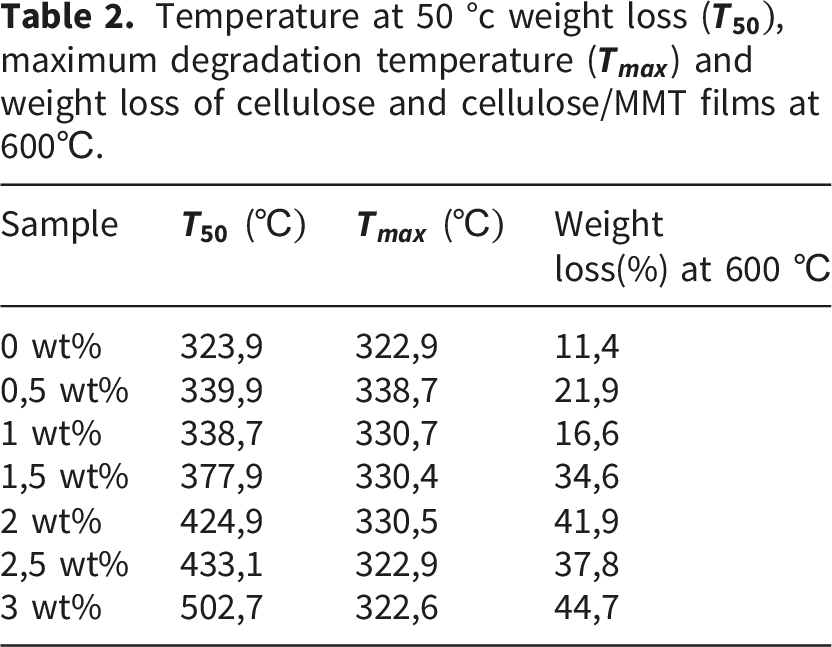
Incorporation of MMT significantly improved the thermal stability of the films. At 50% weight loss, thermal stability increased by 4.7% at 0.5 wt% MMT and reached a maximum improvement of 35.6% at 3 wt% MMT. This enhancement is attributed to the well-dispersed clay platelets forming a barrier against heat and volatile decomposition products. Interestingly, at 2.5 wt% MMT, the stability did not follow the expected trend, suggesting possible filler agglomeration, which might have led to localized degradation sites. TGA for for neat cellulose (0 wt%) and cellulose/MMT nanocomposite biobased plastic of 0,5, 1, 1,5, 2, 2,5 and 3 wt% MMT. Derivative of TGA for neat cellulose (0 wt%) and cellulose/MMT nanocomposite biobased plastic of 0,5, 1, 1,5, 2, 2,5 and 3 wt% MMT.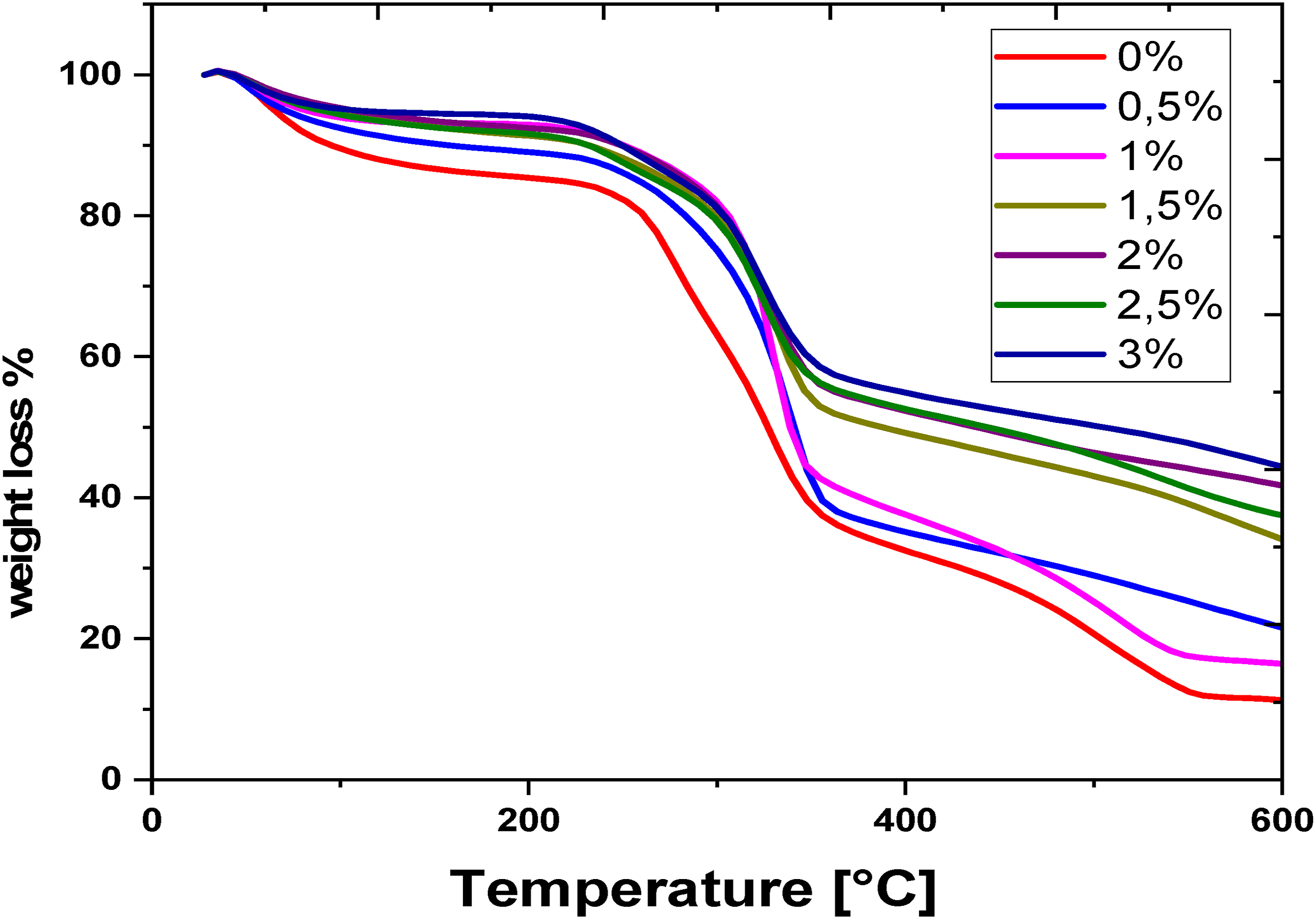
Temperature at 50 °c weight loss (
3.4. Fourier transform infrared spectroscopy
The FT-IR spectra of both cellulose (0 wt%) and cellulose/MMT nanocomposite biobased polymers are shown in Figure 10(a) and (b). For better analysis, arbitrary values for transmittance were shown in Figure 10(b). Despite a small difference in the absorption peak values, no new peak was observed in Cellulose and Cellulose/MMT films. The findings demonstrate that there was no chemical reaction throughout the cellulose’s dissolution process and shows that 1-ethyl-3-methylimidazolium acetate dissolves cellulose directly.
36
New peaks revealed the distinctive stretching vibration associated with hydroxyl groups within the range of 3300 to 3500 cm−1. Nevertheless, the intensity of hydrogen bonding exhibited was weaker and a shifted from 3377 to 3427 cm−1, signifying the presence of hydrogen bonding interactions between cellulose and MMT. Furthermore, the observed peak exhibited a reduced width in the cellulose/MMT nanocomposite biobased plastics, indicative of an enhanced and more robust interaction between cellulose and MMT. Furthermore, the peaks observed at 518 cm−1 were indicative of the presence of metal oxide in the MMT, including bonds such as Si–O, Mg–O, and Al–O. Peaks at about 840 cm−1 confirmed the Al-cellulose bonding, which is formed when hydroxyl groups of the cellulose interact with the Al on the MMT surface.37,38 (a) and (b). FT-IR spectra of cellulose biobased plastic (0 wt%) and cellulose/MMT nanocomposite biobased plastic of 0,5, 1, 1,5, 2, 2,5 and 3 wt% MMT.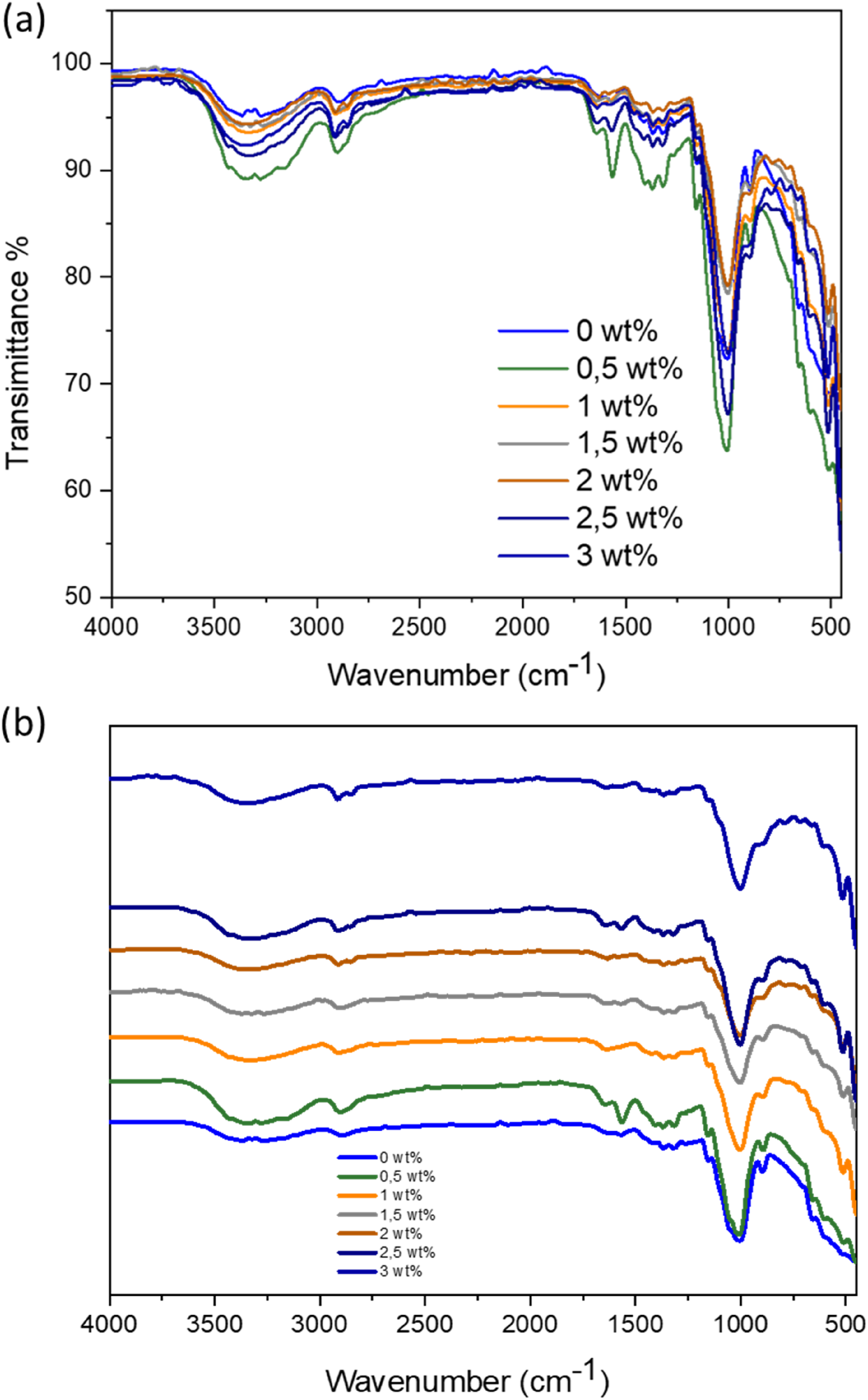
3.5. Mechanical properties
Stress and modulus for cellulose film and films with varied clay content.
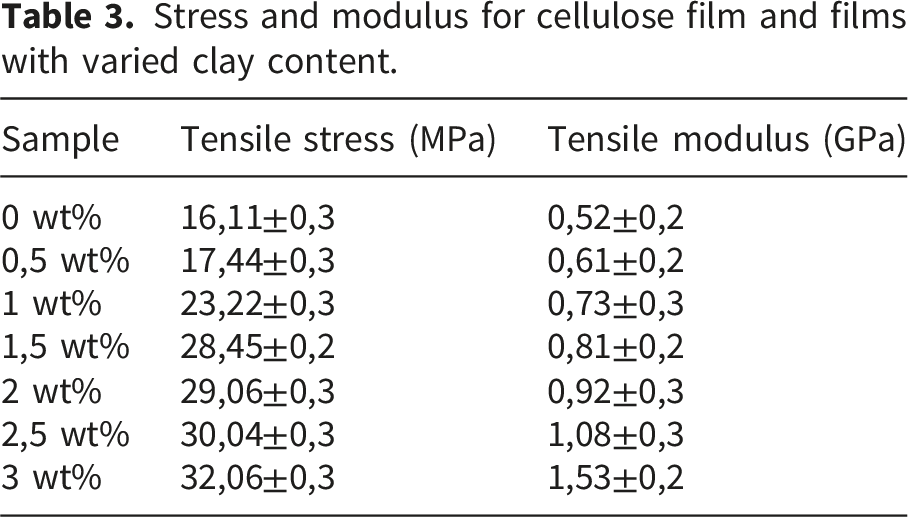
The elongation to failure of films increased as clay increases up to 2,5 wt% and then decreased as further increased to 3wt%. According to Olusanya, Mohan
40
Incorporating a small quantity of nanoclay led to enhancements in elongation. However, at higher clay concentrations, the effective stress transfer between starch and the CNPs/NC became challenging due to the presence of stress-concentrating sites. Consequently, this difficulty resulted in a decrease in the elongation properties of the polymer nanocomposites. It is also seen that modulus increased with an increase in clay content and reached maximum of 1.53 GPa at 3wt% clay loading. MMT sheets in the cellulose matrix provide resistance to the segmental movement of polymer chains, increasing modulus. This could also result from the strong interactions and well-dispersion between MMT and the matrix of the polymer.3,36,38 Stress and strain curves are shown in Figure 11. Tensile stress vs strain for cellulose and cellulose/MMT composite films.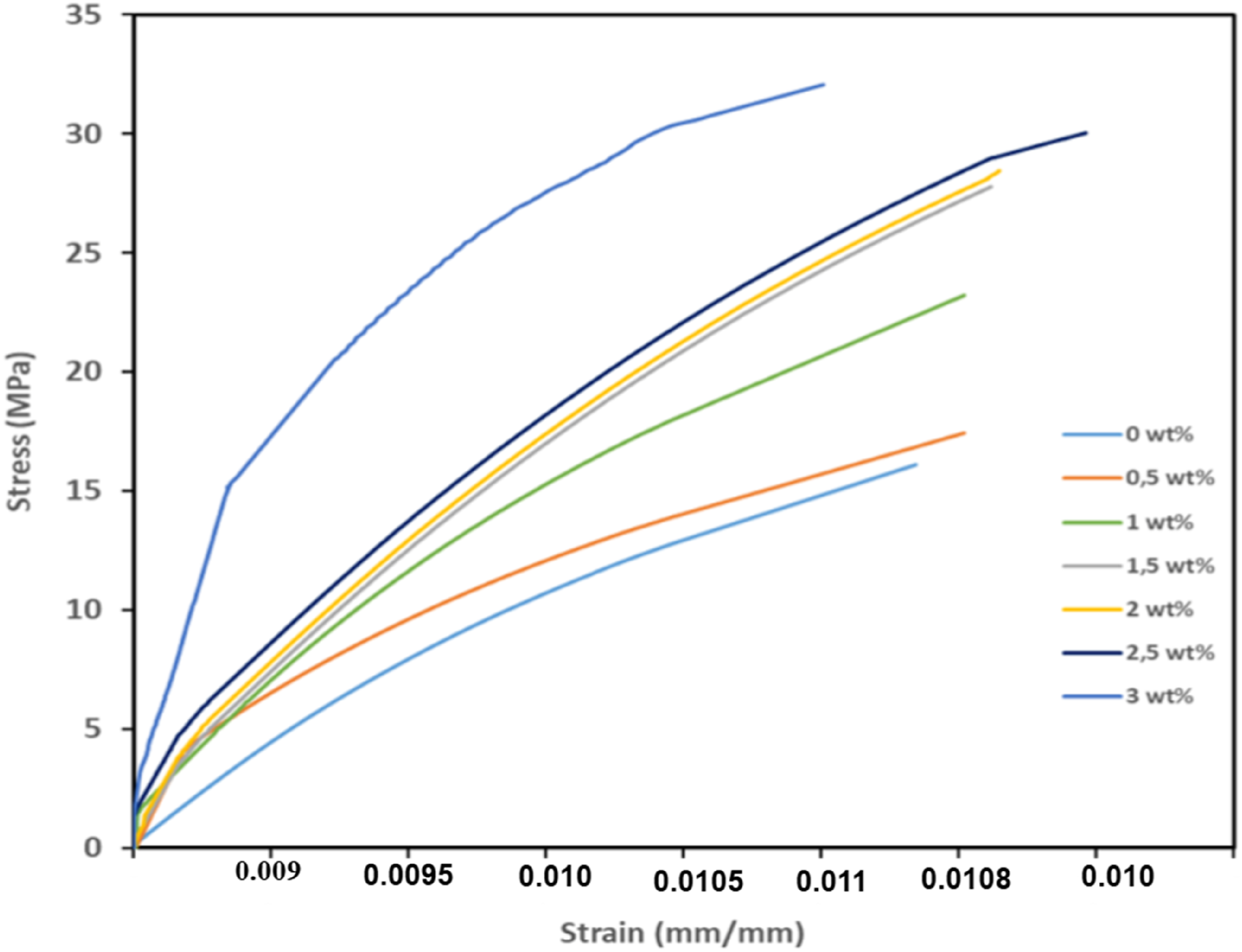
3.6. Hydrophilicity of cellulose/clay films
Moisture uptake, contact angle and water absorption properties of Neat film and cellulose/MMT films.
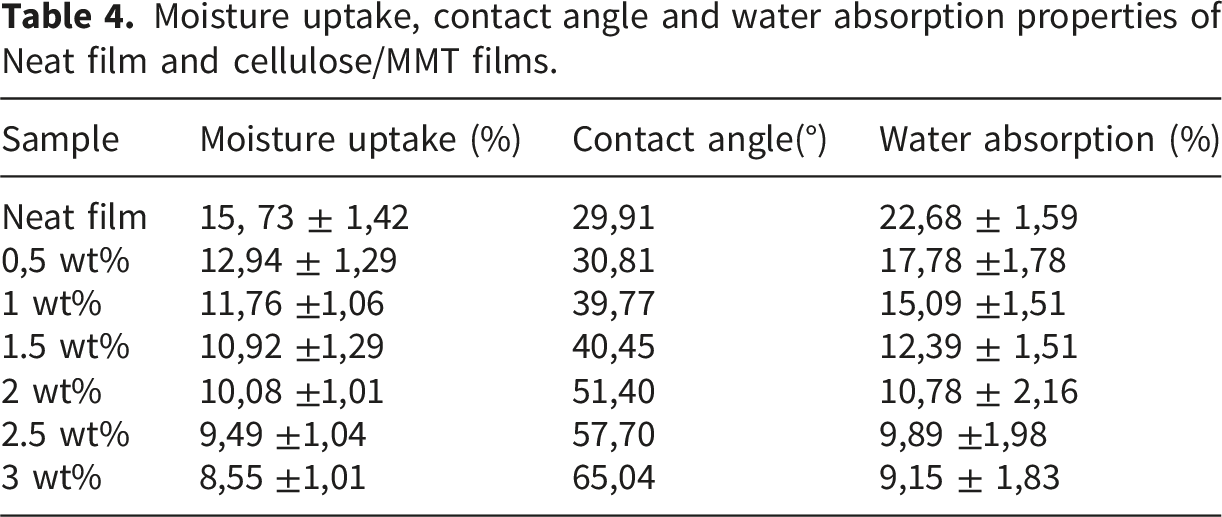
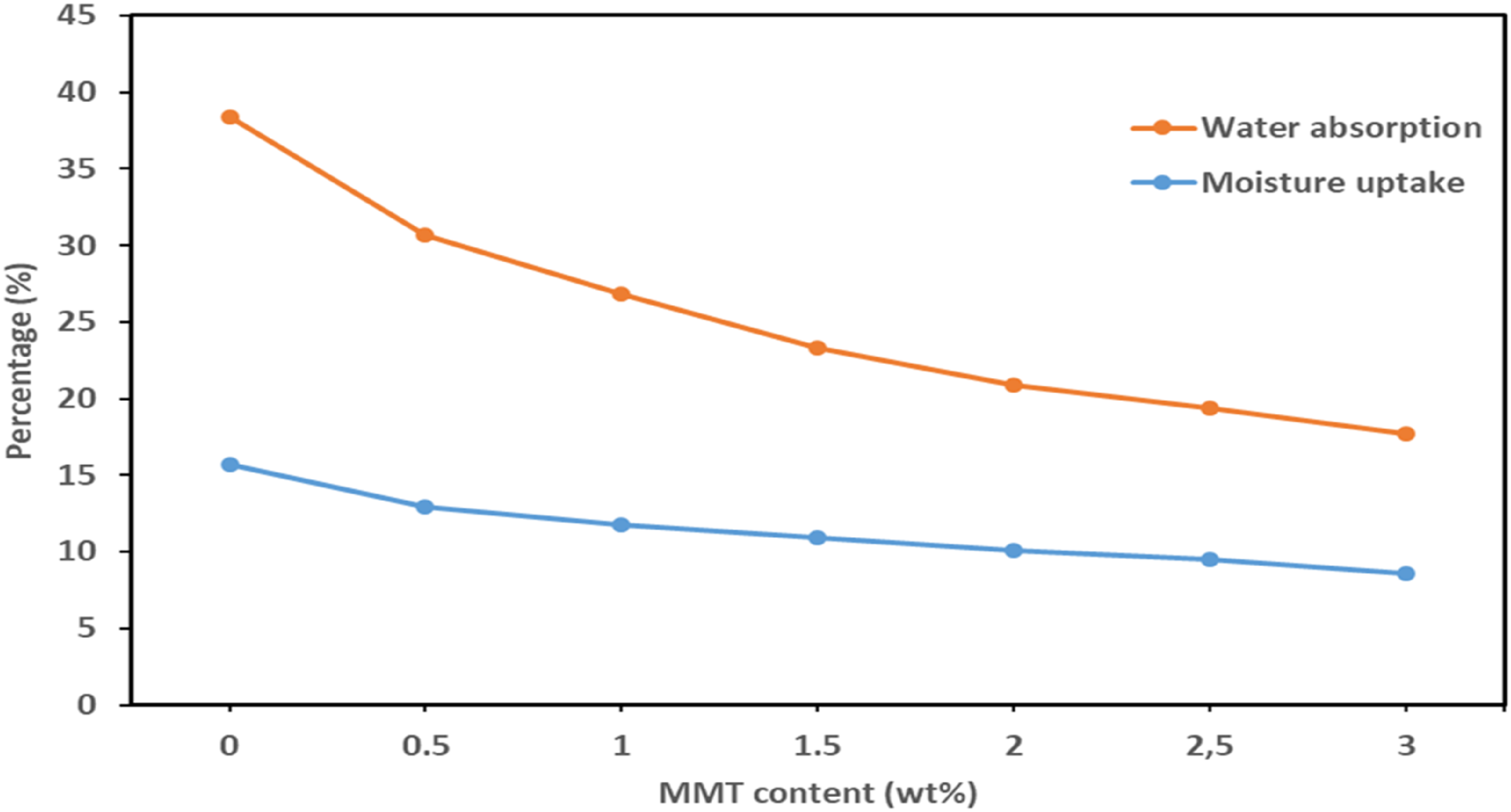
Effect of MMT on moisture uptake and water absorption of neat film and cellulose/MMT films.
The water contact angle for neat cellulose film was found to be 29, 91° whereas 65, 04° was obtained for 3 wt% clay/cellulose film, shown in Figure 13. It was observed that contact angle increased as function of nanoclay which increased from 0 wt% to 3 wt%. Similar studies observed same trend.4,41,42 The observed increase in contact angle was about 54% approximately. This means reduction in hydrophilicity of films, which due to the significant interaction between the cellulose and the lower hydrophilic nanoclay particles evenly distributed throughout the matrix.21,43,44 These results were confirmed by water adsorption test performed. Contact angle for neat film and cellulose/MMT films.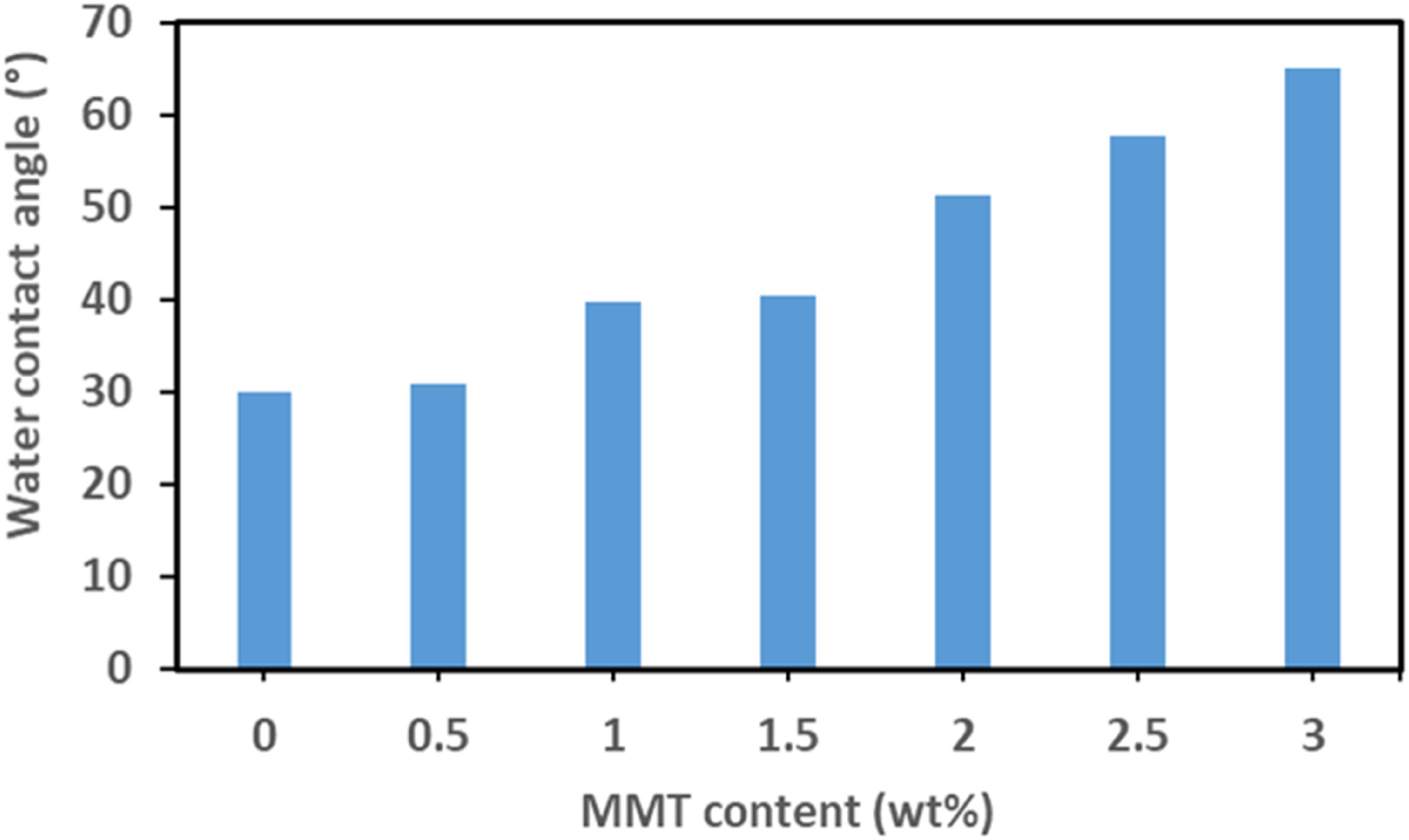
4. Conclusion
This study successfully developed and characterized cellulose-montmorillonite (MMT) nanocomposite films using 1-ethyl-3-methylimidazolium acetate as a solvent. The incorporation of MMT significantly enhanced the mechanical, thermal, and moisture resistance properties of cellulose films. The tensile strength increased from 16.11 MPa to 32.06 MPa, while the modulus improved to 1.53 GPa at 3 wt% MMT loading. Thermal stability also showed a maximum improvement of 35.6%, attributed to the effective dispersion of MMT within the cellulose matrix. Additionally, the moisture and water absorption of the films decreased by approximately 46%, demonstrating improved barrier properties. Fourier-transform infrared (FTIR) analysis confirmed strong hydrogen bonding interactions between cellulose and MMT, while scanning electron microscopy (SEM) revealed a heterogeneous film surface with well distributed nanoclay particles. Differential scanning calorimetry (DSC) indicated an increase in glass transition temperature with MMT loading, supporting the enhanced thermal stability observed in thermogravimetric analysis (TGA). These findings suggest that cellulose/MMT nanocomposite films have promising applications in sustainable packaging and biodegradable materials. As a next step, future research will focus on evaluating the biodegradability of these films in various environmental conditions, as well as optimizing the formulation to further enhance mechanical strength and water resistance for industrial applications. 45
Footnotes
Acknowledgements
Authors acknowledge the support received from the department of mechanical engineering at Durban University of Technology.

Author contributions
Sandile Jali did experiments, results analysis and paper draft and Turup Pandurangan Mohan bought chemicals and reviewed the paper.
Funding
The authors received no financial support for the research, authorship, and/or publication of this article.
Declaration of conflicting interests
The authors declared no potential conflicts of interest with respect to the research, authorship, and/or publication of this article.
Data Availability Statement
Research data are not shared.