



Abstract
Background
The services rendered by hospitals during the pandemic may not be efficient. This might impact the satisfaction of patients seeking healthcare. The aim of this study is to assess the satisfaction level of patients other than those with COVID-19 during the pandemic with different services provided by the hospital.
Method
A quantitative, analytical and cross-sectional study was carried out in a multidisciplinary hospital. Valid questionnaire, derived from PSQ III and PSQ 18, was used for data collection from 250 outpatients. Ethical approval was obtained. Systematic random sampling was done to enrol patients into the study after taking their consent. Descriptive analysis was performed using frequency, proportion, median and inter-quartile range. Mann–Whitney U test and Kruskal–Wallis test were carried out to find the association between overall satisfaction and different socio-demographic and other variables. Statistical significance was set at p-value < 0.05.
Result
Almost two-thirds of the respondents visiting the hospital during the pandemic were female (male: 35.6% and female: 64.4%). More than half (50.4%) of the patients reported that access to the hospital was feasible. Of the patients reporting dissatisfaction, most of them (86.4%) considered the establishment of separate COVID-19 hospitals as the best option. The median satisfaction score for the overall satisfaction of patients towards different service domains was 54.0 (45–60). Almost all respondents (95.6%) found that services were easily available. Patient satisfaction score was significantly associated with expenditure (p < 0.001). Satisfaction score was also significantly associated with the time spent in the hospital by the patients (p < 0.001).
Conclusion
Majority of the patients reporting to the multidisciplinary hospital were satisfied with the provisioning of treatment and different services during the COVID-19 pandemic. Relatively lesser satisfaction was reported for the provision of maintenance of social distance, availability of hand washing/sanitisation, overall hospital cleanliness and cost of treatment. Moreover, satisfaction among patients was associated with their perceived fear of the pandemic.
Background
A novel coronavirus was identified in Wuhan, China, as the causative agent of COVID-19 having a heterogeneous spectrum of disease, and it was declared a pandemic on 11 March 2020 (Liu et al., 2020; Sohrabi et al., 2020; World Health Organization [WHO], 2020a). There is no antiviral treatment or vaccine recommended for COVID-19 to date (Food and Drug Administration [FDA], 2020). So, preventive strategies like hand washing, social distancing and lockdown measures have been recommended as acceptable measures worldwide (Bhagavathula et al., 2020; CDC, 2020; WHO, 2020b; Wu et al., 2020). Despite such stringent global efforts, the number of cases is increasing day by day. To date, more than 28.63 million people are infected with the novel coronavirus resulting 0.91 million deaths worldwide (WHO, 2020c). In Nepal, 54,000 cases of the novel coronavirus infection are identified, and there are 345 reported deaths to date (COVID-19-Dashboard, 2020). During the 4 months of continuous lockdown and 2 months of prohibition, as per the notice from the Ministry of Health of Nepal, most of the hospitals are running OPD services, with added service for COVID-19 in some of them. Satisfaction with service provision is increasingly being used as a measure of health system performance. Satisfaction manifests itself in the distribution, access and utilisation of health services (Kumari et al., 2009). Limited resources and hospitals in Nepal have posed a difficulty for the government to develop new ICU setups for COVID-19 patients. Up until now, no COVID-dedicated hospital has been established here. As per the government directive, many hospitals have added an additional centre for COVID-19 patients besides existing services. Satisfaction with service quality and other hospital services is the main issue for patients and relatives who visit the hospitals during a pandemic. Like many other hospitals, Patan Hospital is a multidisciplinary public hospital assigned as a COVID-19 hospital by the Ministry of Health and Population of Nepal. It has recently added an admission and treatment centre for COVID-19 patients in the existing setup (Shrestha, 2020). Patients with health problems other than COVID-19 have an obligation to visit the hospital even though there is a risk of transmission of COVID-19. Most of the patients may be afraid of visiting the hospital because of their belief that the pandemic spreads in crowded places like hospitals, where a lot of patients visit. Healthcare services should be easily accessible to the people in a country (Sah et al., 2020). However, during the pandemic, patients may or may not be satisfied with the different services and overall quality of hospitals, like Patan Hospital, which has services for both COVID-19 and conditions other than COVID-19.
There is paucity of evidence in the context of Nepal regarding the satisfaction of patients visiting health centres during this pandemic. Thus, the aim of this study is to assess the satisfaction level of patients other than those with COVID-19 during the pandemic with different services and overall quality provided by this multidisciplinary hospital during the COVID-19 pandemic.
Methods
Study Design, Study Population and Sample Size
A quantitative, analytical and cross-sectional study was carried out from May 2020 to September 2020 at Patan Hospital. This study considered 95% CI and 5% precision to estimate the sample size. Considering the prevalence (P) of 82% from a study by Shrestha and Devkota (2018) conducted among outpatients on their satisfaction, the sample size was calculated to be 250, with an additional 10% to reduce the possible error due to non-response or incomplete data. The participants were selected from nine different departments (Emergency Medicine and General Practice, Internal Medicine, Dermatology, Surgery, Psychiatry, ENT, Orthopaedics, Obstetrics and Gynaecology and Ophthalmology) by population proportion random sampling, considering the turnover of last 1 week during the period of the COVID-19 pandemic. Systematic random sampling was done to select participants from each department, whereby every participant was selected in the nth interval. Patients less than 15 years of age and those reporting to the fever clinic were excluded.
Data Collection Procedures and Ethical Approval
Structured questionnaire was prepared to match the context of Nepal during the pandemic with reference to the validated tool for patient satisfaction (PSQ 18 and PSQ III) and an extensive literature review (Marshall & Hays, 2013; Poudel et al., 2020; Rajak et al., 2018; Hays et al., 1987). Face and content validity were assessed. The questionnaire was translated into Nepali by experts. After translation validation via a language expert and with the help of two bilingual reviewers, the tool was reviewed to ensure no alteration of the concept by translation. The translated questionnaire was pretested among 25 patients. These 25 respondents were not included in the main study.
Ethical approval was taken from the Institutional Review Committee of the Patan Academy of Health Sciences, IRC-PAHS (Reg. no.: std2007071391). The respondents were informed about the study and written consent was also taken. Confidentiality of information was done by maintaining privacy and taking registration/enrolment/queue numbers only. Data were collected in the questionnaire using a paperless digital gadget through face-to-face interviews with the respondents.
Study Variables
Independent Variables
Socio-demographic variables:
The socio-demographic variables included: Age of the participants, which was categorised as 15–30, 31–45, 46–65 and >65 years (17); gender of the participants, which was categorised as male and female; occupation and education levels of the respondents were categorised on the basis of the National Survey Report of Nepal (Ministry of Health and Population (MOHP) [Nepal], New ERA, and ICF International Inc, 2012) and monthly family income was categorised as ≤15,000 and >15,000 (Poudel et al., 2020). Other variables such as accessibility and responsiveness, accountability, fairness and equity of the hospital during the pandemic were also evaluated.
Dependent Variable
Patient Satisfaction:
For the assessment of patient satisfaction, a validated tool with 15 domains of patient satisfaction was used. The tool included questions that were related to different hospital-service variables. The score of each question ranged from 1 to 5, based on Likert’s scale: 1 = Strongly dissatisfied; 2 = Dissatisfied; 3 = Neutral; 4 = Satisfied and 5 = Strongly satisfied. The scores for the satisfaction-related questions ranged from 15 to 75.
Data Management and Analysis
All responses on the digital gadget were exported to Microsoft Excel 2016 and analysed with SPSS version 23 (SPSS, Inc., Chicago, IL, USA) software. Descriptive analysis was performed using frequency, proportion, median and inter-quartile range. Non-parametric tests were considered for statistical analysis due to the skewed distribution of the satisfaction scores as assessed by normality tests. Man–Whitney U test (for variables with two categories) and Kruskal–Wallis test (for variables with more than two categories) were carried out to find the association of or difference in overall satisfaction with different socio-demographic and other variables. Level of significance was set at p < 0.05.
Result
All 250 individuals approached for the study agreed to participate, and complete data were collected for further analysis.
Socio-demographic Characteristics
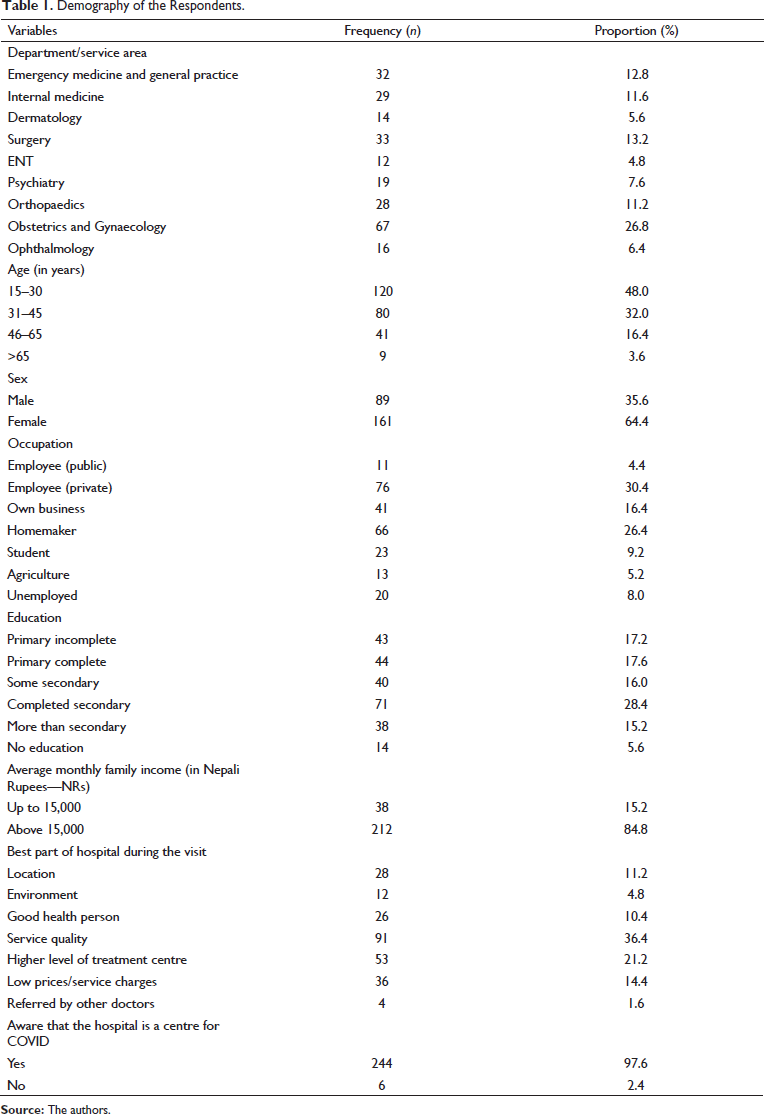
Table 1 shows the socio-demographic characteristics of the respondents. Almost two-thirds of the respondents visiting the hospital during the COVID pandemic were female (male: 35.6% & female: 64.4%). Most of the respondents were in the age group 15–30 years (48.0%). Most of the patients visiting the hospital for reasons other than COVID-19 health issues were private employees (30.4%). The education level of most of the patients was secondary level (28.4%), and only 5.6% had not received any education. The result of this study shows that the monthly family income of the majority of the non-COVID-19 patients visiting the hospital (84.8%) is above NRs 15,000. Among the 250 patients, almost all (97.6%) respondents were aware of the COVID-19 services at the hospital besides other multidisciplinary services. More than two-thirds (36.4%) of the respondents replied that the service quality of the hospital was the best part of their visit. It was followed by higher-level treatment centre (21.2%) and hospital with low prices/services (14.4%), whereas 11.2% considered the location as the best part and only 4.8% were happy with the environment of the hospital.
Demography of the Respondents.
Accessibility of Hospital During COVID Pandemic
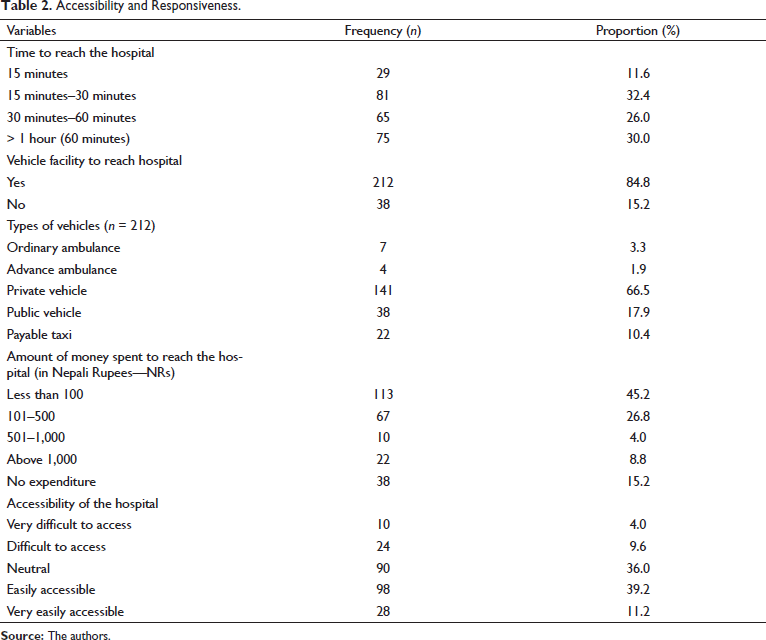
Table 2 shows responses on accessibility and responsiveness. Time to reach the hospital for almost one-third (32.4%) of the respondents was between 15 and 30 minutes, followed by more than one hour (30%). Most of the respondents (84.8%) had used vehicle facilities to reach the hospital, of which 66.5% had used a private vehicle, either a motorcycle or car. The median amount spent to reach the hospital was NRs 100, ranging from NRs 20 to NRs 40,000. For more than half of the patients (50.4%), the hospital was accessible during the pandemic.
Accessibility and Responsiveness.
Patient Opinion on COVID Pandemic and Hospital Services
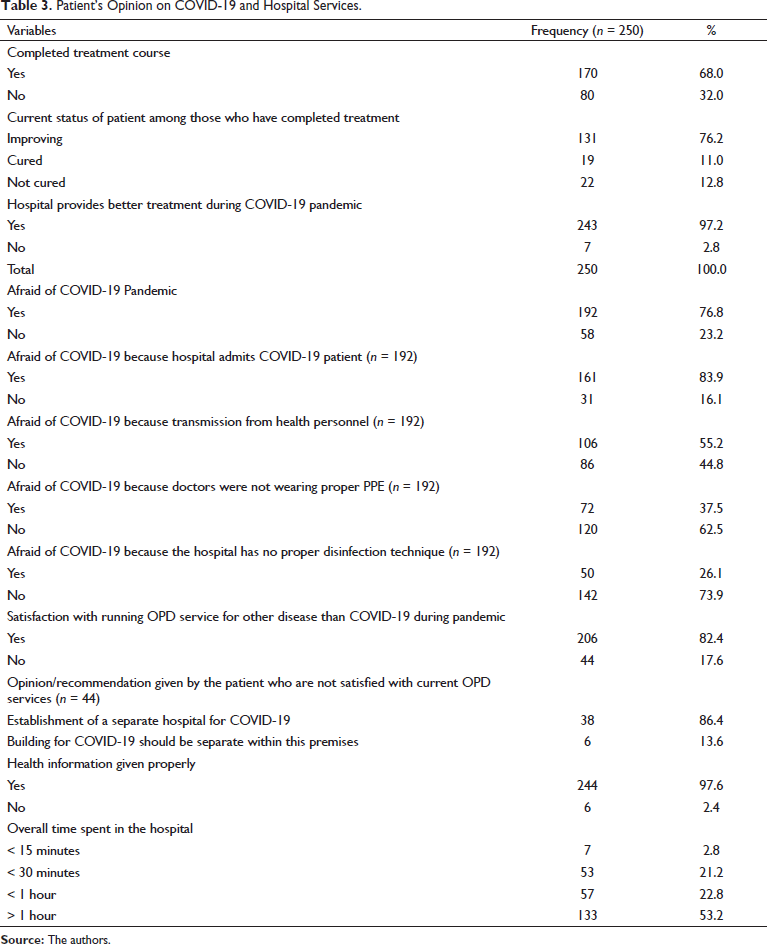
Table 3 shows patients’ opinions on COVID-19 and hospital services. More than two-thirds (68.0%) of them had completed their treatment course, and most of them (76.2%) were improving. Most of the respondents (97.3%) reported that the hospital was providing better treatment during the COVID-19 pandemic. Most of the respondents (76.8%) were afraid of the COVID-19 pandemic. Among the respondents who was afraid of COVID-19, 83.9% reported the cause of their fear was the admission of COVID-19 patients within the same premises. Another majority (55.2%) reported that COVID-19 may be transmitted from health personnel. Similarly, relatively few (37.5%) were concerned that the transmission was also possible because doctors were not wearing PPE properly, whereas only 26.1% said the hospital had no proper disinfection technique like spraying sanitisers. Most of the respondents (82.4%) were positive about running OPD services during the pandemic, along with COVID-19 services as well. Among the patients not satisfied with the running OPD services, most of them (86.4%) gave their opinion to the establishment of a separate hospital for COVID-19, and only 13.6% suggested for a separate building for COVID-19 within the premises of the hospital. Almost all (97.6%) of the patients said that the doctor had given proper information even during the pandemic, and only six patients (2.4%) denied it. During this pandemic, more than half (53.2%) of the patients had spent more than one hour in the hospital, followed by less than one hour (22.8%), less than 30 minutes (21.2%) and less than 15 minutes (2.8%).
Patient’s Opinion on COVID-19 and Hospital Services.
Patient Satisfaction on Various Hospital Services
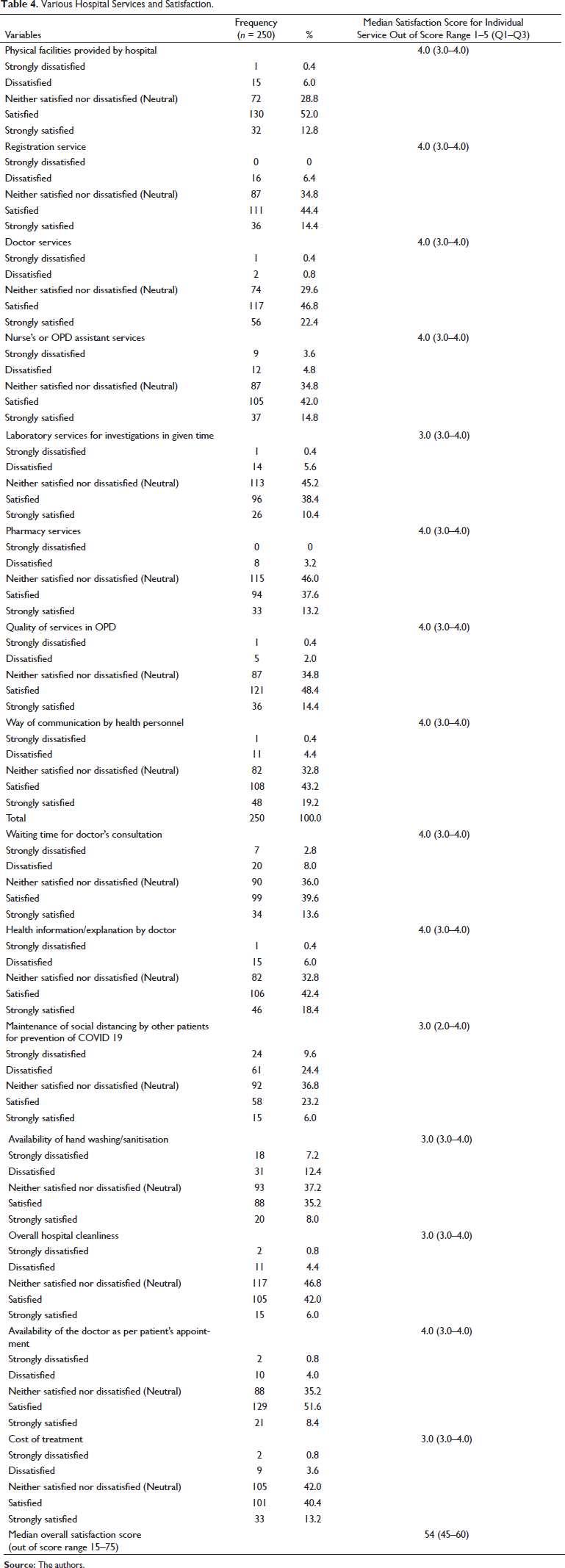
Table 4 shows the responses to various hospital services and satisfaction. The median satisfaction score for overall satisfaction of patients towards different service domains was 54.0 (Q1–Q3 = 45–60). Regarding different hospital services satisfaction in individual domain, patients were satisfied with most of the hospital services like the physical facilities provided by the hospital (median score = 4, Q1–Q3 = 3.0–4.0); registration services (median score = 4, Q1–Q3 = 3.0–4.0); doctor services (median score = 4, Q1–Q3 = 3.0–4.0); nurse’s/OPD assistant’s services (median score = 4, Q1–Q3 = 3.0–4.0); pharmacy services (median score = 4, Q1–Q3 = 3.0–4.0); quality of services in OPD (median score = 4, Q1–Q3 = 3.0–4.0); way of communication by health personnel (median score = 4, Q1–Q3 = 3.0–4.0); waiting time for the doctor’s consultation (median score = 4, Q1–Q3 = 3.0–4.0); health information/explanation by the doctor (median score = 4, Q1–Q3 = 3.0–4.0) and availability of the doctor as per patient’s appointment (median score = 4, Q1–Q3 = 3.0–4.0). Most of the patients were not satisfied with services like laboratory services (median score = 3, Q1–Q3 = 2.0–4.0); maintenance of social distancing (median score = 3, Q1–Q3 = 3.0–4.0), availability of hand washing/sanitisation (median score = 3, Q1–Q3 = 3.0–4.0); overall hospital cleanliness (median score = 3, Q1–Q3 = 3.0–4.0) and cost of treatment (median score = 3, Q1–Q3 = 2.0–4.0).
Various Hospital Services and Satisfaction.
Accountability Fairness and Equity.
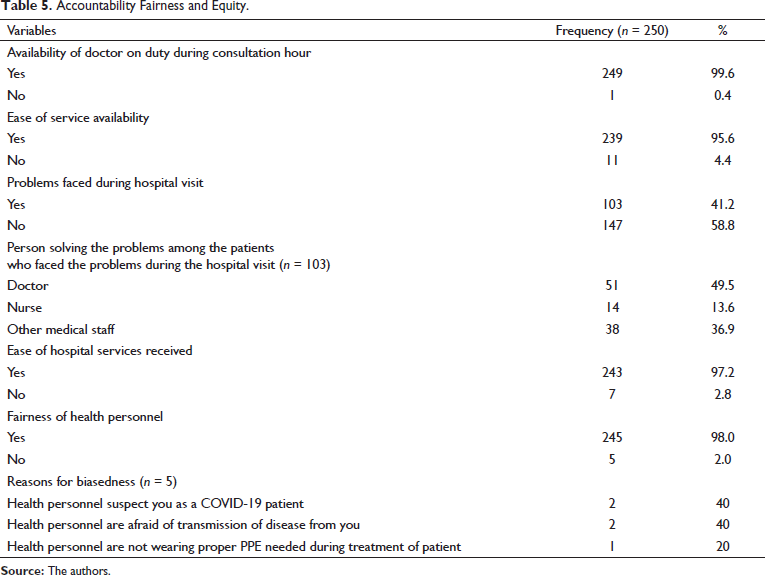
Accountability and Fairness of Service Provider During COVID Pandemic
Regarding accountability, 249 respondents (99.6%) said that the doctors were available in the OPD during consultation hours. Table 5 shows, almost all (95.6%) found that the services were easily available during the pandemic, and only 41.2% faced some problems during the OPD visits, which were solved by the doctors (51.5%), followed by the medical staff (34.3%) and nurses (14.1%).
Regarding fairness, almost all (98%) reported that hospital services were fair, and only five respondents (2%) denied it. Among the five of those who denied, two reported that they were suspected as COVID-19 patients by health personnel, and another two said that health personnel were afraid of themselves of transmission of COVID-19. Similarly, only one respondent reported that health personnel were being unfair because they had not worn PPE and did not give time properly.
Bivariate Analysis
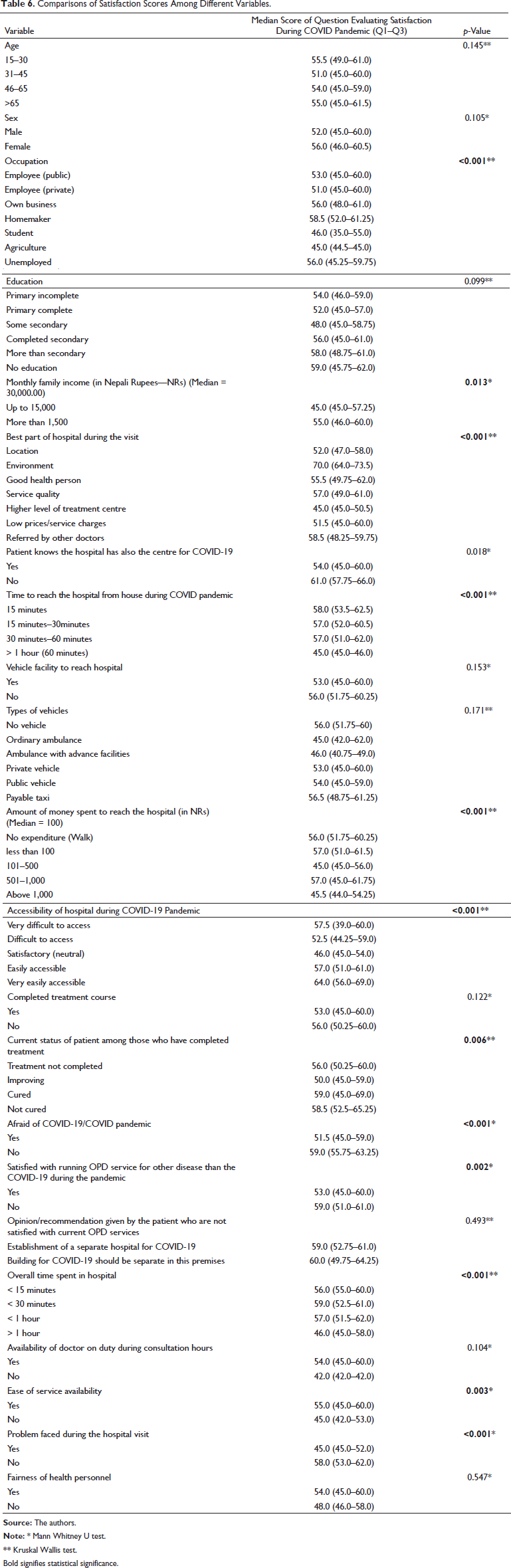
Table 6 shows the comparison of satisfaction scores among different variables. The bivariate analysis showed no significant difference in median satisfaction scores across age and sex categories. Median satisfaction scores were significantly different among different occupation categories (p < 0.001). Similarly, patients with a monthly income more than NRs 15,000 had a significantly higher median score (p = 0.013). The scores were also significantly different among participants’ reports on the best part of the hospital during the visit (p < 0.001).
Comparisons of Satisfaction Scores Among Different Variables.
** Kruskal Wallis test.
>Bold signifies statistical significance.
The median satisfaction scores of the patients who did not know that the hospital was a centre for COVID-19 were higher than those of the patients who knew and were statistically significant (p = 0.018). Time to reach the hospital also had an impact on the overall satisfaction level of the patients, which was statistically significant (p < 0.001). The vehicle facilities and the types of vehicles used by the patients had no significant impact on patient satisfaction levels during this COVID pandemic (p = 0.153 and 0.171, respectively). At the same time, the amount spent to reach the hospital played a significant role in patient satisfaction (p < 0.001). Patients having easy accessibility to the hospital had a higher median satisfaction score than others, and the association was statistically significant (p < 0.001).
There was no association between overall patient satisfaction and the patient who had completed the treatment course and who had not completed the treatment course (p = 1.222), but the satisfaction score was significantly associated with the current status of the patients among whom the treatment was completed (p = 0.006). Patients who were afraid of the pandemic had lower median satisfaction scores than those who were not. Patients who reported not being satisfied with the running OPD services during the pandemic had significantly higher median satisfaction scores for hospital services (p = 0.002). Satisfaction scores were also significantly associated with the time spent in the hospital by the patients (p ≤ 0.001).
The participants reporting ease of service availability at the hospital reported a significantly higher median satisfaction score (p = 0.003). Those who had not faced any problem during the hospital visit had a higher median score on the hospital services (p < 0.001).
Discussion
Since the WHO declaration of COVID-19 as a pandemic, it has imposed a global impact affecting all sectors and has created a chaotic situation at healthcare facilities (Sharma et al., 2018). The healthcare facilities, in countries like Nepal, are running short due to strained resources. Thus, running all disciplinary health services, including services for COVID-19 in the same hospital is a necessity because it is very difficult to establish a dedicated hospital in a country where there is a limited number of hospitals and limited resources (WHO, 2020a). Thus, many hospitals in Nepal are running both services—services for COVID-19 and services for diseases other than COVID-19 (DOHS, 2015). Patients visiting for services other than COVID-19 may have a fear of COVID-19 transmission, and their satisfaction may be altered during this pandemic. Patient satisfaction is not a clearly defined concept, although it is identified as an important quality outcome indicator to measure the success of the service delivery system (Al-Abri & Al-Balushi, 2014). Patient satisfaction in service provision is increasingly being used as a measure of health system performance (Kumari et al., 2009).
This study assessed the satisfaction level of patients other than COVID-19 during the pandemic on different services provided by the hospital and overall quality at Patan Hospital during the COVID-19 pandemic. In this study, compared to males, more females (64.4%) had visited the hospital for their health problems other than COVID-19 during this pandemic, which is almost similar to the study done by J. M. Aldana et al., where 88% of respondents were females. Another study by Poudel et al. showed 66% female participants. Similarly, female participants were 55.4% in the study by K. Rajak et al., which is contrary to the study done by S. Acharya et al. in emergency department, where female was 46.65% (Acharya et al., 2011; Aldana et al., 2001; Poudel et al., 2020; Rajak et al., 2018). It reflects that females have more health issues, even in the COVID-19 pandemic. Another reason for predominantly higher female participation in this study could be the higher proportion of patients reporting for their regular ANC follow-up at the Department of Obstetrics and Gynaecology. In this study, most of the patients were of the age group 15–30 years, which is also similar to the study done by J. M. Aldana et al. and K. Rajak et al. but contrary to the study done by L. Poudel et al., where patients of all adult age groups are almost equally distributed (Aldana et al., 2001; Poudel et al., 2020; Rajak et al., 2018). Most of the patients visiting Patan Hospital during this COVID pandemic were private employees followed by homemakers, but according to Poudel et al., most of the patients were homemakers, followed by farmers/agriculture (Poudel et al., 2020). This difference may be due to the difference in the study site, where poor people visit more often due to the low service charges at the centre. In this study, 9.2% were students and 8% of patients were unemployed, which simply reflects the burden of unemployment in Nepal. Most of the respondents of this study were educated, and only 5.6% had not received any education. This result shows a slightly better picture on the literacy percentage (94.4%) as another study done in Nepal by Poudel et al. showed literacy at 67%, 39% in Bangladesh by J. M. Aldana et al., 48.3% literacy in another Nepalese study by S. Shrestha et al. and 64% in another study at Patan Hospital—Nepal by K. Rajak et al. (Aldana et al., 2001; Poudel et al., 2020; Rajak et al., 2018; Shrestha & Devkota, 2018). The average monthly family income of most of the respondents (84.8% of this study) was above 15,000 Nepali rupees, which is the same as the study done by Poudel et al. (2020).
This study showed that, during the COVID-19 pandemic, most of the patients who were nearby the hospital visited it, and most of them reached the hospital within an hour. Further analysis showed that the time to reach the hospital from home also has an impact on the overall satisfaction level of the patients. This reflects that nearer the hospital, higher the satisfaction will be. Most of the patients in this study are satisfied with the different domains of accessibility. This study showed that patient satisfaction with accessibility also had a significant association with overall satisfaction.
In this study, though there was a variable median (ranging from 42.0 to 70.0) for different hospital service domains during the COVID-19 pandemic, the median satisfaction score for the overall satisfaction of patients towards different service domains was 54.0 (72% of the total maximum satisfaction score of 75), which is far better than the satisfaction score of 52.5% in a study done by K. Rajak et al. at the same hospital (Rajak et al., 2018). This implies that the overall patient satisfaction with different hospital services was far better during the COVID-19 pandemic. This may be due to a smaller number of patients visiting during this period, either due to fear of the COVID-19 or due to limited transportation facilities due to lockdown. In a study done by Traiki et al. in surgical patients, the satisfaction level of patients was high for all the studied domains during the COVID-19 pandemic. One of the domains of the study done by Traiki et al. is very similar to our study, where patient satisfaction is good (Bin Traiki et al., 2020). In a study done in the emergency department by J. Leggett, there was an upward trend in the patient satisfaction scores for emergency department visits during the COVID-19 period. This result is similar to the result of this study (Leggett, 2020). The median and interquartile range of 10 domains of different hospital services with good satisfaction like physical facilities provided by the hospital, registration services, doctor services, nurse’s/OPD assistant’s services, pharmacy services, quality of services in OPD, way of communication by the health person, waiting time for doctor’s consultation, health information/explanation by a doctor, availability of the doctor as per patient’s appointment all had a median score 4.0 and inter-quartile range was 3.0–4.0, but the median score was 3.0 for all 5 others domain in which patient was not satisfied, such as laboratory services, maintenance of social distancing, availability of hand washing/sanitisation, the overall hospital cleanliness and cost of treatment and the interquartile range of these services are 2.0–4.0; 3.0–4.0; 3.0–4.0; 3.0–4.0 and 2.0–4.0 respectively. In a study done by M. K. Sah et al., patient satisfaction of public and private hospitals was satisfactory and good regarding the service quality of hospitals which is also true for this study done during the COVID-19 pandemic (Sah et al., 2020).
This study showed that the satisfaction level is associated with the disease status of the patient; those who have been cured had the highest satisfaction score (median = 59.0). This is indicative of that the better the outcome, the greater the satisfaction. This study also shows that patients visiting Patan Hospital during the pandemic had fear, which is strongly associated with patient satisfaction level. Those who had no fear had a median score of 57.0, which is higher than the satisfaction score (52.0) of patients who had fear. Most of the feared patients had the fear of transmitting COVID-19 from admitted patients and from the health person treating them. Many respondents were satisfied with the running OPD services, which is statistically significant (p = 0.002), but most of the of the unsatisfied (with a running OPD service) patients (17.6%) suggested establishing a separate hospital for COVID-19 rather than suggesting that the building for COVID-19 should be separate in the same premises, which were not associated with the overall patient satisfaction level (p = 0.493). Overall time spent in the hospital is also statistically significant with patient satisfaction (p ≤ 0.001), which is similar to the study done by L. Poudel et al. (2020).
This study shows that the hospital staff and doctors are accountable and fair towards the patients, which is similar to the study done for both the public and private health care systems of Nepal (Sah et al., 2020). The availability of doctors on duty and fairness of health personnel are not significantly associated with patient satisfaction, p-value 0.104 and 0.547, respectively, but the ease of service is well associated with patient satisfaction (p = 0.03).
Limitation of the Study
The generalisability of the study findings from this study should be interpreted with caution. The outcome is useful in hospitals with similar setups and among multidisciplinary centres only.
Conclusion
Majority of the patients reporting to the multidisciplinary hospital were satisfied with the provisioning of treatment and different hospital services during the COVID-19 pandemic. Relatively lesser satisfaction was reported for the provision of maintenance of social distance, availability of hand washing/sanitisation, overall hospital cleanliness and cost of treatment. Moreover, satisfaction of the patients was associated with their perceived fear of the pandemic and concern regarding the availability of both COVID-19 and non-COVID-19 related services on the same premises. The distribution of patients visiting different hospitals and setups in a country may be different from that found in this study setting. So, a multi-centric study for patient satisfaction in hospitals in a different area of Nepal, rather than a nationwide study, could help explore different outcomes of satisfaction.
Footnotes
Abbreviations
CI: Confidence interval
COVID-19: Coronavirus disease of 2019
IRC: Institutional review committee
OPD: Outpatient department
PAHS: Patan Academy of Health Sciences
PHEIC: Public health emergency of international concern
PPE: Personal protective equipment
PSQ: Patient satisfaction questionnaire
RT-PCR: Reverse transcription—Polymeric chain reactions
WHO: Word health organization
Acknowledgements
We acknowledge Dr Ujwal Gautam and Dr. Annu Kuamari Sah from BP Koirala Institute of Health Sciences, Dharan, Nepal; Dr Rimmy Barakoti from Patan Hospital, Nepal and Mr Rajiv Kumar Sah from Tribhuvan University, Nepal for their contribution in editing the manuscript and Dr Sunil Kumar Das and Dr Prakash Shah from PAHS for her help in data collection.
Authors Contributions
M. K. Sah conceived, conceptualised and designed the study. M. K. Yadav, S. Silwal and R. Raut collected the data. M. K. Sah analysed the data and drafted the manuscript. All authors critically read the manuscript and agreed to its submission and publication.
Availability of Data and Materials
The data supporting the findings of this article are available from the corresponding author and will be available when required.
Consent for Publication
Data collection was anonymous. No images or other personal details of participants are presented here. The participants were informed about the details collected via digital forms, and written informed consent was taken for the use of their details in a scientific publication. And written informed consent was taken from the parent/guardian for patients under 16 years.
Declaration of Conflicting Interests
The authors declared no potential conflicts of interest with respect to the research, authorship and/or publication of this article.
Ethical Approval and Consent to Participate
Ethical approval was taken from the Institutional Review Board of Patan Academy of Health Sciences, IRC-PAHS, (Reg. no.: std2007071391) and written informed consent was taken from the participants and parents/guardians for patients under 16 years.
Funding
The authors received no financial support for the research, authorship and/or publication of this article.