



Abstract
In India, despite having high economic growth, considerable inter-state inequality exists across states in terms of per capita income as well as employment opportunities. The eight Empowered Action Group (EAG) states, which have performed poorly on different accounts of social and physical infrastructure, are also characterised by large inter-state migration for employment. Parental out-migration from these states affects different aspects of child well-being. The present study tries to assess nutritional health status, morbidity and health care utilisation among children based on their parents’ migration status. The results show that parents’ migration status plays a vital role in influencing the prevalence of common childhood diseases and malnutrition among children in EAG states. Multi-prolonged and decentralised strategies are required towards developing and implementing comprehensive nutrition and nutrition-related education programme for the children in these states.
Keywords
Introduction
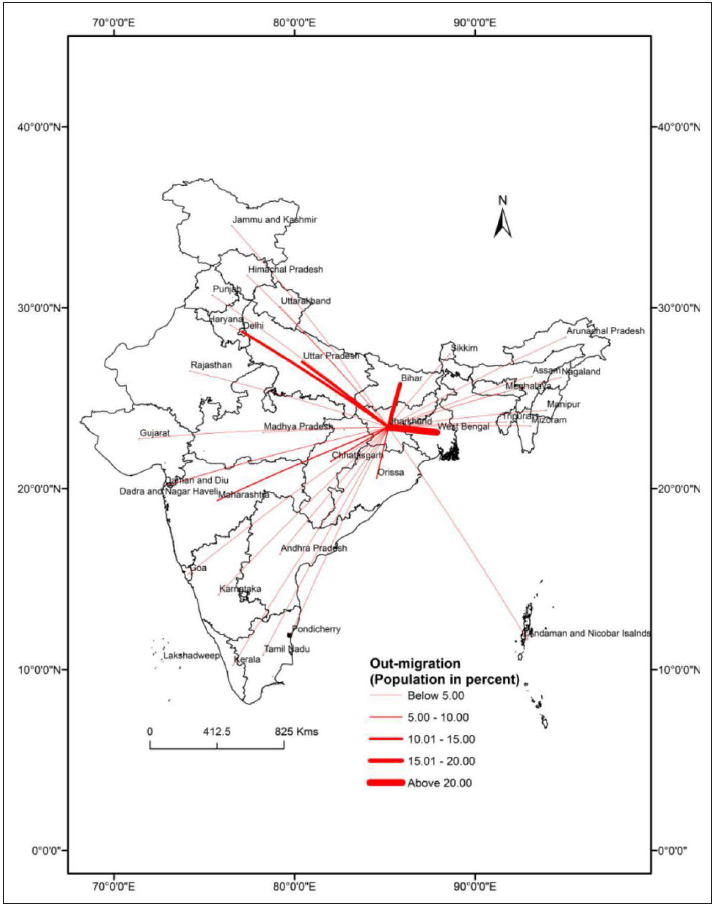
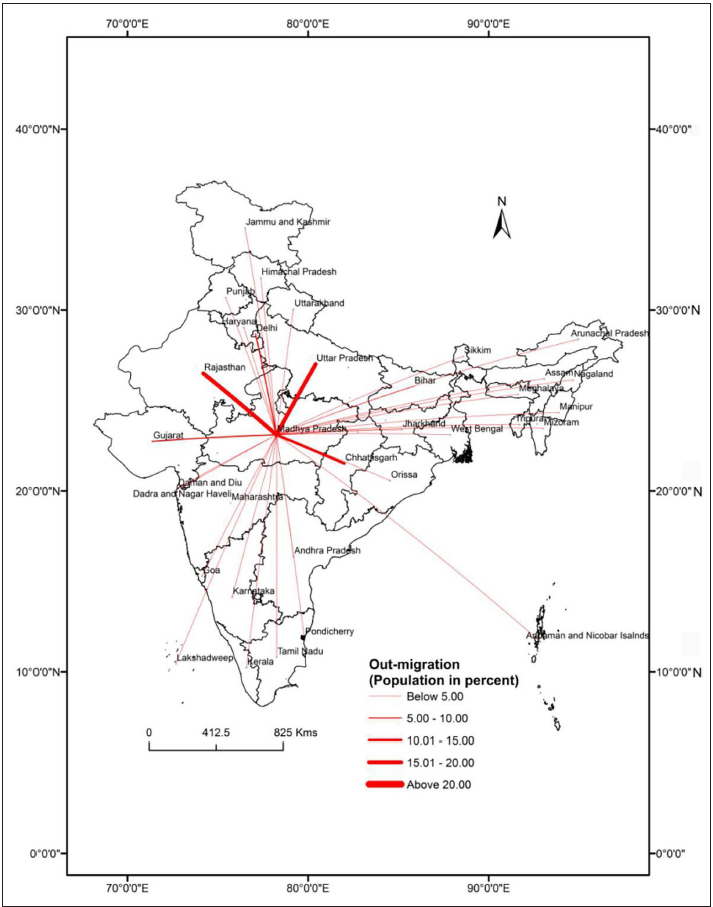
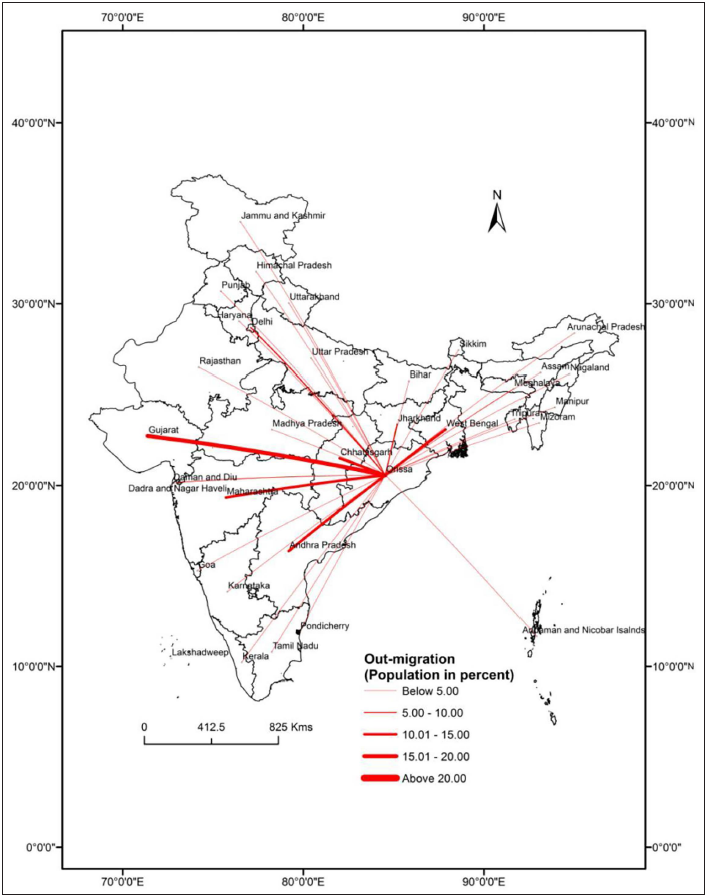
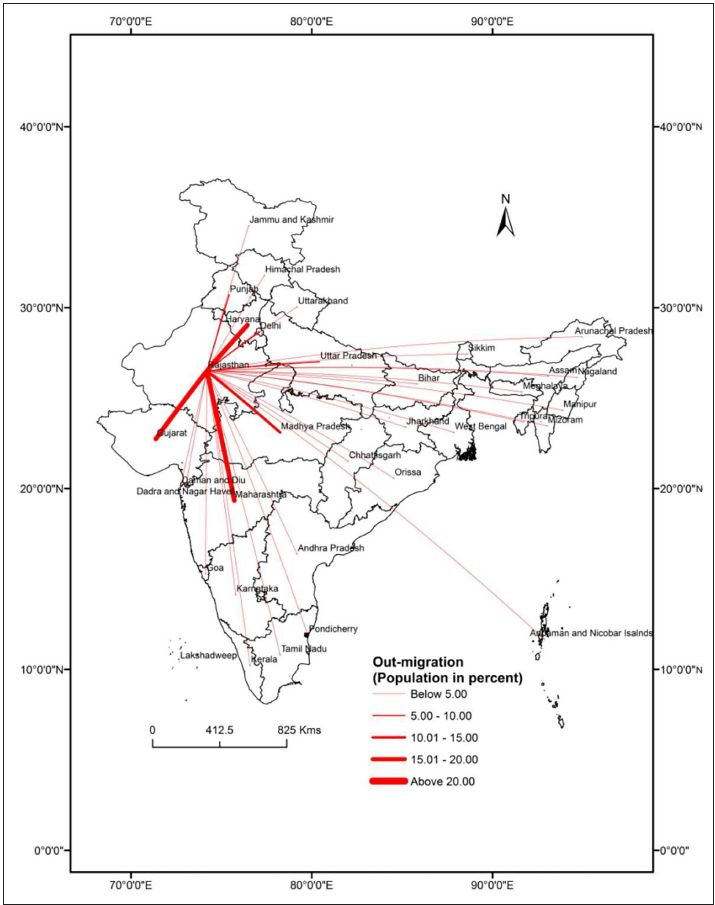
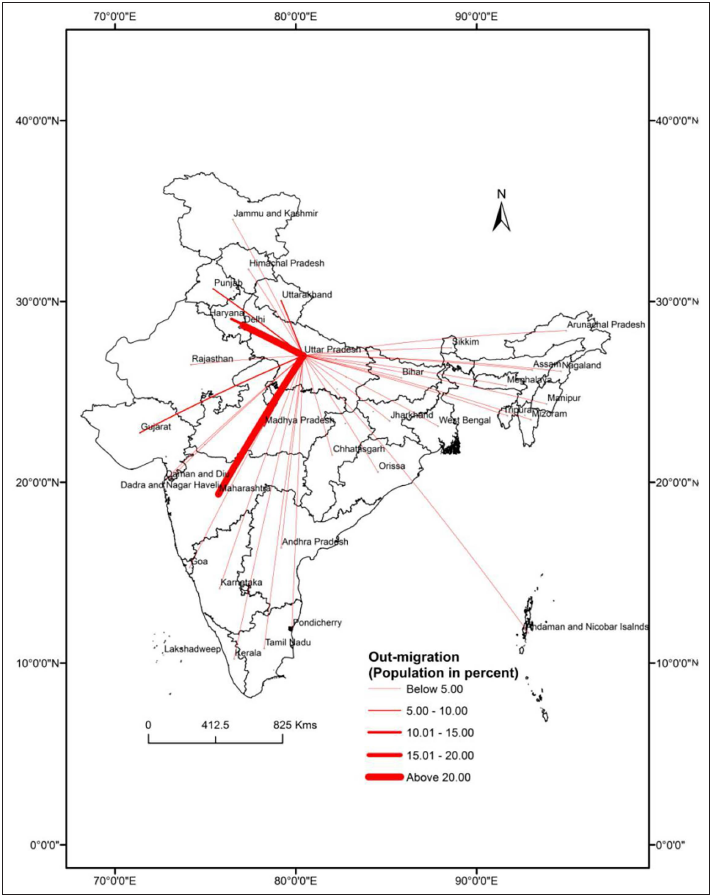
Since the 1980s, India has encountered an unprecedented level of migration, yielding about 60 million inter-state and 80 million intra-state migrant population (Government of India, 2017; Lusome & Bhagat, 2006). With the expeditious growth of the Indian economy, a remarkable increase in regional disparity has been detained through inter-state variation (Mishra, 2016). Migration flows have remained persistent towards the better-off states (in terms of per capita income) from the states with per capita income below the national level, with states like Bihar and Uttar Pradesh at the crest showing out-migration rates of about 30 per thousand (see Figures 1a–1h in the Appendix) (Bhagat, 2017; Census of India, 2011). The eight northern states, which are demographically lagging behind and stand on the lower side of the Human Development Index values (i.e., Bihar, Chhattisgarh, Jharkhand, Madhya Pradesh, Orissa, Rajasthan, Uttarakhand and Uttar Pradesh), have been collectively identified as Empowered Action Group (EAG) states. They account for 46% of India’s population (Census of India, 2011; Pandey et al., 2007). The heavy flow of out-migrants from these states has always attracted the academic interest of the development researchers and has become a metaphor for out-migration led by underdevelopment and poverty (Bhagat, 2017). Out-migration from one’s native place is not always induced by the absence of employment opportunities, but also to secure a better earning (Census of India, 2001). As a result, a substantial fraction of children from these states are confronting parental migration during the course of their childhood either accompanying their migrant parents or left behind by one or both parents (Fellmeth et al., 2018). Although some of the studies have found positive consequences of parental migration on the well-being of children, studies also reveal that parental migration affects the physical, mental and emotional health and well-being of the migrant children, as well as of those left behind (Carballo et al., 1998; Gao et al., 2010; Kuhn, 2003; Massey et al., 1993; Pottinger, 2005; Shen et al., 2009; Stark & Taylor, 1991). Despite the importance of the effect of parental migration on child health, the effect of migration and remittances upon the children, mostly on the left behind to portray the situation of children of internal migrants, is still notably understudied, mostly in the Indian context. Moreover, to the best of our knowledge, none have attempted to focus on the health of left-behind children in EAG states where parental out-migration is high.
Against the above backdrop, the article attempted to assess nutritional health status and morbidity among children based on their parents’ migration status. Furthermore, the article tries to understand the relationship between parents’ migration status and health care utilisation among children.
Data and Methods
The article uses the second round of India Human Development Survey data (2011–2012) pertaining to eight EAG states. The analysis considers the bottom 40% of the population, as approximately a similar percentage of the population in those states taken together live below the poverty line (Planning Commission, 2013). Confining the analysis to the bottom 40% of the population as per economic status has the advantage that we restrict our analysis to a population sub-group which is more or less homogeneous in terms of certain key parameters which influence migration decision, health status and health-seeking behaviour compared to the entire population.
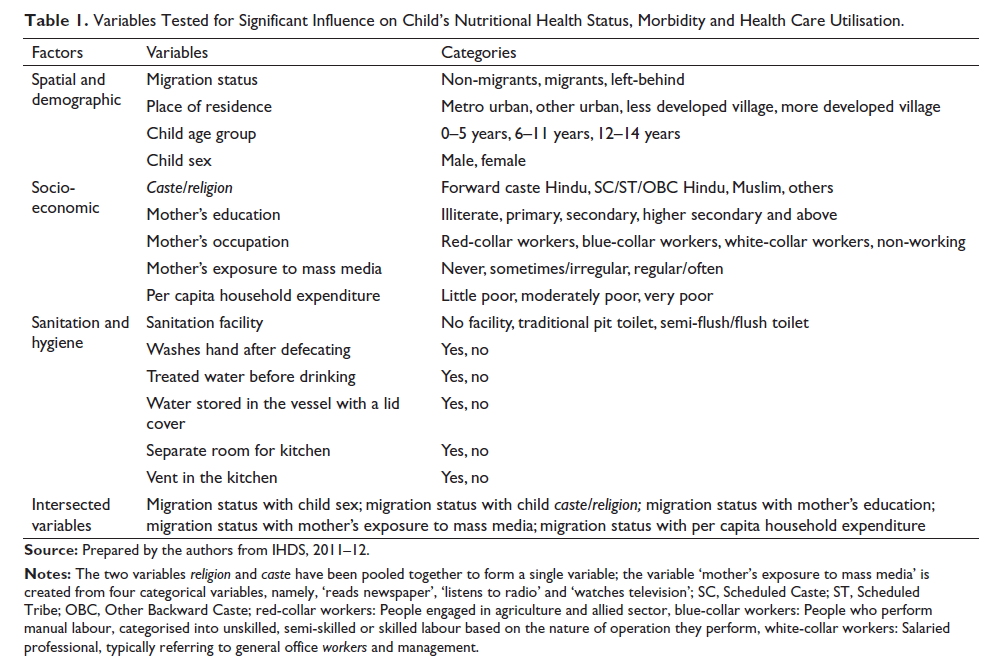
Our analysis considers children belonging to the age group 0–14 years as the study population. The present study considers migrants as those individuals who stayed outside the home district for at least six months in the last one year for earning a livelihood. The survey collected information on the previous place of residence, current place of residence and years lived in the current place of residence, on the basis of which migration status and duration are computed. The survey questionnaire has a dedicated section on migration where information on the member of the household who left to find work in the last 5 years is collected. This information is used to find out the migration status of the household a child belongs to, whether accompanied or left behind. We use the data on nutritional status (i.e., underweight, overweight and stunting) and common childhood illness (i.e., acute respiratory infections (ARIs) and diarrhoea) for analysing the health status of a child. Descriptive statistics are used to explore sample characteristics. To identify the determinants of nutritional health status, morbidity and health care utilisation among children, binary and multinomial probit regression models are estimated. Based on the review of literature, a number of independent variables are included in the models, which are expected to have considerable influence on child nutrition, morbidity and health care utilisation (Table 1). We use the multinomial probit model as it relaxes the Independence of Irrelevant Alternatives (IIA) assumption of the multinomial logit model. The model allows the errors to be distributed by a multivariate normal distribution, in which errors have a mean of zero and are allowed to be correlated (Dow & Endersby, 2004). We present the marginal effects, derived from the probit model as they provide an easy-to-follow interpretation of the relationships between the dependent and independent variables (Bogard, 2016).
Variables Tested for Significant Influence on Child’s Nutritional Health Status, Morbidity and Health Care Utilisation.
Results
Sample Characteristics
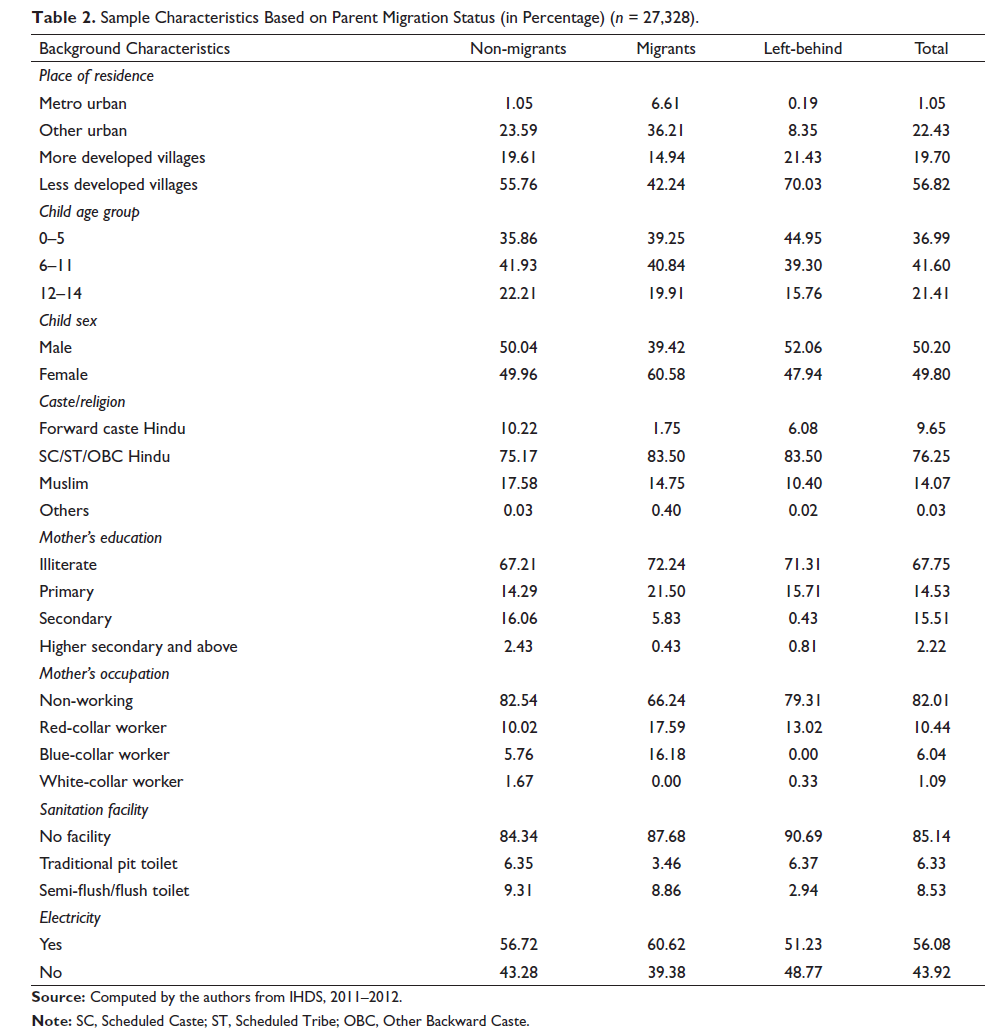
Select summary statistics of the study population are presented in Table 2. More than two-thirds of the study population/children live in less-developed villages (68.12%) with left-behind children being the maximum (72.91%). More than three-fourths of the children (76.25%) belong to SC/ST/OBC Hindus, of which the migrants and left-behind have the highest share (83.50% each). Among the mothers, 67.75% are found to be illiterate of which 71.31% and 72.24% are the mothers of left-behind and migrant children. 82.01% of the mothers are non-working (82.01%), and 10.44% are engaged in agricultural activities. Majority of the children (85.14%) live in households with no sanitation facility, with left behind and migrant households being the highest in proportion, that is, 90.69% and 87.68%, respectively.
Sample Characteristics Based on Parent Migration Status (in Percentage) (n = 27,328).
Nutritional Health Status of Children
The nutritional health status of children based on their parents’ migration status is shown in Figures 1–3. It is evident that parents’ migration status depicts a significant variation with the prevalence of malnutrition among the children. Children of non-migrants are found more likely to be underweight (19.01%) and left-behind children are more likely to be overweight (14.90%) and stunted (47.42%). Interestingly, both underweight (16.50%) and overweight (5.83%) are observed comparatively at lower level among the migrant children compared to other groups of children.


Prevalence of ARI and Diarrhoea and Health Care Utilisation
There are numerous studies by epidemiologists and social scientists focusing on childhood illnesses and health-seeking behaviour (Goldman & Heuveline, 2001; Srinivasan, 2004). It could be a concern for the social scientists how parents’ migration affects children’s health and other well-being. How parents’ migration status makes a difference in the prevalence of common childhood illness (such as ARI and diarrhoea) is presented in Figures 4 and 5. Whereas non-migrant children are found to be at a higher risk of suffering from ARI (49.23%), migrant children are found to be at a higher risk of suffering from diarrhoea (10.90%) compared to the other groups during the 15 days prior to the survey. It is found that health care utilisation is higher among the migrant children (36.09%) and lowest among the left-behind children (29.36%) compared to the other groups (Figure 6). Moreover, left-behind children are more likely to utilise private health care facilities (76.45%) followed by migrant children (74.88%) (Figure 7).


Econometric Analysis
Correlates of Children’s Nutritional Status
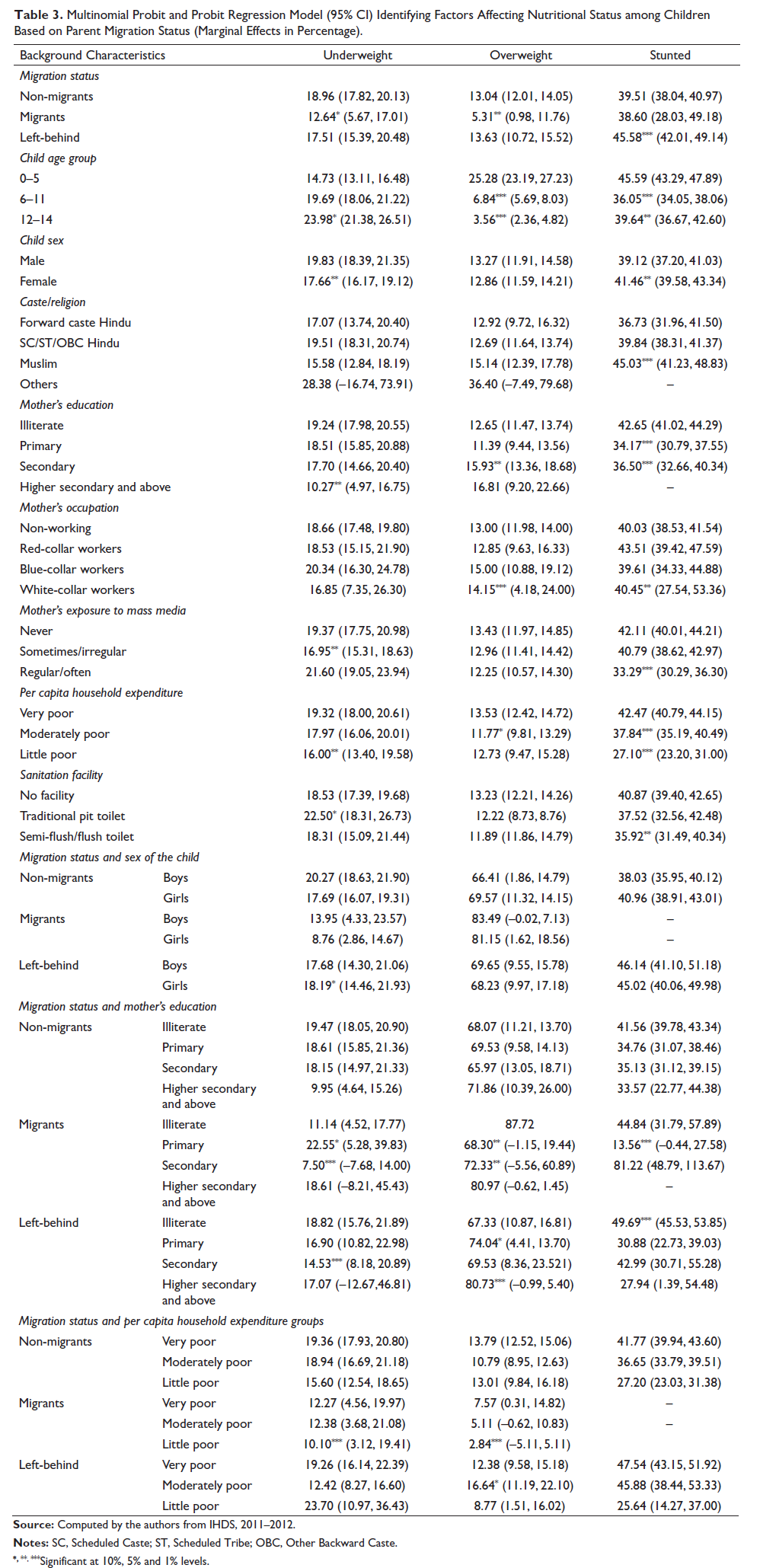
The results of the binary and multinomial probit regression models analysing the role of factors affecting the nutritional health status of children are presented in Table 3. The results show that the nutritional health status of children is significantly associated with parental migration. The migrant children are found 6.32 percentage points less likely to be underweight and 7.73 percentage points more likely to be overweight than the non-migrant children. The left-behind children are found 45.58% more likely to be stunted than children of non-migrants. Children of 12–14 years of age are 23.98% more likely to be underweight, and 3.56% and 5.95 percentage points less likely to be overweight and stunted than children of 0–5 years of age. The girls are found 2.17 percentage points less likely to be underweight and 5.95 percentage points more likely to be stunted than boys. Furthermore, the likelihood of being underweight and stunted is found to be 8.97 and 8.48 percentage points higher among children of illiterate mothers than children whose mothers are educated up to higher secondary and above and secondary. Children of mothers who report some exposure to mass media are 2.42 and 8.82 percentage points less likely to be underweight and stunted than children of mothers without any exposure to mass media. Furthermore, children whose mothers are engaged in white-collar jobs are 1.15 and 0.42 percentage points more likely to be underweight and stunted than children of non-working mothers. Children belonging to little poor households are 27.10% less likely to be stunted than children belonging to very poor households. Children who defecate in the open are 22.50% more likely to be underweight and 35.92% more likely to be stunted than children who use semi-flush/flush toilet.
Multinomial Probit and Probit Regression Model (95% CI) Identifying Factors Affecting Nutritional Status among Children Based on Parent Migration Status (Marginal Effects in Percentage).
*, **, ***Significant at 10%, 5% and 1% levels.
Considering the intersection of migration status and child sex, it is found that left-behind girls are 18.19% more likely to be underweight than left-behind boys. Migrant children with illiterate mothers are 11.14% more likely to be underweight and 44.84% more likely to be stunted than children of all mothers with education up to secondary. Left-behind children with illiterate mothers are found 18.82% more likely to be underweight and 49.69% more likely to be stunted than children of all mothers with education up to secondary. Controlling all other factors, the likelihood of being both underweight and overweight is found to be higher among migrant children belonging to little poor households.
Morbidity, Health Care Utilisation and Parent Migration Status
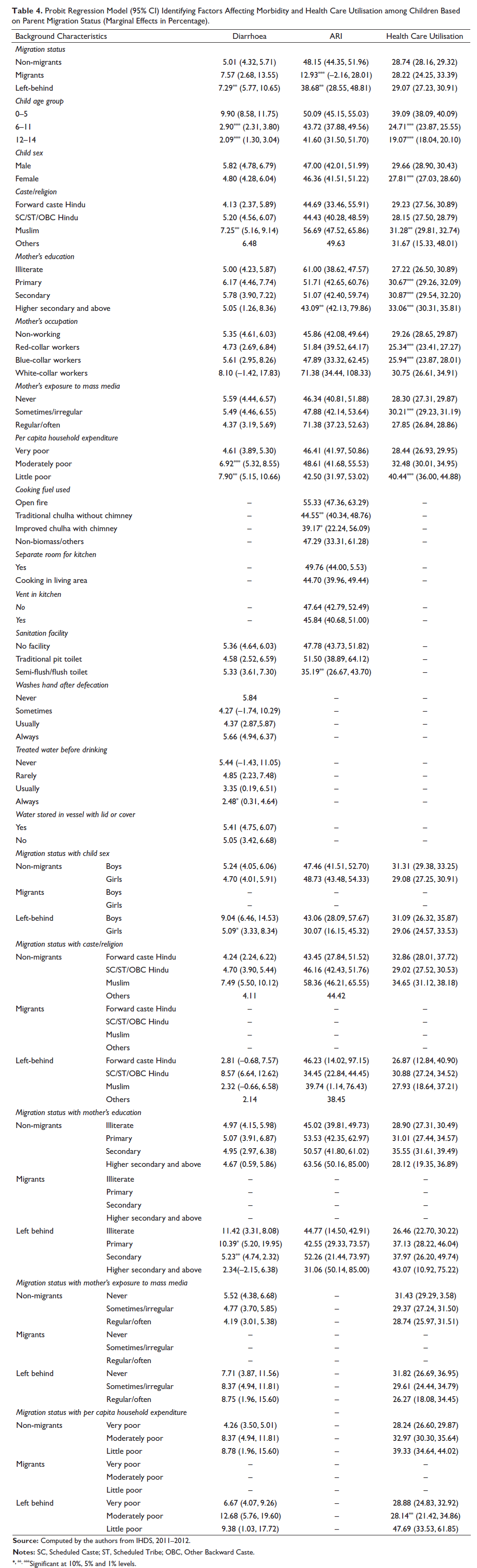
Our analysis estimates a Probit regression model in order to examine the correlates of various demographic, socio-economic and health and hygiene factors with common childhood illness (ARI and diarrhoea). While it is expected that these factors would have an influence on child morbidity, the main purpose of our analysis is to examine if migration status has an effect on child morbidity independent of these factors considered (Table 4). The result shows that left-behind children are 2.28 percentage points more likely to be affected by diarrhoea than non-migrant children, and 7.29% more likely to be affected by diarrhoea than migrant children. Furthermore, it is found that the left-behind children are 9.47 percentage points less likely to be affected by ARI than non-migrant children, and migrant children are 12.93% less likely to be affected by ARI than the children of non-migrants.
Probit Regression Model (95% CI) Identifying Factors Affecting Morbidity and Health Care Utilisation among Children Based on Parent Migration Status (Marginal Effects in Percentage).
*, **, ***Significant at 10%, 5% and 1% levels.
The study has found that children of 6–11 and 12–14 years of age are 2.90% and 2.09% less likely to be affected by diarrhoea than children of 0–5 years of age. Children belonging to the Muslim community are 7.25% more likely to be affected by diarrhoea than children belonging to forward caste Hindu and SC/ST/OBC Hindu communities. Children with mothers having education of higher secondary and above are 43.09% less likely to be affected by ARI. Children are 0.18 percentage points less likely to be affected by diarrhoea in households where water is treated before drinking than households that do not report any treatment for drinking water. Moreover, households that use traditional chulha without a chimney for cooking, their children are 5.38 percentage points more likely to be affected by diarrhoea than those who use an improved chulha with a chimney for cooking. Considering the intersection of migration status and mother’s education, left-behind children with illiterate mothers are 11.14% more likely to be affected by diarrhoea than left-behind children of all mothers with education up to secondary.
A probit regression model estimated to examine the effect of various demographic, socio-economic and health and hygiene factors on health care utilisation for the children shows that there is no significant relation between parental migration and health care utilisation among the children (Table 4). However, it is found that health care utilisation is 39.09% more among the children of age group 0–5 years and among the boys (29.66%). Health care utilisation is found 31.28% more among the children from the Muslim community compared to children from the Hindu community (28.15%) and is lowest among children of illiterate mothers (27.22%) and mothers who are engaged in red-collar jobs (25.34%). Furthermore, children whose mothers are exposed to mass media sometimes are more likely to have health care utilisation (30.21%) than children of mothers who are never exposed to mass media (28.30%). Considering the intersection of migration status and per capita household expenditure, left-behind children belonging to moderately poor households are found 0.74 percentage points less likely to utilise health care services than children belonging to very poor households (Table 4).
Discussion
Child malnutrition and morbidity are still a challenge in the developing world in spite of global epidemiological transition of diseases. Malnutrition commonly affects all groups in a community, but infants and children are most vulnerable because of their high nutritional requirements for growth and development (World Bank, 2005). The present article is an attempt to analyse the correlation of parental out-migration with morbidity and nutritional status among the children. Migration seems to have a multifaceted effect on individuals, families, societies, economies and cultures, both in the place of origin and destination (Konseiga et al., 2009; Shen et al., 2009). Our analysis finds that a substantial proportion of children in EAG states were living separately either from one or both parents due to parental internal out-migration. The children who had migrated with their parent’s show a higher risk of suffering from diarrhoea compared to those who were left behind or whose parents did not migrate. This may be because of the fact that rural-to-urban migration is often triggered most likely by economic reasons and they live in poor and unhygienic conditions in the destination place. Literature abounds with evidence that throughout the developing world, children migrating to big cities with their parents or the rural to urban migrants are more likely to settle and live in slums and shanty towns, where basic household facilities essential for good health and survival are unavailable (Fellmeth et al., 2018). Furthermore, the physical process of moving and resettling in low-income areas with limited space typically exposes young children to numerous diseases (Gao et al., 2010; Pottinger, 2005).
The non-migrant children are found more likely to be affected by ARI. Studies have found that the use of traditional chulha, poor housing conditions, lower birth weight of child, poor nutritional status and low literacy rate of mother are important determinants of ARI among the children in rural areas (Naz et al., 2016; World Bank, 2005). The non-migrant children are also found more likely to be underweight, whereas overweight and stunting are found more among the left-behind children. Studies have found that remittances sent by migrant workers to their left-behind families minimise economic risks and increase household’s spending on children’s nutrition (Kuhn, 2003; Massey et al., 1993; Stark & Taylor, 1991). As income increases, food-basket composition often shifts towards higher energy and fat intake. This may probably explain the incidence of overweight, a shift in nutritional status (Konseiga et al., 2009; Shen et al., 2009). However, parental absence may also have negative consequences on physical and mental health of the left-behind children (Konseiga et al., 2009).
In our analysis, sex differentials in nutritional status were found among the children of all migration status. Though boys are found more likely to be underweight than girls, it is difficult to conclude if this is due to lower nutritional intake among boys than the girls. There are other potential explanations too. For example, it is observed that boys spend more time playing outdoor has greater calorie needs compared to girls (Dereń et al., 2018; Duflo et al., 2008). This finding exhibits that the nutritional status of children in EAG states tends to differ from that of the country as a whole.
Disparities in health conditions and health care utilisation are evident between the natives and the migrants as well as between recent and long-term residents. The majority of the migrants remain marginalised and vulnerable until they have adapted to the social and cultural norms of a new place (Webair & Gouth, 2013). Our analysis finds that health care utilisation is higher among the migrant children compared to the left-behind children. Although little evidence exists to substantiate any difference in health-seeking behaviour between migrant and left-behind children, one feasible apparatus for lower health outcomes among left-behind children is that extended family members may not be as proactive as parents in seeking health remediation for children, especially in health conditions with known and common symptoms, for which treatment can yield important gains in well-being (Guan et al., 2018). The grandparents, who grew up decades ago, are often less inclined to understand the current health risks and medical remedies for the children (Chen & Liu, 2012). We find that access to private health care services is higher among the left-behind children. Moreover, utilisation of health care is higher among the children of literate and non-working mothers, among the children from the Muslim community and among the boys. It is more among the children whose mothers are never exposed to mass media. This may be because mothers who are exposed to mass media are more aware about their children’s health. Moreover, studies have found that health seeking behaviour, especially in developing countries depends, on socio-economic status, women’s autonomy, culture, physical as well as financial accessibility, severity of disease and health service issues (Shaikh & Hatcher, 2005; Van de Poel & Speybroeck, 2009).
Conclusion
To the best of our knowledge, hardly any large-scale study has been carried out on the health and access to health care of children in EAG states based on parent migration status. Our article has highlighted how parents’ migration status and different dimensions of social and economic status directly and by interacting with each other affect morbidity and nutrition levels of children belonging to the poor segment of society. The results presented show the inequalities in child nutrition and morbidity; and how they differ across different population sub-groups. Scholars have argued that nutritional policies for children must focus on groups that have systematically worse outcomes; and those who are disadvantaged in several dimensions would require greater policy attention. In this regard, the evidence generated by this article may contribute critical inputs to policy discourse. Our analysis finds potential in that will be oriented towards raising awareness among mothers and health workers about the higher risks of children belonging to different population sub-groups including migrated and left-behind children. More studies need to be conducted on the health of children in these states including larger population.
Appendix



Footnotes
Acknowledgement
The authors are grateful to the participants of the International Seminar on Maternal and Child Health in Empowered Action Group States: Sustainable Development Goals Perspective organised by A. N. Sinha Institute of Social Studies, Patna in collaboration with UNICEF, Bihar and TCI-Cornell University, USA, held on 5th and 6th April 2019 for their comments, where the preliminary draft of the study was presented.
Declaration of Conflicting Interests
The authors declared no potential conflicts of interest with respect to the research, authorship and/or publication of this article.
Funding
The authors received no financial support for the research, authorship and/or publication of this article.