



Abstract
This study aims to identify critical factors for developing a successful reverse logistics strategic framework that could guide the managers for improving customer satisfaction and managing retail returns. Qualitative interviews were performed with logistics manager in retail industry to develop successful reverse logistics strategic framework with critical factors. A problem-driven content analysis methodology was also conducted reviewing previous studies published from 2008 through 2015 to determine the key factors that affect reverse logistics decisions of managers towards successful reverse logistics management. This study provided new insight on reverse logistics as an important strategic initiative for the retailers to gain customer satisfaction, competitive advantage and cost effectiveness. A reverse logistics framework that is developed in this article will be able to add value to supply chain and logistics studies. Reverse flow driven by motivation is an important implication for managers to manage logistics activities. Managers must emphasize on potential corporate benefits to reduce costs and add customer value.
Introduction
In recent years, reverse logistics has been a particular interest among academicians and practitioners in the field of supply chain and operations management (Rubio, Chamorro & Miranda, 2008). According to Charles Johnstan, director of repair and returns management of ‘The Home Depot’, creating a good returns management generates competitive advantage (Lisa, 2014). The more information retailers can collect from the customers, the better they can nail down reason for product return (Zeithaml, Rust & Lemon, 2001). Lisa (2014) highlighted the key issues on timings of return of retail goods by the customers. Goods are usually returned by the customers during January, February and March that accounts from 40 to 60 per cent of year’s return (Lisa, 2014). Thus, more attention and resources are paid by the retailers to reverse logistics to extract as much value as possible from the return goods. Each retailer has different rules and terms for managing retail returns. One gives full credit for returns; one gives 50 per cent; and another gives no credit. Stock, Speh and Shear (2002) argued that reverse logistics should not be viewed as a ‘costly sideshow’, but instead be ‘seen as an opportunity to build competitive advantage’ (Stock et al., 2002, p. 12). On average, retailer’s reverse logistics are equal to an average of 8 per cent of total sales, and at the same time, Omni-channel retail and tighter regulation make reverse logistics more complex.
Suppliers get their products back due to negative aura and product distribution failure. The most specific return points are at the supplier and their supply level. Return point is also at the manufacturing level (Malone, 2004). As Lambert and Cooper (2000) notes, returns management may the most neglected part in the supply chain practices. They further added that ‘effective process management of product return enables identification of productivity improvement opportunities and manage returns to achieve competitive advantage’ (p. 74). Thus, a well-executed and well-managed returns process can reduce costs and customer satisfaction. Resources can be used to develop process capabilities to enhance customer retention and increase service quality. Most of the academic literature on reverse logistics has only examined recycling aspect of reverse logistics (Carter & Ellram, 1998). Whereas majority of the reviews on the concept of reverse logistics were descriptive. Studies performed by Tibben-Lembke (1998) and Dowlatshahi (2000) contributed as the foundation for this research investigation due to their holistic view on reverse logistics.
The main objective of the study is to identify critical factors that enhance successful reverse logistics management. The second objective of the study is to find support for the importance of reverse logistics among researchers and academicians. The first objective will be achieved using qualitative analysis by developing successful reverse logistics framework; whereas the second objective will be achieved using content analysis by critically reviewing findings of previous researchers in relation to reverse logistics, respectively. This article also provides reverse logistics pipeline, flow and its characteristics.
Literature Review
Reverse Logistics: Definition
Reverse logistics refers to ‘the process of planning, implementing and controlling the cost and effective flow of material, in-process inventory, finished goods and related information from the point of consumption to the point of origin for the purpose of recapturing value’ (Daugherty, Autry & Ellinger, 2001, p. 108). Reverse logistics is the process by which products are returned from consumers for proper planning of their disposal (Prahinski & Kocabasoglu, 2006). Whereas Tibben-Lembke (2002) defined reverse logistics as the process of moving goods for capturing value. Today, a large number of organizations are experiencing product returns. How organization handles product returns (reverse logistics) is different, and it directly affects revenue/sales of the company (Larsson & Creutz, 2012). Reverse logistics can also be termed in the form of product recalls (goods that manufacturers recall), inventory returns (to minimize inventory in the retail outlet), warranty returns (goods required by retailers), core returns (goods that can be reused), reusable containers (returning the shipment to the manufacturers), damaged goods (goods damaged on site), seasonal items (after season return), hazardous materials (items that are considered as hazardous to be return) and stock adjustments (transfer of stocks to correct a situation) (Krumwiede & Sheu, 2002).
Managing product return has been an important strategy for the retail firms, particularly when the volume of return flow had increased considerably (Guide, Souza, Van Wassenhove & Blackburn, 2006). Reverse logistics is used to manage the flow of products to effectively use resources. It has been the main target of the logistics system to move goods from one place to another (Dowlatshahi, 2000). In order to do so, manufacturers distribute the goods towards targeted user segments. This article defines reverse logistics as ‘returning defective, damaged or unused products to the retail outlets’. It encompasses all the processes described in the supply chain but in reverse manner from customer to retailer.
Reverse Logistics in Retail Industry
In past years, the practice of reverse logistics had increased considerably (Rogers & Tibben-Lembke, 2001). Reverse logistics practice in retail industry for reversing the supply chain to correctly identify and categorize returned products for disposition, so that it can offer additional revenue instead of simply focusing on defective items returned by the customers (De Brito, 2004). Retail industry recently had recalled hundreds of products due to issue of drawstrings that can pose strangulation hazards, cause choking problems and fail to meet flammability standards (Bapuji, 2012). Clothing is labelled as fashion, decoration, artistic and beautiful decoration that brings up rapid development to clothing products causing serious issues today (Hu, Li, Chen & Wang, 2014). Fletcher (2013) asserted that, due to globalization and fast fashion trends, sustainability is a great challenge for retail industry. In the retail industry, the ability of capitalizing demand is crucial that can boost profitability and satisfy retail consumers (Partridge, 2005). Strategic reverse logistics network management can have a large impact on firm’s overall operations. Managing the supply of products from the point of order and redesigning retail distribution system is a complex task (Lindgreen, Swaen, Maon, Andersen & Skjoett-Larsen, 2009). This new system enables to work with the customer’s order management system ensuring visibility of the products throughout the supply chain process.
It is the responsibility of the industry to handle the customer’s reverse logistics, managing the collection and return of any defective or recalled goods. Reverse logistics practices are not effective if it cannot reduce transportation expenses and bounded with uncertainty (Chang & Zheng, 2014). In the USA, more than 1000 different items were recalled from the marketplace due to increased government control, monitoring capabilities and potential financial risks. Due to poor reverse logistics, ever-growing processing costs and the rising value of returns need to ensure to have full control over the process and the subsequent product disposition. Thus, it is crucial to establish an effective reverse logistic network that can represent a significant chunk of supply chain cost. Figure 1 shows the pipeline of reverse logistics returns.
In the retail industry, less than 20 per cent of the products are return due to defects, and the rest of return falls into several categories, each with their own opportunities and challenges (Rubio et al., 2008). Reverse logistics in retail industry includes recalled products, end of life products, season returns and disposal. Out of these categories, recalled products have great influence of company’s profitability as potential liability is associated with it. Recently, many retail brands such as Golden Horse (Golden Horse Children’s Denim pants), Precious Cargo (Infant One-Piece Garments), Runway Fashions Inc. (Girl’s Sugarfly Hooded Jackets) and many more have been recalled due to the issues of drawstrings that pose strangulation hazard to young children. A number of products have been recalled due to safety and security of consumers (Marucheck, Greis, Mena & Cai, 2011).
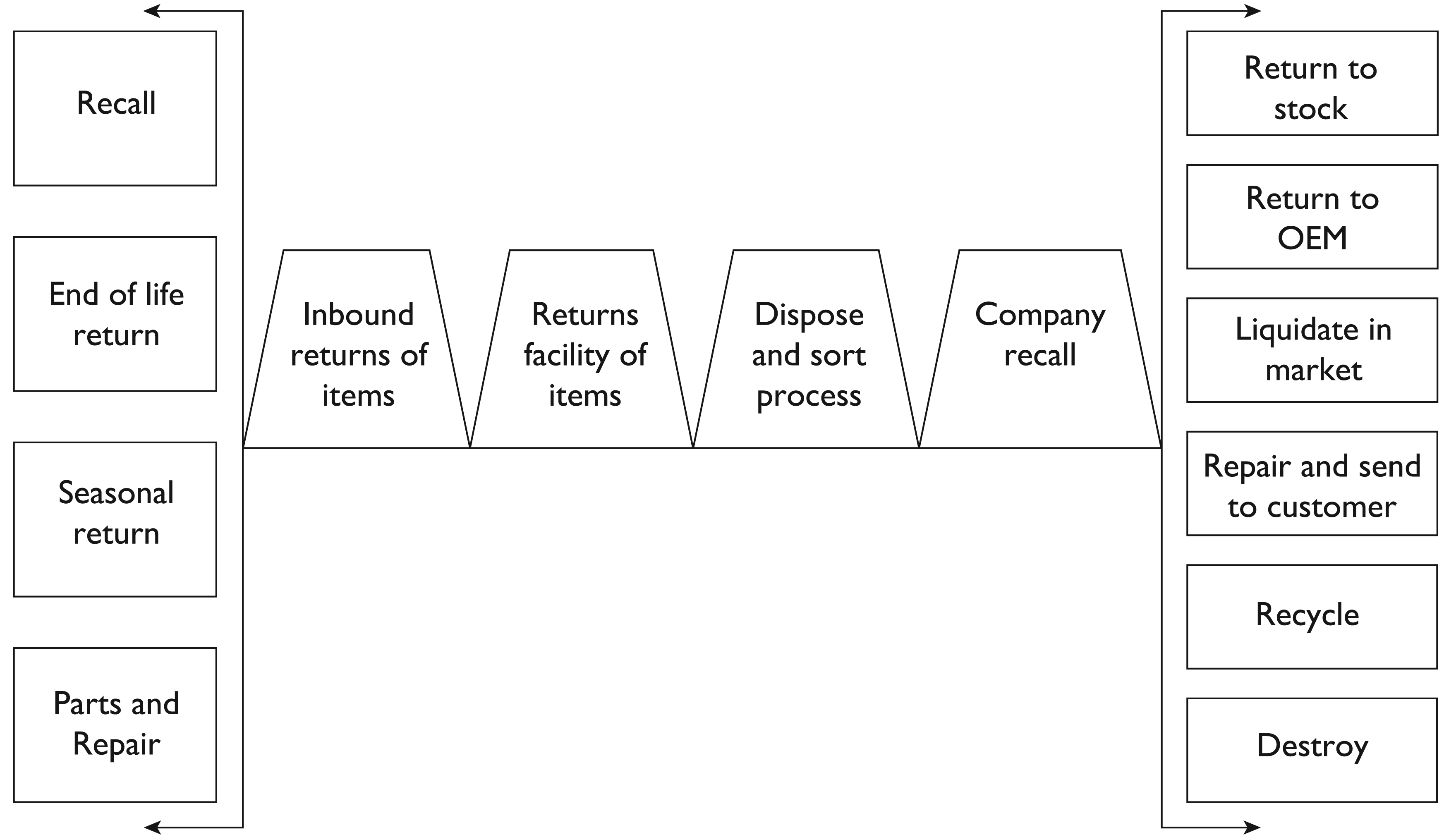
Reverse Logistics Flow
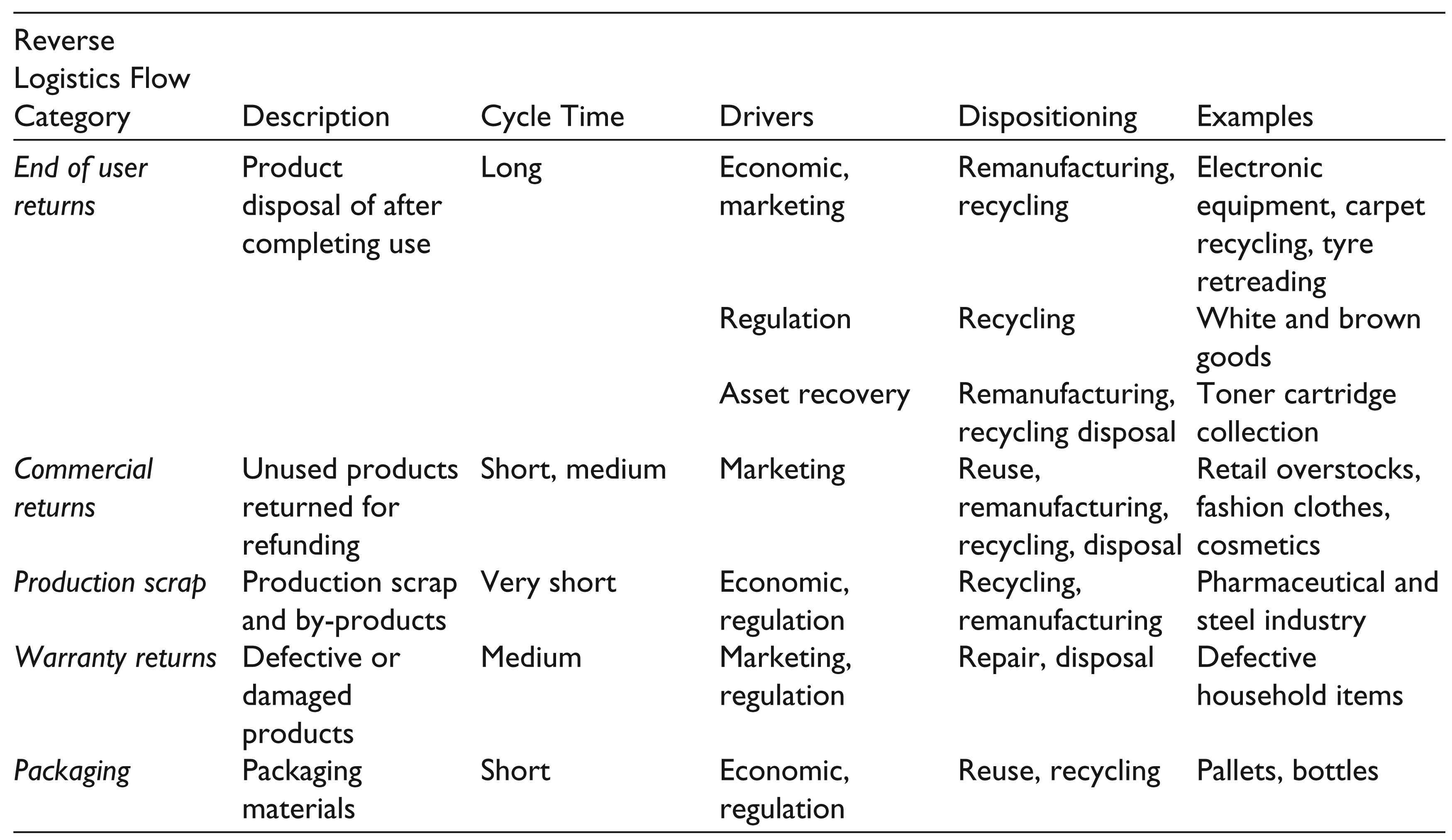
Reverse logistics flow is different from forward logistics, and it concerns retail returns. In the case of reverse logistics, customer returns the products to the original sender against refunding. This arises financial risk from the buyer to the seller, but is relevant for products involving a high risk of obsolescence due to seasonality (Fleishmann, 2000). Returns are becoming important due to concentration of market power, particularly in the form of retail chains. However, the occurrence of retail return itself indicates a lack of market demand (Table 1).
Reverse Logistics is associated with ‘Handling and management of equipment, products, components, materials or entire technical systems that to be recovered’ (De Brito & Rommert, 2002). Reverse logistics flow is an unprecedented tool that works for the development of company activities through economic, operational and environmental practices (Baenas, De Castro, Battistelle & Junior, 2011). Along with an increased importance of reverse logistics management, Meyer (1999) and Rosen (2001) indicated that the flow of reverse logistics is becoming more complicated.
Characteristics of Reverse Logistics Flow Categories
Cost Components in Reverse Logistics
It is very important to reduce costs for the organization to go straight to the corporate’s bottom-line profit (Hashim & Amrah, 2016). Some of the cost components includes: (a) Processing cost is the main challenge for the retail industry as it is incurred to process or handle product returns; (b) logistics costs are associated with the costs related to move or handle the return goods. This includes freight costs, warehouse handling and storage costs; (c) replacement costs is the third component that requires the issuance of a credit or exchange of same product; and (d) asset depreciation cost that is associated with the return goods that can be re-stocked, refurbished or sold as scrap. If the returned goods are not disposed off quickly or are unable to recover value for too long, they would increase the handling cost, resulting with a decline in financial value. Ya-Ping (2012) focused specifically on cost and benefit analysis considering reverse logistics as an important element to an enterprise. The review on cost analysis of reverse logistics refers to the material consumption in monetary terms to regain the value during the process. Ya-Ping (2012) has further provided cost components, such as collection costs, disassembly costs, testing and classification costs, environmental protection costs and disposition costs that may exist in reverse logistics.
Supply chain is helpful in reducing costs, reducing inventory, improve forecasts and timely deliveries (Sandberg, 2007; Whipple & Russell, 2007). In the context of supply chain management, Melo, Nickel and Saldanha-Da-Gama (2009) pointed out that the dynamic nature of the product returns cannot be discarded often. Companies have different drivers that are engaged to reverse logistics (Vahabzadeh & Yusuff, 2015). In the review paper, Pokharel and Mutha (2009) pointed out that revenue growth, cost reduction, sustainability and change are the key drivers that influence stakeholder value. Some of the main drivers in reverse logistics include economic, environmental, strategic advantages for businesses, corporate social citizenship criteria and legislations (Akdoğan & Coşkun, 2012).
In spite of all the literature on reverse logistics, there are few literatures exceeding on specificity regarding a particular product or industry. There have been lack of research on theory development in the area of reverse logistics. Thus, in this article, we put forward a holistic strategic reverse logistics framework that not only is associated with the given typology of the problematic and associated decisions but also helps to understand reverse logistics as a whole for gaining competitive advantage and organizational performance.
Methodology
As discussed earlier, reverse logistics in retail industry is a complex and growing concern. Although numerous authors have contributed to this area, its implication and theoretical development are still premature. The purpose of this study is to develop a decision-making framework in extent to reverse logistics process capabilities. In short, we needed to derive a substantial output to address specific purpose of this research from the textual review analysis. Qualitative research method was used for this research with panel of experts and supply chain managers being involved in RL to gain better understanding of the need of returns management in logistics research. In fact, normative qualitative research tool is helpful in ‘[…] clarifying expert views on reverse logistics management and its antecedent factors’ (Golicic & Mentzer, 2005, p. 50).
Qualitative method is used when there is lack of data or inability to measure the constructs directly (Mokkink et al., 2010). Rowe and Wright (1996) mentioned that qualitative method is a systematic process that is based on three fundamental principles; it assumes that experts’ opinion provides more accurate results than that of the individuals. Groups achieve better results, and controlled feedback of group opinion enhances a structured communication process (Förster, Keller, von der Gracht & Darkow, 2014, p. 346). In order to examine the factors affecting the proposed reverse logistics network, a qualitative research approach was utilized. Qualitative research has been criticized due to small sample, lack of scientific rigour and non-replicable efforts (Goodyear, 1990). In the business and operational literature, less attention has been merited on the important role that qualitative research plays in generating discussions with key practitioners and organizational decision makers (Knemeyer, Ponzurick & Logar, 2002).
Sampling
Qualitative research is very useful for understanding the concept and the subject (Ghauri & Grønhaug, 2005). A semi-structured interview was conducted to collect primary qualitative data (Bryman, 2006). Semi-structured interviews allow all participants to ask same questions within a flexible framework (Dearnley, 2005). Five retail outlets (ESPRIT, HUSH PUPPIES, BRANDS OUTLET, FOS and US POLO) were selected with supply chain manager or logistics manager as interviewee. Open-ended questions were used to speak with the participants and understand the concept of the subjects investigated. It was believed that the authors would achieve in-depth knowledge about the concept of reverse logistics and would make information more clear and understandable. The interviews were conducted in Malaysia, and the information gathered was translated to English. In order to avoid errors of bias, the materials gathered were transcribed with professional translator from Bahasa Malaysia to English. In order to gather the information, tape recorder was used and the recordings were reviewed closely as suggested by Jorgensen (1989) emphasizing the importance of the subject (Appendix B).
Furthermore, content analysis is used to determine the documents that need to be analysed. The documents provides data depending on their time, applicability and accessibility (Guthrie, Petty, Yongvanich & Ricceri, 2004). Despite content analysis is selected, it is interesting to understand that quality of disclosure is perceived to be questionable (Pasukeviciute & Roe, 2005). Content analysis is also useful for identifying key research problems such as (a) involvement of large amount of text; (b) problems for attaining appropriate scope and (c) issues that cannot be revealed through casual observation. Large amount of texts were incorporated by us for the variables investigated. From the attentive examination, we expected that large amount of texts may be able to solve the problem. Holsti (1968) suggested that content analysis should be used critically for qualitative purposes for the interpretation of texts.
Data Collection and Analysis Procedure
Transcripts collected from the interviewees were first asked permission via phone calls arranging suitable time and place for the discussions. The interview was recorded after taking permission from the interviewees. Interviews lasted for approximately 45 minutes to 1 h. This study adopted semi-structure interview, and the procedure of confirmation and checking was performed for the validation purpose as suggested by Ardichvili, Page and Wentling (2003).
The transcripts of the interview were sent to each interviewees through email in order to get their feedback, authentication and reliability of the information (Leu et al., 2008). Previous scholars in qualitative approach (Lewins & Silver, 2007; Saldaña, 2015) have suggested that ‘qualitative studies must reflect the decision-making abilities while coding thee themes generated after analysing the interview transcripts’. While using NVivo software for coding the interview transcripts, Bazeley and Jackson (2013) suggested that implementing such coding technique increases reliability of the transcript and safeguards the link between research questions and data concepts.
As shown in Table 2, five interviews were taken coding them as (A, B, C, D and E). All of them were having good experience and were experts in managing supply chain and logistics role. They were having responsibilities of planning, organizing, fulfilling customer demands, evaluate costs, monitoring and tracking product records. All these supply chain activities are crucial for increased customer satisfaction, gaining competitive advantage and cost effectiveness.
Demographic Profile of the Interviewees

Results and Discussions
Qualitative Findings
The supply chain in the retail industry is unique as compared to other industries, demanded a qualitative research method. As suggested by Du Toit and Mouton (2013), interviewing supply chain managers is considered to be most effective method for assessing needs of the stakeholders. The interviewees were selected from the state of East coast region of Malaysia, Pahang. Pahang is facing the South China Sea. Pahang state of Malaysia is known for the production of Batik (fabric for traditional dress and costumes for Malays) cloth.
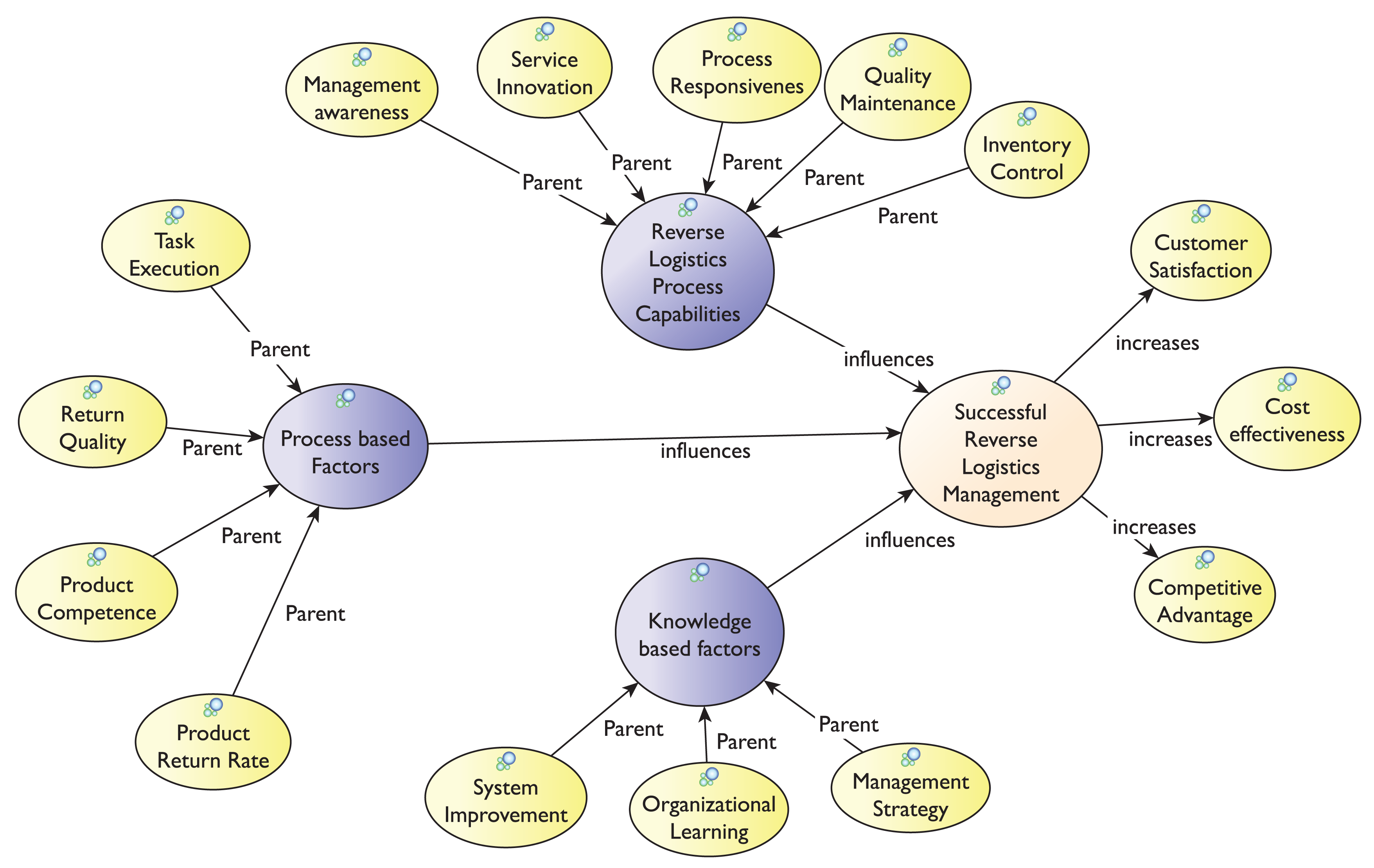
There must be a logical organization of the interview transcripts. Logical organization of the themes in the form of tree of nodes with three different levels was generated as shown in Figure 2. The three parent nodes in Figure 2 are labelled as: ‘Reverse logistics process capabilities’; ‘process-based factors’ and ‘knowledge-based factors’. The relationship lines are linked with ‘parent nodes’ defined as ‘children’. Reverse logistics process capabilities followed by process-based and knowledge-based factors were the main drivers for reverse logistics management to which interviewees referred most frequently.
It was not possible for this study to conduct manual analysis of qualitative transcripts as materials in relation to supply chain, logistics, reverse logistics, product quality, etc. were so extensive. Thus, NVivo 8 software package was used to facilitate the analysis. NVivo software developed by Qualitative Solution and Research (QSR) Company helps to organize and analyse qualitative data for theory development (Amjed & Harrison, 2013; Bazeley & Jackson, 2013). The qualitative data were coded in order to classify and assign the meaning of the information gathered from interviewees (Bazeley & Jackson, 2013). Themes were developed to determine and present an integrated reverse logistics framework for a product quality and service management.
Data conceptualization was based on constant review and comparison of transcripts, and the relationships between the constructs and its elements were compared until the theoretical saturation is achieved. Based on the transcript and thematic analysis, the following are the explanation on the factors identified.
Reverse Logistics Capabilities and Its Antecedents
Companies that are involved in retail business are highly surrounded with goods returns. In contrast to organizational economics, resource-based capabilities are crucial for sustained competitive advantage (Narasimhan & Kim, 2001). However, Mukhopadhyay and Setoputro (2004) pointed out that the policy of handling returned products would increase corporate image and it is crucial for customer’s purchasing decisions. Furthermore, Rogers, Lambert, Croxton and García-Dastugue (2002) urged that gatekeeping and avoidance are crucial elements for return flow management. From the nodes diagram as Nvivo output shown in Figure 2, it was found that management awareness, service innovation, process responsibilities, quality maintenance and inventory control are the key components to improve reverse logistics capabilities.
To date, numerous literature have been published in the context of reverse logistics and its related concepts, but a few literature reviews have been published that encompass research on successful reverse logistics strategic framework for managing retail returns. However, most of them have a different focus and considered reverse logistics as a sub-aspect instead of considering it as a major theme on its own for competitive advantage. However, Carter and Ellram (1998) developed a conceptual framework that describes factors affecting reverse logistics. Their framework consists of four organization entities that affect reverse logistics operations. They are as follows:
Suppliers Buyers Government Competitors
Six operational factors were developed by Dowlatshahi (2000) while developing a theory of reverse logistics:
Cost or benefit analysis Transportation Warehousing Supply management Remanufacturing, recycling, and Packaging
Pohlen and Theodore Farris (1992) identified the following operational activities for the plastic industry:
Collection Separation Densification Transitional processing and Delivery
Schwartz (2000) included gatekeeping, collection, sortation and disposition to strengthen supply chains. Furthermore, Fleishmann (2000) identified economic, marketing and legislative motives as reverse logistics drivers improving company’s environmental image. In the study performed by Dowlatshahi (2000), the importance of reverse logistics as a sustainable business strategy was highlighted. He focuses on internal and external operational issues that outline importance to successful design and usage of the network. Similarly, Carter and Ellram (1998) performed a comparative analysis to develop a model of identifying factors affecting reverse logistics. An extensive overview of literature was conducted by them on reverse logistics system to identify propositions and constraints to reverse logistics process. In addition, we would like to mention a review by Tibben-Lembke and Rogers (2002). They compared forward reverse logistics and reverse logistics in the retail environment and confirmed that to some extent, supply chain position of a firm is responsible for product returns management. Kumar and Putnam (2008) demonstrated that global factors such as market competition, regulations and globalizing growth will impact businesses. They further confirmed that information systems and physical infrastructures are the key success factors for the reverse logistics supply chain. Furthermore, Turrisi, Bruccoleri and Cannella (2013) argued that reverse flow of products in the supply chain increases inventory variance considerably improving global performance. While investigation on reverse logistics has increased considerably in relevance to both practitioners and academia (see, e.g., Daugherty et al., 2001; Dowlatshahi, 2000; Kopicki et al., 1993; Meade & Sarkis, 2002; Pohlen & Theodore Farris, 1992).
Process-based factors
From the nodes diagram as Nvivo output shown in Figure 2, it was found that product return rate, product competence, return quality and task execution are the key components of process-based factors to achieve successful reverse logistics management. Majority of the interviewees acknowledged that they face serious challenge of increasing product return rate. However, product return does not affect the company’s competitiveness because they follow the company’s policy. Product return also increases customer engagement activities and trust with our brand. Retailers have to handle with all kinds of returns (Kalakota & Robinson, 1999). Returns of damaged, unwanted or counterfeited merchandise might influence 40–50 per cent of year’s profit. However, despite various complexities, retailers must make returns easy and seamless to the customers (Jiang & Rosenbloom, 2005), there are number of strategies that the retailers utilize to increase market value from their reverse efforts. One of them is outsourcing considering reverse logistics as outside their core competence. As the expectations of customers grow higher, retailers seek to reduce costs and enhance customer experience and satisfaction. Many research scholars (Fleischmann, Beullens, Bloemhof-Ruwaard & Wassenhove, 2001; Ravi & Shankar, 2005; Tibben-Lembke & Rogers, 2002) have embraced forwards logistics as a key antecedent for achieving both the goals. Furthermore, Bhaumik (2015) determined the sensitivity of optimal solutions for forward and return paths and found that the retail industry faces issues to identify appropriate location and demand to allocate return products from retail outlets to warehouses. In addition, Prakash and Barua (2016) mentioned that reverse logistics practices are gaining attention due to rapid changing technologies and corporate social concern.
Knowledge-based factors
Knowledge is defined as the process of managing, gathering and sharing knowledge throughout the organization (Gold, Malhotra & Segars, 2001; Panigrahi, Zainuddin & Azizan, 2014). From the qualitative findings (Nodes shown in Figure 2), it was revealed that knowledge-based factors such as system improvement, organizational learning on handling reverse logistics and management strategies to tackle adverse situation with customers are the key components to achieve successful reverse logistics management. In order to build new skills and competencies, there is a need to stimulate organizational learning and develop reverse logistics capabilities. Effective reverse logistics system helps to track the goods and optimize the flow of goods to deal with returned back to the retailers by the customers (De Brito & Dekker, 2004). Reducing costs and improving consumer experience is the main goal of reverse logistics management with the benefits by streamlining repair, return and allocation of products and its processes. Understanding reverse logistics management is crucial for retailers that impacts their bottom line. Industries where the product return are larger will tend to have high operation costs along with an effective reverse logistics management system (Krumwiede & Sheu, 2002). However, returns management has great influence on firm’s profitability.
Content Analysis
The main purpose of content analysis is to transform original texts into analysed portrayals (Krippendorff, 2004). Content analysis is performed by distinguishing segments of texts that are useful for analysis. The overall goal of content analysis is ‘to identify and record relative characteristics of messages’. By discussing several research works and multiple judgements by several researchers, the reliability and validity of the content analysis can be improved (Duriau, Reger & Pfarrer, 2007). This study utilized extant literature on reverse logistics, and the unit of analysis was the variables that were utilized in this research. Listing of factors was compiled on a spreadsheet documents to make it easier for analysing the findings. ABI/INFORM database was searched for the term ‘reverse logistics’, ‘product returns’ and ‘reverse logistics network’. The review of the article was carried out by each member of the research team independently by classifying the articles with examining the title, abstract, keywords and main body of the articles. The classifications of the article were agreed after taking into consideration all the team members and were reviewed if anyone of them are doubtful.
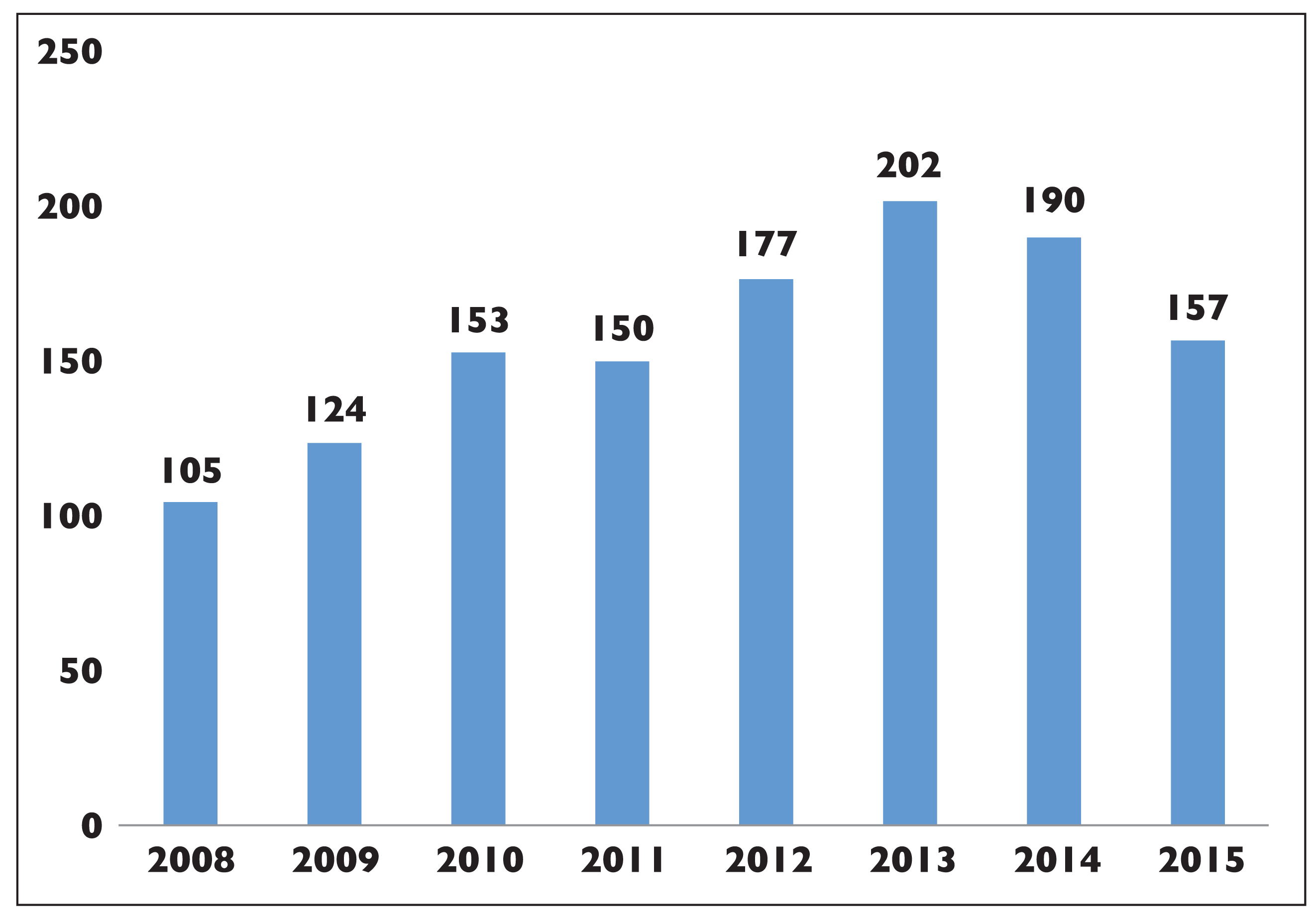
In the form of quantitative assessment content analysis, published materials were summarized by research between 2008 and 2015. First of all, from the content investigation, it was observed that reverse logistics in the field of production, operation and supply chain management has experienced high interest, a fact that is mainly reflected in the growth in the number of articles published (Figure 3).
Analysing the articles on research topic, we observed that 33.46 per cent can be included within the topic ‘supply chain management’, 34.89 per cent can be included within the topic ‘logistics management’, and 16.69 can be included within the topic ‘operation management’.
Additionally, the number of dissertations and thesis dealing with logistics management and its related concepts has increased since the 1990s. During the period of 1990, 543 dissertations were listed, and in the late period from 1990 to 1999, a total of 10,480 dissertations were listed, which further was increased to 26,841 dissertations during the period of 2000 to 2009. Furthermore, in the period from 2010 to 2015, 20,635 dissertations listing were recorded. In addition, a total of 4930 scholarly publication listing were recorded during the period of 2010 to 2015. Table 3 shows the list of publication title and the total publications on reverse logistics and its related concept.
The current study attempts to highlight critical factors for successful implementation of reverse logistics network for retail outlets by demonstrating a process utilizing qualitative research method. After categorising the database, each manuscript was analysed and framed based on its methodology, analytical process, techniques, the origin of the authors and a total number of references included. This article also used information collection techniques to determine the main research topics in the reverse logistics research as advised by Rubio et al. (2008) and Dekker, Fleischmann, Inderfurth and van Wassenhove (2013). During the period of 2010 to 2015, in total, 1163 articles were reviewed, and we find different issues highlighted by them in the reverse logistics system and strategies utilized for an effective reverse logistics processes and capabilities. We find that most of the studies focused on ‘traditional management of reverse logistics’, coordination among manufacturing, retailers and suppliers for recovery operations and analysed strategic decisions for managing existing reverse logistics flow in the management of supply chains. Various other questions in relation to role of IT, long-term behaviour of customers and managers, environmental management and its regulations were also included.
Top Journals with Publications
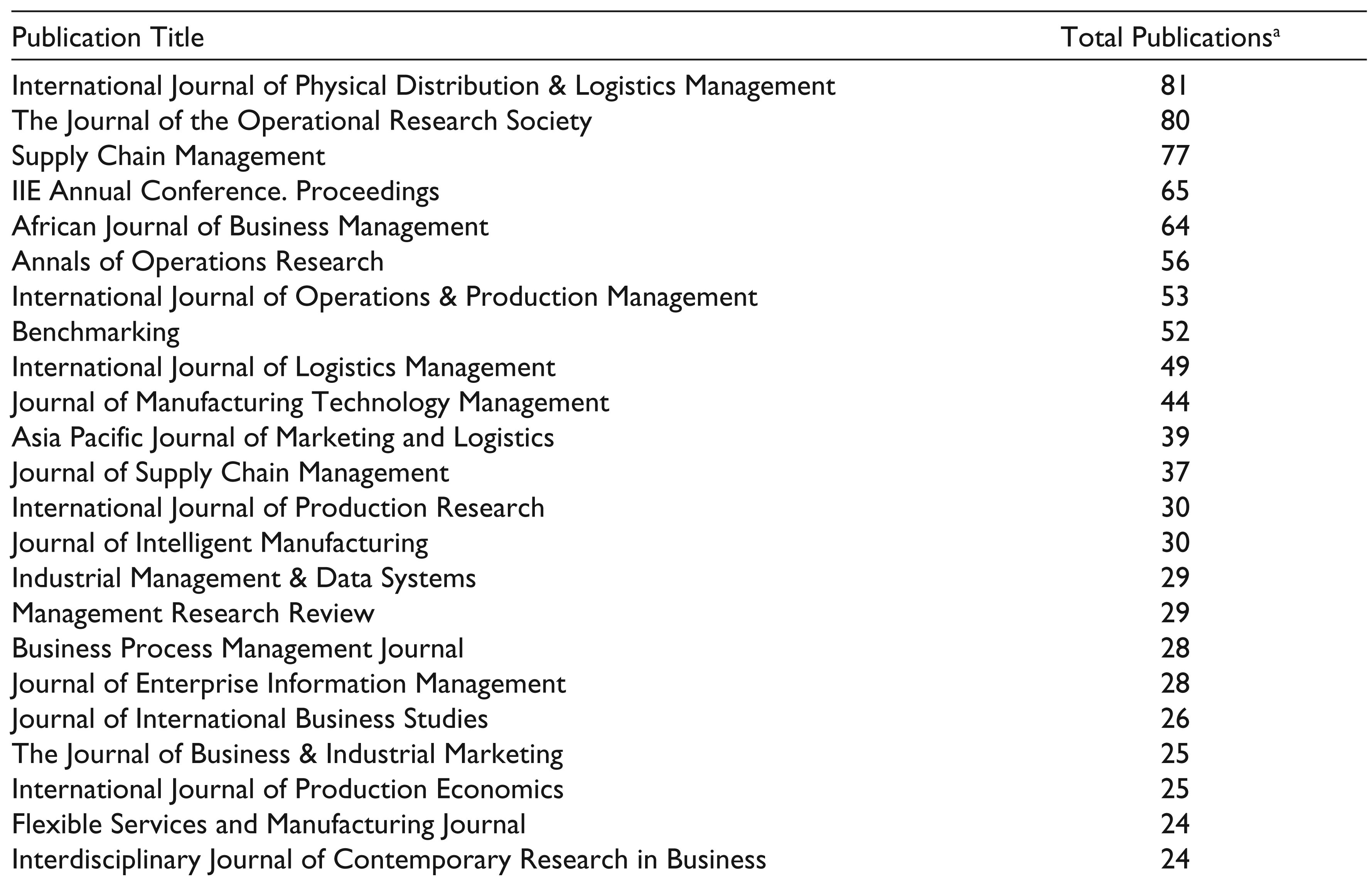

This study selected different supply chain and logistics journals as a basis of sample. Five periodical journals from the top journals recommended by Gibson and Hanna (2003): International Journal of Physical Distribution and Logistics Management; International Journal of Operations & Production Management; Supply Chain Management; Journal of the Operation Research Society; and Journal of Business Logistics. The content analysis encompassed 6 years (2010–2015) of articles in IJPDLM, IJOPM, SCM, JORS and JBL only (Table 4).
Representation of Research Approaches and Methods
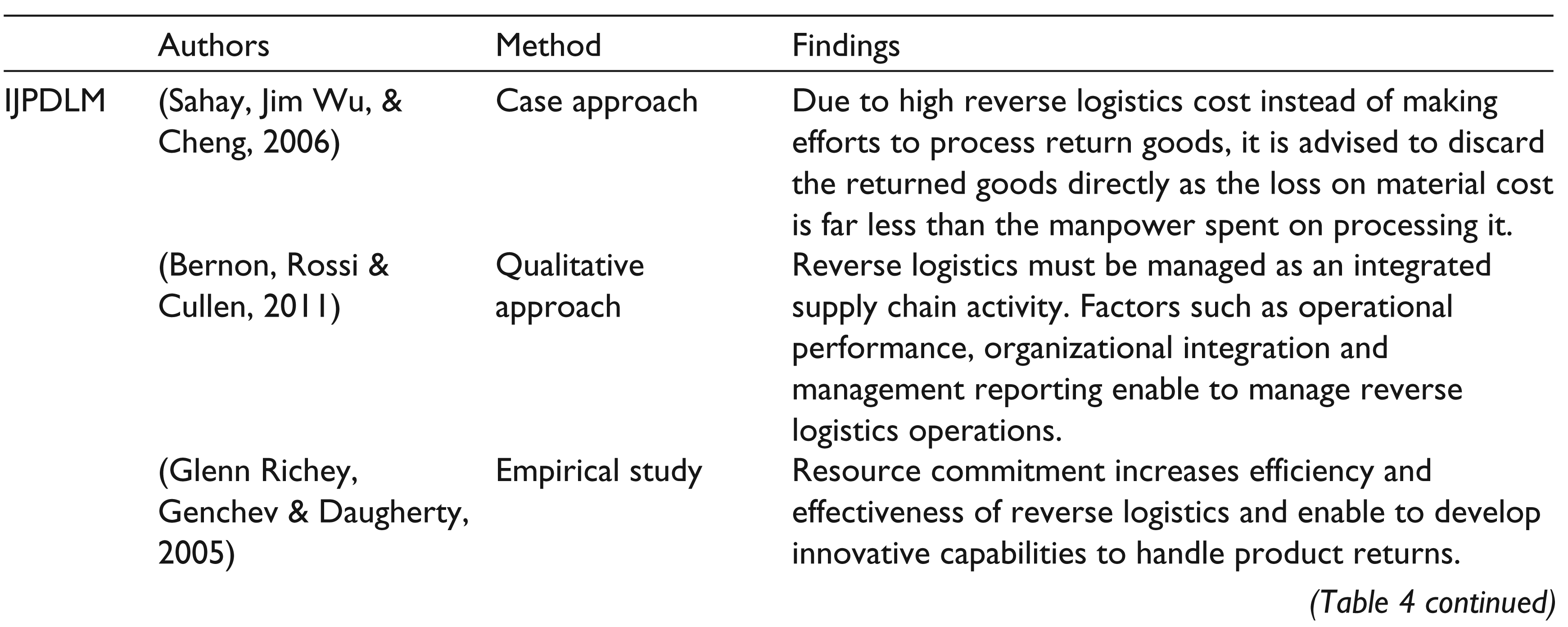
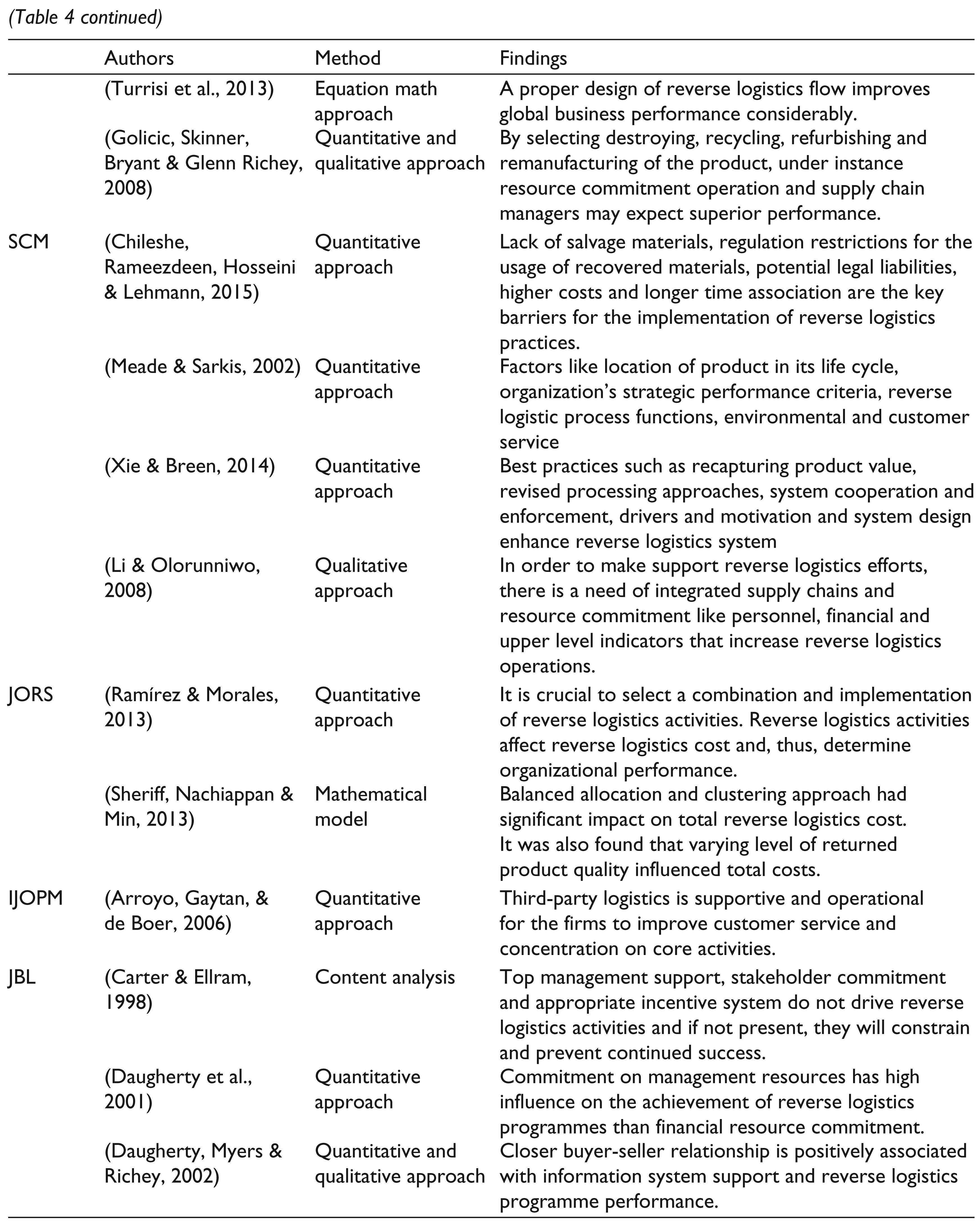
It was observed from the content analysis findings that there is a clear association between production planning and management and mathematical modelling that have been an on-going concern by the researchers along with employing qualitative methodologies such as case study analysis, conceptual descriptions and literature review-based thematic analysis.
Conclusions
The main objective of this article was to provide framework that comprises of critical factors that improve customer satisfaction. In order to achieve this objective from the retail industry perspective, interviews were conducted on five retail outlets that have consistently delivered goods and services to their customers. Analysing interview data with supply chain/logistics managers, it was found that there is significant relationship between some key aspects, and factors were provided keeping in various domains, such as consumer behaviour, supply chain management, product return policies and merchandizing. Developing reverse logistics capabilities to support logistics for reverse flows with increased formal operational structure of the processes and activities involved in the reverse logistics settings may improve returns management. The traditional qualitative approach helped the researchers to collect data on operational implementations for meeting competitive concerns and cost effectiveness. Moreover, the utilization of a formal structure tested and outlined in the literature minimized the limitations traditionally associated with qualitative research measures (McQuarrie, 1991).
The qualitative findings show that the reverse logistics capabilities, process- and knowledge-based initiatives are important component for the successful reverse logistics management to improve customer satisfaction, cost effectiveness and competitive advantage (Figure 4). Product-based performance can be improved by lowering costs and carefully cultivating value-added service through reverse logistics capabilities. Retailers that achieve cost-saving reverse logistics capabilities are able to implement strategies for improved customer service as an overall supply chain strategy. It was also noticed that company’s return policies and dealing with reverse logistics activities may affect customer retention. By gathering reverse logistics network information, the researchers managed to identify various factors that improve customer satisfaction and gain competitive advantage. For example, the information concerning the use of method handling returned goods for long time would make it difficult to meet market demands.

The result of qualitative findings suggests that retailers use effective return policies that increase purchase more than returns. Return policies performed by retailers are benefited due to increase in customer relationship and supply chain management. If retailers apply strict return policies into practice to increase cost effectiveness might affect competitive decline. Key components identified in the form of qualitative themes are: quality returns, product competence, task execution, organizational learning, system improvement, management strategy, management awareness, quality maintenance, service innovation, process responsiveness, inventory control, complaint reduction, flexibility to customer demand, customer benefits and customer expectations and many others (provided in Appendix A). Our resulting successful reverse logistics framework lays the ground for future research while providing practice guidance for retailers and other decision makers.
As practical implications, the literature review highlighted can offer appropriate guidelines to practitioners. Managers need to increase their knowledge and apply the reverse logistics management strategies. They must be able to utilize available resources efficiently in favour of their customers and their organization. Although there are some antecedent factors like customer demographic characteristics and awareness that are beyond the ability of the managers to shape, instead they can motivate the customers to participate and communicate with better service quality design and develop effective interaction platform to increase customer-organization relationships. Any hurdles for improving product quality and reverse logistics flows must be facilitated with participative actions and behaviours. Similarly, retailers need to ensure that they do not create any negative results in the mind of customers either for the firm or for their products. Managers need to understand the strategic concepts of management priorities, improve integrated system and return quality. Furthermore, our research outcomes along with the development of reverse logistics management framework can help managers to design a supply chain strategy by discussing key strategic product and knowledge-based variables more systematically. More specifically, the research outcomes highlight strong relationship for competitive advantage and customer satisfaction through centrally controlled reverse logistics operations.
Managerial Implications
This study also offers new insights for supply chain managers. Reverse logistics should be considered as a strategic approach by the managers and focus on increasing system quality, reliability and be flexible to customer demands. For managers, it is crucial to possess supply chain flexibility from the customer perspective and customer’s perceptions versus supplier’s perspective in order to enable effective communication with different perspectives. However, Gunasekaran, Patel and McGaughey (2004) found identifying different perspective as a strategic supply chain management tool is a complicated issue to target operational parameters like efficiency and other exposure factors like control and accountability (Parmigiani, Klassen & Russo, 2011). Reverse flow driven by motivation is an important implication for managers to manage logistics activities. Aspects of dispositioning such as mode of transportations, logistics integration and time driven criticality would determine reverse logistics flows. Returns are crucial due to concentration of market power and are an integral part of business processes. Managers must emphasize on potential corporate benefits by reducing costs and adding customer value.
Limitation and Direction for Future Research
However, this study makes definite contribution to supply chain management and reverse logistics network theory, some limitations have also been noted. The main limitation for this study was the small sample size of interviewees from one geographical area. There may be chance of specific social economic characteristics. Despite few published empirical research on the network of reverse logistics in the retail outlets, this study provides a foundation for future investigation in this area. Opinions of the retail manager were considered on their reverse logistics network policies and logistics management. However, consumer deshopping behaviour was not concerned in this study. There is a need of future investigation on identifying factors that makes customers to return products from the customers view point. Performance metrics should be linked to strategies in order to develop for business processes and in a team-based manner. This article analysed the current reverse logistics strategies and process followed by the supply chain managers in retail outlets and made some recommendations for the development, and further studies should explore the important of product quality and behavioural issues faced by the customers while performing reverse logistics process. The study on reverse logistics has been led by scholars from developed countries such as the Netherlands, Germany and the USA, while very few studies have prioritized the investigation of reverse logistics management in developing countries. Nevertheless, it would be benefited if the research on reverse logistics is expanded to other countries leading role in the supply chain activities in the coming years.
Footnotes
Acknowledgements
The authors are grateful to the anonymous referees of the journal for their extremely useful suggestions to improve the quality of the article. Usual disclaimer apply.