



Abstract
Abstract
Hiring is likely a more critical process for an organization, which might be possible through distinct procedures. Simultaneously, employee selection process has vital importance in which organizations adopt numerous methods and techniques to assess the dynamic individual. Many researchers have claimed that there are diverse factors that affect the employee selection process. Despite, this study investigates the effect of prejudice and references on the employee selection process within the context of banking sector in Pakistan. To this end, primary data were collected through questionnaire distribution among 400 human resource managers of all levels, that is, top, middle and first-line managers within the period of October 2015 to May 2016. Subsequently, 310 surveys were acquired for final analysis that indicates 78 per cent accuracy in the response rate. Furthermore, descriptive statistics, correlation analysis and analytic hierarchy process (AHP) techniques were applied to research findings using Statistical Package for the Social Sciences (SPSS. 20.0). It is revealed that prejudice (P) and reference (R) have a significant correlation on the employee selection process. However, the levels of intensity are quite different in each sub-attribute as thereafter demonstrated hierarchically. Finally, our research proposes few future studies for the research scholars and practitioners.
Introduction
To manage the human-related activities is a summit priority for all organizations where human resource department (HRD) is mainly responsible (Barber, 1998). There are diverse objectives and functions performed by HRM to meet the needs of organizations and to gain competitive advantages over the time. Chahal, Jyoti, and Rani (2016) stated that it is not possible for the organizations to survive and grow without appropriate HR capabilities because a dynamic capability is a prime driver for banking performance (Singh & Rao, 2017). The responsibilities of the human resource management are to manage several processes, including the hiring of the employees. Simultaneously, HRM is responsible for managing human laws, incentives, salary increment, awards, provision of flexible work hour, career development and all remainder beneficial packages. Likewise, to select new employees and train them is a core function of the management in order to obtain maximum work productivity. Fry (2006) has been stated that human resource management sets goals for the organizations to maintain the relationship with entire employees well. HRM performs a vital role where the selection of prospective candidate is a major function of such managerial body.
In contrast, the selection of an employee has direct effects on organizational performance since Fry (2006) reported that an efficient selection process reduces employee turnover. Besides, an equal employment opportunity (EEO) contributes a dynamic role by facilitating the employers to prohibit any job discrimination while hiring a particular employee (Denver, 2010; US Department of Labor, 2017). To this end, various rules and regulations are implemented by agencies around the globe to maintain EEO, that is, civil rights centre and the office of federal contract (Syed, 2003; US Department of Labor, 2017). Moreover, the managerial body of Pakistan also follows and promotes EEO for all the citizens (Employment Law, 2017). Eventually, several sectors in Pakistan still have no particular EEO model. However, the Constitution of Pakistan restricts discrimination-based selection, that is, sex, age, caste, religion, personal bias, disability or any other factor that may affect fair recruitment process (Employment Law, 2017). Furthermore, several academic scholars and practitioners have assessed the factors of employee selection in multiple dimension across the world. Notably, no study was reported on measuring the effect of prejudice and reference on employee selection process specifically in the context of Pakistan within the domain of banking sector. Hence, reference is acknowledged as personal relationships with another person where one person refers the other individual for a particular job (Treanor, 2006). Numerous experts claimed that reference often leads towards biased selection that subsequently leads towards organizational loss and turnover owing to improper selection (Barrick & Zimmerman, 2005). In contrast, prejudice is recognized as pre-perception about any candidate, which might be based on gender, culture, religion or any remainder factors (Fiske, 2000). Such perception is often considered as a problem in employee hiring process where interviewers inertly take pre-judgement whether favourable or unfavourable about any candidate (Dovidio & Gaertner, 2010; Loftsdóttir, Sigurðardóttir, & Kristinsson, 2016; Okoro, 1991). Hence, both factors are critical in the hiring process; therefore, we sought to examine the effect within banking sector of Pakistan.
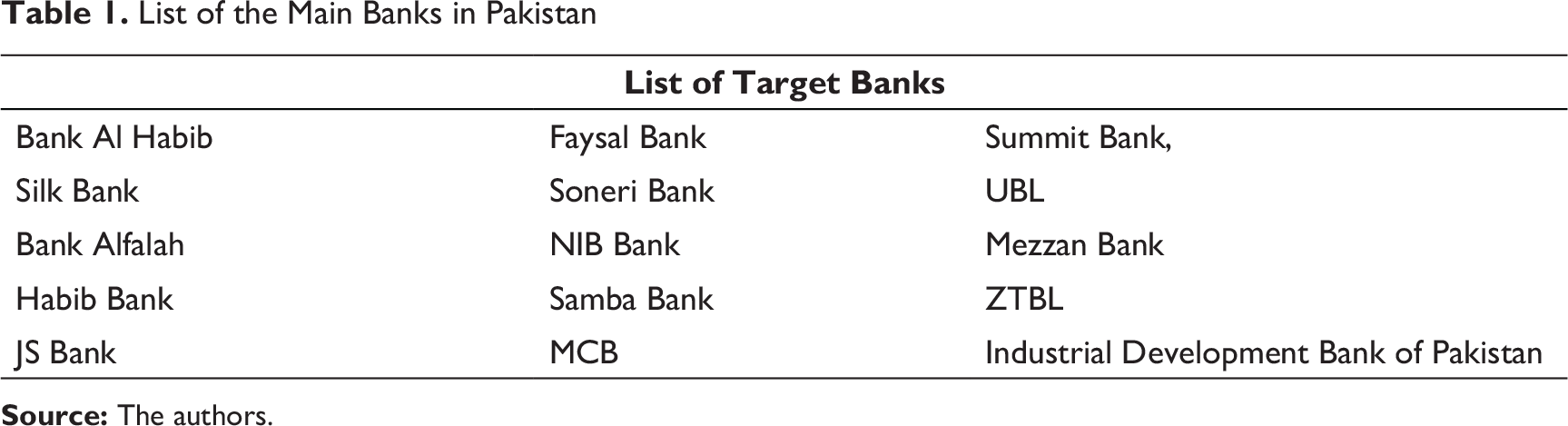
According to Kaur (2010), the financial system of any country is an important institute where banking system has been declared as a hub of such financial system. Similarly, the banking sector of Pakistan is a leading industry that is growing remarkably. According to Economic Survey of Pakistan (2011–2012), the banking sector of Pakistan performs a fundamental role in the economic growth of Pakistan. As per State Bank of Pakistan Act, the banking system of Pakistan is a ‘Two-Tier’ system comprising the State Bank of Pakistan, specialized banks, Development Finance Institutions (DFIs), Commercial Banks, Microfinance Banks and Islamic Banks. In June 2010, the banking sector of Pakistan had encompassed over 36 commercial banks, 4 public sector banks and 4 specialized banks together with probably 9087 branches around Pakistan. Among all, six banks were fully Islamic banks till the end of June 2013. Moreover, banking sector of Pakistan is recognized among one of the developed sectors that contributes a significant amount in Gross Domestic Product (GDP). Regardless, various banks are operating in Pakistan, including public sector and private sector. Banks operating in public sector: National Bank of Pakistan; Bank of Punjab; Sindh Bank; Bank of Khyber; and Bank of AJ &K. Banks operating in private sector: Bank Al-Habib; Askari Bank; Allied Bank; Bank Alfalah; Habib Bank; JS Bank; Faysal Bank; Soneri Bank; NIB Bank; Samba Bank; Muslim Commercial Bank (MCB); Silk Bank; Summit Bank; United Bank Limited (UBL) and Mezzan bank. There are particularly specialized banks such as Zarai Taraqiati Bank Limited (ZTBL) and industrial development banks. The banking system of Pakistan is based on private and public banks.
Furthermore, the structure of this paper is outlined as follows: literature review, research model, research objectives and study rationale are presented in the next section. After that, research methodologies are laid down. Subsequently, data analysis and discussion are addressed. The final section consists of conclusion, managerial implications, limitations and future directions, respectively.
Literature Review
Selection of an employee is a decisive process wherever organizations endeavour to select a right person to maintain well-experienced and qualified workforce (Briggs, 2007). It is imperative to hire a capable employee through the proper selection process (Becker & Huselid, 1992). Because a firm may not be able to obtain employee’s commitment without rigorous selection process which afterwards may cause employee turnover (Kristof Brown, Zimmerman, & Johnson, 2005). According to researchers, various factors are being faced by the organizations during the recruitment and selection process, including delay in the selection process as a significant problem to acquire suitable candidate (Chandan, 1987; Rynes, Heneman, & Schwab, 1980). According to Briggs (2007), any outside pressure may create a problem in effective employee selection especially increasing pressure and lack of independencies (Briggs, 2007). Reference is perceived as a factor in which organizations occasionally received bad reference, which thus creates a problem in an efficient selection process, also sometimes leads towards biased selection (Moran & Morgan, 2003). It is paramount to hire such a candidate who meets required criteria without particular influence of reference or other factors that intend to create prejudiced.
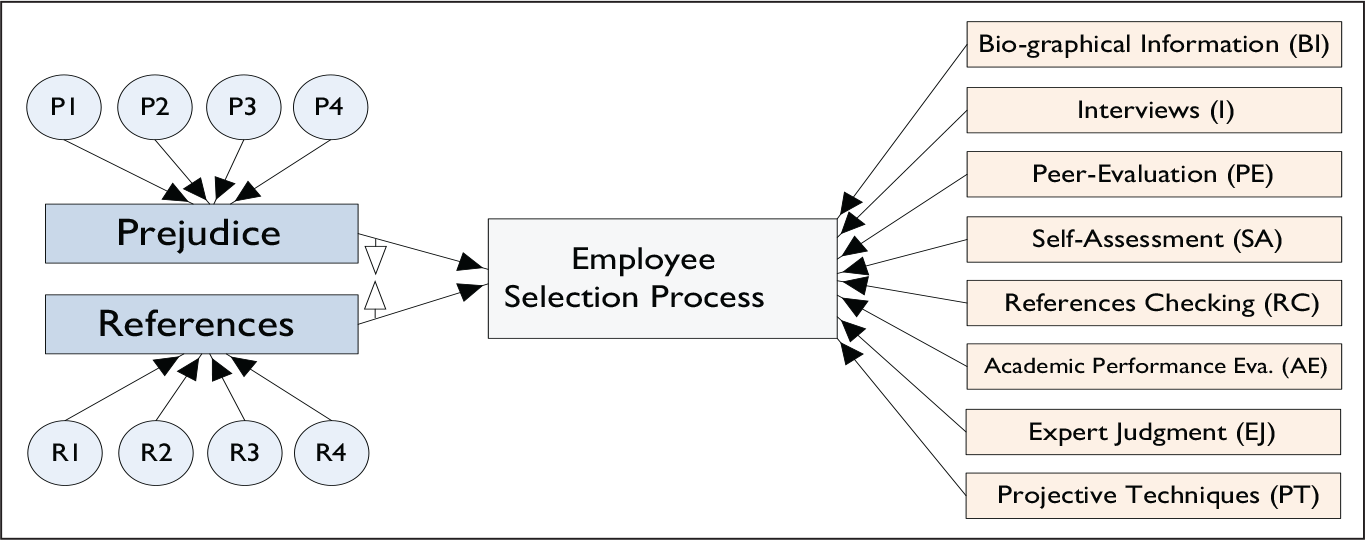
In contrast, there are various factors such as prejudice, in which employer inertly creates pre-perception about the candidate, which influence the selection process (Schmidt & Hunter, 1998). The interview itself is a problem which sometimes does not allow to extensively judge the behaviour of an applicant (Lunenburg, 2010). Time is decisive, and organizations must manage time effectively because the improper timing of selection process may direct towards the offensive hiring (Rynes et al., 1980). Since it is a core objective of HRM to hire a right person at the right time for the right position; by doing so, the organizations could achieve the competitive edge. According to Fry (2006), the premature decision is a factor that affects recruitment and selection procedure and regarded a major issue. According to Briggs (2007), improper standards of the organizations might be the factor of employee recruitment (Briggs, 2007). Moreover, some factors such as environmental factors, technological factors, social factors, economic factors and political factors influence selection processes (Briggs, 2007). Many researchers have reported the factors that can effect the recruitment process, including inappropriate adoption of the methods, lack of skills, lack of abilities, unavailability of required skills, personal bias, emphasis on negative information and job unfamiliarity that may affect a selection process (e.g., Basu, 1994; Behling, 1998; Fry, 2006; Golec & Kahya, 2007; Highhouse, 2008; Hough & Dilchert, 2010; Moran & Morgan, 2003; Raymark, Schmit, & Guion, 1997; Reilly & Chao, 1982; Segalla, Sauquet, & Turati, 2001; Sekiguchi, 2004; U.S. Equal Employment Opportunity Commission, Civil Service Commission, Department of Labor, & Department of Justice, 1978). Furthermore, the cost of the selection process is a problem in which organization faces sufficient cost to hire the candidates (Gusdorf, 2009; Sekiguchi, 2004). Hence, we have precisely addressed some factors of employee selection process as determined by different researchers in diverse context and dimensions around the world. Even though, there is no known study that conducted a comprehensive analysis by adopting reference and prejudice particularly from the domain of Pakistan within the banking sector. Therefore, the present study intends to empirically conduct an in-depth analysis of both variables towards employee selection process, as shown in Figure 1 and explained thereafter.
To this end, we focussed on two core variables, namely prejudice and references, in order to unveil the relationship to employee selection process. Prejudice is defined as a prejudgement or particular opinion without having proper awareness about a relevant fact (Mitchell, Davis, & Galupo, 2015). The prejudice term is further distinguished as a preconceived, unfavourable judgement towards any individual based on their gender, social class, age, politically, disability, religion, culture, race, nationality, visual personality and remainder individual’s characteristics (Okoro, 1991). Prejudice leads towards negative evaluation about any person without understanding the fact (Dovidio & Gaertner, 2010). According to James (1985), prejudice refers unclear belief which may resist the rational decision and influence over the sound decision. Many academic experts have been defined the concept of prejudice as favourable and unfavourable feelings towards any person or thing before reaching the fact (Adams, Nagoshi, Filip-Crawford, Terrell, & Nagoshi, 2016; Brown, 2011; Loftsdóttir et al., 2016; Mitchell et al., 2015; Okoro, 1991). In addition, some of the prior studies perceived prejudice as a factor those effects in recruitment or selection process (Okoro, 1991).
In contrast, reference is regarded as a relationship between two objects where one object acts as the means to establish links with another object (Bhatla, 2011). The reference could be placed through many forms, that is, visual, audible, emotional state and relationship (Treanor, 2006). However, in the domain of selection process, it is defined as the connection between two individuals who are known to each other where one suggests an individual for the job to fulfil an announced vacancy. In some cases, reference often leads to improper selection of candidates, which later may create problems for organizations to face several issues especially in work performance of the employees. Occasionally, owing to reference, an incompetent individual who did not deserve the job obtains it. As a result, the individual may not perform well and may be unable to achieve the organization’s goal (Barrick & Zimmerman, 2005). In the past decades, academics described reference in many dimensions and claimed that reference might be a factor in the selection and particular recruitment process(e.g., Ard et al., 2006; Barrick & Zimmerman, 2005; Bhatla, 2011; Finkin & Dau-Schmidt, 2009; Muxika, Borja, & Bald, 2007). Similarly, Moran and Morgan (2013) have described that reference is a problem in candidate’s selection.
Objectives
The banking sector of Pakistan is leading sector where diverse problems might be encountered by employer during selection process; therefore, this study sought to empirically examine the effect of reference and prejudice variables together with the intensity of each sub-metrics with respect to two levels: higher impact factors that would be deemed as a major factor of selection process while weak impact factor would be considered as a lower factor of employee selection process. Additionally, by doing so, this study strives to meet certain objectives. The first goal is to examine the effect of references on the employee selection process. The second aim is to determine the effect of prejudice on the employee selection process. The third objective is to conduct a comparative study between references and prejudice in order to evaluate the higher influencing factor within context of banking sector in Pakistan.
Rationale of the Study
Pakistan ranks the sixth highest populated country in the world with 196 million people (World Meters, 2017). The banking sector is considered as a leading industry in Pakistan with diverse branches across the country. It is reported that a large number of individuals are currently working under the umbrella of the banking industry after its reforms in the early 1990s (State Bank of Pakistan [SBP], 2017). Consequently, it is remarkably important for the concerned management to understand the factors that may affect the hiring process of new employees. However, extensive literature is witnessed about diverse recruitment factors that might be afflicted for organizations. Although a capable and unique workforce is immensely critical for the banking sector to better satisfy customers or clients associated with such services. On the other hand, many fresh graduates apply to obtain a job in banks without the intention of any discrimination during the hiring process. Eventually, nowadays, it has become a key priority for several individuals to strive for a banking job (Ahmed & Uddin, 2012; Islam, Mohajan, & Datta, 2011). Hence, it is still needed for organizations to comprehend factors that may affect an appropriate selection process. To this end, the present study contributes to the literature of HRM to understand the pros and cons of references and prejudice variables. Moreover, this study encourages the recruiters that the hiring process might be influenced by several factors which might be an obstacle for appropriate selection. Since Briggs (2007) and Golec and Kahya (2007) stated that the selection of a right candidate is the summit priority for management, it might be possible for considering distinct factors, that is, references and prejudice, during the employee selection process.
Methodology
Sample and Statistical Procedures
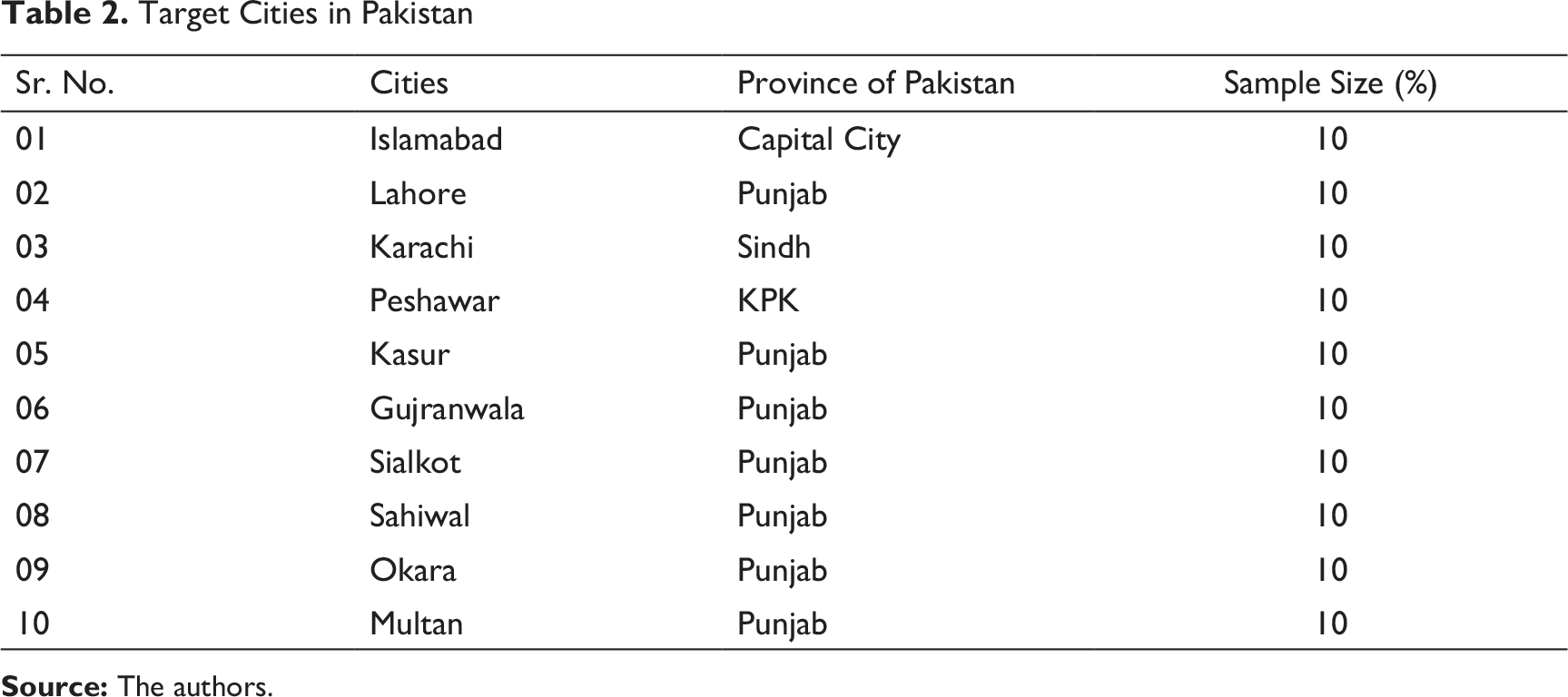
Although two types of variables were employed in this paper, that is, independent variables (IV) and dependent variables (DV), where the employee selection process is taken as the DV adapted from Reilly and Chao (1982). However, IV are reference (R) and prejudice (P) acquired from the study of Moran and Morgan (2003) and Schmidt and Hunter (1998). Primary data were collected through questionnaire distribution among 400 human resource managers of all levels, that is, top, middle and first-line managers from October 2015 to May 2016. Subsequently, 310 surveys were acquired for final analysis, which shows 78 per cent accuracy in the response rate. Besides, data were collected from the main branches and cities in Pakistan, including Islamabad, Karachi, Peshawar, Multan, Sahiwal, Okara, Gujranwala, Kasur, Sialkot and Lahore, as mentioned. Moreover, HR personnel were approached by visiting HRDs of the respective head offices, regional offices and main branches together with online strategies.
Table 1 and 2 shows the information on different banks and cities of Pakistan from data collected using the questionnaires. Overall, 400 questionnaires were distributed on average 10 per cent ratios, for example, 10 per cent were dedicated to Islamabad city, 10 per cent to Lahore, 10 per cent to Karachi, 10 per cent to Peshawar, 10 per cent to Kasur, 10 per cent to Gujranwala, 10 per cent to Sialkot, 10 per cent to Sahiwal, 10 per cent to Okara and 10 per cent to Multan city. All data were collected within approximately 7 months duration from October 2015 to May 2016.
List of the Main Banks in Pakistan
Target Cities in Pakistan
Overall Result Values After Pilot Testing
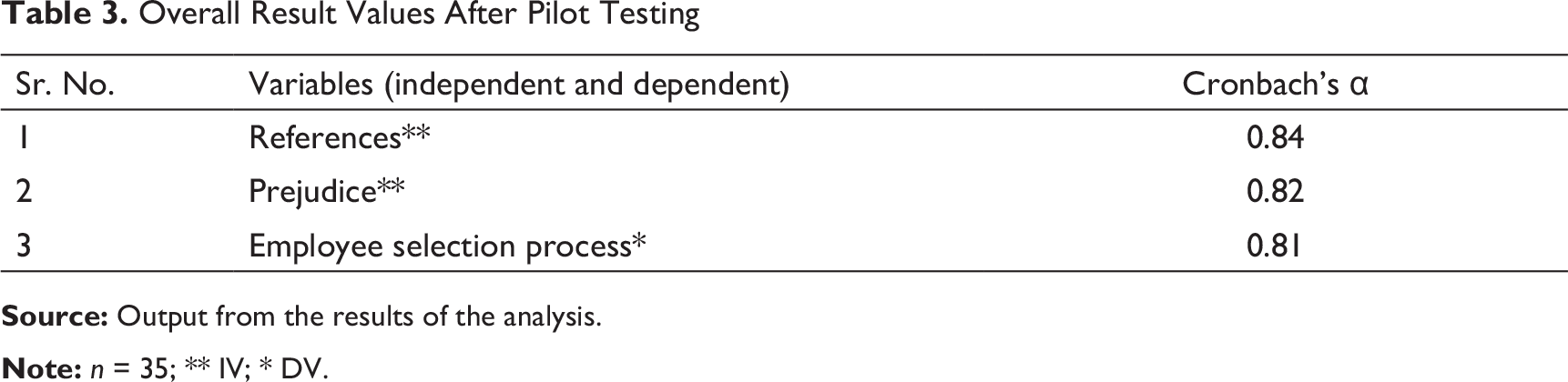
The results presented in Table 3 indicate the reliability of the IV and DV in which reference (R) is reliable at 0.84, while prejudice (P) is reliable at 0.82. Despite, the selection process is reliable at 0.81, which affirmed that selected variables in the present study are reliable for further studies. Nunnally (1978) has suggested that the values of the reliability analysis should be greater than 0.7. Thus, all values of the pilot study are above the 0.7 cut-off point. Consequently, we moved forward to gather actual data with a large sample size.
The 5-point Likert scale was employed in a questionnaire, ranging from ‘1 strongly disagree to 5 strongly agree’. The survey was divided into two sections: the first section obtained the demographic information of the respondents, that is, age, gender, work experience and managerial levels, whereas the second section consisted of respondent’s core perception about the basic research survey. Thereafter, in Statistical Package for the Social Sciences (SPSS), ‘1’ is coded as strongly disagree, ‘2’ as disagree, ‘3’ as neutral, ‘4’ as agree and ‘5’ as strongly agree. Some questions comprised ordinal and nominal scales in demographic section as coded from 1 to 5.
Measures
As addressed in previous sections, we adapted two types of the variables: IV and DV. IV are: (a) references and (b) prejudice. The reference variable was achieved from the study of Moran and Morgan (2003), while prejudice from the study of Schmidt and Hunter (1998).
In addition, the subitems of the prejudice and references are self-developed since we are unable to find any known study that previously furnished scales for such variables. However, several researchers have treated both variables as the metrics of recruitment and hiring process. Currently, we endeavoured to develop items for prejudice and reference as precisely described as follows. First, in order to measure the ‘Prejudice’, we studied and selected different characteristics of prejudice, that is, gender, sex, values, obesity, beliefs, age, disability, social class, sexuality, nationality, religion, particular affiliation and beauty of the person from Schmidt and Hunter (1998) and Fiske (2000, 2010). Likewise, associated characteristics of ‘References’ are gathered from Brian Treanor (2006), Moran and Morgan (2003) and Montgomery (1991), that is, emotionally state, olfactory, bad references, personal relationship, any thought, emotionally stated, sensory perception, referring someone, visual reference and forms of particular text. Subsequently, five senior professors were interviewed and requested to look on each characteristic that assisted us to be shortlisted the highly suitable attributes. Thereafter, we have reduced the items into six items for prejudice, that is, (a) gender, (b) sex, (c) belief, (d) social class, (e) obesity and (f) disability. In contrast, factors for references were reduced to five items, that is, (a) personal reference, (b) referring someone, (c) emotionally state, (d) any individual thought and (e) sensory perception. Subsequently, each item was further validated using confirmatory factor analysis (CFA) by two means: (a) factor loading and (b) convergent validity. In the present scenario, we examined convergent validity by considering the average extracted variance and composite reliability, as Fornell and Larcker (1981) suggested. The items were further reduced after CFA statistical technique by elimination of few factors that did not meet suggested criteria where experts have been claimed that output values for factor loading and average extracted variance should be >0.5, while values for composite reliability should be >0.7 (i.e., Fornell & Larcker, 1981; Hair, Black, Babin, Anderson, & Tatham, 1998). Hence, we eliminated all factors having values <0.5 in factor loading and average extracted variance as well as values having<0.7 in composite reliability. Therefore, finally, four items for prejudice such as (a) disability factor, (b) social class factor, (c) obesity factor and (d) race/gender factor were precisely obtained for further studies. Second, factors for reference were based on four items such as (a) suitability even without reference, (b) personal reference, (c) bad reference and (d) personal thought. Additionally, entire variables were further piloted with a small sample size to avoid any bias (see Table 3).
However, DV is the employee selection process where measures of DV were adopted from Reilly and Chao (1982) comprised of eight items: (a) biographical information (BI); (b) interviews (I); (c) peer-evaluation (PE); (d) self-assessment (SA); (e) reference checking (RC); (f) academic performance evaluation (AE); (g) expert judgement (EJ); and (h) projective techniques (PT).
Analysis
Analysis methods comprised descriptive statistic, reliability analysis, correlation analysis and AHP (Analytic Hierarchy Process). First, descriptive statistics were implemented to acquire demographic information of the respondents. Second, reliability test is applied to obtain the reliability of the data, which empower the decision for further analyses. To this end, an analysis was performed to obtain composite reliability. All values of composite reliability should be >0.7 criterion as recommended by experts in previous studies (e.g., DeVellis, 2016; Hair et al., 1998; Nunnally, 1978). Hence, all values of the composite reliability are above 0.7. Third, correlation analysis is examined through Pearson’s correlation which ranged from −1 to +1, where r is denoted the direction among variables (Cohen, Cohen, West, & Aiken, 2013; Taylor, 1990). In contrast, higher positive values indicate a strong association between two variables, while lower values reveal a weak correlation.
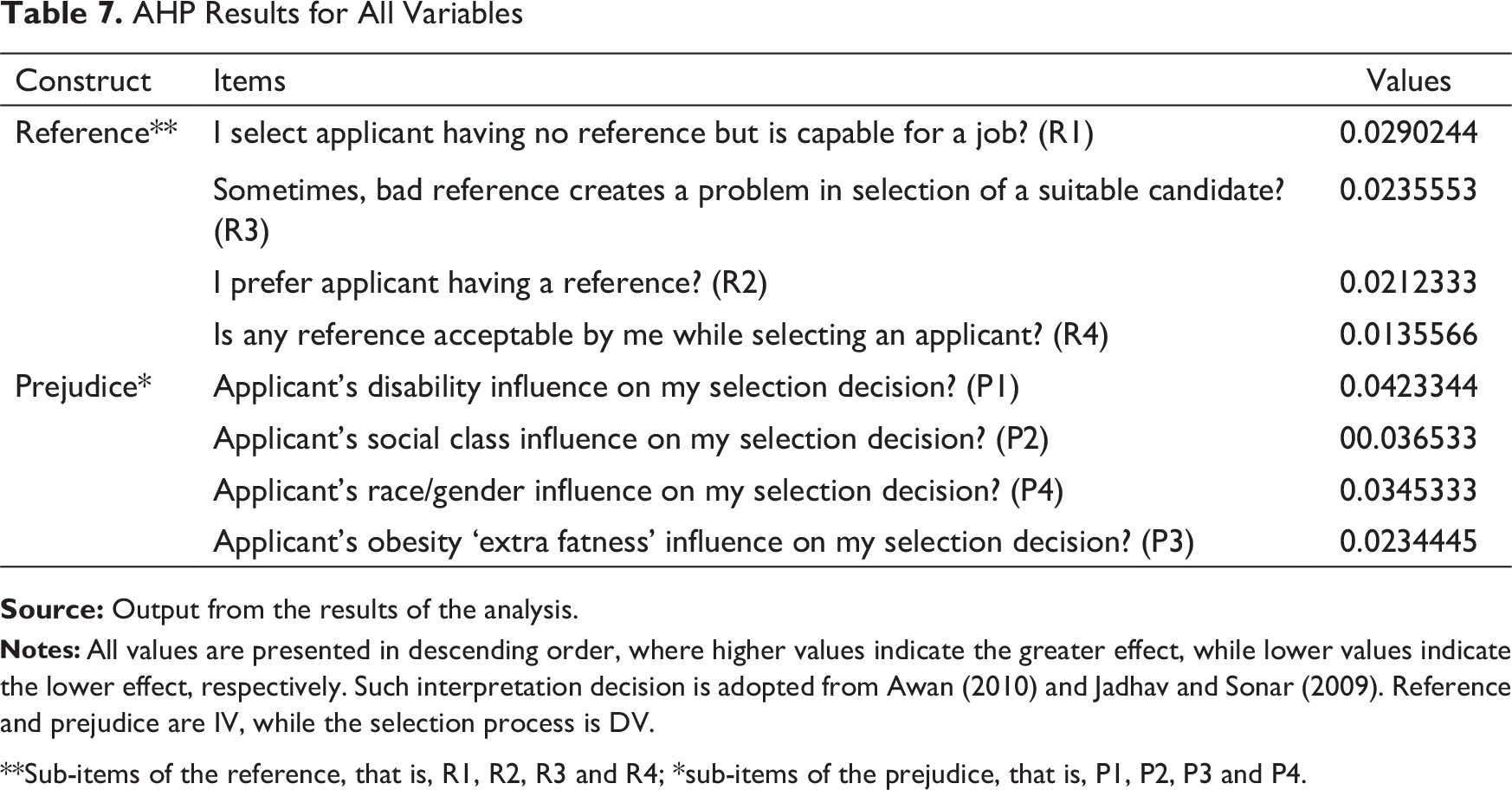
Finally, to attain intensity level of IV towards DV, we adopted AHP that allows hierarchical breakdown and comparison between different scenarios to support sensitivity of variables that aids to understanding the intensity level of each factor (Jadhav & Sonar, 2009). The value of each variable is presented from ‘Higher to Lower’, where higher values show the greater effect and then consecutively each item shows effect. Furthermore, based on the global weights, scores obtained from AHP were ranked in term of their values. In this research, we have interpreted AHP analysis by emphasizing on two decision approaches: higher factor and moderate/weak-impact factor. This technique is adopted from previous studies (Awan, 2010; Jadhav & Sonar, 2009).
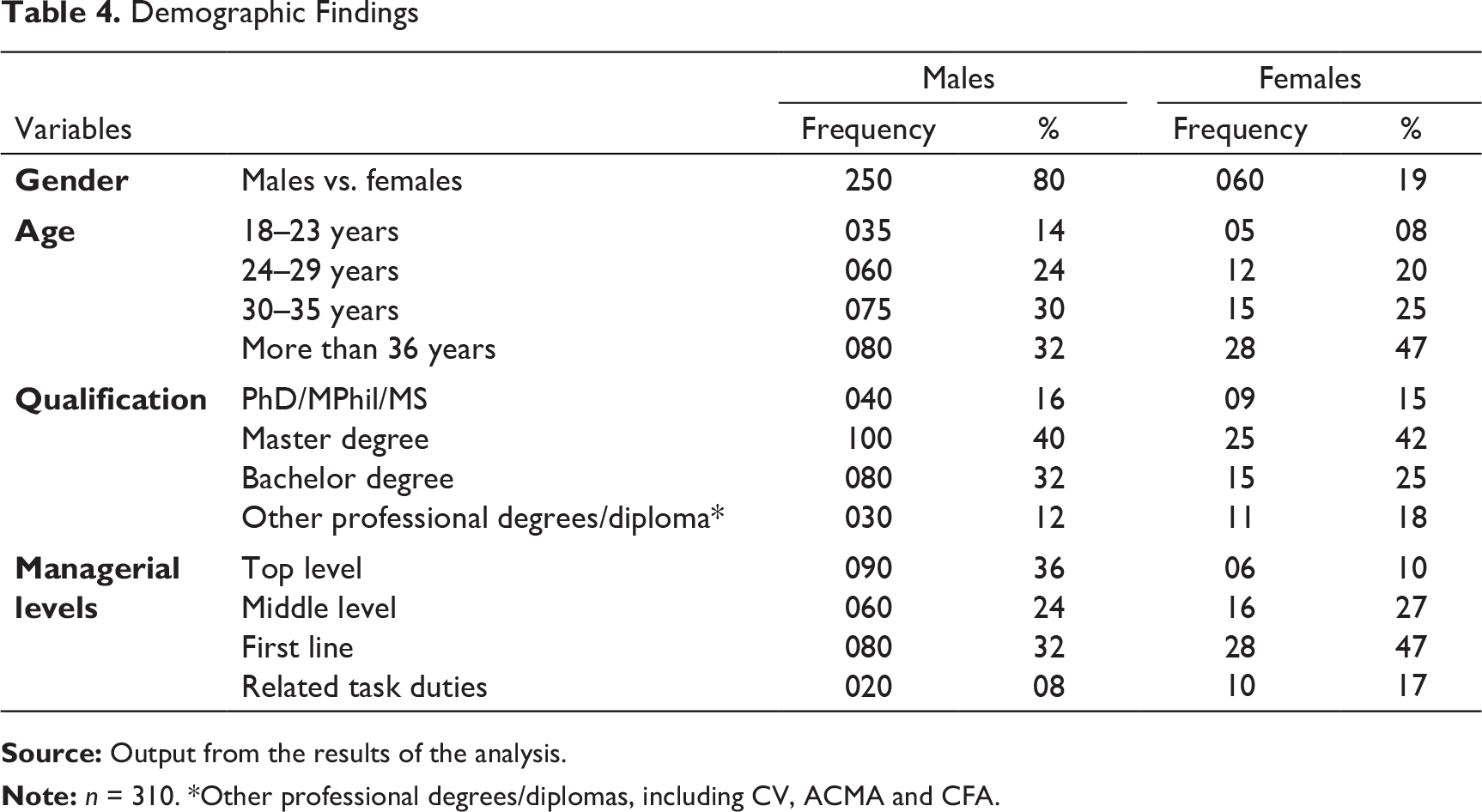
Table 4 shows demographic information of respondents based on respondent’s age, gender, education and managerial level. Demographic findings reveal that among 310 respondents, 80 per cent were males and 19 per cent were female managers who respond to our surveys. It indicates the higher ratio of male respondents than females. However, 35 (14%) males and 05 (8%) females were 18–23 years old, while, 60 (24%) males and 12 (20%) females were 24–29 years old. Simultaneously, 75 (30%) males and 15 (25%) females were 30–36 years old. However, 80 (32%) males and 28 (47%) females were above 36 years. Second, most of the managers were master’s degree holders among whom 100 (40%) were males and 25 (42%) were females. Moreover, 40 (16%) males and 9 (15%) females have PhD level of degrees together with MPhil or MS degrees by remainder respondents. Similarly, 80 (32%) males and 15 (25%) females have bachelor-level degrees and only 30 (12%) males and 11 (18%) females have other diplomas or degrees. Third, we approached all managerial levels in which 90 (23) males and 6 (10%) females were part of the top-level management. In contrast, 80 (32%) males and 28 (47%) females were working as first-line managers. Furthermore, 60 (24%) males and 16 (27%) females were middle-level managers. Regardless, 20 (8%) males and 10 (17%) females were that personnel who were associated with the selection process, directly or indirectly.
Demographic Findings
Result Values for Mean, Standard Deviation and Reliability
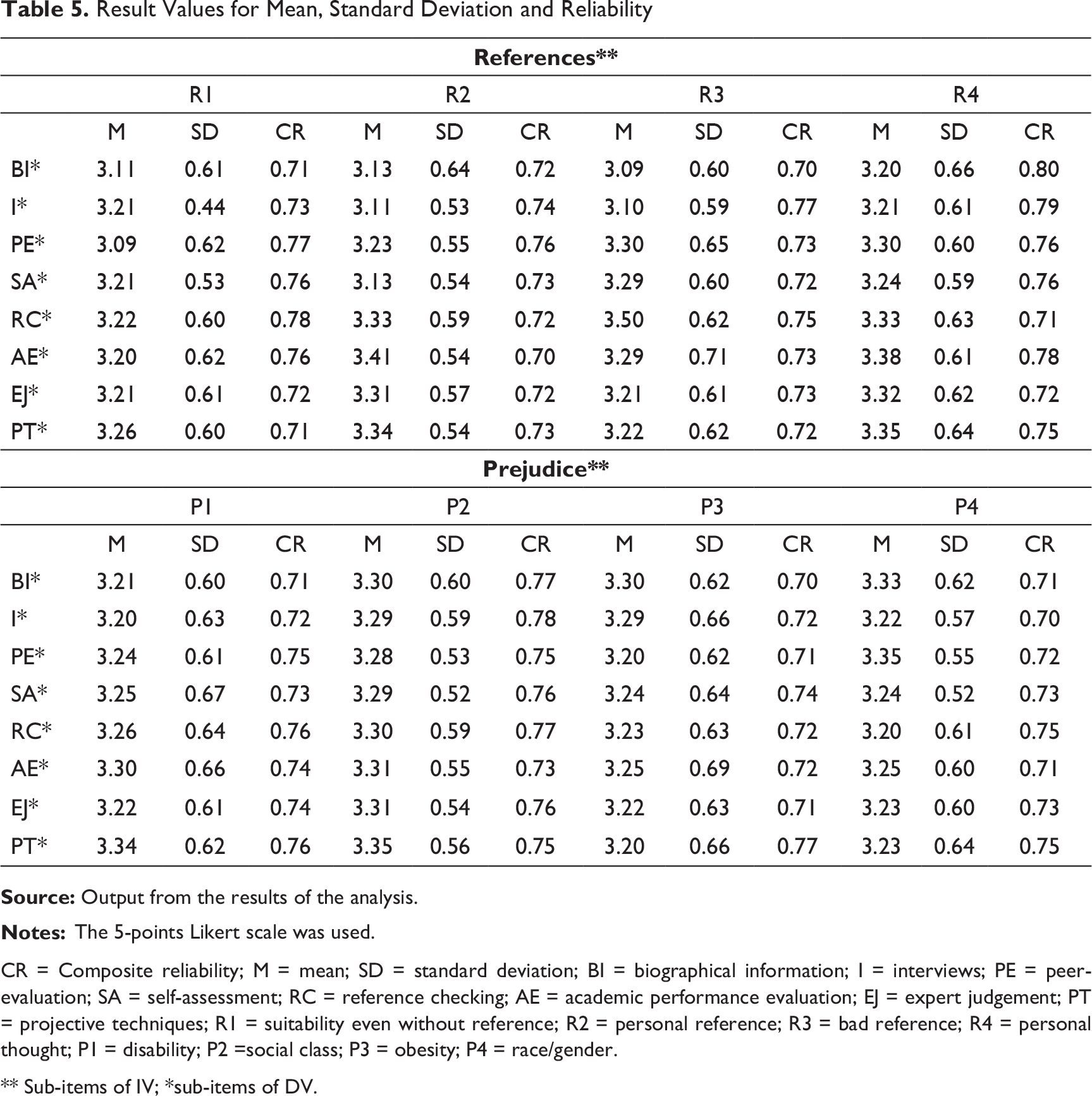
CR = Composite reliability; M = mean; SD = standard deviation; BI = biographical information; I = interviews; PE = peer-evaluation; SA = self-assessment; RC = reference checking; AE = academic performance evaluation; EJ = expert judgement; PT = projective techniques; R1 = suitability even without reference; R2 = personal reference; R3 = bad reference; R4 = personal thought; P1 = disability; P2 =social class; P3 = obesity; P4 = race/gender.
** Sub-items of IV; *sub-items of DV.
Results of the Correlation Analysis
**Highly correlated at 0.01; *moderately correlated at 0.05.
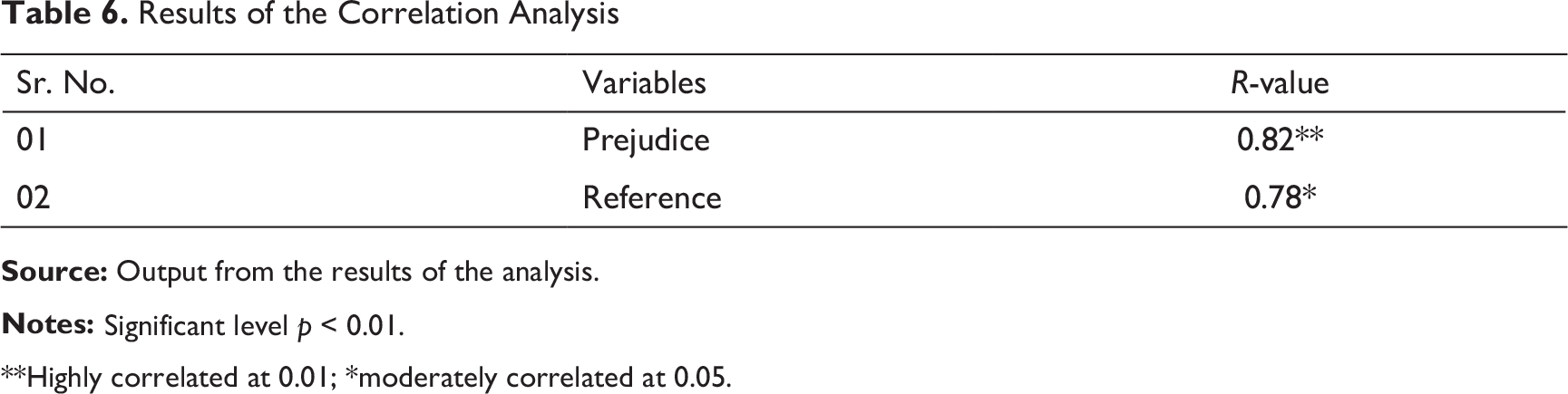
However, Table 6 represents the result values for Pearson’s correlation analysis that pointed a positive relationship between IV and DV. The results indicated that ‘Reference’ and ‘Prejudice’ are positively correlated with ‘Selection Process’ where prejudice is significantly associated with the selection process (r = 0.82**, p < 0.01) and reference is moderately correlated with the selection process (r = 0.78*, p < 0.05).
AHP Results for All Variables
**Sub-items of the reference, that is, R1, R2, R3 and R4; *sub-items of the prejudice, that is, P1, P2, P3 and P4.
AHP Overall Result Values

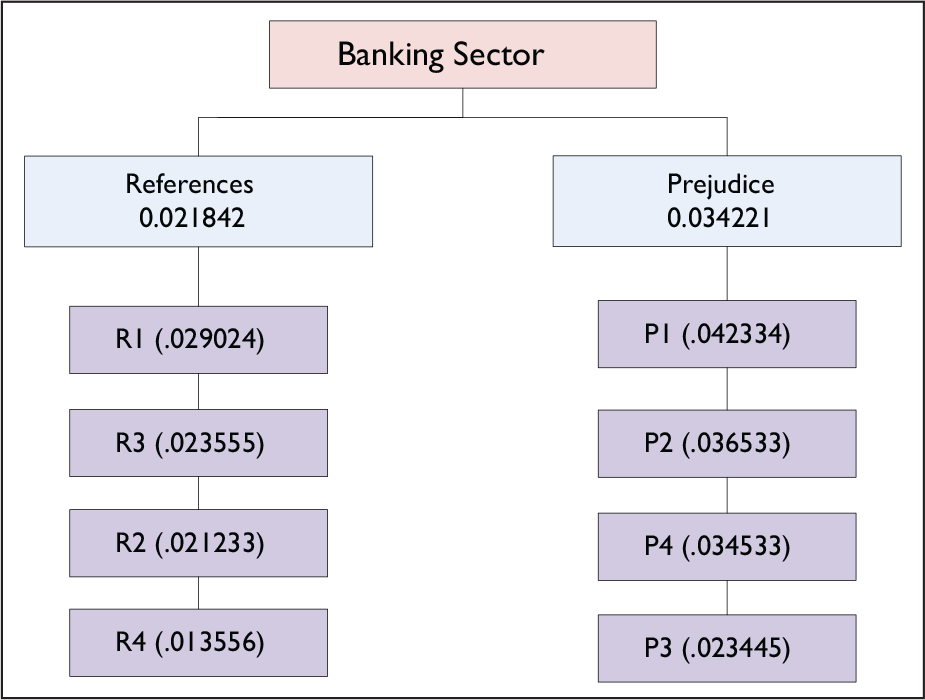
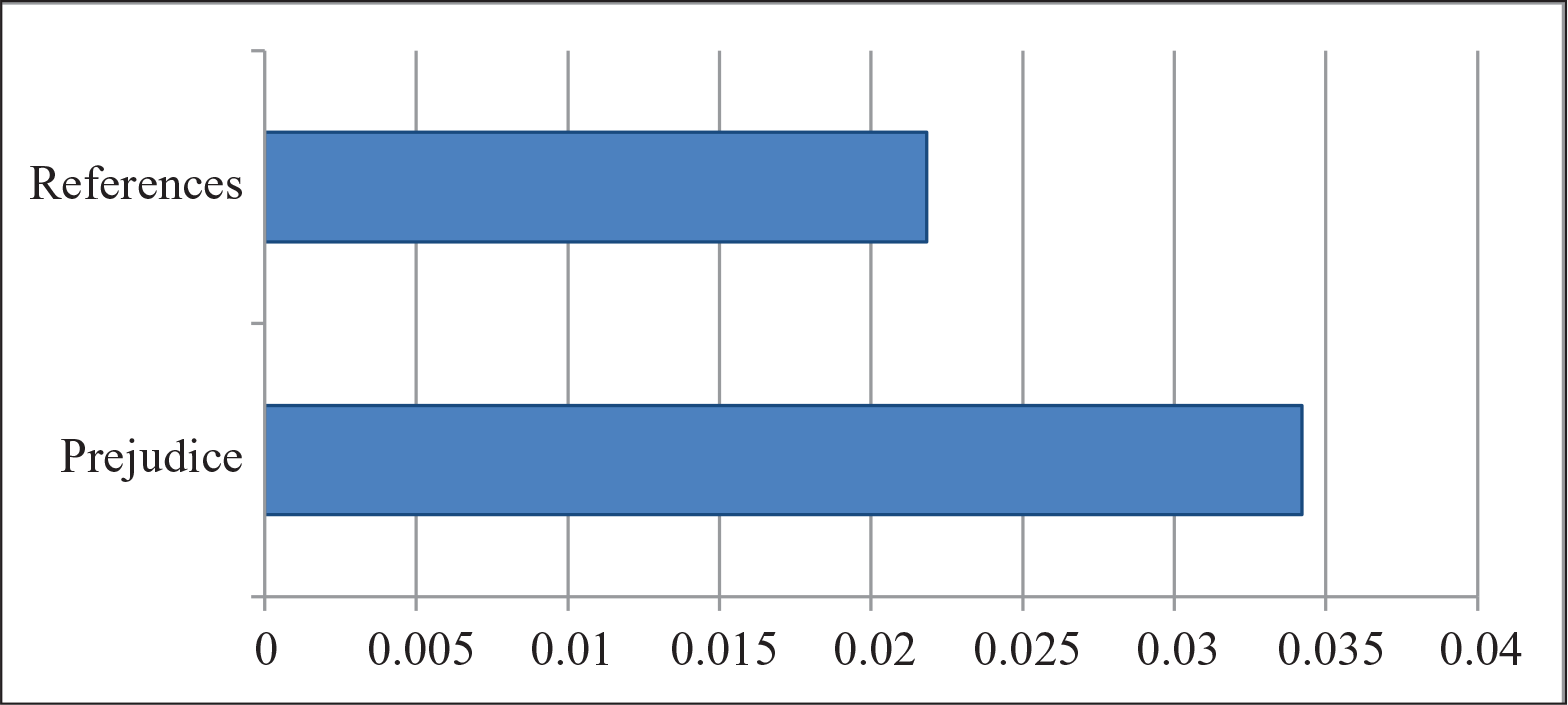
Finally, Table 8 reports the overall results values after analytical hierarchy process (AHP), which revealed that the prejudice (P) has higher effect at AHP index value (0.034211). In contrast, reference (R) has lower effect at AHP index value (0.021842). Likewise, Figure 3 provides graphically demonstration of the prejudice and reference.
Regardless, the overall values for all variables of the present study together with comprehensive result values are demonstrated hierarchically (see Figure 2). Afterward, the assumed relationships are justified based on all aforementioned result findings.
Although it was assumed in first relationships that prejudice (P) might be correlated with the employee selection process. Hence, the result of correlation analysis shows the strong positive relationship between prejudice (P) and the selection process at Pearson’s correlation value (r = 0.82**, p < 0.01) and AHP analysis index value (0.034211). Therefore, the results led towards expected direction and revealed the significant association between prejudice (P) and selection process within the context of Pakistan. The second relationship was proposed that reference is positively correlated with the employee selection process. The results indicated the positive correlation between reference (R) and selection process at Pearson’s correlation value (r = 0.78*, p < 0.05) and AHP analysis index value (0.021842). It inferred the results towards an expected direction and thus hypothesis is supported because of positive effect on selection process. Besides, to unveil the comprehensive analysis, it was assumed in the following proposition that prejudice (P) has a higher impact than references (R) on the employee selection process. However, since the results of correlation analysis affirmed that reference (R) is positively correlated with the selection process at Pearson’s correlation value (r = 0.82**, p < 0.01) and AHP global weight index value (0.021842), whereas prejudice (P) is positively correlated with the selection process at Pearson’s correlation value (r = 0.78*, p < 0.05) and AHP global weights index value (0.034211). Hence, outcome values for both variables confirmed that prejudice (P) has a higher effect on selection process than reference (R) owing to higher positive relationships. Therefore, findings are not towards an expected direction in this scenario. Finally, it is revealed that prejudice (P) and reference (R) both have factors of employee selection process even though prejudice has a higher positive association than reference.
Since diverse academic researchers and practitioners have described that the employee selection process is about hiring a right person for the right place at the right time (Chatman, 1991; Golec & Kahya, 2007; Gusdorf, 2008; Highhouse, 2008; Nye, Do, Drasgow, & Fine, 2008; Reilly & Chao, 1982). However, such a selection process occasionally involves all managerial levels to work collectively by considering several surrounding factors. To this end, distinct hiring and selection methods have been used by the concerned management to assess a suitable candidate. In addition, organizations adopt different recruitment methods that assist to describe the job vacancy for audience through various tools and techniques using distinct recruitment methods, that is, advertising through newspapers, advertising through large-scale sign boards, by using existing employees referrals, by approach employee hiring agencies, unsolicited inquiries, online methods using social media, branding campaigns, conducting job fairs, using professional referrals, offers internship programs, and by adopting remainder effective strategies. The focus of the present study is to emphasize the Reilly and Chao (1982) selection process. According to Reilly and Chao (1982), the employee selection process is based on eight stages, namely the Biographical information of the candidates, conducting their interviews, evaluate the candidate in all aspect together with peer discussion, personally assess the employee skills and competencies, to checking the suitability of reference, examine the academic background together with academic achievement, personally take an expert judgement and follow certain projective techniques.
Conclusion
This study offered insights into the employee selection process and concluded that suitable selection is always vital to the success of an organization. The employees must be hired without any discrimination, that is, age, sex, colour, race, personal reference, origin of the nation and disability because such approach may improve the credibility of official decisions of the particular organization. Furthermore, this study concluded that reference and prejudice are potential factors, consequently organizations are needed to acknowledge such factor while selecting a prospective candidate. The comprehensive examination concluded that prejudice has a higher positive influence than reference. Since employees are deemed as a prime resource, and organizational progress is immensely dependent on their effectiveness. Therefore, considering prejudice and reference might improve the employee selection process together with adoption of certain policies such as EEO and remainder general principles.
Managerial Implications
In managerial standpoint, this study encouraged the recruiters to consider distinct factors while selection of new employees in order to select more suitable and dynamic candidate. Although sometimes such factor may influence the selection process wherever top-level management can develop strategies that may facilitate to diminish the influence of such factors. Since literature is witnessed about numerous factors of employee selection process. Even though, this study contributed to respective literature with deep examination of two factors, that is, references and prejudice, and furnished insights for management. The concerned management is encouraged to realize the following key findings which are needed for adequate selection because any weakness in such a process may cause unpleasant consequence for the organization (Mornell, 2003).
Prejudice has a higher positive correlation and might be affected at a higher level during the employee selection process. The management must overcome prejudice issue during unlike stages of selection process. The comprehensive analysis of each sub-factor of prejudice offered valuable insights for management and revealed that disability of an applicant along with social class, gender and obesity of an applicant may affect such process. Consequently, management is advised to select a candidate without discrimination because any bias might be afflicted for effective process. In contrast, reference has a positive association with the employee selection process but less likely than prejudice. Since it is affirmed that both are the factors of the selection process that must be in consideration for suitable hiring that subsequently may assist to reduce the employee turnover. The researchers have claimed that occasionally references create a problem in the absolute selection especially bad reference directs to hire an incompetent individual (Moran & Morgan, 2003). The deep analysis affirmed that each sub-factor of reference has a positive effect on the employee selection process, while the level of intensity is quite unlike. For instance, occasionally, personal reference creates a problem in the selection process. In contrast, the race, gender, religion, colour or origin of the candidate sometimes create issue during selection. The recruiters are recommended that particular factors must not be a dilemma in such process if the candidate is capable for a particular job position.
Despite, recruiters are encouraged to consider distinct factors that may fabricate problems in selection process, including certain types of references and prejudice. Any misconduct in this regard may be unrewarding for the organizations, and consequently may lead to employee dissatisfaction. Per Fry (2006) and Arekar, Jain, Desphande, and Sherin (2016), unsuitable candidate may unpleasant for organizations and direct employee’s intention to switch organization. Hence, it is imperative for concerned management to select a prospective candidate through a proper selection process without any discrimination. Such considerations may improve the efficiency of banks in Pakistan and the banking system of other nations by taking into account the current as well as the remainder factors since Bhatia and Mahendru (2016) have also reported the nexus of diverse studies that evaluate the efficiency of banks.
Limitations and Future Research
This study has several limitations which would be considered in future work. First, the present study is limited to a small sample size which limits the concept of generalizability. Second, this study did not examine the role of any moderator among the relationship of reference, prejudice and selection process. Third, the study is limited to investigate the correlation between two factors of employee selection process, that is, reference and prejudice. Finally, data were collected only from the private sector of the banking industry with self-developed scales for IV. Hence, this study proposes the following future directions for academic scholars and practitioners.
First, entire limitations of this study could be admitted in future work. Second, a study might be expanded together with any moderator, that is, demographic factor or environmental factors for further examination. Additionally, a study might be done with a large sample size along with different geographic regions within the domain of Pakistan and in other nations to validate the findings. Likewise, the scholar may consider the remaining emerging factors of employee selection process to determine autonomous relationships with additional constructs and variables within Pakistan and across the globe. Finally, validation might be done to ensure the effectiveness of such factors with different measures and metrics in future.
Footnotes
Acknowledgement
The authors are grateful to the anonymous referees of the journal for their extremely useful suggestions to improve the quality of the article. Usual disclaimers apply.
Declaration of Conflicting Interests
The authors declared no potential conflicts of interest with respect to the research, authorship and/or publication of this article.
Funding
The research was partially supported by National Natural Science Foundation of China 71602008/71231001 and Fundamental Research Funds for the Central Universities project TW2018009/NTUT-USTB-107-01.