



Abstract
Mobile payments (m-payments) have become a way of life as it enables transactions without the need for physical cash. Systematic literature review (SLR) and bibliometric analysis are rare contributions in the field of m-payment research. The basis of this work is to explore and analyze the existing literature on m-payments. This article attempts to provide a holistic view on m-payment research. The current research article analyzes both peer reviewed and open access papers. The papers are selected from ScienceDirect, EBSCO and ProQuest databases for the time period 2007–2021. A total of 250 papers were chosen as a part of this study to conduct SLR and bibliometric analysis, out of which 62 relevant papers, published in 48 peer reviewed and open access journals, were taken for the final analysis. VOSviewer is used to carry out the bibliometric analysis. The bibliometric coupling helped in identifying three clusters: factors influencing m-payment adoption, consumer’s attitude towards m-payments and the effect of technological and behavioural factors on the adoption of m-payments. This study would help future researchers in gaining significant insights on the current status of the existing literature and assist in conducting a qualitative literature review.
Introduction
Digitalization is penetrating to every part of the world by creating paperless and contactless system (Galande & Borkar, 2021). The recognition and acquisition of digital payments have accelerated and gain associated with it like safety, convenience and instant payment are the main stimulators (NPCI, 2021). Mobile phones and the services offered by them quickly became a fundamental need in our day-to-day lives around the globe. The accelerating fame of the cell phones throughout the world is due to their universal approach to an extensive variety of services like communication, access to data and enjoyment (Aydin & Burnaz, 2016). Mobile phones have numerous features which makes them convenient for remittances. The penetration of mobile telecommunications automation has made cell phones progressively habitual and accessible for the customers. Mobile phones are in proximity to the user when compared with fixed-line computers and telephones, which allows storing of personal details in them to be used as a payment device. Also, the prevailing telecom operator billing methods are already apt for conducting micropayment transactions. And finally, the accomplishment of initial mobile content services like trademarks and ringtones indicates that users are already familiar in making use of their mobile phones for payment purposes (Mallat, 2007). The upswing in the utilization of smart phones in electronic commerce combined with the fame of smart phones also gave rise to the birth of m-payment devices. With regard to this framework, m-payment can be defined as payment of goods, services and bills with a mobile device by taking advantage of wireless and other communication technologies (Dahlberg et al., 2008). The m-payment industry belongs to surging industries as the pioneering technology is the main element of m-payments. The technology supporting m-payments is bound to upgrade at a fast rate (Lu, 2019). Therefore, it is obvious that mobile phones have become an inevitable part of nearly every individual’s life as this technology allows online and offline payment. It is certain that the use of m-payment mode will additionally increase with intention to excel or even replace currency and other cashless payment methods (Bezovski, 2016). The m-payments are playing a major role in the rapid development of electronic markets and are transforming the logistics network of trading organizations. The m-payments are turning powerful as opposed to the traditional offline method of payment channels and electronic channels like ATM, e-cheque and e-card payments (Bojjagani et al., 2021). The main reason for the encouragement of m-payment services is to induce the people to be digitally equipped, lower intervention and thus build a computerized and cashless economy. The m-payment services play a very important role in this ultramodern period, because individuals have their own phone and can easily transact money just by few clicks without any difficulty of any place or any time between the payer and payee as it is a cyberspace world now (Grover et al., 2017). In the existing literature survey, we found that most of the studies have concentrated on consumer adoption of m-payments and on the technology acceptance model, but limited research has been done on extensive literature review. Hence, the need for SLR and bibliometric analysis which enables a holistic view of existing body of knowledge. Therefore, the main aim of this article is to conduct a SLR which summarizes and consolidates the findings of the existing literature on m-payments. An earnest effort is made to perform a bibliometric analysis which summarizes huge amount of bibliometric data to convey the state of cognitive structure and surging trends of m-payments. This study contributes to the field of m-payments in many ways. First, it gives an overview of the number of publications and citations that can aid the future researchers to recollect the literature. Second, it provides an extensive review of top countries, publications, authors and top-cited articles. Third, the study provides a sketch of co-authorship networking which gives us an idea about the association of countries in sharing the authorship of an article. Finally, this study will help the researchers in identifying the broad research areas which has the potential for future research.
This article is classified into four broad sections. The first section of the article focuses on the introduction and background of the study. The second section of the article discusses about various databases for literature review, selection criteria and the tools used for analysis. The third section of the article provides descriptive analysis of the articles collected and bibliometric analysis. Finally, the fourth section of the study offers conclusion and scope for future research.
Literature Review
A literature review is an assessment of academic papers, publications and other origins pertinent to a specific matter, scope of research or theory thereby, furnishing with an explanation, synopsis and critical assessment of these works (USC Libraries, n.d.). The current article has used a mix of both SLR and bibliometric analysis to have an in-depth understanding of various research publications on m-payments. The objective of SLR is to offer as absolute a list as possible of all the printed and unprinted studies linking to a specific field of study. SLR vary from conventional description reviews by adopting a reproducible, scientific and transparent producers. It helps to collect all related publications and documents that suits our pre-determined inclusion standards to reply a particular research query. It utilizes explicit and structured plan of action to reduce the incident of prejudice during inquiring, recognition, assessment, synthesis, analysis and synopsis of studies (Mengist et al., 2020). Bibliometric analysis is a popular and meticulous technique for investigating and scrutinizing huge magnitude of bibliographic data (Donthu et al., 2021a). Bibliometric analysis is used by researchers for various reasons such as to discover surging trends in article and journal performance, association patterns, research elements and to analyze the cognitive structure of a particular field in the existing literature (Donthu et al., 2021b; Verma & Gustafsson, 2020). Dahlberg et al. (2008) executed a literature review on past, present and future of m-payments research. Many archives were explored including ProQuest Direct, EBSCO, ScienceDirect, IEEE Xplore, ACM Digital Library and AIS eLibrary. Their study has taken into consideration only conference papers published between 1999 and August 2006 which resulted in 73 papers. The paper evaluated a sizeable quantity of current m-payment studies, suggested a conceptual design with four probabilities and five aggressive aspects for examining m-payments analysis and markets and defined designs for ensuing analysis in nine distinct research fields. Dennehy and Sammon (2015) carried out a literature review on trends in m-payments research. The analysis was done with the topmost 20 cited papers during 1999–2014 and the 20 most newly published papers during 2013–2014 using Google Scholar database. The study was done to evaluate the present state of m-payments. Boateng and Sarpong (2019) performed a literature review of m-payments in sub-Saharan Africa. Thirty-seven articles were retrieved, published between the period 2007 and 2017 from various databases like EBSCO, ISTA, IEEEXplore, Scopus and African Journals Online. Their study was undertaken to examine contextual, regulatory and technological framework that either guarantees successful application of mobile technology or sustenance. Verma et al. (2020) conducted a review with an aim to elucidate the collection of m-payment services research. The web of knowledge database was used through which 406 articles were collected published between the year 1997 and June 2017. The study focused gathering an enhanced grip of the psychological design of the different research publications in the area of m-payment research. Abdullah and Naved Khan (2021) conducted a bibliometric analysis on determining m-payment adoption. The review was carried out using the Scopus database with a total of 56 studies published in 44 peer reviewed international journals between the period 2005 and 2020. The study evaluated the publication trend in the area of m-payment adoption from consumer viewpoint. While doing the existing literature survey, it is observed that limited study has been carried out on m-payments with specific reference to SLR and bibliometric analysis. SLR and bibliometric analysis is a rare contribution in the field of m-payments research and hence the need for the study.
The overall intent of this research is to investigate the papers published in the area of m-payments between 2007 and 2021 and to provide a comprehensive analysis of the existing literature. An effort is made to answer the following research questions (RQ) through this study:
Which are the most contributing journals in the area of m-payments? Who are the most prominent authors and the number of citations they have received? Which are the top 10 countries who have contributed to the field of m-payments research? Which are the top articles and their citations? Who are the authors who have jointly contributed towards m-payments research? Which are the articles that are connected to one another and their theme of the clusters formed?
Research Methodology
There are different methods of literature survey like SLR, meta-analysis, bibliometric review and content review. A blend of SLR and bibliometric analysis method is used in this study to analyze the data. For the purpose of this study, data are collected from ScienceDirect, EBSCO and ProQuest. For searching articles on m-payments, different combinations of keywords were used such as unified payment interface, mobile payment, e-wallets and digital payment. Then, the data collected were saved in csv format in excel sheet, and the papers were extracted using the inclusion criteria. Previous articles have used various other software like Bib Excel and CiteSpace to perform the bibliometric analysis. For this study, VOSviewer software is used since it has the potential to exhibit sizeable bibliometric maps in a simplified way. The software also provides in-built features like zooming and adjusting the size of the maps.
Descriptive analysis provides year-wise publication trend of the articles, the top contributing journals and top contributing authors. All the graphs and tables for SLR were done with the help of the data saved in excel sheet in csv format. The second step shows bibliometric analysis which includes citation analysis, bibliometric coupling and analysis of clusters formed. VOSviewer software was used along with the data in excel sheet to get the visualizations done for bibliometric analysis. Figure 1 represents the framework of the study.

Scope of the Study
The current study systematically evaluated published empirical papers from the year 2007 to 2021 taken from ScienceDirect, EBSCO and ProQuest databases. A total of 250 papers were chosen as a part of this study to conduct SLR and bibliometric analysis, out of which 62 relevant papers published in 48 peer reviewed and open access journals were taken for the final analysis.
Selection Criteria
The papers were selected with the aim of reviewing, and only papers published in peer reviewed journals and open access journals were covered. All the papers were in English language. Books, conference papers, conference proceedings were excluded from the study. Table 1 shows a concise sketch of the selection norm undertaken for this study.
Inclusion Criteria

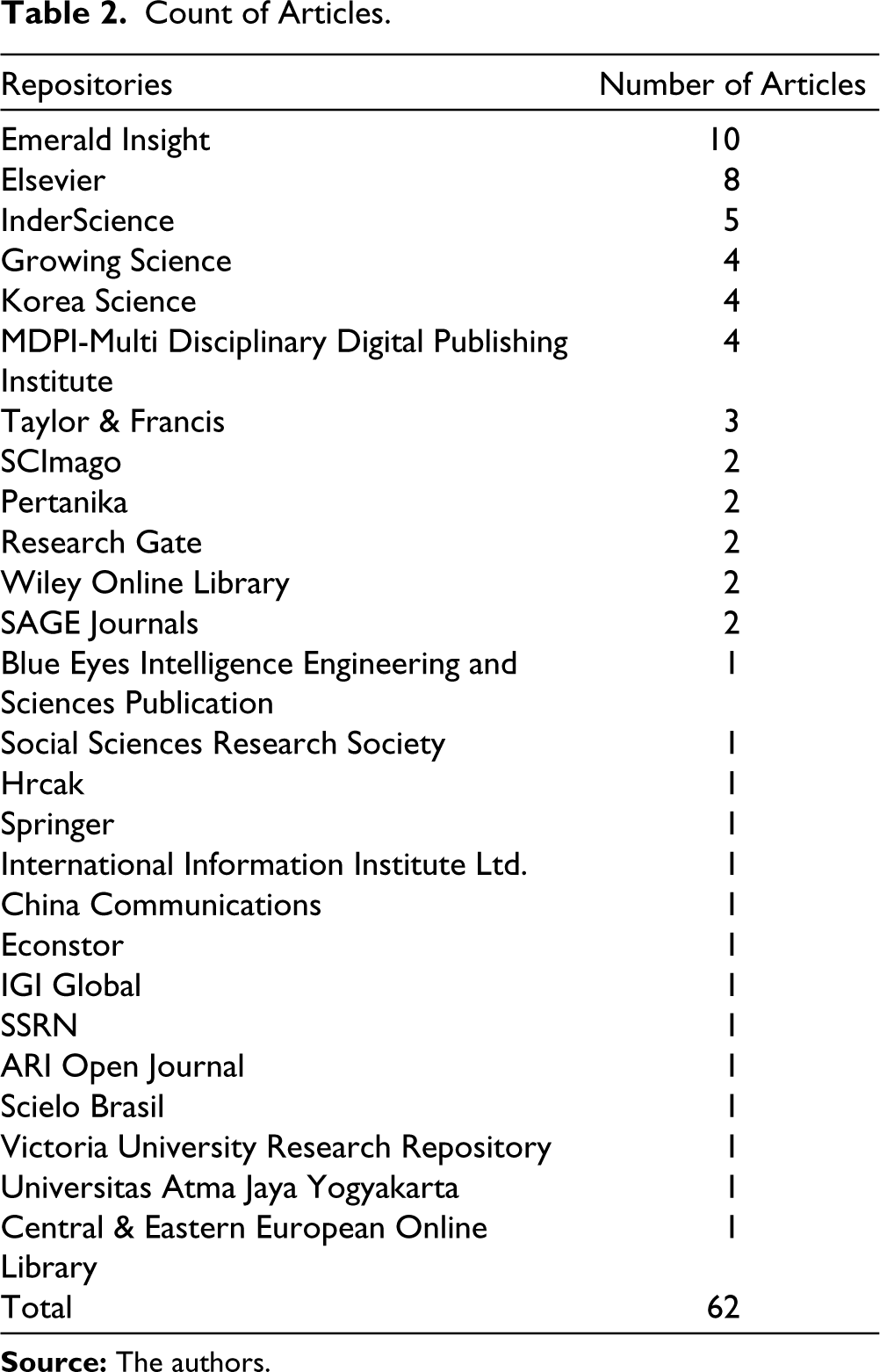
Table 2 represents the count of articles taken from each repository. The articles required for performing the SLR and bibliometric analysis is taken from these repositories. A total of 62 articles were selected for the study.
Count of Articles
Descriptive Analysis
Year-wise Publication Trend
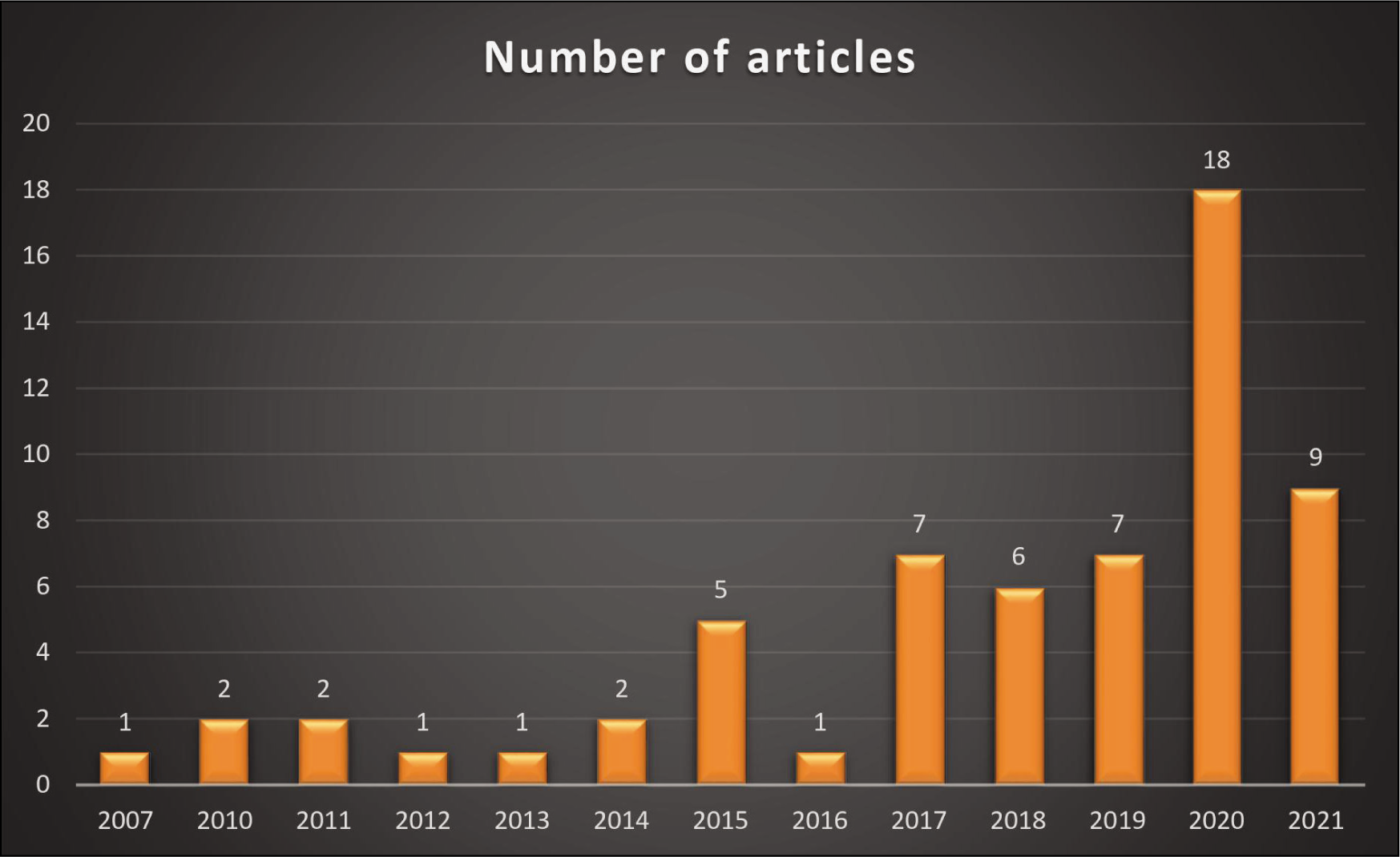
Year-wise chart exhibits the number of papers printed in each year so far. Figure 2 indicates that though articles have been published from the year 2007, majority of the papers are published from the year 2015. The chart clearly indicates a fluctuating trend which shows that there was a decrease in the count of papers published in 2016, but there is an increase in the year 2017. Huge volume of articles were published in the year 2020.The chart clearly defines the importance of this area, and hence, there is lot more to be explored.
Top Contributing Journals
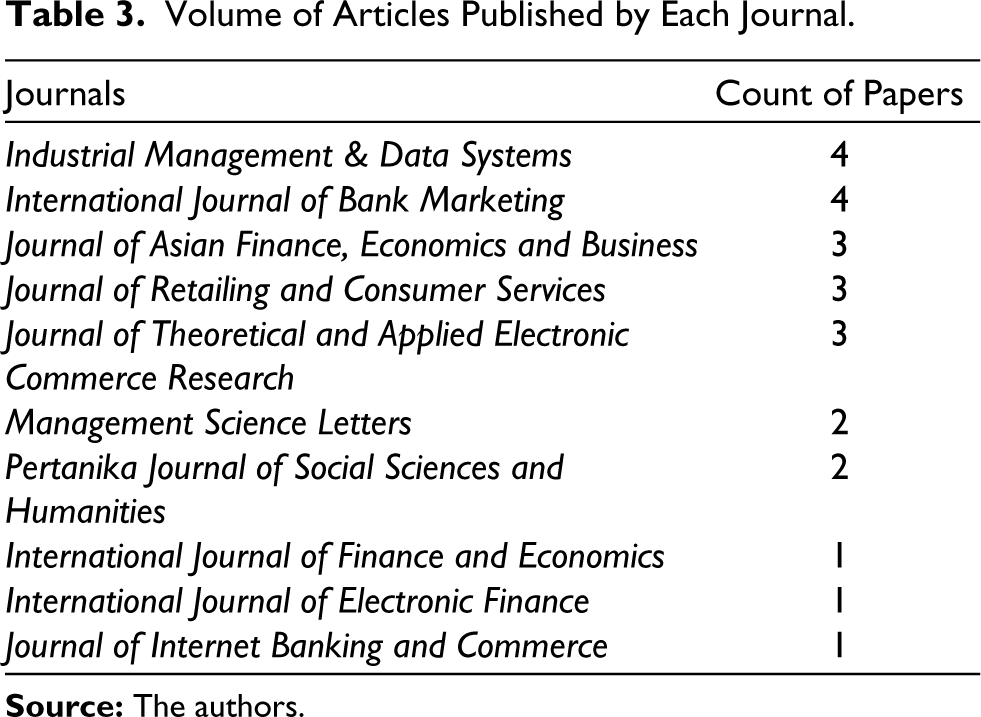
Table 3 represents the top contributing journals in the area of m-payments. It is evident that Industrial Management & Data Systems and International Journal of Bank Marketing are the top contributors with four publications each. Journal of Asian Finance, Economics and Business, Journal of Retailing and Consumer Services followed by Journal of Theoretical and Applied Electronic Commerce Research with three publications each while International Journal of Finance and Economics, International Journal of Electronic Finance and Journal of Internet Banking and Commerce have contributed the least to publication with just one paper each to their credit.
Volume of Articles Published by Each Journal
Top Contributing Authors
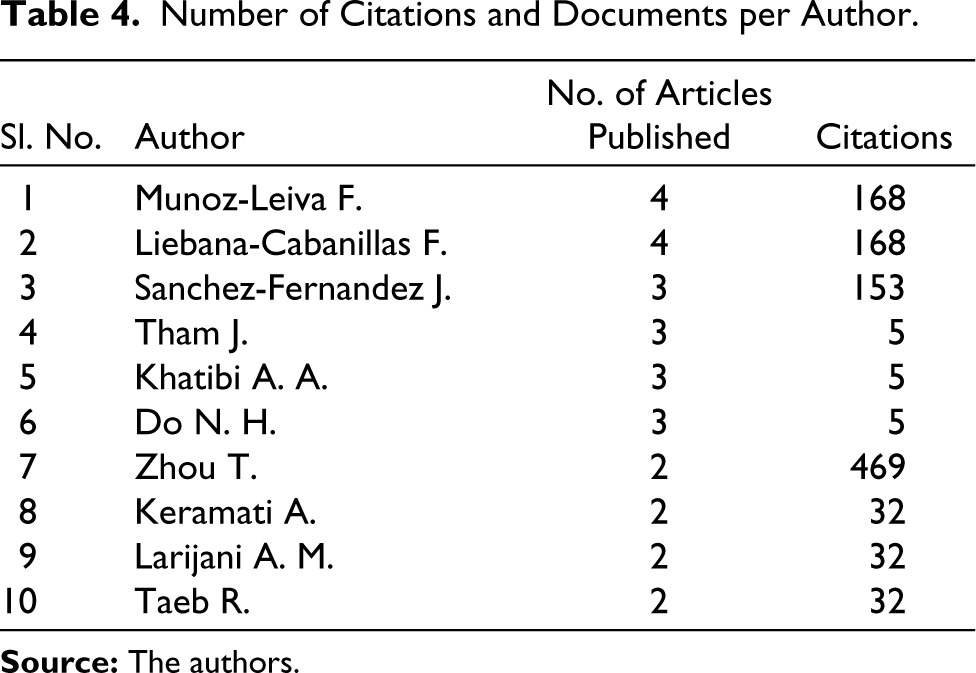
F. Munoz-Leiva and F. Liébana-Cabanillas are the leading contributors in the domain of m-payments with four articles each and with 168 citation, J. Sanchez-Fernandez has also contributed three articles and is cited 153 times. On the other hand, T. Zhou has published only two articles but it is cited 469 times. J. Tham, A. A. Khatibi and N. H. Do in spite of publishing three articles each, are cited only five times. This proves the quality of research published over the years. Table 4 shows the top contributing authors along with their citations and the number of articles published.
Number of Citations and Documents per Author
Bibliometric Analysis (Bibliographic Mapping with VOSviewer)
Bibliometric analysis is a quantitative method for assessing and observing the present position of research of a specific field of academic concerns (Dzikowski, 2018; Small, 1973; Garfield et al., 1964). This analysis gets a competitive edge compared to conventional techniques when compared with bibliometric analysis. Conventional techniques depend on the personalized choice of literary texts and organize the analysis on some pre-decided criterion, thereby not catering to developmental features of research (Kajikawa et al., 2007). Bibliometric analysis is done to discover the highly cited paper in a particular research field. The papers are chosen from ScienceDirect, EBSCO and ProQuest database. Several methods are used to discover citations and the number of documents published. Citation is attained by citation analysis in VOSviewer. In Table 5, the presentation of publication is limited to top 10 countries who have published their articles with a citation score of 50 or more.
From Table 5, it is evident that China is leading with 671 citations followed by Germany with 659 citations, the USA and Finland each with 619 citations, whereas South Africa is the lowest with 69 citations. Malaysia is highest in paper contribution with a maximum of 12 articles followed by India and China each with 10 articles whereas France and Germany have the least publications with two articles. The leading 10 countries contributed 57 articles over 62 articles creating 91.93% contribution in overall published papers. The focal point of authors associated with India was on adoption of m-payments. The authors associated with China mainly centered on distinct issues of m-payments.
Count of Papers Published Country -wise and Citations

Citation Analysis
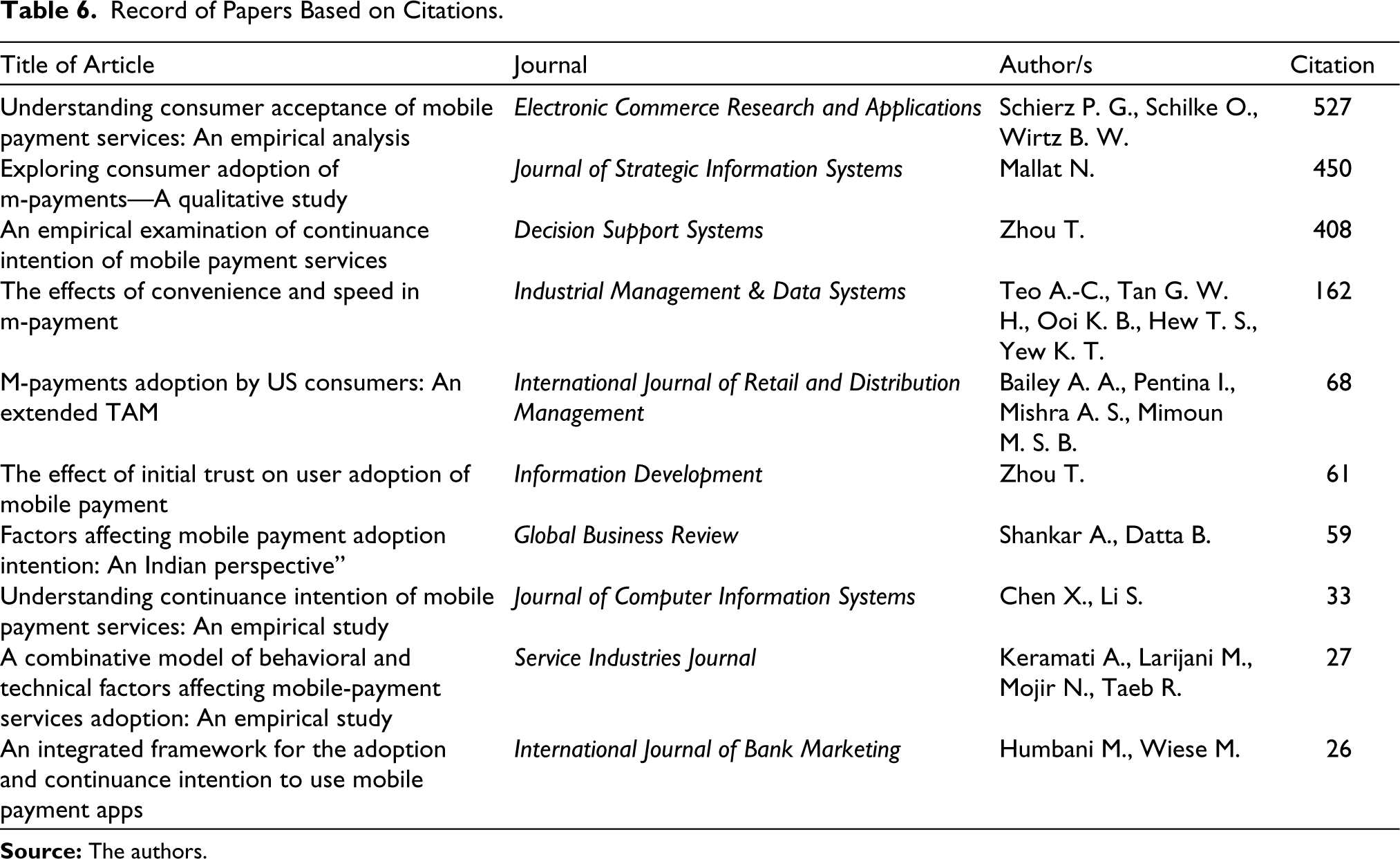
The basic belief of citation analysis is that authors mention the work connected to their field of study. As a result, the citation is regarded as a standard of impact (Dzikowski, 2018; Van Raan, 2003). The goodwill of a paper can be associated with the number of citations a paper obtains. The acceptance and importance of an article relates to the count of citations a paper gets (Ding & Cronin, 2011). Table 6 represents the list of highly cited documents in the area of m-payments. The cut-off limit for citations was kept at 25, and out of the 62 documents, only 18 met the cut-off limit, of which the top 10 papers were selected as shown in Table 6.
From Table 6, it is clear that a research paper titled, ‘Understanding consumer acceptance of mobile payment services: an empirical analysis’ by P. G. Schierz, O. Schilke and B. W. Wirtz received the maximum of 527 citation followed by ‘Exploring consumer adoption of m-payments—A qualitative study’ by N. Mallat with 450 citations whereas, ‘An integrated framework for the adoption and continuance intention to use mobile payment apps’ by M. Humbani and M. Wiese received the lowest of 26 citations.
Record of Papers Based on Citations
Co-Citation Analysis
Co-citation analysis represents the citation strength by which the articles are cited with one another as the frequently cited papers result in making collections of ordinary research streams (Marshakova, 1973; Small, 1973). This analysis is done to reveal the connection among researchers, themes, publications and keywords (Pilkington & Liston-Heyes, 1999). Co-citation analysis implies following sets of paper that are cited jointly in the source articles. If the articles are cited jointly, it specifies that the article can be characterized to almost the similar subject domain. Co-citation is done with the help of VOSviewer by selecting cited reference and cited authors as the unit of analysis. The threshold for the minimum number of citations is chosen.
In Figure 3 for cited reference, of the 935 cited references in total, 42 items meet the threshold with a minimum of two citations. Out of the entire 42 items, all the 42 items have a connected network. Each of the item represented in the figure have a connection with the other item. The image recognizes high density areas in a citation network by congregating highly co-cited documents, thereby specifying the existence of these research aspects.
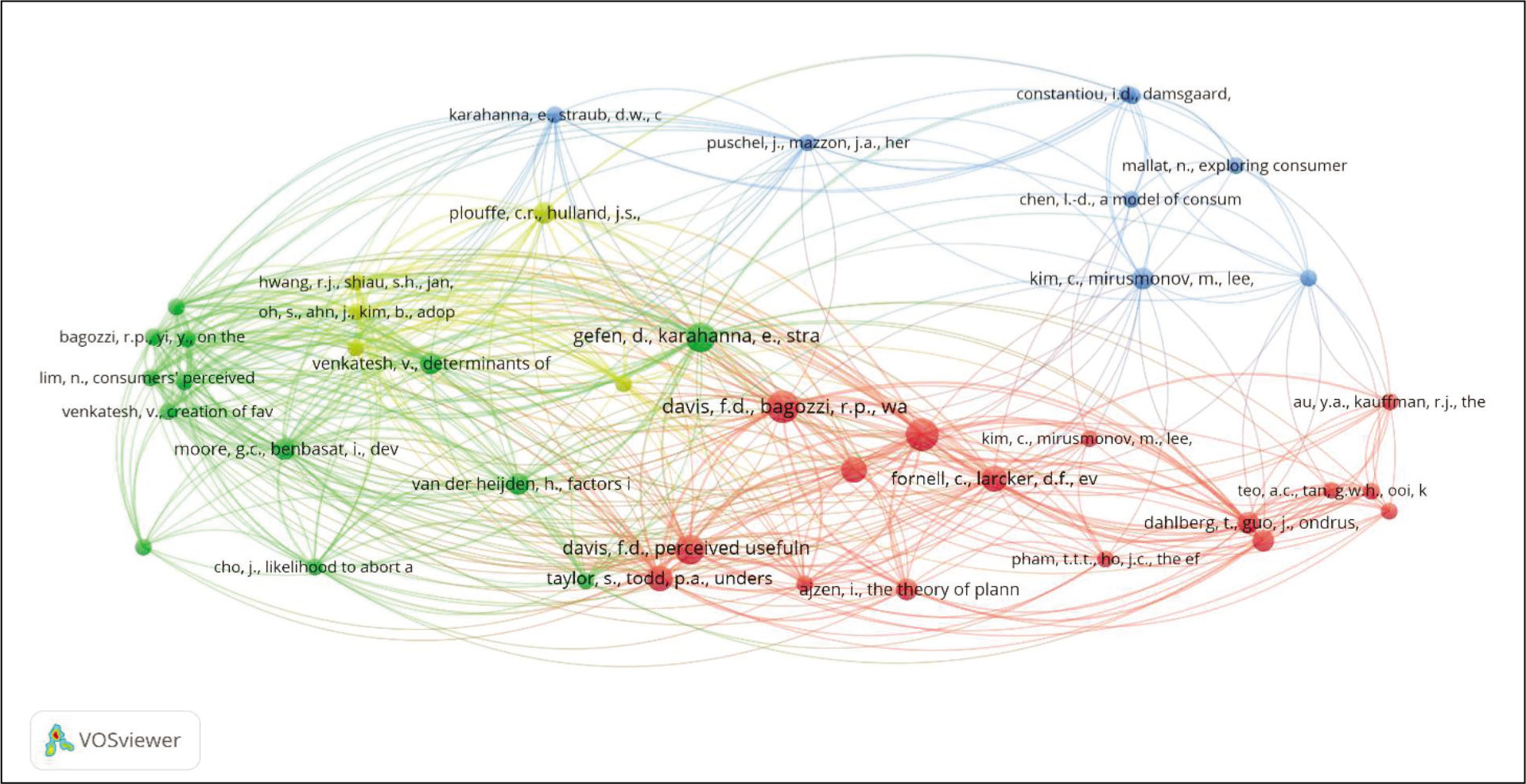
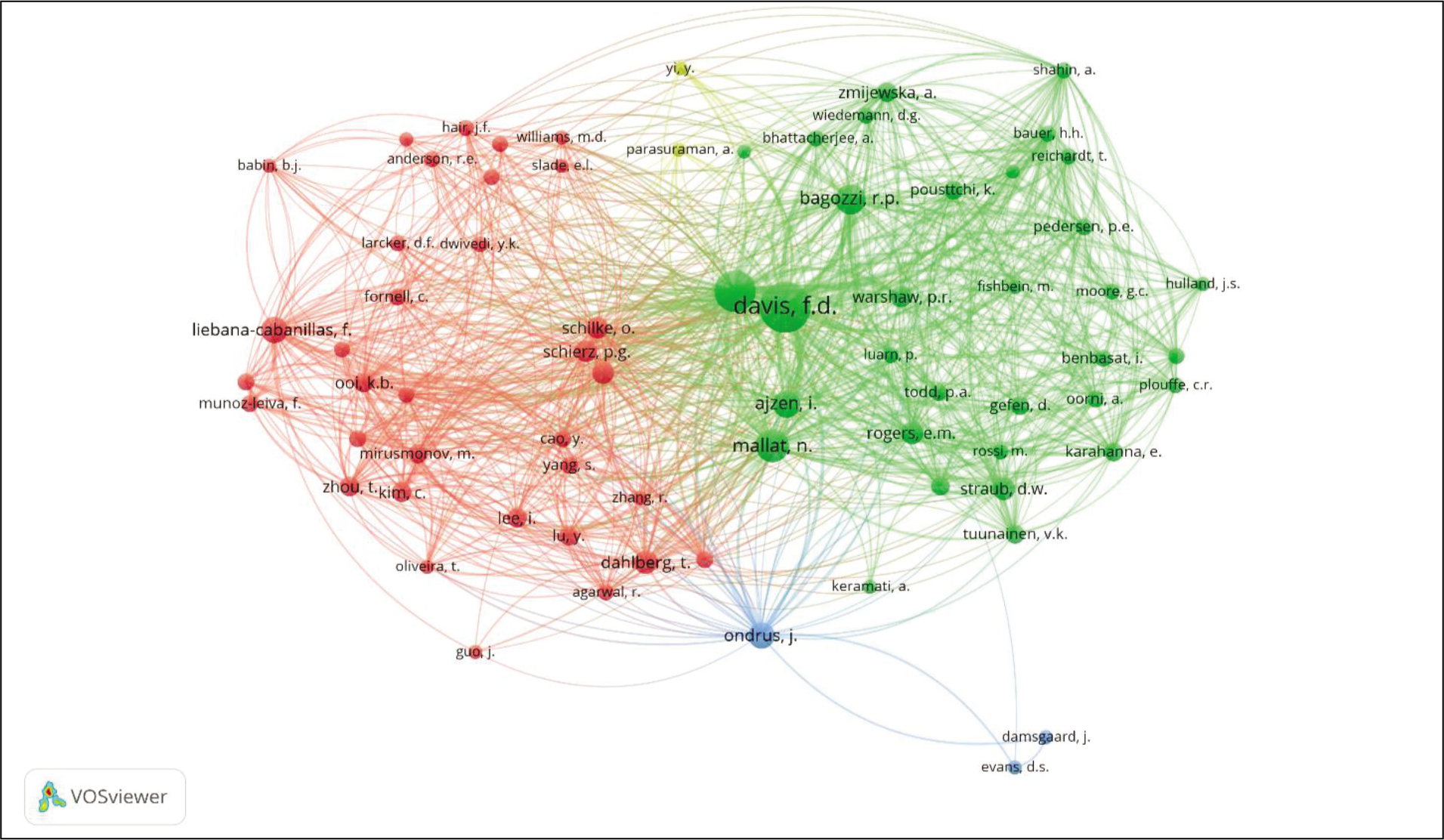
Figure 4 represents co-citation through cited authors. Of the 1,315 authors, 72 authors reach the verge when the least count of citations of an author is given as five. This means that each author represented in the figure has a minimum citation of five. The study portrayed the map of 72 authors consisting of four clusters by co-citation analysis of authors. F. D. Davis has received the maximum number of 41 citations followed by Venkatesh V. with 30 citations and N. Mallat with 19 citations.
Bibliographic Coupling (Data Clustering)
VOSviewer software is adopted for data clustering. Create a map based on bibliographic data is chosen, and Scopus file is selected from the database. The type of analysis to be opted is bibliographic coupling, and documents as a unit of analysis are chosen for creating clusters. From bibliographic coupling, it is evident that a possibility exists between two works and it manages a connected theme. Figure 5 constitutes the different clusters acquired from VOSviewer by performing bibliographic coupling.
In clusters, articles are pooled on the basis of connection of research topics, and hence, clustering is a constructive tool in identifying various aspects of themes existing in the present literature. The dimensions of the circle constitute the count of citations a paper obtains. In all, 15 connected articles formed three clusters. Different colours visualize different clusters. The magnitude of the circles constitutes the quantity of citations an article obtained.
Analysis of Clusters Formed
Bibliographic coupling helps in achieving clusters through VOSviewer. Figure 5 represents the clusters of documents through bibliometric coupling.
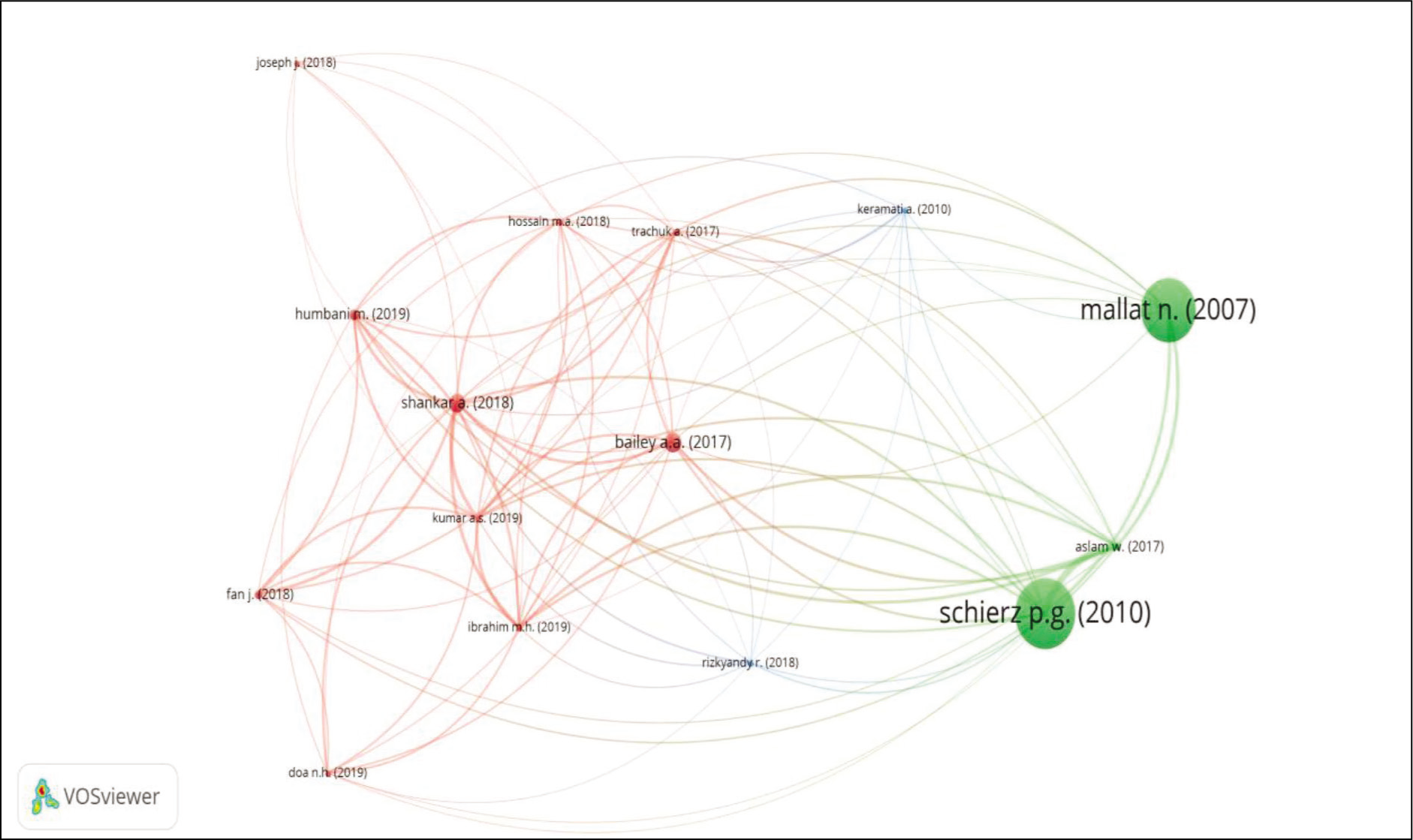
Table 7 shows highly cited documents of each cluster. There are altogether three clusters formed in this study. The first cluster comprises 10 authors, the second cluster comprises three authors and the third cluster has two authors. Each cluster contains the top authors along with their year of publication, who have contributed papers towards m-payment and have been cited the most.
Highly Quoted Documents of Each Cluster
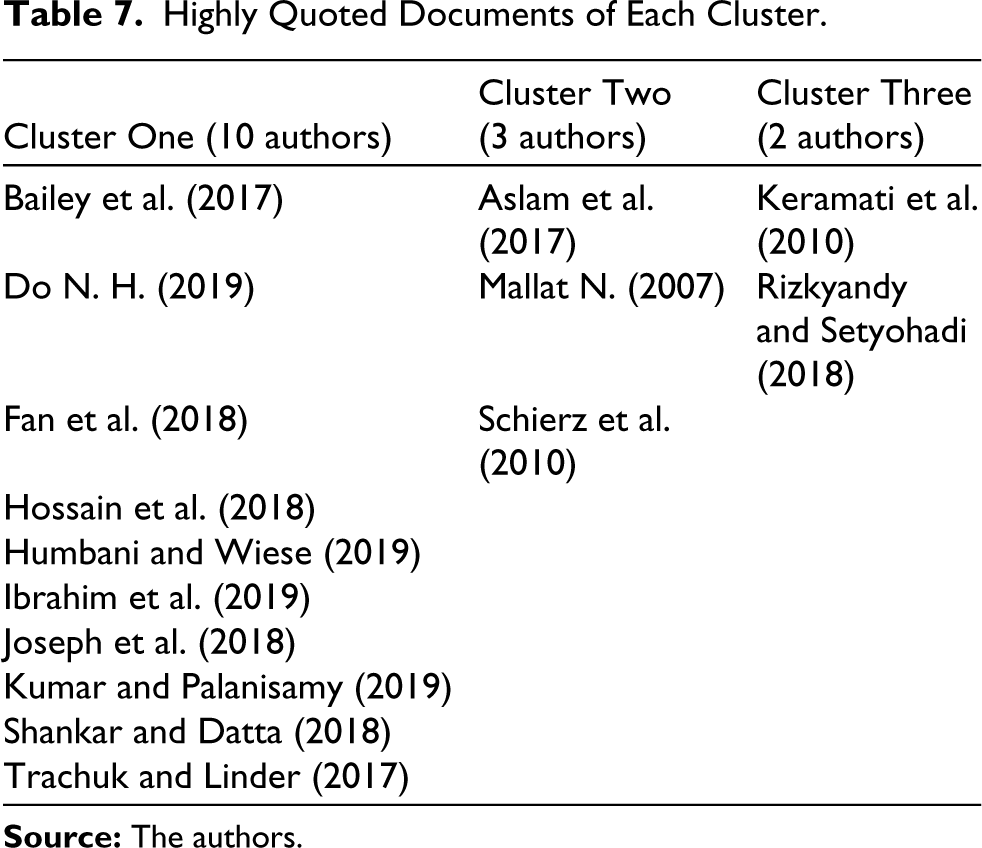
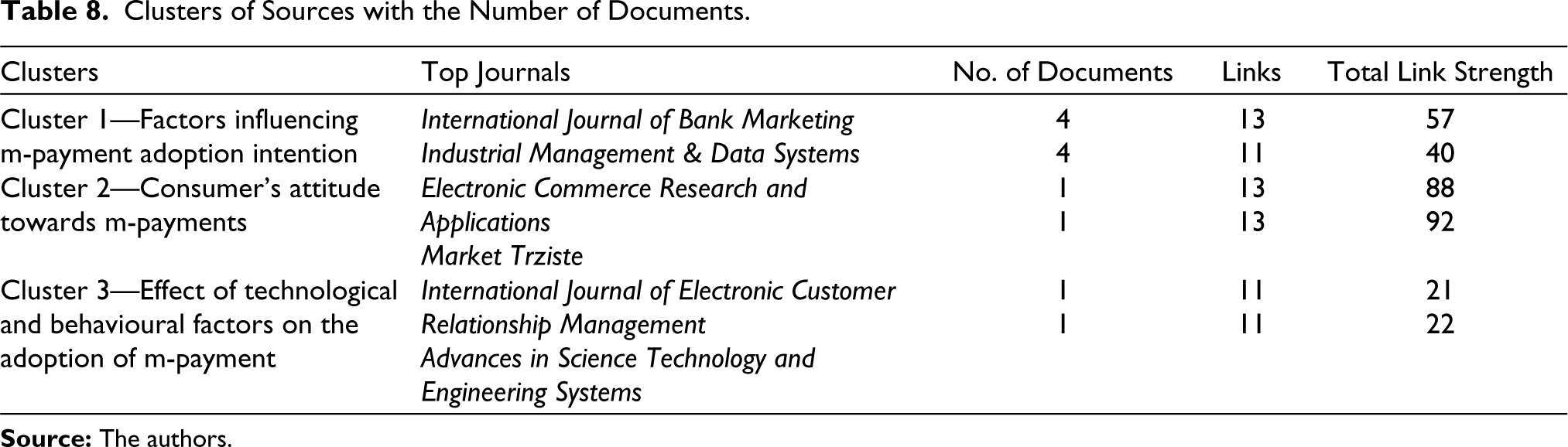
Figure 6 shows the cluster of sources of documents. There are 15 journals which are formed as different clusters. The first cluster which is depicted in red colour contains 10 journals. The second cluster which is depicted in green colour contains three journals, and the third cluster depicted in blue colour contains two journals. These clusters are formed on the basis of similarity of the papers published in them.

Table 8 discusses about the clusters of sources with the number of documents. Each cluster in the table is given a theme based on the nature of the article. In each cluster, the top two journals are identified with the number of documents published along with their links. In cluster 1, International Journal of Bank Marketing has the maximum offering with 4 documents, 13 links with other documents and a link strength of 57, Industrial Management & Data Systems with 4 documents, 11 links and a total link strength of 40 followed by Management Science Letters with 2 documents, 11 links and a total link strength of 27. In cluster 2, Electronic Commerce Research and Applications has the maximum offering with 1 document, 13 links and a link strength of 88 followed by Market Trziste with 1 document, 13 links and a total link strength of 92. In cluster 3, International Journal of Electronic Customer Relationship Management has the maximum offering with 1 document, 11 links and a total link strength of 21 followed by Advances in Science Technology and Engineering Systems with 1 document, 11 links and a total link strength of 22.
Clusters of Sources with the Number of Documents
Dynamic Co-citation Analysis
Table 9 specifies the publications of papers in each array yearly basis beginning from the period 2007 to 2021. It is evident that cluster 1 is acquiring publications continuously from the year 2017 to 2019. Cluster 2 has received publications in the years 2007, 2010 and 2017. Cluster 3 has acquired publications in 2010 and 2018. A total of 15 papers are arranged according to the clusters formed and segregated based on the year of publication. Cluster 1 has a total of 10 papers, cluster 2 has 3 papers and cluster 3 has 2 papers. These documents arranged in each cluster are connected to each other and follow a common theme.
Co-occurrence Map Analysis
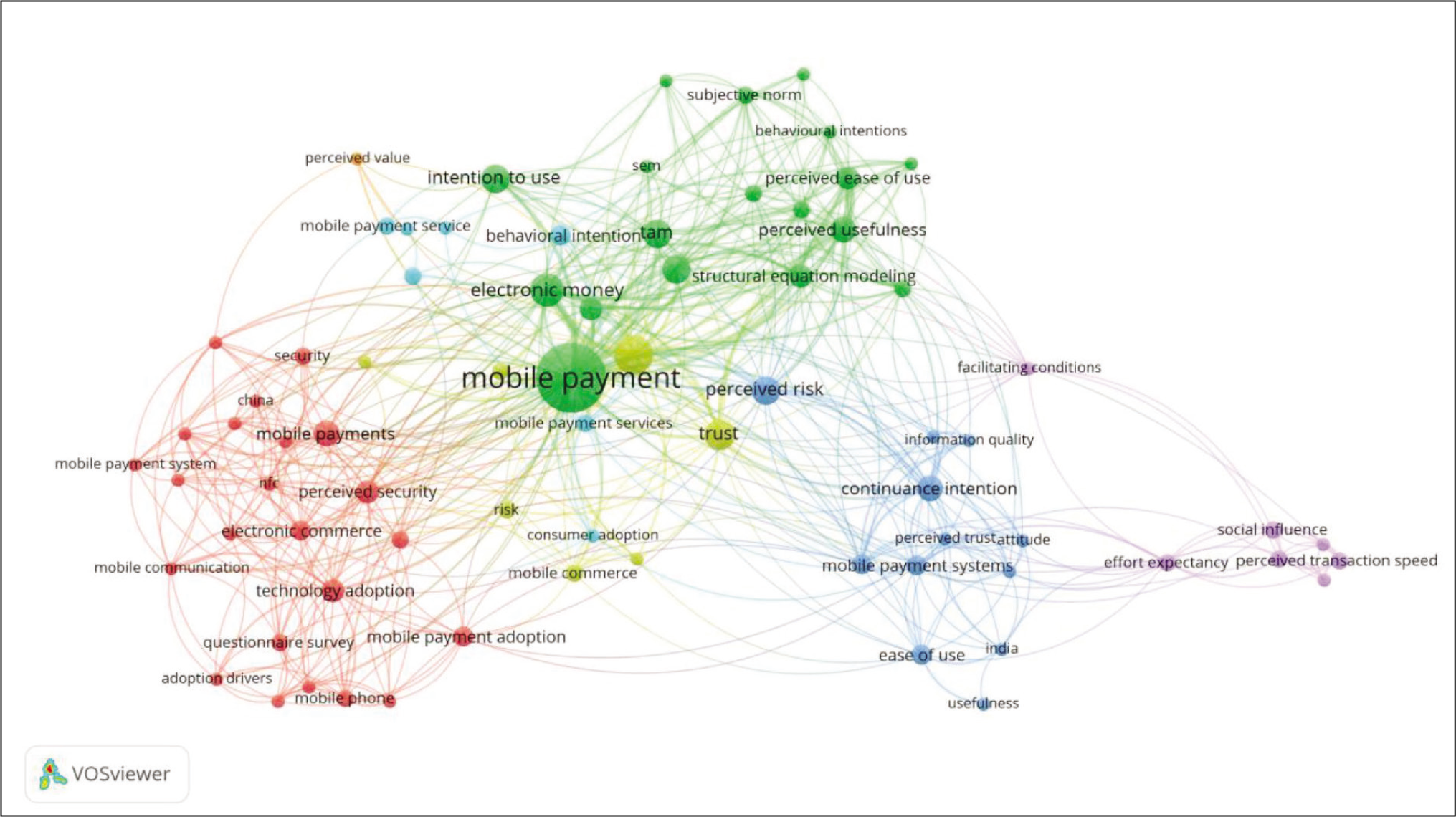
Co-occurrence analysis examines the phrases that commonly arise in the selected articles (Su & Lee, 2010). Co-occurrence map is created from VOSviewer in order to get the highly occurring keywords or terms that has appeared the maximum number of times in the articles. From the VOSviewer, generate a map based on bibliographic data selected. Then, read data from the bibliographic database file selected. Scopus file and the required text file are considered, and the terms are extracted from the option all keywords. The type of counting chosen is full counting method. Choose the minimum number of occurrences of a keyword. Of the 277 keywords, 75 meet the limit when the minimum number of occurrences is given as two. The aggregate phrase picked here is 75. The keywords with the substantial whole connection power will be selected.
Figure 7 represents the 75 keywords that are used the maximum number of times in the articles. Of all the articles that are selected for the study of m-payments, the keywords mobile payment has occurred 31 times, global system for mobile communications has occurred 12 times, electronic money has occurred nine times, trust (eight times), technology acceptance model (seven times) and perceived risk (seven times). The image generated also shows the interconnection between the words. In the map, the nodes denote the analyzed objects and greater the frequency bigger the size of the nodes.
Diffusion of Papers Year-wise from 2007 to 2021

Co-Authorship Analysis
In co-authorship analysis, the nodes constitute the authors or countries which are associated when they share the authorship of the article. The extent of co-authorship can be denoted by the number of different co-authors an author has in a given period. In order to create a co-authorship map from the VOSviewer, we should select generate a map based on bibliographic data. Choose read data from the bibliographic database file. Select the required Scopus file. Choose the kind of analysis as co-authorship and authors as a unit of analysis under full counting method. Then, choose the required threshold and the number of authors. Of the 173 authors, 79 meet the threshold when the count of documents of an author is given as one and the least count of citation is given as five. The clusters are displayed thereafter (Figure 8).
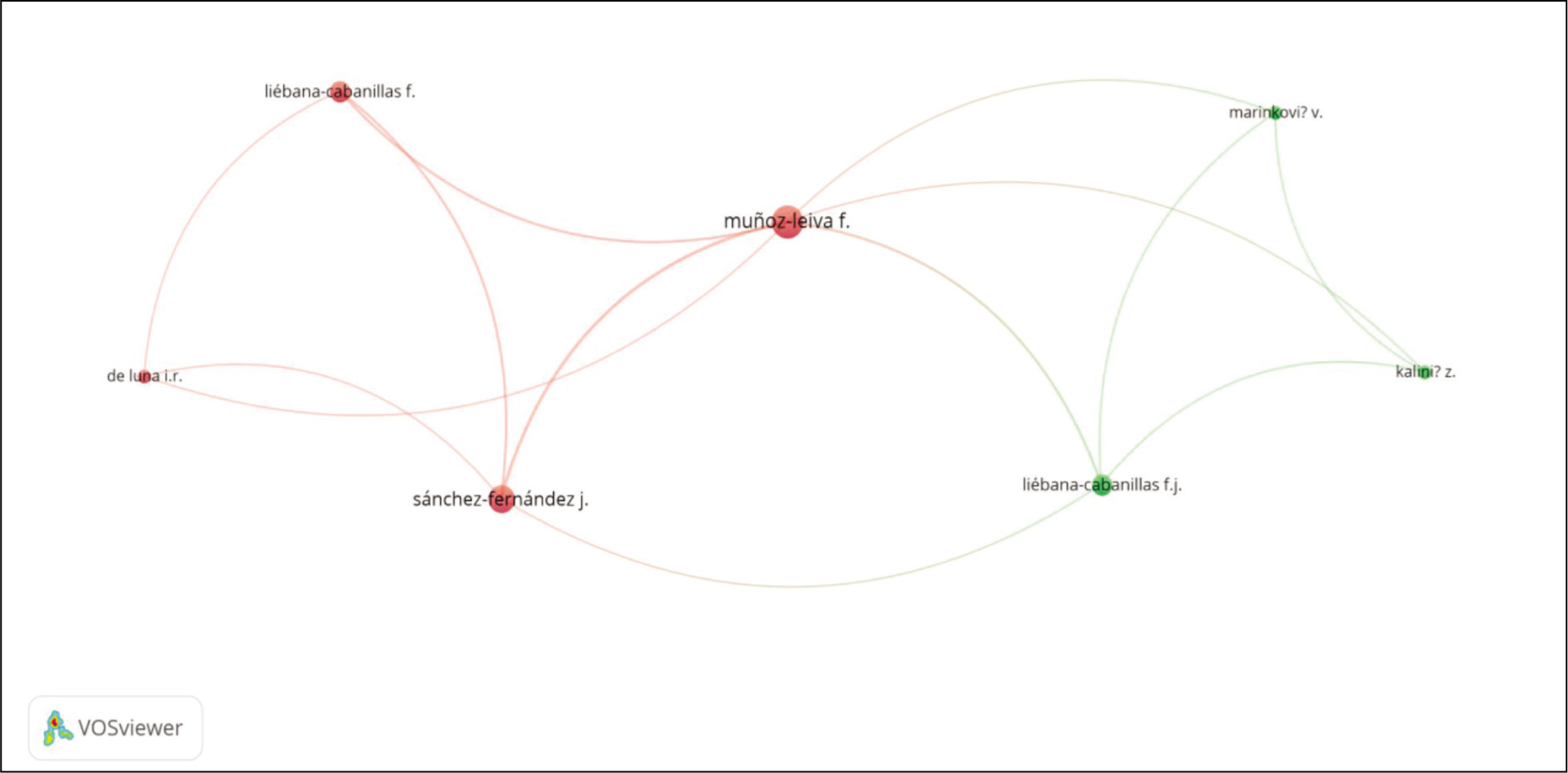
Figure 8 displays the clusters of authors associated with the articles. Of the 79 authors selected, only seven authors were connected to each other. The map shows different authors associated with other co-authors to share a common paper.
Figure 9 shows the network visualization map of country co-authorship. Of the 27 countries, 24 meet the threshold when count of articles of a country is given as one and the least count of citations is five. Out of 24 countries, only 17 countries are connected to each other and have at least one publication. Research work is highly focused to emerging nations like India, Malaysia and China as these countries have observed a sharp inclination towards the adoption of m-payment over the years.

Discussion
SLR and bibliometric analysis helps in getting an idea about the top contributing journals, the most prominent authors, number of citations they received, affiliation of journals, citation, co-citation analysis and analysis of clusters formed. The authors here have accomplished the six research questions. The findings of each research question are highlighted through different analysis carried out in the study and are presented accordingly.
RQ(1) highlights the top contributing journals in the field of m-payments research. It can be inferred from the findings that Industrial Management & Data Systems and International Journal of Bank Marketing are the top contributors with four publications each followed by Journal of Asian Finance Economics and Business, Journal of Retailing and Consumer Services and Journal of Theoretical and Applied Electronic Commerce Research with three publications each. The top contributing journals are highly rated journals which shows the quality of research taking place in this field.
RQ(2) indicates the most prominent authors and the number of citations they received in the field of m-payment research. F. Munoz-Leiva and F. Liébana-Cabanillas are the leading contributors in the domain of m-payments with four articles each and were cited 168 times. J. Sanchez-Fernandez has also contributed three articles and is cited 153 times. These authors have appeared as being the most significant researchers with the highest number of scientific contributions. Their studies have concentrated on the intention to use m-payments and the factors influencing adoption of m-payments. They have proposed and tested various theoretical models in their studies to determine the influence of various factors affecting the acceptance of m-payments.
The findings of RQ(3) highlights that Malaysia is the leading country with 12 research papers followed by India and China with 10 research papers each, Spain (six papers), the USA (five papers), the UK (four papers), Finland and South Africa (three papers each) and finally Germany and France with two papers each. Analysis of the country-wise contributions indicate the developing congregation of studies in the Asia-Pacific region which includes emerging nations like Malaysia, India and China. More and more studies are taking place in emerging nations as the perforation level of m-payments in these countries is accelerating day by day, and these nations are considered to be the innovation hub in the field of digitization which further triggers research and development.
RQ(4) addresses the top articles and their citation in the field of m-payment research. Some of the top articles and their citation in the field of m-payment research are ‘Understanding consumer acceptance of mobile payment services: An empirical analysis’ by P. G. Schierz, O. Schilke and B. W. Wirtz which received 527 citations. This article developed and tested a conceptual model which focused on factors determining consumer acceptance of m-payment services. ‘Exploring consumer adoption of mobile payments: A qualitative study’ by N. Mallat received 450 citations which presented a qualitative study on consumer adoption of m-payments. The article further proved that m-payment is dynamic and depends on certain situational factors. It also identified several barriers to adoption of m-payments. Finally, ‘An empirical examination of continuance intention of mobile payment services’ by T. Zhou received 408 citations. The research paper identified the factors affecting continuance intention of m-payment based on information systems success model and flow theory. The findings revealed that service quality is the main factor affecting trust, whereas system quality is the main factor affecting satisfaction.
The findings of RQ(5) indicates the author co-authorship in the field of m-payment research. F. Munoz-Leiva, F. Liébana-Cabanillas, J. Sanchez-Fernandez and I. R. De luna have co-authored a paper which forms one cluster, while Z. Kalinic, F. Liébana-Cabanillas and V. Marinkovic have co-authored another paper which forms the second cluster. This indicates that there is absence of co-operation among the practicing authors as the co-authorship revolves around just seven authors out of 79 authors who met the threshold limit of one document per author and a minimum of five citation. Co-authorship network reveals absence of networking among authors who are involved in research in the field of m-payments.
Bibliographic coupling was conducted using VOSviewer to address RQ(6), which revealed three clusters based on the similarity of the papers. The highly cited documents in cluster 1 was from Bailey et al. (2017), Do et al. (2019), Fan et al. (2018), Hossain et al. (2018), Humbani and Wiese (2019), Ibrahim et al. (2019), Joseph et al. (2018), Kumar and Palanisamy (2019), Shankar and Datta (2018) and Trachuk and Linder (2017). The theme of cluster 1 focuses on factors influencing m-payment adoption intention. The top quoted documents in cluster 2 was from Aslam et al. (2017), Mallat (2007) and Schierz et al. (2010). The theme of cluster 2 emphasizes on consumer’s attitude towards m-payments. The most cited documents in cluster 3 was from Keramati et al. (2010) and Rizkyandy and Setyohadi (2018). The theme of cluster 3 focuses on the effect of technological and behavioural factors on the adoption of m-payments.
Limitations
VOSviewer is used in this study for bringing out the visualizations and bibliometric analysis. The results may differ in other software such as Bib Excel, Cite space and Pajek. Since m-payments being a very vast field under digital payment, the keywords developed may vary in the future and hence there may be change in the analysis too. This article has reviewed only articles pertaining to m-payment adoption and behavioral intention of the users towards the acceptance of m-payment. The study is limited to only 14 years data and three databases such as EBSCO, ProQuest and ScienceDirect.
Scope for Future Research
Various technological developments that are happening in the field of digital payments are unimaginable. Innovations are driving the world, and there will be definitely future innovations happening in the area of m-payment technology. The m-payment being a vast topic is progressively growing from the time it was launched as a payment tool. Since technological upgradations are taking place continuously in the field of payments, there is future scope for researchers to widely explore this arena and bring out the next level of developments happening in the digital payment front. Future researchers can include conference papers and books for carrying out SLR as this article has concentrated only on published articles. The m-payments as a payment instrument is slowly stretching and penetrating to other nations and conquering the payment ecosystem, thereby encouraging every segment of masses for cashless payments. Future researchers can gain access to all the new trends in the digital payment segment given the nature of the product. Hence, there is broad possibility of investigation in this domain allowing the researchers to survey all the aspects and dimensions of m-payment system. Future researchers can also review papers related to merchant adoption and acceptance of m-payment. Different models were used by the researchers to conduct study on the m-payments but were limited to technology acceptance model (TAM) and multivariate analysis technique like the structural equation model (SEM). Adoption of other statistical techniques can bring out diverse facets of m-payments. The vendor acquisition of m-payments, economic and social effects of m-payments, the authentication factor of m-payment system, how m-payments are contributing to the financial inclusion in an economy, near-field communication, service quality of m-payment system and other aspects like privacy, security, perceived value of m-payments can be explored.
Conclusion
The prime goal of this research was to analyze the various studies done on m-payments by different authors and their contributions towards this field. Since m-payment is undergoing a lot of transformation and gaining immense popularity among the people, cashless and contactless payment will boom in the economy. This article is a blend of SLR and bibliometric analysis and gives a broad view on the studies conducted in the field of m-payments from 2007 to 2021. The results of the study shows that there is an upward trend in the area of m-payments and different authors are collaborating with other co-authors to present their papers in reputed peer reviewed journals. The study has also highlighted the top contributing authors with their citations, the top countries contributing to the field of m-payments, the clusters of documents and authors with the help of bibliometric analysis. This article provides valuable information and developments in m-payments and also considers bibliographic mapping approaches to visualize bibliometric data and findings. The findings provided in this study would be of great help to the researchers as this would serve as a base for future work of literature survey and would give a broad overview of the field of study in conducting a qualitative literature review.
Footnotes
Declaration of Conflicting Interests
The authors declared no potential conflicts of interest with respect to the research, authorship and/or publication of this article.
Funding
The authors received no financial support for the research, authorship and/or publication of this article.