



Abstract
This study aims for bibliometric analysis by analysing trends in various authors, documents, topics, conceptual structures and collaboration networks on women entrepreneurship. This work analysed 329 publications that were recovered from the Web of Science record from the period of 2012–2022 (and early access articles of 2023) and conclusions were drawn using the ‘bibliometric R-package’ and ‘VOSviewer’. Observations have shown that after 2018, scholarly attention quickened. Trending areas related to women’s entrepreneurship during the selected period include gender, growth, women and work. Highly relevant themes that are underdeveloped till now related to women entrepreneurs which can attract researchers in the future include mediating roles, moderating roles, leadership, performance, determination and much more. This bibliometric evaluation provides a thorough, organized, impartial analysis of women entrepreneurs. Results showed that business, management and entrepreneurship disciplines rule writings on women’s entrepreneurship. This study has identified four components based on the selected data, i.e., strengths, weaknesses, opportunities and dangers faced by women entrepreneurs. There is an utmost need for capacity development and training, particularly in the areas of governance, leadership, communications and the use of information, communication and technology in business because the majority of women entrepreneurs are unable to provide appropriate services to their members. The findings may give scholars and professionals information about the current situation and trending topics of female entrepreneurs. We put out a few research questions that may be addressed in the future for each of the primary study directions.
Keywords
Introduction
In the modern period, entrepreneurship is seen as a subject of increased concern since its importance has been acknowledged on a worldwide scale (Kapoor, 2019). The significance of women in starting new enterprises has drawn increased attention in recent years due to the economy’s significant growth of women-owned businesses (Welsh et al., 2021). A woman entrepreneur is characterized as a self-assured, imaginative as well creative woman who is capable of achieving economic independence either on her own or in collaboration, who generates employment possibilities for others, starting and running a firm while juggling their familial, social and personal lives (Tabares et al., 2022). Numerous systematic literature studies have been available on female entrepreneurship from different perspectives (Kumari & Kumar, 2023; Manerkar, 2015; Tambunan, 2017). Women entrepreneurship is a gender-neutral process for founding a new company that includes taking on all of the threats involved in making money (Noor et al., 2021). A key factor connected to women as entrepreneurs is the rise in the women’s workforce (Welsh et al., 2014). To be able to extract the lucrative mix of resources from a resource-constrained environment and use them to develop their company, entrepreneurs in that environment must be able to relate the limited resources and their business ideas. They have been successful in escaping the confines of their homes by working in a range of professions and services. But in rural locations around the world, women make up the majority of the poorest people (Kabonga et al., 2021; Suttie et al., 2018); however in terms of business savvy, women entrepreneurs have demonstrated parity with their male colleagues and they are now emerging as intelligent and dynamic business people (Rajarajeswari, 2016). Women who are entrepreneurs do so for different reasons, such as worries about the lack of opportunities in the business sector, desire for job versatility, societal status, self-awareness and independence in the community and also to establish a position within their families, societies and nations (Chhabra et al., 2022; Picciaia, 2017; Ramadani et al., 2013). Women entrepreneurs are impacted by the kind of financial help they receive, their age when starting a new company venture and the fact that they do not have a partner. Larger businesses founded by women entrepreneurs and businesses financed by family members typically have better success rates. Concern continues to exist regarding the marginalization of women, particularly in the workplace. Women who are segregated, particularly owing to cultural implications for society, will not be appropriately exposed to business prospects and resources which will have an impact on the development of their firms. Females’ confidence tends to decline in an environment where they are treated as inferior, which may have an impact on how enthusiastic and confident they are while starting a business (Rudhumbu et al., 2020). It may be because women act differently than men in respect to personalities and motivations by gendered ideas, societal norms and relationships (Sui et al., 2022).
Analysis using bibliometrics has been used to examine the trends in female-oriented entrepreneurial research. The interdisciplinary field known as bibliometrics uses statistical and mathematical techniques to analyse literature quantitatively (Tella & Olabooye, 2014). The Knowledge Map can be created based on the acquired data to further assess academic productivity, summarize academic hotspots and forecast trends (Pan et al., 2018). Results from bibliometric analysis are obtained that have a noteworthy effect on that field’s research and enable the identification of knowledge gaps, generation of original research hypotheses and positioning of expected contributions (Donthu et al., 2021; Marin-Palacios et al., 2021; Verma & Gustafsson, 2020). Most crucially, by outlining future research areas, categorizing the subjects of bibliometric studies can offer actionable insights for women’s entrepreneurship researchers. In conclusion, we will try to fulfil the following objectives in this study:
To identify the developing trends related to women entrepreneurs. To explore collaboration networks between different nations and institutions on the subject of female entrepreneurship. To look for the most exciting topics of research in the field of female entrepreneurs. To look into possible future research areas about women entrepreneurs.
Initially, by offering a more thorough, organized evaluation, this work presents a unique angle of research on women entrepreneurship. Quantitative literature studies merely report statistical data, whereas most prior qualitative literature studies are based on subjective assessment. Through the use of extensive and transparent visuals and collaboration network analyses, our study enhances other prior reviews. Second, we conducted a quantitative analysis of the patterns in women entrepreneurship research throughout the previous eleven years mainly (2012–2022). In particular, our evaluation can enable readers to quickly understand the rapidly expanding corpus of works on the subject of female entrepreneurship and demonstrate how various factors related to women entrepreneurs in this area shift over time. Other than that, the study has also identified four possible components (SWOT) of female entrepreneurship, i.e., opportunities, challenges, weaknesses and strengths that exist for women entrepreneurs based on selected articles. Furthermore, we put out a few research questions that may be addressed in the future for each of the primary study directions. To put it briefly, this study provides researchers with a systematic and thorough comprehension of the conceptual framework, trending subjects and probable future scope in the domain of female entrepreneurship, hence producing the base for future studies on female entrepreneurship.
Method
Key Word Search Criteria
Usually, Web of Science (WOS) and Scopus databases are used for bibliometrics analysis (Pranckutė, 2021). Data have been pulled out from the WOS record to complete this study, as it is considered superior in quality. After applying the mentioned key words in all fields, database produced a total of 3,186 articles. As per the following search pattern, data download (savedrecs) took place on 20 June 2023. Early access publications from 2023 have also been added to increase the relevance and clarity of results.
[‘Women Entrepreneurs’ (all fields) OR ‘Female Entrepreneurs’ (all fields) OR ‘Women entrepreneurship’ (all fields) OR ‘Female entrepreneurship’ (all fields), (REFINED TO—‘2012, 2013’, ‘2014, 2015’, ‘2016, 2017’, ‘2018, 2019, 2020, 2021, 2022’), (REFINED TO—‘Open Access only’), (REFINED TO—‘Management and Economics’), (REFINED TO—‘Articles, book chapters, proceeding papers only’), (REFINED TO—‘Management and Economics’ in WOS Categories)].
Data Collection (Filters)
As previously stated, this investigation employed WOS records to acquire the relevant data. Data have been limited to the year from 2012 to 2022. Only open-access articles are selected for our study. Two citation topics, i.e., Management and Economics, are selected among various citation topics. Articles, book chapters and proceeding papers in document type (excluding book reviews, review articles, editorial material etc.) are opted, and in WOS categories, again Management and Economics are selected; lastly, we continued our study with final 329 articles. Figure 1 shows the pattern which is followed for this particular study.

This bibliometric analysis used performance analysis techniques which included information related to productions, authors and documents and also network analysis information and visualizations. Bibliometrics aims to provide an up-to-date assessment of the numerous instruments available for carrying out bibliometric along with scientometric evaluations, including data collection techniques, evaluation of performance and visualization tools (Moral et al., 2020). Networks between the data are displayed using a programme called VOSviewer because generally it is employed to produce bibliometric networks. With the help of it, users can visualize bibliometric data, including co-citation and co-word networks (Van Eck & Waltman, 2009). To assess the data about female entrepreneurs, we used the R programme ‘bibliometrix package’ Biblioshiny and VOSviewer software.
Results
This section gives us the results of the research objectives mentioned in the introductory section. It includes all the information regarding sources, authors, countries, networks, trending topics, various collaboration networks etc.
Sources Information
This section includes the analysis related to the study of most relevant sources, Bradford’s law, year-wise growth pattern and total number of articles, sources local impact etc. The data gathered yield the outcomes listed in Table 1. It demonstrates that the data were gathered between the years 2012 and 2022. Only 329 documents were selected for the study which includes 121 sources such as books and journals and 800 authors. The total amount of citations is 17,826 and 833 total KeyWord Pluses (words that appear repeatedly or more than once in the titles of referenced publications).
Main Information About the Data.
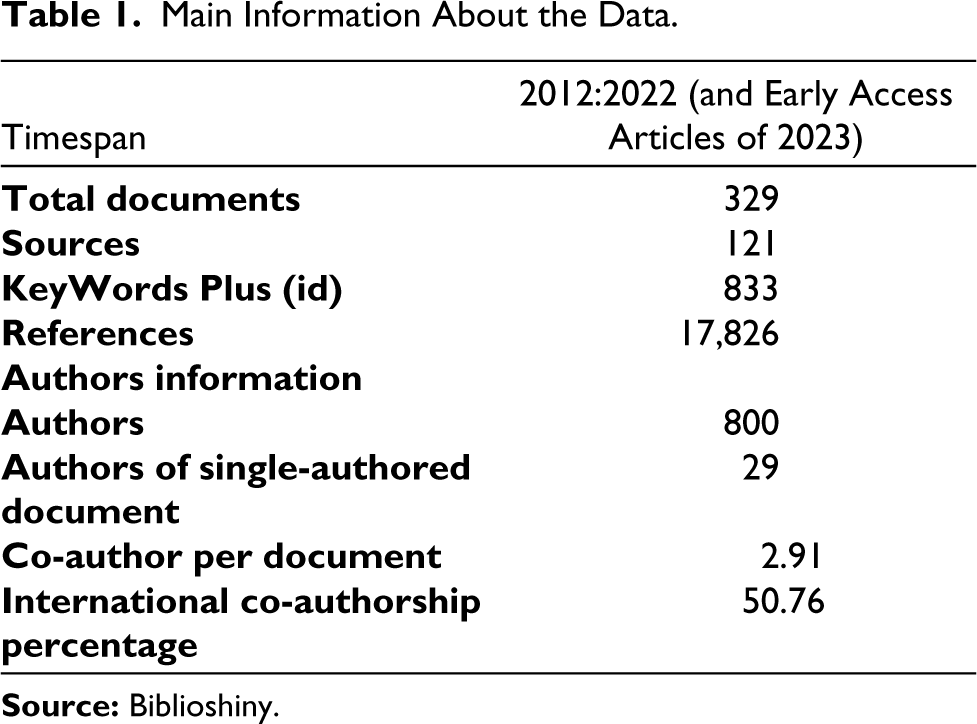
Figure 2 identified publication trends from the year 2012 to 2022 (early access articles of 2023). It shows the trends of women entrepreneurs in these mentioned years. As we can see, the articles (n 80) were published more frequently in the year 2022. Then comes the year 2021, in which the number of papers published on women entrepreneurs was 48. Table 2 demonstrates the number of articles published during the preceding 10 years (2013–2022).
Analysis of Annual Scientific Production.
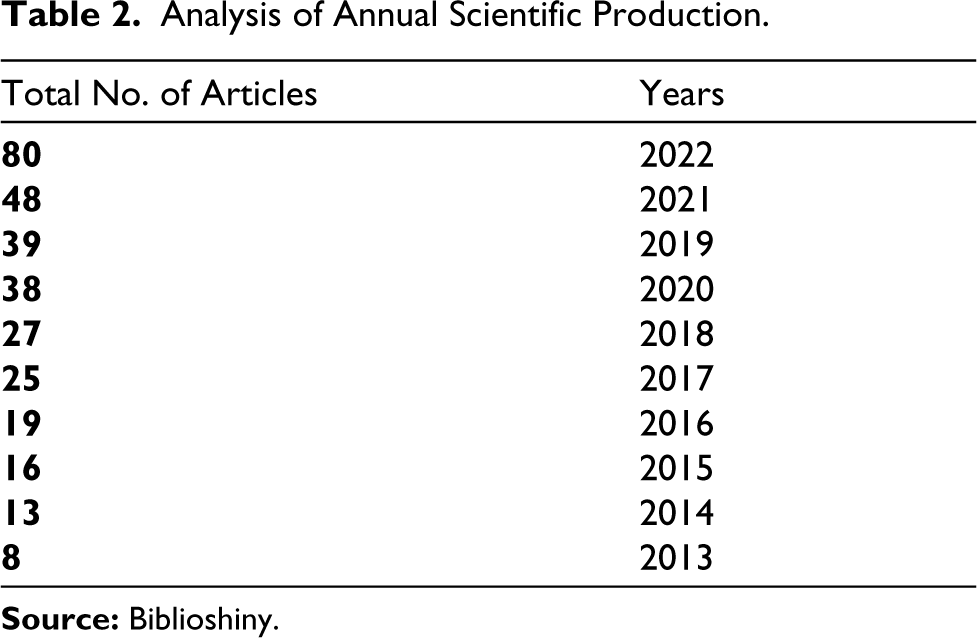

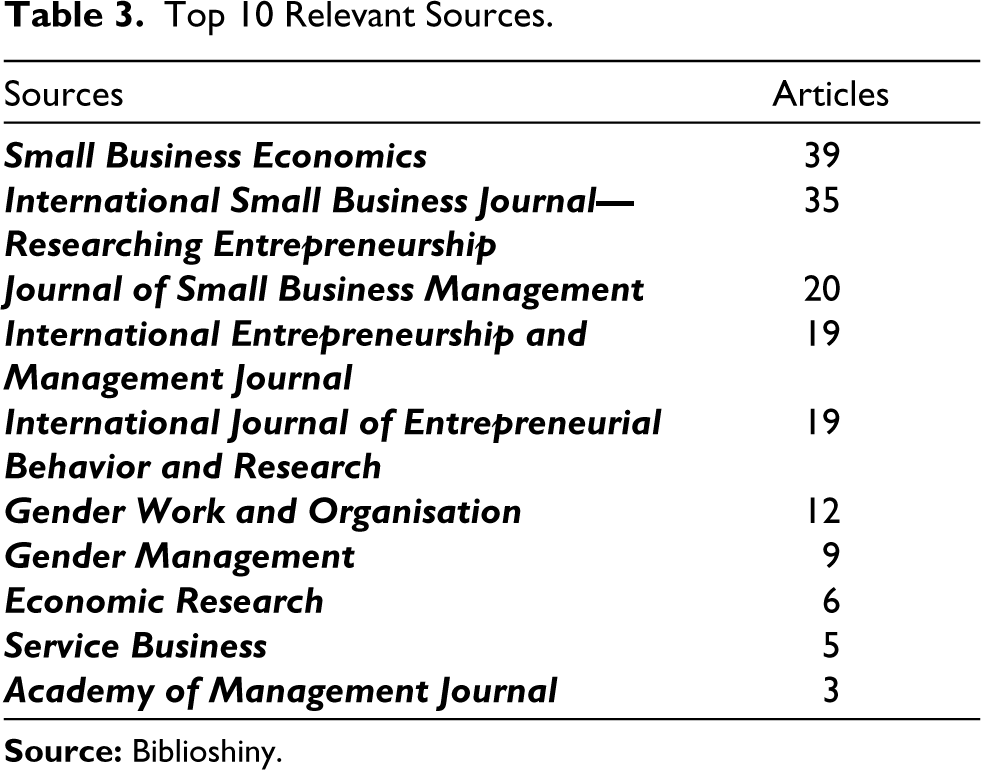
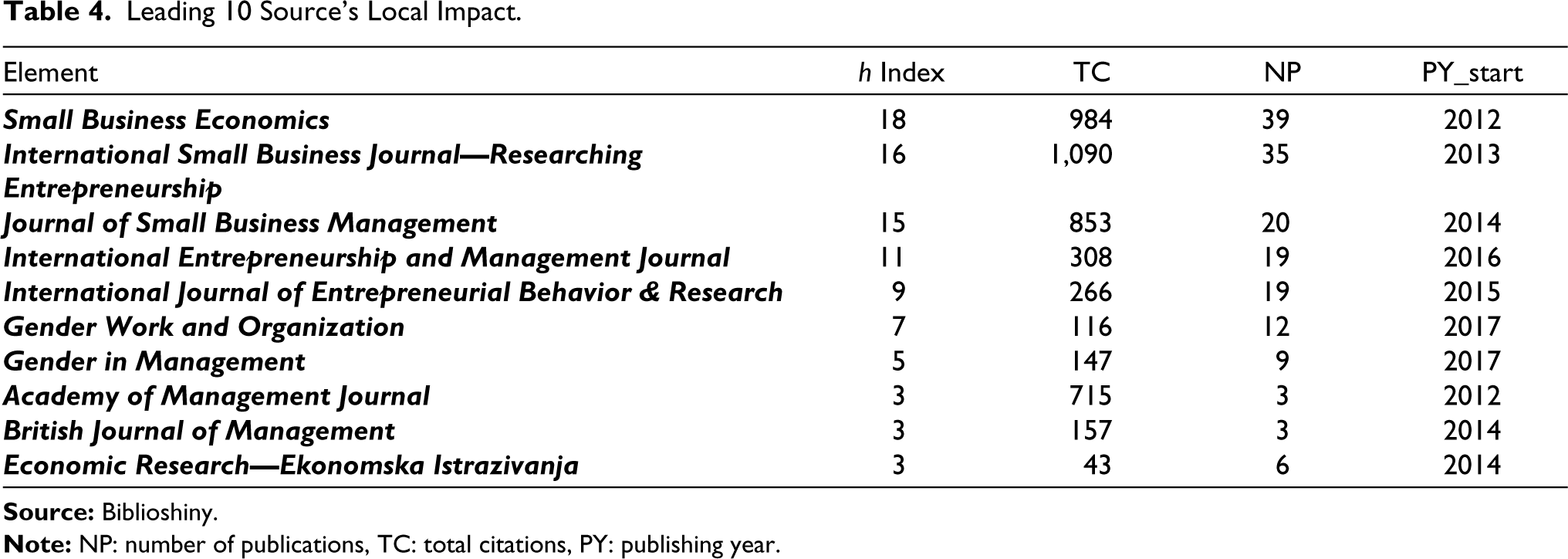
Table 3 displays the names of the top 10 publications that have published papers on women entrepreneurs over some time. It is noticed that the Small Business Economics journal has produced the highest number of papers (n 39), then International Small Business Journal (n 35), Journal of Small Business Management (n 20), International Entrepreneurship and Management Journal (n 19) and the list goes on. The Academy of Management journal has published the least articles (n 3) on this topic. Table 4 reveals the impact of the top 10 local sources. It shows that Small Business Economics ranks first with an h index of 18, followed by International Small Business Journal—Researching Entrepreneurship with an h index of 16. In terms of total citations, the picture is slightly opposite with both journals: International Small Business Journal—Researching Entrepreneurship in the lead (n 1,090), followed by Small Business Economics (n 984). Both of these journals have published the highest cited articles. Small Business Economics has the most articles about women’s entrepreneurship (39), followed by the three aforementioned open-access journals (International Small Business Journal—Researching Entrepreneurship, Journal of Small Business Management, International Entrepreneurship and Management Journal).
Top 10 Relevant Sources.
Leading 10 Source’s Local Impact.
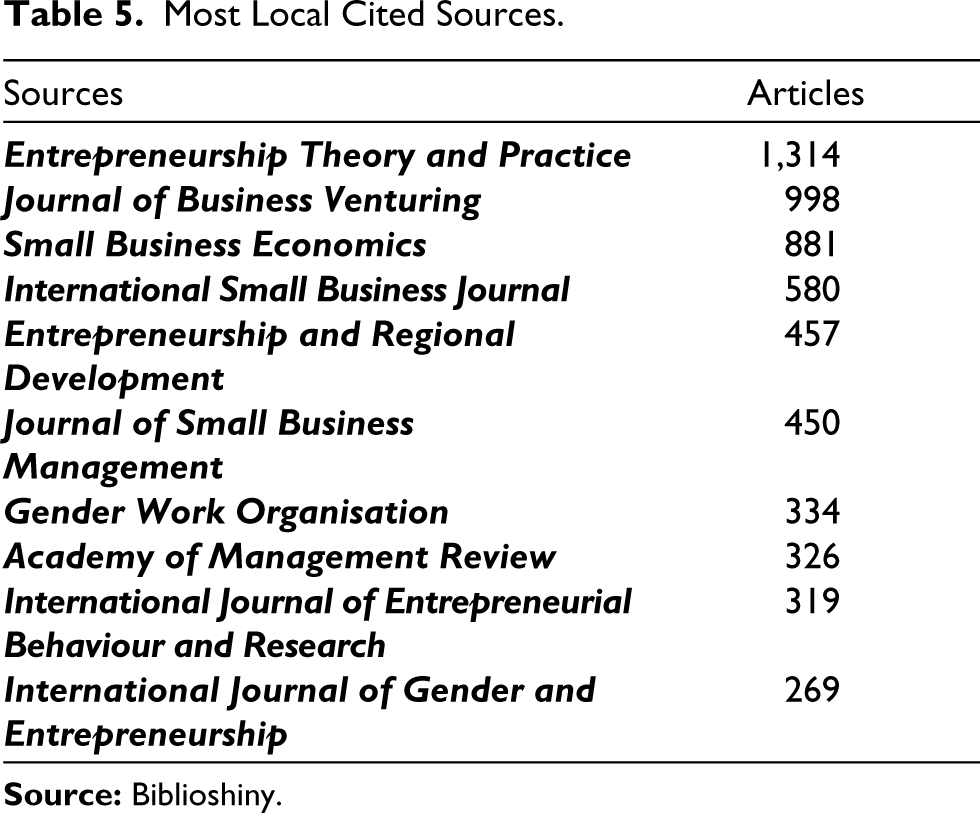
Bradford’s law was first described by Samuel C. Bradford in 1934. Under Bradford’s law, total number of articles has been divided into three groups, each consisting of one-third of all articles. Figure 3 shows that journals like Small Business Economics, International Small Business-Researching Entrepreneurship, Journal of Small Business Management International Entrepreneurship and Management Journal, Gender Work and Organisation and Gender in Management fall under Zone 1 (i.e. core journals), journals like Applied Economics, British Journal of Management and Journal of Competitiveness fall under Zone 2 and journals like Future, Human Relations and Journal of Population Economics fall under Zone 3 (i.e. secondary journals). Table 5 shows the most local cited sources. It reveals that Entrepreneurship Theory and Practice ranked as the top journal publishing 1,314 articles, followed by Journal of Business Venturing with 998 articles, then Small Business Economics with 881 articles etc. International Journal of Gender and Entrepreneurship received the lowest position in the top 10 local cited sources list as it has published 269 documents only.

Most Local Cited Sources.
Authors Analysis
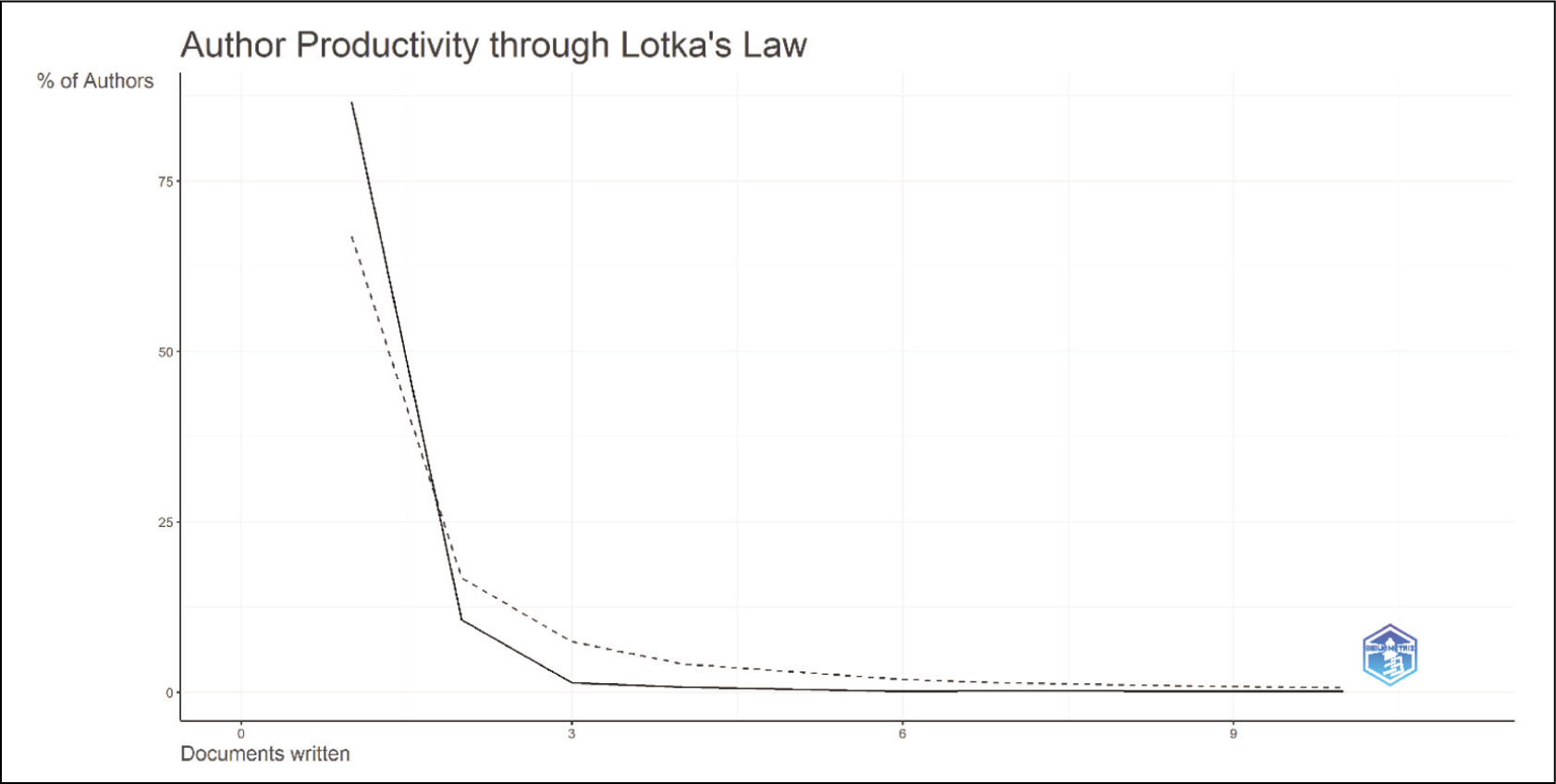
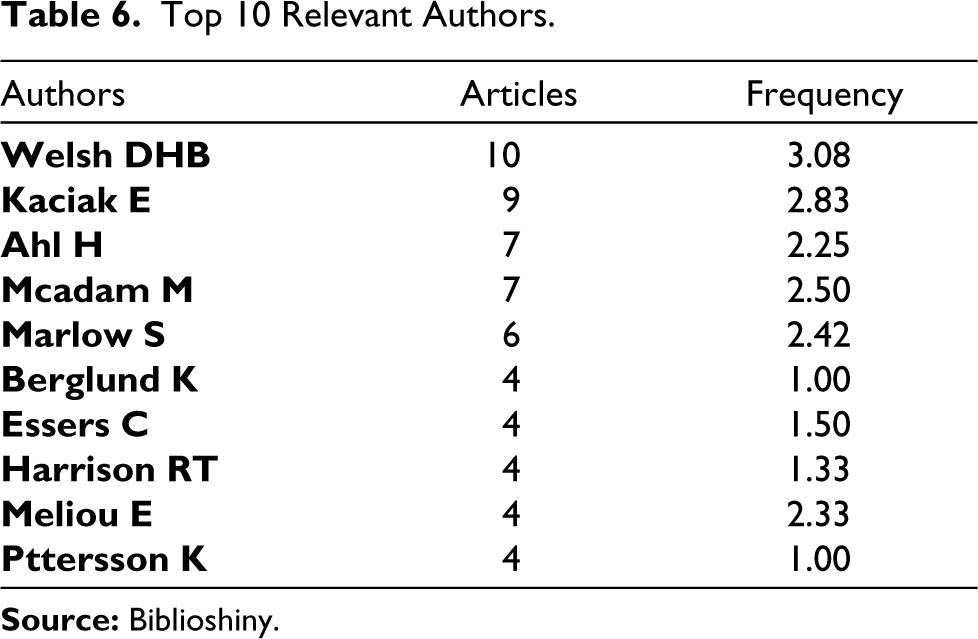
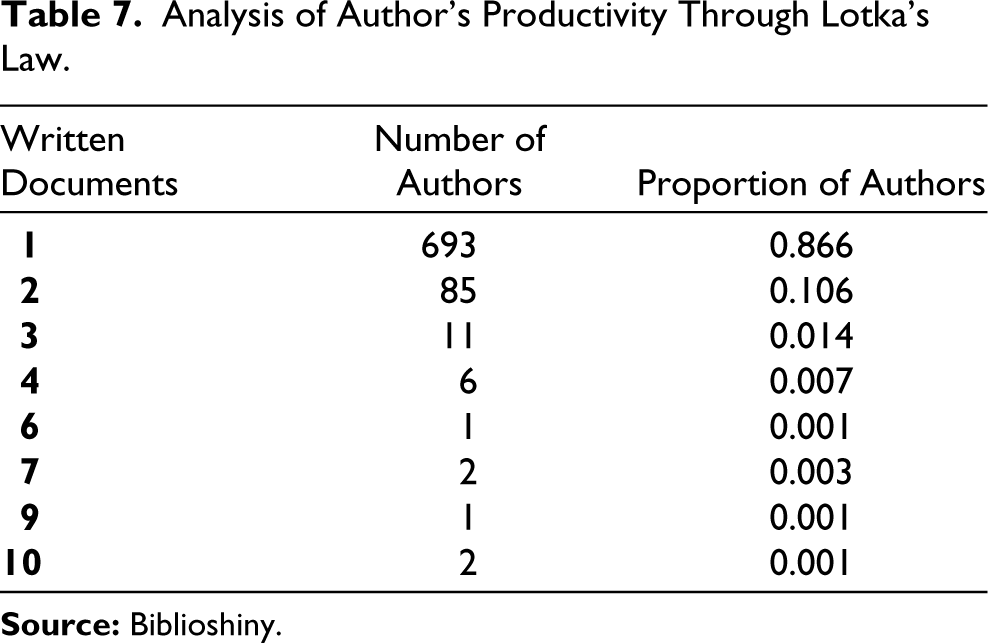
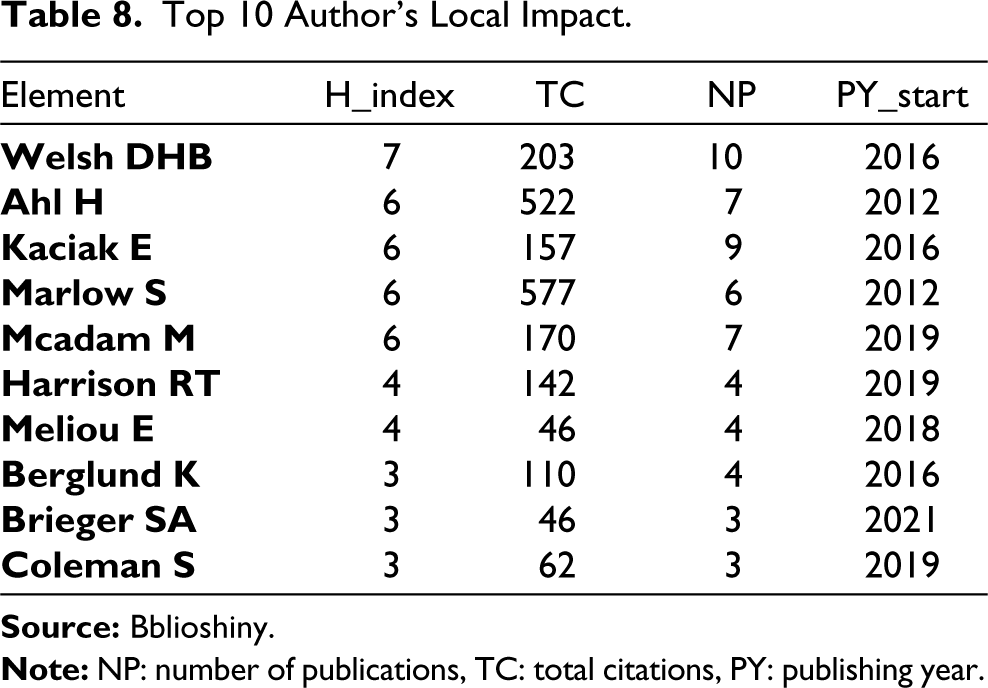
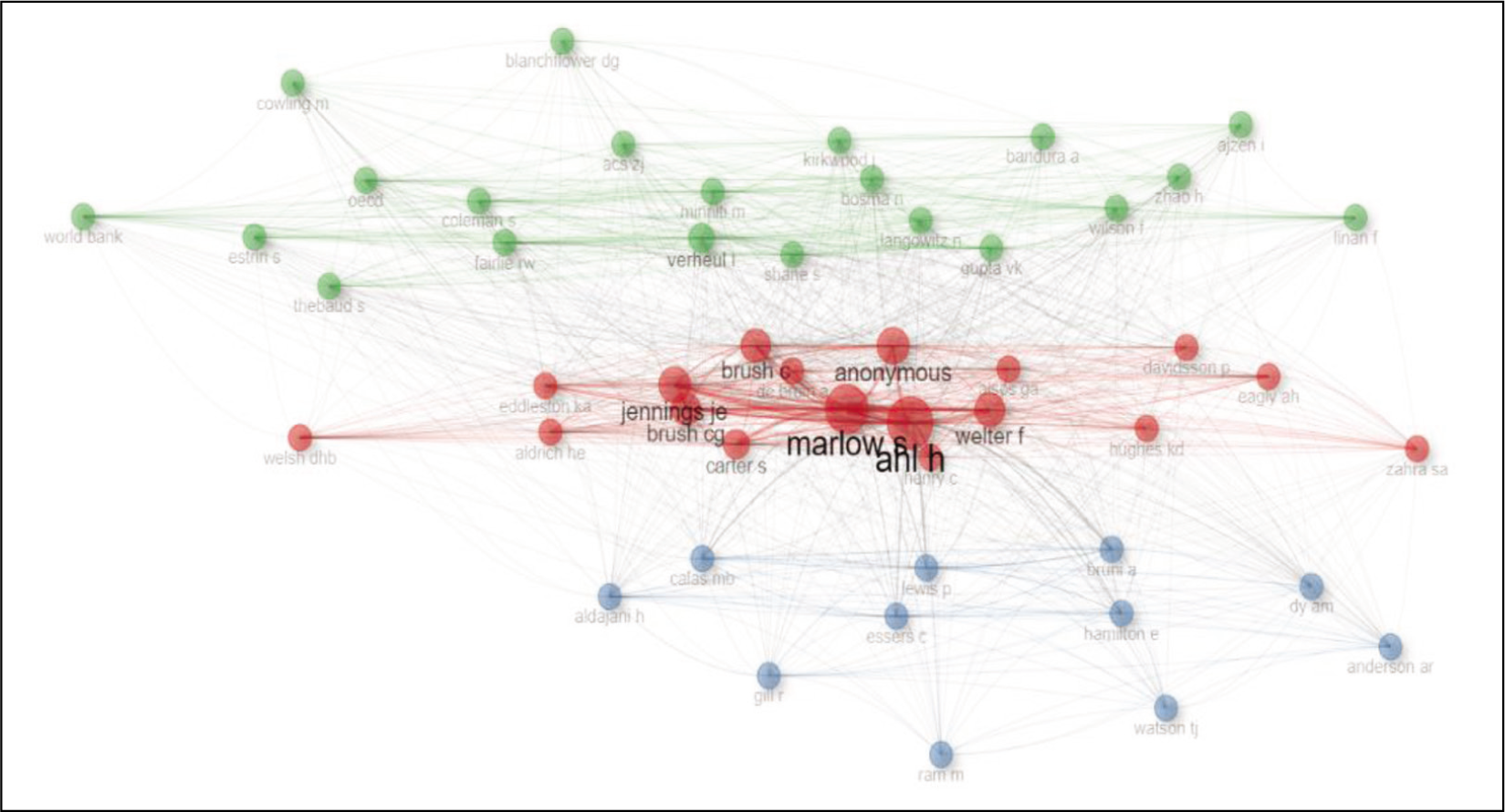
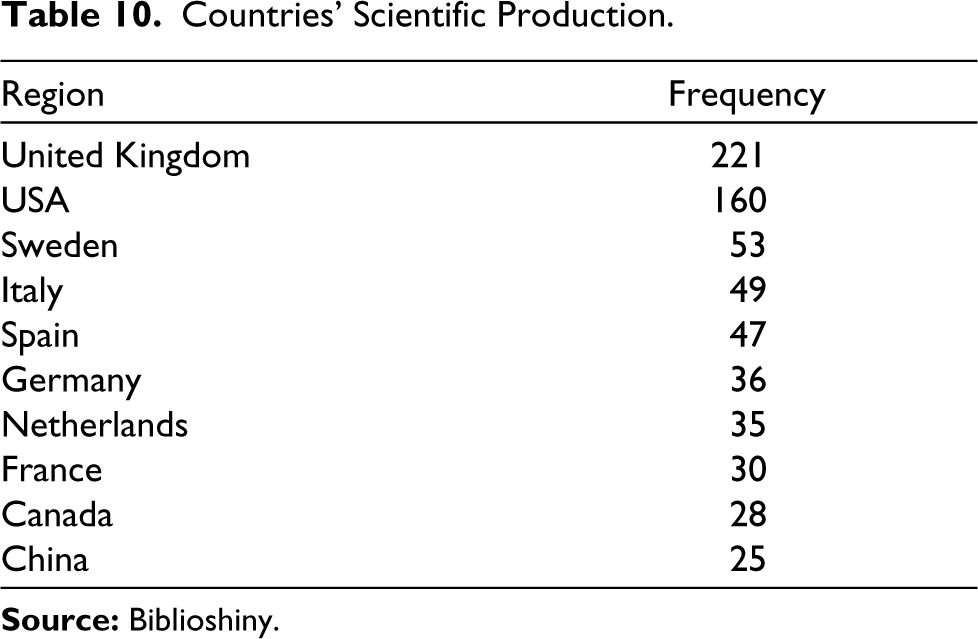
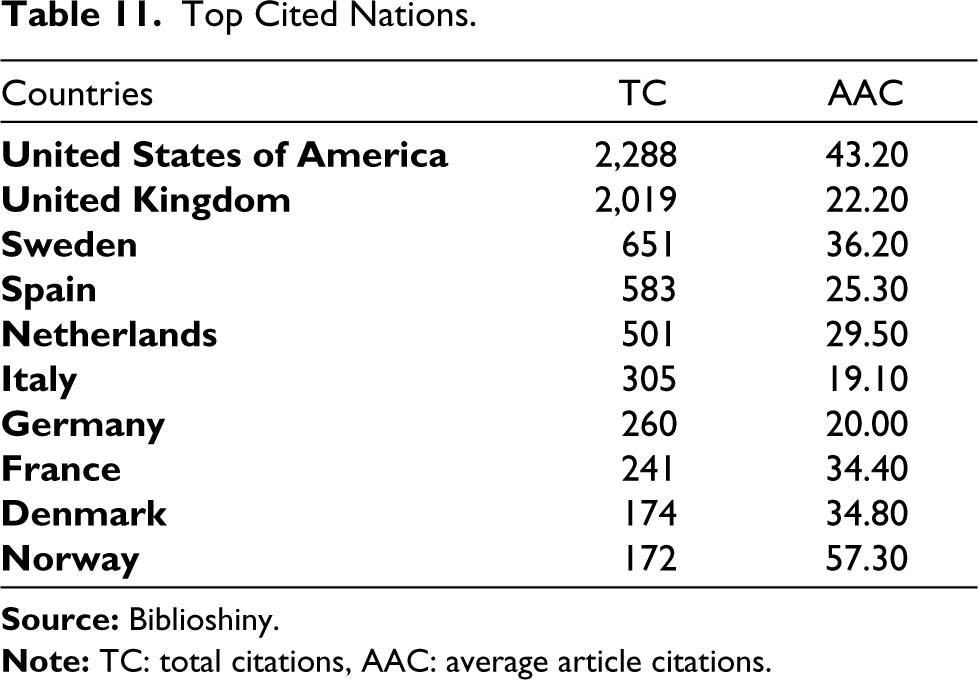
This section includes the information related to the top relevant authors, the author’s analysis using Lotka’s law, the author’s local impact, the co-citation network, top relevant affiliations, the country’s scientific production and most cited countries. Table 6 represents the names of the top 10 authors in general who published articles on women entrepreneurs. Welsh DHB has published papers more frequently (n 10) than Kacik E (n 9), Ahl H (n 7) etc. Pttersson K scores the tenth position as he published only four articles related to women’s entrepreneurship. Alfred J. Lotka presented his law in 1926. It explains the connection between authors and the number of articles they publish. Figure 4 depicts the productivity of an author using Lotka’s law. The X axis represents documents written while the Y axis shows the percentage of authors on women entrepreneurs. Table 7 also reveals a thorough analysis of the Lotka law mentioned above. It demonstrated that only one document has been written by 693 authors. There are only two documents authored by 85 authors, three by 11 authors and so forth. Only two authors have written 10 documents. Table 8 shows the top 10 author’s local impact. It concludes that Welsh DHB ranks first in the list with an h index of 7, followed by Ahl H 6 h index. Coleman S has scored the lowest h index of three only. In terms of total citations, Marlow S is in the lead, followed by Ahl H. Both of these authors are among the highest cited authors. Concerning the volume of publications on women’s businesses, Welsh Dhb ranked first with 10 articles, followed by the three aforementioned authors (Kaciak E, Ahl H, Mcadam M). The co-citation analysis of the authors is displayed in Figure 5. Cluster 1 includes the authors named Welter, S. Marlow and L. Ahl. Gill R, Lewis P and Essers C belong to cluster 2. Cluster 3 includes Fairlie RW, Gupta VK and Linan F. Table 9 represents the names of the top 10 affiliations that have published articles on women entrepreneurs. University of Lancaster has published papers more frequently (n 16) than Dublin City University (n 13), Brock University (n 12) etc. Table 10 indicates the top 10 nations that produced articles on women entrepreneurs. The United Kingdom tops the list as it publishes papers more frequently (n 221), followed by USA (n 160), Sweden (n 53) etc. India is not among the list of top 10 countries. It means that not much work has been done on women during the years 2012–2023 in India. Table 11 shows the top 10 cited countries. With 2,288 citations, the United States has been among the most commonly cited countries, then comes the United Kingdom with 2019 citations, then Sweden with 651 citations etc. Norway country has become the least cited country with only 172 citations only.
Top 10 Relevant Authors.
Analysis of Author’s Productivity Through Lotka’s Law.
Top 10 Author’s Local Impact.
Leading 10 Relevant Affiliations.

Countries’ Scientific Production.
Top Cited Nations.
Conceptual Structure
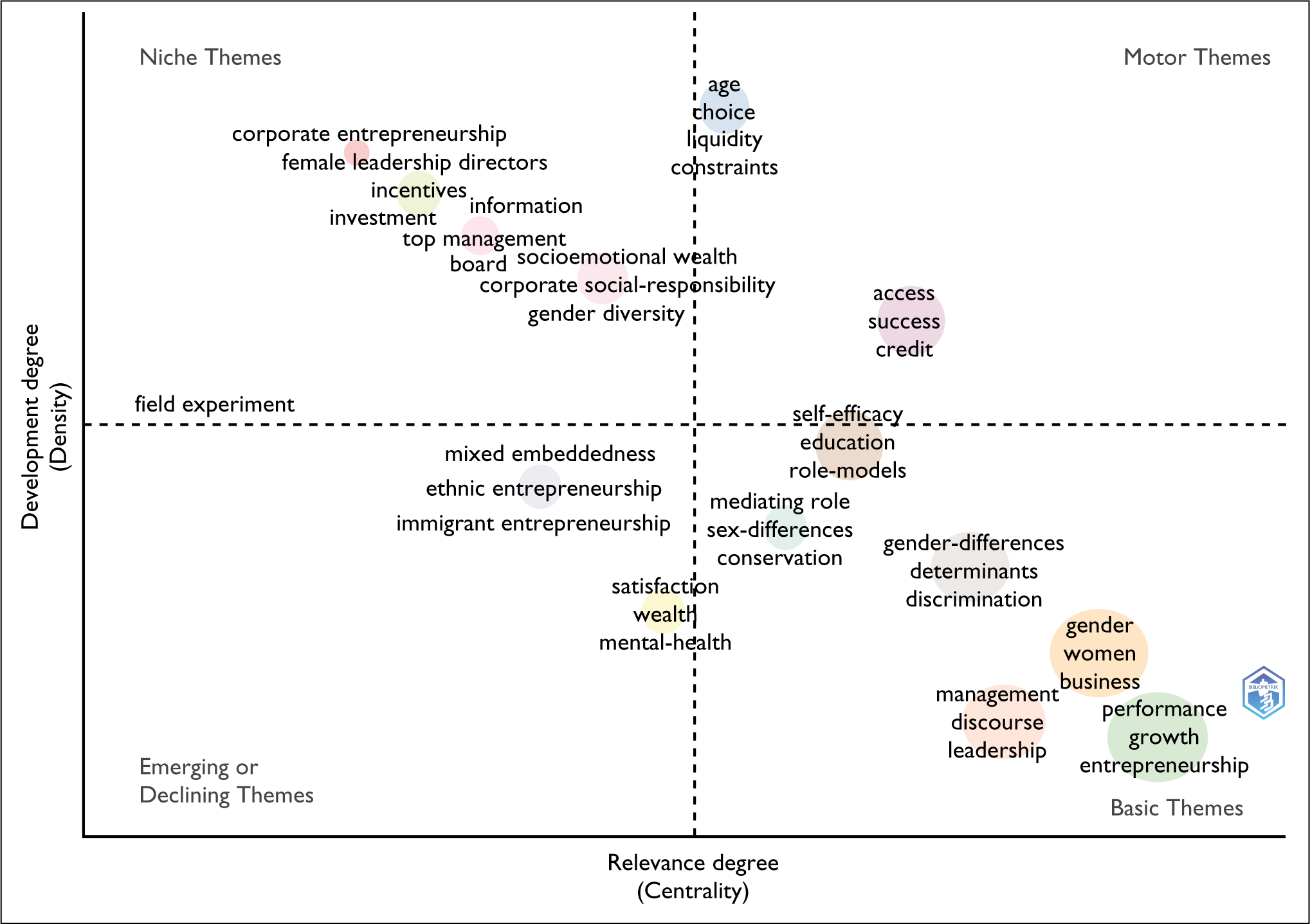
This section shows the network approach which includes thematic map analysis and factorial analysis. Figure 6 demonstrates a thematic map that identified the co-occurrence network’s discovered clusters based on KeyWords Plus from 2012 to 2023. The whole thematic map has divided the key themes into four quadrants based on some parameters. The initial region shows motor concepts, the second region identifies advanced and isolated concepts and third quad includes leading or dipping concepts. Fall into fourth quad is fundamental and intersecting concepts or universal issues that cross over into other fields of study. Table 12 shows the words of all four quadrants. Here, Quadrant 4 shows topics based on KeyWords Plus that are underdeveloped even after having a high-relevance degree. The future work can lie in relevant areas that fall under quadrant 4 (i.e. gender differences, discrimination, performance etc.).
Thematic Map Quadrant-wise Analysis.
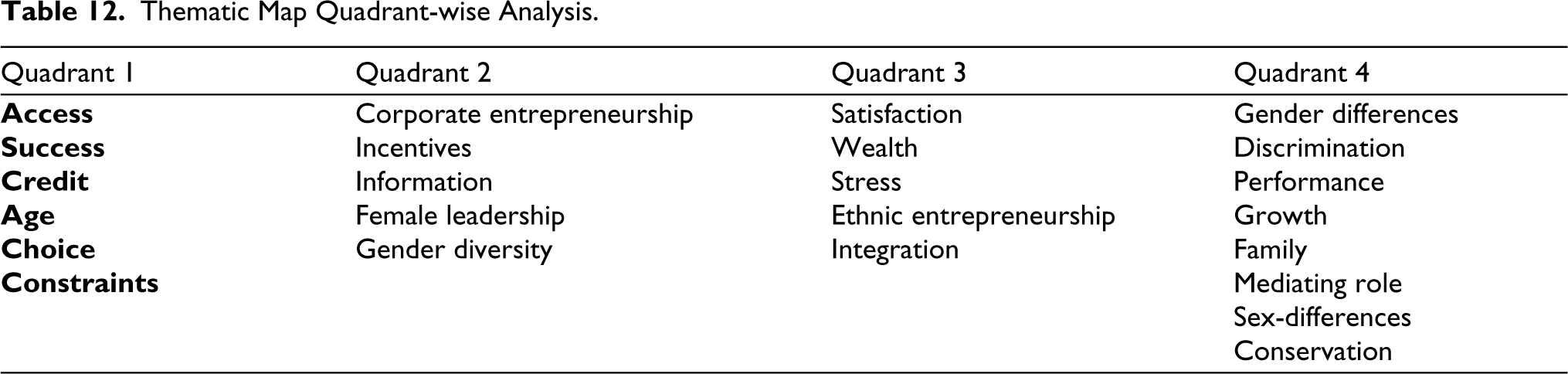
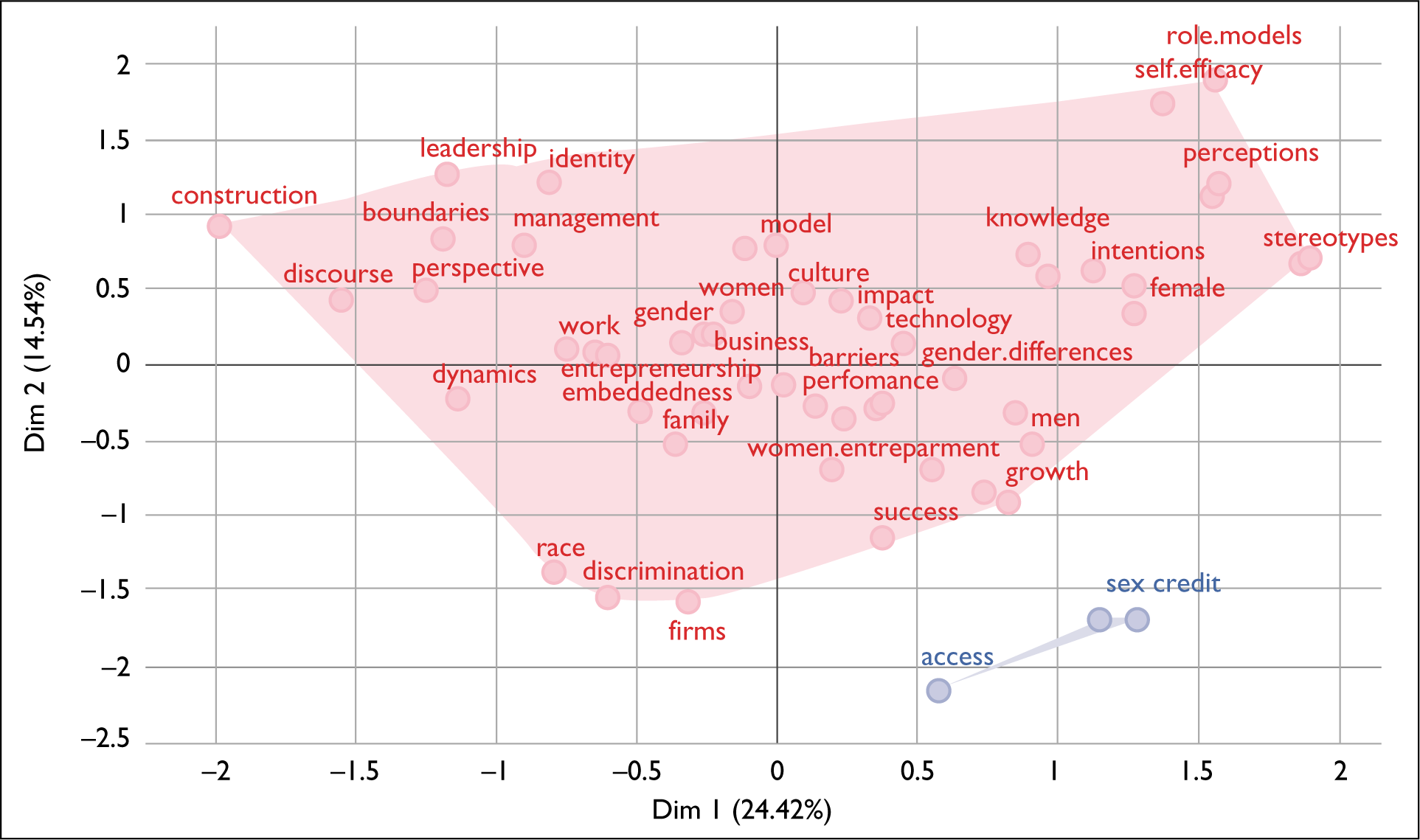
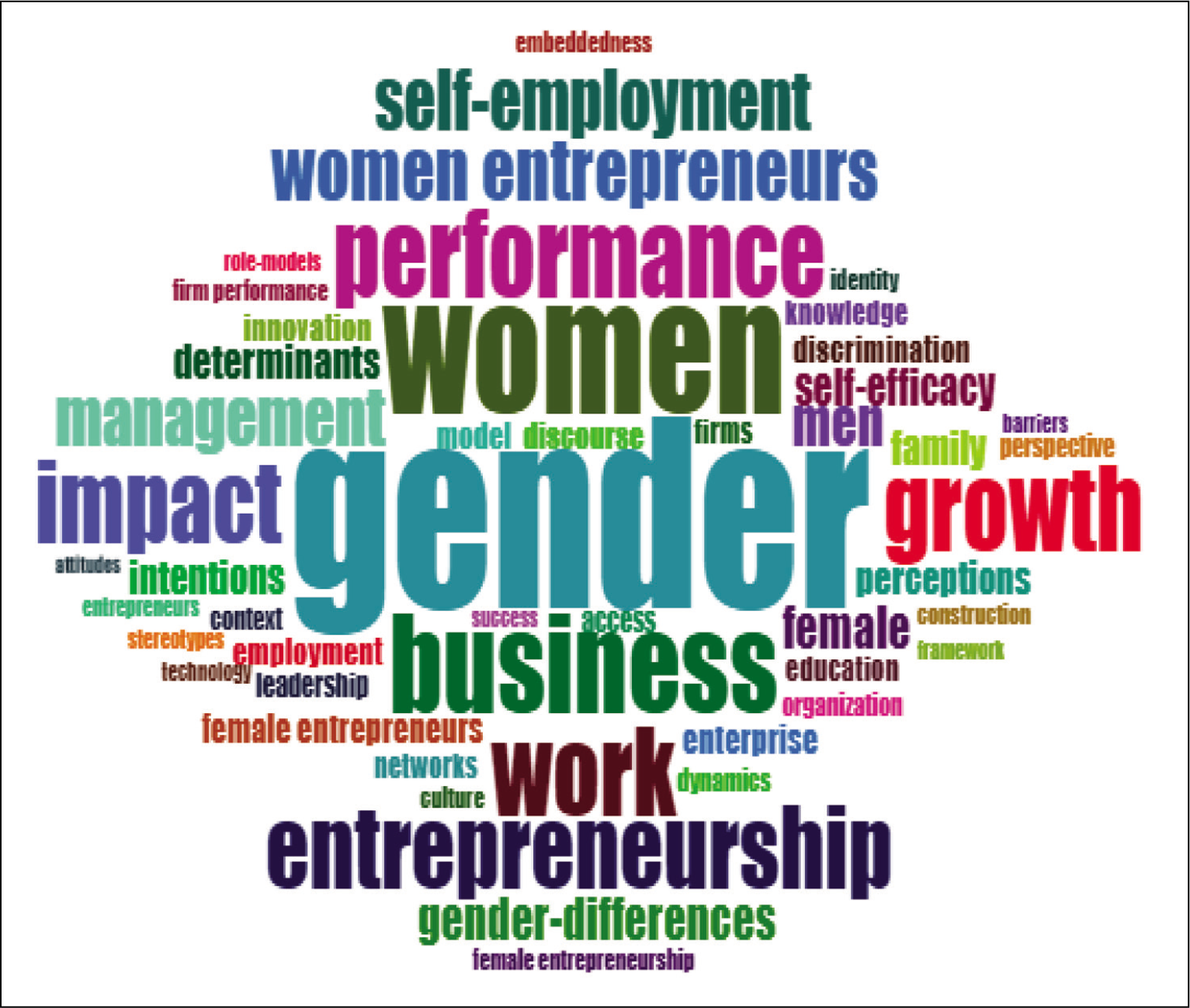
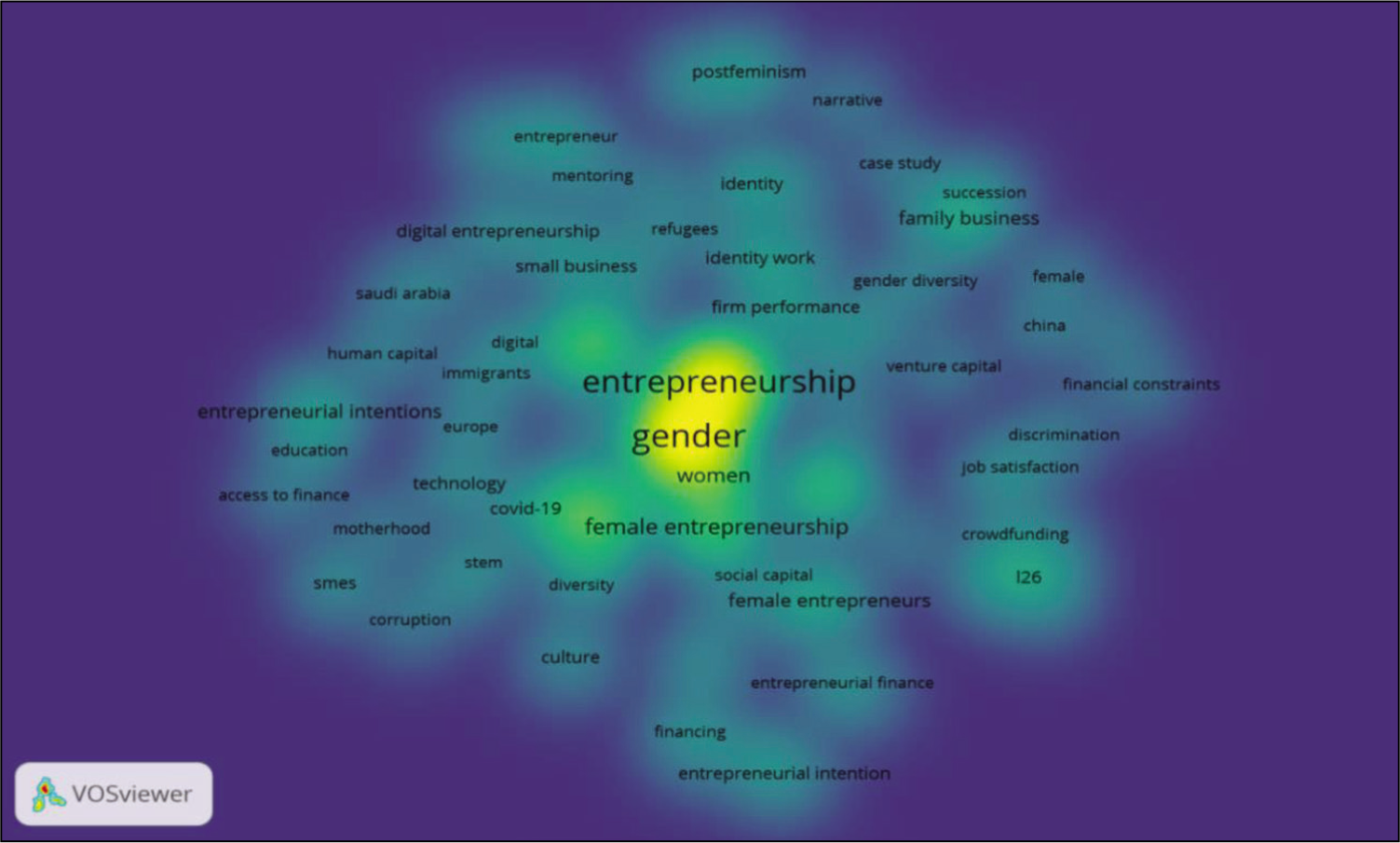
Figure 7 represents a word map under factorial analysis using the multiple correspondence analysis method. Based on the authors’ key words method, parameters include two clusters (one is the pink-shaded portion and the other is the blue-shaded portion) and the total number of terms selected is 50. Cluster 1 includes the key words like role models, perceptions, gender differences etc. and Cluster 2 (blue) includes the authors’ key words like sex, access, credit etc. Figure 8 shows words cloud based on KeyWords Plus. As we can see, the word gender is used more frequently (n 101), followed by women (n 69), then business (n 53) and so forth. Figure 9 shows that ‘entrepreneurship’ and ‘gender’ have the largest yellow colour density; as a result, these are two prominent key words in female entrepreneurship. Figure 10 depicts density representation of the author’s key words which shows seven clusters that are created based on the author’s key words using VOSviewer. Cluster 1 includes words like case study, China, crowd funding etc., whereas cluster 2 includes culture, entrepreneurial, finance etc.
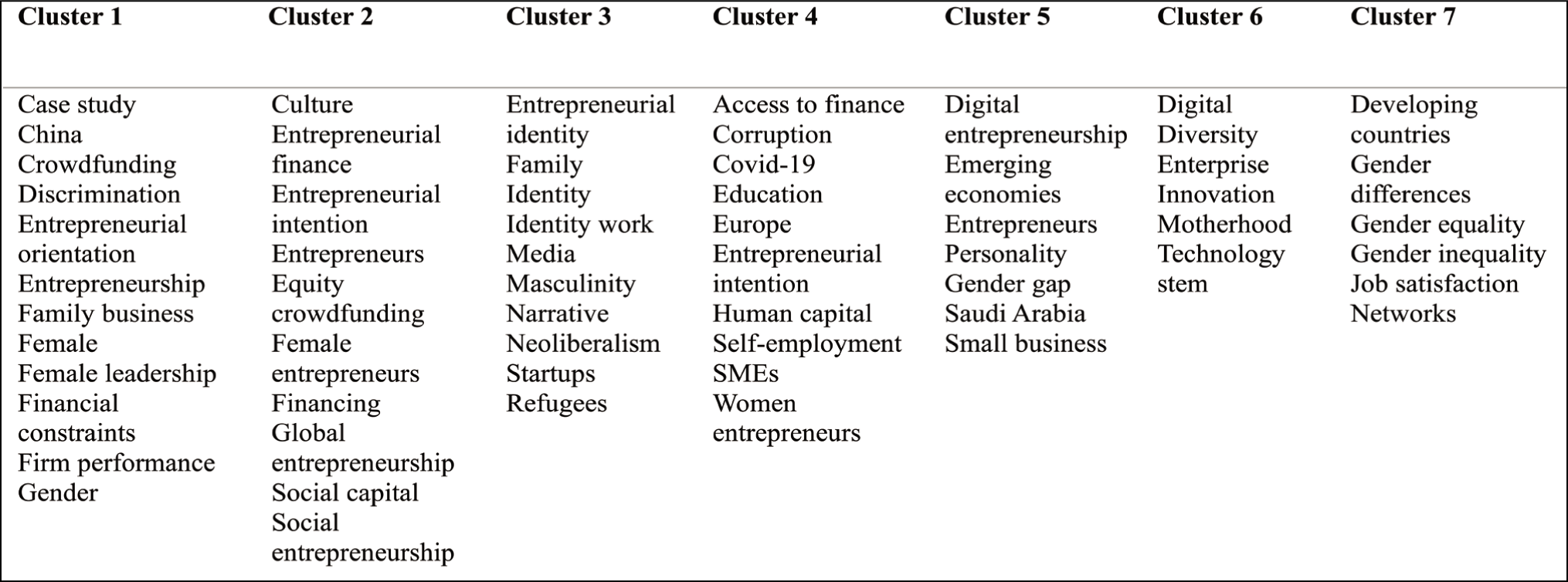
Full key word co-occurrence evaluations are displayed in Figure 11. Co-occurrence evaluation showed that terms are organized according to topics of attention, with concepts relating to the subject of research such as gender and entrepreneurship and female entrepreneurs. An aggregate of 956 key words were found, out of which 86 have at least three occurrences, which is the threshold criterion. ‘Gender’ is the most often used term from 2012 to 2022, and it has a close relationship with other key words. Seven clusters in all were created, with the key words for each cluster being combined for future research on female entrepreneurship.

Social Structure
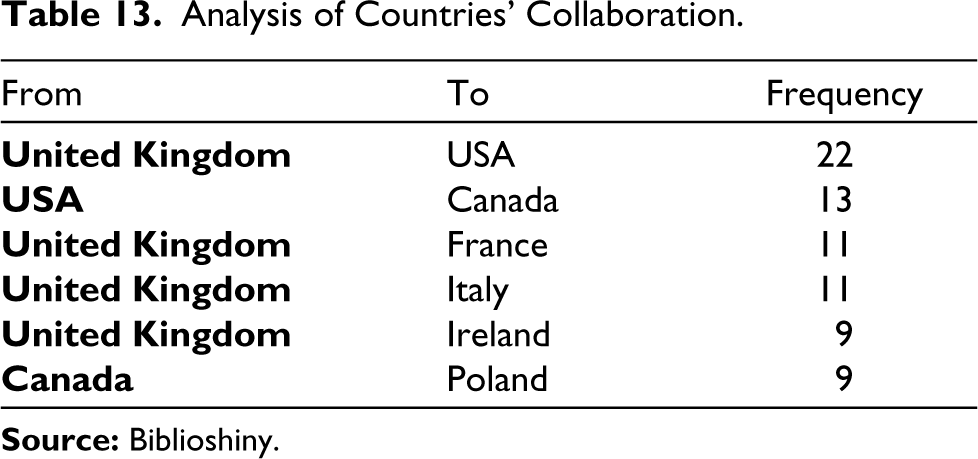
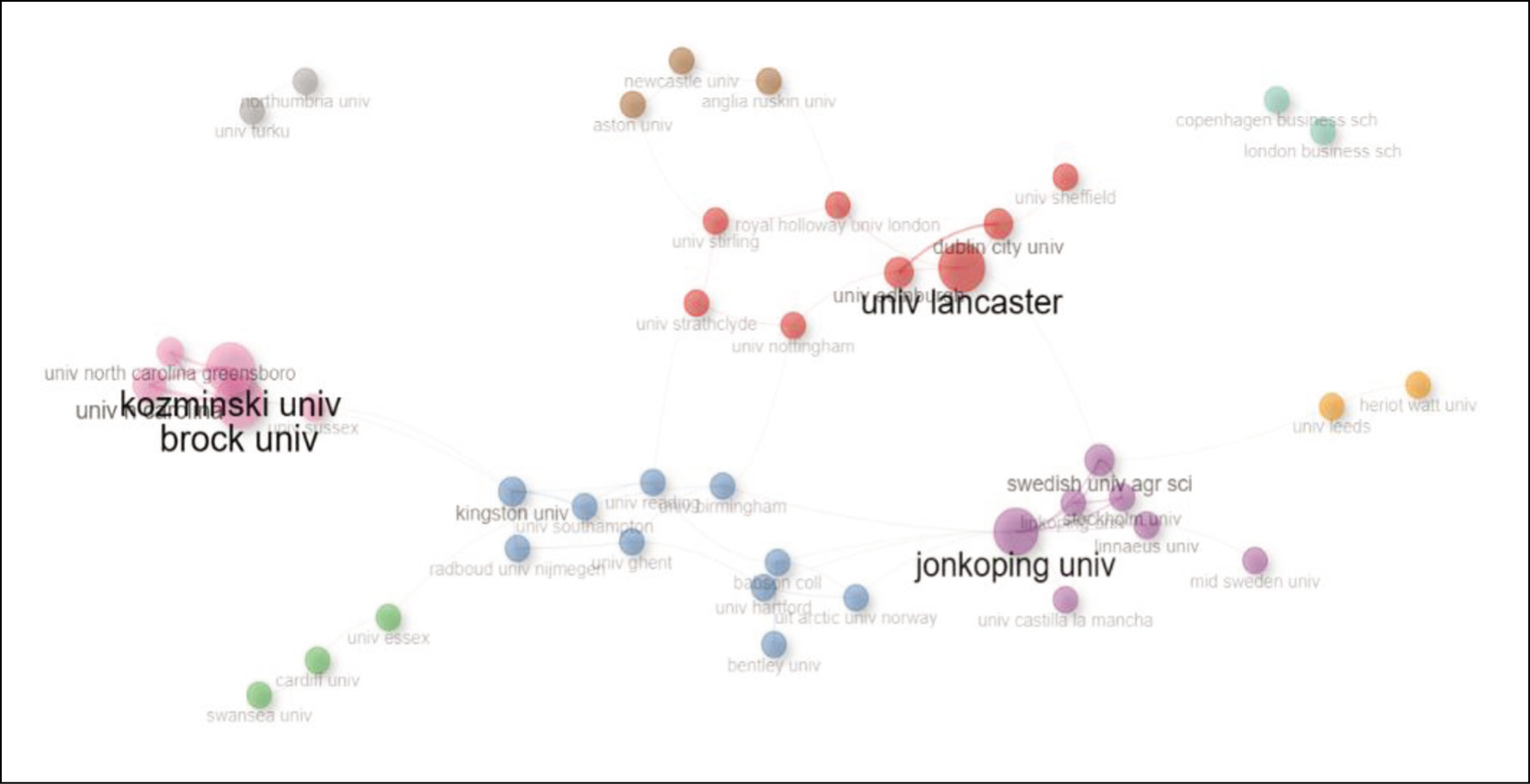
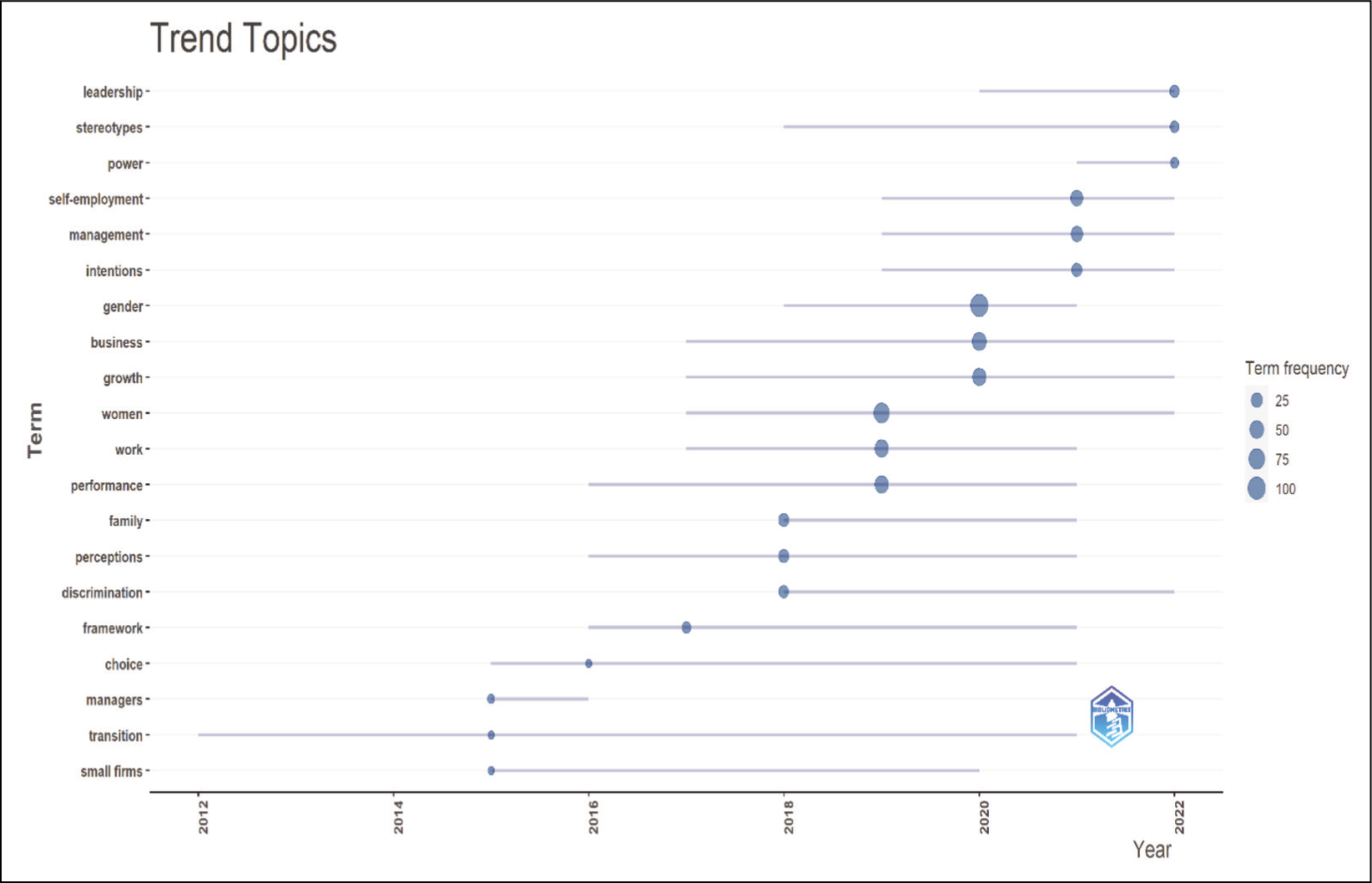
This section includes an analysis of the collaborations of different institutions and countries, three field evaluations and trending areas related to women entrepreneurs. Figure 12 shows the collaboration between various countries which is summarized in Table 13. It reveals that the United Kingdom and the USA have the highest number of collaborations (n 22). USA and Canada tie for second place with 13 collaborations, then the United Kingdom and France (n 11) and so forth. Figure 13 depicts various institutions that worked with one another to support work on female entrepreneurship. Universities in Cluster 1 include University of Lancaster, Dublin City University and University of Edinburgh. Universities in Cluster 2 include the University of Sheffield, Radboud University Nijmegen, University of Birmingham etc. Figure 14 illustrates three field plots. Authors are displayed on the left field (n 10), the nations of the authors are shown in the centre (n 10) and the key words are shown on the right field (n 10). Marlow, Meliou, Harrison, Mcadam and other renowned authors have all written pieces on women entrepreneurs. The top working nations include the United Kingdom (n 207), the United States (n 141), Sweden (n 67), Italy (n 47), Spain (n 40), etc. Top search terms include gender, entrepreneurship, women entrepreneurs, women etc. Figure 15 shows trending topics from 2012 to 2023 based on KeyWords Plus. As we can notice from the year 2015, lot of topics have gained the attention of researchers. In the year 2015, topics related to managers, transition and small firms were trending: choice in 2016, framework in 2017, family (freq. 19), perceptions (freq. 18) and discrimination (freq. 15) in 2018, women (freq. 69), work (freq. 47) and performance (freq. 47) in 2019, gender (freq. 101), business (freq. 53) and growth (freq. 46) in 2020, self-employment (freq. 32), management (freq. 31) and intention (freq. 19) in 2021 and leadership (freq. 131), stereotypes (freq. 10) and power (freq. 8) in 2022. Topics related to gender recorded the highest frequency (101) in these years.

Analysis of Countries’ Collaboration.
Collaboration Network of Institutions.

Discussion
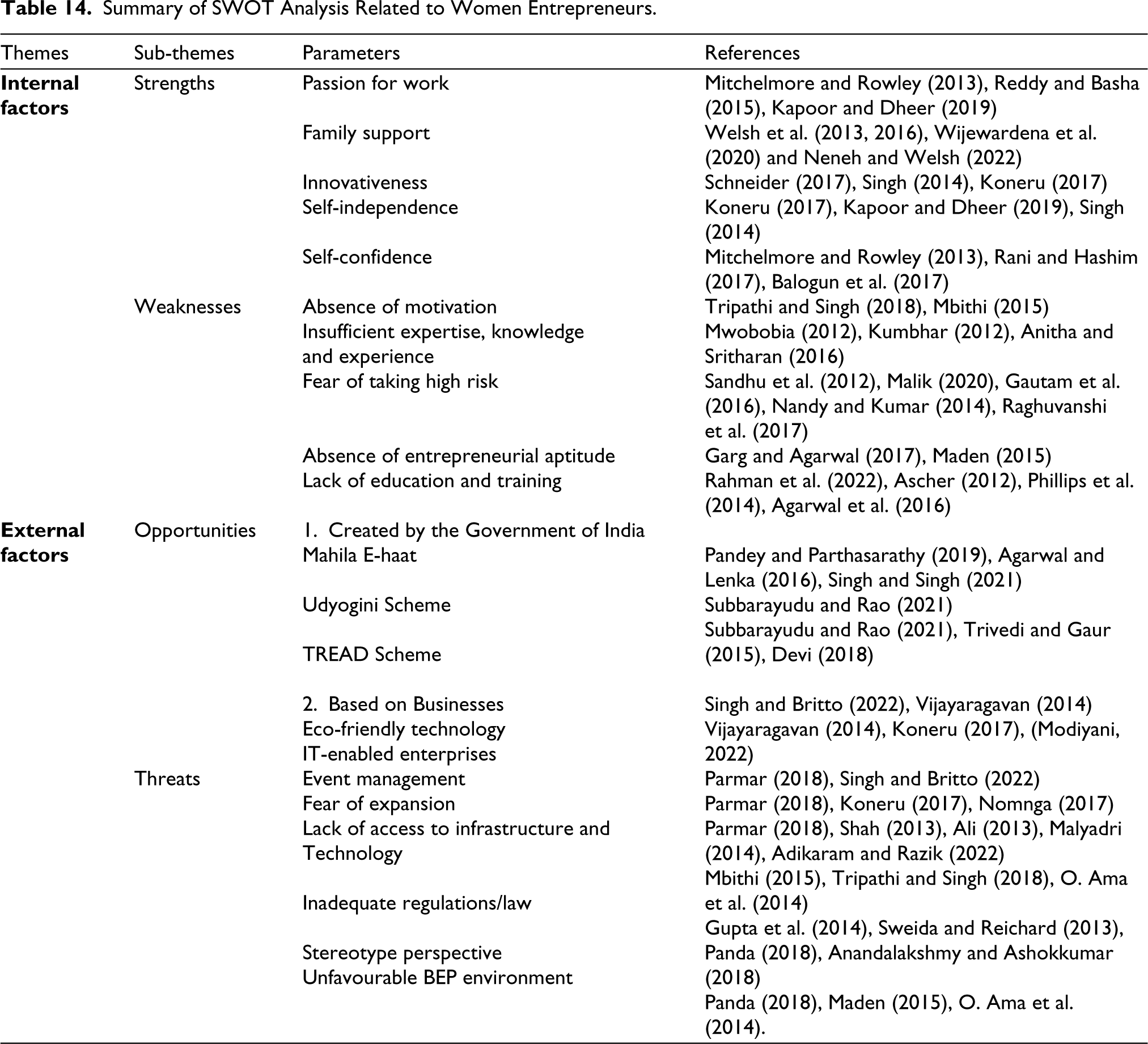
Studies demonstrate that women entrepreneurs all over the world are affected by numerous internal and external factors. Internal factors include those factors which can be addressed by entrepreneurs while external include those which are outside the purview of women entrepreneurs, e.g., dedication towards work and decision-making capabilities, whereas external include political restrictions, difficult business climate etc. Four components have been identified by this study, i.e., SWOT analysis from the selected dataset. SWOT analysis (strength, weakness, opportunities and threat evaluation) is an approach to recognize and evaluate both internal as well as external factors that might affect the viability of a project, thing, place or person (Teoli et al., 2022). SWOT analysis is easy to understand and apply and also it helps make future decisions. It is suitable for all types of studies. Strength is what distinguishes you from your competitors. Weakness refers to the requirement for improvements. Opportunities are circumstances that, when used appropriately, can aid in the development of your competitive advantage, and external factors that are beyond your control are known as threats (Queensland Government, 2022). Studies revealed parameters like passion for work, family support, innovativeness, self-independence and self-confidence as the strengths of women entrepreneurs, who are self-assured, innovative business thinkers and creative thinkers for the goods and services they offer. Women who own their businesses can become financially independent. They provide employment opportunities for others by beginning, creating and operating the business while maintaining a healthy balance with their private, familial and social endeavours. Women are becoming stronger and more eager to work hard and more successful (Parmar, 2018). Moral support from family members can have two effects on how women entrepreneurs think. On the one hand, women entrepreneurs’ issues grow as a result of their family’s spiritual support. This may be due to the credibility, power and capacity of family members to intervene in an organization by providing moral support. On the reverse side, it also assists female business owners in identifying managerial skill gaps and the value of earlier employment. It is interesting to note that women entrepreneur’s perceptions of education’s value for their companies are not much influenced by their family’s moral support. This may be a result of the family’s moral support, which has been shown to boost feelings of self-efficacy and confidence (Welsh et al., 2016). Weaknesses include various factors like shortage of entrepreneurial training and education, absence of counselling and guidance, shortage of education, experience, lack of access to training and human resource hiring and management (Ramadani et al., 2015; Sengupta et al., 2013; Yousuf Danish & Lawton Smith, 2012). Many females in emerging countries remain ill equipped and illiterate financially and educationally (Phillips et al., 2014). Due to a lack of these basic skills, they often face difficulties in operating the business. Women’s literacy is specifically high in rural segments as 63% of women are illiterate (Agarwal et al., 2016). Lack of willpower, self-confidence, motivation, mental power and positive attitude creates an environment of fear among female entrepreneurs. The social environment serves as a deterrent to entrepreneurship. Women specifically in India live protected life. Their capacity to accept risks and uncertainties is reduced by a lack of knowledge, financial stability and economic independence (Koneru, 2017).
Opportunities can be produced either by the government or they can be based on different businesses like IT-enabled businesses, embroidery etc. If we talk about India, various initiatives have been launched by GOI from time to time for the welfare of women entrepreneurs (TREAD, Mahila Coir Yojna, Udyogini Scheme, Mahila E-haat, Annapurna scheme, Dena Shakti scheme, etc.). These plans have the potential to generate a lot of chances for women entrepreneurs. Through its internet advertising system, which links female entrepreneurs with markets, E-haat was established in March 2016 to tackle the problems of marketing that women entrepreneurs face (Agarwal & Lenka, 2018). TREAD programme (Trade Related Entrepreneurship Assistance and Development) through business-related training, education and consulting activities for trade, products and services, among other things, is aimed at economically empowering women as it offers financial loans via NGOs, which also receive grants from the Government of India for capacity building. Women entrepreneurs who benefited from the programme established their businesses to engage in non-farming industries such as food processing, ready-made clothing and tailoring, paper and leaf cup and plate manufacturing, beauty salons etc. (Sharma, 2018). Udyogini Scheme programme encourages and motivates women’s entrepreneurship among the underprivileged. It primarily serves and aids illiterate women who reside in rural and underdeveloped areas (Swapna et al., 2023). Even though the governing body has developed and implemented several beneficial policies, India’s female entrepreneurship rate is still alarmingly low. Since almost all female-owned companies are situated in the unregulated industry, they cannot benefit from government funding. Finding innovative ways to encourage female entrepreneurs may be possible through analysing the impact of present policies and schemes. Female entrepreneurship is a broad and complex topic and to completely comprehend its dynamics, significant and rigorous study efforts are required (Tiwari, 2017). If we talk about opportunities based on businesses, eco-friendly technologies, biotechnology and IT-based businesses present excellent business potential for women entrepreneurs to manage events while pursuing a successful career (Parmar, 2018). Using a mobile phone for business communication gives women entrepreneurs a quick and convenient option. It helps female entrepreneurs save transaction costs, boost earnings through improved business relationships, improve their capacity to handle emergencies and ultimately increase productivity. Additionally, using a mobile phone helps female business owners reduce costs associated with trade, reduce hazards, replace essential travel and increase activity efficiency and money transfer (Komunte, 2015). Various threats have also been identified which have been faced by women entrepreneurs for ages, e.g., unfavourable business, economic and political, that includes political instability, bureaucracy, red-tapism, high competition from the market, corruption, recessions etc. (Naguib & Jamali, 2015; Yousuf Danish & Lawton Smith, 2012). Another one is lack of infrastructural support which includes day-care facilities, high rents, market research feasibilities etc. (Maden, 2015; Ramadani et al., 2017). Talking about next, gender discrimination jolted women entrepreneurs every single day. According to reports, the degree of discrimination felt was caused by a person’s ethnicity, gender or a combination of both (Fielden & Davidson, 2012). Young women are the group with the greatest percentages of job insecurity and economic marginalization, making them particularly vulnerable to victimization (Watson, 2013). In terms of work and financial security, males tend to fare better statistically, yet they additionally contribute to a variety of society’s issues. For instance, males who struggle academically are more likely to experience violence. Women owners typically use indigenous technologies to produce items and offer services, but they are unable to compete with products from other countries. As a result, female entrepreneurs lose money. In India, no technology hubs supporting female entrepreneurs have been formed. Universities and technical institutions play no part in the creation and diffusion of innovations in partnership with women-owned businesses. The Indian government has not made any special efforts to advance technology in the growth of women’s businesses. Because of the local needs of women-owned businesses as well as the diffusion of technology and knowledge, women’s business units have not been technologically modernized (Shah, 2013). Overall, the journey ahead for women entrepreneurs is going to be a difficult task for them. Table 14 shows a summary of the SWOT analysis identified from the literature studied.
Summary of SWOT Analysis Related to Women Entrepreneurs.
Conclusion
All female entrepreneurs experience some difficulties, but because of their gender, women frequently confront additional difficulties and blockages. Women entrepreneurs can achieve new levels of success by building strong business networks, learning new techniques to combine work and life, drawing inspiration from other successful women businesses and staying up to date. It has been discovered that very few female business owners are successful in expanding their micro-enterprises which was done to better understand the procedures and reasons that restrict women from creating and formalizing small businesses. Perhaps this should not come as a surprise given the numerous obstacles they encounter. Less information is known on how few women who do grow their businesses from rudimentary micro-level informal activities to SMEs manage to do so in this era of tough environment. One can easily learn from these experiences of women. Understanding the weaknesses and threats of women entrepreneurs and addressing those can improve and strengthen the bargaining power in society. The success of strengthening female-owned enterprises depends on national policy initiatives with the best outcomes coming from a focus on innovation and creativity. Also contributing to the growth of increasingly prosperous firms are women’s ambition to become independent and creative as well as high levels of education, reliable internet access and other factors. Despite this, women still manage and own fewer firms than men do and make less money from them, and these businesses grow more slowly, fail more frequently and seem more inclined to be driven by needs than men. This is true even though there are more programmes and materials available to support and foster female entrepreneurship in nations that are developing. Taking into account the strengths, weaknesses, opportunities and dangers, all women entrepreneurs encounter some hurdles but women frequently experience additional challenges and bottlenecks due to their gender. Because most women entrepreneurs cannot provide appropriate services to their members, there is an utmost need for capacity development and training, particularly in the areas of governance, leadership, communications and the use of information, communication and technology in business. Schemes launched by various governments of different countries should be supervised carefully after their launch. The establishment of some kind of network or forum among the various female entrepreneurs is also required to help promote a common perspective and encourage them to overcome various issues such as inter-role conflict, pressure from housework and business, independence in decision-making and a desire to be their boss in business. Building a solid business network, learning new techniques to combine life with work, drawing encouragement from similarly outstanding women entrepreneurs and remaining up to date can help them reach new heights of success.
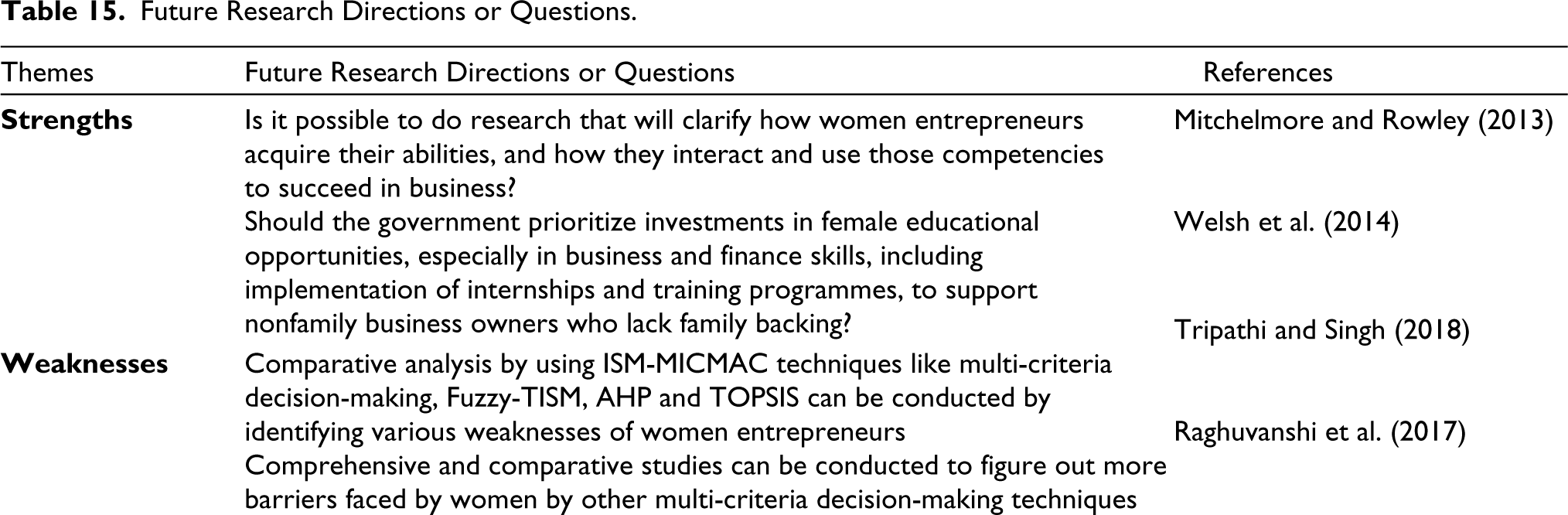
It has been discovered that there is a shortage of quantitative publications and a dearth of collaborations between various nations, organizations and researchers on female entrepreneurship. Not even India has enough collaborations with other countries in this field. So, various studies and collaborations can be made with India in the future on the women entrepreneurship. Furthermore, the business and management discipline dominates the writings on women entrepreneurship, necessitating a broadening of focus and combining several professions. Future research would be advantageous from the inclusion of new databases and search parameters to address this lack of publications/collaborations. Thematic analysis based on KeyWords Plus identified that there is still potential for research on highly relevant issues that are underdeveloped relating to women entrepreneurs as showed by various clusters (mediating role, sex-differences, moderating role, conservation; gender differences, discrimination, children, earnings; management, discourse, leadership, perspective; performance, growth, organization). Apart from these actions, Table 15 also leaves some research directions or questions on women’s entrepreneurship for the future.
Future Research Directions or Questions.

Like every study, this specific one is flawed in many ways. To start, while thorough, this evaluation has not been completed. The WOS dataset is used in the study. We suggest using Scopus along with other datasets for comparison and in-depth analysis for upcoming studies. Second, dissertations, book chapters and books were not included in our study—only materials that had been published in scholarly publications were taken into consideration. To get more information, you may also consider other reliable sources. Moreover, despite our greatest efforts to be reliable and thorough, the evaluation that follows may be theory driven. At last, these results can serve as a guide for subsequent investigation into the issue of women entrepreneurs.
Footnotes
Declaration of Conflicting Interests
The authors declared no potential conflicts of interest with respect to the research, authorship and/or publication of this article.
Funding
The authors received no financial support for the research, authorship and/or publication of this article.