Abstract
The case primarily deals with an enterprising young entrepreneur who faces an unexpected situation. He has recently launched a startup which produces gifts using calligraphic art. He receives an offer of investment of Pakistani Rupees (PKR) 3 million for his new business; however, he does not know how much money he actually needs to take his startup to a whole new level against how much ownership he is willing to give up. The decision revolves around the issue of control and business ownership versus being rich.
Keywords
Discussion Questions
Evaluate the different business components of Kalam?
Does Kalam need external funding? Discuss various financing possibilities.
What terms should Saad Sahil offer to the CEO in case he intends to secure external funding? Please analyze the assumptions underlying these terms.
Saad Sahil (batch of MBA 2015, Lahore University of Management Sciences) was returning to Lahore on the evening of 14 December 2014. As the plane started taxiing, he looked from the window with mingled feelings of excitement and apprehension. Earlier in the day, he sat through a job interview with the chief executive officer (CEO) of a multinational company, which turned out to be an investment opportunity instead. The CEO was interested in investing PKR 3 million in Sahil’s six-month-old part-time start-up, named Kalam. During takeoff, numerous questions flashed through his mind. For instance, how much equity should he sell in his start-up and at what value, provided the fact that he had one week to make the decision? Upon pondering, he realized that it would not be an easy decision.
Kalam: The Idea
Sahil started working on Kalam in July 2014 when he got a chance to visit some of his former students. After finishing their diploma in arts (calligraphy), they could not find a reasonable job. They were instead working for someone to repairing shoes and selling and vegetables or wallpapers. After seeing this, Sahil knew he had to help them.
I was teaching at Naqsh School of Arts in Bhatti Gate, the cultural heart of Lahore. During my time there, I was impressed by the things that the students could do and the different mediums of art that they could work in. While teaching them communication skills, I realized that they were great in creating art, but they could not market it. This was primarily the key driver behind the idea of Kalam.
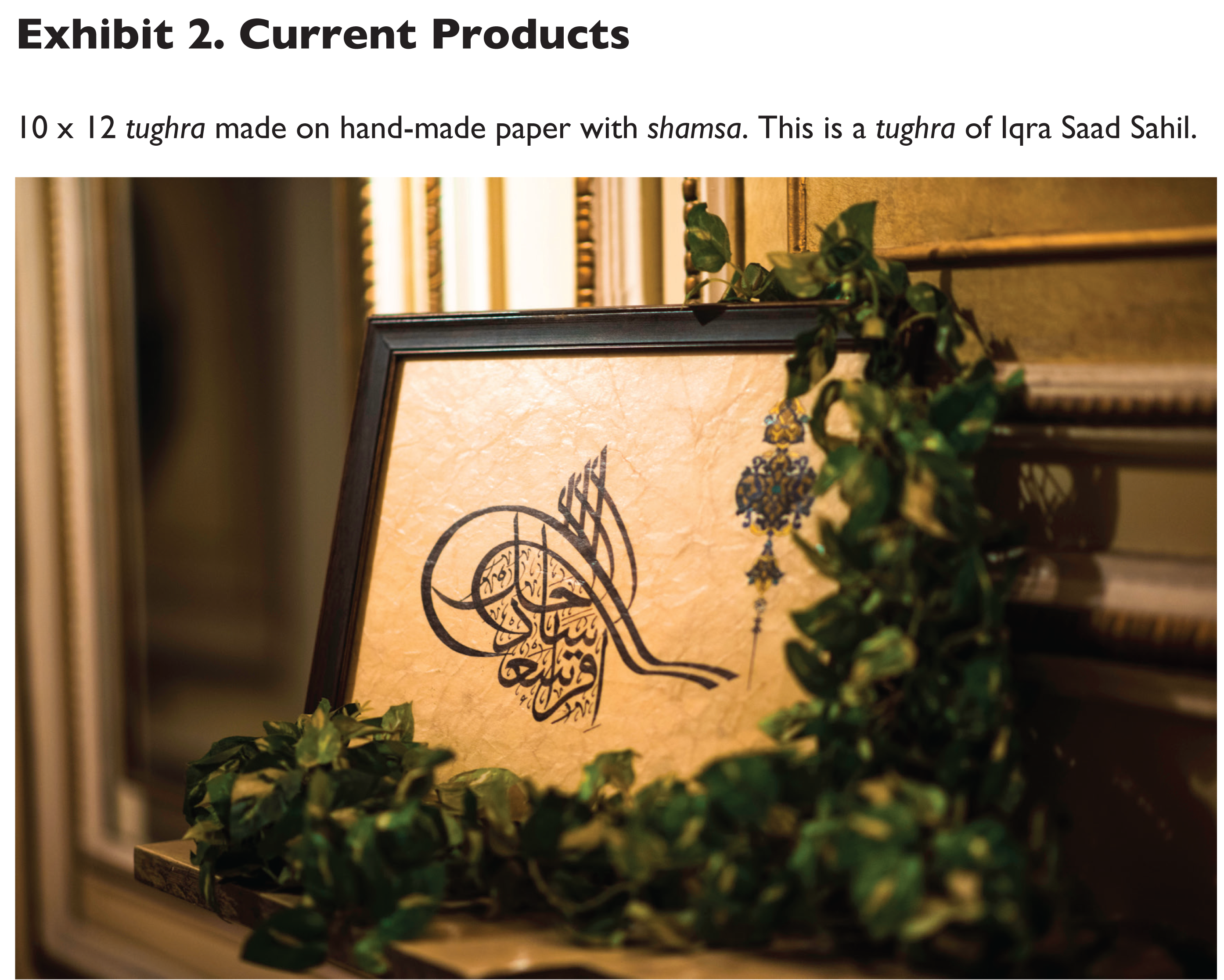
Sahil started Kalam Cultural Arts (Kalam) in September 2014. The firm was expected to provide cultural art products that were used as gifts and decoration items. Their offerings included a portfolio of customized and some standardized artworks, which embodied the culture of Pakistan. Some of the products were calligraphy, ceramics, woodwork, glass work, fabrics, etc. (refer to Exhibits 1, 2 and 3). Sahil was certain that his idea was well positioned in the market because of his unique access to the calligraphists as well as the ability to market the product to the right people.
Sahil (see Exhibit 8 for career details) could see the business potential of Kalam. However, his father, who strongly supported his social initiative, rarely thought of it as a potential replacement for a fulltime job.
My father was very supportive when I wanted to help the artists. He is also a firm believer in the LUMS MBA programme. He thought that Kalam should remain a part-time social initiative, and I should not turn it into a full-time business venture. He advised me to go for a safe and steady job.
He knew his father had a substantial point given the country’s volatile economic and political situation. A job, in this environment, would be a safe bet. His father further argued that he should get some proper returns after the huge investment in his MBA programme. Sahil felt restricted when he thought of taking a job because he wanted to pursue his business full-time.
Kalam: The Foundation
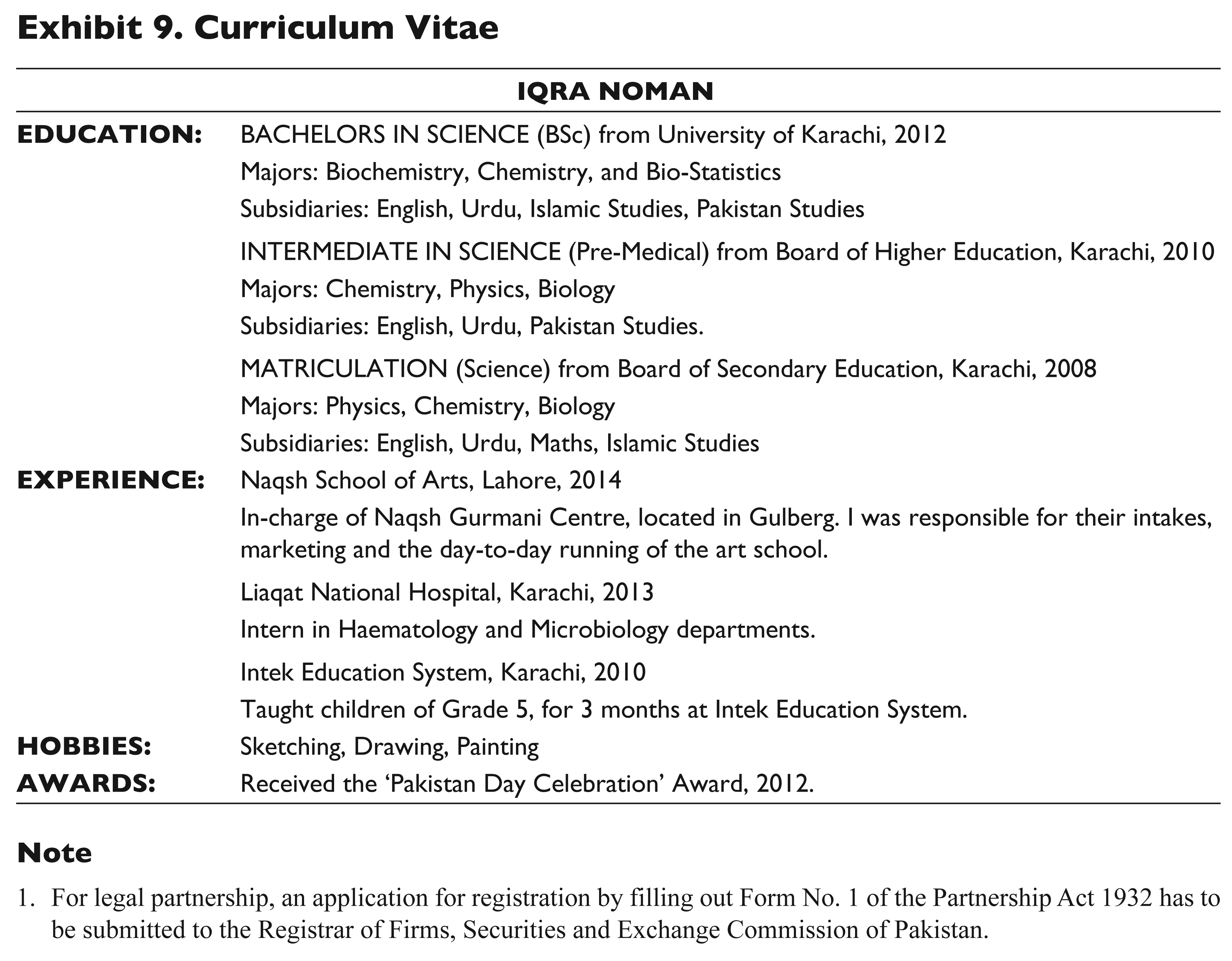
It was August 2014, and he had already prepared a business plan and was leading the venture as its CEO. He appointed Iqra Noman (CV provided as Exhibit 9), who was in-charge of a small art school and was an artist herself (Exhibit 4 shows the organizational structure of Kalam). Sahil recalled,
There was no talk of equity, but we assumed that we were fifty-fifty partners.
1
I became the CEO and took the role in sales, marketing, and procurement. She took the position of a co-founder and managed the business and the production side. We divided the work in half, and we did our part to make the business successful.
Sahil started his part-time venture in September 2014 along with his full-time MBA and continued with the same arrangement until May 2015. Later in March 2015, he registered the firm as a sole proprietorship and was then eligible to pay tax. He started his research to develop a product that the market would be willing to buy.
The firm identified tughra as their first key product. The tughra is a calligraphic rendering of a person or an organization’s name in the traditional style of the Ottoman Empire. Sahil made the first sale without borrowing a single rupee. However, after the sale, he realized that he would require a working capital of at least PKR 500,000 in order to fund the production sale cycle. He had the choice to borrow money from a bank. Later, he decided to borrow the funds from his father essentially in the form of an interest-free loan. Sahil elaborated the financial model, ‘I will borrow from my father what I need to pay for rendered services and I will pay him back when I make sales. I usually work on cash-on-delivery (COD) basis so this borrowing time should be very small.’
Kalam Operations
Kalam’s current product line consists of the tughra which was a calligraphic rendering of a name. By using research and development (R&D), the firm made variations in size, paper and design within this product. Future product lines included tile collages and miniature paintings. Pottery and ceramics were planned for the long term.
The firm hired various interns to carry out the sales, keeping in view the associated low fixed costs. However, the attempt failed miserably. In April 2015, the firm hired a full-time sales executive. Sales were carried out through two main channels: Individuals (Facebook and referrals) and corporate (multinational companies, event management companies, pharmaceuticals, etc.). The customers could belong to any age group, but they usually had an inclination towards the culture of Pakistan and an appreciation for art. The receivers of tughras ranged from the age of eight all the way to eighty years. The gift provider’s role was also imperative as they knew the receivers.
Given the firm had a rather high variable cost and low fixed cost, it was expected that with the growth of the business, more part-time workers on salary would be hired. The firm tried its best to mimic a COD model. All individuals and some of their corporate clients paid according to the COD model. The larger institutions such as LUMS continued to tie up their investment for thirty days or more as per their organizations’ payment policies.
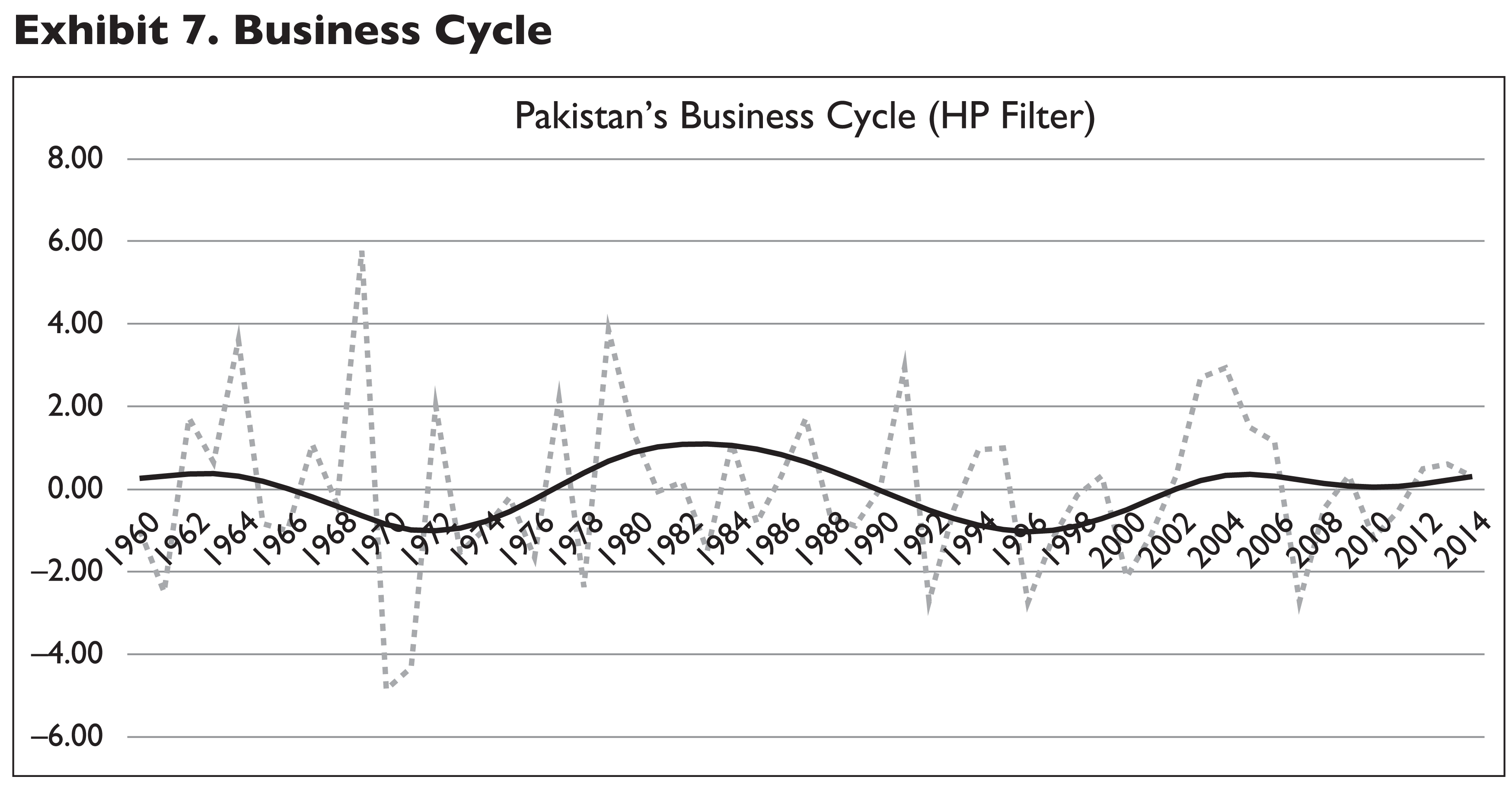
Sahil looked at the business cycle of Pakistan which was developed in a course on macroeconomics at LUMS (see Exhibit 7). He wanted to understand that in the absence of industrial comparatives, most of his projections, especially the sales revenue, would traditionally be based on the six month’s average growth rate. He murmured, whether such a rate was optimistic or a conservative estimate given the fact that Kalam sold eighty-five tughras in the last six months. Essentially, it showed that there was demand for their product. The financial details are shown in Exhibits 5 and 6.
Sahil was also looking into the issue of risk that the firm was facing,
There is always the fear that the business will fail. The fear multiplies in the recession compared to the expansionary phase of the business cycle. For instance, if the business cycle is in a recessionary phase or approaching the trough then the probability of failure for Kalam falls between 5–10 per cent (average 7.5 per cent) and in case of expansion or approaching the peak, the probability of failure falls between 1–5 per cent (average 3 per cent) with an average of 5.25 per cent over the whole cycle.
Competition and Growth
Kalam fell under two industries: the art industry and the industry of gifts/corporate giveaways. The art industry was a stagnant industry with only a few hundred exhibitions happening each year. The existing (two or three) major art schools had not brought more than a handful of artists to the limelight. The art that Kalam offered had to be revived since it had been discontinued in the status quo and only a small group practiced it. The firm offered cultural and personalized giveaways that would generate prestige for the gift providers. He remembered his reflection on Kalam’s positioning,
It should make more sense that the business must be rightly positioned within the business cycle. If you know where your firm stands the least one can do is to find out in which direction it will go. You will not receive the same growth rate in recession as in expansion. In a recession, the times are tough, and it becomes even tougher if you are producing something that does not solve a critical problem. In short, your product is not needed, and the customer can wait for good times to buy it.
However, Sahil knew that the gifts/corporate giveaway industry had seen phenomenal growth in the last few decades. Deciphering the competition was rather difficult especially in the absence of industry specific data. According to a rough estimate, the companies that sell corporate giveaways grew by more than 30 per cent annually.
Due to lack of competition and demand, the calligraphy market had dwindled in the last decade, and only a few calligraphists were left with the required skill set. Kalam had access to these calligraphists and artists, which made it a unique business strength. In the near future, Kalam planned to introduce a comprehensive growth strategy, which would help the firm offer strong competition to new entrants.
Kalam growth strategy was two-pronged:
Product development: Kalam planned to move into products other than calligraphy (see Exhibit 3). This wide product variety, as well as associated customization, would appeal to a wider audience. Market development: Kalam was predominantly selling the tughras in Lahore. Even in Lahore, the firm had barely scratched the surface of the gift-giving industry. The firm planned to develop the Lahore market and move towards Karachi, the business hub of Pakistan.
The growth strategy was expected to bring the firm in competition with gift shops, art stores and decorative items. The firm would still be able to sustain its competitive advantage by providing customization services and giving the customer control of the outlook of the product.
Future Funding Needs
After a successful running phase of six months with consistent growth in sales, Sahil started thinking about the expansion of firm operations. He estimated that the firm would require 3 million PKR for setting up an office and a workshop at 50,000 PKR per month, research and development (2 artists at PKR 50,000 per month), and market development for the city of Karachi at PKR 1.2 million for one year. He still needed to refine his idea and the estimates regarding investment to enter into Karachi’s market when the market of Lahore was still unexplored. He already held 1 million shares at PKR 0.5 per share.
He was wondering whether to ask angel investors for investment or avail loan from a bank. He quickly abandoned the idea to avail a bank loan as the firm still lacked fixed assets which could be used as collateral. In the absence of collateral, the cost of financing would be higher if at all approved. In addition, the banks would evaluate his case based on the ability of the firm to pay back, which in turn, would be based on the credit history, which did not exist. Angel investors remained at the centre of his funding approach. Sahil was critical of giving up equity. He was wondering whether it was optimal to sell equity at that stage and if required to do so, how much equity should be sold and at what value?
Meanwhile, he met the managing director of a large multinational pharmaceutical company. He wanted to invest in Kalam as he saw the potential of the idea on a national as well as international scale. Sahil said that their views differed on many things except the PKR 3 million investment. He recalled the following:
We differed in opinion regarding the future of Kalam. He wanted to sell standardized products on a large scale with lower margins. I wanted to offer customized service to a limited clientele with higher margins. There was no evidence of due diligence, on his part, about my business. He wanted to invest only after seeing my business plan.
As the airplane descended, Sahil’s mind kept thinking about the questions, how much investment was required and at what value, if the exit period was 4.5 years, etc.
Assignment Questions
Evaluate different business components of Kalam?
Does Kalam need external funding? Discuss various financing possibilities.
What terms should Saad Sahil offer to the CEO in case he intends to secure external funding? Please analyze the assumptions underlying these terms.
Exhibit 1. The Products
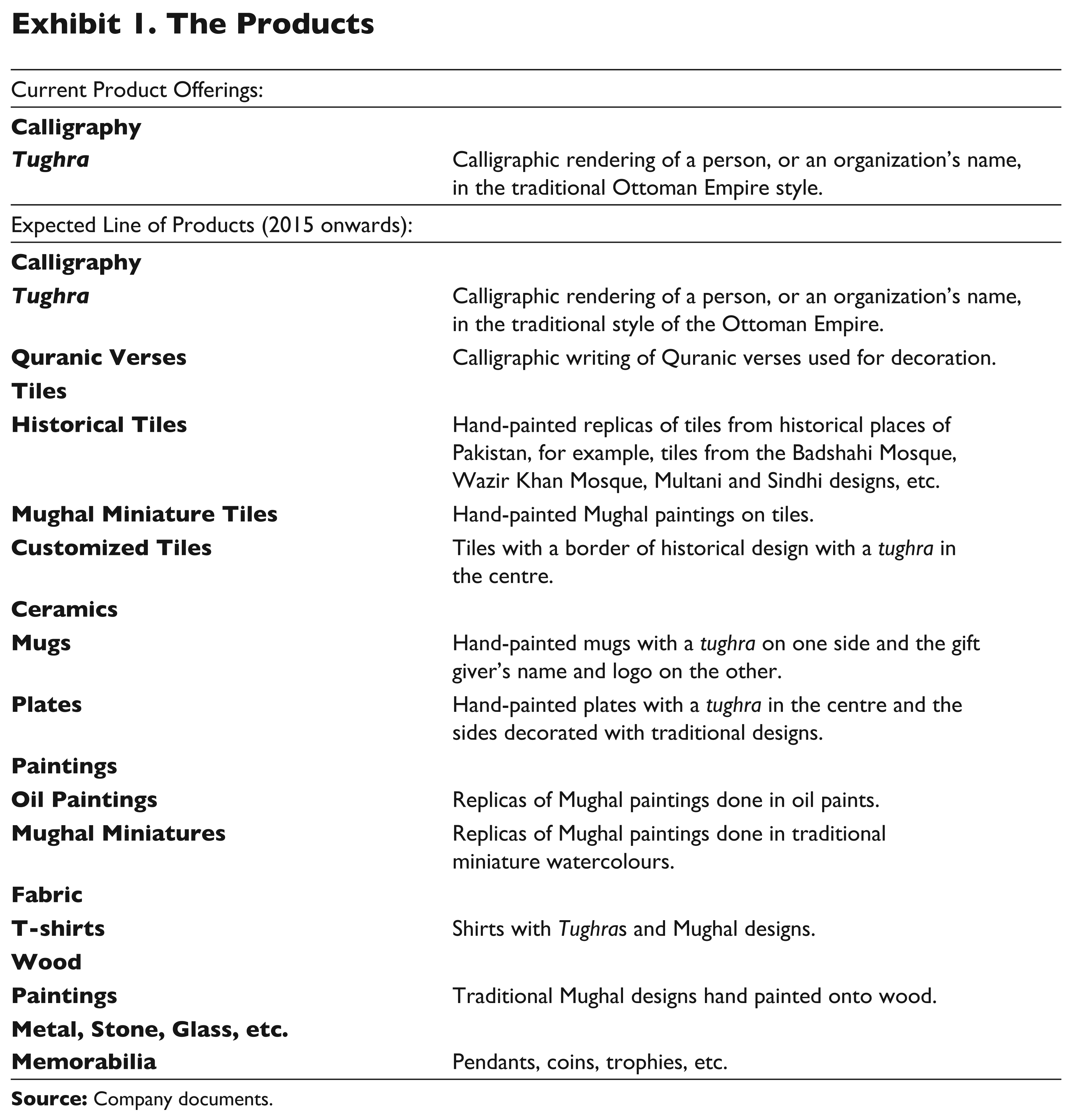
Exhibit 2. Current Products
10 x 12 tughra made on hand-made paper with shamsa. This is a tughra of Iqra Saad Sahil.
20 x 20 tughra made on white paper.
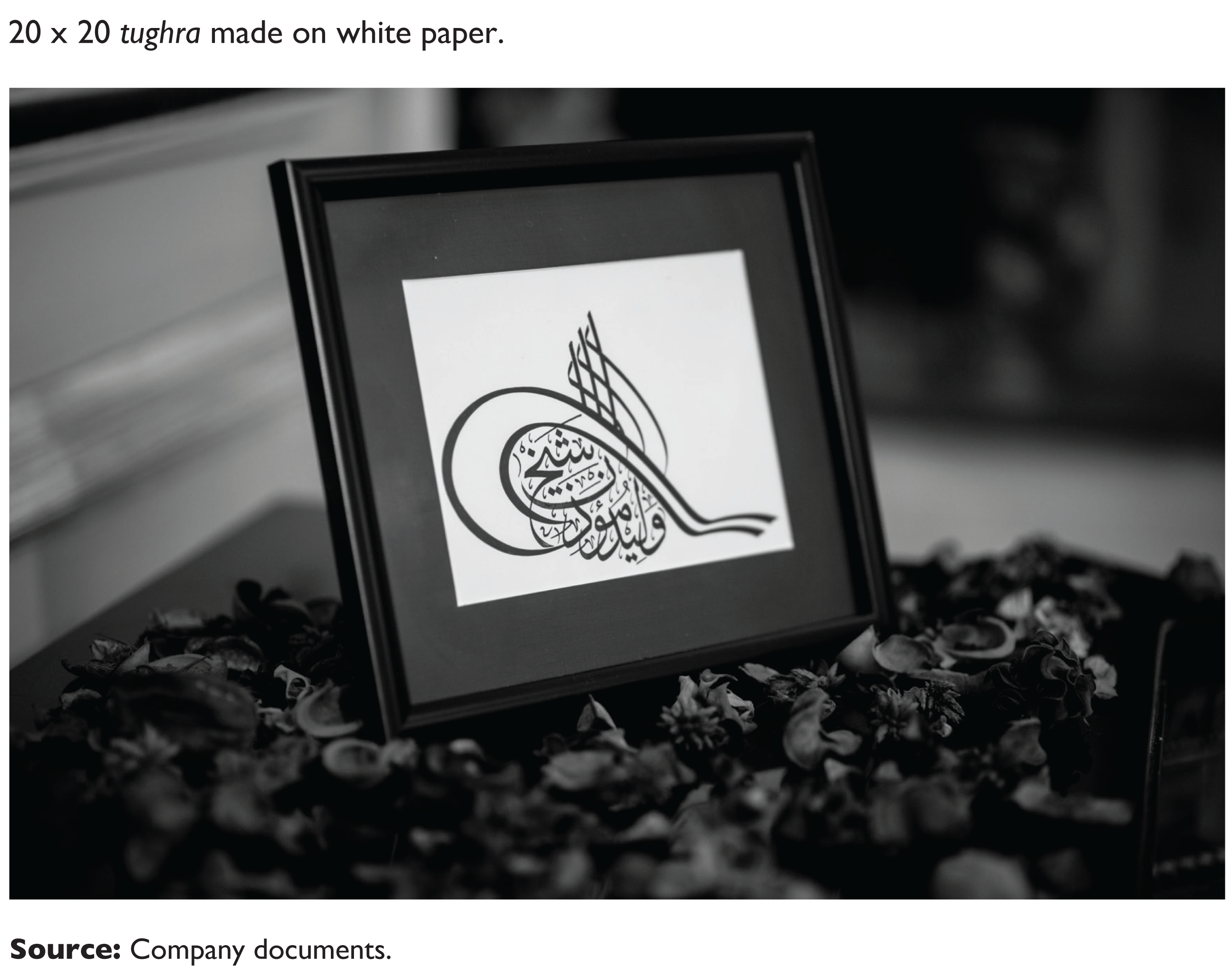
Exhibit 3. Future Products
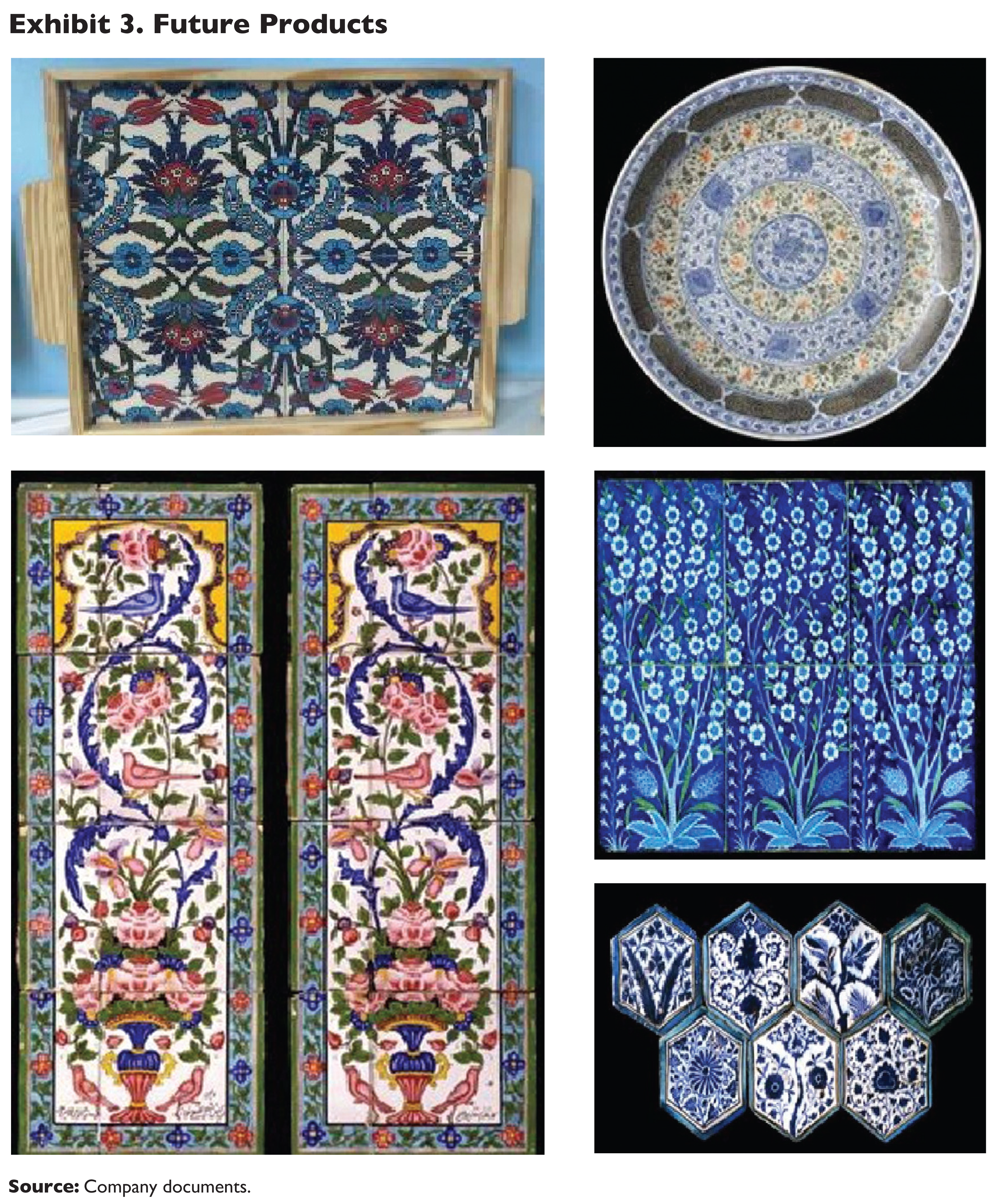
Exhibit 4. Organization’s Structure
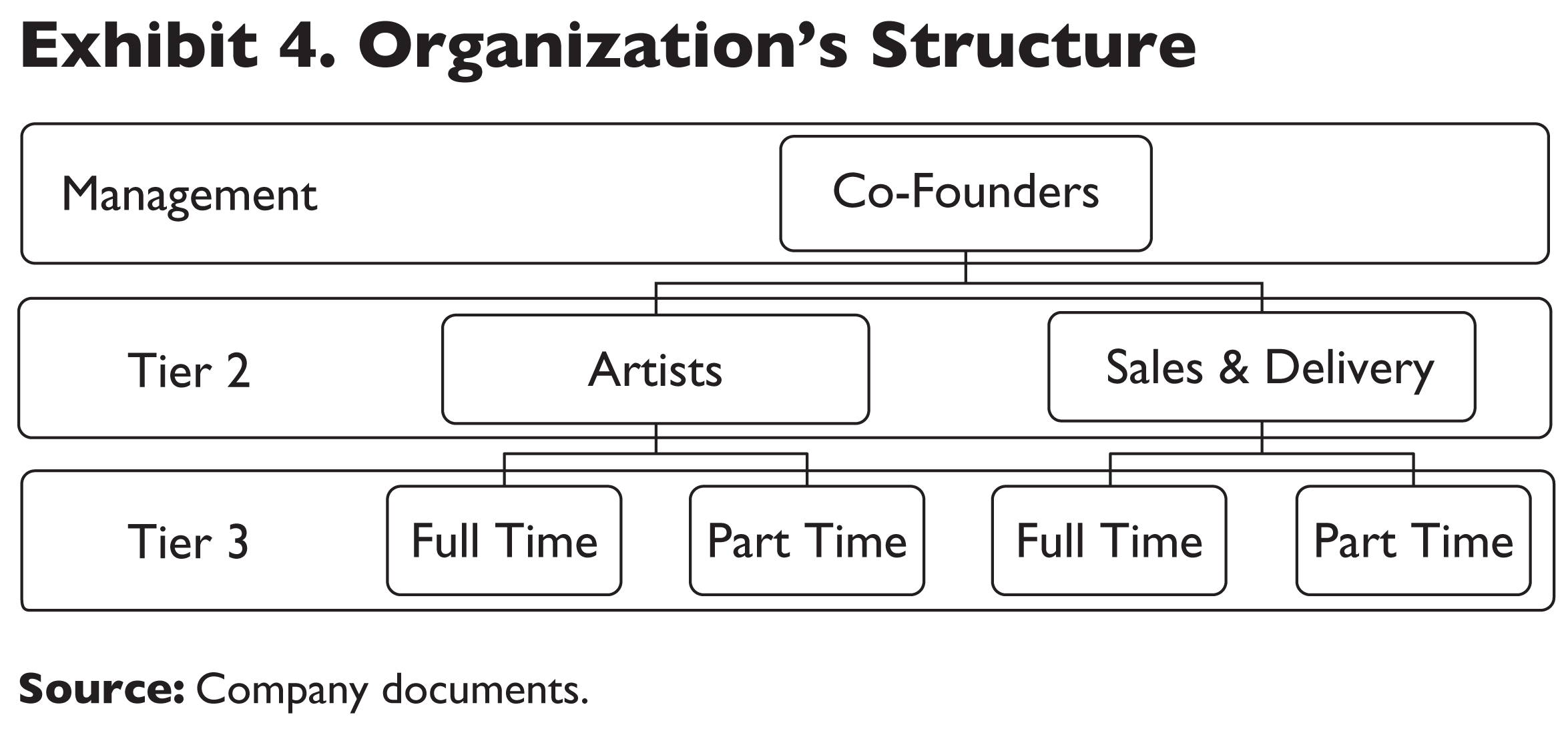
Exhibit 5. Financials
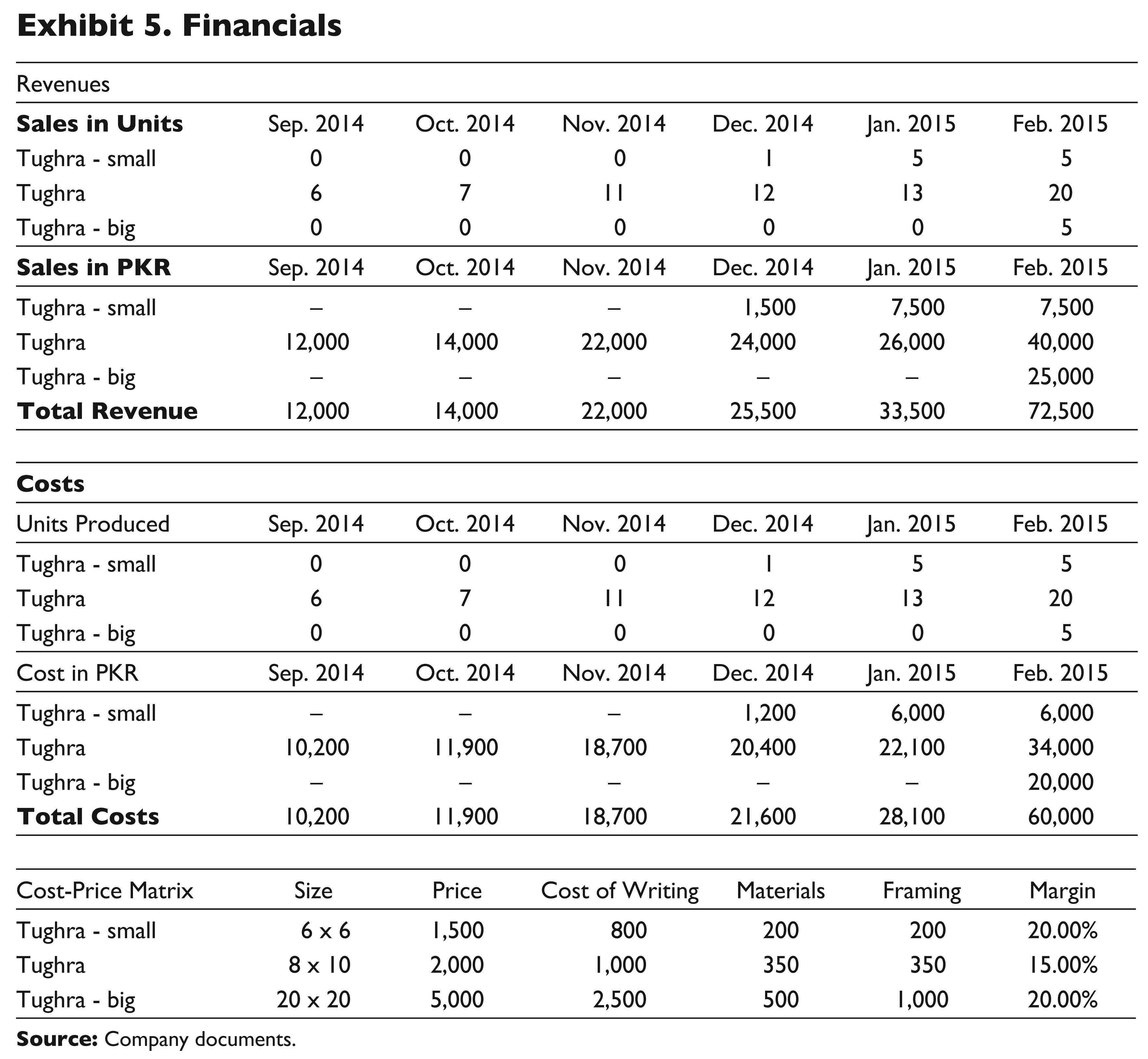
Exhibit 6. Financials (cash flows)
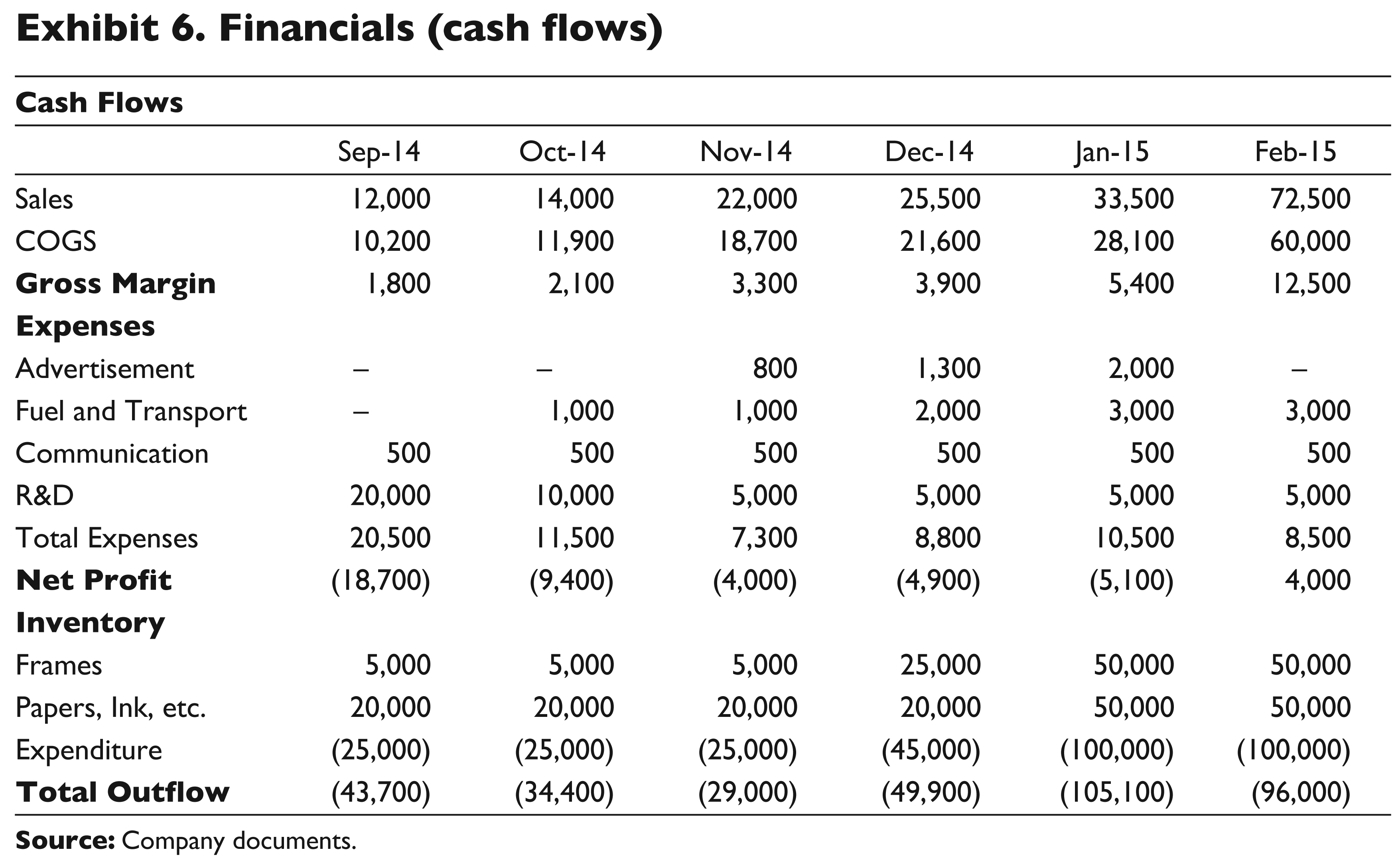
Forecast Assumptions:
First, the respective expense is taken in proportion to the sales revenue in that period. It is assumed that the proportional share of respective expense will remain the same over the entire forecast period.
Advertisement
0.05% of the sales revenue
Fuel and Transport
1.50% of the sales revenue
Communication
0.05% of the sales revenue
R&D
2.00% of the sales revenue
Inventory: The Frames and Paper will be the target of 10% of the sales until the end of year, that is, 2015. The inventories will be further targeted to 3% of the Sales from 2016 to 2019.
Exhibit 7. Business Cycle
Pakistan’s Business Cycle Phases (HP Filter)
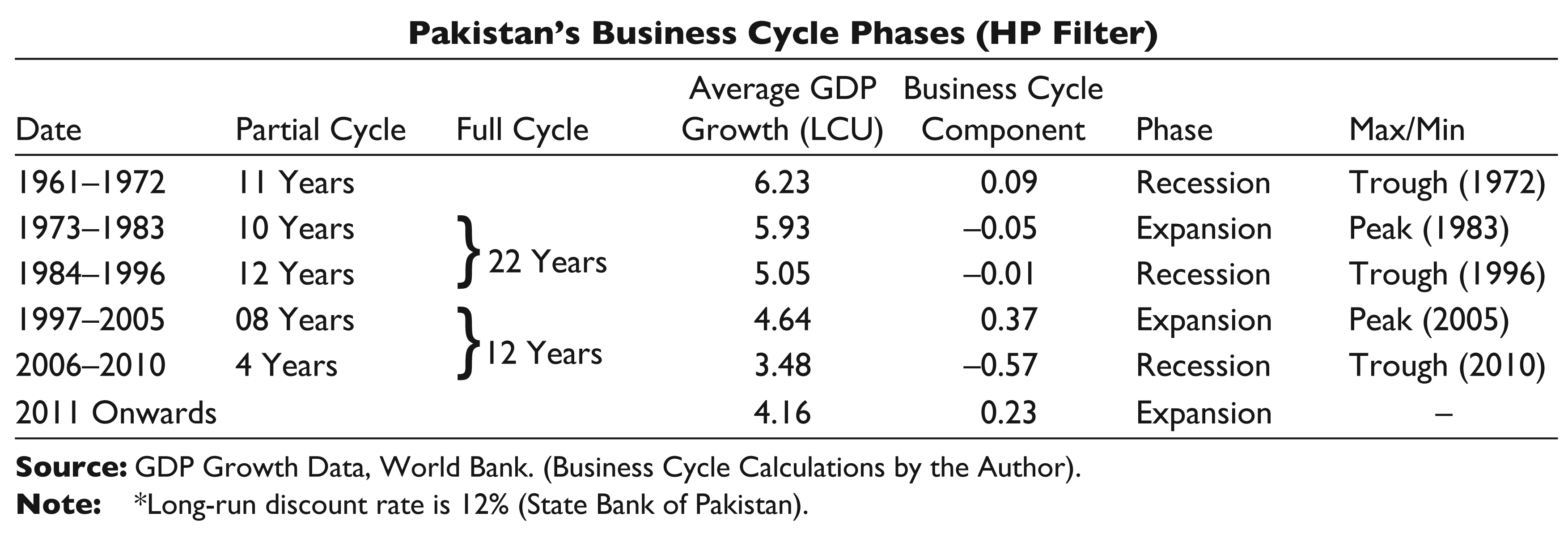
Exhibit 8. Curriculum Vitae

Exhibit 9. Curriculum Vitae