




Abstract
The chairman and managing director (CMD) of Coastal Bank Ltd, Mangalore, had received a lot of complaints regarding the process of training needs identification, training evaluation as well as overall coordination of training programmes indirectly through the office of personnel administration division (PAD) headed by general manager (GM) of his bank. The CMD’s office had also received a bunch of complaints regarding interpersonal conflicts arising out of attitudinal disorientation and also due to employees’ inadaptability to upgrade the knowledge to the requirements of the day. Since the bank had invested thousands of dollars on training and development, expecting it to be the key instrument in transforming the skills of the employees for better work culture, the problem had to be analysed from the angle of the ineffectiveness of the training process in establishing the supportive work culture in different departments. Mr Sham Rao, CMD, called a governing council meeting where training review committee was a part, which was headed by the GM of PAD. The governing council meeting was also attended by executive director (ED) as well as GMs heading various divisions of the bank. In the meeting, they decided to consult Colaco & Co., leading consultants in India to analyse the existing training practice from the angle of training needs identification, evaluation as well as the coordination process in training and development to diagnose the problem. Colaco & Co. conducted the process of consultation and survey to detect the problems in the area of training. Consultants detected the problem areas by proposing the plumages of ideal training system as well as the training model that could be used by Coastal Bank Ltd, in particular, and any commercial bank, in general. The real problem was the total lack of coordination of the training activities which made the training a real liability. At the governing council meeting, the CMD along with the ED of the bank requested the GM of PAD to solve this problem by following the recommendations presented by Colaco & Co.
10 January 2015: Sham Rao, Chairman and Managing Director (CMD) of Coastal Bank Ltd, Mangalore, Karnataka, India, had received a lot of complaints regarding the coordination of training programmes and employees’ inadaptability to upgrade the knowledge to the requirements of the day indirectly through the office of personnel administration division (PAD) headed by general manager (GM) of his bank. The CMD’s office had also received a bunch of complaints regarding interpersonal conflicts arising out of attitudinal disorientation on the part of the trainees which was making the training and development (T&D) a lacklustre activity. Since T&D was a strategic tool to enhance performance, CMD called a governing council meeting and decided to consult Colaco & Co. to point out the problems in the system.
Background of the Bank
In order to cultivate the habit of thrift among all sections of society and to promote cooperation among all classes of people, a group of philanthropists led by Mohammad Anwar (name disguised) founded the Coastal Bank Ltd, in the year 1906, which was one of the oldest commercial banks of the country. Over the years, the bank grew and withstood the challenges of the economic depression of the 1930s and the freedom struggle of the country. In the year 1952, the Coastal Bank Ltd became the third bank in the country to receive a license from the Reserve Bank of India (Central Bank of India) as a scheduled bank. The Coastal Bank Ltd was nationalized in April 1980, which had triggered its growth in terms of geographical reach and business volumes. The Coastal Bank Ltd was a well-run bank in the community of public sector banks in the country, because of its good customer service, pre-eminent track record in housekeeping, adherence to prudential accounting norms, consistent profitability and adoption of modern technology for the betterment of customer service. The Coastal Bank Ltd was in the public sector unit with 57.17 per cent of the share capital held by the Government of India (GOI). The bank came out with its initial public offering (IPO) in 1997, and 37.87 per cent of its share capital was held by the public and financial institutions. The bank’s network grew to 750 branches and 86 extension counters. In pursuit of the current banking with technology as the competitive edge, the bank drew up an IT plan to provide better services to its customers. All the branches of the bank had been completely computerized. The Credit Rating and Information Services of India Ltd (CRISIL) had re-assigned the highest ratings of PI+FAAA and AAA for the bank’s certificate of deposit, fixed deposit and bonds, respectively. The onset of economic reforms in 1991 gave a significant impetus to the growth of the bank. The Coastal Bank Ltd was even heading towards acquiring Unit Trust of India (UTI) Bank, Life Insurance Corporation of India (LIC) Housing Finance since the Government permitted public sector banks to take over other financial institutions. The Coastal Bank’s zonal offices, until the year 2003–2004, were Andhra Zone (2), Eastern Zone, Goa Zone, Gujarat Zone, Karnataka Zone (5) Kerala Zone (2) and Western Zone (2). The Coastal Bank Ltd was planning a global presence, consolidation of business, higher growth under retail sector, effective delivery channels for the products and services of the bank (Kamath, 1997).
In order to understand the real problems involved in training, the consultant company Colaco & Co. was hired. They investigated the existing state of affairs of the T&D system of Coastal Bank Ltd, which gave them the following perspectives.
Coastal Bank’s Perspective on Employee Training and Development
The process of change in the industrial and financial sector was gaining momentum, and consequently, the competition had increased manifold. Therefore, the bank felt that they needed to gear up to protect their market upheavals and the bottom line. Human resources being the most critical asset of an organization, continuous upgradation of knowledge and skill on an ongoing basis could help the employees of the banks in protecting the markets, and it remained on top of their agenda. The human resource development (HRD) and T&D division were continuously in the process of evolving such a system of training. In fact, the Coastal Bank has also brought out a comprehensive training manual to facilitate the branches to identify the right people for the right kind of training. The manual was very much useful for the branches to identify and recommend employees for various in-house training programmes. All the men and women employees of Coastal Bank made use of this compendium in identifying their training needs vis-à-vis the training facilities available in the organization. The bank had been extending formal training to enable the employees to perform better in their respective jobs, equipping themselves to meet the corporate goals. With the entry into an era of new banking and opening up of new challenges, there was a need for catering to increasingly diverse requirements of the customers. So, the bank had initiated a distinct change in attitudes and skills on the part of everyone in the organization. The training system was supposed to engage in creative and proactive activities with a view to assist the employees to rise above the narrow confines of conventional banking and was to help them for constructively contributing to the organizational excellence. 1
Framing and Formulating Training Policy
It was the responsibility and commitment of the top management of the bank to formulate the training policy for the bank as a whole which should be highly comprehensive. Of course, there had to be an active participation of operating and line functionaries including trainers while framing the policy. The training policy indicating the role of the functionaries at zonal offices (ZOs) and head office (HO) would enable the top management to secure an active involvement of the concerned functionaries in strengthening and making the training system of the bank sturdier. There was a ‘governing council’ for training, headed by the CMD, executive director (ED) and all the GMs. There was a training review committee headed by the GM of personnel administration division (PAD).
The convener of the training review committee was the principal of Staff Training College (STC) of Coastal Bank. The designation of the principal of STC was assistant general manager (AGM). There were executive representatives from different departments such as IT, risk management and planning and development (P&D), credit (advances), recovery and marketing who constituted the training review committee which provided an overall direction for the preparation of a comprehensive training plan at the beginning of the fiscal year. Then inputs provided in each training module would be decided and documented on the basis of the demands and discussions held. The training committee also framed training related policies on the basis of RBI guidelines. The programmes were conducted on the basis of these pre-defined modules. Training programmes began with the inauguration and ended with a valediction. An in-built flexibility was also provided to fine-tune the inputs depending upon the factors such as current issues, participants’ profile and duration of the programme and many more.
The training plan of the Coastal Bank was aiming at the following:
Inculcate the corporate objectives, priorities and ethical values Update the knowledge and skills of the employees to match the changing demands for the job Ensure job enrichment and to pre-empt ‘learning disability’ syndrome Sensitize employees to inculcate better customer service through etiquette training Correlate and assimilate ethical dimension and relevance in the long-term interests of the organization Bring in awareness and prepare the employees to accept and adopt technological changes brought about in the day-to-day operations of the bank Correlate job skills and personal effectiveness through thrust on personality development and HR skill programmes Motivate employees to sustain enthusiasm in them Develop new skills in tune with the current corporate priorities in areas such as retail banking, asset management, investment banking, marketing, IT-based products and services, bank assurance, risk management and the like
Keeping the aforementioned aspects, the Coastal Bank had a committee comprising representatives from HRD and training division along with the faculty members; trainers. The plan document prepared by the committee had to be placed before the representatives of various functional divisions at head office in an exclusive meeting. The suggestions and views given by each division in the meeting were incorporated in the document. The normal areas had been given special focus such as retail marketing, priority sector lending, financing small-scale industries (SSIs), small- and medium-scale enterprises (SMEs), recovery management, guarding assets against delinquency, customer service, business ethics, leadership, motivation, communication, stress management and behavioural skills. The training manual which defined the earlier thrust areas in the training would help the training college to structure their course coverage and approach training in a systematic way. However, the manual only provided a basis for the inputs to be covered in each module and suitable changes could be incorporated in the programmes taking into account the issues, trends, the profile of the participants and also RBI guidelines. It was the members of the review committee and the divisional heads who contributed in finalizing the training syllabus.
Staff Structure of Staff Training College at Coastal Bank Ltd, Mangalore
Training system, being a subsystem of an organization, established roles, described hierarchy and defined relationships, forming the linkage through communicational flows. The aspects such as roles, hierarchy and relationship were converted through the organization structure, which was formal in nature. The formal organization structure provided the required support to the subsystem of training by building up commitment and responsibility and also by establishing horizontal and vertical relationships. Structurally, organization chart indicated the authority and responsibility relationships which existed between individuals and also the departments of the organization who contributed to the smooth and salient functioning of the training system (refer to Figure 1).
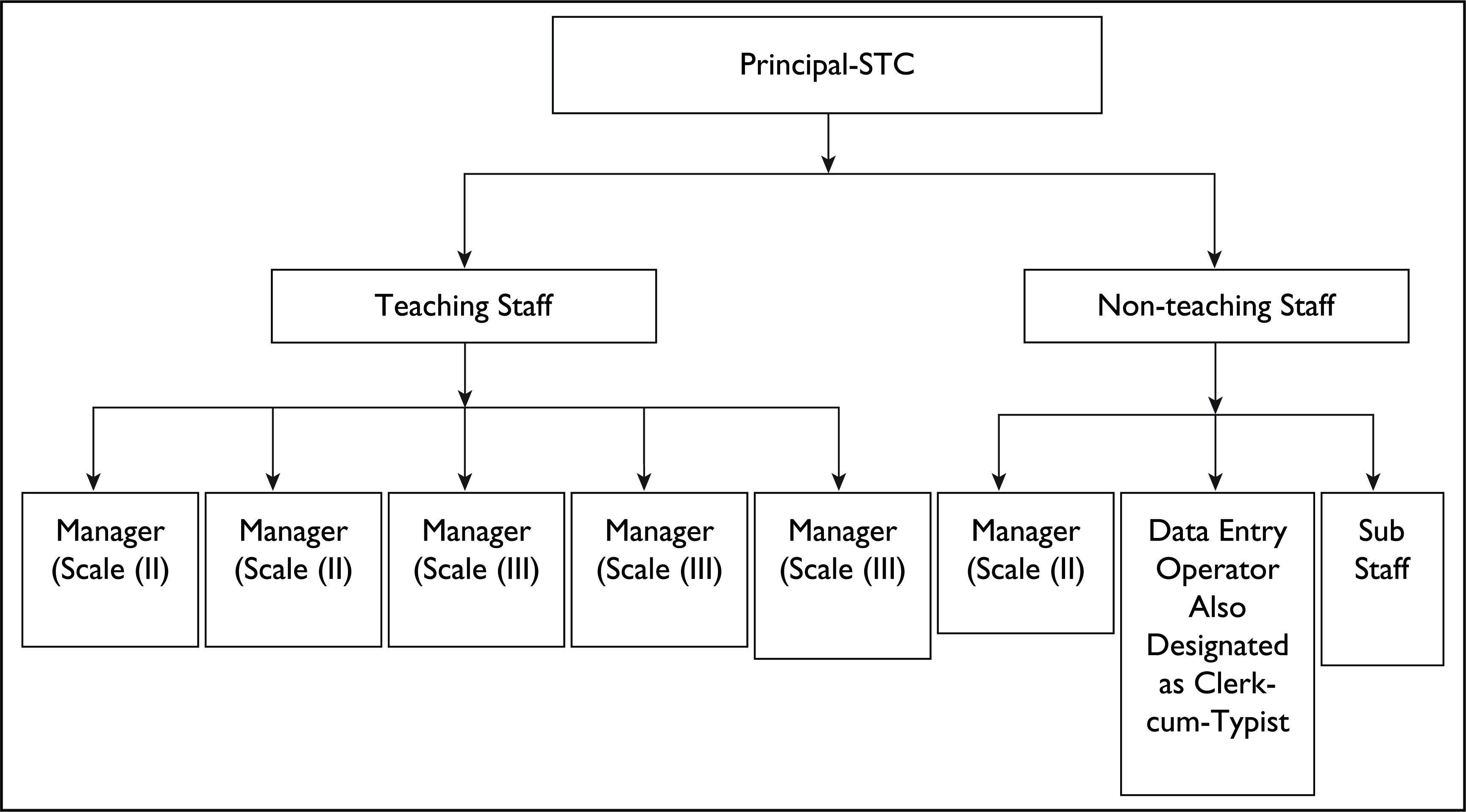
The principal of the STC was made the AGM of the HRD and Training Department that came under the PAD. The AGM was the connecting link between the organization and training system, in general, and STC, in particular. The principal of STC had a good track record; he had worked in all areas, and he was experienced and analytical. He was also a real motivator who attended the Annual Conference of Principals at National Institute of Bank Management (NIBM); an apex body to train the bankers to discuss the training strategies of banks and also provided direction to the faculty regarding training.
Requirements of the Faculty Members
The efficiency and ability of the faculty which trained the employees of the bank acted as the guiding factor in maintaining the prerequisite standards of STC. In order to understand the process of selection of the faculty, their development and also their duties and responsibilities, Colaco & Co. interacted with the principal and also with the executives of HRD and training division. The following findings were kept in the background to understand the travails and imperfections in the coordination of training activities.
Selection of the Faculty and Requirements
The faculty of the STC was drawn from operating positions of the bank for a period of 3 years if it was for a single term or for 6 years, if for two terms. The bank usually invited applications followed by a demonstration and a personal interview before the selection of the faculty. But of late an option was available for the top management that the selection might not be through the formal selection process, but it might be on the basis of an excellent track record and feedback from the superiors regarding respective employees’ performance. The faculty in the STC was, preferably, post-graduate and would have cleared both Part I and Part II of the Certified Associate of the Indian Institute of Bankers (CAIIB) examination and had a practical work experience of 5–10 years.
Colaco & Co. understood that faculty posting in the bank’s training centres was for a five-year term, and there was also a stipulation from employees’ association that only those employees eligible for a city posting were considered for a faculty position in the STC. There was an extra incentive given to the faculty in the form of 6 per cent of their basic pay as faculty allowance. Reimbursement of telephone expenses was taken care of and additional fringe benefits such as city allowance and housing facility were also provided. Since there were recognition and special status attached to the job of faculty, it was assumed that the faculty was supposed to be motivated and job satisfied. An investigation by Colaco & Co. in this matter clearly stated that the entire five faculties expressed that teaching was an enjoyable work experience as it helped in building good communication and interpersonal skills. Trainers had ample scope and cooperation for faculty development and enhancing effectiveness. Management released enough funds for improvizing the methods of training and for the introduction of new techniques. However, whether other departmental heads were supportive to make the training programme a success or not made it immaterial as motivation and satisfaction were highly intrinsic factors emerging from within oneself.
Out of five teaching staff in Coastal Bank STC, four were post-graduates and one was a degree holder with a post-graduate diploma in computer applications. Two faculty members had completed both the parts of CAIIB. There were three specialized faculty members, out of which two were for computers and one was for agriculture, and also there were two generalized faculty members for general banking. The services of guest faculty were also availed from within and outside the bank to train the people in soft skills.
Faculty Development
Faculty members, before being appointed as facilitators, usually underwent faculty development programmes from BTC, Mumbai, that acted as a sort of induction training for faculty. Depending upon the convenience and scheduled timing of the training programmes conducted by external training institutes such as NIBM, College of Agricultural Banking (CAB) and Institute for Development and Research in Banking Technology (IDRBT), the appointees had to participate in multiple training programmes whenever arranged.
Duties and Responsibilities of the Faculty Members
Duties and responsibilities of the faculty members were common in all the bank STCs and training centres across India. Their duties included preparation and upgradation of reading material, designing new training modules, collection of practical banking and other teaching-related information, developing the database, keeping track of the latest knowledge, handling various sessions in training programmes by introducing case studies and new teaching materials and promoting group discussions and, thus, had to coordinate the training programmes at the STC.
The primary responsibility of the faculty member was that he/she could never be influenced by personal views and trends which might turn out to be a major setback to the particular bank. The faculty was responsible for extending support to the principal in ensuring the smooth and effective functioning of the STC. The faculty provided assistance to their peers so that a warm friendly atmosphere persisted in the training college. Trainer’s prime responsibility was to facilitate the identification of training needs and to get the feedback of the training programmes conducted and to provide follow-up to the principal and the concerned executives from the HRD and training division.
Identification of the Training Needs
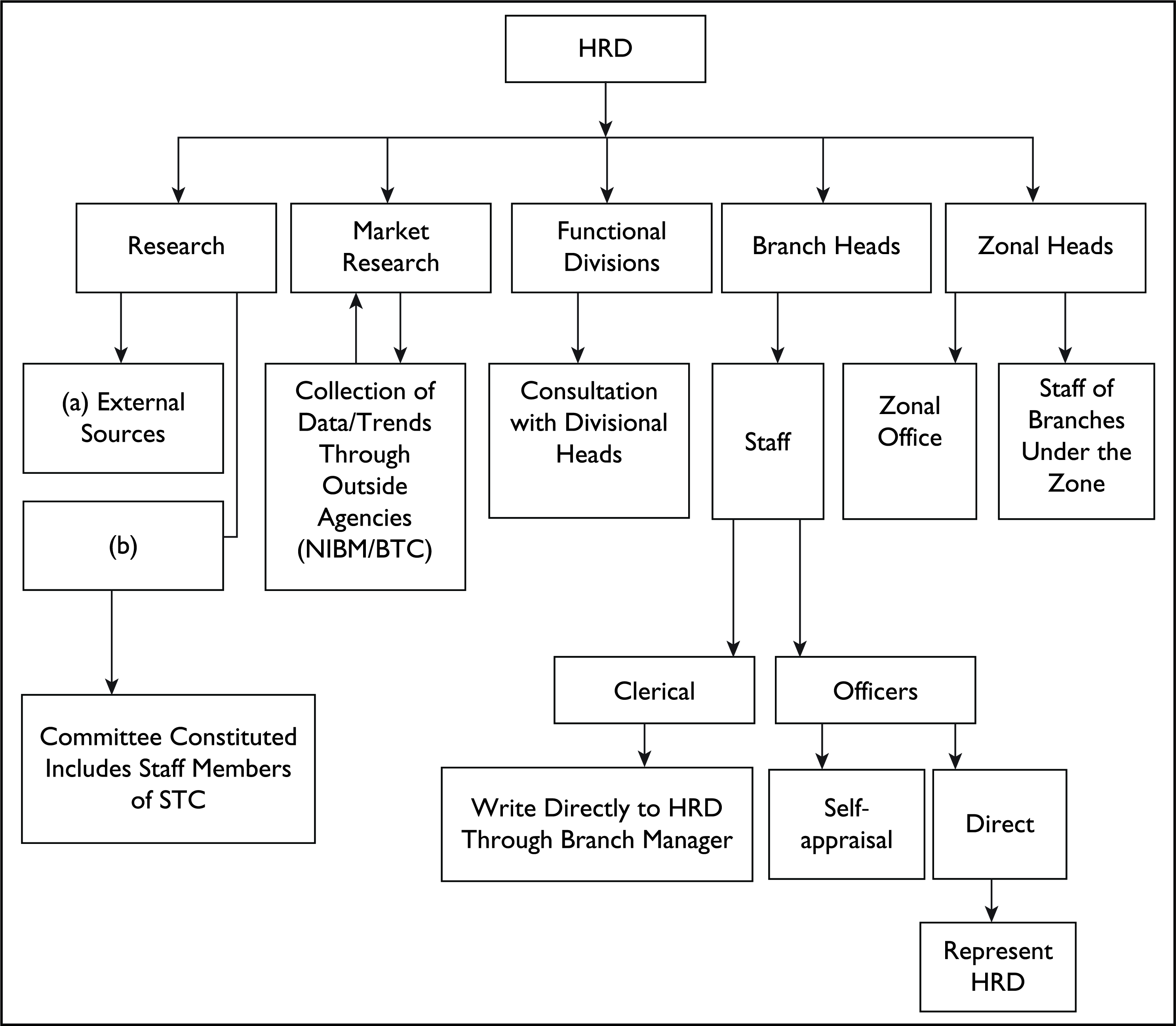
Unless the training needs of the individuals and the needs of the bank were identified, the whole process of training and development carried no sense (refer to Figure 2). The HRD division of the bank dealt with the comprehensive set of activities of training needs identification (TNI). The HRD division should undertake research through internal and external sources (Subramanian & Swathy, 1986). The macro-level training requirements were ascertained through the research findings of the NIBM and Bankers’ Training College (BTC). The divisional heads identified training needs of the head office staff. Zonal heads not only identified the training needs of the zonal office staff but also of the staff of branches under the respective zones. HRD division took care of the training needs of zonal heads and branch heads. Branch managers, while identifying the training needs of the staff had to take into consideration the nature of the function of the branch and future business expansion. Officers (Scale 1 and above) identified their training needs themselves in the performance appraisal report, wherein they were eligible for self-appraisal. The corporate office of the bank under study identified the thrust areas and the training programmes which would be oriented towards the thrust areas such as credit, recovery and clientele expansion, improving non-interest income as well as HR skills. The banks then identified officers and clerks required to be trained in those thrust areas. 2
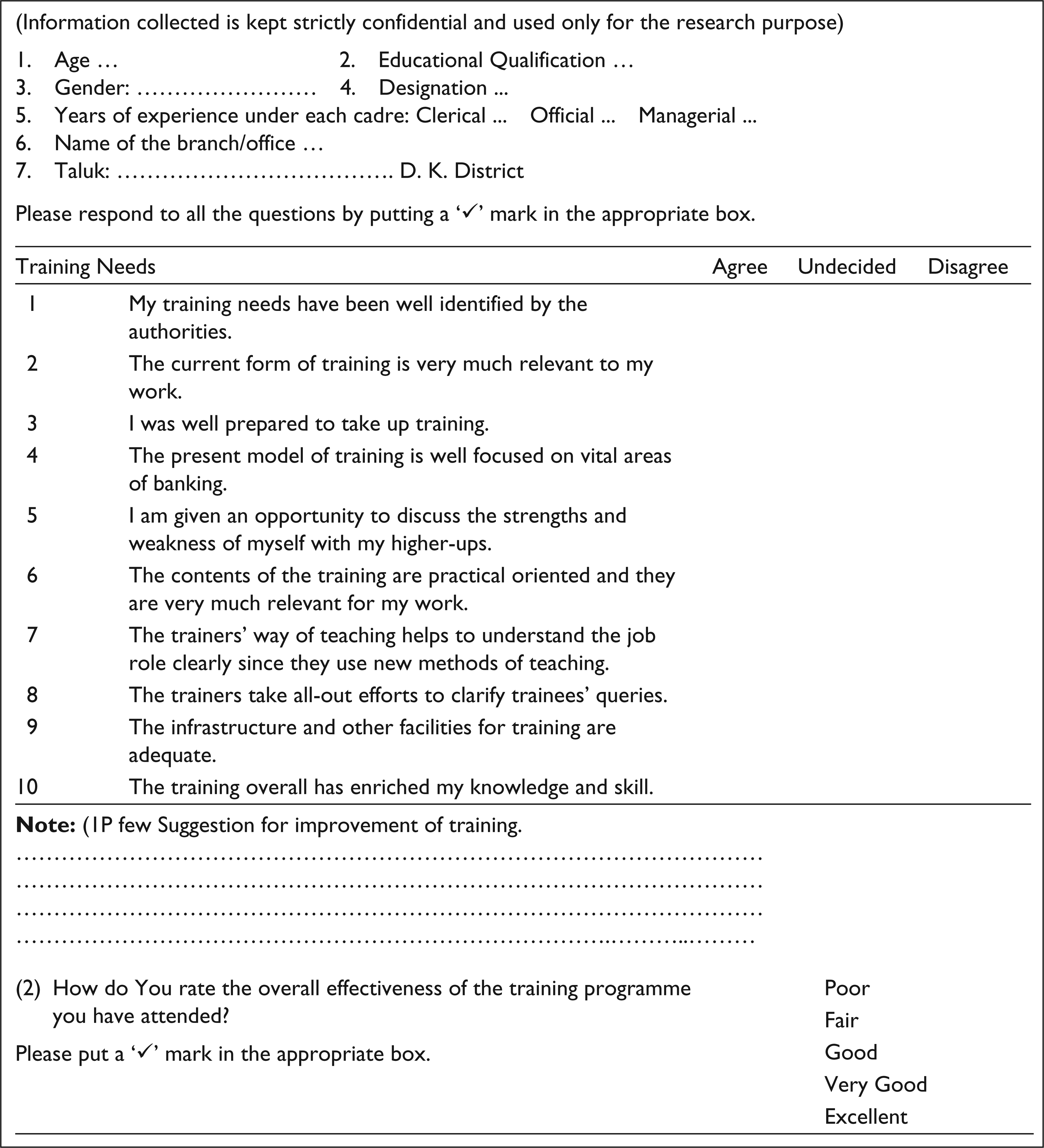
Colaco & Co. tried to quantitatively analyse the training need analysis (TNA) and its effectiveness. Table 1 contains the structured questionnaire the consultants have used to understand the quality of TNA. They picked a sample of 292 officers and interviewed them personally and their responses were analysed and are presented in Table 2.
Questionnaire on Identification of Training Needs and Evaluation of Bank Employees
It can be observed from Table 2 that the respondents were not given the chance to express their strengths and weaknesses with the higher-ups. It indicated that the employees’ real interest, aspirations and requirements took a back seat while selecting them for training programmes. Consultants found that there was no relationship between the type of training imparted and the training needs of the employees at different levels.
Employees Rating of TNA
The responses to the variables such as a bank, gender area and categories of the employees in rating the training needs were analysed by using analysis of variance (ANOVA), and the results have been given in Table 3.
It was inferred from Table 3 that the types of banks, designations of employees and areas of work of employees have shown highly significant positive responses towards TNA. However, in the case of gender, there was no significant difference in responding to training needs. The banks seemed to play only a numbers game in deputing the employees for different training programmes identified by them. It was often felt that the real training needs of the employees went unnoticed in the banks.
The Influence of Bank, Designation, Gender and Area Variables in Rating the Training Needs Analysis Through Analysis of Variance (ANOVA)

Budget for Training
The budget for training was the anvil upon which HRD and training division finalized the training needs of the entire organization which linked with the important decisions of the bank such as branch expansion, enhanced deposit mobilization, inter-branch reconciliation, customer service delight and many more (HRD Division, 2013).
The budget for training proposed the perceived or probable training needs of the employees at various hierarchical levels which by integrating with every year’s business budget were submitted by every branch before the commencement of the financial year.
Coordination of Training Activities
The mechanism of coordination of training activities of the Coastal Bank presented in the form of hexagon had explained the roles and responsibilities of each of the legends (refer to Figure 3).
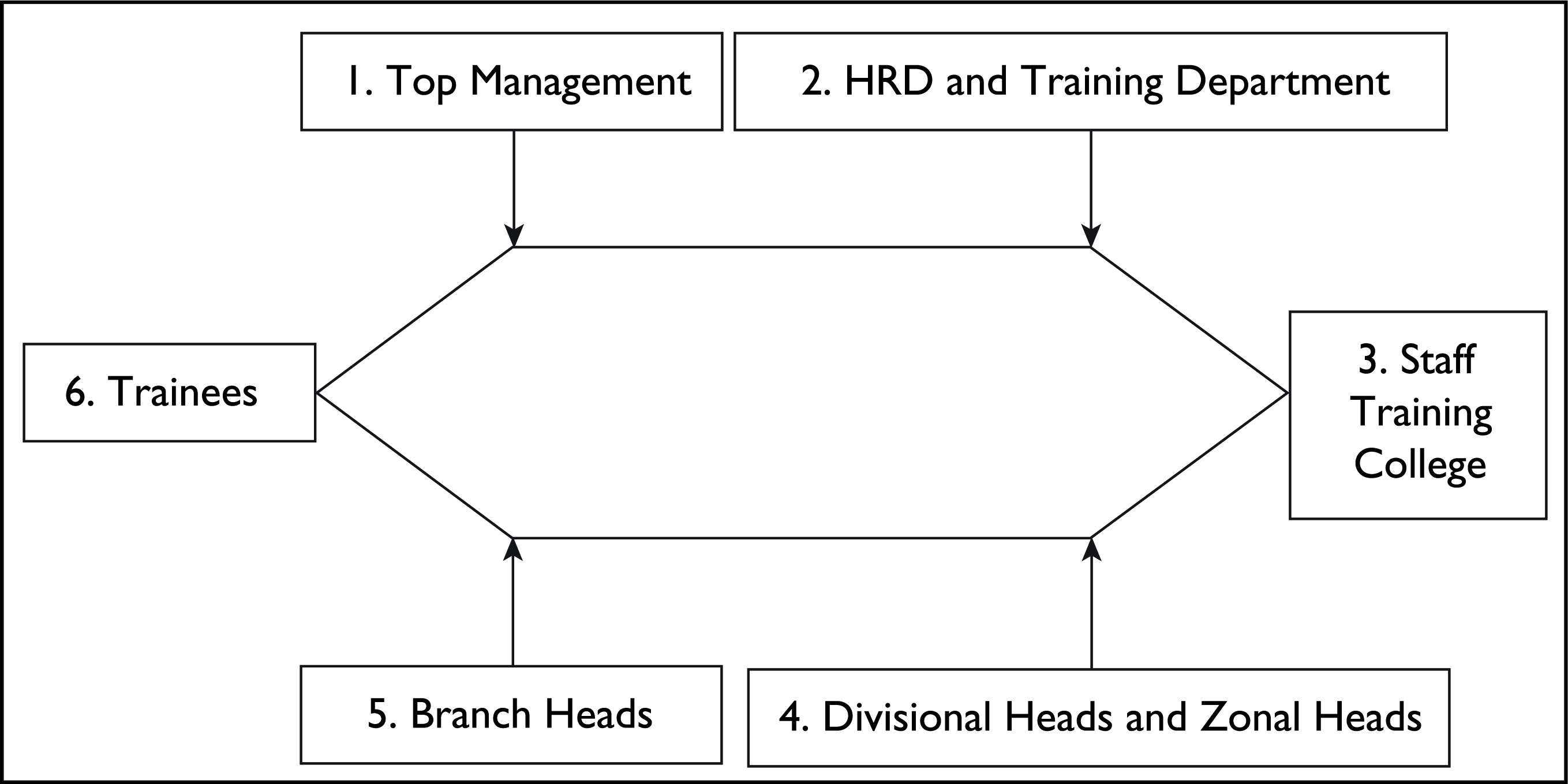
Coordination of training was made possible with an active interaction and involvement of the top management (TM), HRD and training department, STC, divisional heads (DH) and zonal heads (ZHs) and branch heads (BHs) and trainees. Apart from the aforementioned departments and functionaries, senior managerial personnel of the bank were also involved.
The Coastal Bank had a separate human resources development (HRD) and training department to promote the development of its employees as well as its organization. Among its various activities, training assumed a crucial role in imparting knowledge, improving skills, changing the mind-set and attitudes of the personnel in order to equip them for meeting the changing needs of the customer base and also the challenges of globalization and privatization. The department maintained the training data with respect to their employees for the previous years and for ensuing periods. HRD and training division apart from contributing to the training manual had also got a major role in finalizing the budget for training. The training needs of the bank were assessed in consultation with the branch heads and divisional heads. To summarize, HRD and training division of the bank facilitated the training function of the bank by coordinating the efforts of its STC, on one side and different divisions of the organization on the other, for increasing the effectiveness and performance of its employees.
The Coastal Bank had two well-equipped training institutions—the STC at Mangalore and a training centre at Bangalore. STC served as the wing of HRD and training division provided training to clerks (subordinate staff) and officers up to Scale IV (chief managers). Mostly clerical and Scale I officers from the southern states of India were trained in STC since the transactional cost of training increased by arranging all internal training programmes at STC and making thousands of people travel long distances. Therefore, clerical and scale I officers and also sub-staff were normally trained in nearby zonal offices such as Mumbai, Delhi, Kolkata and Bangalore. Effective functioning of STC depended upon the proper cooperation and understanding of the functioning of teaching as well as non-teaching staff under the guidance of the principal. (AGM-Scale V).
The training plan of the division included the names of employees identified for training on each subject and also any specific training needs of the division, taking into account the corporate objectives and if any specific problems were being faced. The divisional manager during branch visits or interface sessions had direct interaction with staff members and suggested any modification to the list of programmes if found necessary. The divisional heads had to assess the performance of the employees serving in different divisions. This sort of appraisal helped identification of the training needs.
The manager of the branch had a great role to play in the revised system of training, in bringing about improved job performance and quality of functioning of branches. Branch managers had to take into account the strengths and weaknesses of their employees and also the branch and suggested suitable training inputs for the development of the branch. Apart from the identification of training needs, performance appraisal and also helping the newcomers, with on-the-job training, the branch head had to provide necessary awareness for the utilization of training undergone by the employees with their cooperation. Zonal managers also could make branch visits and in the process, they could help in the identification of training needs of the branches along with branch managers.
Trainees who attended the training programme from different cadres in STC were subordinate staff, clerks, special assistants, officers, managers, branch managers, senior managers and also chief managers. Trainees also belonged to the category of internal inspectors and mixed group and scheduled caste, scheduled tribes, ex-servicemen and religious minority community candidates appearing for clerical and officers’ recruitment test. Training proceedings would be sent to all employees about a month in advance so that the employees could make the necessary travel arrangements and in case of any drop-outs, alternative arrangements could be made within that time. The trainees were supposed to write the learning test before the training and were to answer the same questions after undergoing the training. This system ensured that the trainees had really learnt and absorbed technical aspects concerned with banking. They also expressed their reaction of effectiveness of training, trainers’ way of explaining, infrastructure and other factors of STC as a part of training evaluation (HRD Division, 2012).
Evaluation of Training in the Coastal Bank
Colaco & Co., for getting the doubts clarified on various issues relating to the evaluation of training, held detailed discussions with the regular faculty of the STC and also attended a few training sessions as an observer. The participants of the training sessions were informally interviewed to understand the effectiveness and intricacies of the training and its evaluation system. Each training programme had a separate evaluation form (refer to Figure 4 for evaluation form for branch management programmes). It was the responsibility of the faculty member, as a chief coordinator of training programmes to administer the training evaluation forms to the participants and get them filled as soon as the participants finished the entire training sessions, which they were supposed to attend at that particular point of time. The evaluation form contained queries regarding the usefulness of the programme, critical appraisal of the programme contents, reading materials, internal faculty, their presentation and delivery, guest faculty, coverage of the topic and the likes. The programme coordinator also conducted entry-level and exit-level tests to assess participants’ learning as a result of training. The programme evaluation acted as a feedback from trainees regarding their reaction towards training and its effectiveness. Conducting a test acted as a learning evaluation that helped understand the extent to which the training had aided the trainees to grasp and absorb the course contents (Morano, 1975). The bank had not introduced any structured way of evaluation of its external training programmes. Even though there would be a systematic evaluation process carried out by the external training institutes, this was not to be fed to the STCs of any of the banks.

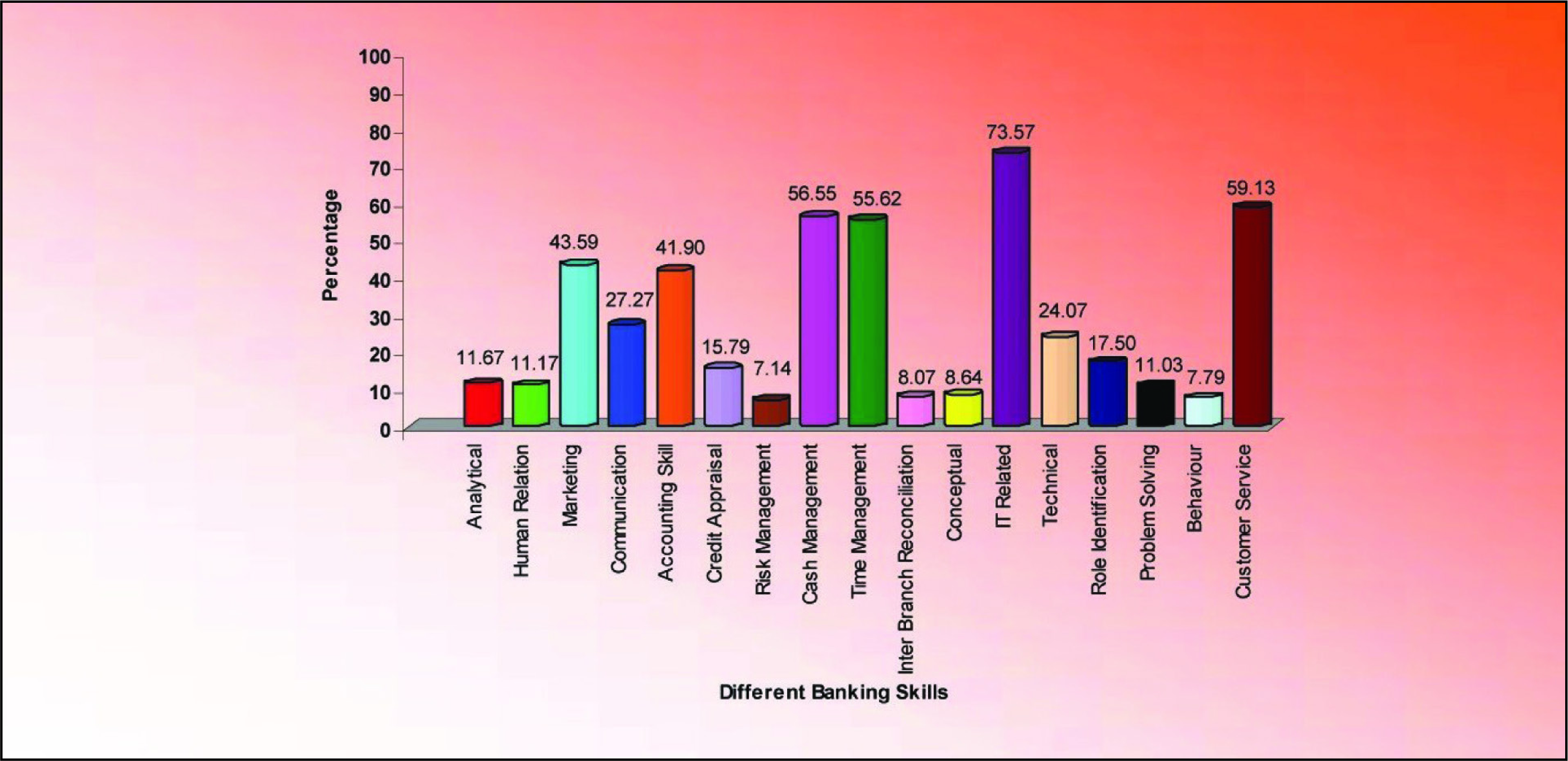
Colaco & Co. investigated the impact of training in improving skills of bank employees and came up with the following quantitative analysis. Seventeen prominent banking skills that were essential for the banking personnel at different levels were identified by them and were quoted as (a) analytical skill (b) human relations skill, (c) marketing skill, (d) communication skill, (e) accounting skill, (f) credit appraisal skill, (g) risk management skill, (h) cash management skill, (i) time management skill, (j) inter-branch reconciliation skill, (k) IT-related skill, (l) technical skill, (m) role identification skill, (n) problem-solving skill, (o) conceptual skill, (p) behavioural skill and (q) customer service skill.
Even though all the seventeen banking skills had shown statistical significance upon the application of a paired t-test, it was interesting to note the percentage of improvement in these skills among eighty trainee employees of Coastal Bank Ltd. Out of the seventeen skills identified, eight skills showed moderate improvement after training. They were marketing skill (43.59%), communication skill (27.27%), technical skill (24.07%), accounting skill (41.90%), cash management skill (56.55%), time management Skill (55.62%), IT-related skill (73. 57%) and customer service skill (59.13%). Whereas the remaining skills showed very little improvement, namely analytical skill (11.67%), human relation skill (11.17%), credit appraisal skill (15.79%), risk management skill (7.14%), inter-branch reconciliation skill (8.07%), conceptual skill (17.5%), problem-solving skill (11.03%) and behavioural skill (7.79%). The improvement score was calculated by the following formula:

Figure 5 shows the training improvement on different banking skills.
Consultants also went ahead to quantitatively analyse employees’ rating regarding evaluation of training.
From Table 4, it can be seen that 77.40 per cent of the respondents were not happy with the training contents because it lacked relevant information and it was purely theoretically oriented training. The trainees were not fully exposed to the practical type of training. Moreover, the teaching was not very much helpful in understanding the job clearly (68.84%). However, the trainers tried to put maximum efforts to clarify the trainees’ queries (68.49%). A total of 67.13 per cent were not happy with the adequacy of the infrastructure for training. However, 86.65 per cent of the respondents responded favourably towards the need for training because it enriched their knowledge and skill. Overall evaluation of the training suggested that the type of training imparted at the training centre was not fully acknowledged by the trainees, as the whole system of training was not significantly enterprising. The teaching methodology, the relevance of contents and provision of adequate infrastructure were not given due importance in the training programme.
Employees Rating on Evaluation of Training
Training Programmes in Coastal Bank
Colaco & Co. collected a list of training programmes that were delivered by Coastal Bank Ltd (refer to Figure 6).The following programmes were delivered by the bank to its employees.
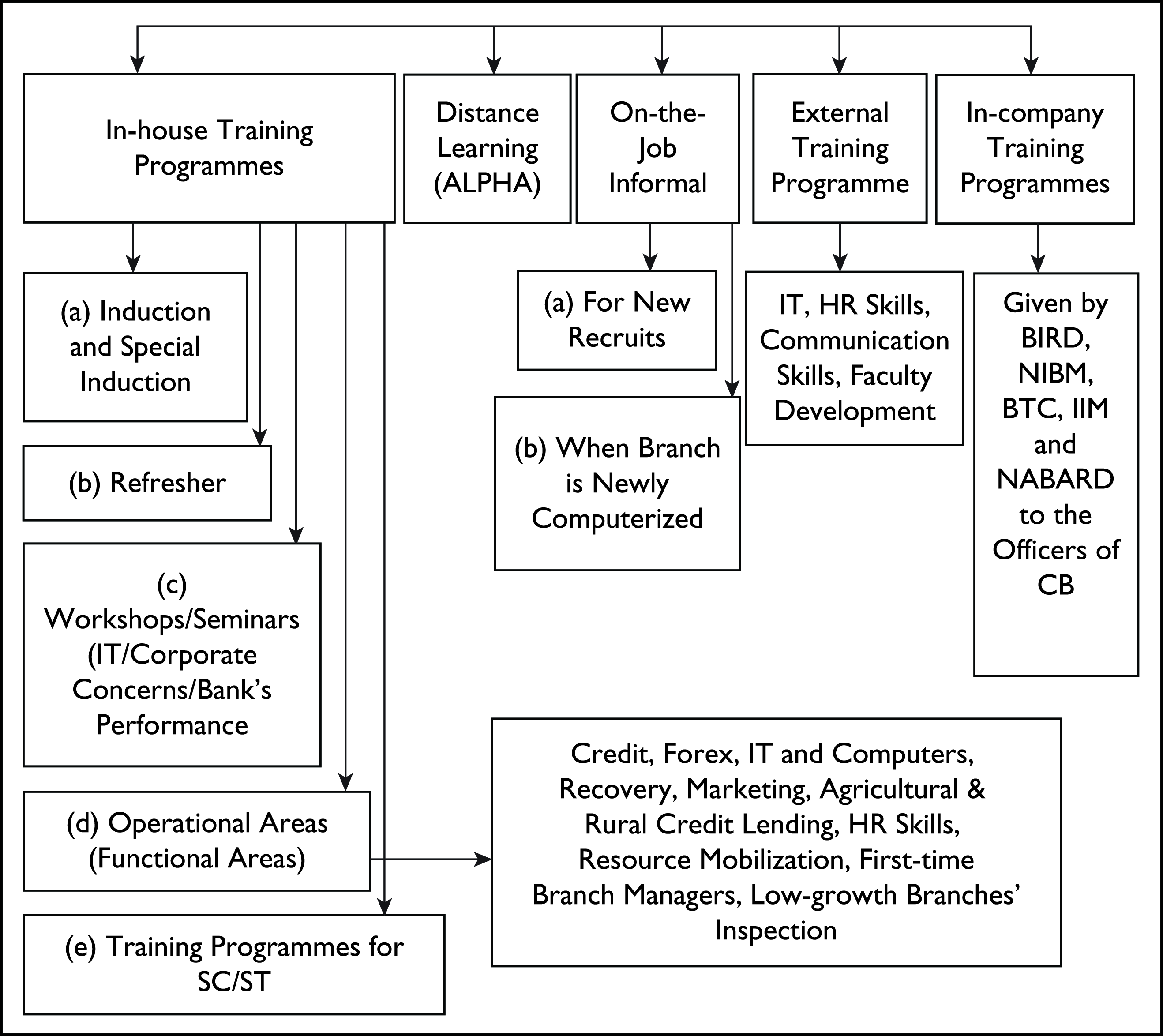
In-company programmes were arranged by some of the external training institutes such as BIRD, NIBM, BTC, IIM and National Bank for Agriculture and Rural Development (NABARD), where the training programmes were provided in specific areas such as customer service, forex, marketing and the likes; according to the requirements of the Coastal Bank.
Specific Issue/Problem
Travails and Imperfections Identified
Colaco & Co. conducted process consultation and the survey to detect the problems in the area of training. They used different sets of questionnaires for various categories of stakeholders of Coastal Bank Ltd (refer to Tables 1 and 5–7) and came up with some glaring findings which were listed in brief as under.
Questionnaire on Employee’s Opinion on Banking Training
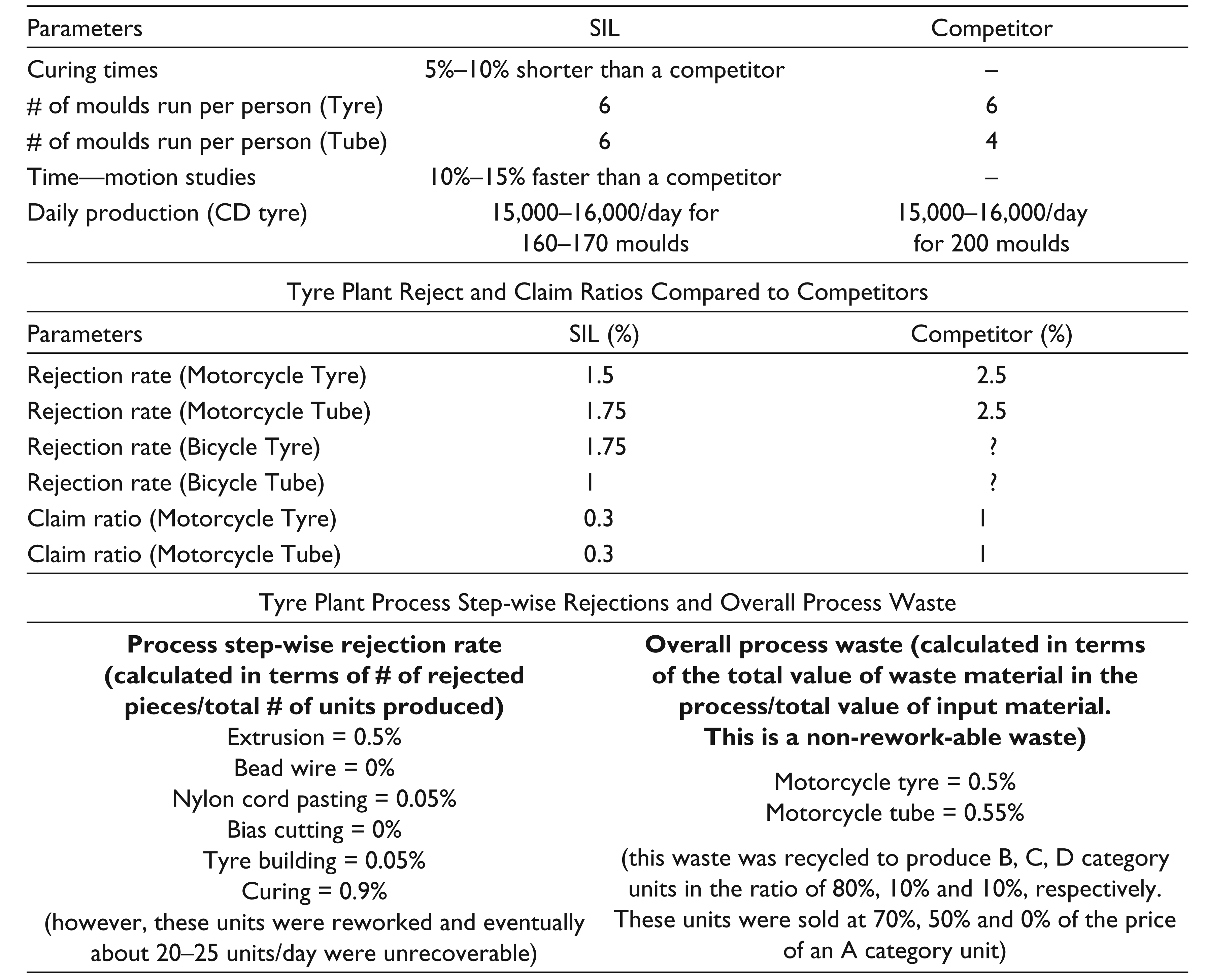
Questionnaire on External Training Evaluation
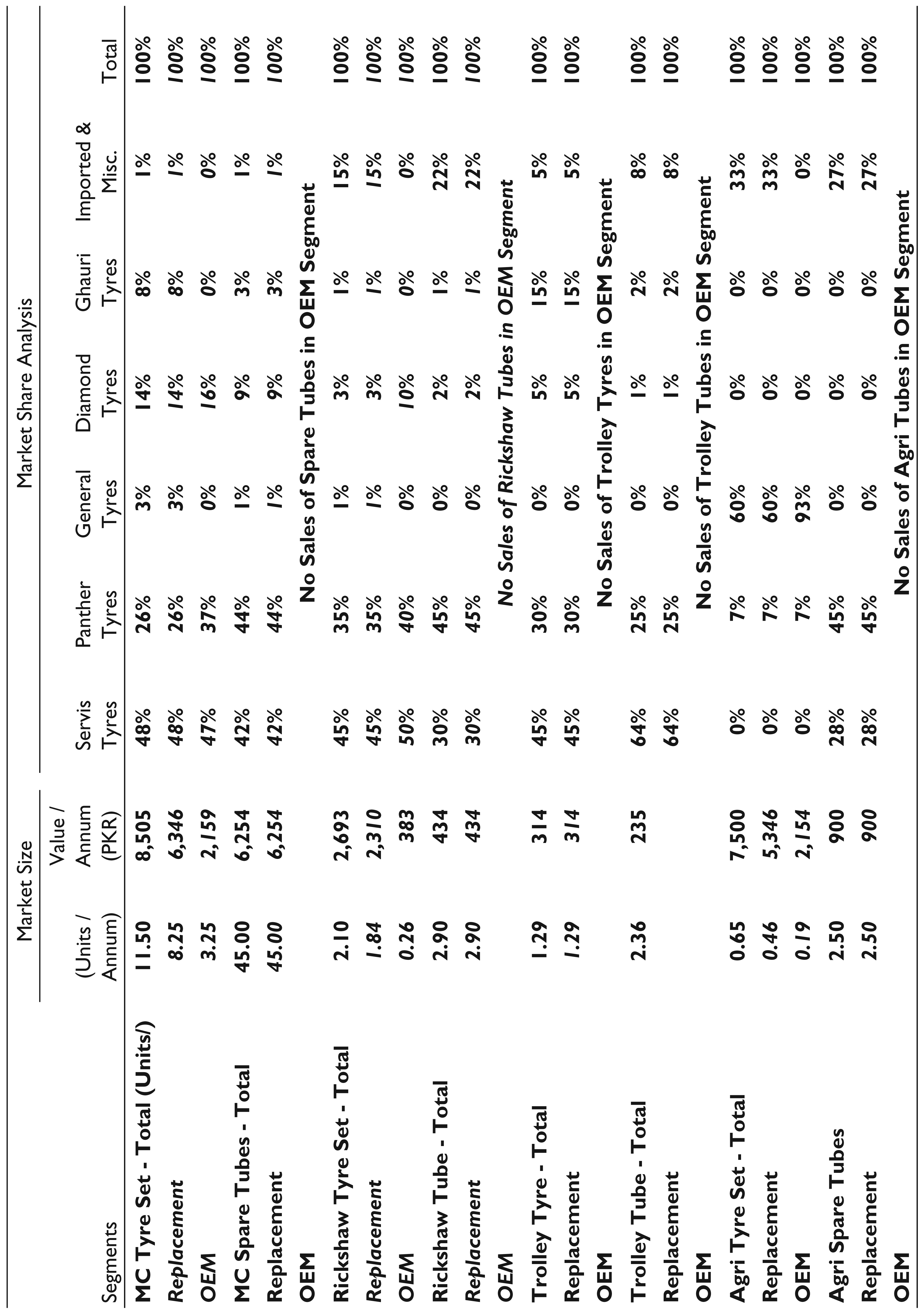
Questionnaire for the Faculty of STC
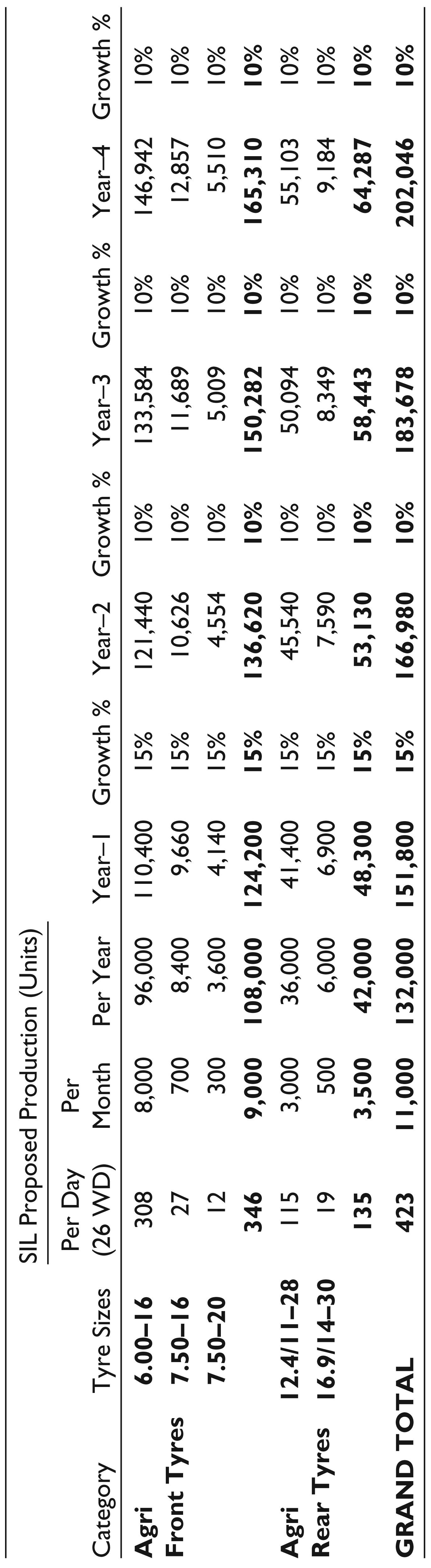
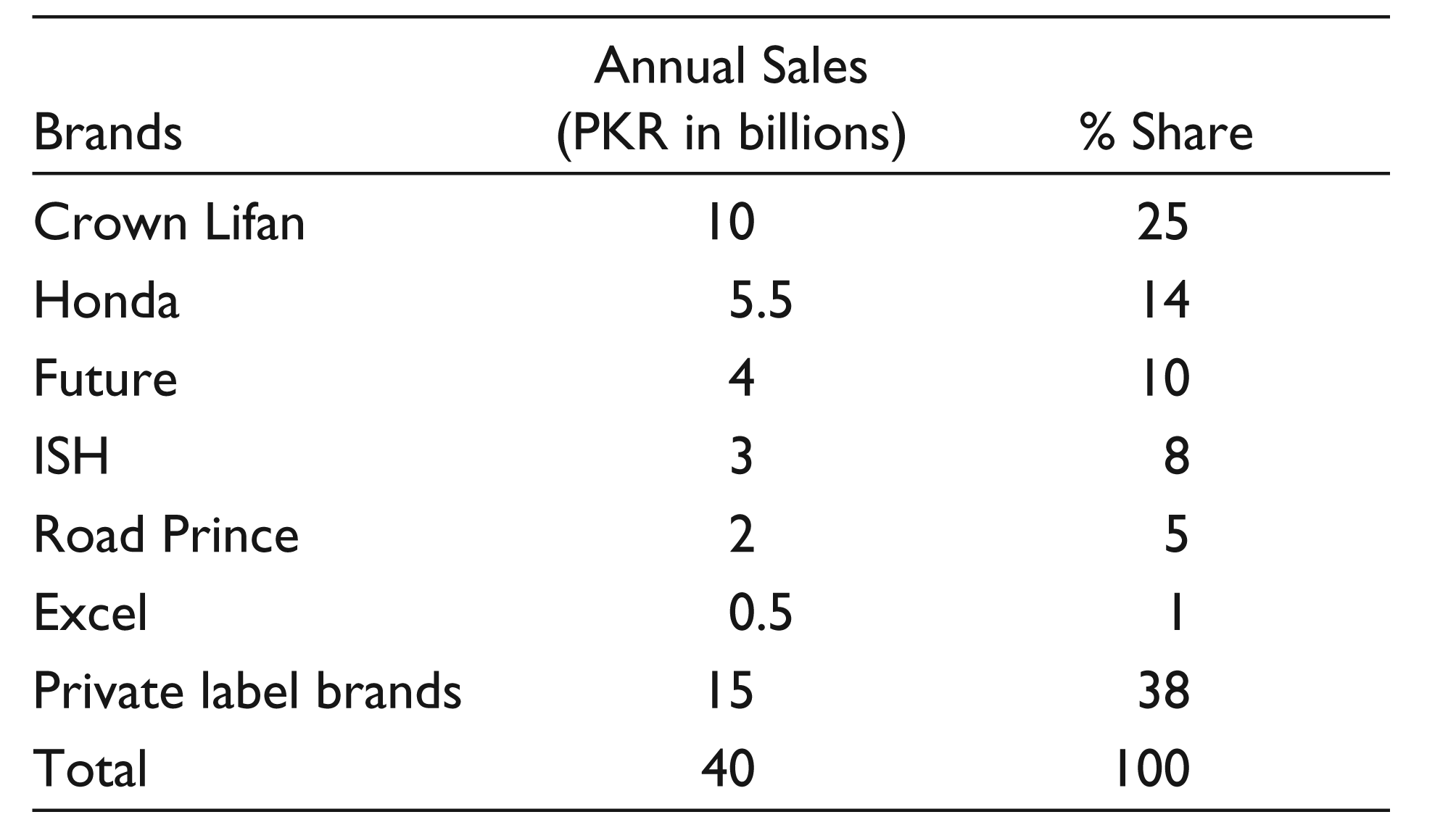
The problems were also identified in the areas of TNI and post training utilization, role of different training methods, and selection of faculty for STC, pedagogy, and preparation of trainees, training environment and training evaluation which formed important tenets of coordination of training activities.
Even the pedagogy in the STC of Coastal Bank Ltd was not found to be truly effective. The lecture method was more popular and consumed a maximum portion of the time. Lectures had a limited role to play in gaining mastery over some of the skills such as problem-solving, human relations, communication and behavioural and conceptual skills. The sessions were not very interactive and hardly included role plays, sensitivity training, case studies, simulation, conferences and seminars so as to keep the trainees active and alert.
Proposal in the Meeting
In the governing council meeting, Colaco & Co. suggested changes by taking cues from the problems identified so as to reduce the quagmires in the training system. The consultants presented the essential plumages of the training that could be followed by any banks in general and Coastal Bank, in particular, to strengthen and revitalize the training system (refer to Exhibit 10). Colaco & Co. suggested to the bank management to frame training policies and plans with a view to bringing forth the interplay between the business strategies and HRD mechanisms. The training function had to be integrated with other HRD mechanisms so as to reap the benefits of development, growth and attitudinal transformation of the employees. Keeping these aspects in mind, a training model was proposed by them, to make the training system more effective in commercial banks (refer to Exhibit 11). At the governing council meeting, CMD along with ED of the bank requested the GM of PAD to arrive at the solutions by following the recommendations of Colaco & Co.
Colaco & Co. also invited opinions from the research assistants and trainees to suggest suitable solutions to the problems of lack of coordination of training activities in Coastal Bank Ltd.
Conclusion
Training was considered one of the strategic HRD activity. It was up to the institution to make it either an asset or liability. Sham Rao, CMD, decided to take the advice of Colaco & Co. to streamline the training process so as to overcome travails and imperfections. He wanted everyone in the system to be convinced of the fact that training and development activity should go hand in hand with bank’s development and change and should never be overlooked from the angle of lack of participation of bank functionaries at various levels.
Declaration of Conflicting Interests
The author declared no potential conflicts of interest with respect to the research, authorship and/or publication of this case.
Funding
The author received no financial support for the research, authorship and/or publication of this case.