




Abstract
Word of mouth (WoM) is increasingly becoming a key element of marketing communication and is being leveraged on social media for increasing customer engagement. Literature on WoM on social media (E-WoM) is still relatively scarce. From the existing body of work on WoM, a number of causes and drivers of WoM emerge but there is not much work done in studying the customer’s responses to E-WoM (or E-WoM outcomes) and a comprehensive scale covering all dimensions has not been developed. This article attempts to identify potential outcomes of E-WoM on social media and develop a multi-item scale for measuring the same.
A list of 37 items of customer’s responses to E-WoM was generated based on the literature review and exploratory study. These items were tested through a survey administered to youth across four metro cities of India. EFA and CFA were conducted to identify the relevant dimensions. The research resulted in the development of a comprehensive 30-item scale measuring 7 dimensions of E-WoM outcomes on social media. The seven E-WoM outcomes measured by the scale are awareness and interest creation, information search online, online buzz generation, offline buzz generation, lead generation, liking and trial, and purchase intention.
Introduction
Word-of-mouth (WoM) communication is defined as ‘informal communication, directed at other consumers, about ownership, usage, or characteristics about particular goods and services and/or their producers/sellers’ (De Matos, & Rossi, 2008), or ‘informal communication between private parties concerning evaluations of goods and services’ (Anderson, 1998), and as ‘a firms’ intentional influencing of consumer-to-consumer communications by professional marketing techniques” (Khan & Shariar, 2011; Kozinets, Valck, Wojnicki & Wilner, 2010).
WoM has a greater impact than other means of communication and is seen as a powerful force in the market place (Buttle, 1998; Samson, 2010; Walter, 2008). It is explored by corporates as the new means of marketing communication (Magnini, 2011; Swanson & Kelley 2001; Sweeney, Soutar, & Mazzarol, 2012). Further, WoM has longer carry-over effects as compared to traditional marketing (Trusov, Bucklin, & Pauwels, 2009).
Internet has increased accessibility, reach and transparency (Kozinets et al., 2010) and social media websites have emerged as influential media platforms (Zhang & Daugherty, 2009), supported by the viral quality of the internet, especially Web 2.0 (Steinman & Hawkins, 2010). Companies are now recognizing the power of social media (Haywood, 1989; Sashi, 2012), which is a phenomenal change in communication (Dotson 2009; Kilian, Hennigs, & Langner, 2012; Heinze & Fletcher, 2011). It offers companies tremendous opportunity to listen to their consumers, to engage them and even influence their conversations (Bruhn, Schoenmueller, & Schafer, 2012). WoM on social media or E-WoM is also easier to stimulate and influence because of high visibility and previously posted comments (Dellarocas & Narayan, 2006). WoM marketing strategies will benefit from research on what categories of customers are recommending the business, what are they recommending and what is prompting them to do so (Stokes, Ali, & Lomax, 2002). It offers companies tremendous opportunity to listen to their consumers, to engage them, and even influence their conversations (Bruhn, Schoenmueller and Schafer, 2012).
This article is an attempt to develop a scale for measuring the probable outcomes of a WoM episode received by a consumer/potential consumer on social media.
Research Gaps and Objectives
Though there is ample literature on WoM, tracing its origin, evolution and significance in the field of marketing communication, literature on E-WoM is still developing. Social media offers an opportunity to trace the impact of WOM activity (Trusov et al., 2009). Extending research on WoM to an online context is recommended (Sweeney et al., 2012).
The existing literature on WoM brings out a number of causes and drivers of WoM but there is not much work done in studying the customer’s response to WoM or the outcomes of WoM since capturing WoM data was difficult in the offline context. More so, expected outcome of WoM also needs to be specifically defined before it can be measured. Past researchers have looked at impact of WoM on different dimensions but usually taking one or two dimensions at the most. Most of the existing research is based on consumers in American and European developed economies. Not much research is done in the Indian consumer context.
WoM has been studied earlier as the traditional communication model, (Cheung & Thadani, 2010) and input-process-output model, (Chan & Ngai, 2011), but these models take into account only a few variables that are linked into a cause and effect relationship. A more extensive review of literature to understand the impact of WoM on social media was undertaken by Srivastava and Sharma (2017) in which an attempt has been made to divide literature into drivers, measures and effects of WoM and identify variables in each of these categories.
Outcomes of WoM or various customer responses have been studied with respect to variables such as behavioural intention (Wee et al., 1995), understanding of WoM communication (Delgadillo & Escalas, 2004), acceptance level of reader, intention to respond, ‘ripple effect of diffusion’ (Huang, Cai, Tsang, & Zhou, 2011), higher volume of WoM or client referrals (File & Prince, 1992) and online purchase increase (Chung, 2010). Empirical findings suggest that online WoM has a strong impact on refraining from buying a product, followed by generating further WoM and buying a recommended product. Further, negative WoM has a greater impact on consumer buying behaviour than positive WoM (Hennig-Thurau & Walsh, 2003). Reading WoM helps consumers save time and risk thus decreasing search time (Hennig-Thurau & Walsh, 2003). The usage range within a product category has an effect on pre-trial intentions, in turn, leading to recommending the product that has been tried (Samson, 2010). Not only does E-WoM lead to further online conversations (Samson, 2010), it also leads to offline advocacy (Graham & Havlena, 2007).
Trusov et al. (2009) proposes that E-WoM among consumers can influence brand image and purchase intention but his study is limited to automobile manufacturers and does not cover other sectors. E-WoM has a strong impact on purchase intentions, especially when consumers use mobile internet to read online recommendations directly at the point of purchase (Jalilvand & Samiei, 2012). According to Graham and Havlena (2007), online WoM creates brand advocacy offline, independent of advertisers’ influence. Valence in WoM content effects purchase intention in both UK and China (Christodoulides, Michaelidou, & Argyriou, 2012). Bruhn et al. (2012) illustrated that corporate weblogs or brand profiles on social networking sites impact brand image.
According to Lim and Chung (2014), quality of WoM messages and source of WOM impacted purchase intentions for online sports retail shopping. The provider of WoM and the receiver’s expertise were found to moderate the effect of message quality on purchase intention. A study by Zhang and Daugherty (2009) linked third-person effect to behavioural consequences related to WoM communication on social media. A WoM campaign may generate greater consumer involvement within a product category, resulting in more information seeking (Giese, Spangenberg, & Crowley, 1996).
Few scholars have made an attempt to study the impact of WoM on sales. Spekman and Dotson (2009) suggest that not only does social media play a role in the sales cycle but also effectively shortens the cycle by targeting customers who are motivated to purchase. File et al. (1992) also proved through their research that positive WoM is a strong factor in the purchase of financial services.
In most of the literature, usually a single driver/influencer of WoM is measured against a single effect of WoM, and most of these studies are not done in the context of online social media.
Walter (2008) first made an attempt to bring together the desired outcomes of WoM and drawing from WOMMA Terminology Framework, classified these into two broad categories—outcomes related to demand generation and outcomes related to further WoM generation. While the aspect of further WoM generation covered outcomes of ‘inquiry likelihood’ and ‘pass along likelihood’, the demand generation aspect covered outcomes of ‘purchase likelihood’ and ‘use likelihood’. Although literature on WoM is abundant, research of E-WoM, particularly Social Media is scarce (Brown, Amanda, & Nick, 2007).
While Walter’s study does provide a basis for defining possible outcomes of WoM, its scope and applicability were limited because it covered only volunteer-initiated WoM among existing social networks and did not cover other types of spontaneous or unseeded WoM on social media. Further, the variables defined by Walter were measured using single-item scales which may not be robust and limit the scope of statistical analysis and interpretation.
The research questions which arise therefore are as follows:
Methodology
The scale development followed the procedure prescribed in literature (Anderson & Gerbing, 1988; Churchill, 1979; Devellis, 1991). As a first step, an initial set of items were generated based on literature review and exploratory consumer search using qualitative methods like in-depth interviews and focus group discussions. This was followed by item generation and checking of content validity through in-depth interviews, group discussions and expert opinion. Following this, an exploratory factor analysis (EFA) was conducted to define the underlying structure amongst variables and item reduction.
The third and final stage had three-fold objectives: developing model fit and reducing the items further, validation of factors through convergent and discriminant validity, and reliability check of final scale achieved. A confirmatory factor analysis (CFA) was conducted to achieve these.
Sample Selection
The study focuses on youth between the age group of 18–24 years (Nagle & Anand, 2012; Handa & Khare, 2013; Narang, 2011). In India, the Internet usage amongst youth is relatively high as compared to other age groups. As per IMRB and I-Cube 2013 survey, 57 per cent of the active Internet users are college going or young men (IAMAI and KANTAR IMRB, 2013). Moreover, 48 per cent of the mobile Internet users in India are also between 18 to 24 years of age. Samples were drawn from this age group across four metro cities of India, using convenience sampling. It was ensured that samples were taken from diverse areas within the given metros, ensuring a balance across gender and socio-economic backgrounds. A total of 815 respondents were part of the research.
Stage 1
Exploratory Research and Construct Development
Exploratory research was conducted through in-depth interviews across a sample size of 51 respondents. Out of these 25 were girls and 26 were boys. The key purpose of the exploratory research was to gain an understanding of how youth views and reacts to E-WoM on social media.
Primary data was collected through personally administered questionnaires. A standardized interview guide was used. The interview guide was a mix of introductory informal questions, open-ended questions and guided questions to churn out new variables for research and reiterated the significance of other existent variables that have been extracted from the literature. The data was collected at various places that are generally visited by youth: at college canteens, eateries/cafes popular amongst youth, homes, gyms, sports complex, etc. The in-depth interviews were designed to get insights into the pattern of social media usage, types of social media frequented, kinds of WoM messages received, responses to WoM, reasons for different responses, other likely responses, etc. Most respondents in this age group were found to be avid users of the social media and often clicked on or read the messages they received. They received messages related to products, social issues and politics.
Second step in the exploratory research was focus group discussions conducted in groups of 10 for a matching sample of 40 youth, where participants were encouraged to discuss the E-WoM messages they had received and their reactions to these.
The exploratory research helped generate possible actions/outcomes of E-WoM on social media.
Constructs development needs to take into account existing thought (Churchill, 1979; McKenzie, 2003. Walter’s broad classification of WoM Outcomes (2008) into ‘Demand Generation’ and ‘Further WoM Generation’ was taken as the basis for developing a comprehensive construct for defining and measuring E-WoM outcomes on social media. However, considering the previous literature on consumer responses to marketing communication (Barry & Howard, 1990; Lavidge & Steiner, 1961; Smith & Swinyard, 1982;), it was found that Walter’s classification covered only the liking, preference and trial/purchase likelihood aspects while leaving out the response aspects related to generation of awareness and knowledge. Even with respect to each of the response stages covered by Walter (2008), the outcomes defined related to only one dimension at most. In E-WOM communication, in general (and online social networks in particular), awareness and knowledge typically involve separate processes (Coulter & Roggeveen, 2012;De Bruyn & Lilien, 2008).
Through the insights generated through the exploratory research and the previous literature on WoM, it was found that possible outcomes/responses to an E-WoM episode on social media could include creation of awareness, knowledge gained through information received and further information search/inquiry which could be offline or online, sharing information both online and offline, liking, preference leading to trial and purchase intention.
The possible outcomes generated through exploratory research were compared with the outcome variables covered in existing studies to help validate the earlier variables and include any outcome which may have been left out. As a result of this process, a list of 46 items was developed. Respondent statements related to purchase intention were found to be very similar to the existing scale of Grewal, Monroe and Krishnan (1998), and these scale items with slight modification were also included in the final list of items.
To check the degree to which the items generated reflected the outcomes of an E-WoM episode, content validity was studied (Malhotra & Dash, 2010). Expert opinion was ensured through in-depth interviews with marketing experts including 12 academicians and brand managers. They were asked to evaluate each item for relevance, content validity, clarity and conciseness and identify any missing aspects in the constructs. From the list of 46 items, certain items were merged or eliminated to avoid duplication, ambiguity and implicit assumptions (Shimp & Sharma, 1987). Out of a total of 46 items, 37 were retained for conducting factor analysis and scale development. These included items related to further inquiry through different means and buzz generation as well as those relating to preference, trial, purchase intention, referral and usage likelihood.
Stage 2
Factor Analysis
In the second phase, primary data was collected through personally administered questionnaires. Hair, Anderson, Tatham and Black (2006), suggest at least five times as many observations as the number of variables to be analysed. The survey was administered to 336 respondents and a total of a total of 304 valid responses were received for factoring 37 variables.
Respondents were asked to describe a recent E-WoM message received by them on a social media platform and then given the list of 37 statements describing possible responses. They were asked to indicate on a scale of 1 to 7, how likely they were to undertake each of these actions in response to the E-WoM message described by them. Some of these 37 questions included the following:
How likely are you to
read the full message in detail click on any link embedded in the message repost the message post any enquiry online visit the company website compare the prices of similar brand online tag anyone in the message mention the message to anyone offline develop a liking for this brand after reading the message try the brand at least once purchase this brand in the future
EFA using principal component analysis and oblimin rotation (oblique method of rotation) was used to extract the factors that load onto the latent variables and to define the underlying structure among the variables in the analysis. Oblique rotation was used due to presence of correlated factors (Hair et al., 2006). To check the degree of interrelation among the variables, the Bartlett’s test of sphericity and Kaiser–Meyer–Olkin (KMO) measure of sample adequacy (MSA) were obtained. The communalities were assessed to check whether they are less than 0.5 as that variable would not have sufficient explanation. Finally, factors with significant cross loadings or ones with factor loading of less than 0.5 were eliminated. A second round of EFA was then conducted, after elimination to check the improvement in total variance explained.
In the first round of EFA, the scree plot brought out 7 components (Eigenvalue greater than 1) on to which the 37 items were loading. 7 components explained 68.056 per cent of all variances. The 37 items fulfilled the KMO MSA ( > 0.5; Hair et al., 2006) at 0.918, with a statistical significance of less than 0.001. Anti-image correlation matrix with the MSA was obtained and all variables were found to be within acceptable range ( > 0.5) with the lowest being 0.86 (Hair et al., 2006).
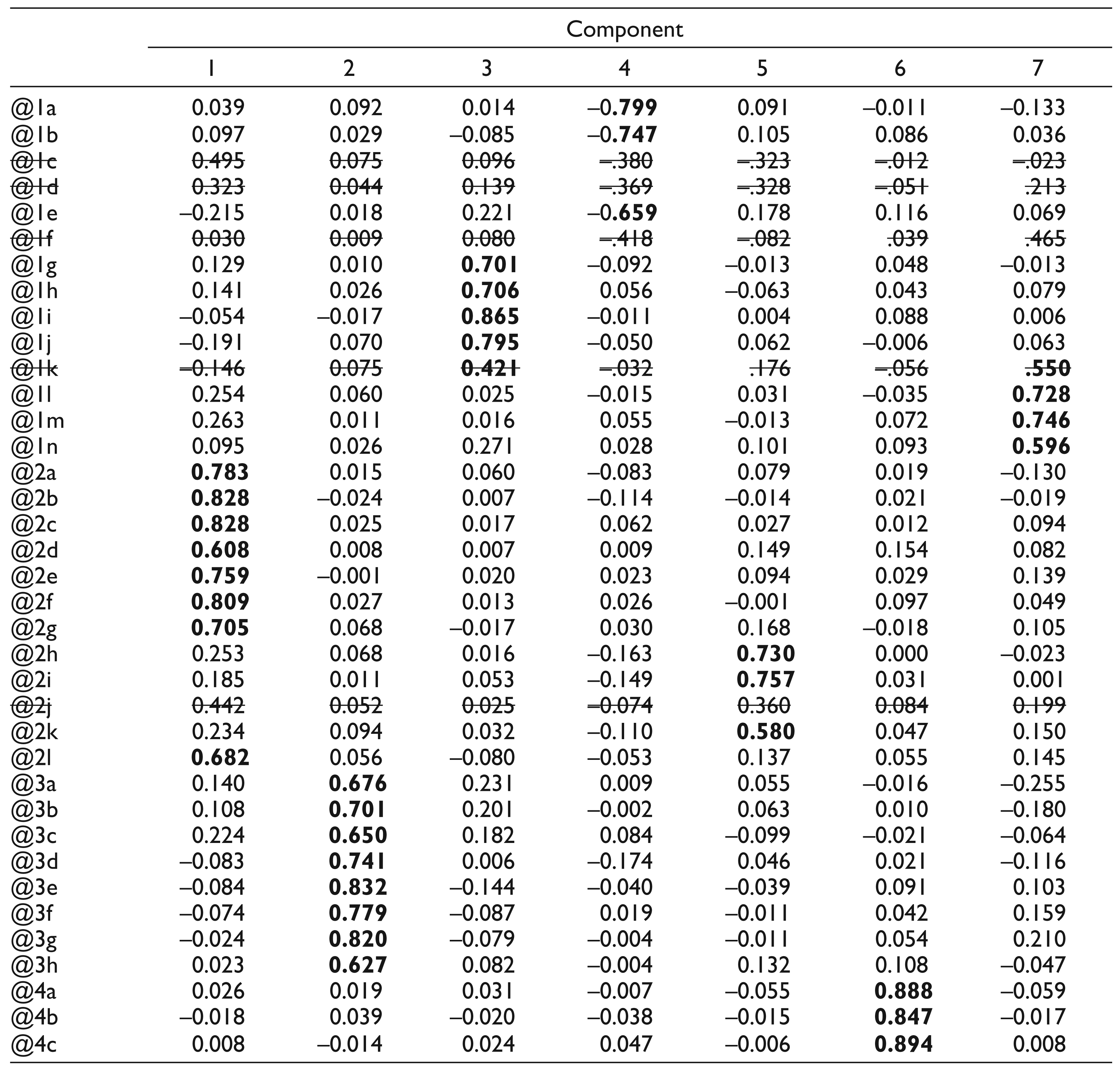
Next, variables with less than absolute value of 0.5 factor loadings were eliminated. These are—1c, 1d, 1f and 2j. One variable (1k) with significant cross loadings was eliminated; 32 items were retained (Table 1).
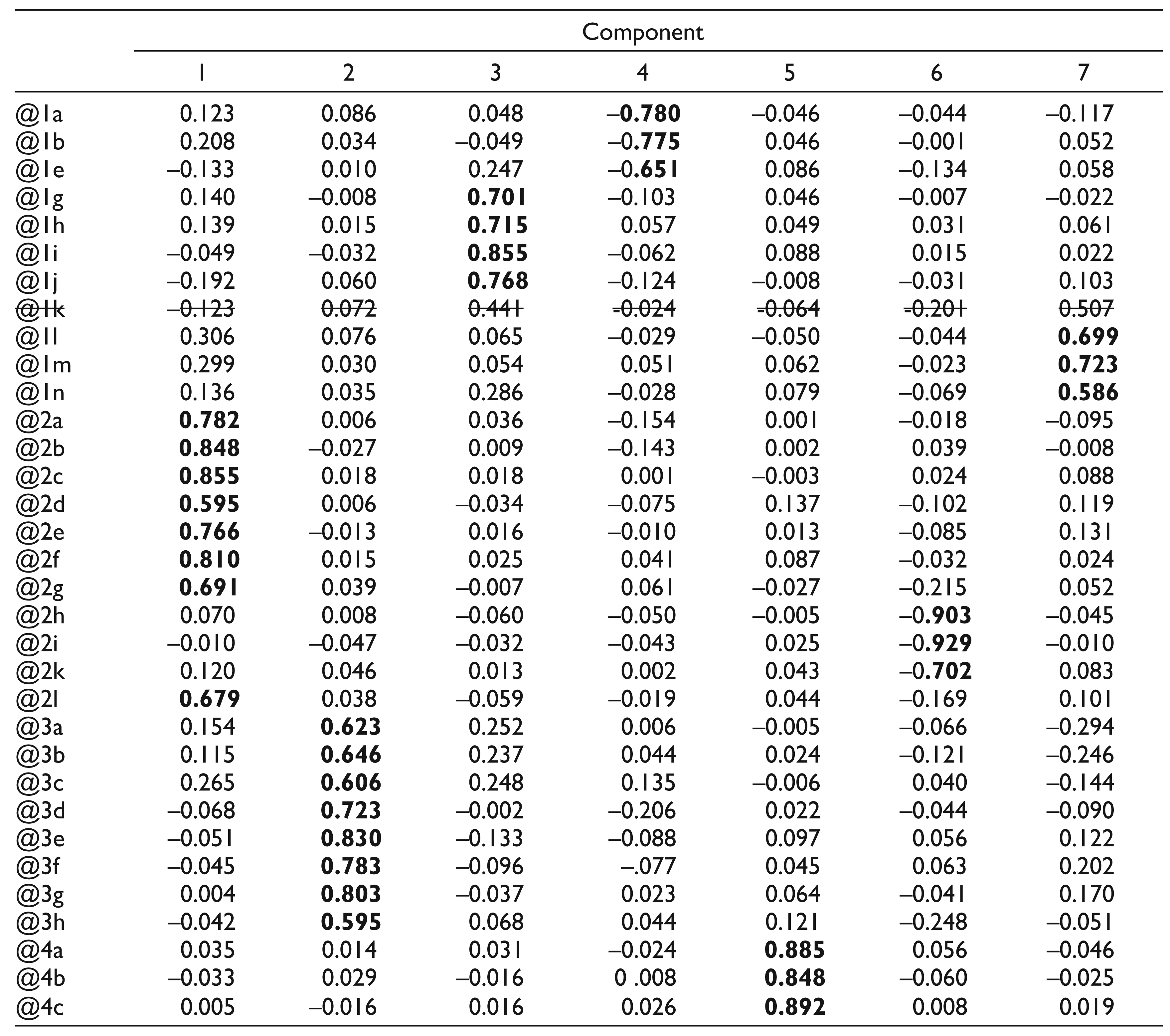
No further factors had less than significant loadings. 1k shows significant cross loadings (Table 4).
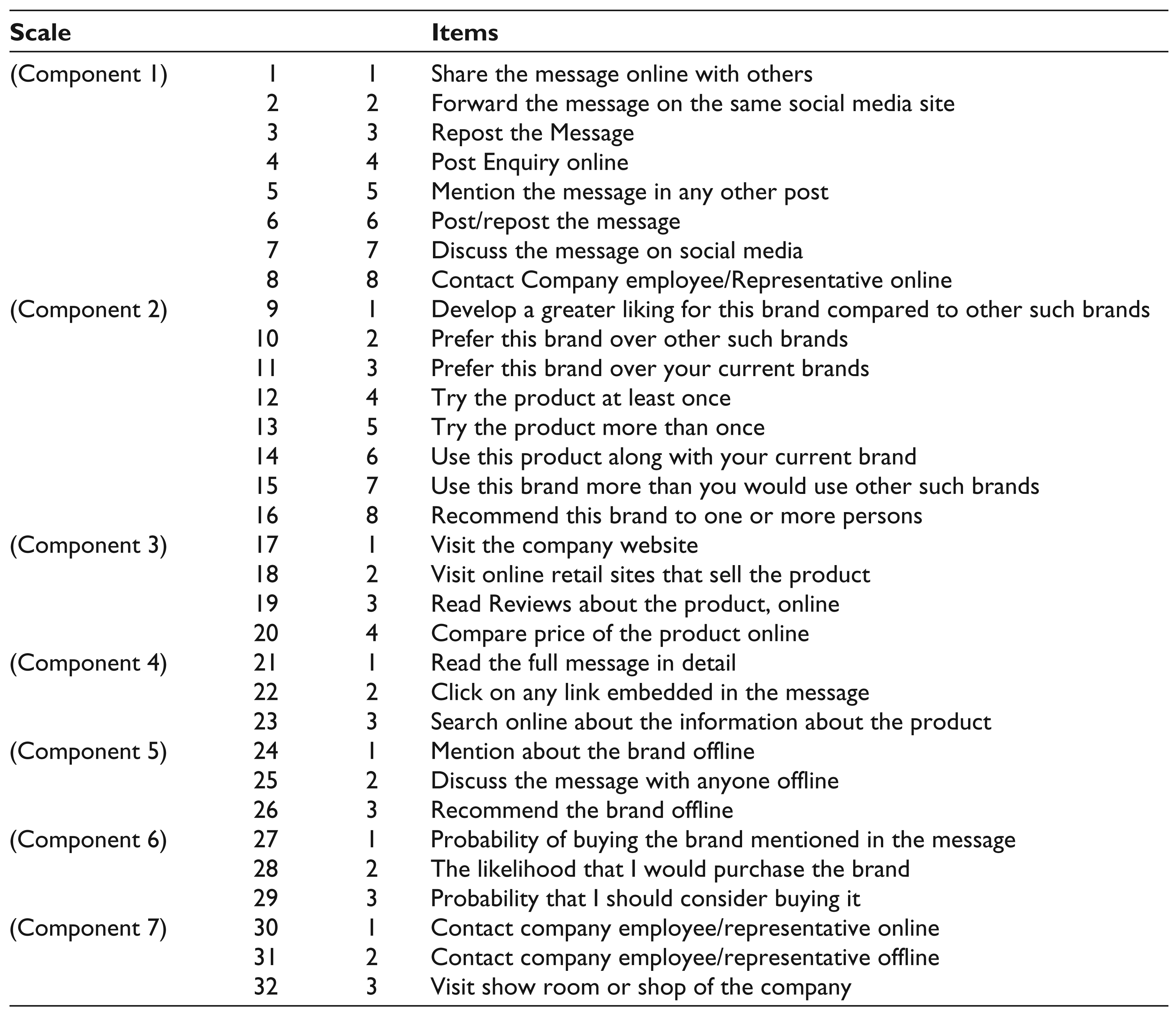
The items loading onto 7 constructs are given in Table 5.
The deleted questions were found to be either answered in some other question or not being relevant. For example, ‘likelihood of reposting the message’ was answered in part by questions like ‘likelihood of clicking on any link embedded in the message’ or ‘likelihood of posting an enquiry online’ or ‘likelihood of searching online for information about the brand’. These 32 items were run through EFA, using principal component analysis and oblimin rotation. These 32 items loaded onto 7 factors. Total variance explained was 70.777 (Table 3). KMO Bartlett’s test and p-value were within range, 0.915 and of less than 0.001 respectively (Table 2). Communalities were above 0.50. All MSA were within range, lowest being 0.862.
Pattern Matrix—EFA
Rotation Method: Oblimin with Kaiser Normalization.
a. Rotation converged in 11 iterations.
The highlighted numbers are the significant loadings.
KMO and Bartlett’s Test-EFA

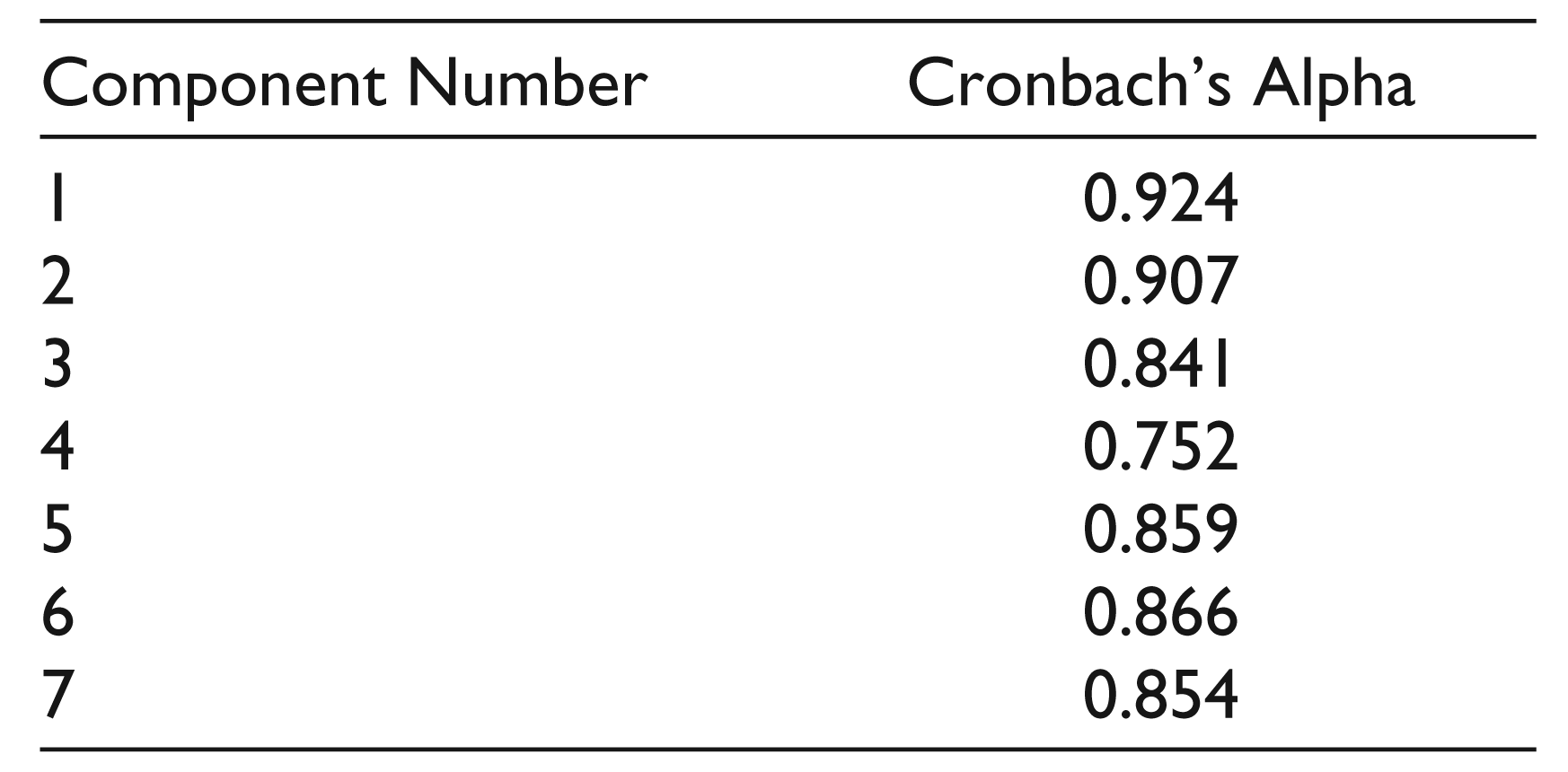
Next, a reliability test was conducted using Cronbach’s Alpha for each of the six scales (Table 6). The alpha coefficients were well above 0.70 and therefore acceptable (George & Mallery, 2003).
Stage 3
Confiramtory Factor Analysis
The scale so developed was next validated for its psychometric properties conducting CFA using Lisrel 8.80. A fresh matching sample of 450 respondents was taken to test the 32 items retained in the EFA, out of which 408 valid responses were received. More than 400 data points are acceptable for conducting CFA (Boomsma, 1982, 1985; Schumacker & Lomax, 2010).
Based on EFA, the proposed model had 32 observed variables loading on to 7 latent variables, namely comprehending the message, creating buzz, online enquiry, offline enquiry, liking and trial, purchase intention and approaching the company. Each observed variable was hypothesized to load onto a single latent variable.
After confirming model identification, robust maximum likelihood was used for model estimation and model testing, as this is the recommended method for data with normality issues (Joreskog & Sorbom, 2004.)
Total Variance Explained Table-EFA
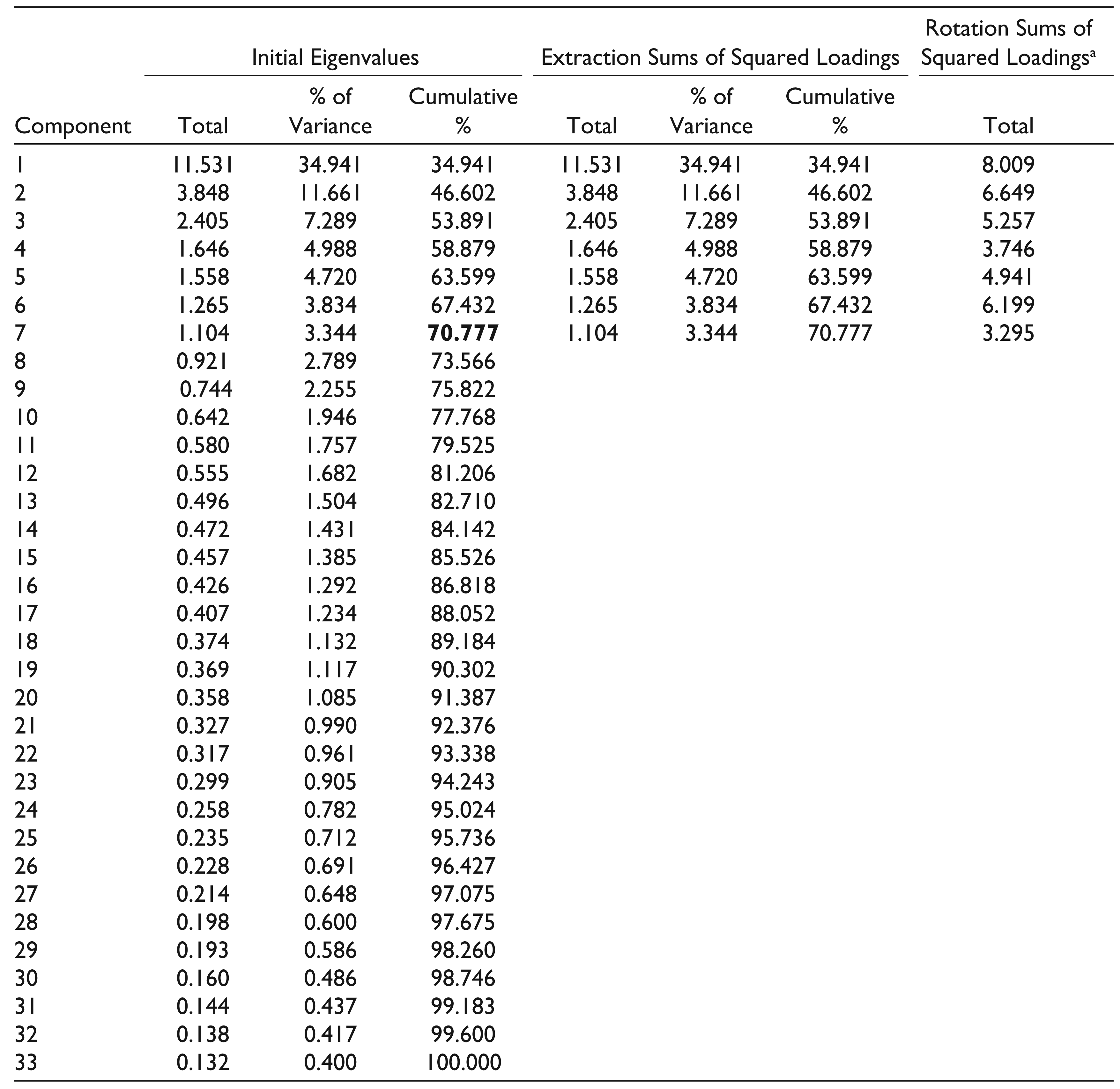
a. When components are correlated, sums of squared loadings cannot be added to obtain a total variance.
The highlighted Components 1 to 7 are explaining the total variance.
The Highlighted number 70.777 is explaining the cumulative percentage of total variance explained.
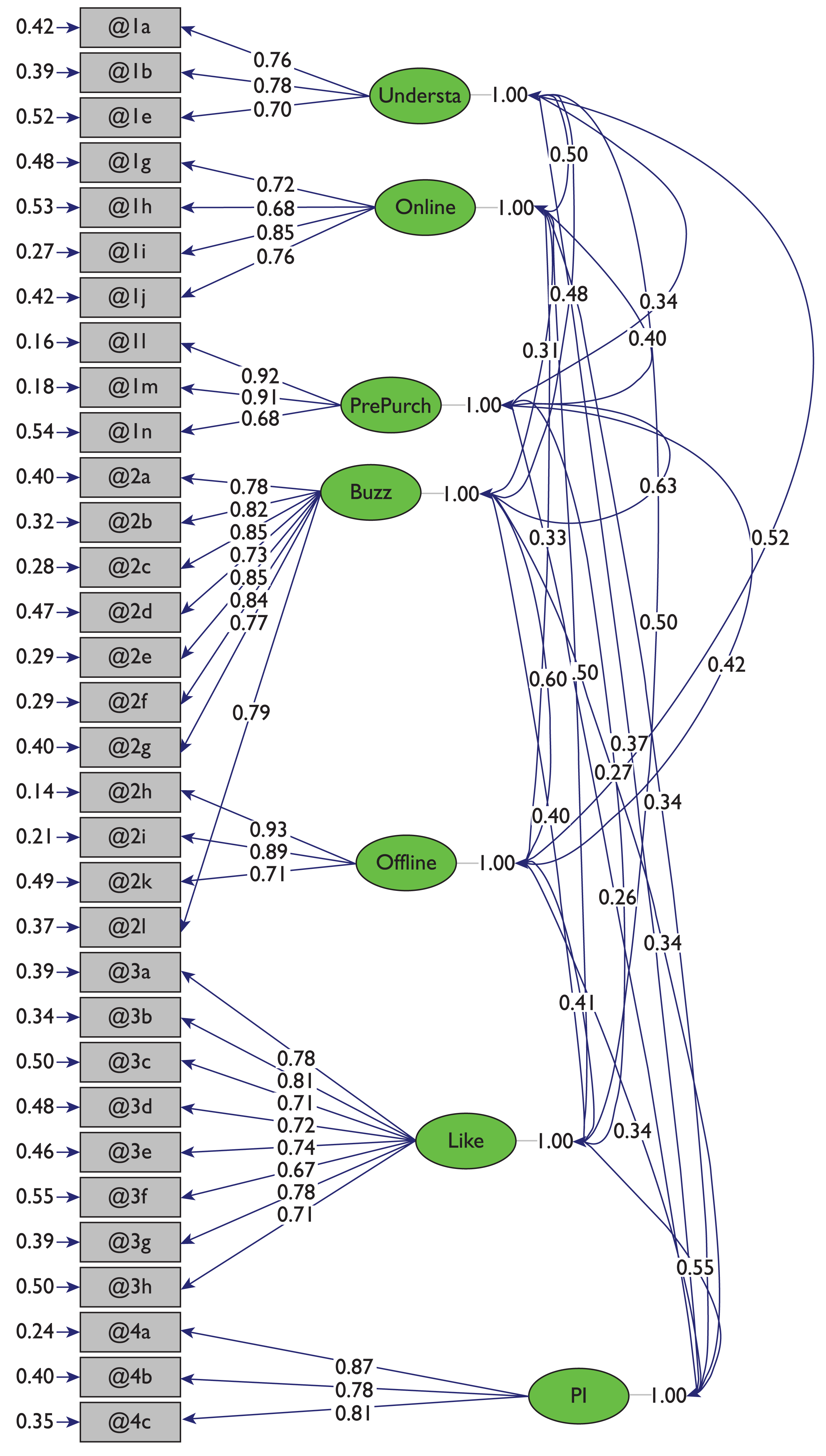
Our proposed model was over identified at 443 degrees of freedom and therefore acceptable for testing (Schumacker & Lomax, 2010).
The following path model was generated for testing (Figure 1).
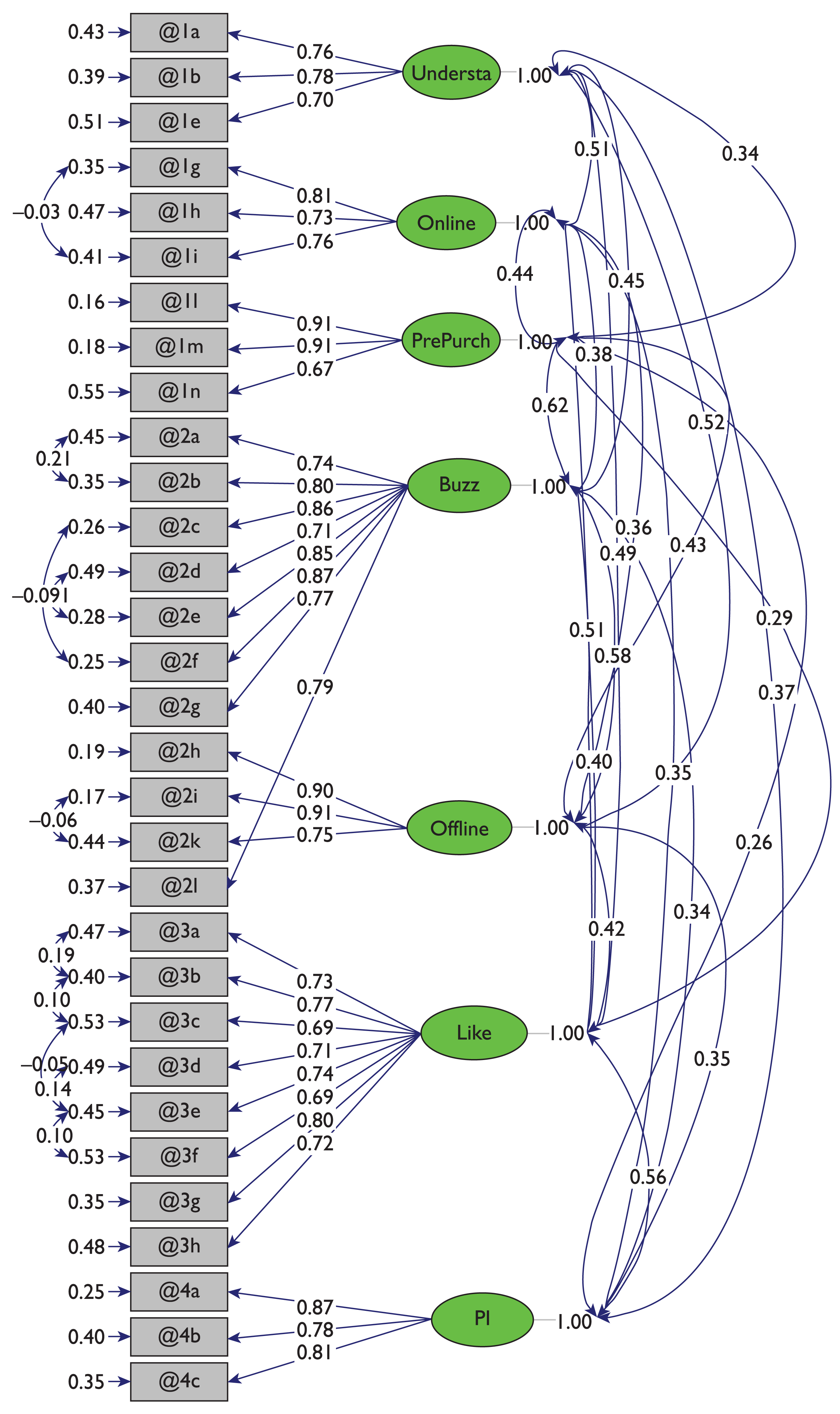
Suggested modification indices were added to improve the model and fit indices.
Further, item 1j which had a low factor loading of 0.63, after the modification indices were added, was also removed.
Pattern Matrix—EFA 2
Rotation Method: Oblimin with Kaiser Normalization.a
a. Rotation converged in 11 iterations.
The highlighted numbers are the significant loadings.
This gave us the following Path Model with modification indices (Figure 2).
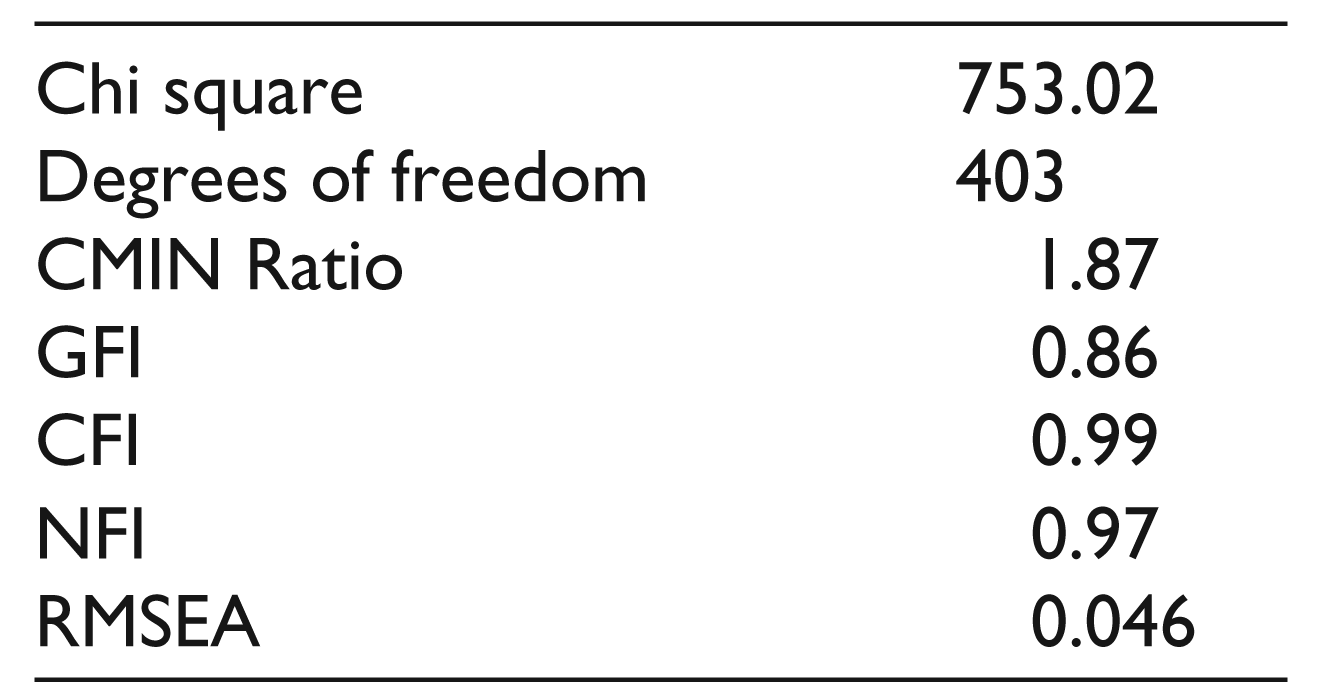
Goodness of fit (GFI) indices for the model were found to be acceptable (Table 7)—Root mean square root error of approximation (RMSEA) was less than 0.7; GFI was close to 0.90 and comparative fit index (CFI) and normed fit index (NFI) were also above 0.90, indicating good fit (Hair et al., 2006).
A relative Chi square (CMIN ratio) of 1.87 also indicated adequate fit (Byrne, 1989; Carmines & McIver, 1981; Marsh & Hocevar, 1985; Wheaton, Muthen, Alwin, & Summers, 1977).
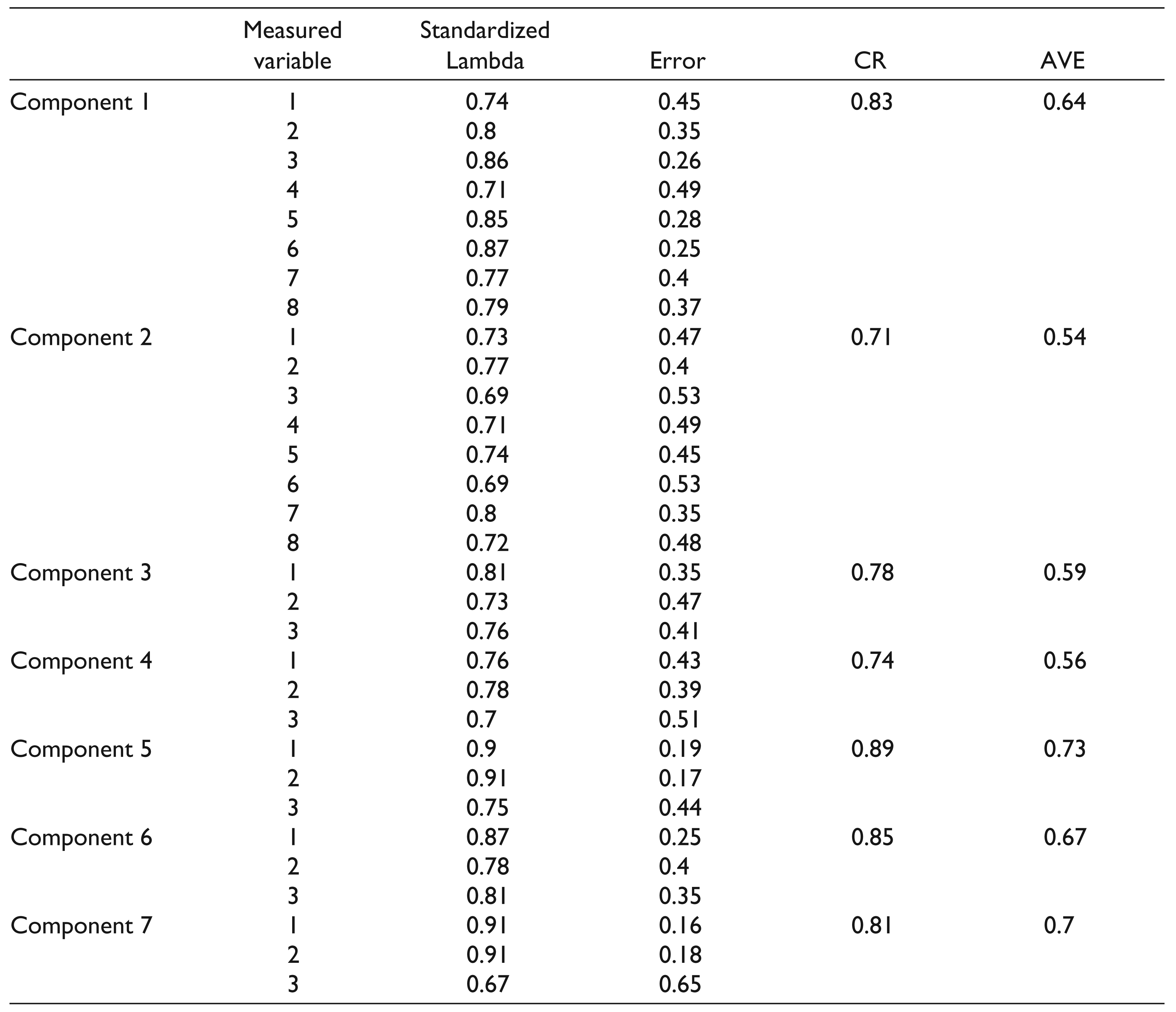
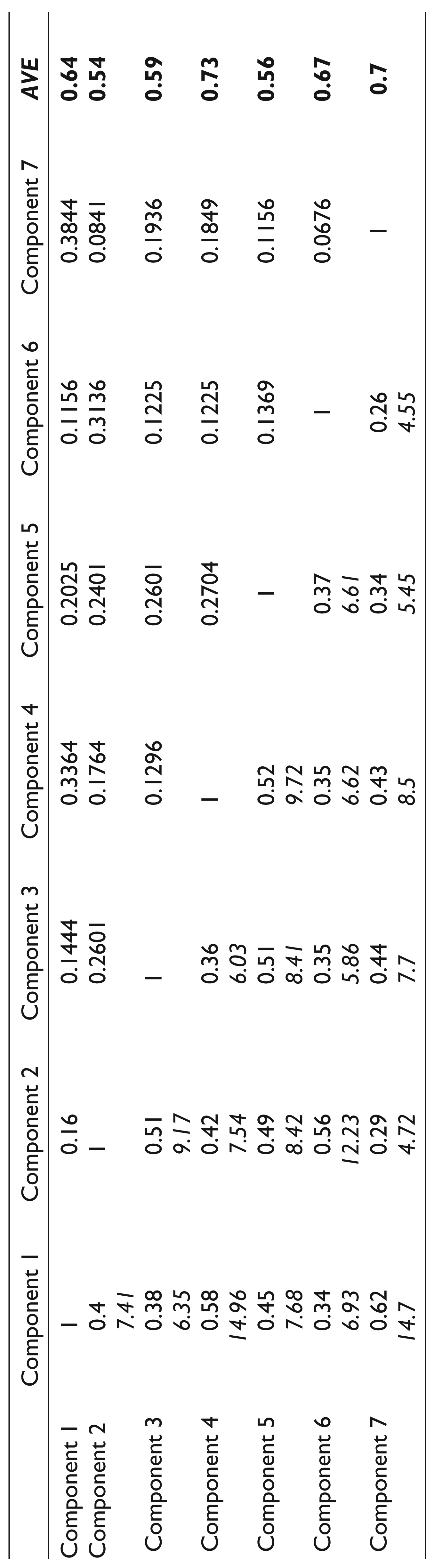
The next step was assessing
32 Items Loading Onto 7 Components
Reliability Test
Fit Indices
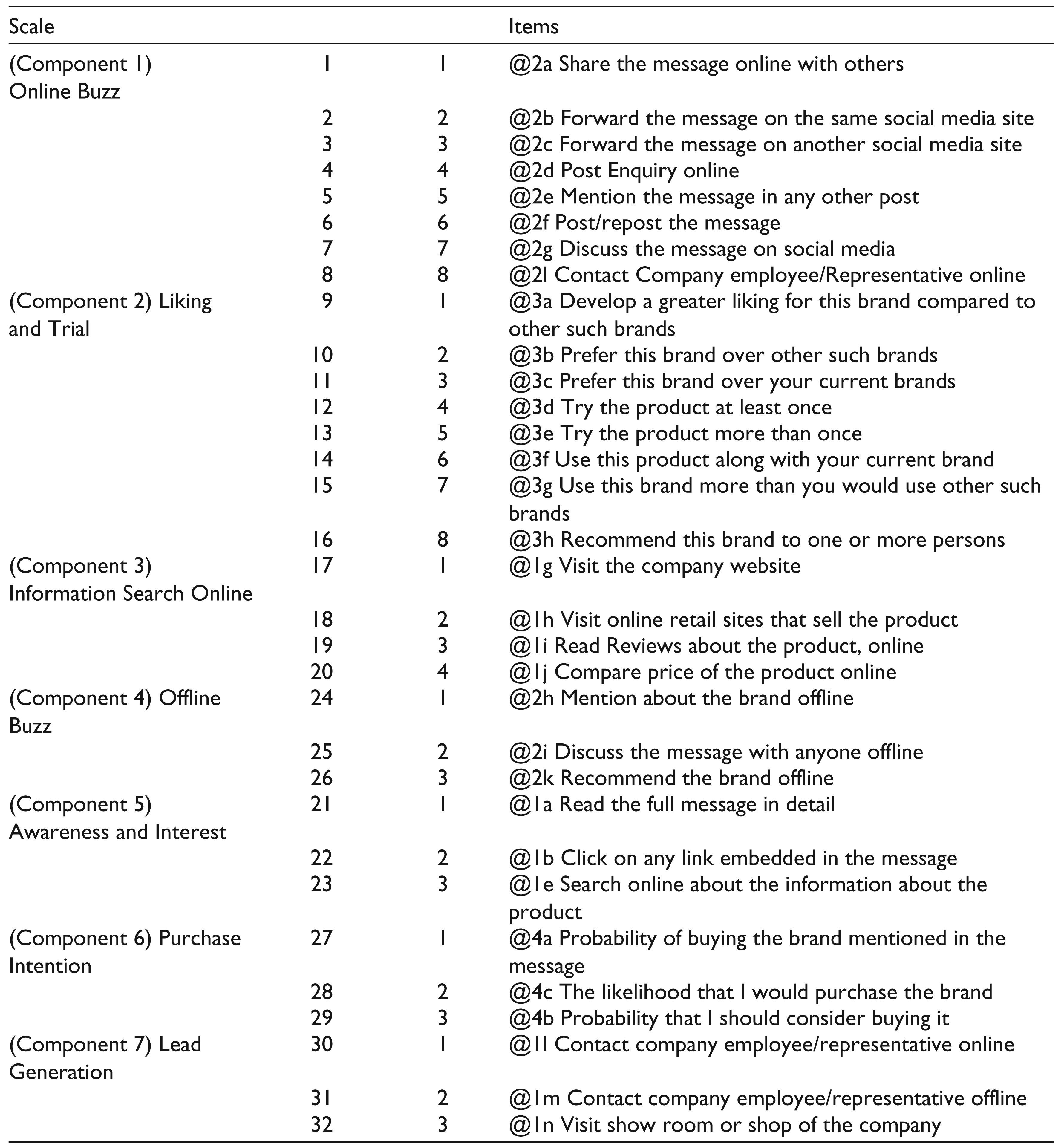
The research identified seven specific outcomes of E-WoM on social media, each of which can be measured through the multi-item sub-scales. The outcomes and the sub-scales are listed ahead (see Table 10):
Convergent Validity
Discriminant Validity
Labelling the Constructs
Contribution and Limitations
This research has filled a major gap in academic literature on measuring the impact of E-WoM on social media, by defining the possible outcomes and developing a comprehensive E-WoM outcome scale to measure the impact of E-WoM on desired outcomes. The seven outcomes of E-WoM identified by this research are in line with existing marketing theory on stages of the consumer response hierarchy which defines the expected path of moving the consumers from awareness to purchase. At the very least the E-WoM message should be read by the recipient creating awareness, and if the message is interesting and relevant it should also result in creating an interest leading to search for further information, discussions within and outside the social network, initiation of contact with the company/brand representatives, development of liking and brand preference, leading finally to purchase intention. For both academicians and practitioners, this is a powerful tool which can help measure effectiveness of E-WoM campaigns both in terms of likely strength of impact and the dimensions which would be impacted. Desired outcomes could vary depending upon the communication objectives and therefore the sub-scales can provide clarity for specific objectives.
The outcomes defined in this study cover the outcomes related to generation of WoM as well as demand-related outcomes specified by Walter. However, this study adds value by further refining the outcome definition by making these more specific and also by adding new dimensions to make it more comprehensive. An additional benefit of the scale developed by this study is that it can be easily mapped onto the response hierarchy models of communication and stages of the purchase decision process, providing for easier linkage between marketing communication objectives and outcomes.
This research study has provided initial evidence for the reliability and validity of the E-WoM outcomes scale in the context of social media for Indian youth. Limitations of this study are that it is based on convenient sampling and that is limited to four largest metros in India. Further validation could be done for its applicability for respondents in smaller towns and also across different countries. Further research could look at validating/modifying the scale for all age groups.
Future researchers may also try to establish the linkage between the drivers and outcomes of E-WoM on social media and analyse the factors impacting these.