



Abstract
Food and nutrition insecurity threatens the long-term sustainability of our planet and is a significant socio-environmental disruptor. The growing world population is placing an increasing demand for environment-friendly, nutritious, safe food. Alongside this, diet-related diseases are also becoming increasingly prevalent. The food and agriculture system of our time emits 17.3 billion metric tonnes of carbon dioxide every year, with animal-based food production generating 57% of the total. Looking at these numbers, a growing conscience calls for a holistic food system that emphasizes saving the planet, preventing non-communicable diseases, offering food safety, ensuring nutritional adequacy, and developing sustainable food production practices. Plant-based diets are believed to solve all these problems and there is too much hype surrounding plant-based eating patterns on social media with the recent endorsement of influencers. It is undeniable that plant-based foods have tremendous future potential since they require fewer natural resources and are not detrimental to the environment. In addition, plant diets are reported to prevent and control non-communicable diseases. We propose three research questions in this context: (a) Are all plant-based foods equal in terms of health and environmental benefits? (b) Do these products meet acceptance, accessibility, and affordability requirements? (c) Does this process omit the immense nutritional benefit of other well-documented healthful dietary patterns such as the Mediterranean diet? We anticipate that the answers will supply valuable information to a broad range of stakeholders, including the public, global food production institutes, global nutrition bodies and researchers. Consequently, a well-rounded, economical, whole food-centred dietary approach can be formulated that will benefit us, our planet, and future generations.
Introduction
Food and nutrition security means constant availability, accessibility, and consumption of food that satisfies dietary requirements and preferences of humans (FAO, 2006). To sustain an active and healthy lifestyle, it entails making sure that everyone has access to enough safe food. Food and nutrition security calls for a multi-dimensional strategy that addresses underlying social and economic issues that may have an impact on both security in addition to enhancing production, distribution and access to food. Nutritional adequacy is the capacity of a diet to offer all essential nutrients for optimum health and growth. A balanced combination of macronutrients (carbohydrates, proteins and fats) and micronutrients (vitamins and minerals) makes up a diet that is nutritionally appropriate. Sustainability is the ability of food production to meet the requirements of the present without compromising the capacity of future generations to meet their own needs (Cena & Calder, 2020). Utilizing resources in a way that ensures long-term economic, social, and environmental viability is part of sustainable food production. This includes minimizing the use of non-renewable resources, reducing greenhouse gas emissions (GHGe), preserving biodiversity and promoting social equity and economic viability for all stakeholders involved in food production and distribution (Bansard & Schroder, 2021).
Globally, the prevalence of undernourished populations increased to about 9.9% in 2020 from 8.4% a year earlier, after holding an essentially stable position from 2014 to 2019. In 2020, between 720 and 811 million people worldwide were predicted to be hungry (SOFI, 2021). The COVID-19 pandemic’s long-lasting consequences on global food security could result in 660 million people still going hungry in 2030. In 2020, there were 768 million undernourished people worldwide; of those, 282 million were in Africa, 418 million in Asia and 60 million were in Latin America and the Caribbean. Further, 2.37 billion people in the world (or nearly one in three) lacked access to sufficient food, a rise of about 320 million in just one year. In the year of the COVID-19 pandemic, the gender difference in the incidence of moderate-to-severe food insecurity grew even worse, with the prevalence of such insecurity among women being 10% higher than that of males in 2020 as opposed to just 6% in 2019 (SOFI, 2022).
The problem of food insecurity is complex, and its causes are multifaceted (Righettini & Bordin, 2023). Conflict and displacement can disrupt food production and distribution, leading to food shortages and malnutrition. Inefficient food systems in many countries can result in food loss and waste at various stages of the food supply chain. Lack of investment in agriculture and infrastructure needed to develop a robust and sustainable agriculture sector can lead to food shortages and high food prices. Also, environmental degradation—soil erosion, water scarcity and deforestation can make it difficult to grow crops and raise livestock, reducing food production and contributing to food insecurity.
The solution lies in building resilience to climate change with sustainable farming practices and investment in climate-resilient agriculture which can help mitigate the impacts of climate change on food production. Poverty and inequality can be addressed through policies and programmes to ensure that all people have access to sufficient resources to buy or produce enough food. Promoting sustainable dietary patterns by encouraging people to adopt plant-based diets and reduce their consumption of animal-based products can reduce the environmental impact of food production and increase the efficiency of the food system (WHO, 2021b).
Malnutrition is a major global health issue, and its impact is closely linked to food security. According to the World Health Organization (WHO), an estimated 149 million children under the age of five suffer from stunted growth due to chronic malnutrition, and 45% of deaths among children under the age of five are linked to malnutrition (WHO, 2021a). Malnutrition can have a significant impact on food security, as it affects the ability of individuals and communities to produce, access and utilize food. Under-nutrition, for example, can reduce productivity and economic growth, while over-nutrition can increase the risk of diet-related diseases and healthcare costs. Micronutrient deficiencies can also have long-term effects on health and development. They can lead to inter-generational impacts as well.
Non-communicable diseases (NCDs) account for an increasing burden of disease and death worldwide, and they are projected to continue to rise in the coming decades. According to the World Health Organization (WHO), NCDs account for 74% of all deaths globally, with cardiovascular diseases, cancers, respiratory diseases and diabetes being the leading causes (WHO, 2022). Addressing the challenge of NCDs requires a holistic approach that includes promoting healthy diets and physical activity, strengthening health systems, and addressing underlying social and economic factors that contribute to NCD risk (Gassner et al., 2022). This includes measures such as taxation of unhealthy foods, front-of-pack labelling and policies to promote healthy food environments in schools, workplaces and communities (UN, 2020). Also, innovation in food production, distribution and marketing can play a role in addressing the challenge of NCDs. This includes the development of plant-based and alternative protein sources, innovations in food processing and packaging and new technologies to improve the efficiency and sustainability of food systems.
Why Plant-based?
Plant-based diets have a lesser environmental impact than those that contain significant amounts of animal products. These diets consume fewer resources in terms of land, water and energy during production and result in lower emissions of greenhouse gases and other harmful pollutants. This can help decrease the environmental impact of food production and contribute to the fight against climate change (Li, 2020). A recent study (Poore & Nemecek, 2018) analysed data from approximately 38,000 farms in 119 countries. Their findings suggested that agricultural practices, including transportation and deforestation, led to the production of 13.7 billion metric tonnes of carbon dioxide. This is equivalent to 26% of annual GHGes. This report also highlighted that meat, fish, eggs and dairy production accounts for 83% of global farmland and contributes to 56–58% of GHGes (Figure 1). Choosing plant-based foods can help conserve resources as they are more efficient to produce than animal-based foods (Sabaté & Soret, 2014).

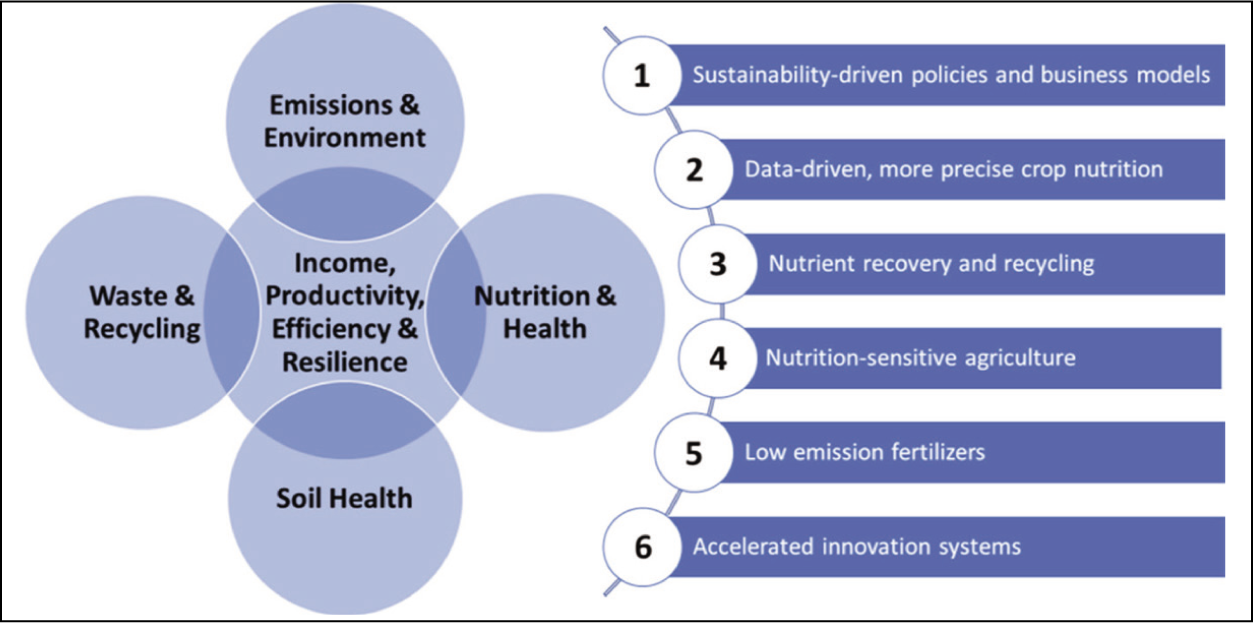
Adopting a plant-based diet can provide an abundance of essential nutrients, including fibre, vitamins and minerals, while also potentially decreasing the intake of saturated fat and cholesterol found in animal products. This, in turn, may lower the risk of chronic illnesses like cardiovascular disease, type 2 diabetes and certain cancers (Bhatia et al., 2021). For many people, choosing a plant-based diet is also driven by ethical reasons concerning animal welfare and sustainability (Chiu & Lin, 2009). There is a great range of diversity and flexibility in plant-based diets, which can include a wide variety of food options such as fruits, vegetables, whole grains, legumes, nuts and seeds. These are both nutrient-rich and diverse and can be tailored to meet individual needs and preferences (Vågsholm et al., 2020). Figure 2 illustrates five interconnected goals for responsible plant nutrition along with six essential actions to achieve them.
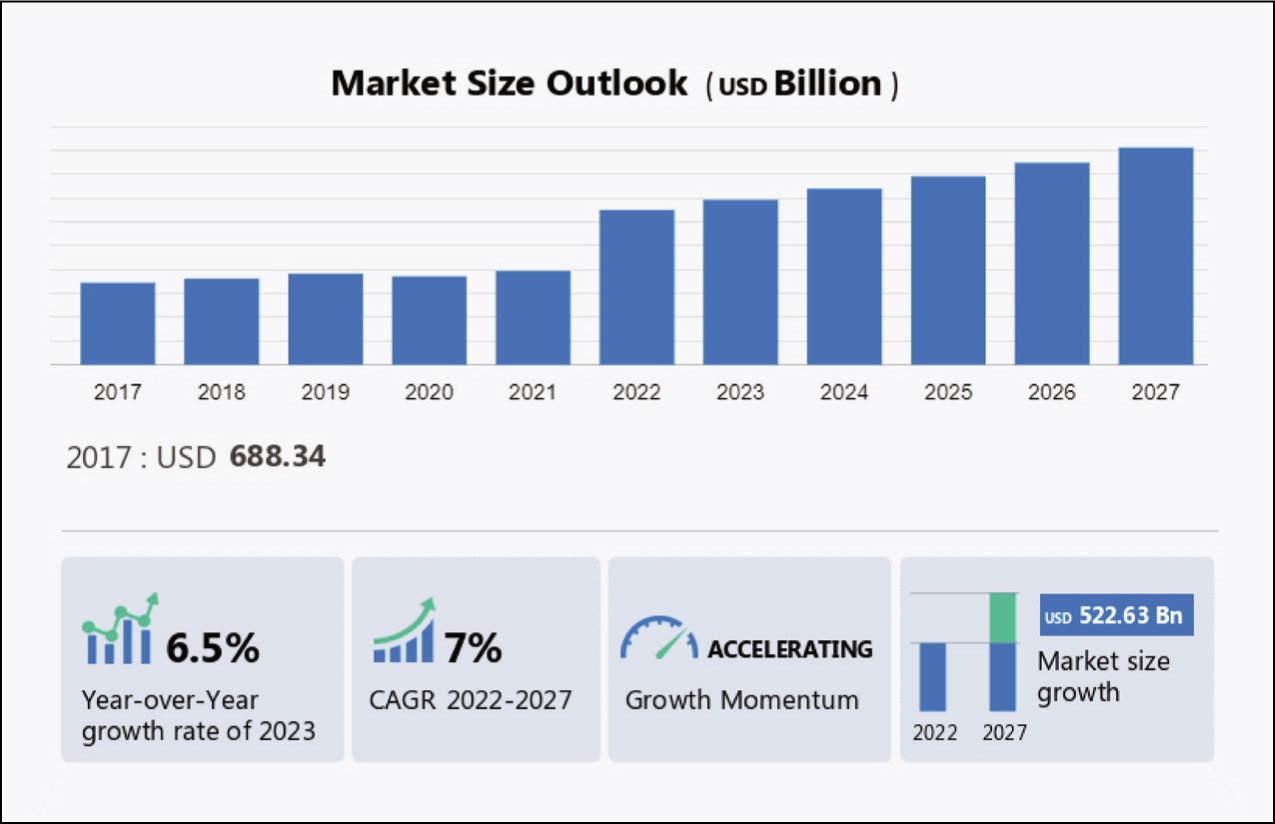
The increase in meat consumption is proving to contribute to a rise in global GHGes. By 2027, the global meat market is expected to increase by US$522.63 billion at a compound annual growth rate (CAGR) of around 7% (Figure 3). Eating a plant-based diet can assist in greatly reducing and offsetting the carbon emissions produced by the meat and dairy industries. ‘It would have the same environmental impact as taking 7.6 million cars off the road’, according to research, if every person in the United States decided to go meat- and dairy-free for one day every week (Nieves, 2022). Plant-based diets ‘can increase the global food supply by up to 49% without expanding croplands’. Transitioning to a more plant-based diet can significantly reduce GHGes.
Can a Plant-based Approach Be the One-stop Solution for the Future?
The popularity of plant-based diets is undeniable, driven by concerns about personal health and the environment. The question arises, however, whether plant-based food could be a one-stop solution in the near future for food security, sustainability and nutritional adequacy? Three distinct questions are considered to critically analyse the dilemma.
Can All Plant-based Foods Be Considered Equally Healthy and Environmentally Friendly?
Despite the numerous benefits of a plant-based lifestyle, it is important to recognize that not all plant-based foods are naturally nutritious or environmentally friendly. Unplanned plant-based diets are nutritionally inadequate. In 2021, Bakaloudi et al. (2021) analysed 48 studies to determine whether vegan diets in European populations meet the WHO’s recommended macro- and micronutrient levels. They sought to determine whether these diets were nutritionally adequate. It was found that vegan diets under investigation contained less protein. Vegans were found to have low intakes of vitamins B2, B3, B12, vitamin D, iodine, zinc, calcium, potassium and selenium. Vitamin B12 was significantly lower (0.25–0.49 μg, recommendations are 2.4 μg). In addition, most vegans consumed less calcium than the recommended daily intake of 750 mg. The nutritional inadequacies of an unplanned vegan diet can be addressed by seeking the assistance of a nutrition expert. In terms of personal health and well-being, there is, however, a significant gap in people’s attitudes towards seeking guidance. Therefore, a sudden transition to veganism may result in nutritional deficiencies and inevitable negative health consequences.
Processed plant-based food options are another concern for human health and the environment. These highly refined products contain additives, preservatives, excessive sodium, sugar and unhealthy fats. Such foods can contribute to obesity, diabetes and cardiovascular diseases, undermining plant-based diet health benefits (D’Alessandro et al., 2022). Plant-based meat, also known as fake meat or mock meat, is the newest food trend. Recently, fake meats have enjoyed a great deal of commercial success, generating around US$ 900 million in revenue in 2019, a 38% increase over the two previous years (McClements & Grossmann, 2021). However, these commercial figures fail to reflect the negative health impact of these fake meats. Using the United Kingdom’s Nutrient Profiling Model, Alessandrini et al. (2021) reported that 14% of plant-based meat was classified as ‘less healthy’ (p < .001). In keeping with the United Kingdom’s front-of-pack labelling criteria, 20% of plant-based meat products were found to contain a high level of saturated fat or salt (p < .001) in this cross-sectional survey conducted by Alessandrini and colleagues. Vilet and colleagues presented compelling evidence that plant-based meat products are not nutritionally superior to conventional beef products in a 2020 review (Figure 4). Moreover, the authors stated that the production of plant-based meat alternatives could be detrimental to the environment, since it requires a significant amount of land, water and energy resources, resulting in increased GHGes, soil degradation, and water pollution.

Based on the evidence, it appears that not all plant-based foods are created equal in terms of their impact on human health and the environment. It is important to be mindful of these differences.
Are Plant-based Foods Acceptable, Accessible and Affordable?
Global cultural and culinary diversity is one of the major challenges to the universal acceptance of plant-based diets. In many cultures, diets are deeply rooted in customs and traditions, making it difficult for individuals and communities to abandon animal-based foods completely. Multiple communities and developing regions still have greater access and affordability to animal-based foods than their plant-based counterparts. Additionally, factors such as limited availability, lack of infrastructure and higher costs of fresh produce and plant-based substitutes make it difficult for marginalized populations to adopt plant-based diets. This socio-economic barrier hinders the universal access and affordability of plant-based options.
A 2020 study assessed affordability of the EAT-Lancet reference diet, which promotes a healthy and sustainable eating pattern (Hirvonen et al., 2020). The findings revealed that the average cost of an EAT-Lancet reference diet which was US$ 2.84 per day was not affordable for at least 1.58 billion people worldwide. Additionally, the average cost of the diet included plant-originated foods such as fruits and vegetables (31%) and legumes and nuts (18%), followed by meat, eggs, fish (15%) and dairy (13%) products. The diet was too costly for those who are considered poor. The authors suggested the need for policy interventions and strategies to improve the affordability and accessibility of plant-based diets. The mapping of accessibility and affordability of vegetables and fruits in Kenyan cities to assess the food environment revealed several challenges, including a lack of availability and higher prices for vegetables and fruits, particularly in low-income communities (Zenk et al., 2009). The results of a nationwide study conducted in Canada in 2019 determined that vegetarian and vegan diets are generally affordable and accessible, with a cost equivalent to or less than non-vegetarian diets. Nevertheless, regional variations were observed, with some remote areas and low-income areas experiencing higher costs (Bryant, 2019). The study underscored the importance of diversifying plant-based diets across regions in terms of affordability and accessibility.
The cost of vegan foods is influenced by several factors, including their availability and popularity in different countries. For instance, in regions like Asia and Africa, where plant-based foods are commonly consumed, essentials like rice, beans, lentils, fruits and vegetables are usually affordable. This is because these countries have a long-standing tradition of plant-based diets and often have a surplus of locally grown produce. In contrast, in regions where animal-based products are widely consumed, like parts of Europe and North America, vegan food can sometimes come with a higher price tag (Alcorta et al., 2021). Speciality vegan products and plant-based alternatives may have a higher price point due to factors such as production costs, limited availability and higher demand from a smaller customer base. Nevertheless, with the growing popularity of veganism, economies of scale and increased competition are likely to lower prices over time.
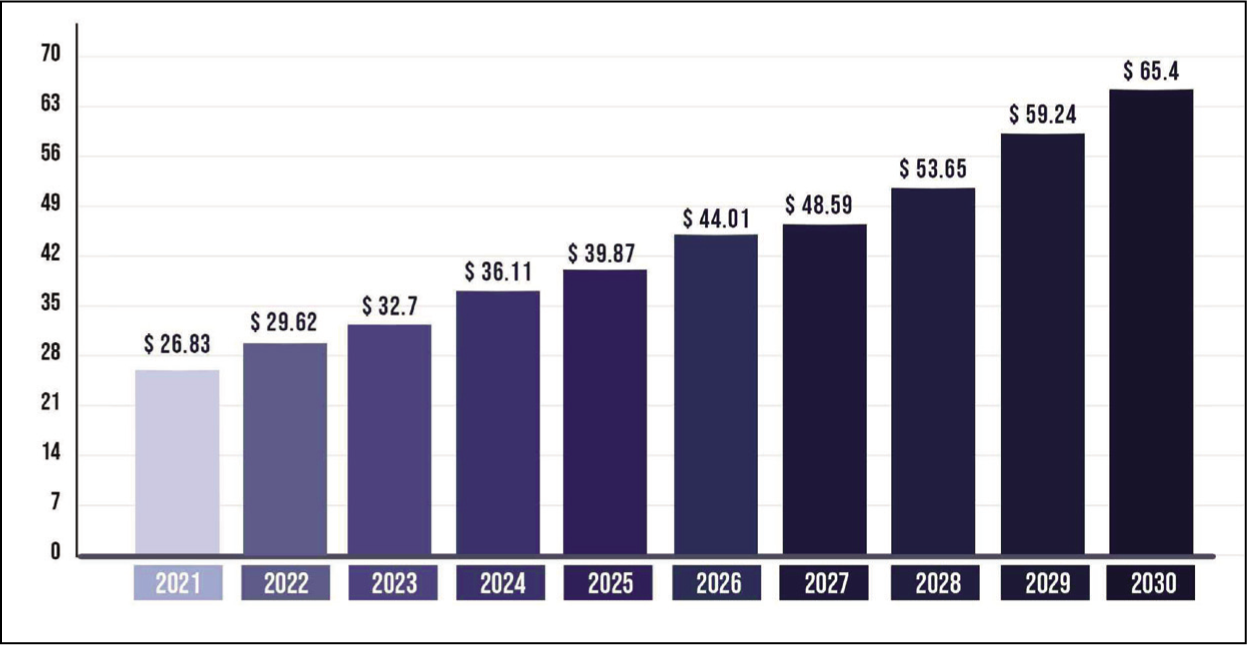
The cost of vegan foods is also influenced by individual food choices, dietary preferences and shopping habits. In 2021, the global vegan food market was valued at US$26.83 billion. By 2030, it is projected to reach US$65.4 billion, with a CAGR of 10.41% (Vegan Food Market, 2022) (Figure 5). The growth of the market is fuelled by the increasing popularity of vegan diets and the ethical considerations surrounding them.
A modelling study on healthy and sustainable dietary patterns indicated higher relative cost-effectiveness for vegetarians and vegans who supplemented their diets with beans and whole grains rather than animal products in traditional diets, and the lowest for those who supplemented their diet with fish, fruits and vegetables (Springmann et al., 2021).
Processed Plant-based Foods Versus the World’s Best Out There: The Mediterranean Diet!
The Mediterranean diet (MedDiet) has garnered recognition as the world’s most effective diet for overall health and well-being (Morris & Bhatnagar, 2016). Adapted from the traditional dietary patterns of the Mediterranean region, this dietary approach promotes the consumption of whole, minimally processed foods, abundant fruit and vegetables, whole grains, legumes, nuts and healthy fats. MedDiet emphasizes eating whole foods and minimizing processed foods. A small-to-moderate quantity of poultry, eggs, fish and other seafoods are included in this diet twice or three times per week, which contributes to its wholesomeness and acceptability. Numerous studies have recorded the positive impact of MedDiet on health (Tosti et al., 2018). This diet can be customized to suit a broad range of regions globally since it mainly consists of whole foods and is flexible in its demands. Additionally, by incorporating regular physical activity and social engagement, the Mediterranean diet further enhances its overall effectiveness. Thus, this diet represents an exemplary dietary model for improving health and wellness. The environmental benefits of MedDiet are owed to plant-based foods and sustainable food choices (Dernini et al., 2015). The Mediterranean diet has significantly lower carbon footprints and GHGes than animal-rich diets. It reduces land and water usage and preserves biodiversity by promoting whole-plant foods (Novoselov, 2023).
It is currently believed that future food systems based on processed plant-based foods cannot compete with the Mediterranean diet regarding environmental preservation, adequate nutrition, adaptability and food security. Plant-based foods are not necessarily healthy, safe or sustainable simply because they are labelled as such.
Conclusion
To achieve a sustainable food system that addresses food security, sustainability and nutrition adequacy, plant-based foods and diets could be a viable option. Such a system would minimize non-renewable resources, reduce GHGes and protect biological diversity. However, unplanned plant-based diets may lack essential nutrients and become expensive for marginalized populations to access and afford. Some plant-based foods such as alternative meats are highly processed, laden with saturated fats, sugar, salt and artificial preservatives. Thus, we must ask whether we should only embrace plant-based foods and diets as the future or reconsider our strategy! To truly benefit from a plant-based future and make it affordable to the global population, a locally grown plant-centric, whole-food-based diet should be followed instead of simply relying on any food from plant origin.
Footnotes
Declaration of Conflicting Interests
The authors declared no potential conflicts of interest with respect to the research, authorship and/or publication of this article.
Funding
The authors received no financial support for the research, authorship and/or publication of this article.