



Abstract
Background
This study explores the emotional experiences of players in online, text-based tabletop role-playing games (TTRPGs) and their potential impact on players. The goal is to understand the therapeutic and educational possibilities arising from these emotional experiences.
Methods
Through qualitative analysis, themes were identified based on participants' narratives. Eight participants who engaged in online, text-based TTRPGs were interviewed to gather data on their emotional experiences and effects outside the game.
Result
The study identified three main categories of emotions experienced by players: emotions related to the community, emotions associated with the game world and characters, and emotions linked to game mechanics. These emotions were found to impact players beyond the gaming environment, influenced by the players' emotional immersion. Additionally, the study revealed two distinct approaches to immersion among players and highlighted emotions as motivating factors for gameplay.
Discussion
The findings emphasize the role of TTRPGs in providing creative outlets, social interaction, and recreation, facilitating skill development, and broadening perspectives based on players' emotional experiences. Additionally, this study highlights the potential for immersion in online, text-based TTRPGs linked to therapeutic and educational uses.
Limitations
This study employs an in-depth phenomenological qualitative interview method. While this approach yields detailed and nuanced data, it may not provide extensive generalizability. Future research endeavors could benefit from more significant and diverse participant pools to enhance the understanding of emotional experiences in TTRPG players. Furthermore, exploring additional factors such as genres, narrative structures, and player-character relationships could offer more profound insights.
Conclusion
This study demonstrates that online, text-based TTRPGs allow players to experience various emotions with implications beyond the game's boundaries. The findings suggest that interventions based on role-playing activities may benefit from the online text-based method due to its accessibility and lower barriers to entry.
Introduction
Numerous studies have delved into the emotional experiences of players during role-playing game (RPG) sessions, examining feelings like love and affection in computer role-playing games (Waern, 2011) and emotional distress in Live-action role-playing (LARP) (Montola, 2010). Nevertheless, the impact of role-playing game activities on human behavior and mental well-being remains an underexplored area of research (Arenas et al., 2022) despite their therapeutic and educational potential.
Role-playing games have significant potential to benefit mental health (Baker et al., 2022). This potential is evident through the advocacy of various organizations promoting therapy that utilizes RPGs, such as Geek Therapeutics, an organization providing therapy and education for mental health professionals and educators who wish to use RPGs (Geek Therapeutics, 2020), Game to Grow, a nonprofit organization aimed at helping youths and facilitators (Pitt et al., 2023). Another example is the Bodhana Group, a nonprofit organization advocating tabletop games within clinical practices (Bodhana Group Mission, 2022).
With the increasing number of applications of RPGs in education and clinical settings, it becomes crucial to investigate further what aspects of RPGs contribute to their potential to influence a person's behavior and mental condition. This study specifically focuses on how emotional states induced during playing activities can influence players within and outside the game. A study was conducted within a Tabletop Role-Playing Games (TTRPGs) community to achieve this.
Tabletop Role-Playing Games (TTRPGs) are a sub-form of Role-Playing Games (RPGs). TTRPGs are also known as pen-and-paper RPGs (PnP-RPG) to distinguish them from other forms of role-playing games like computer RPGs (CRPG) (White et al., 2018). While the abbreviation TRPG is expected, this article uses TTRPG to avoid confusion with Tactical-RPGs. RPGs involve interactions between players or between players and a gamemaster within a specific narrative framework (Stenros & Hakkairen, 2003). The game master (GM), acting as a referee, takes on the roles of all other characters not played by the players, commonly known as non-player characters (NPCs) (Zagal & Deterding, 2018). In addition, TTRPG, as defined by Daniau (2016), takes this concept further, involving collaborative narrative creation in a small group of players led by game masters, with each player assuming a unique role. In TTRPGs, players govern the actions of their respective characters, and interactions occur through these character personas.
Existing literature describes RPGs as a medium for interactive and collaborative storytelling (Padol, 1996). Interaction in TTRPGs can lead to a heightened state of immersion for players. Immersion refers to a deep engagement and attentiveness as players take on roles within the game. This sense of immersion encompasses various aspects, including the game's objectives, rules, role-playing activities, narrative elements, communities, and characters (Bowman, 2018). This immersion goes beyond mere entertainment; it can be a powerful tool for personal development. For instance, when players immerse themselves in a self-created character, they can learn to integrate beneficial personality traits from that character into real-life situations, promoting personal growth (Bowman, 2010). Recent findings also found that interaction within the game can facilitate the development of interpersonal skills and complex introspection and provide a safe place for players to practice social and emotional skills without serious repercussions through their characters (Pitt et al., 2023).
Interestingly, the degree of immersion can also create an emotional resonance known as “bleed”. In RPG This occurs when the characters' thoughts, ideals, relationships, and other traits influence the players and vice versa (Montola, 2010). The concept of 'alibi' in conjunction with the 'magic circle' facilitates what is known as 'bleed'. In the context of role-playing games (RPGs), alibi is a term coined in research related to Live Action Role-Playing (LARP), referring to the justification provided by role-playing games for engaging in pretend play and performing actions one typically cannot undertake under the guise of a character (Mochocki, 2020).
Within an RPG, experiencing bleed occurs when someone enters the magic circle, which is described as a metaphorical space-time construct created by the game. Within this metaphorical construct, different rules apply compared to daily life (Stenros, 2014). Utilizing alibi when playing an RPG to enter this alternate 'reality' within the magic circle allows individuals to experience bleed, enabling them to engage in behaviors they would not typically undertake and facilitating role-playing as a means of education and self-development through immersion (Bowman, 2018; Bowman & Hugaas, 2021).
Undeniably, involvement in a game can significantly impact players' emotional states, yielding a diverse range of effects. This is evident in methods utilized by Pitt et al. (2023) in Games to Grow association, where the complexities of emotions felt in the game can be explored to teach social and emotional skills through the lens of events happening in the game with a facilitator's aid. Through the involvement process, game designers can intentionally integrate the deliberate evocation of emotions, including negative ones, to facilitate insight and personal growth for the player (Montola, 2010).
In line with bleed and immersion theory, Fine (2003) proposed three frameworks applicable to a player within a TTRPG. The players can experience the game as a person outside the game, as a strategist interacting with the game's mechanism, and as their character inside the game while still interacting and affecting the other two frames. This shows that within the player-as-their-character frame, there can be room for immersion and emotional resonance with potential therapeutic and educational benefits. However, immersion is not without risk, and qualities with potential to support personal growth can instead affect a player negatively in their social and emotional state (Bowman, 2013). Therefore, incorporating measures as post-play activities through debriefing and integration of learning experience can be taken in using TTRPGs to ensure therapeutic or educational benefits (Atwater, 2016; Bowman, 2018; Brown, 2018).
Text-based, Online, Table-top Role-playing Games
With the advancement of technology, TTRPG activities have expanded beyond physical tabletops and into the virtual realm. Although specific dates and timelines for the development of this phenomenon are lacking in the literature, contemporary role-playing activities are commonly enjoyed through online forums, social media platforms like Facebook, and communication applications such as IRC, Skype, and Discord (Zavarise, 2018). This method of text-based role-playing contains similarities to Multi-User-Dungeon (MUD), a text-based virtual world without graphical elements that entered obscurity after the advent of graphical games (Trubshaw & Bartle, 1978).
During the period of social isolation during the COVID-19 pandemic, there has been more attention on the virtual method of playing TTRPGs and the shift from physical and live play to virtual play due to the limitation in meeting other players physically (Boon, 2022). This change is significant, increasing the accessibility of TTRPGs and providing avenues for those who previously had no means to play (Shearer, 2022).
This study was conducted in Indonesia, where numerous communities actively engage in virtual role-playing activities. Some of these were founded during the pandemic. These communities primarily use text-based communication platforms like Discord. Interestingly, despite the text-based format, the playing sessions are conducted in real-time, emulating the typical sessions of tabletop role-playing games rather than adopting a play-by-post format that would allow players more time to consider their responses.
The example can be seen in the image below, depicting the game room on the right, where the game's character-to-character interactions and narrative elements take place in Discord via text. On the left is an out-of-character room for player-to-player discussions, strategy planning, and handling game mechanics like rolling the dice, assisted with an automated Discord bot. This setup ensures a clear separation between in-game interactions and out-of-game discussions, facilitating smooth gameplay and coordination among the players Figure 1 Example of Discord, text-based TTRPG play session in Bahasa Indonesia. Source: CPN108 Campaign’s Discord server, with permission from all involved individuals.
Moreover, visual illustrations are employed to simulate a tabletop experience. This can be accomplished using applications like ‘Roll20' (Webb & Cesar, 2019) or 'Owlbear Rodeo.' The image was taken from a server where the players are involved in a campaign together. In TTRPG terms, a campaign refers to a series of adventures with a cast of recurring characters played over multiple game sessions (Zagal & Deterding, 2018).
During the playing activity, this specific campaign being studied was conducted in Bahasa, Indonesia. However, it is worth noting the usage of English phrases displayed. This exemplifies how English phrases are frequently incorporated into communication in Indonesian settings (Setiawan, 2016). The remaining conversation outside the game room was conducted in Bahasa Indonesia and English.
There has been a study on how single-player, text-based role-playing games can affect a player’s identification with their character based on gender (Hook, 2019) and how identification with a character in a single-player written game can be influenced by depression, anxiety, and agency (Hook, 2019). However, there is no specific research on the effects of using text-based methods in multiplayer role-playing games and how they impact immersion or emotional conditions.
While previous studies have shed light on identification with characters in a text-based, single-player activity, another study also found differences in the quality of emotional bonding with other individuals in communication. In-person interactions are considered the most optimal for bonding, followed by video, audio, and instant messaging with text (Sherman et al., 2013). This is because face-to-face interactions typically involve emotional cues, leading to a stronger emotional connection.
Building on this perspective, it is reasonable to assume that achieving the same level of immersion experienced in live-action role-playing (LARP) or other in-person, live RPG sessions may be challenging in a text-based TTRPG online session. In such sessions, participants solely interact through written text without the ability to observe or hear each other's voices. While emotional indications and nuances can be expressed through text, such as writing that “the character is crying,” there is still a difference in immersion and emotional engagement value gained from reading only text compared to video or a combination of video and text. Interaction with visual and auditory elements yields higher engagement and the ability for individuals to empathize with characters inside a story (Yadav et al., 2011).
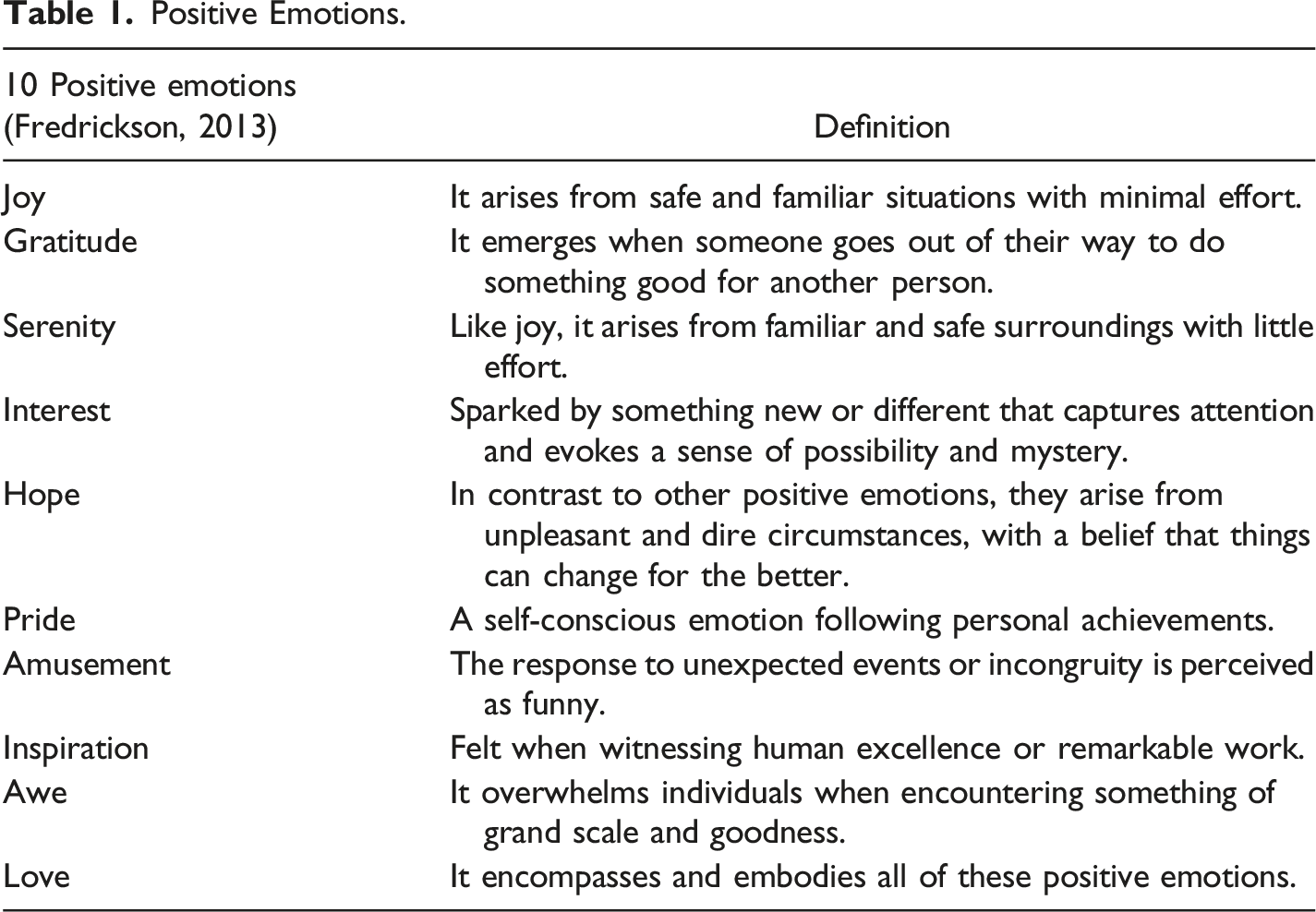
Emotions in this study refer to the transient state of being rather than emotional traits (Izard, 1997). Defining emotions or emotional experiences can vary, but for this study, adopting a concept that allows for observing the benefits or practical effects of emotions is essential. Therefore, emotions in this context will be defined based on positive and negative emotions, as Fredrickson (2009) and Catalino et al. (2014) explored. These classifications frame positive and negative emotions based on their triggering conditions and have been extensively studied regarding their benefits and effects.
In the population being studied, it is common for players to choose online text-based methods in role-playing games due to their simplicity. While text-based games might progress slower than live or voice games due to the need for typing, they offer a lower entry barrier. This means that players who lack a stable internet connection or do not have access to a suitable microphone or working camera can still participate in the game. Moreover, the text-based nature of this method allows individuals without access to a personal computer to stay involved in the ongoing game through mobile devices.
Emotions: Positive Emotions
Positive Emotions.
Emotions: Negative Emotions
Negative Emotions.

Contrary to their negative connotation and perceived disruptive nature, negative emotions can bring certain benefits. For instance, embarrassment can strengthen social bonds by signaling a willingness to conform to social norms (Clark & Issen, 1982). Similarly, shame is often considered a negative emotion, but it can motivate individuals to take more constructive actions or make amends for their behavior. Anger, typically seen as a highly destructive emotion, can have positive aspects as it can motivate someone to fight against perceived injustice in response to moral violations by others (Hess, 2014). Stress has been linked to positive outcomes such as motivation, performance, and innovation (Anjum et al., 2023).
Moreover, negative emotions, in general, can enhance perseverance and motivation toward achieving a goal (Clark & Issen, 1982). Thus, despite their initial unpleasantness, these negative emotions play important psychological roles and contribute to personal growth and development.
A significant body of evidence supports the idea that experiencing positive emotions can benefit individuals. For example, researchers have shown that the emotion of gratitude can lead to self-improvement by boosting motivation and encouraging positive behaviors (Armenta et al., 2017). Moreover, positive emotions have been linked to improved interpersonal relationships and overall life satisfaction (Ruvlacaba-Romero et al., 2017). Similarly, numerous studies have explored the effects of negative emotions on individuals. For instance, sadness has been found to enhance judgment in certain situations, increase motivation, and heighten sensitivity to social norms (Forgas, 2013).
A recent study by Henderson and King (2021) revealed the positive effects of role-playing activities, leading to happiness, joy, and enthusiasm among students in an educational setting. This positive emotional experience was also linked to increased interest in the study materials. However, there is currently a research gap in exploring the potential impacts of negative emotions on players after role-playing activities (Partanen et al., 2020; Brown, 2014). This presents an opportunity to delve deeper into the emotional dynamics of TTRPG players in a text-based medium and understand how these experiences may influence their daily lives outside of the game.
Methods
Aim
We aim to distinguish qualitatively between various emotional states experienced by TTRPG players, examine how these emotions affect them, and explore any lasting changes resulting from these emotional experiences.
Research Question and Hypothesis
The central question guiding our research was:
“What emotional responses are evident during synchronous text-based RPG play, and how do these emotions influence the players within and beyond the game?”
We hypothesize that players engaging in online, text-based TTRPGs experience distinct emotional states that impact them even outside the confines of the game.
Research Protocol
The study utilizes a qualitative exploratory phenomenology design, which focuses on examining individual experiences within the context of the study and the phenomenon being investigated (Creswell & Poth, 2018). This design was chosen to specifically explore the emotional experiences of players during text-based TTRPG sessions. Phenomenology was a suitable methodology as it allows for a thorough exploration and understanding of the participant's subjective experiences and perspectives, offering valuable insights into the subject under study.
The interview method was selected to ensure participant privacy. Discussing emotional experiences during play can delve into private territories that participants might be hesitant to share in a group setting. Through an informed consent agreement between the interviewer and the participant, the confidentiality and privacy of the participants can be guaranteed.
Ethical Consideration
Before conducting the study, we obtained approval from the ethics committee of Universitas Indonesia (162/FPsi.Komite Etik/PDP.04.00/2022). Additionally, we ensured that all participants provided informed consent by collecting their signatures on consent forms.
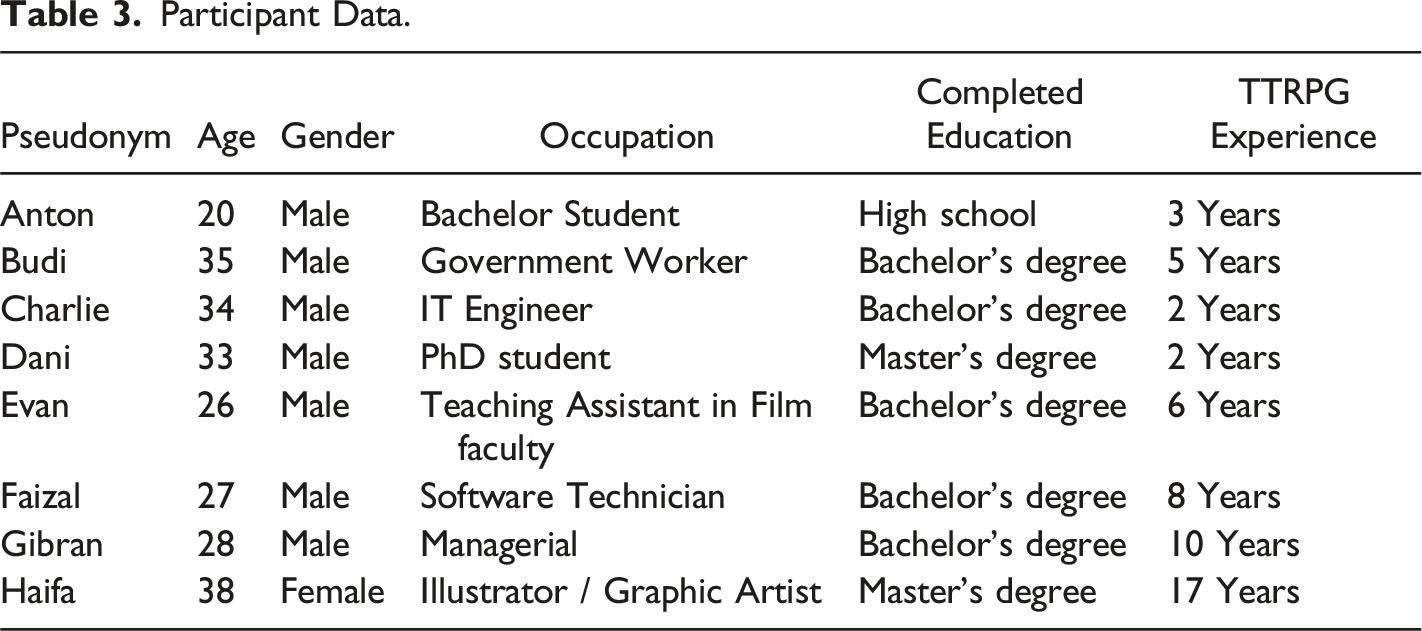
Participants
Participant Data.
Data Collection
Data collection involved 45 to 60-minute video call interviews with digitally recorded consent. An informed consent form was provided to participants beforehand. A semi-structured interview form was used, but additional probing questions were asked during the interview. A non-participative observation was conducted to study text-based role-playing games in an online community.
Data Analysis
The data collected from the interviews were transcribed into written transcripts from the video files. The researchers then used thematic analysis to identify essential statements and patterns, organizing them into themes following Braun and Clarke's (2012) method. The analysis process involves organizing the data, conducting a preliminary read-through of the database, coding and organizing themes, representing the data, and forming an interpretation of them (Creswell & Poth, 2018). These themes were used to create textural and structural descriptions of the participants' experiences. By combining the information, the researchers gained a comprehensive understanding of the phenomenon, which they conveyed through various reporting structures based on their comprehension (Moustakas, 1994). To ensure the credibility and transferability of the findings, they employed triangulation of data sources, methods, and investigators (Creswell & Poth, 2018).
Result
The results are classified into themes that emerged after the data analysis process. We found a significant theme related to why people play TTRPGs, as well as an exploration of the emotional experiences of the players.
Emotions in Playing Text-TTRPG
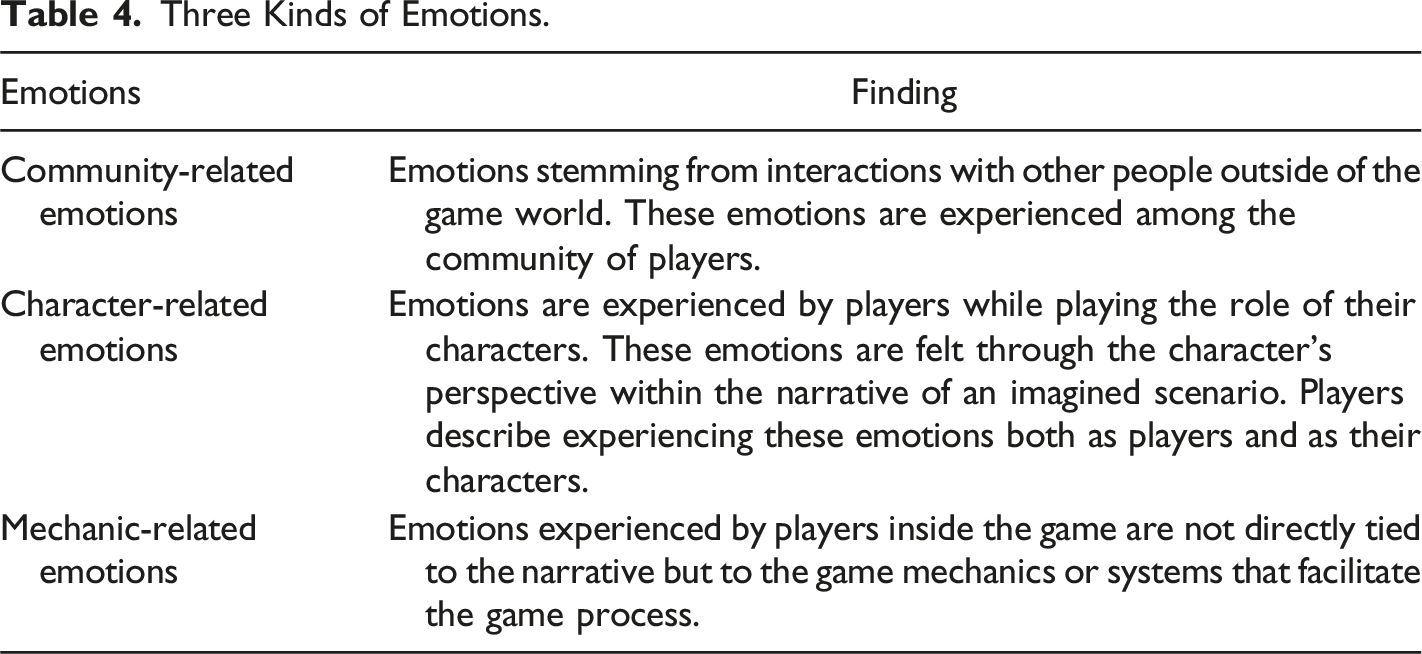
Our findings suggest that emotions in TTRPG players can be categorized into two types: emotions experienced during interactions with TTRPG communities (referred to as “Community-related emotions”) and emotions felt when fully immersed in their characters during the game (referred to as “Character-related emotions”). Additionally, we observed another theme of emotions felt during the game but exclusively experienced by the player rather than the character. These emotions are connected to how players interact with the game state using tools like dice throws, making them “Mechanic-related emotions.” These emotions are linked to game mechanics, which players use to interact with the game state (Sicart, 2008).
Community-Related Emotions
Community-Related Positive Emotions
TTRPG players experience a variety of community-related emotions, both positive and negative. Positive emotions stem from belonging, camaraderie, shared activities, and personal achievements. These positive experiences foster a sense of togetherness and personal growth, boosting self-worth and confidence. For instance, taking on the role of a game master and receiving positive feedback can evoke a strong sense of pride (Refer to Appendix A). As participants engage in repeated TTRPG sessions, they report increased closeness and bonding, creating a sense of “love” through shared joy and familiarity. Positive emotions are also generated from successful teamwork and strategy execution, leading to a shared sense of accomplishment and pride.
Community-Related Negative Emotions
Negative emotions can sometimes emerge within the TTRPG community, mainly when personal conflicts between players come into play. These conflicts, often called “out-of-character conflicts,” can lead to distressing situations. For example, there was an instance where a player decided to leave their gaming group due to mistreatment by others who criticized their playstyle as suboptimal. Constant reminders of their mistakes caused significant stress for this player. Additionally, negative emotions can arise when players have mismatched expectations about how the game should be managed, leading to misunderstandings and frustrations. Perceived unfair treatment by the Game Master (GM) or other characters can also trigger negative feelings (Refer to Appendix B).
Another source of negative emotions within the community occurs when a player introduces a theme others find inappropriate without first seeking the group's consent. An example of this happened when one player, Anton, expressed disgust towards another player who introduced a theme of underage sexual exploitation into the game. In this case, the negative emotions were not directed at the characters but towards the player who proposed the sensitive theme. Anton used a term in Bahasa Indonesia, “Najis,” which conveys strong connotations of impurity, rooted in Islamic origin and commonly used in Indonesia to express intense disgust.
Another observed instance of negative emotion related to the community was scheduling TTRPG sessions. Diminishing interest in the game and a lack of commitment to continue playing sessions clashed with players' expectations, leading to sadness, disappointment, and confusion. Furthermore, negative emotions could also arise from the general conduct of each player during the session. Acts considered rude or disruptive led to negative feelings and sometimes even caused individuals to withdraw from socializing with certain players.
In conclusion, emotional experiences within the TTRPG community go beyond just the game itself. Positive emotions, such as pride, joy, and love, can foster meaningful connections, while negative emotions, including stress, sadness, anger, and disgust, often result from unwanted interactions and differing expectations.
Character-Related Emotions
Character-Related Positive Emotions
In exploring players experiencing emotions while playing as characters, we observed that positive emotions can manifest with various effects. Although some examples depict a mixture of emotions, we classify them based on the central theme and focus of the experienced emotions.
One noteworthy discovery is that TTRPGs can have an emotional effect of inspiring individuals and motivating them to make changes in their lives. This emotional response falls under feeling inspired, which arises when someone witnesses human excellence and uplifting situations. For instance, Evan, a director and screenwriter, finds that even experiencing negative emotions during TTRPG sessions can be inspiring once the game ends. He recognizes the value of exploring emotions such as hardship, grief, and disappointment through the lens of adventuring characters who rise to face challenges and support one another. This allows him better to understand these emotions in a safe and controlled environment. As a result, Evan can now incorporate these emotional components more effectively into his scripts as a screenwriter. Having personally experienced these emotions, he better understands how they feel and the situations that can evoke them, enhancing his ability to portray authentic and impactful emotions in his writing. “Someone that has felt what it feels like to be really down, or really up in emotions can be a good director. They know what it feels like to be happy, to be sad. They know what can trigger the emotions. And when I create a script, I will try to trigger this kind of emotion, but to do that I have to experience it first.” – Evan
Another positive emotion that can be experienced is interest, particularly in a novel situation. This emotion motivates people to explore new aspects of experience and learn new things, thereby gaining knowledge. In our sample, we found an example of interest in learning about another gender's role and experiencing social interaction as a member of another gender. Charlie, a married man with a wife and three children, played a character of a race called 'changelings' in a campaign set in a world called Eberron. Changelings are known for their ability to manipulate their outward appearance, including gender and other physical attributes (Crawford et al., 2019). With an interest in romance stories, Charlie devised an idea to create a character with male and female partners who could repeatedly change their gender to adapt to the current situational demands within the game world. “I had this somewhat crazy idea, what if my changeling character, that can turn into male and female, has both husband and wife at the same time. Because biologically, they can do that.” – Charlie
Through this experience of playing a character without a set gender, Charlie learned to navigate the complexities of the relationship between the character's male and female partners. He also felt interest, excitement, and gratitude as he successfully solved the relationship problems within the game. “It is an emotional rollercoaster, something new that makes me think. It is satisfying to be able to make up with another character, the satisfaction is akin to one I felt in a real relationship, even though I know it is not real.” – Charlie
Despite playing a character with both male and female partners, Charlie did not experience any change in his sexuality. However, TTRPG provided Charlie with an outlet to explore another gender identity and orientation, leading to positive emotions of interest in exploring, gratitude for successfully managing an intimate relationship, and excitement in being in a romantic relationship. Moreover, the shared emotional experiences with another character in the game indicate the presence of love. Charlie considers this act of playing as something private and fulfilling, but he is hesitant to share his interests with people outside of TTRPG communities, describing his roleplays as something he perceives as ‘weird.'
Pride is an emotion felt when experiencing a socially valued achievement. Like inspiration, pride can motivate someone to pursue further achievements and goals, encouraging them to dream big and plan for future success. Dani recalled an experience where his character faced a formidable enemy, and the party's success depended on his actions. Despite the challenging situation, he took the risk and put in all his effort until he succeeded, earning the spotlight and appreciation from his group. This experience emboldened him and became a memory that pushed him to accept a more significant challenge in real life, like studying overseas. Reflecting on how his character could overcome a difficult situation and be appreciated, Dani felt a sense of pride and realized he could do the same in his life. He used his pride in his character's accomplishments to gain self-assurance and tackle more significant achievements in life. “It felt great, to be able to succeed when the spotlight is on your character, when everyone is counting on you, make you feel like you have to try harder, when the chance come, to do your best” - Dani
Joy is an emotion felt in a safe situation that encourages people to get more involved and engage in playful activities. It enables someone to learn more through experiencing activities in a secure environment. Evan's attempt to learn improvisation through TTRPG provides an example of this. While he can practice improvisation in his professional work, he finds joy in doing so within the TTRPG setting. The low risk and safe environment make him unafraid to experiment and improvise as his character. “With TRPG, I can have fun while training, I can do the same professionally, it feels different, I am more afraid to make mistakes there, here it does not matter because, after all, we are playing.” - Evan
In conclusion, we observed positive emotions experienced by TTRPG players while immersing themselves in their characters' roles, such as inspiration, interest, pride, and joy. Each emotion can motivate individuals to experience changes beyond the game. We also found that interactions with other players can evoke emotions akin to love, involving sharing positive emotions (Fredrickson, 2013).
Character-Related Negative Emotions
Negative emotions are also experienced within the context of a character, often influenced by the events and interactions within the imagined game world. Specifically, sadness and grief can be induced, as demonstrated in this study, where we explored grief in TTRPG that transcends the game and impacts players outside of it. One such case involved Dani, who lost his father to cancer. During a session of a text-based TTRPG, Dani's character faced a distressing scenario where a character close to his own was kidnapped and murdered by the campaign's antagonist, leaving him feeling helpless. This in-game situation triggered memories of his loss, eliciting a profound sense of grief in Dani's mind.
Interestingly, the Game Master (GM) was unaware of Dani's real-life experience and had no intention of causing this emotional response. Nonetheless, Dani found that this immersive experience allowed him to process his grief again, leading to deep contemplation and reflection. By re-experiencing grief through his character's perspective, Dani reached a new level of acceptance and understanding of his emotions. The TTRPG experience gave Dani a resolution to be more attentive to his family, forgive himself, and embrace his feelings of helplessness in a different light, ultimately aiding him in moving forward. “The enemy was stronger. My character got beaten and could not do anything to rescue his dearest one. At that moment, somehow, I remember the moment when my father was in the ICU, and we could not do anything but watch him. We can only watch until the life support is deactivated. There is nothing I can do. At that moment, I felt helpless. My character also felt the same at that time, just sitting, looking at my father in the hospital, just sitting down, waiting until the life support was turned off. It really hit me…. I felt grief again that time.” – Dani
Guilt is a self-conscious emotion that involves a persistent preoccupation with wrongdoing and a longing for choices (Tangney, 2005). In a rogue trader campaign set in a dark and grim universe, Haifa took on the role of a missionary character belonging to the ecclesiarch group, responsible for providing spiritual guidance. Confronted with a difficult decision, Haifa's character had to choose between exterminating a group of infected children, seen as a corrupting force, or allowing evil to spread unchecked. The weight of this choice left Haifa feeling guilty as she recognized the complexity of the situation and the importance of considering diverse perspectives. This in-game experience served as an eye-opener, prompting her to be mindful of avoiding regrettable actions in real life and highlighting the dangerous consequences of extreme viewpoints that may justify atrocities. “My character was a missionary. We were tasked to neutralize and exterminate everything that is unclean and heretical, burning it all. Until one day, what we must exterminate are children, chaos-corrupted children. And I felt at that moment that I didn’t want to do this; neither my character nor I wanted to do this. And I cried after the act.” – Haifa
Players' experiences in TTRPGs reveal the significant influence of negative emotions their characters feel on their thoughts and behaviors beyond the game. The emotional impact is intense, mainly when the character's experiences closely parallel the player's, as seen with grief. Despite the awareness that it is all in the realm of imagination, players often describe these emotions as genuinely accurate, with some even shedding tears. Interestingly, players also report deriving various benefits from these immersive experiences. These include finding new resolutions, reprocessing their grief effectively, gaining deeper insights into real-life losses, understanding how negative emotions affect others, and cultivating changed perspectives and viewpoints.
Mechanic-Related Emotions
The final theme revolves around a set of emotions that players experience directly, not through their characters, encompassing both positive and negative feelings. These emotions emerge during the play session and are linked to the game mechanics rather than the narrative or character aspects. One notable emotion tied to game mechanics is the feeling of disappointment stemming from the outcomes of the random number generator used as virtual dice rolls (refer to Appendix E). These simulated dice rolls determine the success or failure of actions based on the game's mechanics, replacing physical dice due to the game's online nature. “We play with dice, so we play with chance. Let’s just say that you have a 50% possibility to fail at any given time. If all your attacks during one turn miss, you can’t help but feel disappointed. Even though as an adult we need to learn to control ourselves, the disappointment is still there.” – Budi
On the other hand, players can also experience happiness and contentment when they achieve favorable results in their dice rolls. For instance, they may feel a sense of joy when they roll exceptionally well, defying the odds and achieving a rare critical roll. This elicits a positive emotional response and enhances their enjoyment of the game. Another emotion linked to game mechanics that surfaced from this study is amusement. This occurs when unexpected and humorous situations arise due to the dice results, leading to moments of lightheartedness and silliness within the game. “It is really a funny thing when a character boasts about their skills, and yet the dice roll result is bad.”-Dani
However, unlike emotions related to the game's community or characters, these mechanic-related emotions were transient and did not significantly impact the participants' behavior or thinking beyond the game session. Although players may experience joy or amusement in response to game mechanics, these emotions do not seem to have lasting effects or influence their actions and thoughts outside the game context. Instead, they are more immediate and situational, providing entertainment and amusement during the gameplay but not leading to significant changes or transformations in the players' attitudes or behaviors.
Three Kinds of Emotions.
Embracing the Bleed
This study has uncovered a fascinating pattern in how players interact with their emotions during and after TTRPG sessions. Some players actively seek emotional immersion, blurring the lines between themselves and their characters in a phenomenon known as “bleed.” On the other hand, some players prefer to block and manipulate negative emotions, aiming to preserve a smoother experience as players. This inclination to either embrace or avoid emotional immersion is often tied to the players' underlying motivations for participating in TTRPG (Refer to Appendix F). “I seek to bleed, but still, I need to make sure that this does not impact other people near me. Just let me feel this: if I am bleeding the anger and annoyance from my character, I won’t let that hurt other people, but I want to feel the emotion” – Evan “Let's say my character feels angry. After cooling down, I will try to remove that emotion from myself so that I am fine again after 30 minutes or so. Bad emotions should only be experienced by the character. On the other hand, happiness felt by my character should be savored and felt as long as possible” - Budi
Players' approaches to emotional experiences in TTRPGs can be categorized as “embracing the bleed” or “rejecting the bleed.” The extent of emotional immersion directly relates to the specific emotions they feel. In text-based online TTRPGs, players can choose whether to fully immerse themselves in their characters' emotions or attempt to create filters to allow positive emotions while blocking out perceived negatives. This dynamic player role in shaping emotional experiences highlights their power in curating their gaming journey, emphasizing positive emotions, and managing or avoiding negative ones with various degrees of effectiveness. Understanding these emotional dynamics enhances our research on TTRPGs, uncovering unique opportunities for emotional engagement and self-regulation in text-based online settings.
Reason for Playing TTRPGs
This study identified several reasons why people engage in online, text-based TTRPGs, and these reasons can be grouped as follows: (1) as a creative outlet, (2) for social interaction and recreation, (3) due to the perceived benefits in enhancing communication and language skills, and (4) for self-exploration and expanding perspectives by embodying a character in a fictional setting. All of these motivations have a connection with emotional experiences or are supported by them, as explained below.
TTRPG for Creative Pursuit
All participants in this study shared a common theme of playing TTRPGs to satisfy their creative drive, whether they were writers, illustrators, or film students. They viewed it as an expressive medium for collective storytelling. They valued the creative freedom TTRPGs offered compared to CRPGs, which have more restricted choices based on pre-written scenarios in the code. This freedom allowed them to explore multiple scenarios, fulfilling personal desires and delving into aspects of their personality that might not emerge daily. This finding aligns with prior research on TTRPGs promoting creative development through freeform storytelling (Dyson et al., 2016) and surpassing CRPGs in fostering creativity (Chung, 2013). Additionally, they connected this creative pursuit to their emotional experiences as players, often seeking deep emotional connections in the game. These emotional states could be positive or negative, with the feeling of being inspired emerging as a particularly significant theme in this pursuit. “I do work as a film director and screenwriter. When writing alone, I feel tired as I make it into my routine. With TRPG, I tried the aspect of collaborative storytelling, and I am very interested in that, to make a story that is not only from me.” - Evan
TTRPG for social interaction and recreation
In this study, participants also mentioned that playing TTRPGs was a recreational activity, emphasizing its role as a game. However, we also found that many of them sought social interaction within the TTRPG community, which often went hand in hand with the desire for recreation and an escape from the stresses of daily life. Our research suggests that TTRPGs can act as a pathway to forming diverse friendships and establishing social connections with people they might not typically encounter in their everyday interactions. Among the emotions that played a crucial role in fulfilling this social purpose were joy and amusement. “At first, I played because I could get some escapism, diversion from reality… Because it is played with friends, I get the social interaction; the NPC is controlled by people, so it feels more flexible.” - Gibran
TTRPG for Increasing Skills
A recurring theme for playing TTRPGs is the perceived benefit of improving communication skills. Participants believe practicing communication in imaginary scenarios through their characters translates to real-life interactions with others. This study was conducted in Indonesia, where English is predominantly used in-game, while Bahasa Indonesia is used for out-of-character communications. As a result, participants also reported benefits in increasing their English language proficiency. This finding aligns with research indicating that RPGs can aid social development (Hammer et al., 2018) and language learning (Lu & Chang, 2016). While not frequently mentioned concerning the emotions experienced, this pursuit of strongly improving communication skills links to the social aspect of TTRPGs, which revolves around communication. “Through using English and Bahasa Indonesia, I train my ability to tell stories, to choose better dictions, and to improve my ability to convey ideas.” – Dani
TTRPG for Self-exploration and Broadening Viewpoints
A significant finding of this study is the potential of TTRPG experiences to promote increased tolerance and understanding among players. Exposure to diverse themes and characters challenges preconceived notions and can lead to a shift in viewpoints. For example, one participant, initially holding negative views towards the LGBT community due to a religious upbringing, experienced a change in perspective after witnessing the supportive interactions and genuine moments shared by LGBT characters in the game. This aligns with previous research on the role of role-playing activities in encouraging self-reflection and fostering social awareness (Kilgour et al., 2015). In this case, the emotion of being inspired is triggered by observing the emotional interactions of another character inside the game. “I learned not to judge other people as quickly. I learned to be more sensitive and inclusive. Somehow, I felt that way. I consider myself a devout, religious person, but now when I see characters that are…. say…. LGBT, I don’t feel the need to act as extreme as I used to…. After being exposed to those characters in TRPG, I saw they acted normally, like everyone else. Before, I considered them immoral, but now I think that they are normal and the kind of love they felt is not something that merits destruction” -Faizal
Discussion
This study identified three main emotional experiences among online, text-based TTRPG players: emotions related to the community, emotions connected to in-game characters, and emotions influenced by game mechanics, like dice rolls. These emotions can encompass negative and positive states, and they extend beyond the boundaries of the game, impacting players' lives in significant ways. While emotions in some participants linger for a long time, in some, the emotions quickly fade but leave the insight they gained from their emotional experiences.
These findings align with the prior theory proposed by Fine about Frame Theory (2003) regarding the three levels of experience in TTRPGs. The primary social framework is reflected in emotions related to the community (player as a person). At this level, society's rules still apply to each individual, and emotions are felt in the context of the framework of the real world. Here, we see, for example, the emotions of joy and happiness when players can congregate to play together, sadness when their plans as players are hindered, and even disgust when another player breaks a societal rule of what is proper or not. The players feel the emotions as individuals existing in the real world and do not depend on any other layer.
The second level of the framework is the game context governed by rules and mechanics, which is reflected in emotions influenced by game mechanics (player as strategist). Here, we see how each interaction with this game mechanic can trigger emotions related to how each player experiences the system. A player’s expectations and how they handle disappointment and elation in their dice roll result are linked to their emotions. These emotions are felt not concerning other players but with the elements within the game itself.
At the final level of the frame is the game world frame, where characters' actions correspond to emotions related to characters within the game (player as character). This includes the concept of ‘Engrossment,’ similar to bleeding (Bowman, 2018). At this level of framing, the characters experience emotions; however, unlike the primary social framework, this frame depends on the other two frames examined in this study. We see how experience in the primary social framework can affect feelings of grief in character. How emotions can be felt related to each level of frame in playing indicates that emotions are a fundamental aspect of the game, experienced across various levels of involvement.
Our research demonstrates that online, text-based TTRPGs offer players the opportunity to experience a broad spectrum of emotions, ranging from positive to negative, with intensity varying based on their level of engagement. This aligns with research by Fredrickson (2013) on the benefits of positive emotions and previous literature emphasizing the value of negative emotions for personal development (Clark & Issen, 1982). Whether derived from real-life events or fictional experiences, these emotions genuinely impact players. Additionally, emotional experiences promoting personal growth and self-improvement suggest that text-based online TTRPGs can provide an immersive experience similar to other role-playing games. This finding significantly implies how text-based online TTRPG can be used for self-development and socio-emotional learning, similar to other role-playing games.
An important discovery in this study is the phenomenon of players actively attempting to control the “bleed” by selectively embracing the positive emotions of their characters while actively avoiding or distracting themselves from the negative emotions. The existing literature suggests that bleeding is not easily controllable and that players can only alter their character's trajectory to experience it (Bowman, 2015). However, in the context of online, text-based TTRPGs, we observed players consciously seeking to experience the positive emotions of their characters while rejecting the negative ones. By doing so, they may miss out on potential benefits that could be gained from embracing negative emotions.
Online, text-based TTRPG players demonstrate the ability to create psychological distance, apply filters, and selectively experience bleed. This raises the question of what factors enable this phenomenon. One possible explanation is that the nature of online, text-based TTRPGs provides a greater degree of separation between the player and the game compared to other forms of role-playing games, such as live-action role-playing (LARP). In online TTRPGs, players can selectively read and focus on specific text channels, shift their attention to other activities outside the game, close the program, or disengage from their devices. In contrast, physically leaving a gaming table or removing oneself from a LARP setting can be more challenging. The increased physical and social distance inherent in online, text-based TTRPGs may contribute to the player's ability to control their emotional engagement.
This study identified four main reasons why people engage in TTRPGs, some of which are closely connected to the emotional experiences that TTRPGs can offer: creative pursuit, social interaction and recreation, enhancing skills and learning, and broadening one's perspective through exploration. These findings align with Coe's work (2017), highlighting motivations for playing TTRPGs, including using imagination creatively, self-exploration, finding a sense of belonging and social interaction, seeking relief and safety, and learning opportunities. Our study found similar aspects, with relief and safety corresponding to recreation, suggesting that online, text-based TTRPGs can offer players benefits comparable to other TTRPGs.
Conclusion
Through qualitative analysis, we have identified significant themes related to how text-based TTRPG players experience emotions and how these emotions impact their daily lives. The emotions encountered in text-based TTRPGs can be classified into three categories: those related to the community, those experienced within the game world as a character, and those connected to game mechanics. It is crucial to recognize that each of these positive or negative emotions can have a transformative influence on players beyond their gaming activities.
Moreover, this study has revealed that the positive effects of immersion in RPGs can be achieved through playing online text-based TTRPGs. This finding holds important implications for future interventions and therapeutic approaches that utilize role-playing activities, as the online text-based format offers greater accessibility and lower barriers to entry. Leveraging the benefits of online text-based TTRPGs could reach a wider audience and provide a meaningful and immersive experience for personal growth and development.
However, it is essential to acknowledge that this study's method provided in-depth results on relatively few sample sizes, which may not fully capture the diversity and complexity of the larger TTRPG community or other forms of RPGs. For future research, expanding the participant pool to include individuals with diverse backgrounds and experiences, along with a larger sample size and greater gender diversity, would be valuable. Additionally, conducting comparative studies to explore emotional experiences across different modes of play, such as LARP and Live-TTRPG, could lead to a more comprehensive understanding of emotional dynamics in role-playing games.
In line with the idea of a comparative study, exploring different effects of involvement in playing activities, such as those conducted on a computer in a private space versus in a public space using a mobile device, could be an exciting avenue of research. Investigating how RPGs can change viewpoints related to culturally sensitive minority issues and foster understanding and acceptance in society holds promise for future research. The finding that some issues can trigger negative emotions indicates a need for future studies on how using safety tools impacts players' emotional responses. Furthermore, examining other factors that may influence emotional experiences, such as different genres, narrative structures, and player-character relationships, would contribute to a deeper understanding of emotional dynamics in TTRPGs and its potential applications in psychological interventions or the learning process.
Supplemental Material
Supplemental Material - Emotional Experiences in Online, Text-Based Tabletop Role-Playing Games
Supplemental Material for Emotional Experiences in Online, Text-Based Tabletop Role-Playing Games by Gary Collins Brata Winardy, Eva Septiana, and Santy Yanuar Pranawati in Simulation & Gaming
Footnotes
Declaration of Conflicting Interests
The author(s) declared no potential conflicts of interest with respect to the research, authorship, and/or publication of this article.
Funding
The author(s) disclosed receipt of the following financial support for the research, authorship, and/or publication of this article: This work was supported by the Binus University.

Supplemental Material
Supplemental material for this article is available online.
Author Biographies
References
Supplementary Material
Please find the following supplemental material available below.
For Open Access articles published under a Creative Commons License, all supplemental material carries the same license as the article it is associated with.
For non-Open Access articles published, all supplemental material carries a non-exclusive license, and permission requests for re-use of supplemental material or any part of supplemental material shall be sent directly to the copyright owner as specified in the copyright notice associated with the article.
