




Abstract
A case is described where a property was used as a clandestine opioid (fentanyl and carfentanil) processing, handling, pill pressing, and packaging site. These activities resulted in potentially lethal opioid residue contamination which remained after police intervention. This case details the environmental assessment and sampling procedures, findings, and decontamination processes that were used to mitigate the property. A safe re-occupancy criterion was established and used as the basis for adoption of a state standard for residential cleanup in California. Regulatory hurdles and key lessons are presented so that others may consider development of similar public health policy. Involvement of public health departments in the assessment and cleanup of sites contaminated with opioids and other illicit drugs and the development of standards for cleanup and worker protection is an important and yet often overlooked public health measure.
Keywords
Introduction
A case study is presented, grounded in industrial hygiene field experience obtained from performing hundreds of drug residue assessments and cleanup oversight actions at properties which were contaminated with illicit drugs. With the recent increase in illicit opioid use, public health protocols are needed to establish standards and methods for safe cleanup at these sites. In collaboration with local health authorities and advocacy with state legislators, a California state regulation established requirements for the assessment and cleanup of properties contaminated with fentanyl and other opioid residues for the protection of cleanup workers and future tenants of these sites. a
Unlike opiates such as heroin and morphine, which are produced from plant-based materials, opioid compounds include semi-synthetics (hydrocodone, oxycodone) and synthetics (fentanyls) that can be synthesized entirely in the laboratory. Implementation of Centers for Disease Control and Prevention opioid prescription guidelines1–4 and enhancements in prescription drug monitoring programs have caused a significant shift from use of prescription opioids to use of illicit opioids.
Toxicological data indicate that fentanyl and carfentanil represent a significant health hazard through routes of exposure that include inhalation of aerosols (smoking or “free basing”), ingestion of adulterated or otherwise illicitly produced pills, injection of adulterated heroin, and to a lesser degree through dermal exposures. Resultant secondary exposures have been reported by first responders, cleanup workers, inspectors, and future tenants of sites contaminated with opioids. The lack of real-time monitoring has resulted in an inability to determine specific routes of exposures in these case reports. 5 However, inhalation of airborne dusts and particulates containing opioids and dermal contact with surfaces containing highly toxic opioid residues present a significant risk to first responders, cleanup workers, and building occupants.
Illicit Opioid Use
Fentanyl is increasingly found in street drugs. Drug dealers and suppliers frequently mix fentanyl with methamphetamine, cocaine, and heroin to accentuate the euphoric effect of these drugs and generate dependence among users. 6 A marked increase in the number of clandestine drug labs and manufacturing operations in recent years has been reported by law enforcement. These labs range from small to very large and are typically associated with the illicit importation, conversion, handling, packaging, and distribution of these drugs. The drugs are primarily manufactured illicitly in Mexico and China and smuggled into the United States or shipped directly to individuals and locations by mail or commercial carriers. 7 These illicit drug compounds and ingredients are then repackaged for distribution, added to other drugs, or processed into “counterfeit” pain pills through illicit manufacturing processes that may include crushing, filtering, transfers, and pill pressing. All of these activities can give rise to airborne particulates that can contaminate surfaces in apartments, hotel rooms, commercial spaces, and residences used for illicit drug production. 8
These locations pose a potential exposure risk to landlords, maintenance/cleanup crews, and building occupants. The powders resulting from common processing and handling operations typically generate airborne particulates that frequently settle on building materials, structures, furniture, and other common objects. 9 The short-term toxic effects of opioids include drowsiness, nausea, confusion, and respiratory depression. 10 , 11 At higher levels, respiratory arrest, unconsciousness, coma, and death may occur (See Figure 1). The impact of low-dose exposures has not been fully evaluated.
The Centers for Disease Control and Prevention estimates that fentanyl is approximately twenty-five to fifty times more potent than heroin. Carfentanil is estimated to be hundred times more potent than fentanyl. 12
Protection of First Responders
Frequent press reports have covered incidents of first responder exposures to residual powders during law enforcement actions involving illicit manufactured fentanyls or when responding to overdoses. At least seven field studies by the National Institute included cases where first responders were given naloxone due to a suspect opioid exposure during the performance of their work. 13 In many jurisdictions, law enforcement and first responders frequently carry naloxone opioid antidote kits b that can easily be administered nasally or by injection to an individual with a suspected opioid exposure. Naloxone is an opioid antagonist that rapidly reverses the effects of an opioid overdose and prevents fatalities. Such instances have underscored the need for training and development and implementation of safety protocols during law enforcement and emergency medical service response in which suspect opioids may be present. The need for increased protection for first responders has resulted in opioid/fentanyls awareness training for law enforcement, emergency medical services, health department, and hazardous materials response personnel.
A range of physical and biological responses can be attributed to exposure to fentanyl, depending on the dose and individual sensitivities. For instance, a lethal dose of carfentanil may be as little as 20 micrograms (weight of a human eyelash) in an opioid-naïve individual. 14 Lower exposure levels may impair the ability of an opioid-exposed person to walk, speak, or drive a vehicle safely. During re-occupancy of fentanyl-contaminated properties, low-level exposures, especially for children or people with pre-existing health conditions, are critical considerations.
Secondary Exposure Potential and the Need for Standards
Secondary exposures to workers and individuals may occur when associated with evidence processing, storage, and carrying out police operations at illegal labs 15 , 16 Once these locations are secured, cleanup crews, environmental consultants, property maintenance, and tenants are among the groups with potential exposure. Frequently, exposure risks for these personnel are overlooked or ignored, even when hazardous contaminants are visible and have been identified. The need for standards for cleanup and related worker protection is clear, and yet California is the only state that has currently passed such legislation that addresses fentanyl and other opioids. 17 Effective regulatory requirements are needed to protect building owners, cleanup workers, property maintenance staff, as well as residents and tenants from contaminant residues.
Communication and Notification
Communication and notification from law enforcement and first responders with local and state health departments and other affected parties is key. Coordination includes inspection of site conditions to determine if further assessment and cleanup is warranted and if so, development of a cleanup and related safety planning. Although most illicit drug labs and operations are discovered as a result of an overdose incident or law enforcement action, the majority of contaminated sites are not subjected to investigation and/or health department cleanup orders. This was the case in California in 2005 when the prevalence of clandestine methamphetamine laboratory operations led to the adoption of state legislation and related regulations requiring the notification, assessment, and cleanup of properties contaminated by clandestine methamphetamine drug lab and manufacturing operations. This previous methamphetamine regulation was amended in 2020 to include fentanyl and other opioid contamination.
Opioid Contamination Case Study
This case study occurred prior to the adoption of the current California standard and was critical in establishing it. A Special Agent within the U.S. Department of Justice notified a local County Health Department official about a law enforcement action that had been performed at a property potentially contaminated by carfentanil and fentanyl. The apartment located in San Mateo County, California, had been under surveillance due to frequent package receipts from China. These packages were suspected of containing illegally manufactured opioids shipped directly through the U.S. Postal Service. Upon execution of a search warrant, agents uncovered large quantities of opioids as well as an illicit opioid pill-press operation. The County inspector issued a “red tag” posting and cleanup order at the site to preclude access until it was assessed (See Figure 2). It is notable that such action was taken even though it was not specifically required by law since fentanyl was not included in the California drug cleanup standard at that time.
Public Health Authority
California and other states have legal authority to empower local health departments to take action to protect the health and welfare of communities based on known health hazards even when there are no specific requirements to do so. In California, the County’s Local Health Officer is a senior-level appointed official who renders a determination, based on the facts of each case. This process requires significant effort and diligence, often beyond the capacity of public health departments which usually have significant workloads and inadequate staffing. 18 In the present case, the health officials recognized the significant health concern and a cleanup order was issued to the property owner requiring that a professional Certified Industrial Hygienist (CIH) be contracted to perform a preliminary site assessment, create an environmental sampling plan, and to determine if hazardous levels of opioid residues were present.
Preliminary Site Assessment
Limited information was shared by law enforcement about property conditions, so it was treated as an uncharacterized hazardous waste site (See Figures 3 and 4). Significant planning went into the development of safety measures prior to entry and/or site work. Since quantities of fentanyl analogs were suspected, a specific review of exposure pathways was conducted prior to entry and the determination was made that Narcan nasal spray would be available on site. The “buddy system” was implemented whenever one industrial hygiene technician entered to inspect and collect samples with one individual stationed immediately outside the unit to observe and provide logistical support.
The sampling protocol included a detailed site inspection followed by identification of locations and materials for wipe and bulk sampling. The samples were submitted for fentanyl and carfentanil analysis and quantification at an accredited third-party analytical laboratory. Sample integrity was ensured using chain of custody and tamper-proof evidence tape applied to each collected sample.
Personal Protective Equipment (PPE) selection during this preliminary sampling assessment was implemented to preclude exposures to airborne or surface residue opioid contaminants. The PPE included a hooded chemical resistant suit (Tyvek-type) and supplemental abrasion and chemical resistant boot covers, double layer nitrile gloves, and a full-face air purifying respirator with organic vapor and P100 (HEPA) filter cartridges. All joints in the PPE ensemble were taped to minimize the possibility of dermal contact with particulate residues through gaps or openings in the PPE (See Figure 7).
Surface Wipe and Bulk Sampling
A series of composite surface wipe samples were collected using sterile gauze wetted with 4 ml of analytical grade methanol, as indicated by the analytical laboratory. Surface samples were collected using consistent wipe pattern across a series of identified 100 cm2 surface areas (See Figure 5). Several porous bulk material samples were collected and included fragments of carpet and debris from the site’s vacuum cleaner dust bag. Samples were then placed in 50 ml polyvinyl chloride tubes, sealed with “evidence tape,” labeled, and sent by express courier. The analytical results for these samples are provided in Table 1.
Preliminary Site Assessment Sample Results.
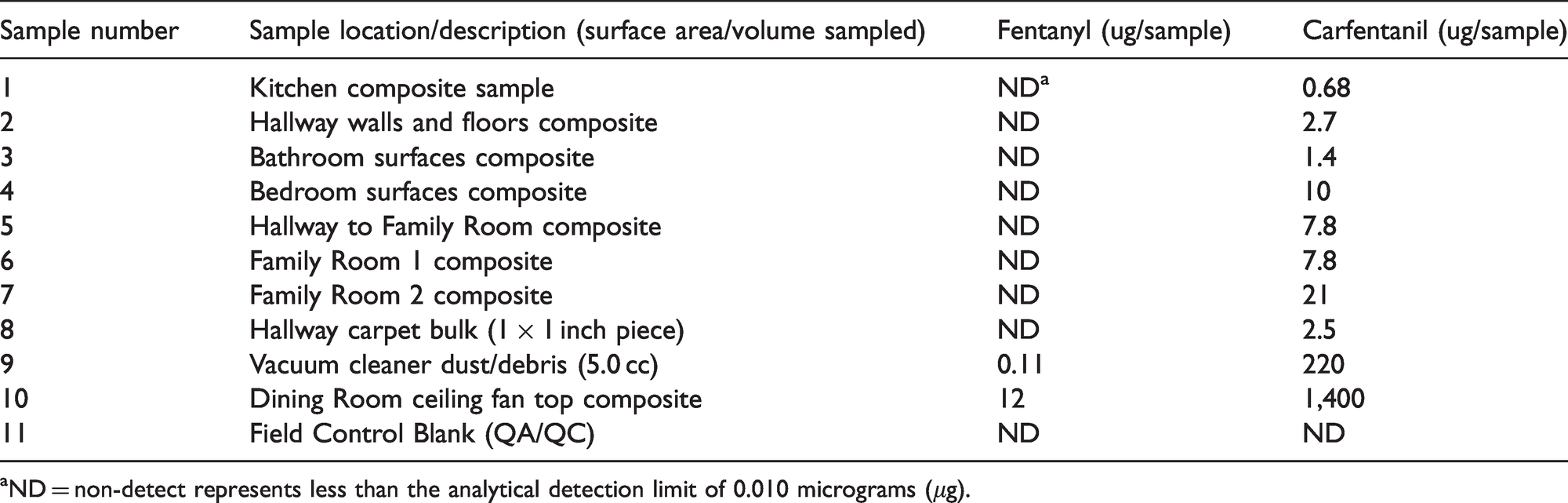
aND = non-detect represents less than the analytical detection limit of 0.010 micrograms (μg).
The results indicated widespread carfentanil and fentanyl contamination (See Table 1). The fentanyl results for surface and bulk materials ranged from non-detect levels to 12 μg per sample, while carfentanil sample results were appreciably higher (0.68 to 1400 μg). For example, the results for the top of the ceiling fan and vacuum cleaner samples were 1400 μg and 220 μg for carfentanil and 12 μg and 0.11 μg for fentanyl, respectively. The 1400 μg quantity of carfentanil identified represents up to seventy times the estimated human lethal dose. Prior remediation work revealed that ceiling fan fixtures attract airborne particulates due to electrostatic charges created through fan blade friction with surrounding air.
Bulk material samples were collected from a segment of carpet and debris materials that had collected within the resident’s vacuum cleaner bag (See Figures 8 and 9). The vacuum bag contents included pills and pill fragments mixed with typical dust material. Pill fragments were believed to be generated during pill pressing, processing, and handling activities. Analytical results for the vacuum cleaner bag debris and bulk carpet sample indicated elevated levels of carfentanil. Carpet was present in most of the residence including the family room, hallway and bedroom areas and represent materials which will readily accumulate particulates and debris (See Figure 6). The carpet and vacuum bag findings represent a significant exposure risk to future occupants, particularly crawling infants and children.
Decontamination and Cleanup
A primary challenge in this case was the development of a health-based cleanup criteria threshold to determine the sufficiency of the decontamination of fentanyl and carfentanil. Exposure risks increase during an aggressive and comprehensive remediation and cleanup, where all accessible interior surfaces are disturbed, generating airborne particulates. Significant control measures are necessary to protect cleanup workers during this process. The remediation plan that was developed included targeted removal and disposal of all furnishings and porous surfaces. These measures were followed by surface decontamination and treatment of all remaining interior surfaces to remove and/or neutralize remaining contaminants.
The cleanup and decontamination of surfaces contaminated by illicit drug operations is relatively new within the broad field of hazardous material work and limited research is available. The U.S. Environmental Protection Agency (USEPA) 19 and the province of Alberta, Canada 20 have published methamphetamine and fentanyl guidance documents, respectively, that reference the use of strong surfactant cleaning detergents containing quaternary ammonium salts followed by hydrogen peroxide-based oxidizing solution treatment methods as suitable decontaminants. A small number of commercially available decontamination and cleanup products are also available that claim to be effective for decontamination of methamphetamine as well as opioid residues. Cleanup actions were performed following such referenced guidance under highly controlled conditions using applicable processes and control methods to ensure worker protection.
The decontamination plan included establishment of a negative pressure containment system with the use of portable commercial HEPA filtered air scrubber systems, encompassing the entire unit relative to the four surrounding units. The same technology is used during mold or asbestos mitigation to limit particulate movement out of the affected space. The negative pressure system was necessary due to shared walls, ceilings, and floors with adjacent units and the concern for preventing fugitive contamination intrusion into these occupied units. The negative pressure system was designed to minimize emissions through interstitial wall cavities, shared attic plenum spaces, or other pathways. Windows and ventilation system supply vents within the unit were pre-cleaned and sealed with 5-mil plastic sheeting to create a critical barrier. A data logging pressure monitoring system was installed and maintained to verify negative pressure readings during all work activities.
Designated support and controlled entry areas were established for worker decontamination as well as for entry and egress locations for the work crew and inspectors. USEPA Guidelines for Hazardous Waste Operations and Emergency Response activities were implemented and all site workers were Hazardous Waste Operations and Emergency Response forty-hour certified in accordance with applicable federal and California regulatory standards. 21 PPE used by the mitigation work crew was similarly selected and maintained in accordance with USEPA guidelines and Occupational Safety and Health Administration standards as specified indicated in the PSA sampling section.
PPE for site cleanup workers included chemical resistant hooded Tyvek suits, chemical and abrasion resistant boot covers, double layer nitrile gloves, and full-face air purifying respiratory protection with organic vapor HEPA combination cartridges. Disposable PPE were segregated in drums and discarded at the end of each shift and reusable PPE, such as respiratory equipment, were sequentially decontaminated following EPA guidance using detergent and hydrogen peroxide-based solutions.
The mitigative work began with the removal and disposal of all interior furnishings and objects that were rendered unsalvageable to preclude future use. All waste materials, including disposable PPE, were double bagged and removed from the unit and staged within a secure portable hazardous material debris dumpster prior to shipment. Waste was profiled and shipped as hazardous construction debris to an approved landfill in accordance with applicable federal, state, and local waste requirements. Due to the presumed presence of opioids on all interior surfaces, it was critical to use methods and controls that minimize the generation of airborne dusts and particulates. This was achieved with pre-wetting and wet removal using hand held Hudson-type portable sprayers.
Carpeting and linoleum vinyl flooring were sprayed with a water-based sealant paint to encapsulate particulate contaminants prior to removal. Carpet and flooring sections were rolled and transferred into double-layered sealed and taped plastic bags for removal. All appliances and interior doors were similarly removed following the application of a sealant spray. The removal and disposal of appliances was based on a determination that the extent of contamination and length of time needed to decontaminate hard-to-reach structural surfaces was prohibitive. Kitchen cabinetry and all household shelving materials were spray-sealed and removed due to the inability to adequately clean and decontaminate porous wood surfaces. After all interior furnishings, personal items, appliances, cabinetry, and flooring were removed the unit was inspected and determined ready for surface treatment decontamination.
Specific decontamination solutions and methods were determined following review of applicable research available at that time. A paper published by the Institute of Chemical Defense in China 22 described the use of decontamination and treatment solutions, tested on common surfaces contaminated with known measured amounts of fentanyl residues. This research documented effectiveness in removal and neutralization of fentanyl residues through the application of a number of treatment solutions including peroxides and hypochlorite solutions. Hydrogen peroxide (H2O2) and trichlorocyanuric acid were among two tested solutions that were efficacious as well as commercially available. This research validated that these two solutions were effective in reducing fentanyl residues through removal and oxidative neutralization reaction and on that basis they were selected for the subject case. Application methods and procedures were sequenced and performed to allow adequate dwell time on surfaces for chemical neutralization (See Figures 10 and 11). A series of detergent-based wipe cleaning methods using commercially available quaternary ammonium salt solutions using squeegee sponges and cotton microfiber cloths followed the application of H2O2 and then trichlorocyanuric acid treatments of all interior surfaces. A final microfiber cloth wiping with deionized water completed this process to remove all remaining surface deposits and residual cleaning solution residues prior to verification sampling. Current research by the USEPA’s Office of Research and Development is ongoing and continues to develop. 23
Clearance Assessment Evaluation and Cleanup Verification
Establishing clear criteria and a quantifiable, measurable, and verifiable “cleanup and reoccupancy goal” was critical to this work. The lack of a regulatory standards made the task of determining “How clean is clean?” more difficult to determine.
The intention was to establish a health-based cleanup goal that would be “protective” for workers during forthcoming reconstruction and to future tenants that could be verified through post-mitigation inspection, sampling, and analysis. Previous work performed by Charles B. Salocks, PhD, DABT, lead toxicologist with the California Environmental Protection Agency, Office of Environmental Health Hazard Assessment, was referenced. This work included an evaluation based on an algorithm developed by the USEPA which was used to establish a health-based cleanup standard for California’s pre-existing methamphetamine cleanup act of 2005. 24
In late 2017, Dr. Salocks consulted with the City of San Francisco Department of Public Health and developed a similar recommended health-based cleanup standard for fentanyls in an unrelated residential contamination case. This work featured an exposure modeling review of fentanyl contamination and concluded with recommendations and justifications for an acute threshold limit for surface contamination. It led to the establishment of a cleanup criteria goal for the San Francisco Department of Public Health and served as parallel toxicological modeling for fentanyl and carfentanil using this exposure modeling algorithm. The work resulted in the establishment of a post-mitigation clearance criteria cleanup goal at ≤ 0.1 μg/sample for fentanyl and < 0.010 μg/sample for carfentanil.
Post-Cleanup Clearance Sampling
Following the completion of decontamination and treatment measures, a post-mitigation clearance sampling assessment was performed to verify compliance with the referenced clearance criteria cleanup goal. This assessment included a detailed inspection of the unit to visibly corroborate removal and treatment of all surfaces and concluded with the collection of a series of wipe samples of representative surfaces. Results are listed in Table 2.
Post-Mitigation Clearance Assessment Results.

ND = non-detect represents the absence of detectable contaminant above the analytical lower limit of detection (≤0.010 μg/sample).
aIndicates detected levels of carfentanil exceeding the analytical lower limit of detection.
The post-mitigation wipe sampling results established that all samples analyzed for fentanyl were below the applied fentanyl guidance clearance level of ≤ 0.10 μg. Two samples indicated the presence of detectable carfentanil at levels found to be slightly above the analytical lower limit of detection and greater than the applied carfentanil guidance clearance level of ≤ 0.010 μg. These samples were collected from the dining room window sill framing and miscellaneous hallway wall surfaces, including the interior hallway breaker box and thermostat control. Due to the sequencing limitations associated with interior cleanup efforts, each of these surfaces had been pre-cleaned and covered in plastic prior to the more extensive interior decontamination treatments performed on surrounding surfaces. Based on the results, it was determined that these materials would be removed and disposed of in lieu of further decontamination. Thus, with removal of these items, the clearance criteria were met, and the unit was considered acceptable for reconstruction and re-occupancy. As an additional precaution prior to tenant occupancy, the property management company applied an enamel-based sealant paint on all exposed interior wall, ceiling, and subfloor surfaces prior to final painting and installation of new cabinetry, flooring and carpeting.
Mailbox Evaluation
Following the cleanup and decontamination within the unit, attention focused on the multiunit mailbox structure (See Figures 12 and 13). It was determined that sampling would be needed to evaluate whether opioid contamination had resulted from packages placed in the mailbox.
Wipe samples were conducted using similar surface-wipe sampling methodology and performed within the mailbox structures of the unit of concern as well as within representative mailboxes located above and below it. Analytical results of the mailbox/slot sampling are provided in Table 3.
Mailbox Sampling Assessment Results.
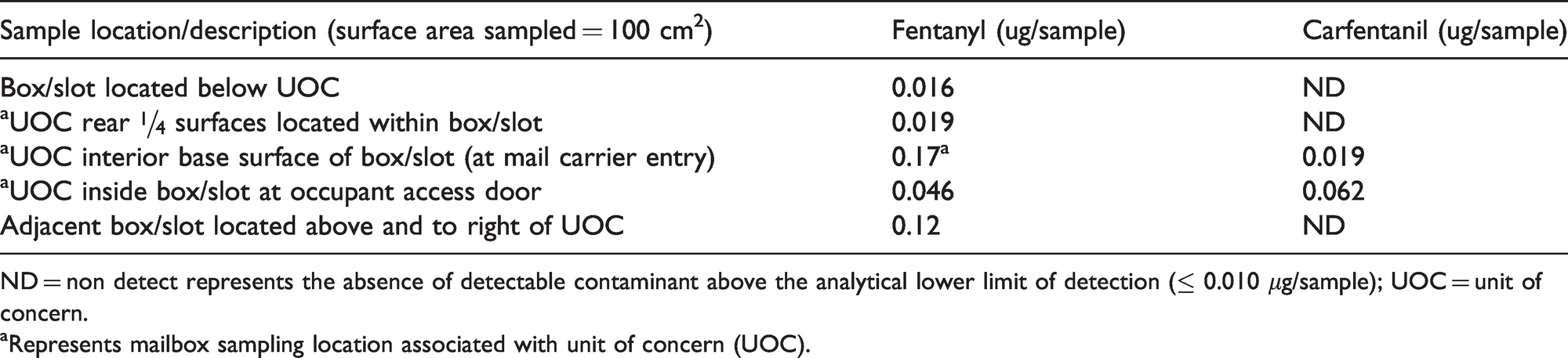
ND = non detect represents the absence of detectable contaminant above the analytical lower limit of detection (≤ 0.010 μg/sample); UOC = unit of concern.
aRepresents mailbox sampling location associated with unit of concern (UOC).
The analytical results associated with these structures indicated detectable levels of fentanyl and carfentanil on multiple mailbox internal surfaces. Sample results associated with the specific mailbox assigned to the unit of concern indicated the highest levels of fentanyl and carfentanil contamination. Detectable levels of these opioid residues were also identified within the mailbox slots located above and below the unit of concern. Although present at low detectable levels, these findings confirmed evidence of contamination within the mailbox cabinetry and adjacent mailbox structures.
The entire mailbox cabinetry was subsequently removed and disposed for all twelve units in the complex as a precautionary measure. Findings revealed the potential for secondary areas to be contaminated by opioid residues as well as potential exposure to mail handling and mail carrier personnel. A lesson learned is to consider where illicit drugs are received when developing risk assessment and cleanup operation plans.
Discussion
The field of industrial hygiene is considered both a science and an art. As discussed in this case, when there are no regulatory standards or guidance protocols to rely upon, it is necessary to collaborate with other professionals to establish assessment procedures, cleanup methods, and decontamination threshold criteria. It was valuable to apply knowledge, experience, training, and even intuition. This case study demonstrated a process for the successful assessment and cleanup of an opioid-contaminated property where elevated opioid levels were reduced to a health-based cleanup criteria. This resulted in the protection of cleanup workers, property management staff, future tenants, and the public. Performing this work helped in establishing an increased awareness of the potential health hazards associated with opioid-contaminated properties and has led to the adoption of current state legislation in California. Clearly, federal and state standards are needed to ensure similar sites in other states are identified, assessed, and cleaned up.
Advocating for Legislation, California’s Methamphetamine or Fentanyl Contaminated Property Cleanup Act
Advocacy for legislation included working with the state industrial hygiene community, the American Industrial Hygiene Association, and other stakeholders. The goal was to promulgate regulations in California for the proper assessment and cleanup of opioid residues and illicit drugs to protect cleanup workers and the public. In early 2020, California implemented amended regulatory standards that include sites contaminated with methamphetamine, fentanyl (and fentanyl analogs), and other illicit federally classified Schedule 1 drugs as they become available on the streets (see “California Legislation” summary below).
A weakness in California’s regulation is its’ lack of uniform interagency communication between law enforcement and local health departments that initiates compliance with the standard. An additional concern is the regulation’s reliance on counties to adopt their own internal procedures for the implementation of assessment and cleanup guidance protocols in the absence of a uniform state implementation guidance. A statewide standard that includes uniform guidance and implementation procedures would be an important improvement.
Conclusion
Cleanup and decontamination standards are urgently needed to protect law enforcement, first responders, and all parties that may potentially be exposed to opioid residues at contaminated properties. Increasing risk awareness of the public, public health officials, and policy makers is key to gaining support for the creation of federal and state legislation and standards. Government officials and policy makers should work to develop effective standards, uniform guidance, public information campaigns, and training similar to California’s Methamphetamine or Fentanyl Contaminated Property Cleanup Act (HSC 25400.10). The California legislative action was an amendment to the previously existing Health and Safety Code (HSC) and applies to properties contaminated with illicit drug residues including methamphetamine, fentanyl, fentanyl analogs as well as well as other illicit federally defined Schedule 1 controlled substances 25 as defined in Section 11007.
California’s Methamphetamine or Fentanyl Contaminated Property Cleanup Act
The California legislation amended previous state law to require local health departments, fire departments, or other local administering agency, as directed by a city or county Local Health Officer, to ensure the assessment and cleanup of properties where illicit drug lab “manufacturing” has been discovered. This significant new legislation included a broadened definition of laboratory activity and manufacturing as noted below.

Comparing the size of lethal doses of heroin, fentanyl, and carfentanil (Source: New Hampshire State Police Forensic Laboratory and USDEA).

Posting on unit exterior and industrial hygiene technician performing interior inspection and wipe sampling.
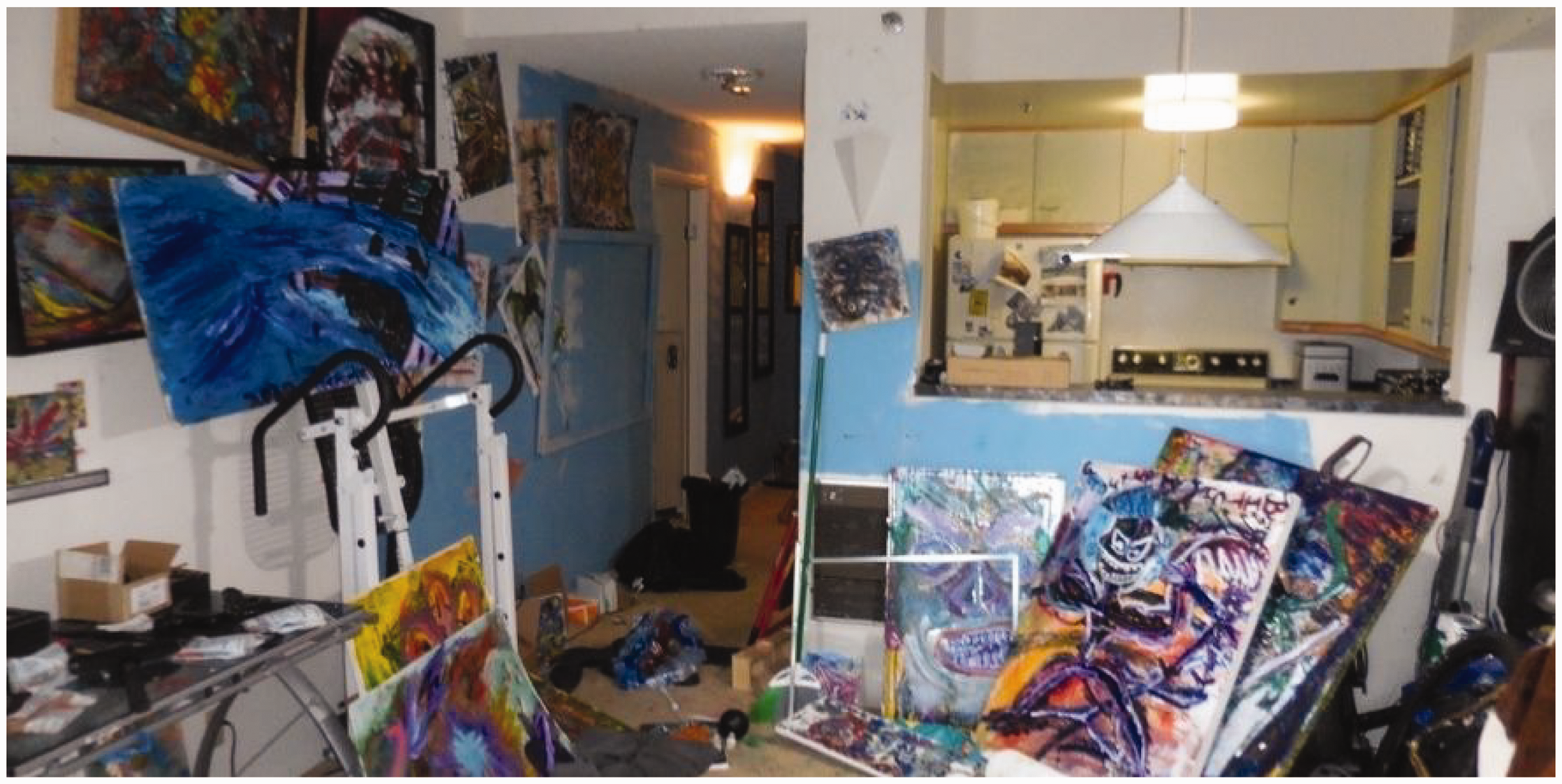
View of opioid-contaminated residence prior to preliminary site assessment sampling.
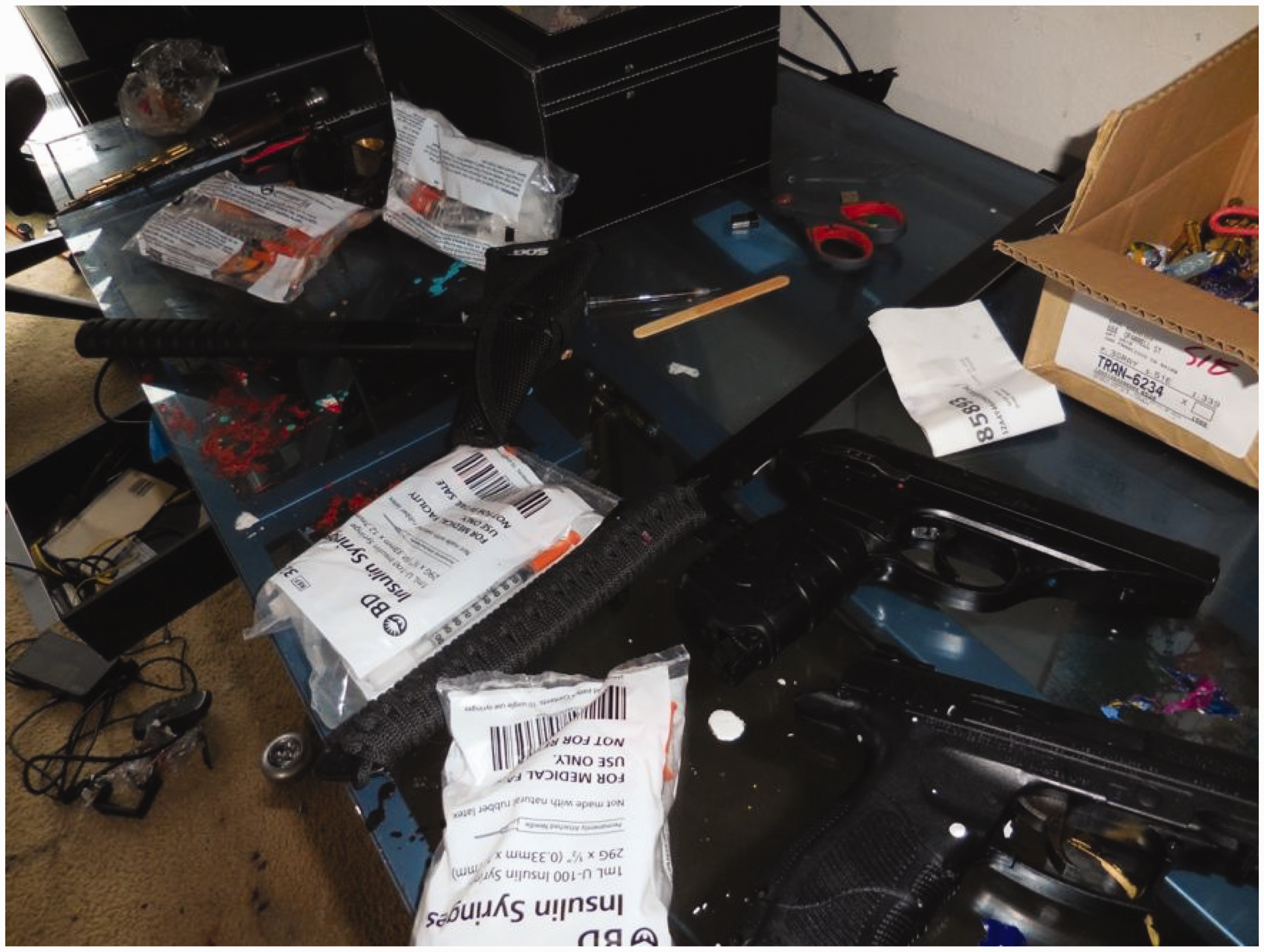
Personal items and paraphernalia (including hand guns, sword, and hypodermic needles) left within the residence after law enforcement had left the site.

Industrial hygiene technician performing surface wipe sampling for presence of suspect opioid residue on wall.

Mitigative removal activities showing raw opioid “product” powder and package discovered inside closet.

Personal Protective Equipment (PPE) regimen for preliminary site assessment and Post-Mitigation Clearance Assessment during entry.

Industrial hygiene technician performing inspection and sampling of vacuum cleaner bag dust and debris.

Findings of pill fragments evident in the vacuum cleaner bag sample.

Decontamination team applying spray treatment solutions of H2O2 and TCCA containing agents.
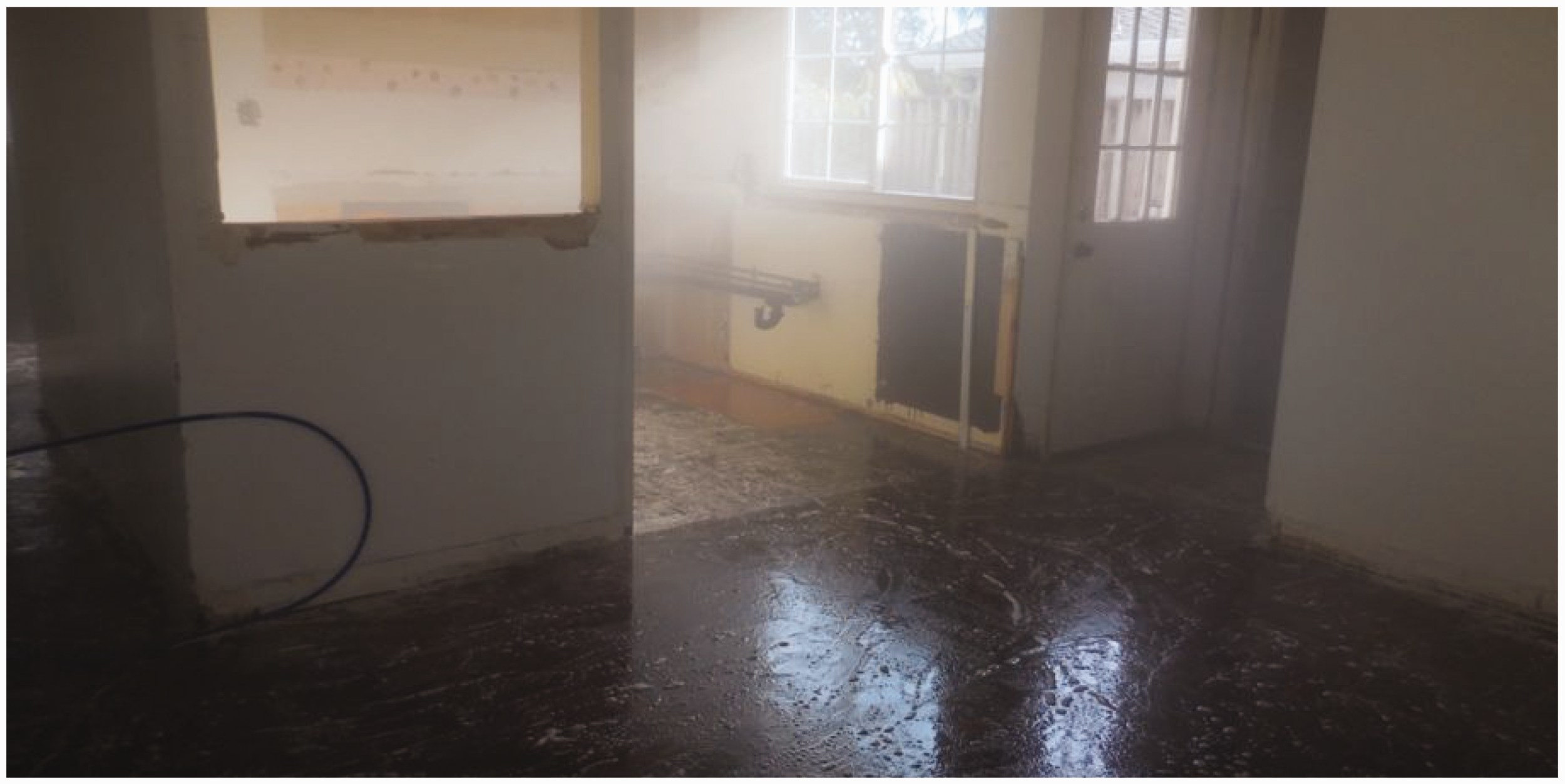
Solutions allowed to reside on surfaces to achieve adequate wet “dwell time” for effective neutralization.
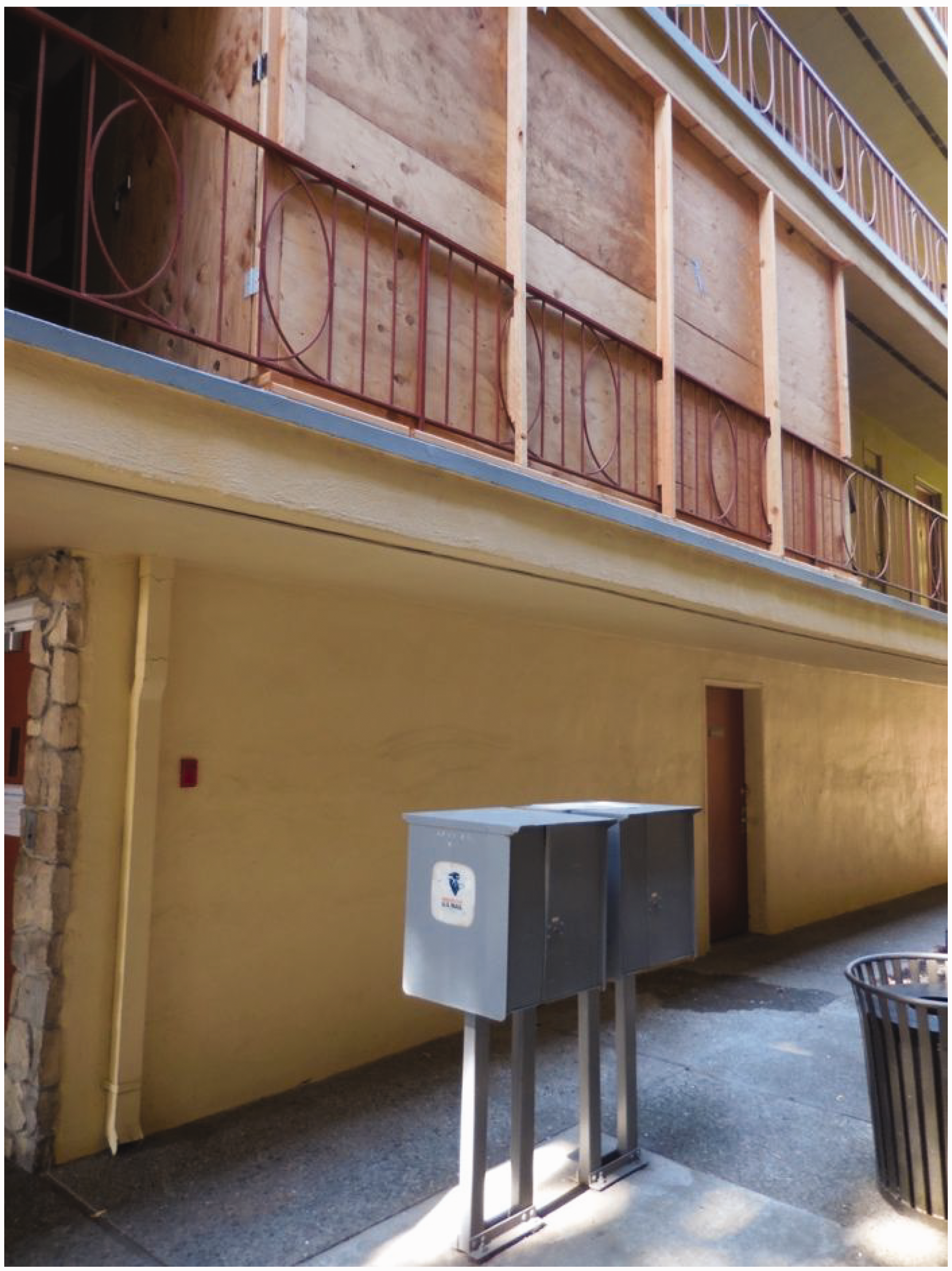
Mailbox cabinetry used by the US Postal Service to deliver mail to apartment units within the 12-unit block. Wood containment entry structures also visible on the second level located outside of the unit of concern.
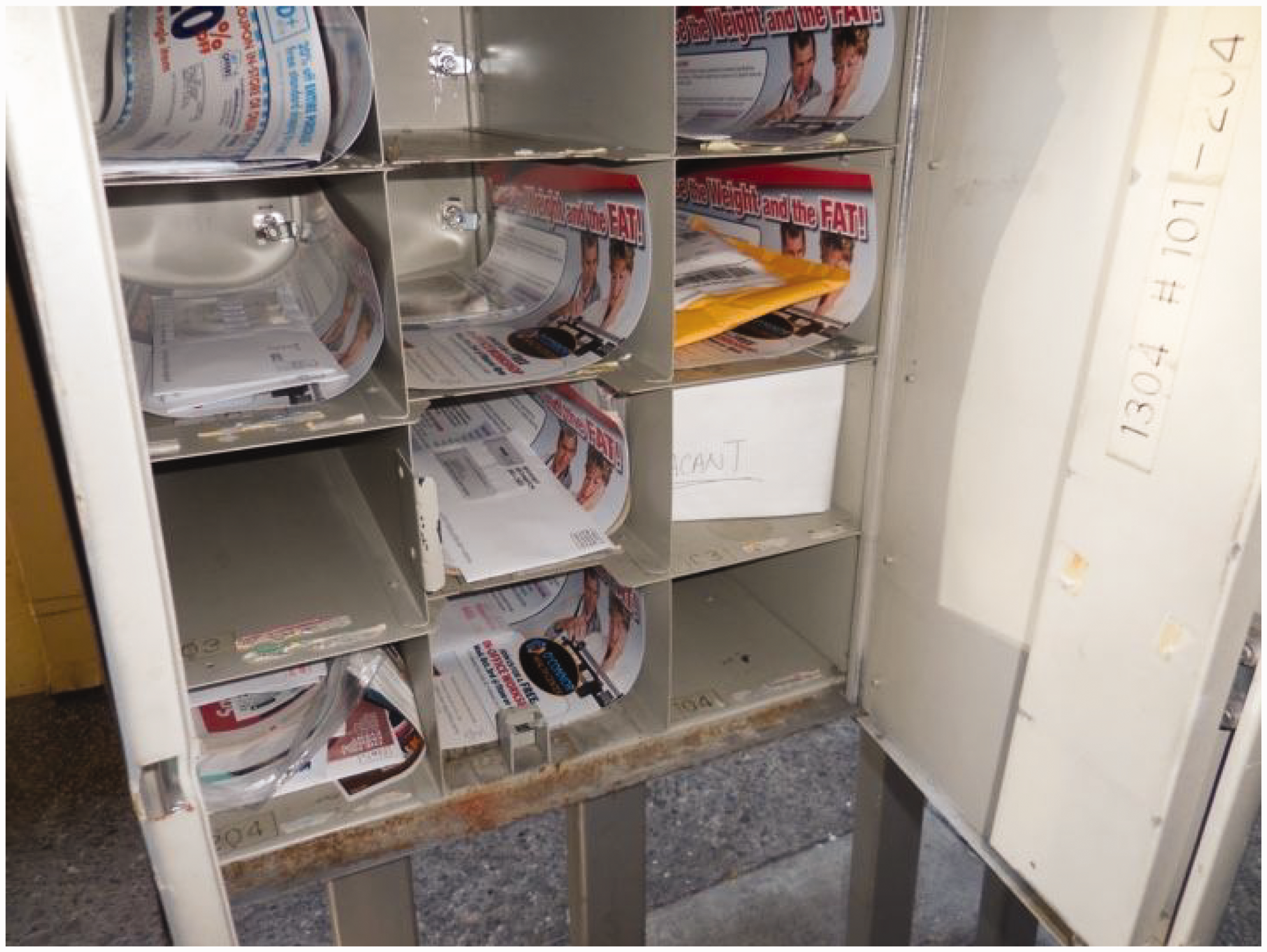
Rear entry panel of mailbox bank where mail carrier accesses to deliver letter mail and small packages.
Key elements of California’s Methamphetamine or Fentanyl Contaminated Property Cleanup Act (HSC Section 25400.10)
Establishes the recognition that methamphetamine and opioid manufacturing, handling, processing and distribution can result in significant contamination to residences and properties where these illicit activities occur. Applicability of standard is clearly defined to include the definition of “laboratory activity” and “manufacturing” that includes manufacturing, compounding, converting, producing, deriving, processing, or preparing, either directly or indirectly by chemical extraction, pill pressing, distribution, cutting, diluting, synthesis, or other activity that has the potential to contaminate the property with fentanyl or any of its precursors. Engages the involvement and authority of the County Health Department’s Local Health Officer upon notice of illicit drug manufacturing (and related) activities by law enforcement authorities so that the properties are posted, assessed, and cleaned up. Requires the property owner and/or tenants (under order and authority of the Local Health Officer) to vacate the site and to hire a remediation contractor to perform the cleanup of the site under the procedures specified within established County guidance and protocols. Such protocols are generally developed within each County jurisdiction (and/or otherwise adopted through reference) and includes the professional involvement and approval of a third-party CIH for the supervision and oversight of the assessment and cleanup of the property. Establishes the criteria of determining when the property contaminated by illicit methamphetamine or fentanyl manufacturing (or related) activities is safe for human occupancy and provides a specified standard for maximum levels of such contamination based on current industry referenced guidance.
Footnotes
Acknowledgments
The author thanks and acknowledges the following individuals for their direct and indirect contributions to content, technical support, and references associated with the topics and subject matter presented within this article: Dr. Charles B. Salocks, PhD, DABT, Toxicologist; Dr. Timur S. Durrani, MD, MPH, MBA, Occupational Health Service, San Francisco General Hospital; Mr. Jonathan Piakis, MPH-IH, San Francisco Department of Public Health; Mr. Dan Romph, Hazardous Materials Specialist, San Mateo County Environmental Health; John J. Martin, Special Agent in Charge, U.S. Department of Justice, San Francisco Field Division; and a special thanks to Mr. Jonathan Rosen, MS, CIH, and Peter Harnett, MS, MPH, CIH of the American Industrial Hygiene Association Opioid Working Group for their editorial and technical review, support, and feedback regarding the topics presented.
Declaration of Conflicting Interests
The author(s) declared no potential conflicts of interest with respect to the research, authorship, and/or publication of this article.
Funding
The author(s) received no financial support for the research, authorship, and/or publication of this article.
