




Abstract

Cubing is an instructional strategy that asks students to consider a concept from a variety of different perspectives. The cubes are six-sided figures that have a different activity on each side of the cube. A student rolls the cube and does the activity that comes up. Vocabulary cubes are a way to introduce new words. Students thoroughly analyze a specified word six different ways. Patterns for cubes such as shown in Figure 1 can be found easily on the web by googling “cube template.” On each side of the cube, the instructor writes something to do with a word. Some suggestions are as follows:
Compare it: give antonyms and synonyms
Compare it: what is it similar to, different from?
Define it in a user friendly way.
Use the word in a sentence.
Describe the word in your own words
Associate the word with other things; what does it make you think of; provide real world examples of what the word is often connected to or paired with
Write an argument that includes support that is either for or against an issue associated with the word
Draw a picture of the word or what it makes you think of
Create a comic strip that describes your word’s meaning
Write a song or rap about your word that will help you remember what it means
You are approached by an alien from Mars and you must explain what this word means to him before he can return to his planet
You are a private investigator. You must find your word in five places. Write down the places you find your word (If in a book, then write the title and pages)
Write a category or categories it could belong to
Write the essential characteristics of the concept of this word. What are its traits and attributes?
Tell one fact about the word
How does this word relate to you?
How can you remember the meaning of this word?
Apply it: what can be done with it?
Create a skit, drama, or reader’s theater to act out your word
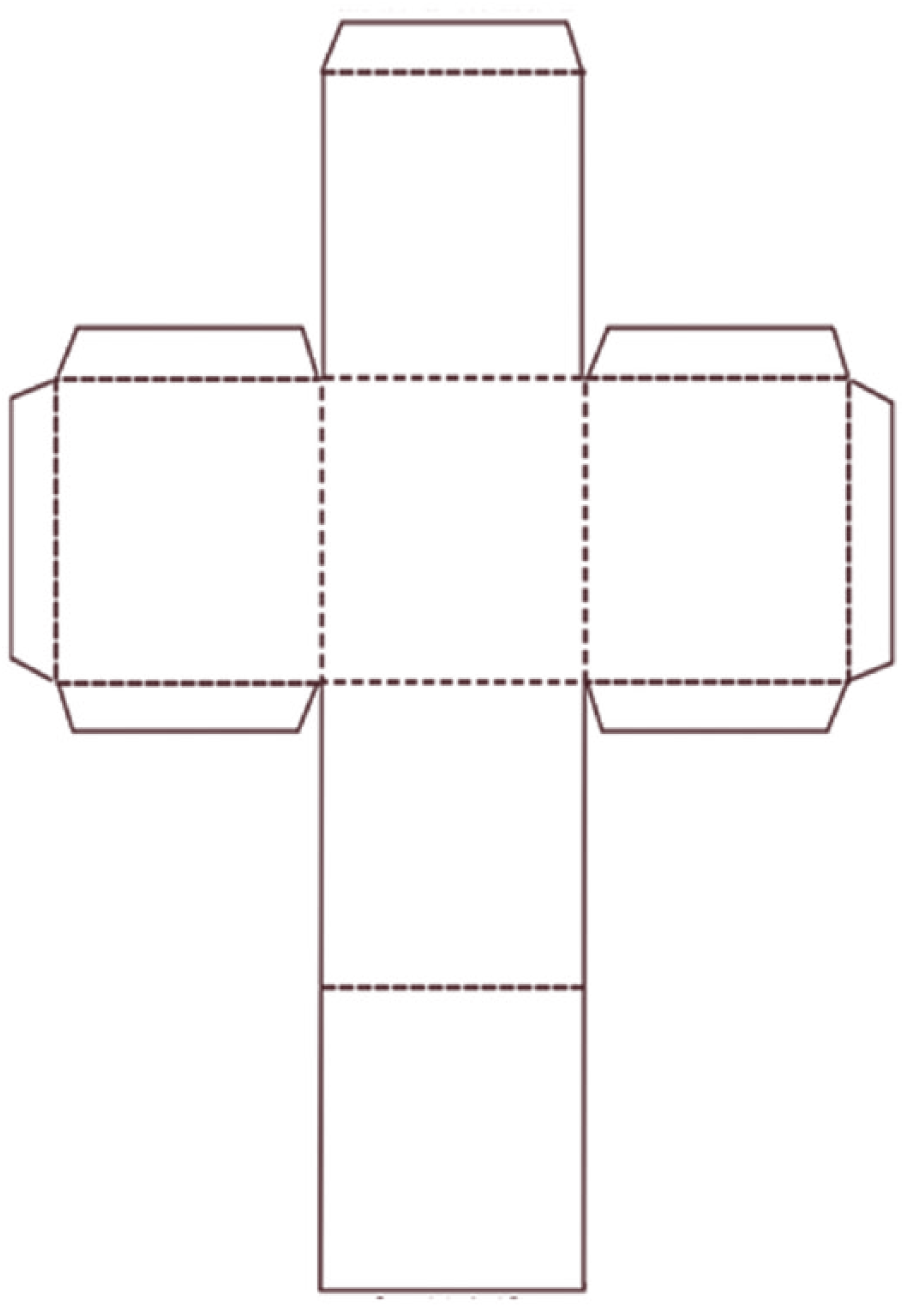
Cube template
There are many ways to assign the cube. Individual students choose a word and must complete all the tasks on a cube for that word. Or you can have students select a word from a list and take turns rolling the cube and responding to the questions on the cube. For example, if you have six key words for an upcoming unit, place students in groups of six. Each group must create one cube for each word. Cubing encourages the development of vocabulary depth. Vocabulary breadth refers to having at some surface-level knowledge of many vocabulary words. For example, I have heard and read the word, perfidy. I know it has something to do with being bad in some way, but I am not sure I could use it correctly in writing or while speaking. Vocabulary depth refers to a robust knowledge of a word. It involves knowing the many different facets of words and how they link to one another.
The tasks on the cubes can be differentiated according to the language/skill level of the students. Cubes can also be used for individual or group activities. In pairs or small groups, each student takes a turn rolling the cube and doing the activity that comes up. Students have the choice to roll again once if they do not like the activity that turns up. Students each roll the cube 2 to 4 times, depending on the magnitude of the assignments. When working in groups, you might have the student who rolls lead the discussion on the task, and another student serves as the scribe to take notes on the group discussion.