



Abstract
This study analyzes the dynamics in which structural vulnerabilities are shaped and expressed in the day-to-day lives of people making a living from a garbage dump in Argentina. It is a mixed methods case study, qualitative driven with a collaborative cycle (2016-2021). The study is embedded in medical anthropology, social epidemiology and Latin America Social Medicine, with the focus on the ways people respond to inequalities locally. The findings contribute to the field of health disparities in three directions: 1) the description of patterns of segregation in South America peripheries, shedding light on cumulative disadvantages and multiple exposures; 2) the experience of living enmeshed in places with strong stigmas, revising the ways this source of discrimination become social suffering; and 3) the detection of the impact of collective action and social capital in providing material and symbolic resources for restoring dignity and honour that challenge depreciated status.
Keywords
The dramatic effects of COVID-19 in South America are impossible to understand without considering structural inequalities in the region, with a high concentration of urban population in deficit conditions, lack of formal employment, poor quality of health systems, among others (Benza & Kessler, 2021). Historically excluded groups have the burden of disease and suffer greater socioeconomic consequences (Bárcena & Cimoli, 2020), which contribute to substantial health disparities among specific population groups. Sarti and Rodríguez (2018) state literature on health and inequalities is still scarce in South America, with inexistent or poor-quality data for many marginalized groups remaining “invisible” to public health.
Among this “hidden population” (Liamputtong, 2007) are people making a living from a dumpsite. The region has the most active dumpsites, along with Africa and Northern Asian countries, affecting the daily lives of 64 million people living in the residential areas expanding around them (Atlas of Waste, 2014), which are affected by environmental issues with serious impact on the health of people living there (Afon, 2012).
The objective of this study is to identify and analyze the dynamics in which structural vulnerabilities are shaped and expressed in the day-to-day lives of people living by and making a living (Narotzky & Besnier, 2014) from a 100-year-old, open-air garbage dump in neighborhoods of the urban peripheries of Paraná (Entre Ríos, Argentina). It is a qualitative-driven mixed-methods case study (Morse & Maddox, 2014). Because of the potential strength of mixed-methods research to provide a basis for social change, we combine it with a collaborative cycle grounded on the general transformative paradigm (Mertens, 2007), highlighting issues of social justice, human rights, and equity.
Two main questions oriented the inquiry: (1) How do structural and cultural drivers of social inequalities (such as discrimination or unemployment) contribute to health disparities and specific vulnerabilities in communities making a living from a dumpsite? (2) In what particular forms are these social inequalities expressed in the local collective lifeways turning into possible pathways leading to health disparities and/or vulnerabilities (potential harm)?
Empirical research examining the root sources of inequalities is still in its infancy (Phelan & Link, 2015) and presents epistemological challenges. Such challenges require questions at different levels and scales due to the diverse, complex, evolving, interdependent character of social inequalities (Braveman & Gottlieb, 2014). Therefore, this study is based on—more than “all-in-one” theoretical framework—three theoretical approaches that turn away from reductionist risk-factors biomedical models. There is also a fourth pillar (collaborations) highlighting multiple ways to contest the asymmetrical relations of power (Rappaport, 2007) that will be explained in the methodological section.
We carefully discussed, selected, and combined theories based on our core questions, epistemological coherence, axiological assumptions, and our disciplinarian tradition and expertise. As regards the first question, we need to rely on theories that address socioeconomic conditions and broad contextual factors, including political organization systems, global working/productive processes, the International Monetary Fund (IMF), and other international agencies’ role in peripheral economies, among many other macro variables that require historical and structural approaches. Due to the more than six decades of tradition of such analyses specifically for our region, the Latin America Social Medicine/Collective Health (Breilh, 2021) was one of the prioritized options. It was combined with sociological explanations, such as the fundamental causes theory (Phelan & Link, 2015).
However, as Krieger (2011) notes, these theories do not provide enough information on how to differentiate the specific consequences social inequalities have, and how they are expressed in different ways locally, which is our second question. So, to help answer this question, medical anthropology frameworks (Scheper-Hughes & Lock, 1987) offer conceptual guidance through coherent systems of theories situated in socio-cultural specific contexts and artisanal methods.
But disease mechanisms—such as the biological, epidemiological, and molecular levels that explain the connections between conditions and health outcomes—even when considered, are not clearly included in the previous perspectives. Susser and Susser (1996) called that process “opening the black boxes.” These epidemiologists said, “focus on risk factors at the individual level within populations–even given the largest numbers–will not serve. We need to be equally concerned with causal pathways at the societal level and with pathogenesis and causality at the molecular level (Susser & Susser, 1996, pp. 675).” Although this research does not include those molecular nor biological levels, we would like to contribute for including them in future inquiries, outlining and connecting specific exposure (pathways) through courses of lives and at different levels.
The three frameworks provide concepts that are helpful in addressing different purposes. We will define the most important for this study. The medical anthropology concept of “structural vulnerability” emphasizes the economic, material, and political dimensions of structural violence but also cultural and idiosyncratic sources of suffering and vulnerabilities (Quesada et al., 2011).
Similarly, the fundamental cause theory considers structural and cultural drivers of social inequalities and health disparities as equally important (Phelan & Link, 2015). This includes, on the one hand, physical characteristics of the neighborhood context, such as residential segregation and exposure to environmental risks (Krieger, 2011), and on the other, the social shared beliefs and values acting as a “cloak of invisibility” for different forms of oppression (Hicken et al., 2018), such as racism (Krieger, 2011; Phelan & Link, 2015).
To analyze interpersonal interactions as the primary driver of inequalities, we focus on the ways people enact local inequalities (Nguyen & Preschard, 2003) considering that biology, culture, politics, identity, and morality are “inseparably entangled” (Lock & Nguyen, 2010, p. 91).
These perspectives explicitly recognize commonalities among them (Breilh, 2021; Krieger, 2011; Quesada et al., 2011). Nonetheless, there are areas of less consensus, as in relation to the concept of agency (Quesada et al., 2011); to avoid frictions, we based this study on the anthropological history of exploring resistances as a key concept, which, although complex, blurred, and expressed in multiple manners (Lock, 1993), is associated with what people do within their wider social lives contexts, to challenge multiple forms of oppression, violence, and social suffering (Das & Kleinman, 2001; Scheper Hughes, 1992). Within such resources, we include the sociological concept of social capital, defined by Bourdieu (1986, p. 249) as “the actual or potential resources linked to possession of a durable network of more or less institutionalized relationships of mutual acquaintance and recognition.” More details are provided below.
Methods
Principles of Selection: The Cases
We present results of a larger project on cancer disparities. The type of mixed-methods sampling was multilevel (Teddlie & Yu, 2007). The cases were communities belonging to the administrative “programmatic areas” of health centers as are defined by the provincial Ministry of Health. Local health centers were demarcated and their programmatic areas that cover different census radii (minimum territorial units where census data are available) were identified.
Geographical information was crossed with national and local census data about population and information on infrastructure in the neighborhoods. We identified geographical and socioeconomic differences within the neighborhood level. Areas with inequalities at the population and neighborhood level were demarcated based on such contextual and compositional criteria.
Simultaneously, we searched for the community bonds during the qualitative inquiry and defined its empirical contours. Only after examining significant interactions and identifying common values, historic ideologies, symbols, and moral codes that provide a sense of belonging and identity to their members (Cohen, 2001) did we consider them a “community.” In this study, the community was a group of waste pickers and their families living by a dumpsite (see Figure 1). Dumpsite location, City of Paraná.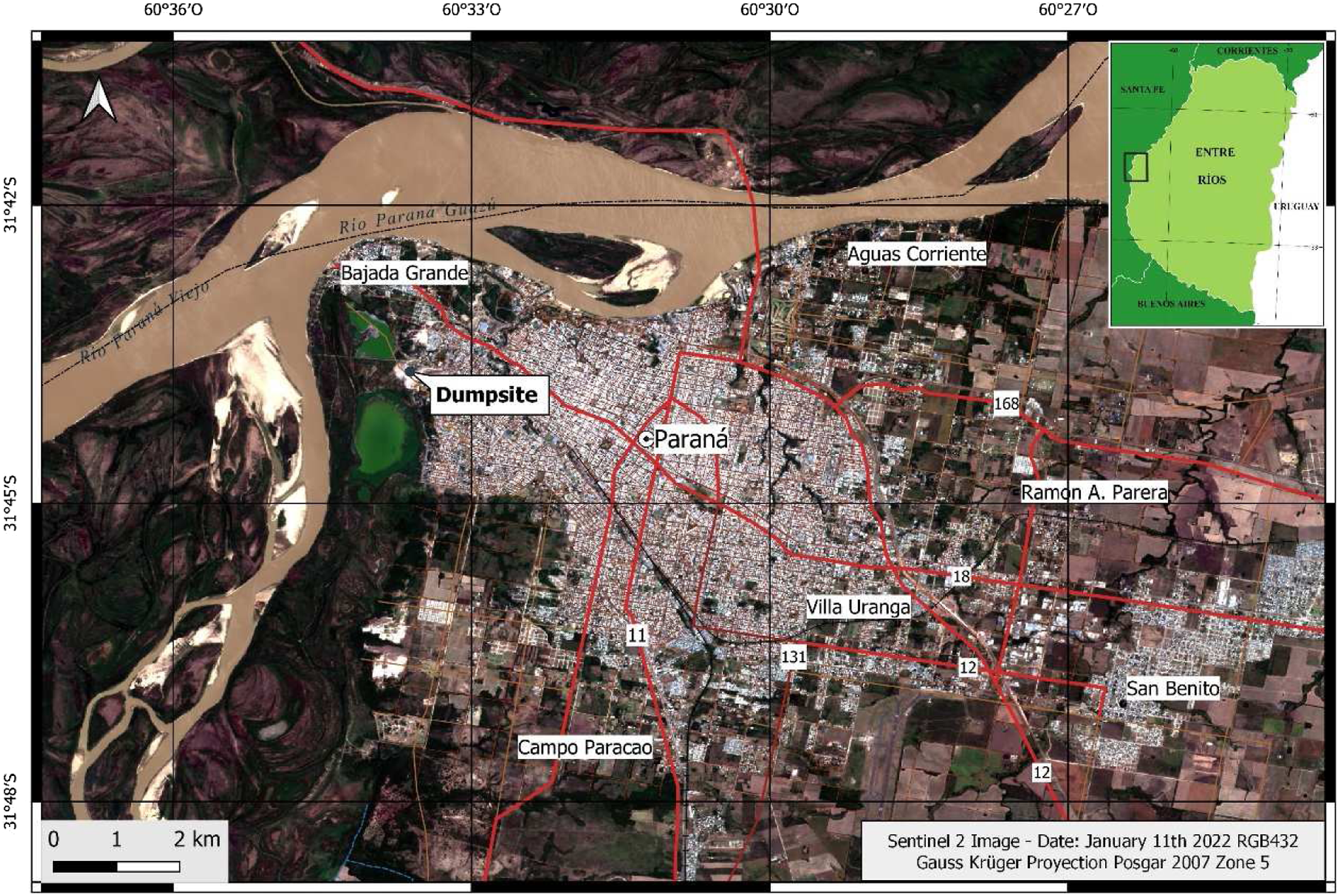
Research Process
Walton et al. (2019) observe that existing typologies cannot include all the complexity of mixed-methods study designs, so we take them as a general orientation rather than a fixed and rigid category to classify our research steps. The design is close to concurrent designs (Greene, 2008) with three cycles or phases of the research process. The purpose was to combine triangulation and complementarity (Greene et al., 1989).
We consider multiple sources of data as important to include for knowledge generation but prioritize qualitative (QUAL) sources of data. This rationale was based on the scarcity of reliable evidence at the local level for this social group, as noted in previous publications (Palermo et al., 2021). The other reason for prioritizing QUAL is ethical and has to do with the focus on vulnerable populations that need flexible designs (Liamputtong, 2007).
Methods.
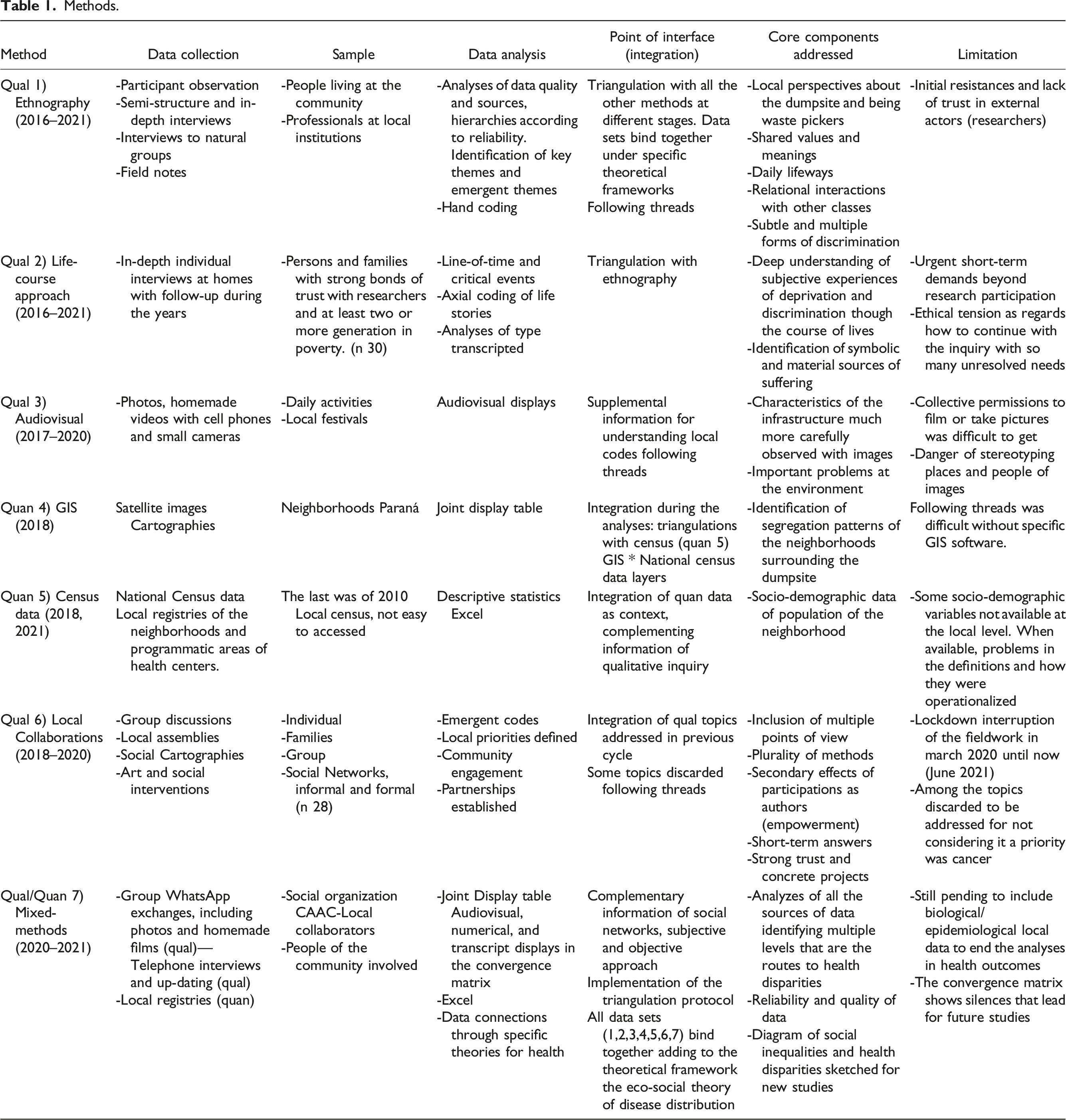
The following table synthesized all the methods used, which are later described in more depth.
First Cycle
GIS, Remote Sensing Module, and Descriptive Analysis of Census Data
We selected QGIS, a professional Geographic Information System (GIS) application built on free and open-source software. Data were managed in an integrated way to generate a foundational geographic database, so the spatial analysis of the variables and digital cartography could be generated to represent the variables involved. A study of the area was carried out using remote sensing, and work was done at a scale of approximately 1:50,000.
Optical images from the Landsat 4, 5, and 8 and Sentinel 2A and 2B satellites were used. Google Earth Engine enabled us to carry out the analysis of historic floodplains. The normalized water index (NDWI), calculated annually from all of the images acquired by that sensor each year, was used to identify the areas with the greatest presence of water. Data from Landsat 4 Annual NDWI Composite, Landsat 5 Annual NDWI Composite, and Landsat 8 Annual NDWI Composite were used to analyze the recurrence of land-clearance flooding during the period 1982–2018. They were merged into a single index, calculating the average of the three products, to obtain the total floodplain in the analyzed period.
The sources for the topographic and socio-demographic data were the National Geographic Institute (NGI), the National Institute of Statistics and Censuses (INDEC), the National Registry of Popular Neighborhoods, and the Ministry of Energy and Mining (MINEM). Own data layers were also generated from the crossover of variables: socio-demographic data, data layers related to transportation, population centers, administrative boundaries, hydrography, contour lines, and health centers. National Registry of Popular Neighborhoods data were not available on any website; we requested the data from the Ministry of Social Development of Entre Rios, and they were sent in the form of statistical grids. Also we were based on local data registered by the Secretaría de Integración Socio-Urbana (2019).
Ethnographic and Life-Course Approach
Ethnography started in health centers and local institutions. We included multiple data sources: interviews; participant observation; spontaneous conversations; local reports of institutions; and audio–visual registries. More than 300 persons were interviewed and observed, either individually or in natural groups. Long-standing relationships allowed us to participate in more private spheres of the subjects’ lives, including daily cooking and commensality, children’s school dynamics, and moments of sickness, events—such as hospitalizations and deaths—and many others. We participated in meetings of the local network to discuss neighborhood problems. This corpus of data provided a multilayered understanding of the community dynamics.
For the “life-course,” selections from biographies were made according to what the epidemiological literature considers critical moments of health impact (childhood, youth, and pregnancy), while examining the underpinning cultural meanings. We maintained a longitudinal follow-up with approximately 30 families through the 6 years of research. At least one person from each family had part- or full-time work at the dump and had been living under the poverty line for two generations or more as quantitative data show.
Second Cycle
Collaborative Ethnography and Multimedia Methods
We engaged in a cycle of collaborations only after strong community bonds were established. In 2018, our links with the community were formally strengthened by including as a partner a local social organization Casa de Atención y Acompañamiento Communitario (CAAC) recently founded. This social organization or CAAC was created within a social movement initiative focused on providing a general preventive approach to drugs, with many activities but few resources.
We participated in these activities until lockdown (March 2020) and held specific meetings to discuss and redefine research goals according to local interests and priorities. Both researchers and participants defined concrete outcomes. A careful inquiry into historical community distrust with the outside (politicians, researchers, etc.,) was addressed.
During 2018–2019, different workshops were run at the social organization location (CAAC) for the discussion of local priorities, problems of the neighborhoods, resources to solve them, and expectations. These meetings were within already working workshops or were created ad hoc for the research purposes, based on techniques associated with communitarian approaches in social work, education, and psychology. They include line-of-time, tree-problem techniques, brainstorming, and mainly, social cartographies.
Social cartographies are a participatory technique with the purpose of characterizing cultural, economic, and socio-environmental resources and conflicts in the dumpsite neighborhoods from community insider’s perspectives (Vélez Torres et al., 2012). They triggered questions, points of view, and differences in relation to relevant topics as prioritized by the community.
Short-term and concrete collective life projects were also included. A total of 28 members of the community became involved as collaborative researchers at different moments, with well-defined interventions. Testimonials, auto-ethnography, and more classic action-research methodologies were implemented as the principal collaborative methods whose participants are now co-authors of chapters in a common book.
Audiovisual methods included records collected from the start as a source of data to complement ethnography. By the end of the second year of collaborations, one of the authors of this article formally joined the research team to prepare a documentary as one of the final products. Four face-to-face meetings were held to provide consensus and image validations.
Third Cycle
Social Epidemiological Theories
Data were integrated in the last cycle, with a more specific focus on social inequalities and health disparities that are connected by social epidemiological theories. Ethnography provided qualitative data to detect social networks in the community, and mainly, the role played by a local social organization. We also collected data on quantitative instruments that included institutional records, such as frequency of meetings, external financial support, and the number of people participating. Since this social organization did not exist in the first 2 years of the research, it was possible to compare how lives were affected.
The level of interaction of the qual and quan strands (Greene, 2008) was independent for the part of the core question related to material socioeconomic conditions of neighborhoods and vulnerability, which means they only connected at the discussion part. For the second core question, which was interactive, we triangulate and complement the information.
Finally, and still under elaboration, we include the framework of the eco-social theory of disease distribution (Krieger, 2011) to obtain the general picture connecting all the elements. The four central components (embodiment; pathways of embodiment; cumulative interplay of exposure, susceptibility, and resistance; accountability and agency) seek to generate evidence at different spatial and temporal scales about how the multiple dimensions of inequality affect health in ecological contexts over the course of people’s lives. We sketch possible pathways to health inequalities based on previous qualitative and quantitative data that should be tested in new studies.
Research Ethics
The bioethics committee at the Ministry of Health of Entre Ríos approved the study and demanded reports every 6 months during the research period. Along with the formal requirements, we took specific micro-ethical care steps to protect the communities and define partnerships. We considered informed consent as an ongoing process. Renegotiation about participation, modes of representations, benefits, and potential harms were permanently and explicitly discussed in local assemblies held collectively at the social organization center and individually in private conversations. Channels for reverting participation and assuring availability were established through personal cell phone contacts of researchers. Most of the people involved provided oral consent, which was recorded and witnessed by somebody who was not part of the research.
We coordinated interventions with local institutions to be able to respond to short-term demands, such as gender violence. Finally, we provided guarantees of the long-term goals and interests among researchers and people involved in order to strengthen bonds among communities and external actors.
Analysis
As Morse and Maddox (2014) state, the difficulty when utilizing different methods is the analytic integration of these different types of data collected. In general, we analyze each set of data separately within the parameters of its own paradigm but addressing common analytic questions. So the presentation of the results will be kept distinct but with points of interfaces clearly stated at the end of the results, within the core component and then in the Discussion section.
The core QUAL component (ethnography) led to the principal themes to be addressed, which emerged inductively. In a second cycle based on other qualitative (qual) components (collaborations and audiovisual registries)—some of which were discarded for not being considered relevant by the community and others not previously noted now included—we follow a thread (Moran-Ellis et al., 2006). The emergent themes followed across other databases (the threads) to provide information from multiple angles and dimensions were: consumption and marketing of illicit and licit substances by youth; lack of formal employment; neighborhood problems; and daily experiences of discrimination, especially toward children and women in health-care institutions. We also implemented data triangulation among methods and researchers and a triangulation protocol (Farmer et al., 2006).
The reliability of data carefully “picked” by theoretically driven concepts was the most important criterion for including sources or not. The long-term foundation of the relationships with the community made it possible to explore sensitive issues via longitudinal inquiry, as did the member-check of the analysis and visual images and careful revision of the local evidence routinely generated by local institutions. Categories used in the local census were analyzed in light of social science theories and discarded when inconsistencies were detected.
Finally, a not previously planned form of evidence was unexpectedly generated from the role of social capital and communitarian networks. Two situations—the foundation of a social organization and COVID-19—allowed us to compare, ex ante and post facto, different mechanisms by which a proxy of social capital (a communitarian network) impacts the lives of people involved. The indicators analyzed at both the collective (group) and individual levels were broadly inspired by Berkman et al.’s (2000) model for social network and include the following: (1) how priorities were defined; (2) resources accessed and distributed; (3) social engagement and attachments; (4) impact as regards values, solidarity, and trust; (5) redefinitions in participants’ relationships and broader relations; and (6) conflicts and power issues.
Results
GIS for Context Description
The study site is located in the neighborhoods and informal settlements that grew up around an open-air dump. GIS highlights that those settlements included in this study lacked adequate territorial planning. One such indicator is the percentage of households with unsatisfied basic needs (UBNs); the areas with the highest percentage are located in the riverside areas (Figure 2) close to the dumpsite. Households with unsatisfied basic needs by census tract in the study area. Source: Own elaboration from 2010 Census data (2010).
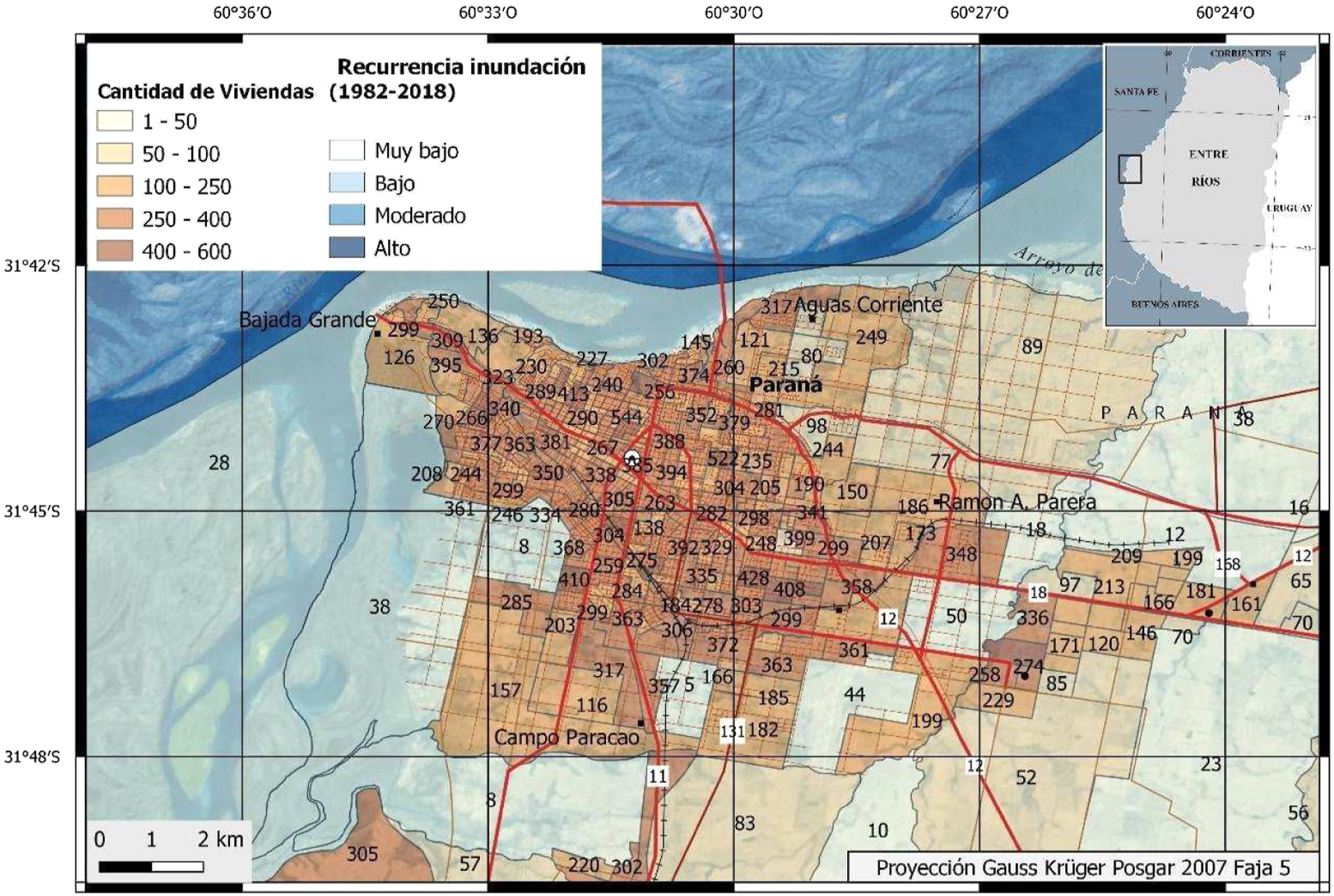
The maps of the city of Paraná were generated (Figure 2) to identify areas with the highest percentage of people with UBNs compared to areas with different degrees of recurrent flooding in the period 1982–2018. The areas with the highest percentage of UBNs are also those with a high degree of recurrent flooding. Very low-income populations settled in areas at risk of floods.
We compared the number of houses in flood-prone areas, which corresponds to the high category on the flood recurrence map, with the population having a higher percentage of UBNs, as shown in Figure 4.
GIS made it possible to demonstrate concrete patterns of segregation in the neighborhoods surrounding the dumpsite.
Composition: Socio-Demographic Characteristics
The area includes different neighborhoods with families working in the garbage dump, including poor and/or impoverished families excluded from the formal labor market and forced to migrate in the context of deindustrialization, factory closures, expulsion from the agricultural market, and privatization that characterizes 1990s neoliberalism (Salvia, 2012).
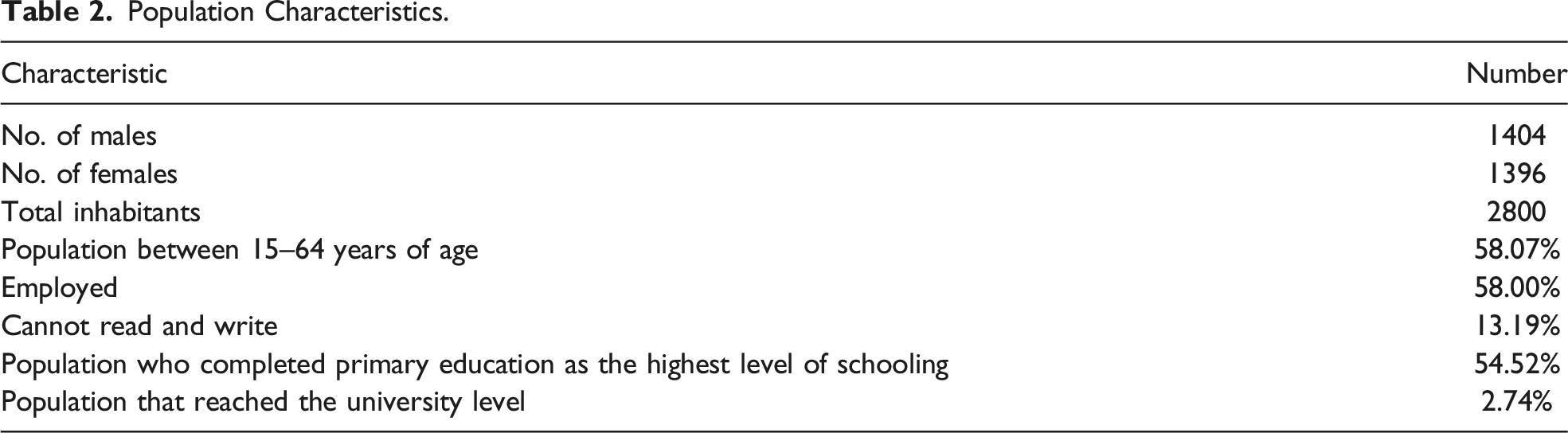
Population Characteristics.
Households with Unsatisfied Basic Needs.

Note. UBN, unsatisfied basic needs (those with at least one of five deprivation indicators described above: housing, sanitation, overcrowding, school attendance, and subsistence capacity housing).
According to local census, almost one-third of households have unsatisfied basic needs in the neighborhood, with 14.33% of men and 12% of women illiterate.
Lifeways in the Dumpsite
At the beginning, health professionals addressed as a priority for the inquiry “the problem of the Volcadero” as the dumpsite is known, informally. When describing it, they began by noting a persistent smoke with a particular smell—acid and rotten—resulting from “scavengers’ fires to separate plastic from metals and glasses.”
We entered this 25-hectare, 300-meter deep, 100-year-old open-dumpsite searching for values and meanings, prioritizing the social worlds considered much more than a single and homogeneous phenomenon. These lived experiences of people making a living (Narotzky & Besnier, 2014) at the dumpsite led us to identify internal hierarchies, differential consequences, and impacts according to factors such as time spent at the dumpsite and life circumstances (e.g., pregnancies or disease). When intersecting with other variables and sources of data collection, four typologies emerged that played different roles in either exposing or ameliorating this impact.
First, there are the people with a main source of income elsewhere (domestic service, the lowest rank in municipal employment, etc.), who occasionally use the dump to get “extra money.” This allows them to find something to recycle, sell, use at home, or feed their domestic animals. For instance, some expressed that, although they have gas in their homes, in winter they need more and run out of it, so they replace it with wood or boxes for cooking.
Most used to go there in the past and now have something better for making a living but still do not have enough to stop scavenging completely. This past experience provided practical knowledge focused on their needs. They found positive aspects and expressed other reasons for still going, as expressed in the field notes (2016, 2017): “I come to clear my mind,” “…because it is a routine,” “you can always get something,” and “this is the mall for us, the poor.”
In the next category are people who make a living from the garbage but in a more formal setting and with certain social security protections for their social rights (e.g., license in case of disease). This is what happened in the recycling plant, which is only a few meters away from the garbage dump. Interviews with the local health personnel revealed the plant to be more convenient for work than going directly to the garbage dump; one professional said: “The plant is better, at least people can work in better conditions” (2017). Relatives of people working at the recycling plant also observed what it means for youth working there: “From the moment he starts, his life changes, because he feels much more important” (2018). We marked its existence as a social world qualified by the inhabitants of this area as different from the others.
The third group can be described by the emic category “owners of the garbage.” These are people with a long history dedicated to the commercialization of garbage, dating back years or even decades. Despite this apparent informality, they have strong rules and tacit agreements that define the spaces and types of collections to sell (e.g., metals, paper, and glass). They are the ones authorized to select what they need first and where the trucks dump the garbage at the beginning of the productive circuit. This work continues in their houses, with the separation and preparation of materials for sale to the collectors in the area.
The last category includes people who make a living from the garbage under the worst conditions. They spend the most time to get the fewest resources, sifting through waste and breathing smoke, which is much more intense in this part, for more than 12 hrs per day in the depths of the garbage dump. During ethnography, we learned that the fire responsible for smoke is not from people’s interventions, as the rest of the city claims, but from spontaneous gas methane explosions at the dump. The garbage collection circuit in this category often includes the whole family, and those engaging in this activity include children, elderly, or women with advanced pregnancies. They have the most direct contact with all the materials that arrive at the dump because they have to scavenge to find something useful to them that does not belong to the owner of the garbage. They suffer more accidents with the trucks. For instance, in one interview, a woman recalled a 15-year-old youth who fell asleep under cardboard due to the cold weather while waiting for a truck to unload; the driver could not see him and crushed him, breaking his hips. In the interviews, they referred to other physical traumas, such as finger amputations. The food is classified as either for direct family eating or to feed domestic animals. Someone explained they are trained to differentiate good- or bad-quality food by the color, smell, and temperature.
Social Inequalities in the Course of Life
In relation to the ecological context of the dumpsite near to neighborhoods, as shown in Figures 3 and 4, the area has a higher flood risk exposure, which is even more problematic due to the fact that 36% of the dwellings are of insufficient construction quality, as described in Table 3. At the beginning of the research, informants recalled all the losses and problems caused in the previous year (June 2015) due to a big flood, sharing experiences of cold and wet nights in that winter draining the water that entered their homes. Even when in the ethnographic account in the following years floods were not repeated, the constant fear and uncertainty of a new one based on past experiences and other higher risks of catastrophes were added to a cascade of environmental preoccupations, condensed in the recurrent question encountered in the field: “And now what?” Areas affected by periodic flooding and households with unsatisfied basic needs by census tract. Source: Own elaboration (2020). Map of areas affected by periodic flooding compared to the number of homes per census tract. Source: Own elaboration (2020). Housing Characteristics.

Our relational approach led us to pay attention to the meanings people from the other parts of the city apply to the garbage dump and nearby inhabitants. Strong stereotypes and subtle and direct practices of discrimination emerged as common. We closely and directly observed indicators, such as warnings to avoid going there at certain hours, taxi drivers refusing to go there, the recent inauguration of a walk bordering the river that middle classes said they hoped would “never get to the garbage dump,” etc. We noted how dump residents were depicted in the mass media, either as passive poor victims or “dangerous” people.
This stigmatization was reinforced by infrastructure, such as a lack of access, especially at the beginning of the research. A social worker at the health center said (July 2016): People asked for access. They need to know that if something happens an ambulance can come for them. Or a taxi! This place is associated with danger.
In group dynamics during workshops, participants put together pieces in the puzzle of a collective history about their place. Subtle demarcations came up in social cartographies, undistinguishable by external attributes. They were called the “red zones,” defined as those that were outside any social code that the community respected. Within them, violence and assaults against “your own people” occur due to the effects of drugs. These social cartographies illustrate mosaics with differential senses of belonging and emotional distances, overlapping between one block and the other—or even between houses that define the “safe” versus “dangerous” places.
Special attention was paid to the accumulated effect of these exposure during the course of people’s lives. We focused on some critical moments, as shown below.
Childhood
We identified the routines of children accompanying their parents in collection tasks inside the carts, with the material that their parents select from the dump. According to one teacher (fieldwork, 2016), “children come to the school with rashes and diarrhea (…) also insect bites, mainly mosquitoes or even scorpions (…) There are kids who had mucus with worms in the nose from the parasites from the dump and cases of dengue in summer.”
The degraded infrastructure of these neighborhoods is another source of risk exposure for children, from the smoke that permanently emanates from the dump to the sewers that overflow during storms, and water containing fecal matter enters the houses or crosses the streets where children run, sometimes barefoot or in flip-flops. “We have many children who come to school with allergies, asthma” (local teacher, fieldwork, 2017). There are recurrent stories of the children of acquaintances who have had accidents that have even led to death due to the neighborhood infrastructure: while playing, someone was electrocuted by stripped electrical cables in which a kite had become tangled; some children fell into cesspits when the covers had been blown off by storms, etc.
Another crucial exposure is the systematic violence children suffered. Direct discrimination in the form of mockery, insults, and physical aggression were experienced by children with parents who make a living in garbage collection. During the interviews, this was brought into the talks as a concern among mothers, as in this interview (2016): “He doesn’t want to go any longer (to school). They call him negro del Volcadero.”
Many children were growing up without fathers because they were dead, imprisoned, or disengaged from them. These losses of key affective attachments in the early stages leave them without key protection. As one respondent pointed out: “My nephew, the one with the most problems, took to drugs when his father died, as if to cover up his father’s pain” (fieldwork, 2019).
Regarding nutrition, professionals point out that children only have access to food and drink of very bad quality, lack nutrients, or lack sufficient food. This led to the social organization CAAC prioritizing the provision of milk and something to eat daily. The women involved in cooking mentioned that, for some of them, it is the only food they will have that day.
During COVID-19, with schools closed during all of 2020, we observed the number of children at the dumpsite grew, either helping or accompanying parents who could not leave them alone. We noted the number of new families that had moved to the available areas in the surrounding area of the dumpsite, since they could not afford to pay rent in other places due to job loss.
Youth
The new circuits of consumption and commercialization of drugs and alcohol and the associated exacerbation of daily violence were the main topics of relevance for this community. Young people identify alcohol and drugs as ways to escape and avoid thinking about “all the bad things that happen here.” Cigarettes were not perceived as being as serious a health risk as alcohol and drugs because “they don’t lose the person” (consciousness). The consumption of alcohol is naturalized and reinforced by rigid gender stereotypes, considering young boys will become men by drinking. Some began in childhood, encouraged by male relatives.
Health-care workers and officers mentioned an increase in alcohol use in the female population. For drugs, they pointed out that the main danger is the poor quality of mixtures used with marijuana, which contain uncertain additives to make it cheaper. People observed that, in the last 20 years, these “rings” were transformed into dangerous networks for narco-trafficking and drug marketing that have led young people to become involved in consumption and commercialization, with exposure to injuries and deaths from firearms as well as potential prison time.
Local traditions, such as getting together for street festivals, playing soccer games, or participating in religious groups, are affected by the presence of narcos because everyone is suspected of being responsible for the distribution of the drug. This permanent mutual suspicion accounts for mothers’ decisions to keep children locked up playing on cell phones or playing inside rather than doing outdoor activities.
Lack of trust is perceived in youth narratives: “Everyone is in [drug rings],” including the State. Such skepticism toward reliable models is reinforced by a lack of concrete projects for future chances, either through studying, working, or doing a hobby. As the health center psychologist notes (fieldwork, 2016): “Their chances in life are then to work in the garbage, like their parents, or to go out with the iron—firearms—to assert themselves, because anyway, as they repeat: ‘we are already dead’.” The local priest and director of a technical school noted (fieldwork, 2018): “Kids get high, because they don’t see a life project. Getting up early to go to work is an organizer. When you lose that possibility… there are no internal organizers.”
Licit and illicit substances are connected with this lack of chances to escape from deprivation. As a young woman shared: “I had to sleep in the square, full winter, covered with a blanket, with my baby on my chest. The most important thing for people is a roof...When I had my house, I quit drugs.” (March, 2020)
For male youth, distrust from other sectors of society is frequently noted, as one 18-year-old boy mentioned: “they are afraid we are going to assault them.” Drug consumption is associated with incarceration, which later determines how these young men are considered. One of them expressed (December 2019): “They judge you on the basis of what you did, and not on what are you doing now.” In turn, these stories show how the vulnerabilities are reproduced, as he expresses the need for marijuana to start the day or fall asleep painlessly due to past injuries still hurting in his body (in this particular case, he was shot some years ago). They address other people who associate their neighborhood with danger.
Within this panorama, suicide is the other “escape,” something witnessed during the research process. So common is this situation that in ethnography they marked the special tree, only some meters from the houses, usually used for hanging. Even the name of the street, Orcadas, is mentioned as being named for the number of ahorcados (“hanged”) found there, a play on the similarity in the Spanish words.
Pregnancy and Childbirth
Women must also deal with gender violence, produced and reproduced from their affective close circles, and with scarce economic possibilities to leave abusive men. In the social organization, meetings of young women made it possible to establish networks of support by developing proper connections, providing a temporary place to stay, and other practical support, such as taking care of children. Someone said: With my first partner I suffered from gender-based violence. He beat me. After him I never let myself be hit. That’s why I was aggressive, reacted with violence. The workshops here served me a lot and I’m changed. Now I can help my friends (Interview at the CAAC, January 2020).
Another type of violence affecting the lives of women, especially during pregnancy and childbirth, happens in health-care institutions. When considering significant events in the course of their lives, in direct or surreptitious ways, the narratives referred to one type of mistreatment experienced in interactions with personnel. This had to do with the imposition of moral values regarding the number of children they should have, the age of onset of sexual relations, or the number of sexual partners. They recalled sexist attitudes that exposed them, or being manipulated into making decisions contrary to their values about motherhood. This led to different responses, avoiding health-care among them.
Most women who followed up mentioned bad experiences with the health system during pregnancies: unclear reasons given for loss of pregnancies, premature births, and the unexplained deaths of newborns. These episodes were associated with the quality of medicine they received but also with being poor, women, and negras. The implicit questioning of the legitimacy of motherhood within the context of poverty was addressed, as recalled in one in-depth interview: “they think that we have lots of children so we can live off welfare, or because we are ignorant” (March 2019).
Resistances
These multiple material and symbolic exclusions across the lifespan create responses. Despite the constant injuries to their dignity, self-esteem, and physical integrity, they have developed protective strategies at the individual, familial, community, and political levels. People recount much personal and collective resistance to constraints and oppressions in their everyday life that includes biology. As a 60-year resident in the area and a waste picker said, “You get immunised here. Otherwise, I would be dead.”
Different types of micro-support cushion the impact of such living conditions. We compared issues of cohesion, trust, collective action, claims regarding needs, etc., that were implemented and had restorative results. One, the strength of affective bonds: children, couples, mothers, and local peers. The “sacred” values of children are always addressed, so becoming models for them was the strongest motivation for quitting drugs and alcohol: “My boys were the ones that gave me the strength to be sitting here with you talking and not about savage shooting” (Luis, 51 years old, prior drugs addiction problems, fieldwork February 2019). “My wife saved me. She helped me a lot to stop drinking” (Matías, 39, prior alcohol addiction, March 2019). Mothers of adolescents defined themselves as “lionesses,” protecting them from “narcos’ tentacles,” with strategies such as not allowing them to go out of the house, with technology playing a central role to keeping children inside. Teenage pregnancy, even when identified as a problem, is perceived positively for providing an involvement in projects away from drugs.
Another support is rooted in social capital. We identified daily protections and resistances in everyday life, either in face-to-face individual relations, or raised in traditions of social movements and activism, such as being a part of this social organization (CAAC) illustrates. For example, anecdotes about how they could “fucking get all of them (middle classes) out” during a protest in a public road. The yelling and threatening behavior, included threats to report the scandalous situation in public health institutions in order to get prompt and proper attention when services were collapsed and they were ignored for hours in the waiting room. These, among many others situations, illustrate the concrete steps taken to make their demands visible and responses implemented.
As explained previously, social capital includes social networks. As regards this last one, one of the most relevant is the role played by groups of women joined together first informally then with a more institutional frame, to share problems concerning children, health issues, and gender violence. They implement instrumental, emotional, and social support at the community level and at higher levels, such as street protests and legal aid. Support also goes across generations, such as the self-called “ex-addicts” who provide good role models for younger people with warnings and advice. Gender differences are highlighted in group conversations, where they noted that men are more reluctant to ask for help.
During workshops for social cartographies’ elaboration, we observed an agreement that participation in the social organization facilitates interactions by providing concrete frameworks with specific goals and resources. Many said they found “relief” by knowing that this is not an individual fight but a collective one: “Alone is impossible, only it is possible with others” (fieldwork for collaborative chapters writing, March 2019). This space allowed concrete short-term responses to daily problems, such as courses that enable them to provide protocols for hot iron topics (drugs, violence, etc.). “At least you know what you never have to do when someone is asking for help” (Cristina, 32, drugs preventer). The organization also provides legitimate ways to claim rights.
During COVID-19, the need for food increased dramatically in the neighborhood. People involved in the social organization were able to implement responses to urgent demands—for example, setting up a canteen to prepare lunches for children, elderly, and homes in need.
The group for the prevention of gender violence also increased interventions during lockdown periods. State interventions include direct economic transfers. However, they fail in identifying specific homes in extreme need, with people too sick or too old to provide their own meals on the basis of such transferences. In this organization, local maps based on knowledge of people led to the elaboration of “risky houses” that need food delivery.
Although these forms of purposeful community organization cannot transform the structural conditions, they can ameliorate some consequences, providing oxygen in the short term and allowing residents to gain some time, which can be decisive. This is especially relevant considering the historical distrust in government and politicians.
This social capital support is associated with the possibility of being included in concrete projects right now, giving a sense of urgency. This was the main argument for tiny but consistent interventions that were planned together with the research, such as writing collective chapters of a book, participating in the documentary, and building a vegetable garden. Symbolic reasons for joining such initiatives were related to giving a legacy, gaining visibility, being heard from positions with higher status, and in relation to their self-esteem, as usually remarked during interviews: “we show that we can.”
When revising all the fieldwork material and putting pieces of meaning in dialogue over the years, local values of pride, dignity, and honor had a structural place. They highlighted that, despite life’s restrictions, the community keeps values that other classes—with all available comforts—neglected, such as the direct care of the elderly. Some expressed a feeling of pride in their place and in the courage of their parents for sacrificing to provide for them.
Back to Health: The Eco-social Theory of Disease Distribution
Based on previous data, a preliminary diagram of the complex dynamics in which structural vulnerabilities are shaped and expressed, but also contested and defied, can be outlined, searching for pathways of embodying inequalities’ form (Krieger, 2011).
This figure, based on the eco-social theory of disease distribution, shows graphically the influence at different levels and scales of the exposure at that specific context. At macro level, the variables based on the political economy of health. At intermediate level, ecological context and others are included. Finally, at micro level, it shows how these exposures can affect health through the course of people’s lives, noting what ameliorates impacts (resistances) (Figure 5). Eco-social theory of disease distribution in communities making a living out of garbage dump. Source: Own elaboration (2021).
Audiovisual Methods
Photos
1. Initial fieldwork, March 2016. The abandoned plant nursery where the social organization was later founded.
2. The social organization center (CAAC) in fieldwork, July 2018.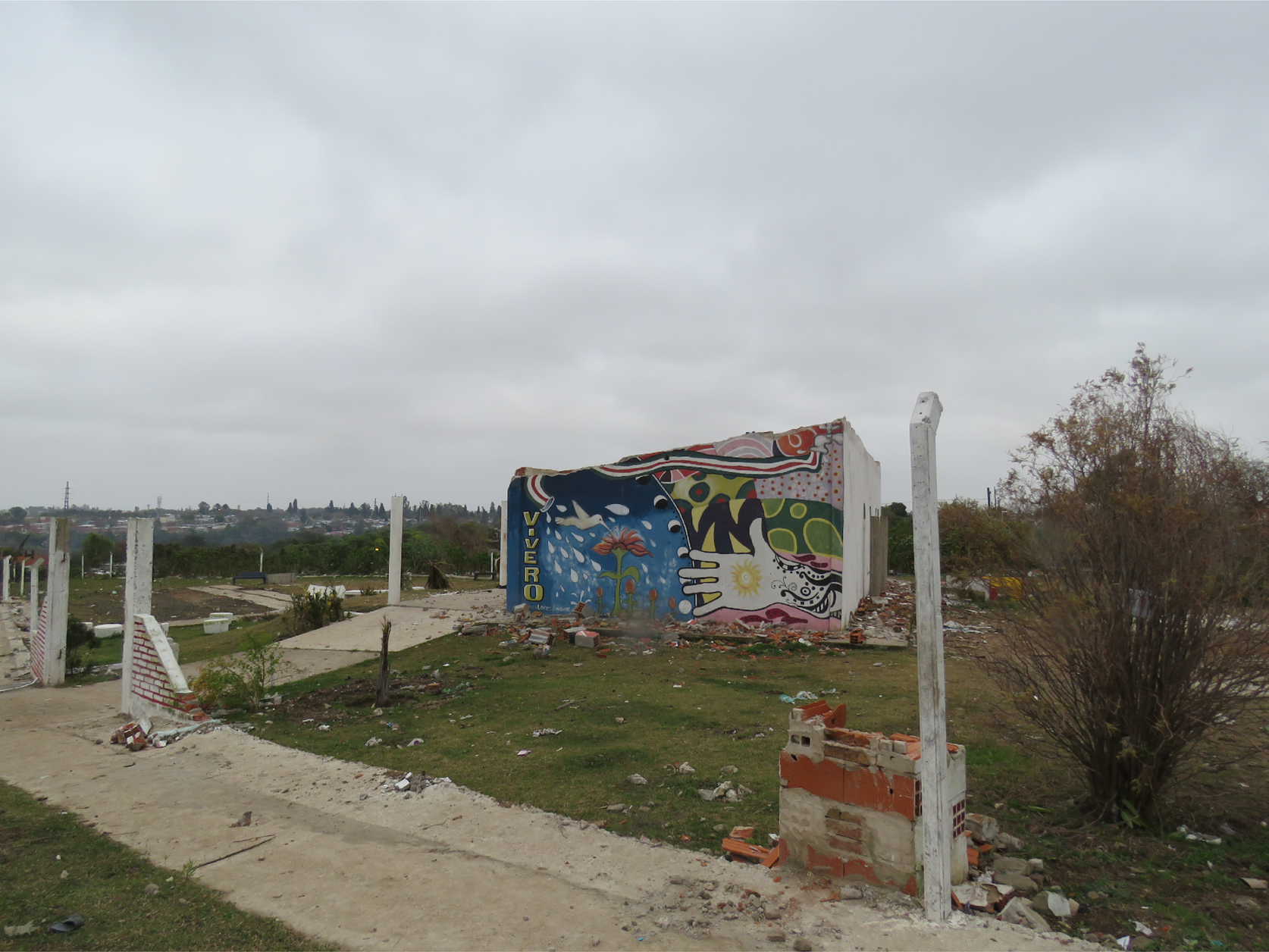
3. Vegetable garden project and progress at the social organization center garden, 2019–2021.
4. Member checking images for the documentary and chapters for book (January 2020).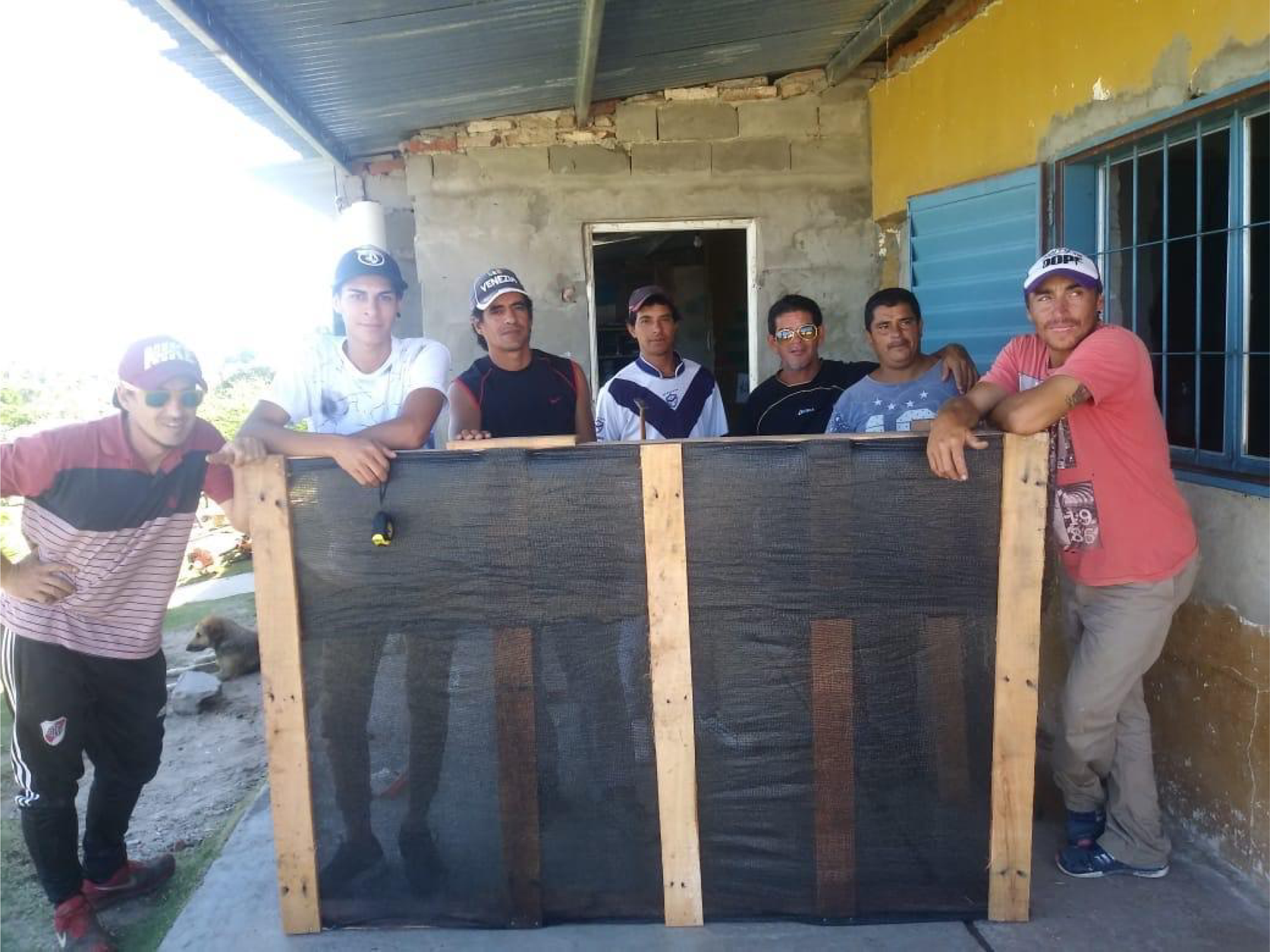


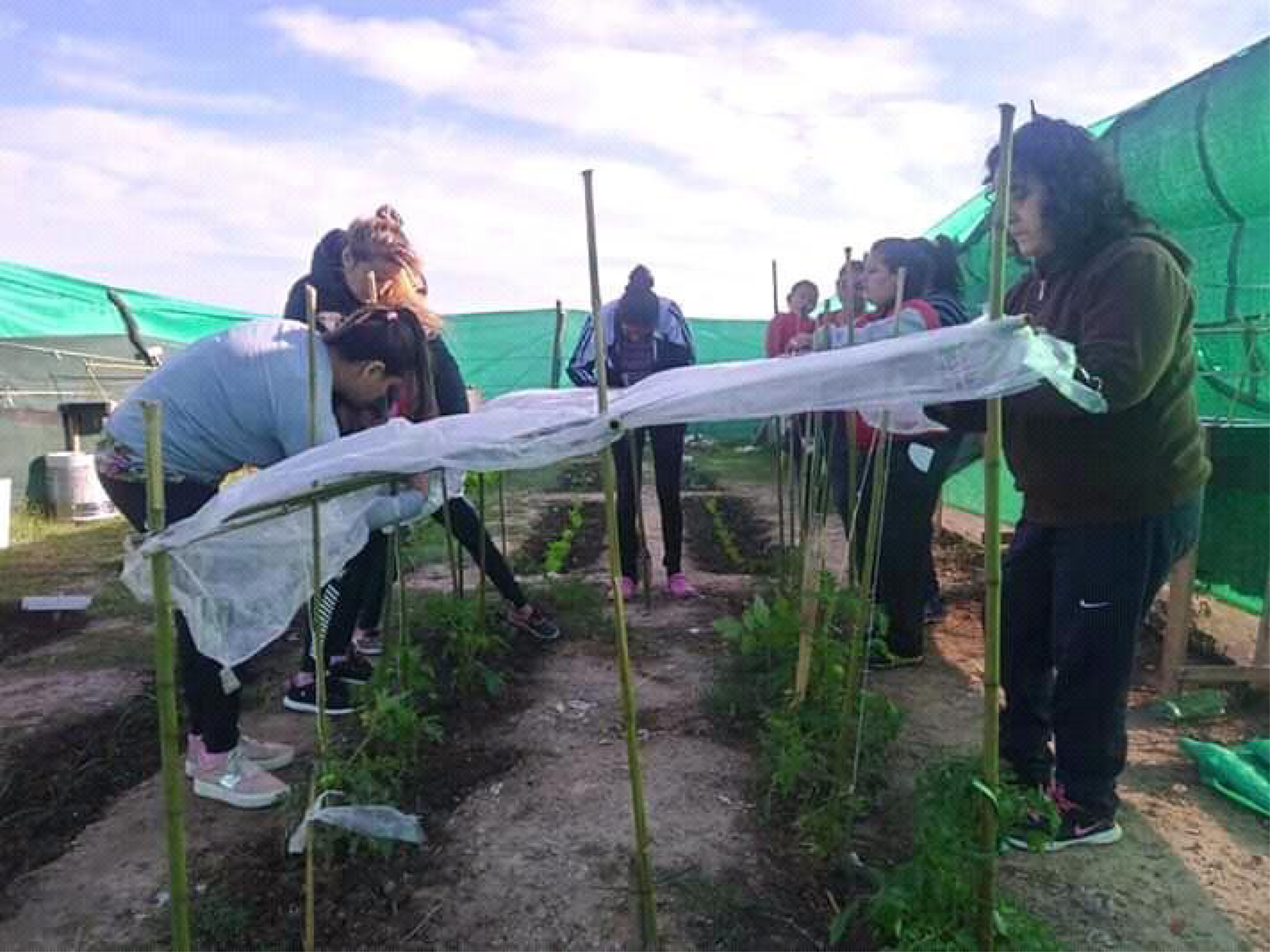

Link to a 5-min Summary Video of the Research
ANONYMOUS, IN SITU-Documentary, 99 min, Buenos Aires, 2021
Password: CAAC5MIN
Discussion
As Braveman and Gottlieb (2014) note, relationships between social inequalities and health disparities are complex and dynamic, affecting multiple mechanisms and levels, so only one method is not enough to address them. Mixed-methods research can contribute to the field of social inequalities and health disparities but remains a relatively new approach with not enough guidance (Curry & Nunez-Smith, 2015). This study intends to be a contribution, taking for that purpose three different, though entangled, directions. First, it contributes to studies focused on patterns of segregation in urban peripheries and the effect of cumulative exposure to disadvantages on communities living there, with vast evidence that such conditions in early life have a decisive influence on many diseases (Braveman & Gottlieb, 2014; Krieger, 2011).
That was shown when we described the daily exposure and lack of access to proper services of neighborhoods with historical patterns of underfunding and disinvestment. Segregation of these neighborhoods is outlined with both methods. The maps show flood recurrences in the area and qualitative inquiry addresses that, more than acute isolated events, people suffered the stress caused by a continuum of unexpected cascades of “natural tragedies” related to the places where they lived, where flood is only one more among multiple and overlapping events. As Nogueira et al. (2020) note, systematic chronic disadvantages are embedded within these communities and the context of work and lives have long-term cumulative effects.
Specific vulnerabilities during the lifespan are related to the environment and infrastructure, living with losses at early age, exposure to violence, the consumption and marketing of illicit substances, low-quality health and education, drinking impure water, and eating what others discard. Also depicted was making a living in the dumpsite and the occupational exposures from working in the landfill and handling organic and inorganic waste materials—such factors have health consequences and adverse outcomes over the course of lives (Phelan et al., 2008).
The second direction, aligned within conceptual interpretative–critical theories in anthropology and sociology, addresses the experience of living and working in places with powerful stigmas and the social suffering that results from systematic forms of discrimination and humiliation. This accumulation of interrelated exposures causes deep suffering and are mechanisms through which social inequalities turn into disparities in health.
Kessler and Dimarco (2013) propose the category of territorial stigma to account for a space in which negative attributes prevail that accentuate stereotypes not only of the place but of those who reside there through a continuous social discrediting harmful to the dignity of people. But such stigma also has inner layers of demarcation. Interpretative oriented approaches avoid treating people’s conditions as monolithic, and differences within this social group were noted. As in other anthropological studies in dumpsites (Millar, 2018), positive aspects emerged, which in the study were described in terms of perks and rewards of the dumpsite and the expressed fear of closure.
Another dimension analyzed was how position in a stratified society is related to the involvement in drug rings. Bourgois et al. (2017) highlight the pathways through which specific local hierarchies and broader sets of power relationships exacerbate inequalities in health. Similar to Bourgois’s (2003) ethnography, in this study, experiences of discrimination were included among the daily sufferings they need to escape from, using drugs, alcohol, and suicide.
Associated with addictions is not only the lack of life projects and rigid gender stereotypes that prevent men from being able to ask for help but also the permanent experiences of dismissal, including racism. In other publications presenting results of the research, we focus on understanding why most of the women interviewed drop out of cervical screening. We delve into the role of structural and institutional racism, as well as sexism they experience in the public health system (Luxardo & Bennett, 2022), as others scholars analyze (Gee & Ford, 2011). Discrimination and negative experiences are associated with (in)accessibility of health services because it determines whether or not individuals return (Bailey et al., 2017).
Finally, there is a third direction: the impact of collective action and social capital in providing material and symbolic resources for restoring dignity and honor. Bourdieu (1986) demonstrates the decisive role of symbolic taxonomies of worthiness in social strata hierarchies; thus, the collaborative side of this research aimed to contribute with spaces to challenge the subordinated and depreciated status that is a form of violence people face due to their socioeconomic position.
How this communitarian network’s short-term impact affected the lives of the people who took part in it was clear after March 2020. With the strict national lockdown due to COVID-19, and the dramatic economic, epidemiological, and social situation it provoked, with children starting a second year almost without classes and most of them poor (Tuñón, 2021), social organizations became catalysts to monitor concrete forms of daily support. So important were these networks of collective action that the state institutions coordinated with them because they saw them as necessary links to prevent further exacerbation of inequalities. This was an opportunity that accelerated and made visible how to contribute with concrete forms of restoration, material and symbolic, of historical debts at a community level when all the others possibilities either failed or are absent.
We engage this research also in terms of advocay (Walker & Judge, 2009) that explicitly promote social transformation, refusing to see people through a paternalistic lens, as passive and distant “poor victims”. Kawachi and Berkman (2000, p. 188) said, “…we have a far better understanding of the forces that tend to destroy social capital but rather few notions of what kind of interventions help to build it.” Aware of the warnings of the “romanticism and idealization” (Kawachi, 2002) of social capital and networks, we maintain that communities need to be included in the research process, which reinforces collective action. The macro picture shows that, historically, transformation in the pursuit of social rights, justice, and equity occurs alongside social movements, even in public health (Krieger, 2011).
In short, these three directions have a long history in social sciences’ debates, usually in terms of dualisms: objectivity versus subjectivity; structure versus agency; and determinism versus free-choice. This study contributes to go beyond such reductionisms and propose complementary pathways that show together the complex dynamics and intersecting impacts of social inequalities on people making a living in a garbage dump.
Conclusions
The community level has been shown to be a powerful determinant of the individual level (Almeida Filho, 2004; Krieger, 2011). Diez Roux and Mair (2010) noted that most research on the neighborhood environment and its impacts on health has been cross-sectional. Although we take a longitudinal perspective, this study still has many limitations—mainly the absence of biological and epidemiological data.
But testable hypotheses need, first, a coherent statement about what will be measured within specific theories, concepts, and frameworks that connect parts and guide empirical research. When that type of data are inexistent, not available, or of poor quality, this type of exploratory study can play an important role for public health stakeholders, especially considering that evidence on the adverse effects of dumpsites is limited by the inherent difficulties of epidemiological studies (Atlas of Waste, 2014), Marti and Mertens (2014) provide examples of the failure of decades of social science research in providing useful knowledge about how to eradicate some oppressive realities and called for social transformation also in the short-term, for people who experience discrimination and deprivation for generations cannot continue waiting for interventions.
Long-term bonds with historically disadvantaged communities are an ethical commitment and a prerequisite for obtaining high-quality evidence. Although we lack many pieces of the puzzle, a complex diagram of social inequalities among populations experiencing structural vulnerability was outlined in terms of local partnerships, strengthening spaces that promote social justice and health equity, aimed at restoring trust at every step of the process, including research.
Footnotes
Declaration of Conflicting Interests
The author(s) declared no potential conflicts of interest with respect to the research, authorship, and/or publication of this article.
Funding
The author(s) disclosed receipt of the following financial support for the research, authorship, and/or publication of this article: This work was supported by the Secretaria de Ciencia y Tecnica, Universidad de Buenos Aires (10.13039/501100007351), CONICET and Instituto Nacional del Cáncer (10.13039/501100008478).
