



Abstract
The establishment of a culturally diverse surgical workforce, largely on the basis of gender, has been highly promoted in Australasia in the last decade. Despite this, discussions of gender diversity in surgery have largely excluded Indigenous women. This study presents the experiences of wāhine Māori and Pasifika doctors in Aotearoa, who formed a surgical sisterhood to support them towards applying for advanced surgical training. Utilising mana wāhine and Masi methodologies, semi-structured interpersonal interviews were undertaken with five wāhine who formed the surgical sisterhood. Following transcription and analysis of all interviews, four key themes were identified. These were mana wāhine, unity, our why and change on the horizon. These themes illustrate the complex and varied experiences of wāhine Māori and Pasifika and how they have navigated their surgical pathways amidst multiple layers of discrimination towards being in a position to apply for advanced surgical training.
Introduction
Diversity in surgery, mostly on the basis of gender, has been highly promoted by surgical training bodies recently. Applying for surgical training is extremely competitive and selection has tended to favour men more than women. In addition, women experience significant levels of discrimination and harassment during surgical training (Stephens et al., 2020; RACS, 2015b). Various policies dedicated to gender diversity, cultural safety and Indigenous Health in surgery have been established by the Royal Australasian College of Surgeons (RACS), the overarching body responsible for training NZ surgeons (RACS, 2015a). Since then, only a handful of studies seeking to understand ‘female’ and ‘minority’ experiences of surgical training have been published (Mocanu et al., 2020; Ulloa et al., 2018; Villanueva et al., 2021). However, studies specifically assessing the low rates of Indigenous recruitment into surgical training and their experiences of applying for surgical training have not been performed.
Racism is an important determinant of health and an underlying cause of ethnic health inequities in Aotearoa, New Zealand (NZ) (Harris, Stanley, & Cormack, 2018). Māori and Pasifika experience higher rates of racism by healthcare professionals and as a result, higher rates of unmet healthcare needs, in comparison to Pākehā New Zealanders (Harris, Cormack, & Stanley, 2019). Improving cultural safety in health is a key goal for RACS who has recently instituted cultural safety and cultural competence policies to begin addressing ethnic health inequities (Ronald et al., 2020). Cultural safety focuses on individual healthcare professionals and related organisations acknowledging and addressing their own biases, attitudes, assumptions, stereotypes and prejudices that may contribute to the inequitable delivery of healthcare (Rashid et al., 2021; Curtis et al., 2019). However, how these policies are being implemented and whether they have been effective, is not yet known.
Calls for action to conduct transformational surgical research for Indigenous peoples in order to eliminate health inequities have been made (O’Brien et al., 2021; Rahiri et al,. 2020). In Aotearoa, NZ, Māori face disparate access to surgical interventions and also experience higher rates of postoperative mortality across a range of operations (POMRC, 2021; Gurney et al., 2021). However, reports on Pasifika peoples’ access to surgical care are scarce despite persisting inequities experienced by Pasifika peoples due to system quality and performance issues (HQSC, 2021).
Eliminating health inequities requires numerous transformative changes to occur consistently and simultaneously. This includes building and maintaining a diverse health workforce that better represents the communities it serves (Van Ryn et al., 2011). In Aotearoa, NZ, Pasifika are under-represented in every workforce category except as care support roles where they are overrepresented and Māori comprise less than 5% of the medical workforce (MCNZ, 2022). As an even more underrepresented cohort, Māori and Pasifika surgeons are extremely rare and despite the institution of various policies dedicated to diversifying the surgeon workforce, these have not adequately shifted the dial in regards to recruiting wāhine Māori and Pasifika surgeons. As such, wāhine Māori and Pasifika have not been centralised in discussions of gender diversity or feminism in surgery. Therefore, this research presents unique insights into the experiences of wāhine Māori and Pasifika who needed to establish a supportive surgical sisterhood in their bid to vie for advanced surgical training.
Methods
The Surgical Sisterhood
The surgical sisterhood was first established by two wāhine junior doctors in 2019 as a support system for themselves whilst they attempted to get themselves into a position to apply for surgical training. Depending on the surgical specialty of interest, there are several key areas required to enhance the curriculum vitae (CV) of applicants. These include: research/academic excellence, surgical experience and surgical references. The surgical sisterhood has since grown to include other like-minded aspiring wāhine surgeons. The common principles aligning wāhine in the sisterhood are anti-racism, mana wāhine (empowerment of women), cultural safety and health equity. Wāhine have frequently networked in person and through virtual meetings.
Study Design
A qualitative study of semi-structured interpersonal interviews with five wāhine surgical doctors who established a surgical sisterhood to support their aspirations of applying for advanced surgical training was performed. Members of the surgical sisterhood met and decided to share what they deemed to be a successful model of support for aspiring wāhine Māori and Pasifika surgeons. All wāhine consented to partake in this study.
Interviews and Data Analysis
Interviews were guided by an interview schedule (Appendix A) and were conducted in person (over coffee, dinner and/or at conferences) or online between April and September, 2021. The interviews were conducted by the primary author who identifies as a wahine Māori, surgical trainee and clinical researcher (Rahiri et al., 2019). Interviews were recorded and transcribed and then subsequently organised in NVIVO 12 for inductive thematic analysis (Braun & Clarke, 2019). Independent coding was performed by two authors (AA and BB). Codes derived from this process were iteratively reviewed, cross-compared, re-reviewed and discussed between both authors in order to develop themes. Wāhine were consulted throughout the entire research process regarding direct quotation and transcript review. All wāhine reviewed their transcripts and made minor adjustments.
Methodological Stance
An intersecting methodological stance aligned with Mana Wāhine and Masi methodologies informed this research in order to centre the voices of wāhine Māori and Pasifika in the surgical sisterhood. Smith (2021) states that ‘the power to control stories about ourselves is the power to control our own lives’. This study promotes the voices of wāhine Māori and Pasifika who are on the pathway to becoming surgeons, and for whom Māori and Pasifika surgeon mentors are rare (Ronald et al., 2020). Mana wāhine is an Indigenous feminist theoretical and methodological approach that explicitly examines the intersection of being Māori and a woman (Simmonds, 2011). It seeks to challenge deficit discourses surrounding wāhine Māori whilst recognising the complexities of multiple oppressions experienced by wāhine Māori (Waitere & Johnston, 2009).
Masi methodology is centred on protecting the voices of wāhine Pasifika within the research process whilst abiding by Pacific research values (Naepi, 2019). Masi is Fijian bark cloth and is considered a women’s art form that has outlasted other male-dominated art forms. Naepi (2019) states that ‘this endurance is reflected within Masi research by assuming that Pacific women hold knowledge that will be useful for generations to come, just as masi is’. Masi methodology centres this as a core assumption in research and its praxis is operable in many ways. Although Māori and Pasifika share common ancestry, this research seeks to honour both wāhine Māori and Pasifika in their own self-determination. Positing the research in this way facilitates a protective process of reclamation for the voices of wāhine Māori and Pasifika whilst illustrating that research can be a collaborative and transformative medium through an embodied, subjective and culturally safe approach (Murphy, 2011). The ways in which both Mana Wāhine and Masi methodologies have been applied in the research methods has been depicted in Figure 1. How mana wāhine and masi methodologies were actioned in this research.
Research Team
A collaborative team with expertise in Māori health, Pasifika health, surgery and qualitative research was required to ensure a culturally safe research process for the wāhine involved in this study. All researchers identify as wāhine Māori and/or Pasifika who also practice as doctors in Aotearoa, NZ. The researchers acknowledge their roles as insider researchers given, they are wāhine who identify as Māori and/or Pasifika and who also work as doctors committed to improving health equity for Māori and Pasifika peoples. The authors assert that this strengthens the study as an insider better understands the contextual realities of the space they are residing and researching within (Walker et al., 2006).
Ethics
The authors attempted to obtain ethical approval for this research through the Human and Disability Ethics Committees (HDEC) approval pathway and locality approval through Waitematā District Health Board however, this study did not fit either committees' requirements for ethical review (Appendices B and C). The decision to present this research has not been taken lightly and we have taken every step to collaborate with the wāhine in this study with regular meetings. We have also made every effort to ensure the quotations used and statements may not lead to identification of wãhine.
Results
Five wāhine shared their experiences of the surgical sisterhood through semi-structured interpersonal interviews. Four key themes were identified from the analysis: (1) mana wāhine, reflecting the multiple intersecting layers of responsibility and challenges that wāhine face in addition to the already challenging surgical curriculum; (2) change on the horizon, outlining a dawn of change and challenges for wāhine Māori and Pasifika in surgery; (3) unity, conveying how and why wāhine came together; and (4) our why, which represents the multiple lived realities of wāhine in the surgical sisterhood and how these have shaped their reasons for embarking on surgical careers. These major themes intersect and cycle through and around each other in many ways. Figure 2 conveys the codes that informed the major themes. Coding tree establishing the four major themes of the surgical sisterhood.
Mana Wāhine
Mana wāhine highlights multiple intersecting sites of struggle in the surgical workplace including racism, sexism and classism. Theories of mana wāhine focus on the way patriarchal, colonialist attitudes impact wāhine Māori and references the power and authority of wāhine Māori (Pihama, 2020). In naming this theme ‘mana wāhine’, the authors seek to highlight the additional curricula that wāhine in the sisterhood have negotiated in their surgical journeys thus far: “Challenges? Where do I start? Racism. People being racist… I’ll never, ever, be the doctor at work. I know a lot of women, non-brown women, are often thought of as being nurses. But that’s the end, being a nurse. Whereas, I’ve been mistaken as the orderly, bereavement lady and the cleaner.”
It is unsurprising that wāhine Māori and Pasifika are more likely to face the onerous task of navigating multiple sites of discrimination in surgery when one considers wider societal racial stereotypes of Māori and Pasifika peoples in NZ. Additionally, the overlapping roles of race, class and gender in oppression, now commonly referred to as intersectionality, has been well articulated since the 1980s (Hooks, 2000). With only one wahine identifying as Pākehā, her connection to this group as an ally provided an ‘outsider perspective’ of the racism she observed against her wāhine Māori and Pasifika colleagues: “(They’re) constantly having to justify their presence. Constantly having to show that they've earnt the right to be where they are. There is a huge amount of occupational racism that goes on in medicine if you are a person of colour… The occupation racism that went on within the hospital was quite staggering.”
There were explicit encounters of racism experienced by wāhine from a range of colleagues including surgeons, other surgical registrars and nursing staff. An experience reported by two wāhine in the sisterhood included being taken to a private room at a hospital by a male Pākehā surgeon and berated personally for their cultural identities and responsibilities outside of surgery. Both wāhine stated they were explicitly told that ‘their cultures (Māori and Pacific) were barriers to their progression’ and that they would need to prove to him and other Pākehā surgeons that they were good enough to be doctors since they had only graduated from Medical School through a Māori and Pacific admission scheme. One wāhine described how she sought support from a senior Pākehā female surgical trainee after this encounter: “I asked for her advice (she had already given me some about how to interact with him previously). She told me three things. She said 1) flirt with him 2) send him flirty texts and 3) cry. Just cry and he'll leave you alone.”
Dr Gabrielle McMullin, an Australian Vascular Surgeon, faced public furore for stating that she tells her female surgical trainees ‘… if you are approached for sex, probably the safest thing to do in terms of your career is to comply with the request.’ (Walker, 2015). McMullin stressed that she was attempting to convey the grim reality many young women doctors face in a deeply sexist professional environment. For women who are not ‘white’, the likelihood of experiencing discrimination and harassment is higher. Kendall (2020) states that whilst white women are an oppressed group, they still wield more power than any other group of women. Brown feminism was a core sub-theme which arose through the culmination of experiences described previously. The surgical sisterhood organically united through their own (brown) feminist ideologies formed by their lived experiences personally and professionally as a significant amount of time and energy was exhausted negotiating others’ racism, sexism, culturally unsafety and sometimes lateral violence: “One of the most sickening moments for me was learning that other Māori and Pasifika doctors had written formal letters of support for a surgeon who was being investigated for his behaviour and who had harassed us. It was scary as some of these supporters are outwardly vocal on issues surrounding anti-racism and Māori or Pasifika health, but when nobody is looking, here they are propping up one of the worst offenders. Equally, I have come to see that some offenders find ways to strategically align themselves with certain members of a group (i.e. brown people, women) and bring them ‘onside’ by outwardly supporting them in other ways so that they can put their hands up and say – ‘see I’m not racist/sexist!’”
These experiences made wāhine aware that a one-size-fits-all approach to diversity in surgery can be alienating, leaving them unsupported in the process. Consistent exposure to racism and sexism meant wāhine had to develop strategies of ‘handling’ oppressive encounters so they could continue to work towards applying for surgical training. Three wāhine raised the issue of daily microaggressions. Women and underrepresented minorities in medicine experience explicit and implicit reminders of how they differ (Torres et al., 2019). Microaggressions happen at a more interpersonal level and are described as subtle insults directed towards minorities to implicitly communicate or at least engender hostility (Sue et al., 2007; Torres et al., 2019). When first encountered, there is an initial tendency for those experiencing it to question whether it even occurred at all (Sue et al., 2008): “Māori and Pasifika are used to microaggressions. So, depending on the time of day or what you have going on, you really choose your battles on what to fight. Not having people around you that also feel those microaggressions is a huge barrier. I believe that as brown women in surgery, or even through medicine, we have been gaslit to a point where it erodes our self-confidence.”
Imposter syndrome (the feeling of never being deserving or good enough) consistently emerged. Being consistently challenged as wāhine Māori and Pasifika in the workplace often led to wāhine experiencing deep insecurities of their own clinical competence. Additionally, the knowledge of the (not so) hidden curriculum meant that wāhine felt compelled to work harder than any of their colleagues to gain the same level of respect: “I mean we are already discriminated against. So, you feel like you have to work twice as hard to be half as good as everyone else. I always doubt myself. I feel like whatever I do, is not good enough. On long days I don’t leave until at least midnight and back at 6 a.m. the next morning.”
An important issue that arose among wāhine was starting a family whilst vying for surgical training. The surgical sisterhood provided another layer of support for wāhine aspirations into motherhood: “It is possible to still have a family. Family is really important to me and I worried that with my work I would not have time to plan starting my whānau...”
Experiences of racism further cemented the need for wāhine to establish the protective wrap-around support of the surgical sisterhood. Where wāhine faced ongoing harassment and discrimination and for whom, formal complaint processes had backfired or created more harm, the surgical sisterhood was the balm for this trauma. A common saying amongst surgical trainees is ‘you’ve just got to play the game’ referencing doing whatever it takes to get onto surgical training. Wāhine agreed that the game being played is not one that applies to them: “For us as brown women, we have to be very careful. I hate the energy that we have to spend being ‘very careful’. We should be putting energy into the spaces that empower us - our patients and our people. Whether it's our sisterhoods, our communities, our surgical skills etc. that's what we should be doing. I don't think we should be listening to people when they say play the game.”
Mana Wāhine portrayed the vast ways in which wāhine navigate the surgical workforce whilst protecting themselves and maintaining their integrity. The multiple intersecting layers of discrimination added a huge burden to an already difficult medical pathway and promoted deeper insecurities amongst wāhine. Despite these challenges, that are often minimised or discounted in surgery, the surgical sisterhood served as a source of strength and motivation to empower wāhine to continue working towards surgical training.
Unity
Shared experiences such as those outlined in Mana Wāhine, united wāhine. As harrowing as these experiences were, wāhine unified themselves so that they could share the burden and reduce the individual stress encountered in the surgical workplace: “I think it was almost out of desperation. You could pick the people who were having shared experiences. You could see the shared experience and the shared suffering. You’re not going to be drawn to people who have no ability to empathise to your situation because they’re not able to comprehend your situation.”
Unity was further fostered through wāhine processing, managing and healing from interpersonal and institutional experiences of racism. This unity flowed on to facilitate a tight camaraderie among wāhine in their professional spaces where wāhine were able to access a safety net on the ground, whilst working clinically. This created regular opportunities for ongoing reflection and debriefing related to workplace issues and even allowed wāhine to strategise: “You know you talk to a lot of people but you actually get nothing in return. You don’t get back what you want; help with the stuff that you need. Everyone dismisses everything. But when you talk to someone who has actually come through it, it’s actually allowed me to think outside the box and know that there are things that you can actually do to counteract this stuff.”
Wāhine Māori and Pasifika stated that they were often the only Māori or Pasifika doctor in their department. In addition, some wāhine were not easily identifiable as Māori or Pasifika and this often meant they were assigned to belonging to a particular ethnic group. Individuals who both self-identify and who are usually socially assigned as Pākehā, have better socioeconomic status and less exposure to interpersonal harassment and discrimination (Gillon et al., 2019). Wāhine also understood that being socially identifiable as ‘brown’ meant you could be easily sighted and targeted. Therefore, unity and unconditional support was imperative: “Just empowering each other to really validate our place in the workplace and that even though you are somewhat alone, your experiences are all validated, are important and your voice should be heard.”
Through access to unconditional support, wāhine found that despite negative experiences in the workplace, they were able to energise themselves in their work. Positive, shared experiences gave wāhine hope and inspired them to come together more often and to continue to establish personal and professional goals to work towards. The sisterhood was a haven of cultural safety that transcended the traditional clinical ‘peer group’ which positively enhanced their relationships with patients and peers: “I just feel like if we are working in an environment where we feel comfortable, then we would be able to be the best versions of ourselves... I love what I’m doing but you also want to love what you’re doing around people that you’re working with. It makes me feel good, it gives off a positive vibe and then you feel positive when you’re working with your patients. It’s a positive thing for everybody.”
Wāhine found common ground amidst adversity in the surgical workplace and from that, strength and unity. As wāhine navigated their way through adversity, they reaffirmed that they were not alone in their struggles and motivated each other to continue to vie for surgical training holding on to the vision of ‘cleaning up spaces’ for those yet to come. Although this was acknowledged as a ‘romantic notion’, wāhine stayed dedicated to this vision and kept pushing through the constant challenges they faced to fuel their desire to get on to surgical training.
Our Why
Wāhine unanimously stated that they became doctors to serve their people. In the current context, wāhine were aware of the dual, and sometimes multiple, realities they often navigate. Although this comes with multiple responsibilities outside and alongside their surgical aspirations, wāhine stated they did not feel bogged down by this. They asserted that these multiple realities enrich their potential, as opposed to burdens to be endured: “It's important to me to work on myself to be a critically conscious clinician who practices in line with tikanga Māori. I think it’s healthy for me to extend myself in that way. It strengthens my ability to serve my people.”
The determination to serve stemmed from how wāhine were raised within their whānau. Whānau were not only the biggest motivational drivers that propelled wāhine into medicine but were also the biggest sources of support in their surgical journeys. Whānau, for wāhine Māori and Pasifika, did not just refer to the immediate nuclear family but to wider whānau and their communities (villages/iwi/hapū). Whānau and wider community responsibilities were considered to be a normal part of life for wāhine Māori and Pasifika, not without their own set of challenges: “You carry your family with you. Not only your family here in NZ, but your family at home. You have to carry the expectations that your family have. Not only with work but with my family there’s a whole lot of expectations with everything. So, you know, and then on top of that I’ve got the work stuff.”
Whānau responsibilities were not seen as burdens to be endured as whānau were vital for wāhine Māori and Pasifika who often found themselves culturally isolated at work. It was obvious for wāhine, even as medical students, that there were very few Māori and Pasifika surgeons. Several wāhine in the sisterhood have worked in regions with high numbers and proportions of Māori and Pasifika and appreciated on the ground how the lack of Māori and Pasifika doctors in the hospital were huge barriers for Māori and Pasifika communities. This laid down the challenge for them to continue to pursue surgery: “There are already a lot of Māori and Pacific who are interested in doing GP. The majority of my class chose that pathway. So, my thought was if most of our class head into GP, maybe I could go in another direction (surgery) and help in that space.”
Wāhine all acknowledged the fiercely competitive and stressful environment they work within. As reported above, four wāhine described being strongly encouraged by surgeon mentors to be solely devoted to individual success if they wanted to be real contenders for surgical training. Wāhine were also strongly aware of how isolated they were but still resisted the inclination to wholly assimilate through these individualistic behaviours as they did not want to lose their identity and integrity in the process of applying for surgical training. As a result, wāhine have become advocates for improving the journey into surgical apprenticeship for Māori and Pasifika and other marginalised groups. Equally, wāhine acknowledged that increasing the numbers of Māori and Pasifika students, trainees and surgeons alone does not achieve the institutional-level change required to improve cultural safety and eliminate racism. A tension was noted among wāhine between encouraging other wāhine into surgery and feeling apprehensive about doing so as they could not guarantee a culturally safe passage through training: “I have a niece who wants to do surgery but at the same time I don’t want her to have to deal with the BS that my friends and I have had to deal with. So that’s something that’s really important. Of course,
Overall, wāhine were centred on a ‘why’ compass of serving their people and whānau and ensuring the surgical pathway for others was better and less alienating than it had been for them. Wāhine also stood their ground when encouraged to focus only on their own individual success and to leave their whānau and community responsibilities behind.
Change on the Horizon
This final theme encompasses the changes that wāhine have observed that may forge a better future for wāhine Māori and Pasifika in surgery. Establishing new and stronger relationships was acknowledged as an important step with so few Māori and Pasifika in surgery. Until such a time that the numbers of Māori and Pasifika in surgery significantly increase, genuine non-Māori and non-Pasifika allyship is needed. Only one wahine identified as Pākehā. Wāhine Māori and Pasifika in the sisterhood discussed the cautious approach they have in involving non-Māori or non-Pasifika allies in their sisterhood: “They really do have to work hard... There is obviously a role for them but they need to understand that at the end of the day this is OUR work. We don’t need them to speak on our behalf.”
Wāhine stated that the exclusive nature of the sisterhood was necessary in order to maintain a safe space for wāhine. Mentorship is an important aspect of surgery that can enhance or discourage aspiring trainees from surgery. Wāhine had to work strategically in choosing their surgical mentors through whakawhānaungatanga (connections) with other trainees and with each other. However, for one wāhine, a male Pākehā surgeon approached her to consider surgery as a career which was the turning point in her career planning: “I was actually approached by a male surgeon who could see that I was quite keen and enthusiastic about surgery. So, he kind of lit a fire within me which made me think actually, if someone who is a surgeon thinks that I can do it, then maybe it is achievable for me. But it was that one person who ignited a flame.”
Wāhine surgical mentors were uncommon for wāhine in the sisterhood, with Māori and Pasifika surgeon mentors being near impossible to access. Although wāhine Māori and Pasifika desired to gain Māori and Pasifika surgeon mentors, they found support in female surgeons and female doctors from other specialties. Support from other wāhine Māori and Pasifika already on surgical training was also rare, which wāhine accepted for the most part, as being congruent with the lack of wāhine Māori and Pasifika trainees. This served as a poignant reminder to wāhine in the sisterhood of the importance of supporting other wāhine into surgery. However, as mentioned in the meta-theme ‘mana wāhine’, a constant tension remained with supporting Māori and Pasifika into culturally unsafe spaces. Therefore, wāhine asserted that the only solution forward is to affect cultural change in surgery in such a way that they would feel confident enough that their mentees would be safe to come into surgery.
Although changes have been made at higher organisational levels to include diversity and cultural safety in surgical training, wāhine collectively shared that the intended on the ground changes are slow to observe. Wāhine fleshed out ways of providing support as tuakana (mentors). Wānanga/talanoa (meetings/gatherings) have formed a large part of Māori and Pasifika medical undergraduate training. Wāhine in the sisterhood were keen to engage other aspiring wāhine Māori and Pasifika surgeons through wānanga/talanoa and acknowledged that virtual platforms are more practical but that they often lack the cultural connectedness of in person gatherings: “Since coming through medical school there have always been networking support groups. However, it’s difficult bringing people together in this climate. Undoubtedly, we all have the same heart and vision and coming together through talanoa is therapeutic, but I always want to know whether we are actually making a difference.”
Overall, the challenge laid down by wāhine in the sisterhood among themselves, was to contribute to and build better experiences of surgery for students and junior doctors. The challenges they have experienced have provided a protective lens through which wāhine in the sisterhood endeavor to operate within through mentoring other wāhine into surgery. Wāhine also observed that the gender diversity in surgery movement has facilitated leadership among women surgeons who have stepped up to mentor aspiring women surgeons: “I have been involved in a meeting where we as women in surgery come and learn how to use surgical instruments. We also help the students too and we’re there to provide inspiration and to show this is what we do every day and to pique the interest of students who might be interested in Surgery.”
Wāhine expressed a desire to see more policy in action through mentoring other like-minded wāhine into surgery. The four major themes presented above convey the positionality of the surgical sisterhood and the collective vision wāhine hold for the future of surgery in Aotearoa. The desire to continue to grow a supportive sisterhood network with a specific focus for wāhine Māori and Pasifika who aspire to become surgeons was affirmed through both positive and negative experiences. These experiences reaffirmed the collective desire of wāhine to build a culturally safe surgical workforce that they would be proud to encourage other wāhine into.
Discussion
This study sought to explore the experiences of five wāhine who engaged in a surgical sisterhood at different points in their journey as they worked towards applying for surgical training. The surgical sisterhood served as a supportive space providing a platform for wāhine to acknowledge the legitimacy of their experiences and to draw strength from each other to continue to pursue surgical careers. Acknowledging and celebrating stories that centre wāhine Māori and Pasifika serves as a legitimate source of knowledge that aids in transforming the hierarchical, gendered and politically imbued dualisms that underpin Western systems of knowledge (Murphy, 2011). Four key themes were identified from the analysis of interviews outlining the multiple challenges wāhine had to overcome and how these experiences led to the formation of the surgical sisterhood
This is the first study to explore the experiences of wāhine Māori and Pasifika surgical registrars. Villanueva et al. (2021) explored the experiences of eight underrepresented minority trainees to selection and completion of surgical training in Australasia. Similarly, their participants reported experiences of racism, discrimination and gender bias asserting that whilst recruitment of minorities is important, training bodies need to prioritise creating culturally safe training environments. However, it was not clear whether any Pasifika trainees were included in their study. Despite this, the similarity of themes reported between our study and that of Villanueva et al. (2021) are marked. Additionally, Mocanu et al. (2020) surveyed 210 surgical trainees in Canada conveying that identifying as female and being a ‘visible minority’ was associated with adverse training experiences. This study employed a mixed methods design through analysing survey data and showed that identifying as female and ‘non-white’ ethnicity impacted negatively on surgical training; however, Indigenous or Pasifika trainees were not recruited.
Our study centralised wāhine Māori and Pasifika voices despite one member of the sisterhood identifying as Pākehā. This was intentional as the rhetoric surrounding gender diversity in surgery has excluded the voices of Indigenous and Pasifika women. Mikaere (2011) states that Pākehā are used to occupying the centre, the position of power and authority. As such, the sensitive re-storying of experiences of wāhine in the sisterhood mandated that this notion was rejected in this study. Western concepts of ‘race’ intersect in complex ways with those of gender. Gender refers not just to the roles of women and how those roles are constituted, but to the roles of men and the relations between men and women (Smith, 2021). The process of engendering descriptions of the ‘Other’ has had negative consequences for women who are not white. White feminist theories have struggled to acknowledge the conditions confronting women who are not white, grouping them into categories such as ‘women of colour’ (Hooks, 1986). This often creates distrust and urges ‘women of colour’ to proceed with caution in allowing potential allies into their space. This caution was also observed within the sisterhood.
Despite shared negative experiences, there were also opportunities to celebrate the surgical sisterhood and its diversity. Through unity, it became easier for wāhine to motivate each other to remain steadfast in applying for surgical training even amidst cultural unsafety. Dismantling cultural unsafety through discrimination, bullying and sexual harassment in surgery is still yet to be done. Work is required on many fronts by all, and there is a need to acknowledge the diverse strengths that different people bring to the struggle (Mikaere, 2011). Although the sisterhood involves both wāhine Māori and Pasifika the research team reject the notion of homogenisation between both groups. There are often attempts to identify the authenticity of Māori and Pasifika in a universalistic form through essentialism and romanticism (Suaalii-Sauni, 2017). There are complexities inherent in Māori and Pasifika buying into a homogenous notion of what it is to be Māori and Pasifika and in doing so, Suaalii-Sauni (2017) states that we may collaborate in our own oppression by clinging to romanticised notions of what is to be Māori or Pasifika. Therefore, this study seeks only to highlight the unique experiences of the surgical sisterhood whilst rejecting notions of homogeneity among and between Māori and Pasifika in general.
This study analysed the experiences of a small cohort of wāhine who established a surgical sisterhood to assist them in overcoming barriers to applying for surgical training. It in no way claims to represent the experiences of all wāhine Māori or Pasifika in surgery; however, it brings to light what this unique group accomplished and the potential that groups like the sisterhood have in supporting wāhine Māori and Pasifika into surgical training. As acknowledged previously, all study authors identify as wāhine Māori or Pasifika in surgery and are therefore considered insider researchers. There is an inescapable subjectivity that accompanies researchers who belong to the groups being researched and as such may be viewed as a limitation of this study. As the first study to re-present the views of aspiring wāhine Māori and Pasifika surgeons, it presents a snapshot into what vying for surgical selection can look like
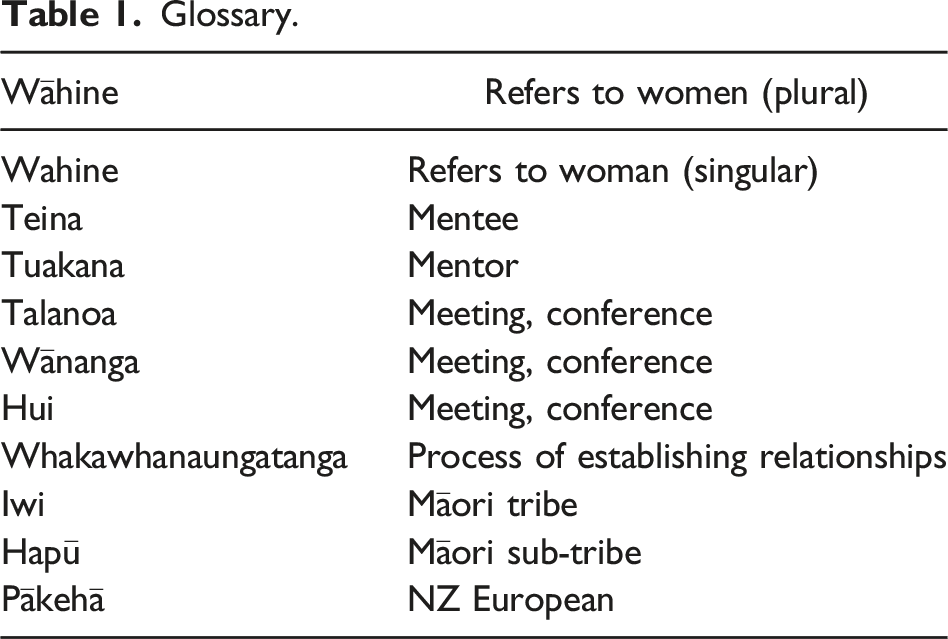
Glossary.
Supplemental Material
Supplemental Material - The Surgical Sisterhood – The Experiences of Wāhine Māori and Pasifika Aspiring Surgeons
Supplemental Material for The Surgical Sisterhood – The Experiences of Wāhine Māori and Pasifika Aspiring Surgeons by Senitila Tutone, Atua Fuimaono-Asafo, Ailsa Wilson, Matire Harwood, Rachelle Love, and Jamie-Lee Rahiri in Qualitative Health Research
Footnotes
Acknowledgements
The authors convey their utmost respect and gratitude to all wāhine who participated in this research. Ngā manaakitanga.
Author Contributions
ST – Data analysis, data interpretation, manuscript write-up and final approval of manuscript
AFA – Conceptualisation, draft manuscript review and final approval of manuscript
AW – Conceptualisation, draft manuscript review and final approval of manuscript
MH – Conceptualisation, draft manuscript review and final approval of manuscript
RL – Conceptualisation, draft manuscript review and final approval of manuscript
JR – Conceptualisation, write-up, data analysis, data interpretation and final approval of manuscript
Declaration of Conflicting Interests
The author(s) declared no potential conflicts of interest with respect to the research, authorship, and/or publication of this article.
Funding
The author(s) disclosed receipt of the following financial support for the research, authorship, and/or publication of this article: This work was supported by the Kate Edgar Charitable Trust (Kate Edgar Postdoctoral Award).

Supplemental Material
Supplemental material for this article is available online.
References
Supplementary Material
Please find the following supplemental material available below.
For Open Access articles published under a Creative Commons License, all supplemental material carries the same license as the article it is associated with.
For non-Open Access articles published, all supplemental material carries a non-exclusive license, and permission requests for re-use of supplemental material or any part of supplemental material shall be sent directly to the copyright owner as specified in the copyright notice associated with the article.
