



Abstract
In the context of the global COVID-19 pandemic, this study focuses on Chinese university students, employing graphic elicitation as a qualitative research method to analyze their hand-drawn paintings and related descriptions. Augmented by A/r/tography and metacognitive methods, the research aims to unveil the participants’ collective memory, as well as the perspectives and responses of these students to policies related to the pandemic. By specifically examining this particular demographic, the study incorporates Fairclough’s ethical theory, applying deontological ethics, consequentialist ethics, and virtue ethics to establish a comprehensive framework for evaluating adjustments to pandemic response policies. This research not only enhances our understanding of how these university students perceive and adapt to COVID-19 policies but also provides valuable insights for decision-makers. The particular methodology, combining graphic elicitation and metacognitive research, contributes to policy assessment and ethical analysis, offering a nuanced perspective on the interplay between individual perceptions, policy responses, and ethical considerations amid the complexities of a public health crisis.
Keywords
Introduction
Since the outbreak of COVID-19, which is now renamed novel coronavirus infection in China (see No. 144 Document 1 of the Joint Prevention and Control Mechanism of the State Council of China), coronavirus nucleic acid detection kits have been widely used in epidemic-risk areas. Nucleic acid testing refers to all kinds of viral diagnostic tests for the virus that causes COVID-19, and nucleic acid testing for COVID-19 specifically identifies the ribonucleic acid (RNA) sequences that comprise the genetic material of the virus. In China, there were several kinds of nucleic acid testing, such as testing nasopharyngeal swabs, anal swabs, and so on. The upper respiratory tract nasopharyngeal swabs were mostly used as nucleic acid testing samples (Wu et al., 2020). Therefore, nucleic acid testing in this article mainly refers to medical staff directly probing for the RNA of viruses swabbed from people’s throats or nasals.
Nucleic acid testing is an effective tool in epidemic prevention and control. Routine and mass nucleic acid testing played important roles in China’s response to the outbreak (Li et al., 2021), which helped to identify cases, exclude suspected cases, trace contact, and monitor the patients with a more rapid speed (Zhang, Su et al., 2020). However, China’s policies on nucleic acid testing have undergone several important changes.
The first change was to make nucleic acid testing compulsory among all key groups and available for those who asked to be tested. This was outlined in the No. 181 Document 2 released by the Joint Prevention and Control Mechanism of the State Council of China in 2020. It was deemed necessary to ensure that all those in need were tested, and people should go to designated nucleic acid testing sites for free testing, according to relevant notices. People who needed negative nucleic acid testing reports could conduct nucleic acid testing at hospitals, which was a self-funded test.
The second change was the frequency of nucleic acid testing and quarantine. During the peak period of the epidemic outbreak, high-risk areas were locked down, and all people in these areas had to do three consecutive nucleic acid testings, as stated in the Eighth COVID-19 Disease Prevention and Control Guideline, 3 released in March 2021 by the Joint Prevention and Control Mechanism of the State Council of China. The infected people were treated and put in quarantine in designated hospitals, and close contacts of confirmed cases were placed in centralized isolation and had to do nucleic acid testing daily. In some areas, people had to take nucleic acid testing twice in three days or three times in five days, while in many areas, people had to do it once per day. During this period, customers and staff entering public places had to take their temperature and show their health codes.
The third change was the use of a large number of nucleic acid testing booths. To keep the outbreak under control, the prevention and control mode of regular nucleic acid testing and a 15-minute nucleic acid testing circle were created. This aimed to increase the frequency of nucleic acid testing and reduce the difficulty for the masses to take nucleic acid testing. Therefore, many nucleic acid testing booths had been manufactured and put into service after the mode was presented.
The fourth change was the elimination of free nucleic acid testing and quarantine measures. According to the No. 144 Document 4 issued by the Joint Prevention and Control Mechanism of the State Council of China in December 2022, China will no longer carry out regular nucleic acid testing for all people. COVID-19-infected people will no longer be put in quarantine, and people can take nucleic acid testing in hospitals according to their needs.
From 2020 to 2022, Chinese daily life, work, study, and travel underwent significant disruptions due to the implementation of health codes, travel codes, regular nucleic acid testing, and quarantine measures. The widespread use of large-scale nucleic acid testing had substantial repercussions on the medical and health systems of various countries, leading to challenges such as a shortage of medical staff and testing equipment (Willan et al., 2020). During the COVID-19 period, Kamin et al. (2021) observed that individuals experienced dysphoric and burdensome affective responses, including anxiety, symptoms of depression, worry, and loneliness, particularly when social-distancing measures were implemented.
As routine nucleic acid testing becomes less common, its impact on society and the economy persists. This study examines the psychology and attitudes of Chinese university students toward testing policies during the COVID-19 pandemic. Using graphic elicitation and metacognitive methods, it unveils the participants’ perspectives on pandemic policies. Fairclough’s ethical theory is applied to evaluate policy adjustments. The research aims to understand the lasting effects of testing on individuals and society, both during and beyond the routine testing phase.
Going beyond mere observation, the research actively puts forth practical suggestions to improve the current situation. In reflecting on the role of testing policies, this study serves not only as an academic inquiry but also as a proactive guide, unraveling the psychological intricacies associated with testing policies and offering practical recommendations.
Literature Review
Previous Study on COVID-19
From the initial outbreak of COVID-19 until it was officially renamed as novel coronavirus infection, China and international research on COVID-19 primarily focused on its medical aspects and its impact on the economy, tourism, and mental health. Studies conducted by Zhang, Ye et al. (2020) and Yang and Sun (2020) focused on the mental health status and ideological and behavioral characteristics of college students about COVID-19 through questionnaires, finding that the study pattern, living environment, interpersonal patterns, and routine of college students changed under epidemic control, while Essadek and Rabeyron (2020) used questionnaires to investigate students’ mental health and concluded that students in the epidemic-hit region suffered from anxiety, depression, and distress. However, there is a lack of research on the attitudes and psychological changes of people toward nucleic acid testing policies, and existing studies using questionnaires and other methods have limitations in providing a comprehensive picture of people’s attitudes and psychological changes toward policies related to COVID-19.
In terms of material selection, scholars have conducted various public opinion analyses on COVID-19. For instance, Chen et al. (2020) analyzed data from Weibo and found that netizens’ emotions toward COVID-19 were generally more positive than negative. Xing and Li (2020) conducted a qualitative analysis of online public opinion during COVID-19, collected from Chinese official media, trending information on Weibo, and push notifications from WeChat public accounts, and found that online opinion dynamics went through four stages: latency, outbreak, stability, and dissipation. Additionally, Gao and Xu (2020) analyzed public opinion about COVID-19 in the mainstream media of six Western countries and found that the Chinese national image reported by Western mainstream media at different stages of the epidemic also changed. Further, Gupta et al. (2022) analyzed comments posted in YouTube videos related to COVID-19 and discovered that polarization in online discourse increased over time as the outbreak unfolded. Finally, Abbas (2021) used critical discourse analysis to investigate reports on vaccines from US and Chinese media, revealing that COVID-19 vaccines have been politicized by the media. While previous studies have mainly focused on media reports and comments on social software, COVID-19 and nucleic acid testing are social events that warrant a more comprehensive analysis.
Previous Study on Nucleic Acid Testing
Scholars researched nucleic acid testing mainly from the perspective of medicine, comparing nucleic acid testing products, evaluating the accuracy of nucleic acid testing, discussing the influence of storage conditions on the throat swabs for nucleic acid testing, and the adjustment of nucleic acid testing strategies. Zhang, Su et al. (2020) summarized the principles, corresponding merits and demerits, relevant circumstances for application, and respective roles of COVID-19 nucleic acid testing products. And Hellou et al. (2021) concluded that real-time RT-PCR assays, one kind of nucleic acid testing, were more sensitive than other tests. Li et al. (2021) analyzed the development and adjustment of large-scale nucleic acid testing strategies with the outbreak of the epidemic, which supported China’s sustained containment and were proven to be useful for effective outbreak response. The above scholars all pointed out that nucleic acid testing was an effective way to control the epidemic.
Moreover, various scholars have examined public attitudes toward nucleic acid testing. Lan et al. (2020) discovered that a majority of 1167 respondents acknowledged the necessity of establishing testing centers in areas with high population densities. Through a nationwide online questionnaire in China, more individuals advocated for increased investments in nucleic acid testing kits. Analyzing posts on Chinese Sina Weibo related to COVID-19 testing, the Chinese public shared experiences and logistical challenges, with attitudes and sentiments toward nucleic acid testing evolving with local epidemic situations (Lin et al., 2021). De Meijere et al. (2023) highlighted shifts in people’s support for testing, isolation, and boosters over time in France, Belgium, and Italy following a cross-sectional survey and modeling study on the impact of COVID-19. These scholars gathered substantial data during specific COVID-19 periods, employing questionnaires, surveys, and post-analyses to explore varying attitudes toward nucleic acid testing.
While prior research mainly delves into people’s views on nucleic acid testing, our study takes a closer look at how these opinions shift with changing prevention rules. We focus on the dynamic link between individual attitudes toward testing and evolving post-restriction policies. By examining this aspect, our research aims to bring a fresh perspective to academic discussions on testing strategies for the pandemic, offering detailed insights for future studies and public health decisions.
Theory Framework
Fairclough and Fairclough (2018) claimed that critical discourse analysis (CDA) is focused on critically examining social behaviors, events, practices, and structures in academic contexts. The primary goal of CDA is to demonstrate how discourse is intertwined with other social elements such as power, ideology, and systems. Moreover, it aims to utilize discourse criticism as a means of offering a broader criticism of social reality “for the better” rather than solely criticizing.
In 2018, Fairclough contended that CDA is a form of practical argumentation called “dialectical reasoning,” focusing on the connections between critique, interpretation, and action. The five-step analysis framework was updated to a four-step analysis framework. The four steps are (1) normative critique of discourse; (2) explanation of normatively criticized discourse in terms of features of the existing social reality; (3) explanatory critique of the existing state of affairs; and (4) advocating action to change the existing state of affairs “for the better.”
Tian (2019) identified that the framework emphasizes ethical critique and procedural analysis, which are the key features of the four-step analysis framework. Fairclough and Fairclough (2018) utilized three ethical positions: deontological, consequentialist, and virtue ethics. Deontological ethics evaluates the rightness of an act itself, rather than the outcome, based on certain moral obligations. And deontological ethics pertains to normative sources such as rights, duties, obligations, and prohibitions. Consequentialist ethics assesses an action’s outcomes and whether they produce the most benefit for the greatest number. Consequence refers to the potential unintended risks, and various known and predictable impacts on institutional and social facts. Virtue ethics emphasizes a person’s qualities and character, rather than actions or outcomes, and considers specific virtues such as courage, justice, prudence, and moral judgment. A proposal would be regarded as unacceptable from the perspectives of consequentialist and deontological ethics when the results of the proposal likely tend to be illegal or unjust.
This study employs ethical critique to analyze the social context surrounding nucleic acid testing. Utilizing ethical critique from three distinct ethical perspectives enables a comprehensive examination of the situation’s unique characteristics and a thorough exploration of its impact on both individuals and the broader society to propose ethical solutions. Therefore, ethical critique serves as a robust operational framework for this study.
Methodology
At the outset of our research, we initially employed conventional methods like questionnaire surveys and interviews to gather data. However, this coincided with a unique period in China marked by considerable confusion and apprehension about the rapidly evolving COVID-19 containment policies. Understandably, people were deeply concerned about the pandemic, creating challenges in obtaining candid feedback through these traditional research approaches.
During the pilot study, we interviewed some students about their attitudes toward COVID-19 and nucleic acid testing once standard testing and quarantine measures were lifted. Unfortunately, due to concerns and the ongoing circumstances, most students provided limited information. COVID-19 was an enduring public health crisis, spanning nearly 3 years and leaving a significant impact. Comprehending the collective mental models and shared emotional experiences during this period posed difficulties, given that individuals often unconsciously suppressed their emotions (Stanley et al., 2021).
Art-based research is a method of inquiry that uses artistic practices as a way to gain insight into a particular aspect of the world (Barone & Eisner, 2012). Related to this is the concept of A/r/tography, which combines art and visual culture to engage in hands-on explorations of life through images and text (Springgay et al., 2005). In these approaches, visual methods like drawing are used through graphic elicitation techniques to gather more information from participants. Some scholars argue that participant-generated drawings are especially useful for eliciting people’s thoughts and perspectives (Copeland & Agosto, 2012; Stewart & Floyd, 2004; Weber & Mitchell, 1995). Weber and Mitchell (1995) proposed that hand-drawn paintings are a common data collection tool that can express something that is not easy to articulate in words, such as the unspeakable, the elusive, the thoughtless, or the subconscious. Hand-drawn paintings can provide a flexible and interactive way to present experiences and situations (Stewart & Floyd, 2004) and can help elicit emotionally relevant data (Copeland & Agosto, 2012).
Within this context, we recognized the potential of hand-drawn paintings to transcend the limitations posed by the prevailing circumstances. This innovative approach allowed us to encourage participants to express their thoughts and emotions visually. This creative outlet enabled individuals to convey their perspectives on China’s containment policies during the pandemic and capture the prevalent mood more authentically.
The choice of university students as research participants was strategic and influenced by several factors. Firstly, the author serves as an English instructor at a university and was responsible for teaching English writing to a cohort of 74 students at the time. This provided convenient access to potential research participants. Secondly, the chosen university attracted students from diverse regions across China, each bringing their unique geographical backgrounds and perspectives. Although the sample size was limited to nine, the diverse nature of these samples adds depth and richness to the range of perspectives considered.
Upon the completion of their hand-drawn paintings, the students were instructed to provide descriptive text corresponding to their artwork. This served dual purposes: firstly, it fulfilled the pedagogical requirements of the English writing course, aligning with the need to enhance their analytical and descriptive skills. Secondly, it facilitated a more accurate analysis and understanding of the hand-drawn paintings.
As a result, we strategically shifted our primary research method toward the analysis of these hand-drawn artworks. This decision stemmed from the desire to gain deeper insights into individuals’ attitudes toward policies related to COVID-19. Furthermore, the fusion of the hand-drawn painting method with ethical critique represented a relatively underexplored avenue in scholarly research. Therefore, our study decides to adopt this unique combination of methods, using participants’ hand-drawn artworks as a valuable lens through which we can offer fresh perspectives on social phenomena within the context of the ethical critique based on the CDA.
Consequently, this study employs the graphic elicitation method to analyze the hand-drawn paintings and their accompanying descriptions collected from university students concerning nucleic acid testing and COVID-19. Through this analysis, our study aims to delve into the attitudes and psychological shifts of Chinese individuals in response to pertinent policies of COVID-19 in China. Ultimately, our goal is to propose recommendations for improving the current situation.
The study included 74 undergraduates from a university in Shanghai, representing various regions in China. In December 2022, the author, serving as the instructor of an English writing class, assigned the task of creating a hand-drawn painting and writing an English description titled “On Nucleic Acid Testing” on a Chinese writing platform. Participants were given 2 weeks to complete their hand-drawn drawings and upload them to the writing platform. The instructions for the exercise were as follows: Please draw a picture or series of pictures on the theme of “nucleic acid testing,” with appropriate text inserted within the cloud box. The drawing should be creative and reflective of society or the individual, and a short essay of 100–200 words should be written based on the drawing. The essay can be written using a problem-solution structure, a cause-effect structure, or whatever framework you think is appropriate, but ensure a depth of reflection. This assignment can be uploaded as an attachment.
Martinez (2006) pointed out that metacognition could be the evaluation of people’s own ideas, which can be evaluated for their accuracy, coherence, completeness, and so on. In the writing instruction, students are required to ensure the “depth of reflection,” which implies their paintings and texts should be deliberate and make sense. A sufficiently high-quality art work can bring its audience into a research project on social phenomena (Barone & Eisner, 2012). In this way, the analysis of their hand-drawn paintings could be meaningful and indicate more of the participants’ memories of nucleic acid testing.
Kearney and Hyle (2004) emphasized that the personal experiences depicted in participants’ artworks are fully realized only when the participants themselves provide interpretations of their art. This aligns with Bickel’s (2006) assessment that A/r/tography has the potential to enrich the meaning that emerges from both the visual art and the written text, as each mode offers distinct yet complementary insights. By eliciting the artist’s interpretation, the full significance of the visual representation can be understood about the ideas expressed in writing, allowing for a multilayered unpacking of the experiences being conveyed. In alignment with this perspective, we relied on the English descriptions voluntarily provided by the 74 participants to interpret their drawings. These descriptions were instrumental in understanding the context and meaning behind each piece of artwork.
To streamline our analysis, we categorized the collected drawings based on several significant policy changes related to nucleic acid testing. Subsequently, we selected the three most representative hand-drawn paintings from each category, totaling nine artworks for in-depth analysis. The criteria for choosing these nine paintings included considerations such as artistic excellence, clarity of insight, richness of content, temporal diversity, and explicit consent from the participants. Additionally, the authors, having personally experienced the pandemic’s phases, contributed to the categorization process, ensuring a nuanced selection that captured the diverse emotional and perceptual responses of participants during specific policy shifts.
To optimize the presentation of our findings and conserve space, we excerpted the English descriptions of the hand-drawn paintings, retaining only the most representative words and phrases. It’s essential to underscore that the use of these selected hand-drawn paintings in our study was carried out with the express permission and cooperation of the respective participants.
To achieve our research objectives effectively, we deliberately withheld the specific purpose of the study when assigning tasks to students. This approach was taken to ensure that the participating students felt free to express themselves without any reservations, allowing us to capture genuine and unfiltered content. However, it’s crucial to note that all nine hand-drawn paintings selected for our research were obtained with the full consent and voluntary participation of the students. 5
Using ethical critique, this paper analyzes the drawings and texts describing them, examines the common memories of Chinese people regarding nucleic acid testing through the perspectives of college students, explores the strengths and weaknesses of nucleic acid testing policies in fighting the epidemic, and suggests ways to improve the situation. This paper addresses the following three questions:
How do the psychological and cognitive responses of Chinese individuals to COVID-19-related policies change over time when viewed through the perspectives of A/r/tography and metacognition?
What insights can be derived from the hand-drawn artworks and descriptions of Chinese students regarding their perceptions and responses to COVID-19 policies?
What are the ethical implications of Chinese policy adjustments related to COVID-19, particularly in terms of virtue ethics, consequentialist ethics, and deontological ethics?
Findings
After analysis, Chinese attitudes toward nucleic acid testing were complicated and contradictory; they experienced unforgettably many turns and downs during the period of epidemic prevention and control. The implementation and adjustments greatly satisfy the deontological and virtue ethics that China has always promoted. The impacts of nucleic acid testing mainly fall into the consequentialist virtues, which need to be solved. (1) Control period
Excerpt from English description: ... as is shown in the picture, two medical staff are coming to take nucleic acid test samples for the home quarantine personnel. Secondly, it seems to be a normal scene, but what we should pay great attention is that two medical staff come to their own homes to do nucleic acid testing and sampling for their daughter and the elderly isolated here ... In a nutshell, although people are tired of the regular nucleic acid testing, I am greatly convinced that we cannot help but be moved when reading this warm story (Figure 1). Isolation measures during the pandemic.
Excerpt from English description: ... nucleic acid testing seems to have been integrated into my life and become a habit ... Four of software in my mobile phone are relevant to nucleic acid ... Nucleic acid still seems to perform a crucial function in my life, and quite a few things give way to it ... and sleep can even be stopped in special periods ... the elderly are more isolated as they don’t have smart phones to do nucleic acid and show their codes ... but I still hope we can finally defeat it and get rid of the limit of the code as well as the fear of being infected (Figure 2). Daily life in mass nucleic acid testing.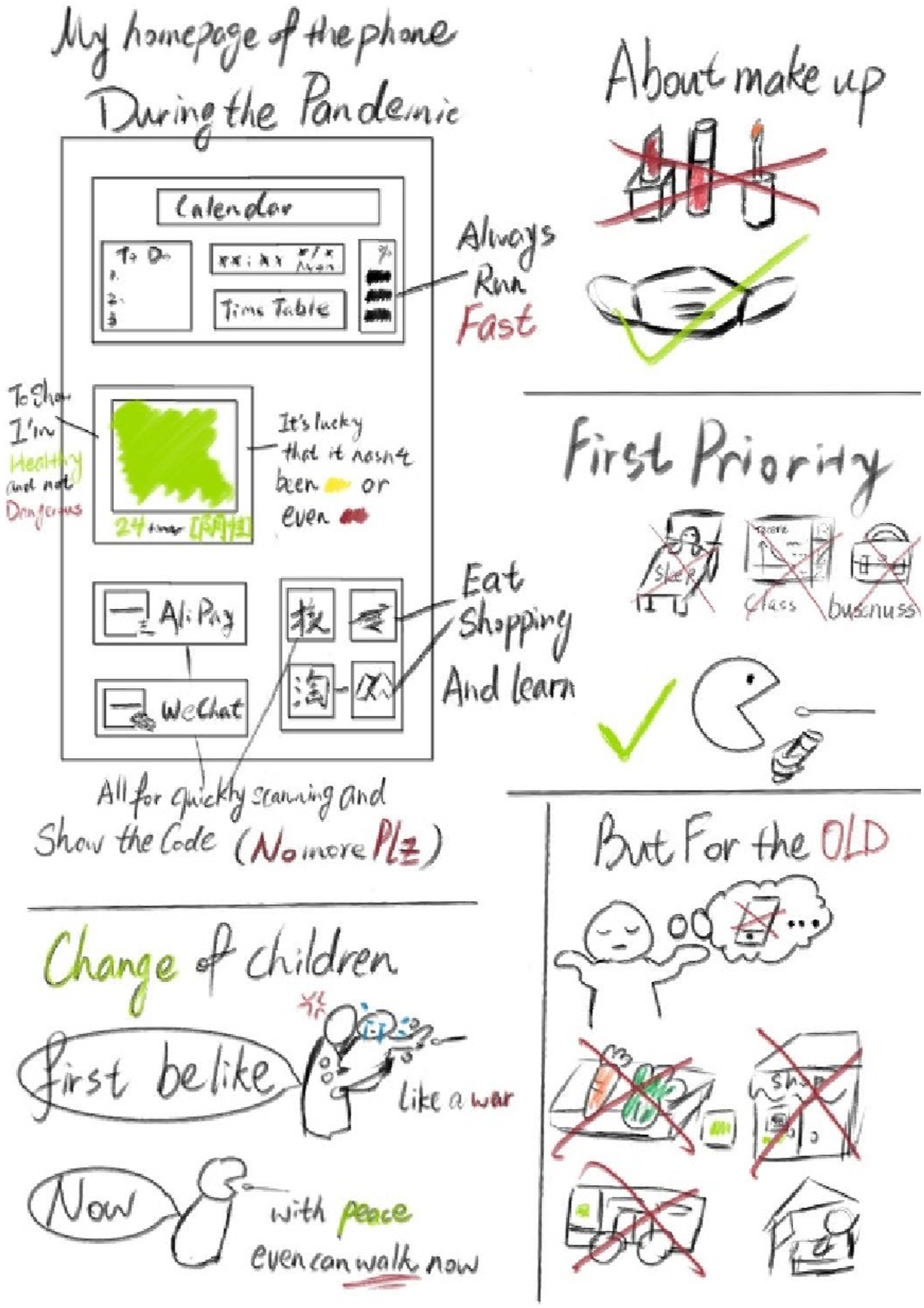
Excerpt from English description: ... the progress bar on each person’s head indicates how many days ago he or she has done nucleic acid testing ... Provided that this “nucleic acid testing bar” doesn’t meet the needs of a particular place, we have no way to access it, let alone get our work done in it. In addition to this, I would like to express my sincere thanks to nucleic acid test volunteers all for their devotion in the battle against the novel corona-virus ... I’m definitely convinced that ... China will ... and quit nucleic acid testing once for all (Figure 3). Progress bar in nucleic acid testing.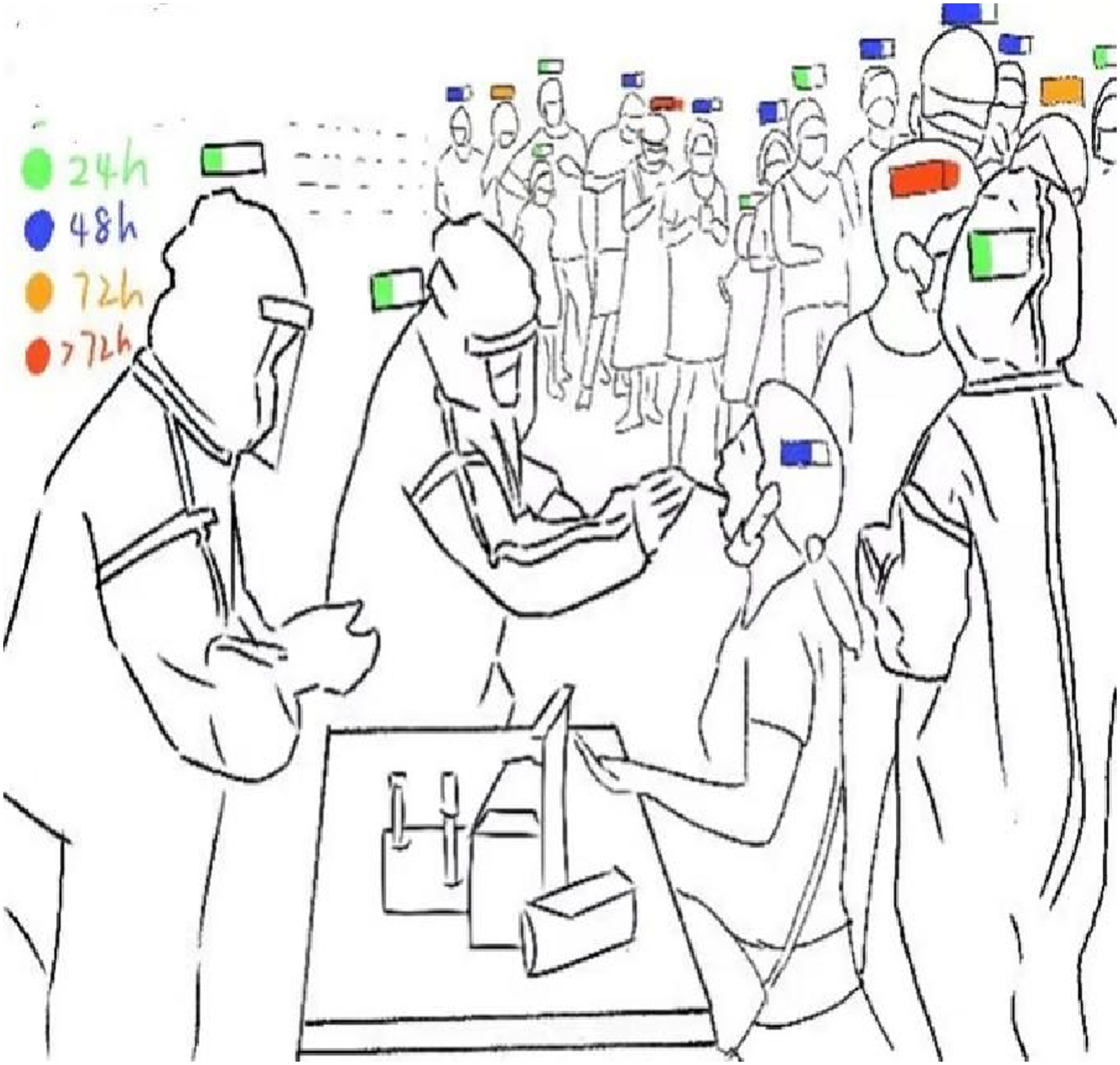
In February 2020, the head of China’s Scientific Research and Innovation Team under the Joint Prevention and Control Mechanism of the State Council of China emphasized the importance of “early detection and early isolation” in controlling the national epidemic outbreak, as indicated in the aforementioned Document No. 181. As of August 2021, China was facing a multi-point and localized outbreak situation, leading to the implementation of measures such as quarantine and citywide nucleic acid testing to safeguard public health, maintain economic and social development, and ensure social stability.
By analyzing these artworks from the combined perspectives of A/r/tography and metacognition, we gain a deeper understanding of the emotional and cognitive aspects of nucleic acid testing.
The first drawing portrays two medical personnel dressed in protective suits labeled “Father” and “Mother.” They stand inside a building, collecting nucleic acid samples from their daughter and an elderly family member behind a glass barrier. This scene conveys complex emotions of a family longing for a reunion but unable to have close physical contact. The design of the medical personnel’s attire reflects their sense of responsibility and care. However, the presence of the glass barrier emphasizes how the pandemic has disrupted family relationships. Viewed through A/r/tography, this image uses visuals to depict the emotional complexity, emphasizing family bonds and the longing for reunion, as well as the dedication of healthcare workers. This visual contrast encourages reflection on the pandemic’s impact, healthcare workers’ dedication, and its transformative effect on our lives. From a metacognition standpoint, it conveys deep warmth and poignancy, urging us to ponder the pandemic’s influence on family life. The image’s portrayal of emotional contradictions underscores the depth and value of these feelings, highlighting the intricacies of human nature.
In the second drawing, the main focus is to highlight that nucleic acid testing has become an integral part of daily life, underscoring people’s reliance on it while also revealing potential limitations. The four nucleic acid testing–related application icons displayed on the smartphone screen clearly emphasize the pivotal role of nucleic acid testing in people’s daily lives, serving as their primary tool for accessing testing information. However, the image also suggests that older individuals may be unable to use smartphones for nucleic acid testing, leading to increased social isolation. Additionally, the image implies restrictions on daily tasks, which impact people’s lifestyles and social interactions. From an A/r/tography perspective, this image underscores nucleic acid testings’ importance through clear iconography, highlighting its central role in daily life and stimulating contemplation about its impact on routines and social interactions. Viewed through the lens of metacognition, it prompts deep reflection on the pandemic’s influence, emphasizing the testings’ heightened significance and potential societal and individual constraints. This image encourages viewers to ponder the evolving role of nucleic acid testing in daily life, resulting in a complex and thought-provoking scenario.
The third drawing effectively conveys the timeline of nucleic acid testing through the use of progress bars above each individual’s head. In this image, multiple people’s profiles are displayed, each adorned with a colored progress bar that vividly illustrates the number of days since their last nucleic acid test and provides viewers with a clear understanding of each person’s testing frequency. In this context, A/r/tography provides a compelling visual demonstration of how these progress bars vividly represent the passage of time. By capturing this temporal element, viewers can readily grasp each individual’s testing frequency, making the importance of testing and compliance tangible. Similarly, metacognition reveals how the animated progress bars intrinsically communicate the urgency and significance of these tests by showing the timeline since the last test, practically urging individuals to participate proactively in pandemic prevention. It also indicates the limitations imposed by testing requirements, such as the need for a valid code to access public transportation. The progress bars underscore these restrictions, bringing to life the consequences of not adhering to testing protocols.
While quarantine and nucleic acid testing have inconvenienced people’s studies, work, and lives, and various “codes” related to nucleic acid testing have restricted Chinese people from traveling and entering public places, the paintings show that people still understand and appreciate the policies related to nucleic acid testing and quarantine, as well as the nucleic acid testing volunteers and medical staff. As described in the three pictorial accompanying texts, “although people are tired of the regular nucleic acid testing,” “I still hope we can finally defeat it and get rid of the limit of the code as well as the fear of being infected,” and “I’m definitely convinced that ... China will ... and quit nucleic acid testing once for all.”
Examining this content through the ethical critique, we can apply various ethical perspectives to shed light on the underlying social phenomena. Further discussion takes place from the deontological, virtue, and consequentialist ethical standpoint.
Deontological ethics is fundamentally concerned with moral duties and principles that guide human actions. In the context of the hand-drawn paintings and their accompanying descriptions, we discern a profound recognition among individuals of their moral duty to adhere to the nucleic acid testing and quarantine protocols. The portrayal of medical staff conducting tests conveys a sense of responsibility and moral obligation toward public health. Even in the face of disruptions and inconveniences wrought by these measures in their daily lives, there remains a palpable awareness of the necessity and ethical duty to comply with these regulations during the pandemic.
From a deontological perspective, one could argue that China’s policies effectively align with the ethical principle of “putting the people’s interests first under any circumstance.” However, it’s crucial to add a nuanced layer to this analysis. Dong et al. (2020) unearthed a significant finding: individuals subjected to quarantine experienced a spectrum of negative emotions, prominently tension and anxiety, emotions that find vivid expression in the depicted scenes within the artworks. These emotional responses signify the intricate interplay between fulfilling ethical duties and the emotional toll exacted upon individuals. This nuanced understanding underscores the depth and complexity of ethical considerations within the context of these policies.
Virtue ethics is rooted in the cultivation of moral character. Within the context of the hand-drawn paintings and their accompanying descriptions, a conspicuous sense of resilience and virtue emerges among the depicted individuals. These artworks encapsulate an acute understanding of the prevailing situation and a palpable willingness to endure considerable hardships for the collective good. This portrayal of resilience and virtuous conduct, even in the face of the formidable challenges posed by nucleic acid testing and quarantine measures, alludes to a broader societal virtue of perseverance and cooperation.
From a virtue ethics perspective, one might contend that the government’s unwavering commitment to “protecting the people’s lives and health at all costs” appears justifiable. However, a normative examination reveals inherent flaws in the policies. These policies, while designed with good intentions, fall short of adequately addressing the genuine needs of individuals concerning work, daily life, psychological well-being, and economic stability. This normative perspective underscores the imperative for policies to align not only with virtuous intentions but also with the practical realities and multifaceted needs of the population.
Consequentialists evaluate actions based on their outcomes. In the context of the hand-drawn paintings, there is implicit recognition of the positive consequences stemming from nucleic acid testing and quarantine measures. Notwithstanding the inconveniences and restrictions depicted, the individuals in these artworks convey a sense of hope for a brighter future, liberated from the pervasive fear of infection. This sentiment reflects a collective belief that the consequences of these policies, primarily in terms of controlling the spread of COVID-19, will ultimately yield a safer and healthier society.
When we analyze these policies from a consequentialist viewpoint, it is evident that China’s epidemic prevention and control measures have contributed to mitigating the outbreak, a result that has earned gratitude from medical staff and volunteers. However, it’s essential to acknowledge that these policies have also imposed negative experiences on individuals and did not fully consider the genuine needs of the populace.
Overall, China’s policies on quarantine and nucleic acid testing effectively controlled the outbreak but negatively impacted people’s lives and work. Policymakers must consider people’s actual needs when formulating policies and seek ways to minimize their negative impact on daily life. This multifaceted ethical analysis provides a critical perspective on the subject matter. (2) Semi-controlled period
Excerpt from English description: In today’s normalized epidemic prevention and control, participating in daily nucleic acid testing has become something that everyone has experienced ... As depicted in the drawing, more and more people gather together in order to take part in nucleic acid testing, so the queue is getting longer and longer. We also notice that scanners and samplers sit in the same window, thus the constant flow of people makes two lines look like three lines. At the same time, the wind cruelly blows and the temperature drops. The chaotic on-site order makes people who come later feel confused …. (Figure 4). Chaos in mass nucleic acid testing queues.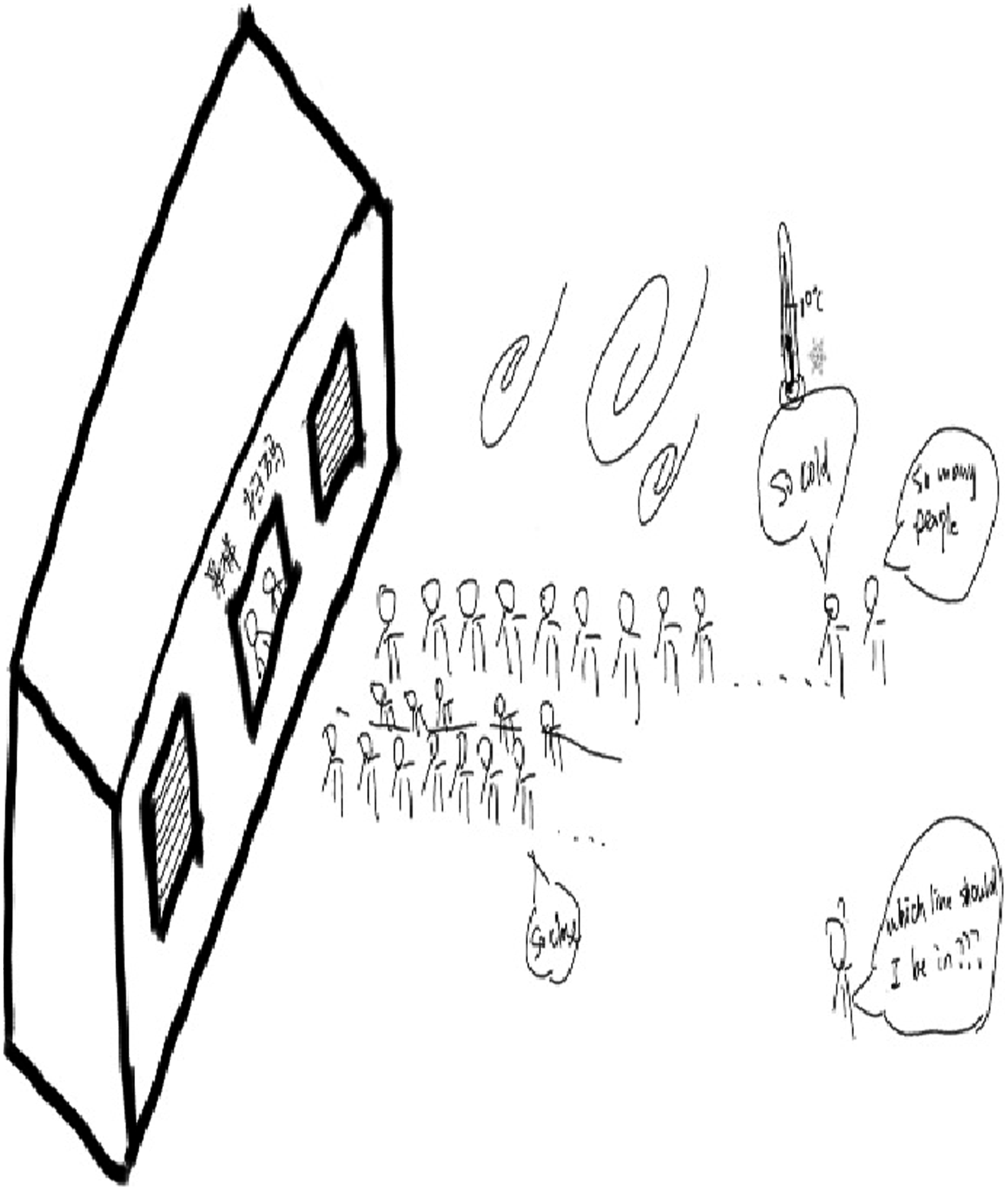
Excerpt from English description: ... Nevertheless, all tests now are just like dance of the dragonfly. The swab merely touches the tongue without getting effective samples ... medical workers and people who want to take nucleic acid testing all prefer to set aside time. Therefore, this kind of test becomes a form of formalism. In the past three years, 12893 new medical inspection companies have been established ... This year alone, more than eleven nucleic acid fraud cases have been investigated and tackled ... there are a lot of people dreaming of making advantages of others’ sufferings and it’s because of these people that the pandemic never stops (Figure 5). Formalism and fraud in mass nucleic acid testing.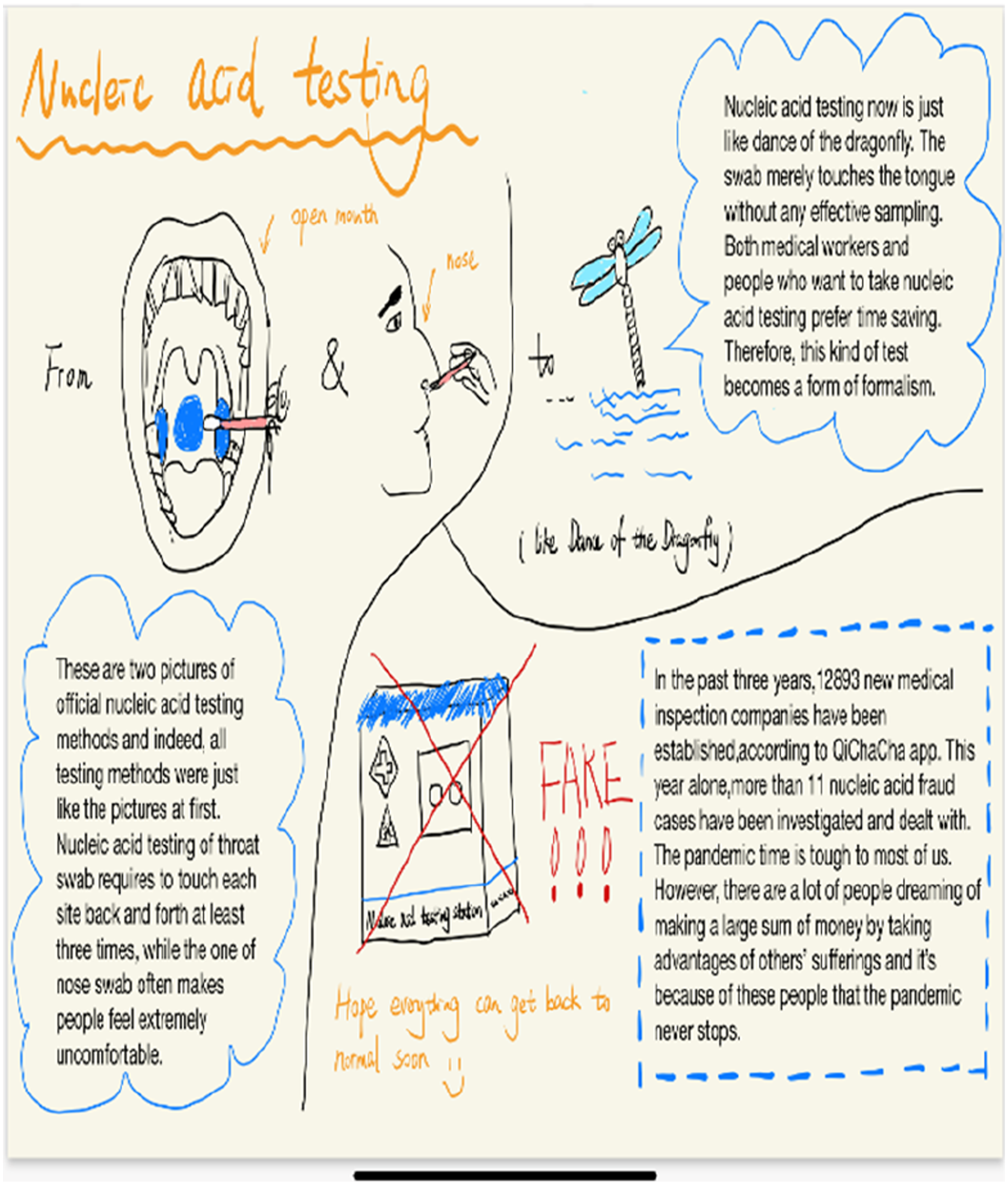
Excerpt from English description: ... On the night of November 21, a fake positive consequence occurred at 21:19:25 on December 12, 2022, in “ChongQing” .... The matter, nucleic acid company making fake data, is extremely joint just this year having appeared 8 times. These fake data might be regarded as a reason which results endless pandemic period. After revealing them, make us recognize that our pride of free nucleic acid detection is penetrated by capital while a long time proud of the “national free nucleic acid” we just suddenly enlightened ... When the capital puts “interests” and “money” in the first place, there is no doubt countless individuals are the “victims” suffering from loss and so forth (Figure 6). Benefit versus profit in mass nucleic acid testing.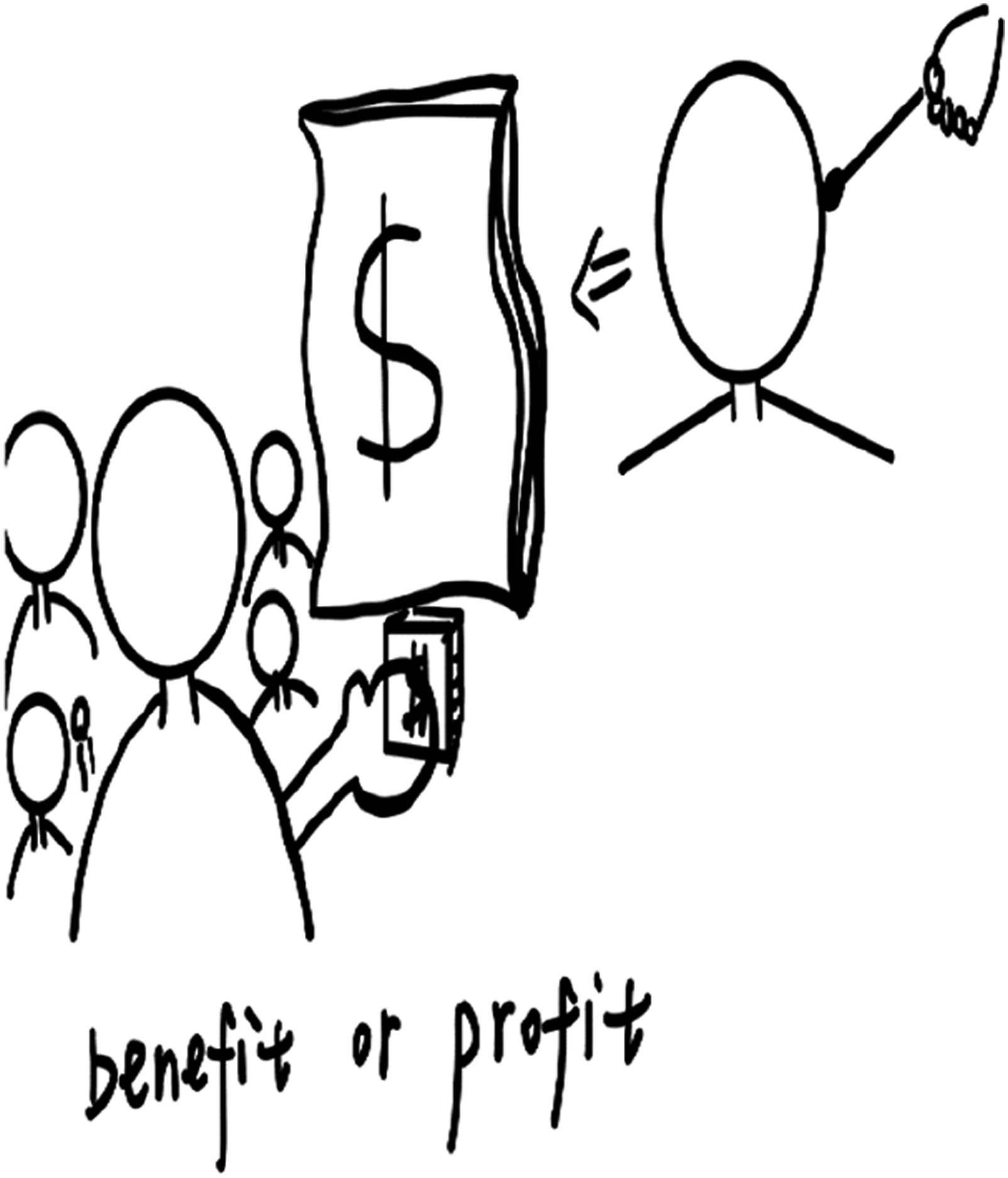
In May 2022, the second phase of the fight against the epidemic was underway. Officials from the National Health Commission of the People’s Republic of China announced at a press conference of the Joint Prevention and Control Mechanism of the State Council of China that a 15-minute nucleic acid testing circle should be established in major cities, mainly concentrated in large cities with a high risk of the epidemic, to facilitate convenient testing for people nearby, as indicated in the aforementioned Document No. 51. The shift from emergency to normal nucleic acid testing means a high volume of testing, and the building of the 15-minute testing circle is in line with the principle of “people first and life first” and the dynamic zero-COVID policy. China had completed about 11.5 billion nucleic acid tests since the outbreak of COVID-19, and the addition of an estimated 280,000 testing booths nationwide is an important measure in the fight against the epidemic.
In the fourth drawing, people are seen waiting in a queue outside nucleic acid testing booths established by the government. The visual image is presented in black and white, with people standing in an orderly line, but the queue appears quite long. Visual elements depict a cold atmosphere, with the spiral shape of the wind and the complaints of people emphasizing this. The black and white tones further enhance this sense of cold and harshness. From an emotional perspective, people’s complaints reveal their dissatisfaction and anxiety about the prolonged waiting. This emotional response highlights the real challenges of nucleic acid testing, where, despite understanding the importance of testing, the waiting process can still be uncomfortable. From a metacognitive perspective, people’s queuing behavior reflects their planning and self-management abilities. However, the complaints about waiting time also imply challenges in maintaining testing order and meeting demand. In summary, this artwork vividly portrays the nucleic acid testing scene through visual, emotional, and metacognitive elements, highlighting the importance and challenges of testing, prompting viewers to deeply reflect on this societal phenomenon.
Analyzing this fifth artwork from an A/r/tography perspective, we can see that it provides a powerful visual narrative. The description mentions the metaphor of nucleic acid testing being akin to the dance of a dragonfly, suggesting a sense of delicacy and perhaps ineffectiveness in the testing process. The image’s visuals might reinforce this metaphor, possibly showing medical workers delicately administering tests. From a metacognitive standpoint, the text suggests that both medical workers and individuals undergoing testing make a conscious effort to allocate time for this procedure. This implies a degree of planning and self-regulation in the process, revealing the structured nature of nucleic acid testing. However, the reference to a high number of new medical inspection companies and the mention of nucleic acid fraud cases within a short span reflect the commercialization and challenges surrounding this form of testing. In summary, the artwork combines A/r/tography and metacognitive elements to provide a comprehensive view of nucleic acid testing. It highlights the nuanced nature of the testing process and its challenges, alluding to both its formalized and commercial aspects. This analysis prompts viewers to contemplate the multifaceted nature of nucleic acid testing within the broader context of the ongoing pandemic.
In the sixth drawing, a person is depicted undergoing nucleic acid testing. Their right ear is plugged with a cotton swab, while coins flow out from their left ear. Below the image, the words “benefit or profit” are written. This image triggers contemplation about the relationship between the authenticity of nucleic acid testing data and financial interests. Through artistic representation, this image conveys a profound message. The cotton swab blocking the right ear symbolizes the concealment and suppression of genuine data. The coins flowing from the left ear imply commercialization and financial interests interfering with the process. These visual elements prompt reflection on the authenticity and purpose of nucleic acid testing data. The words “benefit or profit” at the bottom of the image emphasize the two choices behind nucleic acid testing. It reminds viewers to consider whether the testing is done for the benefit of society or for the pursuit of economic profit. This choice may impact the authenticity of the data and the public’s trust in the test results.
Meanwhile, examining this scenario through the ethical frameworks of deontological, virtue, and consequentialist ethics yields invaluable insights into the intricate ethical deliberations involved.
From a deontological perspective, the establishment of a 15-minute nucleic acid testing circle aligns with the ethical principle of “people first and life first.” This policy prioritizes public health by ensuring convenient access to testing, particularly in high-risk areas, demonstrating a commitment to fulfilling the duty of taking active measures to meet people’s needs during the ongoing COVID-19 pandemic.
However, the long queues and chaotic on-site order depicted in Figure 4 raise ethical concerns. It’s essential to ensure that the implementation of such policies respects individuals’ dignity and well-being. Efforts should be made to improve the organization and efficiency of testing sites to avoid confusion and discomfort, as negligent management by local regulatory authorities may have contributed to some nucleic acid testers behaving irresponsibly and falsifying results, which challenges the overall ethical integrity of the policy.
Virtue ethics, which underscores the development of moral character and virtues in individuals and societies, provides valuable insights into the depicted challenges. The issues, such as the chaotic on-site order and potential staff complacency shown in Figure 5, underscore the significance of virtues like diligence and conscientiousness. While the initial response of medical staff was characterized by diligence and care, the increased frequency of testing might have led to some lapses in virtue. This situation highlights the need for ongoing moral education and support to ensure that individuals and institutions uphold virtuous behavior even under challenging circumstances.
In a broader context, virtue ethics aligns with traditional Chinese virtues and core socialist values, emphasizing qualities like dedication to work and integrity. During this period, China covered the cost of regular nucleic acid testing for its people. However, the mass production and commissioning of nucleic acid testing booths involved numerous interests. Some manufacturers were willing to falsify nucleic acid testing results to maximize their profits, a practice that contradicts the values of unity in fighting the epidemic and integrity that Chinese people uphold. Furthermore, the complacency observed among some nucleic acid testing staff due to the extended duration of regular testing runs counter to the national call for dedication to work. This ethical analysis underscores the importance of upholding virtues, both individually and collectively, to navigate complex challenges while maintaining moral integrity.
Consequentialists, who evaluate actions based on their outcomes, offer insights into the expanded nucleic acid testing policy in China. The policy’s primary benefit is its consequentialist advantage of facilitating extensive testing, a critical tool for controlling the spread of COVID-19. However, the emergence of negative consequences, including long queues, staff complacency, and cases of nucleic acid fraud, raises ethical concerns and challenges the overall ethical evaluation of this policy. Consequently, there is a need for deliberate efforts to address these negative outcomes while preserving the crucial benefits of widespread testing.
Criticism stemming from a consequentialist ethics perspective begins with an examination of outcomes. Negligent management by regulatory authorities has resulted in fraudulent nucleic acid testing results and careless behavior among some testing staff. These events have eroded public trust in nucleic acid testings’ reliability, and the chaos and long queues at testing sites have caused significant frustration among the population.
In conclusion, the ethical analysis of China’s expanded nucleic acid testing policy highlights the necessity of a balanced approach that considers both ethical principles and the practical consequences of public health measures. Policymakers must continually assess and adjust policies to mitigate negative consequences, uphold ethical standards, and effectively combat the COVID-19 pandemic. This approach ensures that public health measures align with both ethical imperatives and the best interests of the population. (3) Unblocking period
Excerpt from English description: ... We get used to putting on a mask in public places and having nucleic acid tests regularly, which obviously became a slice of our lives. However, all of a sudden, everything changed. For example, the Travel Code went offline and nucleic acid testing is not required any more. The three-years-long life with nucleic acid testing seemed to be a habit for us, and we felt like a fish out of water when it was terminated abruptly …. (Figure 7). Mass nucleic acid testing.ends-fish out of water!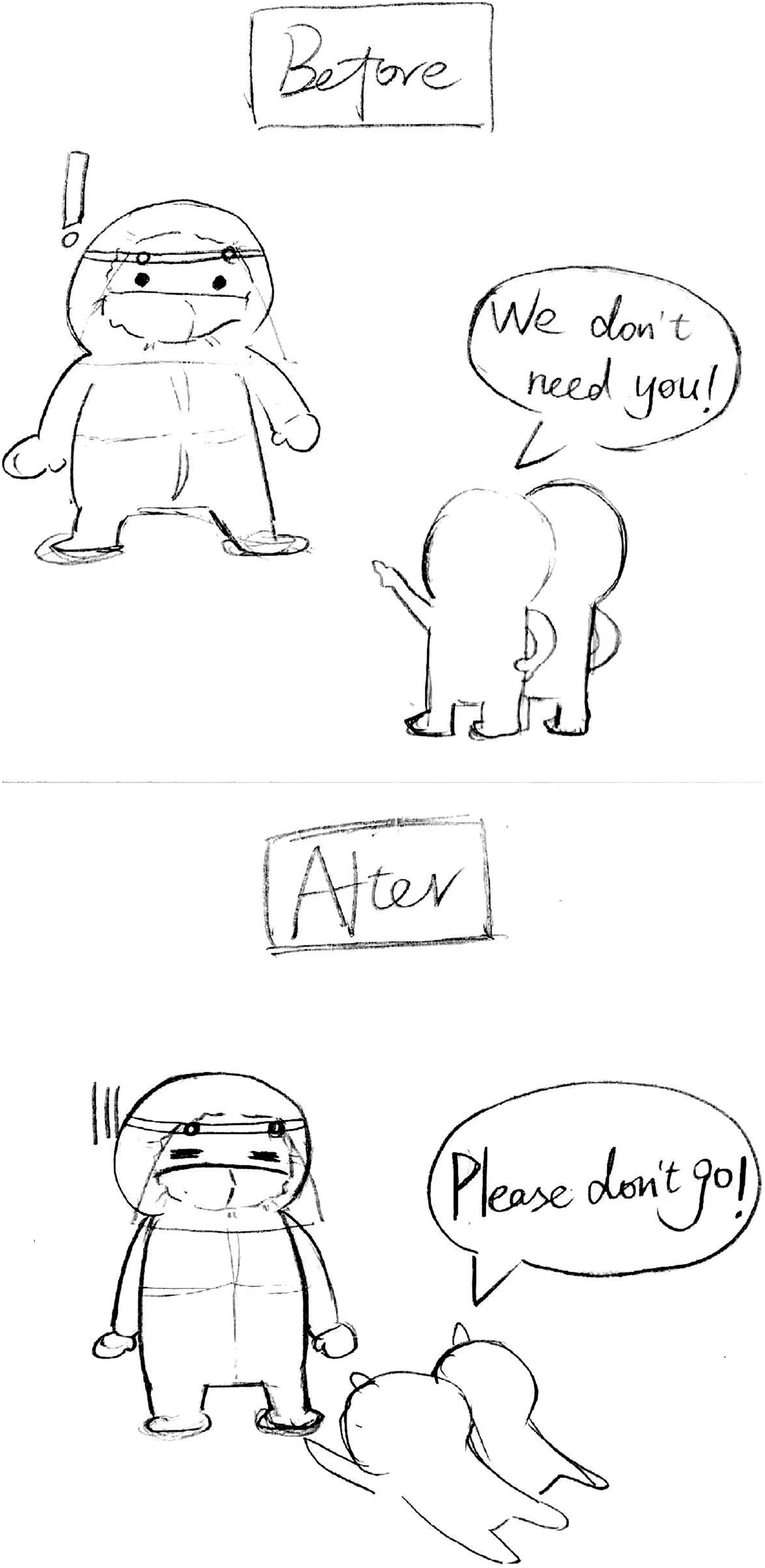
Excerpt from English description: ... In the first picture, people are hostile to the nucleic acid tester, rejecting to be tested. While in the second picture, people are desperate for testing and plead with the tester not to leave ... the first picture represents the majority of people’s mindset during the initial period of COVID-19 ... After experiencing in the flesh or hearing about the severity of COVID-19, people came to realize testing was aimed at protecting public health and maintaining order in daily life ... the past three years of resisting COVID-19 have considerably reversed our previous living pattern, ranging from consecutive nucleic acid testing to checking the health code everywhere …. (Figure 8). Before and after mass nucleic acid testing-mixed feelings.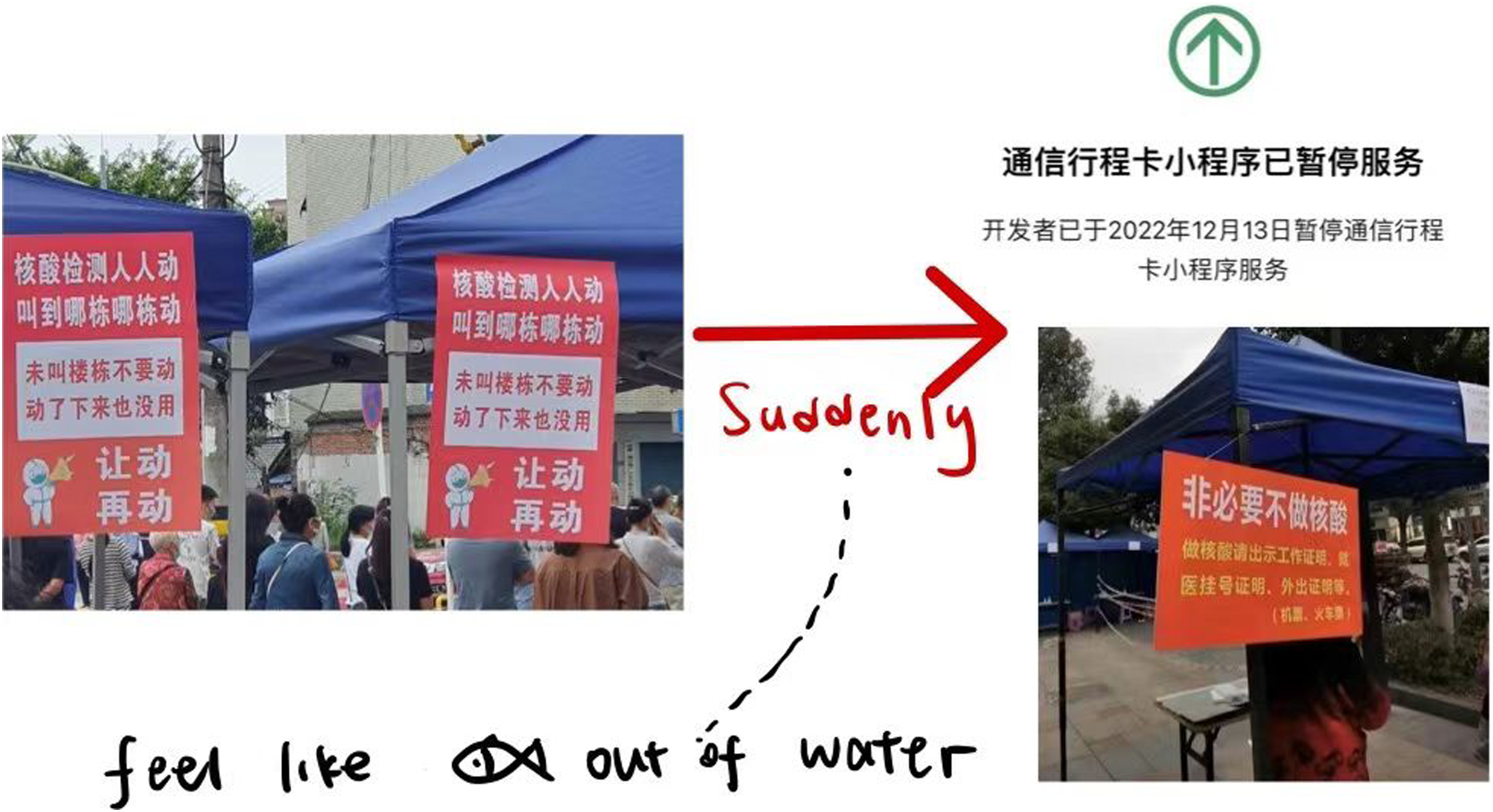
Excerpt from English description: ... As 2020 global pandemic affected us all and nucleic acid testing has crept into our lives just like an invisible virus. At first we were curious about it, then we are annoyed by it, next we make peace with it and finally we are submerged in it and couldn’t live without it. It affected our mind and psychologically we believe that our life needed Nucleic acid testing more than anything else. We took it as normal and forgot what’s life is used to be like before the pandemic ... What pandemic brings is more than pain and nucleic acid testing. It destroyed our confidence to thrive and hope (Figure 9). Psychological journey of individuals during the pandemic.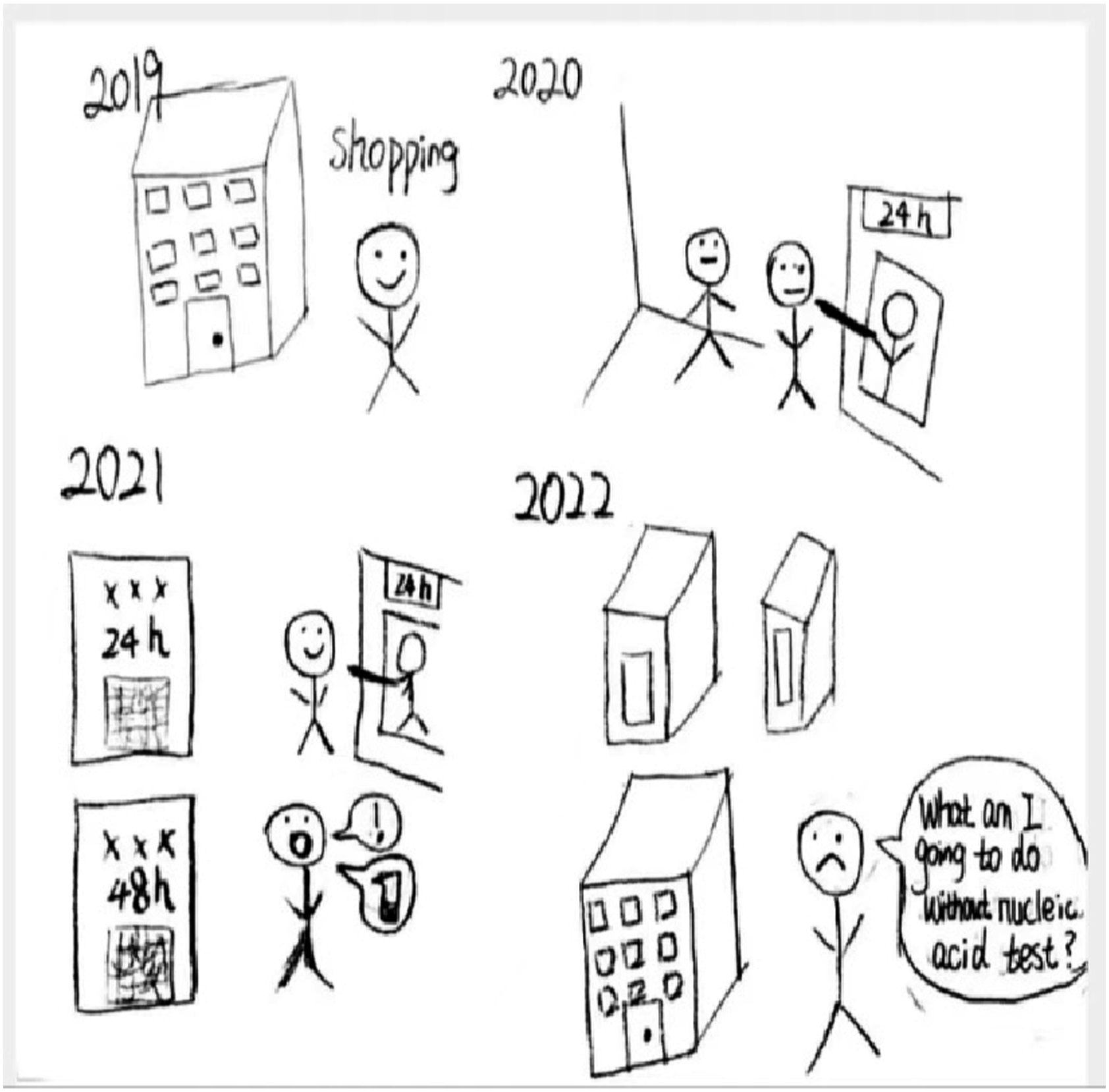
In the third anti-epidemic phase in 2022, China released the “New Ten” preventive and control measures to optimize the COVID-19 response in December and renamed COVID-19 as a novel coronavirus infection, as indicated in the aforementioned Document No. 144. The measures against COVID-19 were lifted in December 2022, and regular nucleic acid testing, as well as scanning venue codes, was no longer required for travel. This sudden announcement was a result of several factors, including people’s growing impatience with the frequent testing, quarantine measures, and venue code scanning, which had interfered with their normal lives. Additionally, the economic pressure of providing free testing and vaccines, as well as the lockdown of cities, had taken a toll on China’s economy. Finally, experts found that the coronavirus had weakened and its mortality rate had dropped significantly.
After the state announced the end of COVID restrictions, people experienced anxiety and discomfort, having become accustomed to the pandemic prevention and control measures over the past 3 years. The sudden cancellation of free nucleic acid testing left many feeling lost. Figures 7–9 demonstrate the emotional changes people had toward nucleic acid testing from the outbreak to the elimination of free regular testing.
Through the lenses of A/r/tography and metacognition, Figure 7 vividly encapsulates the challenges people face in adapting to the new normal following the suspension of travel codes and nucleic acid testing mandates. A/r/tography spotlights the entrenchment and normalization of testing in daily life, demonstrating how people have grown accustomed to masks and routine checks—practices embedded in their routines for 3 years. Yet, the lifting of these requirements disrupted their established rhythms.
Figure 8 neatly encapsulates the transformation in attitudes toward testing via two contrasting images. Initially dismissive and hostile, people later desperately seek it out, pleading with testers not to leave. Metacognitively, this underscores how thoughts and cognition adapted, highlighting testings’ pivotal role in pandemic control and prompting a reevaluation of its necessity in the new normal.
Figure 9 powerfully depicts the psychological journey of individuals during the pandemic, seen through a metacognitive lens. Initially gripped by fear and uncertainty due to their limited grasp of the situation, people gradually adapted as their comprehension expanded, accepting testing as integral to safeguarding public health and order. Societally, a shift transpired from individual autonomy to passive conformity with collective arrangements, with personal needs ceding to societal demands, cementing testing as a new norm. However, the abrupt halt of testing left many unmoored and anxious, exposing their reliance on stability and wariness of new uncertainties. This evolution illuminates the intricate cognitive strategies people deploy to navigate change and adversity.
The sudden decision to end COVID-19 restrictions in China in December 2022 can be analyzed through the lenses of deontological ethics, virtue ethics, and consequentialist ethics, offering a comprehensive ethical perspective.
From a deontological standpoint, the decision to end COVID-19 restrictions and regular nucleic acid testing might be seen as ethically sound. This perspective could argue that the government recognized the importance of individual freedoms and liberties. The policy shift aligns with the principle of respecting people’s autonomy and not subjecting them to mandatory testing and restrictions when the threat of the virus has significantly diminished.
However, there are ethical challenges to consider. Throughout the pandemic, people had grown accustomed to these preventive measures, viewing them as a duty to protect public health. The sudden removal of these measures could raise questions about whether the government fulfilled its duty to protect its citizens. Additionally, the emotional turmoil experienced by people, as depicted in Figures 7–9, suggests that the abrupt policy change may not have fully considered the psychological impact on the population. Ethically, the government has a duty to ensure the well-being of its citizens, including their mental health.
Virtue ethics places importance on the development of moral character. Figures 7–9 depict a range of emotions and attitudes toward nucleic acid testing, from confusion to dependence. From a virtue ethics perspective, the sudden policy change challenges the virtues of resilience and adaptation. While the policy aimed to restore a sense of normalcy, the emotional reactions suggest that individuals struggled with this transition.
Moreover, the economic pressure and financial toll of providing free testing and vaccines, as well as the city lockdown, reveal a potential conflict between the virtue of economic prudence and the duty to protect public health. Virtue ethics would encourage policymakers to strike a balance between economic stability and public health to demonstrate virtues like justice and compassion.
Consequentialists evaluate actions based on their outcomes. The decision to lift COVID-19 restrictions and end regular nucleic acid testing likely had several intended consequences, such as alleviating economic pressure and allowing people to return to their normal lives. From a consequentialist standpoint, these outcomes may have been considered favorable.
However, the depicted emotional changes in Figures 7–9 also reveal unintended consequences. People felt out of place, anxious, and even dependent on nucleic acid testing. This emotional impact highlights the importance of considering the broader consequences of policy changes. Policymakers should have anticipated and addressed the potential emotional and psychological toll on individuals when abruptly ending these measures.
In conclusion, the ethical analysis of China’s decision to lift COVID-19 restrictions and end regular nucleic acid testing underscores the complexity of balancing individual freedoms, public health, economic stability, and emotional well-being. A comprehensive ethical approach would involve careful consideration of all these factors to ensure that policies align with ethical principles and promote the overall well-being of the population. Additionally, the sudden nature of the announcement led to unintended consequences, such as panic buying and medicine shortages, emphasizing the importance of anticipating and mitigating such negative outcomes in policy making.
Discussion and Conclusion
During the COVID-19 pandemic, which has been ongoing since the end of 2019, China’s strict prevention and control policies truly saved lives and achieved economic development, but China paid a lot to make these achievements (Ding & Zhang, 2022). But these policies had significantly impacted public health, the environment, human psychology, and education (Miyah et al., 2022). This study employed ethical critical discourse analysis to examine college students’ hand-drawn paintings and English descriptions of nucleic acid testing policies using the three ethical dimensions: deontological ethics, virtue ethics, and consequentialist ethics. The combination of hand-drawn paintings and ethical perspectives based on Fairclough’s four-step analysis framework ensures the reality and unbiased analysis of the collected corpus to a great extent, providing a new point for future research.
Through the analysis, the adjustment of China’s policies about nucleic acid testing largely satisfied deontological ethics and virtue ethics but violated consequentialist ethics because of some bad influences on people. And the Chinese public’s perception of nucleic acid testing policies during the epidemic was complex and contradictory.
China’s policies, including quarantine measures and regular nucleic acid testing, have undeniably had a profound impact on people’s daily lives, work routines, and travel plans. Due to the prolonged duration of these measures in response to COVID-19, individuals may have experienced symptoms of distress, depression, anxiety, and frustration (Miyah et al., 2022). To address these mental health challenges, it is imperative for the government to invest in training psychologists and social workers (Miyah et al., 2022) who can provide essential mental health services and support to help people cope with the stress and discomfort associated with testing.
Furthermore, the abrupt decision to discontinue free regular nucleic acid testing following a decrease in viral lethality resulted in panic buying of masks and medication among the public. To mitigate such scenarios, the Chinese government should intensify its efforts in public awareness and guidance (Jia et al., 2021). Strengthening communication and providing clear information can reduce unnecessary panic and ensure that the public is well-informed about changes in policies and their implications.
In addition to these challenges, the proliferation of nucleic acid testing booths and the implementation of regular testing have raised concerns about unscrupulous vendors seeking to profit from false test results or inflated prices. These issues necessitate rigorous government supervision measures to enhance credibility (Jia et al., 2021). The government should also maintain flexibility in adjusting the scope and intensity of prevention and control strategies to strike a balance between effective epidemic control and sustainable economic development.
In summary, China’s evolving anti-epidemic policies have made strides in managing the COVID-19 crisis. However, it’s evident that there are lingering issues within the nucleic acid testing policies that require careful consideration. While a robust management system for COVID-19 prevention and control can significantly reduce infection risks (Pan et al., 2022), it is imperative for China to ensure that its epidemic prevention and control policies are not only effective but also implemented in a humane and scientifically sound manner. Rigorous oversight mechanisms must be in place to ensure full compliance by all relevant stakeholders.
Moreover, it is vital to remain vigilant about potential negative consequences and promptly implement effective measures to minimize any adverse effects on the population. International cooperation and the sharing of critical information (Pozzatti & Farias, 2022) should be prioritized and strengthened, particularly in the context of responding to public health emergencies. This collaborative approach will not only safeguard the health security of the global population but also foster a more effective response to future challenges in the realm of public health.
Footnotes
Declaration of Conflicting Interests
The author(s) declared no potential conflicts of interest with respect to the research, authorship, and/or publication of this article.
Funding
The author(s) received no financial support for the research, authorship, and/or publication of this article.
