



Abstract
As cities grapple with climate change and rising inequities in access to transportation, sustainable infrastructure—such as pedestrian pathways, cycling networks, and public transit—offers a path forward. This article explores sustainable transportation through the lens of occupational therapy, emphasizing the profession's unique focus on the interaction between people, their environments, and their meaningful daily activities. It argues that investing in safe, accessible, and sustainable transit systems not only supports environmental goals such as reducing greenhouse gas emissions but also advances occupational justice by enabling greater participation in work, education, and community life—particularly for individuals with disabilities and other marginalized groups. Using evidence from urban planning, public health, and occupational therapy, the article outlines infrastructure improvements that promote equitable and sustainable mobility. It also highlights the role of occupational therapy practitioners as advocates for inclusive design and sustainability, demonstrating how their expertise in environmental modification can inform efforts to create healthier, more livable cities for all.
Introduction
If you live in a large city in the United States, it is quite likely that you have used or at least taken note of infrastructure developments designed to support “sustainable transportation,” defined as any means of transportation other than driving, such as walking, cycling, and taking public transportation. 1 Such infrastructure has the potential to improve not just the physical and mental health of those who use it,2–5 but can contribute to reductions in greenhouse gas emissions. 2 In the United States, programs such as Safe Streets and Roads for All, a part of the 2021 Bipartisan Infrastructure Law, 6 have created opportunities for municipalities to make significant investments in infrastructure that incentivizes people to use these sustainable transportation methods to accomplish daily tasks.7–9
Infrastructure projects of this type often receive significant attention from both advocates and opponents of such developments.7,10–12 It has been argued that a focus on these types of transportation methods are impractical in a society that is largely car-dependent, and that they may not serve vulnerable populations that rely on cars.13–20
This article will take the opposite view, supporting the idea that improvements to infrastructure which provides safe, accessible, and convenient means by which all people can accomplish daily tasks is a societal good. Further, it will argue that support of such developments is well-aligned with the tenants of occupational therapy as a profession and will consider the topic from that perspective.
Background
The existing transportation system (including private automobile travel, public transit, and active transportation like biking) in the United States and many other countries does not consistently provide safe, reliable, and accessible modes of transportation to all people.21–23 The problems of our existing network are exacerbated for vulnerable populations such as low-income communities or people with disabilities.24–26 Traffic collisions [both between multiple cars and between cars and other roadway users], a persistent danger for all roadway users and the world's leading cause of acquired disability, 27 have a disproportionate impact on low-income communities. 24 Furthermore, people living with disabilities often experience accessibility related challenges utilizing existing modes of transportation, leading to significant barriers in their ability to engage in meaningful occupation and economically significant endeavors such as work or school.22,23,25,26,28–30
Sustainable transportation methods such as biking, walking, or taking public transit can be a part of a positive change in this area. In addition to the personal health benefits associated with reducing automobile use,2,31 use of these transportation methods can contribute to reduction in greenhouse gas emissions2,31 and can improve overall community accessibility25,26,29 and can contribute to a stronger sense of community cohesion and collaboration.32,33
Occupational therapy: Bridging health, environmental sustainability, and sustainable transportation
This article will approach this topic from the perspective of occupational therapy. Occupational therapy is a healthcare profession dedicated to enabling individuals, groups, and communities to engage in meaningful activities, or occupations, that they need and want to do in their daily lives. These occupations encompass a wide range of activities, including self-care, work, leisure, and social participation. 34 Central to the practice of occupational therapy is the belief that participation in these activities is essential for health and well-being. 35
Scholarship broadly focused on the topic of transportation infrastructure in the field of occupational therapy is limited and not current, 36 but the profession has much to offer to the conversation. Occupational therapists are experts in assessing and, in collaboration with those they serve, modifying the environment to support individuals’ ability to engage in their desired occupations.37,38 Occupational therapy's unique focus on the interplay of the person, the environment, and their desired occupations and activities, provides a unique lens of the impact of urban infrastructure on people's lives and the degree to which they can participate in their valued activities. This skillset additionally connects occupational therapy to efforts to combat the effects of climate change through initiatives meant to increase sustainability and reduce waste in daily activities. 39
The built environment, including transportation infrastructure, plays a crucial role in either enabling or hindering individuals’ participation in meaningful occupations.8,25,32,33,40 From an occupational therapy perspective, the environment of transit infrastructure, such as the design of pedestrian pathways, cycling lanes, and public transit systems can significantly influence a person's ability to engage in everyday activities.
For example, well-maintained sidewalks and accessible public transit options can make it possible for individuals with disabilities to travel independently, access employment, and participate in community life. Conversely, poorly designed or inaccessible infrastructure can create barriers that limit these opportunities and negatively impact quality of life. Occupational therapists have the skills needed to analyze these environmental factors and advocate for modifications that promote inclusivity and accessibility.
By leveraging the expertise of occupational therapists in environmental modification, the article will highlight strategies to create urban environments that facilitate greater participation and inclusion. Through this lens, the discussion will address the broader implications for public health and well-being, demonstrating the potential role for occupational therapy in shaping supportive and accessible urban spaces.
Environmental costs of car-dependent transportation
Automobile traffic is among the most significant contributors to climate change, primarily through the emission of greenhouse gases such as carbon dioxide. Transportation, largely dominated by what the Environmental Protection Agency describes as “light duty vehicles” (e.g., personal cars), accounts for approximately 30% of total greenhouse gas emissions in the United States.41,42 These emissions result from the burning of fossil fuels, which releases carbon dioxide and other pollutants, contributing to climate change and warming our world (Figures 1 and 2).
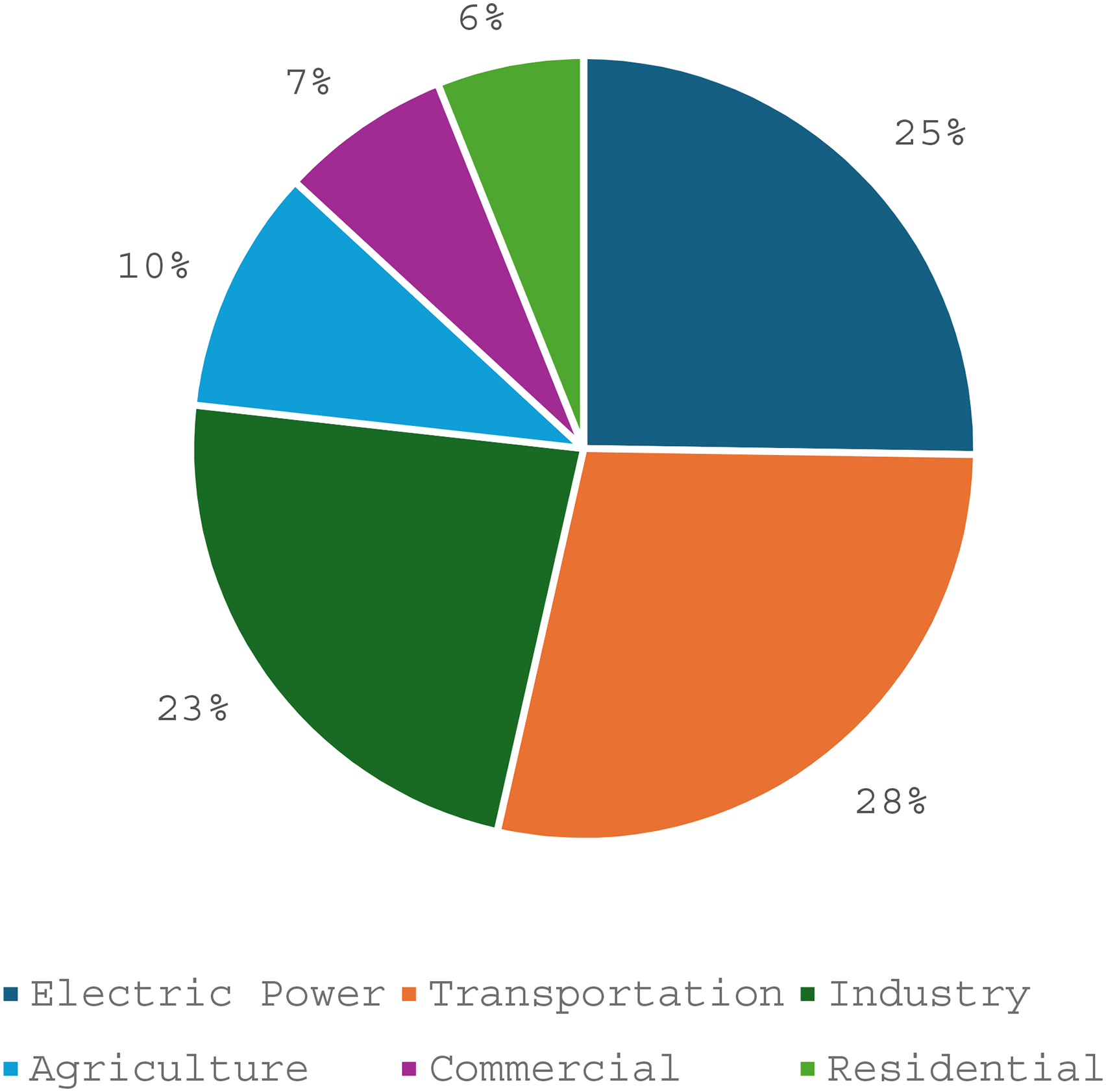
Share of US Greenhouse gas emissions by economic sector, 2022.
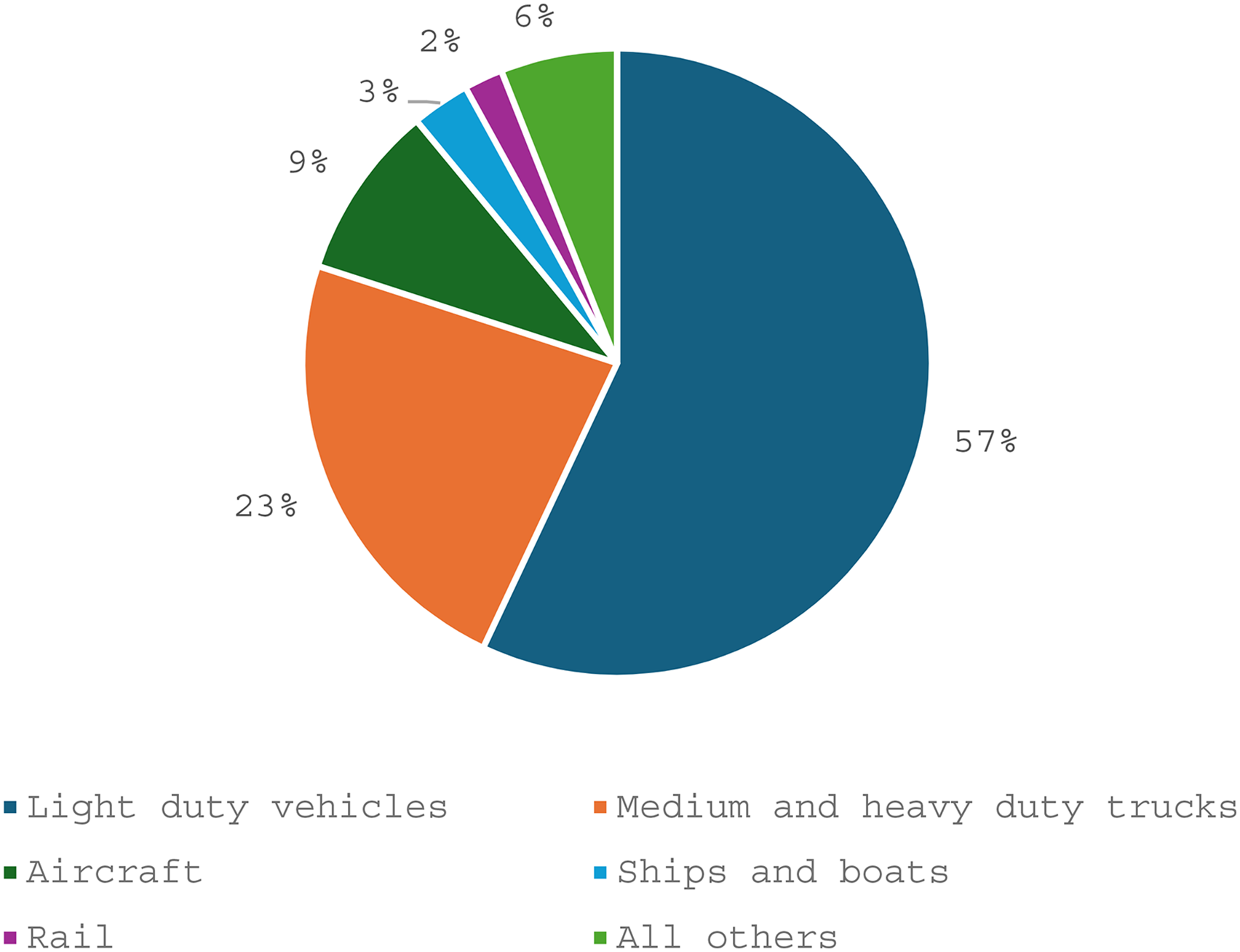
2022 U.S. transportation sector Greenhouse gas emissions by source.
The use of sustainable transportation methods described in this article such as walking, cycling, and the use of public transit, can be a part of a wider effort to reduce these emissions. Adopting sustainable transportation options instead of relying on car-centric mindsets and infrastructure enables individuals, groups, and communities to significantly reduce their carbon footprint and help combat climate change. Increasing the use of bicycles and public transit, for example, reduces the number of vehicles on the road, which in turn decreases traffic congestion and lowers emissions.2,32
The promotion of sustainable transportation also supports the development of more compact, walkable communities, 43 which further reduces the need for dependence on cars.2,33 This shift not only helps mitigate the effects of climate change but also fosters healthier lifestyles and more livable urban environments. 43
Assessing the environment – infrastructure for sustainable transportation
The availability of safe, reliable, and accessible infrastructure is a key factor in incentivizing people to utilize sustainable transportation.4,5,25,26,28–30 A lack of such infrastructure has the opposite effect, both disincentivizing use of sustainable modes of transportation30,44 and also making engagement in such modes of transportation demonstrably less safe for those who do choose to engage in it. 5
This incentive structure is true for all modes of sustainable transportation described in this article. Occupational therapists, in their role as healthcare providers, experts on the environment, and advocates for the people they serve, can serve as valuable spokespeople for such improvements in their own communities. A critical first step in such advocacy efforts is understanding the types of specific types of infrastructure improvements that can lead to increased use of sustainable transportation by individuals, groups, and communities. Empowering people in this way can lead to improved health outcomes,2,31 reductions in traffic injuries and fatalities,4,5,24,45 and reductions in greenhouse gas emissions. 2
The following sections will describe examples of such infrastructure improvements.
Pedestrian infrastructure
Adequate pedestrian infrastructure is crucial for creating safe, accessible, and walkable urban environments. Enhancing this infrastructure can create incentives for people to walk more, leading to positive public health and environmental outcomes.2,31,46,47 Listed below are various infrastructure improvements designed to improve pedestrian safety and accessibility:
Cycling infrastructure
Widely available bicycle infrastructure can be a critical part of promoting cycling as a safe and sustainable mode of transportation.44,57 Well-designed cycling infrastructure can enhance safety, convenience, and accessibility for cyclists. What follows are specific ideas for infrastructure improvements that support cycling infrastructure:
Public transit infrastructure
For the purposes of this article, public transit refers to the use of light rail, such as the Chicago Transit Authority's “L” (elevated train system) or the Metropolitan Transportation Authority's “subway” systems, as well as commuter bus services. Infrastructure improvements in these systems, compared to pedestrian and cycling infrastructure, may come at a significantly higher cost.3,65,66 As an example of this cost, New York City's recently developed Second Avenue Subway cost $2.6 billion USD per mile, 66 a figure not out of line with comparable projects.
Infrastructure improvements of this type improve the geographic “reach” of transit systems, a critical component of the feasibility of such systems. However, due to the significant costs and scope associated with such improvements, this section will focus instead on less significant improvements designed to improve safety and accessibility of existing transit systems.
Examples of evidence-based infrastructure improvements that can incentivize public transit use in your community include:
Opportunities for advocacy
None of the ideas suggested above fall within the traditional scope of occupational therapy as a client-facing healthcare profession. However, occupational therapy is fundamentally committed to fostering health and well-being through engagement in occupations that people want and/or need to do. 34 Clinical care is not the only path to achieving this goal. Advocacy is a critical role for occupational therapy practitioners, 34 and members of the profession can advocate for changes that support more sustainable transportation infrastructure and the many benefits it offers.
Consider a client with a physical disability who lives in an area with harsh winter weather. For many such clients, the presence of snow and ice can lead to an inability to leave the home due to unsafe sidewalk conditions. This can lead to an inability to engage in valued occupations such as socialization and physical exercise and can also make it difficult if not impossible to attend critical medical appointments.
In Chicago, advocacy around enforcement of existing requirements related to shoveling snow and clearing ice as well as pilot programs trialing the feasibility of city-led sidewalk clearing efforts have the potential to improve the lives of people who may not otherwise be able to leave their homes. 72 Occupational therapy practitioners have the opportunity to both advocate for these critical measures ourselves in their roles as private citizens, but also to provide interventions targeted at empowering our clients to self-advocate.73,74 The clients and communities served by occupational therapy practitioners will benefit significantly from changes that make our shared spaces safer and accessible for all people, regardless of which mode of transportation they choose to utilize on a given day.
Occupational therapy practitioners might also find allies in local disability advocacy groups. Examples of such groups in Chicago include Access Living which advocates on a variety of issues benefiting people living with disabilities. Such advocacy groups may welcome collaboration, either from practitioners or community members, targeted at improving the accessibility and safety of a community's transportation options.75,76
Advocating for sustainable transportation in your community can have a significant impact on the environment, public health, and overall quality of life. Learning more about the benefits of sustainable transit and how some of the challenges and solutions described in this article might apply to your own community is a critical early step. Groups such as the American Public Transportation Association (APTA) provide valuable information on public transit systems and offer advocacy strategies that can help you get informed and take action.
Joining local advocacy groups is another effective way to make a difference. Organizations like Transportation for America, 77 the Sierra Club's Clean Transportation for All campaign, 78 and the Active Transportation Alliance 79 work to advance policies and projects that support public transit, cycling, and pedestrian infrastructure. These groups often have tools and resources to help you connect with other advocates and participate in collective efforts to promote sustainable transit solutions. Infrastructure decisions of this kind are often made at the local level and in local politics, small, dedicated groups can often make an outsized impact in decision-making.
Finally, occupational therapy practitioners can engage in their role as citizens by advocating for sustainable transit with their elected representatives, especially those at the local level. Organizations like the APTA offer resources to help individuals contact their representatives and advocate for policies that support sustainable and accessible transit solutions. 79 Experts in urban planning and public health suggest common-sense ideas like expanding public transportation networks, investing in safe pedestrian and cycling infrastructure, and promoting the use of electric buses to reduce emissions. 80 Occupational therapy practitioners, experts in the built environment's role in participation, can effectively advocate for community well-being and accessibility.
Conclusion
The continued development of pedestrian, cycling, and public transit infrastructure can play a crucial role in promoting the future of sustainable transportation. These improvements not only enhance safety and accessibility for all people, but also contribute significantly to public health, environmental sustainability, and community well-being. By creating more walkable and bike-friendly urban environments, cities can reduce their reliance on automobiles, reduce injuries and fatalities from traffic collisions, and contribute towards improved environmental and public health outcomes.
Occupational therapy practitioners, with their expertise in environmental assessment and modification and concern with health and well-being are well-positioned to champion these infrastructure improvements. The involvement of occupational therapy can lend credibility to advocacy efforts and help ensure that the design and implementation of transportation infrastructure consider the needs of all users, thereby promoting greater participation in the things that people want and need to do in their communities.
Success stories from cities like Paris, Copenhagen, and Amsterdam demonstrate that thoughtful investments in sustainable transportation infrastructure can lead to significant increases in the use of this transportation. As advocates for the health and well-being of individuals, groups, and communities, occupational therapy practitioners can play a key role in shaping urban environments to better support health, well-being, and sustainability.
Footnotes

Funding
The author received no financial support for the research, authorship, and/or publication of this article.
Declaration of conflicting interests
The author declared no potential conflicts of interest with respect to the research, authorship, and/or publication of this article.