



Abstract
Background
Civil aviation cargo operations have expanded rapidly, but the occupational health and safety risks faced by cargo workers are still rarely examined through an integrated causal framework that captures chemical, ergonomic, psychosocial, and operational exposures together.
Objective
This study aims to identify, prioritize, and interpret the causal relationships among occupational health and safety risks in civil aviation cargo operations from a worker-centered perspective.
Methods
The study employs a comprehensive dataset drawn from industry professionals and applies the Fermatean Fuzzy Decision-Making Trial and Evaluation Laboratory (FF-DEMATEL) method. This approach enables the analysis of complex interrelationships among risk factors, offering a systematic framework for understanding the dynamics of aviation cargo hazards. FF-DEMATEL was applied to 16 cargo-related risk factors evaluated by three occupational safety experts. Expert weights were derived through a machine-learning-based dimensionality reduction procedure using age, occupational safety experience, and firm tenure, enabling the model to reflect both interdependence and expert heterogeneity.
Results
The analysis reveals a network of critical risks, including improper cargo loading, closed storage conditions, hazardous substances, and unpredictable customer demands. The FF-DEMATEL method identifies both cause and effect relationships among these factors, highlighting which risks exert the greatest influence on overall safety outcomes. The model provides a clear hierarchy of risk sources that require targeted intervention. The leading weighted risks were sabotage, time pressure, incorrect loading of cargo, customer-related uncertainty, and third stakeholder effects. Prominence values showed that sabotage and time pressure were the dominant drivers of the system, while incorrect loading of cargo emerged mainly as an effect factor. A robustness check based on row sums of the normalized and total relation matrices preserved the same upper-tier risk set, supporting the consistency of the prioritization.
Conclusions
The findings indicate that security management, workload and schedule control, loading discipline, and stakeholder coordination should be prioritized together rather than addressed separately. By translating causal risk interactions into concrete priorities, the study offers practical guidance for improving worker protection and operational resilience in civil aviation cargo systems. The findings underscore the necessity of implementing proactive risk management strategies in air cargo operations. Emphasizing the role of advanced analytical methods and a strong safety culture, the study offers actionable recommendations to industry stakeholders.
Introduction
The civil aviation sector, as an integral component of modern society, significantly contributes to global economic development and facilitates the rapid movement of people and goods worldwide.1–3 Due to these characteristics, the sector is recognized as one of the safest modes of transportation and cargo transfer. This status is attributed to the implementation of stringent safety regulations, efforts to minimize human-induced accidents, and continuous technological advancements.4–5 Centered on principles of safety, efficiency, flexibility, and sustainability, the civil aviation industry engages in comprehensive strategic planning, establishing itself as one of the fastest-growing transportation sectors. Projections indicate that the industry expands at an average annual rate of 4%. 6
Globally, civil aviation provides direct and indirect employment to approximately 62 million people, while in Turkey, this figure is estimated to be around 200,000. The sector has witnessed remarkable growth across various dimensions: a 62% increase in the number of airline operators, a 218% rise in the number of aircraft, a 253% expansion in seating capacity, a 625% increase in cargo capacity, a 124% rise in the number of active airports, a 124% growth in the number of air vehicles, and a 215% increase in personnel. Additionally, the sector's total revenue has surged by 3491% in Turkish lira terms.7–8 The International Civil Aviation Organization (ICAO), which governs this sector, oversees operations that employ approximately 65.5 million individuals worldwide and contribute $2.7 trillion to the global gross domestic product. 9
Enhancements in passenger transportation, such as reduced travel times, as well as advancements in cargo logistics that ensure security, quality, and cost-effectiveness, further reinforce the sector's growth trajectory. The industry's contributions to business efficiency, passenger comfort, life-saving services, and regional development underscore its significance and growth potential.10–13 The increasing number of passengers and the expansion of logistics services further strengthen these dynamics. In this context, the civil aviation sector is expected to continue playing a pivotal role in economic and social progress both today and in the future. 14
Due to its ability to facilitate short travel times, enhance business efficiency, improve travel comfort, provide critical life-saving services, and foster regional development, the civil aviation industry constitutes a strategic domain of paramount importance. 15 As a key regulatory body, ICAO plays a crucial role in the governance of the sector, ensuring that civil aviation operations worldwide adhere to international standards and regulations. 9
With the globalization of trade and the expansion of e-commerce, civil aviation cargo operations have become increasingly significant, encompassing air freight activities aimed at transporting goods. These operations involve the efficient and secure transportation of various types of cargo—commercial goods, sensitive shipments, urgent deliveries, packages, and documents—via air transport from one location to another. The scope of cargo operations includes freight transportation, cargo management, logistics and distribution, customs procedures, and cold chain transportation.16–17 The flexibility, high safety standards, and speed of air cargo transportation render it a crucial component of both national and international trade.18–19 Annually, over 46 million tons of cargo are transported through civil aviation, contributing more than $700 billion directly to the global economy. A well-developed and innovative air cargo network further supports employment and economic development, fostering national economic growth, financial stability, improved quality of life, and enhanced transportation security. 20
Although this growth is usually discussed in terms of capacity and efficiency, it also intensifies worker exposure to time pressure, hazardous materials, repetitive manual handling, and coordination failures across multiple stakeholders. In other words, the same operational conditions that make air cargo commercially attractive also increase the likelihood of injuries, stress-related outcomes, and process-driven safety failures for frontline personnel. Due to its dynamic nature and fast-paced working environment, 21 the aviation industry faces numerous occupational health and safety (OHS) challenges. Aviation workers report significant well-being concerns that are often insufficiently addressed at the organizational level, posing potential risks to both individual and flight safety. 22 The civil aviation sector presents a range of occupational hazards, including ergonomic risks (such as prolonged standing, heavy lifting, repetitive movements, and strenuous postures), 23 physical hazards (including noise, vibration, and thermal comfort issues), chemical hazards (such as exposure to radiation), biological hazards (including viruses, bacteria, and fungi), and psychosocial risks (such as time pressure, shift work, and high work pace). Additionally, the restricted movement within the working environment, emergency situations, and security threats (including terrorism and aircraft accidents) further exacerbate occupational risks. These hazards contribute to occupational accidents and the development of work-related illnesses among aviation personnel. 17
Workplace accidents at airports are typically classified into various categories, including slips and falls, collisions, accidents involving vehicles or equipment striking individuals or objects, incidents occurring during equipment operation, falls from heights, and flight safety violations resulting from pilot errors, adverse weather conditions, or technical malfunctions. The primary causes of these accidents include human errors, lack of attention and non-compliance with safety measures, inadequate occupational health and safety (OHS) practices, underdeveloped safety culture, insufficient training and awareness programs, ineffective enforcement of regulations and standards, incomplete or inadequate risk assessments, poor management of technological advancements, deficiencies or lack of maintenance in equipment, infrastructure issues, environmental factors such as ground conditions and weather conditions, operational errors, and insufficient communication and coordination. These incidents lead to both material and non-material consequences, including physical injuries, financial losses, workforce disruptions, reputational damage, time loss, and legal ramifications. Accidents tend to occur more frequently during specific operations, such as loading and unloading activities, pre-flight and post-flight inspections, vehicle movements, high-traffic landing and takeoff periods, and night shifts. Moreover, high-risk areas include baggage and cargo loading zones, aircraft maintenance hangars, runways, and taxiways, where heavy equipment and high traffic volumes are prevalent. 9
Cargo services facilitate the timely delivery of essential goods and materials, making them a critical component of the global supply chain. However, the fast-paced and dynamic nature of cargo operations demands extensive physical labor and the use of heavy machinery and manual handling, thereby introducing various hazards and risks. These conditions pose significant challenges to worker health and safety.
24
The occupational health and safety risks associated with cargo operations encompass several key factors that threaten employee well-being, which can be summarized as follows:
Ergonomic hazards and risks: Lifting, carrying, and positioning heavy loads during cargo loading and unloading processes can lead to musculoskeletal disorders. Prolonged repetitive movements may result in back and lumbar pain. Physical hazards and risks: Exposure to noise from operational vehicles (such as forklifts and trucks) and aircraft engines can negatively impact workers’ hearing health. Prolonged exposure to high noise levels may cause hearing loss and stress. Additionally, vibration and pressure fluctuations pose further health risks. Working at heights: Slips, falls, and collisions are common in cargo areas. Improper placement or insecure transportation of cargo increases the likelihood of injuries. Chemical hazards and risks: Certain cargo shipments contain hazardous chemicals, which can cause respiratory disorders, skin irritation, and other health problems upon exposure. Strict safety measures must be in place when handling hazardous materials. Psychosocial factors: High-paced work environments, time pressures, and shift work schedules can lead to psychological stress, resulting in burnout and other mental health concerns. Emergency situations and security threats: Cargo operations are vulnerable to emergencies such as fires and explosions, as well as security threats, posing serious risks to worker safety. This underscores the importance of emergency preparedness and security protocols. Weather conditions: Cargo operations conducted in outdoor environments are affected by adverse weather conditions (e.g., rain, snow, strong winds), increasing the likelihood of slips and falls, thus jeopardizing worker safety.17,25
Against this background, the main gap in the literature is not the identification of isolated aviation hazards, but the limited evidence on how cargo-specific occupational risks influence one another and which of them should be addressed first from a worker-protection perspective. This study addresses that gap by integrating 16 civil aviation cargo risks into a single FF-DEMATEL framework, combining causal mapping with machine-learning-based expert weighting. The contribution of the study is therefore threefold: it focuses explicitly on cargo workers, it prioritizes interdependent risks rather than independent hazards, and it translates the resulting causal structure into implementation-oriented safety priorities.
Materials and method
Rationale for selecting FF-DEMATEL
FF-DEMATEL was selected because the purpose of the study was not only to rank risks but also to reveal which risks trigger other risks in the cargo system. Ranking-oriented methods such as AHP, TOPSIS, or similar weighting techniques are useful when criteria are assumed to be comparatively independent, yet they do not explicitly model reciprocal influence and cause-effect structure. DEMATEL is more appropriate in this setting because cargo safety risks are operationally entangled: time pressure, stakeholder behavior, loading errors, and hazardous materials interact rather than act in isolation. The Fermatean fuzzy extension was preferred because it captures hesitation and ambiguity in expert judgments more flexibly than many conventional crisp or lower-capacity fuzzy representations. Its main advantage is a broader decision space for uncertain linguistic assessments, whereas its main disadvantage is higher computational complexity and a greater need for careful interpretation. In today's complex decision-making processes, the Fermatean Fuzzy-Decision Making Trial and Evaluation Laboratory (FF-DEMATEL) emerges as an effective method for analyzing the individual and mutual influences of various factors in detail. This approach integrates the systematic data collection advantages of full factorial design with the relational analysis capabilities of the DEMATEL method, offering a robust framework for system analysis. The core principle of FF-DEMATEL is to visualize interactions between factors in decision-making processes and measure both their direct and indirect effects using interaction matrices.27–31 While the full factorial approach allows for the examination of all possible combinations of the identified factors, the DEMATEL analysis provides a detailed insight into the interactions of these combinations within the system. For instance, Wu 26 highlights that FF-DEMATEL facilitates a clear analysis of both individual factors and their interdependencies in performance evaluation processes within the banking sector. The FF-DEMATEL method has been successfully applied in various disciplines, including process management, strategic decision-making, environmental sustainability analyses, and supply chain management. Particularly, it provides an effective solution for long-term planning through impact and priority analyses. The advantages of this method include facilitating the understanding of complex systems, effectively utilizing visualization tools in data analysis, and enabling the prioritization of critical factors within intricate systems.29,32 In industries with complex structures, such as energy, healthcare, and construction, the FF-DEMATEL approach is recognized as an effective tool for optimizing decision-making processes. 33
FF-DEMATEL is based on the following steps:
Problem Definition: Identifying the factors within the system under investigation and determining the outputs affected by these factors. Formation of the Influence Matrix: Establishing an influence matrix based on expert opinions to determine the relationships among factors. This matrix quantitatively expresses the impact of each factor on others. Normalization: Normalizing the data in the influence matrix for analysis. This step minimizes the magnitude differences between the effects of factors. Full Factorial Analysis: Conducting an analysis on all possible combinations of factors to evaluate their contributions to the overall system behavior. Cause-and-Effect Mapping: Categorizing factors into cause or effect groups following the analysis to support decision-making mechanisms.
Machine learning, a rapidly expanding subfield of artificial intelligence, plays a crucial role in data analytics, predictive modeling, and decision support systems. The primary objective of machine learning is to enable computer algorithms to learn from experience and make predictions without explicit programming. In this process, algorithms identify and interpret patterns in data and apply them to new situations.34–35 Machine learning provides effective prediction and decision-making tools across various industries by modeling and analyzing complex nonlinear relationships within datasets. In particular, deep learning algorithms automate feature extraction and classification, enabling more accurate results with minimal human intervention. 36
Machine learning is categorized into four main types based on learning methods:
Supervised Learning: Learns from labeled datasets and provides solutions for classification or regression problems. Unsupervised Learning: Used to discover hidden patterns in unlabeled data. Clustering and dimensionality reduction are its primary applications.37–38 Reinforcement Learning: Enhances decision-making processes using reward and penalty mechanisms. Semi-Supervised Learning: Works with a combination of labeled and unlabeled data.
39
Major algorithms used in machine learning
Linear Regression: Used to model linear relationships between variables.
Decision Trees: Visualizes decision paths for categorical or continuous data.
Support Vector Machines (SVM): An effective method for classification and regression analysis.
Gaussian Process Regression (GPR): Enhances accuracy in data analysis and prediction processes. 40
Artificial Neural Networks (ANN): Forms the foundation of deep learning models, demonstrating high performance on large datasets.
Ensemble Learning: Combines multiple models to generate more robust predictions. 41
Dimensionality Reduction: In machine learning, working with high-dimensional datasets presents a challenge known as the “curse of dimensionality,” which negatively impacts model performance and complicates decision-making. 35 To overcome this issue, dimensionality reduction techniques are utilized.42–43 Dimensionality reduction transforms high-dimensional data into a lower-dimensional representation, facilitating visualization and more efficient processing. Additionally, these techniques eliminate redundant or excessive features in the dataset, enabling models to learn faster and more effectively. 44
Machine learning optimizes the process of uncovering hidden patterns in large datasets and making predictions while reducing human intervention. This technology has a broad range of applications across industries such as healthcare, energy, agriculture, and finance. By effectively classifying and modeling data in response to big data challenges, machine learning enhances operational efficiency. 45 Advanced approaches such as deep learning enable the development of innovative solutions by handling complex data structures. 46 As a powerful tool in data analytics and decision support systems, machine learning models utilize their ability to learn from large datasets to optimize decision-making processes and provide predictions. Integrating the FF-DEMATEL method with machine learning could establish a novel framework for understanding interrelationships among factors in complex systems and refining predictive models.
When combined, FF-DEMATEL and machine learning facilitate the modeling of complex systems. Machine learning can leverage the relationship matrices obtained through FF-DEMATEL to develop predictive models. For instance, deep learning algorithms can analyze the effects of key factors derived from DEMATEL. Additionally, this integration provides advantages in terms of optimization and predictive accuracy. The factor-weighting capabilities of DEMATEL can enhance the precision of machine learning algorithms. Particularly, the integration of DEMATEL-derived weights with methods such as regression and support vector machines improve prediction performance. Furthermore, using FF-DEMATEL and machine learning together enables the visualization of interactions among criteria. The impact-diagram maps generated by FF-DEMATEL contribute to the explainability of machine learning models, offering users more transparent analyses in decision support systems. The basic operators are shown in follow equations.




The metrics and mathematical expressions used in the study are given below.
The initial direct matrix is formed in equation.


After obtaining the crisped elements, the normalized matrix is estimated and shown in equation
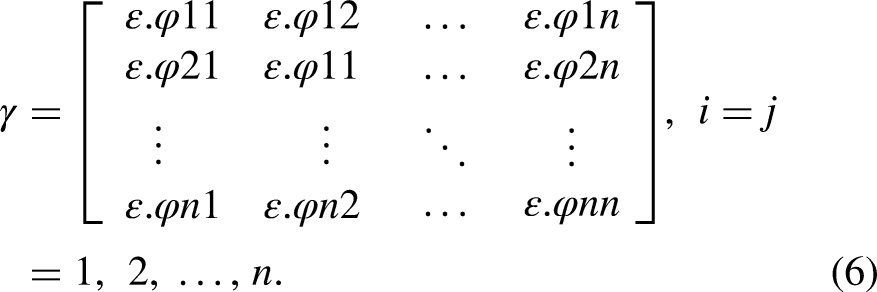

The total relation matrix is created with equation


After, the sums of columns and rows are computed.


The weight vector is calculated.
Expert selection and adequacy
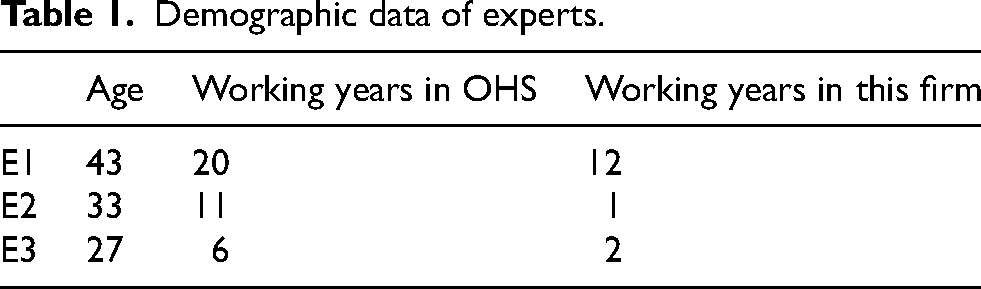
The expert panel was formed purposively to ensure domain-specific knowledge in occupational safety and air-cargo operations. The three experts reported 6 to 20 years of occupational safety experience, were 27 to 43 years old, and had 1 to 12 years of tenure in their firms. In specialized decision models such as DEMATEL, a small but knowledgeable panel is acceptable when the decision context is technically narrow and the participants are deeply familiar with the system under evaluation. Nevertheless, the use of three experts also limits external generalizability and makes the model sensitive to panel composition; for that reason, the findings should be interpreted as analytically strong for the studied context, but not as statistically representative of the entire aviation sector.

Findings
This study identifies and prioritizes 16 occupational health and safety risks in aviation cargo processes by combining expert-weighted FF-DEMATEL outputs with descriptive interpretation of the processing steps. Tables 1 to 4 summarize who the experts are and how their weights were derived, Tables 5 to 9 present the transformation from linguistic judgments to the total relation matrix, and Table 10 reports the final risk weights used for prioritization.
Demographic data of experts.
Weights of experts.
Opinions of experts.
Total relation matrix.
Weights of criteria.
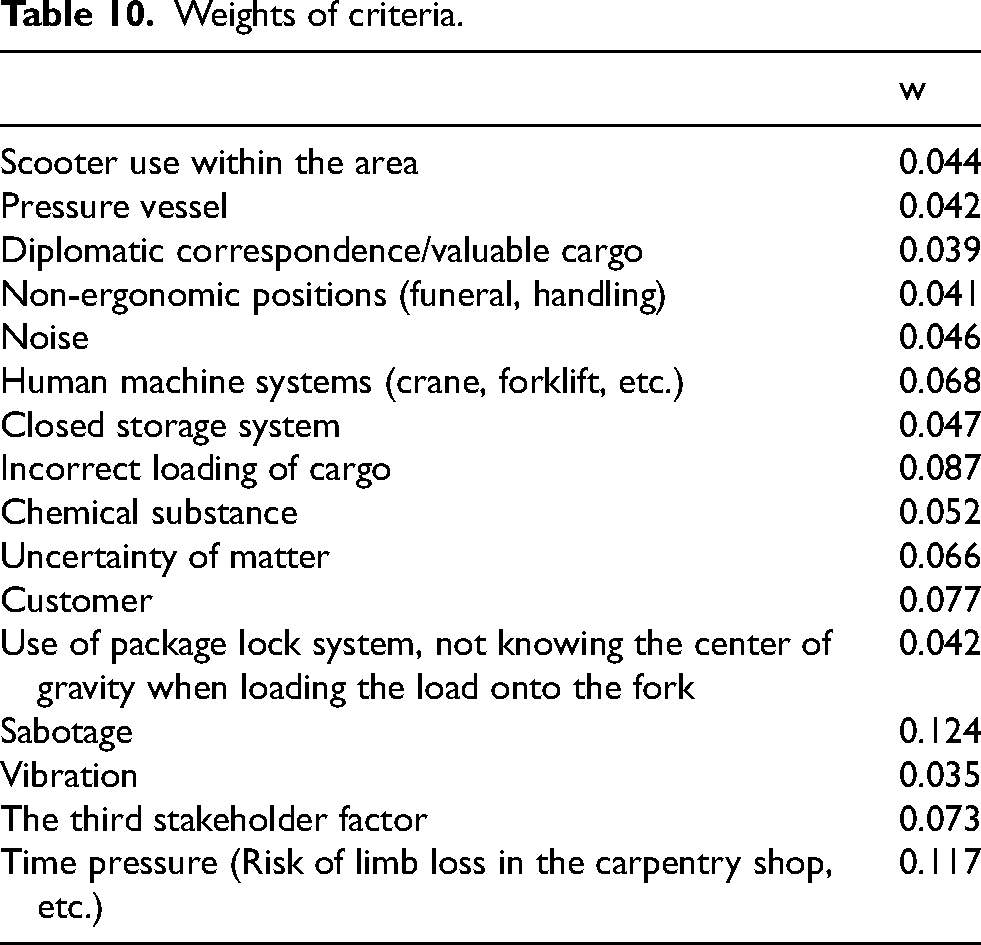
Table 1 presents the demographic data of experts evaluating safety risks in the air cargo sector.
The ages of the experts range from 27 to 43 years, with an average age around 34 years. This indicates that experienced professionals are contributing to the evaluation process, suggesting that the experts possess a significant level of knowledge and experience. The experts have an average of 6 to 20 years of experience in the field of occupational safety. This implies that the experts have spent considerable time in the industry, providing a solid knowledge base for risk assessments. The total working years of the experts in this firm range from 1 to 12 years. This indicates that the experts not only have extensive knowledge in occupational safety but also a comprehensive understanding of various processes within the sector. Overall, the demographic data presented in Table 1 indicates that the risk assessment is conducted by a team of highly experienced and knowledgeable experts in the field of occupational safety. This contributes to the reliability of the research and underlines the importance of considering this expertise in the evaluation of the obtained data. The experience of the experts provides a vital foundation for the applicability and effectiveness of the proposed model. In light of these interpretations, a more solid basis is established for the overall findings and recommendations of the study. After that, the information is standardized with centered and normalized process. The standardized information is shown in Table 2.
Standardized information.
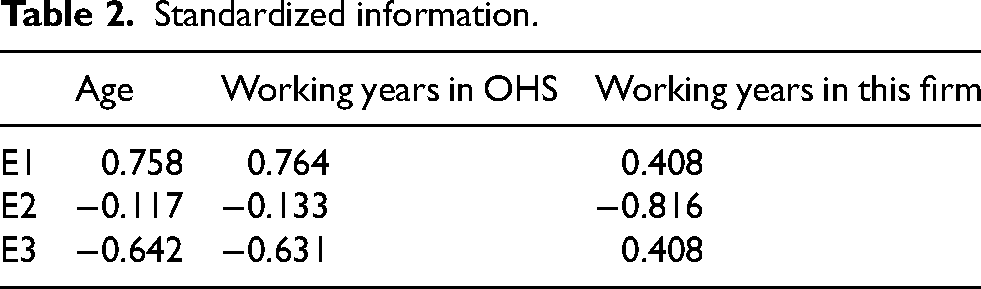
Afterwards, the covariance coefficients between the standardized information is calculated and the matrix is illustrated in Table 3.
Covariance matrix.
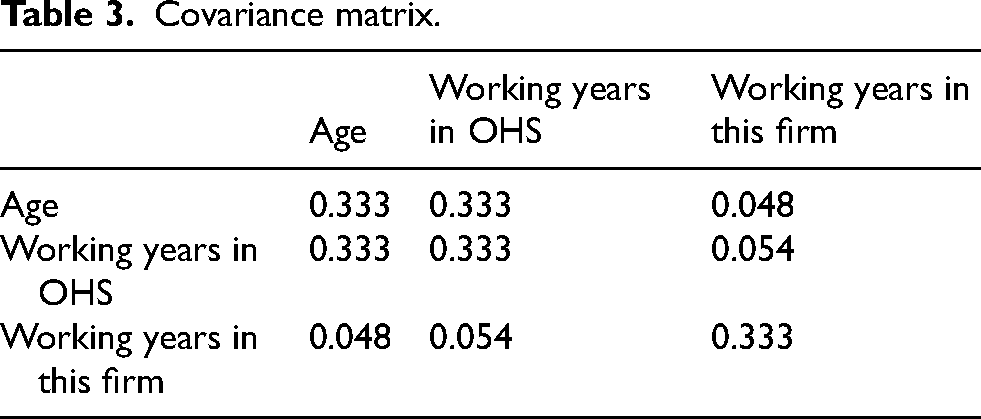
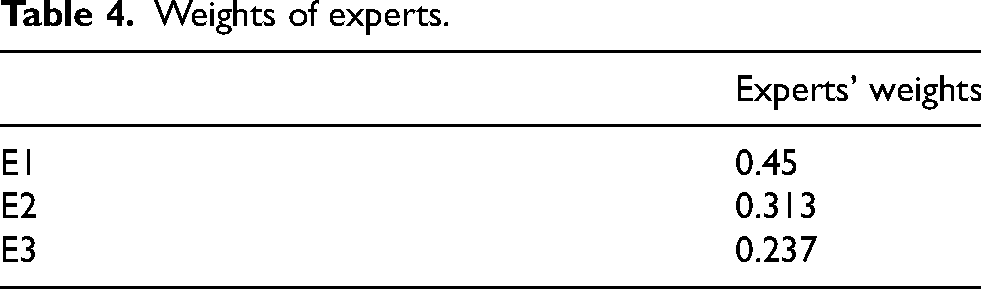
Next, the eigenvalues of covariance matrix are obtained, and the maximum eigenvalue is selected. The value is 0.682. Then, the eigenvectors according to maximum eigenvalue are computed. Finally, the eigenvectors is multiplied by information about experts, and the multiplied values are normalized. The normalized values are defined as experts’ weights. The experts’ weights are displayed in Table 4.
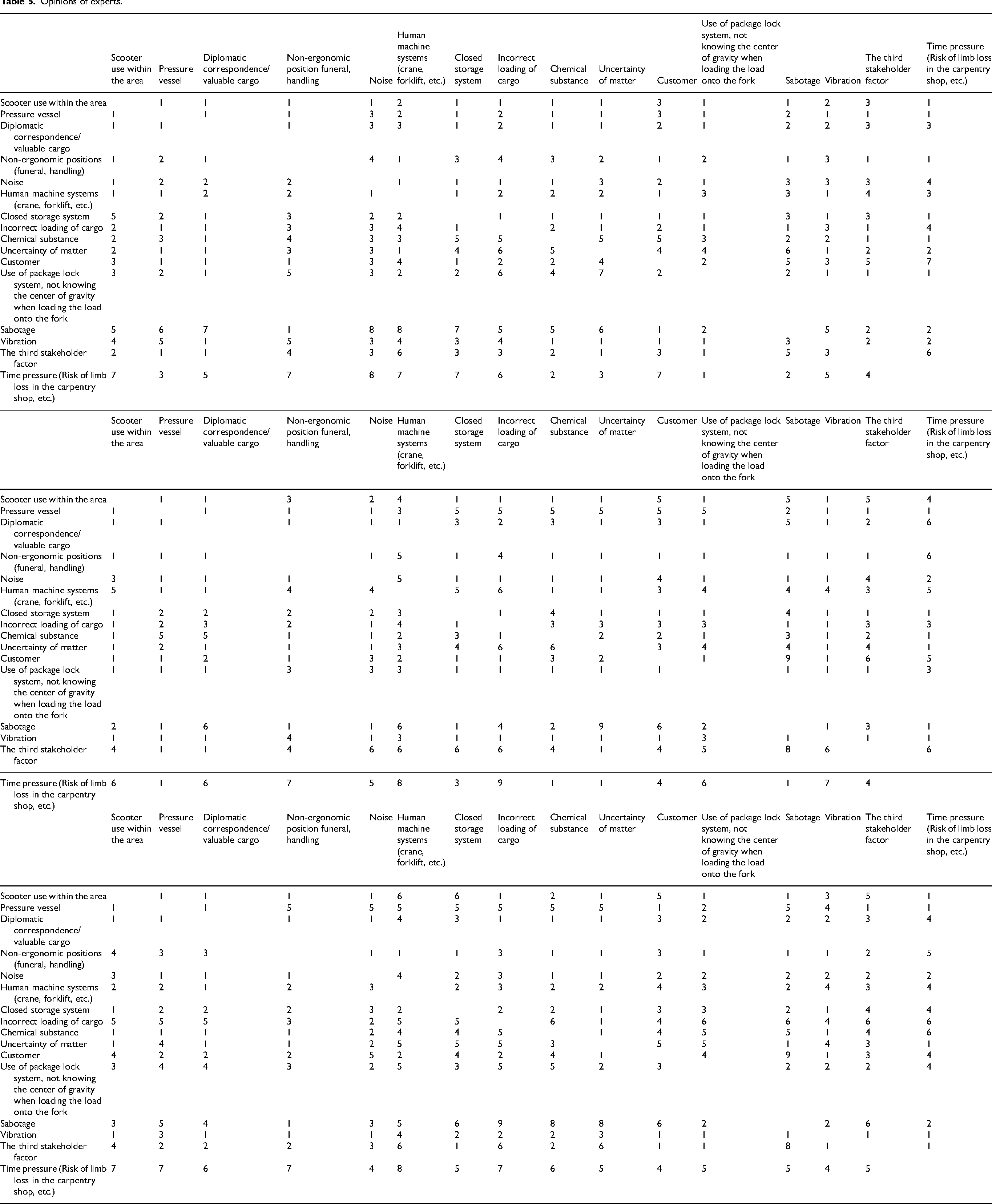
For FF-Dematel, opinions are collected by these three experts. The opinions are exhibited in Table 5.
These opinions are transformed to Fermatean fuzzy numbers. Then, the fuzzy numbers are multiplied by the weights of experts and summed. The results of the process are the elements of fuzzy initial direct matrix. The matrix is given in Table 6.
Fuzzy initial direct matrix.
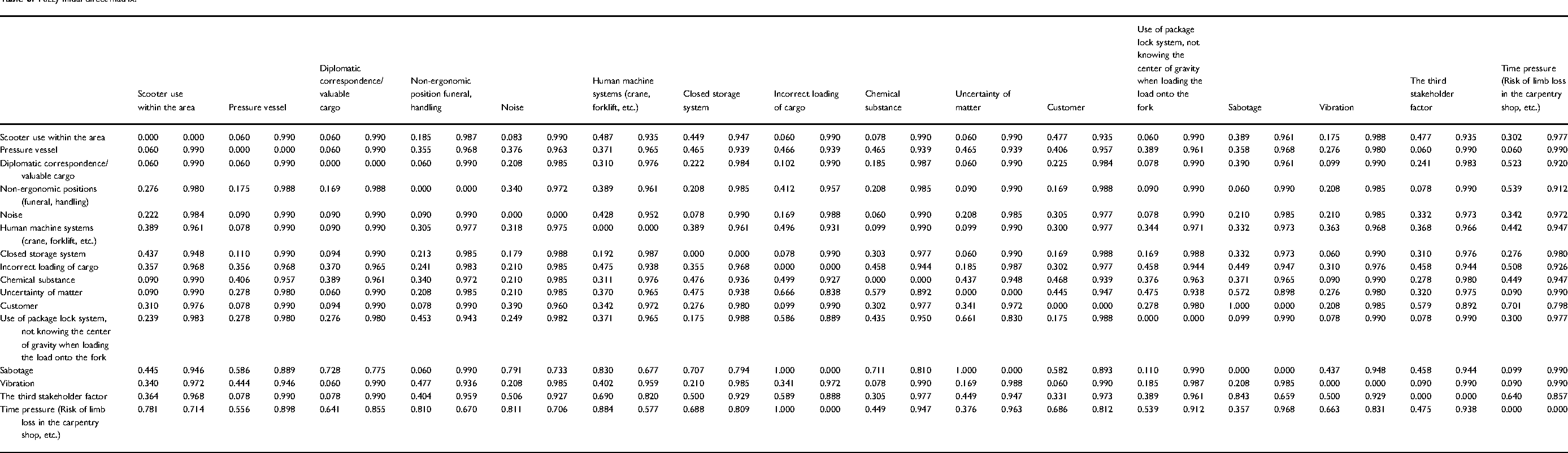
The elements of fuzzy direct matrix is crisped using score function. The crisped values are summarized in Table 7.
Crisped decision matrix.
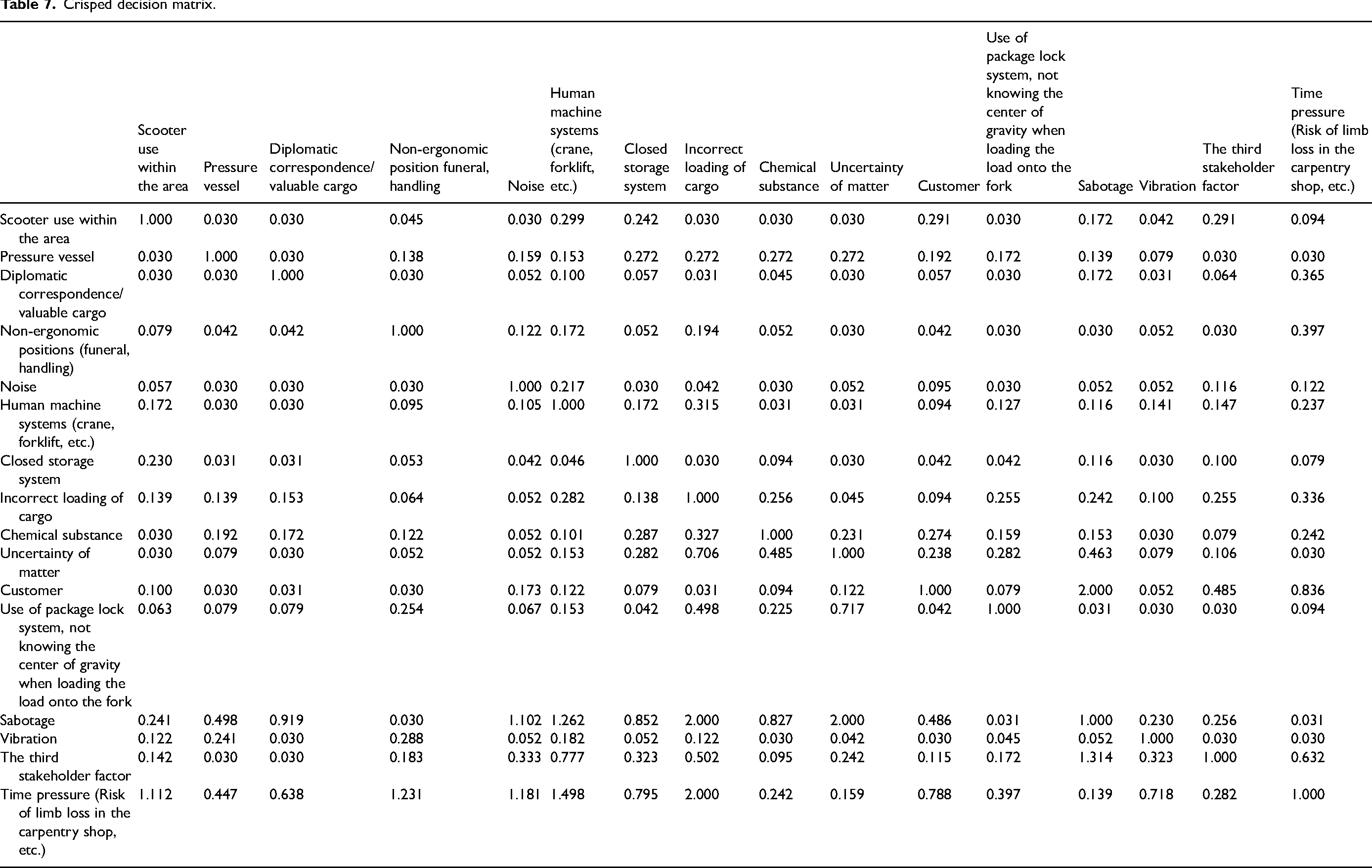
The crisped values are normalized, and normalized matrix is obtained. The normalized matrix is described in Table 8.
Normalized matrix.
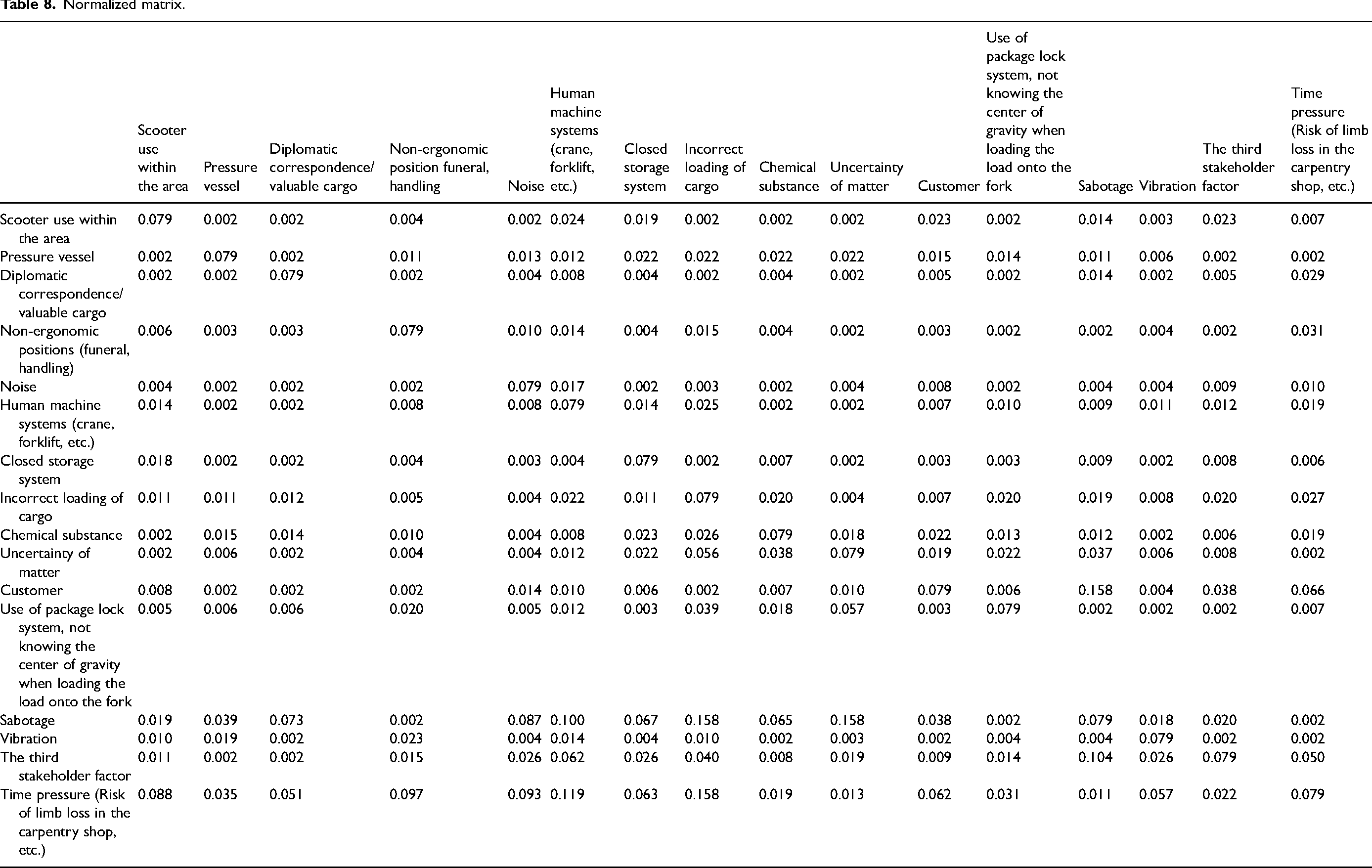
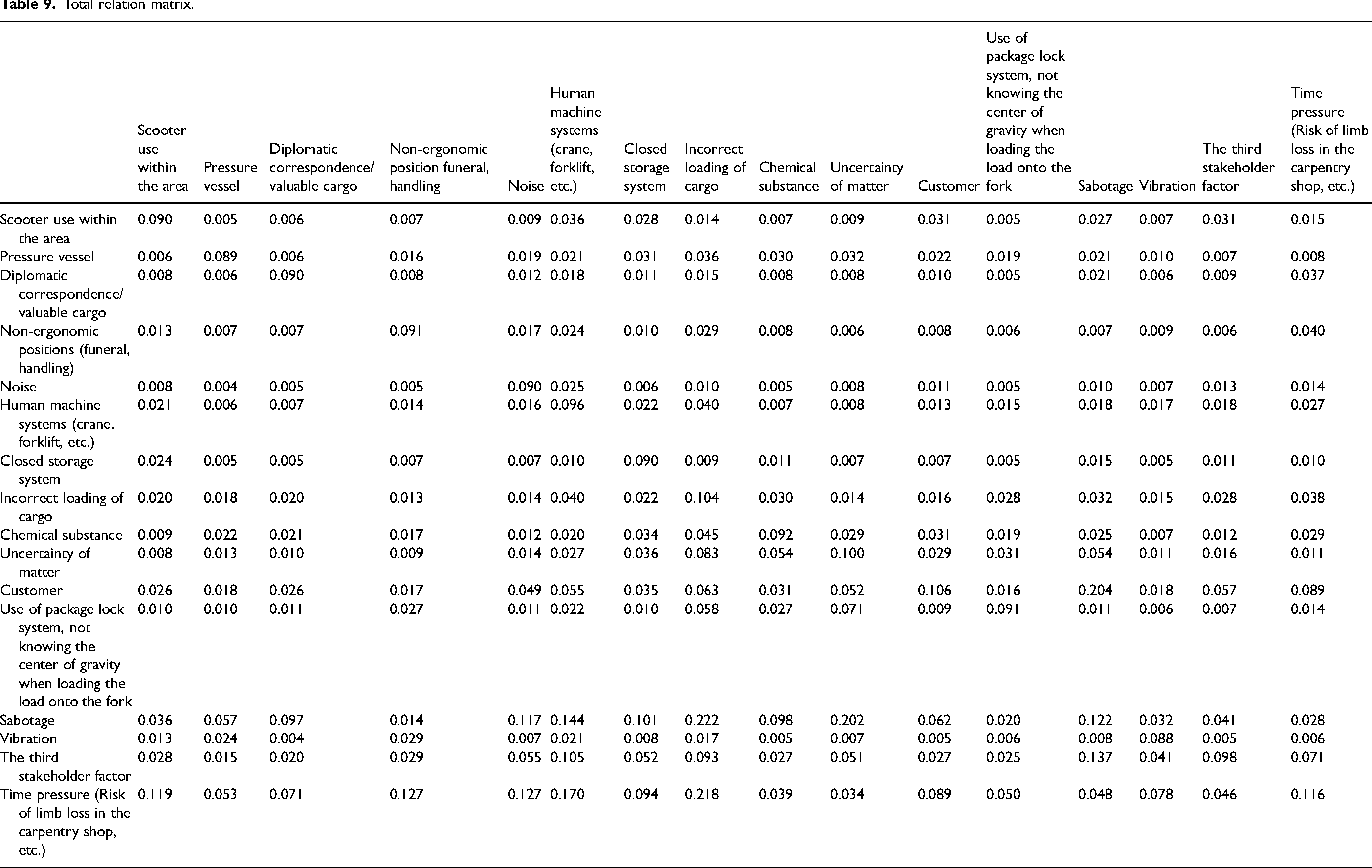
Afterwards, the total relation matrix is created from normalized matrix. The total relation matrix is shown in Table 9.
Finally, the totals of rows and columns of total relation matrix is estimated. Then, using the total values, the weights of criteria are determined. The weights of criteria are presented in Table 10.
Table 10 provides the determination of the various risk factors evaluated in the study with the above-mentioned specific weight, ranking and impact of each factor.
The table sequence should be interpreted as an analytical pipeline rather than a set of isolated outputs. Table 1 establishes the credibility of the panel, Tables 2 to 4 explain the derivation of expert weights, Tables 5 to 7 convert raw judgments into crisp values, Tables 8 and 9 reveal the direct and total influence structure, and Table 10 translates that structure into actionable priorities. To assess consistency, the final FF-DEMATEL ranking was compared with the row sums of the normalized and total relation matrices. The same upper-tier factors remained visible across these comparisons, with sabotage and time pressure consistently dominating the system and customer-related uncertainty and third stakeholder effects remaining in the next tier. This comparative check supports the internal stability of the ranking despite the small expert panel.
Discussion
The results extend the existing aviation safety literature by showing that psychosocial and security-related pressures are not peripheral issues in cargo operations; they are central causal drivers. The prominence of sabotage and time pressure is consistent with studies emphasizing security vulnerability, fatigue, shift pressure, and organizational stress in aviation work systems. At the same time, the emergence of incorrect loading as a major effect factor helps explain how upstream managerial and coordination failures are translated into concrete operational hazards at the worker level. This pattern also aligns with previous discussions of ergonomic burden, communication breakdown, and ground-handling complexity in civil aviation, but the present study advances the literature by quantifying how these risks interact rather than describing them separately. The growth trajectory of the civil aviation sector, particularly observed illustrates the profound impact of globalization and technological advancement on this industry. The staggering increases in the number of airline operators (62%), aircraft (218%), and overall seating capacity (253%) signify a robust competitive environment bolstered by increased demand for air travel and cargo transport. The impressive 625% growth in cargo capacity and $700 billion contribution to the global economy from air freight underscore how essential the aviation sector has become for international commerce. 47 However, while these growth figures are encouraging, they also highlight the urgent need for sustained focus on safety and occupational health within the industry. The research indicates that aviation workers experience a variety of occupational hazards, ranging from ergonomic to psychosocial risks. The insufficient attention to these concerns poses potential threats not only to the well-being of aviation employees but also to flight safety and operational efficiency. The study reveals that merely focusing on growth metrics, without addressing these health and safety challenges, could undermine the achievements of the sector in the long term.
Moreover, the rise of e-commerce and subsequent demands for efficient cargo solutions illustrate the need for innovative practices in air cargo operations. The ability to quickly and securely transport diverse cargo types from one point to another has become not only an operational challenge but also a strategic necessity for businesses seeking competitive advantage in a fast-evolving market environment.
The data presented in the findings section have been thoroughly analyzed and evaluated in the discussion segment of the paper. The results reveal various factors contributing to operational risks, including issues related to the closed storage system, improper cargo loading, the presence of hazardous chemical substances, and uncertainties surrounding customer requirements. Additionally, risks associated with the utilization of package lock systems, unawareness of the center of gravity during load placement, sabotage, vibration, and time pressure—especially concerning the risk of limb loss in carpentry operations—have also been identified. The analysis further elucidates the repercussions of these risks, indicating that the closed storage system and incorrect loading practices significantly impact operational safety. The effects of external factors such as vibrations and the potential for sabotage require careful consideration to mitigate their risks. The quantitative assessments provided in the risk matrices underscore the varying degrees of threat posed by each risk factor. For instance, the likelihood of injury due to time pressure is notably high, thus necessitating a reassessment of current practices in order to enhance worker safety. Below, detailed comments on all results are provided:
Sabotage: Sabotage, which has the highest weight, represents security gaps and threats in the air cargo sector. Preventing sabotage incidents requires strict implementation of security protocols. Strengthening security systems and increasing employee awareness on this issue are important.
Time Pressure: Time pressure can increase employee stress levels and increase the likelihood of making mistakes. This can negatively affect both occupational health and work efficiency. Work processes need to be optimized and employees’ health factors need to be considered.
Incorrect Loading: Errors made during loading threaten cargo safety and the efficiency of transportation. Therefore, training for loading processes and their compliance with standard operations should be increased.
Customer Factor: Customer demands and expectations are important factors affecting air cargo processes. Having clear agreements and strengthening communication can help reduce risk.
Third Party Factor: Third parties can affect processes through other stakeholders in the supply chain. Effective management of this factor can ensure that all processes are safe and efficient.
Chemical Substances: Transportation of chemical substances is a situation that requires special safety measures. It is important to increase training on the safe storage and transportation of these substances.
Uncertainty: Uncertainty in business processes can affect employees’ decision-making processes. Therefore, clearly defining processes and reducing uncertainties will positively affect business performance.
Vibration: Vibration occurring during transportation can negatively affect the health of employees. Regular maintenance of machinery and equipment and monitoring of vibration levels can reduce this risk.
Closed Storage System: Effective management of closed storage systems can increase the safety of goods. Proper design and training are required for the effective operation of these systems.
User of Package Lock System, Not Knowing the Center of Gravity When Loading the Load onto the Fork: Not knowing the center of gravity of the load can increase incorrect loading and potential accidents. Increasing training and integrating new systems can reduce this risk.
Other Factors (e.g., Noise, Non-Ergonomic Positions, etc.): These factors are generally low in weight, but still should not be ignored. Ergonomic arrangement of the working environment can help reduce such problems.
The results obtained show that air cargo transportation is a complex structure and various risks interact with each other. The highest risk factors, safety and time pressure, should be addressed as a priority. Improvements, especially regarding sabotage and time pressure, will increase overall occupational safety. Training, use of technology and process improvements are important for effective management of other risk factors. Taking all these factors into account will contribute to the creation of a safer and more efficient working environment in the air cargo sector. This comprehensive risk analysis in the context of aviation logistics emphasizes the importance of addressing these operational challenges. It suggests that fostering a culture of safety and implementing systematic risk management strategies are essential for minimizing hazards within the sector.
The comparative consistency analysis reinforces this interpretation. Although the final weight vector places sabotage slightly ahead of time pressure, both the normalized and total relation matrices preserve the same dominant risk pair, indicating that the prioritization is not an artefact of a single calculation step. In practical terms, this means that security controls and workload management should be treated as coupled interventions. Likewise, the positions of customer-related uncertainty and third stakeholder effects show that coordination problems outside the immediate warehouse floor still shape worker safety outcomes inside cargo operations.
Conclusions and recommendations
The study shows that the most urgent occupational safety priorities in civil aviation cargo are not evenly distributed across all hazards. Instead, the causal structure concentrates attention on sabotage, time pressure, incorrect loading, customer-related uncertainty, and third stakeholder effects. This means that policy and managerial action should begin with the drivers that destabilize the system and then move to the operational consequences they generate on the warehouse floor and during loading activities.
Security governance should be prioritized first: because sabotage had the highest final weight (0.124) and one of the strongest prominence scores, firms should strengthen access control, screening routines, surveillance coverage, incident reporting, and recurrent security drills for cargo personnel and subcontractors.
Workload and time-pressure management should be prioritized second: because time pressure had the second-highest weight (0.117) and the strongest net causal influence, managers should redesign peak-hour staffing, standardize break scheduling, reduce unrealistic turnaround expectations, and implement stop-work authority when safe handling conditions are compromised.
Loading discipline and handling technology should be prioritized third: because incorrect loading of cargo ranked high as an effect factor, companies should deploy center-of-gravity checks, barcode-supported verification, forklift loading checklists, and targeted refresher training for load planning and manual handling tasks.
Inter-organizational coordination should be prioritized fourth: because customer-related uncertainty (0.077) and third stakeholder effects (0.073) remained in the upper tier, firms should formalize cargo information exchange, pre-alert procedures, escalation protocols, and shared accountability mechanisms with customers, handlers, and other external actors.
These recommendations translate the numerical outputs of the model into a concrete implementation order for policymakers and managers: first secure the system, then reduce time pressure, then stabilize loading practice, and finally tighten stakeholder coordination. In this way, the study moves from abstract prioritization to a practical intervention roadmap for cargo operations.
Several limitations should be acknowledged. First, the model relies on expert judgment, so subjective bias cannot be eliminated even though the experts were experienced and weighted systematically. Second, the three-expert panel is suitable for an in-depth specialist assessment but restricts statistical generalizability. Third, the study is context-bound to civil aviation cargo operations and does not directly capture differences across airports, countries, or organizational models. Fourth, FF-DEMATEL is strong for causal prioritization but does not replace longitudinal safety observation or incident-based validation. Future studies can strengthen external validity by expanding the panel, comparing countries or firms, and testing the risk structure with alternative MCDM methods.
In conclusion, the civil aviation sector represents a pivotal element of modern economies, evidenced by its substantial contributions to employment and economic growth. However, the rapid expansion of this industry brings with it a pressing need to address the occupational health and safety challenges, particularly those associated with air cargo operations. The research highlights that aviation workers are exposed to various hazards, which if left unaddressed, could impact not only their well-being but also the overall safety and efficiency of operations. To mitigate these occupational health risks and foster a safer working environment, the following recommendations are proposed:
Enhancing Occupational Safety Programs: Implementing comprehensive training and assessment procedures that focus on reducing ergonomic, physical, and psychosocial hazards specific to aviation workplaces. Promoting Technological Solutions: Encouraging the adoption of innovative technologies that can aid in monitoring and improving safety standards as well as operational efficiencies, particularly in cargo management processes. Stakeholder Cooperation: Foster collaboration among governmental bodies, industry representatives, and worker organizations to develop and adhere to improved safety regulations and health standards tailored to the unique environment of civil aviation. Research and Development: Investing in research aimed at identifying key performance indicators associated with health and safety in both passenger and cargo operations. This could involve studying the impact of work-related stress and ergonomics on employee performance and safety across various aviation roles.
By embracing these recommendations, the civil aviation sector can not only continue its trajectory of growth but also ensure a more secure and sustainable future for its workforce and operations, ultimately driving improvements in both employee welfare and operational excellence. Future studies could delve into the psychological and emotional impacts of shift work on aviation employees, explore best practices in injury prevention specific to cargo handling, and assess the effectiveness of existing safety management systems in mitigating identified risks. Additionally, longitudinal studies could provide insights into the long-term health outcomes for aviation workers, contributing to a more in-depth understanding of the complexities surrounding occupational health in this vital sector.
Footnotes
Acknowledgments
The authors would like to express their gratitude to occupational safety experts for their valuable contributions to the data collection process.
Ethical considerations
Not applicable
Funding
The authors received no financial support for the research, authorship, and/or publication of this article.
Informed consent
Not applicable
Author contributions
ST and EHT: Contributed to the initiation of the study, conceptualized the study design, conducted quantitative data analysis, independently performed qualitative data analysis, interpreted the results, drafted the manuscript, approved the final version, and agrees to be accountable for all aspects of the work.
EHT, EC, SE and AC: Participated in initiating the study, contributed to conceptualizing the study design, collected data, independently conducted qualitative data analysis, participated in interpreting the results, approved the final manuscript, and agrees to be accountable for all aspects of the work.
EHT, EC and AC: Participated in initiating the study, contributed to interpreting the results, approved the final manuscript, and agree to be accountable for all aspects of the work.
Funding
This study did not receive any financial support from any organization.
Declaration of conflicting interests
The authors declared no potential conflicts of interest with respect to the research, authorship, and/or publication of this article.