



Abstract
Background
Psychological harassment (PH) at work is referred to as PH is a critical psychosocial hazard that negatively affects employee well-being and productivity. Increasing evidence indicates that PH contributes to burnout, particularly emotional exhaustion, depersonalization, and reduced personal accomplishment. However, empirical findings on how harassment interacts with burnout subscales across different demographic groups remain limited.
Objective
The relationships between PH and burnout subscales among employees in the public and private sectors were examined, and whether PH was positive associated burnout when demographic variables were controlled was evaluated.
Methods
A cross-sectional study was conducted with 412 employees, and data were collected using participants’ self-reported responses. Burnout and Psychological Harassment levels were assessed using validated scales. Statistical analyses included descriptive tests, Pearson correlations, t-tests, ANOVA, and hierarchical regression models.
Results
Participants experienced moderate levels of PH(M = 47.57, SD = 16.98) and burnout (EE: M = 17.45; DP: M = 10.28; PA: M = 16.93). PH showed a significant positive correlation with EE (r = .233, p < .001) and a significant negative correlation with PA (r = –.201, p < .001). Private-sector employees reported higher EE (M = 27.82) than public-sector employees (M = 24.92; p < .001). PH varied significantly by education (p = .021) and income level (p < .001). Hierarchical regression results indicated that psychological harassment significantly predicted EE (β = .302, p < .001), explaining 9.1% of its variance, and remained significant after demographic controls (ΔR2 = .086).
Conclusion
PH is a strong and independent predictor of emotional exhaustion and reduced personal accomplishment. Although demographic factors contribute to variations in burnout and PH, they do not fully account for the adverse effects of PH. These findings highlight the need for organizational prevention strategies, effective reporting mechanisms, and supportive workplace practices to reduce psychosocial risks and enhance employee well-being.
Introduction
Today's professional life goes along with numerous factors of stress that threaten not only the physical but also the psychological health of individuals. Burnout is a psychological syndrome that describes a long-term response to chronic workplace stress and interpersonal demands. First conceptualized by Maslach and Jackson, burnout encompasses three interrelated subscales: emotional exhaustion (EE), depersonalization (DP), and reduced personal accomplishment (PA). 1 These subscales essentially reflect the emotional, cognitive, and motivational components of an employee's response to persistent job-related stress. The Job Demands-Resources (JD-R) model was subsequently developed.2,3 According to this model, burnout occurs as a result of an imbalance between job demands and available personal and organizational resources. Similarly, the Conservation of Resources (CRO) theory emphasizes that the root cause of burnout is the loss of personal resources.4,5 In recent years, burnout has been recognized as an occupational phenomenon by the World Health Organization, and its importance in various professions has been emphasized. 6
Burnout develops due to numerous individual, organizational, and environmental factors. The following items among them are widely cited as causes: the worsening economic climate, increased competition, technological advances, pressures of time, psychological harassment at work (Psychological Harassment), and specific organizational needs. Burnout has significant economic implications both on the employer's side and at the national level. In addition to losing the workforce and lost productivity, medical leave and treatment expenses are also contributing factors. Salvagioni et al. found that burnout is a predictor of a variety of psychological disorders, from physical illnesses such as hypercholesterolemia, type 2 diabetes, and coronary heart disease to insomnia and depressive symptoms. It has also been observed that burnout has occupational consequences such as job dissatisfaction and absenteeism. The individual and social impacts of burnout highlight the need for preventive interventions and early diagnosis of this health condition in the workplace. Therefore, identifying the cause of burnout and implementing preventive measures are critical, in addition to developing national and international policy strategies.7,8
PH, is a process by which an individual or a group of individuals repeatedly and in an orderly manner displays negative attitudes that cause the professional reputation, psychological well-being, and ultimately, social exclusion of the victim from the workplace. Emotionally hurt, but primarily in the victims of PH, may also lead to heavy physical and psychological harm. Such behaviors have the potential to result in effects ranging from anxiety, depression, and dissatisfaction with work to resignation.9,10 PH is a significant social problem that has negative impacts on individuals, organizations, and society, and has attracted attention from both academic and practitioner communities in recent years.11,12
The global prevalence of PH varies across countries and professions. A study in Mexico found a 36% prevalence of PH among healthcare workers, while a study in Germany found the prevalence to be as low as 4.6%.13,14 Reported prevalence rates in Türkiye also vary by occupational group and measurement method. A study among white-collar workers found the prevalence to be 55%, while a study among healthcare workers found this rate to be as low as 2.4%.15,16 A study among nurses in a province in Türkiye found the prevalence to be 54.8%. 17
The impact of PH on burnout syndrome has been examined extensively, with high-quality evidence demonstrating that exposure to PH significantly increases individuals’ levels of burnout.18,19 The presence of controversy continues, however, regarding the specific subscales of this impact and the subgroups within which it is most prevalent. In particular, studies from various industries have yielded inconclusive findings regarding the effect of demographic factors—age, gender, level of education, and marital status—on Psychological Harassment and burnout incidents. 20 However, most existing research focuses on specific occupational groups (especially healthcare or education personnel), while comparative analyses between the public and private sectors remain limited. Therefore, this study aims to fill this gap by statistically analyzing the relationship between PH and burnout among public and private sector employees, with differences based on demographic characteristics. This study aims to contribute to a more comprehensive understanding of how organizational context can shape the dynamics between these two psychosocial phenomena.
Methods
Participants
This cross-sectional analytical study was conducted among employees from various sectors working in the province of Ankara.Since the total population size was unknown, the sample size was determined using the formula commonly applied in such cases, resulting in a calculated sample size of 384.
21
Since the total population size was unknown, the sample size was calculated using the formula for an indeterminate (unknown) population, as presented below.
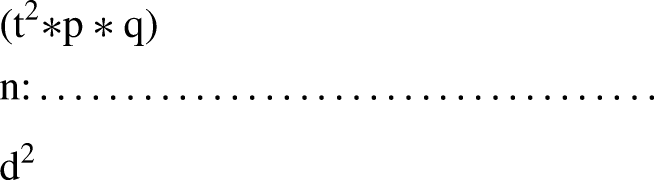
Based on this calculation, the minimum required sample size for the present study was determined to be 384 participants (n = 384.16). 21
A total of 412 individuals participated in the study. In this study, participants were included if they were 18 or older, employed in any sector in Ankara for at least six months, able to read and understand Turkish, and provided informed consent. Exclusion criteria were being unemployed, on long-term leave, in temporary or seasonal positions of less than six months, having a psychiatric diagnosis or treatment, submitting incomplete or inconsistent responses, or withdrawing consent. Since there was no missing data in the data collection form, data from a total of 412 participants were evaluated. The participants were informed about the study, and their consent was obtained. The information collected within the scope of the study will be stored on researchers’ personal computers for five years.
Table 1 shows the sociodemographic characteristics of the participants. The study included 412 respondents, of whom 239 (58.0%) were male. More than half of the participants had a university degree (n = 233, 56.6%), while a smaller proportion had only primary education (n = 32, 7.8%) or a postgraduate degree (n = 23, 5.6%). Regarding employment, 218 participants (52.9%) worked in the private sector. In terms of perceived income level, the largest group—173 individuals (42.0%)—reported having a moderate income.
Selected demographic characteristics of the participants (n = 412).
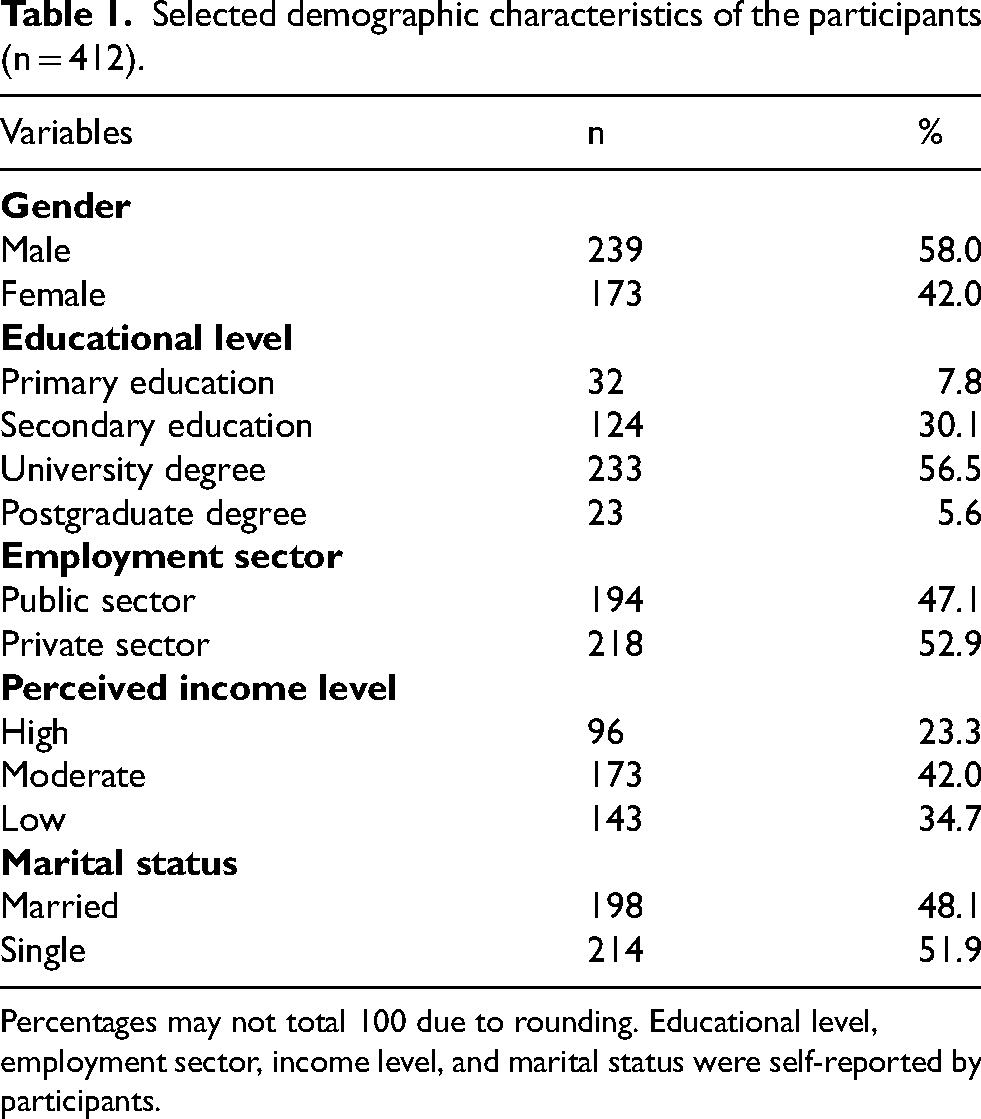
Percentages may not total 100 due to rounding. Educational level, employment sector, income level, and marital status were self-reported by participants.
Measures
There are three parts of the data collection form.
Demographics
The initial section includes the sociodemographic information such as age, sex, and marital status. Participants were classified as public if employed in government-affiliated positions (e.g., civil servants) and as private if working in the private sector as employees.
Maslach burnout inventory
The second section employs the Maslach Burnout Inventory (MBI) developed by Maslach and Jackson. 1 The MBI has three subscales of burnout: EE, PA and DP. It has 22 items in total: 9 items to assess EE, 8 to assess PA, and 5 to assess DP. Ergin translated the inventory into Turkish and also made a few changes to it to accommodate the cultural environment. 22 While the initial measure used a 7-point Likert response scale, it was modified to a 5-point scale due to its greater cultural suitability in Turkey. The new response scales are never = 0, very rarely = 1, sometimes = 2, often = 3, and always = 4. Subscale scores are then calculated accordingly, in which higher scores on EE and DP reveal higher burnout. For the PA subscale, reverse scoring is applied (never = 4, always = 0) because the items in this subscale are positively framed—thus, lower PA scores indicate a higher level of burnout.
Psychological harassment scale
The third part includes the Psychological Harassment Scale adapted by Tayyar, S. in his master's thesis study entitled A Study on Psychological Harassment and Its Effects in Organizations. 23 This scale was designed to measure perceived levels of workplace Psychological Harassment . It consists of 27 items. The scale uses a 5-point Likert scale (1 = strongly disagree, 5 = strongly agree), and higher average scores indicate a higher level of workplace Psychological Harassment . The Cronbach's alpha scale coefficient is 0.87, signifying strong internal consistency.
Data analysis
Statistical processing of the research data was conducted using SPSS 23.0 software. Normality of the data distribution was evaluated through skewness–kurtosis coefficients and the Kolmogorov–Smirnov test. In accordance with standard conventions, skewness and kurtosis values within the range of ±1.0 to ±1.5 were considered indicative of normal distribution. 24 In the current study, the obtained values demonstrated that the variables were normally distributed. In addition, considering the limitations of normality tests in large samples, the normality of regression residuals was assessed through visual inspection using histograms and Q–Q plots. These evaluations indicated that the residuals were approximately normally distributed.
Sociodemographic characteristics were summarized using frequencies and percentages, whereas scale scores were presented as mean, standard deviation, minimum, and maximum values. Pearson correlation analysis was applied to examine associations between continuous variables (e.g., age, years of work experience) and scale scores.
Independent samples t-tests were used to compare mean scores across binary categorical variables such as gender, employment sector, and marital status. One-way ANOVA was used to examine differences in scale scores across income and education levels. For statistically significant ANOVA results, Tukey's post hoc test was applied to determine the source of group differences.
Effect size calculations included Cohen's d for two-group comparisons, interpreted as 0.20 = small, 0.50 = medium, and 0.80 = large. 25 For comparisons involving three or more groups, eta squared (η2) and partial eta squared were calculated, with effect sizes interpreted as 0.01 = small, 0.06 = medium, and 0.14 = large.
Multiple linear regression analyses (Enter method) were conducted to examine the predictive effect of workplace PH on burnout subscales. Prior to regression, multicollinearity was assessed using Variance Inflation Factor (VIF) and tolerance values. Homoscedasticity and residual normality were evaluated through scatterplot and histogram inspections, and autocorrelation of residuals was examined using the Durbin–Watson statistic. A p-value of less than 0.05 was considered statistically significant.
Results
Table 2 shows the descriptive statistics, reliability coefficients, and Pearson correlations between age, working duration, burnout subscales (EE, DP, PA), and PH.
Descriptive statistics and correlations among age, work experience, and measurement scales.
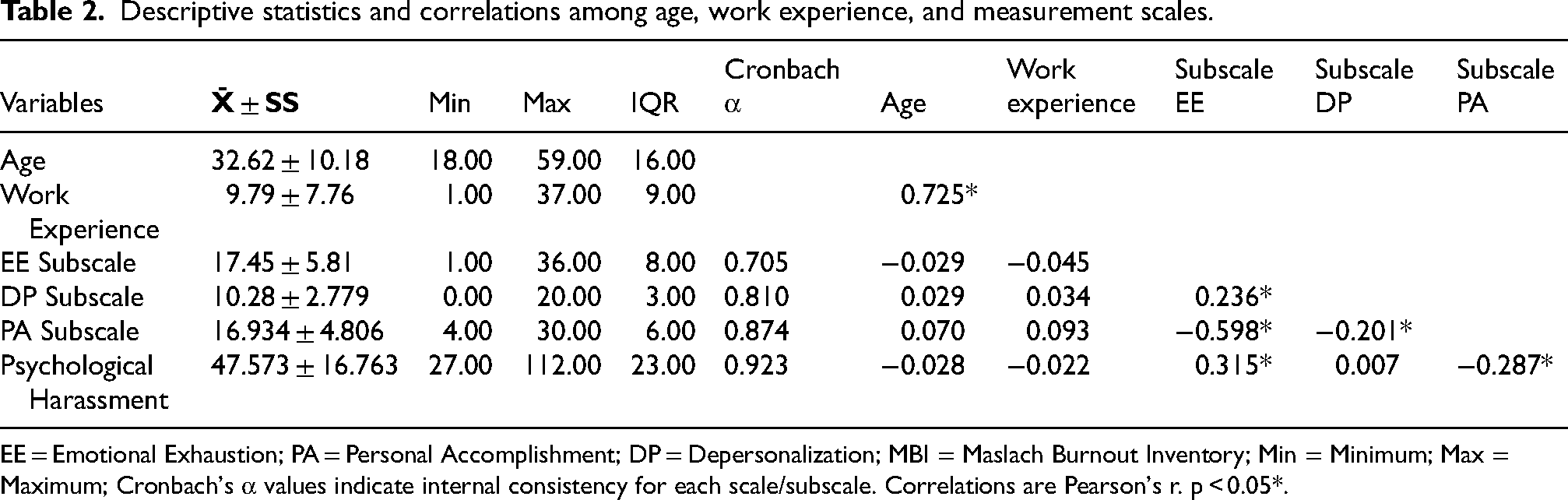
EE = Emotional Exhaustion; PA = Personal Accomplishment; DP = Depersonalization; MBI = Maslach Burnout Inventory; Min = Minimum; Max = Maximum; Cronbach's α values indicate internal consistency for each scale/subscale. Correlations are Pearson's r. p < 0.05*.
The mean age of the participants was 32.62 years, and the average duration of work experience was 9.79 years. The mean scores for the burnout subscales were as follows: EE = 17.45, DP = 10.28, and PA = 16.93, while the mean PH score was 47.57. Internal consistency coefficients were at acceptable levels across all subscales (α_EE = 0.705, α_DP = 0.810, α_PA = 0.874, α_ PH = 0.923). According to the correlation results, there was a significant positive relationship between EE and DP (r = 0.236, p < .05), whereas PA demonstrated significant negative correlations with both EE (r = –0.598, p < .05) and DP (r = –0.201, p < .05) (Table 2).
When Table 3 is examined, it is observed that the subscales of burnout (EE, PA, DP) and PH levels differ significantly across the demographic variables included in the study. According to the independent samples t-test performed for gender, there were no significant differences between men and women in terms of EE, PA, or Psychological Harassment scores (p > .05). However, in the DP subscale, women scored significantly lower than men (p = .034). Although a statistically significant difference was observed in the depersonalization subscale, the effect size was negligible (d = 0.08). Therefore, this finding should be interpreted with caution, as it may not represent a practically meaningful difference.
Group differences in measurement scales by demographic characteristics.
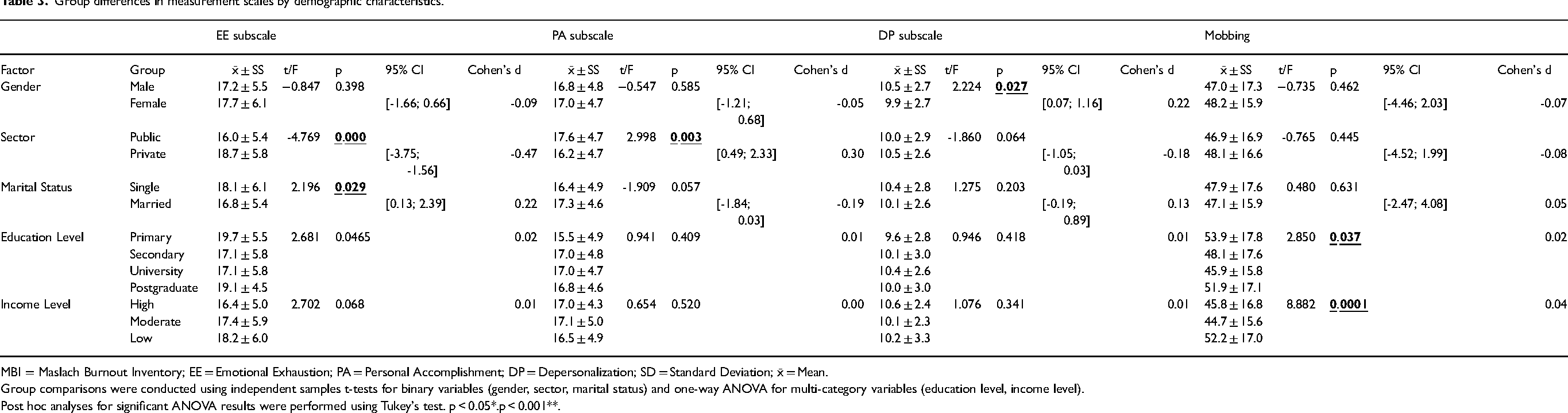
MBI = Maslach Burnout Inventory; EE = Emotional Exhaustion; PA = Personal Accomplishment; DP = Depersonalization; SD = Standard Deviation; x̄ = Mean.
Group comparisons were conducted using independent samples t-tests for binary variables (gender, sector, marital status) and one-way ANOVA for multi-category variables (education level, income level).
Post hoc analyses for significant ANOVA results were performed using Tukey's test. p < 0.05*.p < 0.001**.
In comparisons based on employment sector, private-sector employees reported significantly higher EE scores than public-sector employees (p < .001). The 95% confidence interval confirming the difference ([-4.105; −1.700]) and the moderate effect size (d = 0.67) indicate that the influence of sector is substantial. Examination of the ANOVA results revealed that educational level did not significantly affect burnout subscales; however, PH levels differed significantly across education groups (p = .021). Primary school graduates reported significantly higher PH scores than high school and university graduates, suggesting that lower educational attainment may increase perceived organizational pressure and exposure to PH. The large effect size (d = 0.78) further indicates that educational level has a strong impact on PH experiences.
Table 4 presents the overall fit statistics of the hierarchical regression models. While Model 1 includes only the PH variable, demographic variables were added in Model 2.
Hierarchical regression model summary.
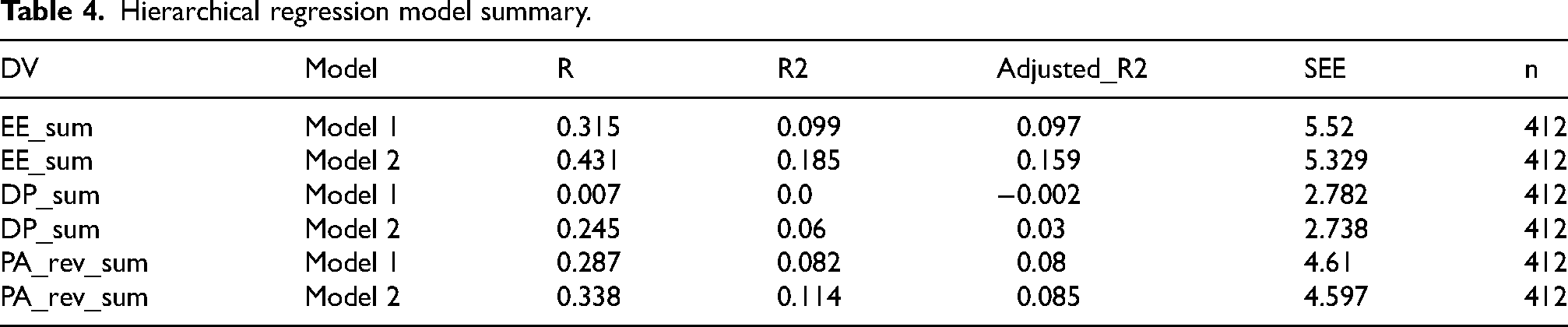
For EE, PH in Model 1 explained 9.9% of the variance (R2 = .099), whereas the explained variance increased to 18.5% in Model 2 after demographic variables were added. This indicates that demographic characteristics also have an effect on EE. For DP, the variance explained in Model 1 was negligible (R2 = .000). However, in Model 2, this value increased to 6% (R2 = .06), suggesting that PH alone does not predict DP but the model becomes meaningful when demographic factors are included. For PA, PH in Model 1 accounted for 8.2% of the variance, while this increased to 11.4% in Model 2. This finding shows that PH independently predicts PA, although demographic variables provide additional explanatory power. Overall, the higher explanatory values of Model 2 across all subscales confirm that burnout is a multifactorial construct (Table 4).
Table 5 presents the regression coefficients for the effects of PH on the burnout subscales.
Coefficients of the effect of psychological harassment Variable.
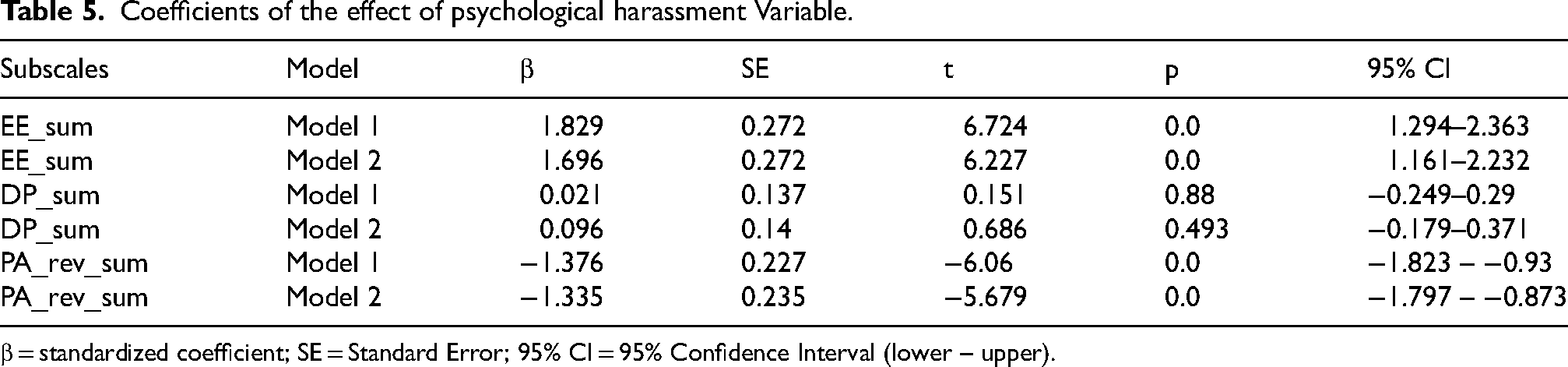
β = standardized coefficient; SE = Standard Error; 95% CI = 95% Confidence Interval (lower – upper).
For EE, PH was a significant predictor (Model 1: β = 1.829, p < 0.001). Although the coefficient slightly decreased after demographic variables were added in Model 2 (β = 1.696, p < 0.001), the effect remained significant. This finding indicates that increases in PH are associated with pronounced increases in employees’ EE levels. For DP, PH was not a significant predictor (p > 0.05), suggesting that DP may be more strongly influenced by other organizational factors rather than PH . For PA, PH strongly predicted decreases in PA (Model 1: β = –1.376, p < 0.001) (Table 5).
The comparison of ΔR2 and F-change values of Model 1 and Model 2 is shown in Table 6.
Model comparison (ΔR2 and F-change).
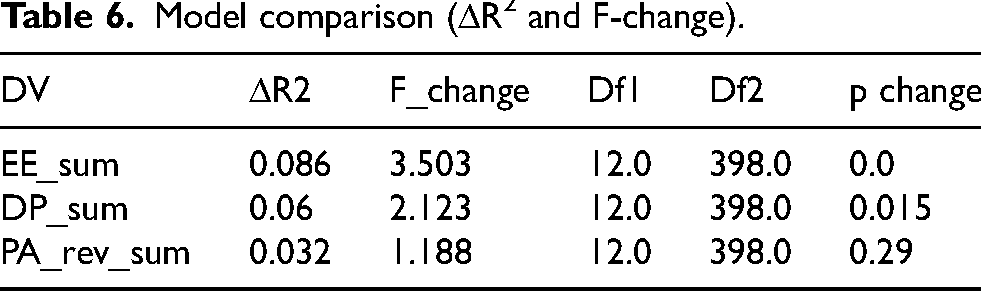
For EE, ΔR2 = .086, indicating that demographic variables contributed an additional 8.6% of explained variance to the model (p < 0.001). This represents a substantial and statistically significant increase. For DP, ΔR2 = .06, reflecting a significant contribution of demographic factors (p = 0.015). For PA, ΔR2 = 0.032, and this contribution was not statistically significant (p = 0.29). These findings suggest that demographic variables provide meaningful additional explanatory power for EE and DP, whereas in the PA subscale, the effect of PH is more dominant than the influence of demographic characteristics (Table 6).
Discussion
We aimed to examine the association between PH (mobbing) and burnout among public and private sector employees, and to evaluate whether this association varies by demographic characteristics. Some of our results align with prior research, whereas others diverge from previously reported findings.
The impact of age on burnout and Ph
A review of various previous studies has generally reported an inverse correlation between burnout severity and age; that is, higher age is associated with lower burnout.26,27 However, differing views have also been put forward. For example, a systematic review by Lee and colleagues, which also examined subscales of burnout, found that older age conferred a higher risk for DP. 28 No association was found between burnout and age in our sample.
When looking at the relationship between PH and age, similarly divergent views on burnout exist. Feijó et al. reviewed studies measuring age-related exposure to PH, finding eight studies showing greater exposure to PH among younger employees, one finding higher exposure among older employees, and nine studies finding no correlation between age and PH. 29 As with most of these findings, our analysis found no significant correlation between PH experience and age. This suggests that PH can occur at any age and that organizational and interpersonal factors may be more predictive of PH.
The impact of gender on burnout and psychological harassment
Regarding gender, most studies suggest that EE and decreased PA occur more often in women, and DP occurs more frequently in men. 19 In our study, inconsistent with the literature, no gender differences were observed in EE and PA, while, consistent with the literature, DP was observed at a higher rate in men. This may be due to factors such as women's higher emotional awareness and stronger empathy. However, it should be noted that the observed gender difference in depersonalization was associated with a negligible effect size, indicating limited practical significance.
In another study of nurses, male participants reported more PH than female participants. 30 Additionally, in a meta-analysis in 2017, it was concluded that working women reported more gendered abuse than working men reported, but that both genders reported equal perceptions of all other forms of workplace abuse. 31 In our sample, there was no statistically significant difference between men's and women's reports of PH . As can be seen, there is no complete consistency in the literature regarding PH and gender. This is because the topic varies depending on many factors, such as profession, country, and workplace factors. Furthermore, women today can also hold active and managerial positions in the workplace, and therefore, their exposure to PH may be similar to that of men.
The impact of marital Status on burnout and psychological harassment
Most previous research on burnout and marital status has shown that single workers (especially men) experience higher burnout rates than those living with a partner. This difference between men and women has been explained by several reasons. Married working women tend to take on household responsibilities in addition to their work responsibilities. This increases their personal and professional burden, leading to higher rates of burnout in married women. However, married men tend to live more structured lives than single men, and their spouses provide them with significant social support, which reduces burnout rates. 19 Similarly, in another study conducted on nurses, single nurses reported significantly higher burnout than married nurses. 32 Consistent with the literature, our study found that single participants had significantly higher EE subscale scores than their married counterparts. We believe this is due to a lack of social support.
A systematic review by Feijó et al. found no statistically significant association between marital status and PH. 29 While some studies in the literature have reported a correlation, our data, like the majority of the evidence compiled by Feijó and colleagues, did not reveal a significant association between marital status and perceived PH . While being married has been considered a protective factor in terms of social support in some studies, this was an expected result, as PH behaviors generally develop independently of personal life circumstances.
The impact of sector on burnout and psychological harassment
In a large-scale Taiwanese survey, workers in the private sector showed greater burnout than those in the public sector, a disparity created by such dynamics as hectic working tempo, work insecurity, and pressure for performance. Conversely, the more stable work conditions of the public sector, clearer roles, and lower competitive rigidity were shown to safeguard against burnout accumulation. 33 While this may seem an expected result, there is also conflicting evidence in the literature. Another study found that, although public-sector employees’ reported psychosocial working conditions were superior to those of their private-sector peers, they also experienced more workplace violence and greater burnout. 34 Burnout has not previously been studied in Turkey across the public and private sectors. However, we do know that individuals in Turkey who are primarily driven by career advancement, higher wages, and the ability to engage in productive and consumer activities often choose the private sector. Those seeking job and salary security and more reasonable working hours often choose the public sector. 35 This suggests that job stress and intensity are higher in the private sector than in the public sector, and consequently, burnout may be more prevalent in the private sector. Indeed, in our study, burnout scores were significantly higher among private sector employees than among public sector employees. The sector's impact on EE and PA suggests that the high performance expectations and intense workload in the private sector increase burnout and reduce the sense of accomplishment.
Debate continues regarding the prevalence of PH in the private and public sectors. While relatively few studies have focused on the evaluation of PH in the public sector, some argue that the prevalence of PH in these types of public institutions is lower than in private firms. This is explained by the special status of public sector employees. 36 On the other hand, some studies suggest that PH may be more prevalent in the public sector because of the existence of strict rules, higher bureaucracy, and excessive job security in public institutions, which contribute to the emergence of PH.37–39 In Turkey, there is a gap in the PH literature regarding the most effective antecedents of workplace PH and whether it is more prevalent in the private or public sectors. Our study did not observe any significant differences in PH between the private and public sectors. We reasoned that performance pressure and competition in the private sector may increase the risk of PH, but the bureaucratic structure and job security in the public sector may also pave the way for PH . These opposing effects may balance each other out and eliminate the overall disparity. Furthermore, private sector employees may be less likely to voice their concerns due to the lack of job security and the fear of dismissal, potentially narrowing the gap between the two sectors.
The impact of education level on burnout and psychological harassment
There is conflicting literature regarding the relationship between education level and burnout. In a study of Chinese elementary school teachers, those with a bachelor's degree were more likely to experience burnout compared to their less-educated peers. 40 Conversely, in nursing students, statistically significant variations in academic burnout were not detected by educational level. 41 Once again, when examining educators and academic professionals in Germany, no significant difference in burnout based on occupational category or educational qualification was evidenced. 42 Consistent with this evidence, our analysis found no correlation between participants’ education level and burnout. This may be due to burnout being related to work conditions rather than education itself. Furthermore, the unequal group sizes across education categories in our sample may have reduced statistical power to detect differences.
On the other hand, previous studies have shown that higher education could be a resource that wards off PH at the workplace. One possible explanation put forward was that individuals with lower qualifications have lower status employment, are perhaps less aware of what their rights are, or are less confident in asserting them, and hence are more at risk from PH. 43 In line with this, our analysis also revealed a significant effect of education on ratings of being bullied: those where the highest qualification achieved was at primary school had greater mean PH ratings than university graduates. This finding suggests that lower education levels weaken employees’ positions of power within the organization, making them more vulnerable to PH.
The impact of income level on burnout and psychological harassment
Previous studies have shown a significant relationship between low income and burnout.44,45 A study conducted in Türkiye found a high correlation between income and burnout. 46 In our study, no significant relationship was found between income and burnout. In the current study, income was subjectively classified by participants as “good,” “fair,” or “poor,” rather than assessed by objective salary data. This perception-based categorization may have influenced the observed nonsignificant relationship between income and burnout. Individuals’ income assessments tend to reflect subjective financial satisfaction and social comparison rather than absolute earnings levels. For example, two employees with similar salaries may perceive their incomes differently due to lifestyle expectations, family responsibilities, or perceived pay equity. Therefore, the lack of a significant relationship in our results may reflect, in part, the subjective nature of income reporting and individual variability in perceived earnings adequacy, rather than the absence of a true relationship.
Low income level is cited as a significant cause of PH.47,48 In this regard, consistent with the literature, those with low incomes in our study reported experiencing PH more frequently. The difference in PH by income level suggests that economic vulnerability makes employees feel more powerless against PH behavior.
The relationship between burnout and psychological harassment
In a case–control study of the Tuzla Occupational Pathology Clinic—in which 140 patients exposed to varying degrees of workplace stressors were compared—PH and poor interpersonal relationships were the most frequent antecedents of burnout syndrome. Relational conflict and any type of workplace aggression within this sample were better predictors of burnout than organizational stressors. 49 Moreover, Karsavuran et al. had identified a direct link between PH exposure and EE among medical staff. 50 Additionally, Borritz et al., in three separate studies of service-industry workers conducted in 2005 and 2006, found higher burnout scores in those who had experienced PH in all three instances.51–53 In line with previous studies, Vévodová et al. investigated 250 nurses and identified high correlations between harassment and all subscales of the MBI. 54 Along similar lines, Dikmetaş et al. observed these same trends in a cohort of 510 physicians, and Membrive-Jiménez's meta-analysis supported that PH truly is a reliable predictor of burnout for nurses.20,55 Similarly, In the research of Hacımusalar et al., with 1053 physicians, physicians who reported being victims of harassment or workplace violence had significantly higher burnout scores. 56 Also, during the pandemic caused by COVID-19, it has been determined in a 2022 survey in Poland from 2196 healthcare workers that individuals who were mobbed were approximately 2.5 times more prone to suffer from burnout syndrome. 57 Moreover, in Greece and Mecca, research also documented positive correlations between PH and EE among nurses, although no significant impacts were documented on the other MBI subscales in the study in Mecca. 58 Our findings revealed a statistically significant positive correlation between PH and burnout levels. Specifically, there was a significant positive correlation between PH and the EE subscale. This result is consistent with previous literature suggesting that PH is a pattern of repeated aggressive acts that cumulatively erodes an individual's psychological resilience and results in burnout.59,60 Furthermore, while no difference was found in the public or private sector, we believe that organizational factors such as inadequate support, managerial injustice, and lack of communication also strengthen this relationship. Furthermore, the significant additional variance explanation for EE according to Model 2 results reveals that EE is sensitive to both PH and demographic level determinants.
Another finding in our study was the significant negative correlation between PH and the PA subscale. The common sense has been that harassment undermines one's professional competence. 61 In this vein, previous research by Karsavuran et al. earlier reported that PH has caused people to feel incompetent and less competent, which lowered PA scores. 50 Consistent with the literature, our findings indicate that PH behaviors undermine employees’ perceptions of professional competence and reduce their sense of PA. Future longitudinal studies are required to shed light on the trajectory of PA perceptions following prolonged harassment exposure. The lack of a significant association of PH on DP suggests that the level of DP is related to general working conditions and job stressors rather than PH. Indeed, the significant contribution of Model 2 to DP indicates that DP is related to employee profile and organizational background.
R egression analysis provides a useful approach to quantify the association between PH and burnout, and it has been widely used in prior studies. For example, Vévodová et al. found no significant effect among 250 nurses in a multivariate logistic regression model, 54 whereas Dikmetaş et al. reported significant associations between harassment and all burnout subscales. 55 Likewise, a 2022 Polish study of 2196 healthcare professionals during the COVID-19 pandemic showed that PH significantly predicted burnout via regression analysis. 57 In our study, Model 1 indicated that PH significantly explained Emotional Exhaustion (EE) and Personal Accomplishment (PA), suggesting it is an important determinant of these dimensions; however, its non-significant association with Depersonalization (DP) implies that DP may be more strongly shaped by organizational factors (e.g., workload, role conflict). The increase in explained variance in Model 2 shows that demographic variables add explanatory value, particularly for EE, while the lower explained variance for PA suggests PA is more strongly linked to PH. Overall, these findings support the multidimensional structure of burnout, with each subscale reflecting distinct underlying processes.
The change in coefficients with the addition of demographic factors to the model indicates that burnout levels are also significantly related to individual characteristics. However, in addition; The persistence of the PH effect even when demographic factors are controlled for suggests that PH is a powerful stressor on burnout, independent of demographic factors. Overall, the regression results are consistent with the ANOVA and t-test findings, supporting the consistency of the relationships between burnout and PH across different types of analyses.
This study highlights that PH is not only a moral concern but also a significant health risk factor for employees. Other organizational factors, such as excessive workload, role conflict, lack of management support, and work-family conflict, also independently contribute to the development of burnout. 62 Therefore, future studies should incorporate these factors into more comprehensive predictive models.
Our study has some limitations. Because all key variables were measured via self-report, responses may have been affected by recall errors and social desirability, which could bias the observed associations. In addition, income was assessed subjectively rather than through objective indicators, which may have introduced misclassification and reduced measurement precision. Finally, given the cross-sectional design, temporal ordering cannot be established, so the findings do not allow causal inferences about the relationships among variables.
Future studies may benefit from using advanced analytical approaches such as structural equation modeling to account for measurement error and to examine the relationships between burnout dimensions and PH at a latent level.
Conclusion
The findings of this study demonstrate that workplace PH is a significant and independent PH explains variance among employees, particularly EE. Although demographic characteristics such as sector, marital status, education, and income level contributed to variations in burnout and PH scores, these factors did not fully account for the detrimental influence of PH on employees’ emotional well-being. PH was positively associated with EE and negatively associated with PA, indicating its pervasive impact on both emotional strain and perceived professional competence. Furthermore, workers in the private sector, individuals with low income or low educational attainment, and unmarried employees were identified as groups at higher risk for elevated burnout and PH exposure. Therefore, it is very much essential to develop targeted support for these categories of people and formulate workplace policy specifically to prevent PH. These steps need to be taken not only to ensure the safety of employee well-being but also to enhance organizational productivity. The results also revealed that PH explained a meaningful proportion of the variance in EE even after adjusting for demographic variables, highlighting its persistent effect.
In conclusion, in clarifying the role of PH in burnout formation, this study contributes to the necessity of anti-harassment interventions within occupational health initiatives. Longitudinal research in the future would be necessary in order to replicate these associations and clarify causal paths.
Recommendations
Develop organizational policies: Institutions should establish clear, enforceable anti- PH policies that define unacceptable behaviors and outline transparent complaint procedures.
Strengthen reporting and intervention mechanisms: Organizations should ensure accessible, confidential, and non-retaliatory reporting channels, supported by timely and impartial investigation processes.
Promote a supportive work climate: Interventions focusing on organizational justice, collegial support, and healthy communication can reduce susceptibility to burnout and exposure to psychological harassment.
Provide training and awareness programs: Regular training on psychological harassment, conflict management, and stress reduction should be offered to both employees and supervisors.
Target high-risk groups: Tailored programs should be developed for private-sector workers, low-income employees, and those with lower educational levels, who were shown to be more vulnerable.
Enhance managerial competency: Leaders should be trained in ethical leadership, emotional intelligence, and fair performance management to mitigate risk factors associated with psychological harassment.
Implement employee assistance programs: Psychological counseling, stress management workshops, and burnout prevention services can buffer the negative effects of psychological harassment.
Encourage periodic monitoring: Organizations should routinely assess the prevalence of psychological harassment and burnout to identify emerging risks and evaluate intervention effectiveness.
Supplemental Material
sj-docx-1-wor-10.1177_10519815261462525 - Supplemental material for The relationship between perceived psychological harassment and burnout among employees across different sectors: A cross-sectional study
Supplemental material, sj-docx-1-wor-10.1177_10519815261462525 for The relationship between perceived psychological harassment and burnout among employees across different sectors: A cross-sectional study by Mehmet Erdem Guney, İsmet Celebi, Duygu Seyhan Erdogan, Sultan Pinar Cetintepe, Cüneyt ÇALIŞKAN and Ahmet doğan KUDAY in WORK
Footnotes

Ethics approval
Prior to the initiation of the study, ethical approval was obtained from the Gazi University Ethics Committee (Code and number: 2023 - 1363).
Informed consent
The participants were informed about the study, and their consent was obtained.
Provenance and peer review
Not commissioned; externally peer-reviewed.
Contributors
All authors contributed substantially to the work's conception or design. Responsibilities include acquisition (MEG, CÇ and IC), analysis (MEG, ADK and IC), or interpretation of data (all) for the work drafting (DSE and SPC)/revising (all) for intellectual content. Final approval of the version to be published (all): agreement to be accountable (all). MEG is responsible for the overall content as guarantor.
Funding
The authors received no financial support for the research, authorship, and/or publication of this article.
Declaration of conflicting interests
The authors declared no potential conflicts of interest with respect to the research, authorship, and/or publication of this article.
Data availability statement
Data are available on reasonable request.
Supplemental material
This content has been supplied by the author(s). The article was initially written in Turkish and later translated into English. During the language editing process, AI applications such as Grammarly, Google Translate, and EndNote were utilized.