



Abstract
A workshop entitled “Streamlined Development of Safety Assessment Programs Supporting Orphan/Rare Diseases—Are We There Yet?” was held at the 36th Annual Meeting of the American College of Toxicology in Summerlin, Nevada. The workshop was sponsored by Shire and Ultragenyx and was designed to present the nonclinical considerations for the development of various products for rare diseases. A panel of experts from industry and government highlighted the nonclinical considerations in developing toxicology programs supporting rare disease therapeutics, challenges in preclinical safety assessment, reviewed the current guidance, and presented the progress that has been made to date. The main learning from the workshop was that nonclinical testing of therapeutics targeting rare disease warrants special considerations, and early collaboration between sponsors and health authorities may help optimize the scope and timing of the supportive studies. Specific examples for nonclinical development programs for enzyme replacement therapy (ERT) were presented. Although the symposium focused on ERTs, the concepts are broadly applicable.
Introduction
Rare diseases are defined by the size of the patient population. In the United States, the Food and Drug Administration (FDA) defines a rare disease as one that affects fewer than 200,000 patients (prevalence ≤to 67 in 100,000) and an ultrarare disease as one that affects fewer than 6,000 patients (prevalence 2 in 100,000). 1,2 In the United Kingdom, the Medicines and Healthcare products Regulatory Agency defines a rare disease as one with fewer than 50,000 patients (prevalence 1 in 2,000). 3 In the European Union (EU), the European Medicines Agency defines a life-threatening or chronically debilitating condition affecting no more than 5 in 10,000 persons as rare. 1 There are approximately 7,000 rare diseases that are thought to affect roughly 30 million people. Eighty to 85% are genetic disorders, with children being half of the number of patients affected. An orphan disease product is one that treats life-threatening or chronically debilitating conditions that, without incentives, are unlikely to generate sufficient return to justify the necessary investment, and where there exists no satisfactory method of diagnosis, prevention, or treatment of the condition in question, or if such a method exists, the medicinal product will be of significant benefit to those affected by that condition.
To date, there is a significant gap between needs and pharmaceutical efforts toward rare diseases. From 2010 to 2014, there were 56 approvals of drugs affecting rare disease populations. 4 However, there are over 1,100 rare diseases identified that are in need of a therapy, representing a significant opportunity. The somewhat meager success in approaching these diseases may lie in the various challenges to understanding the disease itself and the lack of recapitulation in the animal models of the disease. Of the various challenges in the rare genetic disease landscape, the most important is the lack of basic research knowledge and understanding of the disease pathophysiology. Many rare genetic diseases, although genetically focal, are not well understood and may express genotypic/phenotypic complexity within the disease. Other challenges include targeted delivery systems such as blood–brain barrier penetration, tissue targeting other than liver, and subcellular targeting. Still, other challenges include small numbers of patients available for clinical testing and uncertain regulatory pathways to enter and progress through clinical development. Despite these challenges, the rare disease landscape has had several accomplishments such as significant increases in rare disease research and development (R&D) expenditure, increases in approvals providing therapies to patients with transformational benefits, and continual improvement in the diagnosis of genetic-based diseases.
Understanding disease pathophysiology along with increasing clinical development and regulatory experience in rare diseases will shape the use of current and future therapeutic modalities in addressing these severe unmet medical needs. It can be envisioned that through an understanding of the pathophysiology of the disease, both in humans and in animal models, the selection of the therapeutic platform could be tailored to optimize success. Those platforms include, but are not limited to, enzyme replacement therapies (ERTs), small molecules, antibody-based therapies, oligonucleotides, and gene therapies.
Today, rare diseases affect 6% to 8% of population, with 5 new rare diseases described each week in the medical literature. About 70% to 75% of rare diseases have a prevalence of <100,000. Although each individual disease is considered rare, the total rare disease patient population is 27 to 37 million and 30 million in the EU and United States, respectively. Collectively, the integrated prevalence of all rare diseases is similar to common diseases such as type 2 diabetes, with an incidence of 1 in 10 Americans. 5,6 About 80% of rare diseases have been linked to genetic origins. Other rare diseases develop as a result of infections (bacterial or viral), allergies, or stem from degenerative and proliferative causes. Approximately 50% affect pediatric populations (eg, infantile spinal muscular atrophy, lysosomal storage disorders (LSDs), patent ductus arteriosus, familial adenomatous polyposis, and cystic fibrosis). More than 50% of rare diseases appear during adulthood, such as renal cell carcinoma, glioma, and acute myeloid leukemia.
The rare disease field is booming and is here to stay, with many traditional pharmaceutical companies entering into the space. Although the R&D expenditure dedicated to orphan diseases is a small fraction, the translation of this single-digit expenditure into approvals and sales figures has been highly predictive. 7 –9 This rise in approvals is especially supported by the Orphan Drug Act that incentivized companies working on rare diseases. Companies in the United States spent twice the amount in 2013 than they did in 2007, translating to 230 approvals and a 50% increase in orphan drug sales. In the 30 years since the Orphan Drug Act was established in the United States, >500 orphan drugs have been approved to treat approximately 12 million US patients. A total of 17 (49) new (total) orphan drugs were approved in 2014. 10
Despite a definite rising trend in the number of orphan drug approvals per year (Figure 1 11 ), fed by a steady increase in the number of orphan designation requests and designations granted, totaling 300 orphan drugs and devices approved in the last 25 years, many thousands of orphan diseases (95% of rare diseases) remain without a single approved drug. 12 At the current rate, addressing the needs of the remaining rare diseases will take another 200 to 300 years. 13
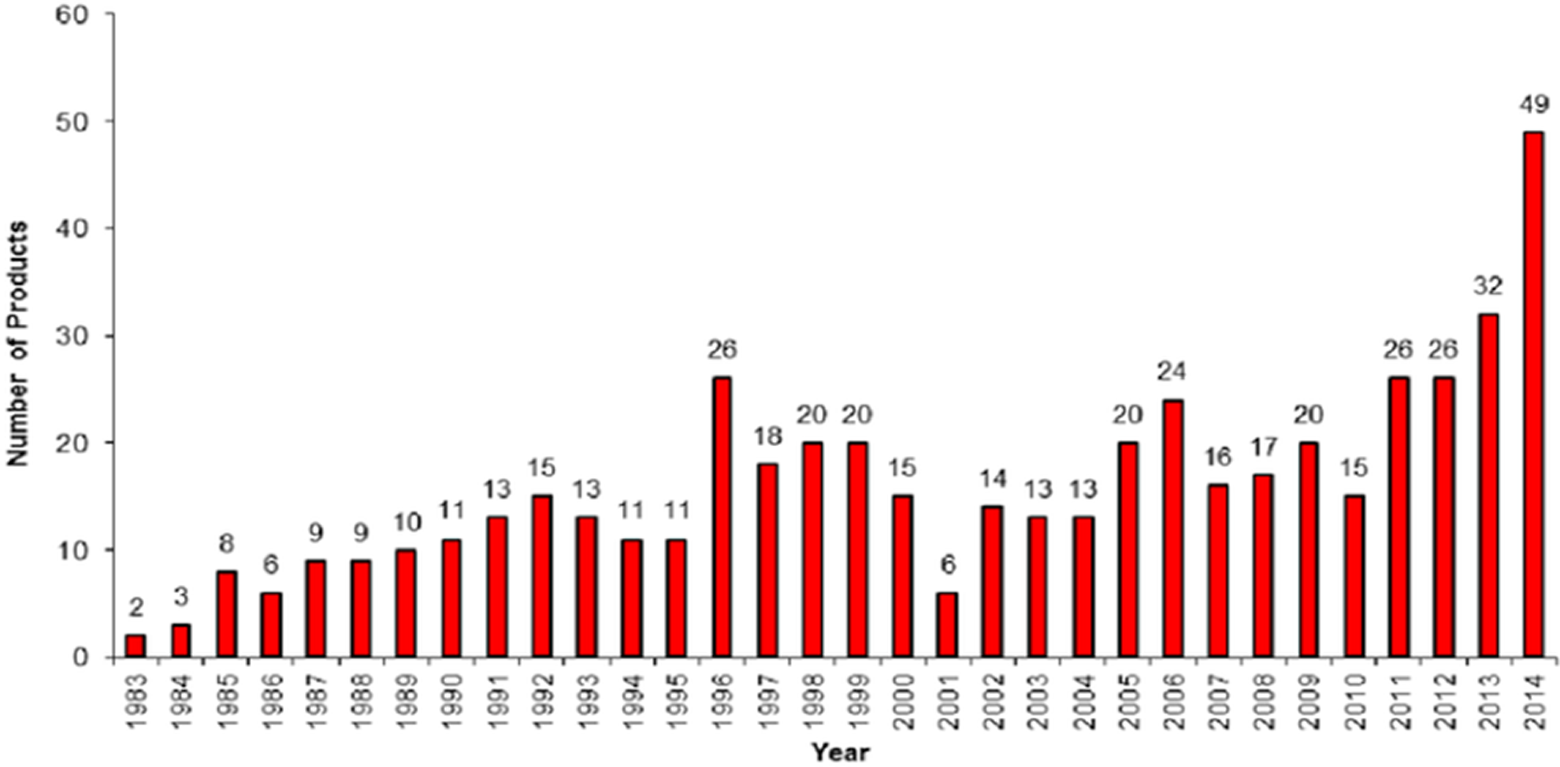
Number of approved orphan products per year. Note: Data Source: FDA Orange Book; Source: FDA Law Blog. 11
Several R&D Incentives Are Available for the Development of Orphan Drugs
Aside from the scientific challenges of disease pathophysiology and therapeutic modality, regulatory and financial incentives are making rare disease drug development a more attractive pharmaceutical development area. These incentives, which have lessened or defrayed the financial burden, include: Longer market exclusivity (7 years in United States; 10 years in EU); Federal tax credits for research and clinical trials (up to 50%); Research grants to defray clinical costs (Orphan Products Grant Program annual budget of US$14 million); Waivers of drug approval application and annual FDA product fees (100% for protocol assistance and 50% for other fees); Advocacy group grants for R&D; and Rare Pediatric Disease Priority Review Voucher Incentive.
Several regulatory tools are available for expediency of the drug development process, and collaboration between the sponsor, patient advocacy groups, and health authorities. The FDA has established the following to expedite rare disease drug development: Office of Orphan Products; Fast Track designation; Rolling review; Breakthrough Therapy designation (expedites development and review of drugs that treat serious/life-threatening disease with preliminary clinical evidence demonstrating potential for substantial improvement over existing therapies); Accelerated approval (approval based on surrogate end point that is likely reasonable to predict clinical benefit); and Priority Review designation.
In addition, FDA has sponsored several workshops to facilitate drug development in the rare disease space: Complex Issues in Developing Drug and Biological Products for Rare Diseases; Workshop on Natural History Studies in Rare Diseases: Meeting the Needs of Drug Development and Research; and Sponsor Investigator Roles and Responsibilities in Clinical Investigations for Drug and Biological Orphan Products.
Drugs for rare disease indications are held to the same statutory requirements as drugs for common diseases and should demonstrate effectiveness and safety, with a favorable risk–benefit profile. However, flexibility on how that is achieved can be noted in the measures taken by FDA to review and approve new drugs intended for use in rare diseases affecting small populations of patients. Multiple pathways are defined in existing guidance, and to that end, several articles document this flexibility, including the “Quantum of Effectiveness Evidence in FDA’s Approval of Orphan Drugs—Review Cataloguing the Flexibility”. 14 Additionally, new guidance have emerged from the FDA demonstrating this flexibility, including Rare Disease Drug Development and Nonclinical ERT Development. All of these changes have resulted in shorter R&D times and have added to the value proposition for rare disease drug development. 15
Regulatory Guidances
Rare diseases are vastly different in severity, natural history/progression of the disease, and life span of the patient, making it challenging to support clinical development and apply a single regulatory guidance. Sponsors have been seeking insights on nonclinical development of therapies for rare diseases by consulting existing International Conference on Harmonization (ICH) M3 for timing, ICH S6, and oncology S9 guidance for additional context (Table 1).
Regulatory Guidance Available for Sponsors of Therapeutics for Rare Diseases.

Abbreviations: FDA, Food and Drug Administration; ICH, International Conference on Harmonization.
Given inconsistencies in the current regional pediatric guidance, there is a recognized need for ICH guidance on juvenile animal studies. The Final Concept Paper for ICH S11 titled Nonclinical Safety Testing in Support of Development of Pediatric Medicines, dated September 3, 2014, has been endorsed by the ICH Steering Committee on November 10, 2014, and a face-to-face Environmental Working Group meeting was scheduled for December 2015. It is anticipated that a step 2b guideline will be completed by the second quarter of 2016 and that step 5 will be reached in 2018. Given that 50% of the rare diseases are pediatric, a harmonized juvenile toxicology guidance across the three regions (United States, EU, and Japan) could be valuable.
Use of Animal Models for Nonclinical Safety Programs Supporting Orphan Disease Drug Development
Development of potential chronic therapeutics for rare diseases often requires extensive nonclinical programs to enable first-in-human (FIH) clinical trials. Given the risk–benefit profile of many of these diseases, and per ICH S6 guidance, the use of well-designed nonclinical long-term pharmacology studies, in relevant and well-characterized animal models, can yield key information that may be more clinically relevant, thus reducing the need for long-term toxicology studies in normal animals. Pharmacodynamic and phenotypic pharmacological response data from treated affected animals can be used to design FIH clinical trials, including the selection of clinical dose levels, dosing frequency, optimal duration of dosing in patients, sampling for pharmacodynamic response through the use of biomarkers discovered in the preclinical setting, and ultimately to characterize the pharmacological response in patients. Proper leveraging of animal model data and the risk–benefit profile will hasten clinical development by pinpointing the most optimal pharmacological treatment paradigm in initial trials in rare disease populations. Given the low patient numbers in rare diseases, extensive characterization of the clinical pharmacology in the patient population may not be feasible, thereby making data from well-designed nonclinical pharmacology studies in relevant animal models extremely valuable in clinical candidate progression and the overall speed of clinical candidate development.
Nonclinical Development Strategy for Rare Diseases: Fit-for-Purpose Strategic Design Considerations
When designing a nonclinical strategy for candidate development, principles from all relevant regulatory guidance documents (ICH M3, S6, S9) accounting for the severity of the rare disease are considered. In many cases, the rare disease may be akin to an advanced oncology indication; therefore, the influence of those regulations (ICH S9) should be taken into account. Clinically, the disease risk–benefit profile, size limitations of the patient population (perhaps leading to global clinical development), disease severity, disease variability, patient life span, patient quality of life (life threatening vs chronically debilitating), and rate of disease progression are all taken into consideration. These parameters may affect which regulatory agencies are approached and the nonclinical dossier that is provided in order to initiate first inpatient clinical trials. According to the S6 guidance, in certain cases, studies performed in animal models of disease may be used as an acceptable alternative to toxicity studies in normal animals, provided that the sponsor offers a strong, scientifically based rationale. The lack of robust historical data for most animal models necessitates the use of concurrent control and baseline data. As incorporating animal models of disease into a preclinical development program may involve academic collaborations with no Good Laboratory Practice (GLP) capabilities, the following measures should be taken to increase the quality and compliance of a pivotal non-GLP nonclinical study at an academic institution: Robust study design and protocol development similar to GLP study; Training of institutional study team and extensive study monitor activities; Documentation setup prior to study start; Single-use dose solutions: Ship prepared GLP/Good Manufacturing Practice dose solutions to institution with additional volumes for retains to be shipped back for dose solution and volume analysis at GLP dose formulation facility; Clinical pathology and urinalysis performed at certified veterinary pathology laboratory; Pharmacokinetic (PK) and immunogenicity analysis performed at GLP compliant laboratory; Necropsy performed by a board-certified veterinary pathologist; anatomical pathology performed by a GLP contract research organization for processing and evaluation; pathology report is peer reviewed; and Study report preparation and finalization is as GLP-like as possible.
Nonclinical Development Concepts From ERT With Broad Applicability to Other Modalities for Rare Disease Drug Development
The LSDs are a group of 50 rare diseases defined by a spectrum of genetic disorders that are characterized by an accumulation of waste products in the lysosomes, resulting in the formation of large intracellular vacuoles that ultimately result in cellular dysfunction and clinical abnormalities. 16 Lysosomal storage diseases encompass enzyme deficiencies of the lysosomal hydrolases as well as deficiencies or defects in proteins necessary for the normal posttranslational modification of lysosomal enzymes (which themselves are often glycoproteins), activator proteins, or proteins important for proper intracellular trafficking between the lysosome and other intracellular compartments. Lysosomes normally contain a family of enzymes working in series to degrade substrates serially at pH 5. Some individuals are born with inborn errors of metabolism (IEM) in one of the metabolizing enzymes, thereby impeding the process of degradation and recycling within the lysosome. Lysosomal storage disorders are chronic, affect pediatric populations, and are extremely debilitating and/or life threatening. Patients may present with organomegaly, connective tissue and ocular pathology, and central nervous system (CNS) dysfunction. One pharmacological approach in individuals with LSDs is to identify the deficient enzyme and replace it with a recombinantly produced human enzyme. The characteristics of the enzyme, including its phosphorylation, are key as phosphorylation strongly influences cellular uptake via the cation-independent mannose-6-phosphate receptor (CI-M6PR). Enzyme replacement therapies utilize CI-M6PR to traffic to the lysosome, whereby the replacement enzyme can then catabolize the substrate that has accumulated as a result of the missing enzyme. Short plasma half-life (t1/2) and cycling times of the CI-M6PR between the plasma membrane and the late endosome/lysosome organelles, estimated to be roughly 30 minutes, predicate the use of intravenous (IV) infusions ranging from 2 to 4 hours to allow the accumulation of the ERT in the late endosome/lysosome organelle compartment.
Examples of two case studies using animal models of disease to help define the optimal clinical dose regimen, dose levels, route, and frequency are presented for Naglazyme 17 (rhASB) and recombinant human tripeptidyl peptidase (rhTPP1). In these two examples, the animal model recapitulated the clinical disease phenotype, offering significant value to the clinical program.
Case Study 1: Naglazyme (rhASB) for Mucopolysaccharidosis VI
Naglazyme (galsulfase) is an ERT approved for mucopolysaccharidosis VI (MPS VI). In this disease, patients are deficient in the lysosomal enzyme N-acetylgalactosamine 4-sulfatase, which hydrolyzes the sulfate moiety of dermatan sulfate, leading to progressive glycosaminoglycan (GAG) accumulation in the lysosomes with multiple organ involvement. 18 Clinically, patients present at 6 to 24 months of age with growth deceleration, skeletal deformities, coarse facial features, hepatomegaly, splenomegaly, upper airway obstruction, and joint deformities. Additionally, there is progressive corneal clouding, communicating hydrocephalus, and heart disease. There is no CNS involvement in MPS VI. There is significant phenotypic heterogeneity, ranging from rapidly progressing with early death (usually from respiratory infection or cardiac disease by teenage years) to more slowly progressing with patients who may survive into their fourth decade. The worldwide treatment population is 1,100 to 1,300 patients, and the product was approved in the United States and EU in 2005. 18
The nonclinical program to enable clinical development of Naglazyme (conducted 1995-2006) used a cat model of MPS VI (Table 2). The model recapitulates the disease phenotype in humans, making it useful to capture functional end points relative to exposure and biomarkers. 19,20 The model enabled clinical dose regimen selection through the assessment of pharmacodynamic urinary GAG reduction, clinical pharmacological activity in hepatomegaly and splenomegaly, and the potential toxicity that could result in rapid enzymatic catabolism of Naglazyme substrate. The use of the cat model also helped define the optimal patient population in terms of age, disease progression, biomarkers of disease, pharmacological activity, and immunogenicity. Additionally, the cat model allowed correlation of functional end points with tissue GAG storage levels over a chronic treatment period that demonstrated the robustness of the treatment. The nonclinical program utilized MPS VI cats dosed for 3 months or longer (Table 2). The only observed toxicity was restricted to a mild allergic-type response in animals dosed for >3 months. No systemic toxicity or toxicity attributed to rapid release of lysosomal storage material was observed.
Naglazyme Nonclinical Pharmacology, Toxicology, and Pharmacokinetic Studies Conducted in the MPS VI Cat.

Abbreviations: ADA, adenosine deaminase; DRF, dose reduction factor; MPS VI, mucopolysaccharidosis VI; PD, pharmacodynamic; PK, pharmacokinetic; rfASB, recombinant feline arylsulphatase B; rhASB, recombinant human arylsulfatase B, Naglazyme.
Minimal studies were conducted in normal animals to enable the investigational new drug (IND), which included acute toxicity studies in normal rats and dogs. Additionally, for the biologic license application (BLA), a 6-month monkey toxicity study and developmental and reproductive toxicology studies in normal rats and rabbits were conducted.
Case Study 2: rhTPP1 (BMN 190) for Late-Infantile Neuronal Ceroid Lipofuscinosis
Late-infantile neuronal ceroid lipofuscinosis (LINCL) is an inherited disorder that primarily affects the nervous system. In the majority of the cases, the disease is caused by a deficiency in tripeptidyl peptidase 1 (TPP1), an enzyme responsible for the cleavage of tripeptides from the N termini of polypeptides in lysosomes.
21
Mutations associated with LINCL have been found in 8 human genes. Despite the genetic heterogeneity, the neuronal ceroid lipofuscinosis diseases share histopathological and clinical characteristics. Histopathological absence of the enzyme is associated with a progressive fluorescent substrate accumulation in the brain. Primary neurological and ophthalmological involvement is the most devastating with clinical presentation and prognosis: Age 2 to 4: seizures, ataxia, motor and cognitive decline; Age 6: wheelchair bound and blind; neuron loss visible with magnetic resonance imaging; Age 8 to 12: death
The estimated patient population number is 350 to 1,000 worldwide, with only palliative care available. 22
To enable the FIH trial with intracerebroventricular (ICV) administration of rhTPP1, the nonclinical program utilized the TPP1-null Dachshund model along with single-dose toxicity/distribution studies in monkeys (Table 3). The disease in the TPP1-null dogs is a result of a single base deletion in TPP1, the canine ortholog of human CLN2, and it recapitulates the human disease phenotype with attributes such as lack of expression of TPP1, visual and cognitive deficits, ataxia, tremors, myoclonic seizures, autofluorescent storage bodies similar to those observed in the human disease that accumulate throughout the CNS, and a life expectancy of 10 to 12 months. 23
Nonclinical Safety and Pharmacology Studies Conducted for rhTPP1.

Abbreviations: CNS, central nervous system; CSF, cerebrospinal fluid; IT-C, intrathecal-cisternal; IT-L, intrathecal-lumbar; ICV, intracerebroventricular; PK, pharmacokinetic; rhTPP1, recombinant human tripeptidyl peptidase; TPP, tripeptidyl peptidase; TPP1, tripeptidyl peptidase 1; WT, wild type.
In the TPP1-null Dachshund model, ICV infusion of rhTPP1 every 2 weeks, starting at 2.5 months of age, reduced ventricular enlargement (Figure 2) and improved cognitive function in a T-maze test of reversal learning. The T-maze test measures spatial learning and memory, where pharmacological benefit is measured by a decline in the number of incorrect choices (O’Neil, C, unpublished data). As can be seen in Figure 3, untreated affected animals deteriorate with an increasing number of incorrect choices. A decrease in incorrect choices is observed in the treated animals, along with an extension in life span (Figure 3).

Quantification of ventricle area on magnetic resonance imaging (MRI) indicates that recombinant human tripeptidyl peptidase (rhTPP1) treatment slows enlargement, possibly due to prevention of neuron death. Note: N = 1 to 3 per time point, error bars = standard deviation.

Intracerebroventricular (ICV) infusion of recombinant human tripeptidyl peptidase (rhTPP1) every 2 weeks starting at 2.5 months improves cognition in the TPP1-null Dachshund model.
These studies enabled the establishment of the clinical dosing frequency by quantitating drug elimination from brain tissue over time. Additionally, ICV versus intrathecal (IT) delivery and infusion versus bolus administration were compared to ascertain the optimal clinical route of administration (ROA). Clinical dosing was also enabled by survival, translatable functional and anatomical outcomes, absorption, distribution, metabolism, and excretion, and toxicity in normal monkeys. The nonclinical program used normal and LINCL/Cln2 dogs, with no systemic toxicity attributed to rapid release of lysosomal storage material observed. Immunogenicity-related findings included adenosine deaminase formation in cerebrospinal fluid (CSF) and plasma. Infusion-associated reactions were observed and managed by decreasing infusion rates and pretreatment with antihistamine therapy.
When considering the use of animal models in nonclinical drug development, a justified scientific approach must be provided. Taking into account disease severity and small patient population can often help justify expedient nonclinical development. Animal models of disease that recapitulate the disease phenotypes can be used to collect relevant data that are translatable to the clinic.
Studies in the animal model of the disease can be used to define dose regimen and clinical pharmacology parameters prior to FIH trial, thus minimizing patient number in an already small/rare patient population. An expedited nonclinical program utilizing this approach should be undertaken with full consultation and agreement of regulatory authorities prior to submission of IND and/or Clinical Trials Agreement.
Rare Disease Drug Development: Case by Case, Patient by Patient
The unmet medical need and clinical development plans for rare diseases are unique, which impacts the nonclinical programs that support them. Many rare diseases affect children who have a long journey to reach a diagnosis, with only supportive care as a treatment option. For many rare diseases, there are no typical single ascending dose (SAD) or multiple ascending dose (MAD) studies conducted in healthy volunteers. Although there are many similarities between nonclinical programs for traditional diseases and rare diseases, there are some very important differences. In general, the goals of a nonclinical program (i.e., safety, efficacy, PK) remain the same for a rare disease, but important differences in clinical, regulatory, and chemistry, manufacturing, and controls (CMC) strategies and clinical trial execution exist, which have significant ramifications on nonclinical development for rare diseases. In spite of this, rare disease preclinical development programs have not historically been “less robust” than those for other drugs. There has been no “free pass” in terms of reducing scope or size of studies for rare disease. In fact, the nonclinical program may have more animals than the entire clinical program.
Specific challenges for clinical programs in the rare disease setting begin with the selection of the patient population for FIH studies: patients versus healthy volunteers. Furthermore, inclusion of placebo control arms can be ethically challenging given the unmet medical need but can be critical and important in the face of poorly defined natural history and heterogeneity in disease. As genetic diseases disproportionately affect children, the initial clinical population to characterize PK/tolerability is often debated (ie, children vs adults). Disease progression with age for pediatric indications also needs to be taken into consideration. Even monogenetic diseases may present a spectrum of disease and affect pediatric and adult patients differently, for example, metachromatic leukodystrophy (MLD), Pompe disease, ornithine transcarbamylase deficiency. 24 –26
For ERTs, the minimum effective dose is usually targeted to a percentage of the physiological level of the enzyme in healthy individuals, and, as such, the dose for humans is scaled based on the amount of the ERT measured in the nonclinical studies. In rare diseases, particularly for ERTs, the initial clinical study may be of a chronic duration, rather than a limited SAD followed by a MAD study of 2 weeks or less. As FIH clinical trials for rare diseases often include an extension phase, nonclinical support for long-term administration needs to be anticipated and provided in the initial filing. Furthermore, in order to accommodate aggressive clinical development designs and rapid progression into chronic studies, the chronic toxicology studies may have to be initiated even before the first meeting with regulatory authorities (i.e., pre-IND) has occurred. In general, clinical studies for rare disease are very small with few patients and consist of two studies: a phase 1/2 with an extension and phase 2/3 with extension for registration.
In conjunction with the clinical trials, the characterization or disease progression is often studied in natural history trials. Another unique aspect of a rare disease program for a pediatric indication is that the program may file a pediatric investigation plan after beginning trials in pediatric patients, without ever planning to study the drug in adults. The end points chosen to evaluate the efficacy of a rare disease therapeutic may not be standard or even validated for the disease indication. For some rare disease programs, cognitive end points may be included, and the lack of validation and need to translate for use in multicenter trials can increase complexity and difficulty of the trials. Although it is desirable, but not required, to achieve efficacy in an FIH for most disease indications, this is particularly important in the context of a rare disease. Finally, as many of the lysosomal storage diseases target the CNS, IT routes of administration are often used for ERTs, which may limit the amount and types of PK, and biodistribution information obtained in clinical studies, particularly in pediatric populations. In the case of a clinical study with IT administration of an ERT, serial sampling of CSF is not possible, and blood collection is limited, thus increasing the importance of biodistribution in nonclinical studies. For many ERTs, imaging in nonclinical studies has been used to elucidate the biodistribution. Robust nonclinical data can inform the clinical studies and can even be used in combination with human data to improve models.
Unique challenges exist for the CMC for rare disease products, particularly for biologics. The structure and manufacturing process may be complex, and there may be no economy of scale. Because there are few patients treated, the manufacturing is not conducted on a large scale and may not even be conducted in dedicated facilities. There may not be many runs conducted during development to support improvements before the process is locked to support the pivotal clinical study through commercialization. The manufacturing facility may support multiple products, making scheduling and supply chain management complicated. For all of these reasons, it may be challenging to obtain sufficient test material for nonclinical studies. The new ERT guidance addresses this limitation, as manufacturing limitations may be considered in setting the top dose in toxicology studies.
The first approved ERT was Ceredase (β-glucocerebrosidase), which was approved in 1991 for the treatment of Gaucher disease. Since that time, there have been several approved therapies, providing a historical perspective for review of nonclinical development programs (Table 4).
List of Approved ERTs.

Abbreviation: ERT, enzyme replacement therapy.
For the approved ERTs, both the duration of chronic toxicology and the inclusion and scope of reproductive studies have expanded with time. As seen in Table 5, the duration of chronic studies varied from 3 months to 52 weeks, with duration increasing over time. Many of the nonclinical development programs conducted chronic toxicology studies in two species, as they predated the ICH S6 R2. Similarly, the extent of reproductive toxicology conducted for these programs has increased over time. For the earliest approved ERTs, reproductive toxicology studies were limited, often a single species and study, but more recently, standard full two species reproductive toxicology studies have been conducted prior to registration. In many cases, no toxicities relevant to human health were identified in the toxicology studies, and findings generally consisted of hypersensitivity, an expected response to administration of a human protein to animals. 40 Enzyme replacement therapy has also been well tolerated in the clinic.
Chronic, Developmental, and Reproductive Toxicology Studies for Approved ERTs.

Abbreviations: DRF, dose reduction factor; ERT, enzyme replacement therapy; HPP, hypophosphatasia; LAL-D, lysosomal acid lipase deficiency; MPS, mucopolysaccharidosis; NHP, nonhuman primates; PMC, postmarketing commitment.
aPregnancy category on initial label. Pregnancy category B: Animal reproduction studies have failed to demonstrate a risk to the fetus and there are no adequate and well-controlled studies in pregnant women. Pregnancy category C: Animal reproduction studies have shown an adverse effect on the fetus and there are no adequate and well-controlled studies in humans, but potential benefits may warrant use of the drug in pregnant women despite potential risks.
bInformation presented for Myozyme initial approval.
Enzyme replacement therapies have generally been very well tolerated in nonclinical species, as well as in humans. There is one exception in the public domain where ERT was shown to be toxic. Recombinant human acid sphingomyelinase had unexpected mortality when administered at high levels in Niemann-Pick mice (acid sphingomyelinase knockout mice). 41 The nonclinical study in the disease model elucidated this unexpected toxicity, supporting a path forward in clinic. For most ERTs, normal animals have been relevant for toxicity evaluation. Case studies from nonclinical studies in normal animals were presented.
Case Studies—ERTs for Lysosomal Storage Disease: IT Administration of Arylsulfatase A for MLD, Heparan-N-Sulfatase for MPS III, Type A (Sanfilippo A Syndrome), and Idursulfase for Hunter Syndrome (MPS II)
Metachromatic leukodystrophy is an inherited, autosomal recessive disorder of lipid metabolism caused by a deficiency of the lysosomal enzyme, arylsulfatase A (ASA). 42 Deficient enzymatic activity results in progressive accumulation of galactosylceramide-3-O-sulfate (cerebroside sulfate or sulfatide) and the cytotoxic metabolite of sulfatide (lysosulfatide or galactosylsphingosine-3-O-sulfate). Progressive accumulation of sulfatide within oligodendrocytes and Schwann cells in the CNS and peripheral nervous system leads to cellular injury and ultimately cell death, resulting in progressive demyelination and axonal loss, accompanied clinically by severe motor and cognitive dysfunction. In general, the rapidity with which the disease progresses clinically correlates with the level of residual enzymatic activity within the lysosomes. The estimated overall incidence of MLD is approximately 1 in 100,000 live births. 43 –47 Clinically, patients have severe motor and cognitive dysfunction. Between 1% and 2% of the European population has a condition known as “pseudodeficiency of ASA” in which they have low levels of ASA activity (5% 15% of normal) but are apparently normal. 48 This information was used to set the target level of ASA restoration in humans at 10%.
Mucopolysaccharidosis III type A (Sanfilippo A) is a disease caused by a deficiency of the lysosomal enzyme heparan-N-sulfatase (HNS) that is responsible for the physiological degradation of the GAG heparan sulfate (HS) in lysosomes. As a result of this deficiency, intermediates of the HS degradation process accumulate in the lysosomes of cells. 49 Symptoms of MPS III type A usually arise between 2 and 6 years of age, although in some cases, a diagnosis is made as late as 13 years of age. The clinical symptoms of the condition present different degrees of severity. Although HS accumulates in all tissues, the CNS is the most severely affected system in patients with MPS III type A. Problems in language development, motor skills, and intellectual development characterize the condition. In addition, there is hyperactivity (excess motor activity) that contributes to disturbances in sleep. Overall, individuals with MPS III type A have a marked developmental delay, and the long-term survival is poor. The condition is chronically debilitating and life threatening. 50 The estimated overall incidence of MPS III type is approximately 1 in 100,000 live births. 51 –53
As the target organ for both ASA and HNS is the CNS, the IT ROA was used to maximize local exposure at the site of interest in the clinic. The nonclinical toxicology studies for both ASA and HNS consisted of a 28-day rat study in IT ported rats, which was technically challenging, with limited relevance to humans due to the anatomy of rats. Toxicology studies in juvenile cynomolgus monkeys were also conducted with biweekly IT administration of test article for 1, 3, and 6 months. 54 Studies conducted in juvenile cynomolgus monkeys (<12 months at initiation) supported the treatment of a pediatric population.
Hunter syndrome (MPS II) is an X-linked recessive lysosomal storage disease caused by the missing and/or defective enzyme, iduronate-2-sulfatase (I2S), which acts to cleave O-linked sulfate moieties from dermatan sulfate and HS. 51,55,56 Insufficient levels of I2S lead to progressive accumulation of these molecules in nearly all organs and body tissues, resulting in cellular engorgement, organomegaly, tissue destruction, and organ system dysfunction affecting nearly all cell types, tissues, and organs of the body including the respiratory tract, heart, liver, spleen, leptomeninges, bones, joints, oropharynx, head, neck, and CNS. The incidence rate of Hunter syndrome reported from several countries around the world is similar, ranging between 0.6 and 2.0 per 100,000 male births. 51,53,57 –59 Although the disease is heterogeneous with regard to initial presentation, Hunter syndrome is always severe, progressive, and life limiting.
Elaprase (idursulfatase) is currently approved for Hunters disease as an IV formulation. But since many of the devastating symptoms of the disease are CNS related, there is a strong need to be able to administer idursulfatase directly into the CNS. An IT formulation is currently under investigation for the treatment of progressive cognitive impairment from Hunters disease. 60 To enable the IT administration in the clinic, the previous studies conducted to support IV administration for Elaprase (tissue biodistribution in rats, single-dose toxicity studies in rats and cynomolgus monkeys, a 6-month repeat dose toxicity study in monkeys, and, because Hunters is an X-linked disease, a rat male fertility study) were used with one bridging 6-month IT administration in cynomolgus monkeys. 61 The GLP IT study in cynomolgus monkeys had standard end points as well as more specialized end points such as enzyme activity analysis in tissues and immunohistochemistry for the test article.
Although there are some differences in the nonclinical development strategies for a rare disease, the expectations for a complete nonclinical assessment of the potential efficacy, PK, biodistribution, and toxicology are not waived. For the nonclinical development of ERTs, the recent ERT guidance offers an opportunity to streamline some aspects of development, particularly the duration of chronic studies. The proposed duration of 3 months is well supported by the nonclinical and clinical safety information available for approved ERTs. Conducting studies with a duration of longer than 3 months would not be expected to provide more meaningful safety information. There is flexibility in the timing of reproductive toxicology studies for rare diseases, which is the best available option for streamlining nonclinical programs at this time.
Regulatory Perspective on the Nonclinical Studies Needed to Support Orphan and Rare Disease Drug Development
Rare Diseases: Approvals, Incentives, and Challenges
An orphan product is one that is used to treat, diagnose, or prevent a rare disease. 62 Receiving orphan designation affords financial incentives such as a waiver of marketing application fees, a 50% tax credit for the cost of the clinical trials, and 7 years of marketing exclusivity. This designation request is reviewed on the basis of the disease, the prevalence, and the scientific rationale of the proposed orphan product, which may be supported by case reports, clinical data, animal model data, or in vitro data. Specific offices within the FDA are designated for facilitating orphan and rare disease drug development. Within the Commissioner’s office, the Office of Special Medical Programs, which houses the Office of Orphan Products and Office of Pediatric Therapeutics, works closely with the Office of Rare Diseases and the review divisions within the Office of New Drugs (OND) in Center for Drug Evaluation and Research (CDER). Thus far, four rare disease priority review vouchers 63 and 2 neglected tropical disease priority vouchers have been granted. 64
As previously discussed, rare disease drug development is challenging in many aspects. Rare diseases are often chronic, life-threatening disease conditions, with possibly heterogeneous clinical presentation. The natural history of the disease is often not completely characterized. Biomarkers/end points to measure pharmacodynamic response and/or clinical efficacy may not be available and validated. A further complication is that the clinical population often is small, which emphasizes the importance of careful planning in clinical trial design.
Nonclinical Studies in Rare Disease Drug Development and Regulatory Flexibility: Balance Between What is Desired and What is Needed
Because of these challenges, nonclinical studies and the way they are conducted are vital. Nonclinical studies are useful to elucidate mechanism of action (MOA), to establish a safe starting dose for FIH trials, and to inform dosing regimen, dose escalation, and ROA. Nonclinical studies are also useful and necessary to demonstrate the prospect of direct benefit (PDB) or biological plausibility of efficacy for pediatric trials. Valuable information on potential drug-related toxicities and their implications for clinical trial patient selection and/or safety monitoring can also be gleaned from nonclinical studies. Nonclinical studies can also be used to inform labeling, in order to convey any potential risks associated with treatment with the drug product, such as developmental toxicity or carcinogenic potential with chronic treatment.
A nonclinical program should adequately support the safety of the drug product for proposed indication. The submitted studies should support approval based on overall benefit–risk analysis for the proposed product and target population. Drug development is generally guided by the principles outlined in ICH M3(R2) 65 and ICH S6 66 (for biologics). However, these guidances do allow for the application of regulatory flexibility for “Pharmaceuticals under development for life-threatening or serious diseases … without current effective therapy may warrant a case by case approach to both toxicological evaluation and clinical development” as mentioned in ICH M3. As previously discussed, ICH S6 discusses the potential applicability of animal models, stating “… In certain cases, studies performed in animal models of disease may be used as an acceptable alternative to toxicity studies in normal animals.” “The scientific justification for the use of these animal models of disease to support safety should be provided.” Animal models of disease may be useful in defining toxicity endpoints, selection of clinical indications, and determination of appropriate formulations, ROA, and treatment regimen. It should be noted that with these models of disease there is often a paucity of historical data for use as a reference when evaluating study results. Therefore, the collection of concurrent control and baseline data is critical to optimize study design.”
Standard and Modified Nonclinical Development Programs
Table 6 compares drug development under the standard development program (SDP) guided by ICH M3 and ICH S6 and a modified development program (MDP), which allows for certain nonclinical safety studies to be abbreviated, deferred, or even omitted. The recently published draft guidance on the nonclinical study assessments for ERT products 67 and on rare disease drug development 62 further discuss MDPs.
Rare Disease Drug Development Using the Standard and Modified Development Programs.

Abbreviations: ADME, absorption, distribution, metabolism, excretion; ERT, enzyme replacement therapy; ICH, International Conference on Harmonization; IND, investigational new drug; PDB, prospect of direct benefit; PK, pharmacokinetic.
Under the SDP, IND-enabling studies typically include pharmacology, PK, general toxicity, genotoxicity, and a portion of reproductive toxicity studies, as appropriate. In order to support marketing approval, the complete battery of reproductive and developmental toxicity studies and carcinogenicity studies is necessary. Depending on the clinical indication and population, juvenile toxicity studies may be requested in the premarketing or marketing approval phase, and postmarketing studies and any waivers are negotiated with the review division during the new drug application (NDA)/BLA review.
Under the MDP, IND-enabling studies may include any or all of the following: proof-of-concept (POC) studies, in vitro or in vivo studies in an animal model of disease to demonstrate PDB, one or more acute or subchronic general toxicity studies, genotoxicity studies (depending on the product), and a portion of the reproductive toxicology battery. For marketing approval under an MDP, chronic toxicity, juvenile toxicity, and reproductive toxicity studies may be submitted with the NDA. Considerations for postmarketing studies, such as reproductive toxicology studies, carcinogenicity studies, any additional studies pivotal to the safety assessment of the product, and/or waivers of study requirements, may begin at the pre-IND stage and are negotiated with the review division throughout the development process.
The application of regulatory flexibility may vary between review divisions and includes a consideration of several factors, such as (1) the indication and patient population for the proposed drug product, (2) an understanding of the balance between the need for providing access to the investigational drug/biologic with the need for safety information, (3) the rate of disease progression, (4) the availability of alternative treatment options, (5) the demonstration of PDB, (6) safety requirements for other drugs in the same class, and (7) the potential for an MDP to adequately address the nonclinical safety of the proposed product to enable clinical trial initiation and support marketing approval. Ultimately, each drug development program is evaluated on a case-by-case basis, with cross-discipline interaction. Therefore, it is vital to engage with the review division for the specific product to discuss the drug development program as early as possible.
New Draft Guidances
Two new FDA draft guidances pertaining to rare disease drug development were published in 2015: Guidance for Industry: Investigational Enzyme Replacement Therapy (ERT) Products: Nonclinical Assessments (May 2015) 67 and Rare Diseases: Common Issues in Drug Development (Draft Guidance for Industry, August 2015). 68 These draft guidances further elaborate on the potential application of an MDP and on the use of animal models of disease.
The ERT guidance provides recommendations for ERT products indicated for LSD or other IEM and should be used in conjunction with ICH guidance M3 and S6. The recommended nonclinical studies include pharmacodynamic studies (POC studies) to demonstrate biological plausibility and identify biologically active doses. Safety studies include a toxicity assessment, starting dose identification, safety of the ROA, and identification of parameters that would be useful to develop clinical safety monitoring in humans. The timing, duration, and type of nonclinical studies necessary to support the safety of the proposed product are influenced by the clinical indication and target population, the availability of relevant nonclinical and/or clinical safety data, and the availability of appropriate animal species (normal or disease model). The combination of studies in normal and animal models of disease, where appropriate, used to support approval of the ERT should identify and characterize potential systemic and local toxicities and reversal of toxicities. Factors such as age and developmental status, as dictated by the clinical trial population, should be considered when identifying the most relevant species for use in safety studies. Juvenile studies are typically recommended before FIH trials in pediatric patients. However, a waiver of juvenile studies may be considered and would be evaluated based on (1) whether clinical development has been initiated in adults, (2) whether target organs are undergoing development during treatment, and (3) whether specific safety signals were observed in adult patients and animal studies.
The ERT guidance recommends that a 1-month toxicology study in 2 relevant species may support the initiation of a clinical trial for a rapidly progressing disease with irreversible morbidity. Three-month studies in one or two species would be sufficient for additional preclinical evaluation for a marketing application, with the option to conduct such studies in parallel with the FIH trial. Two species may be necessary to characterize the safety of the proposed product in cases where there is no species concordance in the 1-month study. For slower progressing diseases, 3-month studies in two species would be needed to initiate the clinical trial and may be acceptable to support marketing application; however, there may be a need for 6-month studies, depending on the findings from the 3-month study. Reproductive toxicology studies should be conducted in accordance with ICH S5 69 and ICH M3, while flexibility on the timing of these studies should be discussed as early in the development program as possible with the specific review division. Genotoxicity and carcinogenicity studies are typically not applicable for ERT products; however, recombinant products (recombinant human enzyme conjugated with cross-linker) may warrant additional considerations. Non-GLP studies may be acceptable with appropriate justification.
The rare disease draft guidance 62 briefly addresses nonclinical recommendations relevant to rare disease drug development. In addition to referring to the general principles discussed in ICH M3 and the ERT draft guidance, this guidance suggests that in cases of serious or life-threatening diseases for which there are no adequate treatments, clinical studies may proceed in the absence of standard toxicology studies with appropriate justification. Studies in an animal model may be useful; however, they “usually will not substitute for all toxicology testing in healthy animals because of concern that the disease pathophysiology may obscure some drug toxicity. Safety evaluation in an animal model also may be particularly valuable when it is suspected that drug toxicity may be more severe in the presence of disease pathophysiology.” Further, studies in the animal model may be useful to demonstrate the potential benefit associated with treatment, while identifying treatment-specific toxicities present only in the disease state, which would not be possible to assess in normal animals. There is also mention of deferring certain toxicological analyses until there is assurance that the therapeutic is advanced into clinical trials, “if care is taken to preserve the organs, tissues, and other samples during nonclinical studies focused on drug discovery and POC.”
Case Studies
Four case studies are described to illustrate regulatory approaches used in recent approvals of oral therapies for rare diseases.
Case 1: Carbaglu (carglumic acid)
Carbaglu (carglumic acid), a carbamoyl phosphate synthetase 1 activator, was approved in 2010 for hyperammonemia due to N-acetylglutamate synthase (NAGS) deficiency, which is one of the rare urea cycle disorders, with <100 cases worldwide, requiring lifelong treatment. 70 In patients with NAGS deficiency, carglumic acid treatment rapidly normalized plasma ammonia levels, and patients in whom treatment was initiated early showed normal growth and psychomotor development with continuous treatment. The modified nonclinical program included a 2-week study in neonatal rats, a 6-month study with dosing initiated at age 28 days and a complete reproductive toxicity and genotoxicity battery. A 2-year carcinogenicity study in a single species was to be conducted as a postmarketing requirement. This regulatory decision was based on the need to inform patients with this rare disease of the risks of long-term exposure to this product.
Case 2: Xuriden
Xuriden (uridine triacetate) was approved in August 2015 for the treatment of hereditary orotic aciduria (HOA), an ultrarare IEM of pyrimidine, for which, until this approval, only supportive therapies were available. 71 There are 20 patients with HOA reported in the literature, with 15 cases documented in detail. The approval of this drug product was based on a single-arm clinical trial in 4 patients (6-week clinical trial followed by treatment extension phase). The new molecular entity is uridine triacetate, which undergoes rapid hydrolysis to uridine, the active moiety, to provide an exogenous source of pyrimidine to these patients.
In the safety assessment of this product, the history of use with uridine at high doses for various indications in a wide range of patients was considered, along with the submitted nonclinical package. Investigational new drug-enabling studies included safety pharmacology, 3-month toxicity studies in rats and dogs, genotoxicity studies, and an embryo–fetal development study in 1 species. In order to support marketing approval, the applicant conducted a chronic toxicity study in rats and a fertility and early embryonic study. A waiver was granted for the prenatal and postnatal development and carcinogenicity study requirements. Regulatory considerations for granting the waiver included (1) the absence of safety signals in the fertility and embryo–fetal development studies, (2) the pharmacology, biochemical properties, and PK of uridine triacetate and the active moiety uridine, which is an endogenous substance, (3) the absence of findings suggestive of tumorigenic potential in the 6-month repeat dose toxicity studies, (4) the minimal impact of study findings, whether positive or negative, on the use by patients with HOA, in the absence of other treatment options for this ultrarare disease, (5) and an overall favorable safety profile. In summary, this case study illustrates that an abbreviated nonclinical program may be considered to expedite drug development for an ultrarare disease, under certain circumstances, with adequate justification. Such a justification for waiver of study requirements is reviewed in the context of indication, target population, available therapies, and the pharmacology/toxicology profile of the drug product. It should be noted that both Carbaglu and Xuriden were approved by the Division of Gastroenterology and Inborn Error Products (DGIEP) in OND/CDER/FDA. However, these 2 approvals illustrate the case-by-case nature of regulatory review of therapies for IEM.
Case 3: Orkambi
Orkambi was approved in July 2015 by the Division of Pulmonary and Allergy and Rheumatology Products in OND/CDER for the treatment of cystic fibrosis in patients ages ≥12 years who are homozygous for the F508del mutation in the cystic fibrosis transmembrane conductance regulator (CFTR) gene. 72 Orkambi is a fixed-dose combination product of ivacaftor and lumacaftor, which is taken as an oral tablet. Ivacaftor, which was approved in 2012, is a CFTR potentiator indicated for the treatment of cystic fibrosis in patients who have the G551D, G1244E, G1349D, G178R, G551S, S1251N, S1255P, A549N, or S549R mutations. 73 Lumacaftor is a small molecule that is thought to stabilize and promote proper folding of defective F508del-CFTR protein during protein processing, resulting in increased trafficking to the apical surface of the epithelial cell membrane. 74 An in vitro study in primary human bronchial epithelial cells from patients homozygous for F508del-CFTR showed increased chloride transport with combination versus either drug alone and was used to support the MOA and efficacy of this product, which received 70 breakthrough therapy status and orphan designation. 72
The nonclinical safety package included studies submitted to support the approval of ivacaftor (ie, studies with ivacaftor alone), 72 studies with lumacaftor alone, and studies with the combination of ivacaftor and lumacaftor. General toxicity studies in 2 species (6-month rat, 12-month dog studies), genotoxicity studies, a carcinogenicity assessment in Tg.RasH2 mice, and segment 1, 2, 3 studies were conducted with lumacaftor. A second carcinogenicity study (2-year study in rats) with lumacaftor was negotiated as a postmarketing requirement. A 3-month repeat dose study in rats and a 1-month study in dogs were conducted with the combination product. No genotoxicity, reprotoxicity, and carcinogenicity studies were conducted with the combination product. In summary, an extensive nonclinical battery was conducted to support approval of this combination product for a very specific subset of patients.
Case 4: Cholbam
Cholbam, formulated as oral capsules for use in adults and pediatric patients (≥4 kg), was approved in March 2015 by DGIEP/OND/CDER for the treatment of bile acid synthesis disorders due to single enzyme defects (SED) and peroxisomal disorders. 76 The approval was based on a single open-label trial and a long-term extension trial to support efficacy. 75 A total of 54 patients with SED and 31 patients with peroxisomal disorders were included in the pivotal trial. Single enzyme defects and peroxisomal disorders result from a deficiency in primary bile acids, such as cholic acid. Bile acids aid in fat digestion and absorption. This product received orphan designation in 2003.
Regulatory considerations on the need for supporting nonclinical studies included understanding the MOA of cholic acid and any differences in the PK of exogenously supplied cholic acid, as compared with endogenous cholic acid. In lieu of nonclinical safety studies, the applicant was asked to address the following: (1) provide data on the amount of (endogenous pool) and synthetic rate of cholic acid in normal neonates, infants, and children and any available information on the quantity of endogenous cholic acid in infants with IEM of bile acid synthesis and (2) demonstrate that the proposed dose levels of cholic acid produce a total body content of cholic acid (ie, endogenous cholic acid + exogenous cholic acid) that exceeds the normal body content of cholic acid in the pediatric population. Upon review, DGIEP determined that the nonclinical requirements were satisfied by the following: (1) there is an absence of endogenous synthesis of cholic acid in children with IEM of bile acid synthesis and metabolism and (2) the total body content of cholic acid will not exceed the normal body content in pediatric patients (2 weeks to 10 years of age) at the proposed clinical dose. Therefore, safety assessment could be based on exogenous cholic acid only.
No nonclinical safety studies were required to support approval of cholic acid for the treatment of bile acid synthesis disorders due to SED and peroxisomal disorders. To address nonclinical concerns, the applicant provided clinical data to demonstrate that exogenous cholic acid does not increase total body content of cholic acid; therefore, will likely not alter the safety of this product. This case demonstrates that, with appropriate justification, nonclinical studies to support approval may not be necessary.
In summary, a nonclinical program that adequately supports the safety of the drug product for proposed indication is desirable and approval is based on overall benefit–risk analysis. The review division may exercise regulatory flexibility in evaluating safety of drugs for rare diseases based on scientific and ethical considerations, the proposed indication, intended clinical population, and the nature of the drug itself. The review division may consider modified nonclinical safety programs (abbreviated, deferred, or omitted), with adequate justification. Importantly, the rarity of the disease should not decrease the intent of providing a safe drug to patients. The acceptability of each nonclinical safety program to support rare disease drug approval is determined on a case-by-case basis. It is recommended that sponsors meet with regulators in the review division early and often to facilitate an efficient drug development program. Most importantly, the cases described above clearly demonstrate that a one size fits all approach is not applicable in rare disease drug development.
Progress and Challenges in Rare Disease Drug Development
Enzyme replacement therapies were the first orphan drugs; therefore, these were the therapies that paved the way for all orphan drugs. The ERTs were intended to replace a naturally occurring enzyme that is deficient in patients. Due to the small populations indicated, ERTs are limited to orphan diseases. Enzyme replacement therapies themselves are not intended to introduce novel pharmacological activity but rather to replace the naturally existing protein. However, the nature of the disease must be considered with respect to pharmacological activity, as adverse effects of ERTs are often based on their pharmacology.
Although not without their challenges, ERT development is often very predictable. Hypersensitivity and immunogenicity in preclinical studies need to be managed due to the human nature of the protein and species selection. Understanding the nature of the antidrug antibody is important, especially in cases where there is some residual endogenous protein. Understanding the ability of the produced antidrug antibody to bind to the endogenous protein is very important, but can often only be evaluated clinically. Other challenges encountered in the preclinical development of ERTs include how to translate clinical dosing frequency and patient populations to standard toxicology dosing paradigms and study conduct including. This is especially relevant when considering the design of juvenile studies, chronic studies, and developmental and reproductive studies.
Traditionally, nonclinical safety studies are conducted in normal animals or specially aged animals to support the clinical development of some biologic products, especially for rare, life-threatening diseases where no alternative therapies exist. Many of these studies, particularly those required to advance into pediatric populations, are often irrelevant based on known mechanism and safety history; therefore, these are limiting the advancement of potentially beneficial therapies into the clinic. Pharmacodynamic activity in normal animals is likely to be difficult or impossible, despite the normal animal being biologically relevant. Pharmacologically, well-characterized relevant species have been used to evaluate combined safety and PD and to advise the clinical program. 77 –79 A disease model may be a relevant species but needs full characterization and an understanding of the limitations.
The first ERTs were approved with a minimalist nonclinical program. For example, Ceredase (glucocerebrosidase), which was approved in 1991, had a limited nonclinical program. It consisted of 2 PK studies and 1 acute toxicity study in rats. The nonclinical program for Cerezyme, approved in 1994, consisted of 1 receptor binding study, 2 biodistribution studies in mice, 1 acute toxicity study in rats, and 1 acute study in monkeys. As the world of ERT advancement, the next generation ERTs (Fabrazyme, Aldurazyme, Myozyme, etc) followed a more traditional approach using 2 species and normal animals. The utility of the normal animal needs to be considered with respect to pharmacologic activity, and current understanding should consider a streamlined approach and appropriate animal models. As mentioned throughout, continued evaluation aimed to address juvenile toxicity studies and the predictivity of chronic toxicology studies need to be conducted and evaluated. New guidance documents recently published have clarified some aspects of the necessary conduct of studies for ERTs.
As the ERTs have paved the way for orphan diseases, they have also opened a new frontier for the next generation of orphan drugs. No longer are drugs just being developed as replacements for lost proteins, but now novel targeted drugs are being developed for a variety of other orphan diseases. The generation of new treatments for orphan diseases is often after a long history of use of the drug for less rare diseases, and use in a rare disease comes last. However, a faster entry for new life-altering medications may be by “flipping the pyramid,” gaining entry into a market through a rare disease population and then expanding into larger indications (Figure 4). This next generation of orphan drugs will show what we have learned and gained since the approval of the first replacement protein.
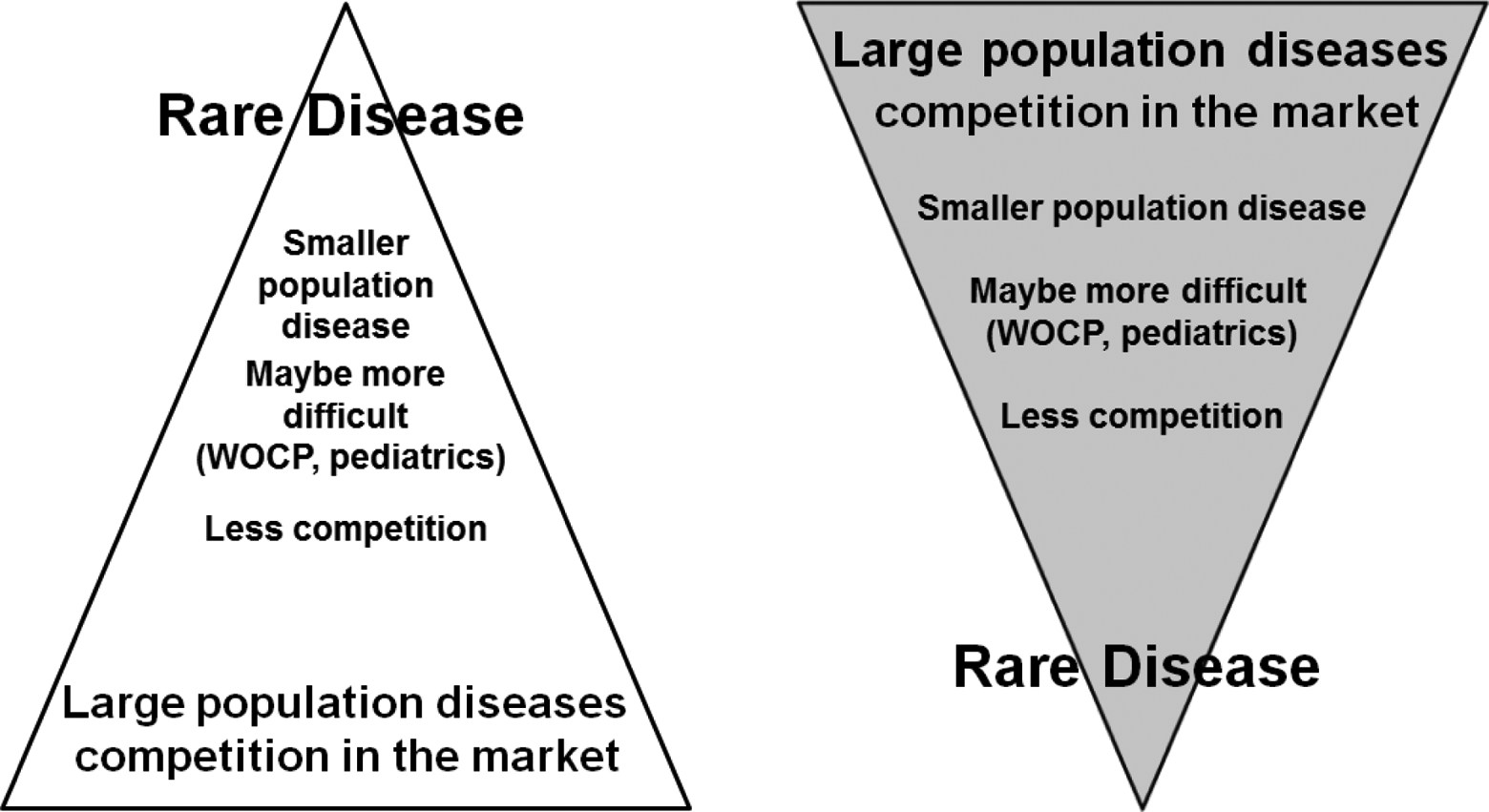
Flipping the pyramid.
Footnotes
Authors’ Note
The opinions expressed in this manuscript by Sruthi King are those of the author and may not reflect the position of the US FDA.
Acknowledgements
Organizers of the Symposium and Planning Committees; Karen Davis-Bruno, PhD; Paul Brown, PhD; Abby Jacobs, PhD; Tim McGovern, PhD; Andrew Goodwin, PhD; Yuk-Chow Ng, PhD; Ke Zhang, PhD; David Joseph, PhD; Donna Griebel, MD; Sushanta Chakder, PhD; Jonathan Goldsmith, MD; Gayatri Rao, JD, MD; Ann Pariser, MD; Lesley-Anne Furlong, MD.
Author Contributions
Krishna Allamneni, Suezanne Parker, Chuck O’Neill, Teresa Wright, Sruthi King, and Laura Andrews contributed to conception and design, drafted the article, critically revised the article, gave final approval, and agreed to be accountable for all aspects of work ensuring integrity and accuracy.
Declaration of Conflicting Interests
The author(s) declared no potential conflicts of interest with respect to the research, authorship, and/or publication of this article.
Funding
The author(s) received no financial support for the research, authorship, and/or publication of this article.