




Abstract

“It’s Like Breathing In Blue Skies”
In his second-grade inclusive classroom, Greg McGrath noticed that his students were struggling with elevated levels of stress, inattention, and anxiety associated with long periods of academic instruction and not enough opportunities for physical exertion. Transitions were also becoming more chaotic, which made it more difficult to regain student concentration in the classroom. Greg knew firsthand that when he practiced meditation regularly, it resulted in greater personal focus and calm, so he decided to teach meditation to his 24 second graders. After just 2 weeks of practicing a breathing meditation with his students, Zoe summed up the experience by saying meditation “is like breathing in blue skies and breathing out stormy clouds.” Another student mentioned that at home when her brother made her mad, she meditated to calm down. An email from a parent explained how her son had taught the whole family how to meditate and how they had been practicing regularly at home together.
These examples illustrate how children can easily apply simple tools within a variety of contexts to enhance a sense of well-being. The purpose of this article is to share with educators and other practitioners child-tested, classroom-based mindfulness practices that can be easily used in early childhood and elementary classrooms. Early childhood practitioners assume a serious responsibility by providing young children positive experiences that allow children to develop these essential lifelong skills. It is widely recognized that early experiences with families and caregivers directly influence the development of children’s social and emotional worlds.
Given the importance of social and emotional competence and confidence in early childhood, there has been growing attention on providing young children deliberate experiences to practice and acquire essential foundational skills for health and well-being. For example, the Center for the Social and Emotional Foundations for Early Learning (CSEFEL) and the Technical Assistance Center on Social Emotional Intervention (TACSEI) developed a Pyramid Model for Supporting Social Emotional Competence in infants and young children. This Pyramid Model provides a solid foundation of evidence-based practices to guide early childhood practitioners in designing rich learning experiences to maximize child learning and social-emotional health (Center on the Social and Emotional Foundations for Early Learning [CSEFEL], 2014; TACSEI, 2014). Social and emotional learning begins in early childhood and includes . . . the processes through which children and adults acquire and effectively apply the knowledge, attitudes and skills necessary to understand and manage emotions, set and achieve positive goals, feel and show empathy for others, establish and maintain positive relationships, and make responsible decisions. (Collaborative for Academic, Social, and Emotional Learning [CASEL], 2014)
The roots of social and emotional well-being are firmly planted during the early childhood years. Self-regulation skills shape human relationships throughout life. The focus on self-regulation in early childhood continues to grow and is widely recognized as an important factor in children’s health and well-being. Skills specifically related to self-regulation include the ability to control one’s behavior, thoughts, actions, and feelings. In addition, self-regulation involves processing sensory information and engaging in prosocial behavior. Children who are able to self-regulate experiences have more successful academic and social outcomes (Blair & Diamond, 2008; Zelazo & Lyons, 2012). Self-regulation is a key ingredient for building early skills leading to a basic human right, autonomy and a sense of control over one’s life, also known as the foundations of self-determination. Self-regulation as it relates to the foundation of self-determination reflects the ability to . . . calm down and manage impulses needed to make choices . . . and that the ability to filter out distractions and avoid sensory overload is clearly an important factor in learning to engage appropriately with activities. (Palmer et al., 2012, p. 5)
In light of the many benefits associated with self-regulation and self-determination, finding ways to support and strengthen these skills in young children must become a priority for all educators. Providing opportunities for young children to develop self-regulation skills helps also establish their abilities to focus and engage with their environments—skills that are valued across many settings.
There may be many causes for why children experience difficulty focusing and engaging in school environments including, but not limited to, challenges with language and communication, executive function skills, as well as over stimulating and disorganized learning environments. For instance, Fisher, Godwin, and Seltman (2014) found that young children were more focused, engaged, on task, and demonstrated enhanced learning outcomes when the classroom they received instruction in was uncluttered and sparsely decorated. This study may indicate that children may be receiving too much sensory information to manage and process. In recent years, children have been exposed to a barrage of external sensory information from the latest technology.
Children are now growing up in a technological world that offers many unprecedented and remarkable opportunities for learning. This new screen-based, high-speed environment can also create new educational challenges. Many young children are exposed to and engaged with digital and mechanical products (e.g., E-books, smartphones, tablets, computers, television, electronic toys). One of the primary concerns associated with children’s increased screen-based technology usage is that these technologies reduce opportunities for basic and indispensable human connection. Goleman (2013) explains further: Today’s children are growing up in a new reality, one where they are attuning more to machines and less to people than has ever been true in human history. . . . the fewer hours spent with people—and the more spent staring at a digitalized screen portends deficits. . . . . Our need to make an effort to have [such] human moments has never been greater, given the ocean of distractions we all navigate daily. (pp. 6-7)
Because young children are living within a rapidly changing society that reflects a more hurried, screen-based, data-driven landscape, they may be feeling the consequences. Young learners—with and without disabilities—may experience pressure at home, school, and within the community perhaps due to the sheer amount of information coming at them or the speed in which they are expected to assimilate it all. Perhaps this is one reason why educators and researchers suggest that very young children are now experiencing stress, inattention, and anxiety (Anticich, Barrett, Gillies, & Silverman, 2012; Fox et al., 2012; Friedman-Weieneth, Harvey, Youngwirth, & Goldstein, 2007; Honig, 2010; Swick, Knopf, Williams, & Fields, 2013).
In addition to the amount and flood of information children receive in our new digital reality, the content itself may be as toxic to a young child’s developing mind and body. For example, children’s exposure to violent and inappropriate material through media and other screen activities is cause for serious concern for young children with and without disabilities (Campaign for a Commercial-Free Childhood, Alliance for Childhood, & Teachers Resisting Unhealthy Children’s Entertainment, 2012; Erwin & Morton, 2008; Levin & Carlsson-Paige, 2003, 2006). The impact of excessive screen activities on young children’s well-being and development has been shown to reduce creative play, undermine necessary social interactions with peers and adults, contribute to childhood obesity, and interfere with learning, functioning, and sleep (Campaign for a Commercial-Free Childhood et al., 2012). This is not to suggest that all technology is negative or produces harmful effects, but rather there is an immediate need to better support children’s well-being in schools and at home. Early childhood educators must give children’s social and emotional health top priority and continue to expand their knowledge and skills to enhance children’s overall sense of well-being.
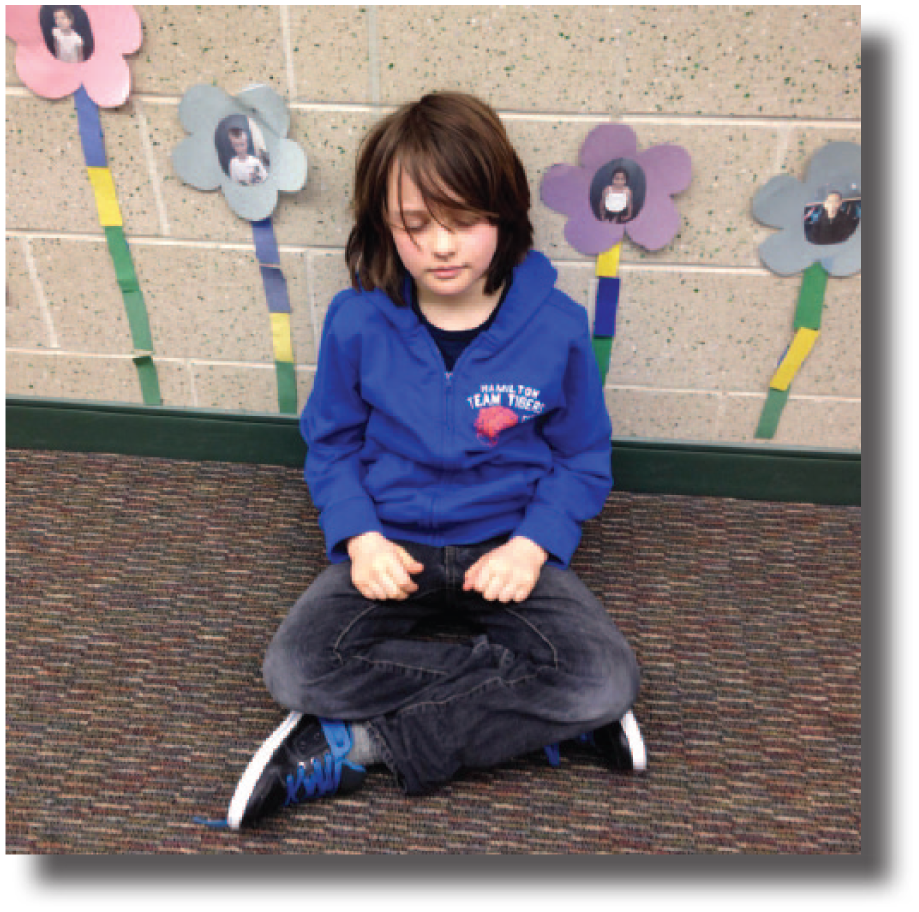
What follows is an exploration of how mindfulness practices can be naturally embedded into existing classroom routines and rituals to support well-being during the early years. Quite simply, mindfulness is being in the moment, which allows for greater awareness of the environment, breath, bodies, and feelings. The Association for Mindfulness in Education (2014) defined mindfulness as “ . . . paying attention here and now with kindness and curiosity. Being mindful reconnects students to their five senses, bringing them into a moment to moment awareness of themselves and their surroundings.” Mindfulness practices can be thought of as deliberate breathing, movement, and meditation that elevate one’s sense of harmony and awareness of the present moment. Early childhood mindfulness practices may include a range of activities such as yoga poses, guided meditation and visualization (while seated or moving), reflective breathing, or specific games designed to support children’s deeper awareness of their own feelings, thoughts, and behaviors. Teaching mindfulness practices such as meditation has been found to change electrical activity in adult brains as measured during electroencephal-ogram (EEG) tests. These changes in the brains of meditation practitioners have been associated with an improved ability to handle conflict (Fan, Tang, Tang, & Posner, 2014). Teaching young children mindfulness practices holds the potential, in essence, to neurologically enhance children’s ability to self-regulate.
Why Mindfulness in Schools? Why Now?
The growing interest in mindfulness has captured the attention of many families, educators, and researchers. This may be due to the immediate and positive outcomes associated with mindfulness activities as well as its accessibility for children across all aspects of diversity (e.g., age, culture, economic, gender, language, learning styles). In the past decade, there has been an increased focus on children’s learning and well-being and the role that mindfulness can play. There is a limited but expanding research base on mindfulness in early childhood education. In a recent study, preschoolers who received daily mindfulness instruction for more than 25 weeks using a version of the YogaKids program demonstrated improved ability to self-regulate (Razza, Bergen-Cico, & Raymond, 2013). Although further research is needed to determine the impact of mindfulness practices on young children, research in older school-age populations demonstrate that these exploratory practices show promising outcomes.
For example, many benefits of mindfulness practices and school-age children have been explored including an elevated sense of well-being (Semple, Lee, Rosa, & Miller, 2009; Semple, Reid, & Miller, 2005), greater ability to focus (Jensen & Kenny, 2004; Napoli, Krech, & Holley, 2005; Peck, Kehle, Bray, & Theodore, 2005), increased relaxation (Jellesma & Cornelis, 2011), and enhanced self-regulation (Flook et al., 2010). Most of the research on mindfulness has been conducted with elementary-age children and adolescents. However, to preserve the well-being of young children (age 8 and younger), an understanding and application of mindfulness practices in early childhood must be explored.
There has also been growing attention on mindfulness practices and students with disabilities. Although mindfulness strategies to promote well-being in children with disabilities has roots in the past (Sumar, 1998; Zipkin, 1985), it was not until recent years that more systematic and evidence-based approaches have been carried out. Although the current knowledge base is generally focused on elementary-age or older students who are typically developing, research continues to explore the role of mindfulness practices and children with disabilities (Jensen & Kenny, 2004; Koenig, Buckley-Reen, & Garg, 2012; Powell, Gilchrist, & Stapley, 2008; Rojas & Chan, 2005; Rosenblatt et al., 2011). There remains an unmet need to investigate mindfulness practices and how they can best be embedded into early childhood classroom environments for all children.
What Is the Promise of Mindfulness Practices for Young Diverse Learners?
As interest grows in how mindfulness practices can be used to enhance child outcomes in education, there is a noticeable dearth of literature in early childhood. Even though more literature on mindfulness practices for young children has become available in recent years, much of the work is from outside the United States (Adair & Bhaskaran, 2010; Capel, 2012; Potter, 2007). Over the past decade, the knowledge base has expanded on young children with disabilities and their well-being with a focus on early self-determination and self-regulation (Erwin et al., 2009; Lee, Palmer, Turnbull, & Wehmeyer, 2006; Palmer et al., 2012; Shogren & Turnbull, 2006; Vieillevoye & Nader-Grosbois, 2008). The connection between mindfulness and enhancing these skills in early childhood is promising. Zelazo and Lyons (2012) noted that “emerging research suggests that age-appropriate mindfulness exercises are feasible for use with young children, even during the preschool period, and that such exercises may foster the healthy development of self-regulation” (p. 63). They noted that some of the mindfulness activities in classrooms include yoga, breathing, and small group activities designed to enhance children’s focus. The Division for Early Childhood of the Council for Exceptional Children (DEC) recommended practitioners engage young children in activities that promote student participation in learning experiences and provide opportunities for “movement and regular physical activity to maintain or improve fitness, wellness, and development” (Division for Early Childhood, 2014, p. 8).
Mindfulness practices as described in this article should be incorporated into the existing framework of established early childhood knowledge, goals, and practices supporting children’s overall health and well-being. For example, the DEC Recommended Practices provide specific guidelines for practitioners “to improve the learning outcomes and promote the development of young children birth to age five” (Division for Early Childhood, 2014, p. 2). Additional guidelines also provide a clear and established framework for shaping early childhood practices such as the Joint Position Statement on Inclusion by the DEC and the National Association for the Education of Young Children (Division for Early Childhood of the Council for Exceptional Children/National Association for the Education of Young Children, 2009) and Pyramid Model for Supporting Social Emotional Competence in Infants and Young Children (CSEFEL, 2014; TACSEI, 2014). Therefore, using existing evidence-based curriculum practices across early childhood routines can serve as a solid foundation for integrating mindfulness on a daily basis.
When considering children representing a range of diversity, practitioners will naturally want to individualize and adapt practices to the specific and changing priorities of their students. Practitioners wishing to incorporate mindfulness practices into their early childhood curriculum and routines can focus their efforts on promoting positive group outcomes such as building classroom community and membership as well as individualized outcomes such as enhancing each child’s self-awareness, confidence, and natural curiosity. Mindfulness practices should be naturally embedded into existing classroom routines and rituals as opposed to being viewed as a once a week special or an add-on or separate activity. When fostering mindfulness activities, practitioners will want to focus on engaging students’ imagination, creativity, and playfulness as opposed to rigid attention to prescribed physical movements. Within an early childhood context, mindfulness can be thought of as an observable sense of engagement and joy during moments of connection with oneself, the environment, materials, or others.
Educators may be interested in learning how to incorporate these practices into naturally occurring routines not only because of the immediate outcomes but the ease and simplicity in which practices can be implemented. Practices such as yoga, relaxation, or deep breathing can be consistently used as part of a daily ritual or classroom routine. For example, educators may find that incorporating mindful stretching before morning meeting or using quiet visualizations after outdoor recess may help young children to maintain their focus and easily shift their energy during transitions. Mindfulness exercises can also be implemented spontaneously because there is no need for advanced preparation or organization and therefore can be practiced anytime and anywhere. These practices can be effectively used with diverse learners because adaptations can be unobtrusive and offered to the entire class.
It is not necessary for educators to focus on a particular yoga tradition or meditation practice when incorporating mindfulness into their classrooms; therefore, this article is designed to introduce a range of accessible and age-appropriate experiences for teachers to use with young children. The strategies described in this article reflect movement-based mindfulness practices and were implemented in inclusive classrooms. They are meant to be adapted and modified for children with diverse learning, emotional and physical abilities, backgrounds, and ages. Educators should consider including goals from a child’s Individualized Family Service Plan (IFSP) or Individualized Education Program (IEP) when designing mindfulness practices for their whole class. As an example, Greg McGrath, who was featured in the opening vignette, worked with the school’s occupational therapist to identify and incorporate mindfulness movement experiences that would not only support the needs of specific students receiving occupational therapy but could also benefit his entire class.
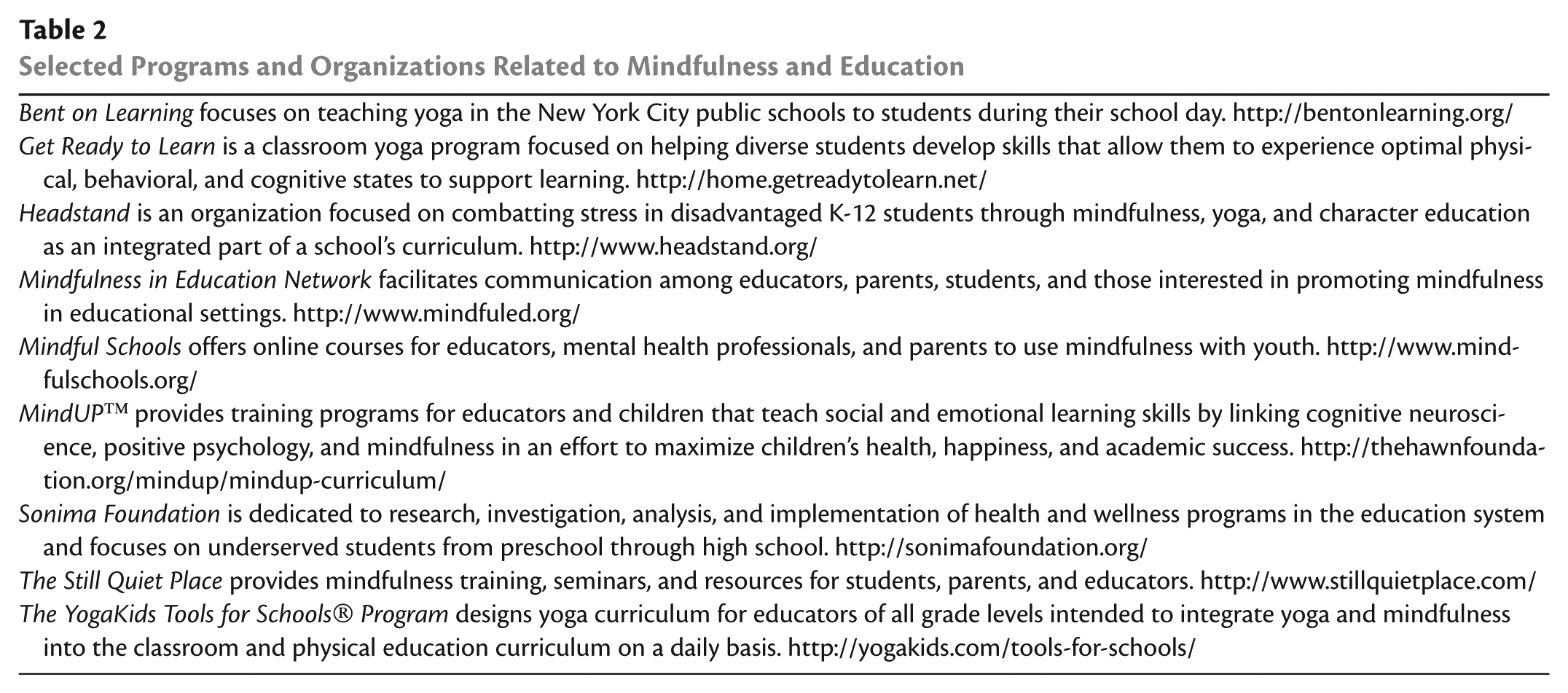
For specific ideas to address the diverse needs of young learners, please refer to Table 1. Practitioners may want to consider developing a consistent mindfulness practice of their own by inviting colleagues to participate in a yoga session during the lunch break or for a 3-min group meditation before school starts. Whether a novice or an experienced mindfulness practitioner, there are many books and resources that can be used to deepen one’s understanding of the benefits and uses of mindfulness practices in education. See Tables 2 and 3 for additional resources.
Simple Mindfulness Practices for Young Learners Across All Aspects of Diversity
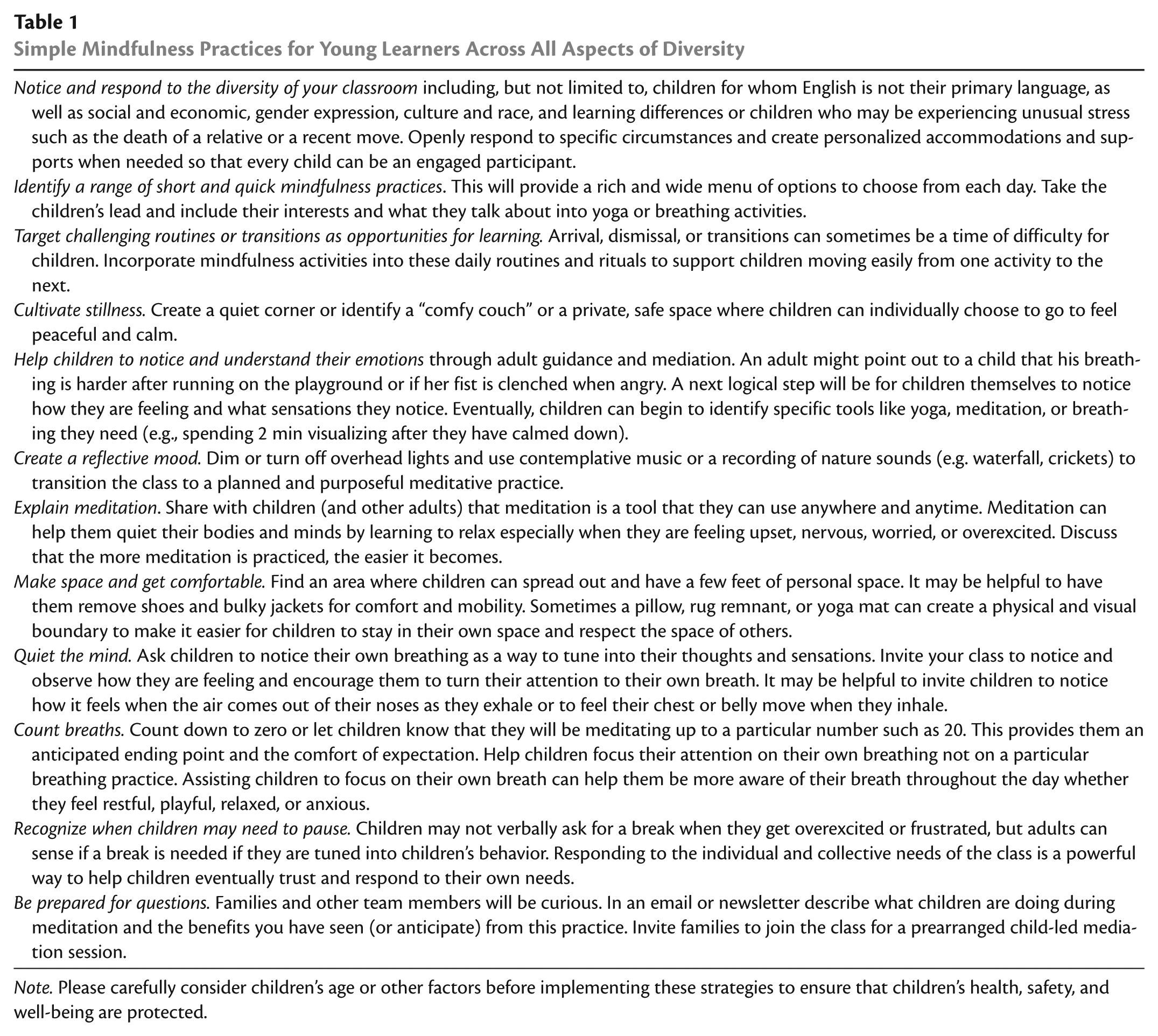
Note. Please carefully consider children’s age or other factors before implementing these strategies to ensure that children’s health, safety, and well-being are protected.
Selected Programs and Organizations Related to Mindfulness and Education
Selected Books and Resources Related to Early Mindfulness for Families and Practitioners

Snapshot of Yoga as a Mindfulness Practice in Early Childhood Education
Ten years ago Corrine Harney, now a 14-year-veteran of early childhood education instruction had been reflecting on how to help her students to achieve better focus when she decided to experiment with incorporating mindfulness practices into her early childhood classroom instruction. She wanted to introduce her young students to the sense of internal stability she felt during her personal yoga practice. As a result, Corrine began to incorporate mindfulness practices into her classroom routines. Corrine realized that the energy she brought to her classroom each day directly influenced the experiences of her students. In other words, her own energy level set the emotional tone of her class.
As I evaluated my teaching practice and my self-awareness increased, I began to recognize that my students could benefit from learning skills often associated with contemplative practices such as yoga, breathing, and meditation. I realized that my students always seemed to focus better when the environment, and I, moved slower.
As Corrine pursued her master’s degree in elementary education and early childhood/teaching students with disabilities, she began systematically incorporating yoga and meditation into her preschool curriculum and daily routine. Yoga is one of many tools practitioners can use to promote a climate of mindfulness in early childhood settings. Yoga is defined in numerous ways around the world but can be simply described as a series of physical poses, breathing, and deep concentration that promotes awareness of the present moment. The term yoga is generally referred to as the union between mind and body. Yoga, therefore, is different from other physical activities that children engage in such as organized sports, jumping jacks, or running because the emphasis in yoga is on integrating both emotional and physical aspects of the experience, not simply the physical act of exercise. Some physical activities (e.g., dancing, riding a bicycle) could be transformed into mindful practices if the practitioner emphasized staying focused in the moment and integrating physical and mental awareness. There are many opportunities to promote mindfulness practices in the early childhood setting; Corrine selected and consistently embedded yoga as one of these practices.
At the time, Corrine’s class was comprised of twenty 4-year-olds and three assistant teachers. The first year Corrine implemented a yoga curriculum there were two students with disabilities in class. Over the years, Corrine had many young students in her class who experienced significant learning challenges (e.g., sensory integration, processing difficulties), which impacted their ability to engage consistently with peers and in the classroom environment. By incorporating yoga into the classroom, Corrine provided her students who represented a range of diverse, multiple opportunities to share in focused, communal, and physical activities. These experiences provided children tools for developing self-awareness and strengthening children’s connection to the classroom community. When working with young children, it is important to keep yoga play-based, open-ended, and imaginative in nature. Similarly it is beneficial to ask children to notice how their bodies feel (e.g., relaxed, calm, happy) or how their breathing changes across the day. Classroom mindfulness practices can be easily modified to include students with a range of abilities and backgrounds. Adaptations, which can be easily made to support the needs of specific students during yoga, include designing partner yoga experiences and adapting a specific pose to address a physical therapy goal. During a seated forward bend, a child may be encouraged to reach and touch her ankles while the rest of the class is touching their toes. Yoga can provide a unique opportunity for children who hold particular fascinations, interests, and areas of expertise (e.g., oceans, animals). For example, a teacher may strategically embed into his curriculum things associated with oceans such as crab, fish, and boat yoga poses.
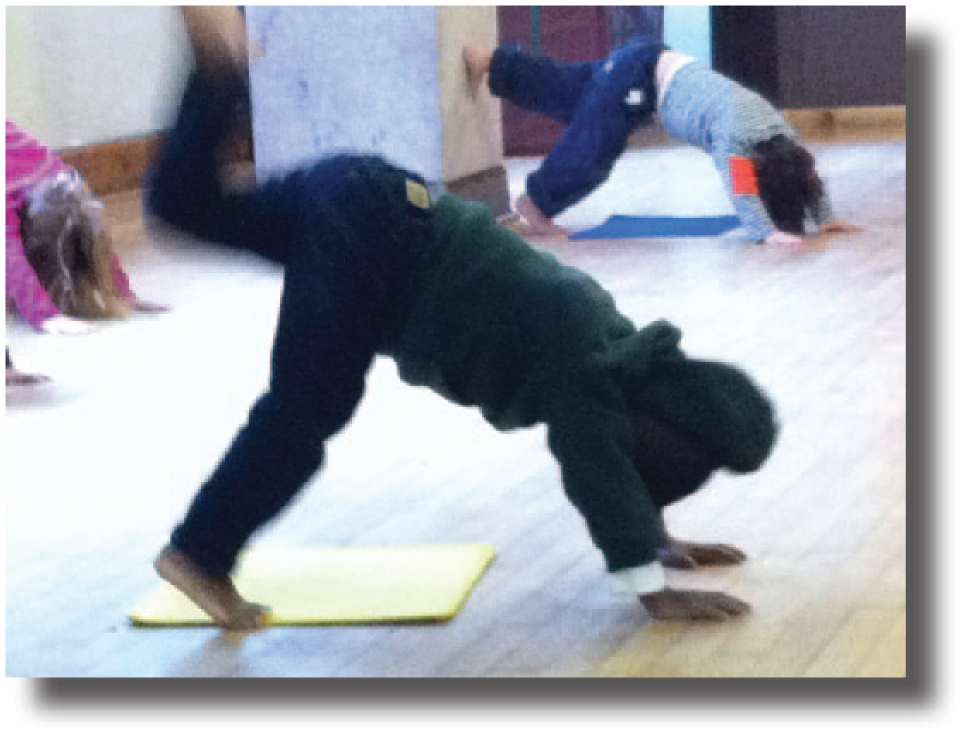
The benefits of mindfulness practices were dramatic and clearly evident for one of Corrine’s students, Jamal. Jamal was a 4-year-old African American boy who was born premature at one and a half pounds. He had previously been at a center and his family was told they could not accommodate his learning, behavioral, and medical needs. Since being at MMO Programs and participating in yoga and related mindfulness activities on a regular basis, Corrine noticed remarkable changes in Jamal. She observed that Jamal was able to master the yoga poses independently, and positive and dramatic outcomes were achieved. For example, he demonstrated increased control of his body in space, enhanced self-confidence, and enhanced self-direction and focus. As a result of incorporating yoga, Corrine observed a greater sense of joy and self-esteem in Jamal than she had seen before.
How Yoga Can be Embedded Into Early Childhood Environments
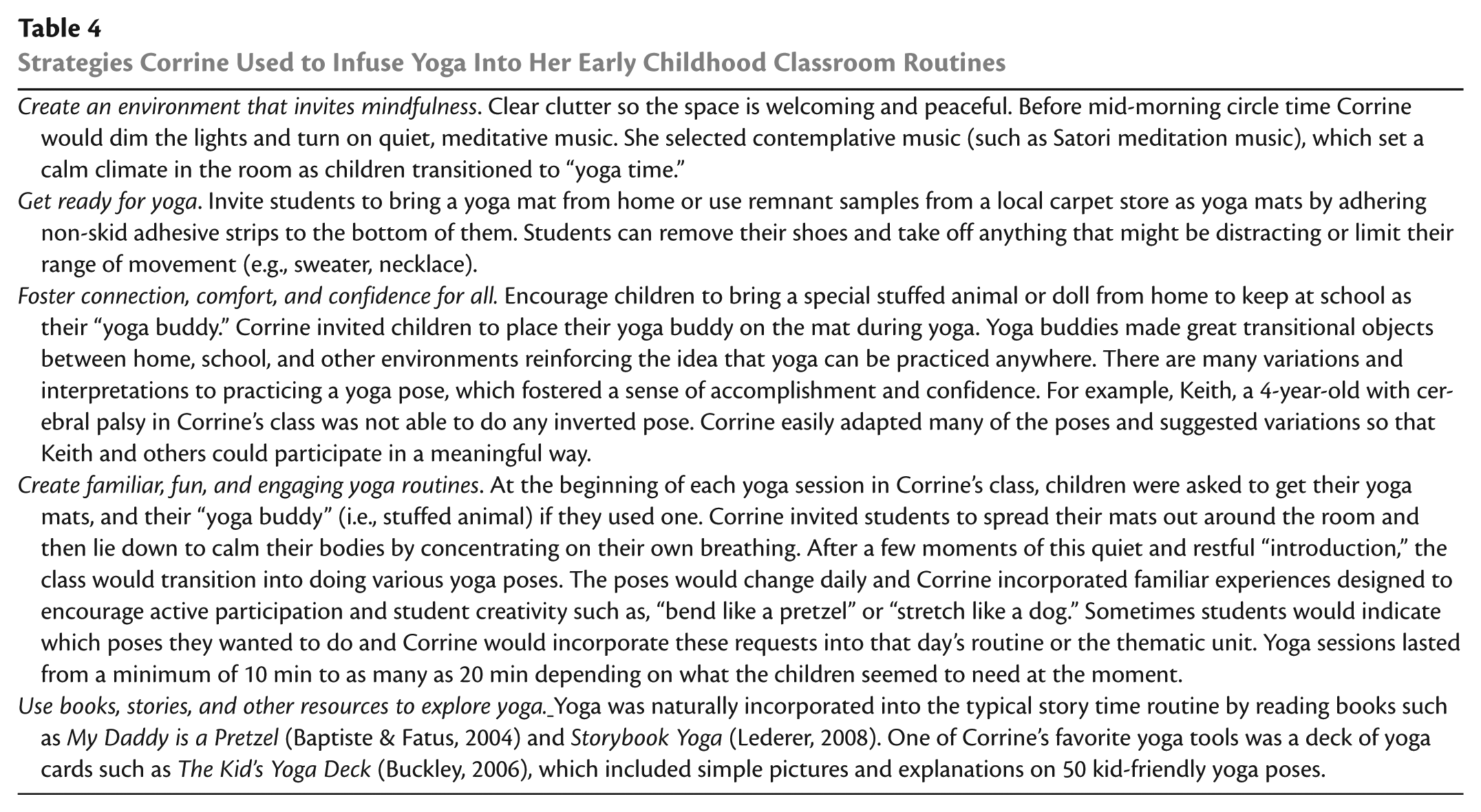
Mindfulness practices by nature can be incorporated into a number of existing classroom experiences whether children are physically active or remain still. Corrine knew her young students loved to dance and engage the environment with their bodies so she believed yoga would be a natural, simple, and fun way to learn mindfulness practices. Although many components such as a healthy diet, adequate rest, and consistent physical activity contribute to children’s overall well-being, Corrine focused specifically on yoga as a method for shaping her students’ ability to improve their health. Table 4 presents strategies Corrine used to embed yoga into her daily classroom routines and rituals.
Strategies Corrine Used to Infuse Yoga Into Her Early Childhood Classroom Routines
Although Corrine incorporated other forms of physical activity (e.g., outdoor recess) into her class’ daily rituals, incorporating yoga produced distinctive results. As yoga became part of the classroom routine, Corrine noticed that her students exhibited increased attentiveness, balance, coordination, and self-regulation. A music instructor, who worked at the school once a week and was unaware of the new yoga curriculum, commented how much more focused and engaged the students were during music instruction and asked what they were doing differently.

Furthermore, children began drawing self-portraits showing themselves engaged in activities such as meditation and yoga. These positive outcomes translated to home as well. Corrine started hearing from students’ families that their children had begun to independently utilize yoga and meditation as tools at home to help them refocus and better regulate their behavior. For example, one mother sought out Corrine to show her a video she had made after she walked in on her daughter practicing yoga privately in her bedroom. Positive outcomes did not just benefit her young students; Corrine and her co-teachers felt more focused, energized, and relaxed throughout the day as well.
Snapshot of a Mindfulness Movement Practice in Elementary Education
Greg McGrath, a transplant from England, is currently employed as a teacher at a public elementary magnet school located in a suburb 15 miles outside New York City. This is the newest school in town and the student population is reflective of the diverse cultural, learning, and economics of its residents. Greg has taught several grades in this school; his classes have generally been comprised of two paraprofessionals and 24 students of which 15% had Individualized Education Plans. Students’ disability categories have included attention deficit hyperactivity disorder, learning disabilities, and social emotional disorder. The families in Greg’s classroom included heads of households who were same-sex, grandparent-led, foster, adopted, single, and married.
Greg graduated with a master’s degree in elementary education and teaching students with disabilities in December of 2011. As a new teacher he became interested in and began researching methods he could use to manage his own stress, increase patience with students, improve classroom management, and support student independence and self-regulation. An avid outdoor enthusiast, Greg was acutely aware that time in which he was actively engaged in outdoor activities (e.g., surfing, paddle boarding, hiking, and climbing) reduced his own stress, refreshed his energy, and increased his ability to focus. Greg found that these outdoor activities resulted in deeper reflection, a sense of calm, and greater self-awareness. Therefore, Greg developed mindfulness activities as part of his first-grade curriculum to provide his students an outlet for physical, emotional, and cognitive release similar to what he experienced during his own cherished outdoor activities. He found these mindfulness activities helpful in transitioning, supporting, and refocusing children’s attention throughout the school day.
How Mindfulness Practices Can be Easily Incorporated Into Classroom Transitions
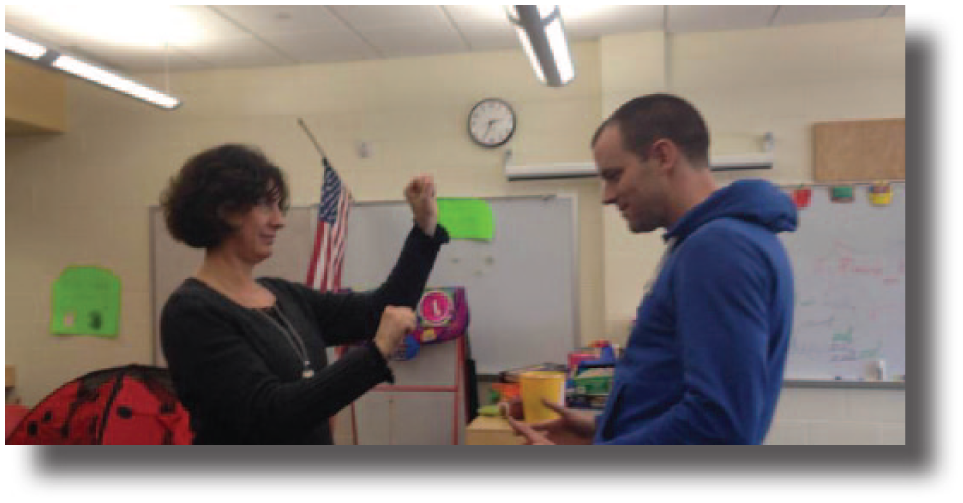
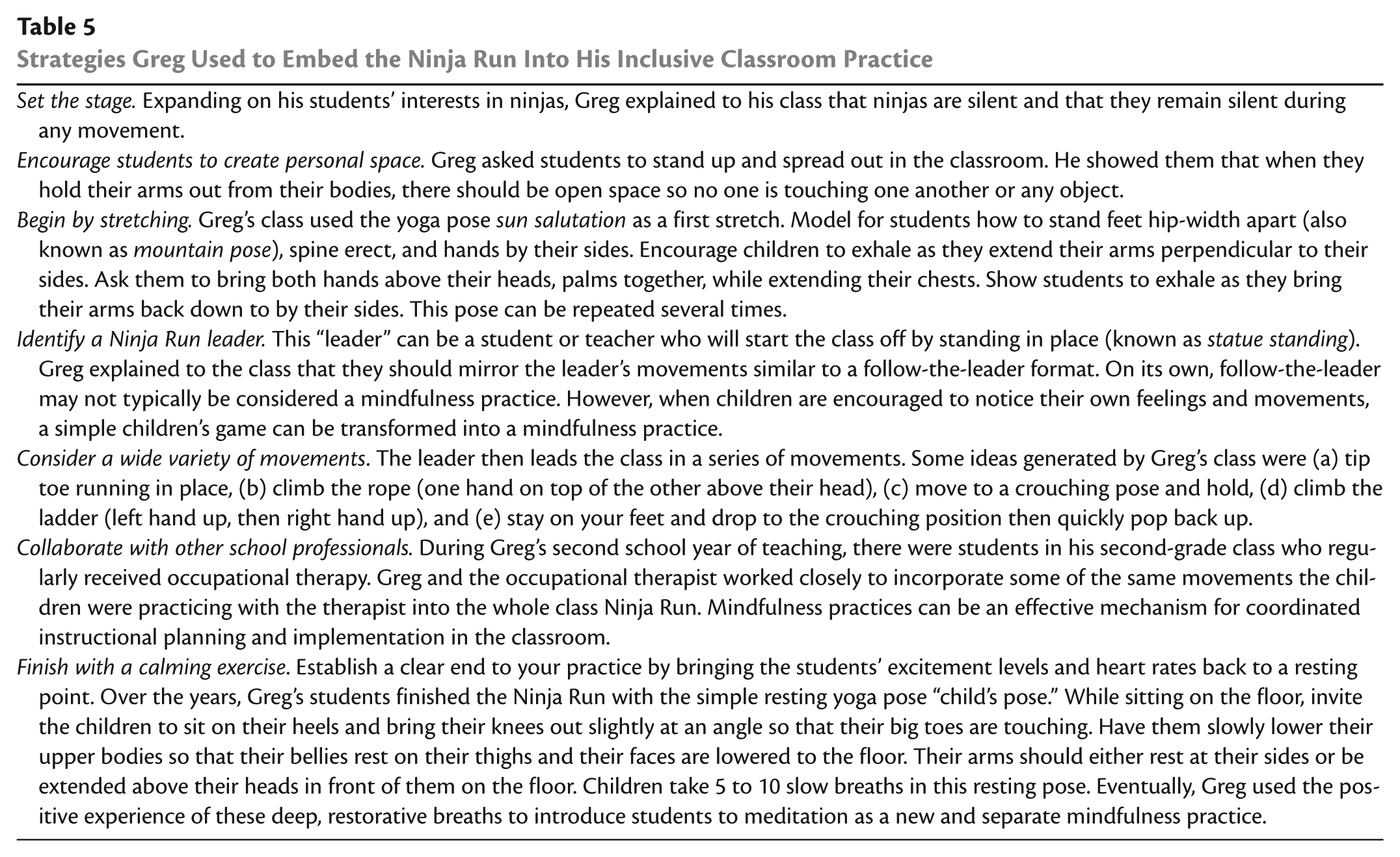
The Ninja Run was designed as a quick, fun, transitional exercise between academic subjects to help younger elementary-age students release pent up energy and provide a much-needed break. Because ninjas are supposed to be silent and in control of their bodies, the name Ninja Run was created by Greg’s students to describe these silent running, jumping, and other large movement activities. This mindfulness practice included 2 min of physical movement, followed by a short calm breathing exercise. This activity can easily be modified to respond to students’ range of physical, cognitive, and learning needs. See Table 5 for the simple, user-friendly steps Greg used with his class to incorporate the Ninja Run into his daily classroom practice.
Strategies Greg Used to Embed the Ninja Run Into His Inclusive Classroom Practice
Before the Ninja Run was introduced to the class, transitions between subjects were chaotic, disruptive, and took more time than needed. Before deliberate mindfulness transition breaks for physical exertion were instituted, Greg noticed that generally students whispered more, requested additional trips to the bathroom, and frequently stumbled or bumped into each other. Group activities were also louder and much less focused. Soon after introducing the Ninja Run, Greg observed that his students exhibited increased self-regulation, greater concentration, and enhanced physical self-awareness. Students gained a sense of calm (which could also be felt within the general classroom climate). In addition, children demonstrated a deeper understanding of their own bodies, moods, and feelings. As a result, students’ self-regulation and self-determination skills increased. For example, throughout the day students became capable of communicating to Greg when they felt the need for more movement or calming activities.
Greg also discovered that classroom disruption decreased as students could articulate their need for physical exertion. As the Ninja Run improved classroom dynamics, Greg began incorporating the Ninja Run into the daily curriculum at least twice daily. On days when outdoor recess was canceled or students were particularly restless, Greg added additional Ninja Runs to help students burn off excess energy and remain focused on their work. Greg calculated that by implementing just one Ninja Run practice, class concentration increased by four additional minutes. As a result, Greg incorporated the Ninja Run five times into his daily classroom routine and observed positive changes in student well-being and learning. In addition, Greg discovered that 20 min per day (i.e., 100 min per week) were “recovered” simply by implementing this mindfulness practice.
Conclusion and Future Directions
Zoe, the second grader, quoted at the beginning of this article, articulated how it feels like to engage in a mindfulness practice. What teacher would not want to help their students to achieve a sense of calm and well-being? Mindfulness in early childhood is becoming a rapidly growing and promising practice because of its simple, play-based, and highly engaging nature. Children with disabilities and other diversity including economic, ability, culture, race, gender identity can easily benefit from mindfulness activities because of its flexible, adaptable, and dynamic qualities.
Mindfulness practices in early childhood education are an emerging field of inquiry. Based on research with youth and adults and the anecdotal experiences of practitioners with young children, mindfulness practices may help young children learn how to self-regulate. Self-regulation is a skill that supports lifelong learning. Activities should be introduced by practitioners within the context of already established age-appropriate, evidence-based practices. Embedding mindfulness experiences as an integral and consistent part of the routine is optimal as opposed to providing a stand-alone experience or once a week routine. Mindfulness activities provide additional opportunities for practitioners to nurture and engage students’ learning both as individuals and as members of their classroom community. Educators can discover that these practices are easy to incorporate into any classroom routine and are effective in building a close-knit classroom community.
School budgets or cramped instructional schedules need not impede the promising practice of mindfulness. At a time when education funds are stretched and severely limited, mindfulness practices are not only economical but also flexible, and can be implemented anytime and anywhere. Likewise, when educators and early elementary students feel trapped in a standardized testing preparation vortex, and the experiences of teaching and learning may feel defined by common core standards, taking a moment to practice mindfulness can better prepare and support classroom communities for learning. These practices can be transformative providing young students simple, positive, and fun tools that can be used throughout their lives.
Perhaps the greatest promise for mindfulness in early childhood is the opportunity to enhance healthy home–school partnerships. This article focused on mindfulness strategies in early childhood classrooms, but they can be easily embedded into home routines. Practitioners will want to share with families the kinds of mindfulness practices or resources that have worked at school. Families may also find the additional resources about mindfulness beneficial as described in Tables 2 and 3. A classroom blog, weekly email, or newsletter can be effective ways to share details about mindfulness practices at school. The purposeful collaboration between practitioners and families can strengthen the home–school partnership and maximize positive outcomes for young children. Mindfulness practices across the classroom and home can enhance the wonder and exploration of young learners while also providing them with the necessary tools they require to remain focused, engaged, and ready to learn.
Footnotes
Authors’ Note
You may reach Elizabeth J. Erwin by e-mail at